
Industrial Decarbonization Solutions for Heat-Intensive Plants: Options and Trade-Offs




Industrial Decarbonization Solutions for Heat-Intensive Plants: Options and Trade-Offs
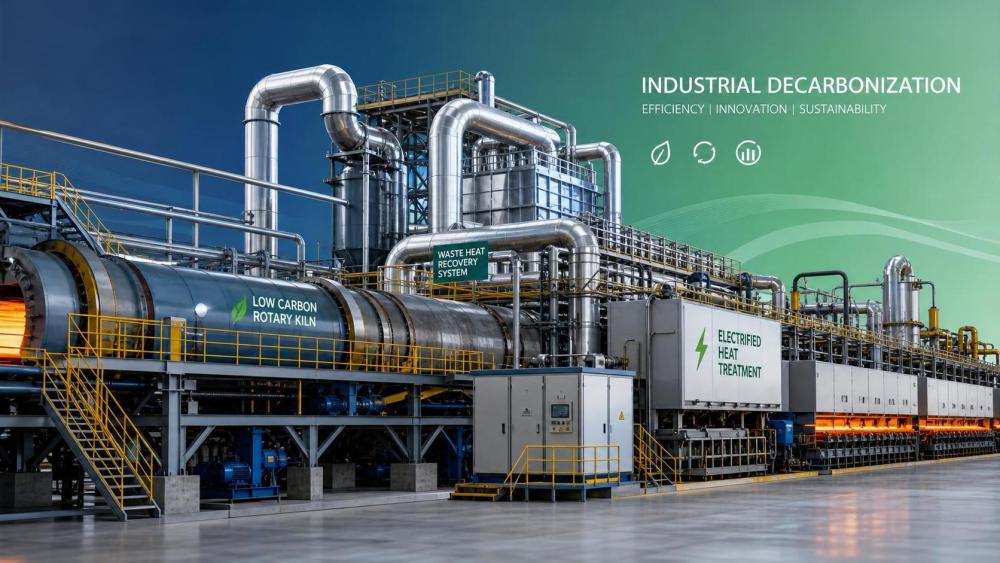
Industrial decarbonization solutions are now a board-level issue for heat-intensive plants.
The challenge is not finding ideas.
The challenge is choosing options that cut carbon without hurting uptime, product quality, or project returns.
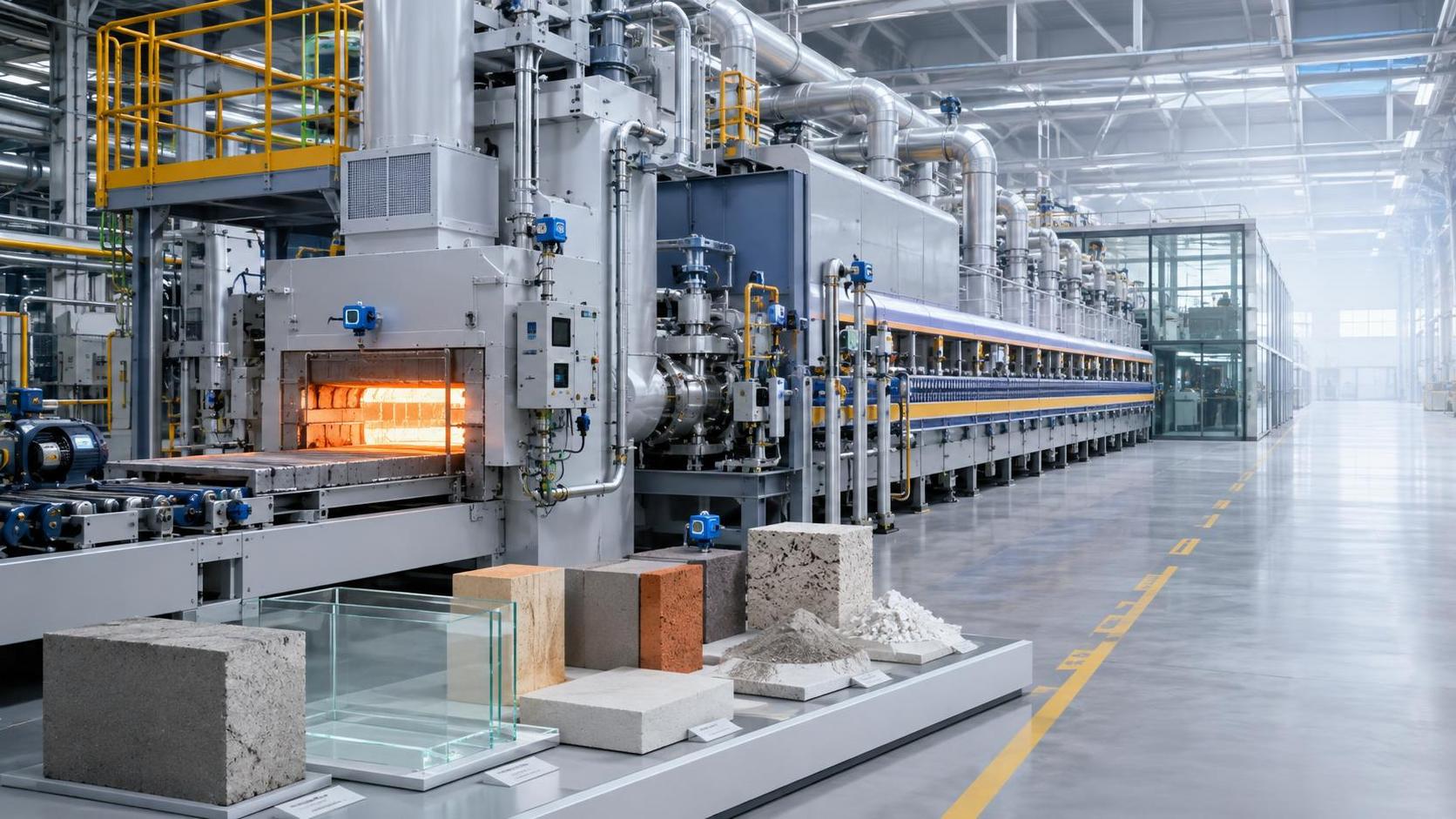
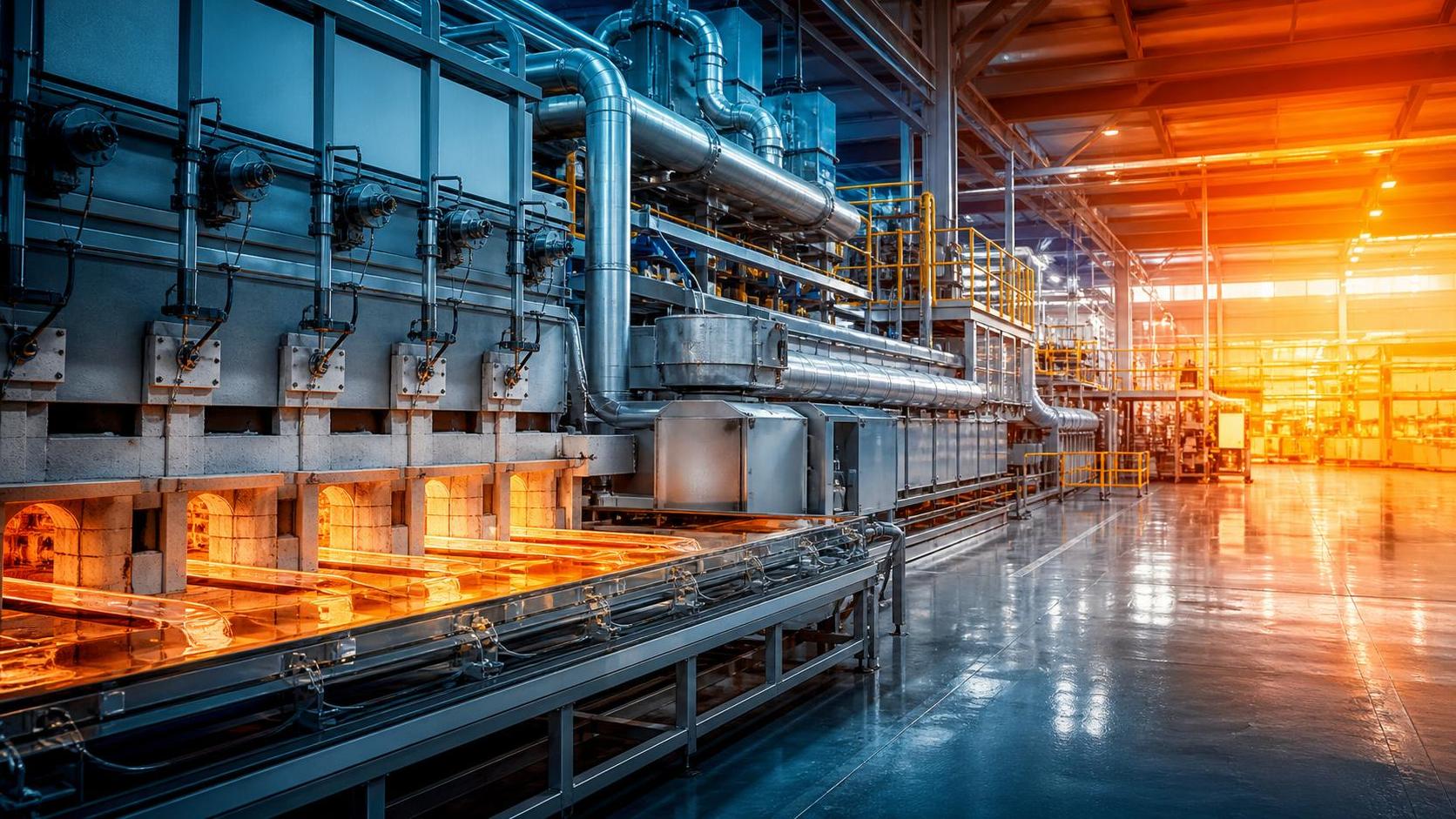
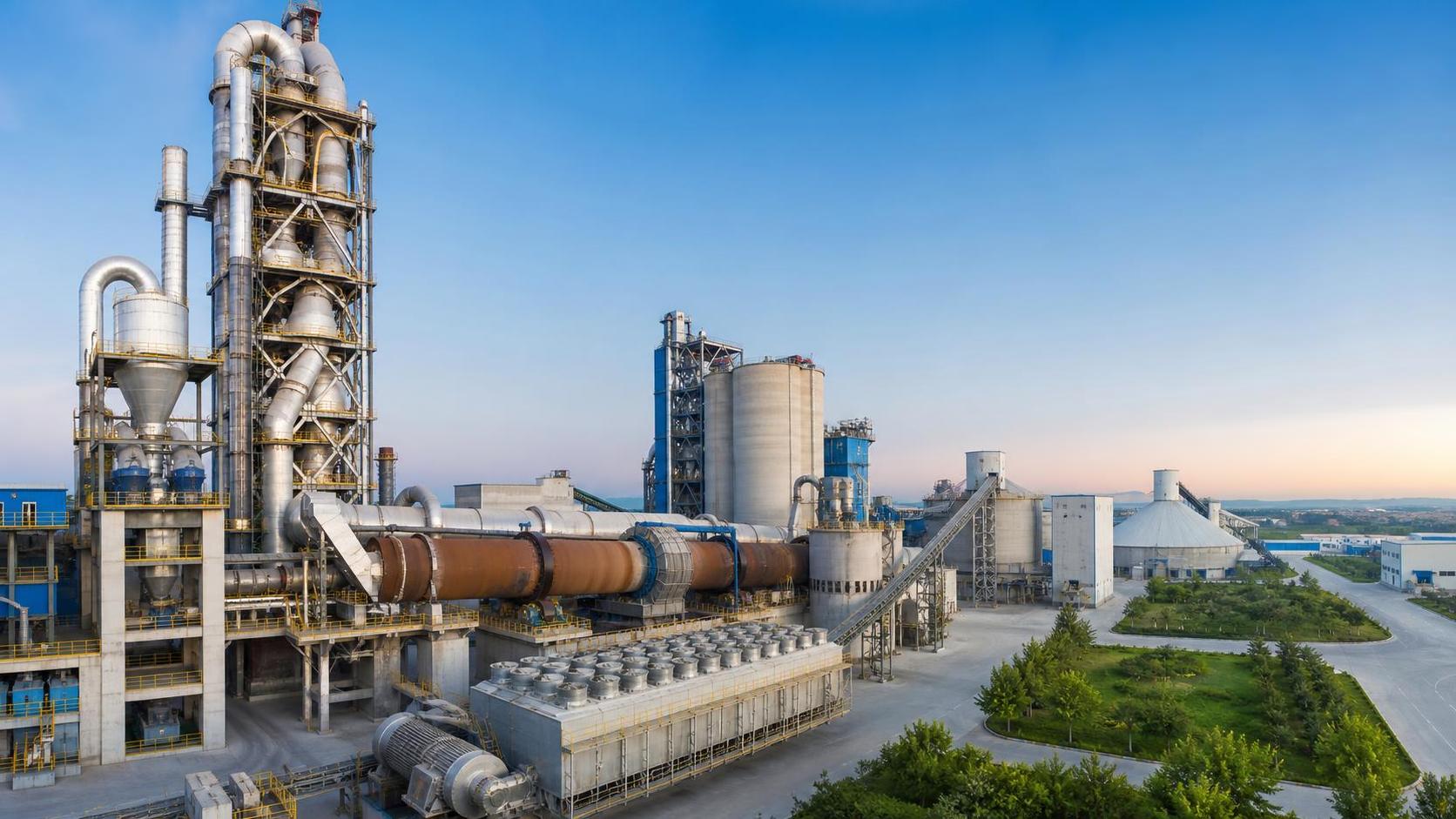
In cement, glass, kilns, incineration, refractory lines, and extrusion systems, thermal demand is continuous and unforgiving.
That is why industrial decarbonization solutions must be judged against process realities, not headline promises.
From a practical standpoint, most plants need a staged pathway.
Low-risk efficiency upgrades often come first.
Fuel switching, waste heat recovery, electrification, and carbon capture usually follow at different speeds.
The right sequence depends on fuel availability, grid strength, asset age, product specs, and local regulation.
For operations tracked by CF-Elite, the signal is clear.
The winning industrial decarbonization solutions are integrated, measurable, and designed around thermal process constraints.
Start with the Emissions and Heat Map
Before selecting technology, map carbon sources by temperature band, fuel type, and operating profile.
This sounds basic, but many projects still skip it.
In heat-intensive plants, not all emissions are equal.
Some come from combustion.
Others are process-related, such as calcination in cement.
That distinction changes the solution set immediately.
- Quantify direct fuel emissions by line, shift, and product mix.
- Separate process emissions from energy emissions.
- Identify heat sinks below, between, and above critical temperature ranges.
- Measure variability, because unstable loads weaken many decarbonization investments.
- Link carbon baselines to throughput, quality losses, and maintenance history.
This early diagnostic step makes industrial decarbonization solutions more bankable.
It also avoids retrofits that look good on paper but underperform in continuous production.
Option 1: Efficiency and Digital Optimization First
The fastest industrial decarbonization solutions usually begin with efficiency.
That may sound conservative, but it often unlocks the best returns.
Air leakage control, burner tuning, refractory upgrades, insulation improvement, and combustion balancing can deliver meaningful gains.
Digital tools strengthen these gains further.
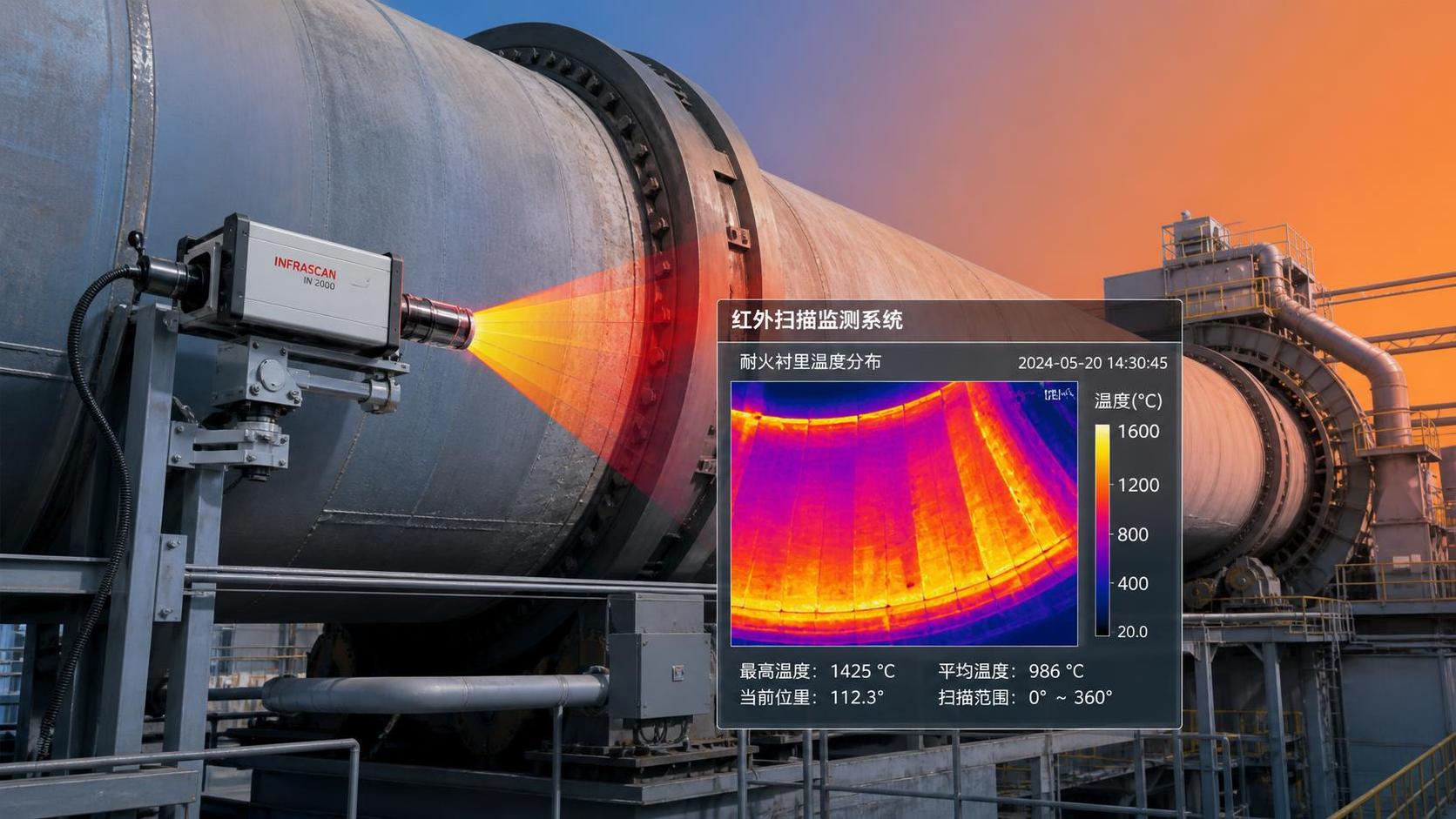
Advanced process control, online monitoring, and digital twins help operators reduce thermal drift and fuel waste.
In practical terms, this route offers four advantages.
- Lower capital intensity than major equipment replacement.
- Shorter shutdown windows during installation.
- Better data for later fuel or electrification decisions.
- Improved process stability, which protects product consistency.
The trade-off is equally clear.
Efficiency-led industrial decarbonization solutions rarely deliver deep decarbonization alone.
They reduce energy use, but they do not remove structural carbon from high-temperature processes.
Still, for many existing plants, this is the strongest first move.
Option 2: Fuel Switching and Alternative Thermal Inputs
Fuel switching remains one of the most discussed industrial decarbonization solutions.
Natural gas, biomass, refuse-derived fuel, biogas, syngas, and hydrogen blends each offer a different carbon profile.
Yet the best option depends on flame characteristics, ash content, heat value, and supply reliability.
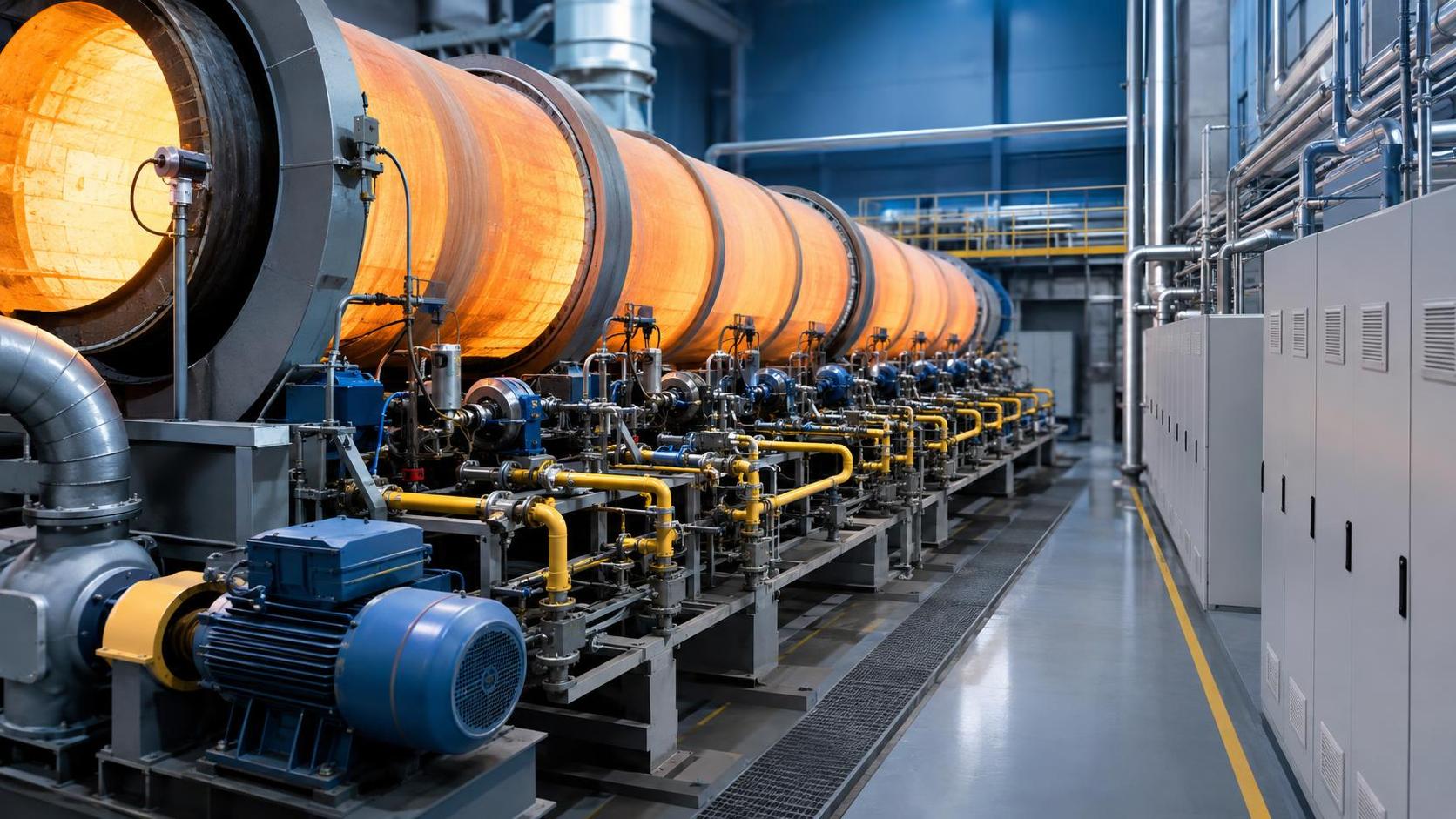
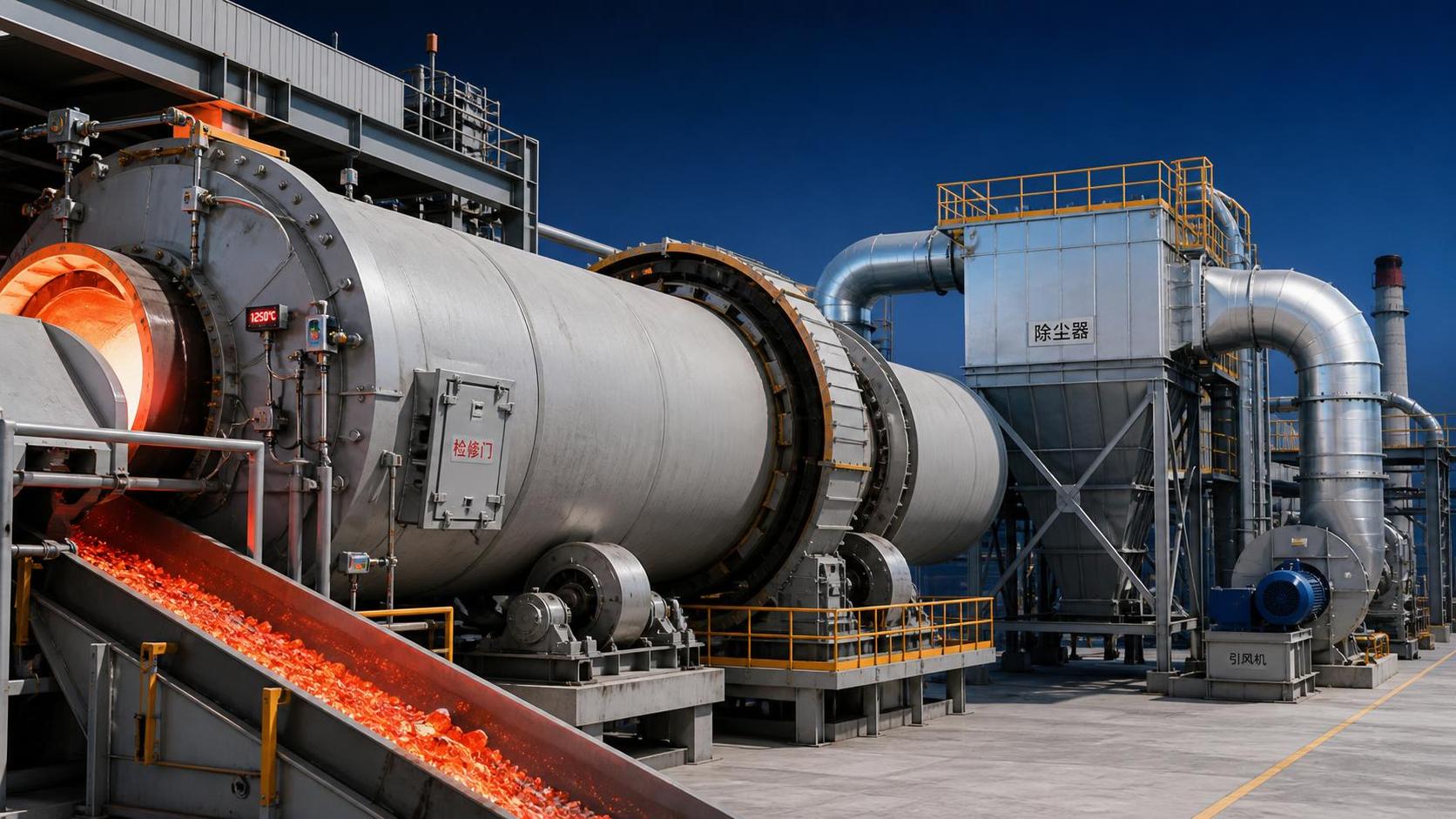
For rotary kilns and incineration assets, co-processing can reduce fossil use while supporting circularity goals.
For glass lines and specialty extrusion, tighter quality tolerances may limit fuel flexibility.
That is where project evaluation gets more nuanced.
- Biomass can lower net carbon, but supply quality is uneven.
- Alternative fuels can cut costs, but may increase corrosion or residue risks.
- Hydrogen supports low-carbon heat, but burner redesign and storage complexity are significant.
- Gas conversion is simpler in some plants, but long-term gas price risk remains.
So the trade-off is not only carbon versus cost.
It is also fuel flexibility versus thermal control.
Well-designed industrial decarbonization solutions must preserve clinker quality, glass chemistry, refractory life, or waste destruction efficiency.
Option 3: Waste Heat Recovery and Energy Integration
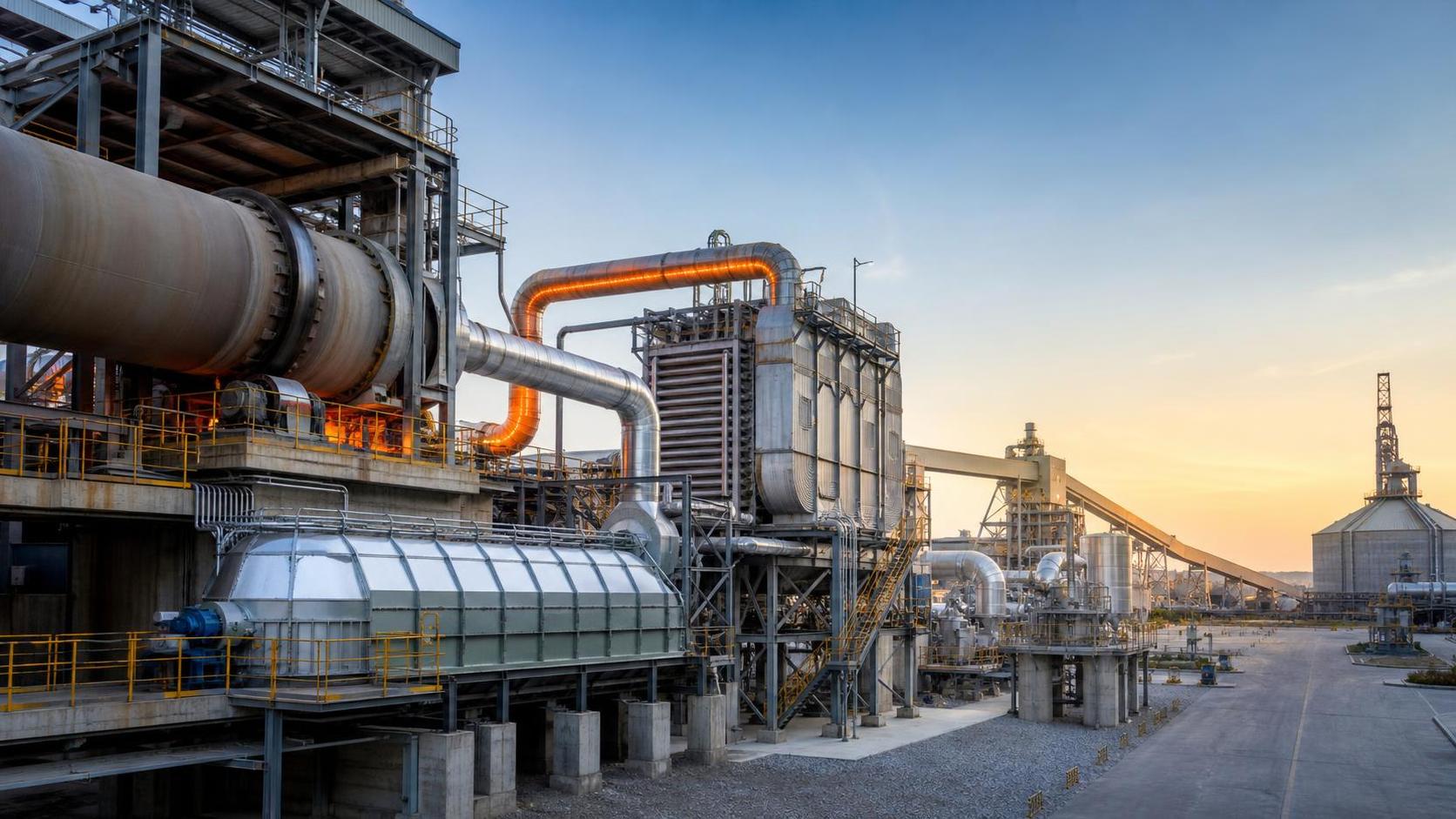
Waste heat recovery is one of the most proven industrial decarbonization solutions for thermal plants.
Many lines already reject usable energy through exhaust gases, cooler vents, or hot surfaces.
Recovering that heat can lower purchased energy and reduce total emissions intensity.
The strongest applications include preheating combustion air, drying raw materials, generating steam, or producing power through ORC systems.
Recent project trends show a shift from isolated heat recovery to full energy integration.
That means matching every waste heat source to the best internal demand.
Among industrial decarbonization solutions, waste heat recovery performs best where load is stable and maintenance discipline is strong.
It becomes less attractive when production rates swing heavily or contamination is severe.
Option 4: Electrification for Selected Heat Duties
Electrification is gaining momentum in industrial decarbonization solutions, especially where grids are cleaner and more reliable.
Still, full electrification is not realistic for every high-temperature process today.
The smarter approach is selective electrification.
Use electric heating where it improves control, supports lower temperature duties, or fits batch and specialty operations.
Examples include electric boosters, hybrid melters, electric dryers, and induction-based auxiliary systems.
The upside is precise heat delivery and lower on-site combustion emissions.
The downside is often hidden in infrastructure.
- Grid upgrades may be costly or slow.
- Peak power charges can weaken project economics.
- Backup planning becomes critical during outages.
- Carbon benefit depends on the actual electricity mix.
In short, electrification works best as part of a broader portfolio of industrial decarbonization solutions.
It is rarely a universal answer for continuous, ultra-high temperature assets.
Option 5: Carbon Capture for Hard-to-Abate Processes
For plants with unavoidable process emissions, carbon capture is becoming one of the few deep industrial decarbonization solutions available.
This is especially relevant in cement and certain waste treatment applications.
The strategic case is strong when other options have already been exhausted.
However, the trade-offs are substantial.
Capture systems increase energy demand, need space, and require transport or utilization pathways for CO2.
In real projects, these issues often matter more than the capture unit itself.
That is why carbon capture should be screened through a full project lens.
- Check flue gas quality and consistency.
- Estimate extra power and steam requirements.
- Assess site layout and tie-in feasibility.
- Confirm policy support, carbon pricing, or offtake economics.
Among industrial decarbonization solutions, this is one of the most capital-heavy routes.
But for hard-to-abate assets, it may become central to long-term compliance and asset survival.
How to Choose the Right Portfolio
The best industrial decarbonization solutions are rarely selected one by one.
They are combined into a portfolio that matches plant constraints and investment cycles.
A useful decision framework includes five filters.
- Carbon impact: absolute reduction and intensity reduction.
- Operational fit: effects on heat balance, stability, and quality.
- Capital profile: upfront cost, payback horizon, and shutdown needs.
- Infrastructure readiness: fuel, power, utilities, and logistics.
- Strategic resilience: regulation exposure and future retrofit flexibility.
This is where many programs succeed or fail.
A technically elegant option can still be the wrong one if it creates outage risk or locks the site into fragile supply chains.
On the other hand, modest industrial decarbonization solutions can build momentum when they create savings and operational confidence early.
A Practical Path Forward
For most heat-intensive plants, the practical path is staged rather than dramatic.
First, stabilize operations and reduce avoidable energy losses.
Next, evaluate fuel switching and waste heat recovery against site conditions.
Then apply selective electrification where it improves controllability and carbon performance.
Finally, consider carbon capture where process emissions remain stubbornly high.
That sequence keeps industrial decarbonization solutions grounded in operational reality.
It also supports smarter capital allocation across long-life thermal assets.
CF-Elite continues to track this transition across cement production plants, glass manufacturing gear, industrial kilns, incineration systems, refractory production lines, and new building material extrusion.
The clearest lesson is simple.
The most effective industrial decarbonization solutions are not the loudest.
They are the ones that reduce emissions, protect thermal performance, and strengthen asset value over time.
When decisions are made that way, decarbonization becomes a durable operating strategy, not a one-time response.
Related News
 Thermal Energy ArchitectHow to Evaluate a Thermal Energy Optimization Company for High-Temperature PlantsChoose a thermal energy optimization company with proven process expertise, measurable savings, and reliable delivery for high-temperature plants. Learn what to assess.Sep 15, 2026
 Thermal Energy ArchitectRotary Kiln Efficiency: How Feed Rate, Fuel Use, and Heat Loss Affect OutputRotary kiln efficiency explained: discover how feed rate, fuel use, heat loss, combustion, and cooling performance shape output, quality, and energy costs.Sep 14, 2026
 Thermal Energy ArchitectHow to Select Heat-Resistant Materials That Maintain Abrasion Resistance in KilnsHeat-resistant materials abrasion resistance: learn how to select kiln linings that withstand heat, wear, thermal cycling, and chemical attack for longer service life.Sep 13, 2026
 Thermal Energy ArchitectHow Rotary Kiln Automation Improves Temperature Control and Fuel EfficiencyRotary kiln technology automation enhances temperature control, stabilizes combustion, and improves fuel efficiency with smarter data, predictive control, and safer operations.Sep 12, 2026
 Silicate Process EngineerCement Plant Emission Control: Selecting Systems for Dust, NOx, and SO2 LimitsCement plant emission control guide: compare dust collectors, NOx reduction, and SO2 systems for reliable compliance across kiln modes, fuel changes, and operating upsets.Sep 11, 2026
 Thermal Energy ArchitectSelecting Abrasion-Resistant High-Temperature Materials for Kiln and Conveyor Wear ZonesHigh-temp material engineering guide to abrasion-resistant kiln and conveyor solutions—match wear, heat, chemistry, and installation design for longer service life.Sep 10, 2026
 Dr. Alistair VaughnIndustrial Process Engineering: How to Map Processes for Safer, More Efficient PlantsIndustrial process engineering reveals bottlenecks, safety risks, and energy losses through practical process mapping for safer, more efficient plants.Sep 09, 2026
 Optical Glass Tech FellowHow to Evaluate a Glass Annealing Equipment Manufacturer for Production StabilityChoose a glass annealing equipment manufacturer with proven thermal uniformity, reliable controls, lifecycle value, and responsive service for stable production.Sep 08, 2026
 Prof. Marcus ChenThermal Energy Architecture in North America: Strategies for Lower Building Energy UseThermal energy architecture North America helps project leaders cut building energy use through stronger envelopes, right-sized HVAC, storage, and smart commissioning.Sep 07, 2026
 Ms. Elena RodriguezHow Should Buyers Evaluate Building Material Industry Intelligence Pricing?Building material industry intelligence pricing: learn how to compare coverage, technical depth, and ROI to choose intelligence that reduces procurement risk.Sep 07, 2026
 Ms. Elena RodriguezHow to Use Building Material Intelligence Data for Market and Investment DecisionsBuilding material industry intelligence data helps leaders evaluate demand, costs, regulation, capacity, and technology to make smarter market and investment decisions.Sep 05, 2026
 Thermal Energy ArchitectHow PLC Control Improves Energy Efficiency and Temperature Stability in KilnsEnergy efficient kilns PLC control improves temperature stability, cuts fuel waste, and optimizes combustion, draft, and material flow. Explore proven strategies for smarter kiln modernization.Sep 04, 2026
 Optical Glass Tech FellowEuropean Glass Melting Processes: Furnace Choices, Energy Use, and Quality ControlGlass melting process Europe: explore furnace choices, energy efficiency, cullet strategy, and quality control to improve output, compliance, and long-term glass performance.Sep 03, 2026
 Thermal Energy ArchitectWhat Determines Refractory Lining Monitoring Price for Industrial Kilns?Refractory lining monitoring price depends on kiln size, sensor technology, installation, software, and support. Compare total lifecycle costs and choose the right solution.Sep 02, 2026
 Silicate Process EngineerCement Production System Costs: A Plant Buyer’s Guide to Budgeting and ROICement production systems cost planning made clear: compare CAPEX, operating costs, compliance, and ROI to build a resilient, profitable cement plant investment.Sep 01, 2026
 Dr. Alistair VaughnWhat Should a Process Technology Database Track for High-Temperature Plants?Process technology database essentials for high-temperature plants: track thermal profiles, feed chemistry, refractory wear, emissions, energy, and maintenance for safer, data-driven decisions.Aug 31, 2026
 Ms. Elena RodriguezHow to Evaluate a Silicate Processing Equipment Manufacturer for Plant ProjectsSilicate processing equipment manufacturer selection: assess process fit, guarantees, energy, compliance, delivery risk, and lifecycle support for dependable plant performance.Aug 30, 2026
 Dr. Alistair VaughnHow to Specify Custom Agricultural Processing Equipment for Throughput and HygieneEquipment customization services for agricultural processing: learn to specify hygienic, high-throughput lines that improve yield, reliability, and long-term efficiency.Aug 29, 2026
 Dr. Alistair VaughnHow to Select Process Plant Equipment for High-Temperature, Abrasive Production LinesProcess plant equipment selection for high-temperature, abrasive lines: reduce downtime, improve durability, and optimize lifecycle performance.Aug 28, 2026
 Silicate Process EngineerHow Kiln Heat Recovery Systems Cut Fuel Use in Cement and Lime ProductionKiln heat recovery helps cement and lime plants cut fuel use, improve thermal stability, and build practical, reliable decarbonization strategies.Aug 27, 2026



Related News
- 00
0000-00
Thermal Energy Architecture in North America: Strategies for Lower Building Energy Use - 00
0000-00
How to Evaluate a Green Material Production Line for Energy Use, Output, and Product Quality - 00
0000-00
Silicate Technology Trends: What New Process Upgrades Matter for Refractory and Cement Plants? - 00
0000-00
Thermal Engineering Optimization: Which Process Parameters Most Affect Energy Use? - 00
0000-00
Material Extrusion Technology in Europe: Which Materials and Production Goals Fit Best?
Weekly Insights
Stay ahead with our curated technology reports delivered every Monday.