
How to Evaluate an Energy Efficient Tunnel Kiln for Lower Fuel Costs and Stable Output




Choosing an energy efficient tunnel kiln looks simple when proposals highlight fuel consumption per ton. In practice, that number means little without production context, firing stability, and thermal balance.
A kiln that saves fuel on paper can still raise total cost through uneven temperature, unstable output, higher reject rates, or difficult maintenance. That is why evaluation must connect energy use with product consistency.
Across ceramics, refractories, building materials, and thermal processing lines, this issue now sits closer to the center of capital decisions. Fuel volatility, carbon pressure, and tighter quality windows have changed the benchmark.
From the perspective of CF-Elite, where kiln systems are read alongside silicate chemistry, heat transfer, and decarbonization strategy, the best assessment is never isolated. It links combustion, insulation, material flow, and plant economics.
What an energy efficient tunnel kiln really needs to deliver
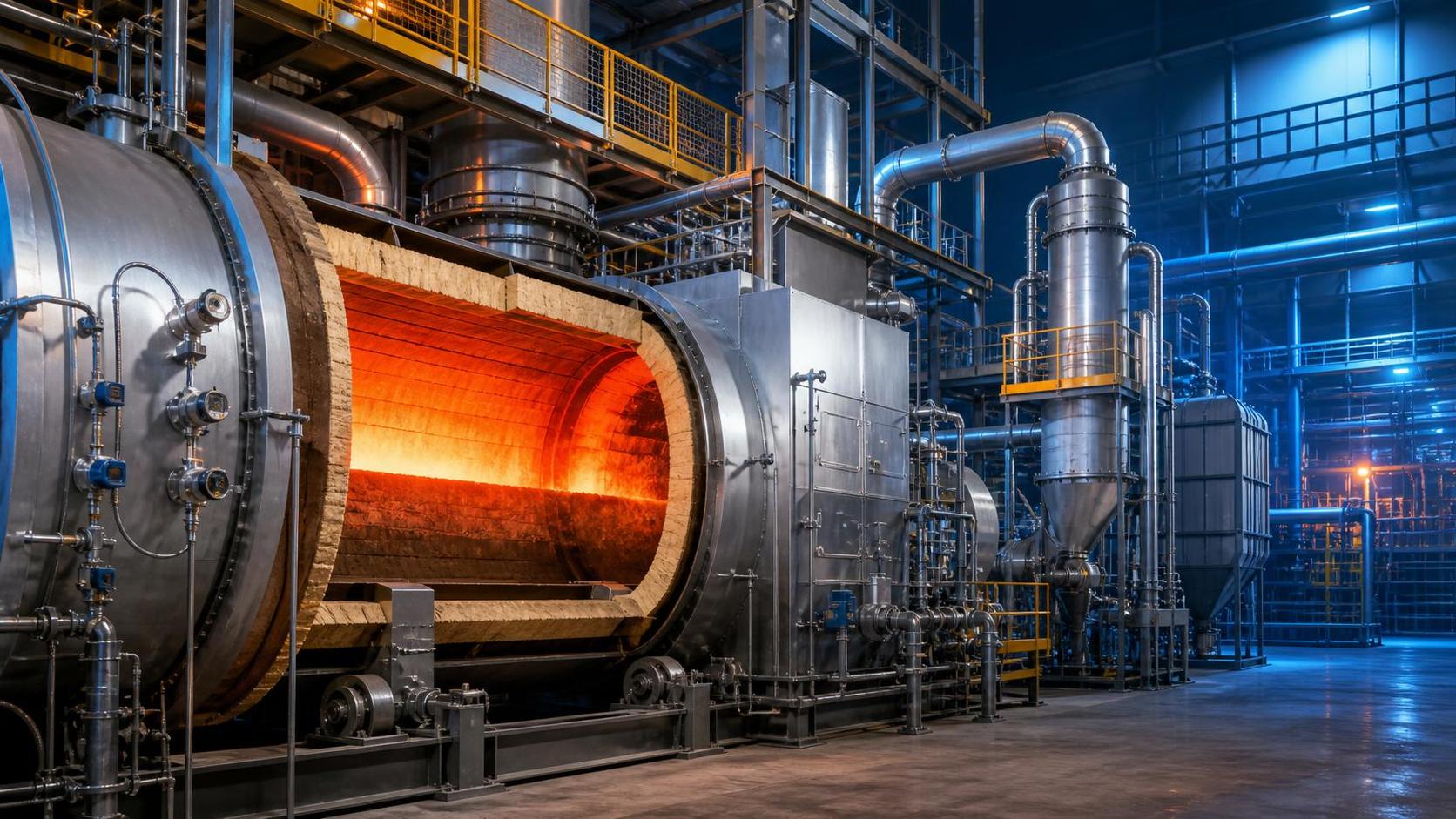
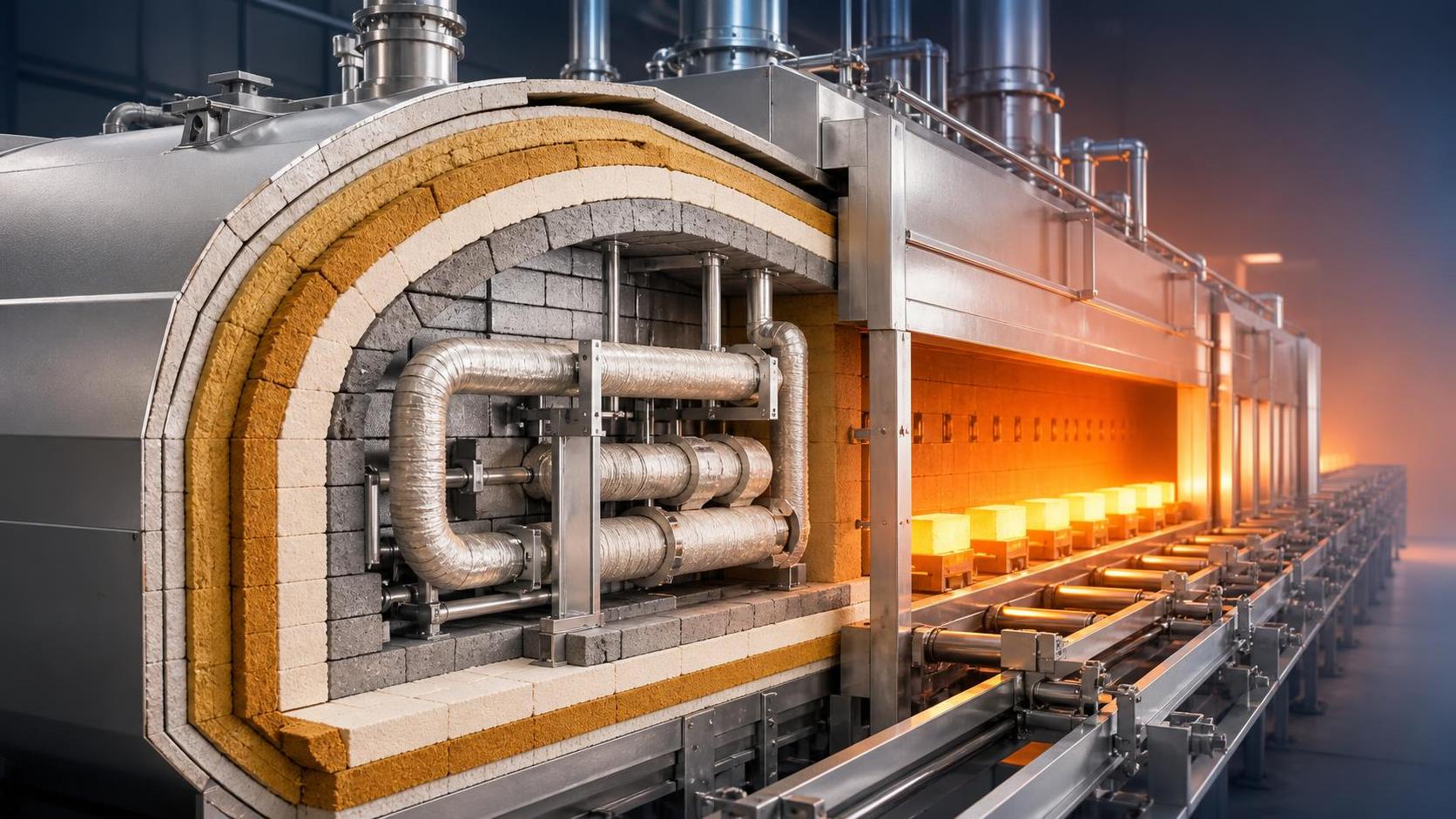
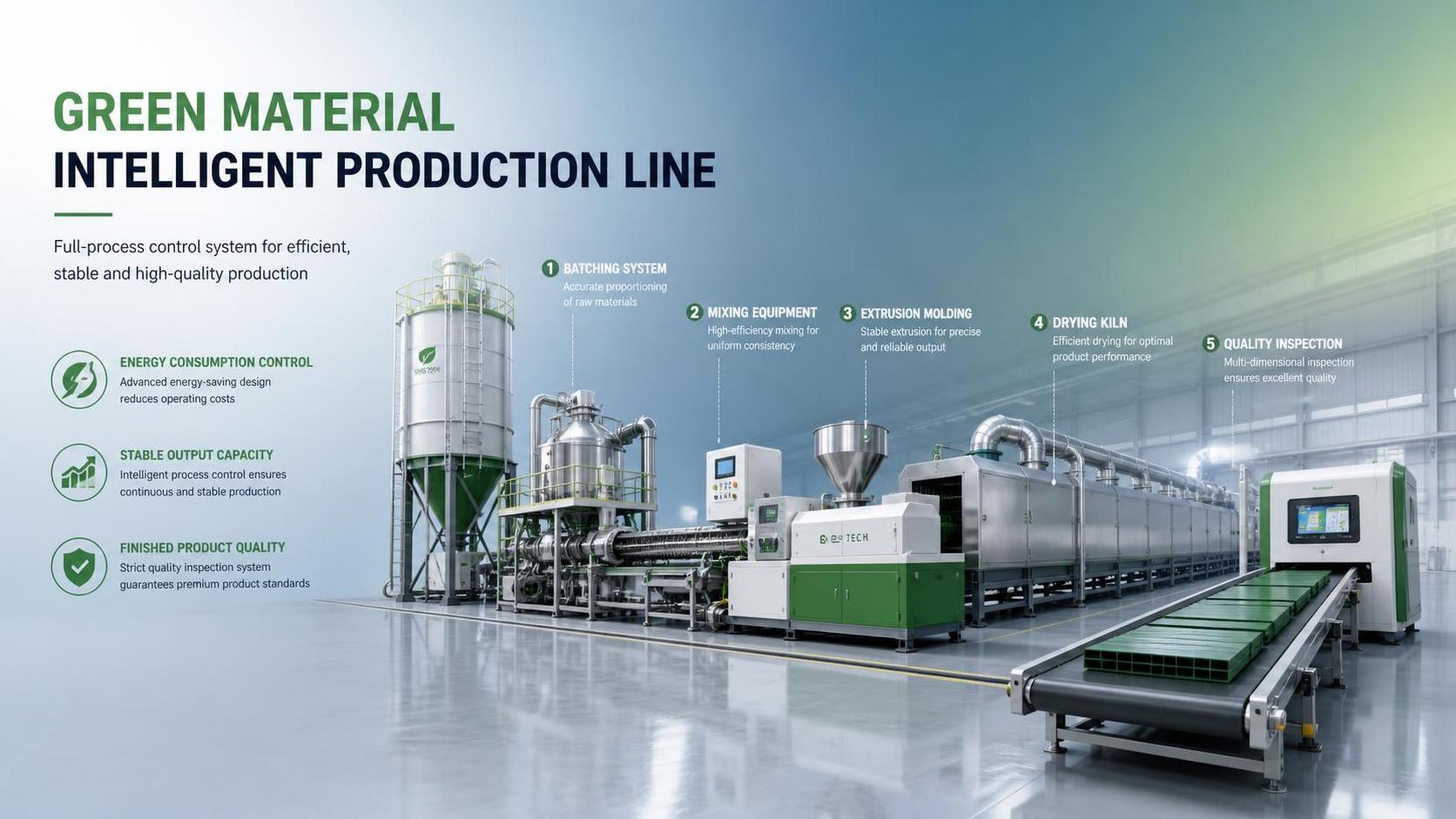
The image below relates to the thermal zones and heat flow paths that usually define kiln performance.
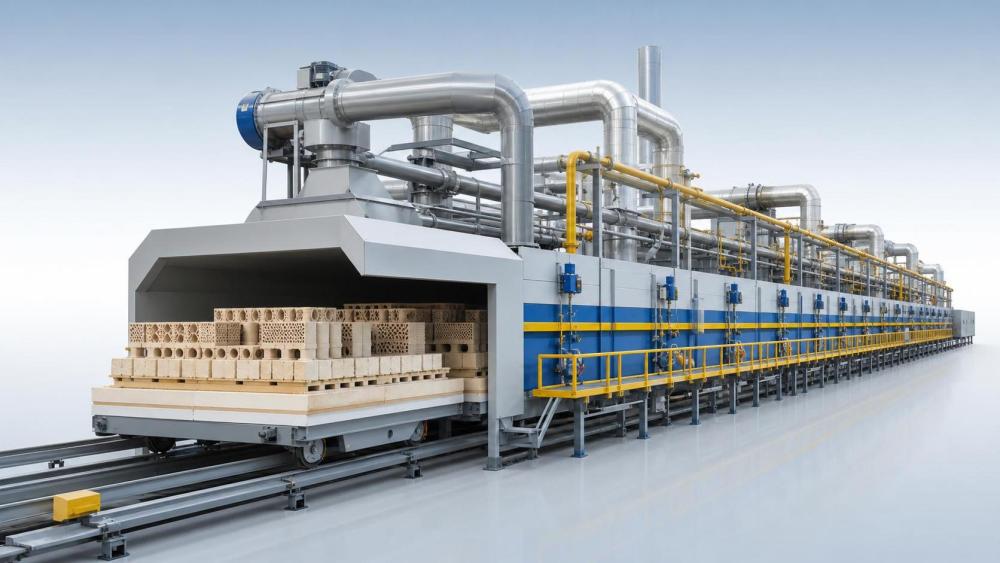
An energy efficient tunnel kiln is not only a kiln with low burner demand. It is a system that converts fuel into useful firing work with minimal loss and predictable control.
That means the preheating, firing, and cooling zones must operate as a connected thermal circuit. Waste heat recovery, air distribution, and pressure control matter as much as burner nameplate data.
Stable output is part of the same definition. If throughput falls whenever fuel use is optimized, the kiln is not truly efficient in business terms.
The most useful starting question is simple: how much saleable product leaves the tunnel under steady thermal conditions, and at what net fuel cost over a long operating cycle?
Why this evaluation matters more now
In heavy thermal industries, energy has become a design variable rather than a background expense. A few percentage points in fuel efficiency can reshape line economics over several years.
At the same time, downstream markets expect tighter dimensional accuracy, controlled color, and fewer firing defects. The kiln must therefore support both decarbonization and quality assurance.
This is especially relevant in sectors tracked by CF-Elite. Refractory producers need repeatable mineral phase development. New building material lines need cost discipline at scale. Industrial kiln operators need recoverable heat and durable lining life.
An energy efficient tunnel kiln sits at the intersection of those demands. It is no longer enough to ask whether the kiln can fire. The more important issue is how consistently it can fire under changing operating pressure.
The first screen: thermal uniformity and firing stability
Thermal uniformity should be one of the earliest evaluation filters. Temperature spread across kiln width, height, and length directly affects product quality and fuel consumption.
A kiln may show low average fuel use while hiding hot spots, cold edges, or unstable soaking conditions. Those imbalances often appear later as warpage, incomplete sintering, color variation, or microcracking.
Useful evidence includes thermocouple mapping, historical trend data, and actual product results at rated load. Simulated heat curves are informative, but operating records are more valuable.
What to check in practice
- Temperature deviation between parallel positions in the firing zone
- Stability of peak temperature during long production runs
- Pressure control between zones and at kiln entrances
- Sensitivity to loading pattern, car sealing, and product height changes
- Frequency of manual burner correction during normal operation
If these points are weak, the energy efficient tunnel kiln claim should be treated carefully. Fuel savings from reduced firing intensity can disappear through defects and lower effective capacity.
Heat recovery, insulation, and kiln structure
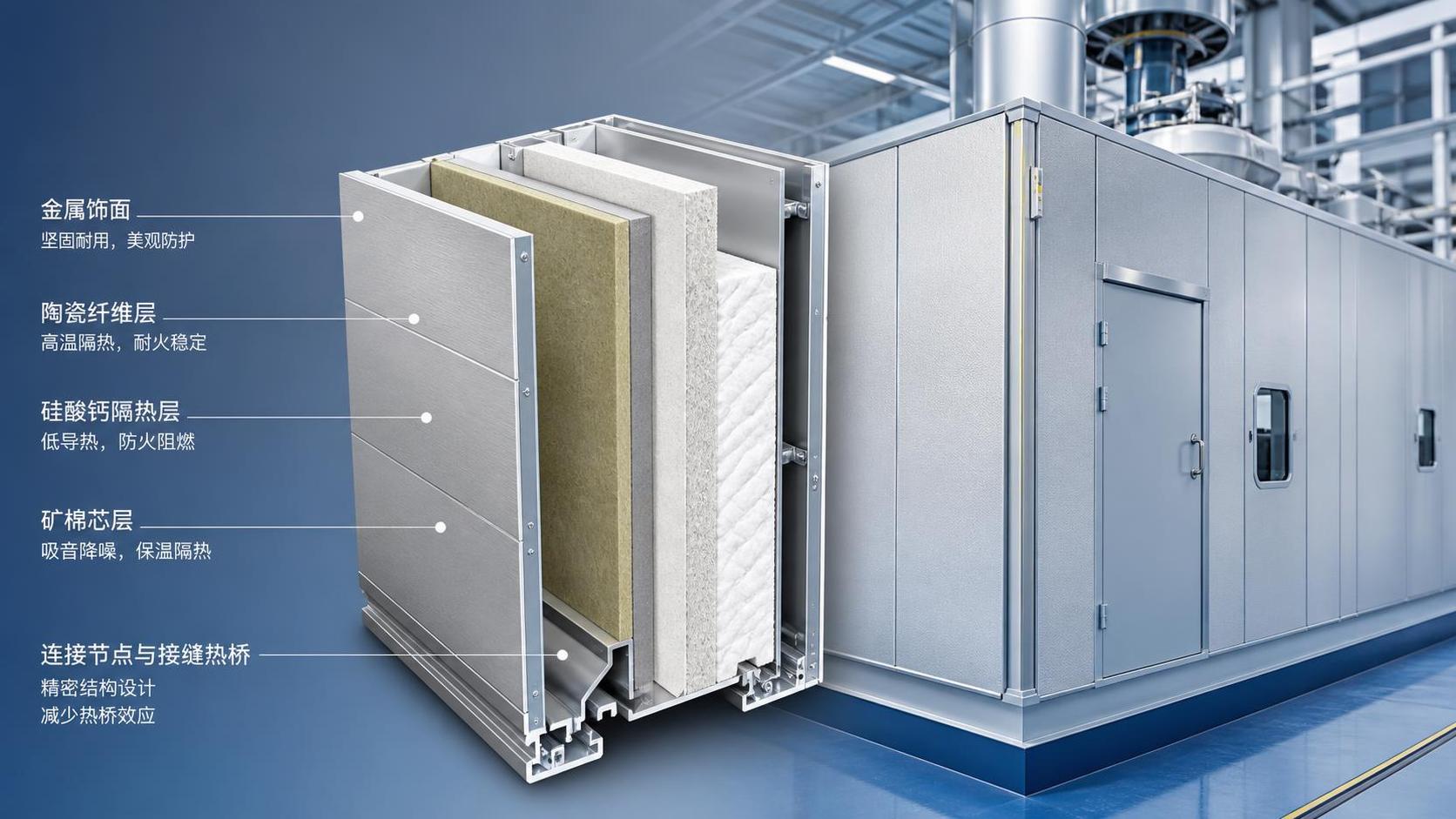
Structural design determines how much useful heat remains inside the system. Evaluating shell temperature, lining composition, joint treatment, and car deck insulation reveals whether energy losses are being managed or ignored.
A well-designed energy efficient tunnel kiln usually combines low thermal leakage with practical heat reuse. Preheated combustion air and controlled cooling air recovery often provide more value than nominal burner efficiency alone.
It is also worth checking whether insulation design matches the operating cycle. A kiln built for one product family may lose efficiency when firing heavier sections or denser bodies.
These details often explain why two kilns with similar rated output produce very different long-cycle fuel results.
Controls, burners, and response under variable load
Control quality separates a merely modern kiln from a truly workable one. Burners, valves, sensors, and software must maintain stable combustion as load, ambient conditions, and product mix shift.
A strong energy efficient tunnel kiln should not depend on constant operator intervention to preserve temperature balance. Repeatability is a design outcome, not a staffing strategy.
Look for burner turndown range, zone-by-zone feedback logic, and alarm handling during disturbances. Short recovery time after car movement or load changes is especially important.
Control questions worth asking
- How is combustion adjusted when fuel quality varies?
- Can the control system maintain profile accuracy at partial load?
- Which parameters are logged for diagnosis and optimization?
- How are pressure, oxygen, and exhaust trends linked to alarms?
- What is the demonstrated response to an unplanned stoppage?
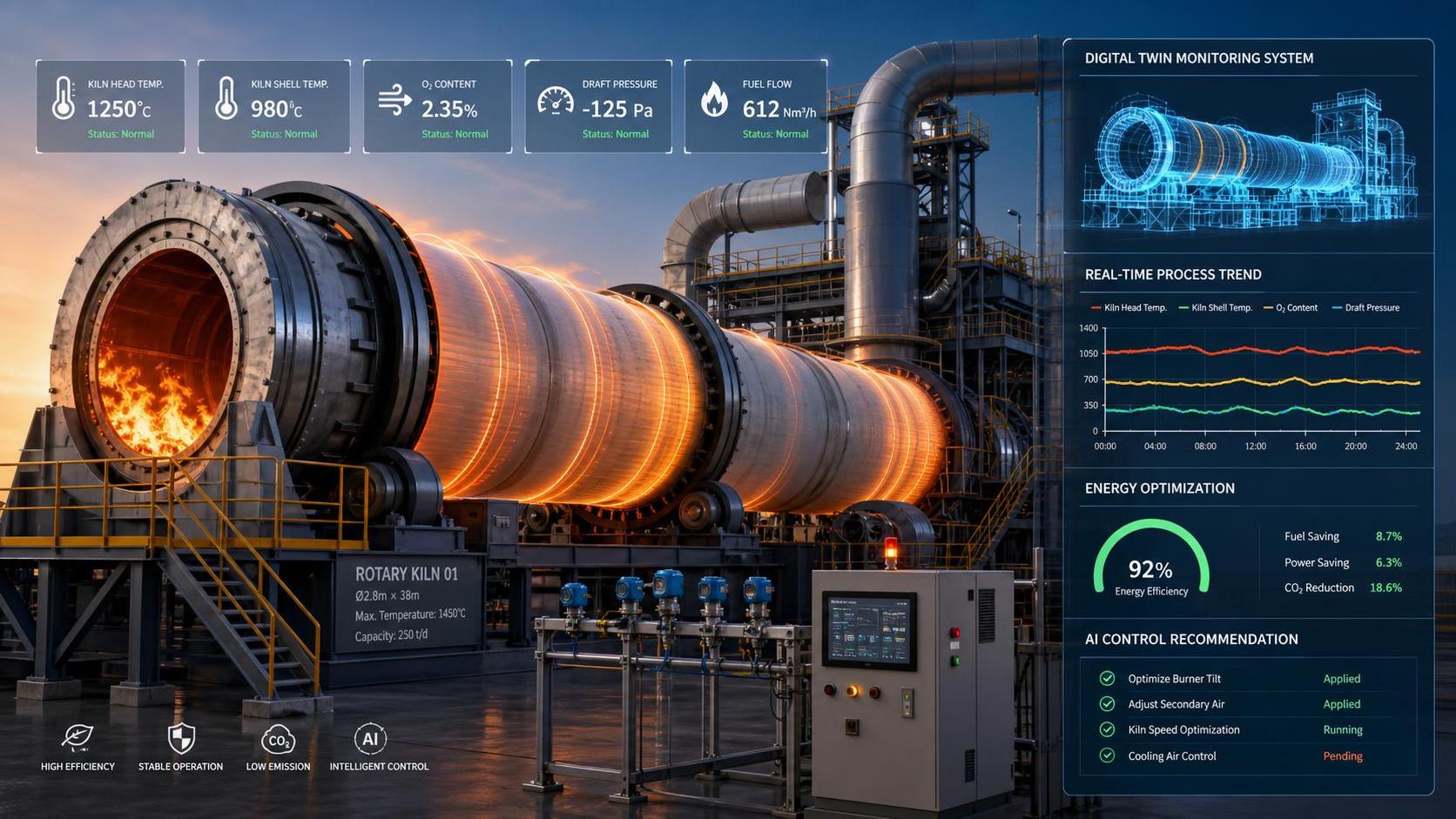
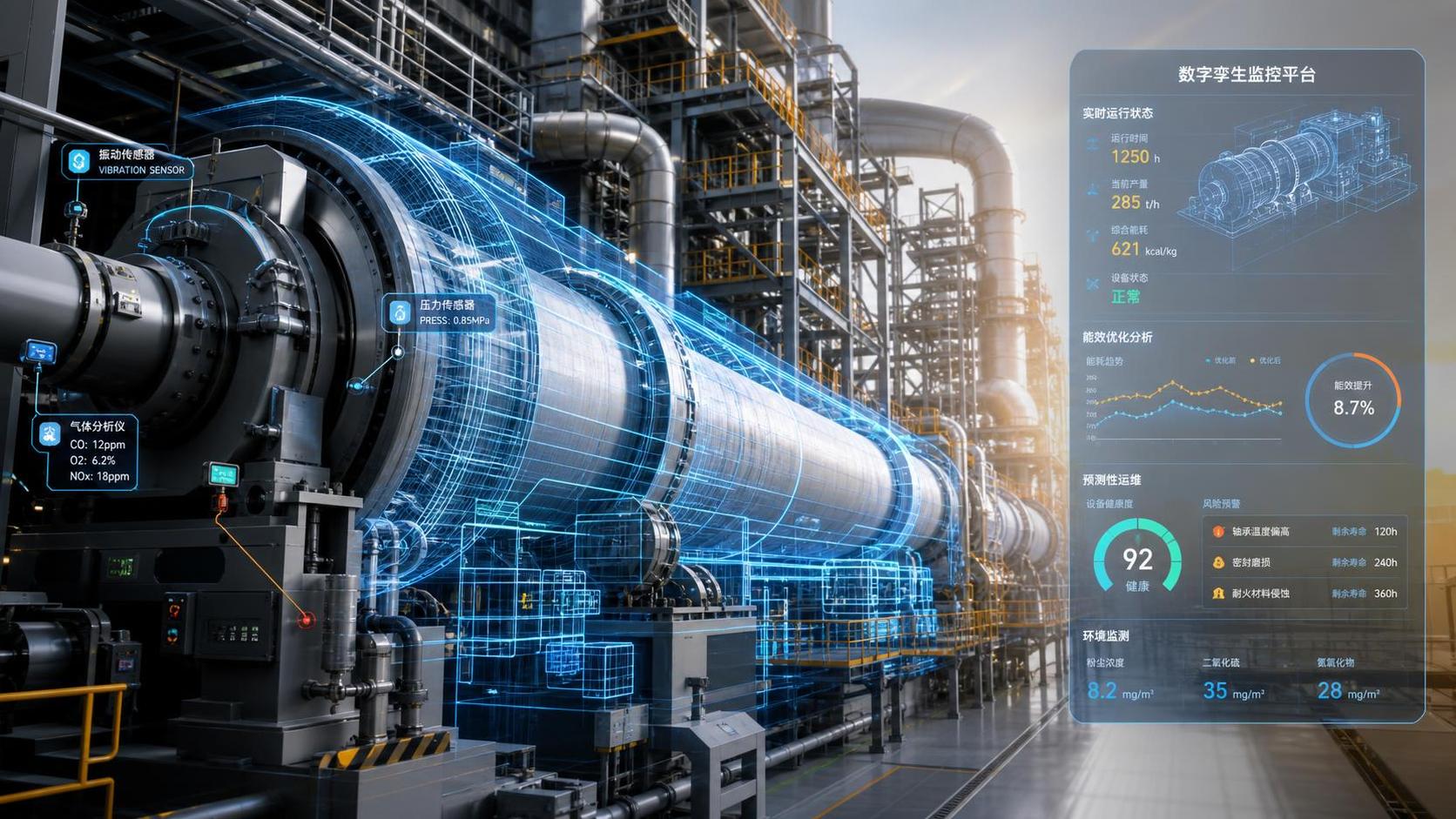
In plants moving toward digital twins or online monitoring, this layer becomes even more valuable. Reliable data capture supports continuous tuning rather than one-time commissioning promises.
Output stability is the real economic test
Fuel cost should always be read together with throughput consistency. A kiln that saves gas while lowering effective utilization may raise cost per qualified unit.
This is where many comparisons fail. Suppliers may present specific fuel consumption at ideal conditions, while actual business value depends on sustained output over months, not demonstration runs.
For that reason, the evaluation should include loading density, cycle discipline, stoppage frequency, maintenance interruptions, and reject behavior after restart.
An energy efficient tunnel kiln proves itself when the line maintains quality at target capacity with predictable energy intensity, not when it produces an isolated low-consumption figure.
Comparing kilns across applications
Evaluation standards should shift with the product and thermal duty. A refractory line, a structural ceramic line, and a lightweight extrusion product line do not stress the kiln in the same way.
For dense and high-temperature products, lining durability and soaking precision often deserve more weight. For fast-moving building material output, car design and heat recovery may dominate economics.
That cross-sector view is one reason industry intelligence matters. CF-Elite’s broader coverage of silicate production, incineration, and thermal barriers helps place kiln proposals inside a wider process reality.
A proposal can look attractive in isolation yet perform poorly when matched against actual raw material behavior, maintenance skill level, local fuel conditions, or environmental compliance pressure.
A practical way to move from proposal to decision
A useful assessment framework is built around evidence, not brochure language. Start with the target product, required annual output, fuel type, and acceptable quality window.
Then compare each energy efficient tunnel kiln option against the same operating assumptions. Keep the scoring tied to measurable factors rather than generic efficiency claims.
- Request thermal balance data under real production conditions
- Review temperature mapping and qualified output records
- Check lining life, maintenance intervals, and spare parts logic
- Compare restart stability after interruptions
- Estimate total fuel cost per qualified ton, not per theoretical ton
- Include emissions, false air risk, and future optimization capability
That process usually makes the strongest option easier to identify. It also reduces the risk of choosing a kiln that appears efficient only under narrow test conditions.
The next step is to turn those criteria into a plant-specific evaluation sheet, then test every supplier response against the same thermal, operational, and economic baseline.
Related News
 Optical Glass Tech FellowEuropean Glass Melting Processes: Furnace Choices, Energy Use, and Quality ControlGlass melting process Europe: explore furnace choices, energy efficiency, cullet strategy, and quality control to improve output, compliance, and long-term glass performance.Sep 03, 2026
 Thermal Energy ArchitectWhat Determines Refractory Lining Monitoring Price for Industrial Kilns?Refractory lining monitoring price depends on kiln size, sensor technology, installation, software, and support. Compare total lifecycle costs and choose the right solution.Sep 02, 2026
 Silicate Process EngineerCement Production System Costs: A Plant Buyer’s Guide to Budgeting and ROICement production systems cost planning made clear: compare CAPEX, operating costs, compliance, and ROI to build a resilient, profitable cement plant investment.Sep 01, 2026
 Dr. Alistair VaughnWhat Should a Process Technology Database Track for High-Temperature Plants?Process technology database essentials for high-temperature plants: track thermal profiles, feed chemistry, refractory wear, emissions, energy, and maintenance for safer, data-driven decisions.Aug 31, 2026
 Ms. Elena RodriguezHow to Evaluate a Silicate Processing Equipment Manufacturer for Plant ProjectsSilicate processing equipment manufacturer selection: assess process fit, guarantees, energy, compliance, delivery risk, and lifecycle support for dependable plant performance.Aug 30, 2026
 Dr. Alistair VaughnHow to Specify Custom Agricultural Processing Equipment for Throughput and HygieneEquipment customization services for agricultural processing: learn to specify hygienic, high-throughput lines that improve yield, reliability, and long-term efficiency.Aug 29, 2026
 Dr. Alistair VaughnHow to Select Process Plant Equipment for High-Temperature, Abrasive Production LinesProcess plant equipment selection for high-temperature, abrasive lines: reduce downtime, improve durability, and optimize lifecycle performance.Aug 28, 2026
 Silicate Process EngineerHow Kiln Heat Recovery Systems Cut Fuel Use in Cement and Lime ProductionKiln heat recovery helps cement and lime plants cut fuel use, improve thermal stability, and build practical, reliable decarbonization strategies.Aug 27, 2026
 Ms. Elena RodriguezProcess Equipment Comparison: Which Metrics Matter Most for Reliable Selection?Process equipment comparison made practical: discover which metrics truly drive reliable selection, from energy efficiency and control stability to wear life, maintainability, and uptime.Aug 26, 2026
 Ms. Elena RodriguezWhat Buyers Should Check Before Sourcing Precision Alloy Bars for Critical PartsPrecision Alloy Bars buyers should verify grade, chemistry, tolerances, surface quality, traceability, and lead time before sourcing for critical parts. Learn what prevents costly machining and reliability risks.Aug 27, 2026
 Ms. Elena RodriguezHow to Evaluate Thermal Management Solutions Insulation for High-Heat Industrial SystemsThermal management solutions insulation: learn how to assess high-heat industrial systems by thermal performance, durability, lifecycle cost, and supplier data for smarter decisions.Aug 25, 2026
 Ms. Elena RodriguezWhat Drives Waste Recycling Cost in Industrial Projects and How to Estimate It?Waste recycling cost in industrial projects depends on composition, moisture, transport, pre-treatment, and compliance. Learn how to estimate it accurately and compare suppliers with confidence.Aug 24, 2026
 Silicate Process EngineerHow to Evaluate Cement Production Plants in the Middle East for Capacity, Fuel Flexibility, and ROIcement production plants Middle East: Learn how to assess true capacity, fuel flexibility, and ROI risks to identify resilient assets and smarter investment opportunities.Aug 23, 2026
 Structural Material AnalystHow to Evaluate Lightweight Material Machinery for Output, Energy Use, and Product QualityLightweight material machinery evaluation guide: compare stable output, energy use, and product quality to choose equipment that cuts waste, lowers costs, and improves production confidence.Aug 22, 2026
 Material Heat-Resist ExpertWhat Determines Refractory Production Line Price in a Turnkey Plant Project?Refractory production line price depends on raw materials, forming method, kiln and drying design, automation, utilities, and scope. Learn what really drives turnkey plant cost before you invest.Aug 21, 2026
 Thermal Energy ArchitectHow Digital Twin Simulations Help Kiln Operators Cut Fuel Use and Stabilize OutputDigital twin simulations for kilns help operators cut fuel use, reduce overcorrection, and stabilize output by testing process changes safely before they impact quality and cost.Aug 20, 2026
 Dr. Alistair VaughnWhat Causes Thermal Shock Failure in Heat-Resistant Materials During Development?Heat-resistant material development thermal shock failures often stem from expansion mismatch, weak microstructure, and residual stress. Learn the real causes and smarter evaluation steps.Aug 19, 2026
 Ms. Elena RodriguezWhat Is a Real Time Digital Twin and Where Does It Deliver Measurable Value?Real time digital twin explained: discover where it delivers measurable value in energy, quality, maintenance, and carbon performance for industrial operations.Aug 18, 2026
 Structural Material AnalystWhat Thermal Barrier Technology Works Best for Lightweight Industrial Panels?Thermal barrier technology lightweight industrial panels use works best when fire safety, heat stability, and weight are balanced. Compare mineral wool, silicate, ceramic, and hybrid options.Aug 17, 2026
 Prof. Marcus ChenHow to Evaluate a Green Material Production Line for Energy Use, Output, and Product QualityGreen material production line evaluation made simple: compare energy use, stable output, and product quality with practical checks that help you choose the right line.Aug 16, 2026
Related News
- 00
0000-00
What Determines Refractory Lining Monitoring Price for Industrial Kilns? - 00
0000-00
How Digital Twin Simulations Help Kiln Operators Cut Fuel Use and Stabilize Output - 00
0000-00
What to Evaluate in a Rotary Kiln Technology Manufacturer for High-Temperature Process Projects - 00
0000-00
How to Evaluate an Incineration Equipment Exporter for Compliance, Capacity, and After-Sales Support - 00
0000-00
What Drives High-Temperature Process Engineering Cost in Kiln and Furnace Projects?
Weekly Insights
Stay ahead with our curated technology reports delivered every Monday.