
Supplier Reference Platform Pricing: Fees and Contract Terms to Compare




Supplier Reference Platform Pricing: Fees and Contract Terms to Compare
Understanding supplier reference platform pricing is essential for procurement teams comparing industrial equipment vendors and managing long-term sourcing costs. Beyond the advertised subscription fee, contract terms may include user limits, data access restrictions, renewal conditions, and additional charges for verification or support. This guide examines the fees and contractual details worth comparing, helping buyers assess total cost and choose a platform suited to sourcing capital-intensive equipment, from cement production lines to industrial kilns.
The difficult part is that platforms do not all sell the same thing. One may provide searchable supplier profiles and project references; another may add analyst research, document checks, contact introductions, or procurement workflow tools. Before comparing quotes, define the work the platform is expected to support. A low-cost directory can be useful for building a longlist, but it is not necessarily a substitute for checking whether a supplier has delivered equipment comparable to the project under review.
What is included in the price?
Most comparisons begin with a subscription, but the charging unit matters as much as the headline figure. A quote may cover an organization, a named user, a business unit, or a defined volume of searches and reports. Ask the provider to identify which features are included in the quoted tier and which require an additional order.
For example, access to supplier names may be unrestricted while viewing detailed references, downloading documents, or contacting listed companies consumes credits. A platform may also distinguish between a self-reported supplier profile and a separately priced verification service. Those distinctions affect the cost of a real sourcing exercise, not just the appearance of the subscription.
Also check whether fees are payable in advance, which currency applies, and whether taxes or bank charges are included. Where projects involve multiple countries, an apparently simple license can become restrictive if the permitted legal entities or territories are narrowly defined.
Compare total cost against a realistic sourcing workload
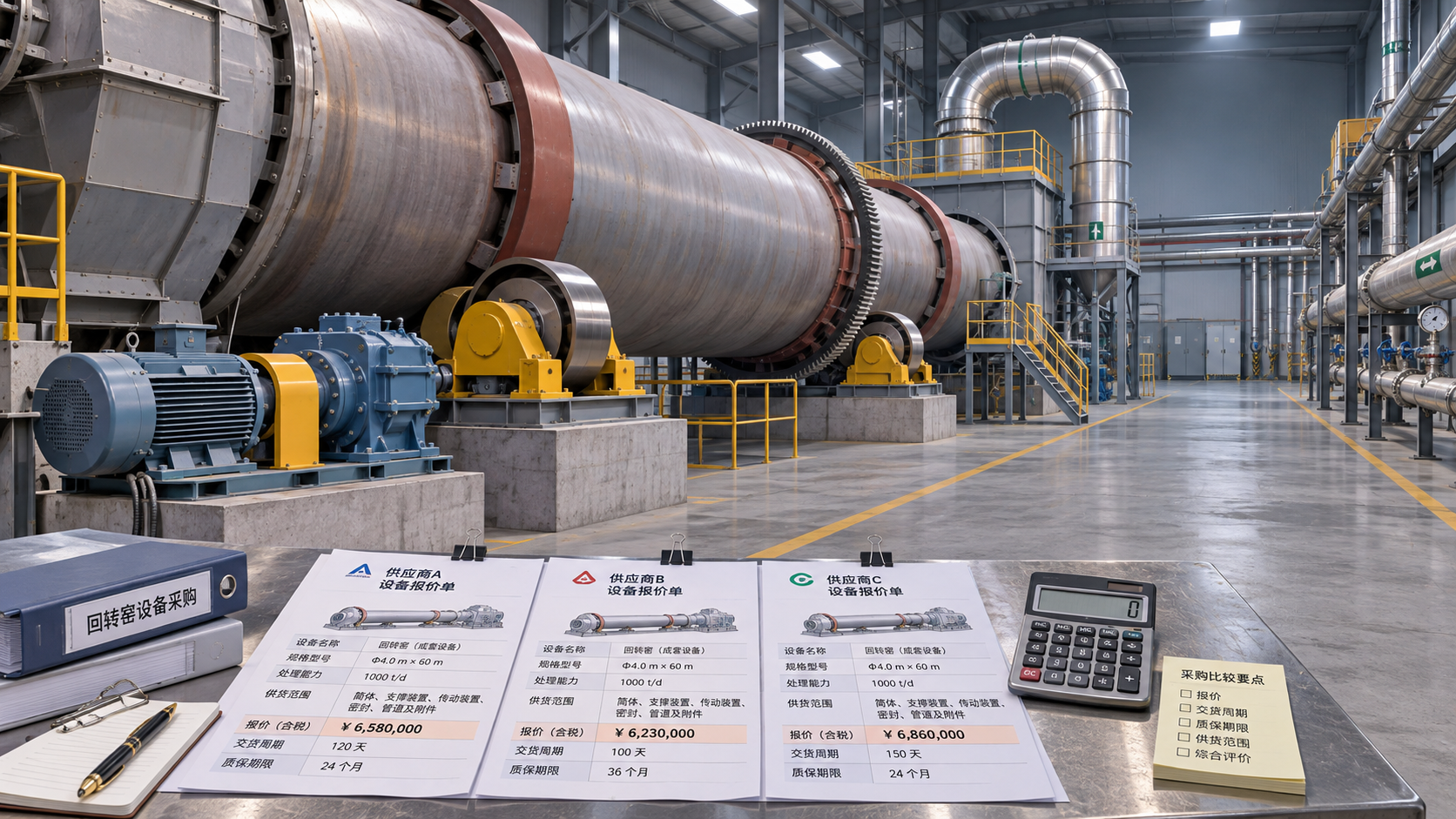
Rather than requesting a generic enterprise price, give each provider the same buying scenario. Specify the anticipated number of users, sourcing projects, supplier profiles, detailed reference checks, and exports. Include the engineering and commercial teams if they will both need access. This makes it easier to identify which quote depends on assumptions that may not fit the way the team works.
A practical comparison can be expressed as:
Expected contract cost = subscription + setup and training + expected usage charges + verification and support + integration and exit costs.
Calculate this for the initial term and, separately, for the likely period of use. State assumptions beside the calculation: number of users, expected checks, currency, and any proposed renewal increase. If usage is uncertain, model a modest workload and a higher-activity workload. A per-report service may suit occasional searches, while a broader license may be more predictable for teams conducting repeated evaluations. Neither is inherently cheaper without a volume assumption.
Include internal effort in the decision, even when it is not part of the vendor invoice. If profiles are difficult to compare or references must be reconstructed from scattered documents, engineers and buyers may spend additional time validating them. Treat that as a separate assessment of staff effort rather than presenting an unverified monetary saving as fact.

Pay attention to what “verified” means
A supplier reference can be a company-submitted project list, a document reviewed by an analyst, or a reference confirmed through direct contact. These are different levels of evidence. Ask whether the platform checks the supplier’s identity, project participation, scope of supply, delivery status, or actual operating performance. A check of one item should not be interpreted as confirmation of all the others.
This distinction is particularly relevant for large process lines. A supplier may have supplied a burner, control system, or refractory lining to a cement plant without having delivered the complete kiln system. For an industrial incineration project, a reference should be examined against the intended waste characteristics, process configuration, operating conditions, and applicable local requirements. Similar equipment names do not establish that the applications are equivalent.
Request a sample record with sensitive information appropriately removed. Look for the date of the underlying information, the source, the supplier’s role, and any limitations on the claim. Can the provider explain how often the record is updated? If a project owner cannot be contacted or a performance claim cannot be checked, that should be visible rather than hidden behind a badge.
Paid verification may be worthwhile for a short list of critical suppliers, but agree on the deliverable in advance. Define the questions to be checked, the evidence to be supplied, the expected turnaround, and what happens if the source does not respond. A fee for an attempted check is not necessarily a fee for a confirmed result.
Contract terms that can change the effective price
Renewal, price changes, and termination
Review the initial term, renewal period, notice deadline, and method of giving notice. Automatic renewal is not necessarily a problem, but a missed deadline can commit the organization to another term before a performance review is complete. Put the notice date in the procurement calendar and allow time for the users to assess whether the data remains useful.
Check whether the provider can increase prices at renewal, how the increase is communicated, and whether a cap or approval mechanism is available. For early termination, distinguish termination for convenience from termination for a provider’s breach. Ask about outstanding minimum payments, refunds of prepaid fees, and any charges for extracting data. The answers depend on the negotiated agreement and applicable law; a sales presentation is not a substitute for the contract.
Rights to use and retain information
Procurement files often need to remain available after a subscription ends. Confirm whether the team may retain downloaded supplier profiles, notes, and reports for internal recordkeeping, audit, or project handover. Separate the rights to retain a record from the rights to keep using, sharing, or redistributing the provider’s data. Those permissions may differ.
If external engineering advisers participate in evaluations, check whether they can access the platform or receive exported material. The same question applies to affiliates, joint ventures, and contractors. A license that covers only one named entity may not support a project team spread across several organizations.
Service commitments and limits of responsibility
Ask which support channels are included, when they operate, and whether response targets are contractual commitments or service objectives. For integrations, establish who maintains the connection and what happens if a data format or interface changes. If implementation depends on a separate statement of work, review that document alongside the subscription agreement.
Read the disclaimers and liability provisions in the context of the intended use. Most reference information will still require independent due diligence. The question is whether the agreement describes the provider’s responsibilities clearly enough for the buyer to understand what has and has not been checked. Have legal and information security teams review confidentiality, personal data handling, and any required processing terms where appropriate.
Test coverage against the equipment, not the supplier count
A large supplier database is not automatically useful for a specialized purchase. Ask the provider to demonstrate searches using the actual scope: for example, a glass melting and annealing line, a refractory production line, or an extrusion system for lightweight building materials. Can users distinguish a manufacturer from an agent, a component supplier from an integrator, and a recent project from an older reference?
Technical context should inform the search criteria. Depending on the project, a team may need to compare process materials, operating temperatures, throughput, emissions-control interfaces, energy systems, or installation and maintenance responsibilities. These details do not all need to appear in a public profile, but the platform should make clear which information is available and which must be obtained directly from the supplier.
Industry intelligence can help frame those questions without replacing a technical review. The Global Cera-Forge Hub (CF-Elite), for example, focuses its sector coverage on areas including cement plants, glass manufacturing, industrial kilns, refractory production, and building-material extrusion. Research into subjects such as kiln co-processing or refractory monitoring can help buyers identify issues to investigate when assessing a reference. It should not be treated as proof that a particular supplier can meet a particular specification.
Use a short trial to expose cost and evidence gaps
If a trial is available, use a current or recently defined sourcing requirement rather than browsing randomly. Have a buyer and an engineer independently search for relevant suppliers, inspect reference records, and note what they can substantiate. Record where they encounter usage limits, inaccessible documents, unclear supplier roles, or information too old to support the decision.
Then ask the provider to price the gaps. Would accessing the missing documents require a higher tier? Is a manual reference check available, and what would it cover? Can the team export the evidence needed for its procurement file? A trial is most useful when its findings can be translated into a contract schedule or written clarification, rather than left as verbal assurances.
Before approving a quote, align the subscription with the actual decision process: who needs access, which references require deeper checks, what information must be retained, and when the contract can be reviewed or exited. The strongest price comparison is not the one with the fewest line items; it is the one that makes the likely work, evidence, and contractual exposure visible before the purchase is made.
Related News
 Ms. Elena RodriguezProcess Equipment Pricing: How to Compare Quotes and Total CostsMaster process equipment comparison pricing: compare supplier quotes, uncover hidden costs, and evaluate lifetime expenses to make a confident buying decision.Nov 17, 2026
 Prof. Marcus ChenGlobal Cement Industry Decarbonization: Key Technologies and Cost BarriersExplore global cement industry decarbonization technologies, cost barriers, and practical investment strategies to cut emissions while protecting competitiveness.Nov 16, 2026
 Structural Material AnalystChoosing Specification Preparation Support for North American ProjectsChoose specification preparation support North America projects can rely on. Compare technical expertise, compliance, interfaces, and supplier acceptance criteria.Nov 14, 2026
 Structural Material AnalystSpecialty Ceramic Extrusion: How Material Properties Affect FormingExplore how ceramic specialized material extrusion is shaped by particle size, binders, and solids loading—and learn to improve forming and reduce defects.Nov 13, 2026
 Ms. Elena RodriguezHigh-Pressure Molding Equipment Prices in Europe: What Affects the Total Cost?Explore high pressure molding equipment price Europe buyers can expect to assess, from tooling and installation to running costs. Compare quotes with confidence.Nov 12, 2026
 Structural Material AnalystChoosing a Vacuum Extrusion System: Capacity, Materials and Vacuum LevelsChoosing a vacuum extrusion system? Compare capacity, material behavior and vacuum levels to improve product quality and select the right equipment.Nov 11, 2026
 Optical Glass Tech FellowGlass Melting Innovations: Comparing Electric and Hybrid Furnace TechnologiesExplore glass melting innovations and compare electric and hybrid furnaces by energy use, emissions, glass quality and operating costs to find the right fit.Nov 10, 2026
 Thermal Energy ArchitectHow Thermal Barrier Technology for Kilns Reduces Heat LossDiscover how thermal barrier technology for kilns reduces heat loss, and learn how to select insulation and assess savings without compromising lining durability.Nov 09, 2026
 Prof. Marcus ChenGlobal Materials Trends: What North American Manufacturers Need to KnowExplore global material trends North America manufacturers need to know, from energy costs and supply chains to lower-carbon materials and smarter investment decisions.Nov 08, 2026
 Thermal Energy ArchitectSelecting Abrasion-Resistant Refractories for High-Wear Kiln LiningsExplore advanced refractory materials abrasion resistant enough for high-wear kiln linings. Compare wear mechanisms, thermal stability, installation and lifecycle costs.Nov 06, 2026
 Dr. Alistair VaughnIndustrial Energy Efficiency Certification: ISO 50001 Requirements for PlantsExplore industrial energy efficiency certification with ISO 50001. Learn how plants define scope, measure performance and prepare credible evidence for audits.Nov 05, 2026
 Ms. Elena RodriguezWhat Is an Industrial Intelligence Database and How Is It Used?Discover how an industrial intelligence database helps researchers map markets, track projects, compare technologies, and assess evidence with confidence.Nov 04, 2026
 Ms. Elena RodriguezIndustrial Material Pricing: How Freight and Order Volume Affect QuotesExplore industrial material pricing and learn how freight, order volume, and inventory costs affect quotes. Compare suppliers and make smarter purchasing decisions.Nov 03, 2026
 Structural Material AnalystSingle- vs. Twin-Screw Extrusion Systems: Which Suits Your Material?Choose the right specialized extrusion systems screw type for your material. Compare single- and twin-screw options to improve quality and control costs.Nov 02, 2026
 Thermal Energy ArchitectChoosing Thermal Barrier Materials for Kilns: Temperature and Heat LossExplore thermal barrier materials for kilns and learn how to balance temperature resistance, heat loss, durability and operating costs when selecting a lining.Nov 01, 2026
 Ms. Elena RodriguezSupplier Reference Platform Pricing: Fees and Contract Terms to CompareCompare supplier reference platform pricing, hidden fees, verification costs and contract terms to choose the right solution for your sourcing team.Oct 31, 2026
 Ms. Elena RodriguezSupplier Comparison Metrics: How to Score Cost, Quality, and DeliveryUse supplier comparison metrics to score cost, quality, and delivery with a practical weighted scorecard. Make more confident equipment sourcing decisions.Oct 30, 2026
 Ms. Elena RodriguezWhat Does Industrial Waste Heat Recovery Cost, and When Does It Pay Back?Understand industrial waste heat recovery cost, from equipment and installation to net savings. Learn how to compare quotes, assess risks, and calculate realistic payback before investing.Oct 29, 2026
 Thermal Energy ArchitectChoosing Industrial Waste-to-Energy Equipment by Waste Moisture and Heating ValueChoose industrial waste to energy equipment by moisture and heating value. Compare technologies, fuel needs, and supplier guarantees to make a confident investment.Oct 28, 2026
 Thermal Energy ArchitectChoosing Industrial Kiln Insulation for High Heat and Repeated Thermal CyclingExplore high temperature industry solutions for kiln insulation under repeated thermal cycling. Compare materials, reduce heat loss, and select the right lining for your operating conditions.Oct 27, 2026

















Related News
- 00
0000-00
Process Equipment Pricing: How to Compare Quotes and Total Costs - 00
0000-00
High-Pressure Molding Equipment Prices in Europe: What Affects the Total Cost? - 00
0000-00
What Is an Industrial Intelligence Database and How Is It Used? - 00
0000-00
Industrial Material Pricing: How Freight and Order Volume Affect Quotes - 00
0000-00
Supplier Reference Platform Pricing: Fees and Contract Terms to Compare
0000-00
Weekly Insights
Stay ahead with our curated technology reports delivered every Monday.