



Selecting industrial waste to energy equipment starts with understanding what the waste can deliver: usable heat after moisture evaporation, internal energy consumption, and process losses.
For technical evaluators, moisture content and as-received lower heating value jointly determine combustion stability, auxiliary fuel demand, pretreatment requirements, and potential energy recovery under actual conditions.
The strongest equipment proposal demonstrates reliable operation across a measured feedstock envelope, with clear limits for throughput, fuel consumption, emissions, and useful energy output guarantees.
This guide explains how to establish that envelope, compare thermal treatment options, and specify the tests and contractual guarantees needed before selecting an equipment configuration.
Which Waste Properties Actually Determine Equipment Suitability?
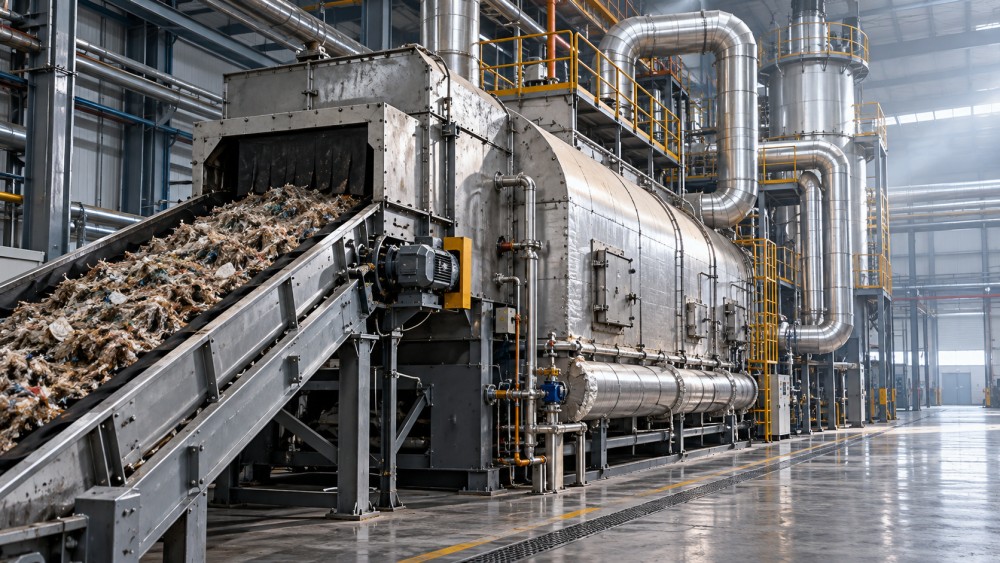
Begin with moisture and lower heating value measured on the same representative material, using consistent reporting bases. Otherwise, apparently comparable supplier calculations can describe different fuels.
Moisture should normally be reported as a percentage of total wet feed mass. This wet-basis value directly supports receiving, storage, feeding, and evaporation calculations for equipment selection.
Lower heating value, or LHV, excludes recovery of water-vapor condensation heat. As-received LHV reflects the delivered waste, including moisture and ash, and supports practical energy balances.
Higher heating value includes that condensation heat. Confusing HHV with LHV can overstate available energy, particularly for wet feedstocks and fuels containing substantial hydrogen concentrations.
Request moisture, ash, and heating value together. A low LHV caused by water suggests different treatment options from an equally low LHV caused by inert minerals.
Also measure chlorine, sulfur, alkalis, metals, particle size, bulk density, and ash behavior. These properties can eliminate an equipment option despite an otherwise favorable energy balance.
How Much Energy Remains When Moisture Increases?
Water reduces thermal performance twice in practical terms: it dilutes combustible material per delivered tonne and requires energy to become vapor during thermal treatment operations.
A useful screening relationship estimates as-received LHV from dry-basis LHV and wet-basis moisture. It assumes consistent composition of the dry solids across the compared samples.
Here, M is moisture expressed as a mass fraction, and heating values use MJ/kg. The approximate water-vaporization coefficient applies around standard reference conditions for this calculation.
For dry solids with an LHV of 18 MJ/kg, increasing moisture from 20% to 50% reduces estimated as-received LHV from approximately 13.9 to 7.8 MJ/kg.
At one tonne per hour, these values represent approximately 3.86 MW and 2.16 MW of fuel input. Neither figure represents guaranteed exported heat or electricity.
If measured as-received LHV already includes moisture effects, do not subtract the same evaporation allowance again. Require consistent reference states throughout the supplier's heat balance.
Actual furnace calculations must also address flue-gas temperature, excess air, radiation losses, ash discharge, and incomplete combustion. Moisture and LHV alone cannot establish net output.
Which Thermal Treatment System Fits the Feedstock Envelope?
No universal moisture or LHV cutoff reliably selects a furnace. Feed preparation, combustion design, permitted operating conditions, and available auxiliary heat all affect equipment suitability.
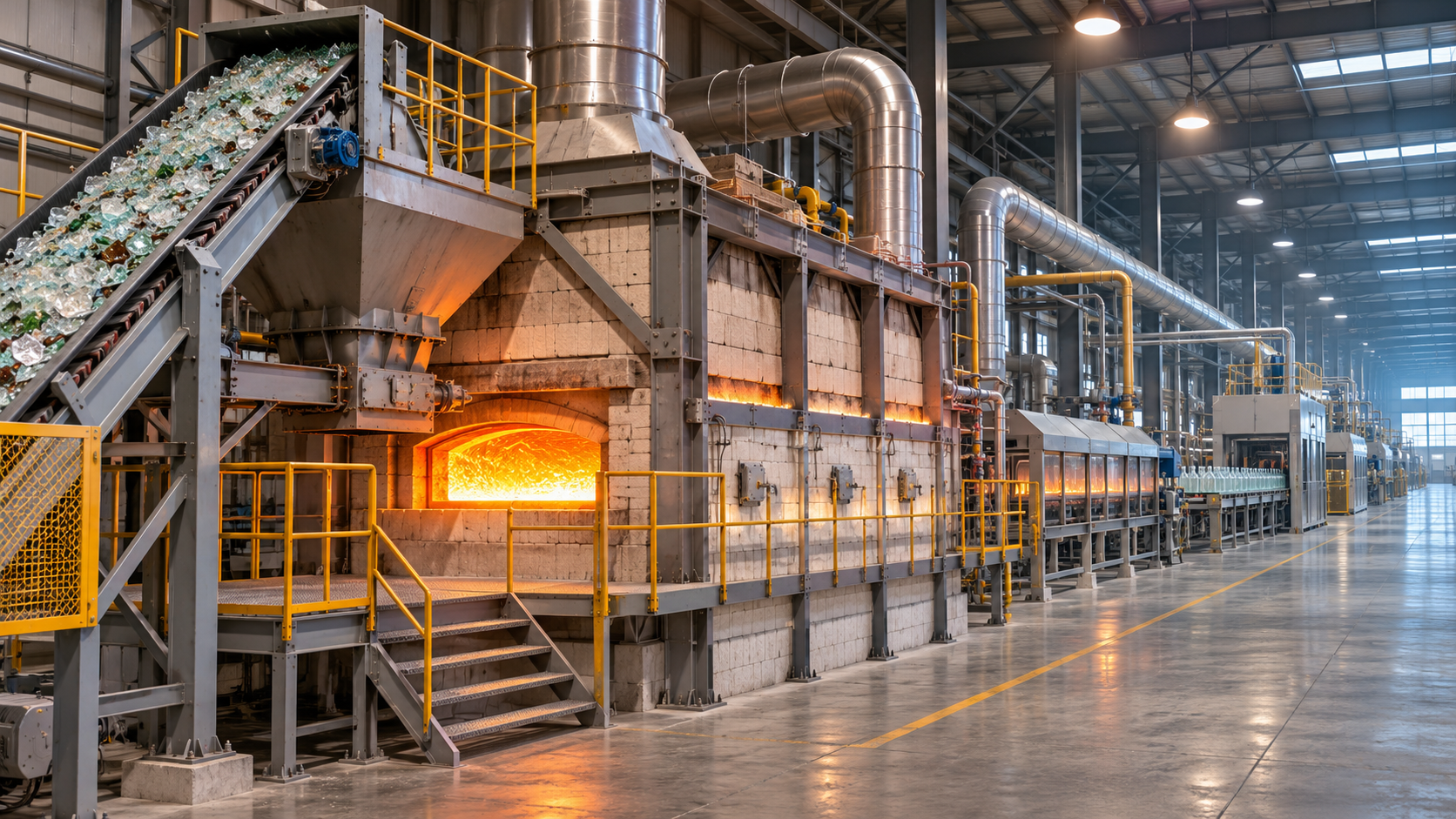
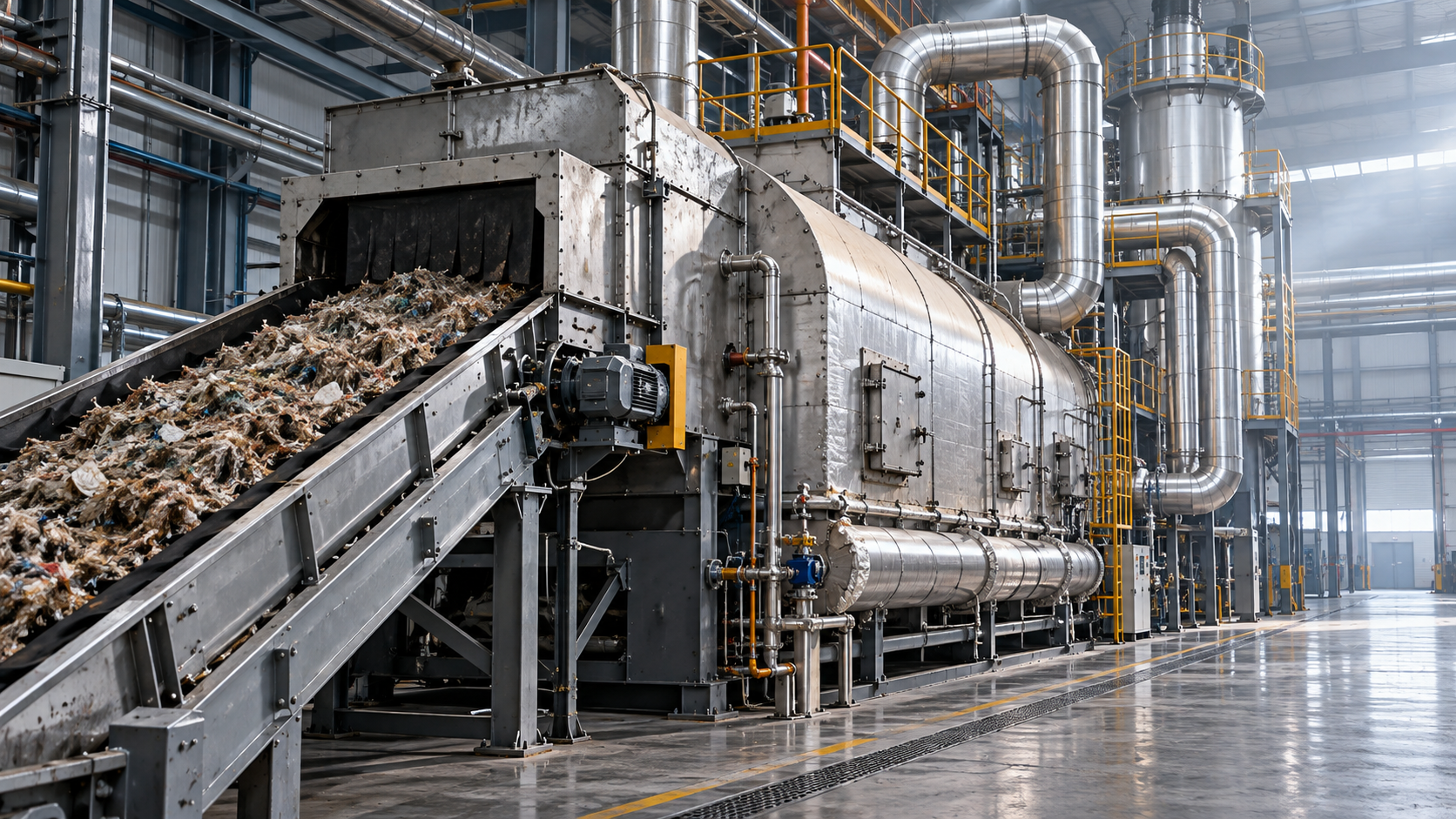
Moving-grate systems can accommodate suitably sized, heterogeneous solid wastes with limited preparation. Evaluate grate drying capacity, bed permeability, burnout, and resistance to oversized or sticky material.
Fluidized-bed systems provide strong mixing and heat transfer for prepared feeds, including some sludges. Their suitability depends on particle consistency, bed chemistry, and ash agglomeration behavior.
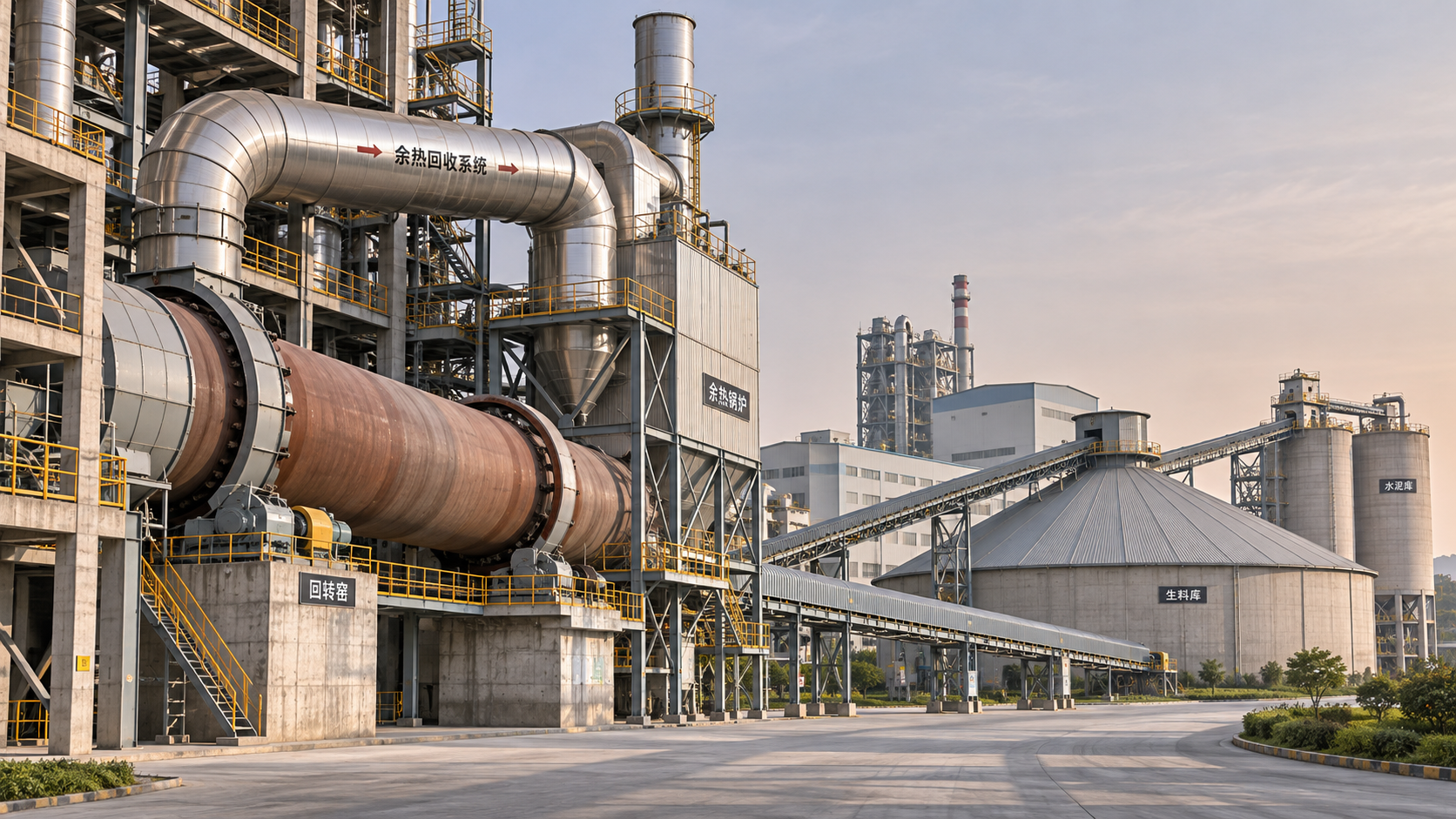
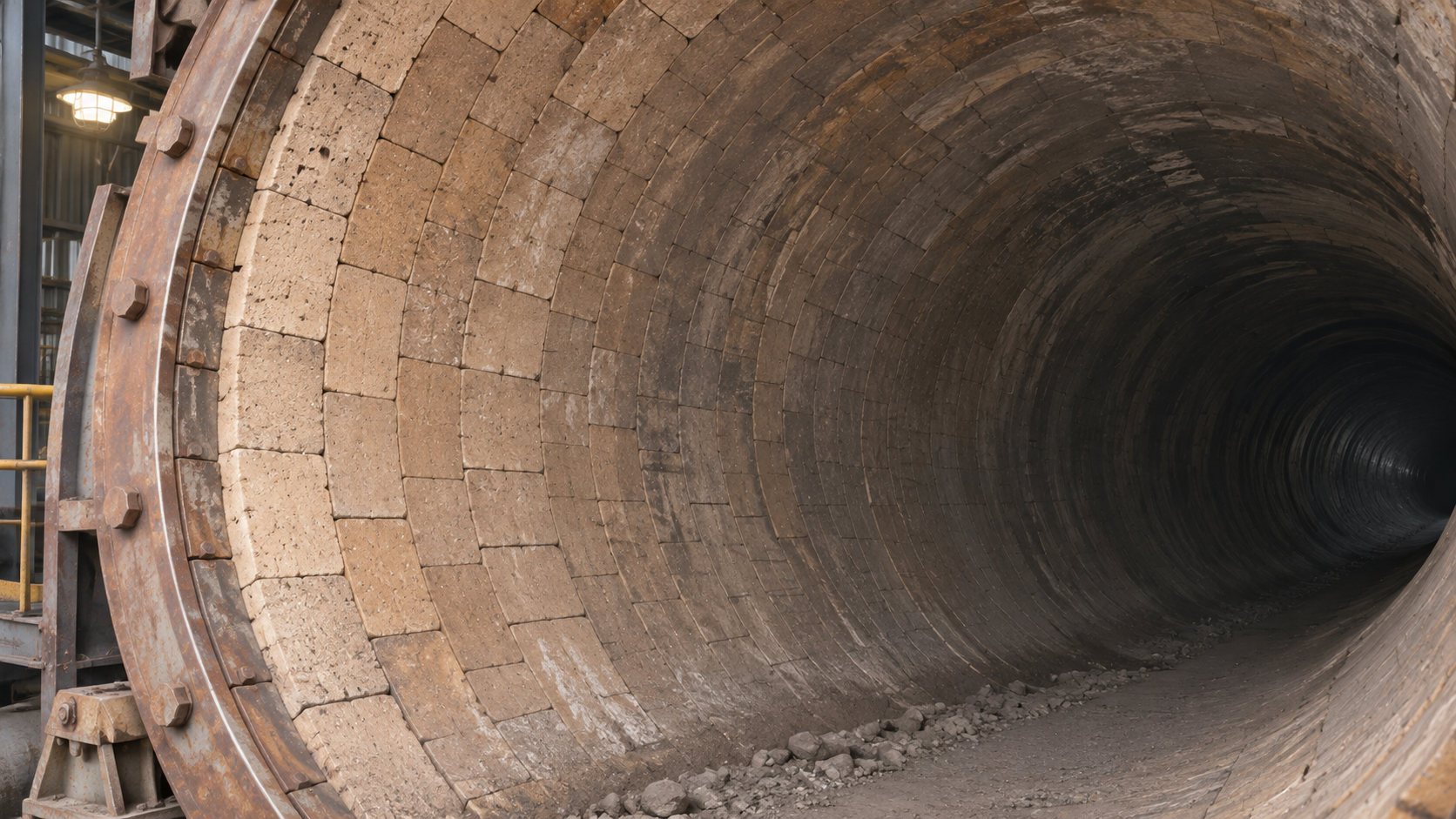
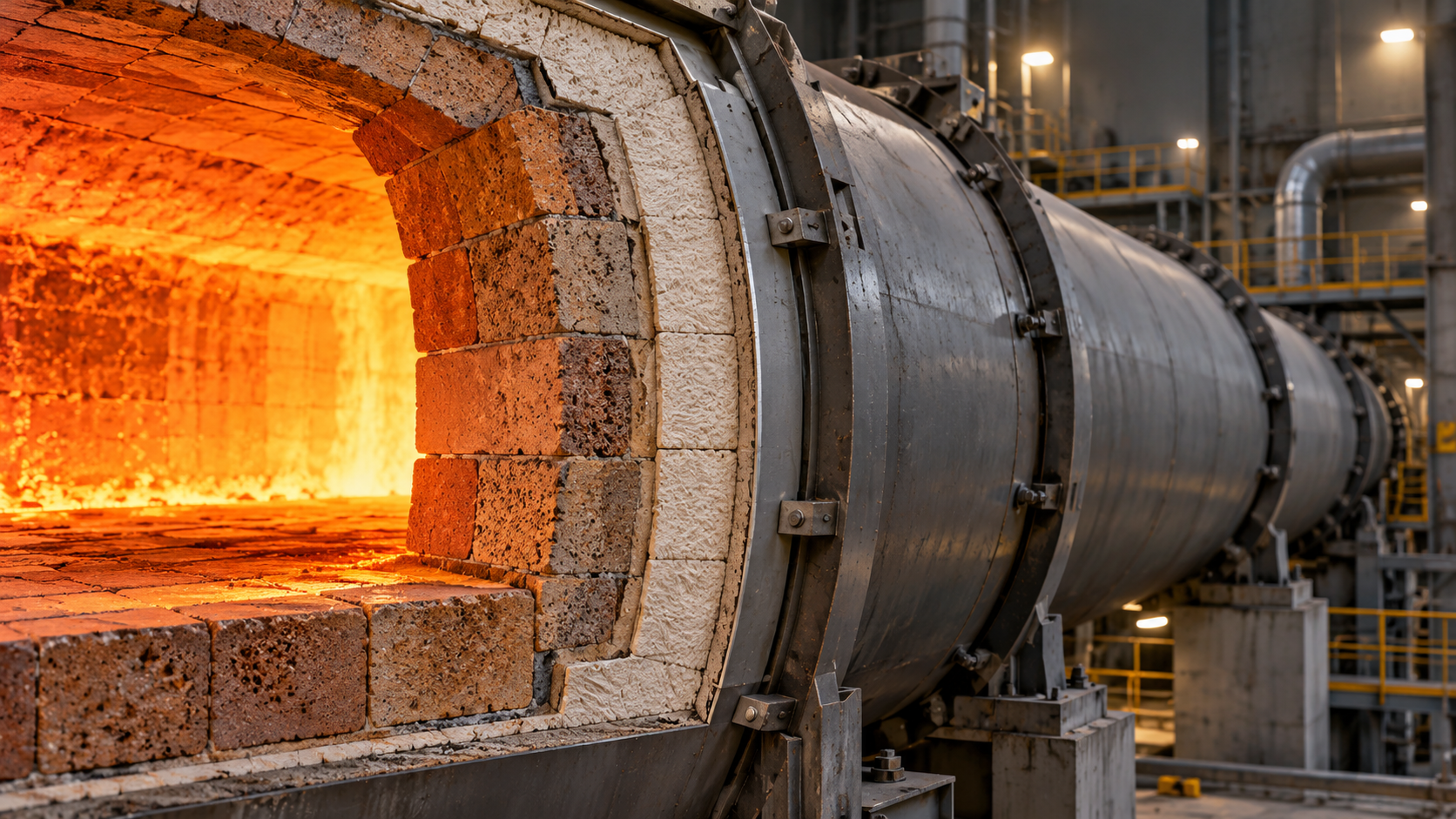
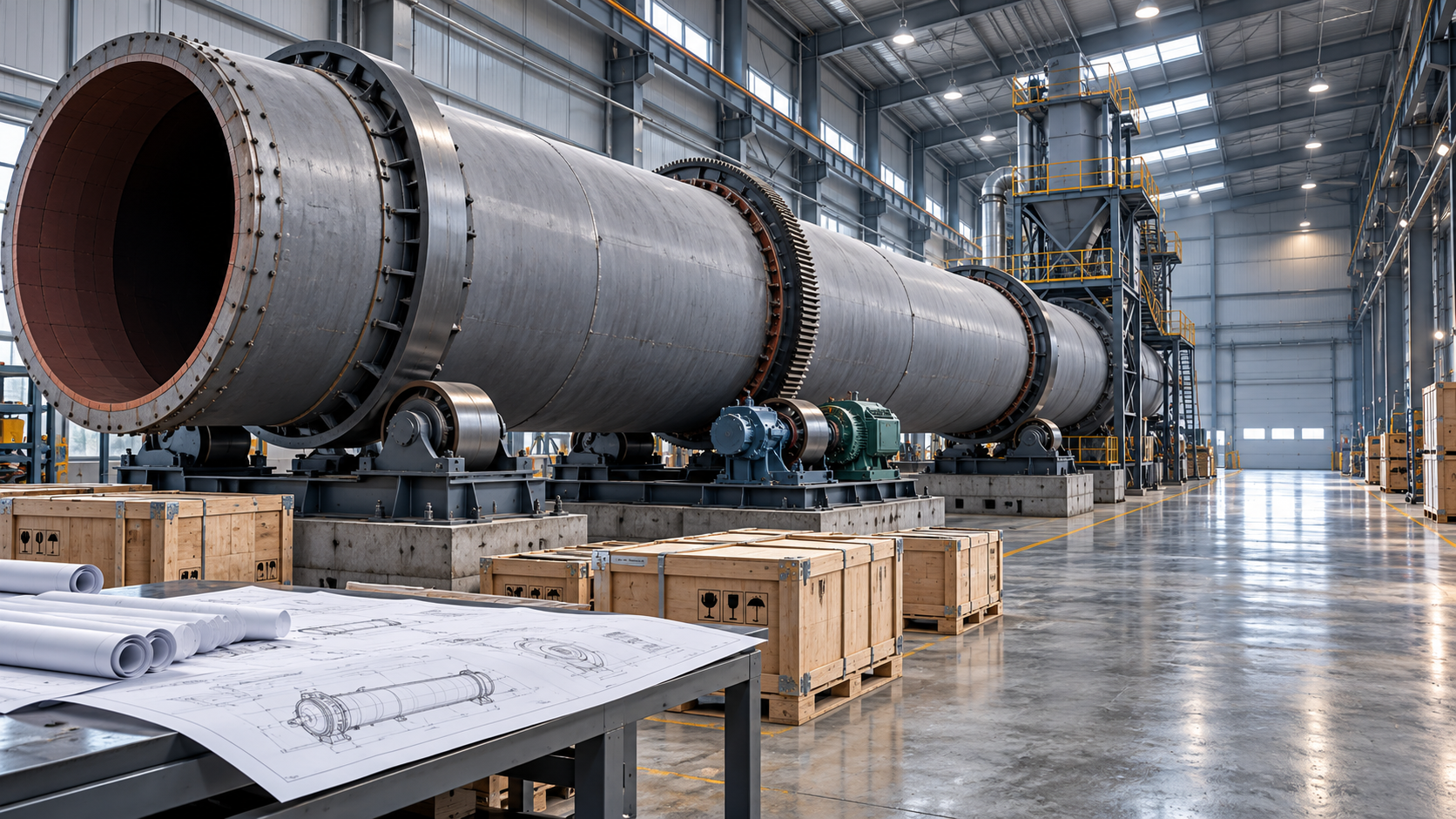
Rotary kilns offer flexibility for difficult industrial wastes and varied physical forms. However, flexibility may require greater auxiliary fuel consumption and substantial downstream combustion capacity.
Gasification generally benefits from controlled moisture, particle size, and composition. A wet, variable waste may impose drying and gas-cleaning costs that undermine its apparent advantages.
Pyrolysis also requires careful preparation and product management. Compare useful energy after drying, heating, condensation, and residue handling, including any realistic market for recovered products.
For predominantly biodegradable wet waste, assess anaerobic digestion before thermal treatment. For mineral-rich residues with little combustible content, energy recovery may be an unsuitable primary objective.
When Does Dewatering or Drying Improve the Project?
Mechanical dewatering usually deserves evaluation before thermal drying because removing liquid water generally consumes less energy than evaporating it. Performance remains strongly dependent on material characteristics.
Measure achievable cake solids, polymer consumption, filtrate treatment, and handling behavior. A higher solids content provides limited benefit if the resulting cake repeatedly blocks feeders.
Thermal drying becomes more attractive when suitable surplus heat exists and increased fuel quality improves overall plant operation. Include dryer availability and maintenance in that assessment.
For example, one tonne of waste containing 50% moisture has 500 kilograms of dry solids. Drying to 30% moisture leaves approximately 714 kilograms of material.
The dryer therefore removes approximately 286 kilograms of water. Actual energy demand exceeds the reference latent-heat requirement because heating, exhaust, and equipment losses also matter.
Compare direct combustion with auxiliary support against drying followed by combustion. Evaluate the same incoming waste quantity and account for every imported and exported energy stream.
Include dryer fire and explosion controls, odor treatment, condensate management, and dust handling. These requirements can materially change capital cost, operating expense, and plant availability.
Will the Equipment Meet Throughput and Energy Targets Together?
Procurement specifications often state tonnes per day without defining heating value. That omission matters because a furnace has separate mass-throughput, thermal-input, and gas-handling capacity limits.
A wetter feed may require more waste to maintain thermal input, yet exceed feeder or flue-gas capacity. A drier feed may reach thermal limits first.
Request an operating diagram showing permitted combinations of feed rate and as-received LHV. Moisture limits and relevant composition restrictions should accompany the diagram for interpretation.
Check low-LHV, high-LHV, maximum-moisture, and high-ash cases separately. A single nominal case cannot establish whether the proposed line meets annual waste-processing and energy-delivery obligations reliably.
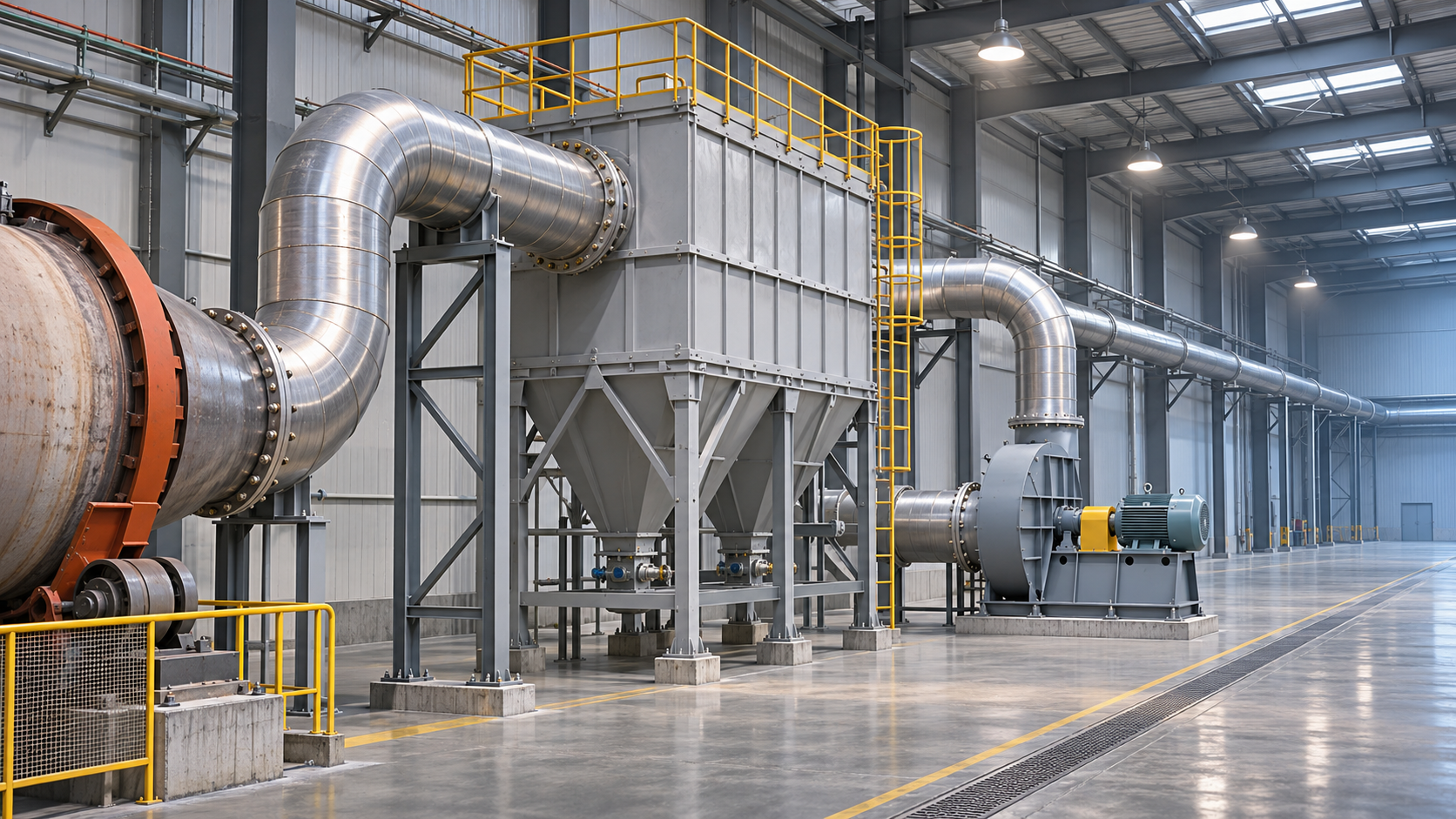
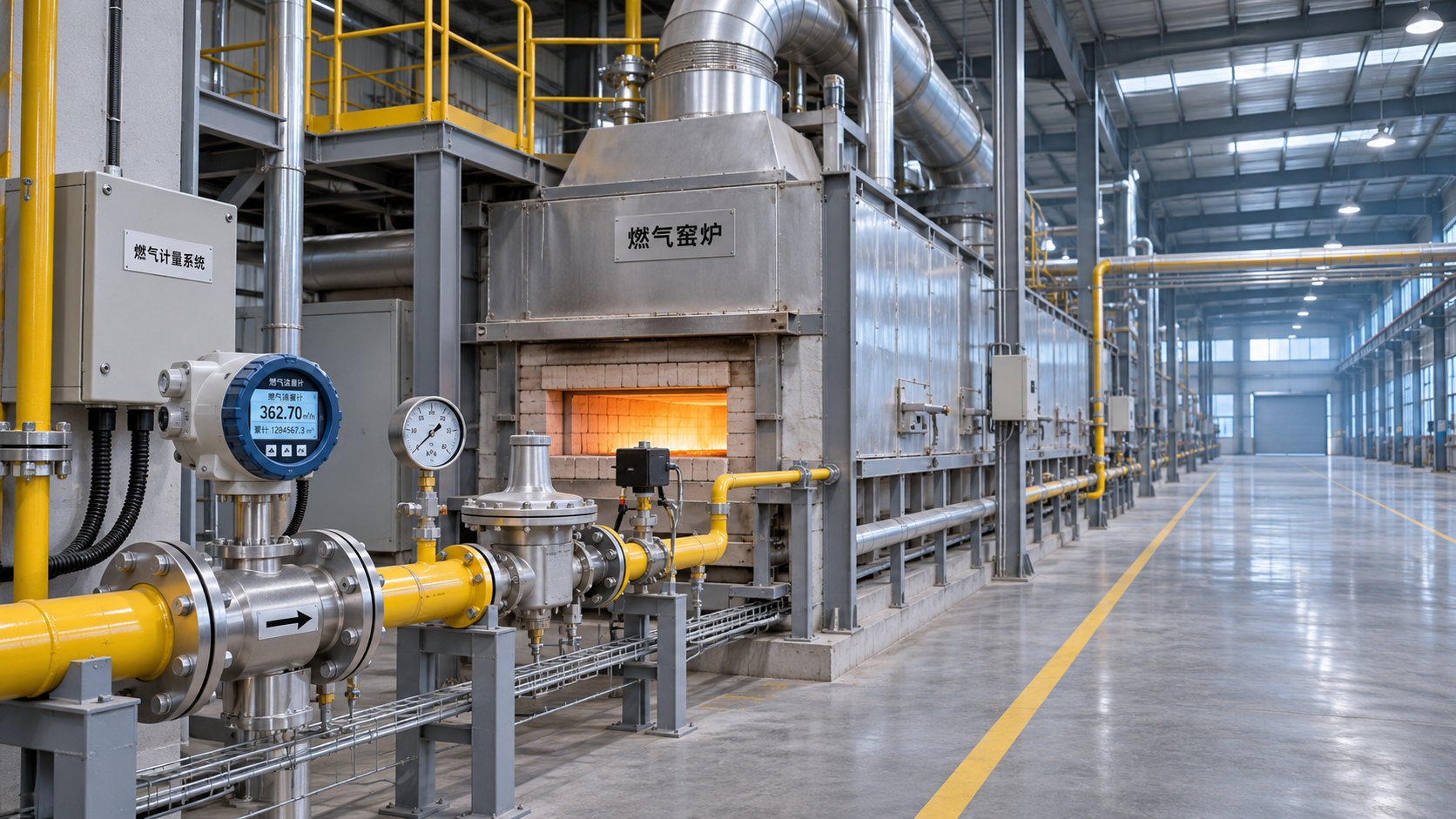
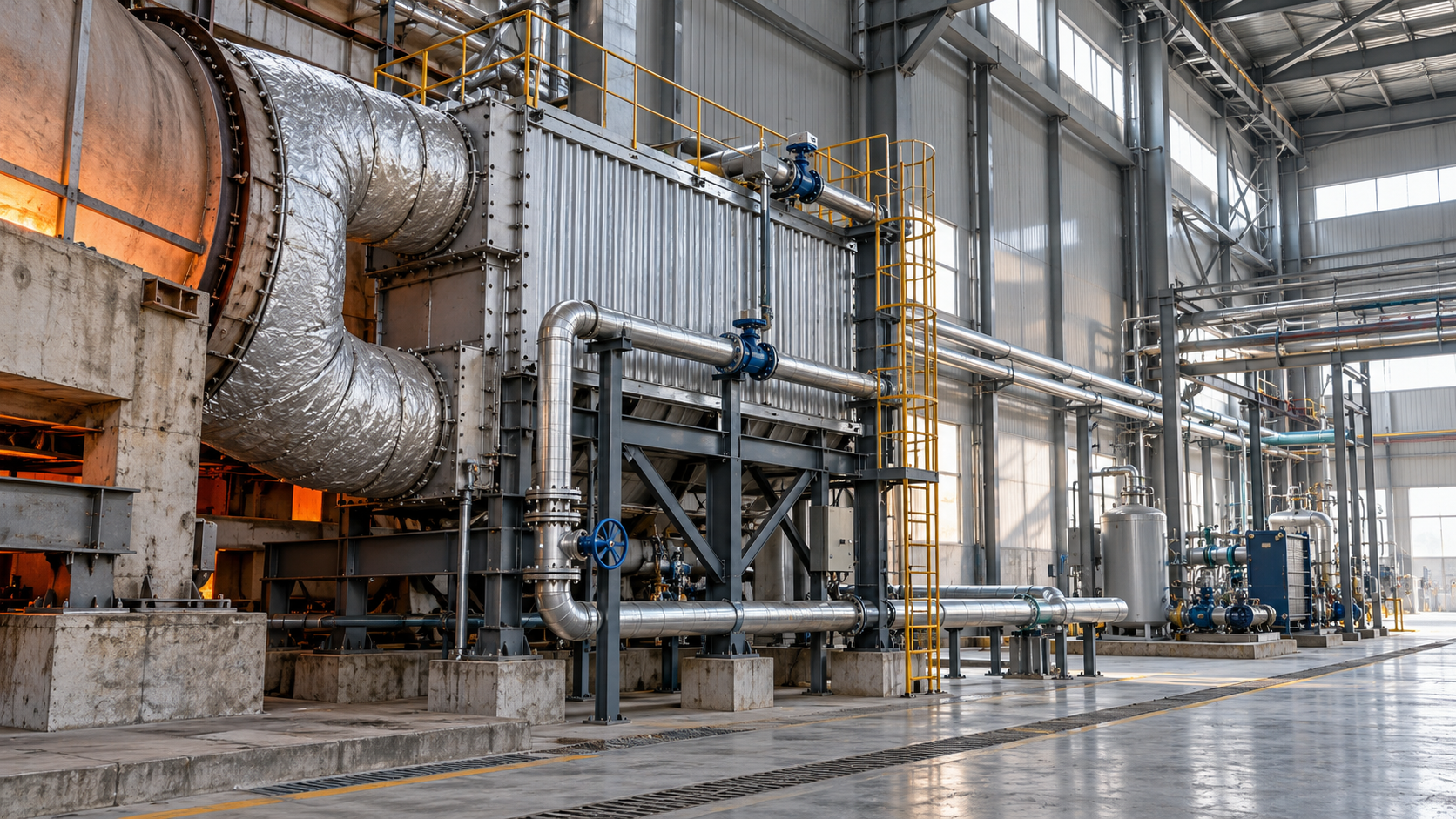
Compare net useful heat and net electricity after fans, pumps, shredders, dryers, and emissions controls. Gross boiler or generator output can conceal significant internal consumption.
Energy demand also needs a realistic outlet. Steam pressure, return-condensate conditions, customer operating hours, and seasonal heat demand determine how much recovered energy has value.
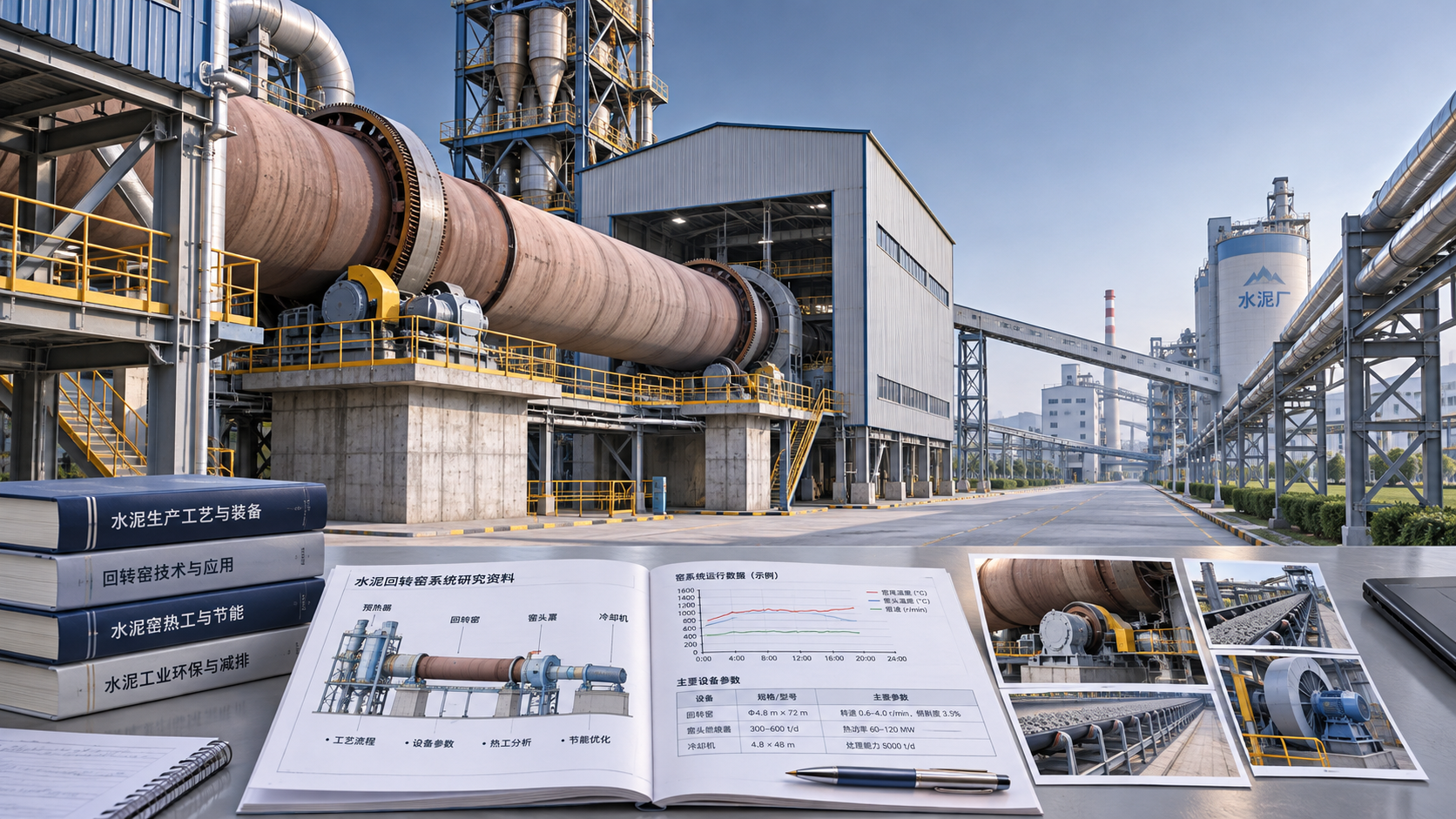
For cement-kiln co-processing, evaluate substitution within the host kiln's constraints. Feed chemistry, chlorine circulation, product quality, and permitting can outweigh the attractiveness of the waste's heating value.
What Sampling and Trial Data Should You Require?
Build the equipment specification from a sampling campaign covering production changes, suppliers, storage conditions, and seasonal weather. One favorable laboratory sample cannot represent the operating envelope.
Use a documented sampling and preparation protocol appropriate to heterogeneous waste. Moisture loss during transport or preparation can bias both reported moisture and heating value.
Ask the laboratory to identify test methods, analytical uncertainty, reporting basis, and whether LHV was measured indirectly from calorimetry and composition. Retain samples where practical.
Record moisture and LHV as paired observations. Report their distribution and operating extremes, because independently combining unrelated worst-case values can produce an unrealistic design case.
Where uncertainty remains, conduct trials using representative and challenging feedstocks. Trials should demonstrate feeding, ignition, temperature stability, burnout, deposit formation, and residue quality under defined conditions.
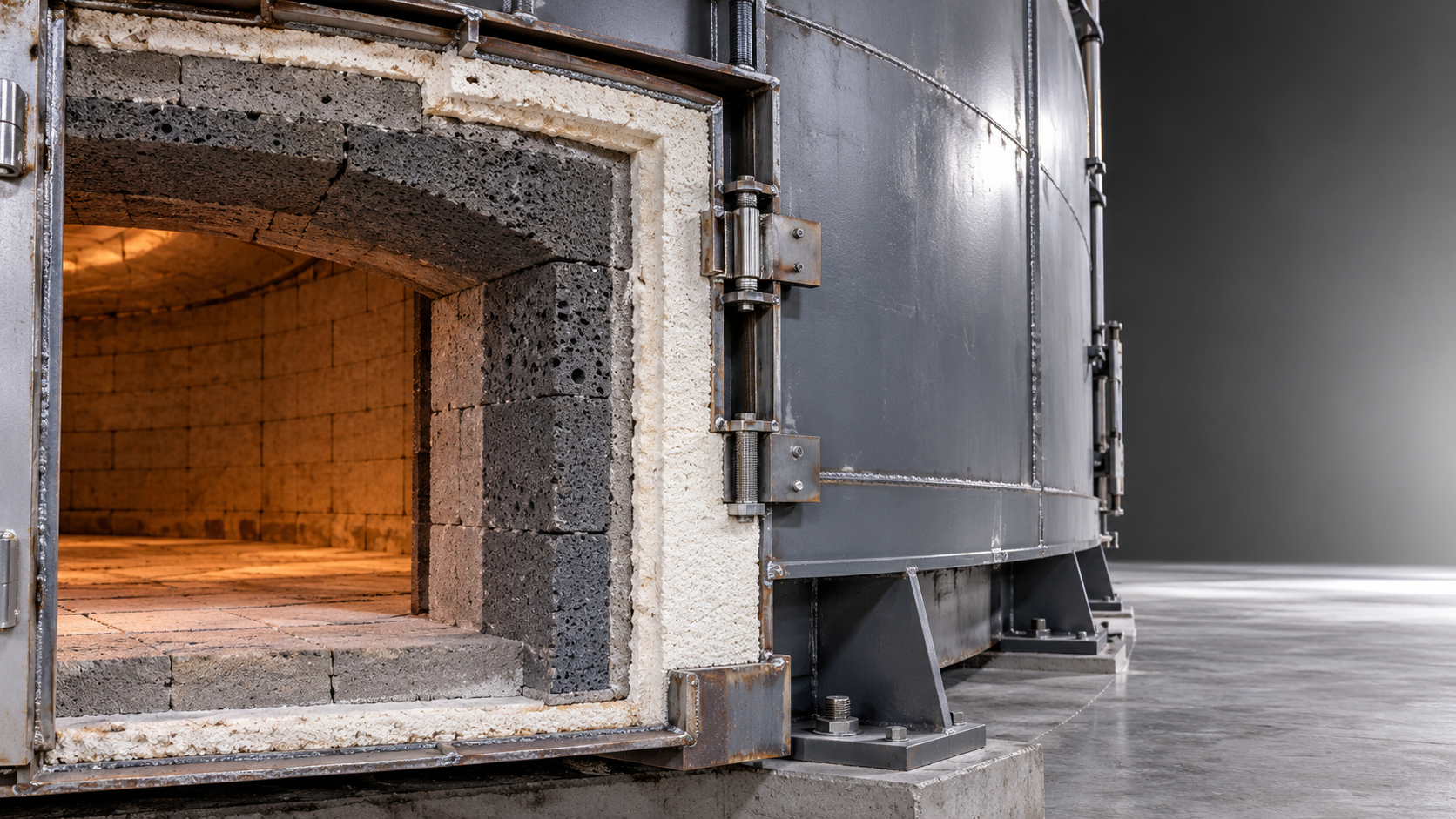
Short trials cannot prove long-term corrosion or refractory life. Address those uncertainties through comparable operating references, material selection, inspection plans, and clearly stated maintenance assumptions.
For hazardous or chemically complex wastes, verify destruction performance and emissions under applicable permit conditions. Energy recovery does not replace the requirement for compliant treatment.
Which Supplier Guarantees Make Bids Comparable?
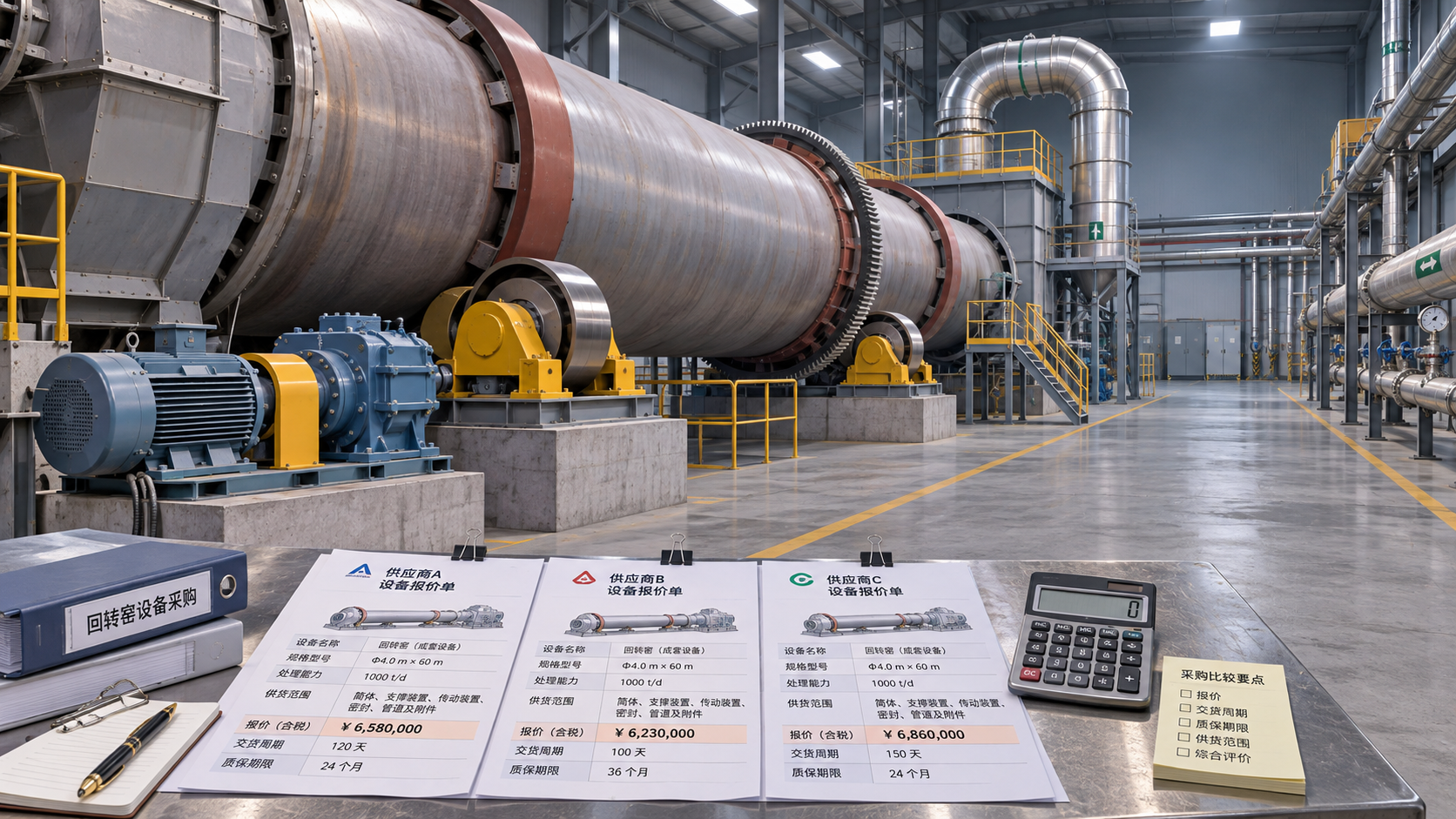
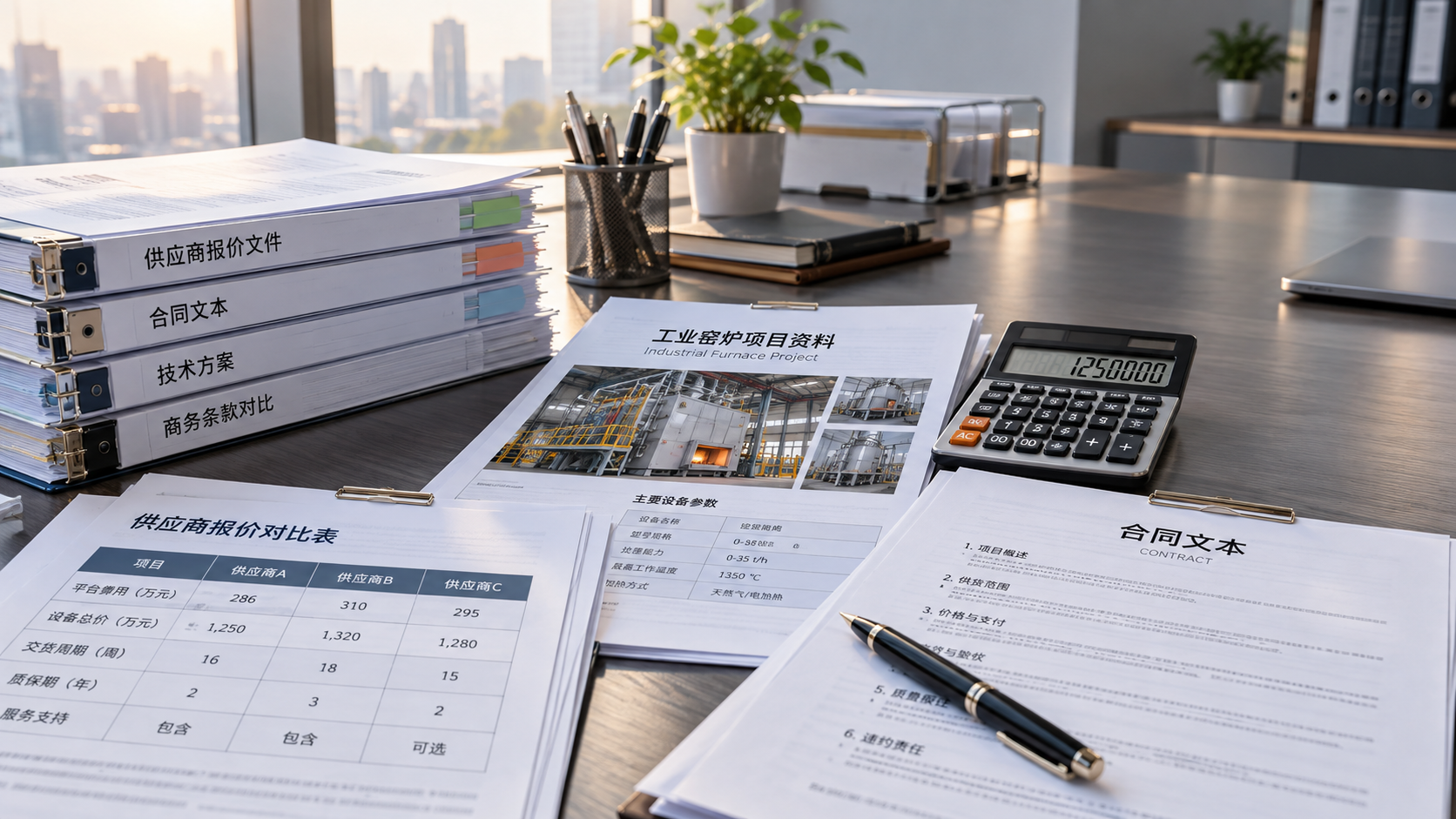
Issue every bidder the same feedstock envelope, utility conditions, energy-export requirements, and emissions limits. Require suppliers to identify exclusions and deviations explicitly in their proposals.
Specify guaranteed throughput at defined moisture and LHV combinations, together with auxiliary fuel consumption. Separate startup, shutdown, standby, and continuous support fuel in the calculations.
Require guaranteed net energy output at agreed measurement boundaries. State whether drying, pretreatment, flue-gas cleaning, and residue handling are included within those boundaries for comparison.
Define acceptance-test duration, feed sampling, instrument accuracy, allowable operating interruptions, and correction methods. Guarantees become difficult to enforce when the test basis remains open to interpretation.
Compare lifecycle costs using realistic availability, consumables, residue disposal, corrosion exposure, and maintenance schedules. Test sensitivity to wetter feed, lower energy prices, and higher auxiliary-fuel costs.
The preferred industrial waste to energy equipment is the configuration that meets treatment obligations and delivers useful energy across credible feed variability at an acceptable lifecycle cost.
Choose From the Operating Envelope, Then Confirm the Configuration
Moisture and as-received LHV provide the starting point for equipment selection, but reliable decisions require ash chemistry, feed handling data, and a complete energy balance.
First establish representative feed properties, then compare treatment routes and pretreatment options. Finally, require suppliers to guarantee throughput, auxiliary fuel, emissions, and net useful energy.
A credible proposal explains how performance changes when the waste changes. That evidence gives technical evaluators a defensible basis for selecting equipment and negotiating performance commitments.