
High-Pressure Molding Equipment Prices in Europe: What Affects the Total Cost?




The price of high-pressure molding equipment in Europe depends as much on what is included in the purchase as on the machine itself. A press quoted without molds, material preparation, installation or commissioning can look inexpensive until those items are added. For procurement teams, the useful comparison is the cost of a production-ready system and the cost of running it at the required output and quality.
There is no single meaningful price range for equipment described as high-pressure molding. The term can cover different forming processes, materials and levels of automation. A compact press for a limited product range and an integrated line for continuous building-material production do not have comparable scopes. Before requesting prices, define the product, throughput and delivery boundary; otherwise, even detailed quotations may answer different questions.
Start with the product and the production target
The material being formed is the first constraint on equipment selection. A supplier needs to understand its composition, particle characteristics, moisture range and behavior under pressure. A mix that compacts readily may need a different feeding and pressing arrangement from one that is abrasive, variable or difficult to release from the mold. If the recipe is still changing, a price based on an assumed mix may leave the buyer paying later for tooling changes or process adjustments.
Specify the finished product dimensions, tolerances, density or strength requirements, surface finish and acceptable defect rate. These characteristics determine more than the size of the mold. They can affect how evenly material must be distributed, how pressure is applied, how parts are removed and what inspection is needed before the product moves to the next process.
Capacity also needs a clear definition. An advertised cycle time is a machine capability under stated conditions; procurement needs an output commitment tied to a product, material and operating pattern. Ask whether the figure includes loading, pressing, ejection and unloading, and whether it assumes one or several cavities per cycle. Shift patterns, changeovers, cleaning and planned maintenance should be considered when translating nominal speed into annual production.
A larger machine can reduce the pressure to operate at its limit, but it may also increase capital cost, power demand and the cost of spare parts. Conversely, a smaller machine is only a saving if it can meet the required output with realistic uptime and acceptable quality. Compare options against the same annual volume and product mix.
What changes the equipment quote?
Several features can move the price substantially, but their value depends on the job the equipment must perform.
- Pressing capability: Required force, working area and control of the pressing cycle depend on the material and product. A higher stated force is not automatically useful if the tooling, frame and material feed cannot produce consistent parts at the required size.
- Tooling: Mold complexity, cavity count, wear resistance and product variations affect both initial expenditure and replacement cost. Confirm how many complete mold sets are included and whether change parts for different products are priced separately.
- Material handling: Feeding, dosing, conveying and discharge equipment may be included in one quotation and excluded from another. Their performance affects whether the press can achieve its stated output.
- Automation and controls: Automatic feeding, recipe management, fault diagnostics and downstream handling add cost. Their return depends on labor availability, production volume, changeover frequency and the value of consistent process control.
- Integration: A standalone machine may require additional guarding, conveyors, electrical work and controls to communicate with the rest of the line. An integrated offer may include some or all of these items.
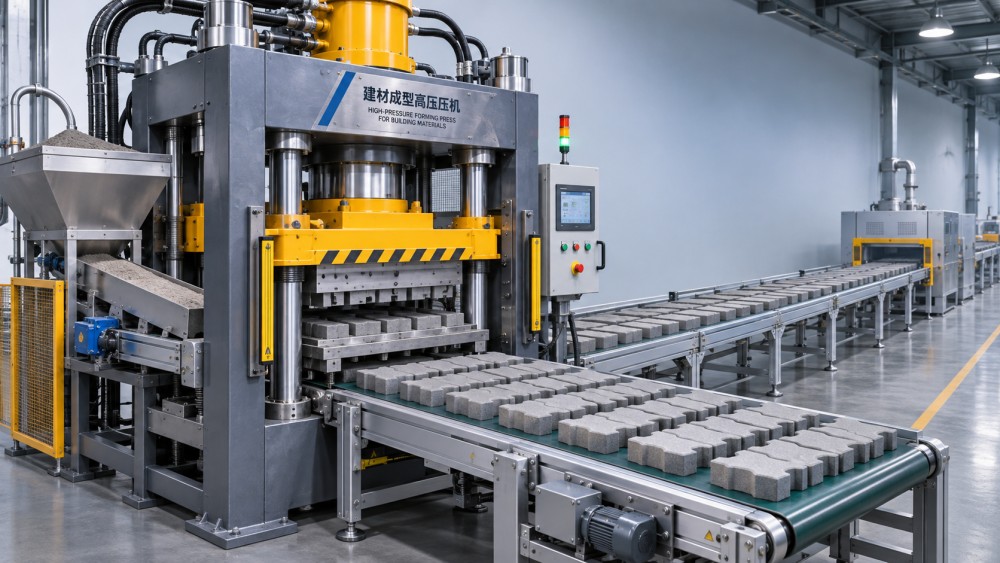
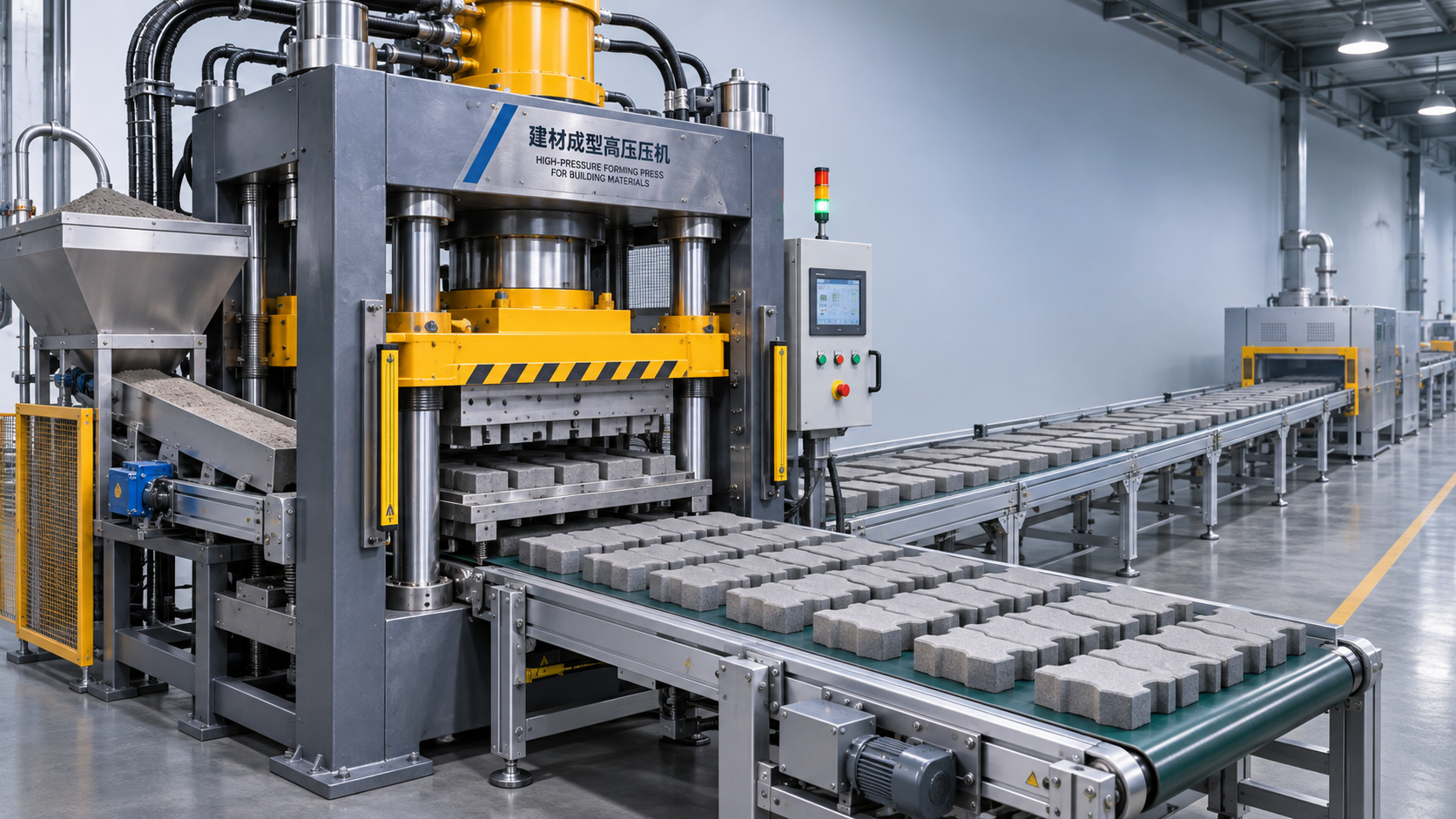
For a lightweight building-material product, for example, the press should be assessed alongside the upstream mixer and dosing system and the downstream handling or curing arrangement. Increasing press speed alone will have limited value if the mix cannot be supplied consistently or newly formed products cannot be removed without damage. The quotation should identify the interfaces and the party responsible for each one.
Compare the same scope, not just the same machine
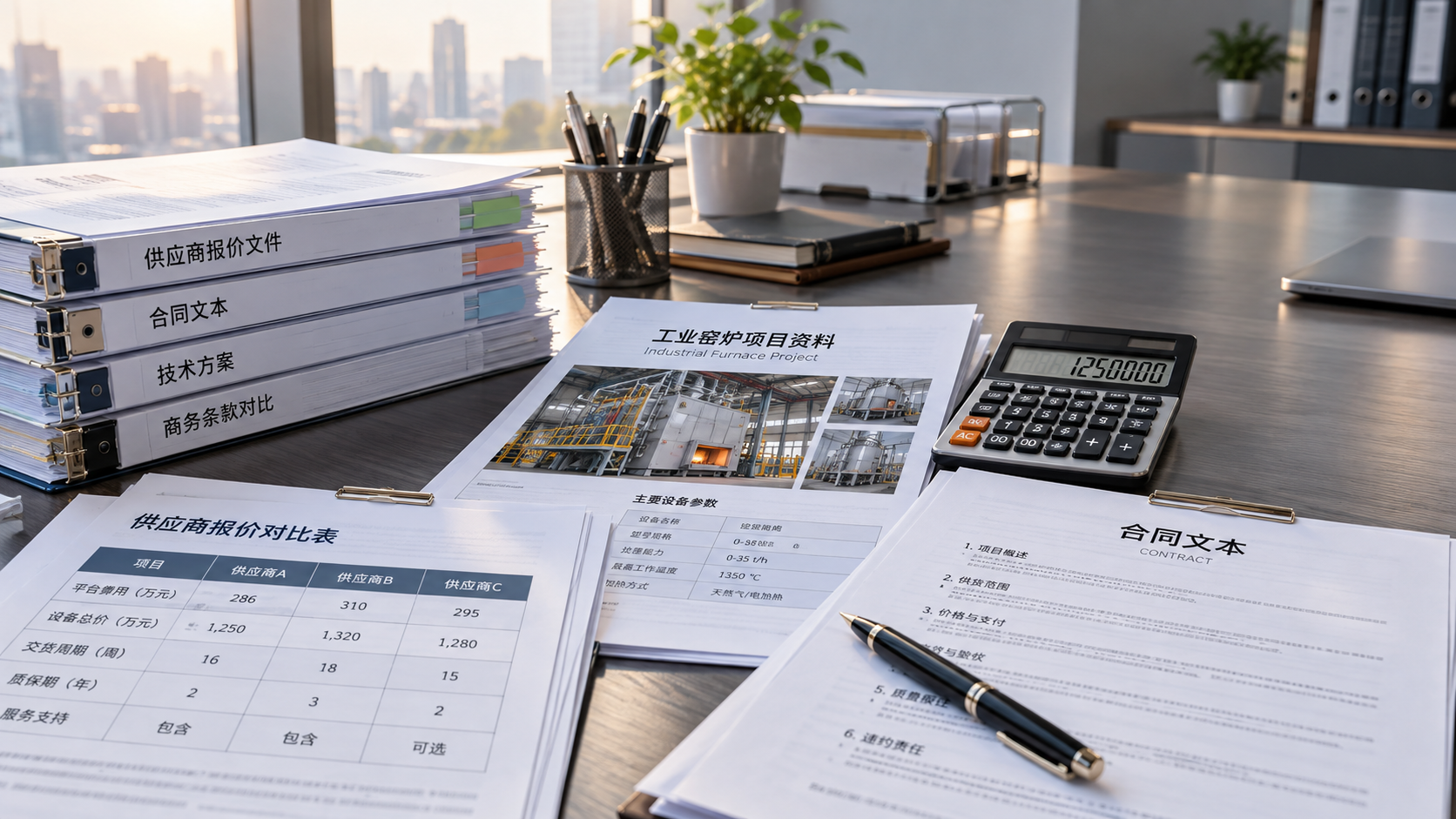
When comparing high pressure molding equipment prices in Europe, ask each supplier to separate the machine price from tooling, ancillary equipment, services and delivery. This makes it easier to identify omissions and decide which work the buyer will arrange locally.
The delivery location matters even within Europe. Transport distance, access to the site, lifting arrangements and the division of responsibilities can change the landed cost. For equipment crossing a customs border, establish who is responsible for customs procedures, duties where applicable, and taxes. Use the delivery terms in the contract to assign responsibilities, and check that the quoted destination is precise.
Payment terms affect the comparison too. Deposits, progress payments and the final balance determine when cash leaves the business and how much remains payable after installation and acceptance. A lower headline price may be less attractive if it requires earlier payments or leaves important performance obligations outside the contract.
Installation and compliance can reshape the budget
A press must fit the building and the process around it. Before signing, ask for layout drawings, equipment weights, service loads and access requirements. A machine that fits on the floor plan may still require space for mold changes, maintenance, safe access and removal of components. Floor capacity and foundation requirements can be material costs, particularly in an existing facility.
Utility figures should describe both connection requirements and expected operation. Installed electrical power is useful for sizing the supply, but it does not by itself establish energy consumption per unit. Request consumption estimates for the specified product and cycle, with the assumptions made clear. Include auxiliary systems such as cooling, extraction and material handling when they are needed for production.
For equipment placed on the EU market, machinery safety obligations and the applicable conformity procedure depend on the machine, its configuration and the relevant rules at the time it is placed on the market or put into service. The buyer should establish which party is responsible for the complete assembly if equipment from several sources is combined. Request the applicable declaration, technical documentation, instructions in the required language and a clear account of safety interfaces. Requirements in the destination country and outside the EU should be checked separately.
Compliance responsibilities should be written into the scope before the order is placed. A machine supplier may provide a compliant standalone unit while the buyer or an integrator takes responsibility for connecting it to conveyors, guarding and controls. Those integration costs belong in the project comparison.
Calculate ownership cost around a realistic production plan
The purchase decision should include costs that continue after commissioning. Energy, operators, maintenance, tooling wear and rejected product can outweigh a modest difference between initial quotations over the equipment’s working life. The appropriate comparison period depends on the buyer’s investment model and expected use of the equipment.
A practical model begins with annual saleable output, rather than theoretical press output. Estimate scheduled production time, planned stoppages, changeovers and an allowance for rejects. Then calculate annual running costs using the same assumptions for each supplier. The model should include:
- Electricity and other utilities consumed by the press and necessary auxiliary equipment.
- Operators and maintenance labor required on each shift.
- Replacement molds, wear parts, hydraulic components and routine service materials.
- Planned servicing, supplier support and the financial effect of expected downtime.
- Material lost through startup, changeovers and products that do not meet specification.
Divide the combined annual costs by annual saleable units to compare the operating contribution per unit. Add the initial investment over the chosen evaluation period, using the company’s normal treatment of financing and residual value. Keep the capital and operating assumptions visible: a single cost-per-unit figure is only as useful as the production plan behind it.
Test the result under more than one utilization level. If the line operates for fewer shifts than planned, an expensive automation package may take longer to justify. If demand is high and staffing is constrained, the same package may support a stronger business case. Tooling life should also be tested as a range when the material is abrasive or the formulation is not yet settled.
Make performance and acceptance part of the purchase
A quotation is strongest when it connects price to a defined result. Ask suppliers to state the material, product, tooling and operating conditions behind their capacity and quality figures. Where feasible, arrange a representative material trial before final selection, particularly when the mix or finished product presents uncertainty. Agree who provides the material, what will be measured and how the results affect the final specification.
The contract should distinguish factory testing from site acceptance. Factory testing can demonstrate functions before shipment, while site acceptance addresses performance after installation with the agreed utilities, material and supporting equipment. Define measurable criteria for output and product quality, the duration and conditions of the run, and the procedure if a criterion is missed. The buyer’s own responsibilities—including material preparation, staffing and site readiness—also need to be clear.
For a multi-supplier line, assign responsibility for resolving interface problems. A press, conveyor and dosing system can each meet an individual specification while the combined line falls short of the required output. Agreed signal lists, mechanical interfaces and coordinated commissioning reduce the chance that the buyer must manage an expensive gap between contracts.
The best-priced offer is therefore the one that meets the production requirement at the lowest credible total cost, with responsibilities and assumptions visible. A procurement team can reach that judgment by pricing missing scope, comparing costs per saleable unit and tying acceptance to the product the line is intended to make.
Related News
 Ms. Elena RodriguezProcess Equipment Pricing: How to Compare Quotes and Total CostsMaster process equipment comparison pricing: compare supplier quotes, uncover hidden costs, and evaluate lifetime expenses to make a confident buying decision.Nov 17, 2026
 Prof. Marcus ChenGlobal Cement Industry Decarbonization: Key Technologies and Cost BarriersExplore global cement industry decarbonization technologies, cost barriers, and practical investment strategies to cut emissions while protecting competitiveness.Nov 16, 2026
 Structural Material AnalystChoosing Specification Preparation Support for North American ProjectsChoose specification preparation support North America projects can rely on. Compare technical expertise, compliance, interfaces, and supplier acceptance criteria.Nov 14, 2026
 Structural Material AnalystSpecialty Ceramic Extrusion: How Material Properties Affect FormingExplore how ceramic specialized material extrusion is shaped by particle size, binders, and solids loading—and learn to improve forming and reduce defects.Nov 13, 2026
 Ms. Elena RodriguezHigh-Pressure Molding Equipment Prices in Europe: What Affects the Total Cost?Explore high pressure molding equipment price Europe buyers can expect to assess, from tooling and installation to running costs. Compare quotes with confidence.Nov 12, 2026
 Structural Material AnalystChoosing a Vacuum Extrusion System: Capacity, Materials and Vacuum LevelsChoosing a vacuum extrusion system? Compare capacity, material behavior and vacuum levels to improve product quality and select the right equipment.Nov 11, 2026
 Optical Glass Tech FellowGlass Melting Innovations: Comparing Electric and Hybrid Furnace TechnologiesExplore glass melting innovations and compare electric and hybrid furnaces by energy use, emissions, glass quality and operating costs to find the right fit.Nov 10, 2026
 Thermal Energy ArchitectHow Thermal Barrier Technology for Kilns Reduces Heat LossDiscover how thermal barrier technology for kilns reduces heat loss, and learn how to select insulation and assess savings without compromising lining durability.Nov 09, 2026
 Prof. Marcus ChenGlobal Materials Trends: What North American Manufacturers Need to KnowExplore global material trends North America manufacturers need to know, from energy costs and supply chains to lower-carbon materials and smarter investment decisions.Nov 08, 2026
 Thermal Energy ArchitectSelecting Abrasion-Resistant Refractories for High-Wear Kiln LiningsExplore advanced refractory materials abrasion resistant enough for high-wear kiln linings. Compare wear mechanisms, thermal stability, installation and lifecycle costs.Nov 06, 2026
 Dr. Alistair VaughnIndustrial Energy Efficiency Certification: ISO 50001 Requirements for PlantsExplore industrial energy efficiency certification with ISO 50001. Learn how plants define scope, measure performance and prepare credible evidence for audits.Nov 05, 2026
 Ms. Elena RodriguezWhat Is an Industrial Intelligence Database and How Is It Used?Discover how an industrial intelligence database helps researchers map markets, track projects, compare technologies, and assess evidence with confidence.Nov 04, 2026
 Ms. Elena RodriguezIndustrial Material Pricing: How Freight and Order Volume Affect QuotesExplore industrial material pricing and learn how freight, order volume, and inventory costs affect quotes. Compare suppliers and make smarter purchasing decisions.Nov 03, 2026
 Structural Material AnalystSingle- vs. Twin-Screw Extrusion Systems: Which Suits Your Material?Choose the right specialized extrusion systems screw type for your material. Compare single- and twin-screw options to improve quality and control costs.Nov 02, 2026
 Thermal Energy ArchitectChoosing Thermal Barrier Materials for Kilns: Temperature and Heat LossExplore thermal barrier materials for kilns and learn how to balance temperature resistance, heat loss, durability and operating costs when selecting a lining.Nov 01, 2026
 Ms. Elena RodriguezSupplier Reference Platform Pricing: Fees and Contract Terms to CompareCompare supplier reference platform pricing, hidden fees, verification costs and contract terms to choose the right solution for your sourcing team.Oct 31, 2026
 Ms. Elena RodriguezSupplier Comparison Metrics: How to Score Cost, Quality, and DeliveryUse supplier comparison metrics to score cost, quality, and delivery with a practical weighted scorecard. Make more confident equipment sourcing decisions.Oct 30, 2026
 Ms. Elena RodriguezWhat Does Industrial Waste Heat Recovery Cost, and When Does It Pay Back?Understand industrial waste heat recovery cost, from equipment and installation to net savings. Learn how to compare quotes, assess risks, and calculate realistic payback before investing.Oct 29, 2026
 Thermal Energy ArchitectChoosing Industrial Waste-to-Energy Equipment by Waste Moisture and Heating ValueChoose industrial waste to energy equipment by moisture and heating value. Compare technologies, fuel needs, and supplier guarantees to make a confident investment.Oct 28, 2026
 Thermal Energy ArchitectChoosing Industrial Kiln Insulation for High Heat and Repeated Thermal CyclingExplore high temperature industry solutions for kiln insulation under repeated thermal cycling. Compare materials, reduce heat loss, and select the right lining for your operating conditions.Oct 27, 2026
Related News
- 00
0000-00
Process Equipment Pricing: How to Compare Quotes and Total Costs - 00
0000-00
High-Pressure Molding Equipment Prices in Europe: What Affects the Total Cost? - 00
0000-00
What Is an Industrial Intelligence Database and How Is It Used? - 00
0000-00
Industrial Material Pricing: How Freight and Order Volume Affect Quotes - 00
0000-00
Supplier Reference Platform Pricing: Fees and Contract Terms to Compare
0000-00
Weekly Insights
Stay ahead with our curated technology reports delivered every Monday.