
Industrial Energy Efficiency Certification: ISO 50001 Requirements for Plants




ISO 50001 certification assesses whether a plant has established, implemented, maintained and continually improved an energy management system, and whether it can demonstrate improvement in energy performance. The certificate applies to the defined management system scope and boundaries; it does not certify that every production line meets a prescribed efficiency threshold or that a particular kiln, furnace or extruder is energy efficient.
For industrial energy efficiency certification, the strongest evidence connects measured energy use to operating conditions, accountable controls and demonstrated results. A plant that records monthly utility bills but cannot explain production changes, significant energy uses or the effect of improvement actions has an incomplete basis for assessment.
Certification scope and plant boundaries
The scope describes the activities and processes covered by the energy management system. Boundaries establish the physical or organizational limits within which energy performance is managed. A site may include several production lines, shared utility systems, workshops and storage areas, but the certificate’s scope must be read before assuming that all of them are covered.
Energy flows across those boundaries need particular attention. A cement grinding operation supplied with compressed air, electricity or waste heat from a shared utility network needs a defensible method for assigning the relevant energy use. Similarly, a glass plant purchasing steam from a neighboring facility must identify the energy delivered and account for the relationship between the supplier and the management system. Estimating a shared load is possible, but the method and its uncertainty should be clear enough to support decisions.
ISO 50001 addresses energy management system requirements rather than setting a universal numeric benchmark for plant efficiency. Certification is performed by an external certification body; a plant’s self-declaration or an equipment supplier’s efficiency claim is not equivalent to certification of the plant’s management system. The applicable edition of the standard, certificate scope and certification body’s status should be verified when reviewing a claim.
Energy review: identifying significant energy uses
The energy review examines energy sources, past and present energy use and consumption, and identifies significant energy uses, often called SEUs. Significance is determined from substantial energy consumption or considerable potential for energy performance improvement. The determination should be reproducible: a list of large motors alone does not show that fuel-fired equipment, compressed air losses or high-temperature heat losses have been assessed.
For each SEU, the review identifies relevant variables, current energy performance, and people working under the organization’s control who influence it. It also identifies and prioritizes opportunities to improve energy performance. An energy review must be updated at defined intervals and in response to major changes in facilities, equipment, systems or energy-using processes.
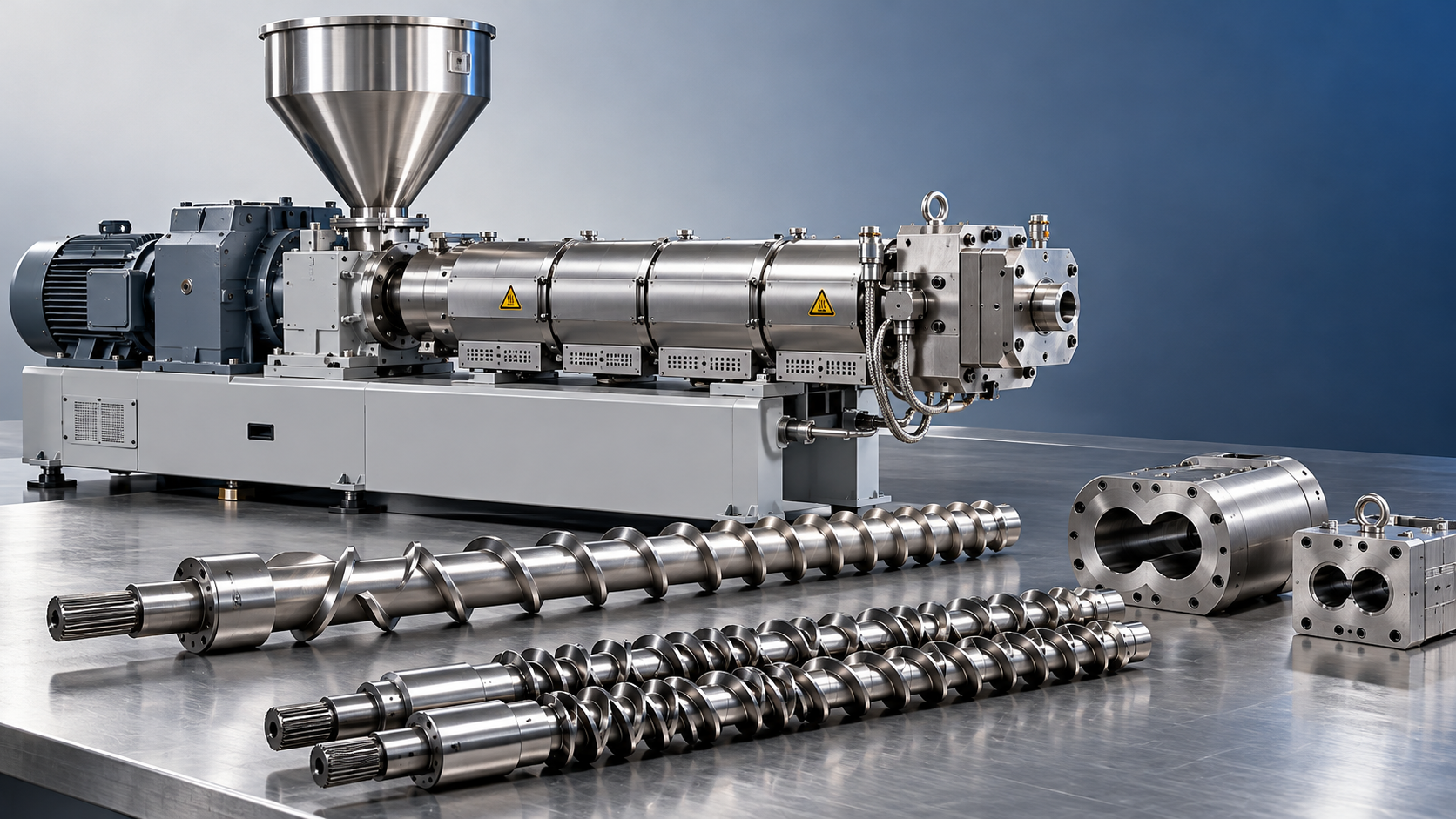
A kiln’s fuel consumption, for example, is affected by throughput, raw material moisture, fuel properties and operating stability. In a glass furnace, production rate, product mix, cullet proportion and pull rate influence the energy needed per unit of output. An incinerator’s purchased fuel use cannot be assessed independently of waste feed composition and calorific value. For extrusion, a change in material moisture or product geometry can alter both drying demand and drive power.
These variables are not interchangeable. A higher fuel rate may reflect increased production rather than deterioration, while stable fuel use during falling output can conceal a loss of performance. The review should link the selected variables to the process and to available measurements, including the limitations of those measurements.
Energy performance indicators and baselines
Energy performance indicators, or EnPIs, provide a measure of energy performance. An energy baseline, or EnB, supplies a reference for comparison. ISO 50001 requires relevant variables that significantly affect energy performance to be considered and, where appropriate, normalization of EnPIs and corresponding baselines to account for changes in those variables.
A simple ratio such as fuel per tonne of clinker is useful when production conditions are comparable. It becomes misleading when raw meal moisture, kiln stops or product requirements change substantially. A ratio can also suggest improvement because output increased enough to spread fixed heat losses over more tonnes, even though the underlying process has not changed. Conversely, a deliberate reduction in throughput can worsen the ratio without proving that operating control has deteriorated.
A stronger assessment defines the production denominator, energy boundary, period and treatment of relevant variables. For a glass line, saleable output and total molten glass are different denominators when rejects or breakage change. For an extrusion line, electrical consumption should be compared with an output measure that reflects the products being made; a mix of dense profiles and lightweight sections may require separate indicators or an appropriate adjustment.
Baseline adjustments need a documented rationale. A new furnace, a permanent change in process configuration or a revised measurement boundary can make an old baseline unsuitable. Changing the baseline merely because a target was missed obscures performance. Evidence should show what changed, when the revision applies and how comparisons remain meaningful.
Measurement that supports a credible result
The energy data collection plan specifies the data needed to monitor key characteristics of operations affecting energy performance, how and when it will be collected, and how measurement equipment will be maintained. Data quality matters at the points where conclusions are drawn, not only at the main site meter.
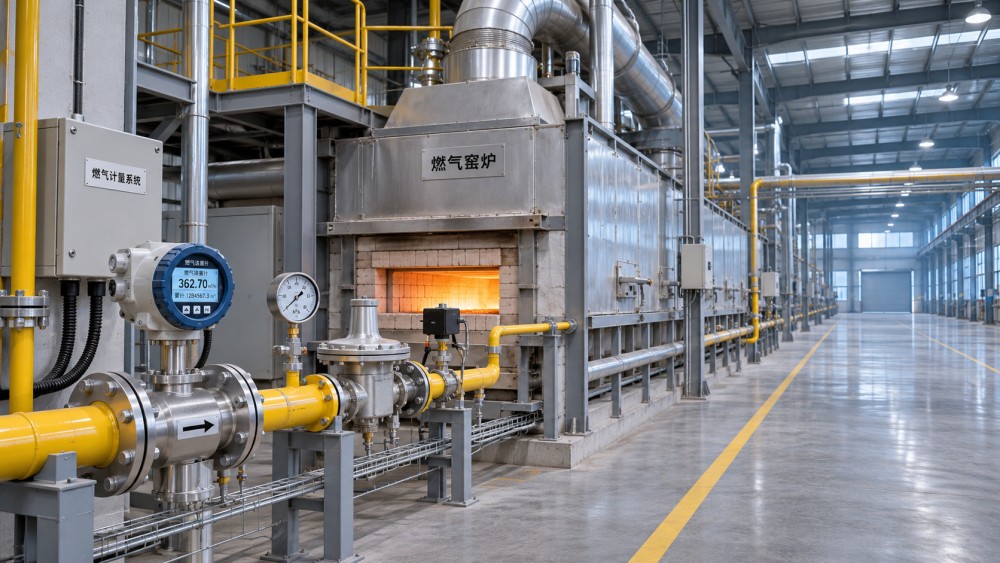
Consider a rotary kiln supplied by multiple fuels. A gas meter, solid-fuel weigh system and fuel-quality information may all be needed to compare energy input with production. If one fuel is recorded by mass and another by volume, conversion to a common energy basis requires consistent assumptions about calorific value and measurement conditions. Missing feed data, meter drift or changes in sampling practice can create an apparent performance shift.
Submetering is valuable when it separates an SEU from shared loads or reveals a material loss, but a separate meter on every asset is not an automatic certification requirement. Estimates and temporary measurements can support the energy review where they are fit for purpose. The important question is whether uncertainty is small enough for the intended decision. A calculated saving close to the uncertainty of the underlying measurements is weak evidence without further investigation.
Meter records should also align with process records. A utility invoice spanning different dates from the production report can distort a monthly indicator. For continuous furnaces, shutdowns, heat-up periods and inventory changes need consistent treatment; excluding them from one period and including them in another undermines the comparison.
Operational controls and improvement actions
ISO 50001 requires operational planning and control of processes related to significant energy uses, including establishing criteria where their absence could lead to a significant deviation from intended energy performance. Those criteria belong in the operating and maintenance system, with relevant information available to the people carrying out the work.
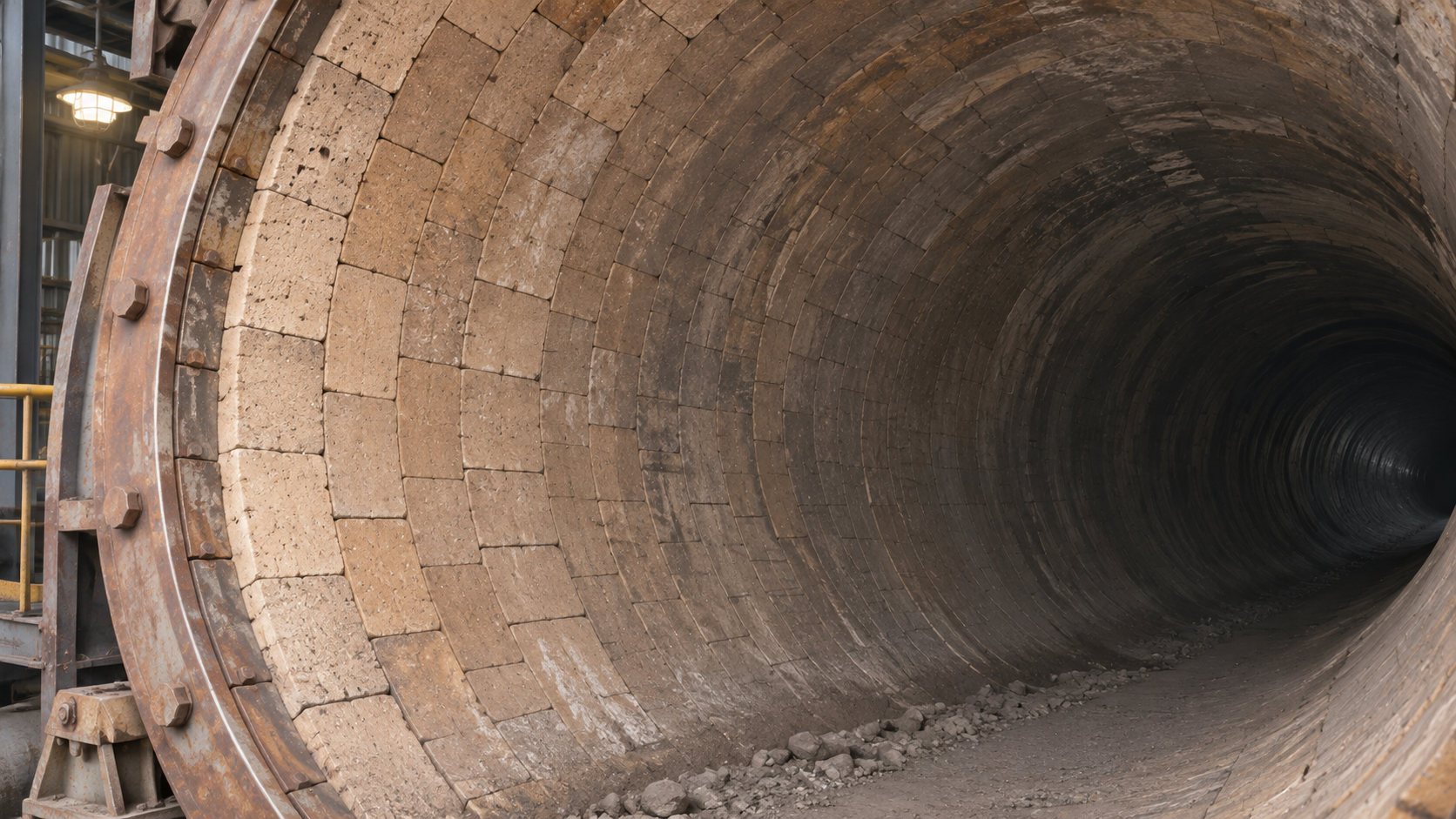
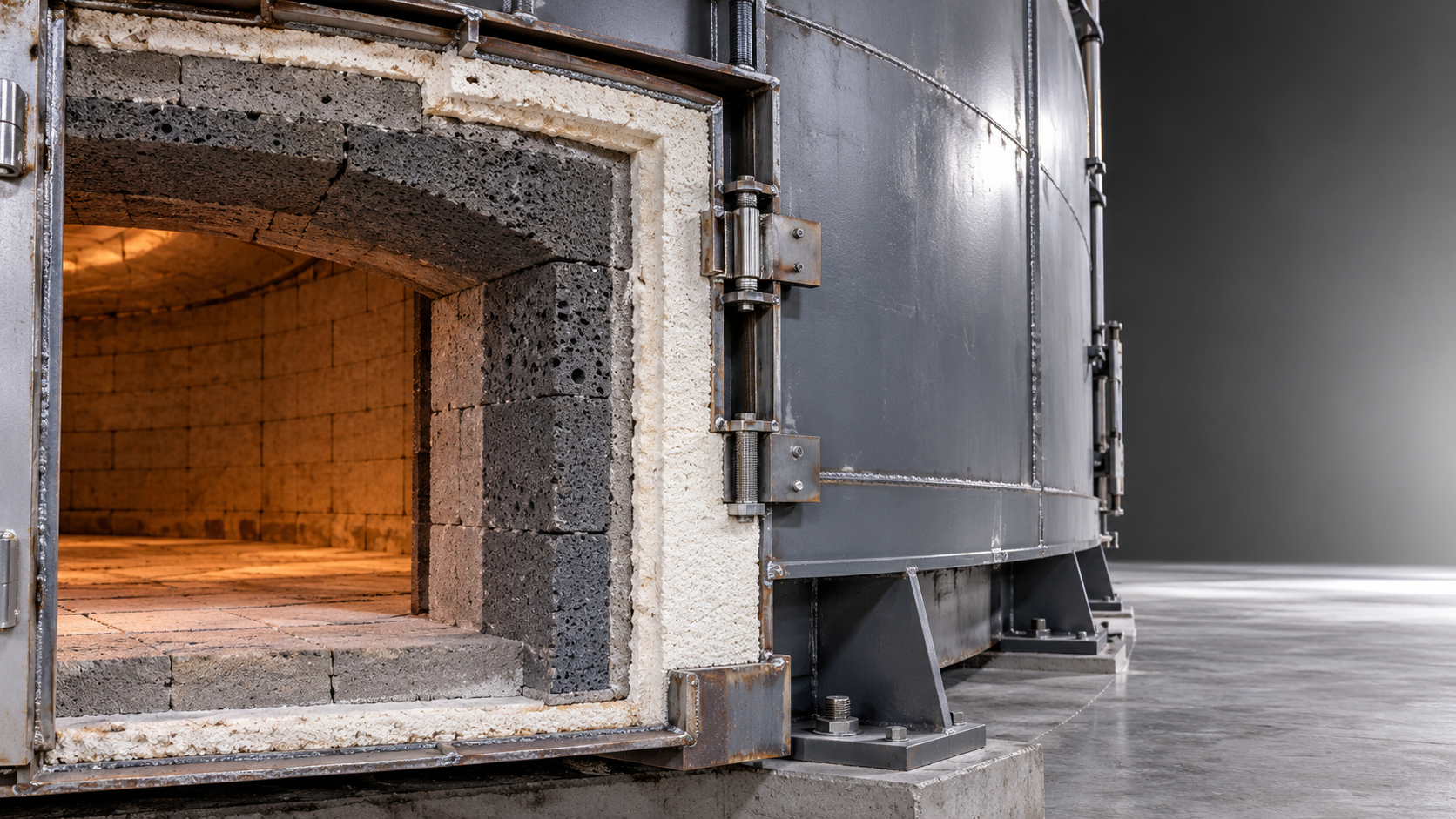
On a kiln, controls could cover combustion settings, air ingress inspection, feed stability and maintenance of refractory or seals where these influence energy performance. On a glass furnace, controls may address combustion, air-to-fuel conditions, insulation integrity and operating practices during production changes. The appropriate limits depend on the equipment and product: lowering excess air without regard to combustion quality or emissions controls, for example, is not evidence of sound energy management.
Improvement opportunities become more credible when action plans state objectives, responsibilities, resources, timing and the method for evaluating results. Replacing insulation or repairing a leak is an action; evidence of energy performance improvement requires a comparison that accounts for relevant operating conditions. An electricity reduction after a compressed-air repair should be examined alongside pressure settings, production demand and compressor operating hours.
Design and procurement are also part of the management system where relevant. Energy performance improvement opportunities and operational control should be considered in the design of new, modified or renovated facilities, equipment and systems that can have a significant impact on performance. Procurement criteria should address energy performance when buying products, equipment or services expected to have a significant effect on energy performance. A motor’s nameplate efficiency alone does not establish system performance if loading, controls and the driven process are ignored.
Evidence during certification
An external audit examines whether the management system conforms to the applicable requirements and is effectively implemented. The process normally includes an initial review of readiness and documented information, followed by a more detailed assessment of implementation. Audit arrangements and subsequent surveillance are governed by the certification body’s applicable rules.
Evidence extends beyond a policy and a set of procedures. Management review records should show that top management has considered the system’s continuing suitability, adequacy and effectiveness, including energy performance and opportunities for improvement. Internal audit records should show coverage against planned arrangements and standard requirements, with findings followed through. Nonconformities require correction and corrective action appropriate to their effects.
Demonstrated energy performance improvement is a distinct certification concern. A completed project list or a target for next year does not, by itself, establish improvement. The comparison should connect an appropriate EnPI to its baseline, with relevant variables considered and data traceable to source records. Improvement need not mean that every indicator improves in every period, but the certification evidence must support the improvement claimed within the scope.
A finding that procedures exist but are not followed differs from a finding that the procedures themselves are inadequate. For example, a defined combustion inspection missed repeatedly raises an implementation issue; a procedure that omits a known significant energy use raises a planning and control issue. Distinguishing the two directs corrective action toward the cause instead of simply adding another form.
Reading a certificate against the operating site
A valid certificate should be interpreted together with its scope, boundaries, issuing body and validity status. A certificate covering one manufacturing site does not automatically extend to another site or to an excluded production process. Likewise, certification does not establish compliance with every environmental obligation, quantify the carbon footprint of a product or verify a particular energy-saving claim.
Where a claim concerns a specific line, the most useful supporting record is a traceable chain from the line’s energy data and production conditions to the relevant indicator, baseline and documented improvement. That chain makes the certification meaningful for the actual operating configuration rather than only for the wording on the certificate.
Related News
 Ms. Elena RodriguezProcess Equipment Pricing: How to Compare Quotes and Total CostsMaster process equipment comparison pricing: compare supplier quotes, uncover hidden costs, and evaluate lifetime expenses to make a confident buying decision.Nov 17, 2026
 Prof. Marcus ChenGlobal Cement Industry Decarbonization: Key Technologies and Cost BarriersExplore global cement industry decarbonization technologies, cost barriers, and practical investment strategies to cut emissions while protecting competitiveness.Nov 16, 2026
 Structural Material AnalystChoosing Specification Preparation Support for North American ProjectsChoose specification preparation support North America projects can rely on. Compare technical expertise, compliance, interfaces, and supplier acceptance criteria.Nov 14, 2026
 Structural Material AnalystSpecialty Ceramic Extrusion: How Material Properties Affect FormingExplore how ceramic specialized material extrusion is shaped by particle size, binders, and solids loading—and learn to improve forming and reduce defects.Nov 13, 2026
 Ms. Elena RodriguezHigh-Pressure Molding Equipment Prices in Europe: What Affects the Total Cost?Explore high pressure molding equipment price Europe buyers can expect to assess, from tooling and installation to running costs. Compare quotes with confidence.Nov 12, 2026
 Structural Material AnalystChoosing a Vacuum Extrusion System: Capacity, Materials and Vacuum LevelsChoosing a vacuum extrusion system? Compare capacity, material behavior and vacuum levels to improve product quality and select the right equipment.Nov 11, 2026
 Optical Glass Tech FellowGlass Melting Innovations: Comparing Electric and Hybrid Furnace TechnologiesExplore glass melting innovations and compare electric and hybrid furnaces by energy use, emissions, glass quality and operating costs to find the right fit.Nov 10, 2026
 Thermal Energy ArchitectHow Thermal Barrier Technology for Kilns Reduces Heat LossDiscover how thermal barrier technology for kilns reduces heat loss, and learn how to select insulation and assess savings without compromising lining durability.Nov 09, 2026
 Prof. Marcus ChenGlobal Materials Trends: What North American Manufacturers Need to KnowExplore global material trends North America manufacturers need to know, from energy costs and supply chains to lower-carbon materials and smarter investment decisions.Nov 08, 2026
 Thermal Energy ArchitectSelecting Abrasion-Resistant Refractories for High-Wear Kiln LiningsExplore advanced refractory materials abrasion resistant enough for high-wear kiln linings. Compare wear mechanisms, thermal stability, installation and lifecycle costs.Nov 06, 2026
 Dr. Alistair VaughnIndustrial Energy Efficiency Certification: ISO 50001 Requirements for PlantsExplore industrial energy efficiency certification with ISO 50001. Learn how plants define scope, measure performance and prepare credible evidence for audits.Nov 05, 2026
 Ms. Elena RodriguezWhat Is an Industrial Intelligence Database and How Is It Used?Discover how an industrial intelligence database helps researchers map markets, track projects, compare technologies, and assess evidence with confidence.Nov 04, 2026
 Ms. Elena RodriguezIndustrial Material Pricing: How Freight and Order Volume Affect QuotesExplore industrial material pricing and learn how freight, order volume, and inventory costs affect quotes. Compare suppliers and make smarter purchasing decisions.Nov 03, 2026
 Structural Material AnalystSingle- vs. Twin-Screw Extrusion Systems: Which Suits Your Material?Choose the right specialized extrusion systems screw type for your material. Compare single- and twin-screw options to improve quality and control costs.Nov 02, 2026
 Thermal Energy ArchitectChoosing Thermal Barrier Materials for Kilns: Temperature and Heat LossExplore thermal barrier materials for kilns and learn how to balance temperature resistance, heat loss, durability and operating costs when selecting a lining.Nov 01, 2026
 Ms. Elena RodriguezSupplier Reference Platform Pricing: Fees and Contract Terms to CompareCompare supplier reference platform pricing, hidden fees, verification costs and contract terms to choose the right solution for your sourcing team.Oct 31, 2026
 Ms. Elena RodriguezSupplier Comparison Metrics: How to Score Cost, Quality, and DeliveryUse supplier comparison metrics to score cost, quality, and delivery with a practical weighted scorecard. Make more confident equipment sourcing decisions.Oct 30, 2026
 Ms. Elena RodriguezWhat Does Industrial Waste Heat Recovery Cost, and When Does It Pay Back?Understand industrial waste heat recovery cost, from equipment and installation to net savings. Learn how to compare quotes, assess risks, and calculate realistic payback before investing.Oct 29, 2026
 Thermal Energy ArchitectChoosing Industrial Waste-to-Energy Equipment by Waste Moisture and Heating ValueChoose industrial waste to energy equipment by moisture and heating value. Compare technologies, fuel needs, and supplier guarantees to make a confident investment.Oct 28, 2026
 Thermal Energy ArchitectChoosing Industrial Kiln Insulation for High Heat and Repeated Thermal CyclingExplore high temperature industry solutions for kiln insulation under repeated thermal cycling. Compare materials, reduce heat loss, and select the right lining for your operating conditions.Oct 27, 2026














Related News
- 00
0000-00
Industrial Energy Efficiency Certification: ISO 50001 Requirements for Plants - 00
0000-00
Thermal Barrier Coatings for Gas Turbines: How They Work and Why They Fail - 00
0000-00
Industrial Waste Recycling: Selecting Conversion Systems by Feedstock and Output - 00
0000-00
What Thermal Management Data Should a Supplier Provide? - 00
0000-00
How Process Technology Platforms Improve Control Across Multi-Line Manufacturing
0000-00
Weekly Insights
Stay ahead with our curated technology reports delivered every Monday.