
Choosing Specification Preparation Support for North American Projects




Choose specification preparation support for North American projects by testing whether the provider can turn process requirements into a coordinated, enforceable procurement package. Relevant industry experience matters, but the strongest evidence is a clear method for defining operating conditions, resolving equipment interfaces, identifying applicable local requirements, and verifying what a supplier delivers.
For a cement kiln, glass line, incineration system, or extrusion plant, a specification that names equipment and lists nominal capacity leaves too much open to interpretation. The support provider should be able to explain how capacity is measured, which conditions govern the guarantee, and where responsibility passes between equipment packages. Those details determine whether competing proposals are comparable and whether the installed system performs as intended.
Start with the deliverable, not the provider’s job title
“Specification preparation” can describe anything from editing an existing equipment data sheet to developing a complete technical procurement package. Before comparing providers, define the documents needed for the current project stage. A preliminary package for budgeting will contain assumptions that must be resolved before a firm equipment order. A purchase-ready package needs enough detail to support pricing, technical evaluation, fabrication, inspection, and acceptance.
Ask each candidate to describe the expected contents and level of development. Depending on the package, deliverables could include a scope narrative, process design basis, equipment data sheets, interface matrix, drawings, performance requirements, inspection provisions, and a list of supplier documents. A useful proposal identifies the inputs required from others and flags information that remains unknown.
The boundary between specification writing and engineering design deserves particular attention. A writer may be able to organize requirements without being responsible for sizing a dust collection system or establishing a kiln heat balance. Where calculations, engineering judgment, or professional review are required, identify who performs them and how their conclusions enter the documents. A polished specification cannot resolve an undefined design basis on its own.
Evaluate process understanding through operating conditions
Ask a prospective provider to explain how it would specify a piece of equipment when the feed or operating profile varies. The response should connect the required output to the conditions that produce it, including feed composition, moisture, particle size, temperature, operating hours, and expected variation where relevant. It should also distinguish normal operation from startup, shutdown, and upset conditions.
For example, a throughput figure for a kiln system is difficult to compare unless the associated feed properties and product requirements are stated. A supplier offering the same nominal capacity under a different moisture level or fuel basis may have assumed a different thermal load. Likewise, the outlet temperature of a glass annealing system has limited meaning without the product dimensions, line speed, and allowable temperature profile.
A capable provider should ask which conditions must be guaranteed, which represent design limits, and which are supplied only for information. These categories affect equipment sizing and commercial exposure. If a feed analysis is provisional, the specification should identify the basis used for the offer and set out how a later change will be evaluated. Leaving the uncertainty implicit encourages each bidder to choose its own assumptions.
For an existing plant, request a method for reconciling historical operating data with the proposed duty. Recorded production rates may reflect bottlenecks elsewhere in the line, while nameplate ratings may no longer represent the equipment’s condition. The specification should identify the operating case used for procurement and the source of the underlying data.
Look closely at package interfaces
Many procurement disputes begin at the edge of a supplier’s scope. A specification support provider should be able to map physical connections, utilities, controls, civil works, and responsibilities across package boundaries. This is especially important when a process line combines imported equipment with locally engineered installation work.
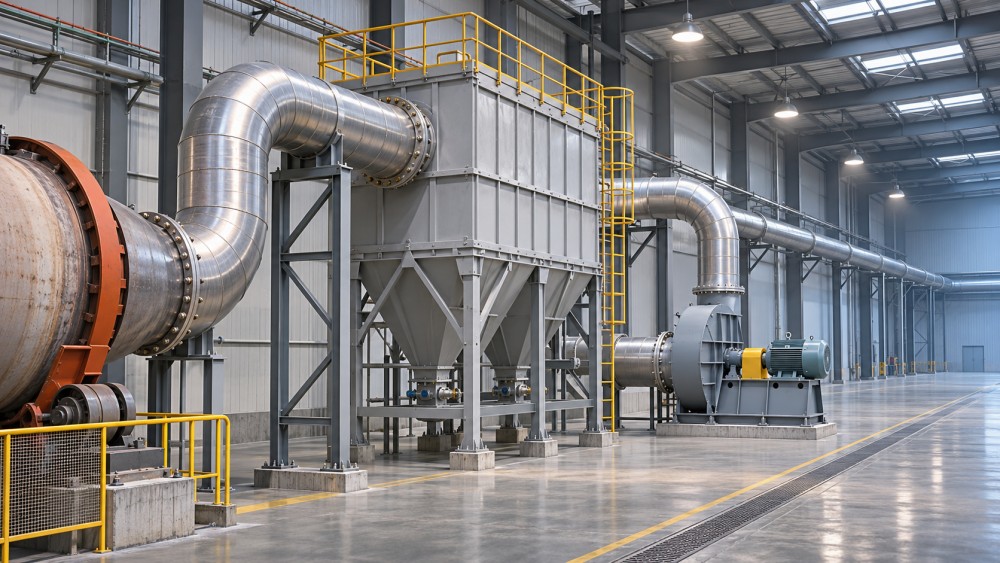
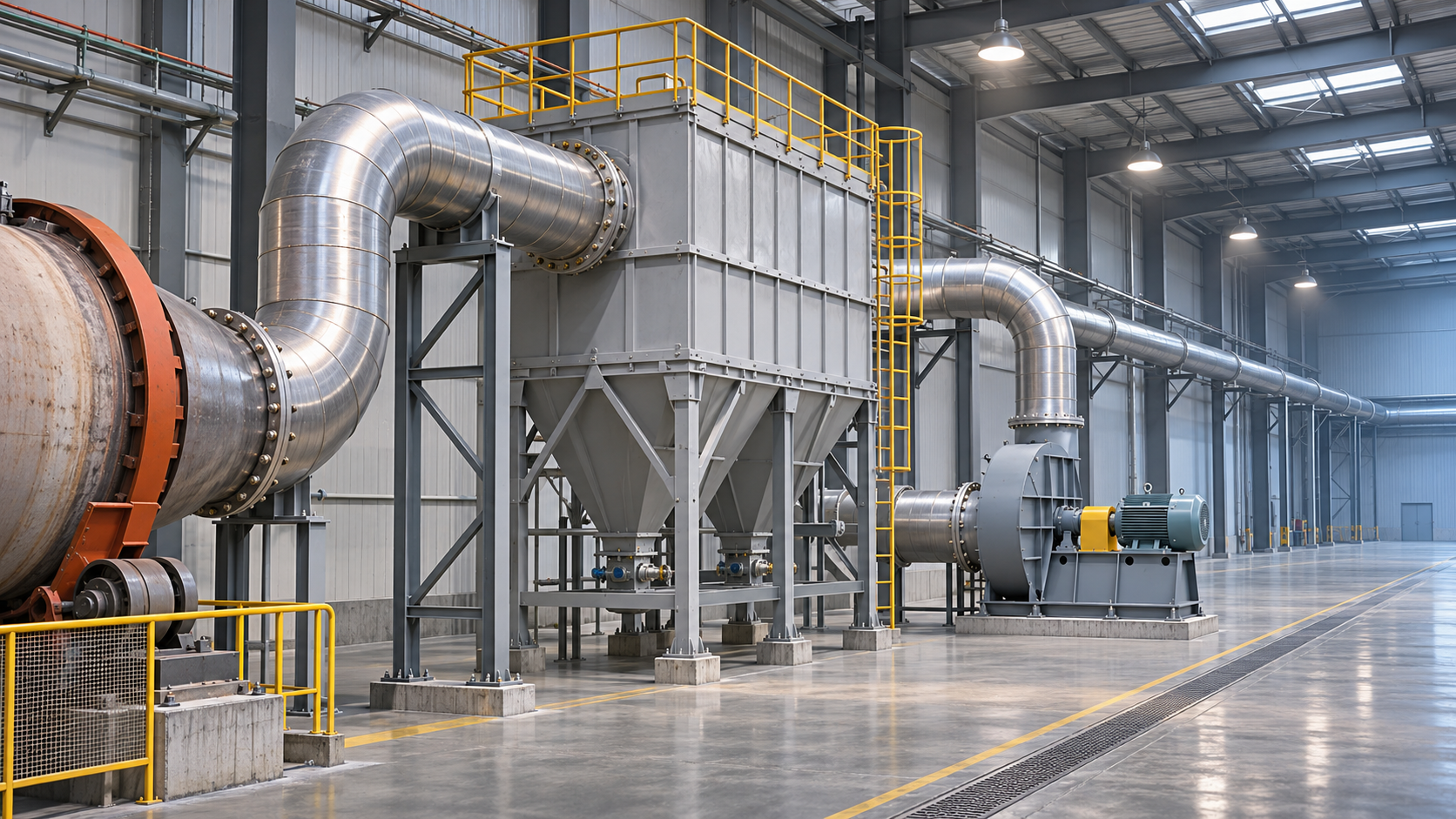
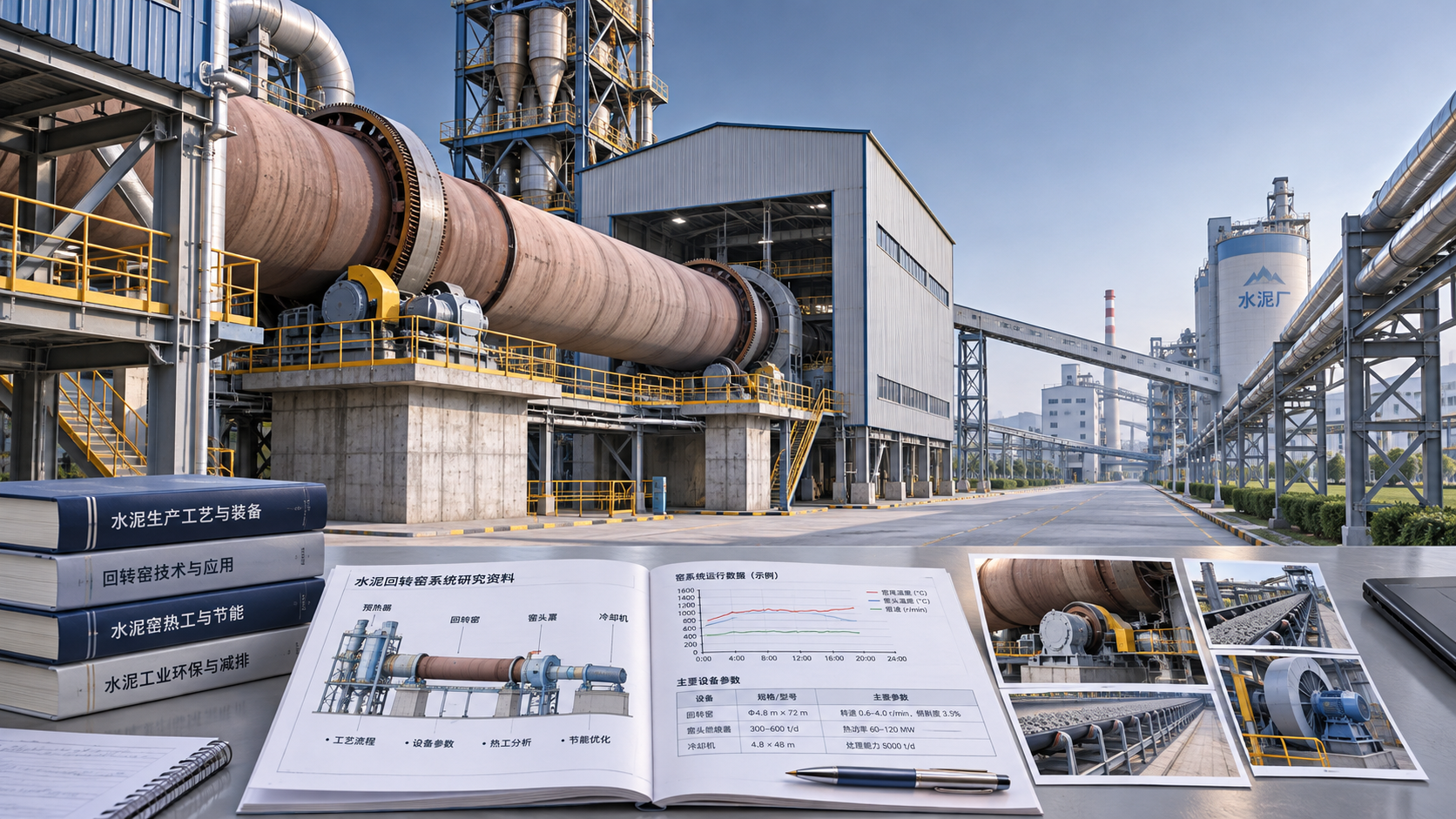
Consider a rotary kiln exhaust system. The kiln supplier, ductwork contractor, filter supplier, fan supplier, and controls integrator may each influence pressure loss and operating temperature. If the package documents do not assign the design conditions and connection points, a fan can be correctly specified for one assumed pressure drop while the completed system requires another. The interface record should identify who supplies each duct section, who establishes the pressure balance, and who confirms the final operating point.
For each significant boundary, useful information includes connection location and size, design loads, material properties, utility quality, signal ownership, and the document that controls the final value. Electrical interfaces also need a clear basis for supply characteristics, motor control, protective devices, grounding, and control-panel responsibilities. The applicable details depend on the site and equipment; the important selection test is whether the provider has a repeatable way to capture and resolve them.
Ask to see an anonymized example of an interface register or a sample developed for a hypothetical package. It should show an owner, a required input, a status, and a resolution path. A list of interfaces without assigned responsibility is useful for discussion but insufficient for controlling the procurement package.
Separate local compliance research from engineering approval
North America is not a single approval jurisdiction. Requirements depend on the country, province or state, municipality, site conditions, and equipment involved. A support provider should identify the applicable authorities and standards with the project’s responsible engineering and permitting parties, then record the basis used in the specification. It should not treat a generic reference to “North American standards” as a complete compliance strategy.
Ask how the provider handles equipment arriving from another jurisdiction. A supplier’s existing design may need review against local electrical, pressure equipment, machine safety, building, fire, or environmental requirements. The necessary review and approval route varies by location and scope. The specification should state the known requirements, identify unresolved items, and assign responsibility for approvals and supporting documentation.
Confirm who is authorized to perform any required professional engineering review and whether a licensed professional must seal particular documents in the relevant jurisdiction. Specification support and a legally required engineering seal are separate scope items unless the agreement expressly includes both. The same distinction applies to environmental permitting: emission limits and monitoring obligations should come from the applicable project requirements and permitting process, not from an assumed universal threshold.
Unit conventions also affect clarity. A package can use metric or customary units, but the controlling values, conversions, and drawing conventions should be consistent. Mixed units are especially troublesome at equipment interfaces, where a rounded conversion can affect dimensions, pressure ratings, or electrical details.
Make supplier offers comparable before bids are issued
A provider’s value becomes visible in the structure of the inquiry package. Suppliers should have enough flexibility to propose suitable designs while responding to the same required operating cases and scope boundaries. Ask how the provider will distinguish mandatory requirements from preferred features and how deviations will be captured.
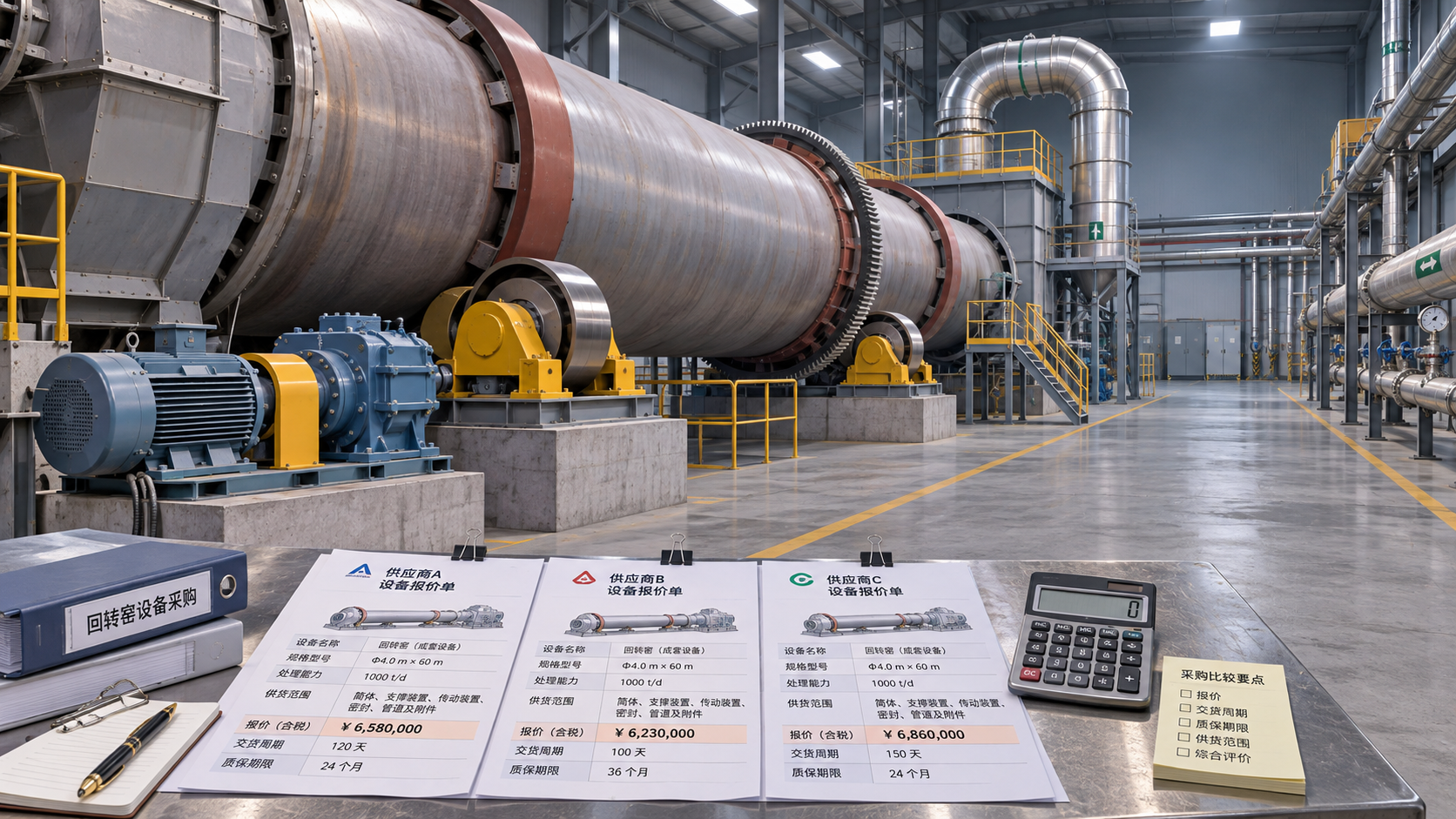
A bid response schedule should request the offered performance, the conditions behind it, excluded work, utility consumption at defined operating points, and any exceptions to the specification. For a thermal system, fuel consumption stated at one load is not directly comparable with a figure based on another feed temperature or production rate. The evaluation form should bring those assumptions into the open.
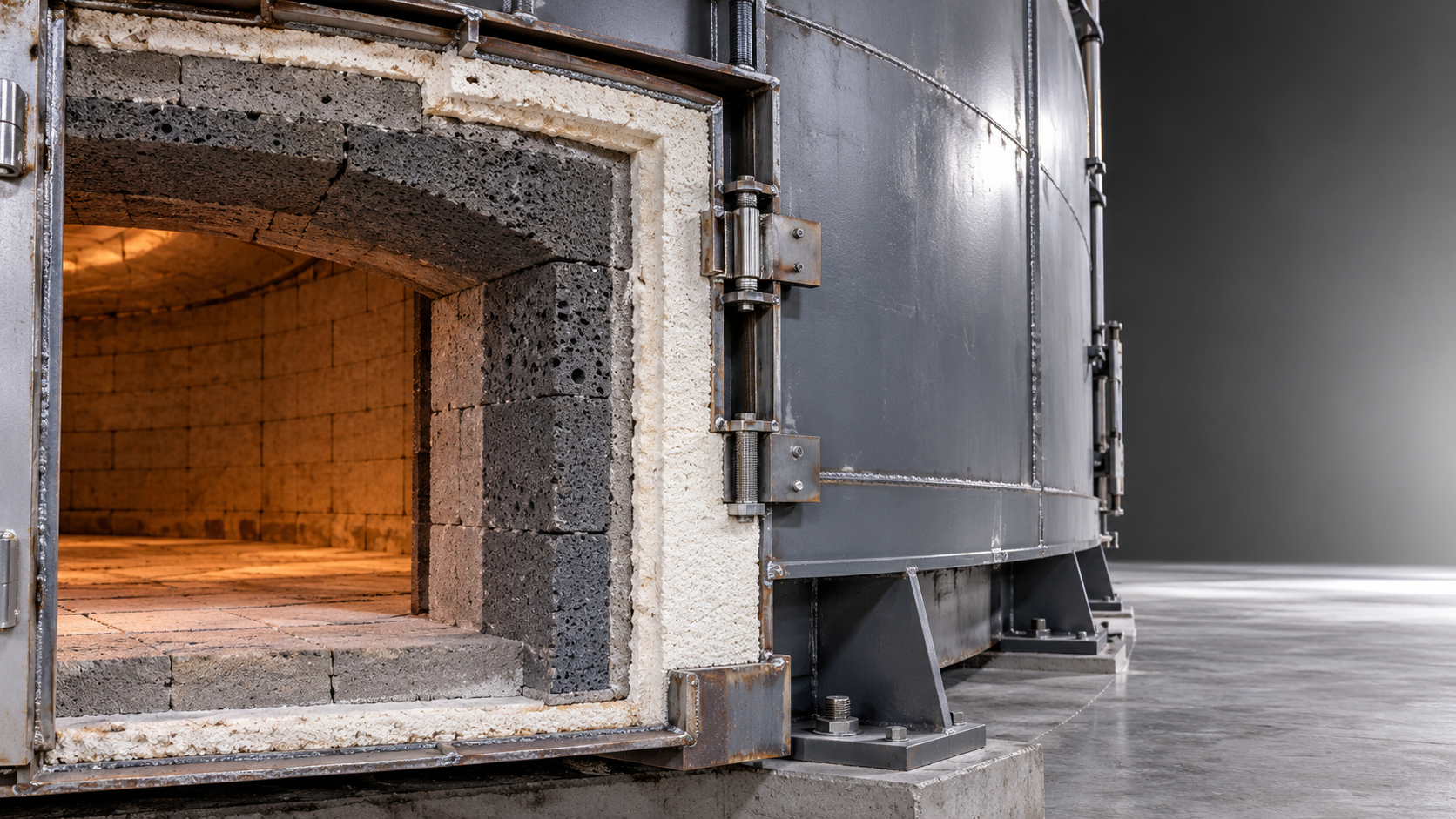
Where an alternative is welcome, the base offer still needs a common reference. For example, a supplier could quote a specified refractory arrangement as the base case and describe a proposed alternative separately, including its design basis and implications for maintenance or operating limits. Without that separation, a lower initial offer may reflect a different scope rather than a better technical response.
Ask whether technical bid evaluation is included in the support assignment. Preparing the inquiry and evaluating responses require related but distinct work. The latter can involve clarification questions, comparison of exclusions, review of supplier calculations, and updates to the specification before award. Agree on the expected number and timing of review cycles without assuming that every clarification will be minor.
Define acceptance before discussing guarantees
A performance guarantee is useful only when the contract documents explain how it will be tested. The specification should connect each guaranteed value to a test method, measurement location, operating duration, feed and utility conditions, instruments, and acceptance criteria. It should also identify who supplies test materials and who records and witnesses the results.
Factory inspection, site acceptance, and process performance testing serve different purposes. A factory test can demonstrate assembly, controls, or mechanical function where those activities are practical; it cannot necessarily reproduce the installed process. A site test may confirm operation after installation, but a reliable performance assessment also requires stable upstream conditions and functioning downstream equipment.
Ask a prospective provider how it handles conditions outside the equipment supplier’s control. If an incineration system’s performance test requires a defined waste feed, the contract needs an agreed approach when the available feed differs materially from that basis. The same applies to utility quality or an unfinished downstream system. Recording the test prerequisites and the process for agreeing on a revised test avoids arguments after commissioning has begun.
Maintainability should be addressed in measurable terms where the project has defined needs: access clearances, removable components, lifting provisions, spare parts information, and inspection points. A broad requirement for “easy maintenance” gives little basis for comparing layouts or resolving a later dispute.
Compare proposals by responsibility and evidence
Request a work breakdown that shows who develops each document, who supplies inputs, and who reviews and approves the result. A low-fee proposal may cover document formatting while leaving process calculations, local code review, interface coordination, and bid evaluation outside the scope. A broader proposal can also contain gaps if responsibilities are described only as “support” or “coordination.”
The following comparison points expose those differences without requiring every project to purchase the same level of service:
- Relevant experience: Evidence of similar process duties and procurement stages, with the individual’s role made clear. Experience on a new line does not automatically establish competence in a retrofit with restricted access and existing controls.
- Technical resources: Named disciplines and a plan for resolving specialist questions, such as combustion, refractory design, electrical integration, or emissions monitoring when those topics are within scope.
- Document control: Revision identification, comment resolution, and a clear distinction between documents issued for review, inquiry, and purchase.
- Assumptions and exclusions: A visible register of missing inputs, decisions, and work assigned elsewhere.
- Availability: Time reserved for clarification and coordination at the points when supplier questions and interface decisions are expected.
A short sample assignment can be more revealing than a general capability statement. Give shortlisted providers the same limited process description and ask for a data sheet outline, a few critical clarification questions, and the main interfaces they would investigate. Compare whether their questions expose different design assumptions and whether the proposed deliverable would let suppliers price the same duty.
Before appointment, establish who owns the final editable files, how comments are incorporated, and what triggers a formal revision after issue. A specification remains useful through procurement only when the project can trace changes from the original design basis to the requirements included in the purchase order.
Related News
 Ms. Elena RodriguezProcess Equipment Pricing: How to Compare Quotes and Total CostsMaster process equipment comparison pricing: compare supplier quotes, uncover hidden costs, and evaluate lifetime expenses to make a confident buying decision.Nov 17, 2026
 Prof. Marcus ChenGlobal Cement Industry Decarbonization: Key Technologies and Cost BarriersExplore global cement industry decarbonization technologies, cost barriers, and practical investment strategies to cut emissions while protecting competitiveness.Nov 16, 2026
 Structural Material AnalystChoosing Specification Preparation Support for North American ProjectsChoose specification preparation support North America projects can rely on. Compare technical expertise, compliance, interfaces, and supplier acceptance criteria.Nov 14, 2026
 Structural Material AnalystSpecialty Ceramic Extrusion: How Material Properties Affect FormingExplore how ceramic specialized material extrusion is shaped by particle size, binders, and solids loading—and learn to improve forming and reduce defects.Nov 13, 2026
 Ms. Elena RodriguezHigh-Pressure Molding Equipment Prices in Europe: What Affects the Total Cost?Explore high pressure molding equipment price Europe buyers can expect to assess, from tooling and installation to running costs. Compare quotes with confidence.Nov 12, 2026
 Structural Material AnalystChoosing a Vacuum Extrusion System: Capacity, Materials and Vacuum LevelsChoosing a vacuum extrusion system? Compare capacity, material behavior and vacuum levels to improve product quality and select the right equipment.Nov 11, 2026
 Optical Glass Tech FellowGlass Melting Innovations: Comparing Electric and Hybrid Furnace TechnologiesExplore glass melting innovations and compare electric and hybrid furnaces by energy use, emissions, glass quality and operating costs to find the right fit.Nov 10, 2026
 Thermal Energy ArchitectHow Thermal Barrier Technology for Kilns Reduces Heat LossDiscover how thermal barrier technology for kilns reduces heat loss, and learn how to select insulation and assess savings without compromising lining durability.Nov 09, 2026
 Prof. Marcus ChenGlobal Materials Trends: What North American Manufacturers Need to KnowExplore global material trends North America manufacturers need to know, from energy costs and supply chains to lower-carbon materials and smarter investment decisions.Nov 08, 2026
 Thermal Energy ArchitectSelecting Abrasion-Resistant Refractories for High-Wear Kiln LiningsExplore advanced refractory materials abrasion resistant enough for high-wear kiln linings. Compare wear mechanisms, thermal stability, installation and lifecycle costs.Nov 06, 2026
 Dr. Alistair VaughnIndustrial Energy Efficiency Certification: ISO 50001 Requirements for PlantsExplore industrial energy efficiency certification with ISO 50001. Learn how plants define scope, measure performance and prepare credible evidence for audits.Nov 05, 2026
 Ms. Elena RodriguezWhat Is an Industrial Intelligence Database and How Is It Used?Discover how an industrial intelligence database helps researchers map markets, track projects, compare technologies, and assess evidence with confidence.Nov 04, 2026
 Ms. Elena RodriguezIndustrial Material Pricing: How Freight and Order Volume Affect QuotesExplore industrial material pricing and learn how freight, order volume, and inventory costs affect quotes. Compare suppliers and make smarter purchasing decisions.Nov 03, 2026
 Structural Material AnalystSingle- vs. Twin-Screw Extrusion Systems: Which Suits Your Material?Choose the right specialized extrusion systems screw type for your material. Compare single- and twin-screw options to improve quality and control costs.Nov 02, 2026
 Thermal Energy ArchitectChoosing Thermal Barrier Materials for Kilns: Temperature and Heat LossExplore thermal barrier materials for kilns and learn how to balance temperature resistance, heat loss, durability and operating costs when selecting a lining.Nov 01, 2026
 Ms. Elena RodriguezSupplier Reference Platform Pricing: Fees and Contract Terms to CompareCompare supplier reference platform pricing, hidden fees, verification costs and contract terms to choose the right solution for your sourcing team.Oct 31, 2026
 Ms. Elena RodriguezSupplier Comparison Metrics: How to Score Cost, Quality, and DeliveryUse supplier comparison metrics to score cost, quality, and delivery with a practical weighted scorecard. Make more confident equipment sourcing decisions.Oct 30, 2026
 Ms. Elena RodriguezWhat Does Industrial Waste Heat Recovery Cost, and When Does It Pay Back?Understand industrial waste heat recovery cost, from equipment and installation to net savings. Learn how to compare quotes, assess risks, and calculate realistic payback before investing.Oct 29, 2026
 Thermal Energy ArchitectChoosing Industrial Waste-to-Energy Equipment by Waste Moisture and Heating ValueChoose industrial waste to energy equipment by moisture and heating value. Compare technologies, fuel needs, and supplier guarantees to make a confident investment.Oct 28, 2026
 Thermal Energy ArchitectChoosing Industrial Kiln Insulation for High Heat and Repeated Thermal CyclingExplore high temperature industry solutions for kiln insulation under repeated thermal cycling. Compare materials, reduce heat loss, and select the right lining for your operating conditions.Oct 27, 2026










Related News
- 00
0000-00
Choosing Specification Preparation Support for North American Projects - 00
0000-00
Specialty Ceramic Extrusion: How Material Properties Affect Forming - 00
0000-00
Choosing a Vacuum Extrusion System: Capacity, Materials and Vacuum Levels - 00
0000-00
Single- vs. Twin-Screw Extrusion Systems: Which Suits Your Material? - 00
0000-00
Bioprocessing Equipment Comparisons: Where to Find Reliable Performance Data
0000-00
Weekly Insights
Stay ahead with our curated technology reports delivered every Monday.