
What Is an Industrial Intelligence Database and How Is It Used?




An industrial intelligence database brings together structured information about industrial markets, facilities, equipment, technologies, and regulations so researchers can investigate how a sector works and how it is changing. Its value lies in connecting pieces of evidence that would otherwise sit across company announcements, technical publications, public records, and other separate sources.
For someone studying a cement plant, glass production line, or industrial kiln, a useful database can shorten the path from a broad question to a defensible research direction. It cannot, on its own, establish that a project will proceed, that a technology will perform as advertised, or that a facility meets a particular regulatory requirement. Those conclusions still depend on the quality of the underlying evidence and the context in which it is used.
What Does an Industrial Intelligence Database Contain?
There is no single standard format. One database may concentrate on companies and manufacturing sites; another may emphasize equipment specifications, projects, regulations, or technical developments. Many combine several categories so users can move between them.
For high-temperature industries, relevant records might include:
- Companies and facilities: plant operators, equipment manufacturers, locations, production activities, and ownership relationships.
- Projects and assets: announced plants, capacity expansions, kiln upgrades, production lines, and their reported stages of development.
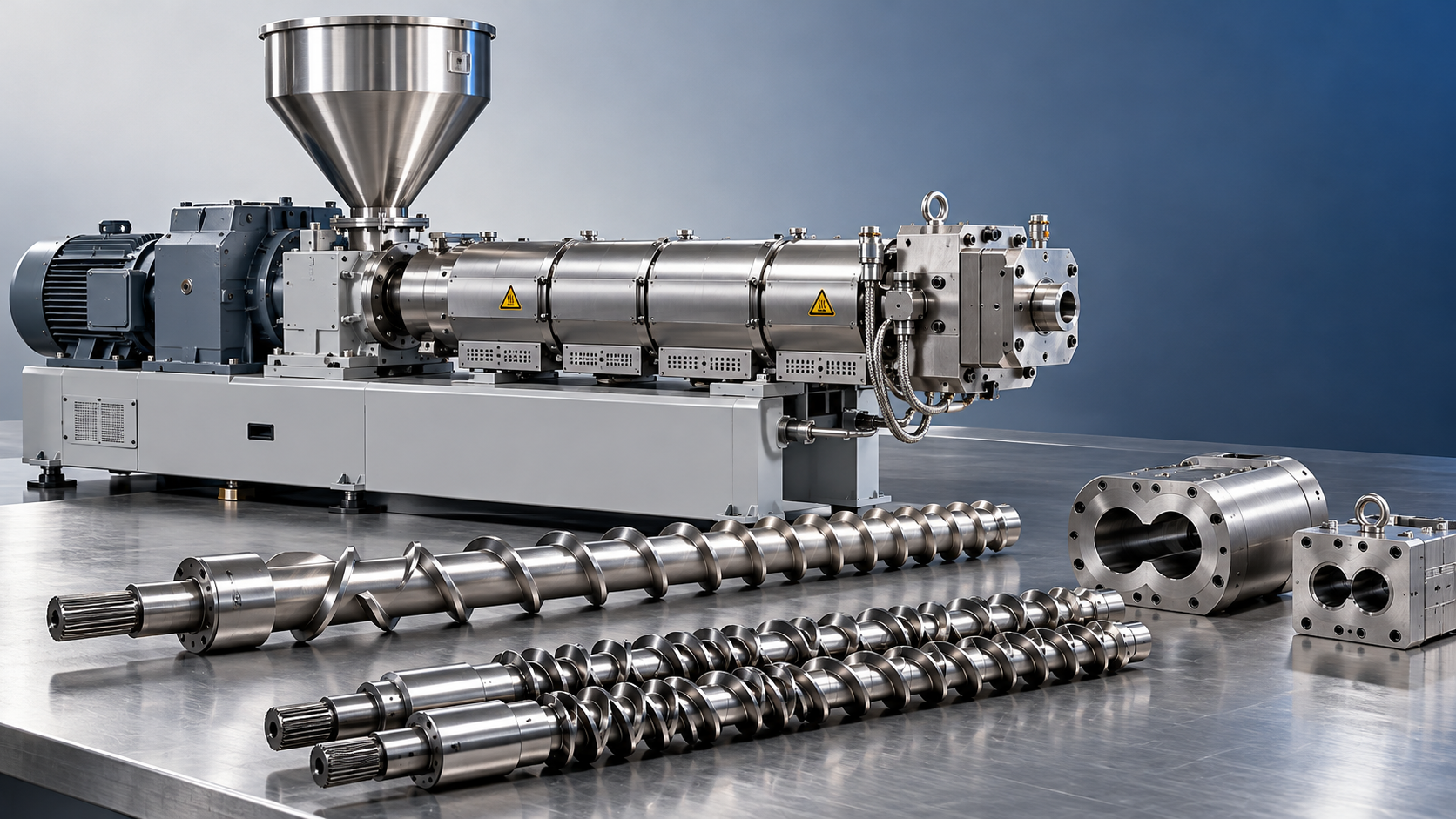
- Equipment and processes: kilns, furnaces, extrusion systems, heat-recovery equipment, process descriptions, and stated technical capabilities.
- Market information: reported demand drivers, trade activity, investment announcements, and developments affecting particular materials or regions.
- Regulatory information: emissions requirements, permitting developments, and policy measures that may influence industrial operations.
- Technical sources: research papers, patents, standards references, conference material, and other documents relevant to process development.
The distinction between a record and an underlying source matters. A database entry may say that a company plans to install a new kiln, while the linked announcement explains whether the investment has been approved, what the proposed equipment will do, and which details remain undecided. The entry helps a researcher find and compare information; the source provides the context needed to interpret it.
Some databases also include analytical commentary or forecasts. These can help frame a question, but they should be distinguishable from reported facts. A company’s announced investment, an analyst’s estimate of its likely impact, and a researcher’s own assessment are three different kinds of information.
How Is It Different From an Ordinary Web Search?
A web search is often the quickest way to find a specific document or check a recent announcement. A database becomes more useful when the question requires comparison across many entities, locations, or time periods.
Consider a researcher examining glass furnace upgrades. A search may return equipment advertisements, individual project announcements, research papers, and news articles. Each may be relevant, but the results do not necessarily identify which facilities are comparable or whether several articles describe the same project.
A well-organized database can group those references by company, plant, equipment type, project status, and date. The researcher can then trace a reported upgrade back to its sources and compare it with other records using consistent criteria.
That structure is valuable only if it reflects the underlying evidence. A plant may appear under an older owner, a project may be listed more than once under different names, or an equipment category may be too broad for a technical comparison. Searchability makes information easier to handle; it does not remove the need to examine it.
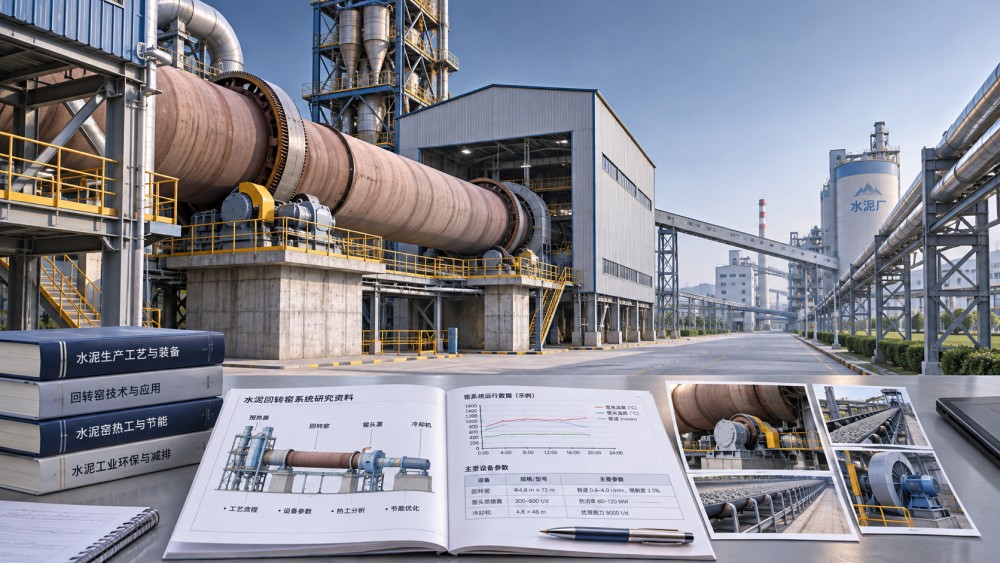
How Researchers Use the Information
Most research begins with a question that is narrower than an entire industry. A database helps turn that question into a set of records to examine, then into a view of what is known and what remains uncertain.
Mapping an unfamiliar sector
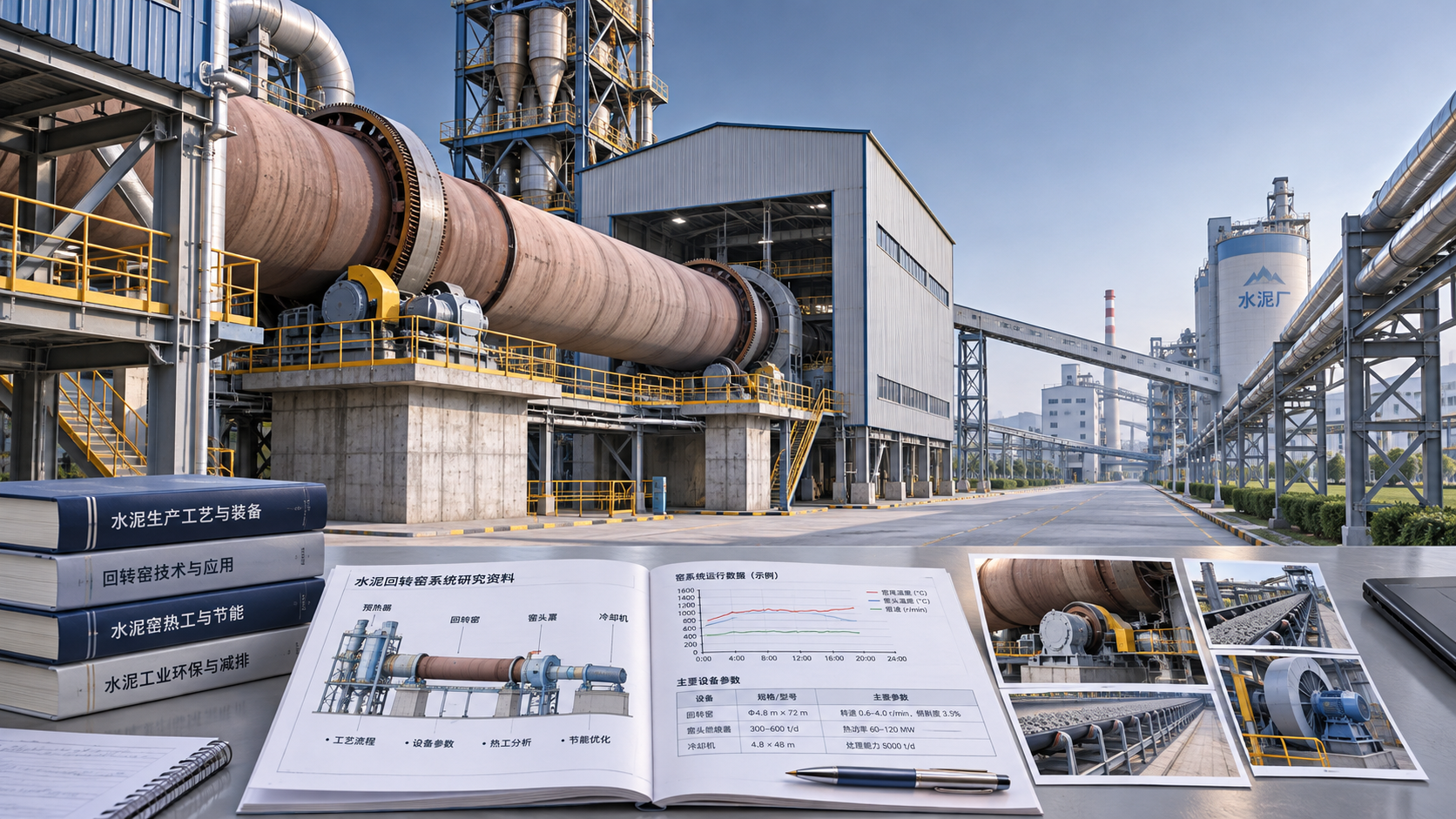
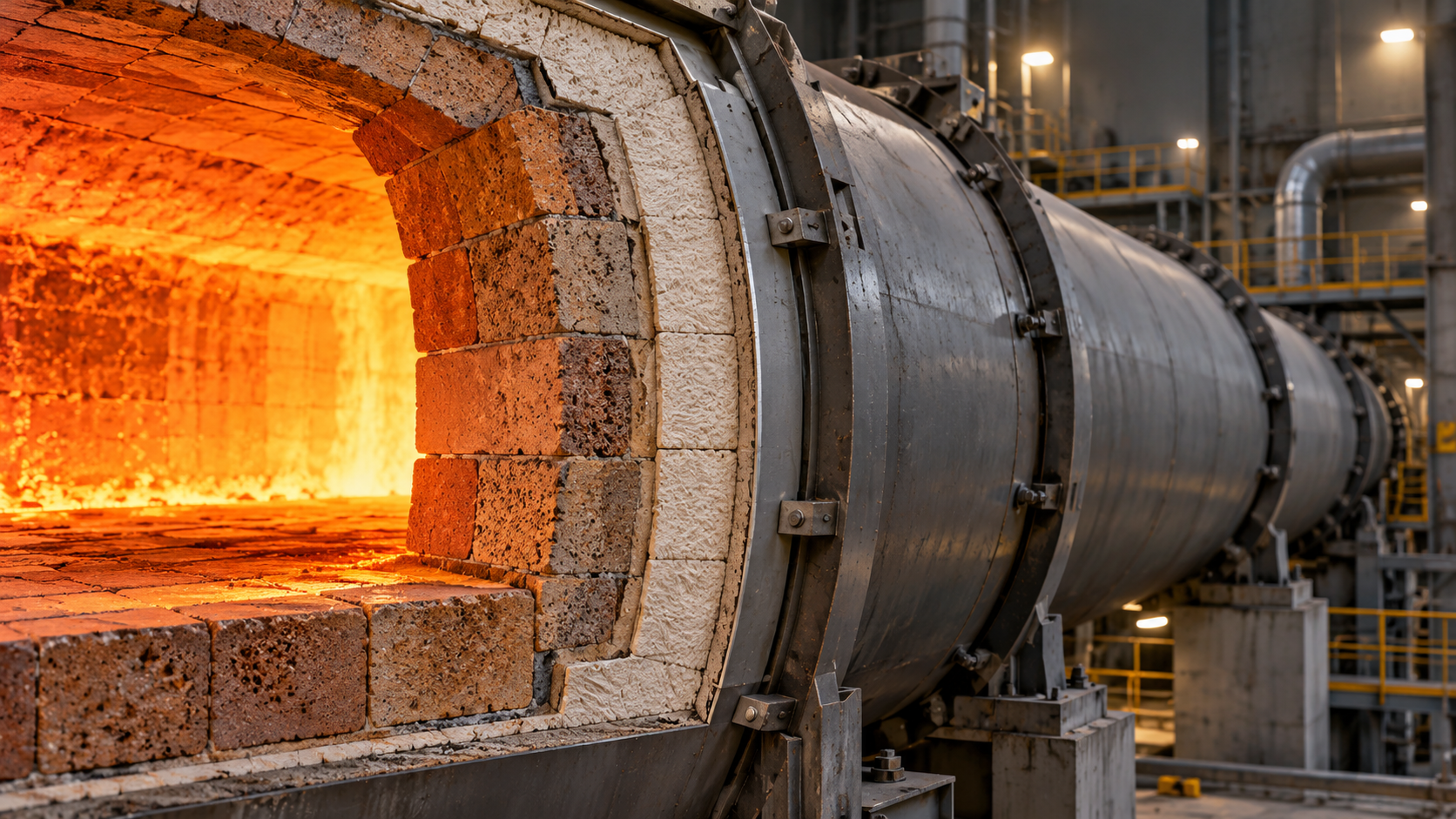
A researcher entering refractory materials, for example, may first need to understand which companies manufacture products, which industries use them, and where production facilities are located. Company and facility records can provide an initial map; technical sources can then explain why products used in cement kilns differ from those used in other high-temperature environments.
This early mapping is useful for setting boundaries. A search for “refractory production” could include raw material processing, finished refractory products, installation services, and equipment for manufacturing refractory shapes. Treating all of them as the same activity would make subsequent company counts or comparisons misleading.
Following industrial projects
Project records can help researchers track proposed production lines, modernization programs, or changes in equipment. For a cement sector study, a useful record might connect an operator, plant location, announced project, equipment category, and the date and source of the announcement.
The project’s stage is as important as its description. An early proposal, a signed equipment order, and a commissioned line are different events. A database may show all three under the broad label “project,” so researchers should check the status and the date on which it was reported before using the record as evidence of installed capacity or likely demand.
Where updates are sparse, the absence of a newer announcement does not prove that a project has stopped or progressed. It simply limits what the available record can support.
Comparing technologies in context
Industrial equipment is difficult to compare using a name alone. Two glass melting systems may serve different products, operate at different scales, or be designed around different energy and quality requirements. Likewise, a kiln described as suitable for waste treatment may be intended for a particular feedstock or operating arrangement.
A database can identify candidate technologies and link to their descriptions. The next step is to examine the conditions behind any stated capability: material being processed, system boundaries, production requirements, and the source of the claim. A supplier’s description can be useful for understanding intended applications, but it should not be treated as independent evidence of performance in every plant.
For researchers studying decarbonization, the same discipline applies. A report may describe a measure that reduces fuel use at one stage of a process. Whether it reduces total emissions in another setting depends on factors such as energy supply, materials, operating conditions, and the boundaries used to calculate emissions.
Understanding rules that shape an application
Regulatory records can help identify issues that warrant closer investigation. An industrial incineration study, for instance, may need to consider emissions controls, waste classifications, monitoring obligations, and permits. A database can point researchers toward relevant jurisdictions and documents, making it easier to see which questions belong in the study.
It should not be assumed that a general policy summary establishes the obligations for a particular installation. Requirements can depend on the location, activity, permit conditions, and applicable version of a rule. For a decision with legal or operational consequences, the primary text and the facility’s specific circumstances need to be examined.
How to Judge Whether a Database Fits Your Research
The most extensive-looking platform is not necessarily the most useful. Start with the decision or research question, then ask whether the database covers the entities and details needed to answer it.
If the task is to map equipment manufacturers, company profiles and product categories may be enough for an initial list. If the task is to estimate opportunities for a particular extrusion line, broader company records may be insufficient without information about plant applications, project stages, and relevant equipment specifications.
Four checks are especially useful when examining a database:
- Coverage: Does it include the regions, industrial activities, and types of organization relevant to the question? A database strong in equipment suppliers may have limited coverage of plant operators or project histories.
- Source visibility: Can users see where a claim came from and inspect the original document? A record supported only by an unattributed summary is harder to evaluate.
- Dates and updates: Are publication dates, record updates, and the dates of underlying events clear? A recently updated profile can still contain an old capacity figure.
- Definitions: Are terms such as “capacity,” “active project,” or “manufacturer” explained consistently? Without clear definitions, comparisons can be unreliable.
It is also worth testing a few records that are already familiar. Check whether the database distinguishes an announcement from a completed project, identifies the correct plant rather than only its parent company, and preserves qualifications from the source. This small exercise often reveals more about fitness for purpose than a long list of available data fields.
Where the Limits Show Up
Industrial information is unevenly available. Public companies may disclose more than private firms; major projects may attract more coverage than small upgrades; and technical descriptions may be more accessible for marketed equipment than for modifications made inside an operating plant. The result can be a detailed view of some parts of a market and a thin view of others.
That unevenness affects conclusions. Counting recorded projects, for example, is not automatically the same as counting all projects. Differences in disclosure, language, source coverage, and classification can influence what appears in the database. A comparison between regions or technologies should account for those gaps before treating the results as a market measure.
Numbers also need their units and boundaries. A stated plant capacity may describe a design figure rather than actual output; an energy figure may apply to one process stage rather than the whole facility. Comparing figures without those distinctions can create a misleading picture even when each number was transcribed correctly.
A practical research workflow keeps the database record, original source, and interpretation connected. Use the database to locate relevant evidence and organize the field; use primary documents and appropriately qualified technical or regulatory expertise to resolve questions that carry operational, commercial, or compliance consequences. The strongest conclusion may sometimes be a narrower one: the available sources establish that a project was announced, while its current status or technical performance remains outside the evidence.
Related News
 Ms. Elena RodriguezProcess Equipment Pricing: How to Compare Quotes and Total CostsMaster process equipment comparison pricing: compare supplier quotes, uncover hidden costs, and evaluate lifetime expenses to make a confident buying decision.Nov 17, 2026
 Prof. Marcus ChenGlobal Cement Industry Decarbonization: Key Technologies and Cost BarriersExplore global cement industry decarbonization technologies, cost barriers, and practical investment strategies to cut emissions while protecting competitiveness.Nov 16, 2026
 Structural Material AnalystChoosing Specification Preparation Support for North American ProjectsChoose specification preparation support North America projects can rely on. Compare technical expertise, compliance, interfaces, and supplier acceptance criteria.Nov 14, 2026
 Structural Material AnalystSpecialty Ceramic Extrusion: How Material Properties Affect FormingExplore how ceramic specialized material extrusion is shaped by particle size, binders, and solids loading—and learn to improve forming and reduce defects.Nov 13, 2026
 Ms. Elena RodriguezHigh-Pressure Molding Equipment Prices in Europe: What Affects the Total Cost?Explore high pressure molding equipment price Europe buyers can expect to assess, from tooling and installation to running costs. Compare quotes with confidence.Nov 12, 2026
 Structural Material AnalystChoosing a Vacuum Extrusion System: Capacity, Materials and Vacuum LevelsChoosing a vacuum extrusion system? Compare capacity, material behavior and vacuum levels to improve product quality and select the right equipment.Nov 11, 2026
 Optical Glass Tech FellowGlass Melting Innovations: Comparing Electric and Hybrid Furnace TechnologiesExplore glass melting innovations and compare electric and hybrid furnaces by energy use, emissions, glass quality and operating costs to find the right fit.Nov 10, 2026
 Thermal Energy ArchitectHow Thermal Barrier Technology for Kilns Reduces Heat LossDiscover how thermal barrier technology for kilns reduces heat loss, and learn how to select insulation and assess savings without compromising lining durability.Nov 09, 2026
 Prof. Marcus ChenGlobal Materials Trends: What North American Manufacturers Need to KnowExplore global material trends North America manufacturers need to know, from energy costs and supply chains to lower-carbon materials and smarter investment decisions.Nov 08, 2026
 Thermal Energy ArchitectSelecting Abrasion-Resistant Refractories for High-Wear Kiln LiningsExplore advanced refractory materials abrasion resistant enough for high-wear kiln linings. Compare wear mechanisms, thermal stability, installation and lifecycle costs.Nov 06, 2026
 Dr. Alistair VaughnIndustrial Energy Efficiency Certification: ISO 50001 Requirements for PlantsExplore industrial energy efficiency certification with ISO 50001. Learn how plants define scope, measure performance and prepare credible evidence for audits.Nov 05, 2026
 Ms. Elena RodriguezWhat Is an Industrial Intelligence Database and How Is It Used?Discover how an industrial intelligence database helps researchers map markets, track projects, compare technologies, and assess evidence with confidence.Nov 04, 2026
 Ms. Elena RodriguezIndustrial Material Pricing: How Freight and Order Volume Affect QuotesExplore industrial material pricing and learn how freight, order volume, and inventory costs affect quotes. Compare suppliers and make smarter purchasing decisions.Nov 03, 2026
 Structural Material AnalystSingle- vs. Twin-Screw Extrusion Systems: Which Suits Your Material?Choose the right specialized extrusion systems screw type for your material. Compare single- and twin-screw options to improve quality and control costs.Nov 02, 2026
 Thermal Energy ArchitectChoosing Thermal Barrier Materials for Kilns: Temperature and Heat LossExplore thermal barrier materials for kilns and learn how to balance temperature resistance, heat loss, durability and operating costs when selecting a lining.Nov 01, 2026
 Ms. Elena RodriguezSupplier Reference Platform Pricing: Fees and Contract Terms to CompareCompare supplier reference platform pricing, hidden fees, verification costs and contract terms to choose the right solution for your sourcing team.Oct 31, 2026
 Ms. Elena RodriguezSupplier Comparison Metrics: How to Score Cost, Quality, and DeliveryUse supplier comparison metrics to score cost, quality, and delivery with a practical weighted scorecard. Make more confident equipment sourcing decisions.Oct 30, 2026
 Ms. Elena RodriguezWhat Does Industrial Waste Heat Recovery Cost, and When Does It Pay Back?Understand industrial waste heat recovery cost, from equipment and installation to net savings. Learn how to compare quotes, assess risks, and calculate realistic payback before investing.Oct 29, 2026
 Thermal Energy ArchitectChoosing Industrial Waste-to-Energy Equipment by Waste Moisture and Heating ValueChoose industrial waste to energy equipment by moisture and heating value. Compare technologies, fuel needs, and supplier guarantees to make a confident investment.Oct 28, 2026
 Thermal Energy ArchitectChoosing Industrial Kiln Insulation for High Heat and Repeated Thermal CyclingExplore high temperature industry solutions for kiln insulation under repeated thermal cycling. Compare materials, reduce heat loss, and select the right lining for your operating conditions.Oct 27, 2026

Related News
- 00
0000-00
Process Equipment Pricing: How to Compare Quotes and Total Costs - 00
0000-00
High-Pressure Molding Equipment Prices in Europe: What Affects the Total Cost? - 00
0000-00
What Is an Industrial Intelligence Database and How Is It Used? - 00
0000-00
Industrial Material Pricing: How Freight and Order Volume Affect Quotes - 00
0000-00
Supplier Reference Platform Pricing: Fees and Contract Terms to Compare
0000-00
Weekly Insights
Stay ahead with our curated technology reports delivered every Monday.