
Global Materials Trends: What North American Manufacturers Need to Know




A manufacturer considering a kiln rebuild, a new glass line, or an extrusion investment now has to evaluate more than equipment capacity. Fuel and electricity exposure, lower-carbon product requirements, imported inputs, and the reliability of specialized components can all change the economics of a project over its operating life.
The central shift in global material trends North America manufacturers face is toward decisions that connect production cost with emissions, material availability, and customer specifications. The strongest response is not to adopt every emerging technology. It is to identify which constraints are most likely to affect a particular plant, then compare investments against a documented operating baseline and more than one market scenario.
Energy exposure is changing the investment equation
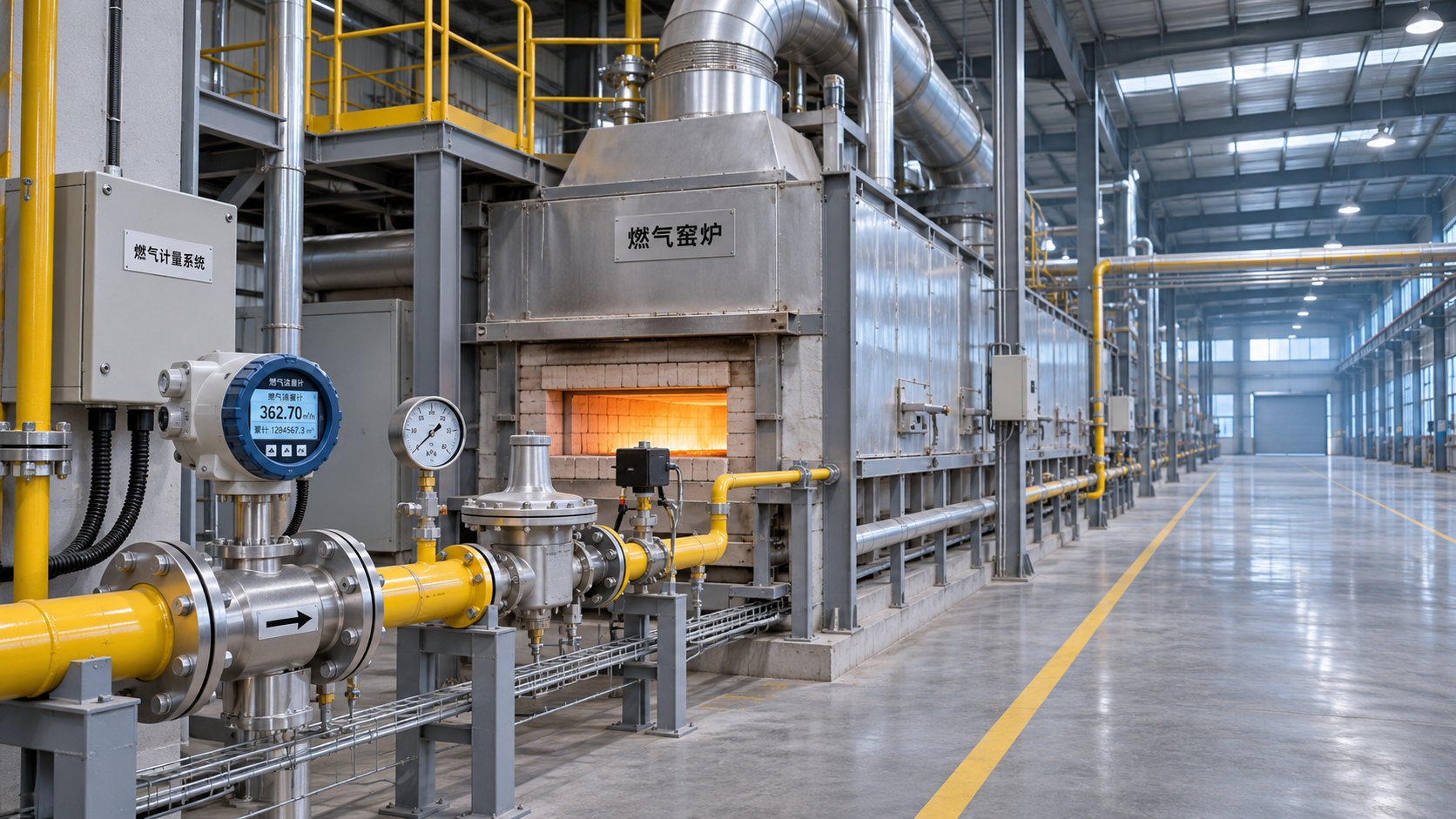
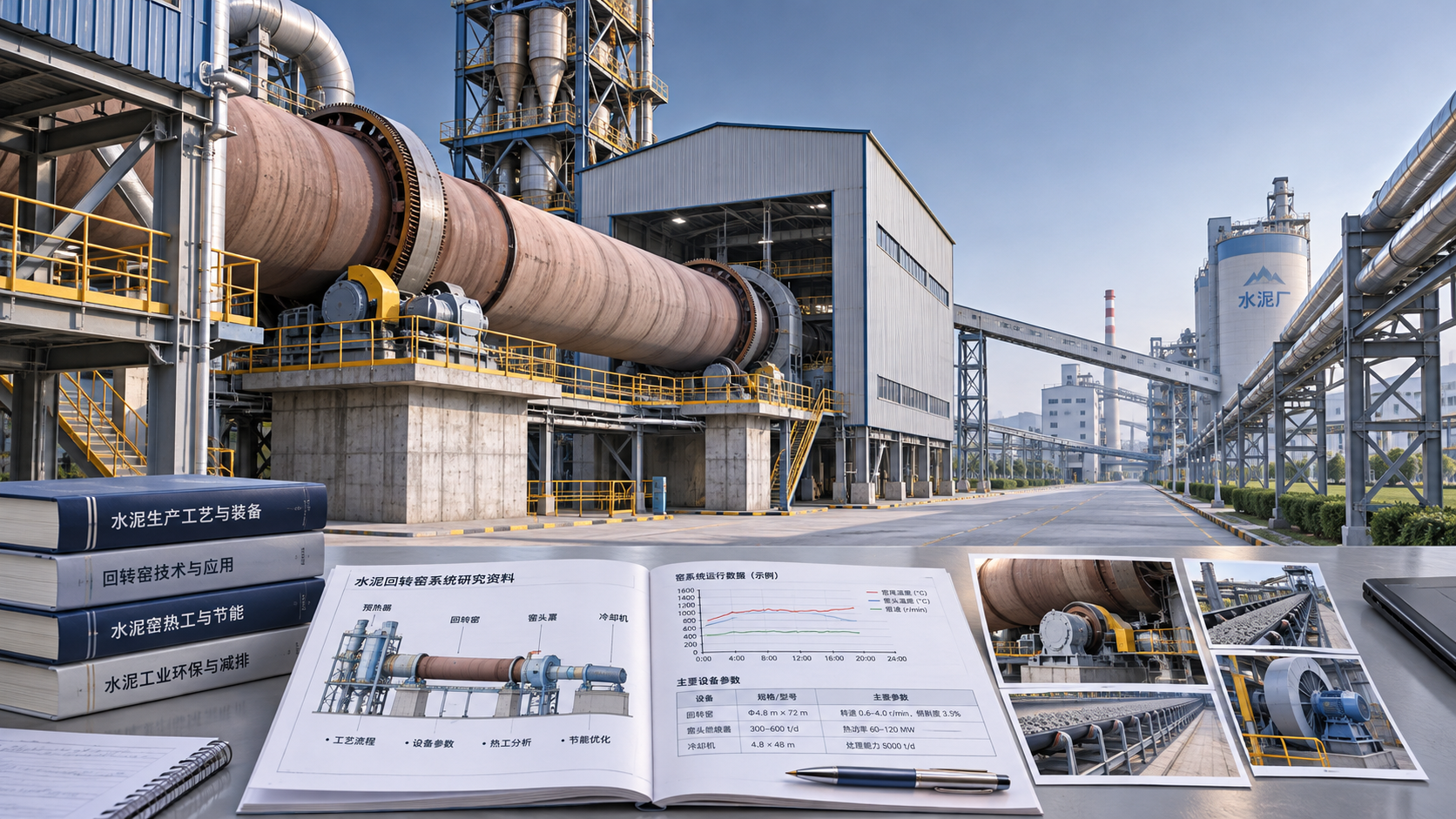
High-temperature manufacturing remains sensitive to the price and availability of energy, but plants are exposed in different ways. A cement kiln depends heavily on thermal energy, while a glass facility may face a different balance between fuel and electricity. An extrusion line can be affected by electricity demand, drying requirements, and the properties of the mix being processed. A single corporate energy assumption can therefore conceal substantial differences between sites.
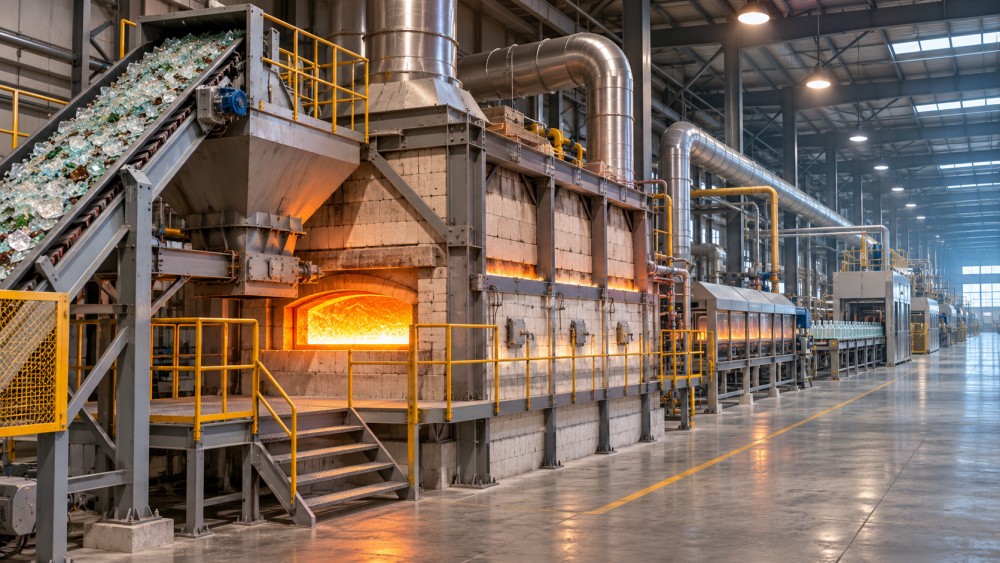
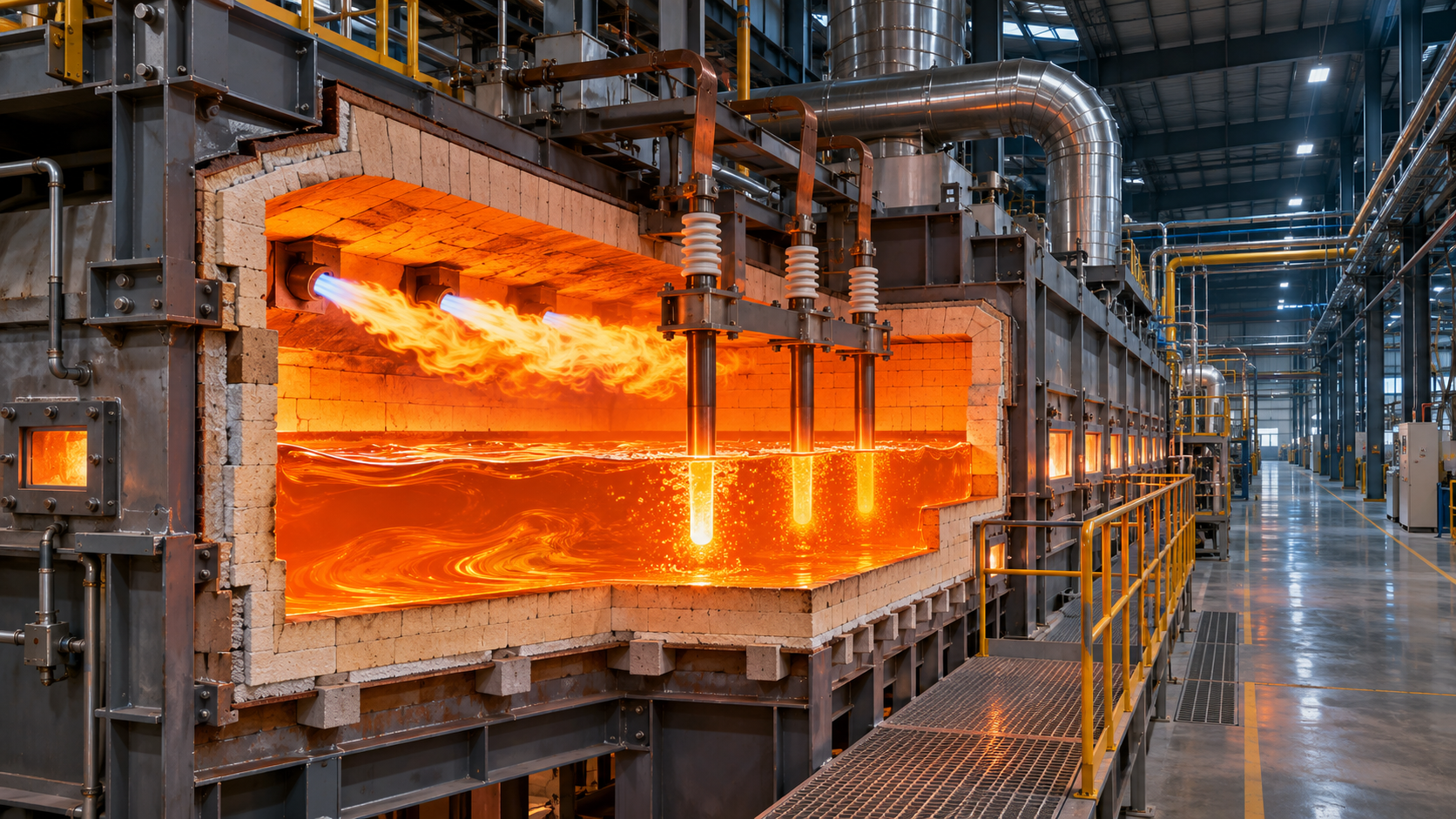
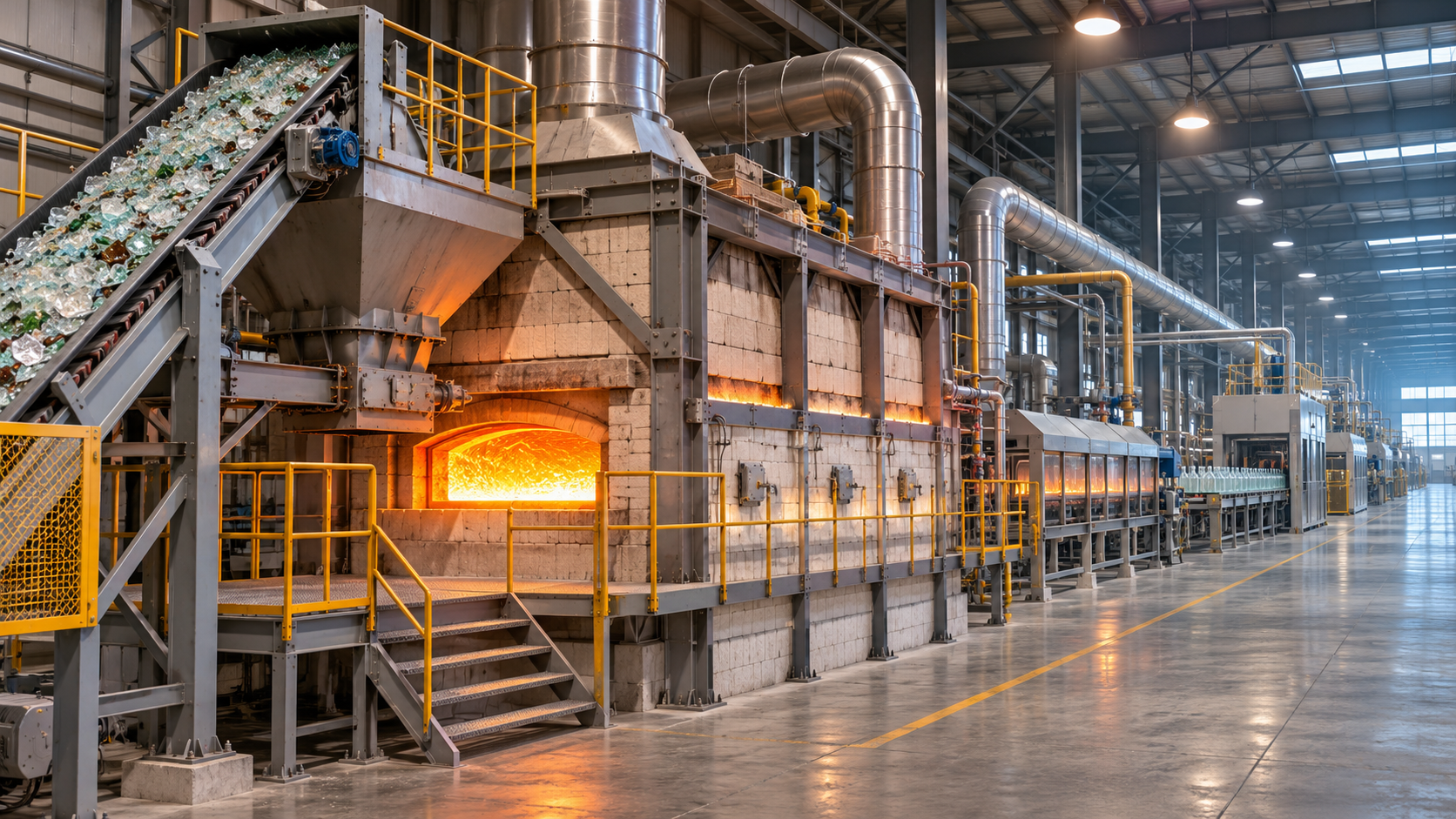
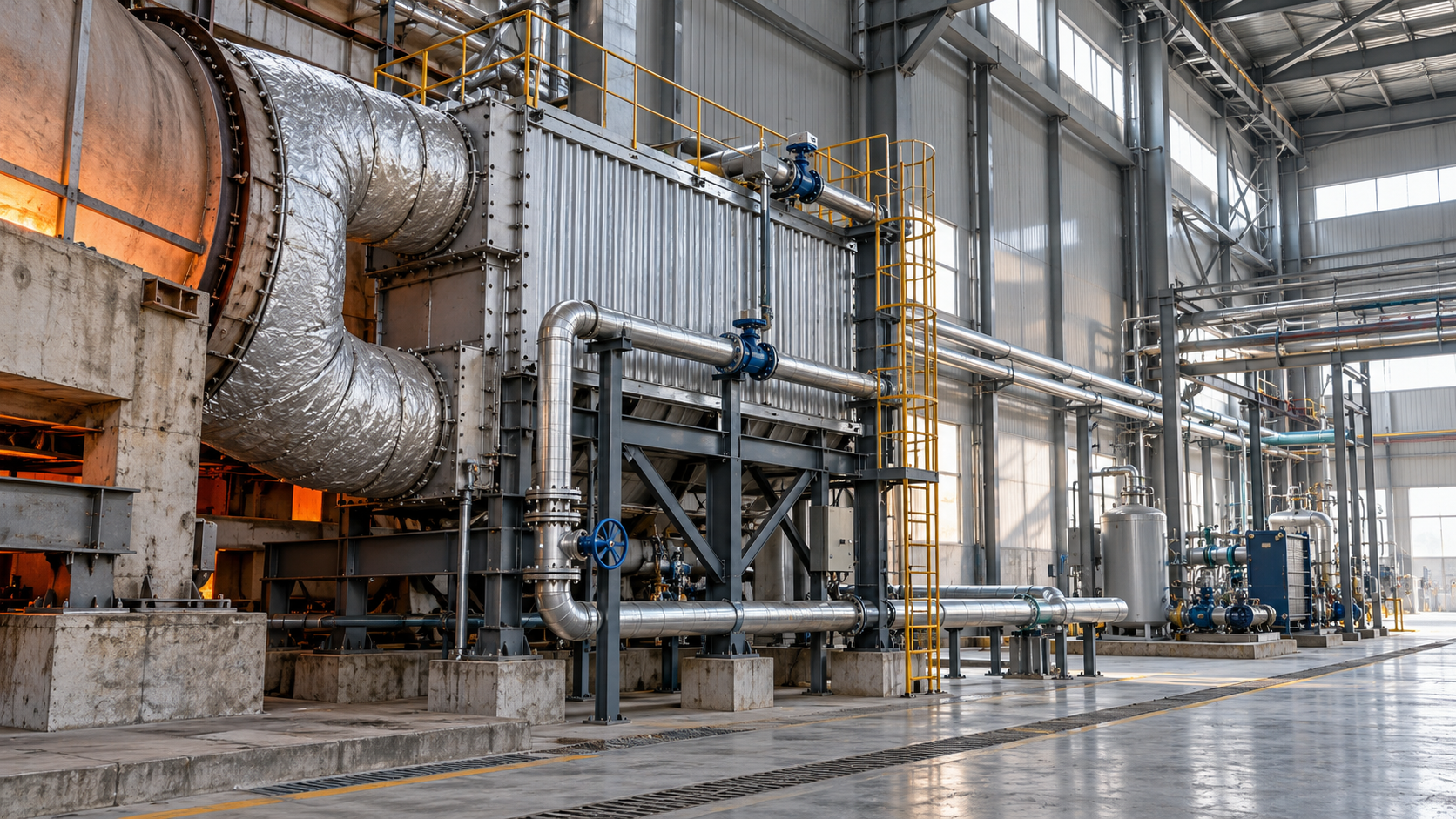
When evaluating equipment, separate energy use into production stages rather than relying only on a plant-wide bill. For a kiln project, that may mean reviewing combustion, preheating, exhaust handling, and downstream grinding. For glass, melting, refining, forming, and annealing need to be considered together: a change that reduces energy at the furnace but disrupts glass quality or increases rejects elsewhere may not improve the economics of the line.
Compare the proposed operating window with actual production patterns. A system optimized for continuous full-load operation may perform differently when demand requires frequent changes in throughput. Ask equipment suppliers to state the conditions behind efficiency estimates, including feed composition, moisture, product mix, utilization, and ambient conditions. Those assumptions are often more useful for a purchasing decision than a headline performance figure.
Electrification also needs a site-specific assessment. It can reduce direct combustion at the point of use, but its financial and emissions implications depend on electricity supply, connection capacity, operating hours, and the applicable method for accounting for grid emissions. Before treating an electric heating option as a substitute for fuel-fired equipment, assess whether the required temperature profile, heat transfer, and production quality can be maintained.
Lower-carbon demand is becoming a product specification
Manufacturers increasingly need to distinguish between making a lower-carbon claim and supplying the information a customer can use in procurement. Customers may request product-level emissions data, environmental product declarations, or evidence about recycled content. The relevant requirement depends on the buyer, application, and jurisdiction; it should not be assumed that one document or calculation will satisfy every market.
For cement and concrete-related products, changing the proportion or type of supplementary materials can affect both embodied emissions and product performance. Availability, consistency, curing behavior, and applicable specifications all matter. A material that looks attractive in a laboratory formulation may require changes to storage, blending, or quality control before it can be used reliably at scale.
Glass producers face a related trade-off when considering higher recycled content. Cullet can alter melting requirements and raw-material demand, but contamination, color, and chemical composition can limit its suitability for particular products. For manufacturers of high-specification glass, the cost of sorting and quality assurance belongs in the comparison alongside any potential energy benefit.
Refractory and building-material producers should also examine the boundary of a carbon calculation. Purchased raw materials, process emissions, energy use, transport, and end-of-life assumptions may be treated differently under different methodologies. Before comparing competing products, check whether the declared results use compatible functional units, system boundaries, and data quality. A lower figure is not automatically a better comparison if the underlying assumptions differ.
Circular inputs can improve resilience—but only with process controls
Using secondary materials or alternative fuels can reduce reliance on some conventional inputs, yet it introduces variability that standard equipment may not handle well. A manufacturer evaluating a new stream should first establish its chemical composition, moisture range, particle size, contamination risks, and expected consistency over time. One representative sample is not enough to define a dependable operating envelope.
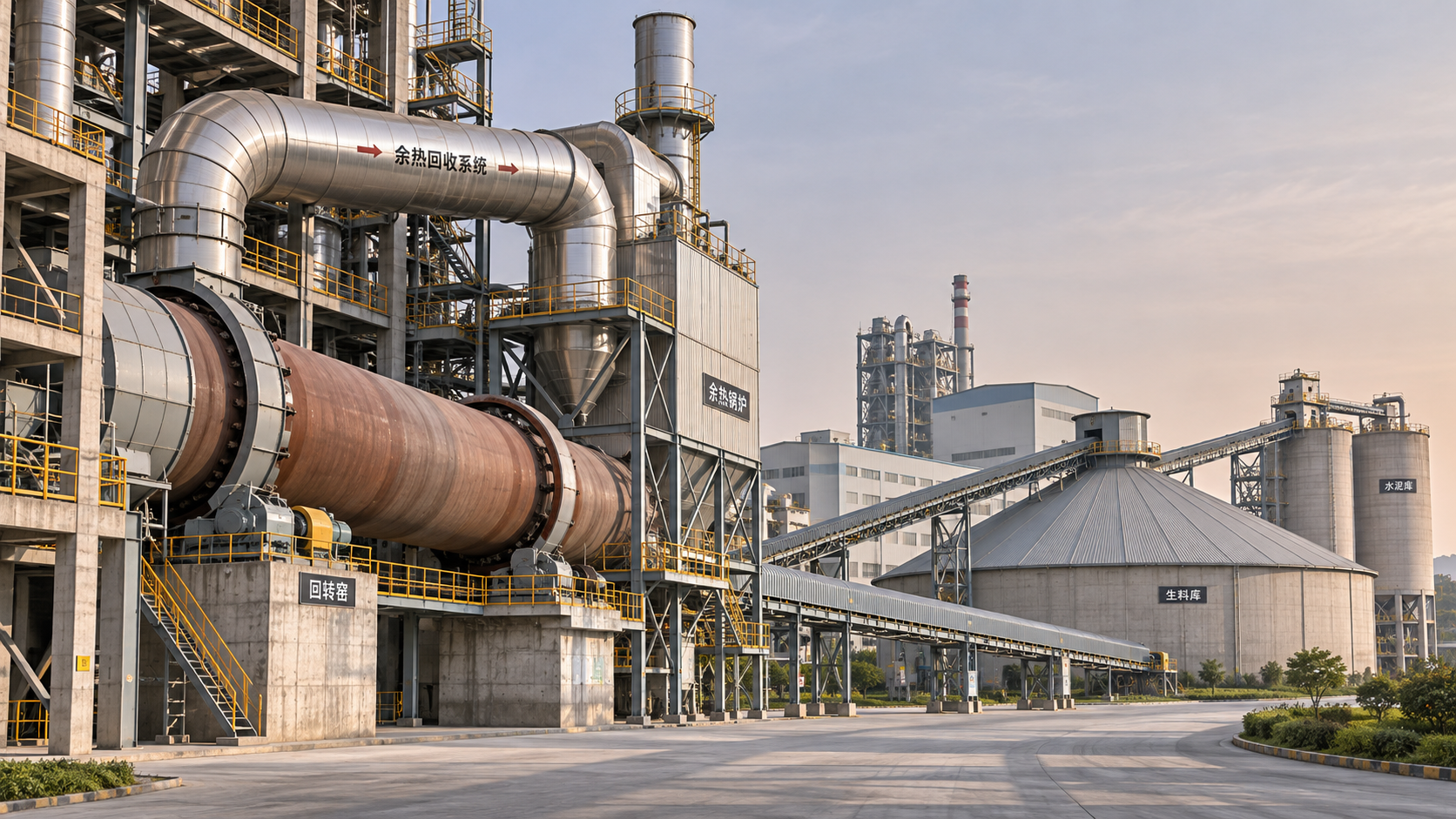
In cement production, co-processing suitable waste-derived materials can provide a route for recovering energy or incorporating mineral content into the process. Feasibility depends on feed preparation, kiln conditions, emissions controls, residue chemistry, permitting, and the characteristics of the material. A lower purchase cost for an alternative fuel does not by itself establish savings once handling, testing, storage, and compliance costs are included.
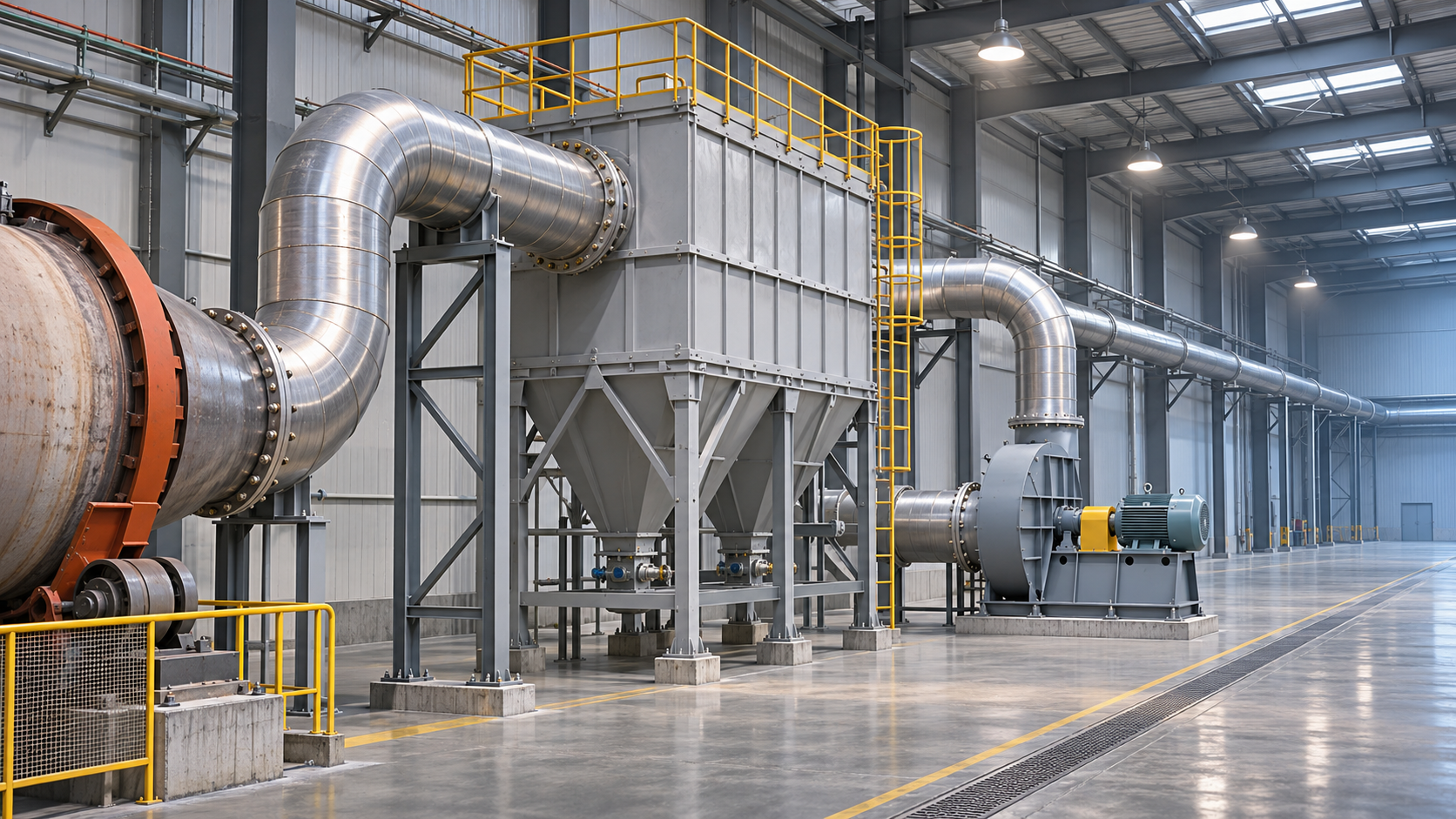
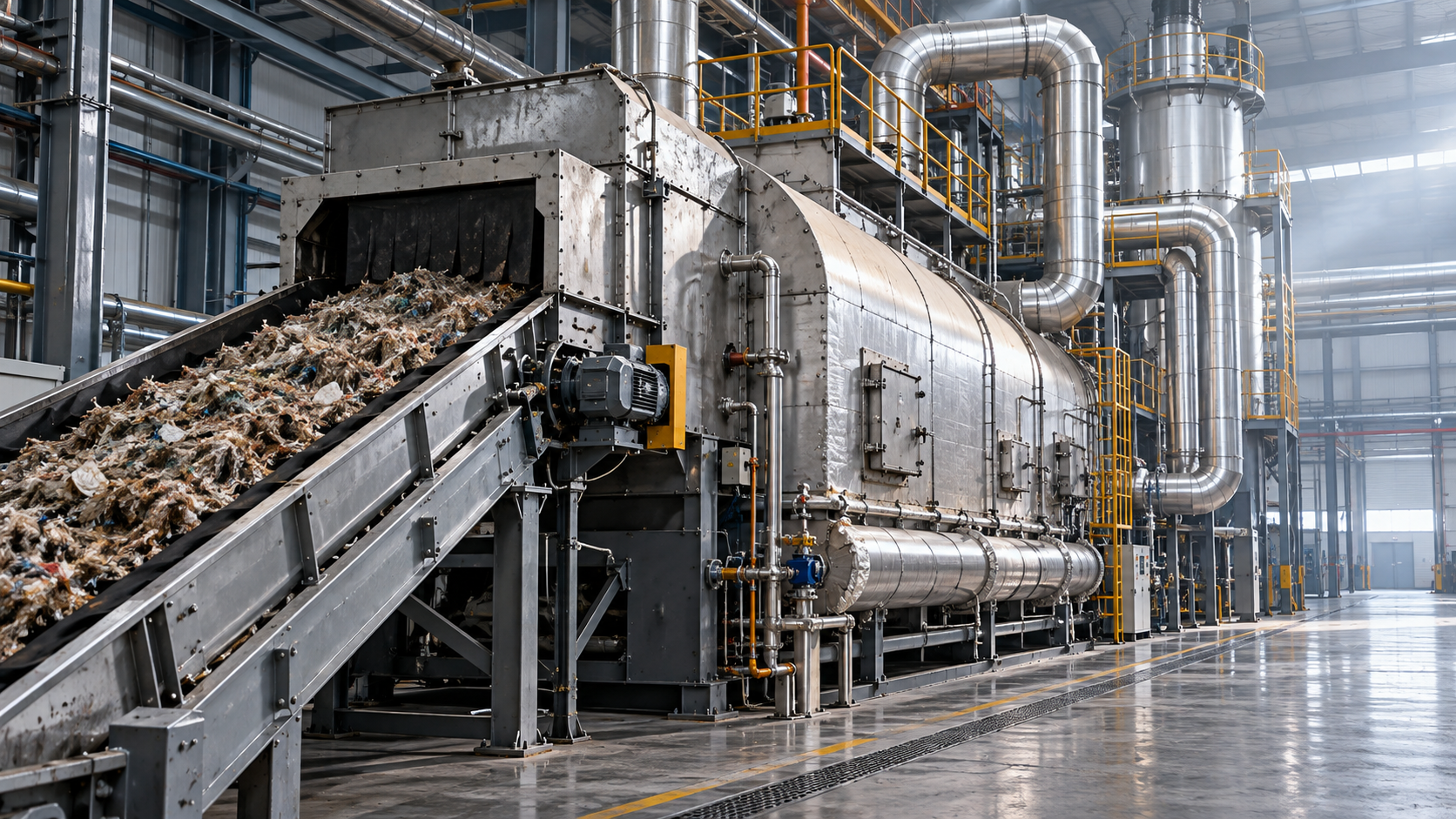
Industrial incineration presents a related decision: whether recovering usable energy or materials is practical at a particular facility. The answer depends on waste composition, heat demand, equipment integration, and applicable operating requirements. Heat recovery is less valuable when the available heat does not match a reliable use in temperature, timing, or location.
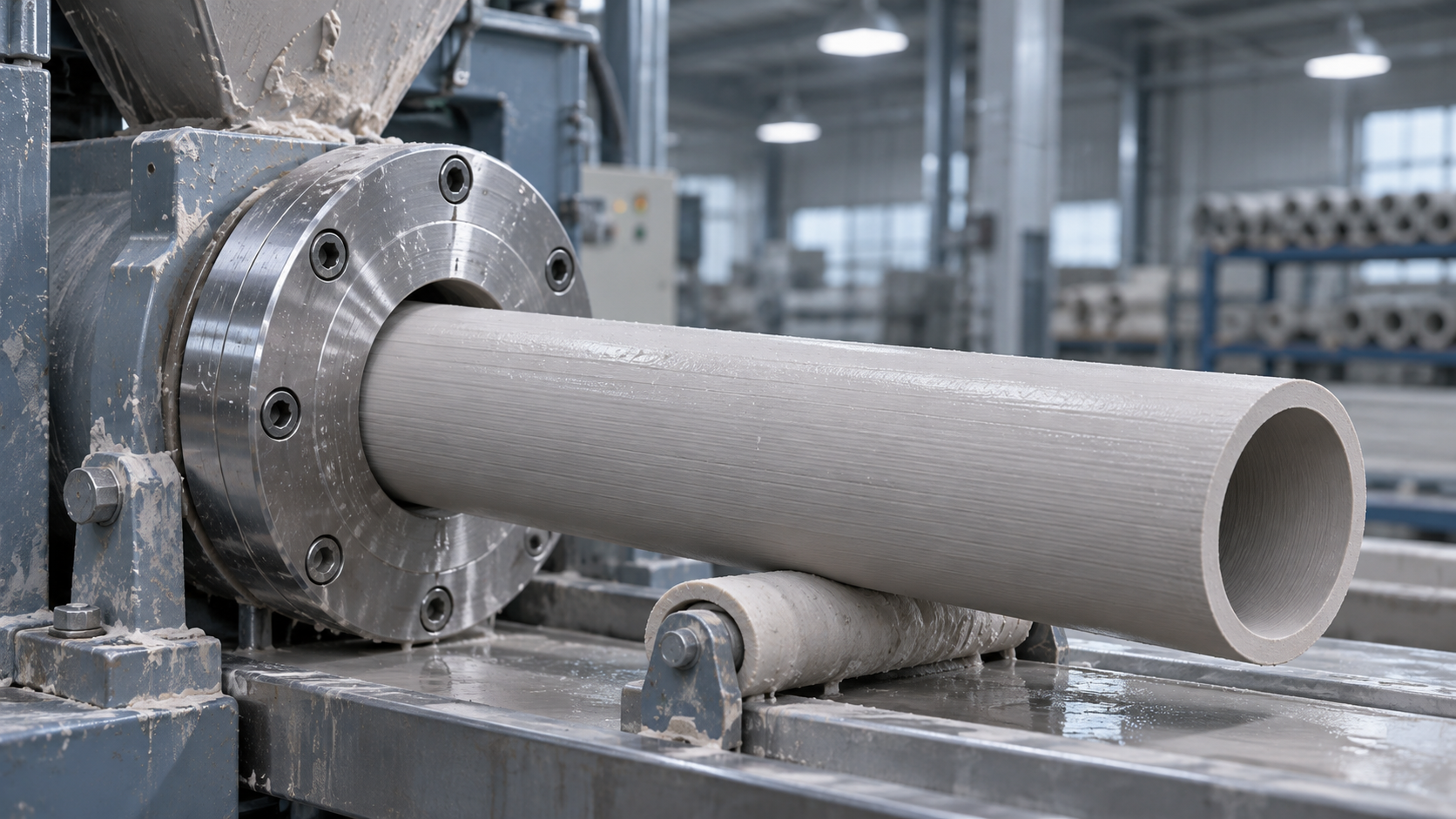
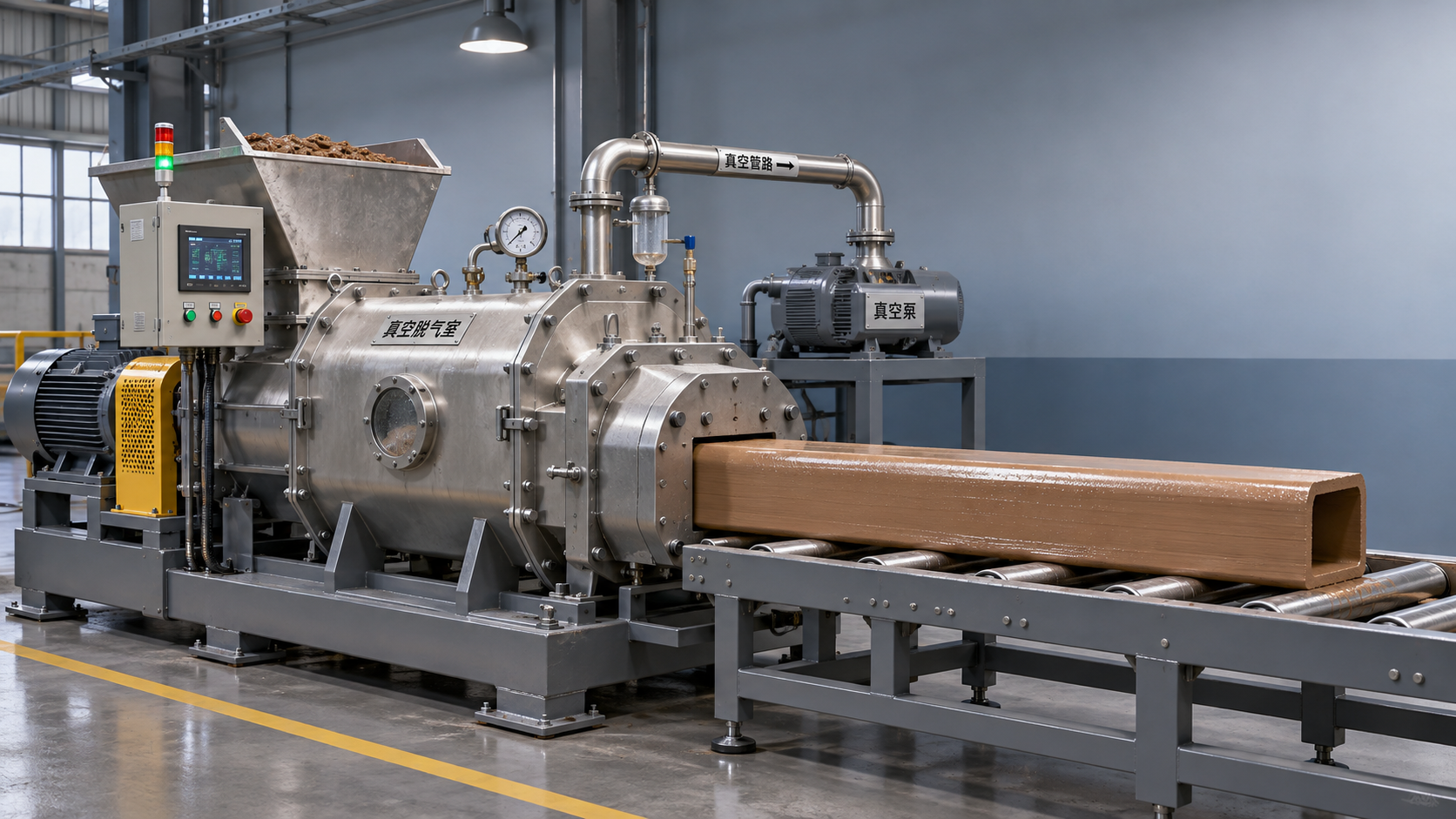
For extrusion-based building materials, recycled or alternative feedstocks can change water demand, plasticity, wear, and dimensional stability. Trial work should therefore assess not only whether a mix can be extruded, but also whether it can be dried, cured, finished, and delivered within the required tolerances. A stable supply agreement and incoming inspection plan are part of the technical decision, not merely purchasing details.
Supply-chain resilience now includes technical dependence
North American manufacturers source equipment, refractories, minerals, and components through networks that can extend well beyond the region. Trade measures, freight disruptions, concentrated production, or long lead times can affect the availability of a part even when the plant’s direct supplier remains operational. The practical exposure is often hidden one or two tiers below the purchase order.
Start by identifying components whose failure would constrain throughput or create an extended shutdown. Then distinguish between items that are interchangeable and those tied to a particular design, material grade, software environment, or service provider. A second supplier is not a usable alternative until its product has been qualified for the operating conditions.
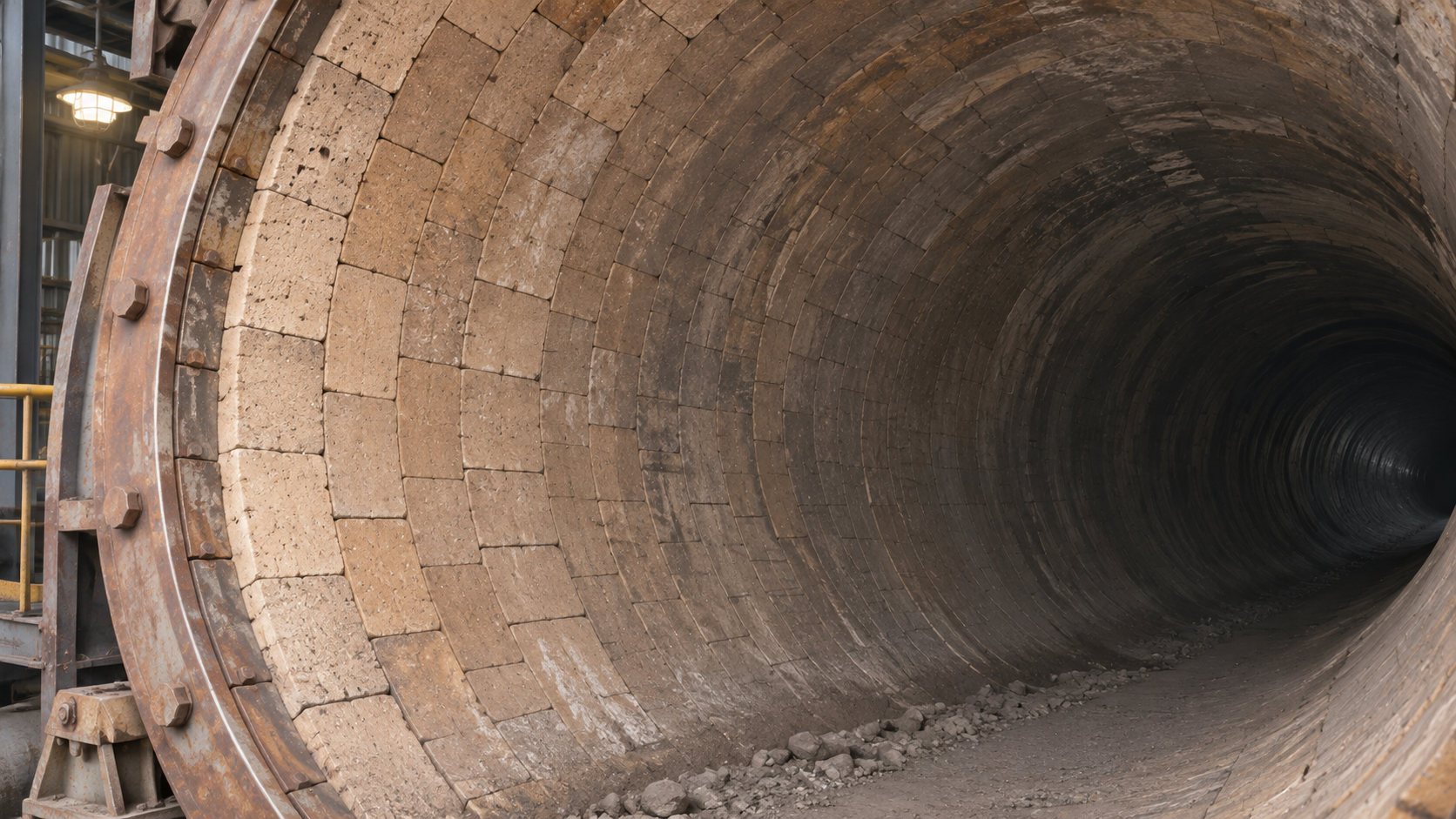
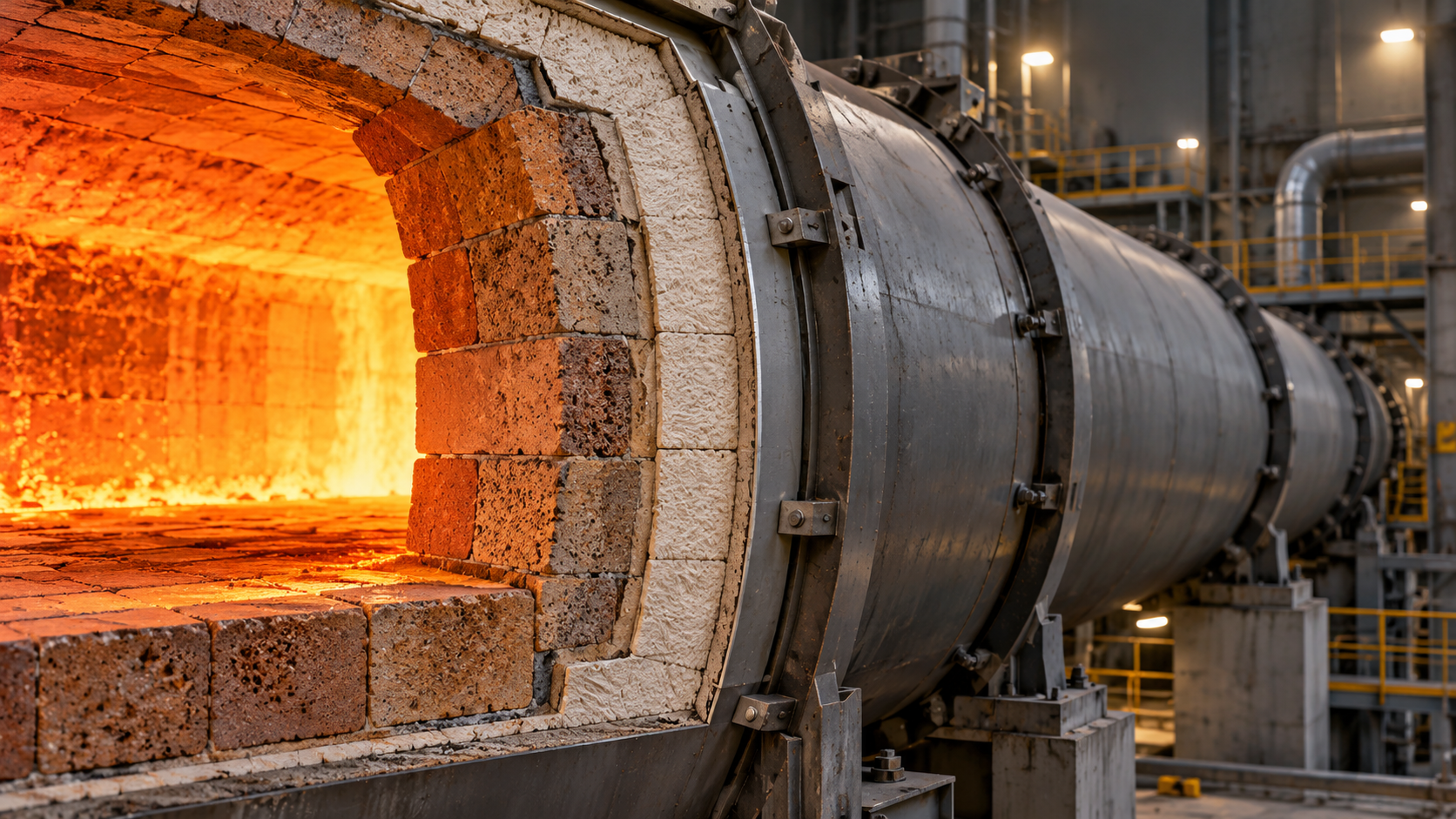
- For refractory linings: compare temperature capability, chemical compatibility, installation requirements, and expected wear mechanisms—not just nominal material classification.
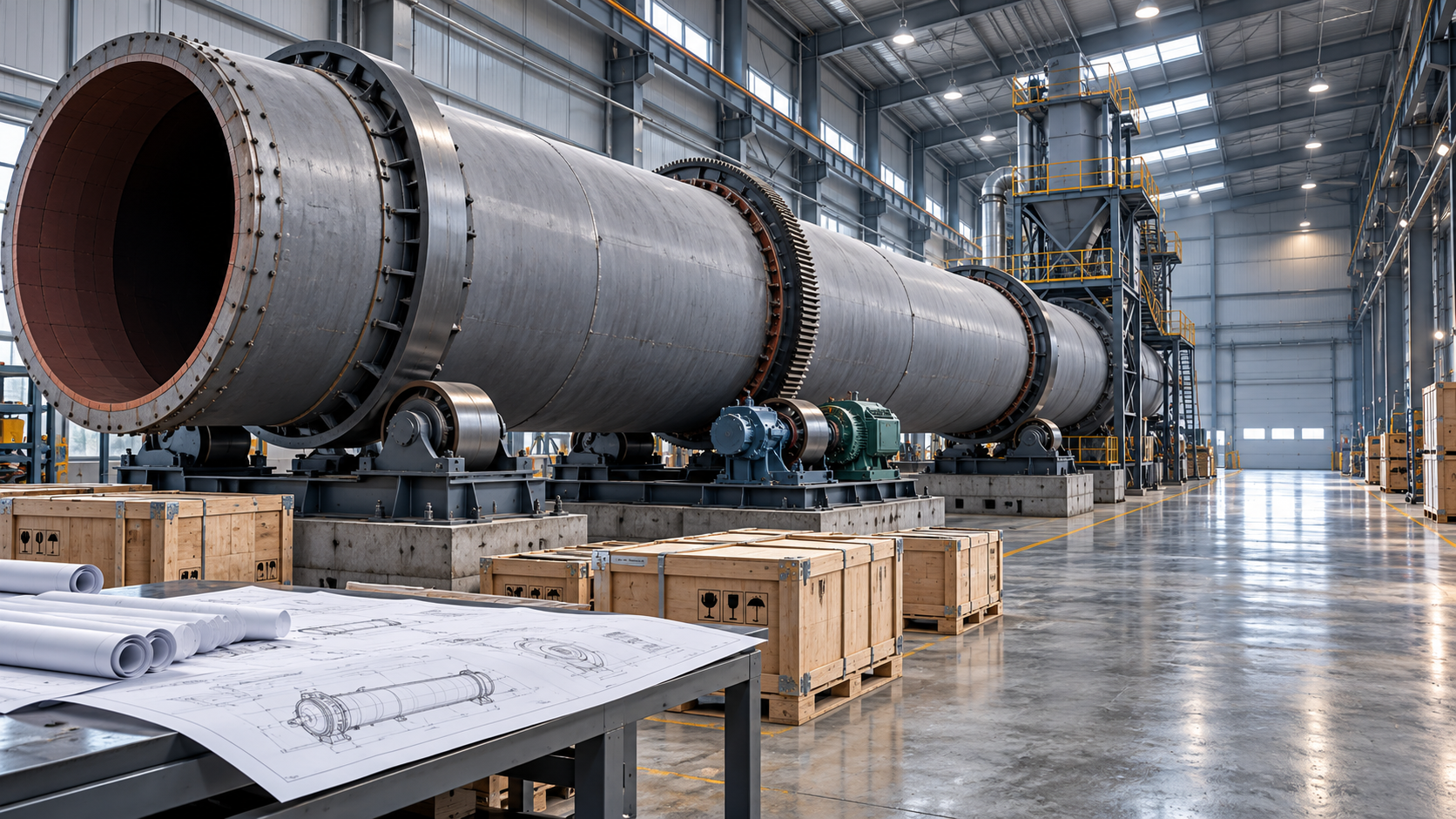
- For kiln and furnace components: establish replacement lead times, repair options, drawings ownership, and the availability of critical spares.
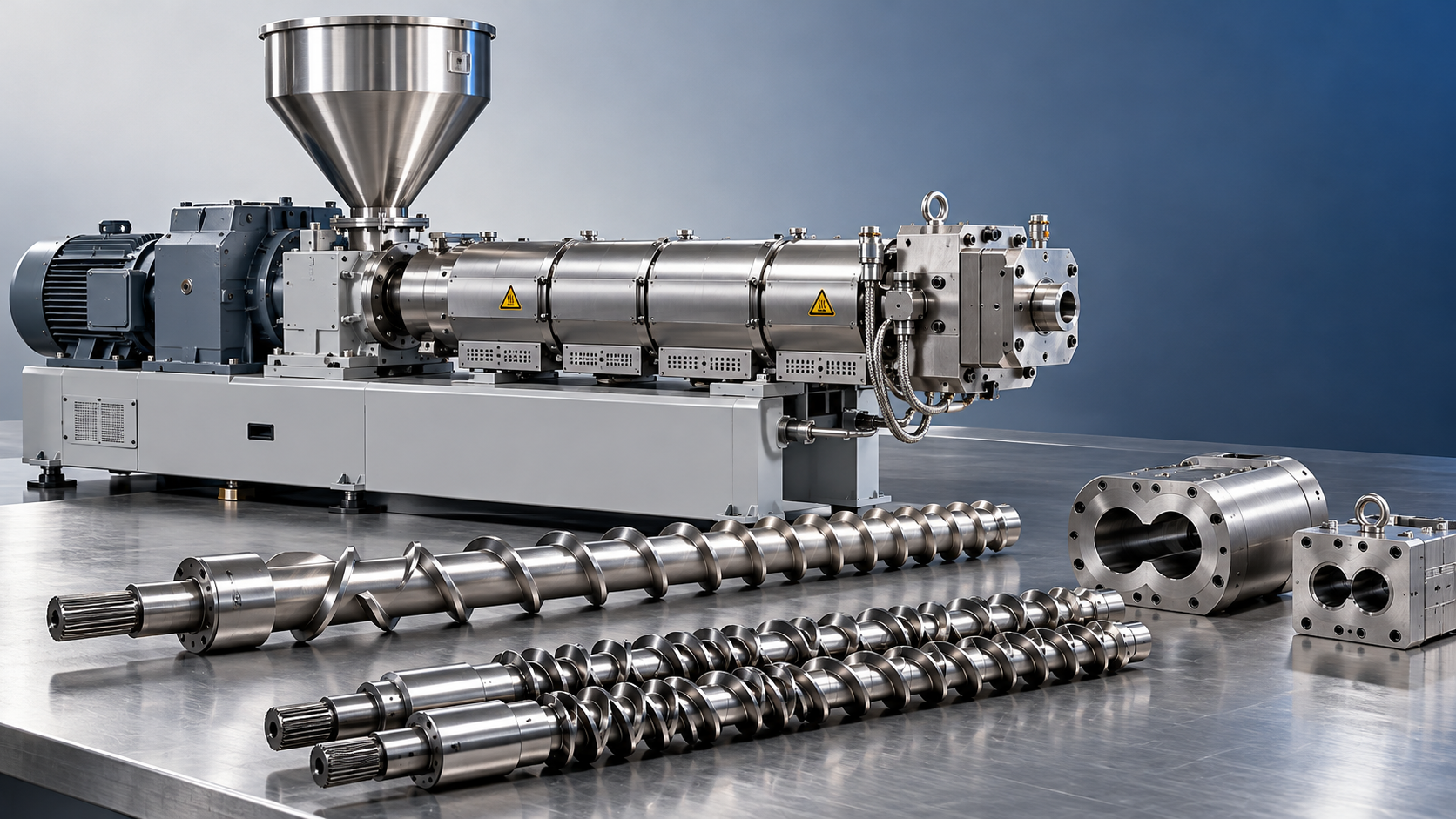
- For extrusion equipment: examine wear parts, tooling, controls, and whether alternative materials require different screw or die configurations.
- For imported raw materials: check the consequences of composition changes and whether a substitute can meet both process and customer specifications.
Regional sourcing can reduce some transport and geopolitical exposure, but proximity alone does not guarantee capacity or quality. Dual sourcing may also add qualification and inventory costs. The appropriate balance depends on the consequence of interruption, the feasibility of substitution, and the time needed to restore production.
Digital tools are most useful when tied to a physical constraint
Manufacturers are considering more online monitoring, process models, and digital twins to improve visibility into high-temperature operations. Their value depends on the decision they support. A model that predicts furnace behavior is useful only if its inputs are reliable, its assumptions remain valid, and operators can act on the output without compromising safety or product quality.
Connect measurements to a decision
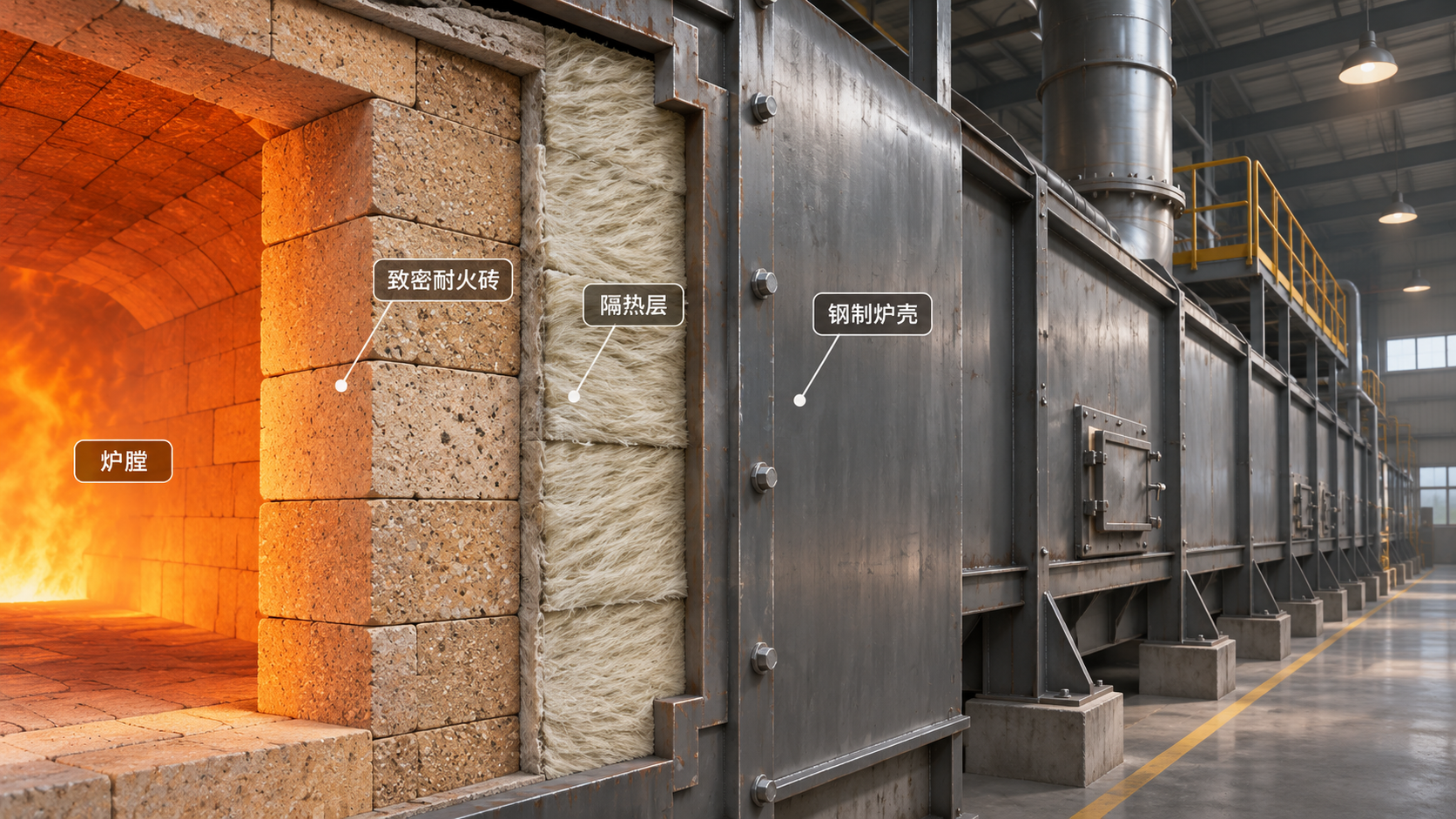
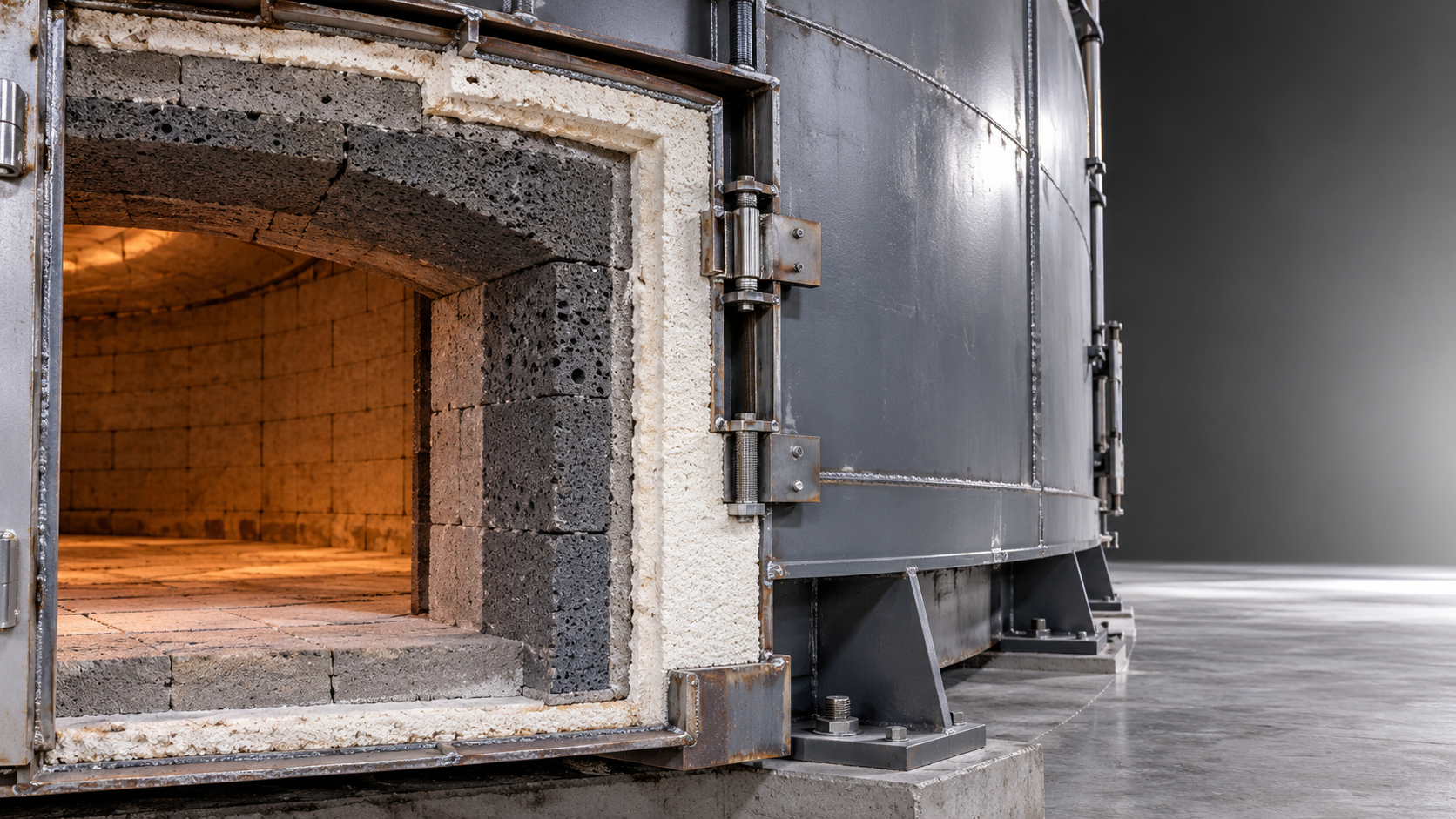
For refractory monitoring, the question may be whether a temperature pattern signals abnormal lining wear or simply reflects a change in operating conditions. A monitoring program should define sensor locations, baseline behavior, alarm thresholds, and the inspection process used to verify an alert. Surface readings alone do not necessarily reveal the full condition of an internal lining.
In glass production, a digital model may help evaluate the effect of changing fuel, batch composition, or operating rate before a physical trial. Its predictions still need validation against plant data, especially when raw materials, furnace condition, or product mix change. For cement, process analytics can help operators investigate variability in feed and combustion, but a recommended adjustment must be tested against emissions, product quality, and equipment limits.
Before funding a digital project, identify who owns the process data, whether the system can exchange information with existing controls, and how the model will be maintained. Ask for a clear distinction between monitoring, decision support, and automatic control. The required assurance and operational responsibility differ substantially across those uses.
Regulatory pressure varies across North American markets
Environmental and energy requirements are not uniform across the United States, Canada, and Mexico, or necessarily within each country. A manufacturer exporting across borders may face different rules for plant emissions, product declarations, waste handling, and customer disclosure. Requirements can also change, so investment models should not assume that today’s obligations will remain unchanged throughout an asset’s life.
Separate requirements that apply to the facility from those imposed by customers or public procurement. A permit condition governing a kiln is different from a buyer’s request for a product-level environmental declaration. Both can influence a project, but they require different data and different internal owners.
For a proposed alternative fuel or waste-derived feedstock, confirm the applicable approvals and monitoring obligations before including it in the base financial case. Similarly, verify the current rules and calculation methods in each destination market before making a product claim. Where requirements are uncertain, model the impact of additional testing, reporting, or control equipment rather than assuming those costs are zero.
Turn the trends into a capital allocation decision
A practical review begins with the asset rather than the technology. For each major line, document current capacity, energy consumption, material yield, unplanned downtime, emissions obligations, and product constraints. Identify which measures are directly recorded and which are estimates; weak baseline data can make an attractive proposal difficult to verify later.
Next, compare investment options using a common set of assumptions. A burner upgrade, waste-heat recovery system, furnace rebuild, improved feed preparation, or new extrusion line may solve different problems and have different dependencies. Include installation downtime, utility upgrades, maintenance, training, spares, and changes to quality control—not just equipment purchase cost.
Use scenarios for variables the business cannot control, such as energy prices, utilization, availability of secondary inputs, and customer demand for lower-carbon materials. The purpose is not to predict a single future accurately. It is to see which projects remain workable when assumptions move and which depend on a narrow set of conditions. Record the point at which an option would need to be reconsidered, such as a change in feedstock availability or a required electricity connection that cannot be secured.
Finally, stage commitments around the uncertainties that matter most. A material qualification trial can precede a full feed-system investment; an engineering study can establish whether heat recovery has a dependable use; and a limited monitoring installation can test data quality before broader deployment. Capital decisions become more defensible when each stage resolves a specific technical or commercial question rather than merely postponing it.
Related News
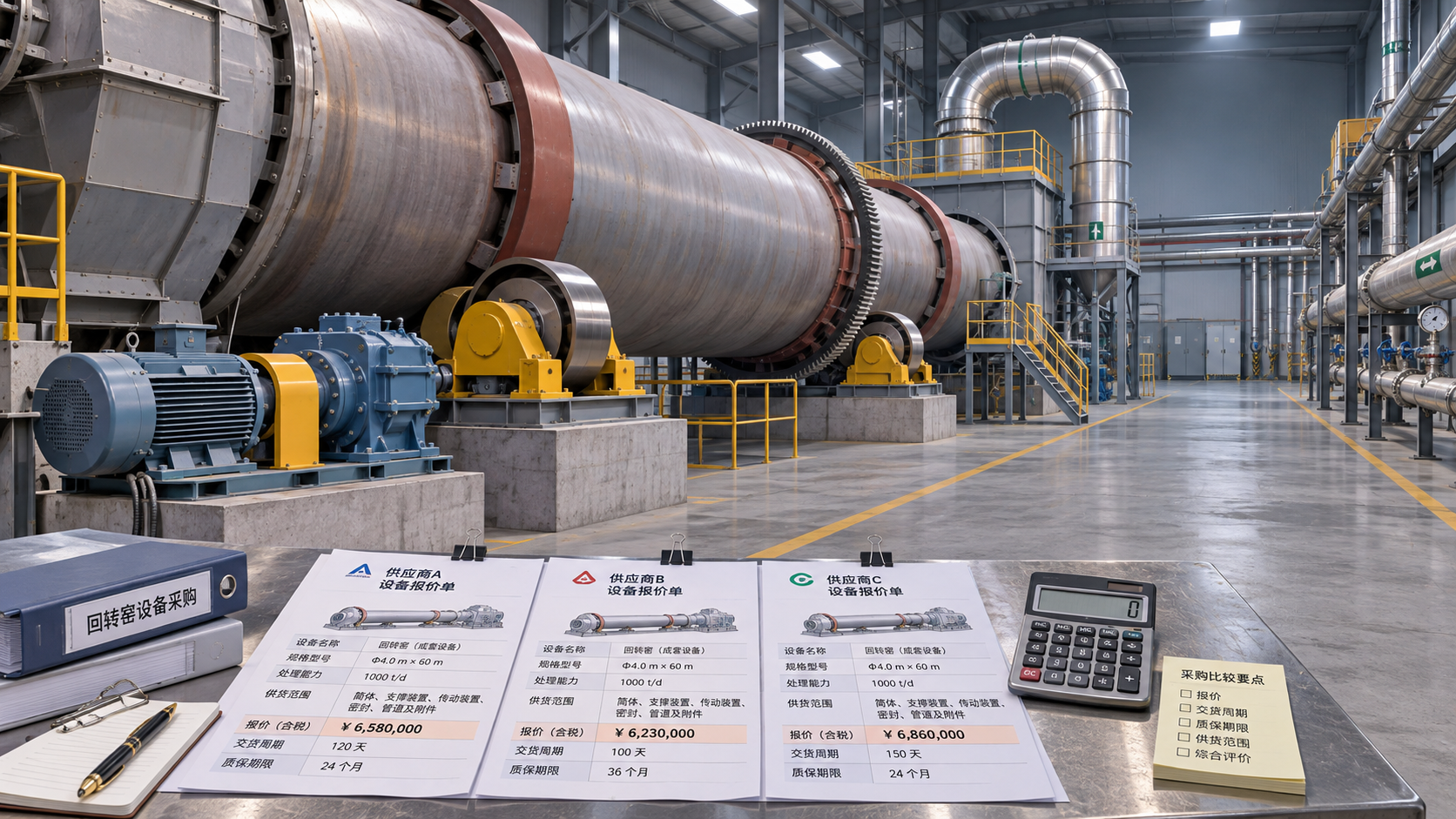
 Ms. Elena RodriguezProcess Equipment Pricing: How to Compare Quotes and Total CostsMaster process equipment comparison pricing: compare supplier quotes, uncover hidden costs, and evaluate lifetime expenses to make a confident buying decision.Nov 17, 2026
 Prof. Marcus ChenGlobal Cement Industry Decarbonization: Key Technologies and Cost BarriersExplore global cement industry decarbonization technologies, cost barriers, and practical investment strategies to cut emissions while protecting competitiveness.Nov 16, 2026
 Structural Material AnalystChoosing Specification Preparation Support for North American ProjectsChoose specification preparation support North America projects can rely on. Compare technical expertise, compliance, interfaces, and supplier acceptance criteria.Nov 14, 2026
 Structural Material AnalystSpecialty Ceramic Extrusion: How Material Properties Affect FormingExplore how ceramic specialized material extrusion is shaped by particle size, binders, and solids loading—and learn to improve forming and reduce defects.Nov 13, 2026
 Ms. Elena RodriguezHigh-Pressure Molding Equipment Prices in Europe: What Affects the Total Cost?Explore high pressure molding equipment price Europe buyers can expect to assess, from tooling and installation to running costs. Compare quotes with confidence.Nov 12, 2026
 Structural Material AnalystChoosing a Vacuum Extrusion System: Capacity, Materials and Vacuum LevelsChoosing a vacuum extrusion system? Compare capacity, material behavior and vacuum levels to improve product quality and select the right equipment.Nov 11, 2026
 Optical Glass Tech FellowGlass Melting Innovations: Comparing Electric and Hybrid Furnace TechnologiesExplore glass melting innovations and compare electric and hybrid furnaces by energy use, emissions, glass quality and operating costs to find the right fit.Nov 10, 2026
 Thermal Energy ArchitectHow Thermal Barrier Technology for Kilns Reduces Heat LossDiscover how thermal barrier technology for kilns reduces heat loss, and learn how to select insulation and assess savings without compromising lining durability.Nov 09, 2026
 Prof. Marcus ChenGlobal Materials Trends: What North American Manufacturers Need to KnowExplore global material trends North America manufacturers need to know, from energy costs and supply chains to lower-carbon materials and smarter investment decisions.Nov 08, 2026
 Thermal Energy ArchitectSelecting Abrasion-Resistant Refractories for High-Wear Kiln LiningsExplore advanced refractory materials abrasion resistant enough for high-wear kiln linings. Compare wear mechanisms, thermal stability, installation and lifecycle costs.Nov 06, 2026
 Dr. Alistair VaughnIndustrial Energy Efficiency Certification: ISO 50001 Requirements for PlantsExplore industrial energy efficiency certification with ISO 50001. Learn how plants define scope, measure performance and prepare credible evidence for audits.Nov 05, 2026
 Ms. Elena RodriguezWhat Is an Industrial Intelligence Database and How Is It Used?Discover how an industrial intelligence database helps researchers map markets, track projects, compare technologies, and assess evidence with confidence.Nov 04, 2026
 Ms. Elena RodriguezIndustrial Material Pricing: How Freight and Order Volume Affect QuotesExplore industrial material pricing and learn how freight, order volume, and inventory costs affect quotes. Compare suppliers and make smarter purchasing decisions.Nov 03, 2026
 Structural Material AnalystSingle- vs. Twin-Screw Extrusion Systems: Which Suits Your Material?Choose the right specialized extrusion systems screw type for your material. Compare single- and twin-screw options to improve quality and control costs.Nov 02, 2026
 Thermal Energy ArchitectChoosing Thermal Barrier Materials for Kilns: Temperature and Heat LossExplore thermal barrier materials for kilns and learn how to balance temperature resistance, heat loss, durability and operating costs when selecting a lining.Nov 01, 2026
 Ms. Elena RodriguezSupplier Reference Platform Pricing: Fees and Contract Terms to CompareCompare supplier reference platform pricing, hidden fees, verification costs and contract terms to choose the right solution for your sourcing team.Oct 31, 2026
 Ms. Elena RodriguezSupplier Comparison Metrics: How to Score Cost, Quality, and DeliveryUse supplier comparison metrics to score cost, quality, and delivery with a practical weighted scorecard. Make more confident equipment sourcing decisions.Oct 30, 2026
 Ms. Elena RodriguezWhat Does Industrial Waste Heat Recovery Cost, and When Does It Pay Back?Understand industrial waste heat recovery cost, from equipment and installation to net savings. Learn how to compare quotes, assess risks, and calculate realistic payback before investing.Oct 29, 2026
 Thermal Energy ArchitectChoosing Industrial Waste-to-Energy Equipment by Waste Moisture and Heating ValueChoose industrial waste to energy equipment by moisture and heating value. Compare technologies, fuel needs, and supplier guarantees to make a confident investment.Oct 28, 2026
 Thermal Energy ArchitectChoosing Industrial Kiln Insulation for High Heat and Repeated Thermal CyclingExplore high temperature industry solutions for kiln insulation under repeated thermal cycling. Compare materials, reduce heat loss, and select the right lining for your operating conditions.Oct 27, 2026


Related News
- 00
0000-00
Global Cement Industry Decarbonization: Key Technologies and Cost Barriers - 00
0000-00
Global Materials Trends: What North American Manufacturers Need to Know - 00
0000-00
Heavy Equipment Intelligence Market: Fleet Analytics Demand and Adoption Barriers - 00
0000-00
Silicate Industry Outlook: Demand Drivers, Energy Costs, and Supply Risks - 00
0000-00
Which Industrial Decarbonization Projects Have the Fastest Payback?
0000-00
Weekly Insights
Stay ahead with our curated technology reports delivered every Monday.