
Heavy Equipment Intelligence Market: Fleet Analytics Demand and Adoption Barriers




Heavy Equipment Intelligence Market: Fleet Analytics Demand and Adoption Barriers
The heavy equipment intelligence market is drawing attention as industrial operators seek fleet analytics to reduce downtime, improve asset utilization, and control energy costs. For business evaluators serving cement, glass, and other high-temperature industries, the opportunity extends beyond connected machinery to measurable operational value. Yet legacy equipment, fragmented data, cybersecurity concerns, and uncertain payback can slow adoption. This article examines the demand drivers behind fleet intelligence, the barriers shaping purchasing decisions, and the commercial criteria that help distinguish scalable solutions from costly digital upgrades.
The central purchasing question is straightforward: will better equipment information change an operating decision? A dashboard showing engine hours is useful only if someone uses it to revise maintenance, redistribute workloads, or avoid unnecessary rental capacity. In a continuous-process plant, the test is stricter. An alert must arrive early enough—and with enough context—to support intervention without creating a bigger production risk.
Market demand is better understood by operating problem than headline size
The heavy equipment intelligence market does not have a consistently defined boundary. Mobile-machine telematics, equipment condition monitoring, maintenance analytics, and industrial asset performance software can appear in overlapping categories. A forecast covering connected excavators is not directly comparable with one that includes kiln monitoring or plant-wide digital twins. Any market-size comparison should begin with the assets, software functions, services, and revenue types included.
For industrial operators, three buying pressures explain the appeal more clearly than a broad growth forecast. Maintenance teams need earlier warning of developing faults. Operations managers need to distinguish productive capacity from equipment that is merely running. Finance teams need evidence that an additional machine, overhaul, or service contract is justified.
These needs connect mobile fleets with stationary production assets, but they do not make them interchangeable. A quarry loader can sometimes be replaced temporarily. A critical kiln drive may have no practical substitute. That difference changes the value of monitoring, the required response time, and the acceptable cost of false alarms.
Where fleet analytics meets high-temperature production
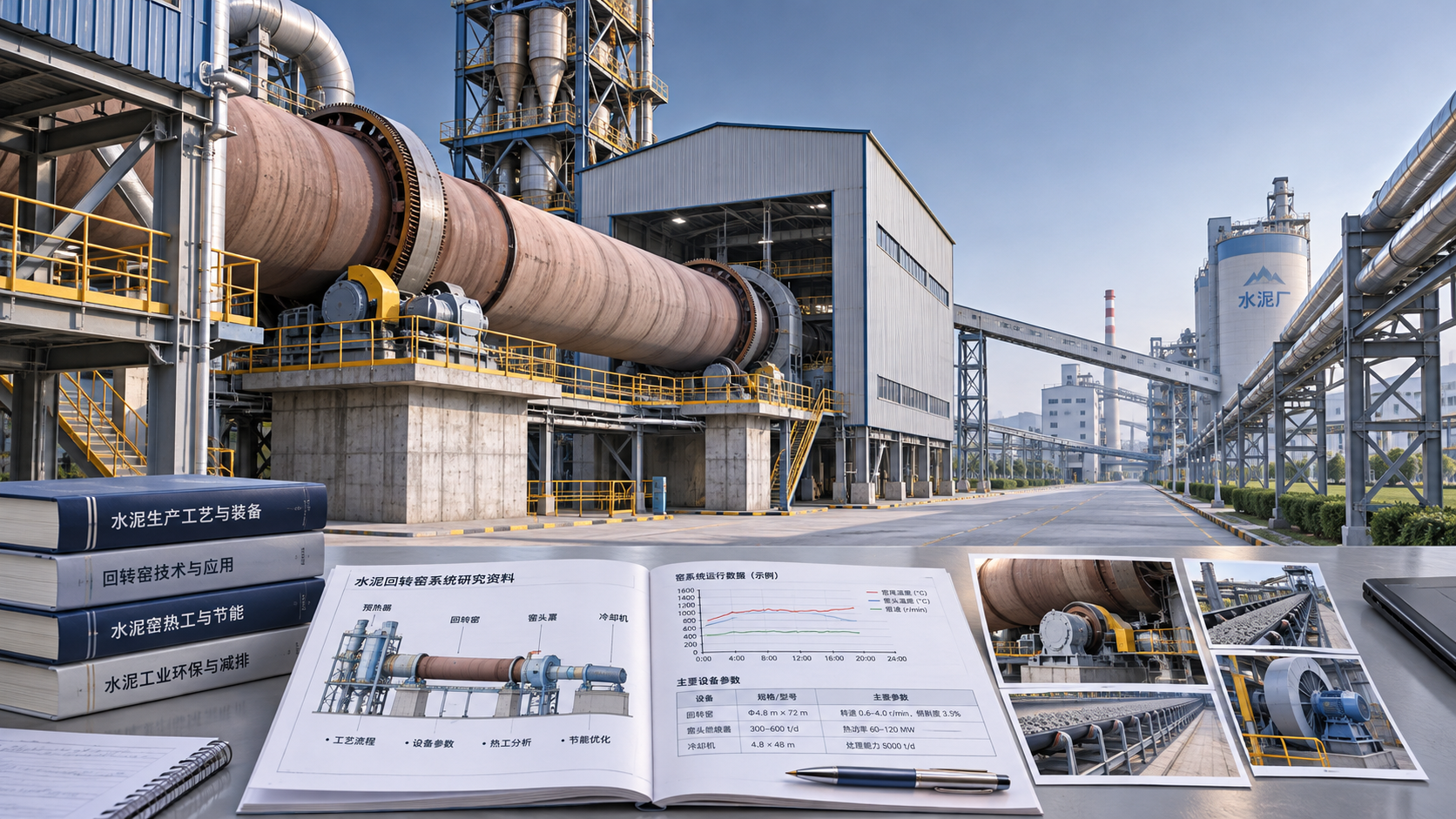
Consider a cement operation with quarry trucks, loaders, crushers, conveyors, and a rotary kiln. Vehicle location and idle-time data can expose dispatch mismatches, but they cannot explain the whole production constraint. Trucks may be queuing because a downstream crusher is unavailable. Reducing truck numbers without understanding that dependency could leave the plant short of hauling capacity when the crusher returns.
This is where integrated equipment intelligence becomes commercially interesting: connecting asset behavior to material flow rather than treating every machine as an isolated utilization score. The same principle applies to glass manufacturing. Improving batch-handling equipment availability matters, but furnace conditions, product mix, and quality constraints determine whether extra upstream capacity has value.
Energy analysis also needs a process denominator. Fuel consumed per operating hour may help compare similar duty cycles; it can mislead when loads, gradients, or material characteristics differ. For stationary equipment, energy per tonne of saleable output is often more decision-useful than total consumption alone. Even then, moisture, feed composition, production rate, and rejected output need consideration.
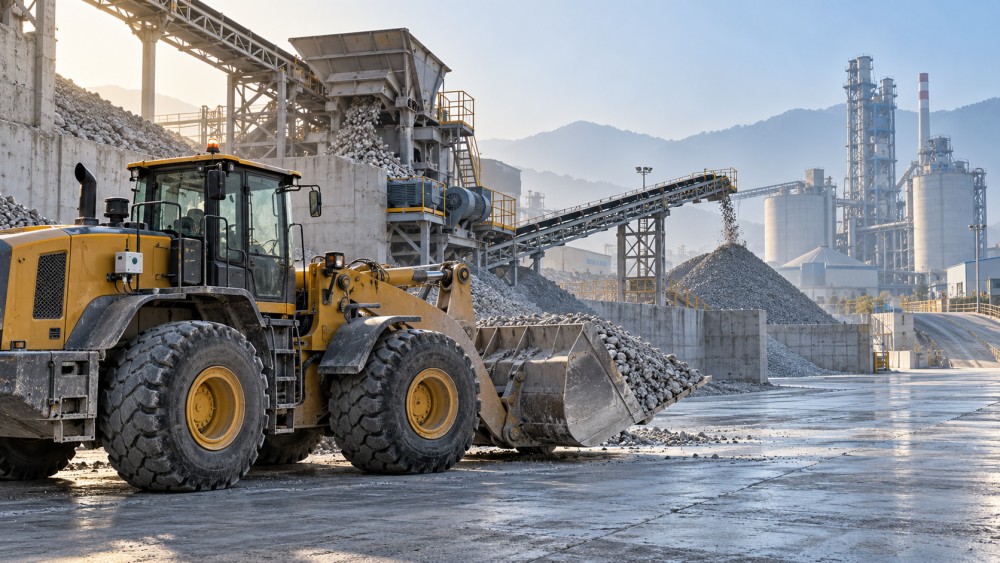
For CF-Elite, whose coverage spans cement, glass, industrial kilns and incineration, refractory production, and building-material extrusion, this process context is essential to interpreting intelligence demand. Refractory condition monitoring and excavator telematics may both support asset decisions, but their sensing requirements and failure consequences differ substantially. Commercial analysis should preserve those distinctions rather than group every connected asset under one digital-transformation label.
The buying proposition is moving beyond visibility
Location, operating hours, and fault-code reporting provide a foundation. The more demanding proposition is workflow integration: turning an event into a reviewed maintenance task, attaching relevant history, and recording what technicians actually found. Without that feedback loop, an analytics system cannot reliably distinguish a useful warning from an alarm that operators routinely dismiss.
Predictive maintenance deserves particular scrutiny. Detecting an abnormal vibration pattern is not the same as predicting a failure date. Performance depends on sensor placement, sampling quality, operating regimes, and the availability of representative fault data. A supplier may offer credible anomaly detection while having limited grounds for a precise remaining-life estimate. Buyers should ask which capability is being demonstrated.
Digital twins face a similar distinction. A model used to compare kiln operating scenarios has different validation requirements from a visualization showing live equipment status. Both can be useful, but neither should be valued simply because it carries the same label. For distributors and service companies, the stronger commercial position may be reliable interpretation and field support rather than another layer of visualization.
Legacy integration is usually an operational problem, not just an IT task
Mixed-brand fleets rarely present clean, comparable data. One machine may expose detailed operating signals; another may provide only hours and basic faults. Retrofitted sensors can fill gaps, but introduce installation work, calibration requirements, power needs, and maintenance obligations of their own.
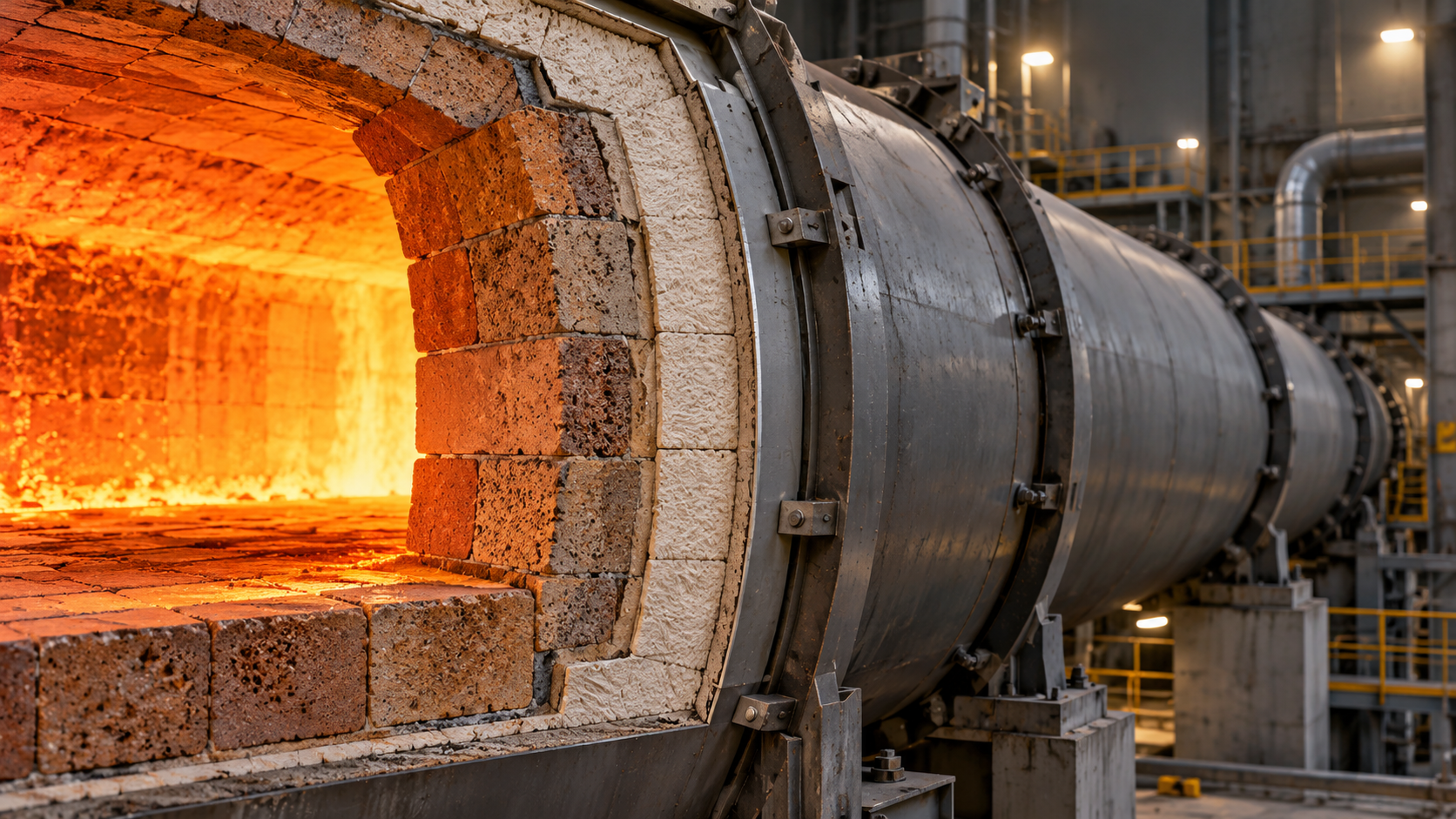
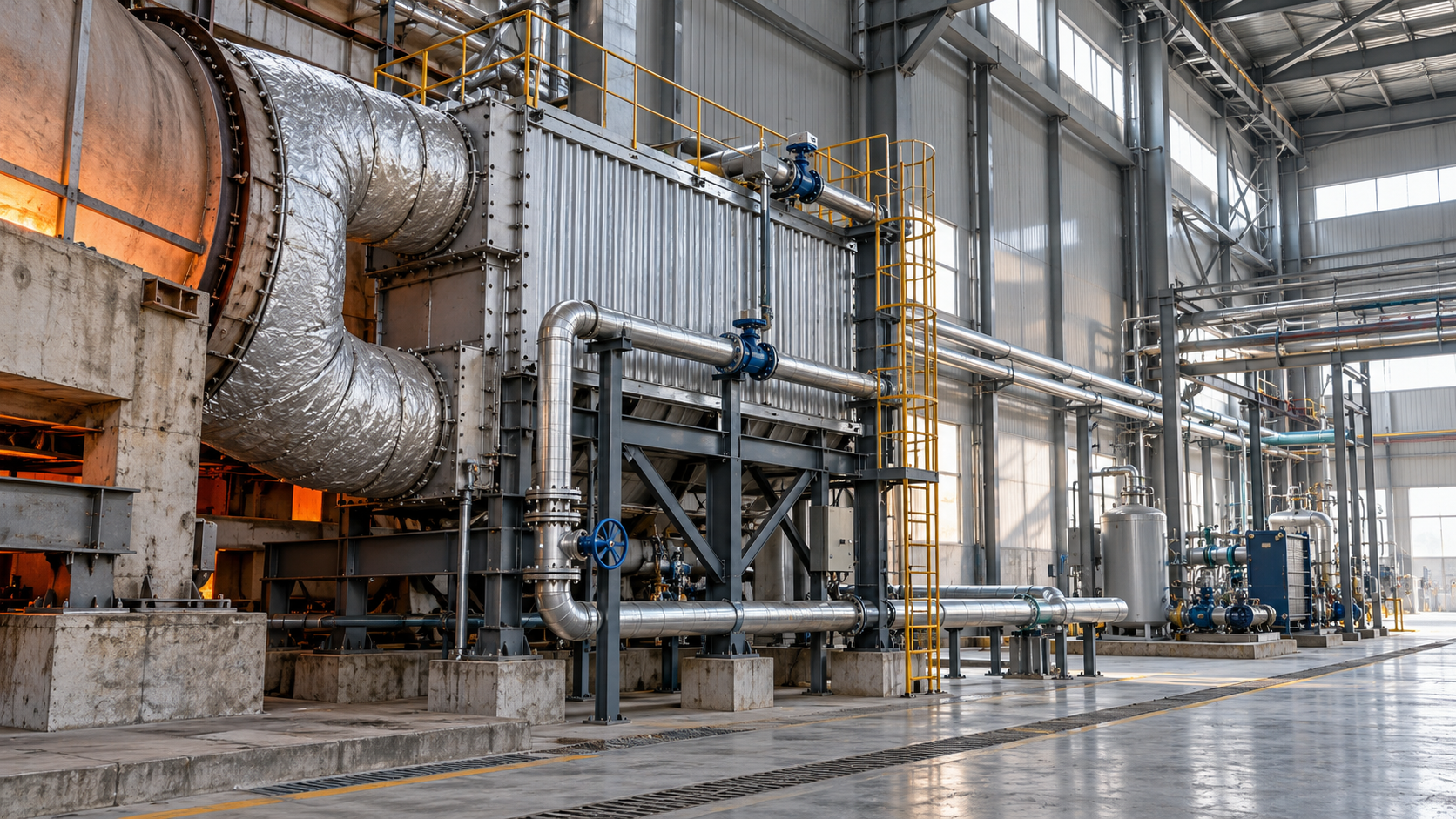
Conditions around thermal equipment add practical complications. Dust, radiant heat, vibration, and restricted access can affect sensor selection and placement. Electronics may need protection or separation from the measurement point. A proposal that assumes easy access during normal production deserves a site-level review before its installation cost is accepted.
Data consistency is equally important. A machine identifier must match the maintenance record. Timestamps must align. “Idle” must mean something comparable across assets. Otherwise, a polished fleet ranking can reward a lightly loaded machine and penalize one handling the hardest duty.
Connectivity design should follow the consequence of delay. Periodic uploads may be adequate for utilization reporting. Condition monitoring that supports time-sensitive decisions may need local processing and buffering when communications fail. Safety functions and essential process protection should not depend on a cloud analytics connection.
Access rights can become a larger barrier than hardware
Remote diagnostics can reduce unnecessary site visits, but they also create access pathways into operational environments. Buyers should establish who can connect, how access is authorized and revoked, what activity is logged, and whether monitoring is read-only or permits commands. Network segmentation, controlled remote access, and a workable patching process need joint review by operations and security teams.
Contracts need similar attention. Equipment data ownership does not automatically guarantee convenient export, complete historical records, or continued access after a subscription ends. Check export formats, interface charges, retention periods, subcontractor access, and migration assistance. These details can determine whether a successful pilot becomes an affordable multi-site deployment.
Payback depends on what the operator can actually change
Avoided downtime is attractive in a business case, but easy to overstate. An alert has little immediate value if the replacement bearing is unavailable, no maintenance window exists, or nobody is responsible for reviewing it. Analytics can reveal a problem; it cannot supply missing maintenance capacity.
A defensible financial model separates observed savings from estimated risk reduction. Lower rental expenditure or verified reductions in unnecessary servicing can be measured directly. The value of a potentially avoided failure requires assumptions about failure probability, intervention effectiveness, and production consequences. Those assumptions should remain visible rather than being presented as booked savings.
The cost base must include more than subscriptions and sensors: integration, installation downtime, communications, cybersecurity review, training, sensor replacement, and internal analysis all count. For energy savings, distinguish lower energy use from lower output. Carbon claims require appropriate calculation boundaries and emissions factors; a reduction in equipment fuel use is not automatically a verified reduction in total plant emissions.
Pilot approval should therefore include a short set of explicit tests:
- Choose a consequential decision, such as revising loader allocation or prioritizing inspections on a critical drive.
- Record a baseline that reflects comparable loads, operating conditions, and production requirements.
- Name the person responsible for acting on each alert and documenting the outcome.
- Measure missing data, false alarms, and technician workload alongside financial results.
- Agree in advance which results justify expansion—and which require redesign or stopping.
The evaluation period should suit the use case. Utilization changes may become visible relatively quickly; evidence for detecting rare failures takes longer. A pilot with no failure events cannot establish predictive accuracy merely because the monitored equipment stayed operational.
What will separate scalable demand from experimental spending?
The more defensible opportunities in the heavy equipment intelligence market are those that combine usable data, a clear intervention, and accountable follow-through. Cross-brand coverage matters, but so does depth on the assets that constrain production. A platform connecting hundreds of noncritical machines may deliver less value than a narrower system supporting a few consequential maintenance decisions.
Adoption will differ by installed base and operating environment. Remote sites may prioritize offline capability and local support. Plants with established historians may favor analytical tools that use existing infrastructure. Smaller operators may need managed interpretation because they cannot support a dedicated reliability team. These are different commercial propositions, not simply different subscription tiers.
For evaluators following CF-Elite’s foundation-materials and thermal-management coverage, the useful next step is to map intelligence spending against production bottlenecks, maintenance readiness, and energy measurement quality. Before accepting a market forecast or platform proposal, ask for a traceable chain: which signal is collected, which decision changes, who acts, and how the result is verified. If that chain breaks, more connected equipment will not repair the business case.
Related News
 Ms. Elena RodriguezProcess Equipment Pricing: How to Compare Quotes and Total CostsMaster process equipment comparison pricing: compare supplier quotes, uncover hidden costs, and evaluate lifetime expenses to make a confident buying decision.Nov 17, 2026
 Prof. Marcus ChenGlobal Cement Industry Decarbonization: Key Technologies and Cost BarriersExplore global cement industry decarbonization technologies, cost barriers, and practical investment strategies to cut emissions while protecting competitiveness.Nov 16, 2026
 Structural Material AnalystChoosing Specification Preparation Support for North American ProjectsChoose specification preparation support North America projects can rely on. Compare technical expertise, compliance, interfaces, and supplier acceptance criteria.Nov 14, 2026
 Structural Material AnalystSpecialty Ceramic Extrusion: How Material Properties Affect FormingExplore how ceramic specialized material extrusion is shaped by particle size, binders, and solids loading—and learn to improve forming and reduce defects.Nov 13, 2026
 Ms. Elena RodriguezHigh-Pressure Molding Equipment Prices in Europe: What Affects the Total Cost?Explore high pressure molding equipment price Europe buyers can expect to assess, from tooling and installation to running costs. Compare quotes with confidence.Nov 12, 2026
 Structural Material AnalystChoosing a Vacuum Extrusion System: Capacity, Materials and Vacuum LevelsChoosing a vacuum extrusion system? Compare capacity, material behavior and vacuum levels to improve product quality and select the right equipment.Nov 11, 2026
 Optical Glass Tech FellowGlass Melting Innovations: Comparing Electric and Hybrid Furnace TechnologiesExplore glass melting innovations and compare electric and hybrid furnaces by energy use, emissions, glass quality and operating costs to find the right fit.Nov 10, 2026
 Thermal Energy ArchitectHow Thermal Barrier Technology for Kilns Reduces Heat LossDiscover how thermal barrier technology for kilns reduces heat loss, and learn how to select insulation and assess savings without compromising lining durability.Nov 09, 2026
 Prof. Marcus ChenGlobal Materials Trends: What North American Manufacturers Need to KnowExplore global material trends North America manufacturers need to know, from energy costs and supply chains to lower-carbon materials and smarter investment decisions.Nov 08, 2026
 Thermal Energy ArchitectSelecting Abrasion-Resistant Refractories for High-Wear Kiln LiningsExplore advanced refractory materials abrasion resistant enough for high-wear kiln linings. Compare wear mechanisms, thermal stability, installation and lifecycle costs.Nov 06, 2026
 Dr. Alistair VaughnIndustrial Energy Efficiency Certification: ISO 50001 Requirements for PlantsExplore industrial energy efficiency certification with ISO 50001. Learn how plants define scope, measure performance and prepare credible evidence for audits.Nov 05, 2026
 Ms. Elena RodriguezWhat Is an Industrial Intelligence Database and How Is It Used?Discover how an industrial intelligence database helps researchers map markets, track projects, compare technologies, and assess evidence with confidence.Nov 04, 2026
 Ms. Elena RodriguezIndustrial Material Pricing: How Freight and Order Volume Affect QuotesExplore industrial material pricing and learn how freight, order volume, and inventory costs affect quotes. Compare suppliers and make smarter purchasing decisions.Nov 03, 2026
 Structural Material AnalystSingle- vs. Twin-Screw Extrusion Systems: Which Suits Your Material?Choose the right specialized extrusion systems screw type for your material. Compare single- and twin-screw options to improve quality and control costs.Nov 02, 2026
 Thermal Energy ArchitectChoosing Thermal Barrier Materials for Kilns: Temperature and Heat LossExplore thermal barrier materials for kilns and learn how to balance temperature resistance, heat loss, durability and operating costs when selecting a lining.Nov 01, 2026
 Ms. Elena RodriguezSupplier Reference Platform Pricing: Fees and Contract Terms to CompareCompare supplier reference platform pricing, hidden fees, verification costs and contract terms to choose the right solution for your sourcing team.Oct 31, 2026
 Ms. Elena RodriguezSupplier Comparison Metrics: How to Score Cost, Quality, and DeliveryUse supplier comparison metrics to score cost, quality, and delivery with a practical weighted scorecard. Make more confident equipment sourcing decisions.Oct 30, 2026
 Ms. Elena RodriguezWhat Does Industrial Waste Heat Recovery Cost, and When Does It Pay Back?Understand industrial waste heat recovery cost, from equipment and installation to net savings. Learn how to compare quotes, assess risks, and calculate realistic payback before investing.Oct 29, 2026
 Thermal Energy ArchitectChoosing Industrial Waste-to-Energy Equipment by Waste Moisture and Heating ValueChoose industrial waste to energy equipment by moisture and heating value. Compare technologies, fuel needs, and supplier guarantees to make a confident investment.Oct 28, 2026
 Thermal Energy ArchitectChoosing Industrial Kiln Insulation for High Heat and Repeated Thermal CyclingExplore high temperature industry solutions for kiln insulation under repeated thermal cycling. Compare materials, reduce heat loss, and select the right lining for your operating conditions.Oct 27, 2026


Related News
- 00
0000-00
Global Cement Industry Decarbonization: Key Technologies and Cost Barriers - 00
0000-00
Global Materials Trends: What North American Manufacturers Need to Know - 00
0000-00
Heavy Equipment Intelligence Market: Fleet Analytics Demand and Adoption Barriers - 00
0000-00
Silicate Industry Outlook: Demand Drivers, Energy Costs, and Supply Risks - 00
0000-00
Which Industrial Decarbonization Projects Have the Fastest Payback?
0000-00
Weekly Insights
Stay ahead with our curated technology reports delivered every Monday.