
Which Industrial Decarbonization Projects Have the Fastest Payback?




Which Industrial Decarbonization Projects Have the Fastest Payback?
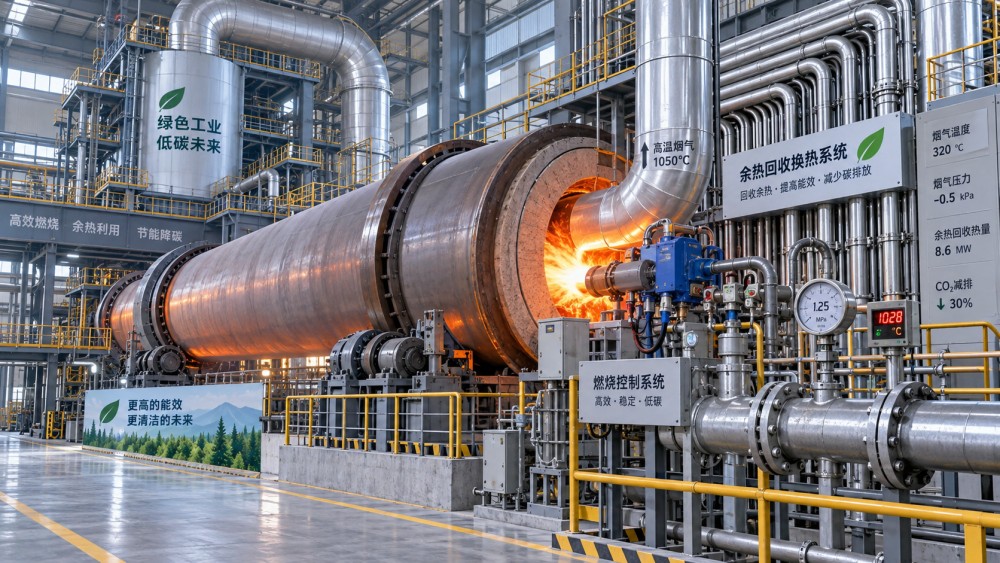
Which industrial decarbonization projects have the fastest payback? In most energy-intensive plants, the quickest returns come from reducing wasted fuel, electricity, downtime, and material losses.
For cement, glass, incineration, refractory, and extrusion operations, practical efficiency projects usually outperform major technology replacements during the first investment cycle.
The strongest candidates are waste heat recovery, combustion optimization, advanced process controls, compressed-air improvements, alternative fuel preparation, and targeted equipment upgrades.
These projects can often deliver measurable savings within months or several years, while larger solutions such as carbon capture may require longer development and financing periods.
However, payback depends on local energy prices, operating hours, production stability, maintenance practices, emissions requirements, and the plant’s ability to convert technical gains into sustained performance.
Decision-makers should therefore prioritize projects that solve an existing production problem while also reducing carbon emissions, rather than treating decarbonization as a separate compliance exercise.
What Plant Leaders Usually Mean by “Fastest Payback”
Fast payback does not simply mean the lowest capital cost. It means achieving dependable financial returns quickly without creating unacceptable process, quality, safety, or supply-chain risks.
Most industrial managers evaluate payback through avoided fuel purchases, lower electricity consumption, reduced maintenance expenditure, increased throughput, and lower exposure to carbon-related compliance costs.
A project with a twelve-month payback may be less valuable than one returning investment within three years if the latter also improves kiln availability and product consistency.
For thermal industries, fuel savings frequently dominate the calculation because high-temperature processes consume large volumes of natural gas, coal, petroleum coke, electricity, or alternative fuels.
Plants should also include indirect gains. Better combustion can reduce refractory damage, improve clinker quality, lower stack emissions, and decrease unplanned shutdowns.
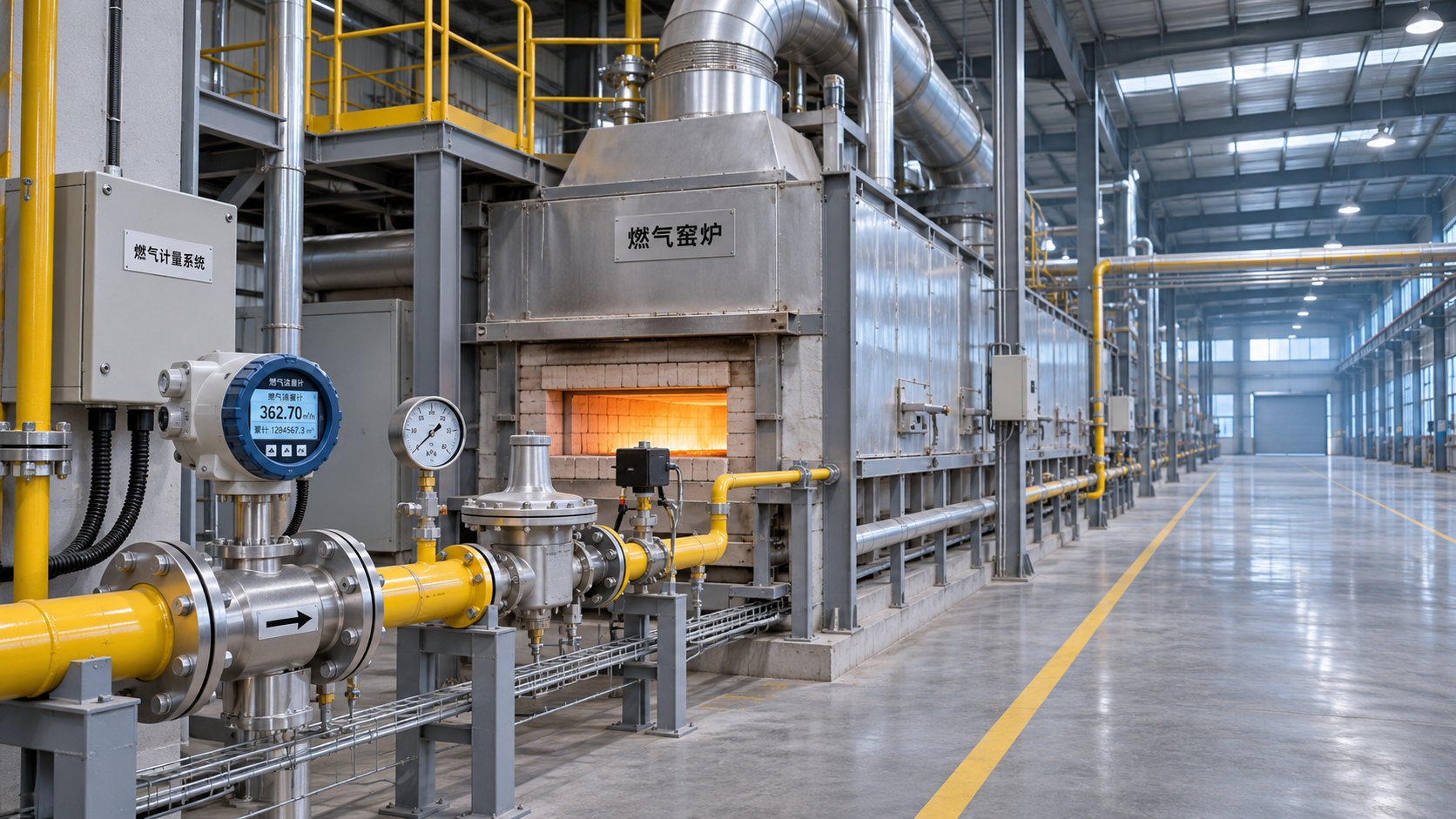
The most credible business cases use site-specific baseline data rather than generic percentage claims. Metered energy consumption, production volumes, fuel quality, and downtime records matter.
A useful screening rule is simple: prioritize projects with clear measurement points, limited production disruption, proven equipment, and a direct connection to major operating costs.
Start With Combustion Optimization and Process Control
Combustion optimization is often among the fastest industrial decarbonization projects because it targets the largest controllable energy loss in kilns, furnaces, calciners, and incinerators.
Improved burner tuning, air-fuel balancing, oxygen control, draft management, and flame-shape adjustment can reduce excess air and stabilize heat transfer across the process.
In cement production, better combustion conditions can improve calciner performance, reduce specific fuel consumption, and support more consistent clinker mineralogy without major civil works.
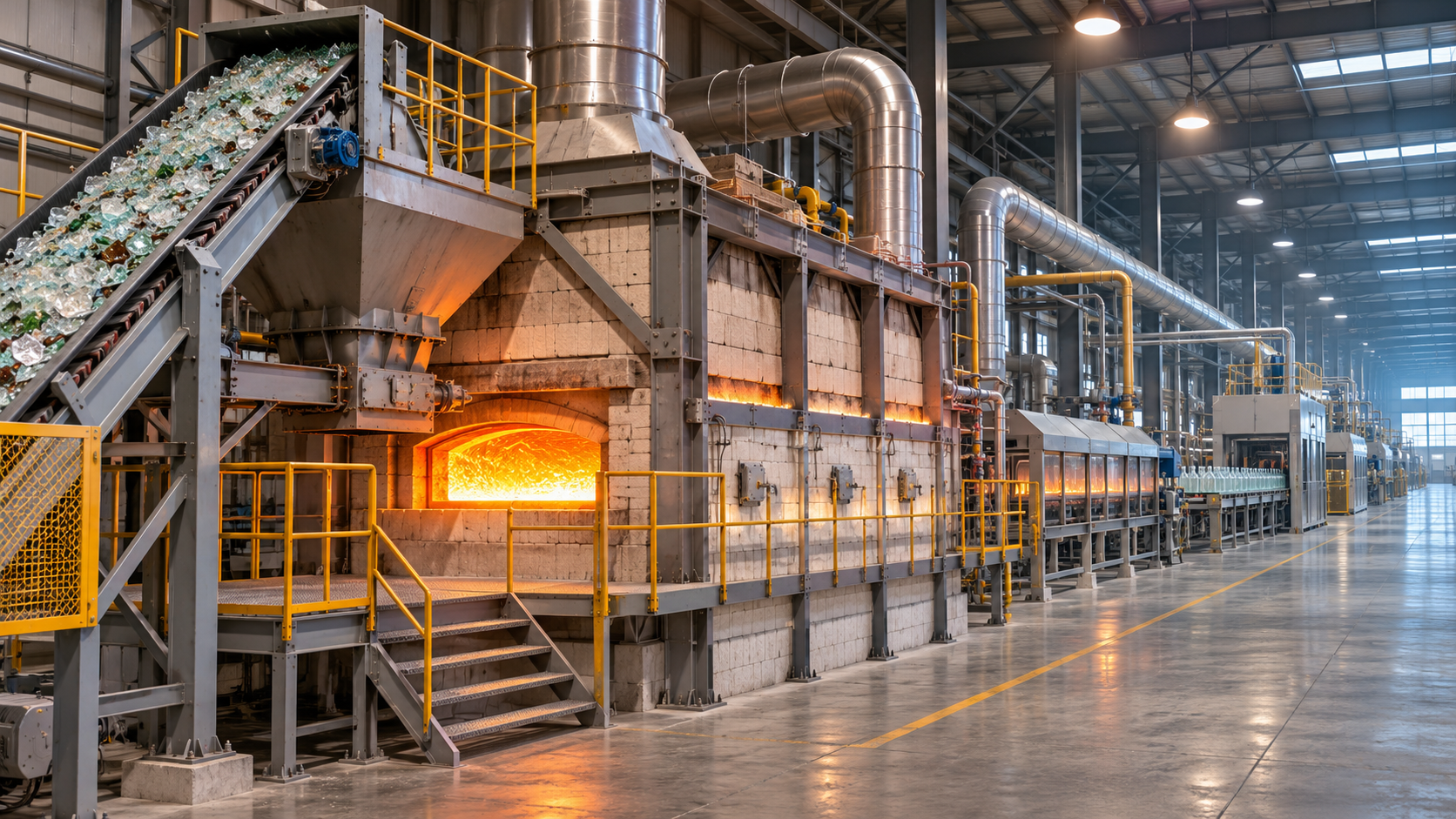
Glass manufacturers can benefit through tighter furnace pressure control, improved burner sequencing, optimized cross-firing patterns, and continuous monitoring of combustion-related temperature variation.
For waste incineration facilities, optimized combustion supports both fuel efficiency and regulatory performance by maintaining destruction conditions while limiting carbon monoxide and nitrogen oxide formation.
Projects in this category frequently require instrumentation, engineering studies, control-system configuration, operator training, and commissioning support rather than full equipment replacement.
The primary risk is implementing controls without validating sensor reliability. Incorrect oxygen, pressure, flow, or temperature signals can cause operators to distrust automated recommendations.
Plants should begin with a combustion audit, establish stable operating windows, then track fuel per tonne, heat balance indicators, emissions trends, and product-quality results.
Recover Waste Heat Before Buying More Energy
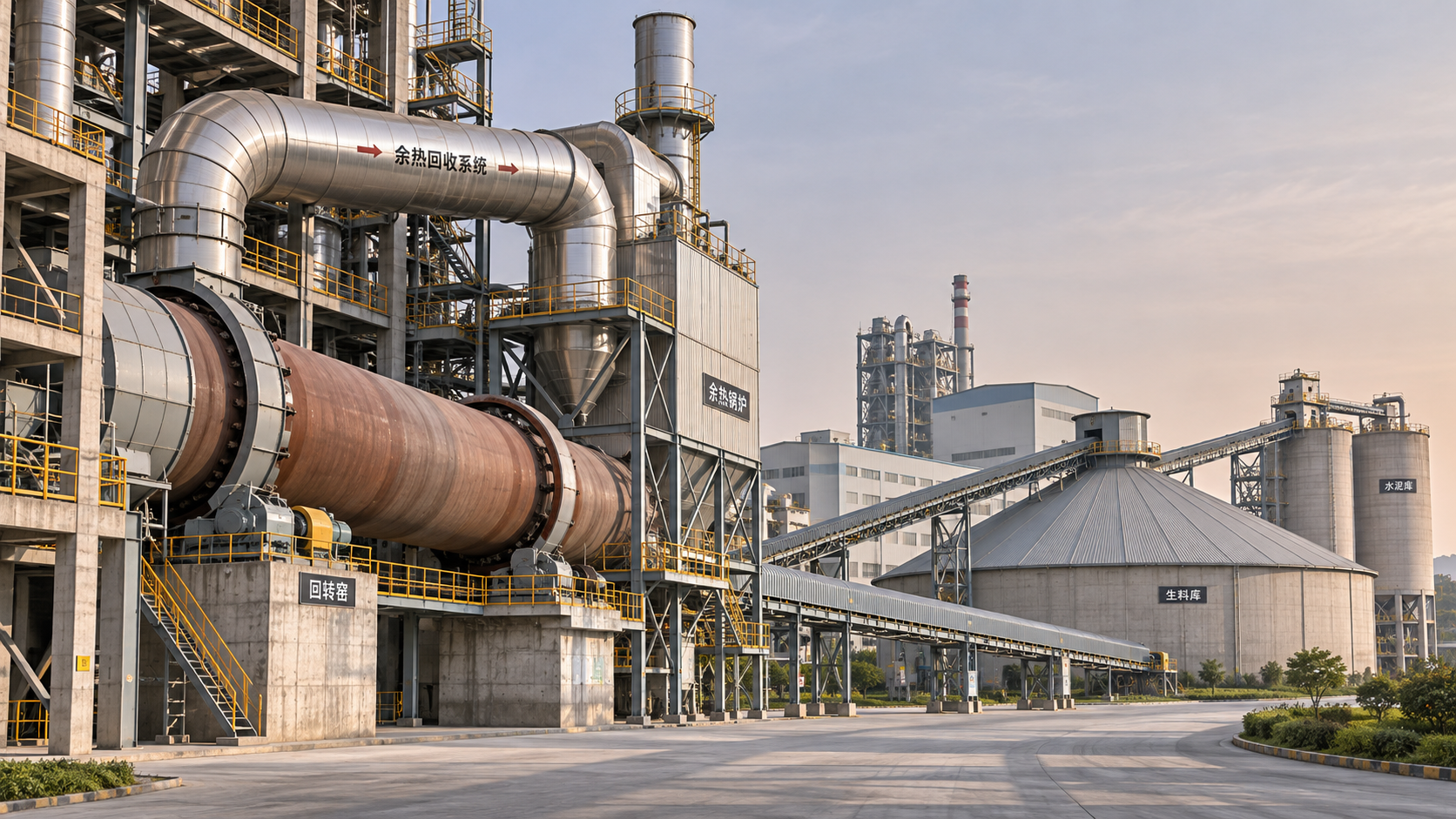
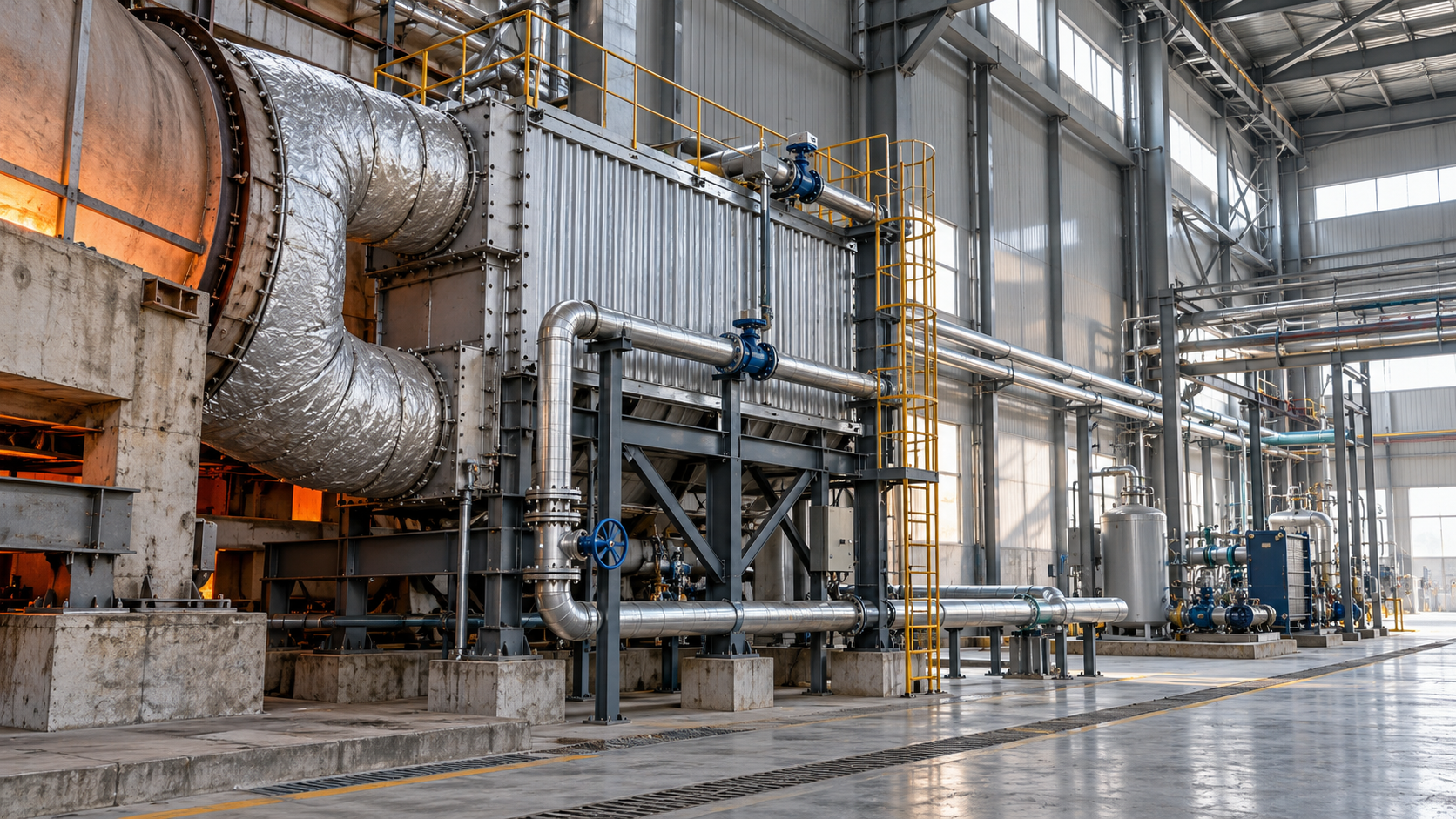
Waste heat recovery can generate fast returns where exhaust temperatures, operating hours, and heat demand are sufficiently high. Its economics improve when recovered heat displaces purchased fuel.
Typical opportunities include kiln exhaust, clinker cooler air, furnace flue gas, incinerator exhaust, dryer discharge, compressor heat, and hot product cooling streams.
The best projects use recovered heat directly for drying, combustion air preheating, feedwater heating, raw-material preparation, or building heating instead of converting it into electricity.
Direct heat recovery usually has lower complexity than power generation because it avoids turbine systems, grid interconnection requirements, and part-load electricity conversion losses.
In cement plants, cooler exhaust can support combustion air or material drying. In glass plants, flue-gas heat can preheat combustion air or process materials.
Incineration operations may recover energy as steam or hot water, but project viability depends on stable waste calorific value and a reliable nearby thermal customer.
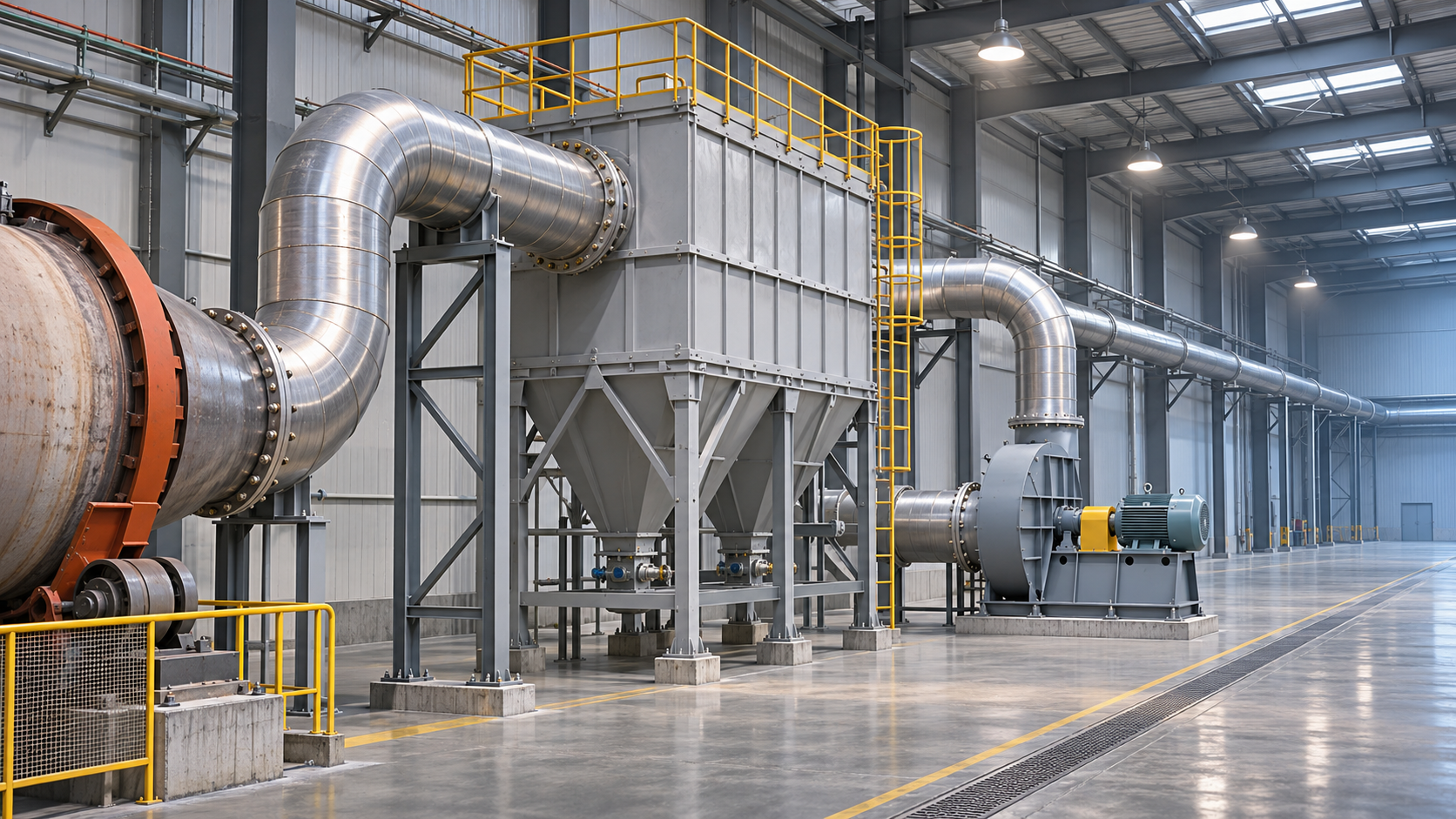
Heat recovery systems require careful attention to dust loading, corrosion, fouling, pressure drop, bypass requirements, and maintenance access. These factors can determine lifetime returns.
A credible feasibility study should calculate annual usable heat, seasonal demand, heat-transfer degradation, outage periods, auxiliary electricity, and the cost of cleaning equipment.
Use Digital Monitoring to Find Losses That Operators Cannot See
Digital monitoring can deliver rapid payback when plants already have substantial energy losses but lack reliable visibility into where, when, and why those losses occur.
Online sensors, historian data, energy dashboards, thermal imaging, condition monitoring, and advanced analytics help teams identify deviation before it becomes wasted fuel or downtime.
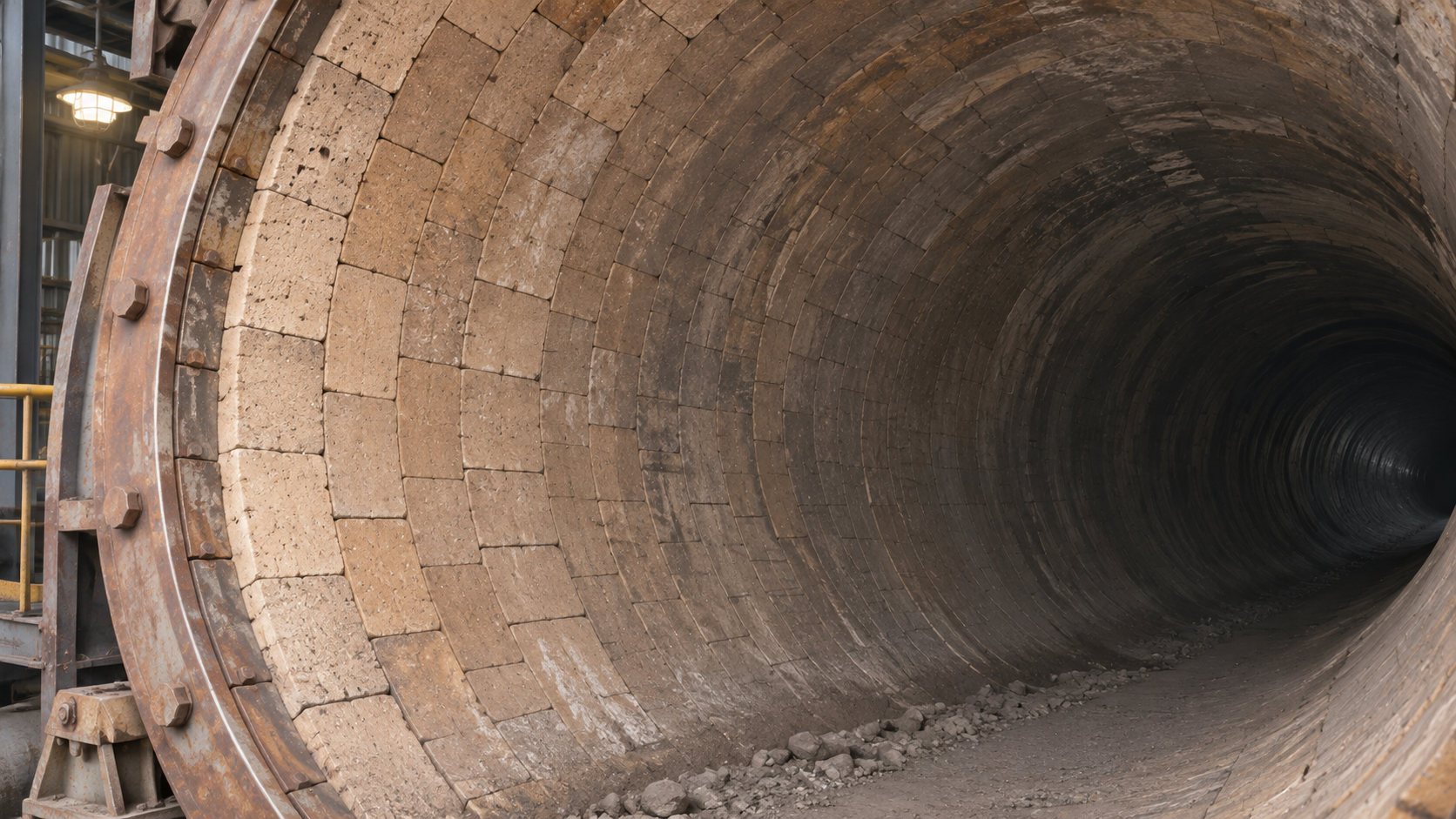
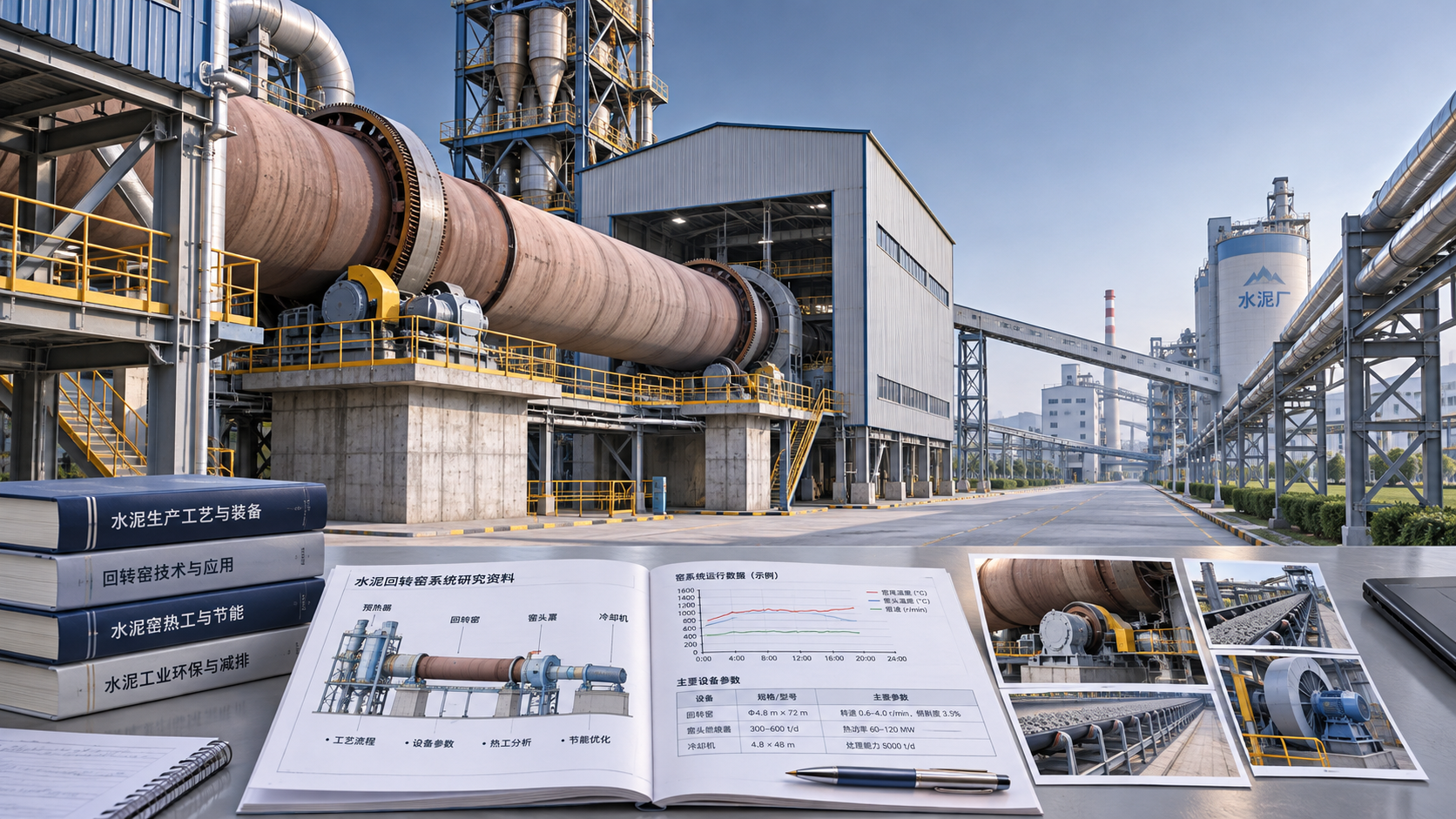
For rotary kilns, shell scanners and refractory monitoring can reveal thermal anomalies that increase heat loss, threaten lining integrity, and eventually force expensive emergency repairs.
In glass production, furnace temperature maps and energy models can identify uneven heating, regenerator deterioration, air leakage, and operating patterns linked to higher fuel consumption.
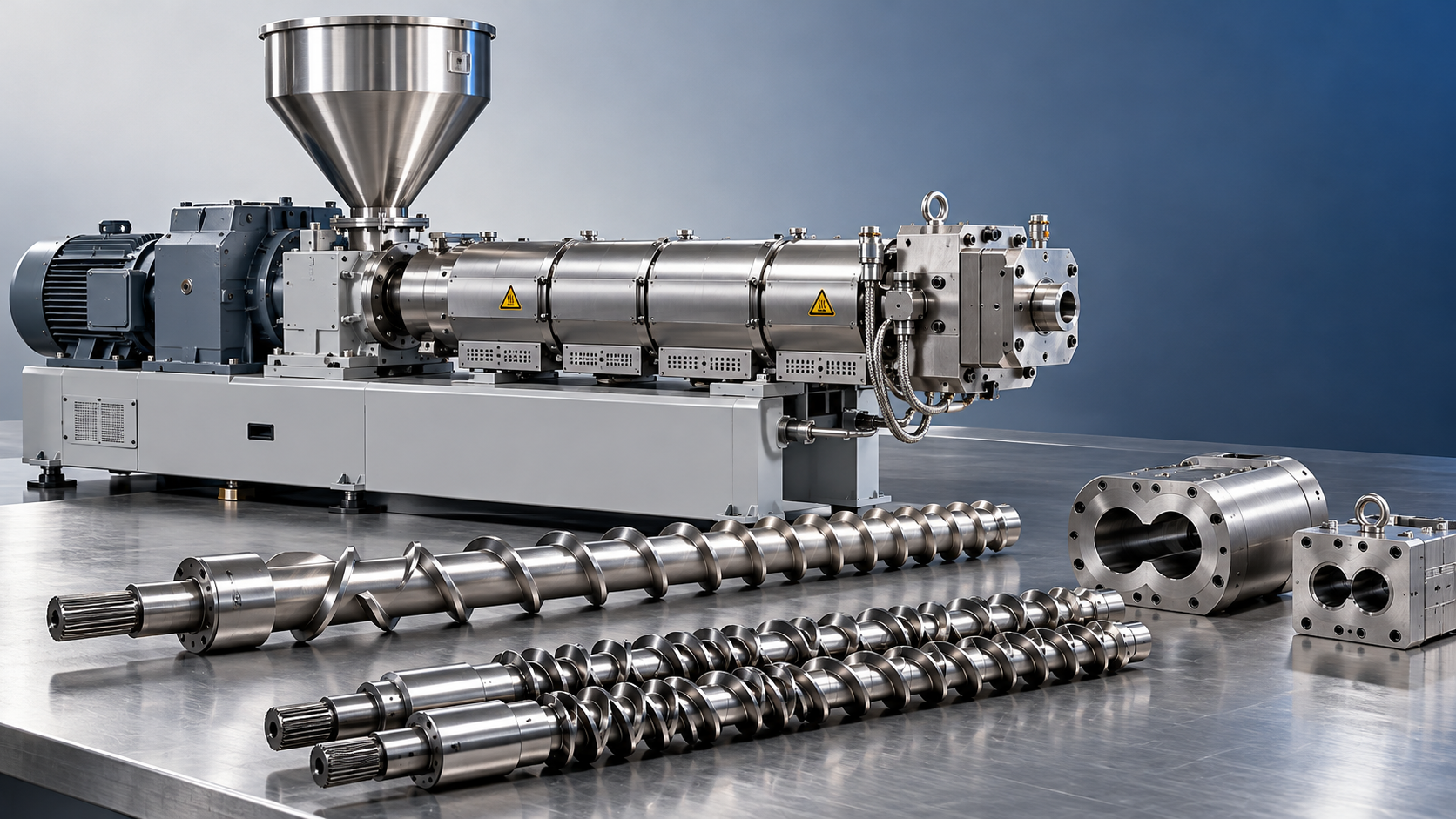
Extrusion lines benefit from monitoring motor loads, barrel temperatures, cooling demand, material moisture, and product rejects. Lower scrap reduces both embedded carbon and operating cost.
Digital projects should not be justified solely as data collection initiatives. Their value comes from decisions that change maintenance timing, control settings, production scheduling, or operator behavior.
The fastest returns usually come from focused applications with named users and defined actions, rather than broad digital-twin programs launched without operational ownership.
Before investing, ask which recurring decision is currently slow, manual, or uncertain. Then identify the minimum data and workflow needed to improve that decision.
Reduce Electrical Waste in Motors, Fans, Pumps, and Compressed Air
Electrical efficiency projects often have attractive payback because fans, pumps, conveyors, mills, compressors, and ventilation systems may operate continuously across long production schedules.
Variable-speed drives are particularly effective where flow is controlled through dampers, throttling valves, bypass lines, or frequent start-stop cycles that waste electrical energy.
Induced-draft fans, combustion-air fans, cooling fans, slurry pumps, and dust-collection systems should be assessed using real load profiles rather than nameplate assumptions.
A poorly controlled fan can consume far more electricity than expected because modest reductions in speed can produce substantial reductions in power demand.
Compressed-air projects also deserve attention. Leak detection, pressure optimization, inappropriate-use elimination, heat recovery, and compressor sequencing can produce quick and measurable savings.
Many facilities operate compressed-air networks at higher pressure than required because individual process problems were solved by increasing system pressure over time.
Replacing inefficient motors may be justified during planned maintenance, but standalone motor replacement often delivers weaker returns unless operating hours and load factors are high.
Measure electricity demand by system, not only at the facility meter. Submetering separates high-value interventions from equipment that appears energy-intensive but rarely operates.
Alternative Fuels Can Pay Back Quickly When Preparation Is Controlled
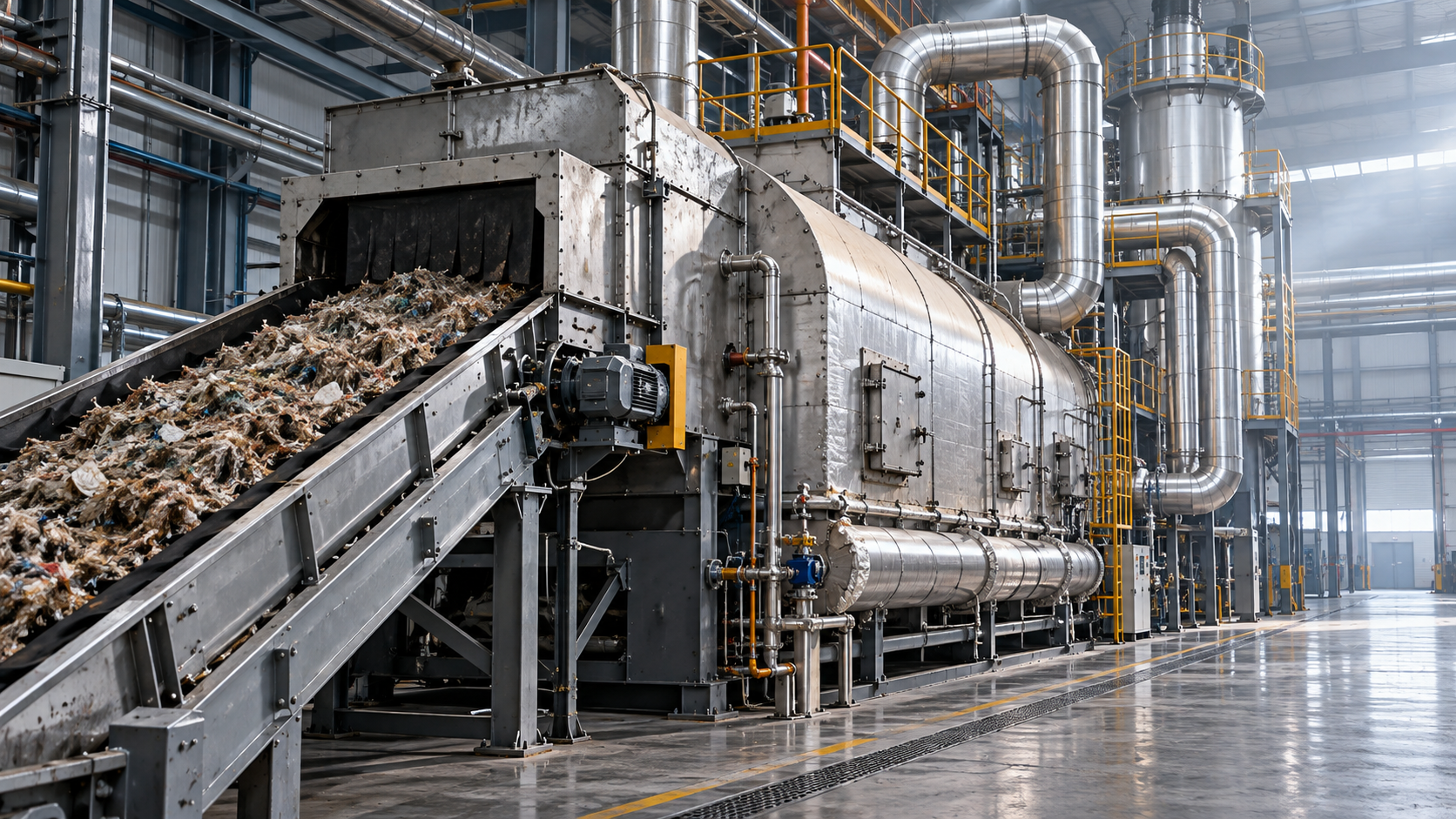
Alternative fuel projects can create strong economic and carbon benefits in cement kilns and incineration-linked systems, especially where conventional fuels are costly or carbon-intensive.
Potential fuels include refuse-derived fuel, biomass residues, treated industrial waste, agricultural residues, recovered solvents, and selected non-recyclable material fractions permitted by regulation.
The quickest projects are rarely based only on fuel substitution. They depend on secure feedstock contracts, consistent calorific value, moisture control, particle sizing, and dependable dosing equipment.
For cement plants, co-processing can reduce fossil fuel demand while utilizing waste streams. Yet unstable alternative fuel quality can lower kiln stability and increase operational losses.
Management should evaluate net economics after including pre-processing, storage, handling, laboratory testing, emissions controls, ash effects, maintenance, and potential production-rate limitations.
Alternative fuel systems may have longer payback than sensor or control projects, but they can deliver significant returns when fuel price spreads are wide and supply is reliable.
Start with a technically suitable substitution rate, validate combustion and quality impacts, then expand gradually as operating teams gain confidence in the handling system.
Permit requirements and community expectations must be addressed early. A financially attractive project can fail if emissions performance, transparency, or stakeholder engagement are poorly managed.
Target Refractory and Thermal Insulation Losses During Planned Shutdowns
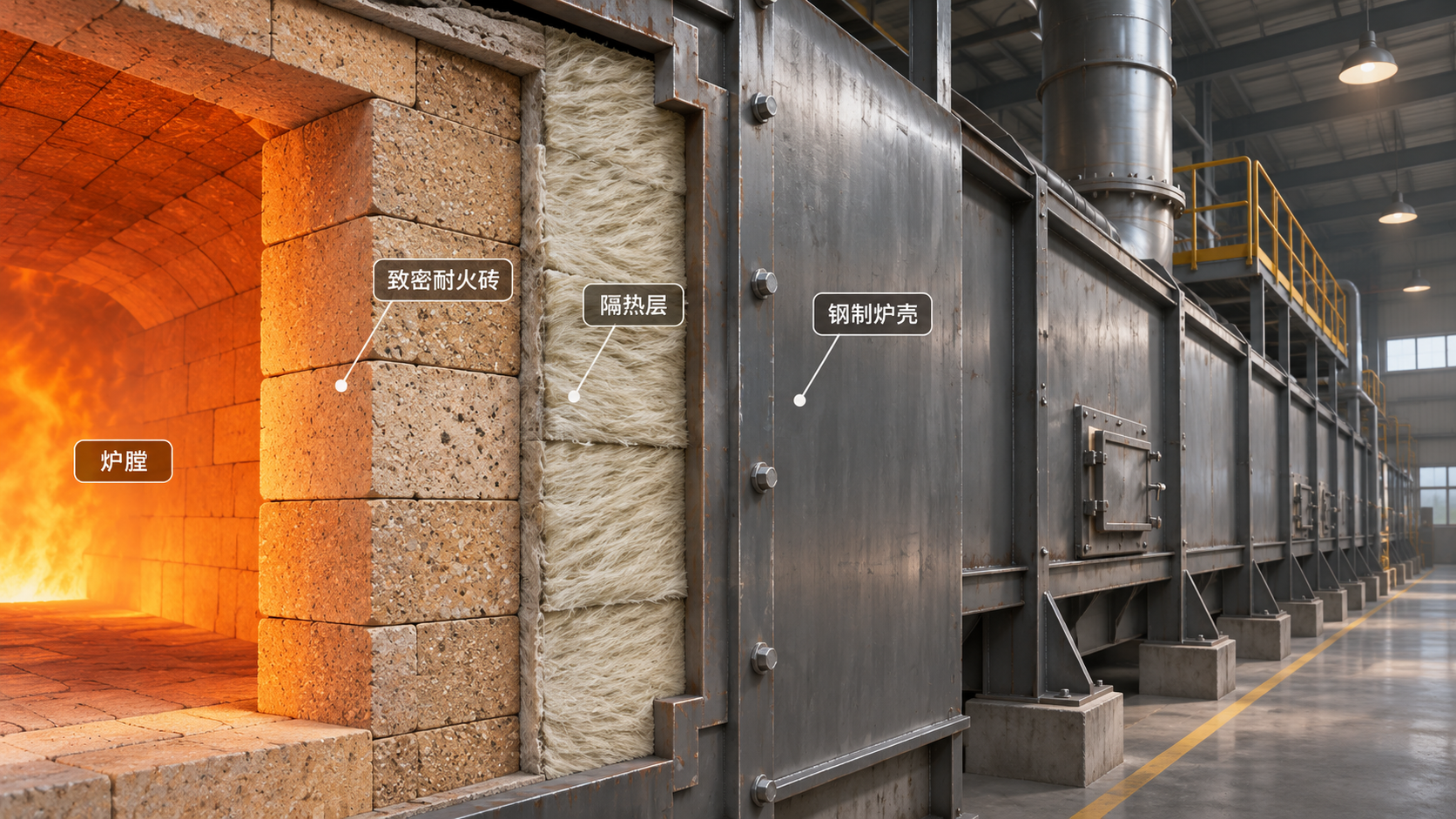
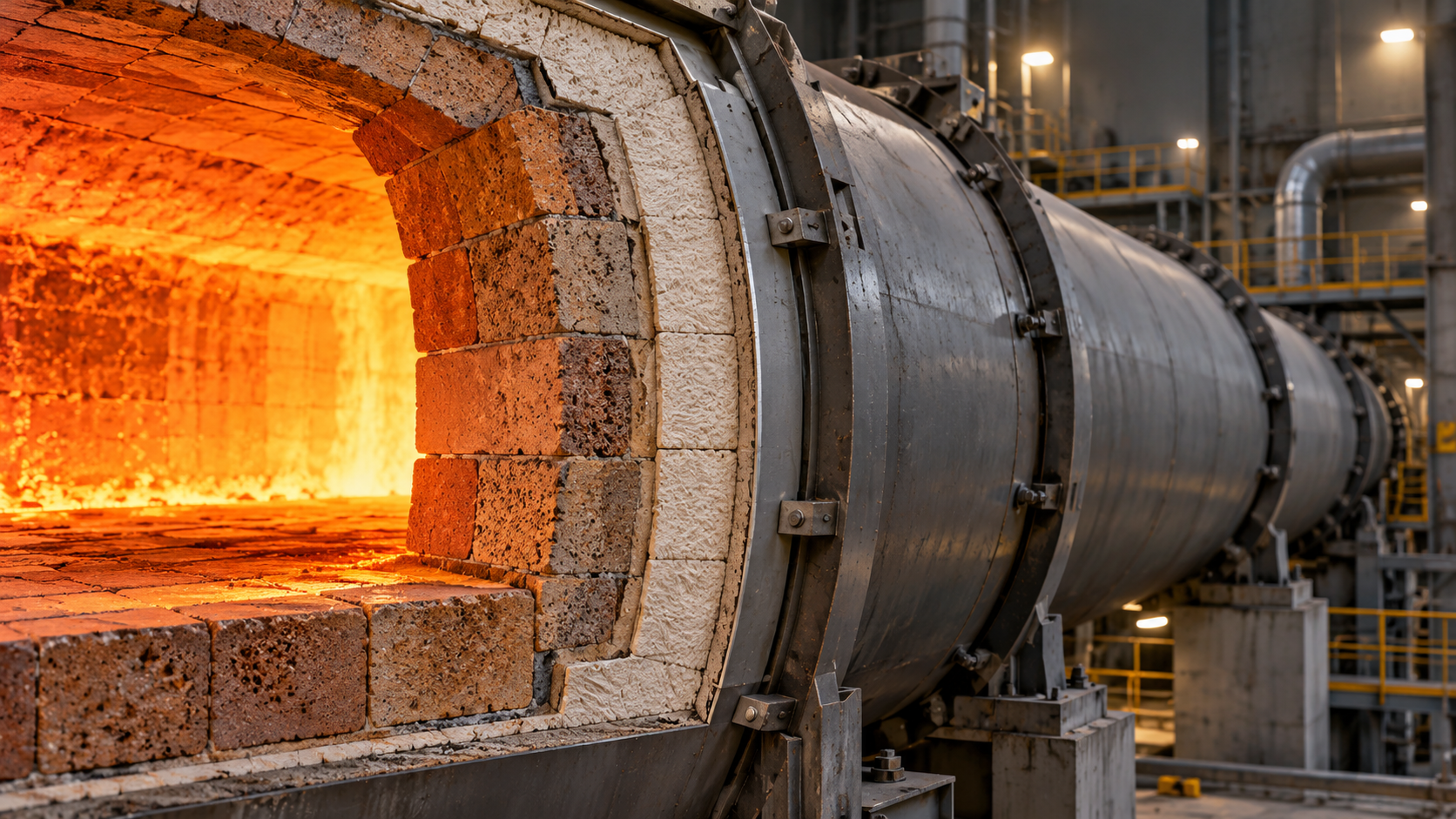
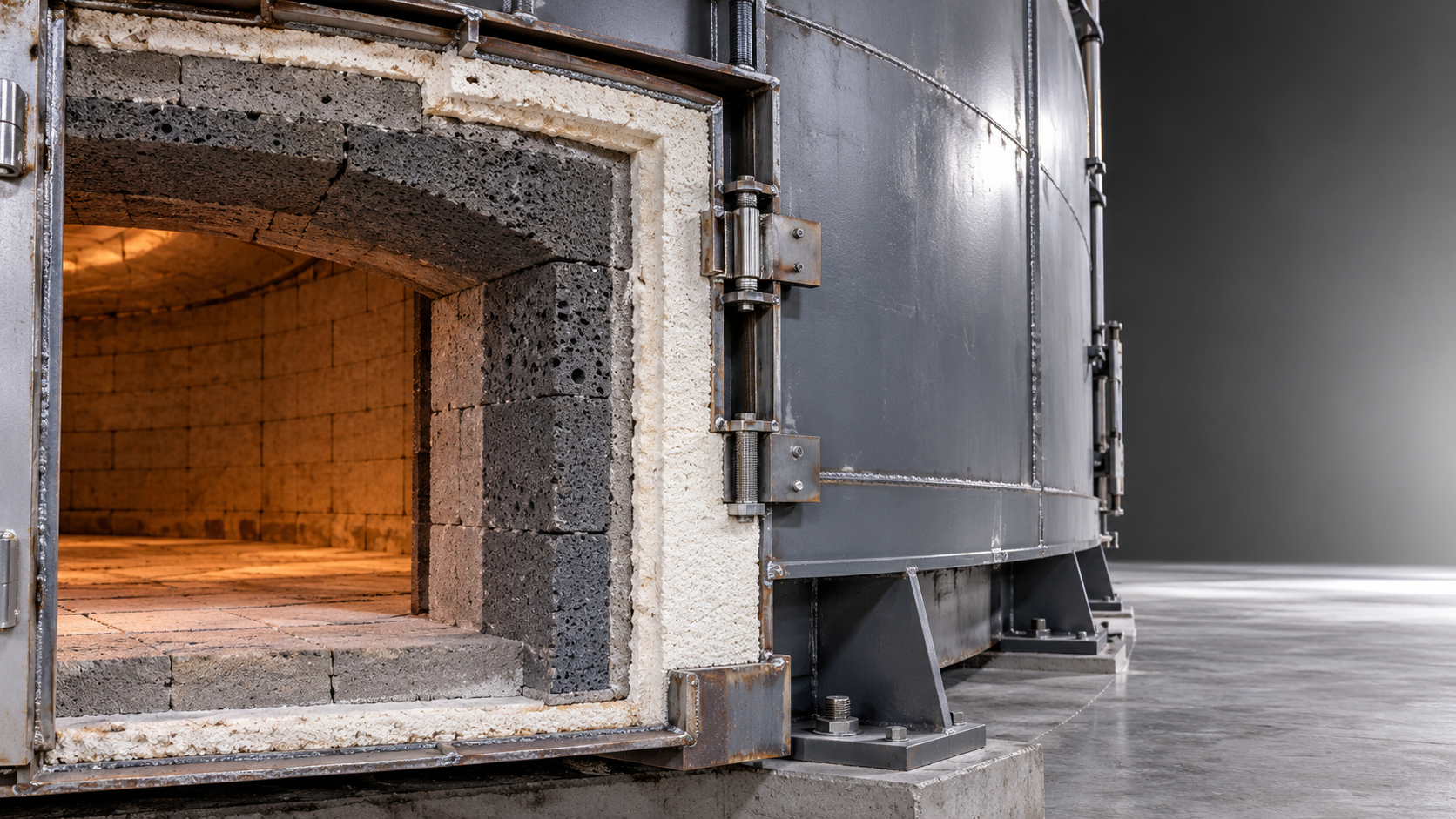
Refractory and insulation upgrades can pay back quickly when they prevent excessive shell temperatures, heat loss, product contamination, or unplanned shutdowns in high-temperature equipment.
These projects are especially relevant for kilns, furnaces, calciners, incinerators, ladles, ducts, dryers, and thermal treatment chambers with aging linings.
The economic case should include more than reduced fuel consumption. Longer campaign life, lower repair frequency, increased availability, and safer operating conditions may create larger benefits.
Thermography, shell-temperature mapping, lining inspection records, and failure history can identify zones where targeted repairs outperform complete relining programs.
For glass furnaces, refractory decisions require particular caution because material selection affects heat transfer, glass quality, furnace life, and rebuild timing.
For refractory production lines, kiln insulation and combustion performance influence both manufacturing energy intensity and the quality of materials supplied to downstream thermal industries.
Planned outages offer the best installation window because incremental labor and production interruption costs are lower than during emergency maintenance events.
Do not select materials based only on purchase price. Evaluate thermal conductivity, chemical resistance, mechanical load, installation quality, expected campaign duration, and repair accessibility.
How to Rank Decarbonization Projects by Payback and Risk
A practical portfolio ranks projects across four dimensions: financial return, emissions reduction, operational risk, and implementation complexity. No single metric captures the full business value.
First, calculate annual savings from fuel, electricity, maintenance, materials, labor, and avoided carbon costs using conservative assumptions for production volume and energy pricing.
Second, estimate emissions reductions using actual fuel factors and electricity emission factors relevant to the site. Separate direct combustion reductions from purchased-power reductions.
Third, assess operational risk. Consider installation downtime, supplier capability, control-system integration, equipment reliability, spare parts, operator acceptance, and quality impacts.
Fourth, identify dependencies such as permits, grid agreements, waste-feedstock contracts, utility incentives, financing approvals, and planned shutdown schedules before setting project deadlines.
Projects with fast payback and low execution risk should proceed first. Medium-payback projects can follow when they unlock capacity, compliance resilience, or future technology readiness.
Longer-term projects such as electrified process heat, green hydrogen, carbon capture, and major process redesign remain important, but require different investment governance and timelines.
A staged roadmap prevents short-term efficiency work from being ignored while preserving space for transformational investments needed to meet longer-term climate commitments.
Build a Business Case That Survives Real Plant Conditions
The strongest business case begins with a verified baseline covering energy use, fuel mix, production rate, quality losses, maintenance history, and emission performance across representative periods.
Avoid using one unusually inefficient month as the benchmark. Seasonal weather, raw-material moisture, product mix, maintenance events, and fuel availability can distort results.
Define a measurement and verification plan before implementation. Specify meters, reporting frequency, responsible owners, baseline adjustments, and acceptable confidence ranges for claimed savings.
Include implementation costs that are commonly missed: engineering, foundations, controls integration, commissioning, training, spare parts, shutdown time, and contingency for site conditions.
Finance teams should consider simple payback, net present value, internal rate of return, and sensitivity to energy prices. Each metric answers a different investment question.
Operations teams need a separate view showing how the project affects throughput, product quality, maintenance burden, process stability, and the ability to meet delivery commitments.
When savings are uncertain, pilot installations or phased rollouts can reduce risk. They also create plant-specific evidence that supports wider capital approval.
Assign one operational owner after handover. Without ownership, settings drift, maintenance is deferred, and initially successful decarbonization projects gradually lose their financial value.
Conclusion: Prioritize Practical Efficiency Before Complex Transformation
The industrial decarbonization projects with the fastest payback generally reduce existing waste: inefficient combustion, unused heat, electrical losses, unstable controls, air leaks, and premature equipment failures.
For high-temperature industries, combustion optimization, waste heat recovery, digital monitoring, electrical system improvements, and targeted thermal upgrades should usually form the first investment wave.
Alternative fuels can also provide substantial value, but only when feedstock quality, handling systems, permits, emissions control, and kiln or furnace stability are managed carefully.
The right project is not necessarily the one with the largest theoretical carbon reduction. It is the one that delivers verified savings while protecting production performance.
Plants that combine accurate baseline data, disciplined engineering, practical measurement, and operator involvement can turn decarbonization from a reporting obligation into a durable operating advantage.
Related News
 Ms. Elena RodriguezProcess Equipment Pricing: How to Compare Quotes and Total CostsMaster process equipment comparison pricing: compare supplier quotes, uncover hidden costs, and evaluate lifetime expenses to make a confident buying decision.Nov 17, 2026
 Prof. Marcus ChenGlobal Cement Industry Decarbonization: Key Technologies and Cost BarriersExplore global cement industry decarbonization technologies, cost barriers, and practical investment strategies to cut emissions while protecting competitiveness.Nov 16, 2026
 Structural Material AnalystChoosing Specification Preparation Support for North American ProjectsChoose specification preparation support North America projects can rely on. Compare technical expertise, compliance, interfaces, and supplier acceptance criteria.Nov 14, 2026
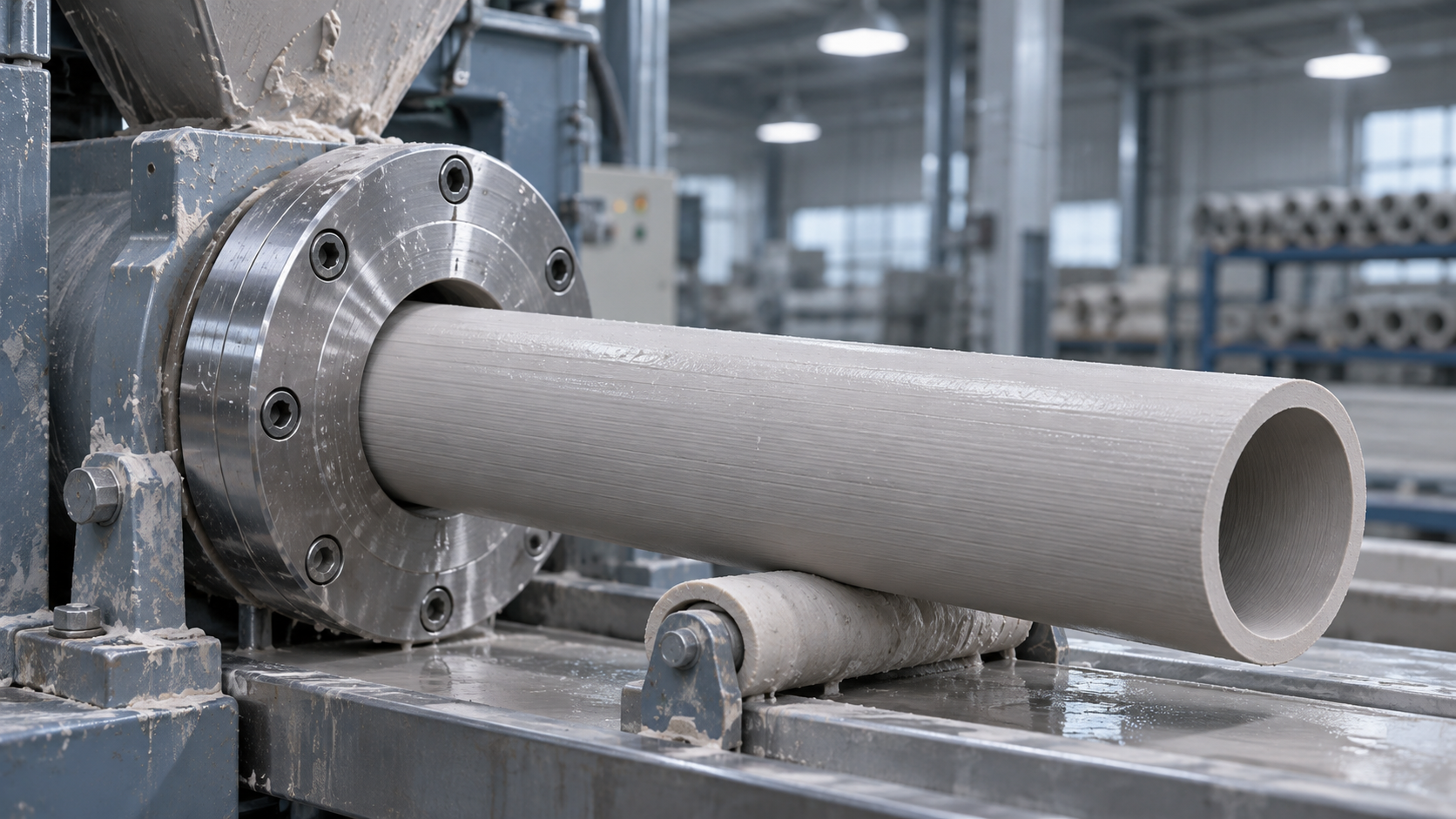
 Structural Material AnalystSpecialty Ceramic Extrusion: How Material Properties Affect FormingExplore how ceramic specialized material extrusion is shaped by particle size, binders, and solids loading—and learn to improve forming and reduce defects.Nov 13, 2026
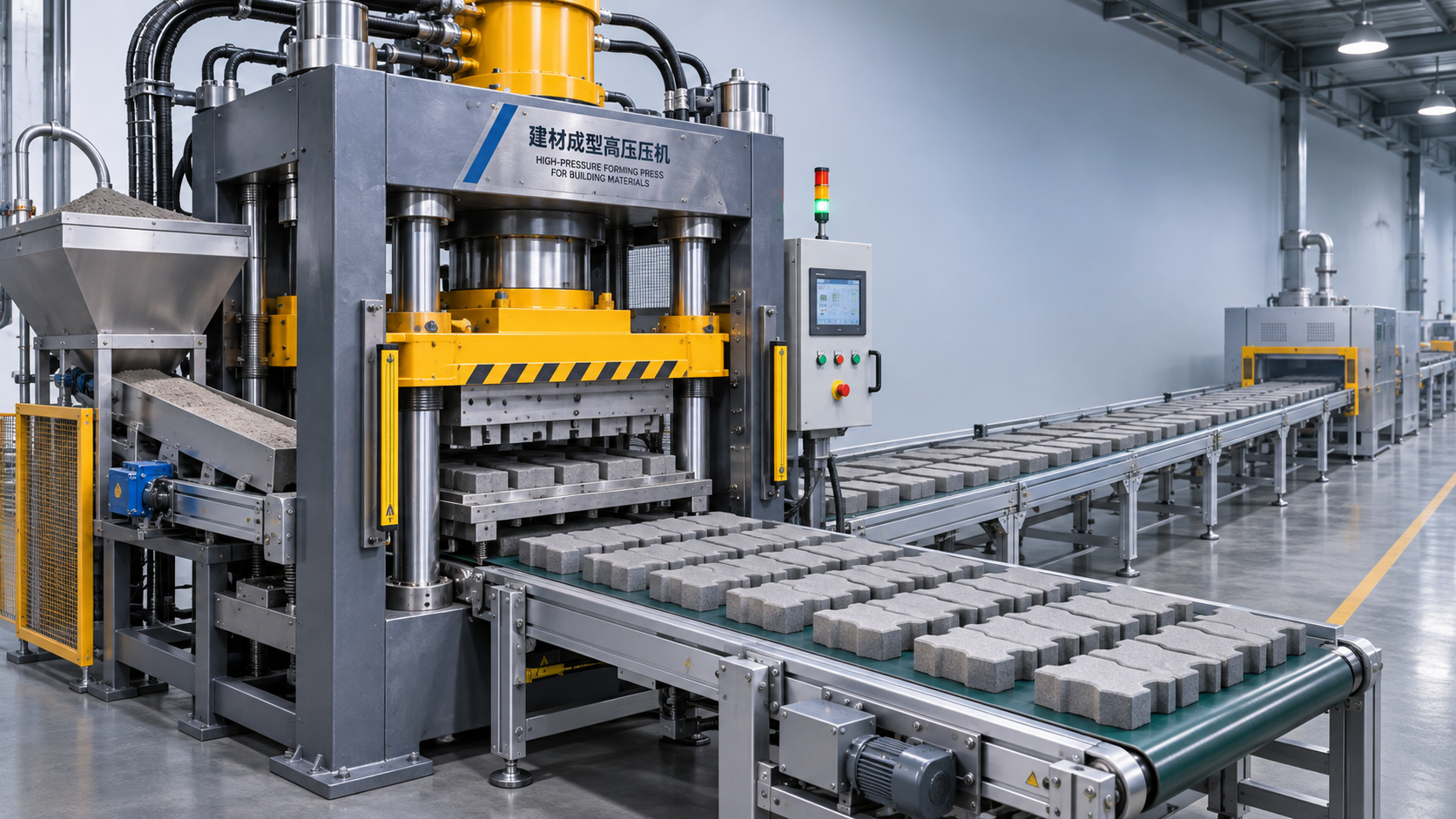
 Ms. Elena RodriguezHigh-Pressure Molding Equipment Prices in Europe: What Affects the Total Cost?Explore high pressure molding equipment price Europe buyers can expect to assess, from tooling and installation to running costs. Compare quotes with confidence.Nov 12, 2026
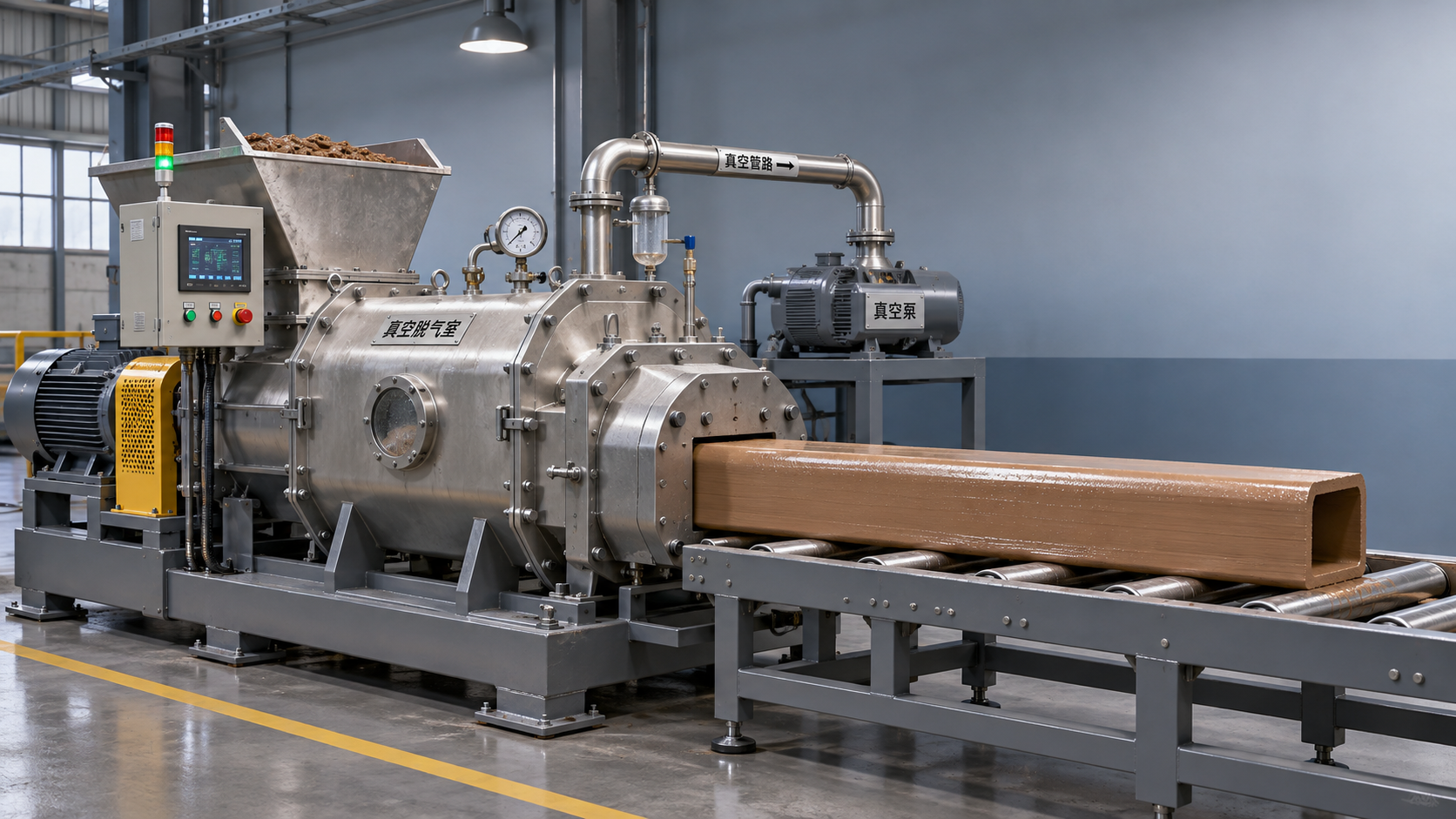
 Structural Material AnalystChoosing a Vacuum Extrusion System: Capacity, Materials and Vacuum LevelsChoosing a vacuum extrusion system? Compare capacity, material behavior and vacuum levels to improve product quality and select the right equipment.Nov 11, 2026
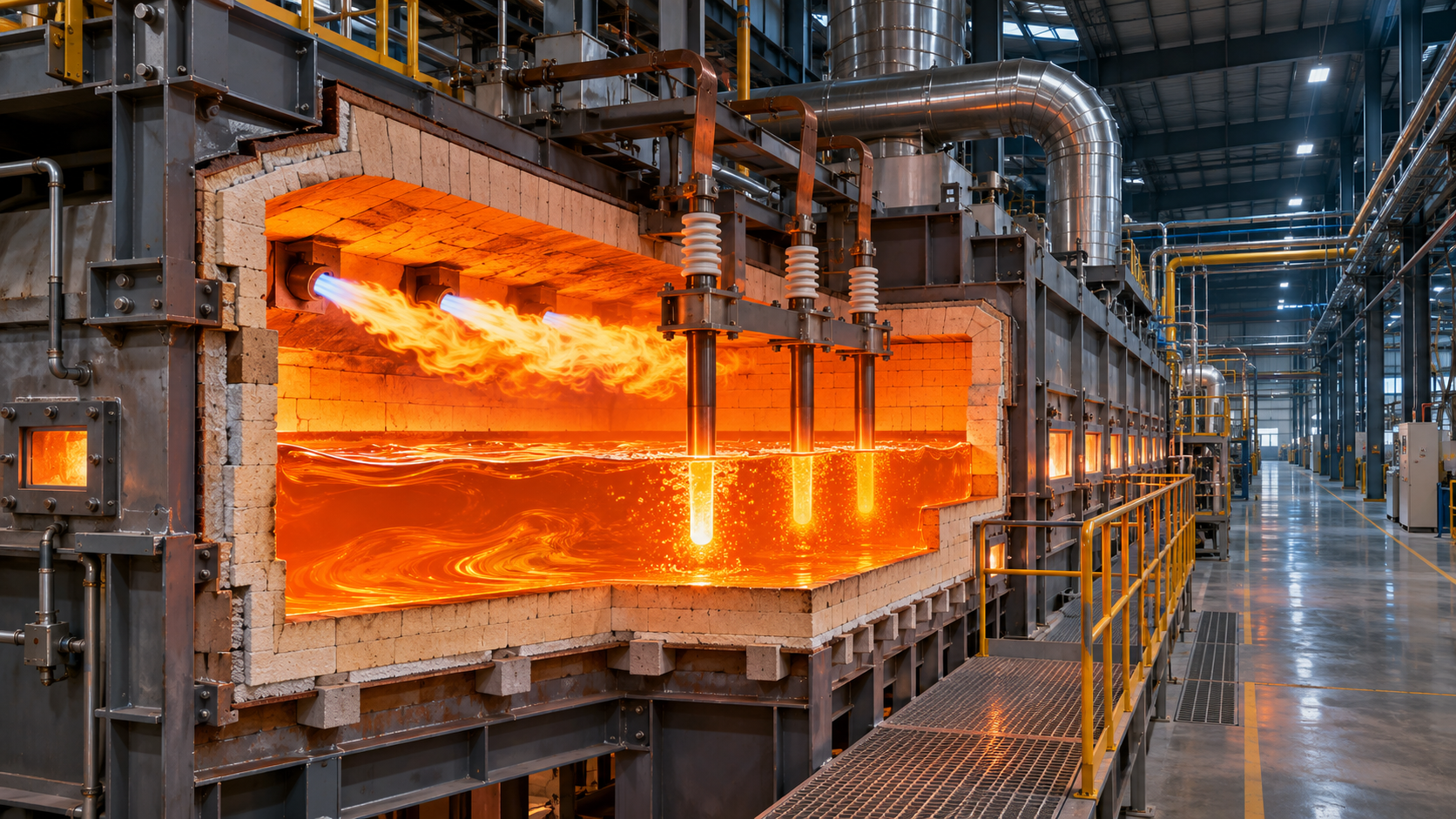
 Optical Glass Tech FellowGlass Melting Innovations: Comparing Electric and Hybrid Furnace TechnologiesExplore glass melting innovations and compare electric and hybrid furnaces by energy use, emissions, glass quality and operating costs to find the right fit.Nov 10, 2026
 Thermal Energy ArchitectHow Thermal Barrier Technology for Kilns Reduces Heat LossDiscover how thermal barrier technology for kilns reduces heat loss, and learn how to select insulation and assess savings without compromising lining durability.Nov 09, 2026
 Prof. Marcus ChenGlobal Materials Trends: What North American Manufacturers Need to KnowExplore global material trends North America manufacturers need to know, from energy costs and supply chains to lower-carbon materials and smarter investment decisions.Nov 08, 2026
 Thermal Energy ArchitectSelecting Abrasion-Resistant Refractories for High-Wear Kiln LiningsExplore advanced refractory materials abrasion resistant enough for high-wear kiln linings. Compare wear mechanisms, thermal stability, installation and lifecycle costs.Nov 06, 2026
 Dr. Alistair VaughnIndustrial Energy Efficiency Certification: ISO 50001 Requirements for PlantsExplore industrial energy efficiency certification with ISO 50001. Learn how plants define scope, measure performance and prepare credible evidence for audits.Nov 05, 2026
 Ms. Elena RodriguezWhat Is an Industrial Intelligence Database and How Is It Used?Discover how an industrial intelligence database helps researchers map markets, track projects, compare technologies, and assess evidence with confidence.Nov 04, 2026
 Ms. Elena RodriguezIndustrial Material Pricing: How Freight and Order Volume Affect QuotesExplore industrial material pricing and learn how freight, order volume, and inventory costs affect quotes. Compare suppliers and make smarter purchasing decisions.Nov 03, 2026
 Structural Material AnalystSingle- vs. Twin-Screw Extrusion Systems: Which Suits Your Material?Choose the right specialized extrusion systems screw type for your material. Compare single- and twin-screw options to improve quality and control costs.Nov 02, 2026
 Thermal Energy ArchitectChoosing Thermal Barrier Materials for Kilns: Temperature and Heat LossExplore thermal barrier materials for kilns and learn how to balance temperature resistance, heat loss, durability and operating costs when selecting a lining.Nov 01, 2026
 Ms. Elena RodriguezSupplier Reference Platform Pricing: Fees and Contract Terms to CompareCompare supplier reference platform pricing, hidden fees, verification costs and contract terms to choose the right solution for your sourcing team.Oct 31, 2026
 Ms. Elena RodriguezSupplier Comparison Metrics: How to Score Cost, Quality, and DeliveryUse supplier comparison metrics to score cost, quality, and delivery with a practical weighted scorecard. Make more confident equipment sourcing decisions.Oct 30, 2026
 Ms. Elena RodriguezWhat Does Industrial Waste Heat Recovery Cost, and When Does It Pay Back?Understand industrial waste heat recovery cost, from equipment and installation to net savings. Learn how to compare quotes, assess risks, and calculate realistic payback before investing.Oct 29, 2026
 Thermal Energy ArchitectChoosing Industrial Waste-to-Energy Equipment by Waste Moisture and Heating ValueChoose industrial waste to energy equipment by moisture and heating value. Compare technologies, fuel needs, and supplier guarantees to make a confident investment.Oct 28, 2026
 Thermal Energy ArchitectChoosing Industrial Kiln Insulation for High Heat and Repeated Thermal CyclingExplore high temperature industry solutions for kiln insulation under repeated thermal cycling. Compare materials, reduce heat loss, and select the right lining for your operating conditions.Oct 27, 2026


Related News
- 00
0000-00
Global Cement Industry Decarbonization: Key Technologies and Cost Barriers - 00
0000-00
Global Materials Trends: What North American Manufacturers Need to Know - 00
0000-00
Heavy Equipment Intelligence Market: Fleet Analytics Demand and Adoption Barriers - 00
0000-00
Silicate Industry Outlook: Demand Drivers, Energy Costs, and Supply Risks - 00
0000-00
Which Industrial Decarbonization Projects Have the Fastest Payback?
0000-00
Weekly Insights
Stay ahead with our curated technology reports delivered every Monday.