
Industrial Decarbonization Strategies in Europe: A Roadmap for Energy-Intensive Plants




Industrial Decarbonization Strategies in Europe: A Roadmap for Energy-Intensive Plants
Industrial decarbonization strategies Europe are no longer being discussed only in sustainability reports. They are now shaping capital budgets, fuel contracts, plant layouts, product portfolios, and even decisions about where new capacity should be located. For cement works, glass furnaces, refractory plants, waste-to-energy facilities, and building-material extrusion lines, carbon reduction has become a practical operating issue: how to lower emissions without destabilizing a thermal process that may have taken decades to refine.
That distinction matters. A high-temperature plant cannot simply “switch energy sources” in the way an office building changes its electricity supplier. A rotary kiln needs a stable flame profile. A float glass furnace needs highly controlled heat distribution and melt chemistry. An incinerator must preserve combustion performance while meeting stringent emissions requirements. In refractory production, a seemingly minor change in firing conditions can affect density, phase development, thermal shock resistance, or product consistency.
The European market is therefore moving toward a more realistic view of industrial transition: decarbonization is a sequence of technically linked choices, not a single equipment purchase. The plants that make progress tend to begin with the part of the process they can measure, control, and improve today, while preserving options for larger technology shifts later.
Why the European industrial equation is becoming harder
European energy-intensive manufacturers are operating under overlapping pressures. Carbon costs and reporting requirements are becoming more material to commercial planning. Energy-price volatility remains a concern even where market conditions have eased from earlier peaks. Customers in construction, automotive, packaging, infrastructure, and renewable energy supply chains increasingly ask for clearer product-carbon information. At the same time, many plants are working with equipment designed around natural gas, coal, coke, or conventional electricity systems that were never intended to accommodate major fuel or feedstock variation.
The difficult part is that emissions do not come from one source. In cement, a significant share is associated with the calcination of limestone, so better burners alone cannot solve the whole problem. In glass, melting energy dominates the discussion, yet cullet quality, batch formulation, furnace age, and pull-rate discipline can be just as decisive. For waste incineration, the carbon profile of the incoming waste stream is central; plant operators cannot discuss decarbonization as if the feedstock were chemically uniform. In extrusion-based building materials, drying, moisture control, raw-material preparation, and reject rates may deserve as much attention as the extruder drive.
This is why broad statements such as “electrify everything” are often unhelpful. Electricity can be a strong route in selected processes, but it changes load profiles, grid dependence, maintenance requirements, and sometimes product behavior. Hydrogen may fit particular high-temperature applications, but supply, price, purity, infrastructure, flame characteristics, and safety engineering must all be assessed at site level. Neither option should be treated as a universal answer.
The first priority: reduce energy waste before changing the energy source
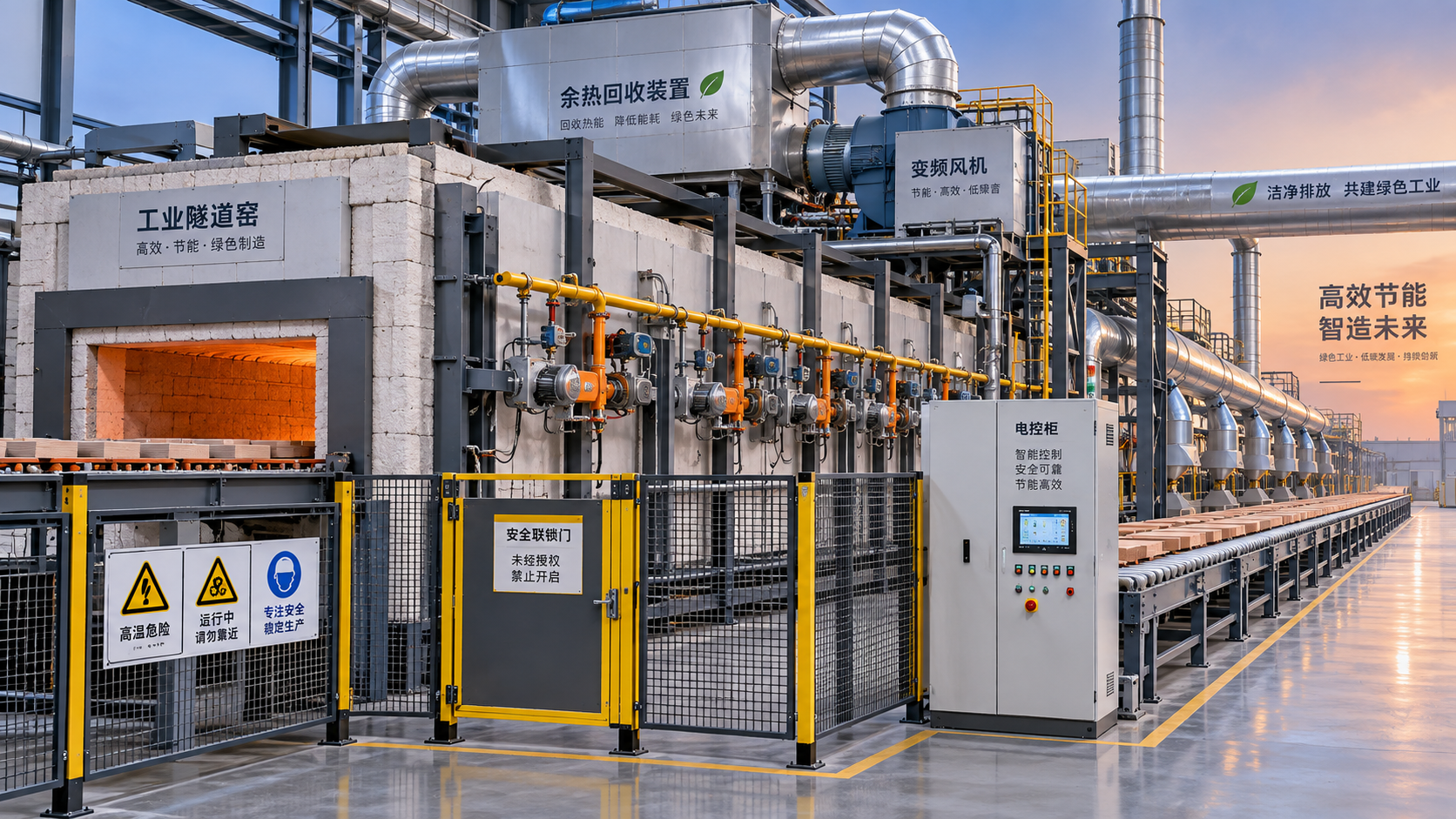
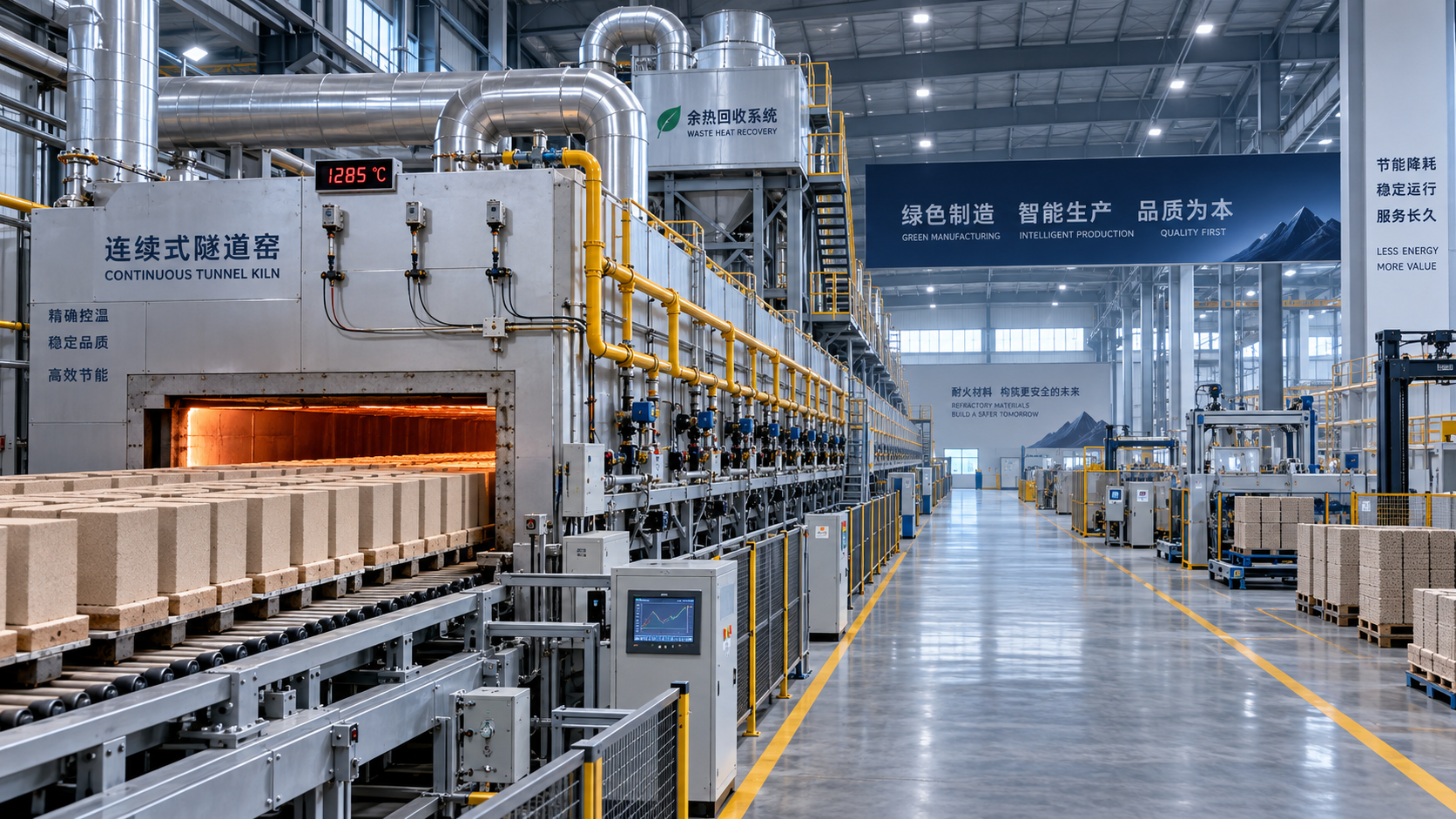
The least glamorous decarbonization work is often the most defensible. Before committing to large-scale fuel conversion or carbon-capture infrastructure, plants need a clear picture of where thermal energy is being lost, overused, or poorly matched to demand. This includes excess air, false-air ingress, unstable draft, poorly maintained insulation, damaged refractory linings, inefficient cooling, inconsistent feed moisture, and avoidable idle running.
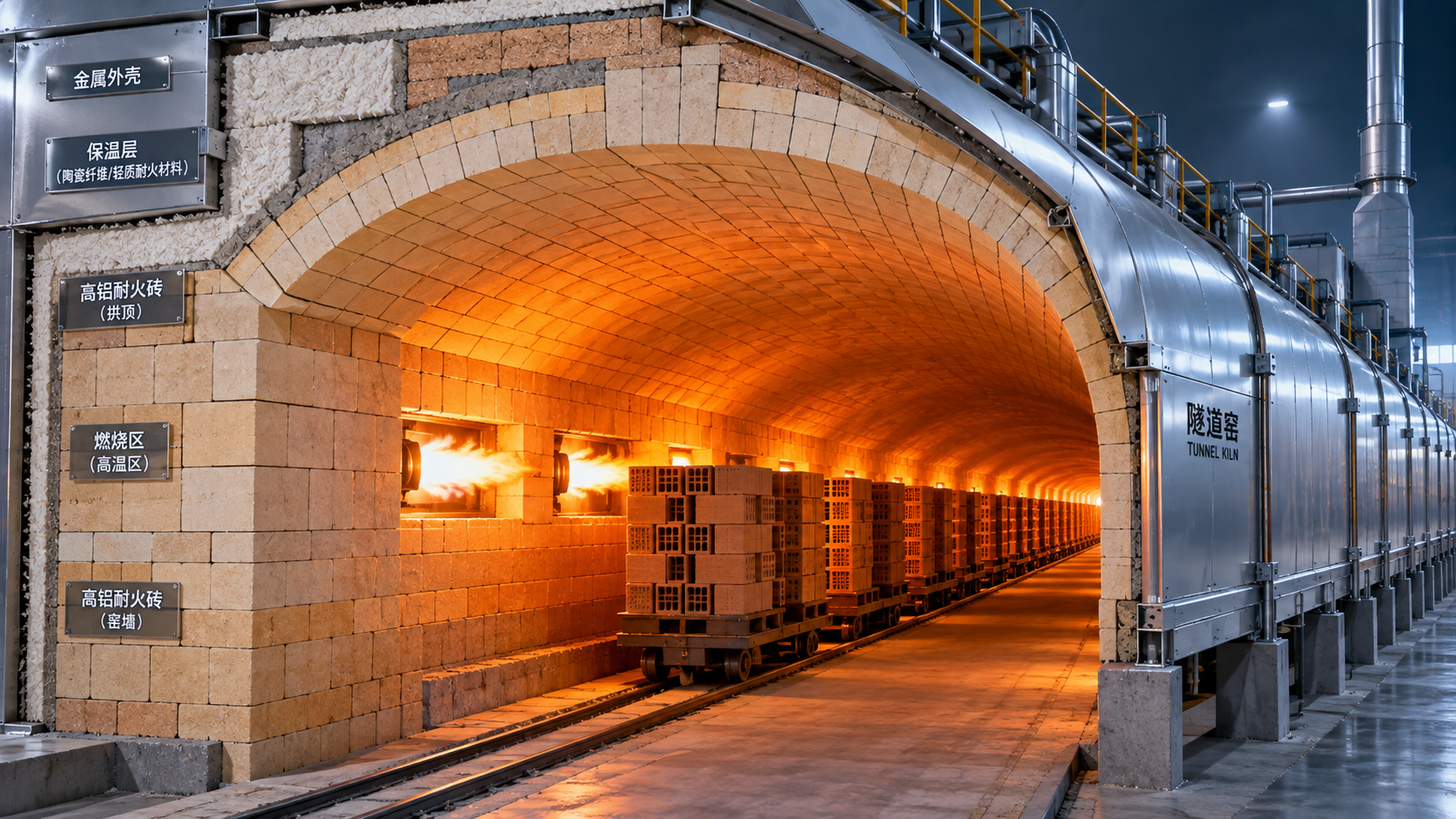
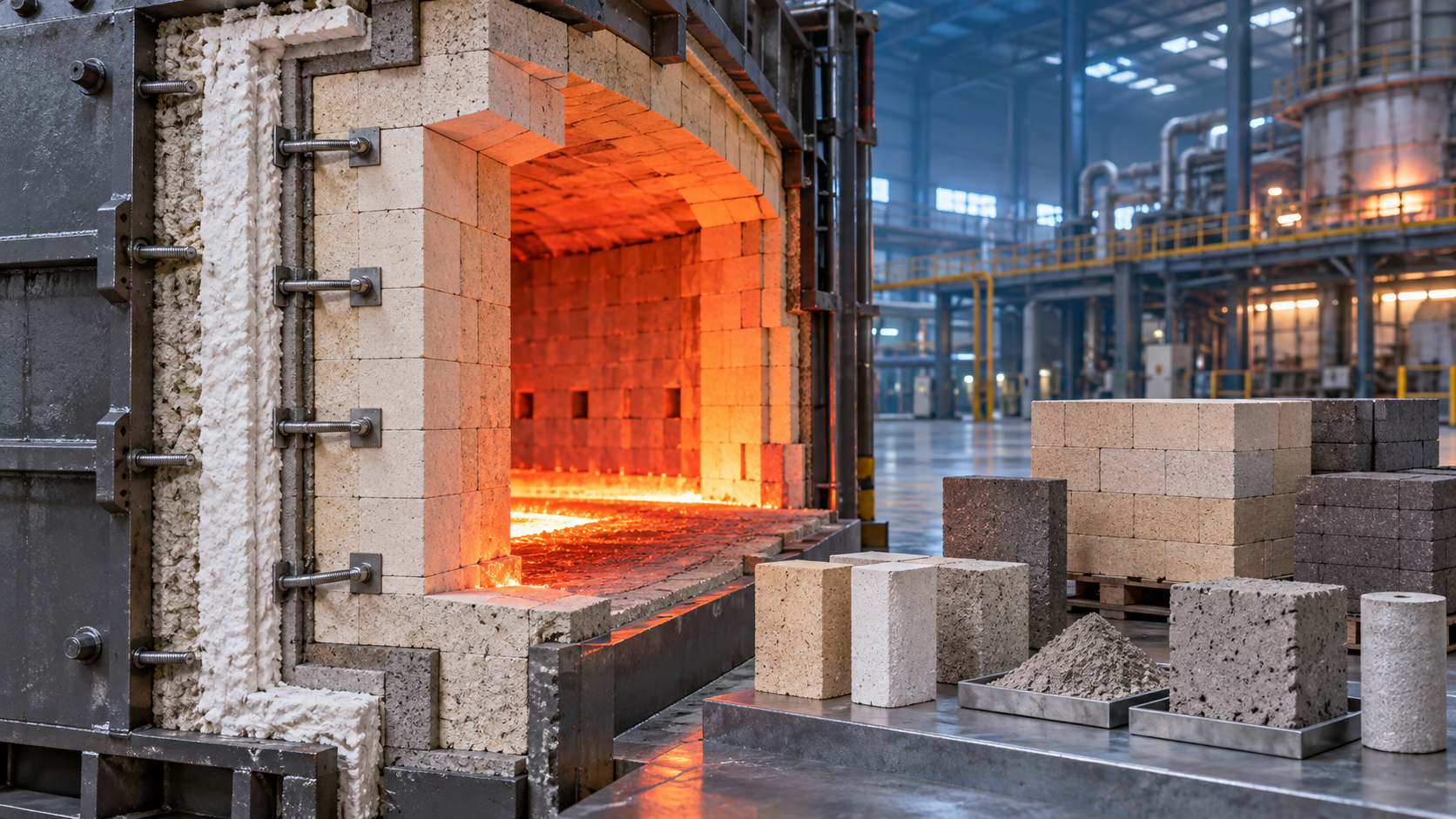
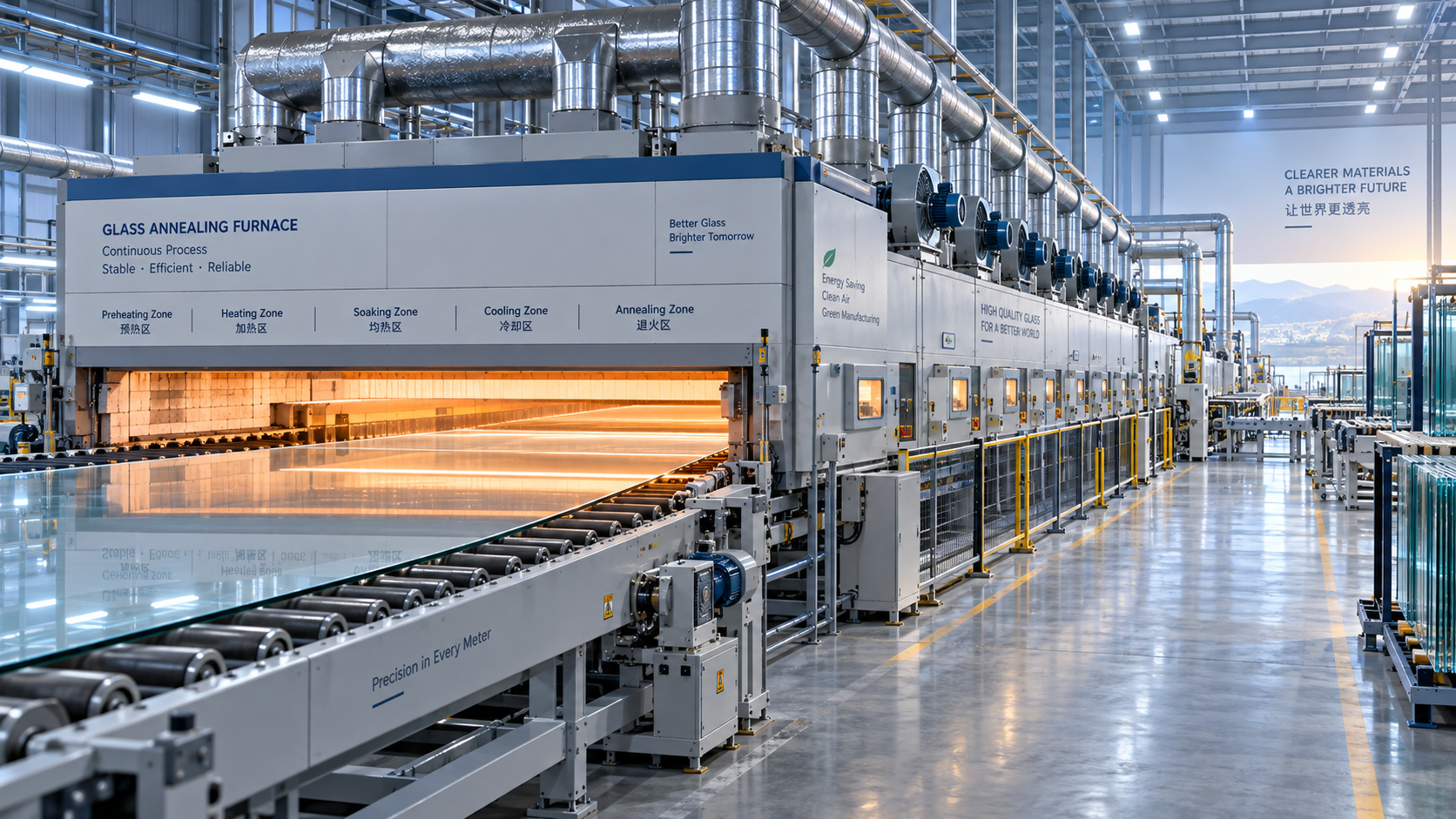
In high-temperature operations, a maintenance problem can quickly become an emissions problem. A degraded kiln seal may alter oxygen balance and fuel demand. Refractory wear can increase shell heat loss while creating risks to uptime. An annealing lehr that drifts from its intended temperature curve can drive both energy waste and product defects. These issues rarely appear as a single dramatic failure; more often, they accumulate through small deviations that become accepted as “normal plant behavior.”
This is where process intelligence is more useful than generic energy benchmarking. A plant should compare its own operating states: stable production, low-output periods, product transitions, abnormal fuel consumption, high-moisture feed events, and post-maintenance restart conditions. The question is not simply whether energy use is high. It is whether the thermal system is behaving as intended under real operating conditions.
For the sectors followed by CF-Elite, this usually means connecting physical parameters that are too often reviewed separately: kiln temperature profiles, oxygen readings, pressure behavior, refractory condition, raw-material chemistry, line speed, burner response, and production quality. A useful energy-efficiency programme does not stop at a dashboard. It gives the operating team a reason to change a setpoint, repair a seal, revise a maintenance interval, or reject a fuel blend that looks attractive on paper but destabilizes the process.
Alternative fuels: valuable, but not interchangeable
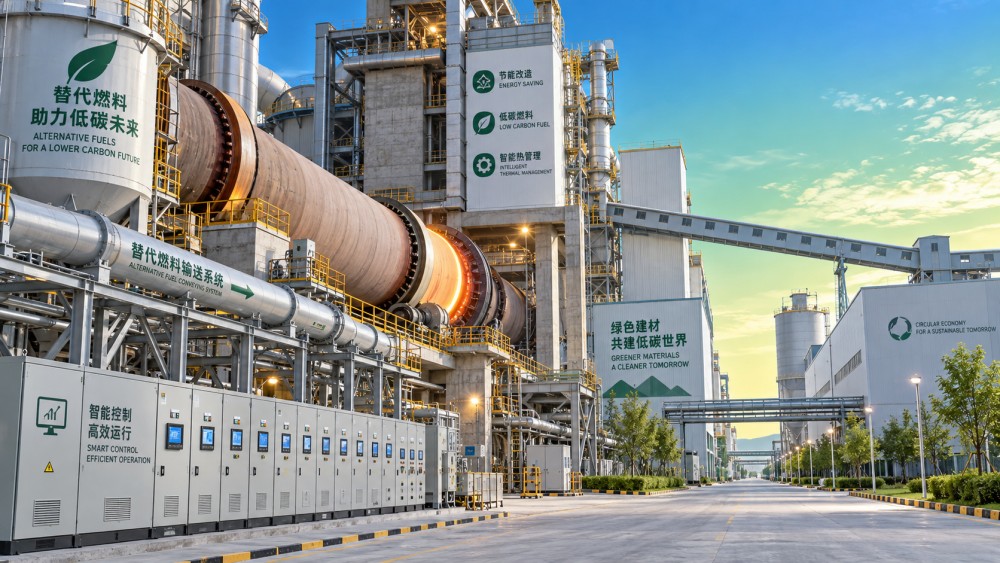
Alternative fuels remain one of the most active areas in European industrial decarbonization, particularly in cement kilns and some thermal waste-treatment applications. The attraction is clear: they can reduce reliance on fossil fuels and support circular-material objectives. Yet the operational limits are often underestimated in board-level discussions.
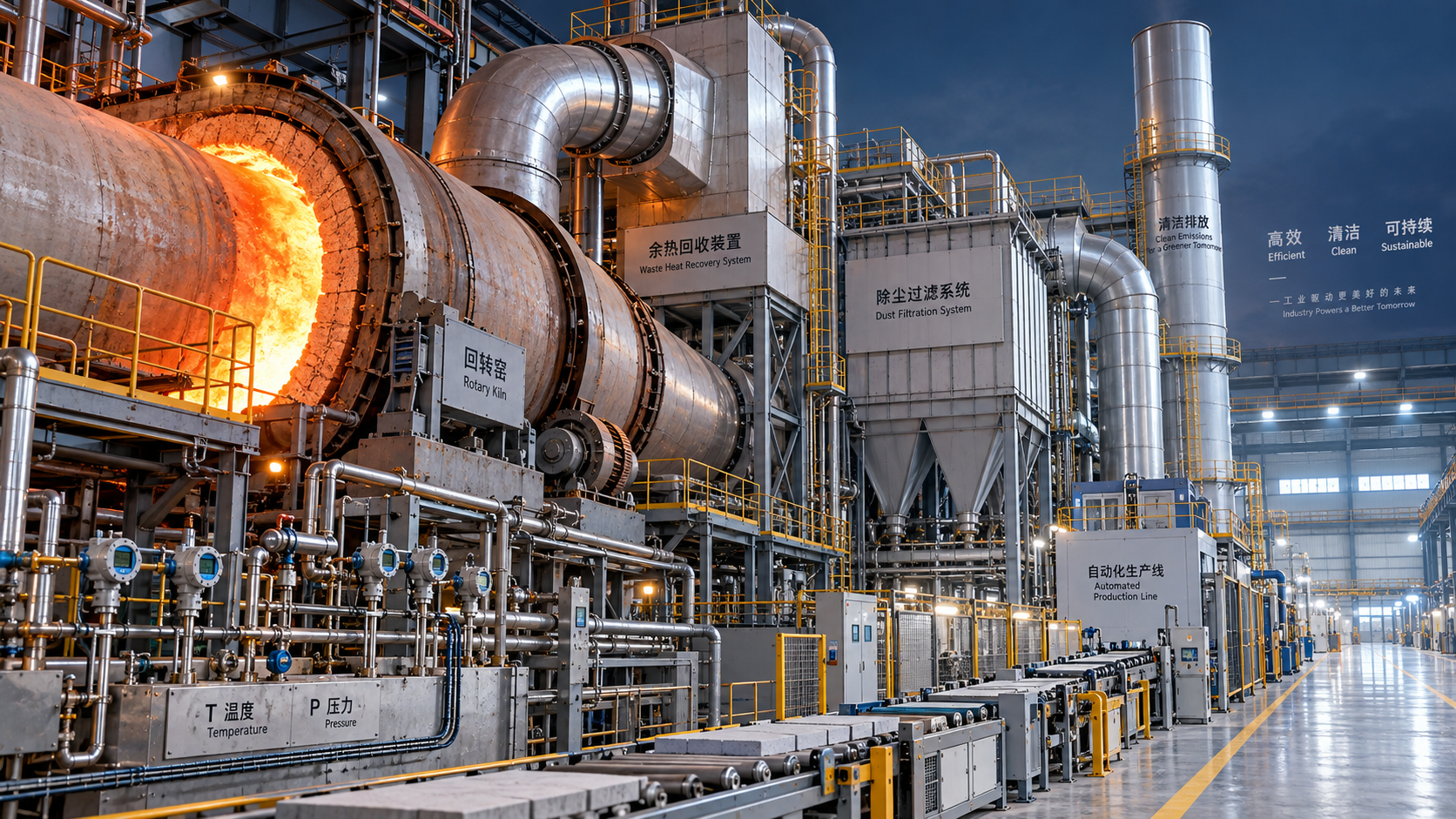
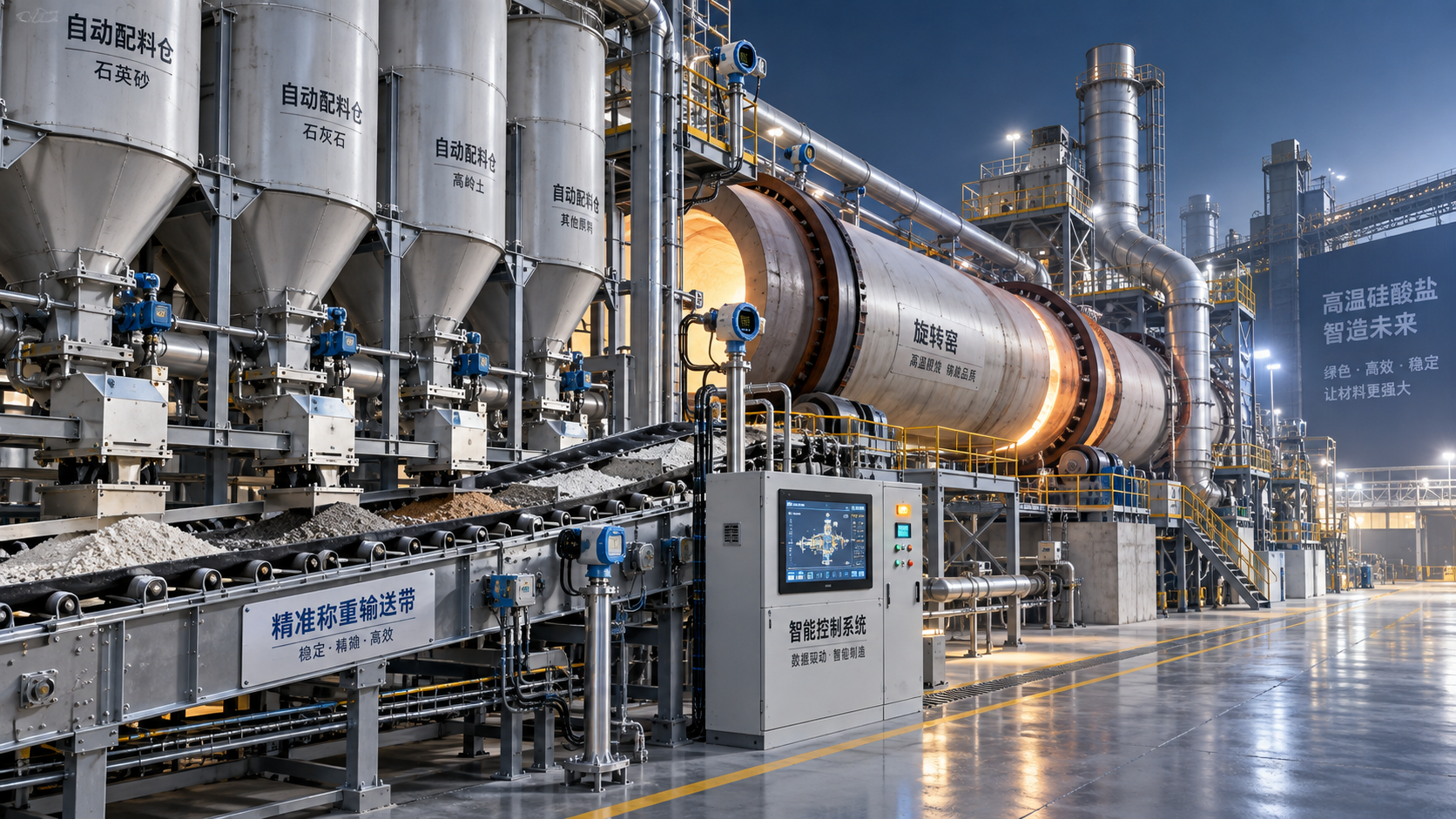
Fuel substitution changes more than the carbon balance. It may affect calorific consistency, moisture, chlorine and alkali input, ash characteristics, storage needs, feeding reliability, flame shape, combustion residence time, dust composition, and refractory exposure. In a rotary kiln, a fuel that varies widely from batch to batch may create a larger control problem than its average energy content suggests. The result can be unstable clinker quality, increased build-up risk, or more frequent intervention by operators.
The practical lesson is to treat alternative fuel strategy as a feedstock-management discipline, not merely a procurement exercise. Incoming-material specifications, sampling procedures, laboratory capacity, bunker design, dosing accuracy, and traceability matter. Plants also need to consider whether the existing combustion system has sufficient flexibility. A line designed for a narrow fuel range may require modifications before it can safely operate with more variable materials.
For incineration plants, the circularity conversation is more nuanced. Energy recovery can support waste management systems, but plant performance depends heavily on the composition and lower heating value of the waste stream. Reducing fossil-derived fractions in waste may be desirable from a carbon standpoint, yet it can alter combustion behavior and commercial assumptions. Long-term planning must account for these shifts rather than treating waste availability as fixed.
Electrification will expand, but process fit decides the pace
Electrification is advancing across European industry, especially where electric heating can offer controllability, efficiency, or access to lower-carbon power. It is particularly relevant in parts of glass production, materials preparation, drying, auxiliary heating, finishing operations, and selected melting applications. Hybrid configurations are also drawing attention because they can reduce emissions without forcing a complete redesign of a working production line.
Still, a plant should not evaluate electrification only through annual energy calculations. The more revealing questions are operational. Can the local grid support the required load, including peak demand? What happens during a power-quality event? Does the technology fit the expected furnace campaign or maintenance cycle? Will the new heating method affect temperature uniformity, atmosphere control, or product chemistry? What electrical infrastructure must be installed beyond the furnace itself?
Glass manufacturing illustrates the point. Electrically boosted furnaces or more extensive electric melting may offer a credible direction in certain applications, but furnace design, glass type, cullet quality, electrode arrangement, and power availability all influence the outcome. A decision that works for one glass composition or furnace configuration should not be assumed to transfer directly to another. The same caution applies to ceramic and refractory firing lines, where thermal gradients and atmosphere conditions are tied closely to final material properties.
Europe’s industrial transition will likely include a mix of direct electrification, hybrid heating, demand management, and on-site or contracted renewable-power arrangements. The winning route will differ by plant. In some cases, improving the existing thermal process and preparing grid infrastructure may be wiser than rushing into a full conversion before electricity supply and operating economics are sufficiently clear.
Carbon capture is becoming a strategic issue for process emissions
For sectors with unavoidable process emissions, especially clinker production, carbon capture is increasingly part of the long-range discussion. It is not a substitute for energy efficiency, material substitution, or alternative fuels. It is a separate layer in the decarbonization architecture, with its own demands for space, heat, power, solvent or sorbent management, compression, transport arrangements, storage access, and permitting.
A frequent mistake is to view capture technology as a future add-on that can be considered after all other investment decisions are made. In reality, even a plant not ready to install capture equipment may benefit from protecting space, utility corridors, electrical capacity, and integration options during major shutdowns or line modernizations. Retrofitting around an operating kiln or crowded material-handling area is rarely simple.
The commercial question is equally important: where will captured carbon go, under what contractual conditions, and how resilient is that route over the life of the asset? A technically capable capture unit has limited value if transport and storage arrangements remain uncertain. These dependencies should be treated as project fundamentals, not external details.
Digital control is becoming the bridge between ambition and plant reality
Digitalization is often described too broadly. For energy-intensive plants, its real value is not the presence of a digital twin, a historian, or an AI model. It is the ability to make better operating decisions before fuel waste, quality variation, or equipment deterioration becomes expensive.
A well-designed process model can help operators identify why a kiln’s specific fuel consumption is drifting, whether a glass furnace is losing thermal balance, or how refractory wear is affecting heat loss and campaign planning. Online lining monitoring, combustion optimization, predictive maintenance, and advanced process control can all be useful, but only if measurements are reliable and the operating team trusts the recommendations.
That last point is easy to overlook. A control-room team will not follow a model that cannot explain its logic in plant language. The strongest projects combine data science with process knowledge: understanding flame behavior, heat transfer, material residence time, chemical reaction kinetics, and the practical constraints of an operator managing a live line. CF-Elite’s focus on thermal management, process engineering, and high-temperature equipment reflects this reality. In these industries, data has to remain connected to physical plant conditions.
Circular production will reshape raw-material decisions
Decarbonization in Europe is also changing what plants buy, recover, reject, and reuse. Glass producers are looking closely at cullet availability and quality. Cement and concrete value chains are examining supplementary materials and lower-carbon binder routes. Refractory producers face growing interest in recovered materials, although contamination control and performance consistency remain critical. Building-material manufacturers are under pressure to reduce embodied carbon while maintaining strength, durability, fire resistance, and installation performance.
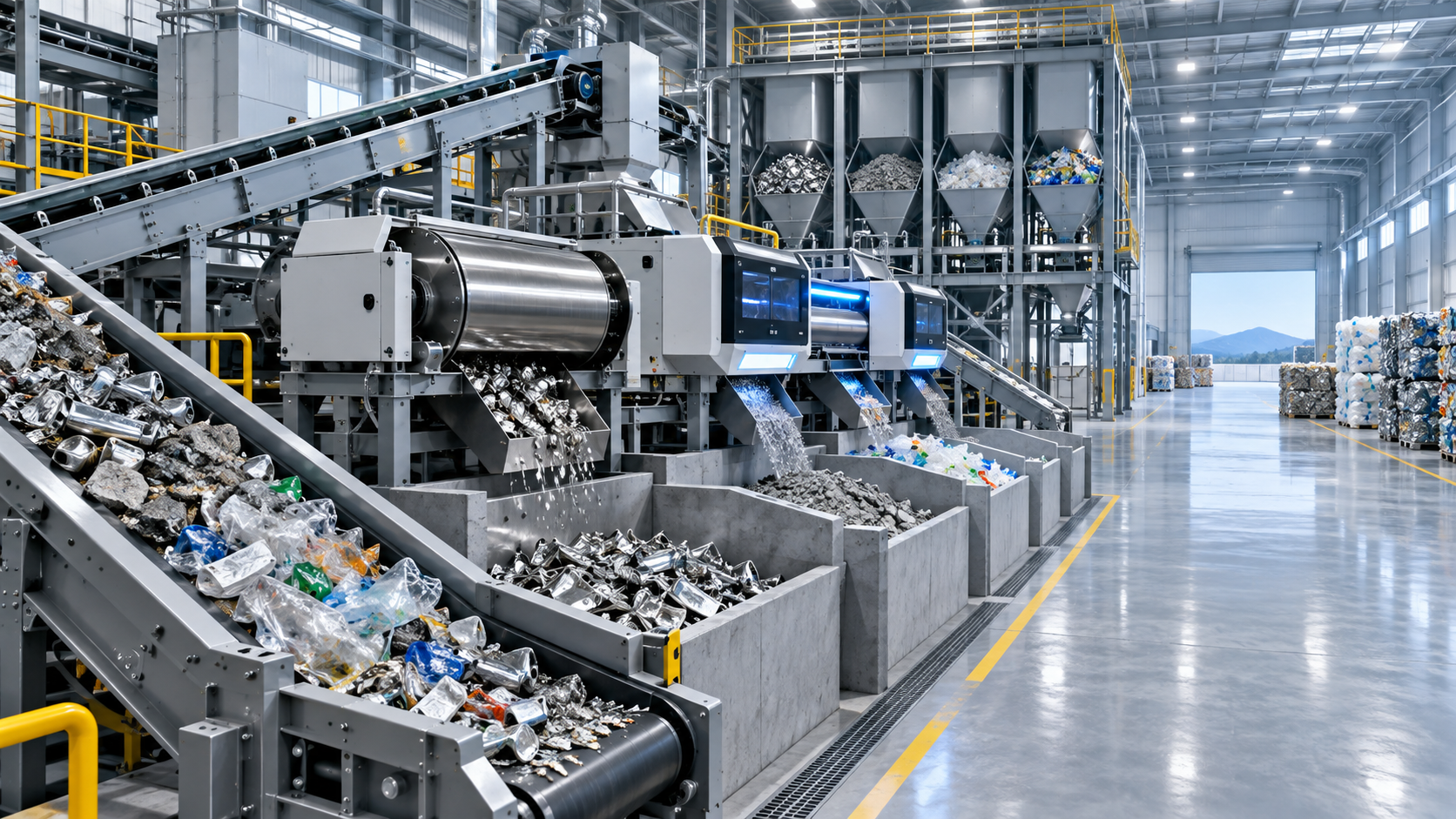
Circularity is not automatically low-carbon. Transport distance, sorting intensity, moisture content, contamination, processing energy, and yield losses can change the result. A recovered material that is technically usable may still create operational problems if its composition varies beyond the tolerance of the process. The right approach is to evaluate circular feedstocks with the same discipline applied to virgin materials: define specifications, understand variability, test impacts on quality, and build commercial contracts around measurable criteria.
A practical investment sequence for industrial plants
The most credible industrial decarbonization strategies Europe tend to follow a staged logic rather than a single grand programme. Each site needs its own version, but the decision sequence is usually clear:
- Establish a process-level emissions and energy baseline, separating combustion, electricity, process emissions, and material-related impacts where relevant.
- Correct controllable losses such as air leakage, insulation deterioration, unstable combustion, excess moisture, avoidable reject rates, and poorly timed maintenance.
- Test fuel, raw-material, and operating changes under defined quality and safety limits rather than relying on average theoretical values.
- Prepare infrastructure for future options, including electrical capacity, space allocation, data architecture, and potential carbon-management interfaces.
- Make major technology decisions only after checking the full system: energy supply, process fit, workforce capability, permitting, logistics, and downstream product acceptance.
This sequence may sound conservative, but it is not slow. It prevents capital from being tied up in projects that look convincing in a presentation yet impose hidden penalties on throughput, maintenance, or product quality. In long-life industrial assets, preserving flexibility is often as valuable as choosing the most ambitious technical route available today.
The market is moving from declarations to plant-specific proof
The next phase of European industrial transition will be less about announcing decarbonization intentions and more about proving that a plant can operate differently at commercial scale. Buyers will ask how carbon data is calculated. Lenders and investors will examine delivery risk. Equipment distributors will need stronger technical knowledge because customers increasingly expect advice on process integration, not just component availability.
For high-temperature industries, the durable advantage will come from linking market intelligence with operating reality: understanding where regulation is moving, but also knowing how a fuel affects kiln stability, how a furnace campaign constrains investment timing, or why a refractory lining decision can influence both energy use and shutdown risk. The roadmap is not identical for every European plant. What is consistent is the need to treat carbon reduction as a disciplined engineering and commercial programme—one that starts with the actual heat, materials, and constraints inside the factory.
Related News
 Prof. Marcus ChenIndustrial Decarbonization Strategies in Europe: A Roadmap for Energy-Intensive PlantsIndustrial decarbonization strategies Europe: explore practical pathways for energy-intensive plants to cut emissions, improve efficiency, and protect performance.Oct 07, 2026
 Thermal Energy ArchitectEnergy-Efficient Silicate Production Lines: What to Compare Before SelectionSilicate production lines energy efficient selection guide: compare thermal performance, stability, emissions, controls, and lifecycle value before investing.Oct 06, 2026
 Optical Glass Tech FellowHow to Evaluate Automated Float Glass Lines for Capacity, Quality, and Energy UseEvaluate automated float glass lines for net capacity, consistent quality, energy efficiency, automation reliability, and lifecycle value. Explore key criteria for smarter investment decisions.Oct 05, 2026
 Thermal Energy ArchitectWhat Does CE Marking Require for an Energy-Efficient Industrial Kiln?Energy efficient kiln CE requirements explained: assess safety, technical files, energy performance, and EU compliance before purchase or commissioning.Oct 04, 2026
 Thermal Energy ArchitectRefractory Manufacturing Solutions for Brick Plants: How to Extend Kiln LifeRefractory manufacturing solutions for brick plant operations: discover proven strategies to extend kiln life, reduce heat loss, prevent lining failures, and plan cost-effective repairs.Oct 03, 2026
 Thermal Energy ArchitectHow to Specify Heavy Industrial Process Systems for High-Temperature PlantsHeavy industrial processes systems: learn how to specify high-temperature plants for efficiency, emissions control, maintainability, and lifecycle performance.Oct 02, 2026
 Structural Material AnalystHow Sustainable Material Extrusion Can Improve Wall Panel Durability and Design FlexibilityDiscover how sustainable material extrusion for wall panels improves durability, moisture resistance, design flexibility, and installation consistency for high-performing wall systems.Oct 01, 2026
 Thermal Energy ArchitectHow to Evaluate a High-Temperature Materials Manufacturer for Furnace ApplicationsChoose a high-temperature materials manufacturer with confidence: compare thermal performance, chemical resistance, quality controls, installation support, and lifecycle cost.Sep 30, 2026
 Ms. Elena RodriguezHow to Structure Global Specification Data for Faster Industrial Product EvaluationGlobal specification-oriented product information helps industrial teams compare capacity, energy, emissions, automation, and lifecycle data on a like-for-like basis for faster, confident equipment decisions.Sep 29, 2026
 Thermal Energy ArchitectHow to Specify High-Temperature Process Systems for Continuous Thermal OperationsHigh-temperature process engineering systems: learn how to specify resilient continuous thermal operations for efficiency, compliance, reliable uptime, and long-term performance.Sep 28, 2026
 Thermal Energy ArchitectHow to Evaluate a Thermal Engineering Contractor for High-Temperature Plant ProjectsChoose a thermal engineering contractor with proven process expertise, lifecycle value, emissions control, and delivery discipline for reliable high-temperature plant performance.Sep 27, 2026
 Silicate Process EngineerHow Latin American Cement Plants Can Reduce Dust Emissions in Kilns and Transfer PointsCement plant dust control Latin America: reduce kiln and transfer-point emissions with practical airflow, filtration, monitoring, and maintenance strategies.Sep 26, 2026
 Material Heat-Resist ExpertHow to Evaluate Refractory Production Lines for Output, Quality, and Energy UseRefractory production lines: learn how to assess qualified output, consistent quality, and total energy use for smarter, lower-risk investment decisions.Sep 25, 2026
 Dr. Alistair VaughnHow Waste Recycling Technology Improves Material Recovery in Industrial PlantsWaste recycling technology improves material recovery through source segregation, smart separation, thermal treatment, and quality control for industrial plants.Sep 24, 2026
 Optical Glass Tech FellowHow to Specify Glass Annealing Equipment for European Quality and Energy RequirementsGlass annealing equipment Europe: learn how to specify lehrs for consistent glass quality, energy efficiency, compliance, automation, and reliable long-term performance.Sep 23, 2026
 Optical Glass Tech FellowSilicate Process Automation: Improving Batch Consistency and Energy ControlSilicate process automation improves batch consistency, energy control, traceability, and operator confidence across high-temperature manufacturing operations.Sep 22, 2026
 Optical Glass Tech FellowHow Silicate Industrial Processes Control Viscosity, Energy Use, and Product QualitySilicate industrial processes: learn how viscosity, chemistry, heat transfer, and atmosphere control reduce energy use, improve stability, and protect product quality.Sep 21, 2026
 Thermal Energy ArchitectHow European Plants Can Evaluate Energy Recovery Equipment for High-Temperature ProcessesIndustrial energy recovery equipment Europe: learn how high-temperature plants can assess waste-heat sources, integration risks, lifecycle value, and reliable recovery routes.Sep 20, 2026
 Thermal Energy ArchitectIndustrial Furnace Process Optimization: Reducing Fuel Use Without Sacrificing ThroughputIndustrial process optimization furnace strategies that cut fuel use while protecting throughput. Explore combustion control, heat recovery, refractory performance, and data-driven efficiency gains.Sep 19, 2026
 Ms. Elena RodriguezWhat Drives High-Pressure Extrusion Equipment Cost in Industrial Projects?High pressure extrusion equipment cost explained: compare pressure, die design, automation, wear, energy, and installation factors for smarter industrial investments.Sep 18, 2026

Related News
- 00
0000-00
Industrial Decarbonization Strategies in Europe: A Roadmap for Energy-Intensive Plants - 00
0000-00
Thermal Energy Architecture in North America: Strategies for Lower Building Energy Use - 00
0000-00
How to Evaluate a Green Material Production Line for Energy Use, Output, and Product Quality - 00
0000-00
Silicate Technology Trends: What New Process Upgrades Matter for Refractory and Cement Plants? - 00
0000-00
Thermal Engineering Optimization: Which Process Parameters Most Affect Energy Use?
Weekly Insights
Stay ahead with our curated technology reports delivered every Monday.