
Energy-Efficient Silicate Production Lines: What to Compare Before Selection




Energy-Efficient Silicate Production Lines: What to Compare Before Selection
Selecting an energy-efficient silicate production line is not a matter of choosing the machine with the lowest stated fuel consumption. In cement, glass, refractory, mineral wool, ceramic, and extruded building-material applications, energy performance emerges from the interaction of raw materials, thermal equipment, process control, material handling, emissions treatment, and maintenance practice. A kiln, furnace, dryer, or extruder can look efficient in isolation while creating instability or excess energy demand elsewhere in the line.
The practical question is therefore not simply, “Which line consumes less energy?” It is: “Which process configuration can reliably achieve the required output and product properties under our actual feedstock, fuel, operating schedule, environmental obligations, and maintenance capability?” That distinction matters because high-temperature production assets are expected to run for years, often through changing fuel markets, tighter carbon reporting, and evolving product portfolios.
For technical evaluation teams, the strongest comparison starts with a complete process boundary. Include preparation, thermal treatment, cooling, gas cleaning, conveying, quality control, utilities, and control systems. Otherwise, suppliers may present favorable figures based on different assumptions about moisture, production rate, fuel calorific value, raw-meal chemistry, cullet ratio, recycled content, or product mix. Comparable inputs are more valuable than an impressive headline number.
Begin With the Process, Not the Equipment List
Silicate production covers processes with very different thermal and chemical behavior. A cement clinker line relies on calcination, sintering, material residence time, and effective heat recovery. A glass furnace depends on batch chemistry, melting kinetics, furnace geometry, combustion arrangement, and annealing discipline. Refractory production may require carefully controlled firing profiles, while extrusion lines for building materials depend heavily on moisture conditioning, forming pressure, drying behavior, and rejection management.
That is why selection should start with a process design basis. It should define the feedstock range, expected impurities, target product specifications, annual and hourly production profile, planned operating days, local ambient conditions, available utilities, and intended fuels. If alternative fuels, waste-derived fuels, hydrogen blending, electric boosting, or recycled materials are under consideration, these should be included from the beginning rather than treated as future add-ons.
A line optimized for a narrow, uniform feed may not perform well when material variability rises. Conversely, a more flexible design may involve higher initial complexity but reduce the risk of production loss when raw-material sources change. The correct trade-off depends on the commercial and geological reality of the project, not on a generic preference for either maximum efficiency or maximum flexibility.
Compare Thermal Efficiency on a Like-for-Like Basis
Thermal energy is often the most visible operating cost, but the comparison must be technically disciplined. Request a clear statement of what is included in the quoted specific energy consumption: fuel only, total thermal energy, electrical energy, or a combined figure. Confirm the reference production basis as well. A figure per tonne of saleable product is not equivalent to a figure per tonne of kiln feed, molten glass, or nominal capacity.
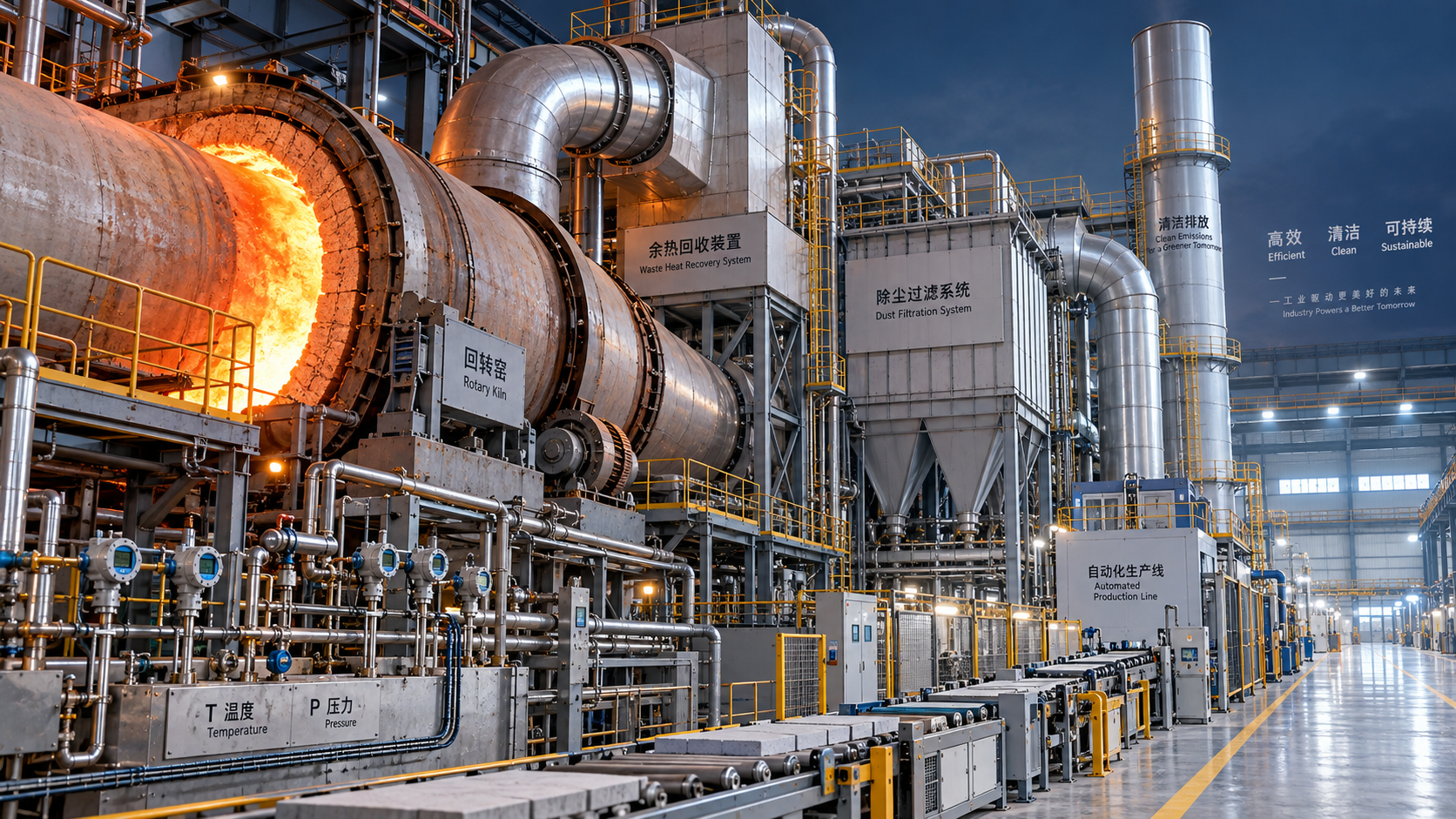
Heat recovery deserves particular attention. Depending on the process, useful options may include preheating combustion air, recovering cooler exhaust heat, using waste heat for drying, preheating batch materials, or supporting power generation where scale and local conditions justify it. Yet recovery systems are not automatically beneficial. Low-grade heat can be difficult to use, ducting increases pressure losses, and unstable exhaust conditions can compromise downstream users. Evaluate the usable heat demand, not merely the theoretical heat available.
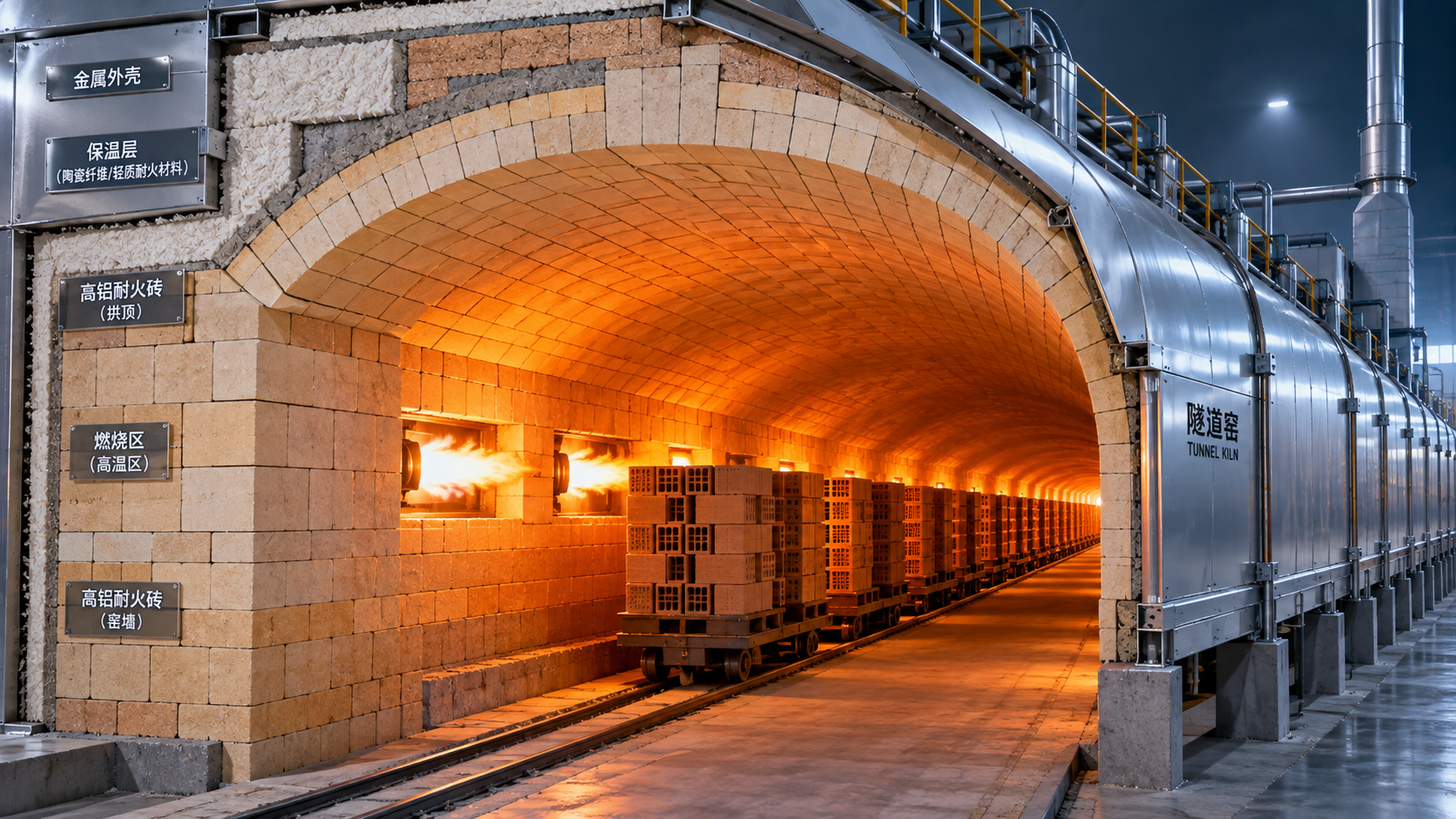
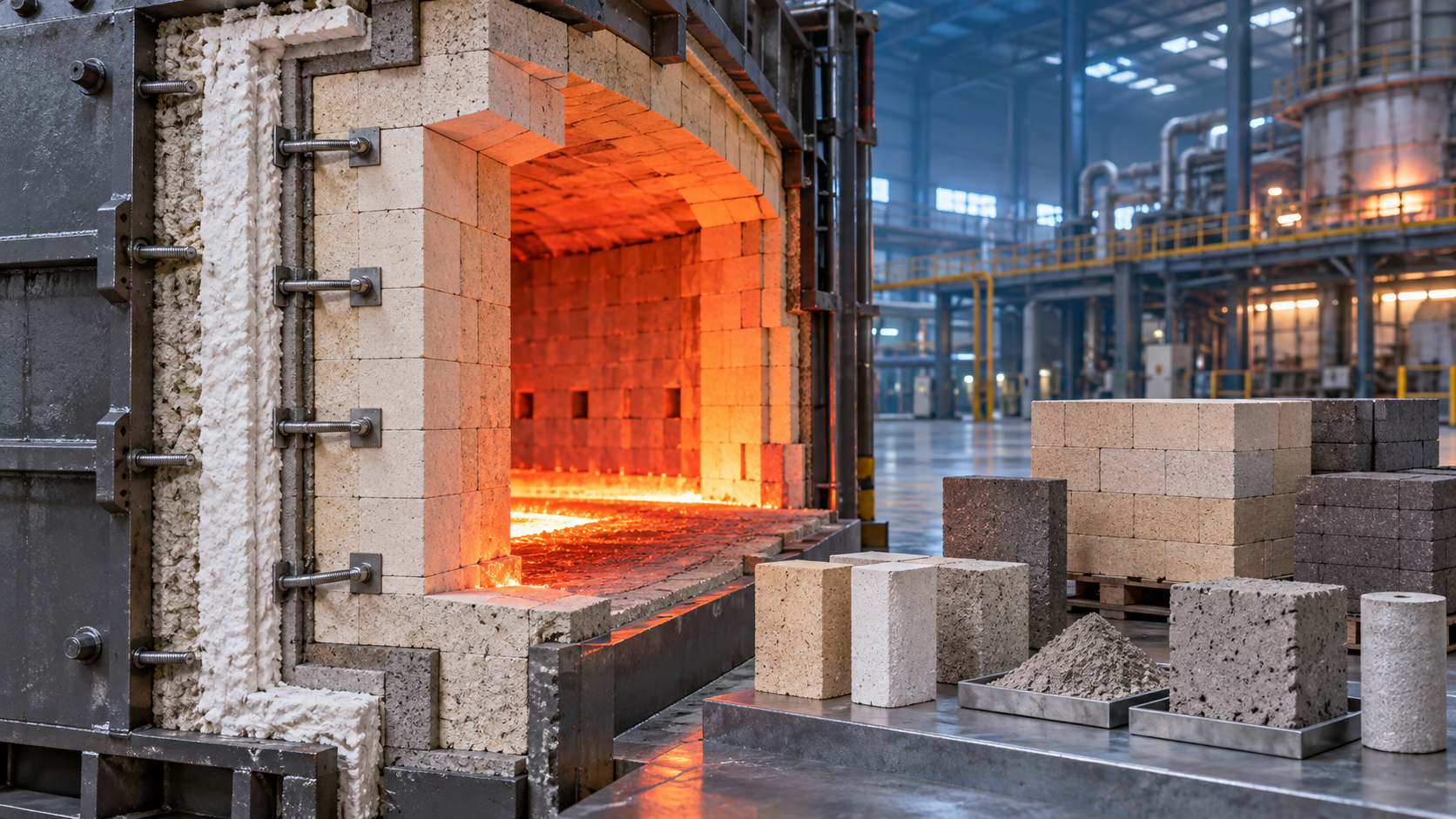
Refractory design also belongs in the energy discussion. Lining quality, insulation strategy, expansion allowance, anchoring, installation workmanship, and inspection access all affect shell losses and campaign reliability. A thermal design that reduces heat loss but makes repair difficult may shift cost into downtime. For furnaces and kilns, the best thermal package is usually the one that balances heat containment with stable operation and practical maintenance access.
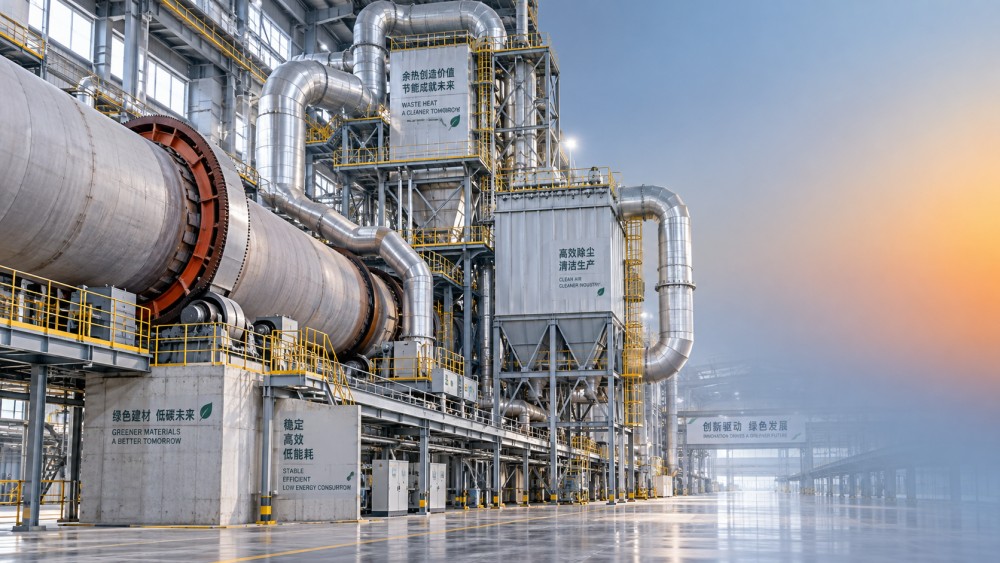
Ask each bidder to identify the assumptions behind its energy model, including material moisture, feed temperature, fuel composition, excess air, production rate, startup conditions, and anticipated product range. This reveals whether the supplier has modeled the actual duty or only a preferred operating point.
Energy Performance Cannot Be Separated From Stability
A line that reaches a low energy figure only under ideal steady-state conditions may be less attractive than one that remains close to target during normal disturbances. Moisture swings, changes in particle-size distribution, inconsistent fuel quality, burner fouling, batch variation, and unplanned stops all affect thermal demand. Repeated correction cycles can raise fuel use, increase reject rates, and place extra stress on refractory linings and rotating equipment.
For this reason, production stability should be assessed through operating windows rather than nameplate output alone. Review how the design manages feed interruptions, how quickly it can return to stable conditions after a disturbance, and what quality controls are available before material reaches the highest-energy stage. In a glass line, this may involve batch consistency and melting control. In a kiln-based process, it may involve feed homogeneity, draft stability, burner response, and clinker or fired-product monitoring. In extrusion, drying and firing must be considered as a connected system rather than separate machines.
Look Beyond Fuel: Electrical Loads and Auxiliary Systems Matter
Fans, mills, crushers, pumps, compressors, conveying systems, cooling equipment, and dust collection can materially influence total plant energy demand. In many projects, these auxiliaries receive less scrutiny than the kiln or furnace even though poor sizing or control can create persistent electrical waste. Oversized fans operated through dampers, poorly matched motors, excessive pressure drop in ductwork, and unnecessary material recirculation are familiar examples.
A useful evaluation compares connected load, expected normal operating load, and the control philosophy for major drives. Variable-speed control may be appropriate in applications with meaningful flow variation, but it should not be assumed to solve a badly designed system. The piping, ducting, transport route, and process setpoints must still be appropriate. Likewise, a high-efficiency motor does not compensate for an unstable mill circuit or a fan selected against unrealistic resistance assumptions.
Utilities should be treated with equal care. Water quality and availability, compressed-air reliability, electrical harmonics, backup power requirements, and natural-gas pressure variation can all affect process control. If electrification is part of the long-term pathway, confirm whether the local grid, transformers, cabling, and control architecture can support it. A “future-ready” claim means little without a defined interface and realistic power infrastructure plan.
Emissions Control Must Work With the Thermal Process
Emissions equipment should not be reviewed as a separate compliance package. Dust collection, gas cooling, selective pollutant control, continuous monitoring interfaces, and stack design influence draft, heat loss, pressure drop, maintenance needs, and sometimes fuel selection. A system that meets a target emission level on paper can still create operational difficulty if gas temperature, particulate characteristics, or corrosive constituents have not been adequately considered.
Requirements vary by jurisdiction and project permit, so technical evaluators should avoid accepting vague assurances of compliance. Ask for the proposed design basis, guaranteed conditions where applicable, expected consumables, residual streams, and the supplier’s assumptions about fuel and raw-material contaminants. If alternative fuels or recycled inputs are planned, their effect on gas composition, ash behavior, chlorine, sulfur, alkalis, or trace contaminants should be assessed in the process study.
The same principle applies to carbon strategy. Direct fuel switching, energy recovery, biomass use, electrification, material substitution, and carbon capture all have different process consequences. They should be screened against the line’s heat profile and product chemistry rather than added to a procurement document as broad sustainability requirements.
Automation Is Valuable Only When It Supports Decisions
Modern control systems can improve repeatability, reduce response time, and expose losses that would otherwise remain hidden. But automation compatibility is more than selecting a PLC, DCS, or dashboard. It includes instrument placement, measurement reliability in hot and dusty environments, historian structure, alarm rationalization, cybersecurity responsibilities, and the ability of site personnel to understand and maintain the system.
For energy-efficient silicate production lines, the most useful digital functions are often practical: trend analysis for thermal balance, kiln or furnace condition monitoring, fan and burner diagnostics, production-loss classification, refractory temperature surveillance, and quality correlation. Digital twins and advanced process models can be valuable where the underlying data and engineering discipline support them. They should be evaluated as operational tools with ownership, update procedures, and training—not as standalone software promises.
This is an area where independent sector intelligence can help clarify the difference between a capable architecture and a long feature list. CF-Elite follows process developments across cement plants, glass manufacturing equipment, industrial kilns and incineration, refractory production, and new building-material extrusion. Its Strategic Intelligence Center connects thermal parameters, reaction behavior, lining performance, monitoring systems, and decarbonization choices in a way that supports more grounded comparisons of long-cycle industrial assets.
Test Lifecycle Value Before Approving Capital Cost
A lower purchase price can become expensive if it introduces difficult access, proprietary dependencies, scarce wear parts, frequent shutdowns, or weak commissioning support. Lifecycle evaluation should include likely maintenance intervals, critical spares, refractory repair approach, availability of local service capability, operator training, documentation quality, and the division of responsibility during performance testing.
There is no universal rule that a more sophisticated line has a better lifecycle outcome. Some sites benefit from advanced optimization because they have experienced process personnel and strong maintenance systems. Others may achieve more dependable results with a robust, understandable design that can be serviced locally. The decision should reflect the operating organization that will inherit the plant after commissioning, not only the engineering team that selects it.
Before final selection, create a comparison matrix built around the same feed conditions, product specification, energy boundary, environmental obligations, utility assumptions, and availability target. Then identify which claims are guaranteed, which are estimates, and which depend on operator practice or future upgrades. That exercise usually exposes the real differences between proposals.
The most credible choice is rarely the line with the simplest efficiency claim. It is the configuration whose thermal design, material tolerance, emissions strategy, controls, maintenance plan, and future energy pathway remain coherent together. For projects in high-temperature industries, that coherence is what turns an equipment selection into a durable operating decision.
Related News
 Thermal Energy ArchitectEnergy-Efficient Silicate Production Lines: What to Compare Before SelectionSilicate production lines energy efficient selection guide: compare thermal performance, stability, emissions, controls, and lifecycle value before investing.Oct 06, 2026
 Optical Glass Tech FellowHow to Evaluate Automated Float Glass Lines for Capacity, Quality, and Energy UseEvaluate automated float glass lines for net capacity, consistent quality, energy efficiency, automation reliability, and lifecycle value. Explore key criteria for smarter investment decisions.Oct 05, 2026
 Thermal Energy ArchitectWhat Does CE Marking Require for an Energy-Efficient Industrial Kiln?Energy efficient kiln CE requirements explained: assess safety, technical files, energy performance, and EU compliance before purchase or commissioning.Oct 04, 2026
 Thermal Energy ArchitectRefractory Manufacturing Solutions for Brick Plants: How to Extend Kiln LifeRefractory manufacturing solutions for brick plant operations: discover proven strategies to extend kiln life, reduce heat loss, prevent lining failures, and plan cost-effective repairs.Oct 03, 2026
 Thermal Energy ArchitectHow to Specify Heavy Industrial Process Systems for High-Temperature PlantsHeavy industrial processes systems: learn how to specify high-temperature plants for efficiency, emissions control, maintainability, and lifecycle performance.Oct 02, 2026
 Structural Material AnalystHow Sustainable Material Extrusion Can Improve Wall Panel Durability and Design FlexibilityDiscover how sustainable material extrusion for wall panels improves durability, moisture resistance, design flexibility, and installation consistency for high-performing wall systems.Oct 01, 2026
 Thermal Energy ArchitectHow to Evaluate a High-Temperature Materials Manufacturer for Furnace ApplicationsChoose a high-temperature materials manufacturer with confidence: compare thermal performance, chemical resistance, quality controls, installation support, and lifecycle cost.Sep 30, 2026
 Ms. Elena RodriguezHow to Structure Global Specification Data for Faster Industrial Product EvaluationGlobal specification-oriented product information helps industrial teams compare capacity, energy, emissions, automation, and lifecycle data on a like-for-like basis for faster, confident equipment decisions.Sep 29, 2026
 Thermal Energy ArchitectHow to Specify High-Temperature Process Systems for Continuous Thermal OperationsHigh-temperature process engineering systems: learn how to specify resilient continuous thermal operations for efficiency, compliance, reliable uptime, and long-term performance.Sep 28, 2026
 Thermal Energy ArchitectHow to Evaluate a Thermal Engineering Contractor for High-Temperature Plant ProjectsChoose a thermal engineering contractor with proven process expertise, lifecycle value, emissions control, and delivery discipline for reliable high-temperature plant performance.Sep 27, 2026
 Silicate Process EngineerHow Latin American Cement Plants Can Reduce Dust Emissions in Kilns and Transfer PointsCement plant dust control Latin America: reduce kiln and transfer-point emissions with practical airflow, filtration, monitoring, and maintenance strategies.Sep 26, 2026
 Material Heat-Resist ExpertHow to Evaluate Refractory Production Lines for Output, Quality, and Energy UseRefractory production lines: learn how to assess qualified output, consistent quality, and total energy use for smarter, lower-risk investment decisions.Sep 25, 2026
 Dr. Alistair VaughnHow Waste Recycling Technology Improves Material Recovery in Industrial PlantsWaste recycling technology improves material recovery through source segregation, smart separation, thermal treatment, and quality control for industrial plants.Sep 24, 2026
 Optical Glass Tech FellowHow to Specify Glass Annealing Equipment for European Quality and Energy RequirementsGlass annealing equipment Europe: learn how to specify lehrs for consistent glass quality, energy efficiency, compliance, automation, and reliable long-term performance.Sep 23, 2026
 Optical Glass Tech FellowSilicate Process Automation: Improving Batch Consistency and Energy ControlSilicate process automation improves batch consistency, energy control, traceability, and operator confidence across high-temperature manufacturing operations.Sep 22, 2026
 Optical Glass Tech FellowHow Silicate Industrial Processes Control Viscosity, Energy Use, and Product QualitySilicate industrial processes: learn how viscosity, chemistry, heat transfer, and atmosphere control reduce energy use, improve stability, and protect product quality.Sep 21, 2026
 Thermal Energy ArchitectHow European Plants Can Evaluate Energy Recovery Equipment for High-Temperature ProcessesIndustrial energy recovery equipment Europe: learn how high-temperature plants can assess waste-heat sources, integration risks, lifecycle value, and reliable recovery routes.Sep 20, 2026
 Thermal Energy ArchitectIndustrial Furnace Process Optimization: Reducing Fuel Use Without Sacrificing ThroughputIndustrial process optimization furnace strategies that cut fuel use while protecting throughput. Explore combustion control, heat recovery, refractory performance, and data-driven efficiency gains.Sep 19, 2026
 Ms. Elena RodriguezWhat Drives High-Pressure Extrusion Equipment Cost in Industrial Projects?High pressure extrusion equipment cost explained: compare pressure, die design, automation, wear, energy, and installation factors for smarter industrial investments.Sep 18, 2026
 Thermal Energy ArchitectHow to Size a Waste Heat Recovery Exchanger for High-Temperature Kiln Exhaust?Waste heat recovery exchanger sizing for high-temperature kiln exhaust: balance recoverable duty, fouling, corrosion limits, pressure drop, and reliable heat use.Sep 17, 2026

Related News
- 00
0000-00
Energy-Efficient Silicate Production Lines: What to Compare Before Selection - 00
0000-00
What Does CE Marking Require for an Energy-Efficient Industrial Kiln? - 00
0000-00
Refractory Manufacturing Solutions for Brick Plants: How to Extend Kiln Life - 00
0000-00
How to Specify Heavy Industrial Process Systems for High-Temperature Plants - 00
0000-00
How to Evaluate a High-Temperature Materials Manufacturer for Furnace Applications
Weekly Insights
Stay ahead with our curated technology reports delivered every Monday.