How to Evaluate a Thermal Engineering Contractor for High-Temperature Plant Projects
Selecting the right thermal engineering contractor determines whether a high-temperature project delivers dependable output, controllable emissions, and sustainable operating economics over its entire lifecycle.
For project leaders, the strongest contractor is rarely the lowest bidder. It is the partner that can prove process understanding, delivery discipline, safety control, and long-term accountability.
Start With the Risks That Matter to Your Plant
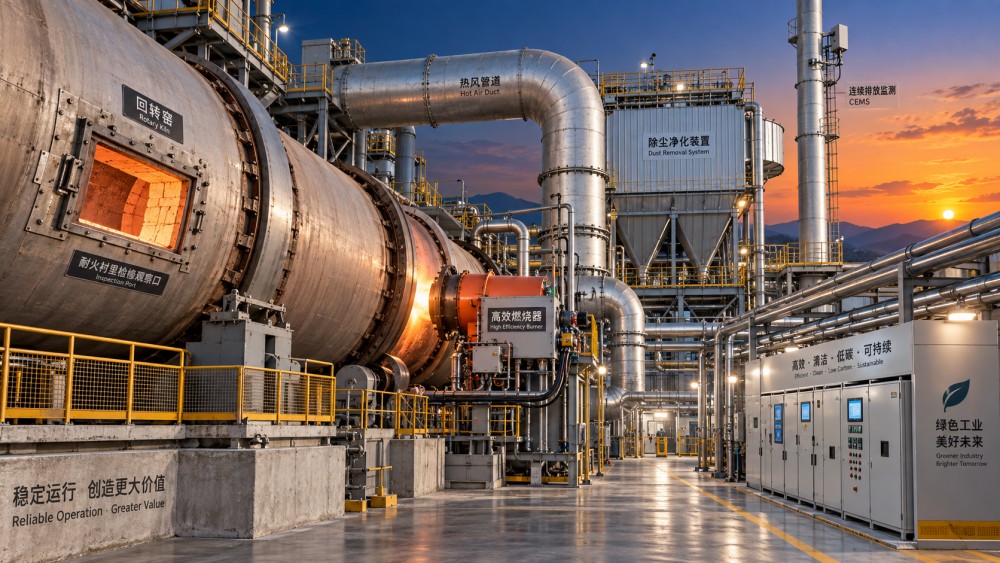
Before comparing proposals, define the operational risks your project cannot tolerate. A cement kiln, glass furnace, incinerator, or refractory line faces different thermal failure mechanisms.
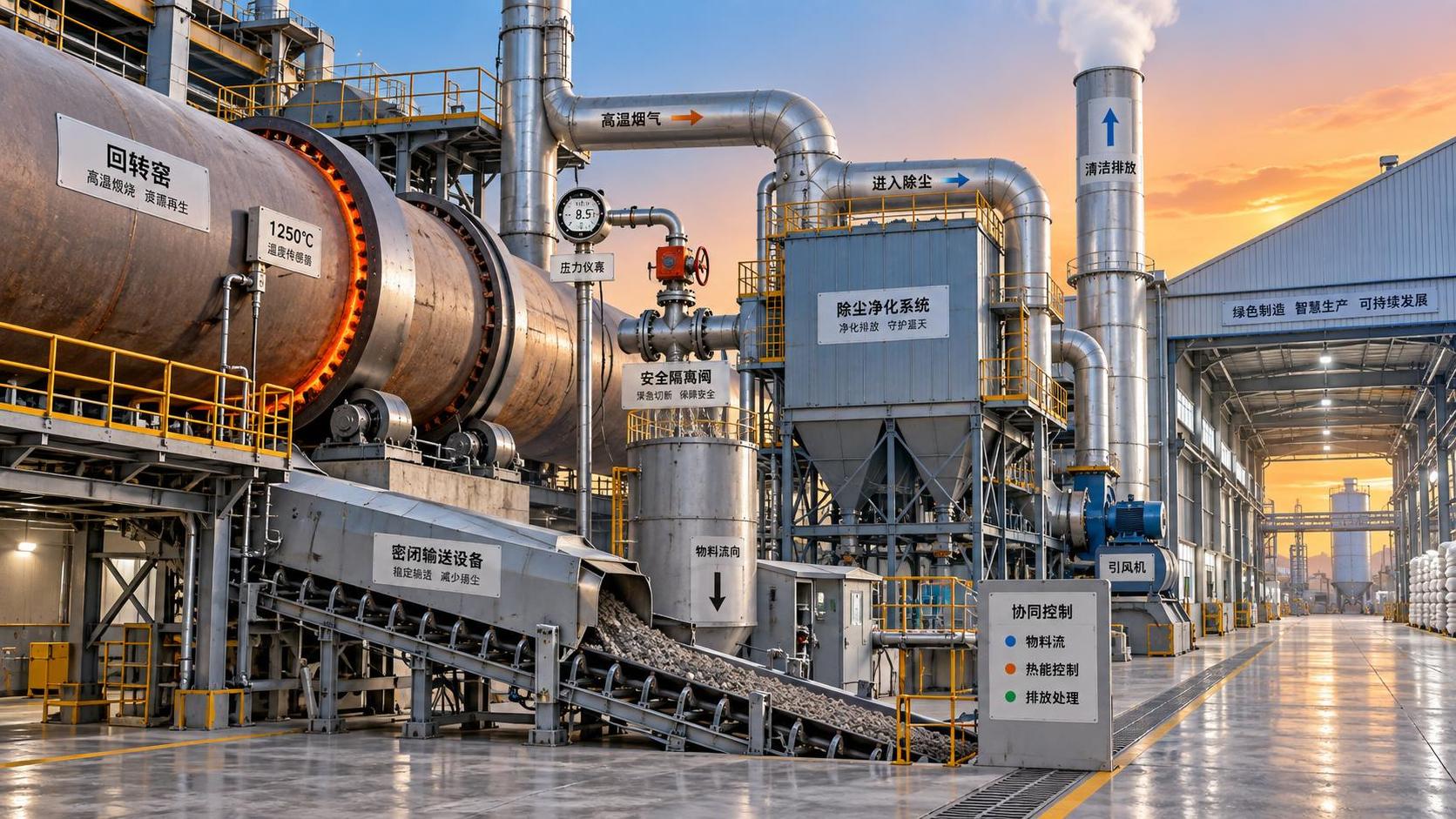
High-temperature assets are interconnected systems rather than isolated equipment packages. Burner performance, refractory selection, combustion control, exhaust treatment, and material handling influence one another directly.
Project managers should first identify critical outcomes: required throughput, fuel flexibility, heat consumption, emissions limits, uptime targets, product quality, commissioning schedule, and allowable lifecycle cost.
This initial risk map prevents an evaluation process from becoming a comparison of generic credentials, equipment brochures, or headline capital costs without plant-specific technical context.
A capable thermal engineering contractor will challenge unclear requirements early. That conversation is valuable because unresolved assumptions commonly become change orders, delays, energy losses, or performance disputes later.
Ask contractors to describe the three largest technical risks they see in your proposed process. Their answers reveal engineering depth, practical experience, and willingness to address uncertainty transparently.
For waste-to-energy projects, risks may include variable feed composition, corrosion, slagging, and emissions excursions. For glass plants, temperature uniformity and refractory contamination may dominate.
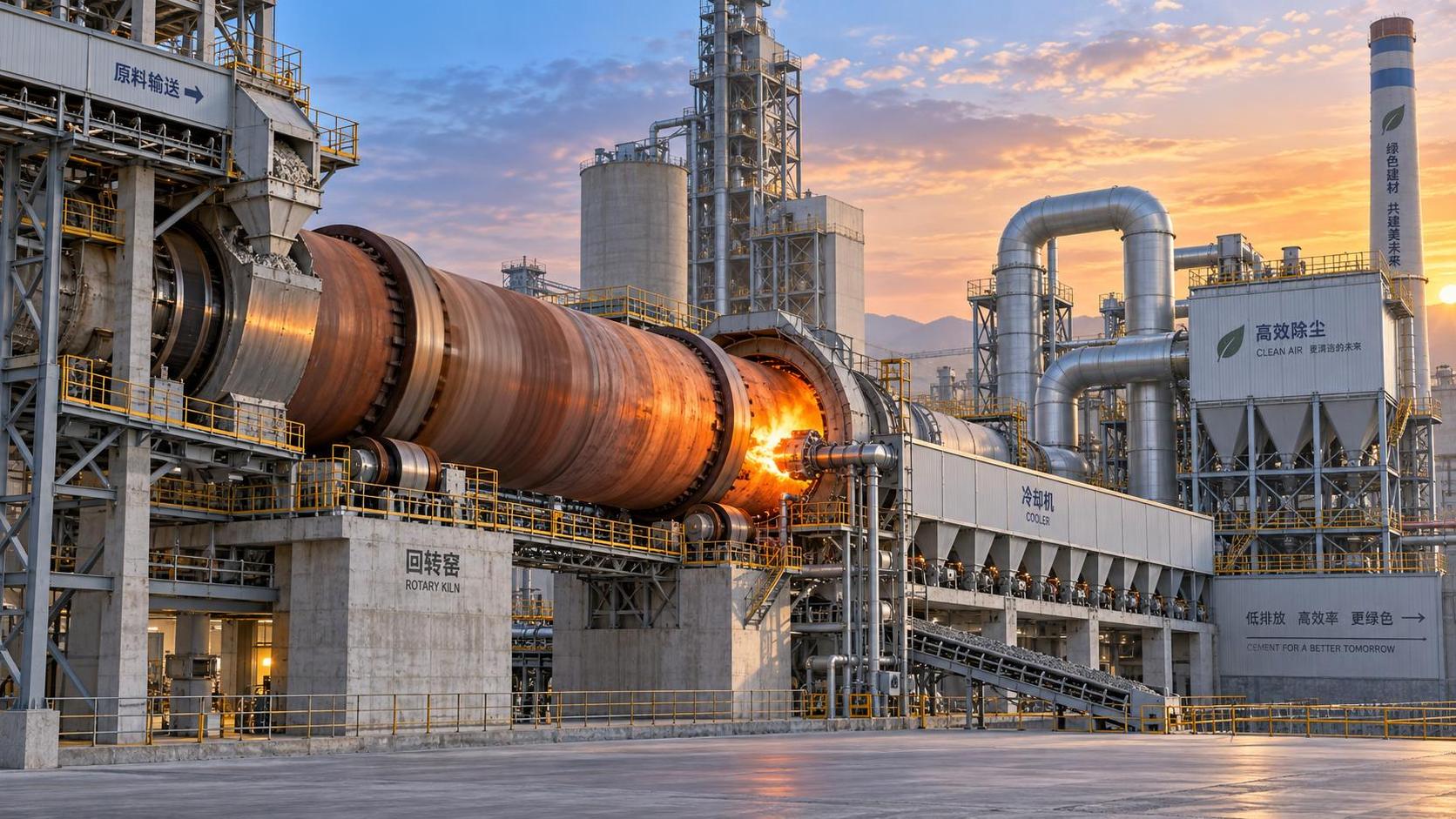
For cement and lime operations, fuel substitution, kiln stability, false air, coating behavior, and particulate control can carry greater commercial consequences than nominal equipment capacity.
Verify Relevant Process Experience, Not Just Industry Experience
Many firms claim high-temperature capability, but project leaders need evidence from comparable operating conditions. Relevant experience means similar chemistry, temperature range, production scale, fuels, and regulatory requirements.
A contractor experienced with steel reheating furnaces may not automatically understand rotary kiln residence time, volatile cycles, raw meal behavior, or alternative-fuel combustion in cement production.
Likewise, experience designing a conventional waste incinerator does not prove capability for hazardous waste, high-chlorine feedstocks, energy recovery integration, or stringent flue-gas treatment requirements.
Request a reference list organized by process type rather than by overall project value. It should identify scope, operating temperature, fuel mix, throughput, location, and project completion date.
References should also distinguish between greenfield construction, brownfield modifications, emergency repairs, efficiency upgrades, and long-term maintenance contracts. Each demands different engineering and delivery capabilities.
Speak directly with former clients when possible. Ask whether guaranteed performance was achieved after commissioning, how quickly issues were resolved, and whether final costs matched expectations.
Useful reference questions include whether the contractor coordinated effectively with civil, electrical, automation, and environmental suppliers. Thermal projects often fail at interfaces rather than core equipment design.
Do not accept unnamed references or overly polished case studies as sufficient proof. A credible partner should be able to discuss limitations, lessons learned, and corrective actions.
Assess Thermal Design Capability at Engineering Level
The contractor must demonstrate more than familiarity with furnaces and kilns. Evaluate how it converts process requirements into defensible thermal calculations, equipment sizing, and operating envelopes.
Ask to review sample heat and mass balances, combustion calculations, refractory heat-loss models, and process flow diagrams from comparable completed projects, subject to confidentiality restrictions.
Strong engineering teams explain assumptions clearly. They can show how moisture, feed variability, excess oxygen, ambient conditions, fuel heating value, and heat recovery affect overall energy demand.
For combustion systems, examine burner turndown, flame geometry, ignition reliability, mixing quality, temperature control, and compatibility with planned gaseous, liquid, solid, or alternative fuels.
For kilns and furnaces, ask how the contractor manages temperature gradients, hot spots, shell deformation risk, refractory wear, expansion allowances, and emergency operating scenarios.
Thermal modeling should support decisions rather than decorate proposals. Computational fluid dynamics, digital twins, and simulation tools are useful only when validated against operating plant data.
Request the names and roles of the engineers who will perform core calculations. Sales presentations should not obscure whether experienced process engineers remain involved after contract award.
Confirm that design documents include normal, startup, shutdown, upset, and emergency conditions. Thermal systems may operate safely at steady state yet become vulnerable during transient events.
Evaluate Refractory, Materials, and Mechanical Integration
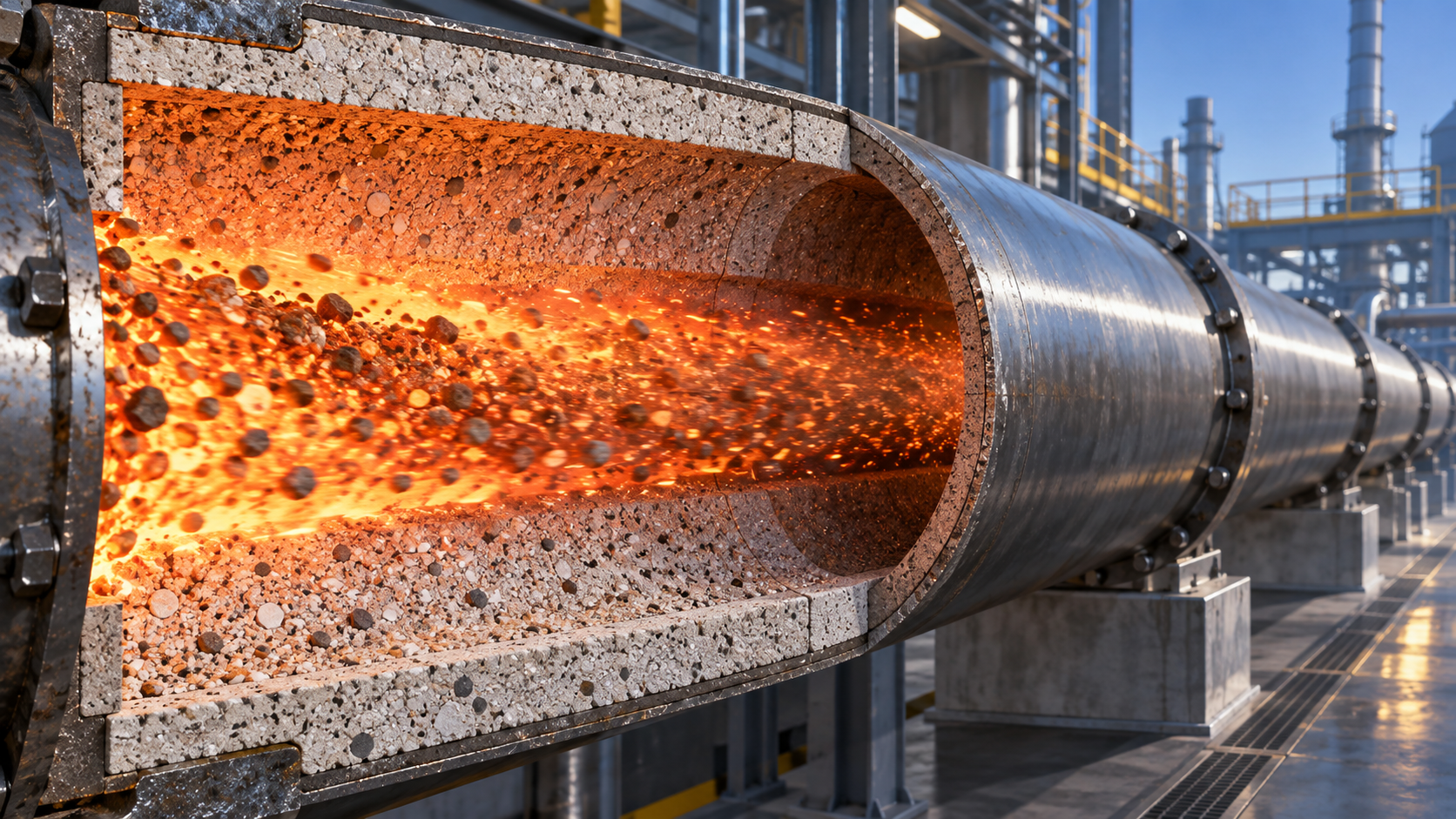
Refractory performance has a direct effect on energy consumption, availability, safety, and repair costs. It should be evaluated as an engineered system, not as a commodity lining purchase.
A qualified contractor considers chemical attack, abrasion, thermal shock, alkali cycling, redox conditions, mechanical stress, anchoring systems, expansion joints, and installation quality together.
Ask for a refractory zoning drawing that identifies working lining, safety lining, insulation layers, transitions, and expected wear areas. Generic material descriptions are not enough.
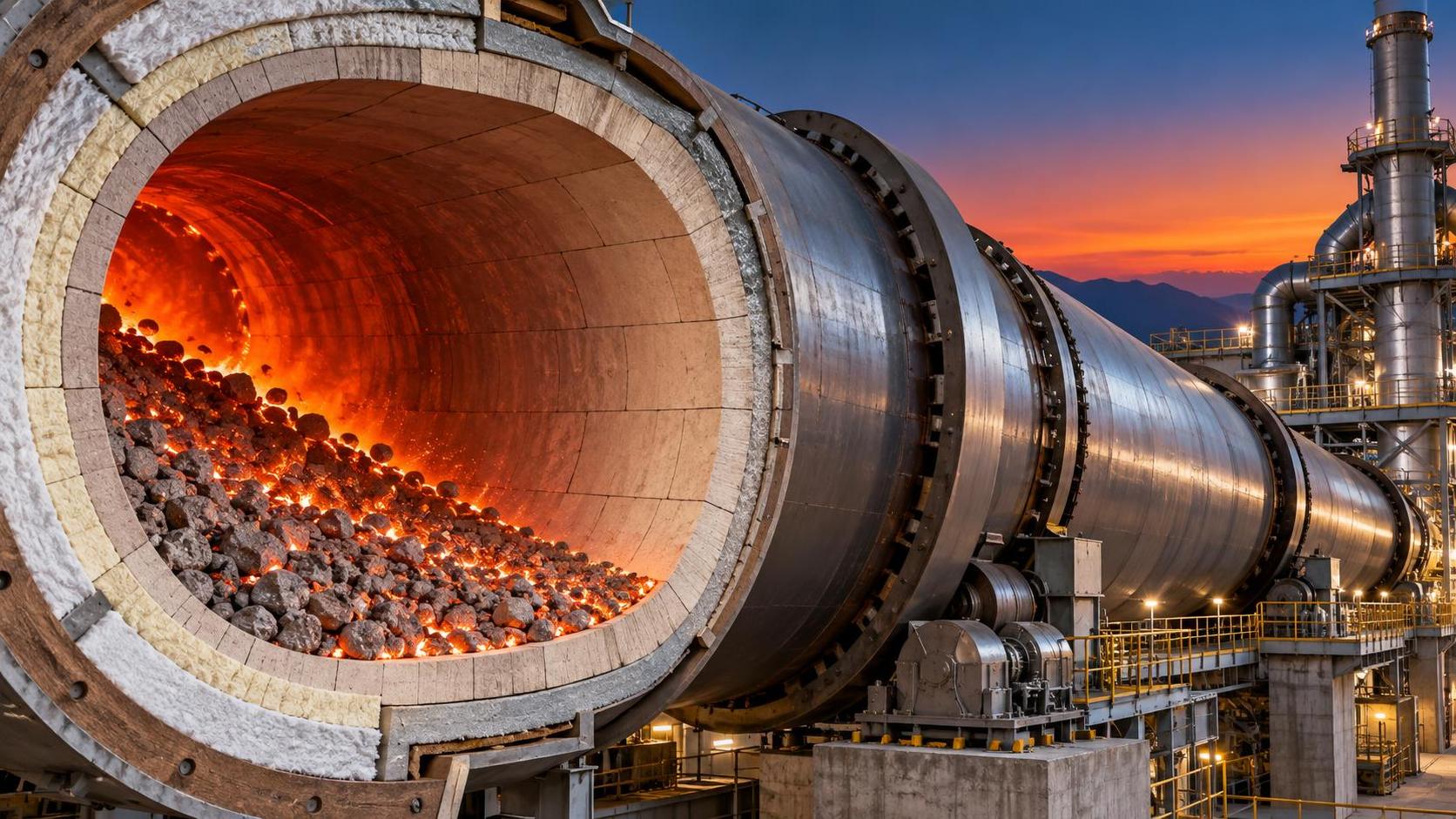
For rotary equipment, review how the contractor manages lining installation, brick geometry, shell ovality, tire migration, coating requirements, and planned inspection access during operation.
In incineration systems, material selection must address corrosive gases, ash deposits, and cycling conditions. The lowest-cost refractory can become expensive through unplanned shutdowns and repairs.
Mechanical interfaces also deserve scrutiny. Poor coordination between steelwork, burner piping, expansion systems, fans, ducts, and instrumentation can compromise an otherwise sound thermal design.
Require clear responsibility boundaries for refractory supply, installation, dry-out, curing, inspection, and warranty. Gaps between vendors are common sources of disputed failure responsibility.
Contractors should provide a lifecycle maintenance plan, including inspection intervals, likely wear components, spare materials, shutdown duration assumptions, and recommended condition-monitoring methods.
Test Their Ability to Meet Energy and Emissions Commitments
Energy efficiency and environmental compliance are no longer secondary considerations. They determine operating margin, permitting confidence, carbon exposure, and the long-term acceptance of industrial assets.
Ask each thermal engineering contractor to quantify specific energy consumption using consistent boundary conditions. Comparisons are meaningless when fuel basis, moisture content, or production assumptions differ.
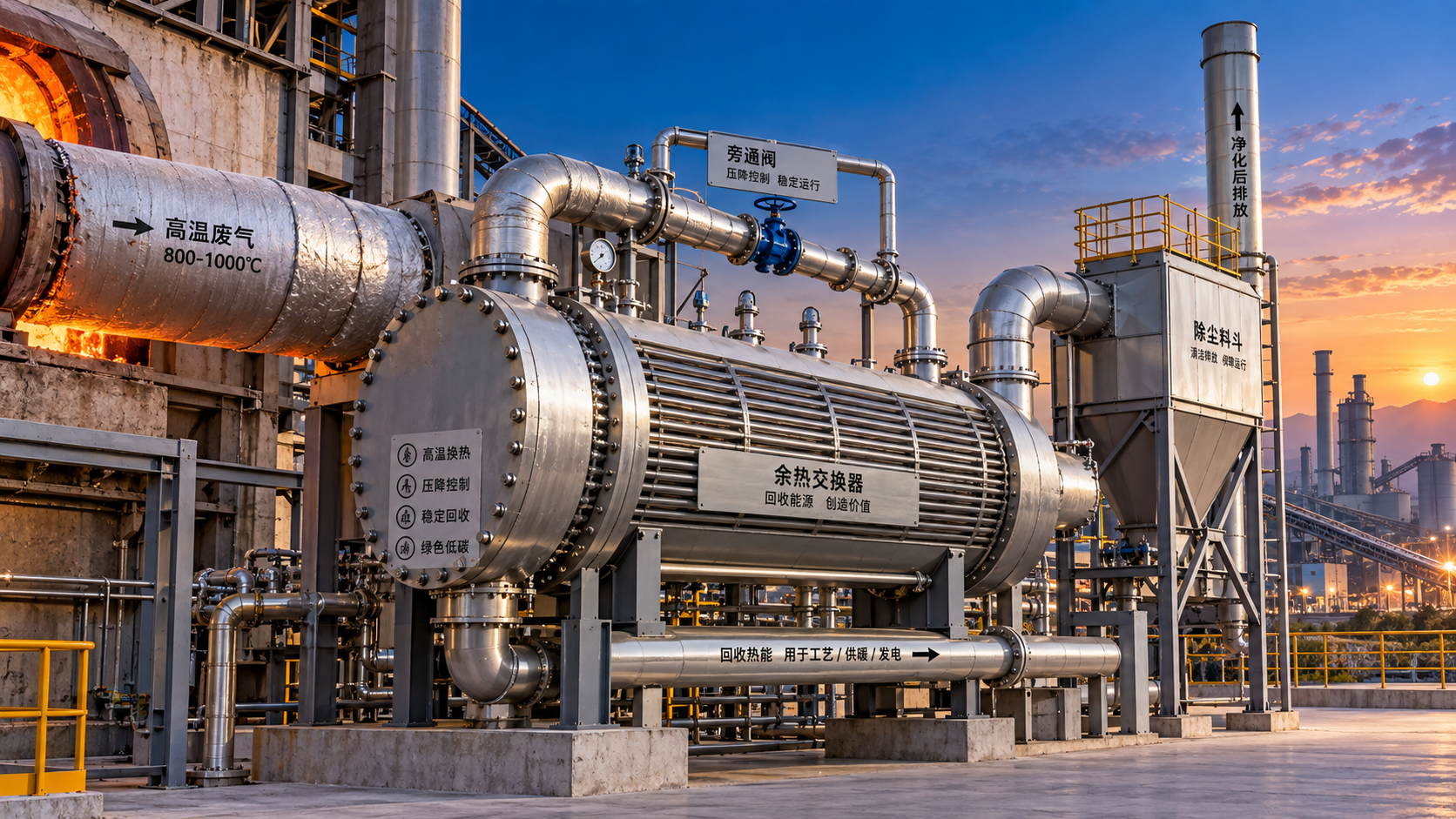
The proposal should explain heat-recovery opportunities, including waste-heat boilers, recuperators, preheaters, combustion-air recovery, raw-material drying, and electricity-generation integration where economically justified.
For decarbonization projects, assess how the design supports lower-carbon fuels, electrification, oxygen enrichment, carbon capture readiness, or increased use of secondary raw materials.
Fuel flexibility is commercially valuable only when supported by proper handling, dosing, combustion design, safety systems, and emissions monitoring. Unsupported flexibility claims create operational instability.
Review emissions guarantees for particulate matter, nitrogen oxides, sulfur oxides, acid gases, dioxins, carbon monoxide, and volatile compounds according to applicable local regulations.
Ask how compliance will be demonstrated during performance testing. The contractor should define test duration, feed conditions, measurement methods, laboratory responsibilities, and correction calculations before award.
Where continuous emissions monitoring is required, verify integration with plant controls, data retention, calibration procedures, alarms, reporting workflows, and the responsible party for system validation.
Compare Commercial Proposals on Lifecycle Value
Capital price should be evaluated alongside energy use, maintenance burden, spare parts, expected lining life, availability, training needs, and likely costs of production interruptions.
A lower initial proposal can conceal exclusions in controls, insulation, structural work, commissioning support, emissions equipment, installation supervision, or performance testing responsibilities.
Create a bid comparison matrix that separates included scope, exclusions, assumptions, unit rates, provisional sums, schedule commitments, warranties, and post-handover support for every bidder.
Require contractors to disclose the basis of their cost estimate. Major differences may result from different fuel assumptions, material grades, automation levels, local labor conditions, or incomplete scope.
Lifecycle modeling should include realistic downtime costs. In continuous-process plants, one failed refractory zone, fan, burner, or control loop can cause losses exceeding equipment purchase savings.
Examine payment milestones carefully. They should align with verifiable engineering deliverables, fabrication progress, delivery, installation, commissioning, and successful performance demonstration rather than vague percentages.
Performance guarantees should be measurable and enforceable. Define guaranteed throughput, energy consumption, emission levels, availability assumptions, product quality, and remedies for nonconformance precisely.
A responsible contractor will not offer unrealistic guarantees simply to win. Credible commercial terms reflect engineering confidence, controlled assumptions, and a practical route to proving results.
Review Project Delivery Controls and Site Execution
Even excellent process design can fail through poor execution. Evaluate the contractor’s project-management system with the same rigor applied to equipment and thermal calculations.
Request a preliminary execution plan showing engineering milestones, procurement lead times, fabrication sequence, site logistics, installation windows, commissioning stages, and critical path dependencies.
Long-lead items may include custom burners, fans, refractory materials, high-temperature alloys, control panels, heat exchangers, and specialist measurement instruments. Delays require early visibility.
For brownfield plants, contractors must show how they will survey existing conditions, verify dimensions, manage tie-ins, and protect production continuity during shutdown periods.
Ask who owns interface management across suppliers. A single accountable project manager is preferable to fragmented coordination among separate mechanical, electrical, automation, and environmental contractors.
Site safety capability requires specific review. High-temperature construction includes lifting, confined spaces, hot work, refractory demolition, dust exposure, and work around live process equipment.
Check whether the contractor uses formal quality plans, inspection test plans, welding controls, material traceability, refractory installation records, and documented punch-list closeout procedures.
Commissioning plans should include cold tests, loop checks, refractory dry-out, hot commissioning, operator training, ramp-up criteria, performance testing, and structured handover documentation.
Examine Controls, Data, and Operational Support
Modern thermal assets depend on controls as much as mechanical equipment. Poor measurement or automation can undermine combustion stability, efficiency, safety, and emissions performance.
Evaluate the contractor’s approach to temperature measurement, oxygen analysis, pressure control, fuel dosing, flame monitoring, interlocks, historian data, and cybersecurity responsibilities.
Ask whether the control philosophy supports operators during abnormal conditions. Clear alarm priorities and automated protective actions reduce the risk of damaging thermal excursions.
Digital monitoring can improve maintenance decisions when it measures useful indicators, such as shell temperature, burner stability, refractory condition, fan vibration, and fuel consumption trends.
However, avoid paying for dashboards without operational purpose. The contractor should explain who reviews the data, what decisions it informs, and how alerts translate into corrective action.
Training should cover process fundamentals, normal operation, emergency response, maintenance routines, calibration, troubleshooting, and interpretation of performance data, not only basic equipment operation.
Post-commissioning support matters because many process problems emerge after months of real feedstock variation. Confirm response times, remote diagnostics, site visits, and spare-parts availability.
For international projects, assess local service capability, language coverage, regional supply chains, and the contractor’s ability to support operators after expatriate commissioning teams depart.
Use a Structured Selection Process Before Award
A disciplined selection process protects the project team from decisions driven by presentation quality, familiarity, or initial price pressure. Use weighted criteria agreed before bid evaluation begins.
Typical evaluation weights include relevant process experience, engineering quality, lifecycle value, execution capability, safety record, emissions performance, control integration, and service support.
Invite shortlisted firms to a technical clarification meeting. Require them to defend design assumptions, identify exclusions, explain risks, and respond to realistic operating scenarios.
Site visits to operating references remain one of the best evaluation tools. Observe housekeeping, equipment accessibility, control-room usability, lining condition, and maintenance practices in real conditions.
During final negotiations, document every clarification in the contract scope. Verbal assurances about efficiency, support, interface responsibilities, or future modifications create avoidable disputes.
The best thermal engineering contractor is the one whose technical solution, commercial model, and execution controls remain coherent when tested against your plant’s actual operating conditions.
Conclusion: Select Capability That Performs Beyond Commissioning
For high-temperature plant projects, contractor selection is a strategic operating decision rather than a procurement exercise. The consequences extend into energy costs, compliance, reliability, and plant profitability.
Prioritize proven process relevance, transparent engineering, robust refractory and combustion design, lifecycle economics, disciplined project delivery, and accountable commissioning support when comparing candidates.
Project leaders who evaluate these factors systematically are more likely to secure thermal systems that meet performance commitments and remain resilient through changing fuels, regulations, and operating demands.