
Global Cement Industry Decarbonization: Key Technologies and Cost Barriers




Global cement industry decarbonization is becoming a strategic priority as producers confront rising emissions pressures, evolving regulations, and the need to protect competitiveness.
For business leaders, the challenge is to identify which technologies can deliver meaningful reductions without undermining operational performance or exposing plants to unmanageable costs.
From alternative fuels and clinker substitution to carbon capture and electrification, each pathway carries distinct technical requirements and cost barriers.
The strongest investment strategy usually combines near-term efficiency and materials measures with a plant-specific plan for addressing process emissions over the longer term.
Which Decarbonization Investments Should Cement Leaders Prioritize?
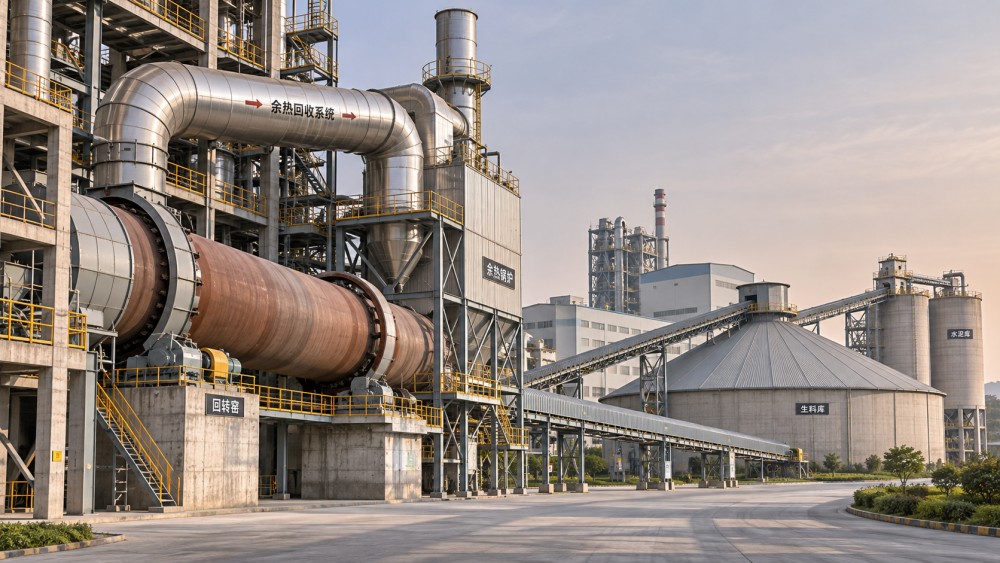
Start with measures that reduce fuel use or clinker demand while preserving product quality. Then assess whether local infrastructure supports deeper emissions reductions.
For many plants, alternative fuels, process optimization, and supplementary cementitious materials can provide earlier opportunities than large-scale carbon capture or kiln electrification.
That sequence is not universal. A plant with access to carbon transport infrastructure, policy support, and reliable clean power may justify earlier capture investment.
Decision-makers should compare options using cost per tonne of verified carbon dioxide avoided, alongside capital needs, operating risk, and customer willingness to pay.
The relevant business question is not simply which technology cuts the most emissions, but which combination protects margins under credible future market conditions.
Why Is Cement So Difficult to Decarbonize?
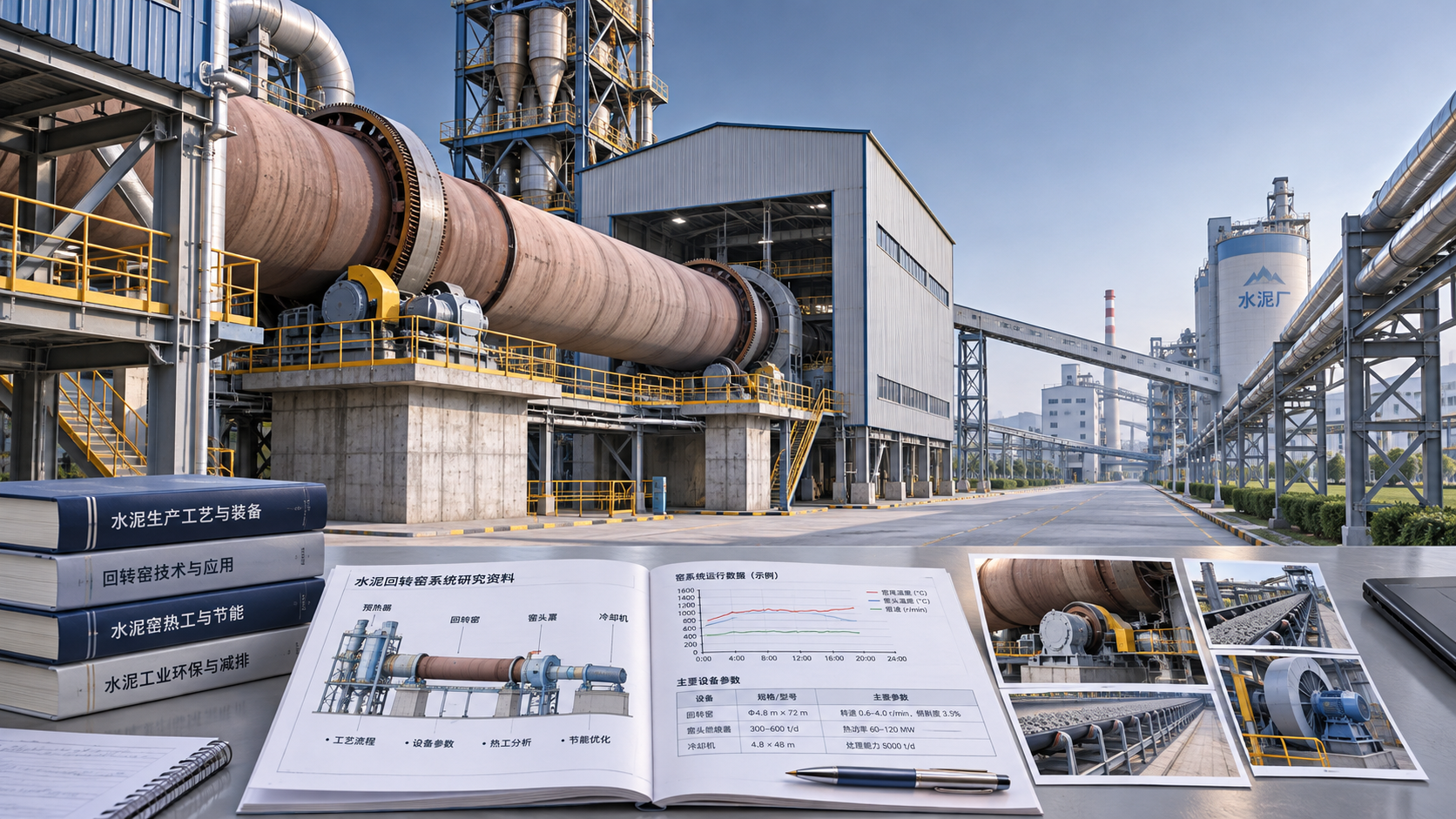
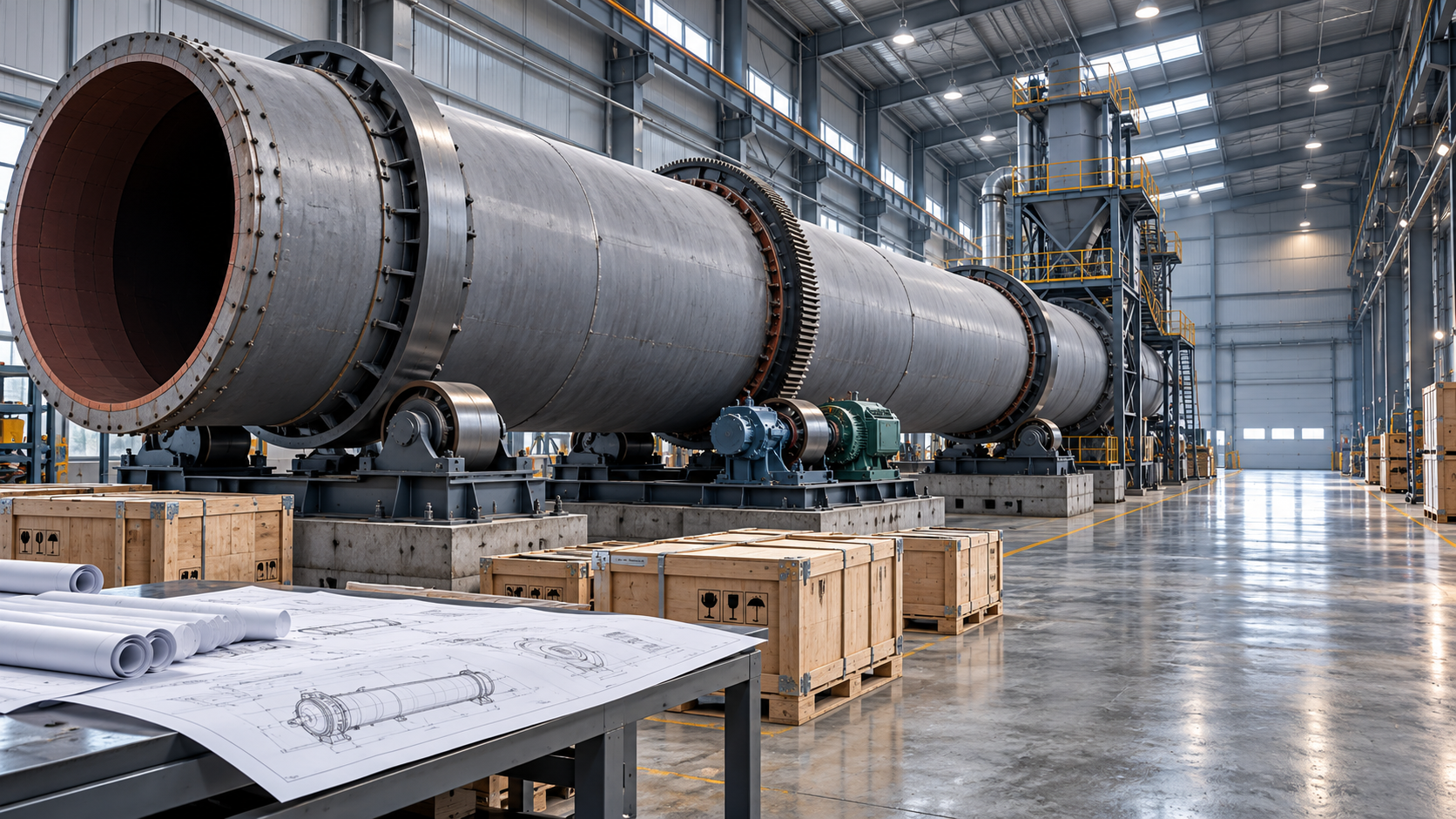
Cement manufacturing produces emissions from two main sources: fuel burned to heat the kiln and chemical reactions that convert limestone into clinker.
During calcination, limestone releases carbon dioxide as calcium carbonate decomposes into calcium oxide. These process emissions remain even if kiln heat becomes carbon-free.
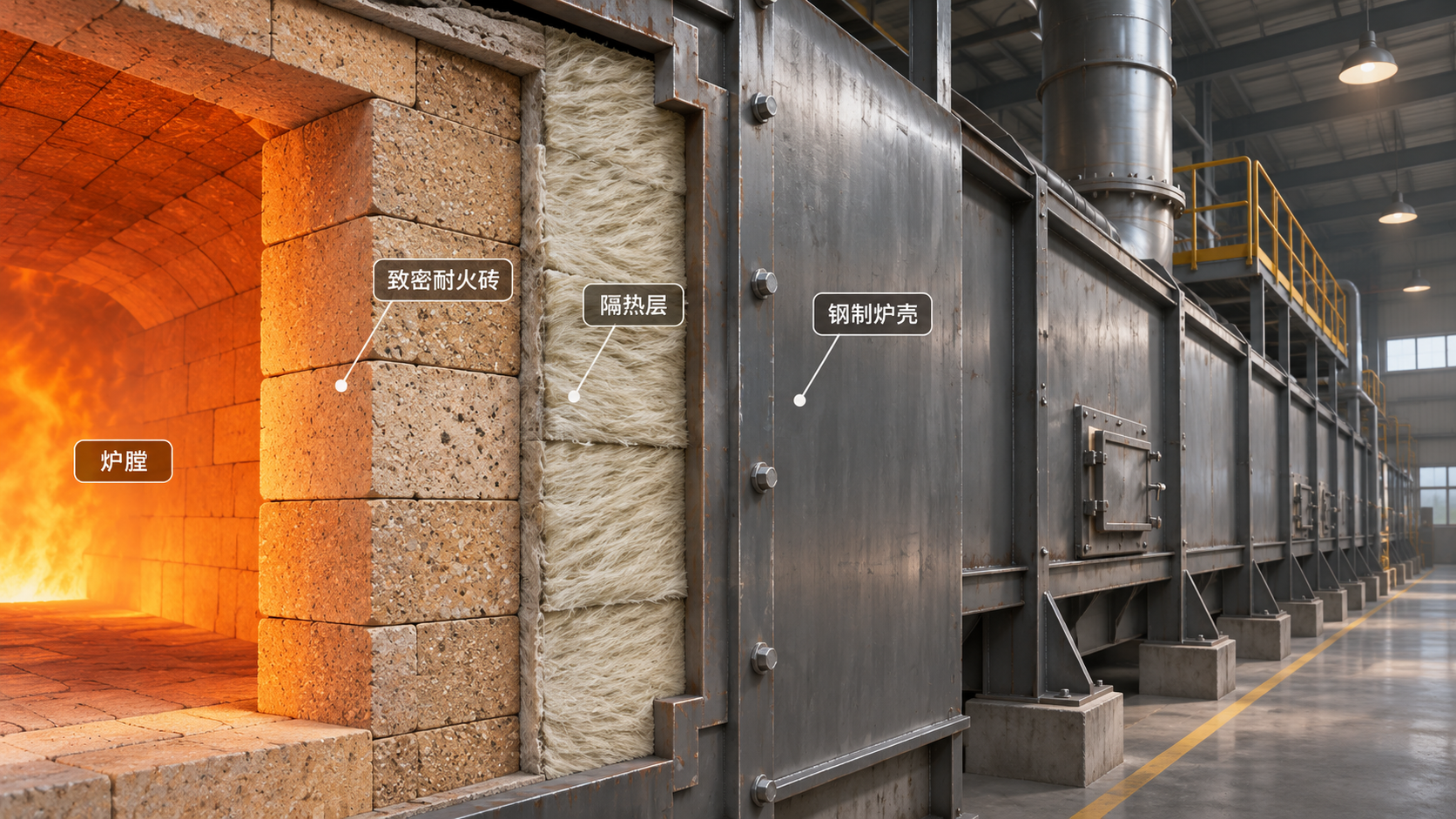
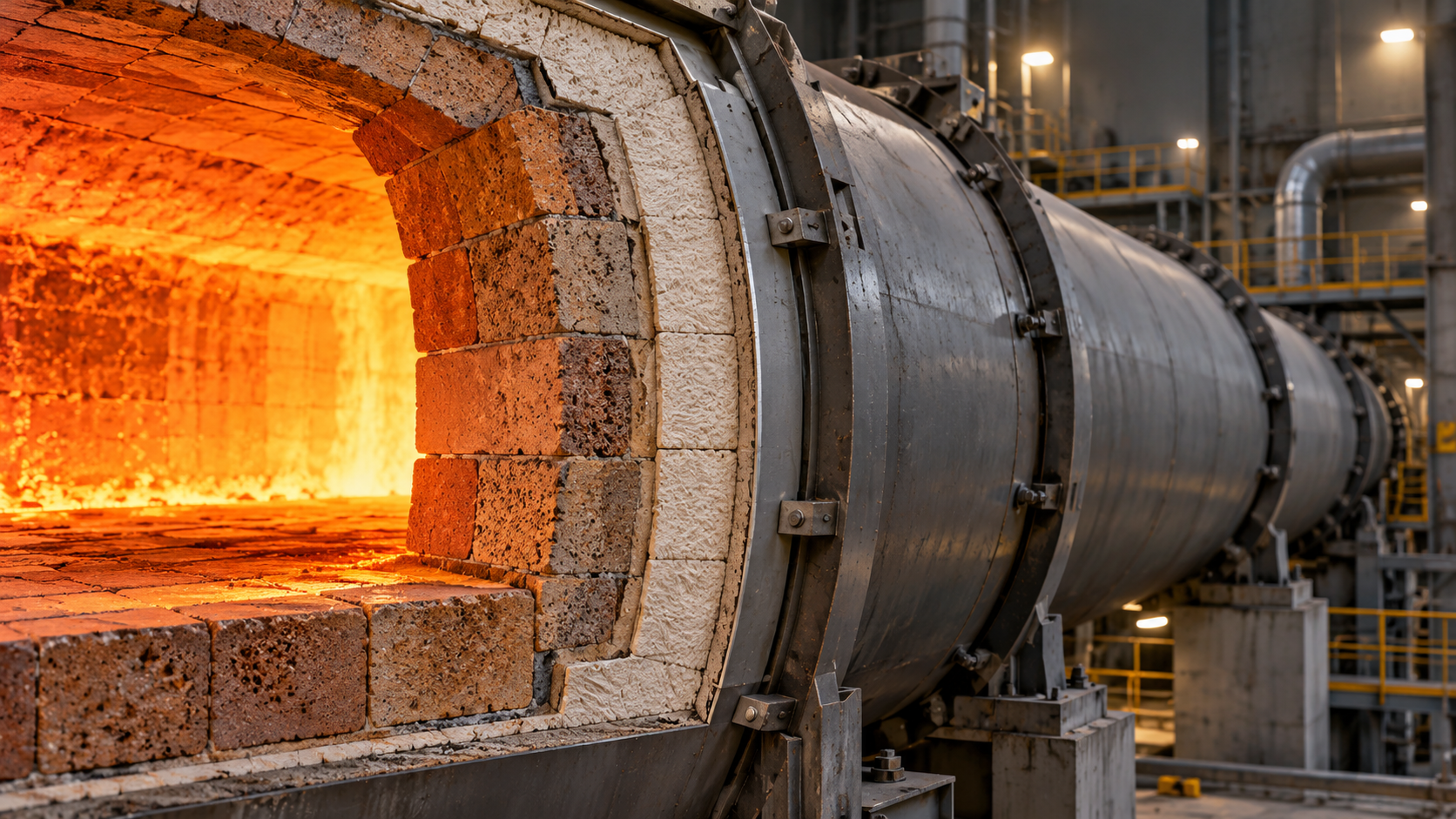
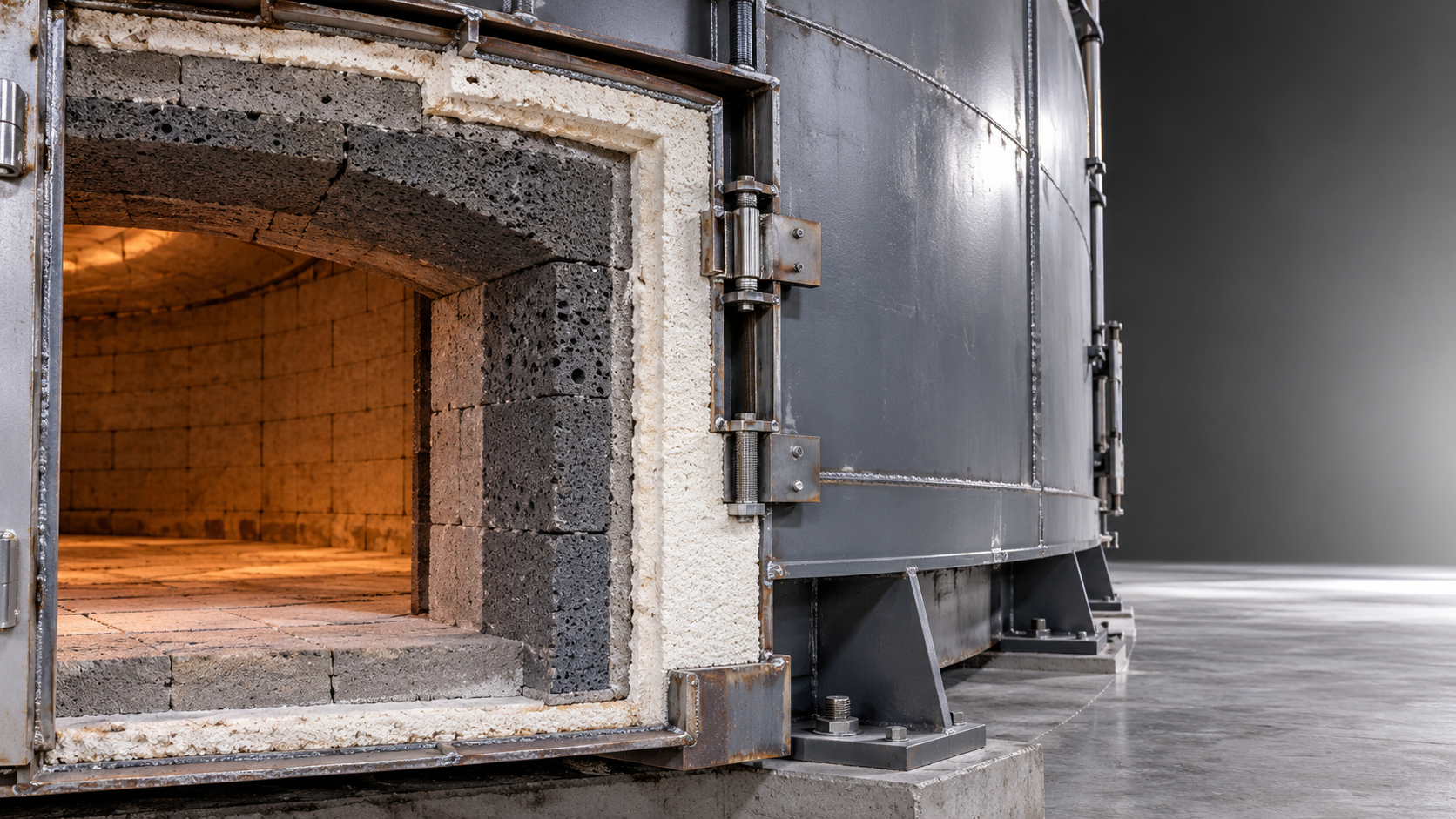
Clinker production also requires temperatures approaching 1,450 degrees Celsius, making continuous heat supply, refractory performance, and product consistency central operating constraints.
Grinding, material handling, and other electrical loads contribute additional indirect emissions, depending on the carbon intensity of the power supplied to the plant.
Because these sources have different causes, no single intervention solves the problem. A credible roadmap must address both energy and clinker chemistry.
How Much Can Efficiency and Alternative Fuels Deliver?
Energy efficiency is often the most accessible starting point because it can lower operating costs while reducing fuel-related emissions from existing production assets.
Potential measures include improving kiln control, reducing air leaks, recovering waste heat, upgrading grinding equipment, and maintaining stable refractory and combustion conditions.
Digital monitoring can help operators identify heat losses and process instability, but savings depend on sensor quality, operator response, and sustained maintenance practices.
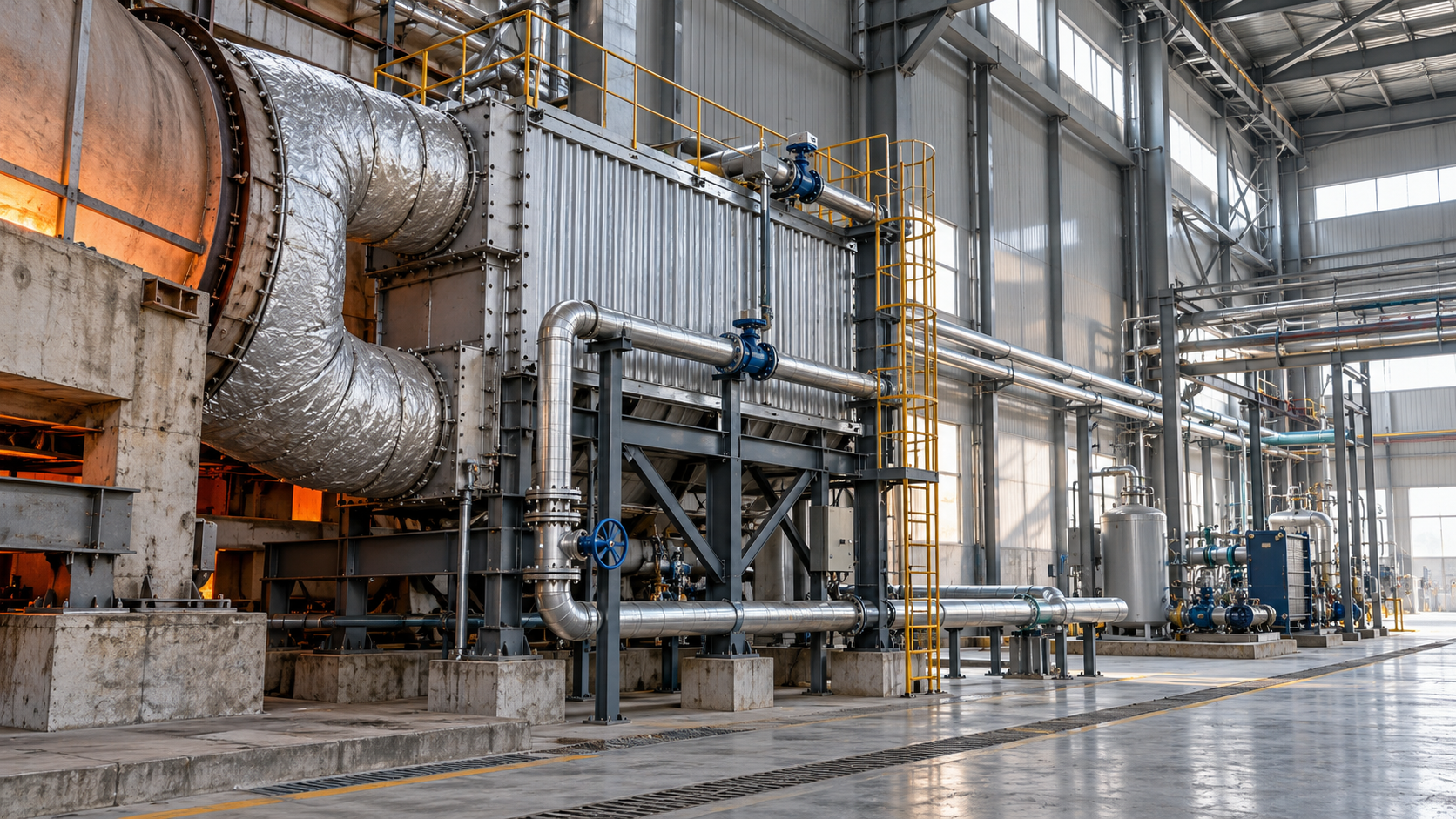
Waste heat recovery can generate electricity where sufficient usable heat and operating hours exist. Its economics weaken when heat availability or power prices are low.
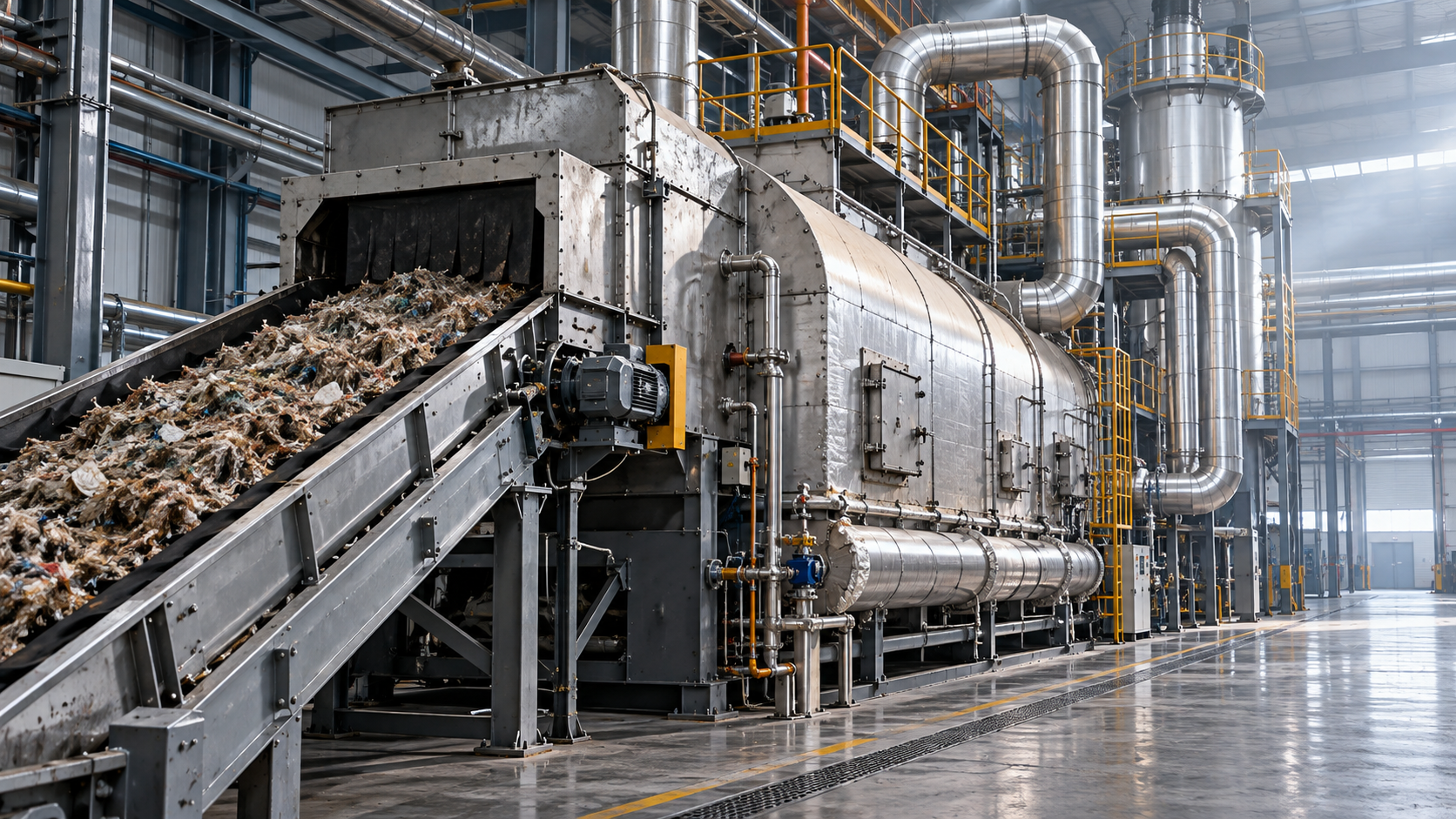
Alternative fuels, such as prepared industrial waste, biomass, and refuse-derived fuel, can displace some conventional fossil fuels in suitable kilns.
Their value depends on delivered fuel cost, preparation requirements, consistent calorific value, permitting, and the plant’s ability to manage ash and contaminants.
Biogenic fuel fractions may reduce reported fossil carbon emissions under applicable accounting rules. Waste-derived fuel is not automatically carbon-neutral or eligible for every incentive.
Higher substitution rates can require new storage, dosing, feeding, and emissions-control systems. Chlorine, sulfur, and alkalis may also affect kiln stability and clinker quality.
Before signing supply contracts, assess feedstock competition, long-term availability, preprocessing costs, and responsibility for material that fails specifications or cannot be used.
Can Lower-Clinker Cement Reduce Costs and Emissions?
Reducing the clinker content of cement directly lowers demand for the most emissions-intensive production stage. It can also reduce energy consumption per tonne of cement.
Supplementary cementitious materials include limestone, calcined clay, granulated blast-furnace slag, and fly ash, subject to local standards and performance requirements.
The commercial opportunity is significant, but availability varies. Coal phaseout and changes in steel production can constrain future fly ash and slag supplies.
Calcined clay can expand the materials base where suitable deposits exist, although clay characterization, thermal processing, and grinding add capital and operating costs.
Performance must be evaluated in concrete, not only cement. Strength development, durability, workability, and curing conditions can affect customer acceptance and project schedules.
Producers should engage ready-mix suppliers, engineers, and asset owners early, especially where prescriptive specifications limit the use of alternative cement formulations.
A useful business case compares delivered cost per unit of required concrete performance, including transport, additives, testing, and potential changes in construction practice.
When Does Carbon Capture Make Business Sense?
Carbon capture can address emissions that remain after efficiency improvements and clinker substitution, including carbon dioxide released during limestone calcination.
Relevant approaches include post-combustion capture, oxyfuel combustion, and process configurations that produce a more concentrated carbon dioxide stream for capture.
Each approach creates different integration requirements. Plants must assess heat and electricity demand, space constraints, kiln configuration, downtime, and effects on production reliability.
Capture equipment alone is not a complete solution. A project also needs carbon dioxide conditioning, transport, and permanent geological storage or another verified destination.
The full cost therefore depends on local energy prices, financing, capture rate, infrastructure access, storage fees, monitoring obligations, and utilization of the installation.
Capturing carbon dioxide can increase energy use. Calculate net emissions reductions across the relevant system boundary, including added power, fuel, transport, and storage.
Revenue or savings may come from carbon pricing, public support, low-carbon product premiums, or contracts with customers seeking verified emissions reductions.
Those benefits should be tested against policy changes and contract duration. A short incentive period may not support infrastructure with a multidecade investment horizon.
Shared transport and storage networks can improve the case for industrial clusters. Isolated plants may face substantially higher costs or lack a feasible route altogether.
Leaders should also distinguish permanent storage from carbon utilization. The climate benefit of utilization depends on carbon retention, displaced products, and full lifecycle emissions.
Is Kiln Electrification Ready for Investment?
Electrification could replace some fossil-fuel heat with electricity, but commercial readiness varies by process and equipment. Large-scale electric clinker production remains an emerging pathway.
Electric grinding and other established applications differ from supplying continuous high-temperature heat to a clinker kiln, where equipment integration and reliability are more demanding.
Even with low-carbon electricity, conventional limestone calcination still releases process carbon dioxide. Electrification may therefore need to be combined with capture or alternative chemistry.
The investment case depends on electricity prices, grid capacity, connection timelines, power reliability, and the emissions intensity of electricity actually consumed.
For most decision-makers, the immediate task is to monitor demonstrations and secure future power options while avoiding assumptions of near-term commercial maturity.
What Are the Main Cost Barriers?
Capital expenditure is only one part of the challenge. Operating costs, financing terms, production interruptions, and infrastructure dependencies can determine whether projects proceed.
Energy costs are especially influential. Capture and electrification can increase electricity demand, while alternative fuels may require costly processing and quality control.
Financing becomes harder when technology performance, carbon prices, or demand for lower-carbon cement remain uncertain over the life of an asset.
Plant age also matters. A retrofit may avoid replacing a kiln, but an older facility can have limited space, lower efficiency, or fewer productive years.
Market structure creates another barrier: cement is heavy, transport-sensitive, and often price competitive, making it difficult to pass additional costs to every customer.
Regulations can change this calculation. Carbon pricing, emissions standards, procurement rules, and border measures may alter relative costs, depending on jurisdiction and implementation.
In the European Union, for example, the Carbon Border Adjustment Mechanism affects covered cement imports, while domestic producers face the EU emissions trading system.
Companies trading across borders should examine current rules and transition provisions rather than assume that carbon costs or reporting obligations are identical everywhere.
How Should Executives Compare Investment Options?
Begin with a plant-level emissions baseline covering fuel, process emissions, and purchased electricity. Record production volumes, operating hours, fuel use, and clinker ratios.
Define the comparison boundary before calculating costs. A tonne of cement, a tonne of clinker, and a unit of concrete performance answer different questions.
Estimate annualized capital and operating costs, then compare them with the baseline. Divide the incremental annual cost by the annual net emissions avoided.
For example, an incremental annual cost of $10 million divided by 200,000 tonnes of net carbon dioxide avoided produces $50 per tonne avoided.
That simplified result excludes uncertainty unless explicitly modeled. Include financing, energy changes, maintenance, downtime, transport, storage, and any applicable revenue or policy support.
Test the result against several scenarios for power prices, carbon costs, production volumes, and customer premiums. Identify the assumptions that could reverse the decision.
Alongside financial returns, assess technical maturity, permitting, feedstock security, safety, and the consequences of equipment failure for continuous kiln operation.
Finally, establish measurable milestones: fuel substitution achieved, clinker factor, energy use, net emissions intensity, product performance, and realized project costs.
What Should a Practical Decarbonization Roadmap Look Like?
In the near term, prioritize the strongest efficiency opportunities, qualify alternative fuels, and expand lower-clinker products where materials and standards allow.
At the same time, investigate local clean-power supply, carbon transport routes, storage access, and potential partnerships with other industrial emitters.
For medium-term decisions, develop engineering studies and customer agreements before committing major capital. Use pilot results and procurement terms to reduce uncertainty.
For longer-term investment, revisit capture, electrification, and alternative chemistries as demonstrations mature and infrastructure, regulation, and customer demand become clearer.
Maintain flexibility in the roadmap. A change in fuel availability, electricity prices, or storage access can quickly alter the ranking of technologies.
Conclusion: Match Technology Choices to Plant Economics
Global cement industry decarbonization requires a portfolio of measures because combustion emissions, electricity use, and limestone chemistry present different technical challenges.
Efficiency, alternative fuels, and lower-clinker cement can create early value where local conditions support them. Deep reductions may also require carbon capture.
The best investment decision combines verified emissions impact with cost, operational resilience, infrastructure readiness, and a realistic path to customer or policy support.
Related News
 Ms. Elena RodriguezProcess Equipment Pricing: How to Compare Quotes and Total CostsMaster process equipment comparison pricing: compare supplier quotes, uncover hidden costs, and evaluate lifetime expenses to make a confident buying decision.Nov 17, 2026
 Prof. Marcus ChenGlobal Cement Industry Decarbonization: Key Technologies and Cost BarriersExplore global cement industry decarbonization technologies, cost barriers, and practical investment strategies to cut emissions while protecting competitiveness.Nov 16, 2026
 Structural Material AnalystChoosing Specification Preparation Support for North American ProjectsChoose specification preparation support North America projects can rely on. Compare technical expertise, compliance, interfaces, and supplier acceptance criteria.Nov 14, 2026
 Structural Material AnalystSpecialty Ceramic Extrusion: How Material Properties Affect FormingExplore how ceramic specialized material extrusion is shaped by particle size, binders, and solids loading—and learn to improve forming and reduce defects.Nov 13, 2026
 Ms. Elena RodriguezHigh-Pressure Molding Equipment Prices in Europe: What Affects the Total Cost?Explore high pressure molding equipment price Europe buyers can expect to assess, from tooling and installation to running costs. Compare quotes with confidence.Nov 12, 2026
 Structural Material AnalystChoosing a Vacuum Extrusion System: Capacity, Materials and Vacuum LevelsChoosing a vacuum extrusion system? Compare capacity, material behavior and vacuum levels to improve product quality and select the right equipment.Nov 11, 2026
 Optical Glass Tech FellowGlass Melting Innovations: Comparing Electric and Hybrid Furnace TechnologiesExplore glass melting innovations and compare electric and hybrid furnaces by energy use, emissions, glass quality and operating costs to find the right fit.Nov 10, 2026
 Thermal Energy ArchitectHow Thermal Barrier Technology for Kilns Reduces Heat LossDiscover how thermal barrier technology for kilns reduces heat loss, and learn how to select insulation and assess savings without compromising lining durability.Nov 09, 2026
 Prof. Marcus ChenGlobal Materials Trends: What North American Manufacturers Need to KnowExplore global material trends North America manufacturers need to know, from energy costs and supply chains to lower-carbon materials and smarter investment decisions.Nov 08, 2026
 Thermal Energy ArchitectSelecting Abrasion-Resistant Refractories for High-Wear Kiln LiningsExplore advanced refractory materials abrasion resistant enough for high-wear kiln linings. Compare wear mechanisms, thermal stability, installation and lifecycle costs.Nov 06, 2026
 Dr. Alistair VaughnIndustrial Energy Efficiency Certification: ISO 50001 Requirements for PlantsExplore industrial energy efficiency certification with ISO 50001. Learn how plants define scope, measure performance and prepare credible evidence for audits.Nov 05, 2026
 Ms. Elena RodriguezWhat Is an Industrial Intelligence Database and How Is It Used?Discover how an industrial intelligence database helps researchers map markets, track projects, compare technologies, and assess evidence with confidence.Nov 04, 2026
 Ms. Elena RodriguezIndustrial Material Pricing: How Freight and Order Volume Affect QuotesExplore industrial material pricing and learn how freight, order volume, and inventory costs affect quotes. Compare suppliers and make smarter purchasing decisions.Nov 03, 2026
 Structural Material AnalystSingle- vs. Twin-Screw Extrusion Systems: Which Suits Your Material?Choose the right specialized extrusion systems screw type for your material. Compare single- and twin-screw options to improve quality and control costs.Nov 02, 2026
 Thermal Energy ArchitectChoosing Thermal Barrier Materials for Kilns: Temperature and Heat LossExplore thermal barrier materials for kilns and learn how to balance temperature resistance, heat loss, durability and operating costs when selecting a lining.Nov 01, 2026
 Ms. Elena RodriguezSupplier Reference Platform Pricing: Fees and Contract Terms to CompareCompare supplier reference platform pricing, hidden fees, verification costs and contract terms to choose the right solution for your sourcing team.Oct 31, 2026
 Ms. Elena RodriguezSupplier Comparison Metrics: How to Score Cost, Quality, and DeliveryUse supplier comparison metrics to score cost, quality, and delivery with a practical weighted scorecard. Make more confident equipment sourcing decisions.Oct 30, 2026
 Ms. Elena RodriguezWhat Does Industrial Waste Heat Recovery Cost, and When Does It Pay Back?Understand industrial waste heat recovery cost, from equipment and installation to net savings. Learn how to compare quotes, assess risks, and calculate realistic payback before investing.Oct 29, 2026
 Thermal Energy ArchitectChoosing Industrial Waste-to-Energy Equipment by Waste Moisture and Heating ValueChoose industrial waste to energy equipment by moisture and heating value. Compare technologies, fuel needs, and supplier guarantees to make a confident investment.Oct 28, 2026
 Thermal Energy ArchitectChoosing Industrial Kiln Insulation for High Heat and Repeated Thermal CyclingExplore high temperature industry solutions for kiln insulation under repeated thermal cycling. Compare materials, reduce heat loss, and select the right lining for your operating conditions.Oct 27, 2026
Related News
- 00
0000-00
Global Cement Industry Decarbonization: Key Technologies and Cost Barriers - 00
0000-00
Global Materials Trends: What North American Manufacturers Need to Know - 00
0000-00
Heavy Equipment Intelligence Market: Fleet Analytics Demand and Adoption Barriers - 00
0000-00
Silicate Industry Outlook: Demand Drivers, Energy Costs, and Supply Risks - 00
0000-00
Which Industrial Decarbonization Projects Have the Fastest Payback?
0000-00
Weekly Insights
Stay ahead with our curated technology reports delivered every Monday.