
Silicate Industry Outlook: Demand Drivers, Energy Costs, and Supply Risks




Silicate Industry Outlook: Demand Drivers, Energy Costs, and Supply Risks
Where will the next wave of silicate demand emerge—and can producers capture it without sacrificing margins? For businesses across cement, glass, refractories, and advanced building materials, the answer depends on more than construction volumes. Energy contracts, product specifications, furnace availability, and access to consistent raw materials can determine whether additional sales actually generate cash.
Useful silicate industry intelligence insights connect those commercial and operating realities. Infrastructure investment, solar manufacturing, and lower-carbon procurement create different demand signals, with different implications for capacity planning. The task is to distinguish durable consumption from announced projects, and profitable production from output that merely absorbs fixed costs.
Demand is fragmenting, not moving as one market
“Silicate industry” is a useful umbrella for several mineral-based, high-temperature industries, but it is not a single commercial market. Cement is strongly influenced by local construction economics and transport distances. Glass demand varies by end use, from buildings and packaging to solar modules. Refractories follow furnace operating conditions, maintenance cycles, and investment in industries such as steel and cement.
This matters when interpreting a market recovery. Strong infrastructure spending does not automatically offset weak residential demand for every producer. A cement plant near funded transport projects may benefit while a building-glass supplier serving speculative property development remains under pressure.
Infrastructure: follow execution rather than announcements
Infrastructure can support cement, concrete products, and selected construction materials, but announced budgets are an incomplete forecasting tool. Procurement awards, financing arrangements, land access, and contractor mobilization provide stronger evidence of near-term material consumption. Even funded projects can have uneven delivery schedules.
For capacity decisions, map the addressable project pipeline against actual delivery economics. Bulk cement, precast elements, and lightweight blocks have different freight constraints and handling requirements. A promising national outlook may offer little benefit to a plant outside an economical delivery radius.
Solar glass: distinguish installation growth from supplier profitability
Solar manufacturing creates demand for specialized glass, but downstream installation growth does not guarantee attractive glass margins. New melting capacity, module designs, glass thickness, customer inventories, and qualification requirements all affect purchasing. Rapid expansion can leave suppliers exposed if competing capacity arrives before orders materialize.
A credible investment case therefore needs customer-level evidence: accepted specifications, qualification timelines, expected purchasing volumes, and pricing mechanisms. Generic forecasts for renewable energy are not enough to justify a furnace commitment.
Renovation offers a different demand route. Insulating glazing and lightweight construction systems may benefit where building performance requirements and renovation economics support adoption. Yet thermal performance alone does not secure sales. Fire performance, structural suitability, installer familiarity, and local approvals can determine which materials reach the project specification.
Energy exposure is a plant-level calculation
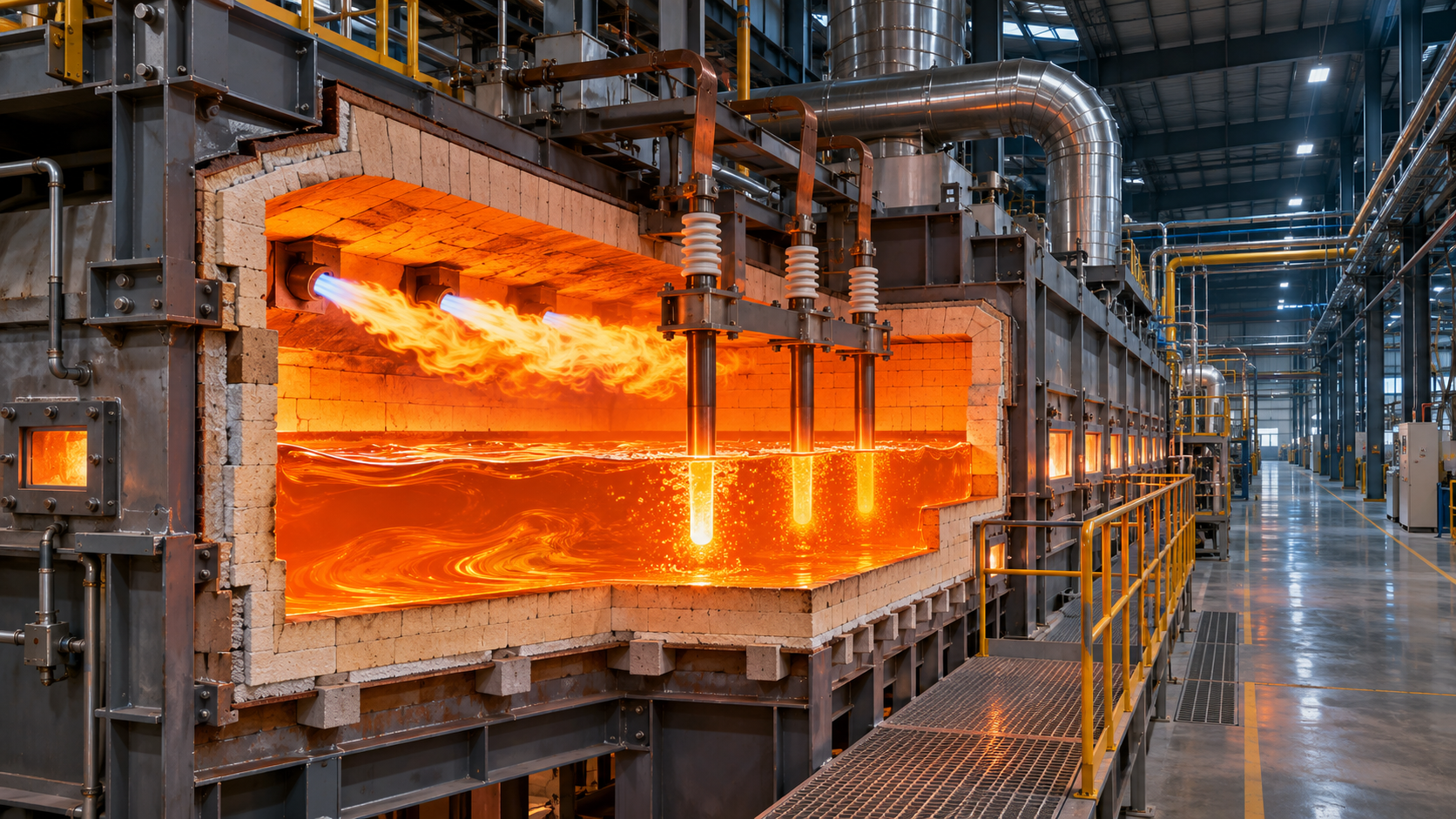
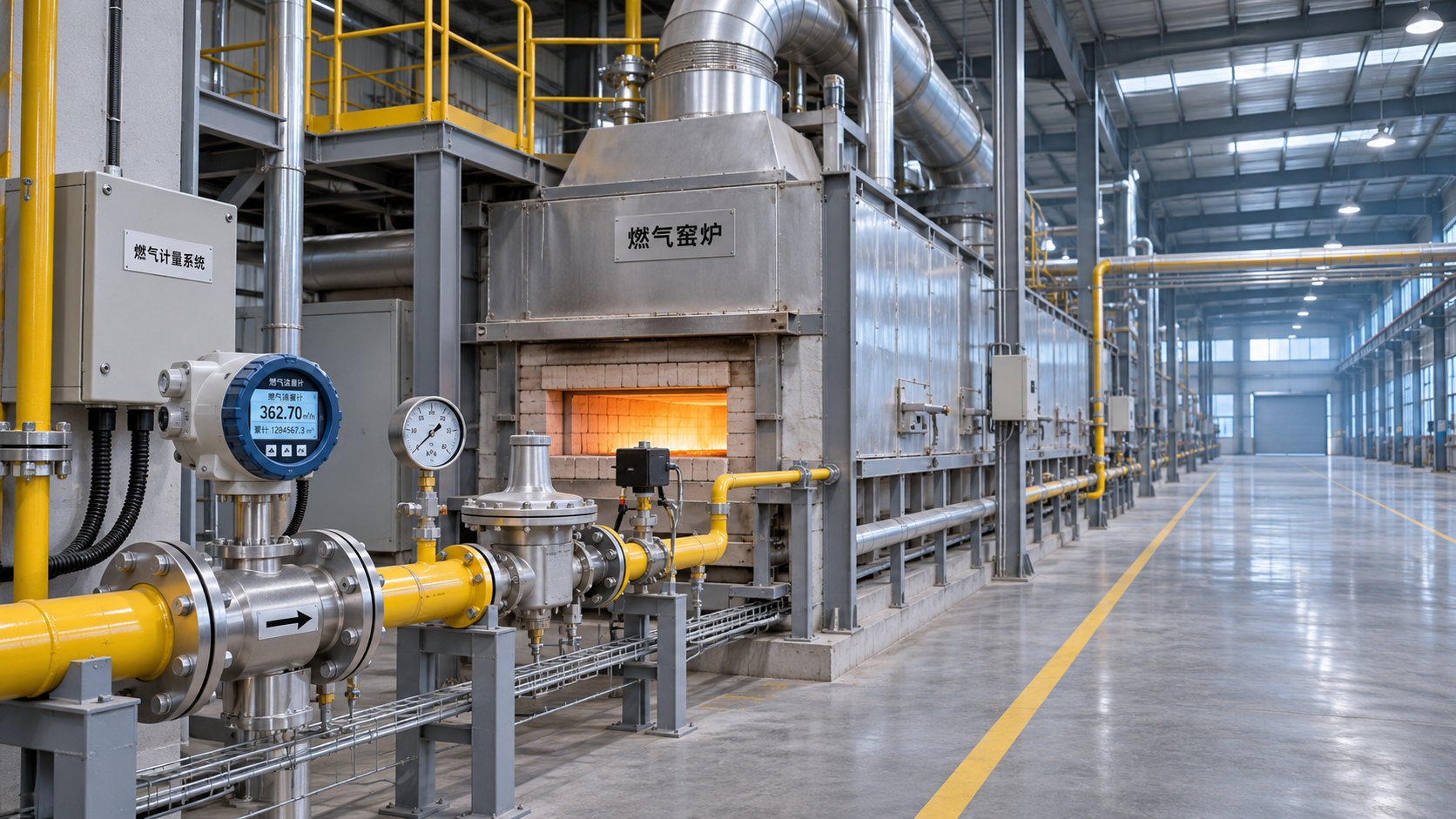
Energy costs remain central to the silicate industry outlook because thermal assets cannot always respond quickly to price changes. Continuous glass furnaces have limited shutdown flexibility. Cement kilns can adjust production, but frequent interruptions carry operating and maintenance consequences. Drying, grinding, compressed air, and emissions-control systems add electricity exposure beyond the main thermal process.
A falling fuel benchmark does not necessarily translate into an immediate margin recovery. Contract terms, network charges, exchange rates, and inventory accounting can delay or dilute the benefit. Conversely, a producer with favorable contracted energy may temporarily outperform competitors even when its equipment is less efficient.
Management should separate three questions: what energy costs today, how much the process consumes, and how much price risk the business retains. Purchasing strategy addresses the first and third. Engineering improvements address the second. Neither substitutes for the other.
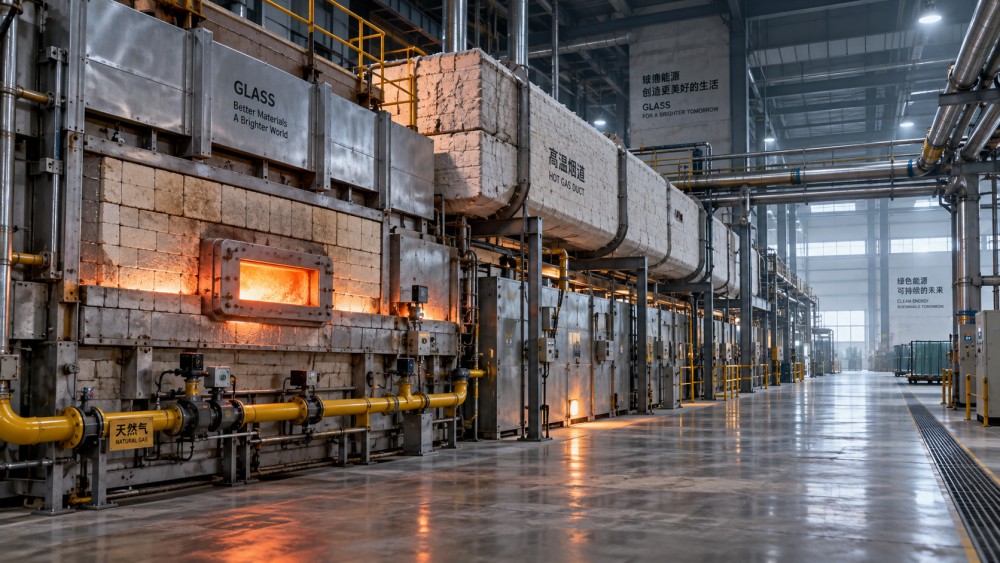
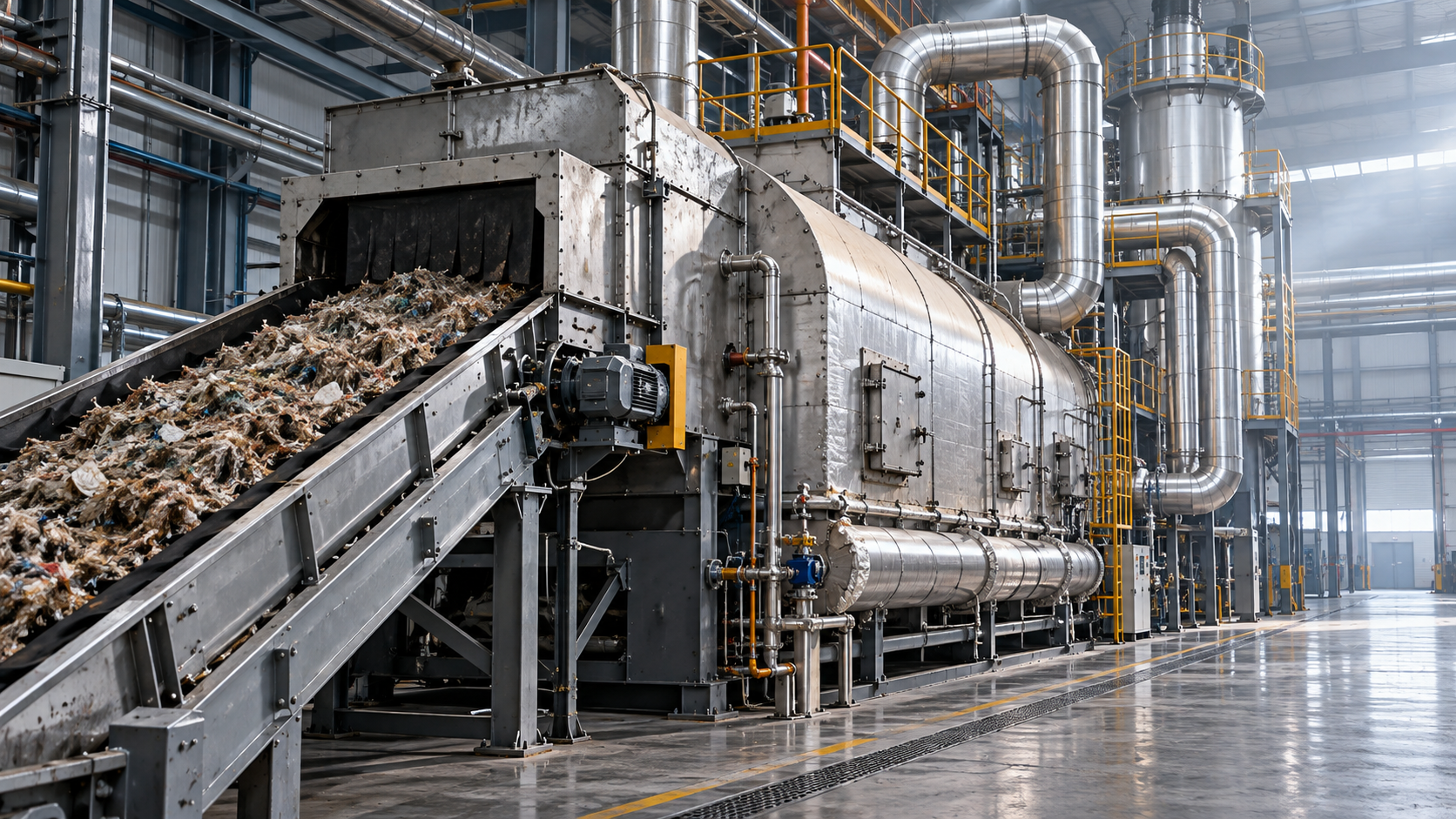
A useful plant energy map traces purchased fuel and electricity through preheating, melting or burning, cooling, finishing, and exhaust losses. It should distinguish recoverable heat from heat that has no practical nearby use. This prevents a common investment error: valuing theoretical waste heat as though every unit could become saleable electricity or useful process heat.
Evaluate improvements against saleable output, not gross throughput alone. Lower energy consumption per tonne is less persuasive if product rejection rises, refractory wear accelerates, or downstream processing becomes harder. The relevant measure is energy cost per conforming tonne, considered alongside maintenance and availability.
Decarbonization changes the cost curve unevenly
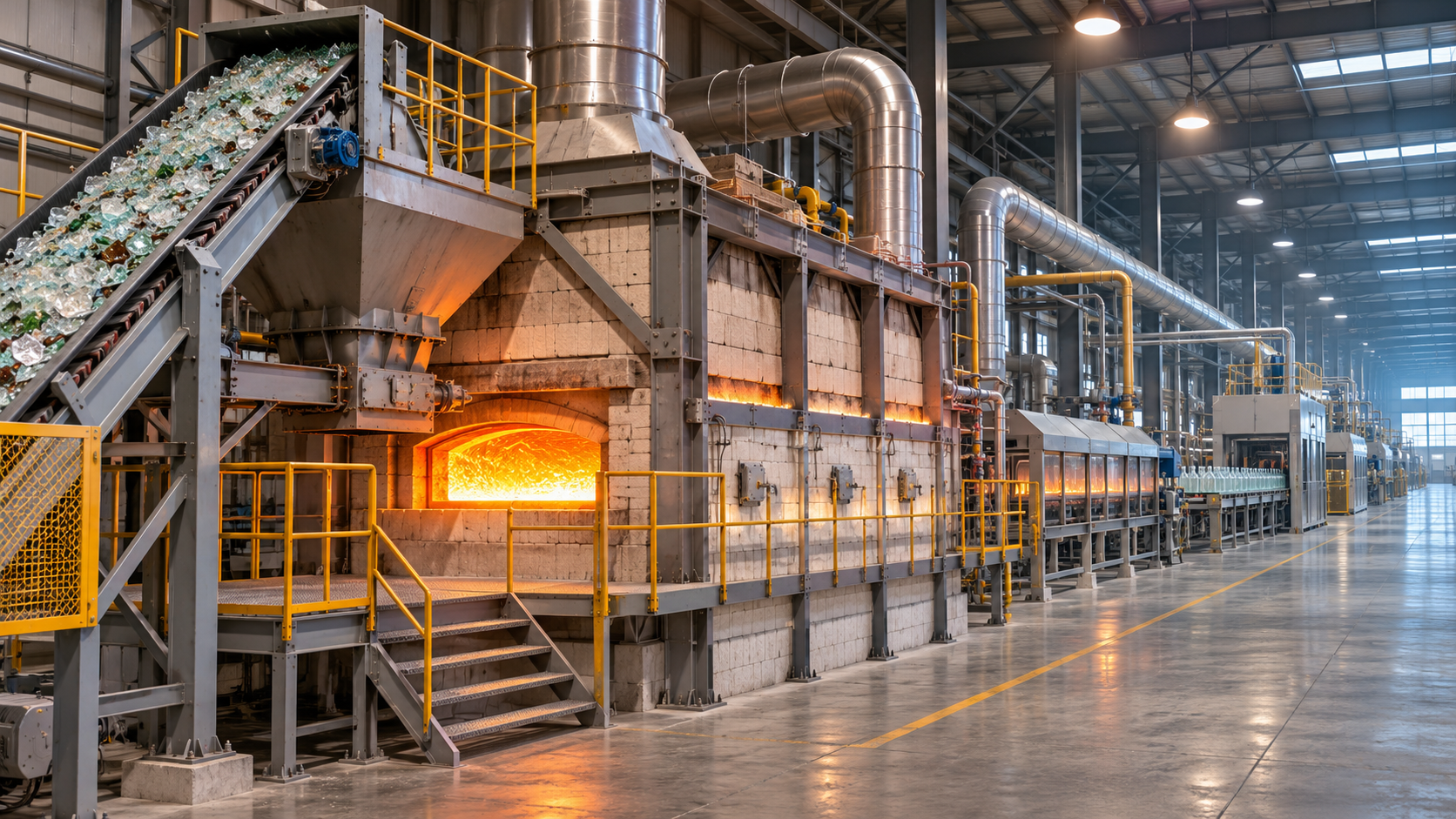
Cement and glass share a dependence on high-temperature processing, but their decarbonization options differ. Cement production generates process emissions from limestone calcination as well as emissions from fuel use. Improving combustion efficiency does not remove the calcination component. Glass strategies may involve furnace efficiency, suitable cullet, electricity, fuel changes, and batch chemistry, subject to product requirements.
For cement, reducing clinker content can lower emissions intensity where cement standards, material availability, and concrete performance allow. The constraint is often not the concept but a dependable supply of suitable supplementary cementitious materials. Changes elsewhere in heavy industry can also alter the availability of familiar inputs such as fly ash and blast-furnace slag.
Alternative fuels introduce another trade-off. Their value depends on preparation costs, moisture, calorific consistency, contaminants, permitting, and effects on kiln stability. Co-processing is not simply a cheaper-fuel purchase. Feed preparation, dosing, emissions monitoring, and bypass requirements may alter the economics substantially.
Electrification needs equally careful screening. Electricity price, grid capacity, connection timing, supply reliability, and process compatibility all matter. A technically feasible installation may still face an unattractive operating cost or an unavailable grid connection.
Carbon-related market access should be assessed by destination and product classification. Reporting obligations, buyer requirements, and applicable carbon-cost mechanisms need current verification. A lower-carbon product should not be assumed to earn a premium unless purchasing criteria or contracts support that expectation.
Supply risk often hides in specifications and maintenance windows
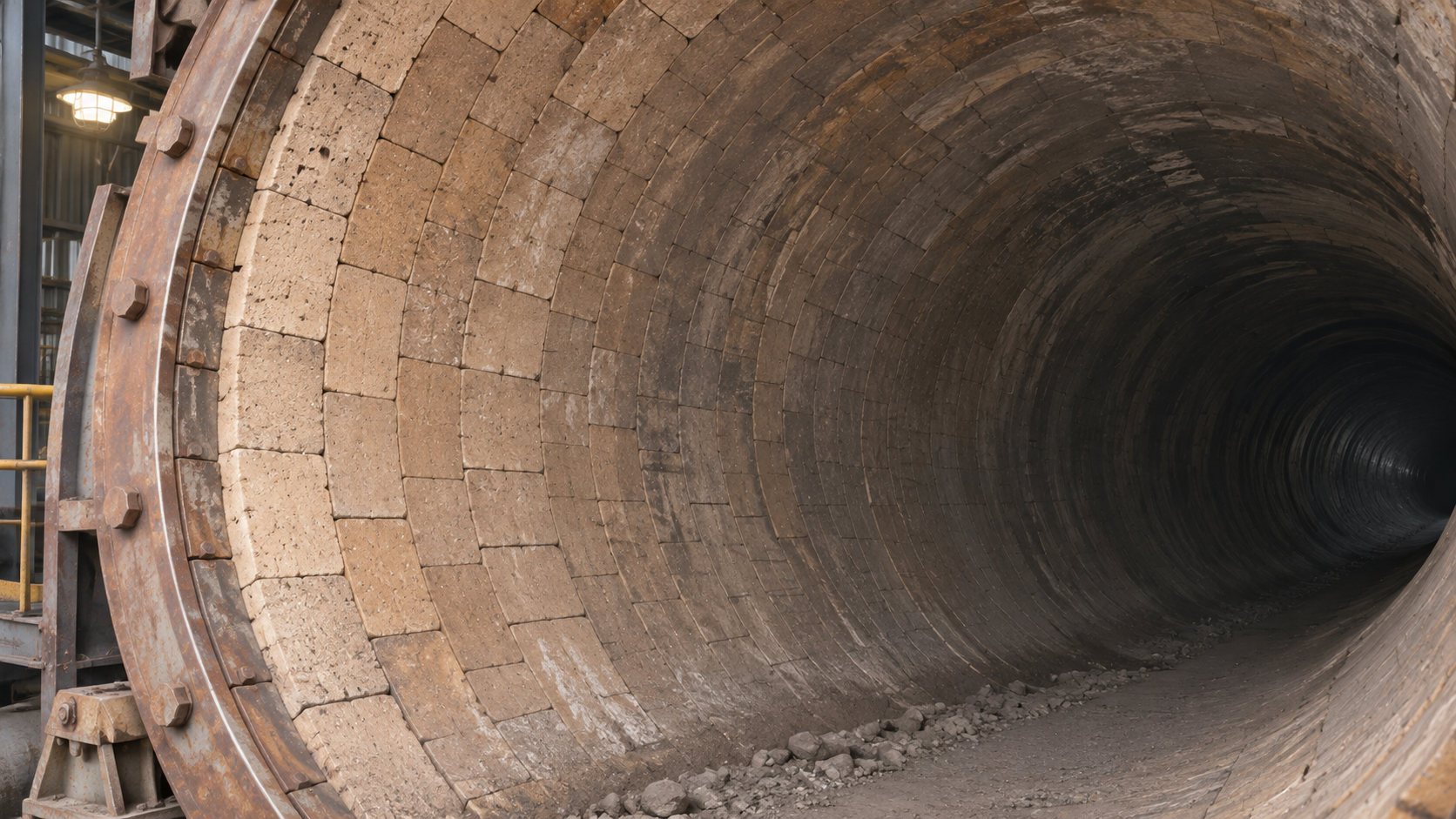
Raw-material availability is only part of supply security. Silica sand may be available regionally, yet material meeting a particular iron-content or particle-size requirement may be harder to secure. Cullet supply depends on collection, sorting, contamination control, and compatibility with the intended glass. Refractory materials must match chemical attack, temperature cycling, and mechanical demands.
Changing suppliers can therefore require testing rather than a straightforward commercial substitution. A lower purchase price can be erased by altered melting behavior, extra grinding, unstable chemistry, or reduced lining life. Procurement teams need process-engineering input before treating alternative sources as interchangeable.
Equipment risk follows a similar pattern. The critical item may be a burner component, control module, specialist bearing, or application-specific refractory shape—not the most expensive asset on the balance sheet. If replacement requires an overseas manufacturing slot and a planned shutdown, ordinary inventory rules may understate its operational importance.
- Separate supplier approval from operational readiness. A supplier is not a usable backup until qualification, logistics, and payment arrangements are workable.
- Align delivery dates with outage schedules. A component arriving after a furnace repair window can create consequences far beyond its purchase value.
- Assess dependencies beyond geography. Two distributors may rely on the same upstream producer, port, or processing facility.
- Check storage constraints. Moisture-sensitive inputs and some refractories require controlled handling; extra inventory is not automatically resilient inventory.
Where equipment investment is easier to defend
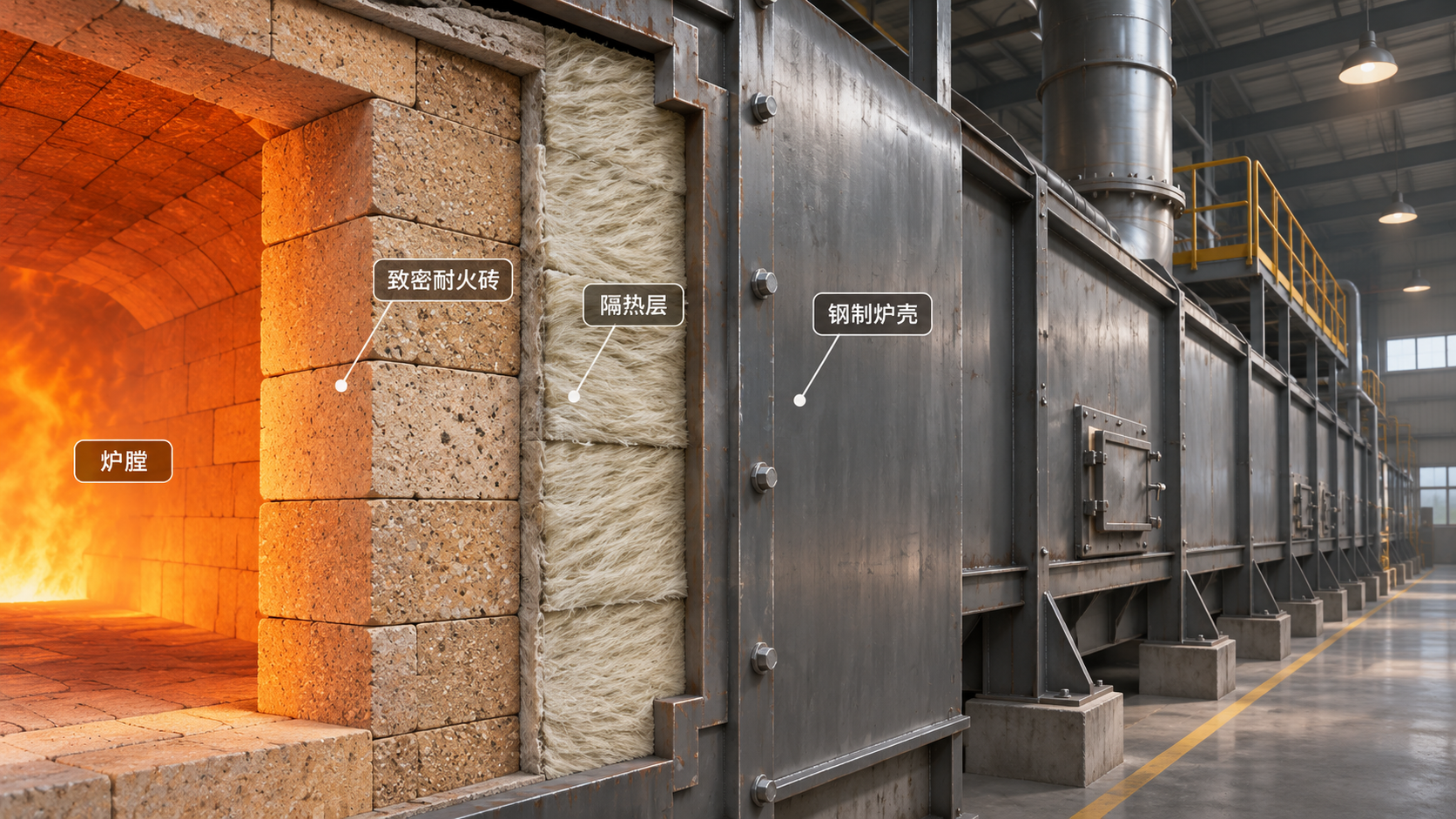
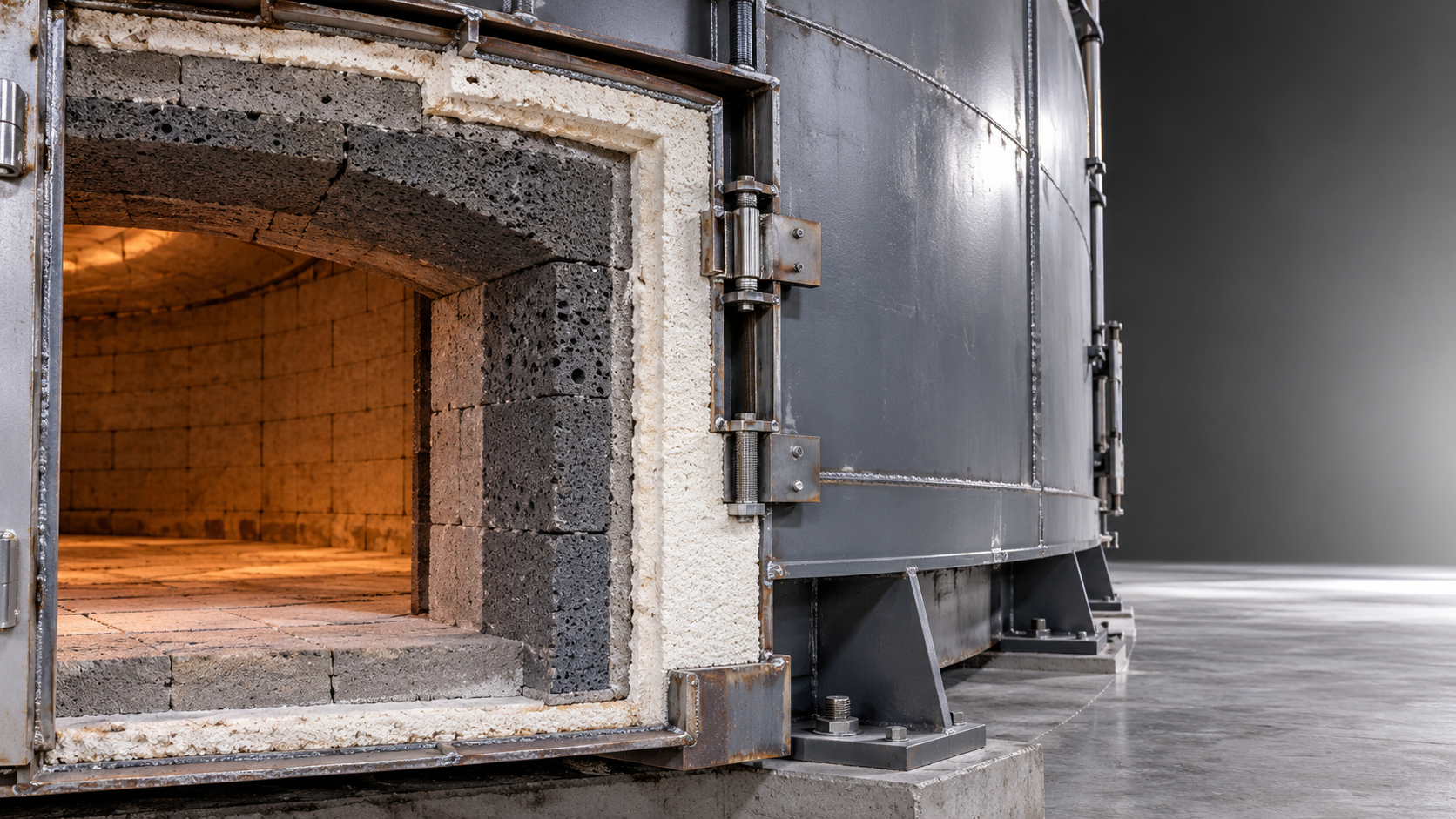
When demand is uncertain, projects that recover lost output or reduce avoidable consumption often deserve examination before major capacity additions. Combustion control, sealing, insulation repair, grinding optimization, and condition monitoring can address identifiable losses. Their value still depends on the plant baseline; there is no universal payback period.
Digital tools require the same discipline. A glass-production digital twin is useful when it supports a defined operating decision and is maintained against reliable plant data. Refractory-lining monitoring can inform maintenance planning, but sensor coverage, interpretation, and response procedures determine whether information changes outcomes.
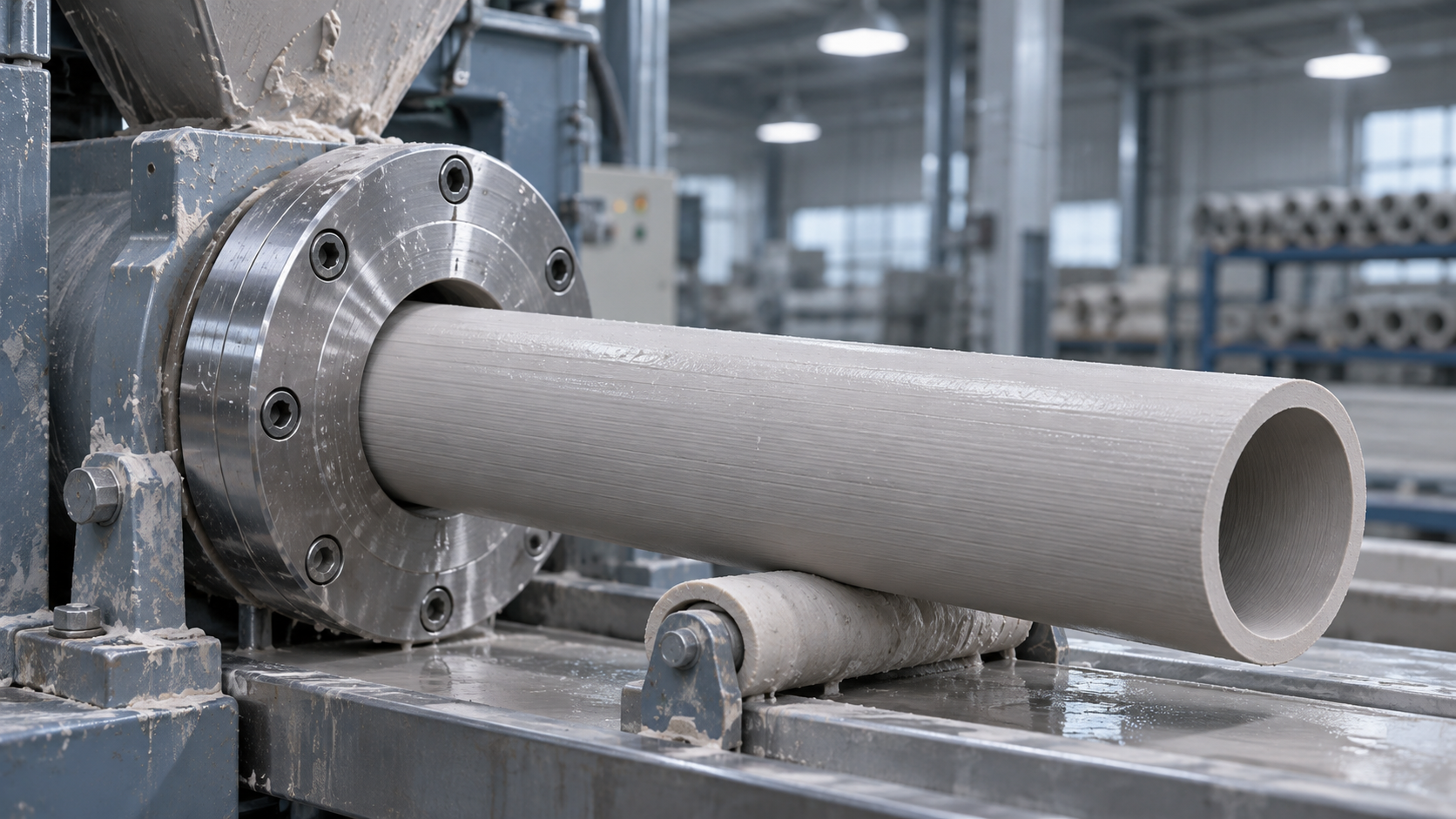
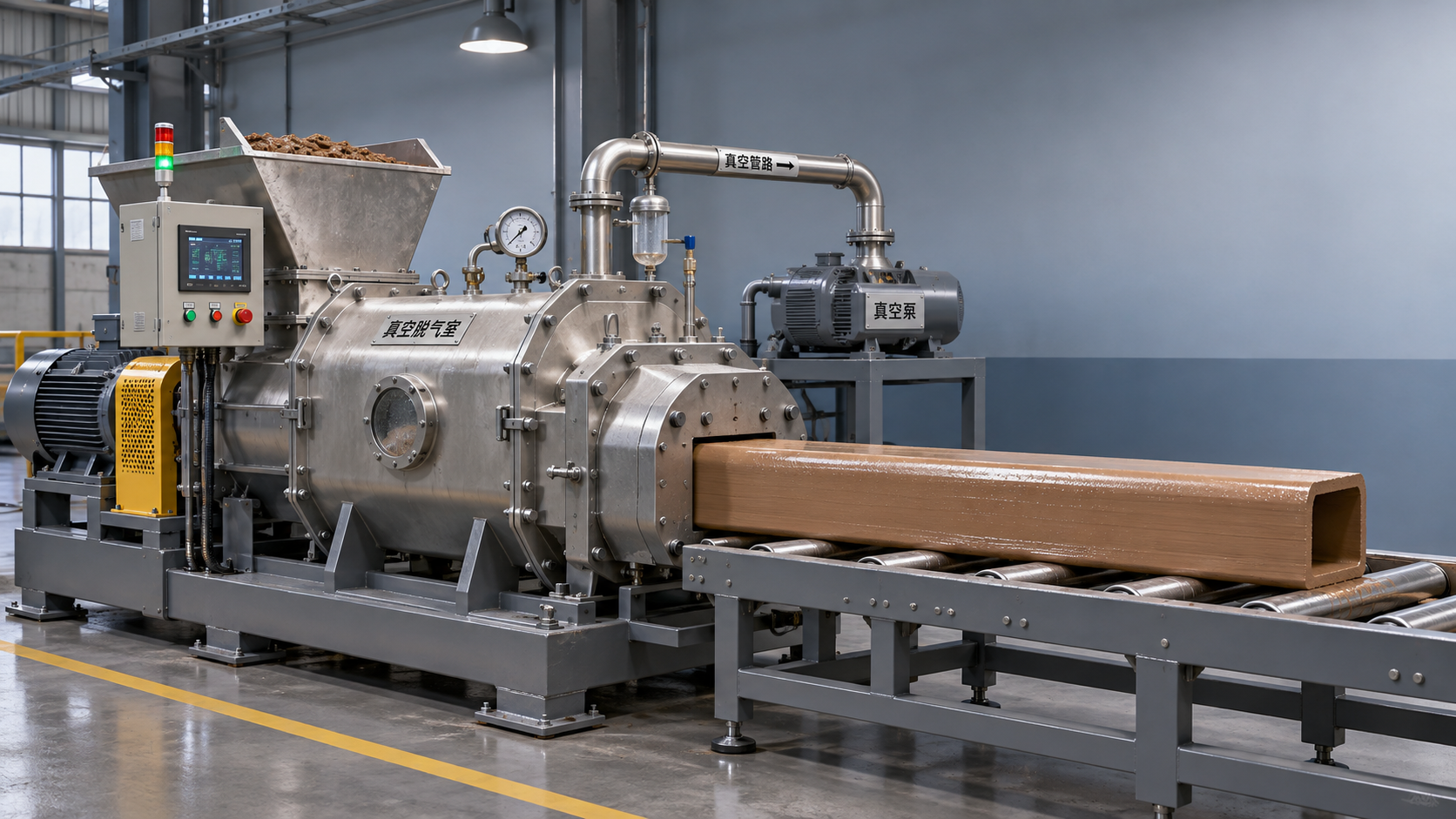
For new building-material extrusion lines, the business case should extend beyond forming capacity. Feed consistency, die wear, drying or curing requirements, handling damage, and product acceptance can become the real bottlenecks. Increasing extruder output without balancing downstream equipment may simply increase work in progress.
Compare projects using downside conditions as well as the expected case: lower utilization, weaker selling prices, higher power charges, or delayed commissioning. An upgrade that remains viable under moderate stress may be more defensible than expansion requiring continuously strong demand.
Turn market signals into explicit investment conditions
A useful outlook should explain what would change a decision. Expansion may depend on qualified customer commitments and confirmed utilities. A fuel-conversion project may require stable alternative-fuel specifications and permitting clarity. A furnace rebuild may need to align product demand, refractory procurement, and contractor availability within one outage window.
This is the connection The Global Cera-Forge Hub (CF-Elite) seeks to make through its coverage of cement production, glass manufacturing, kilns and incineration, refractory systems, and material extrusion. Linking market developments with thermal-process constraints helps distinguish a commercially attractive trend from an executable plant investment.
For the next planning cycle, test each major commitment against three pieces of evidence: addressable demand, verified operating economics, and a deliverable supply chain. If one remains weak, define the missing evidence and the spending decision it must precede. That is more useful than relying on a broad market growth forecast to carry the entire investment case.
Related News
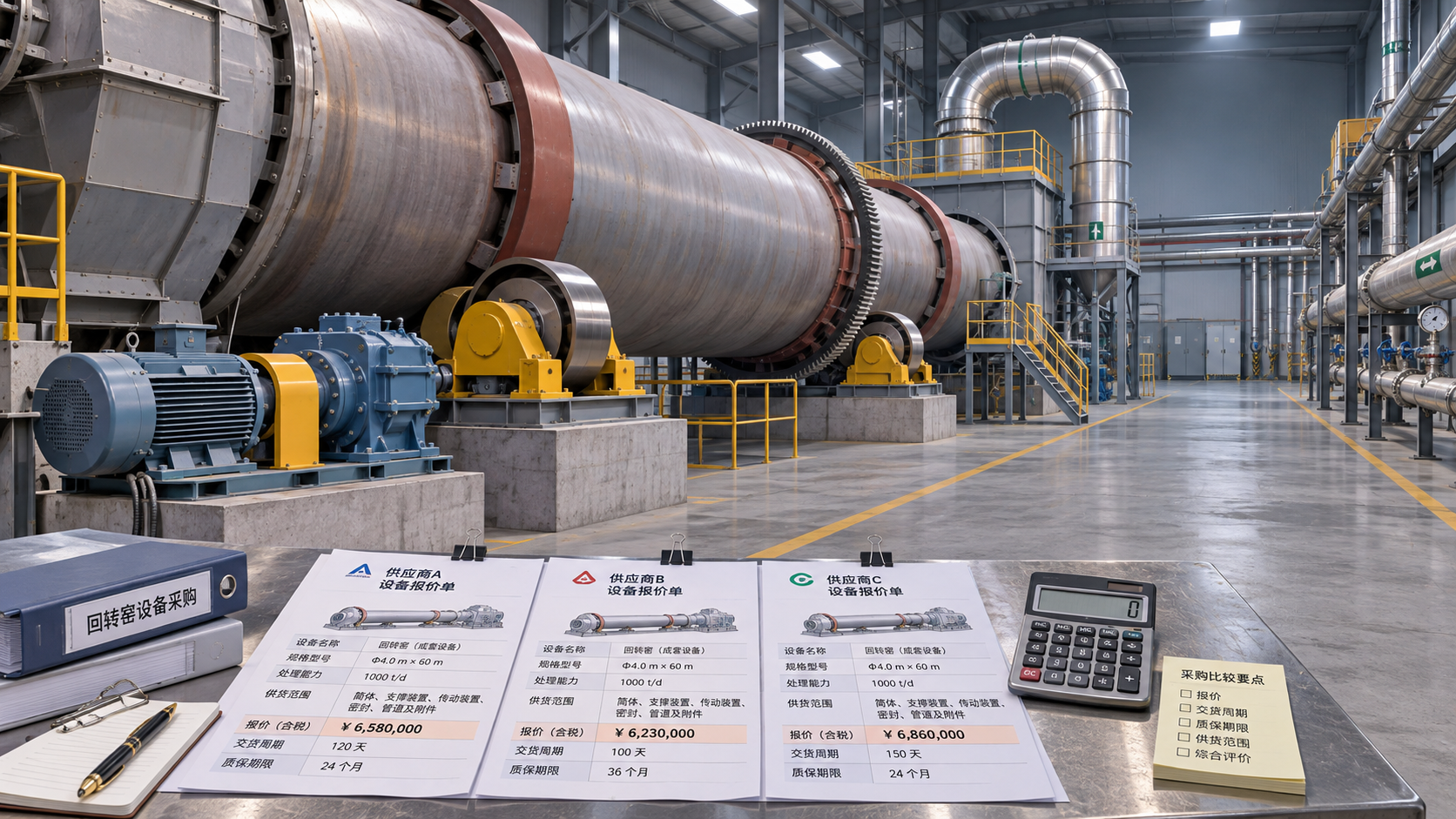
 Ms. Elena RodriguezProcess Equipment Pricing: How to Compare Quotes and Total CostsMaster process equipment comparison pricing: compare supplier quotes, uncover hidden costs, and evaluate lifetime expenses to make a confident buying decision.Nov 17, 2026
 Prof. Marcus ChenGlobal Cement Industry Decarbonization: Key Technologies and Cost BarriersExplore global cement industry decarbonization technologies, cost barriers, and practical investment strategies to cut emissions while protecting competitiveness.Nov 16, 2026
 Structural Material AnalystChoosing Specification Preparation Support for North American ProjectsChoose specification preparation support North America projects can rely on. Compare technical expertise, compliance, interfaces, and supplier acceptance criteria.Nov 14, 2026
 Structural Material AnalystSpecialty Ceramic Extrusion: How Material Properties Affect FormingExplore how ceramic specialized material extrusion is shaped by particle size, binders, and solids loading—and learn to improve forming and reduce defects.Nov 13, 2026
 Ms. Elena RodriguezHigh-Pressure Molding Equipment Prices in Europe: What Affects the Total Cost?Explore high pressure molding equipment price Europe buyers can expect to assess, from tooling and installation to running costs. Compare quotes with confidence.Nov 12, 2026
 Structural Material AnalystChoosing a Vacuum Extrusion System: Capacity, Materials and Vacuum LevelsChoosing a vacuum extrusion system? Compare capacity, material behavior and vacuum levels to improve product quality and select the right equipment.Nov 11, 2026
 Optical Glass Tech FellowGlass Melting Innovations: Comparing Electric and Hybrid Furnace TechnologiesExplore glass melting innovations and compare electric and hybrid furnaces by energy use, emissions, glass quality and operating costs to find the right fit.Nov 10, 2026
 Thermal Energy ArchitectHow Thermal Barrier Technology for Kilns Reduces Heat LossDiscover how thermal barrier technology for kilns reduces heat loss, and learn how to select insulation and assess savings without compromising lining durability.Nov 09, 2026
 Prof. Marcus ChenGlobal Materials Trends: What North American Manufacturers Need to KnowExplore global material trends North America manufacturers need to know, from energy costs and supply chains to lower-carbon materials and smarter investment decisions.Nov 08, 2026
 Thermal Energy ArchitectSelecting Abrasion-Resistant Refractories for High-Wear Kiln LiningsExplore advanced refractory materials abrasion resistant enough for high-wear kiln linings. Compare wear mechanisms, thermal stability, installation and lifecycle costs.Nov 06, 2026
 Dr. Alistair VaughnIndustrial Energy Efficiency Certification: ISO 50001 Requirements for PlantsExplore industrial energy efficiency certification with ISO 50001. Learn how plants define scope, measure performance and prepare credible evidence for audits.Nov 05, 2026
 Ms. Elena RodriguezWhat Is an Industrial Intelligence Database and How Is It Used?Discover how an industrial intelligence database helps researchers map markets, track projects, compare technologies, and assess evidence with confidence.Nov 04, 2026
 Ms. Elena RodriguezIndustrial Material Pricing: How Freight and Order Volume Affect QuotesExplore industrial material pricing and learn how freight, order volume, and inventory costs affect quotes. Compare suppliers and make smarter purchasing decisions.Nov 03, 2026
 Structural Material AnalystSingle- vs. Twin-Screw Extrusion Systems: Which Suits Your Material?Choose the right specialized extrusion systems screw type for your material. Compare single- and twin-screw options to improve quality and control costs.Nov 02, 2026
 Thermal Energy ArchitectChoosing Thermal Barrier Materials for Kilns: Temperature and Heat LossExplore thermal barrier materials for kilns and learn how to balance temperature resistance, heat loss, durability and operating costs when selecting a lining.Nov 01, 2026
 Ms. Elena RodriguezSupplier Reference Platform Pricing: Fees and Contract Terms to CompareCompare supplier reference platform pricing, hidden fees, verification costs and contract terms to choose the right solution for your sourcing team.Oct 31, 2026
 Ms. Elena RodriguezSupplier Comparison Metrics: How to Score Cost, Quality, and DeliveryUse supplier comparison metrics to score cost, quality, and delivery with a practical weighted scorecard. Make more confident equipment sourcing decisions.Oct 30, 2026
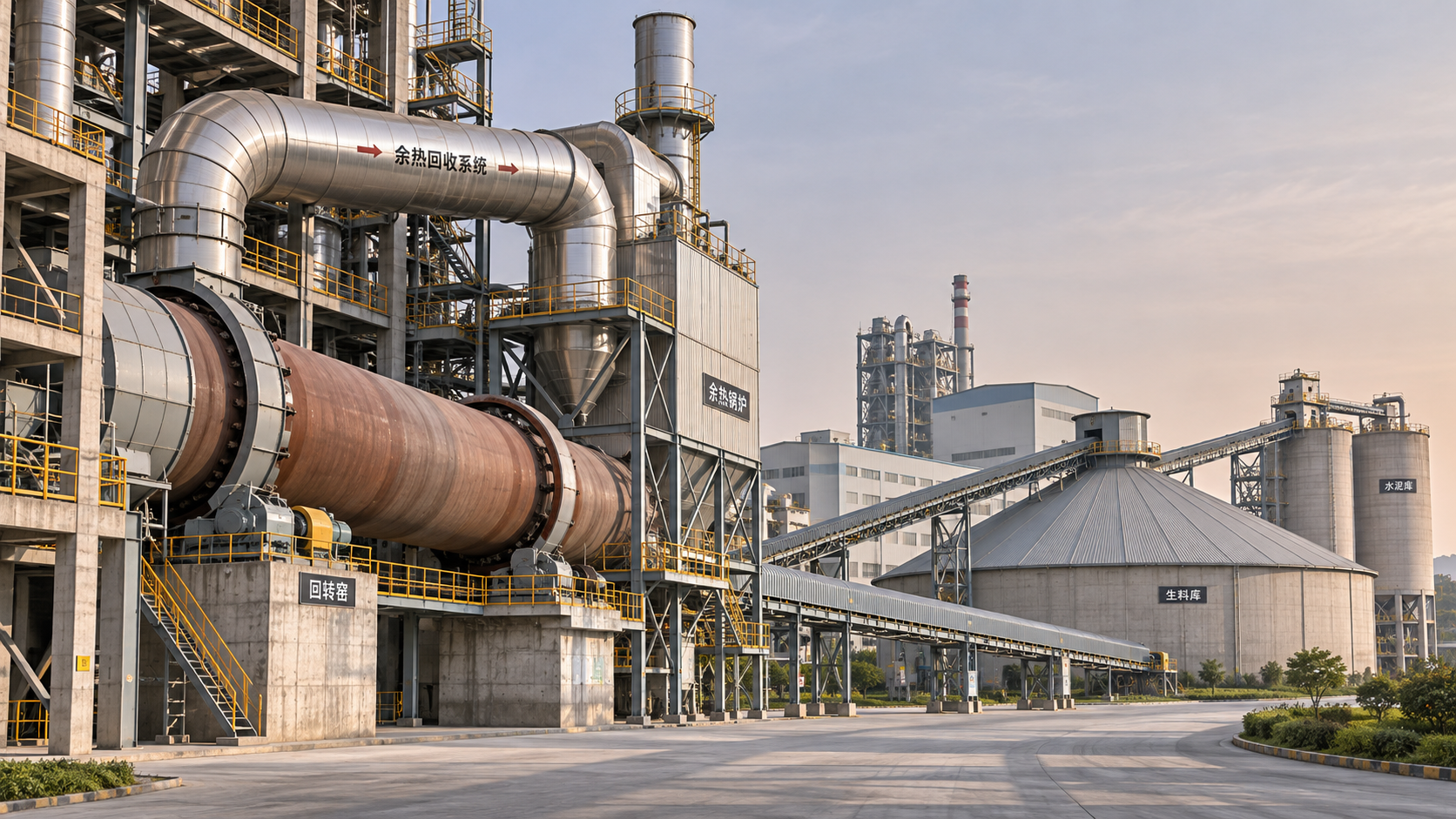
 Ms. Elena RodriguezWhat Does Industrial Waste Heat Recovery Cost, and When Does It Pay Back?Understand industrial waste heat recovery cost, from equipment and installation to net savings. Learn how to compare quotes, assess risks, and calculate realistic payback before investing.Oct 29, 2026
 Thermal Energy ArchitectChoosing Industrial Waste-to-Energy Equipment by Waste Moisture and Heating ValueChoose industrial waste to energy equipment by moisture and heating value. Compare technologies, fuel needs, and supplier guarantees to make a confident investment.Oct 28, 2026
 Thermal Energy ArchitectChoosing Industrial Kiln Insulation for High Heat and Repeated Thermal CyclingExplore high temperature industry solutions for kiln insulation under repeated thermal cycling. Compare materials, reduce heat loss, and select the right lining for your operating conditions.Oct 27, 2026



Related News
- 00
0000-00
Global Cement Industry Decarbonization: Key Technologies and Cost Barriers - 00
0000-00
Global Materials Trends: What North American Manufacturers Need to Know - 00
0000-00
Heavy Equipment Intelligence Market: Fleet Analytics Demand and Adoption Barriers - 00
0000-00
Silicate Industry Outlook: Demand Drivers, Energy Costs, and Supply Risks - 00
0000-00
Which Industrial Decarbonization Projects Have the Fastest Payback?
0000-00
Weekly Insights
Stay ahead with our curated technology reports delivered every Monday.