
What Does Industrial Waste Heat Recovery Cost, and When Does It Pay Back?




A hot exhaust stack at a cement plant, glass furnace, or industrial kiln can suggest an obvious saving, yet the investment proposal often changes once ductwork, shutdown time, and usable heat demand are included. Industrial waste heat recovery cost is the total installed and commissioned cost—not just the heat exchanger or generator price. Payback occurs when cumulative net savings recover that investment; high exhaust temperature alone does not guarantee a short return.
There is no defensible universal project price or payback period without a defined capacity, heat source, receiving process, location, and installation scope. The practical starting point is to establish how much energy can actually displace purchased fuel or electricity, then obtain budget quotations against the same technical boundary. A smaller system serving a continuous heat load may outperform a larger system that captures more heat but has nowhere useful to send it.
Establish the heat you can sell back to your own process
Before requesting prices, distinguish available heat from useful recovered heat. Exhaust flow and temperature indicate the source potential. Recoverable duty is lower because the system must respect minimum outlet temperatures, exchanger performance, fouling, and operating limits. Useful duty can be lower again if the receiving process cannot absorb that heat when it is available.
For preliminary screening of a gas stream without condensation, thermal duty can be estimated from mass flow, specific heat, and the allowable temperature drop. A detailed design must account for changing gas properties and composition. Condensing recovery requires a different calculation and suitable materials, condensate handling, and corrosion controls.
Build the assessment around operating records rather than the furnace nameplate. Record:
- Exhaust temperature and flow across normal production rates, including startup and low-load operation.
- Dust loading, gas chemistry, moisture, and conditions that can cause deposits or corrosion.
- Simultaneous demand for combustion-air preheating, feed drying, hot water, steam, or electricity.
- Distances between the heat source and user, along with available space and access.
- Existing draft limits, emissions-control requirements, and permissible process disturbances.
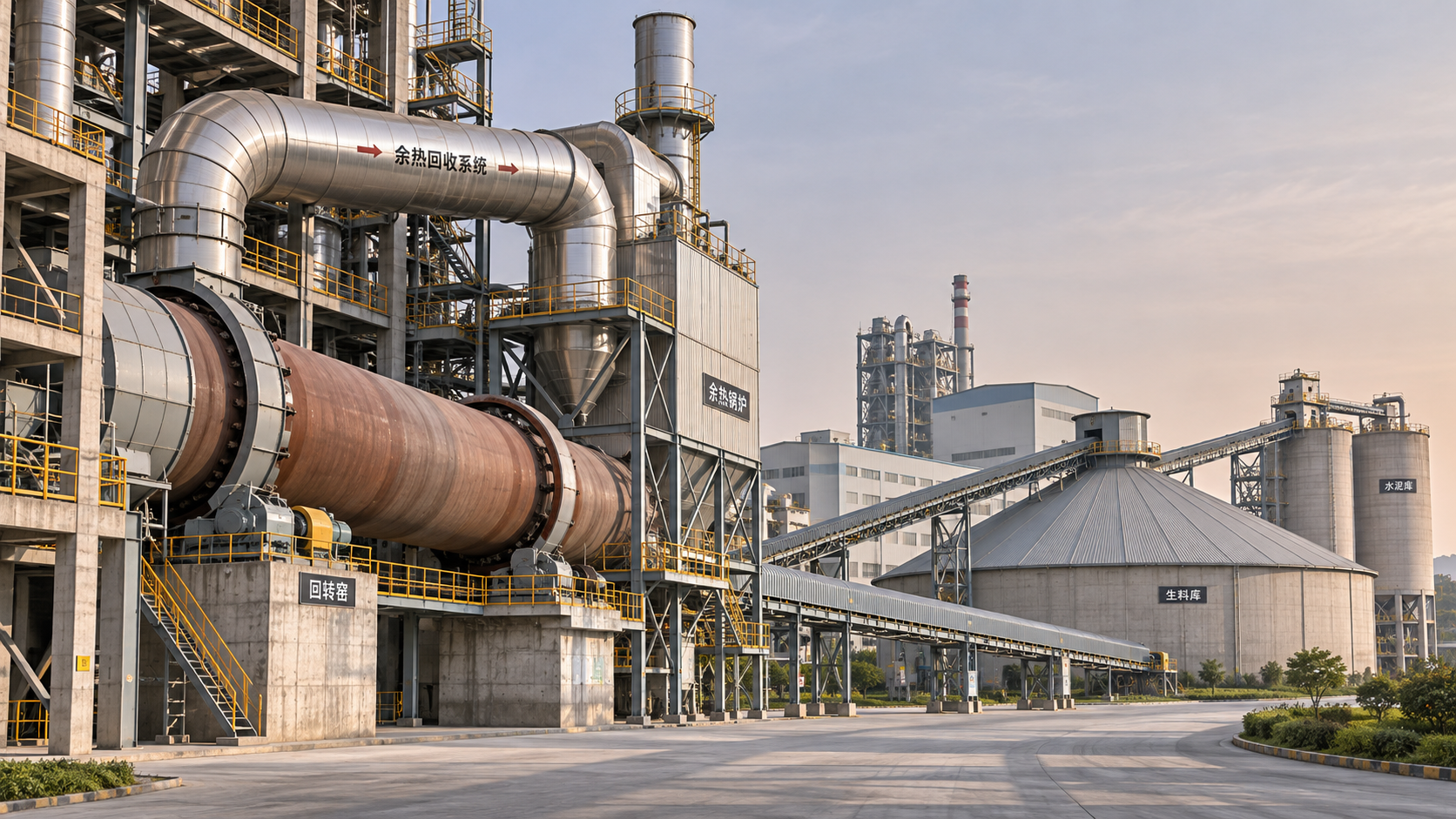
In cement production, exhaust energy may already support raw-material drying. Recovering it elsewhere can increase fuel use in that existing duty. At a glass furnace, proposed recovery must account for heat already reused by regenerators or recuperators. The baseline should include these existing functions so the proposal does not count the same energy twice.
Choose the recovery route before comparing prices
Different technologies produce different outputs. Comparing their equipment prices without valuing those outputs can make the least suitable option appear cheapest.
Direct heat reuse often deserves the first assessment because it avoids converting heat into electricity. It is not automatically the best investment: long transfer distances, contamination risks, or mismatched operating schedules can undermine it. Power generation may be worth evaluating where thermal demand is limited, but its business case must use net output rather than the thermal energy entering the system.
Build an installed-cost boundary that survives procurement
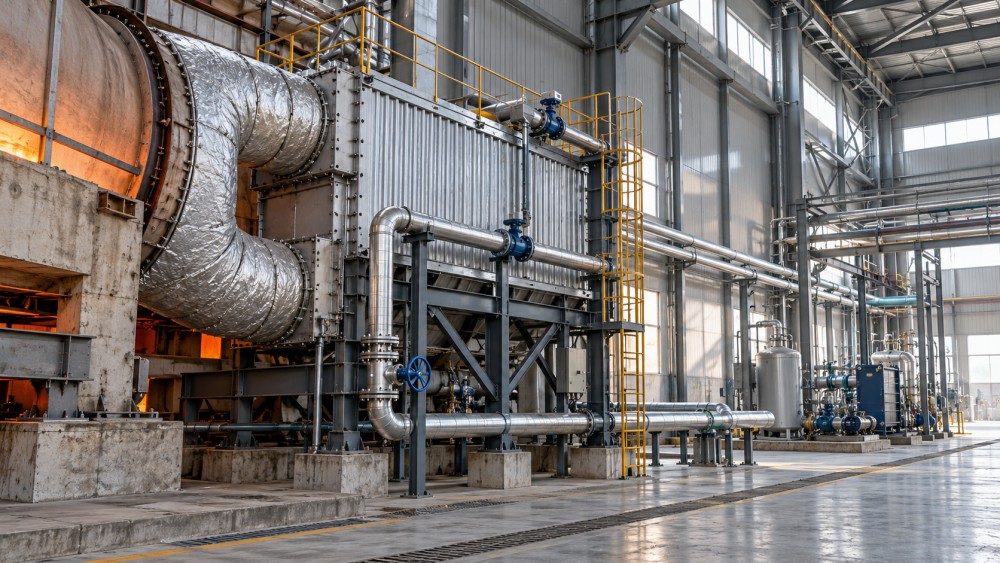
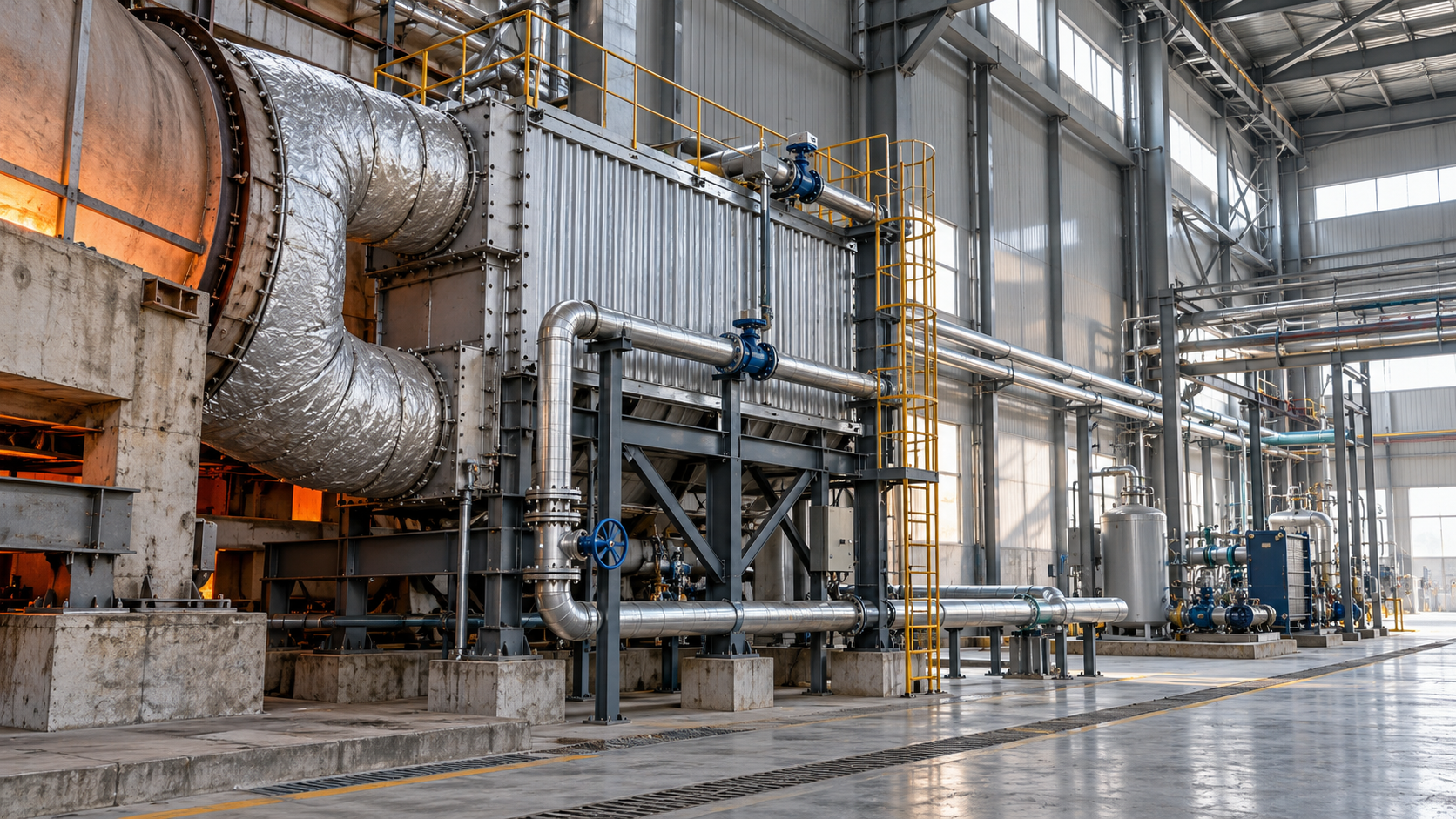
A supplier quotation may cover a packaged exchanger, boiler, or generating unit while excluding much of the work needed to operate it. For an existing plant, integration can determine both the budget and the outage schedule.
Request a cost breakdown that separates the following categories:
- Core equipment: heat-transfer surfaces, pressure parts where applicable, turbines or expanders, pumps, fans, and packaged controls.
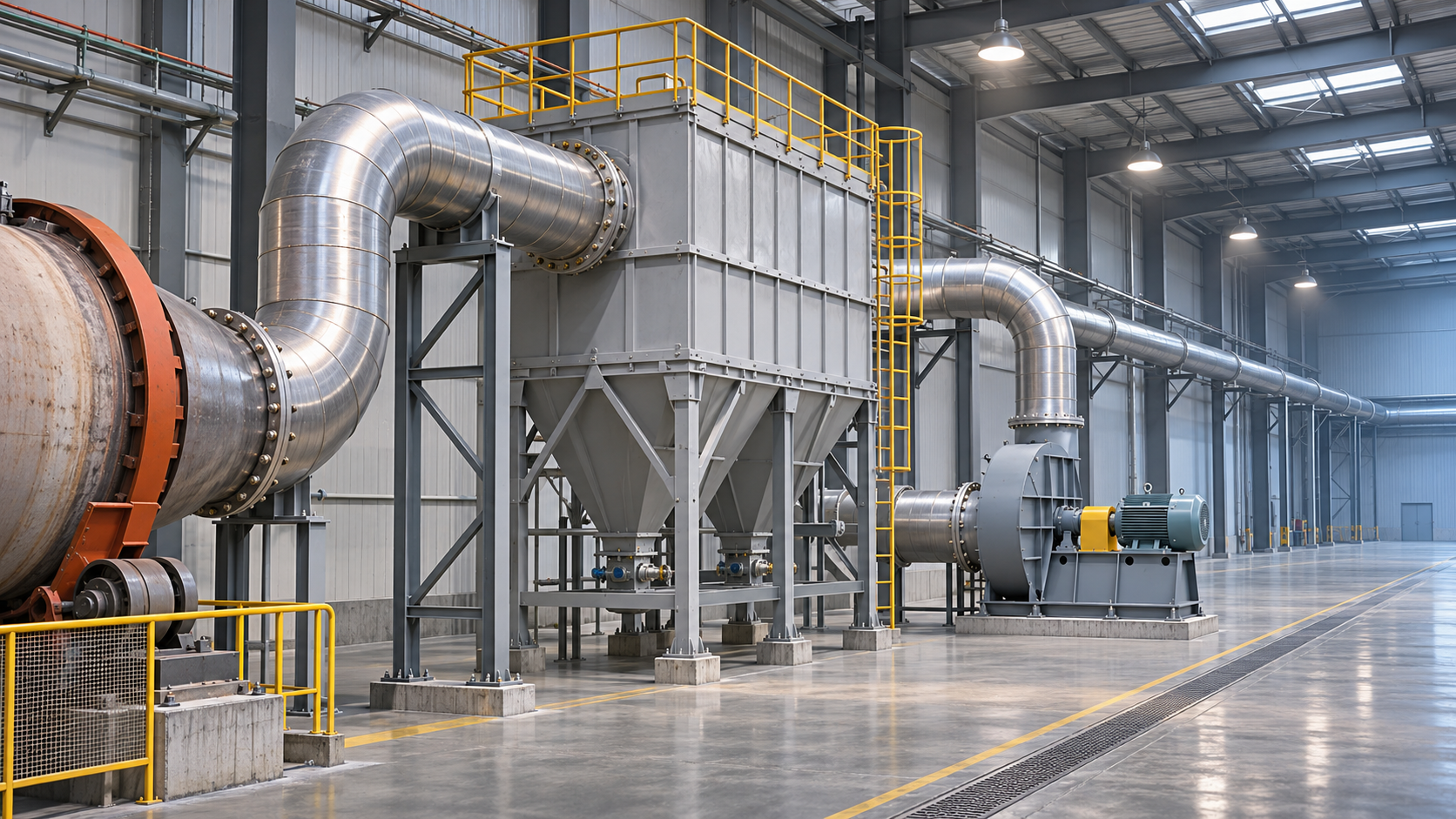
- Process connections: ductwork, dampers, bypasses, valves, piping, expansion joints, and insulation.
- Site works: foundations, structural steel, lifting, access platforms, electrical distribution, and instrumentation.
- Engineering and approvals: surveys, detailed design, process studies, applicable inspections, and permitting work.
- Startup and owner costs: commissioning, training, initial spares, project management, and production impacts during tie-ins.
- Risk allowance: contingency linked to unresolved scope, site conditions, and design maturity.
Freight, duties, taxes, currency exposure, and price validity also need explicit treatment. A budget estimate with unverified duct routing should not carry the same confidence as a quotation based on a completed site survey.
Downtime requires particular care. The relevant cost is the economic impact of lost production, considering whether output can be recovered later—not automatically the full sales value of every missed unit. A tie-in during an already planned shutdown may reduce incremental disruption, but only if installation and commissioning fit that outage.
Calculate payback from net savings, not recovered energy
Simple payback = total project investment ÷ annual net cash savings.
This calculation is useful for screening, provided both terms have consistent boundaries. For heat reuse, calculate the purchased energy actually avoided. If recovered heat replaces a fuel-fired boiler, account for the boiler’s relevant operating efficiency. Delivered recovered heat and displaced fuel input are not necessarily equal.
Annual net savings = avoided energy expenditure − additional operating and maintenance expenditure.
Additional costs can include fan and pump electricity, water treatment, cleaning, inspections, consumables, replacement parts, service contracts, and incremental staffing. Increased exhaust-side pressure drop can raise fan power or constrain production. Include these effects rather than treating recovered heat as free energy after installation.
Use the tariff component that actually disappears
Apply the marginal price of displaced energy. An electricity bill may contain demand charges or fixed fees that remain unchanged after recovery is installed. A power-generation proposal should not claim savings against those charges unless the operating pattern demonstrably reduces them. Exported electricity may also have a different value from electricity consumed onsite.
Annual operating hours must represent useful recovery, not simply furnace availability. A continuously operating kiln does not deliver continuous savings to a dryer that runs intermittently. Use time-matched source and demand data; separate operating states where temperatures, loads, or energy prices differ materially.
Keep simple payback distinct from investment appraisal. For capital approval, use discounted cash flow to account for expenditure timing, taxes, working capital where relevant, major maintenance, equipment life, and residual or decommissioning costs. Financing assumptions should follow the company’s appraisal method so debt costs are not counted twice. Include incentives or carbon-related value separately, and only when eligibility and realizable value are supportable.
Stress-test the assumptions that can reverse the decision
A single annual savings figure hides the conditions under which a project stops meeting its investment threshold. Build a base case from measured operations, then test downside conditions individually and together.
The relationships are straightforward: lower net savings lengthen payback, while higher capital expenditure raises the savings required to meet the same target. Calculate the minimum annual net savings needed by dividing investment by the company’s maximum acceptable simple-payback period. Then determine whether the measured heat balance and demand profile can support that requirement.
A project that passes only with maximum production, clean exchanger performance, and favorable energy prices has little operating margin. That does not necessarily justify rejection, but it does justify a smaller first stage, additional measurement, or tighter contractual protection before approval.
Make competing quotations technically comparable
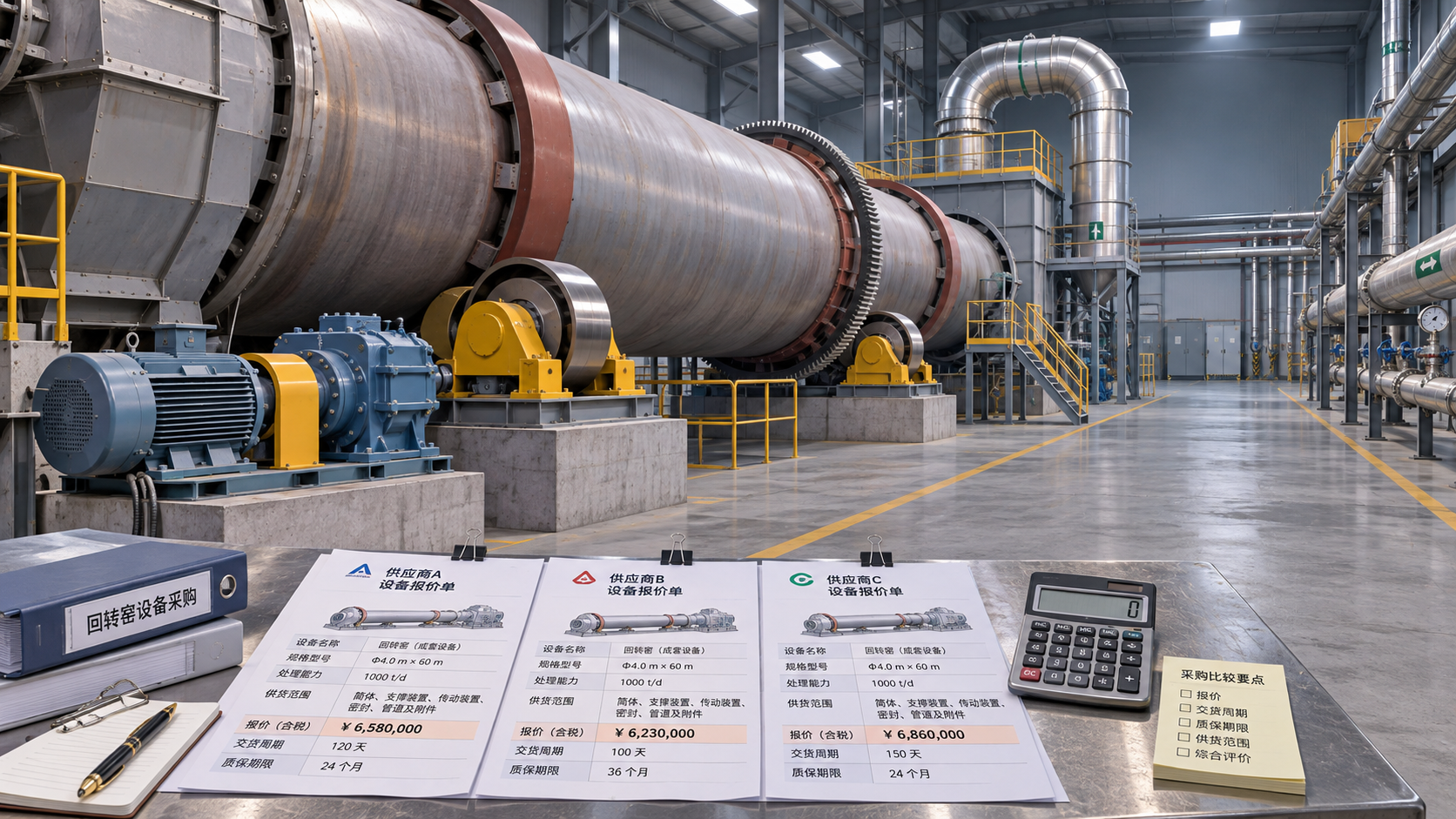
Issue a common design basis rather than asking several vendors for a general waste heat recovery cost. Specify source conditions as operating ranges, gas composition, fouling expectations, annual profiles, required output conditions, utility availability, and the installation boundary.
Each bid should state guaranteed useful output at defined conditions, auxiliary consumption, allowable pressure drop, cleaning requirements, materials, exclusions, and anticipated maintenance access. For power systems, require net export or net onsite output after package auxiliaries, with site-level auxiliary loads identified separately.
Acceptance testing needs an agreed measurement method, instrument accuracy, stabilization period, and correction procedure for conditions that differ from the design basis. Otherwise, a nominal performance guarantee may be difficult to verify. Identify who carries responsibility for process-side integration and whether remedies address an output shortfall, excessive pressure drop, or both.
In dirty or corrosive service, exchanger area and purchase price are insufficient comparison points. Evaluate cleaning access, replaceable components, expected deposit behavior, and the consequences of leakage. A lower-cost unit that requires frequent production interruptions can have a higher lifecycle cost.
Set the approval boundary around production risk
Heat recovery should not compromise the process generating the heat. Confirm that bypass arrangements, isolation, controls, and failure responses allow safe operation when recovery equipment is unavailable. Kiln draft, furnace pressure, downstream gas treatment, and minimum exhaust temperatures need process-specific engineering review. Pressure systems and changes affecting emissions controls also require applicable safety and regulatory assessment.
Advance the project when useful demand is demonstrated, installation scope is sufficiently defined, and downside economics remain acceptable. Where those conditions are missing, fund the specific work that resolves them: temporary metering, gas characterization, a routing survey, or integration engineering. That is a more defensible next commitment than approving a full system on the strength of a hot-stack temperature and a package quotation.
Related News
 Ms. Elena RodriguezProcess Equipment Pricing: How to Compare Quotes and Total CostsMaster process equipment comparison pricing: compare supplier quotes, uncover hidden costs, and evaluate lifetime expenses to make a confident buying decision.Nov 17, 2026
 Prof. Marcus ChenGlobal Cement Industry Decarbonization: Key Technologies and Cost BarriersExplore global cement industry decarbonization technologies, cost barriers, and practical investment strategies to cut emissions while protecting competitiveness.Nov 16, 2026
 Structural Material AnalystChoosing Specification Preparation Support for North American ProjectsChoose specification preparation support North America projects can rely on. Compare technical expertise, compliance, interfaces, and supplier acceptance criteria.Nov 14, 2026
 Structural Material AnalystSpecialty Ceramic Extrusion: How Material Properties Affect FormingExplore how ceramic specialized material extrusion is shaped by particle size, binders, and solids loading—and learn to improve forming and reduce defects.Nov 13, 2026
 Ms. Elena RodriguezHigh-Pressure Molding Equipment Prices in Europe: What Affects the Total Cost?Explore high pressure molding equipment price Europe buyers can expect to assess, from tooling and installation to running costs. Compare quotes with confidence.Nov 12, 2026
 Structural Material AnalystChoosing a Vacuum Extrusion System: Capacity, Materials and Vacuum LevelsChoosing a vacuum extrusion system? Compare capacity, material behavior and vacuum levels to improve product quality and select the right equipment.Nov 11, 2026
 Optical Glass Tech FellowGlass Melting Innovations: Comparing Electric and Hybrid Furnace TechnologiesExplore glass melting innovations and compare electric and hybrid furnaces by energy use, emissions, glass quality and operating costs to find the right fit.Nov 10, 2026
 Thermal Energy ArchitectHow Thermal Barrier Technology for Kilns Reduces Heat LossDiscover how thermal barrier technology for kilns reduces heat loss, and learn how to select insulation and assess savings without compromising lining durability.Nov 09, 2026
 Prof. Marcus ChenGlobal Materials Trends: What North American Manufacturers Need to KnowExplore global material trends North America manufacturers need to know, from energy costs and supply chains to lower-carbon materials and smarter investment decisions.Nov 08, 2026
 Thermal Energy ArchitectSelecting Abrasion-Resistant Refractories for High-Wear Kiln LiningsExplore advanced refractory materials abrasion resistant enough for high-wear kiln linings. Compare wear mechanisms, thermal stability, installation and lifecycle costs.Nov 06, 2026
 Dr. Alistair VaughnIndustrial Energy Efficiency Certification: ISO 50001 Requirements for PlantsExplore industrial energy efficiency certification with ISO 50001. Learn how plants define scope, measure performance and prepare credible evidence for audits.Nov 05, 2026
 Ms. Elena RodriguezWhat Is an Industrial Intelligence Database and How Is It Used?Discover how an industrial intelligence database helps researchers map markets, track projects, compare technologies, and assess evidence with confidence.Nov 04, 2026
 Ms. Elena RodriguezIndustrial Material Pricing: How Freight and Order Volume Affect QuotesExplore industrial material pricing and learn how freight, order volume, and inventory costs affect quotes. Compare suppliers and make smarter purchasing decisions.Nov 03, 2026
 Structural Material AnalystSingle- vs. Twin-Screw Extrusion Systems: Which Suits Your Material?Choose the right specialized extrusion systems screw type for your material. Compare single- and twin-screw options to improve quality and control costs.Nov 02, 2026
 Thermal Energy ArchitectChoosing Thermal Barrier Materials for Kilns: Temperature and Heat LossExplore thermal barrier materials for kilns and learn how to balance temperature resistance, heat loss, durability and operating costs when selecting a lining.Nov 01, 2026
 Ms. Elena RodriguezSupplier Reference Platform Pricing: Fees and Contract Terms to CompareCompare supplier reference platform pricing, hidden fees, verification costs and contract terms to choose the right solution for your sourcing team.Oct 31, 2026
 Ms. Elena RodriguezSupplier Comparison Metrics: How to Score Cost, Quality, and DeliveryUse supplier comparison metrics to score cost, quality, and delivery with a practical weighted scorecard. Make more confident equipment sourcing decisions.Oct 30, 2026
 Ms. Elena RodriguezWhat Does Industrial Waste Heat Recovery Cost, and When Does It Pay Back?Understand industrial waste heat recovery cost, from equipment and installation to net savings. Learn how to compare quotes, assess risks, and calculate realistic payback before investing.Oct 29, 2026
 Thermal Energy ArchitectChoosing Industrial Waste-to-Energy Equipment by Waste Moisture and Heating ValueChoose industrial waste to energy equipment by moisture and heating value. Compare technologies, fuel needs, and supplier guarantees to make a confident investment.Oct 28, 2026
 Thermal Energy ArchitectChoosing Industrial Kiln Insulation for High Heat and Repeated Thermal CyclingExplore high temperature industry solutions for kiln insulation under repeated thermal cycling. Compare materials, reduce heat loss, and select the right lining for your operating conditions.Oct 27, 2026


Related News
- 00
0000-00
Process Equipment Pricing: How to Compare Quotes and Total Costs - 00
0000-00
High-Pressure Molding Equipment Prices in Europe: What Affects the Total Cost? - 00
0000-00
What Is an Industrial Intelligence Database and How Is It Used? - 00
0000-00
Industrial Material Pricing: How Freight and Order Volume Affect Quotes - 00
0000-00
Supplier Reference Platform Pricing: Fees and Contract Terms to Compare
0000-00
Weekly Insights
Stay ahead with our curated technology reports delivered every Monday.