
Process Equipment Pricing: How to Compare Quotes and Total Costs




The lowest quote for a rotary kiln, glass melting system, or industrial extruder does not always deliver the lowest long-term cost. A price that looks attractive in the purchasing file can become less appealing once the project team adds foundations, fuel consumption, spare parts, and the cost of a delayed start-up. For procurement professionals, process equipment comparison pricing means looking beyond the purchase price to establish what each supplier is offering, what the buyer must provide, and what the equipment is likely to cost throughout its working life.
The challenge is not simply to collect more numbers. It is to make those numbers comparable. The approach below provides a practical way to normalize quotations, test operating assumptions, and document the trade-offs behind a purchasing decision.
Start with the operating duty, not the supplier’s headline price
Before comparing quotations, confirm that suppliers have priced equipment for the same production requirement. A nominal capacity quoted under ideal conditions may not represent the output your plant needs from its actual raw materials, fuel, product mix, and operating schedule.
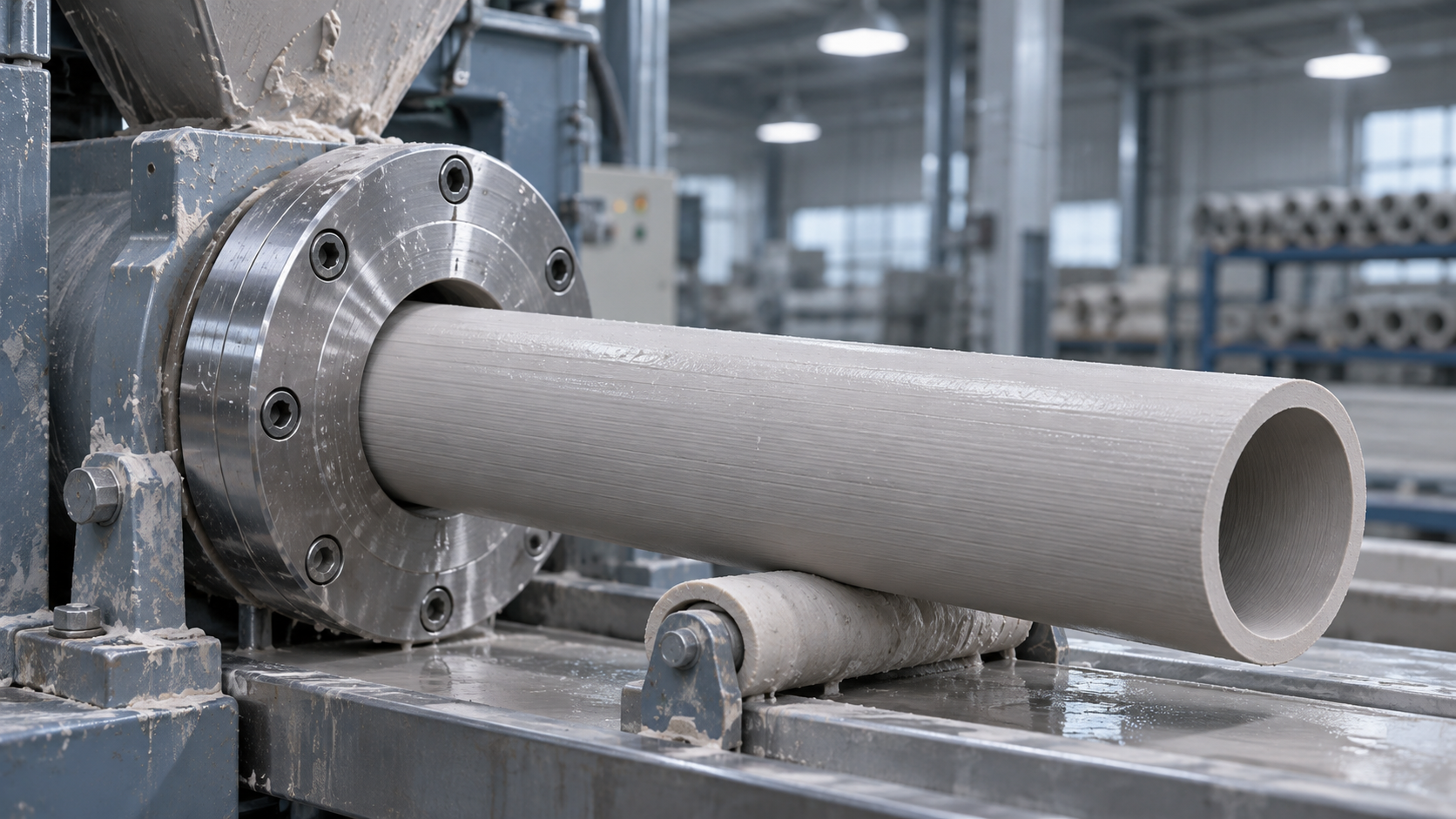
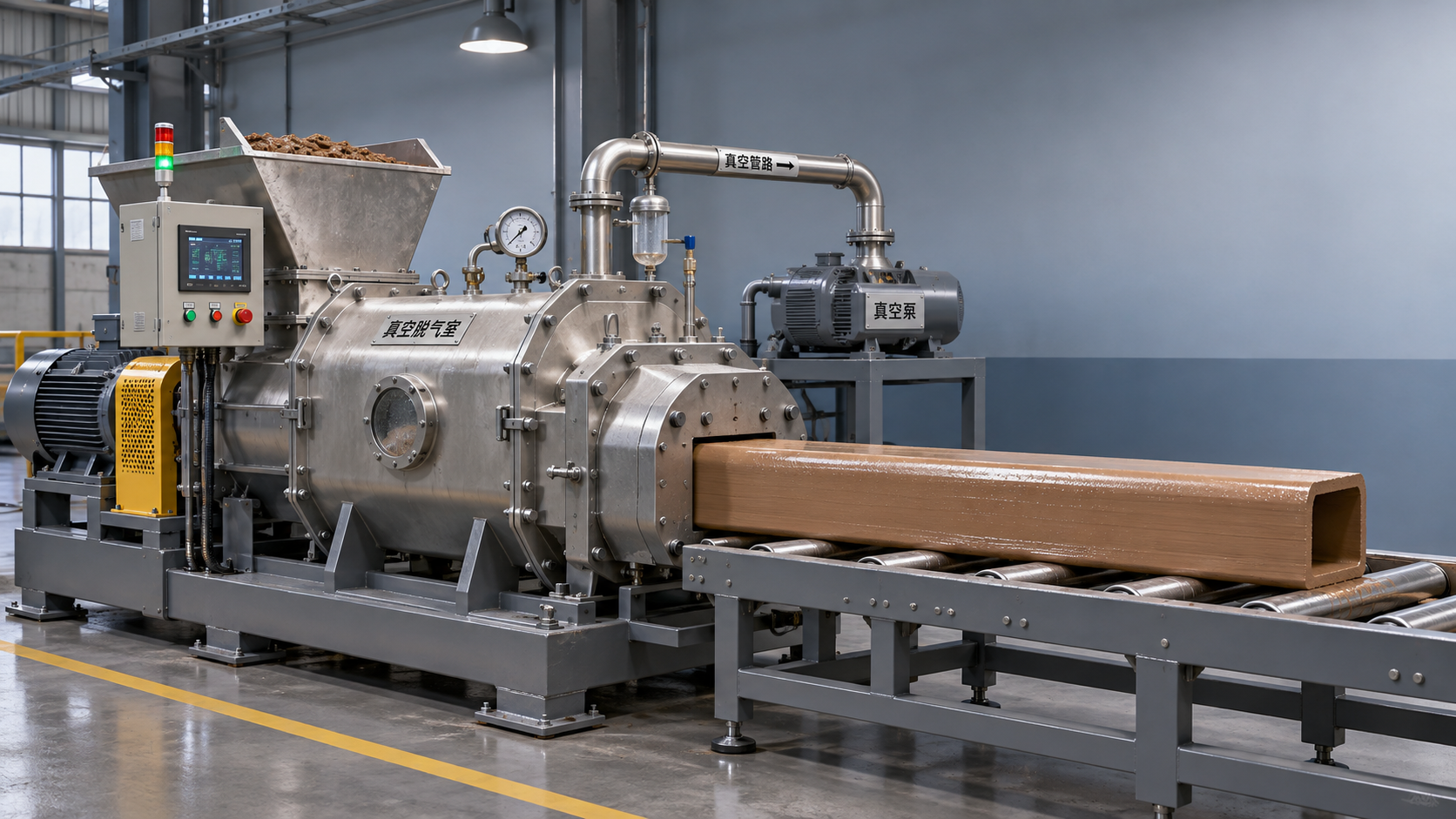
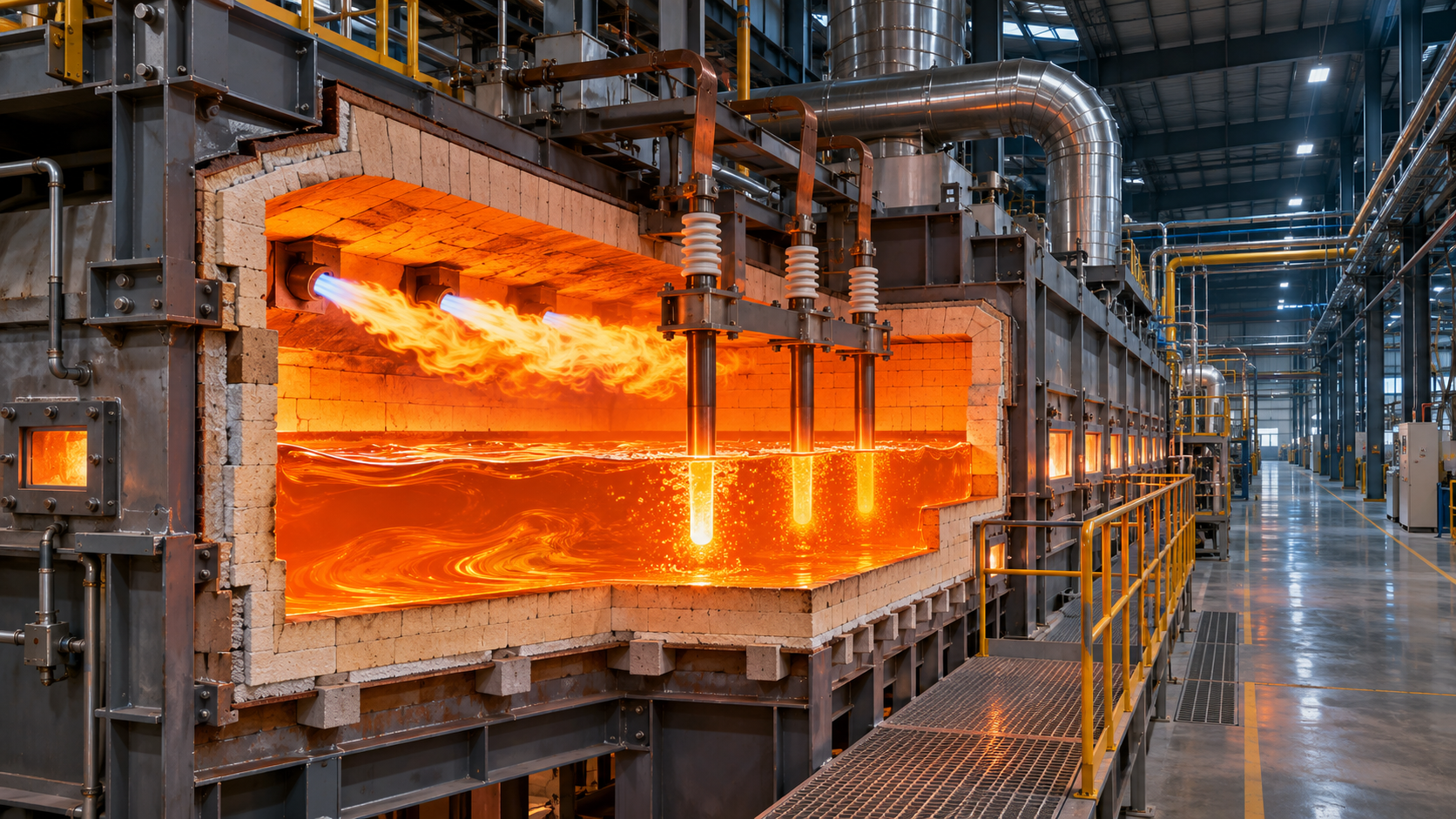
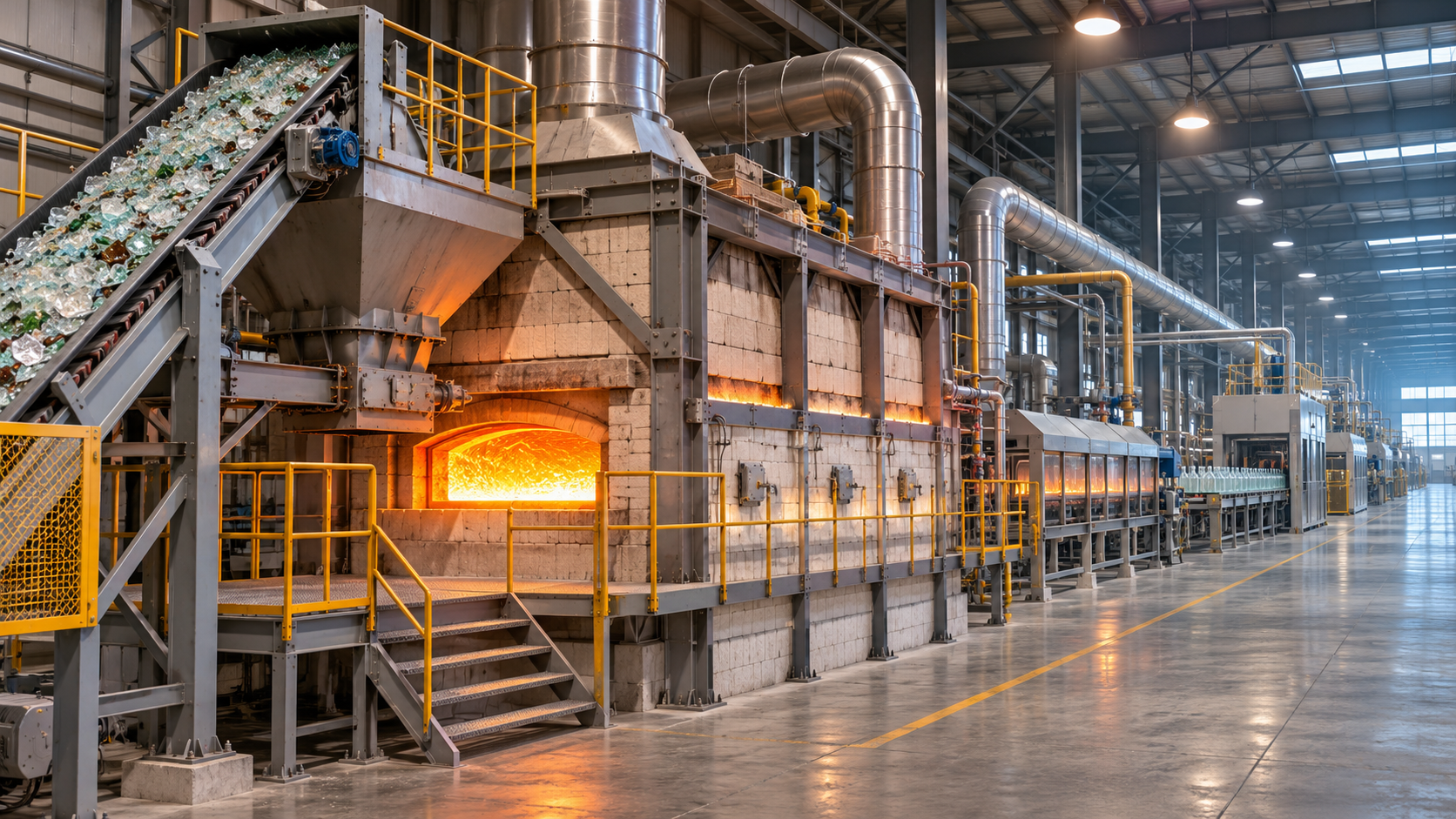
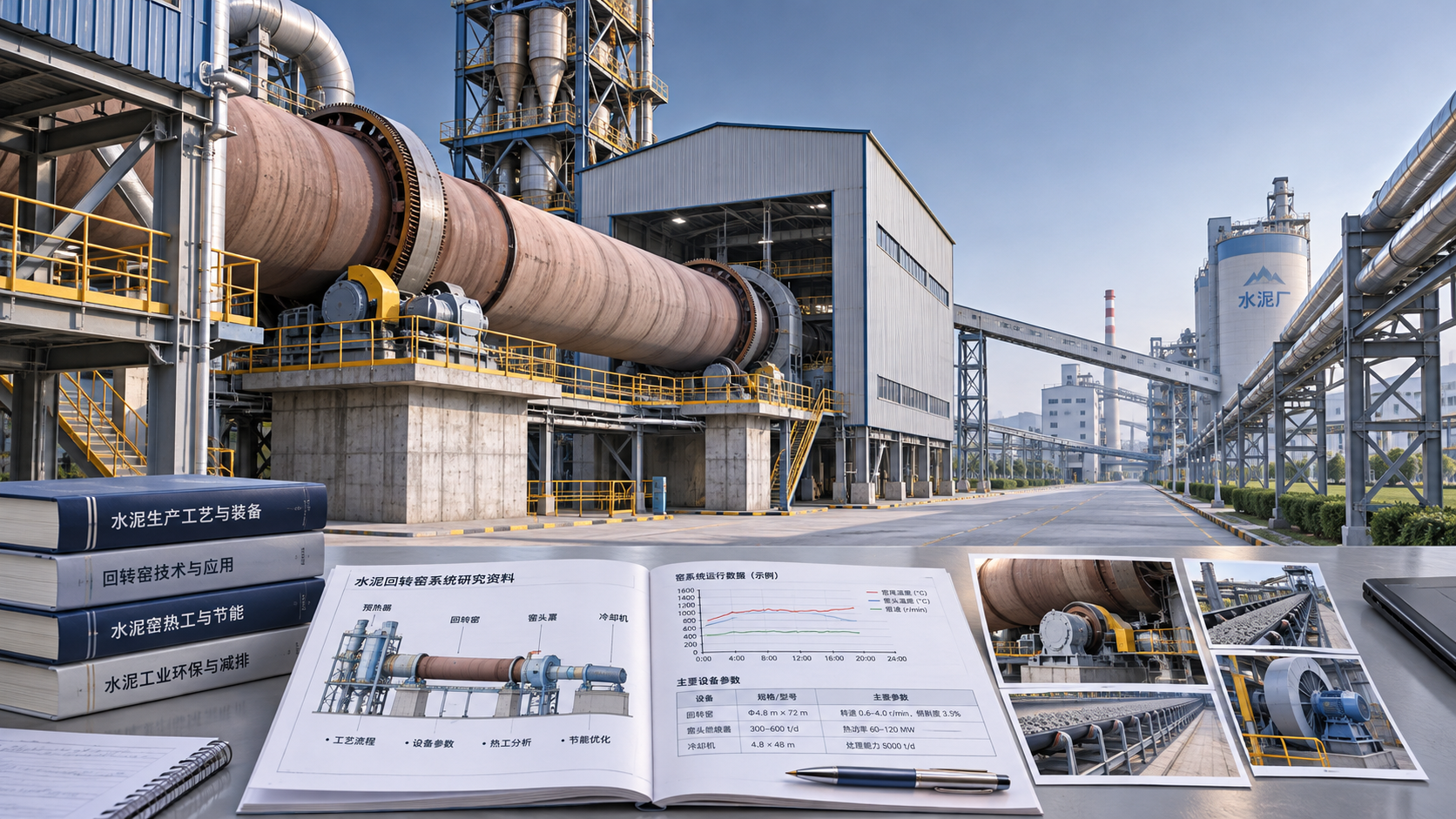
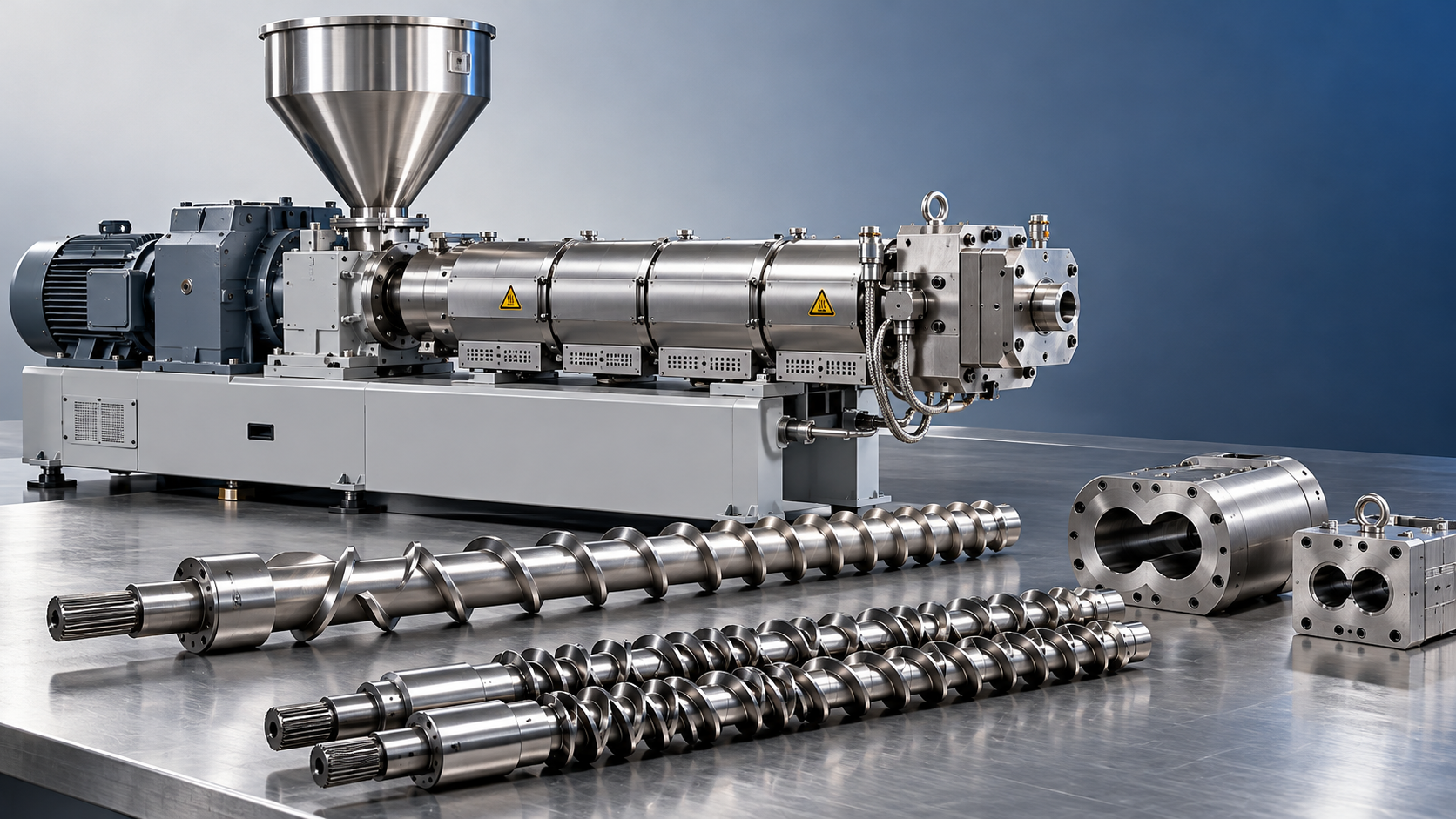
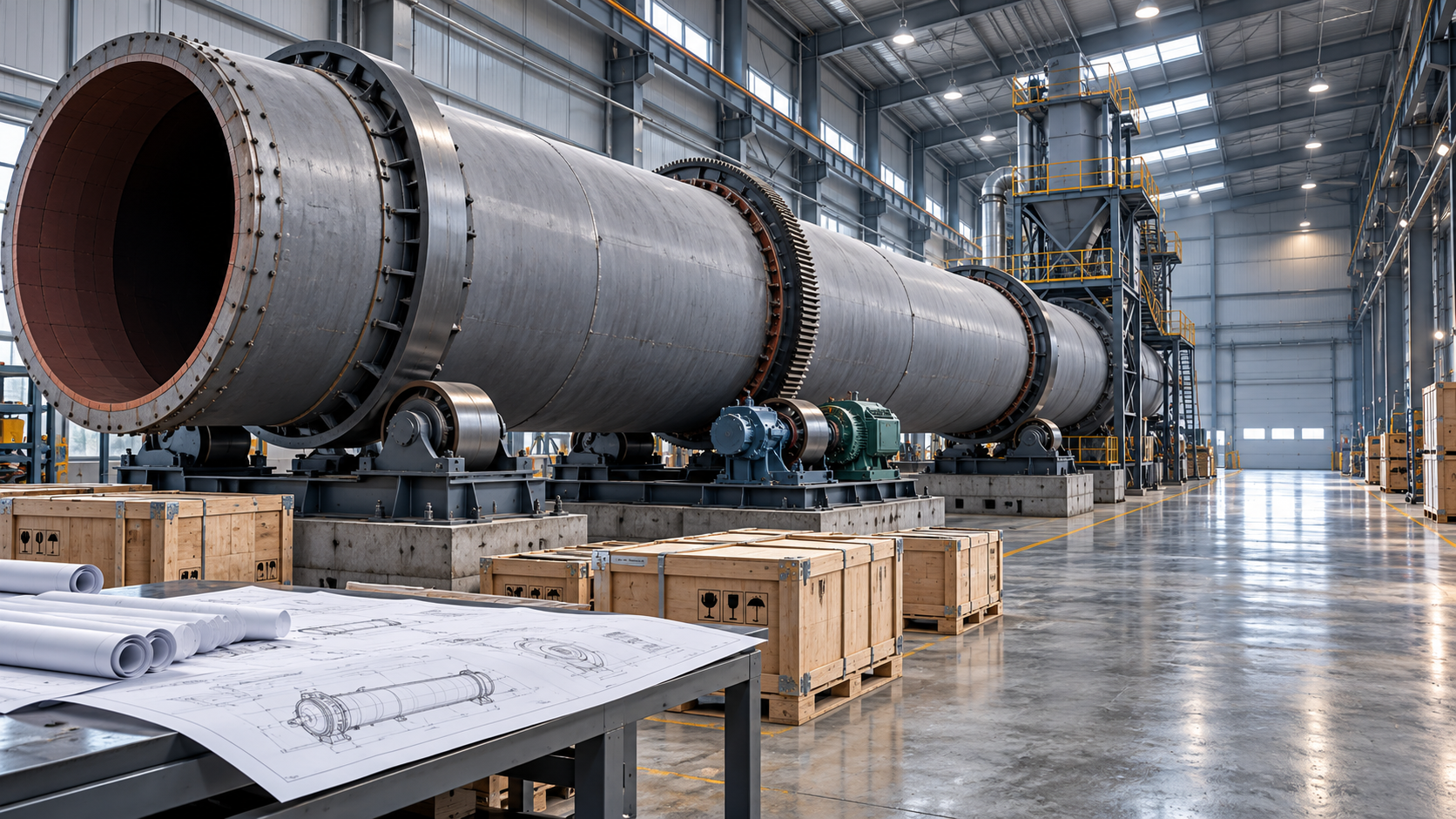
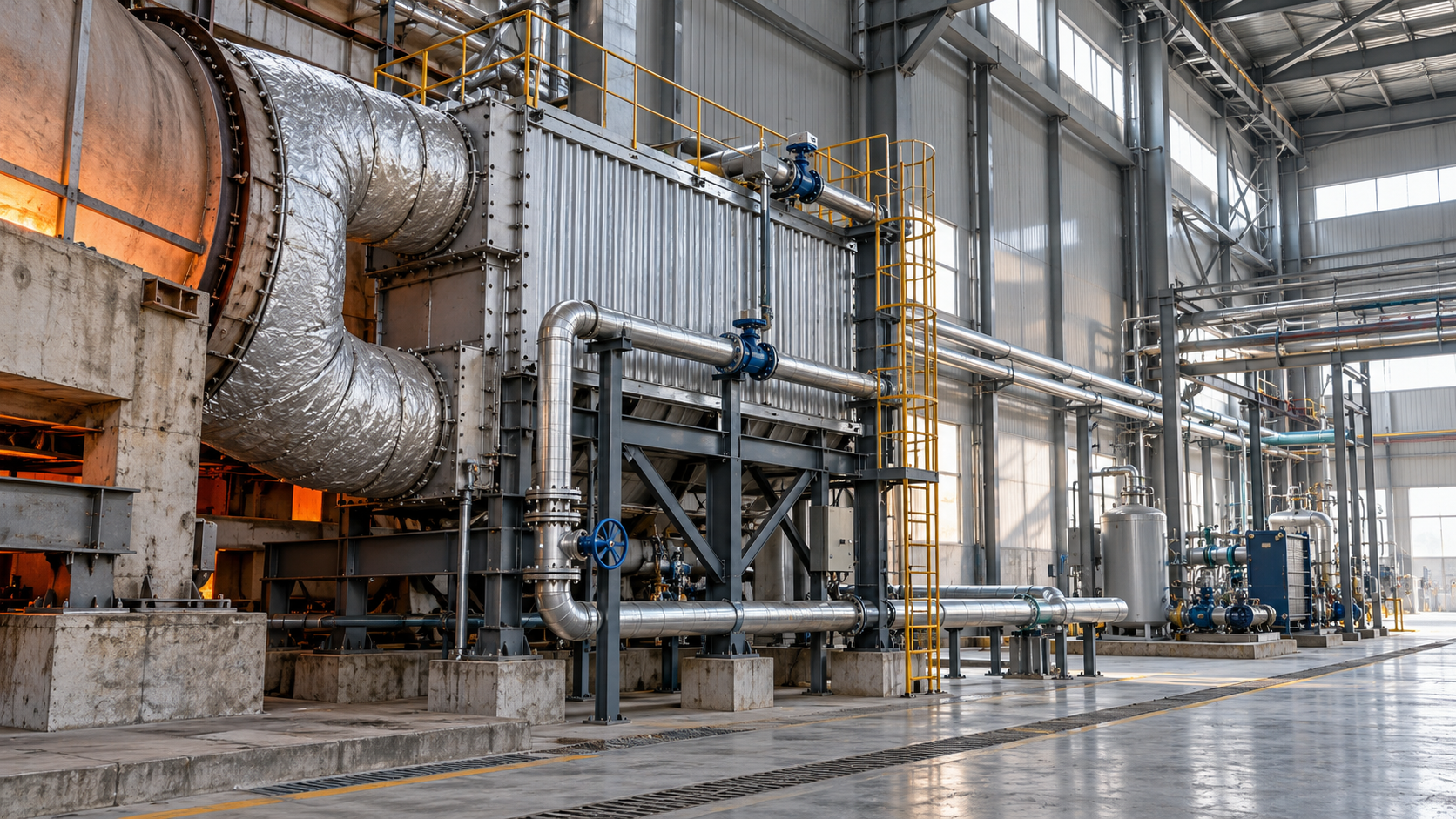
For a rotary kiln, the comparison might turn on feed composition, moisture, required temperature profile, and emissions constraints. For glass melting equipment, glass formulation, pull rate, quality requirements, and the relationship between melting and annealing capacity matter. An extrusion line should be assessed against material characteristics, product dimensions, expected yield, and downstream handling requirements.
Include the following in a common technical and commercial basis sent to every bidder:
- Required output and product quality, including the operating conditions under which they must be achieved.
- Feedstock, fuel, and utility specifications, with expected variation where relevant.
- Site conditions, available infrastructure, space restrictions, and environmental requirements.
- Required operating hours, maintenance approach, automation interfaces, and data access.
- Scope boundaries, delivery location, acceptance tests, and documentation requirements.
Ask each supplier to identify deviations rather than bury them in the technical appendix. A quotation based on different feed moisture or a less demanding emissions requirement may be valid, but it should not be treated as equivalent without adjustment.
Build a like-for-like quote comparison
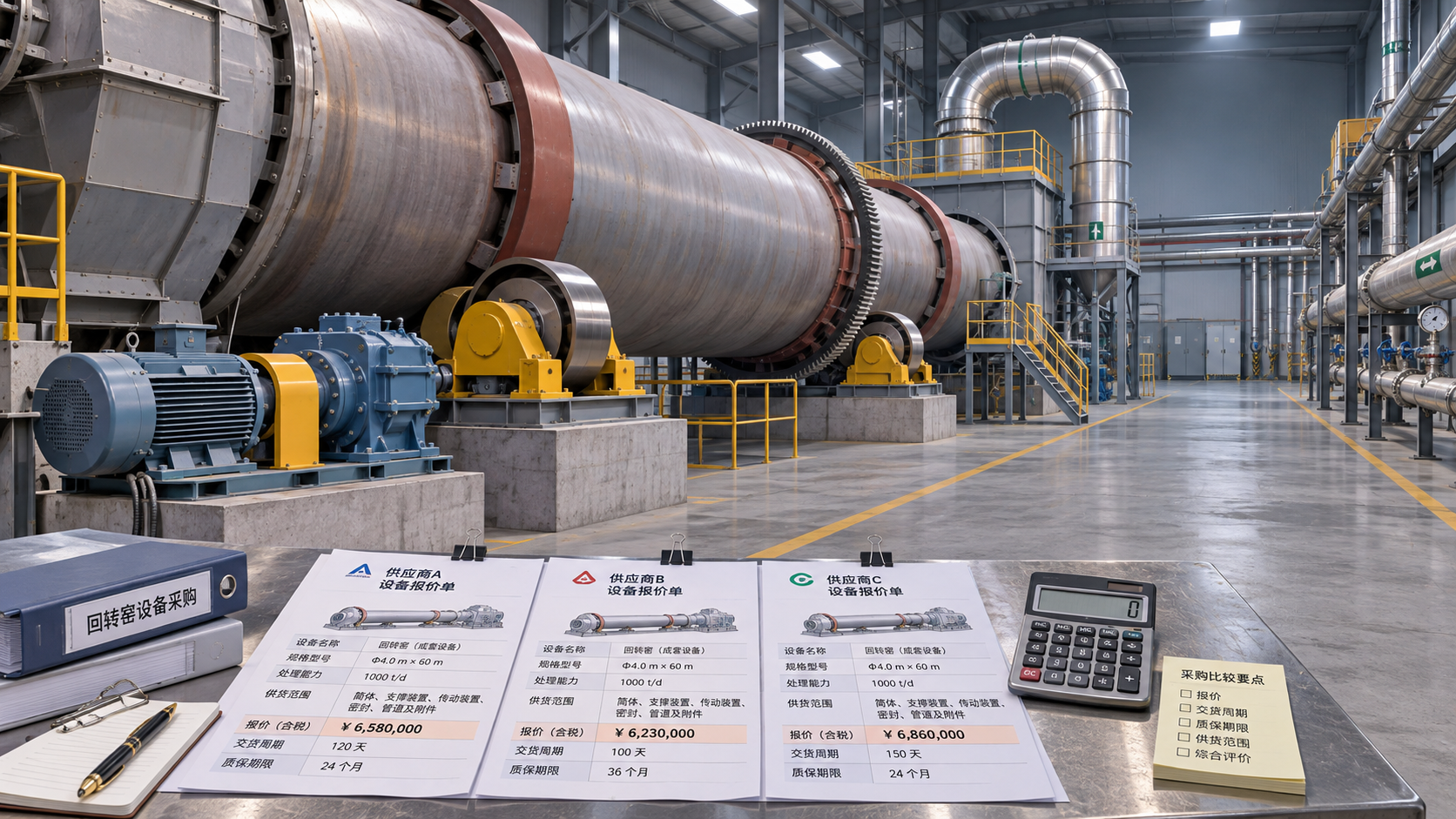
Equipment quotations often package costs differently. One supplier may include refractory lining and start-up support; another may list them as options or expect the buyer to purchase them separately. Create a comparison sheet that shows both the quoted amount and the estimated cost of bringing each offer to the same scope.
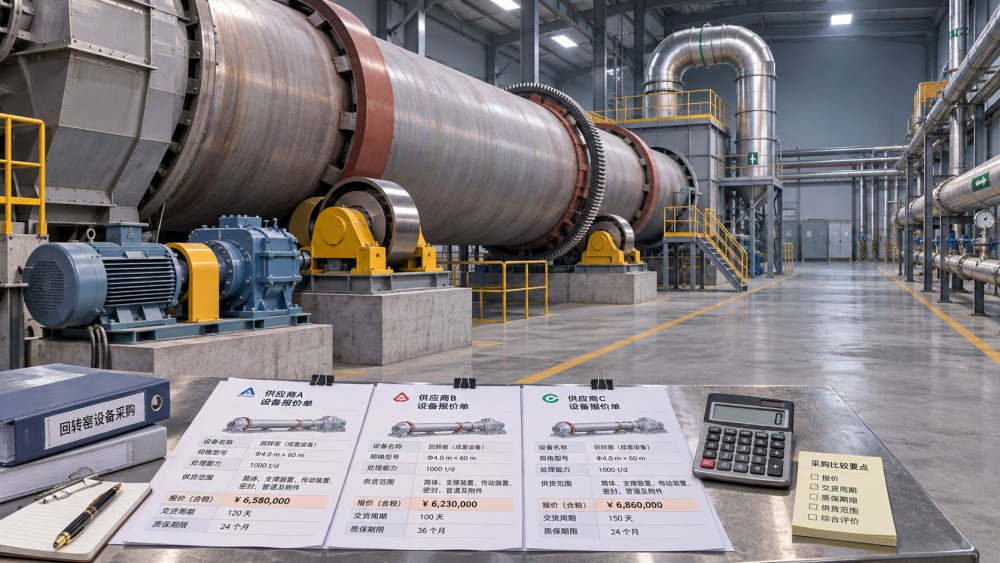
Keep supplier prices separate from your own estimates. Label estimates clearly, record their source, and update them as site engineering or subcontractor pricing becomes firmer. Where a cost is unknown, do not quietly enter zero: assign an allowance or flag it for clarification.
Commercial terms also affect the effective price. Review currency, taxes, payment milestones, price validity, escalation clauses, and responsibility for import clearance. If an international delivery term is used, identify the precise named place and understand where delivery, risk, and cost obligations change. Freight exposure and customs duties may sit outside the equipment price even when a quotation appears comprehensive.
Calculate total cost of ownership over a realistic period
Total cost of ownership, or TCO, combines the initial investment with the costs of using and supporting the equipment. Choose an evaluation period appropriate to the investment decision and apply the same period, production assumptions, currency, and financial method to every offer.
A practical TCO framework is: purchase and delivered project cost + installation and commissioning + operating costs + maintenance and replacement costs + downtime costs + end-of-period costs or residual value, where supportable.
For a more rigorous comparison, discount future cash flows to present value using the rate approved for the project. Avoid adding financing costs separately if the chosen discount rate already accounts for them. Tax treatment and residual value should follow the organization’s financial rules, rather than being introduced selectively to make an offer look stronger.
Energy consumption needs a common production basis
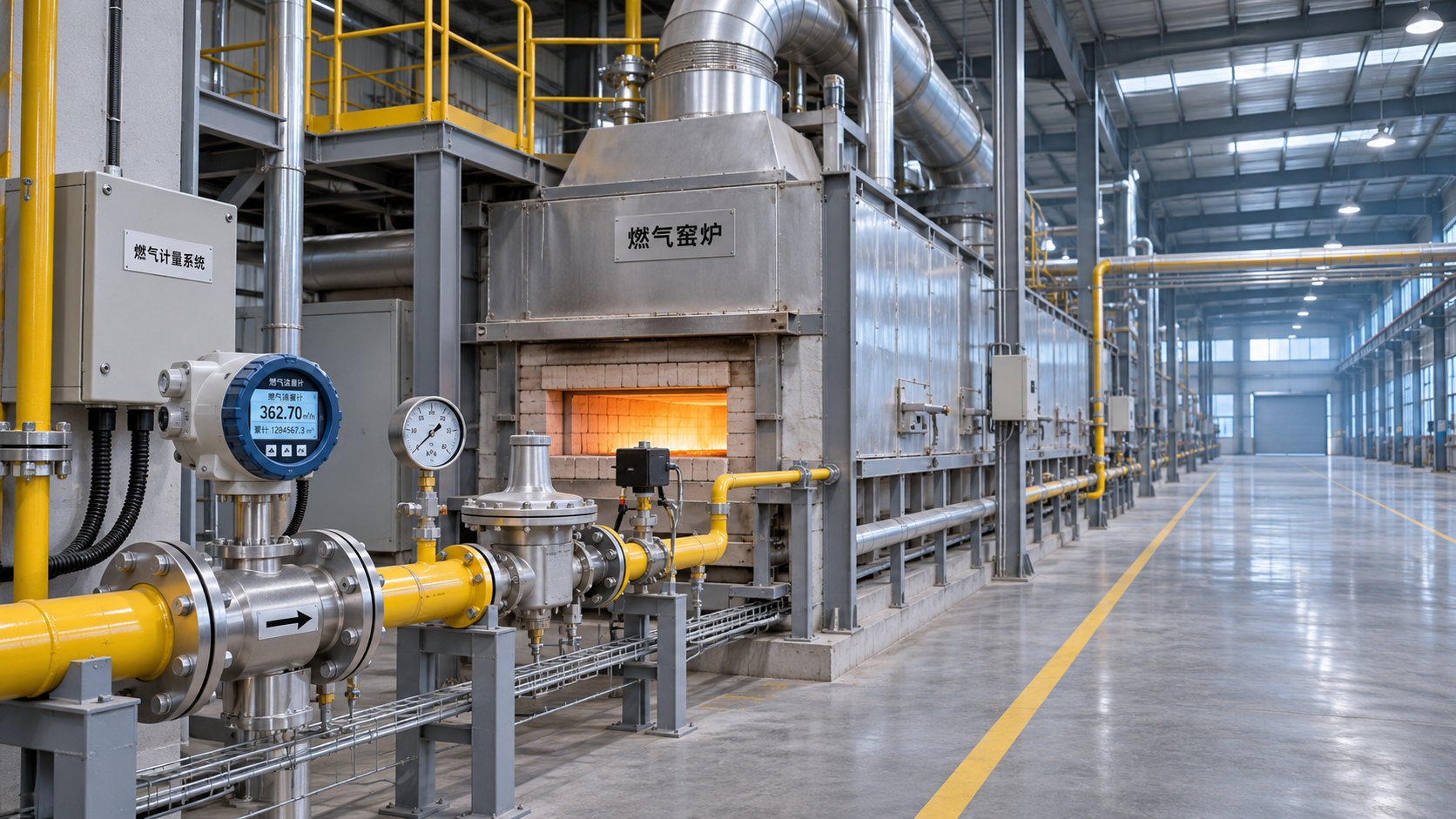
Thermal and electrical energy can materially affect the economics of high-temperature equipment. Request consumption figures at the agreed operating point, expressed against a useful output measure, such as energy per tonne of saleable product. Confirm whether figures include auxiliary equipment, heat losses, start-ups, and any emissions-control systems within the proposed scope.
Then multiply expected annual consumption by the buyer’s energy price assumptions. Model more than one scenario if fuel or electricity costs are uncertain. A supplier’s lower consumption figure is valuable only if it applies to the same feed, throughput, operating hours, and product quality as the competing offer.
Maintenance is more than a spare-parts list
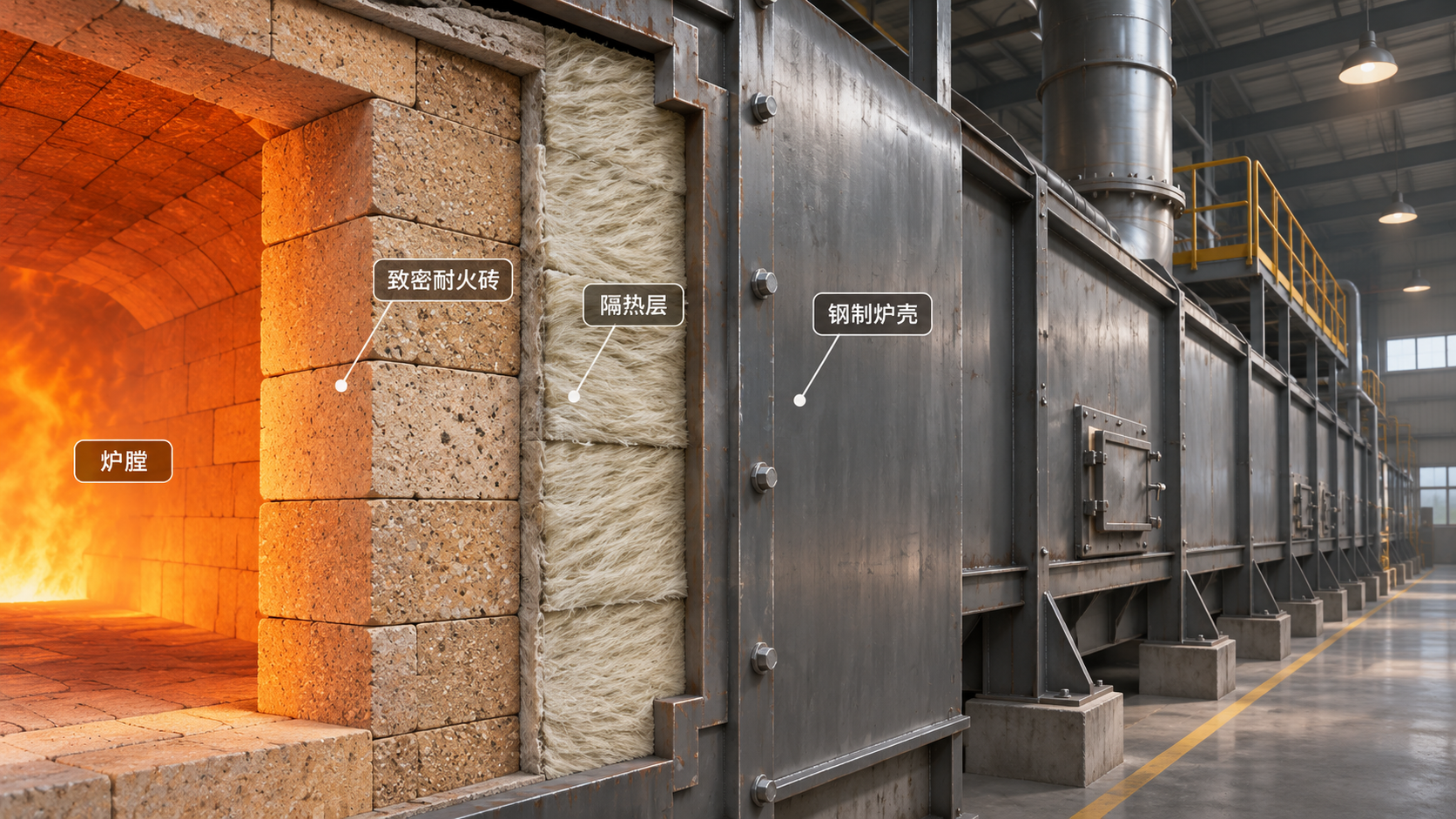
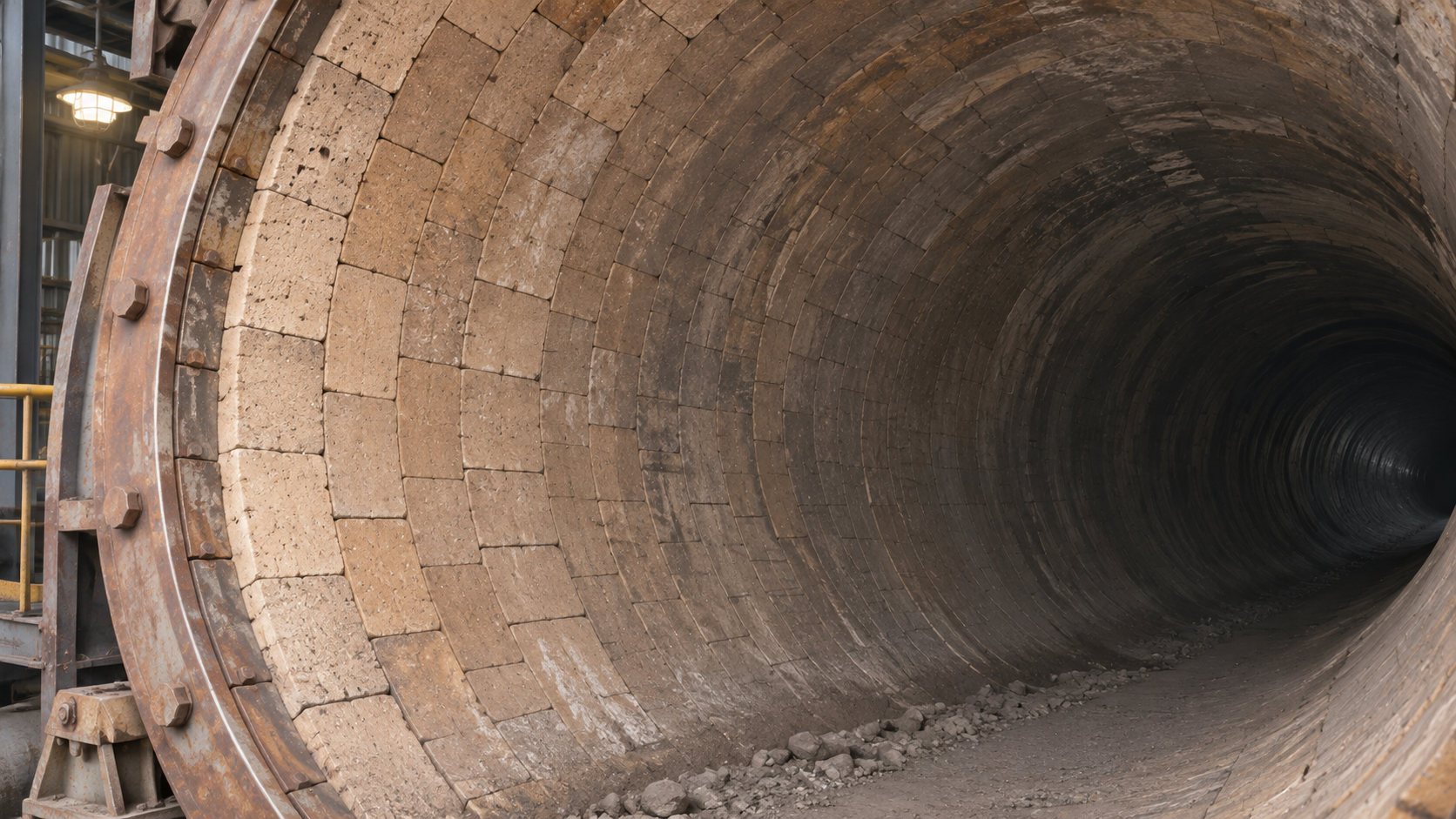
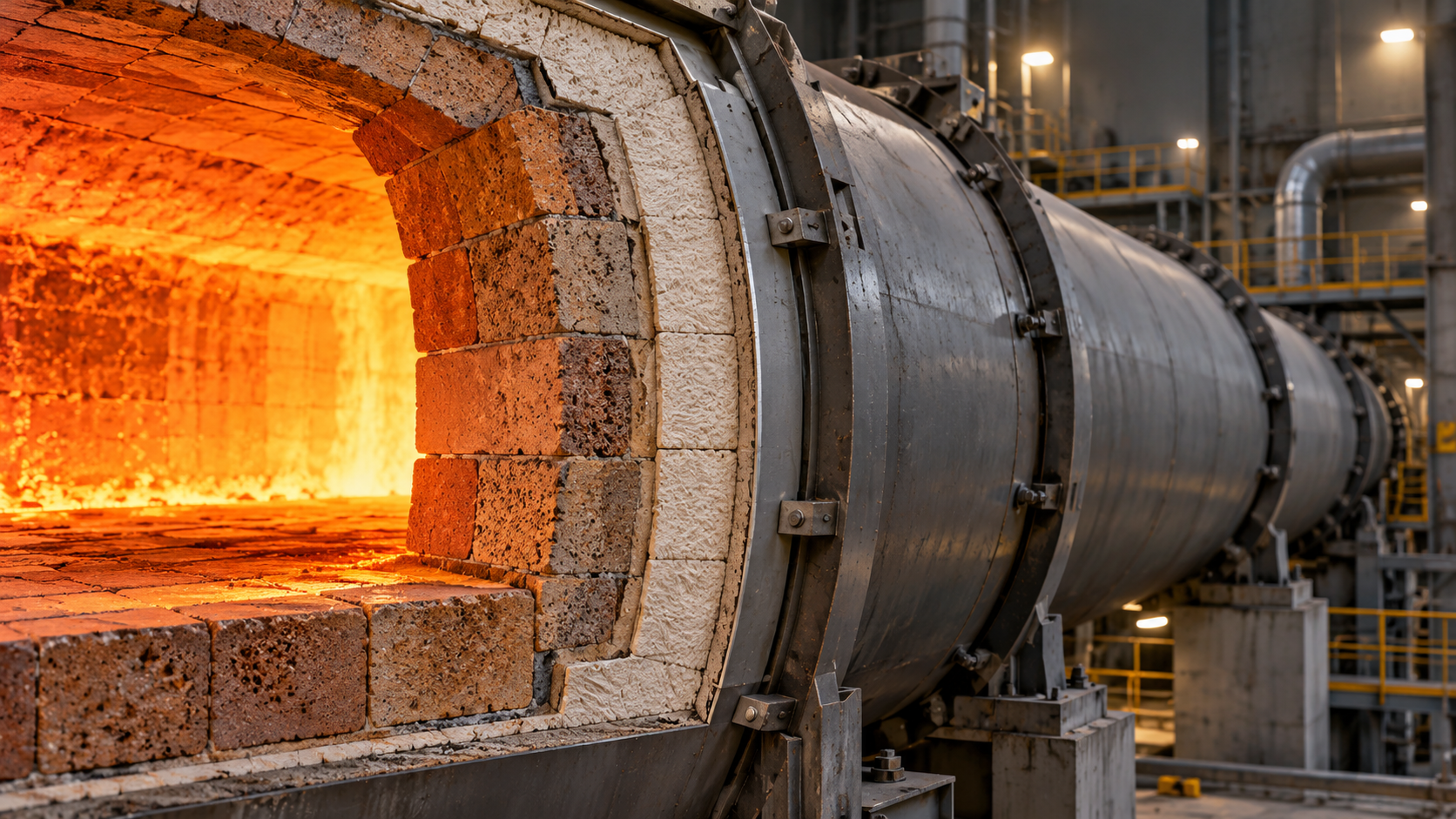
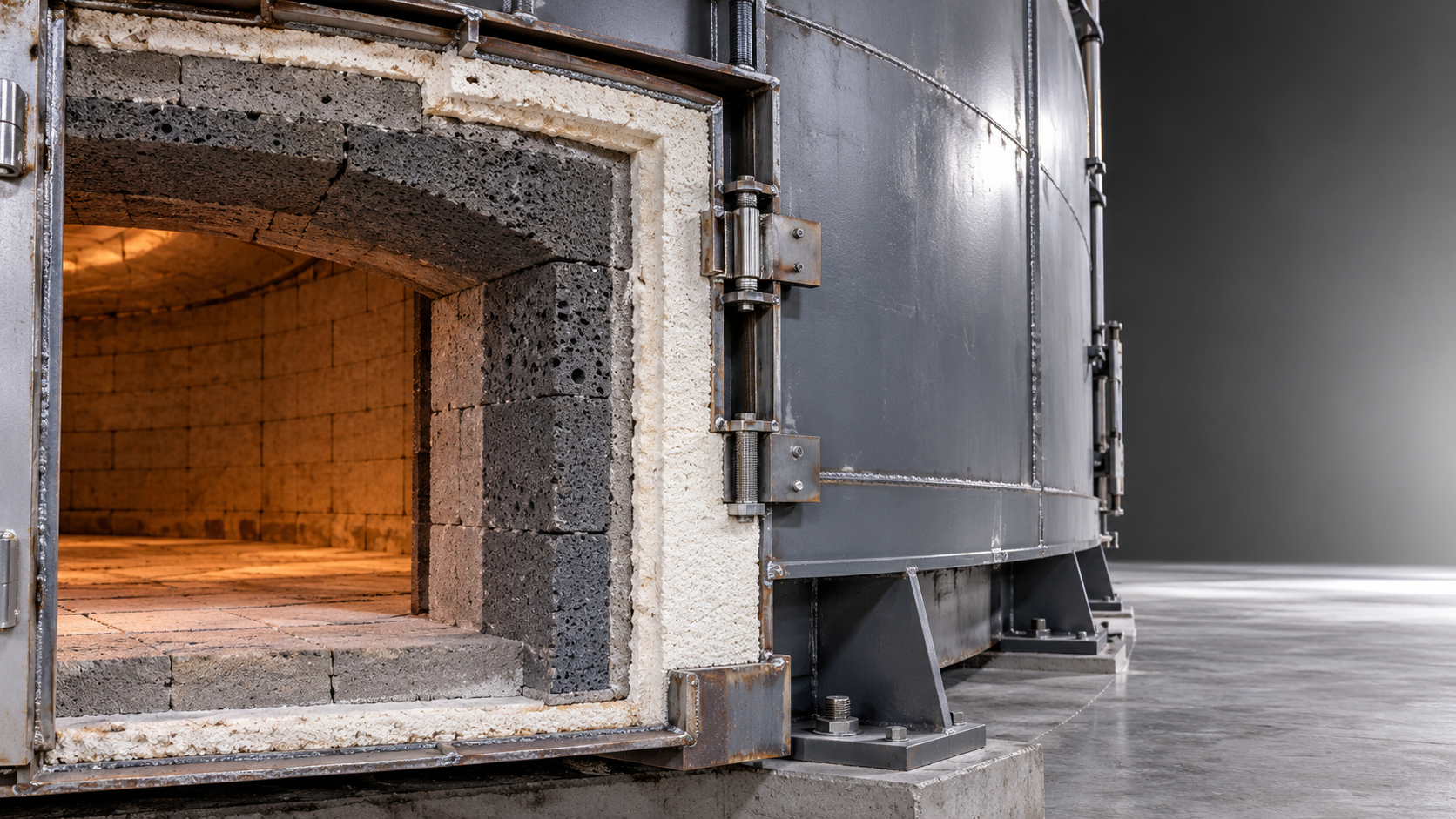
Refractory replacement, wear parts, lubrication, inspections, and specialist labor can create recurring costs long after the purchase order is signed. For kilns and incineration systems, ask about lining design, expected inspection intervals, and the conditions that can shorten lining life. For extruders, examine wear-prone components, changeover requirements, and access for maintenance. For glass systems, consider the maintenance implications of sustained high-temperature operation and the interface with downstream equipment.
Supplier estimates are starting points, not guarantees. Ask what operating history or design assumptions support them, and let plant maintenance personnel challenge intervals that seem optimistic for the intended duty.
Put a value on downtime carefully
A cheaper machine can become expensive if a critical component takes months to replace or service support is difficult to mobilize. Estimate downtime exposure using a consistent method, such as expected lost contribution margin plus incremental restart costs. Avoid counting lost production twice if it can realistically be recovered later.
Where failure probabilities are not credible, use scenarios instead: for example, compare the financial effect of an additional planned outage or a longer replacement lead time. This makes the risk visible without presenting a speculative number as a forecast.
A simple example: when the lower quote changes places
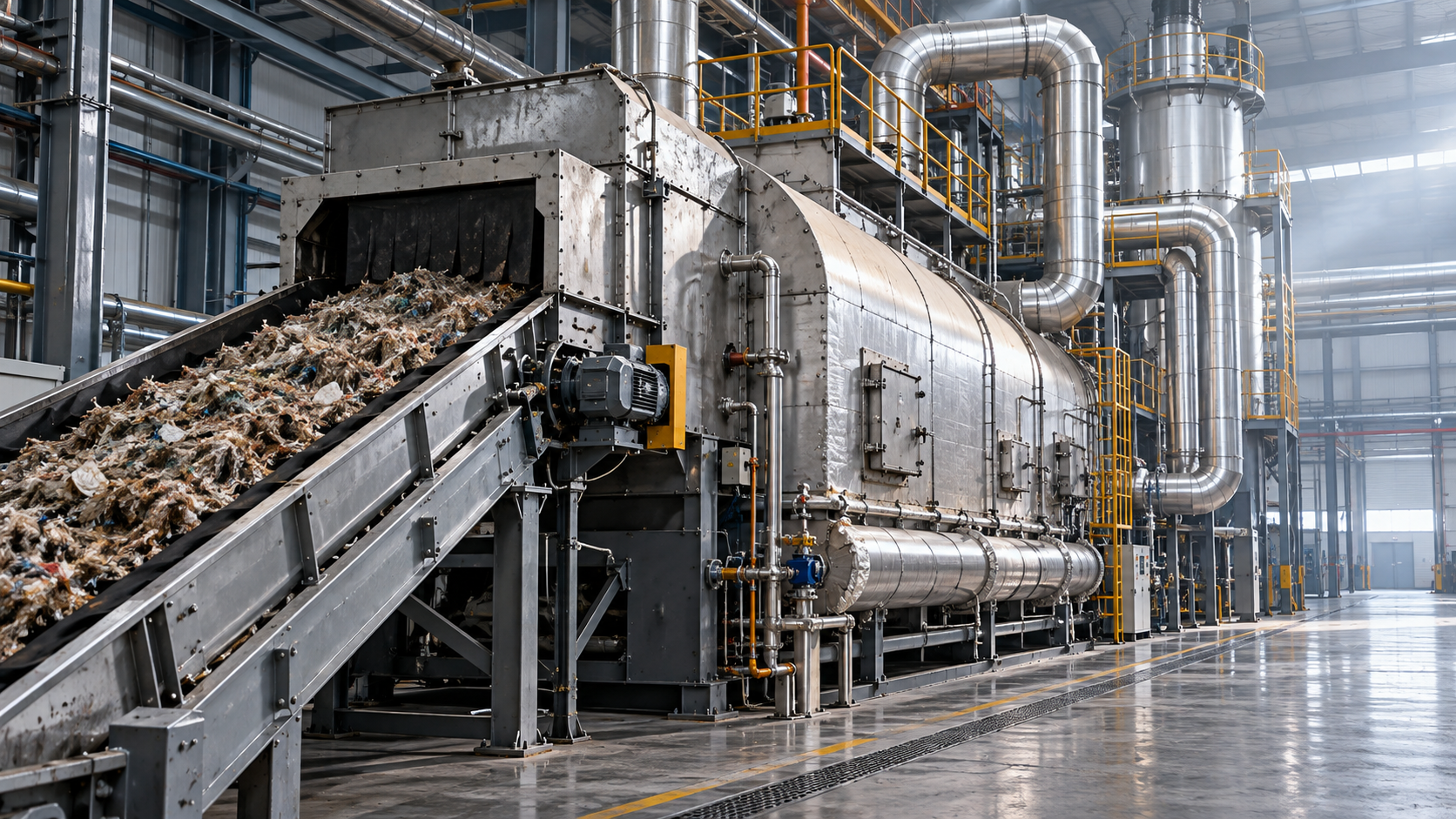
Imagine two technically acceptable offers for a thermal process line. Supplier A has the lower equipment price, but its offer excludes installation supervision and a key auxiliary system. Supplier B includes both. Once procurement adds the missing scope to A’s price, the initial difference narrows.
The engineering team then checks energy use at the same output and feed conditions. If B’s documented consumption is lower, the annual saving can be estimated using the site’s expected operating hours and energy tariffs. Over the evaluation period, that saving may outweigh B’s higher initial cost. Equally, if B’s performance claim depends on conditions the plant cannot maintain, the apparent advantage may disappear.
This is an illustration of the method, not a prediction that a higher-priced offer will save money. The decision depends on normalized scope, substantiated performance, and the buyer’s own operating assumptions.
Turn supplier claims into contract-ready commitments
Procurement should involve process engineering, operations, maintenance, environmental, and finance teams before the final negotiation. Each group sees a different part of the risk: the operator may question access to a burner, while finance may notice an unfavorable payment schedule. Resolve those issues while suppliers can still revise their offers.
Request a written clarification register covering the points below, and carry agreed answers into the contract documents:
- Performance: guaranteed output, consumption, product quality, and emissions, together with test conditions and measurement methods.
- Acceptance: commissioning responsibilities, trial duration, pass criteria, remedies, and treatment of events outside the supplier’s control.
- Interfaces: foundations, electrical connections, exhaust handling, control-system integration, and responsibilities between contractors.
- Schedule: engineering approvals, manufacturing milestones, delivery dates, site readiness dependencies, and consequences of delay.
- After-sales support: spare-parts availability, remote and on-site assistance, software access, training, and warranty response procedures.
A performance guarantee is only as useful as its test conditions and remedies. Confirm, for example, who supplies the feedstock and utilities for testing, how instruments are calibrated, and what happens if the required result is not achieved. For emissions guarantees, align the proposed testing method with the permits and requirements applicable to the site.
Use sensitivity analysis before choosing a winner
A single TCO result can create false confidence. Identify the assumptions that could change the ranking: energy prices, annual output, refractory life, freight costs, maintenance labor, or project delays. Vary one assumption at a time, then consider a combined adverse scenario. If the preferred supplier remains competitive across plausible cases, the decision is more resilient. If the ranking changes easily, procurement can focus negotiations or further due diligence on the uncertain items.
Do not reduce every difference to a price if the evidence is weak. A comparison can show a calculated cost alongside a qualitative risk, such as limited local service coverage or an unresolved control-system interface. Document the reason for accepting that risk and the action required to manage it.
The best outcome of process equipment comparison pricing is not a spreadsheet with the smallest number highlighted. It is a purchasing decision that the project team can explain: equivalent scope has been checked, lifetime costs have been tested, and the remaining uncertainties have owners. For buyers evaluating silicate production, thermal processing, or material extrusion equipment, CF-Elite’s sector intelligence can provide useful context on technology and industry developments; the final comparison should still rest on site-specific engineering, verified supplier commitments, and the buyer’s financial assumptions.
Related News
 Ms. Elena RodriguezProcess Equipment Pricing: How to Compare Quotes and Total CostsMaster process equipment comparison pricing: compare supplier quotes, uncover hidden costs, and evaluate lifetime expenses to make a confident buying decision.Nov 17, 2026
 Prof. Marcus ChenGlobal Cement Industry Decarbonization: Key Technologies and Cost BarriersExplore global cement industry decarbonization technologies, cost barriers, and practical investment strategies to cut emissions while protecting competitiveness.Nov 16, 2026
 Structural Material AnalystChoosing Specification Preparation Support for North American ProjectsChoose specification preparation support North America projects can rely on. Compare technical expertise, compliance, interfaces, and supplier acceptance criteria.Nov 14, 2026
 Structural Material AnalystSpecialty Ceramic Extrusion: How Material Properties Affect FormingExplore how ceramic specialized material extrusion is shaped by particle size, binders, and solids loading—and learn to improve forming and reduce defects.Nov 13, 2026
 Ms. Elena RodriguezHigh-Pressure Molding Equipment Prices in Europe: What Affects the Total Cost?Explore high pressure molding equipment price Europe buyers can expect to assess, from tooling and installation to running costs. Compare quotes with confidence.Nov 12, 2026
 Structural Material AnalystChoosing a Vacuum Extrusion System: Capacity, Materials and Vacuum LevelsChoosing a vacuum extrusion system? Compare capacity, material behavior and vacuum levels to improve product quality and select the right equipment.Nov 11, 2026
 Optical Glass Tech FellowGlass Melting Innovations: Comparing Electric and Hybrid Furnace TechnologiesExplore glass melting innovations and compare electric and hybrid furnaces by energy use, emissions, glass quality and operating costs to find the right fit.Nov 10, 2026
 Thermal Energy ArchitectHow Thermal Barrier Technology for Kilns Reduces Heat LossDiscover how thermal barrier technology for kilns reduces heat loss, and learn how to select insulation and assess savings without compromising lining durability.Nov 09, 2026
 Prof. Marcus ChenGlobal Materials Trends: What North American Manufacturers Need to KnowExplore global material trends North America manufacturers need to know, from energy costs and supply chains to lower-carbon materials and smarter investment decisions.Nov 08, 2026
 Thermal Energy ArchitectSelecting Abrasion-Resistant Refractories for High-Wear Kiln LiningsExplore advanced refractory materials abrasion resistant enough for high-wear kiln linings. Compare wear mechanisms, thermal stability, installation and lifecycle costs.Nov 06, 2026
 Dr. Alistair VaughnIndustrial Energy Efficiency Certification: ISO 50001 Requirements for PlantsExplore industrial energy efficiency certification with ISO 50001. Learn how plants define scope, measure performance and prepare credible evidence for audits.Nov 05, 2026
 Ms. Elena RodriguezWhat Is an Industrial Intelligence Database and How Is It Used?Discover how an industrial intelligence database helps researchers map markets, track projects, compare technologies, and assess evidence with confidence.Nov 04, 2026
 Ms. Elena RodriguezIndustrial Material Pricing: How Freight and Order Volume Affect QuotesExplore industrial material pricing and learn how freight, order volume, and inventory costs affect quotes. Compare suppliers and make smarter purchasing decisions.Nov 03, 2026
 Structural Material AnalystSingle- vs. Twin-Screw Extrusion Systems: Which Suits Your Material?Choose the right specialized extrusion systems screw type for your material. Compare single- and twin-screw options to improve quality and control costs.Nov 02, 2026
 Thermal Energy ArchitectChoosing Thermal Barrier Materials for Kilns: Temperature and Heat LossExplore thermal barrier materials for kilns and learn how to balance temperature resistance, heat loss, durability and operating costs when selecting a lining.Nov 01, 2026
 Ms. Elena RodriguezSupplier Reference Platform Pricing: Fees and Contract Terms to CompareCompare supplier reference platform pricing, hidden fees, verification costs and contract terms to choose the right solution for your sourcing team.Oct 31, 2026
 Ms. Elena RodriguezSupplier Comparison Metrics: How to Score Cost, Quality, and DeliveryUse supplier comparison metrics to score cost, quality, and delivery with a practical weighted scorecard. Make more confident equipment sourcing decisions.Oct 30, 2026
 Ms. Elena RodriguezWhat Does Industrial Waste Heat Recovery Cost, and When Does It Pay Back?Understand industrial waste heat recovery cost, from equipment and installation to net savings. Learn how to compare quotes, assess risks, and calculate realistic payback before investing.Oct 29, 2026
 Thermal Energy ArchitectChoosing Industrial Waste-to-Energy Equipment by Waste Moisture and Heating ValueChoose industrial waste to energy equipment by moisture and heating value. Compare technologies, fuel needs, and supplier guarantees to make a confident investment.Oct 28, 2026
 Thermal Energy ArchitectChoosing Industrial Kiln Insulation for High Heat and Repeated Thermal CyclingExplore high temperature industry solutions for kiln insulation under repeated thermal cycling. Compare materials, reduce heat loss, and select the right lining for your operating conditions.Oct 27, 2026


Related News
- 00
0000-00
Process Equipment Pricing: How to Compare Quotes and Total Costs - 00
0000-00
High-Pressure Molding Equipment Prices in Europe: What Affects the Total Cost? - 00
0000-00
What Is an Industrial Intelligence Database and How Is It Used? - 00
0000-00
Industrial Material Pricing: How Freight and Order Volume Affect Quotes - 00
0000-00
Supplier Reference Platform Pricing: Fees and Contract Terms to Compare
0000-00
Weekly Insights
Stay ahead with our curated technology reports delivered every Monday.