
Industrial Material Pricing: How Freight and Order Volume Affect Quotes




Industrial material pricing can look straightforward until freight, handling, duties, and inventory costs are added. A lower price per tonne may produce a higher delivered cost if the shipment is awkward to load, the quoted price excludes destination charges, or the buyer must order more material than the operation can use.
The most useful comparison is the cost of usable material at the point where it is needed, over the period in which it will be consumed. That means comparing suppliers on the same delivery basis, examining how freight changes with shipment size, and weighing volume discounts against storage and cash-flow costs.
Start with the delivered cost, not the quoted unit price
A supplier quote may cover only the material, or it may include packaging, inland transport, export handling, international freight, insurance, and delivery to the buyer’s site. Two prices cannot be compared reliably until those differences are visible.
A practical landed-cost calculation starts with the purchase price and adds the costs needed to bring the goods to the agreed destination. Depending on the transaction, these may include:
- Packaging, palletizing, loading, and export documentation.
- Transport from the supplier to the port or terminal, international freight, and destination transport.
- Cargo insurance, customs clearance, applicable duties and taxes, and terminal charges.
- Unloading, inspection, and any special handling needed at the receiving site.
For an internal comparison, divide the total by the quantity expected to be usable. This can reveal the effect of breakage, contamination, or material that cannot be consumed before its usable life ends. Keep recoverable taxes separate from nonrecoverable costs so they do not distort the comparison.
The result is an estimate, not a substitute for checking contract terms. Some costs are fixed in a quote; others may depend on final shipment weight, customs assessment, or how long cargo remains at a terminal. Record which amounts are firm and which are assumptions.

Why freight changes the economics of a quote
Freight is not simply a rate multiplied by distance. For industrial materials, shipment weight, dimensions, handling requirements, route, and delivery schedule all influence the transport option and the charges attached to it.
Dense materials may reach a vehicle’s or container’s weight limit before its space is full. Lightweight insulation products, by contrast, may fill the available space while leaving unused weight capacity. In either case, a quote based only on volume or only on weight can give an incomplete picture of transport efficiency.
Packaging also affects the calculation. Pallets, crates, protective wrapping, and moisture barriers add weight and take up space, but they may reduce damage or preserve material quality. The cheapest packing method is not necessarily the least expensive if it results in unusable goods or extra handling at the destination.
Delivery location matters beyond the distance from the supplier. A plant with a forklift, a suitable unloading area, and scheduled receiving hours can handle some shipments more easily than a constrained site requiring specialized equipment or timed deliveries. Ask for the cost of delivery to the actual unloading point, not just to the nearest port or distribution hub.
Full loads are not automatically cheaper in practice
A full truckload or container can spread fixed shipment costs over more units, but only if the order can be loaded efficiently and the buyer can use or store it. A partial load may have a higher freight cost per tonne while avoiding months of excess inventory.
Consolidating orders can improve transport utilization, particularly for compatible materials going to the same destination. It can also delay delivery while goods are assembled, add handling points, or make responsibility for mixed shipments harder to resolve. Compare the full cost and delivery window, not just the freight rate.
For time-sensitive kiln maintenance or a scheduled production shutdown, a faster shipment may be worth its premium if a delay would affect operations. That premium should be compared with the operational consequence of late delivery, rather than treated as an avoidable transport expense in isolation.
Read delivery terms before comparing freight
International quotes often use Incoterms to describe where delivery takes place and how certain transport responsibilities and risks are allocated. The named place matters: a price tied to a port does not necessarily include delivery to the buyer’s plant.
For example, under FOB, delivery and risk transfer occur when the goods are on board the vessel at the named port of shipment. Under CIF, the seller also contracts and pays for carriage and insurance to the named port of destination, but risk still transfers when the goods are on board at the shipment port. Neither term should be read as an automatic promise of delivery to the buyer’s warehouse.
Where the agreed term is DAP, delivery is at the named destination with the goods ready for unloading; unloading and import clearance are generally the buyer’s responsibility. DDP places import clearance and applicable import duties and taxes on the seller under the term, while unloading is generally still the buyer’s responsibility. The contract should identify the named place and the Incoterms edition, as well as any separately agreed services.
These terms do not settle every commercial issue. Payment, transfer of ownership, cargo insurance beyond any applicable minimum, and responsibility for particular accessorial charges should be addressed in the contract. Before comparing quotes, ask each supplier to itemize what is included and excluded, especially terminal handling, customs brokerage, storage, and final delivery.
How order volume affects the material price
Suppliers may offer lower unit prices for larger orders because production setup, administration, packing, and transport planning can be spread across more material. A larger commitment may also make capacity planning easier. The discount, however, is useful only when it exceeds the additional cost and risk created by ordering more.
Ask for price breaks at quantities that reflect realistic consumption, rather than requesting a single “best price.” The relevant quantities may include the minimum order, a normal replenishment quantity, and a larger shipment that makes better use of transport capacity. For each, request the material price, packing basis, freight assumptions, lead time, and payment terms.
Quantity thresholds can apply in different ways. A lower price might apply to every unit in the order, only to units above a threshold, or only to releases collected within a specified period. A quote may also depend on one shipment rather than multiple deliveries. Those distinctions can change the value of an apparent discount.
Minimum order quantities deserve the same scrutiny. A low minimum can support a trial or an urgent repair, but it may come with a small-order charge or expensive freight. A higher minimum may reduce the price per unit while leaving the buyer with material that cannot be used within a reasonable planning horizon.
Include the cost of holding stock
Extra inventory occupies space and ties up cash. It may also require dry storage, controlled stacking, insurance, stock rotation, or periodic inspection. Some materials can deteriorate, absorb moisture, become contaminated, or fall out of specification for the intended use if stored poorly or for too long.
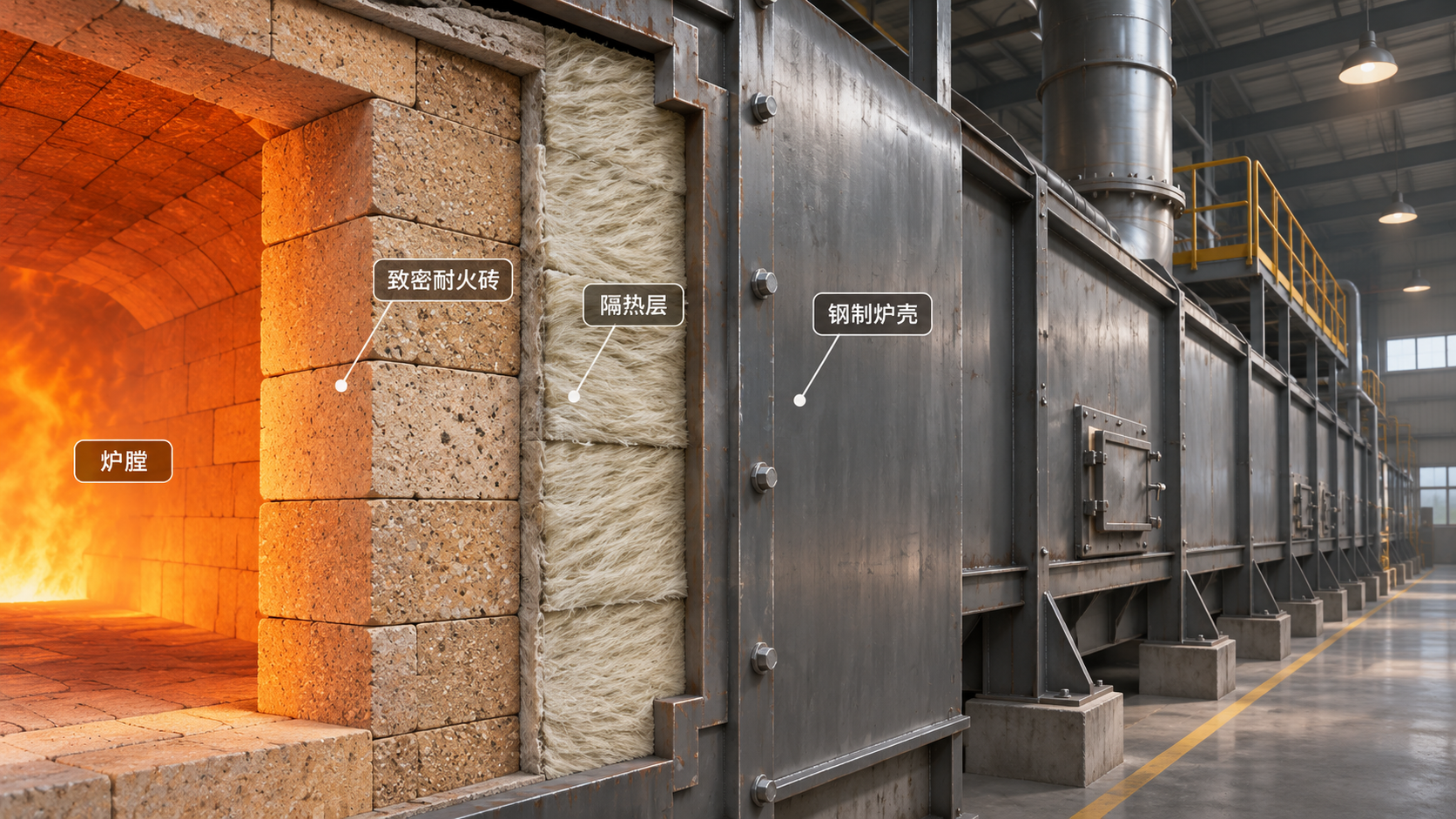
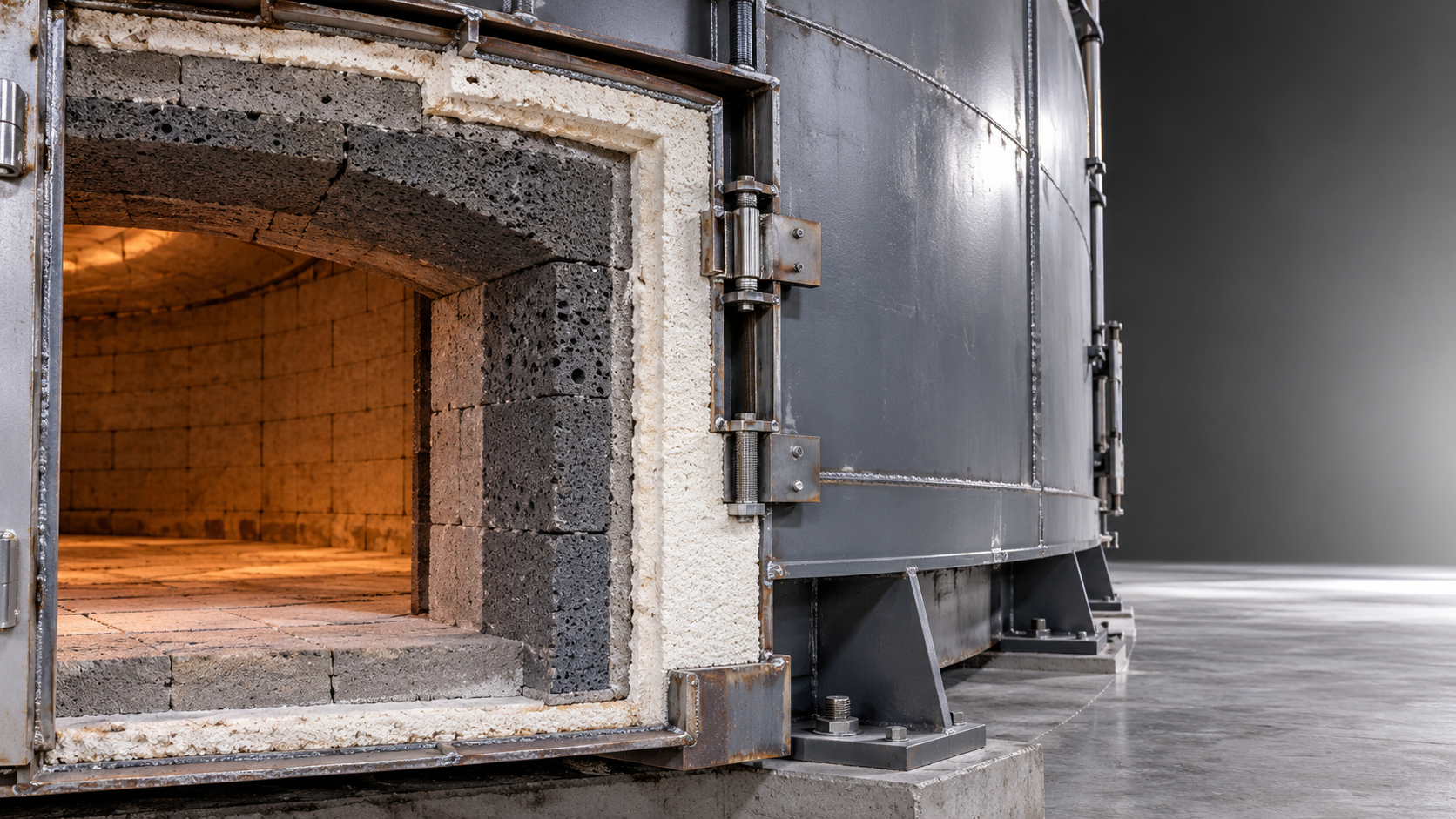
For refractory materials, for example, storage requirements depend on the product and packaging. Bricks, castables, and insulating materials should not be assumed to have identical handling or shelf-life requirements. Obtain the supplier’s storage instructions and compare them with actual site capacity before accepting a large order.
There is also a specification risk. If a production line changes its process, dimensions, or maintenance plan, stock purchased for an earlier requirement may no longer be suitable. A volume discount is less attractive when demand is uncertain or the material is specific to one piece of equipment.
Compare order scenarios on the same basis
Consider a plant purchasing refractory material for planned maintenance. One supplier offers a lower unit price for a large shipment; another quotes a higher unit price for smaller releases. The first option may have lower freight per tonne, while the second may reduce storage time and the risk of surplus material.
To compare them, build a scenario for each option using the same destination, product specification, consumption period, and currency. Include the following:
- Material cost: Apply the correct price tier to the quantity and check whether packaging is included.
- Transport and import costs: Add all charges not covered by the quoted delivery term, including estimated destination and site-delivery costs.
- Inventory cost: Account for storage, financing, handling, and realistic exposure to loss or obsolescence.
- Operational impact: Consider whether the delivery schedule supports maintenance or production without creating an unacceptable shortage risk.
- Usable quantity: Adjust for expected losses only where there is a defensible basis for doing so, and show the assumption separately.
Then compare the scenarios as a total cost over the same period. A large purchase may win when demand is predictable, storage is suitable, and the freight saving is substantial. Smaller releases may be preferable when requirements are uncertain, storage is limited, or the cost of tying up cash outweighs the discount.
A blanket agreement with scheduled releases can be a useful middle ground: the buyer commits to a defined quantity or spending arrangement while deliveries are spread over time. Its value depends on who owns and stores the stock before each release, whether prices and freight are fixed, and what happens if demand changes. A supplier-held inventory arrangement is not necessarily free; its cost may be embedded in the material price.
Make competing quotes genuinely comparable
Send suppliers the same specification and quote request. Differences in grade, dimensions, tolerances, packaging, inspection, or delivery schedule can make a lower price misleading. For materials used in high-temperature processes, a substitution that looks similar on a purchasing description may not be suitable for the operating conditions.
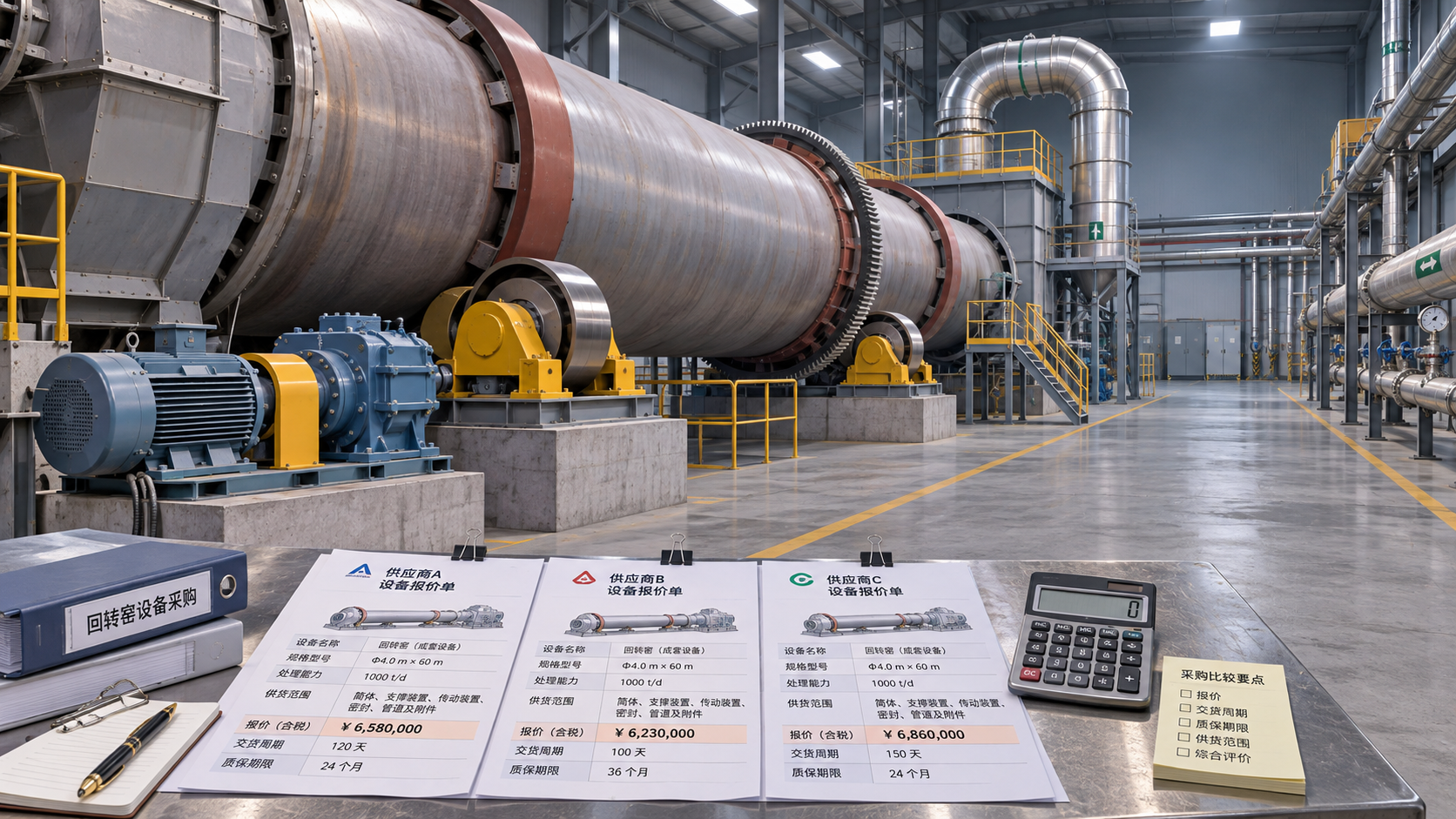
Ask suppliers to state the quantity basis, unit of measure, origin, packing configuration, gross shipment weight and dimensions, delivery term and named place, lead time, payment terms, and quote validity. Request separate lines for freight and optional services where possible. If the supplier proposes an equivalent material, evaluate its technical suitability before including it in a price comparison.
Also check the commercial assumptions behind the freight charge. A rate based on collection during normal hours may not cover a restricted delivery slot. A price for delivery to a terminal may omit unloading or onward transport. A quote based on one consolidated shipment may change if releases are split.
Finally, identify the costs that can move between quotation and delivery. Freight surcharges, currency conversion, storage caused by delays, and charges linked to actual weight or dimensions can all affect the final invoice. Assign each exposure to the party expected to bear it and, where possible, agree on the basis for any adjustment before placing the order.
Negotiate the total arrangement
Price is only one negotiable part of a material purchase. A supplier may be more willing to improve the overall arrangement through a workable delivery schedule, a different packing configuration, a longer quote validity period, or a defined price for repeat releases. Those changes can be more valuable than a small reduction in the material price.
Before negotiation, identify the constraint driving cost. If the shipment is limited by weight, changing the order mix may help more than ordering additional lightweight goods. If the plant cannot unload safely at the proposed time, a low freight quote may conceal a delivery problem. If demand is uncertain, flexibility on release quantities may be worth more than the deepest volume discount.
The strongest purchase decision is the one that fits the required specification and delivery schedule at the lowest defensible total cost. Document the assumptions behind that decision so the team can update the comparison when quantities, freight rates, or operating requirements change.
Related News
 Ms. Elena RodriguezProcess Equipment Pricing: How to Compare Quotes and Total CostsMaster process equipment comparison pricing: compare supplier quotes, uncover hidden costs, and evaluate lifetime expenses to make a confident buying decision.Nov 17, 2026
 Prof. Marcus ChenGlobal Cement Industry Decarbonization: Key Technologies and Cost BarriersExplore global cement industry decarbonization technologies, cost barriers, and practical investment strategies to cut emissions while protecting competitiveness.Nov 16, 2026
 Structural Material AnalystChoosing Specification Preparation Support for North American ProjectsChoose specification preparation support North America projects can rely on. Compare technical expertise, compliance, interfaces, and supplier acceptance criteria.Nov 14, 2026
 Structural Material AnalystSpecialty Ceramic Extrusion: How Material Properties Affect FormingExplore how ceramic specialized material extrusion is shaped by particle size, binders, and solids loading—and learn to improve forming and reduce defects.Nov 13, 2026
 Ms. Elena RodriguezHigh-Pressure Molding Equipment Prices in Europe: What Affects the Total Cost?Explore high pressure molding equipment price Europe buyers can expect to assess, from tooling and installation to running costs. Compare quotes with confidence.Nov 12, 2026
 Structural Material AnalystChoosing a Vacuum Extrusion System: Capacity, Materials and Vacuum LevelsChoosing a vacuum extrusion system? Compare capacity, material behavior and vacuum levels to improve product quality and select the right equipment.Nov 11, 2026
 Optical Glass Tech FellowGlass Melting Innovations: Comparing Electric and Hybrid Furnace TechnologiesExplore glass melting innovations and compare electric and hybrid furnaces by energy use, emissions, glass quality and operating costs to find the right fit.Nov 10, 2026
 Thermal Energy ArchitectHow Thermal Barrier Technology for Kilns Reduces Heat LossDiscover how thermal barrier technology for kilns reduces heat loss, and learn how to select insulation and assess savings without compromising lining durability.Nov 09, 2026
 Prof. Marcus ChenGlobal Materials Trends: What North American Manufacturers Need to KnowExplore global material trends North America manufacturers need to know, from energy costs and supply chains to lower-carbon materials and smarter investment decisions.Nov 08, 2026
 Thermal Energy ArchitectSelecting Abrasion-Resistant Refractories for High-Wear Kiln LiningsExplore advanced refractory materials abrasion resistant enough for high-wear kiln linings. Compare wear mechanisms, thermal stability, installation and lifecycle costs.Nov 06, 2026
 Dr. Alistair VaughnIndustrial Energy Efficiency Certification: ISO 50001 Requirements for PlantsExplore industrial energy efficiency certification with ISO 50001. Learn how plants define scope, measure performance and prepare credible evidence for audits.Nov 05, 2026
 Ms. Elena RodriguezWhat Is an Industrial Intelligence Database and How Is It Used?Discover how an industrial intelligence database helps researchers map markets, track projects, compare technologies, and assess evidence with confidence.Nov 04, 2026
 Ms. Elena RodriguezIndustrial Material Pricing: How Freight and Order Volume Affect QuotesExplore industrial material pricing and learn how freight, order volume, and inventory costs affect quotes. Compare suppliers and make smarter purchasing decisions.Nov 03, 2026
 Structural Material AnalystSingle- vs. Twin-Screw Extrusion Systems: Which Suits Your Material?Choose the right specialized extrusion systems screw type for your material. Compare single- and twin-screw options to improve quality and control costs.Nov 02, 2026
 Thermal Energy ArchitectChoosing Thermal Barrier Materials for Kilns: Temperature and Heat LossExplore thermal barrier materials for kilns and learn how to balance temperature resistance, heat loss, durability and operating costs when selecting a lining.Nov 01, 2026
 Ms. Elena RodriguezSupplier Reference Platform Pricing: Fees and Contract Terms to CompareCompare supplier reference platform pricing, hidden fees, verification costs and contract terms to choose the right solution for your sourcing team.Oct 31, 2026
 Ms. Elena RodriguezSupplier Comparison Metrics: How to Score Cost, Quality, and DeliveryUse supplier comparison metrics to score cost, quality, and delivery with a practical weighted scorecard. Make more confident equipment sourcing decisions.Oct 30, 2026
 Ms. Elena RodriguezWhat Does Industrial Waste Heat Recovery Cost, and When Does It Pay Back?Understand industrial waste heat recovery cost, from equipment and installation to net savings. Learn how to compare quotes, assess risks, and calculate realistic payback before investing.Oct 29, 2026
 Thermal Energy ArchitectChoosing Industrial Waste-to-Energy Equipment by Waste Moisture and Heating ValueChoose industrial waste to energy equipment by moisture and heating value. Compare technologies, fuel needs, and supplier guarantees to make a confident investment.Oct 28, 2026
 Thermal Energy ArchitectChoosing Industrial Kiln Insulation for High Heat and Repeated Thermal CyclingExplore high temperature industry solutions for kiln insulation under repeated thermal cycling. Compare materials, reduce heat loss, and select the right lining for your operating conditions.Oct 27, 2026












Related News
- 00
0000-00
Process Equipment Pricing: How to Compare Quotes and Total Costs - 00
0000-00
High-Pressure Molding Equipment Prices in Europe: What Affects the Total Cost? - 00
0000-00
What Is an Industrial Intelligence Database and How Is It Used? - 00
0000-00
Industrial Material Pricing: How Freight and Order Volume Affect Quotes - 00
0000-00
Supplier Reference Platform Pricing: Fees and Contract Terms to Compare
0000-00
Weekly Insights
Stay ahead with our curated technology reports delivered every Monday.