
How to Specify High-Temperature Process Systems for Continuous Thermal Operations




A continuous thermal operation rarely fails because someone chose a furnace with an insufficient nameplate temperature. It fails because the specification treated temperature as an isolated number rather than the visible outcome of a much larger process system: feed variability, reaction kinetics, gas flow, refractory behavior, mechanical movement, heat recovery, emissions control, and operator response.
For project managers responsible for a cement kiln upgrade, glass melting line, waste-to-energy incinerator, refractory firing plant, or extrusion-based building-material operation, the challenge is not simply buying equipment. It is defining a system that can sustain a required thermal duty, product quality, environmental performance, and maintenance rhythm for years of continuous service.
That is the central discipline behind high-temperature process engineering systems. A good specification turns uncertain operating assumptions into measurable design requirements. A weak one leaves critical interfaces open for interpretation, often until commissioning reveals the real cost of those gaps.
Start with the operating envelope, not the maximum temperature
The first question should not be, “How hot does the unit need to get?” A more useful question is: “What conditions must this line hold, repeatedly, while feed, ambient conditions, and production demand change?”
A kiln designed for a nominal peak temperature may appear adequate on a supplier datasheet, yet struggle when raw-material moisture rises, alternative fuels are introduced, cullet chemistry shifts, or the production team requests a faster campaign rate. Continuous thermal equipment is defined by its operating envelope, including normal, transient, upset, start-up, shutdown, and emergency states.
For each state, establish the variables that matter:
- Required throughput, turndown range, and permissible production interruptions.
- Material composition, particle-size distribution, moisture, volatile content, and contaminant limits.
- Target temperature profile by zone, rather than one overall temperature figure.
- Residence time, heat-up and cool-down rates, and allowable temperature deviation.
- Atmosphere requirements, including oxygen availability, pressure balance, humidity, reducing conditions, and corrosive species.
- Expected campaign duration, planned maintenance windows, and acceptable degradation rates.
In glass melting, for example, a stable thermal profile across the furnace and forehearth can matter more than an impressive maximum temperature. In hazardous-waste incineration, destruction efficiency depends on residence time, turbulence, oxygen control, and combustion stability as much as flame temperature. In cement production, the relationship between raw meal chemistry, kiln feed rate, calcination, and burner performance must be understood as one connected thermal process.
Writing these conditions into the project basis of design gives engineering teams a common reference point. It also prevents vendors from sizing around an optimistic “standard” operating case that may bear little resemblance to the plant’s actual duty cycle.
Translate process chemistry into equipment requirements
Thermal systems handle transformation, not just heating. The project team should therefore define what the material is expected to do at each stage: dry, devolatilize, calcine, oxidize, melt, sinter, vitrify, anneal, cure, or cool. Each transformation places different demands on heat transfer and equipment geometry.
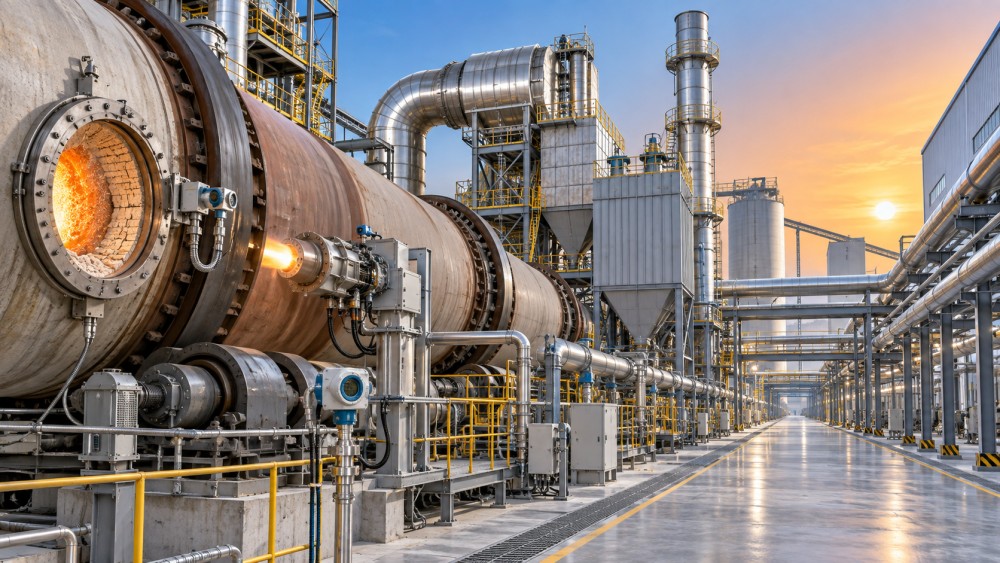
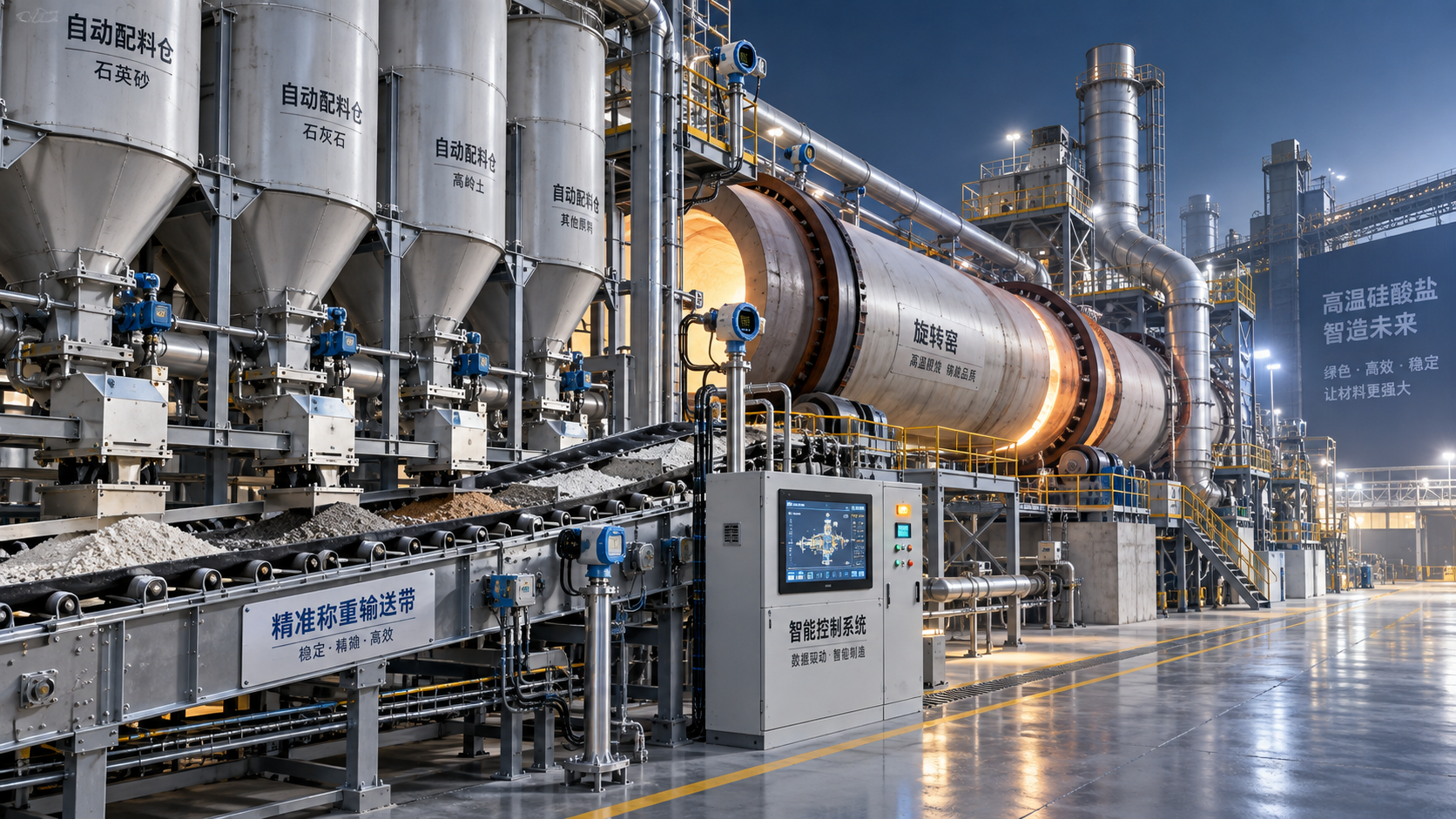
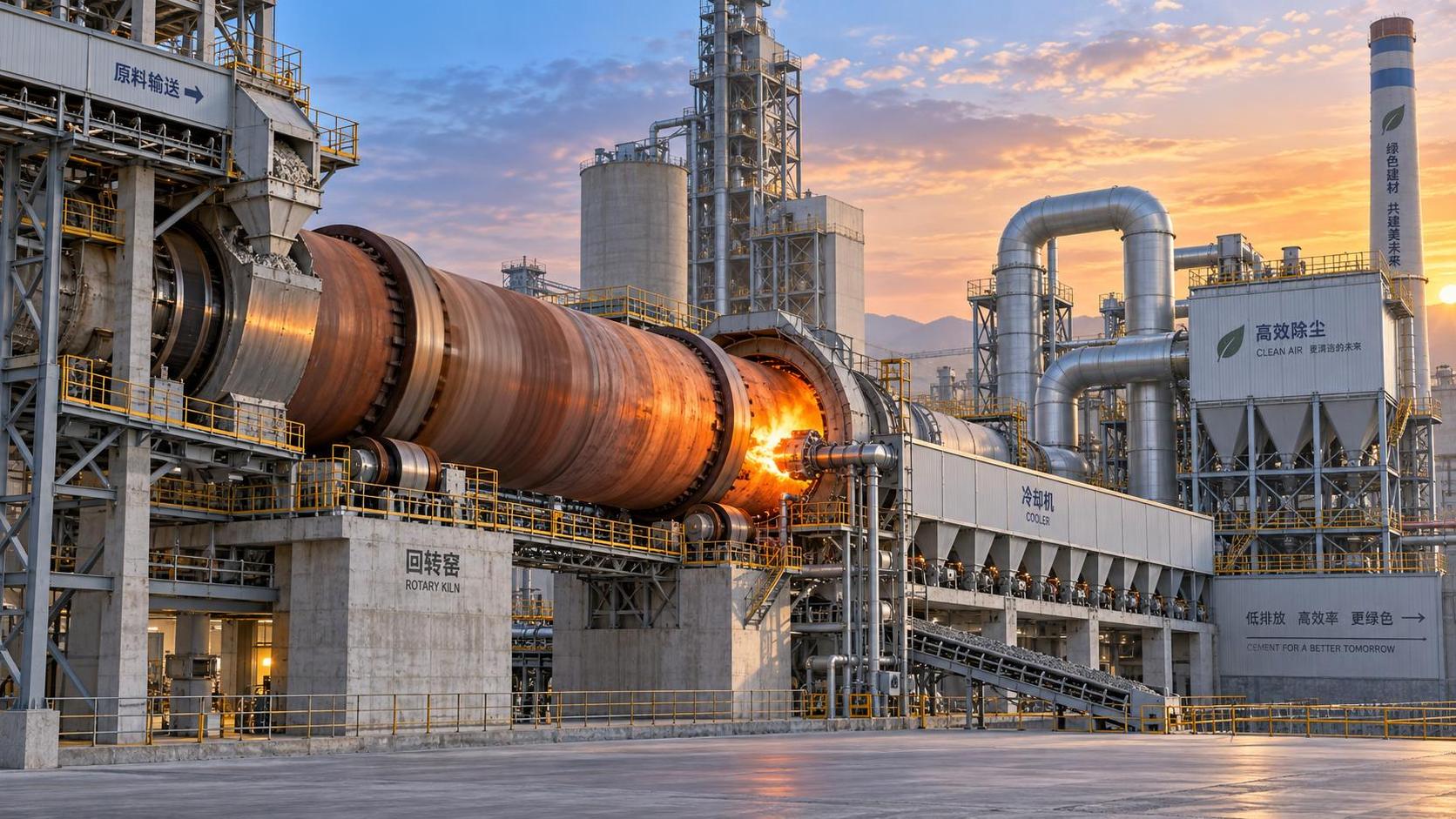
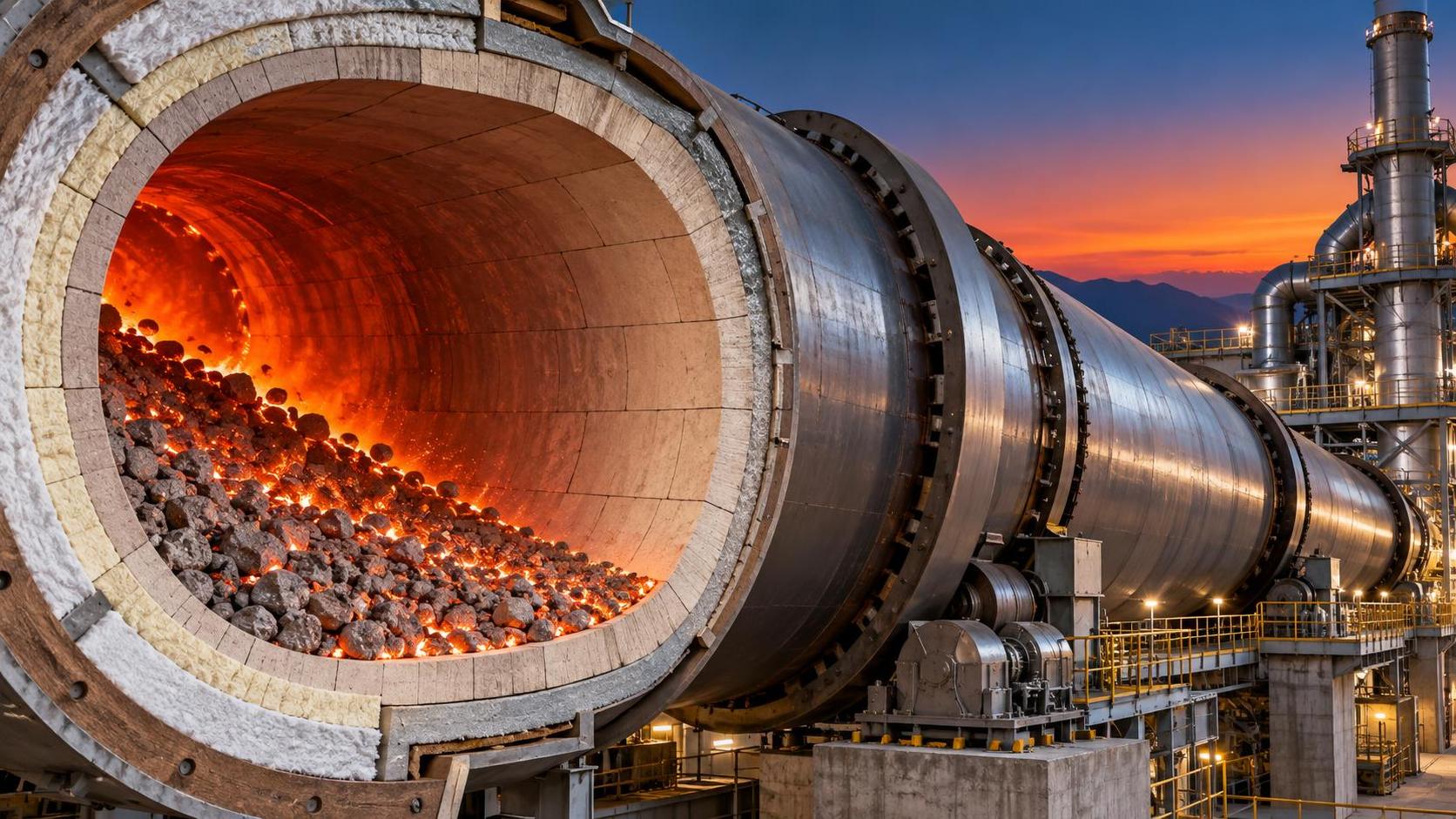
Consider a material stream entering a rotary kiln. If moisture removal is underestimated, the upstream zone can consume heat intended for reaction. If volatile release is ignored, gas volumes and combustion conditions may become unstable. If a melt phase forms earlier than expected, coating behavior, ring formation, and refractory attack may change dramatically. These are not secondary technical details; they determine whether a system runs smoothly or requires repeated intervention.
Project leaders should ask process engineers to identify the governing reaction windows and the consequences of drifting outside them. This typically includes:
- Critical reaction temperatures and dwell-time requirements.
- Endothermic and exothermic stages that affect heat balance.
- Potential slagging, sticking, foaming, dust carryover, or agglomeration mechanisms.
- Likely corrosive compounds, including alkalis, chlorides, sulfur species, fluorides, and heavy-metal-bearing ash where relevant.
- Product properties that depend on controlled cooling or annealing.
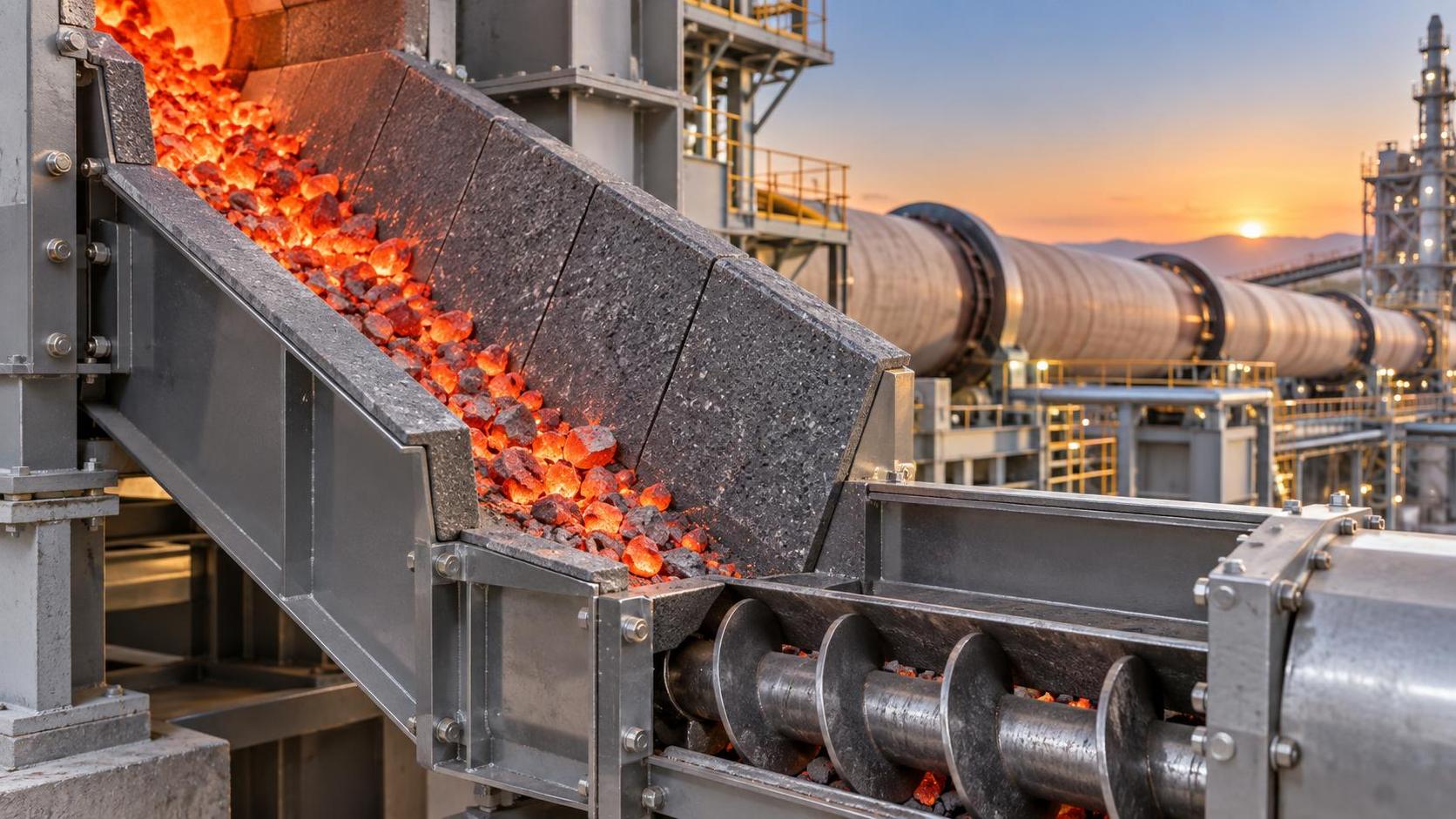
These inputs should guide the selection of kiln type, furnace configuration, burner arrangement, firing curve, material conveyance method, and gas-cleaning architecture. A specification that merely lists equipment dimensions and temperature ratings may be easy to issue, but it is not yet a reliable process specification.
Specify the heat balance as a living decision tool
Every continuous thermal project needs a heat and mass balance, but its value depends on how honestly it represents reality. A single spreadsheet case based on ideal feedstock and constant output is not enough. The balance should include at least a normal operating case, high-moisture or low-calorific-value case, low-throughput case, start-up case, and a credible upset scenario.
The purpose is not to predict every hour of production with perfect precision. It is to reveal margins. How much burner capacity remains when wet feed enters the line? Can the induced-draft fan maintain pressure when gas volume rises? Does the waste heat boiler still operate within its limits? Will the cooler or quench section protect downstream filters during a thermal excursion?
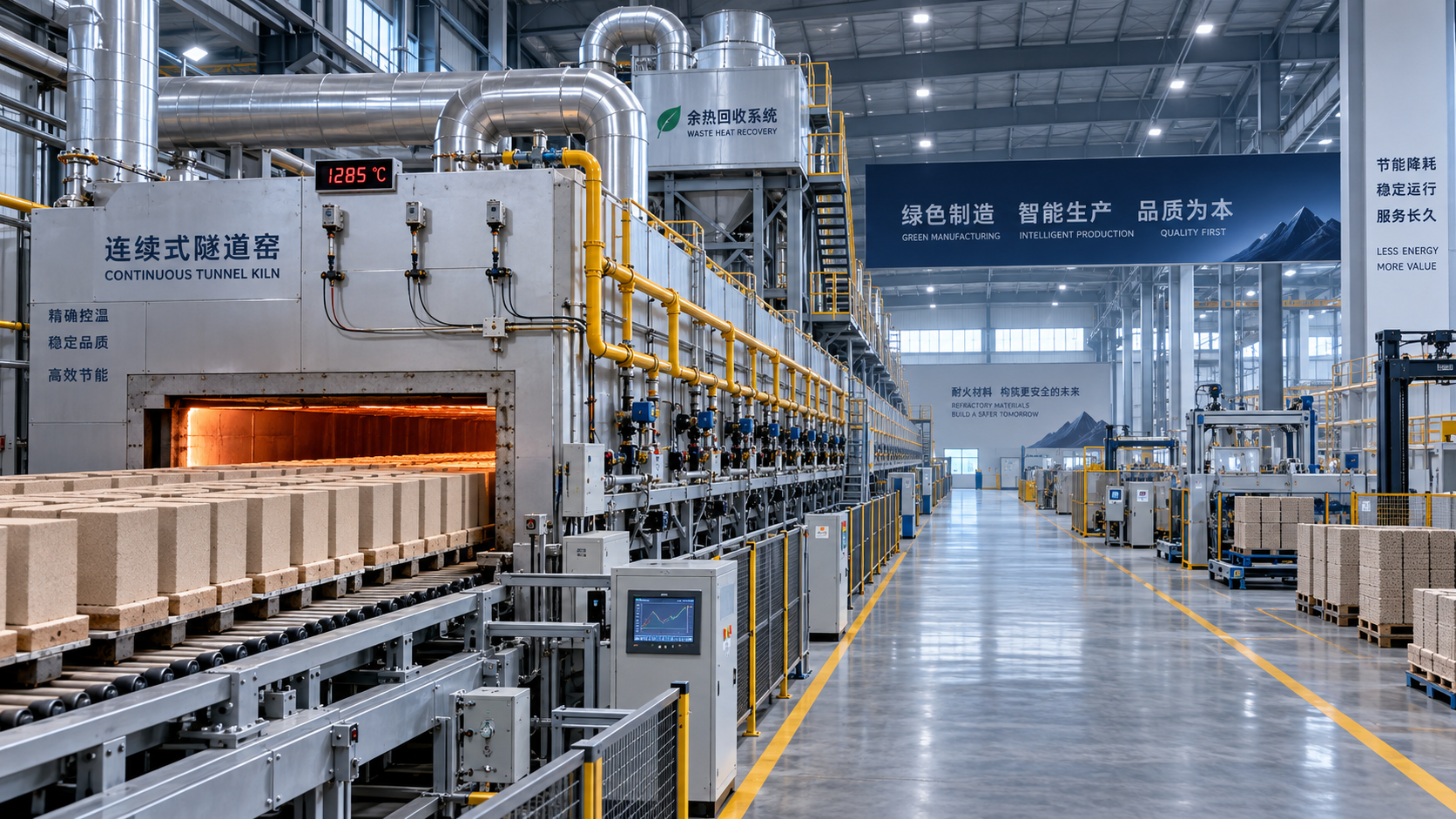
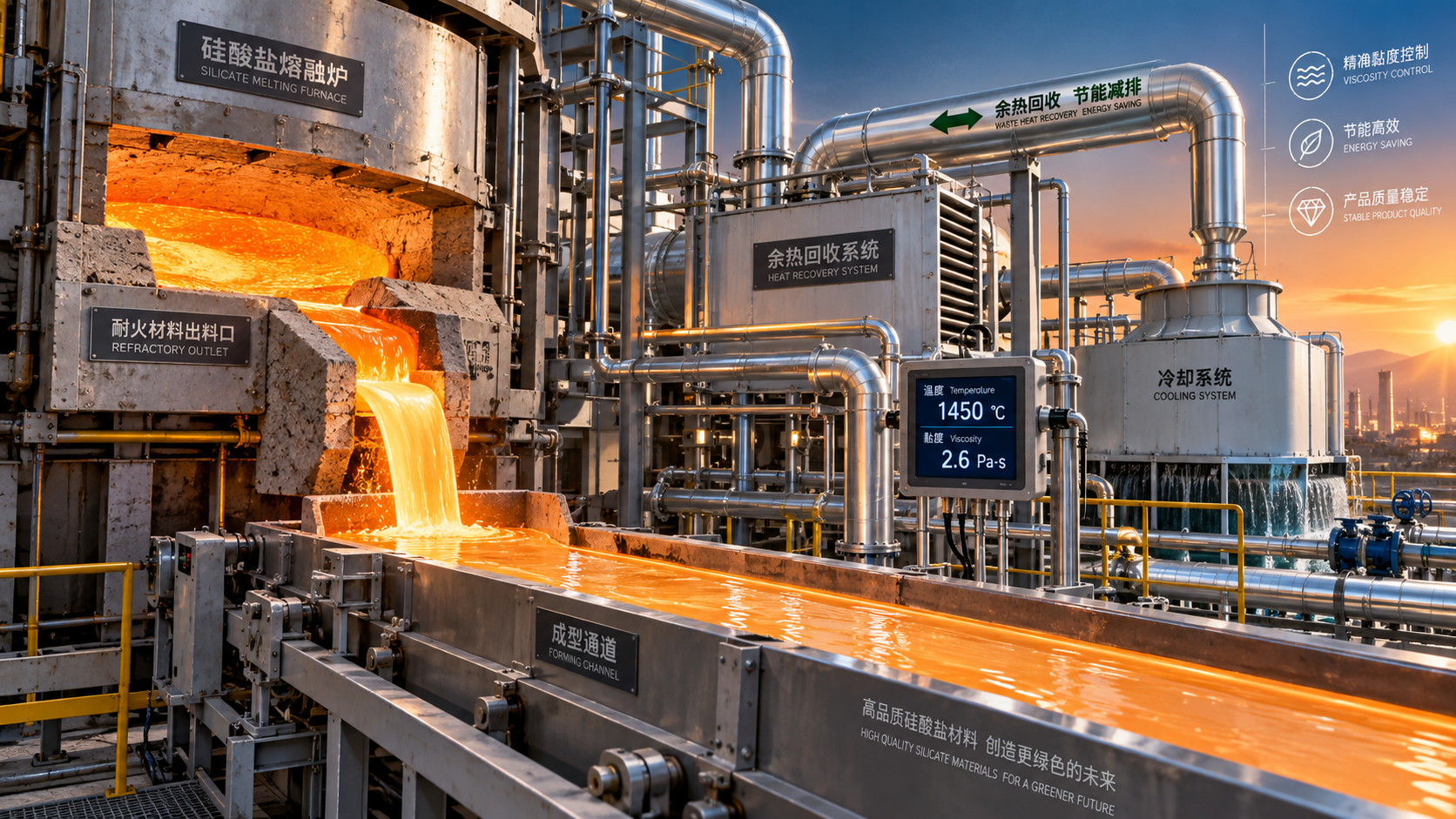
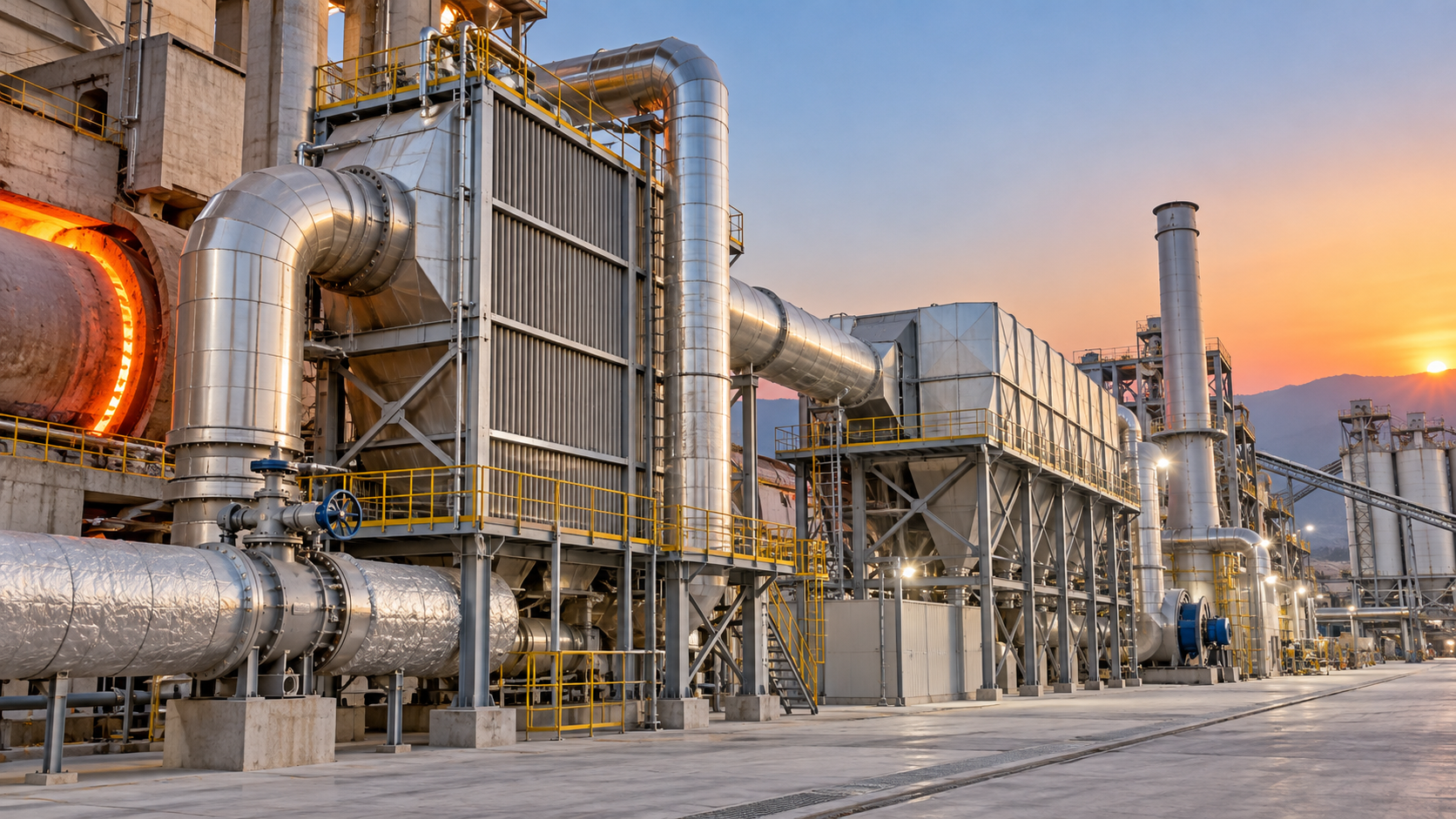
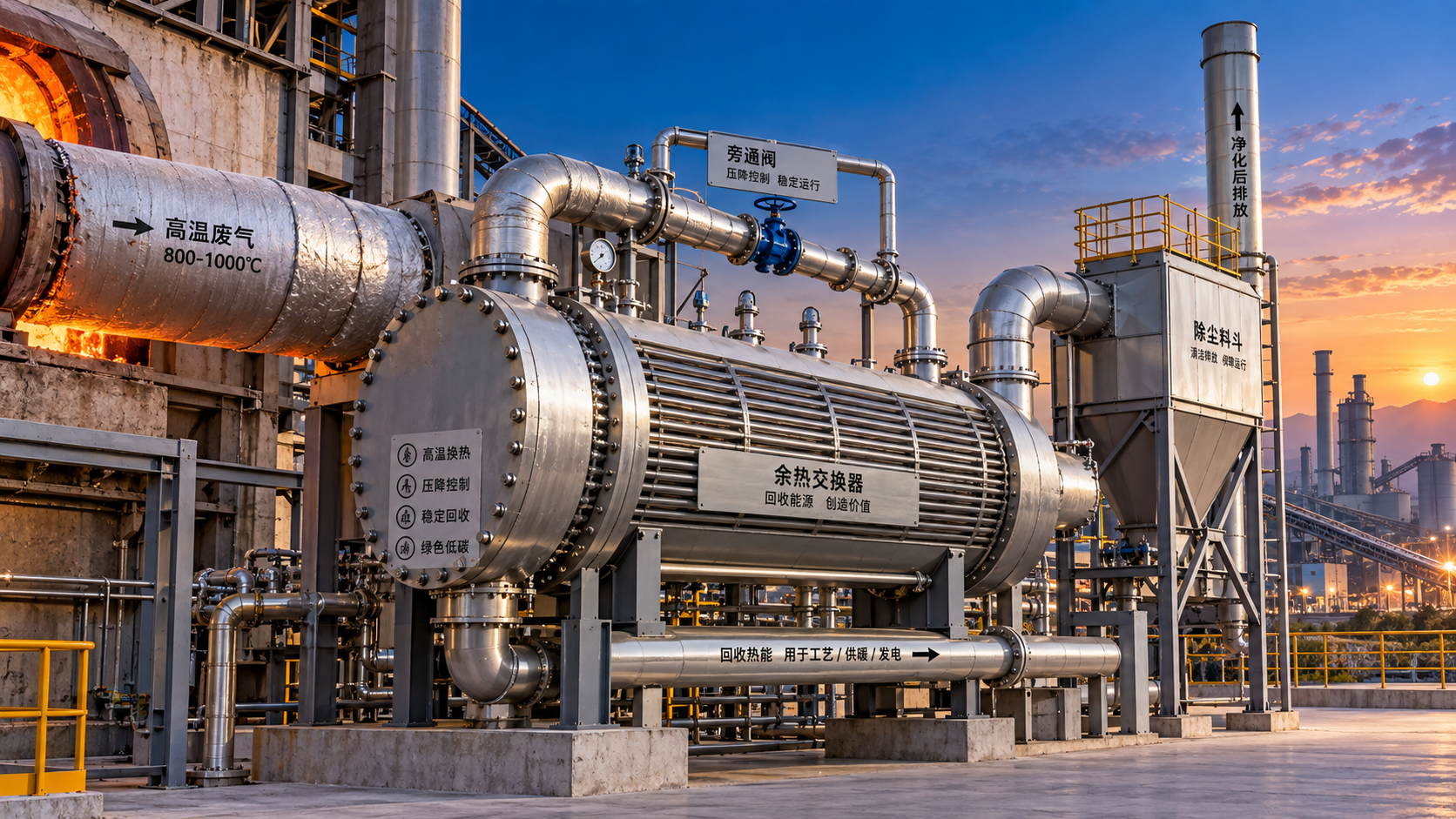
For high-temperature process engineering systems, heat recovery deserves early attention rather than late-stage optimization. Exhaust gases can support raw-material drying, combustion-air preheating, steam generation, district heating, or other site energy uses. Yet recovery equipment must not compromise process control. A recovery scheme that extracts theoretical energy but introduces fouling, unacceptable pressure drop, or instability may weaken the line it was meant to improve.
Define thermal efficiency in operational terms: fuel consumed per tonne of acceptable product, energy recovered without disrupting production, and losses that remain controllable as the equipment ages. This gives decision-makers a clearer basis for comparing designs than a supplier’s headline efficiency number.
Refractory is part of the process, not a replaceable lining detail
Refractories are often specified too late, after mechanical and thermal concepts have already been fixed. That approach can create a mismatch between lining performance and actual process conditions. The refractory system influences heat loss, shell temperature, product contamination risk, availability, and maintenance cost; it also has a direct relationship with the chemistry occurring inside the vessel.
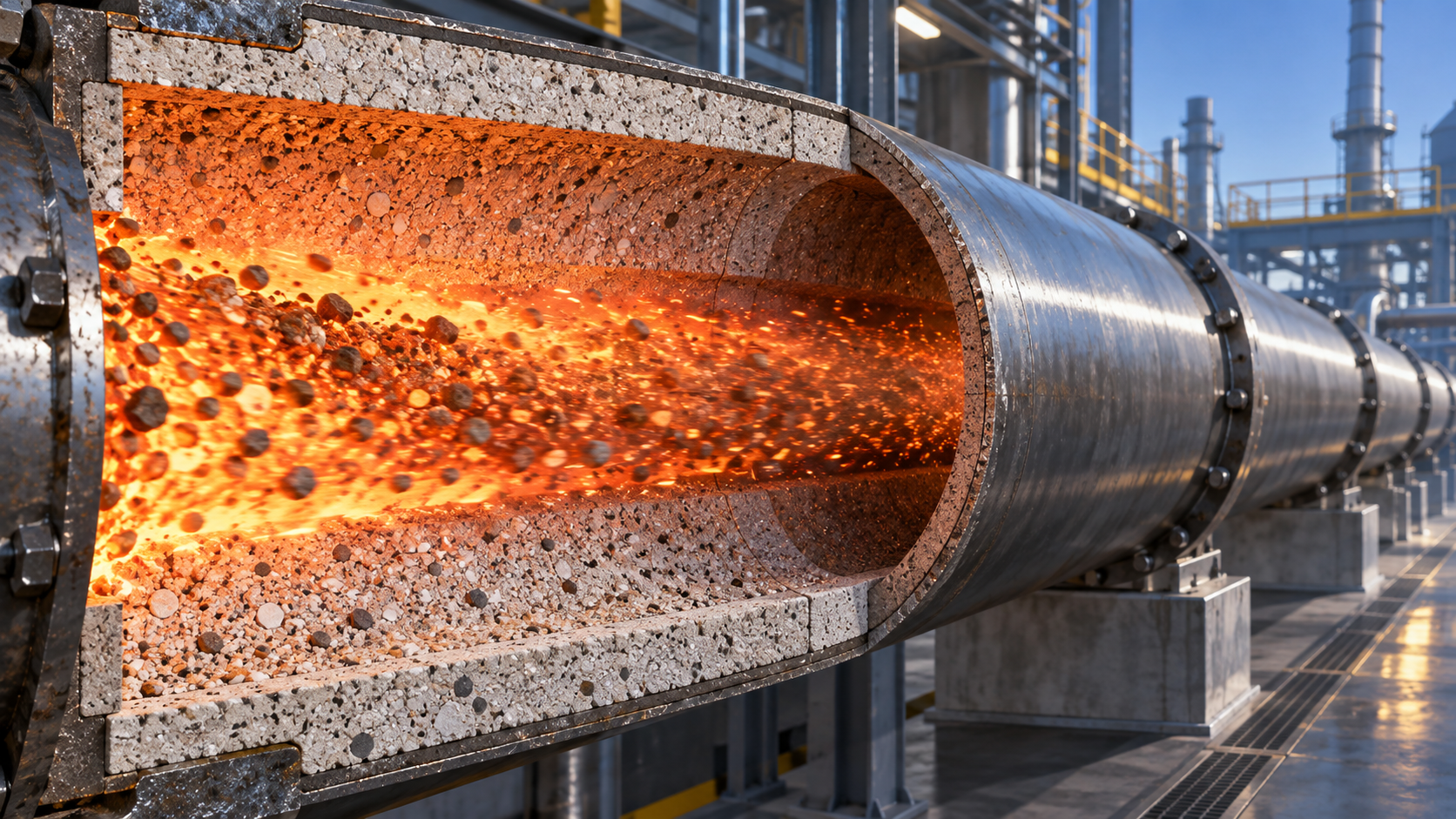
A useful refractory specification distinguishes between zones. The material needed at the burning zone of a cement kiln is not necessarily appropriate for a transition area exposed to alkali attack, nor for a glass furnace crown facing vapor-phase corrosion, nor for an incinerator chamber exposed to thermal shock and ash deposition.
At minimum, request a zone-by-zone lining concept that identifies:
- Expected hot-face temperature, shell temperature target, and heat-loss allowance.
- Chemical exposure and abrasion profile for each area.
- Thermal cycling severity, mechanical stress, and movement allowances.
- Anchoring systems, expansion joints, insulation layers, and installation method.
- Monitoring points for shell scanning, lining thickness estimation, and hotspot detection.
The right question is not “Which refractory lasts longest?” It is “Which lining system provides the required campaign life under this specific chemistry, thermal cycle, and maintenance strategy?” Sometimes a lining that is easier to repair safely during a short outage is more valuable than a more expensive material with a theoretical longer service life.
Control architecture should be specified around decisions operators must make
Automation is frequently discussed in broad terms—PLC, DCS, historian, digital twin, artificial intelligence—but project teams need a sharper definition. What must the control system detect early? Which variables may it adjust automatically? When should it alert an operator? Which conditions require a safe shutdown?
In a continuous kiln, furnace, or incineration line, a delay of minutes can be consequential. Temperature, pressure, oxygen, carbon monoxide, fuel flow, draft, feed rate, shell condition, and emissions data must be interpreted together. A control room full of isolated trends does not necessarily create control.
Specifications should include the control philosophy, not only an instrument list. It should address cascade loops, interlocks, permissives, alarm rationalization, recipe management, data retention, cybersecurity boundaries, and manual fallback procedures. If alternative fuels, variable waste streams, or recycled materials are planned, include logic for handling wider feed variability from the beginning.
Online refractory monitoring, combustion analysis, and condition-based maintenance tools can be particularly useful where shutdowns are expensive. Their business case is strongest when the project team has already defined how the information will trigger inspections, production adjustments, or maintenance decisions. Data without a response protocol quickly becomes background noise.
Emissions control cannot be designed as an end-of-pipe add-on
Environmental compliance is closely tied to upstream process stability. Poor combustion control may increase carbon monoxide and unburned compounds. Inadequate temperature management can affect NOx formation. Chlorine, sulfur, alkalis, dust, and volatile metals may influence both emissions behavior and the durability of downstream equipment.
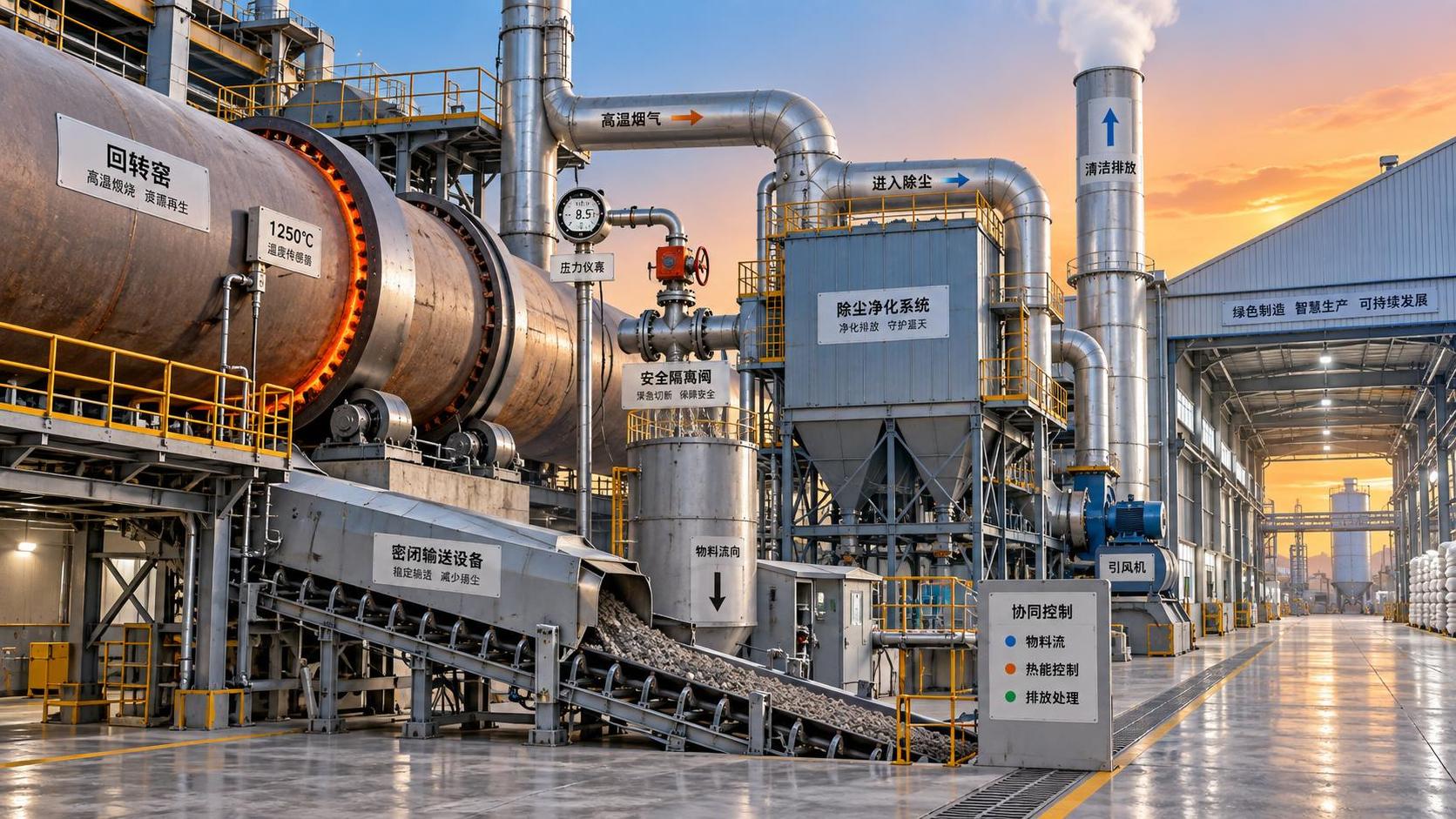
For this reason, specify the complete gas path: combustion chamber or process vessel, ducting, conditioning stage, heat recovery equipment, dust collection, scrubbers or dry-treatment systems where needed, stack monitoring, and induced-draft control. The system must function across the intended operating envelope, not only at a preferred production rate.
Ask suppliers to define design assumptions for dust loading, gas temperature, dew point, corrosion risk, reagent consumption, pressure drop, and maintenance access. Emissions systems frequently become the bottleneck when throughput increases or feed composition changes. A project that plans for flexibility at the process front end but not at the gas-treatment end is only partially prepared.
Compare vendors through interfaces and guarantees, not brochure features
When several equipment packages appear technically similar, the real differences are often hidden in boundaries of responsibility. Who owns the performance of the burner-to-furnace interface? Who confirms that the refractory design matches the combustion profile? Who is responsible when heat recovery causes draft instability? Who supplies control logic for an integrated line rather than separate skids?
A rigorous bid evaluation should compare more than capital cost. Assess the completeness of process data, the credibility of heat-balance assumptions, installed base under similar conditions, spare-parts strategy, commissioning support, maintainability, and clarity of exclusions. Request deviations in a structured format so they cannot disappear inside general terms and conditions.
Performance guarantees should be measurable and linked to the project’s priorities: capacity, product quality, specific energy use, emissions performance, availability conditions, and defined feed characteristics. Equally important are the test methods, duration of the acceptance test, instrumentation to be used, and rules for correcting results when site conditions differ from the agreed basis.
A practical gate review before releasing the specification
Before the tender package is issued, bring process, mechanical, electrical, environmental, operations, maintenance, and safety stakeholders into one review. The goal is not to polish wording; it is to expose assumptions that have not yet been owned.
Project managers should be able to answer the following questions without ambiguity:
- What feed variation is the line genuinely expected to tolerate?
- Which process variables define acceptable product and safe operation?
- Where are the highest thermal, chemical, and mechanical risks?
- What conditions trigger controlled turndown, bypass, or shutdown?
- How will refractory health, energy performance, and emissions compliance be monitored over the campaign?
- Which interfaces remain under one accountable party, and which require formal coordination?
This review may feel demanding at a stage when schedules are already under pressure. Still, unresolved assumptions do not disappear after procurement; they reappear as change orders, delayed commissioning, elevated fuel consumption, or avoidable downtime.
Build resilience into the specification
The most effective specifications for continuous thermal operations recognize that the plant will not remain static. Fuel mixes change, emissions limits tighten, recycled inputs grow, skilled operators retire, and energy economics move in unexpected directions. Resilience does not mean overdesigning every component. It means identifying the areas where future adaptation is most likely and preserving practical options.
That may include spare I/O capacity for instrumentation, physical space for additional gas treatment, burner flexibility, access provisions for inspection, modular wear components, or a data architecture that can support future digital-twin analysis. For capital-intensive assets expected to operate for decades, these choices can matter far more than a small saving in the initial package price.
CF-Elite’s work across cement, glass, industrial kiln, incineration, refractory, and extrusion sectors consistently points to the same conclusion: thermal performance is never purely thermal. It is the combined result of material science, process control, energy strategy, equipment design, and disciplined operational knowledge.
When project leaders specify high-temperature process engineering systems from that wider perspective, they give their teams something more valuable than a compliant equipment list. They create a foundation for stable throughput, manageable maintenance, lower thermal losses, and sound decisions throughout the life of the plant.
Related News
 Thermal Energy ArchitectHow to Specify High-Temperature Process Systems for Continuous Thermal OperationsHigh-temperature process engineering systems: learn how to specify resilient continuous thermal operations for efficiency, compliance, reliable uptime, and long-term performance.Sep 28, 2026
 Thermal Energy ArchitectHow to Evaluate a Thermal Engineering Contractor for High-Temperature Plant ProjectsChoose a thermal engineering contractor with proven process expertise, lifecycle value, emissions control, and delivery discipline for reliable high-temperature plant performance.Sep 27, 2026
 Silicate Process EngineerHow Latin American Cement Plants Can Reduce Dust Emissions in Kilns and Transfer PointsCement plant dust control Latin America: reduce kiln and transfer-point emissions with practical airflow, filtration, monitoring, and maintenance strategies.Sep 26, 2026
 Material Heat-Resist ExpertHow to Evaluate Refractory Production Lines for Output, Quality, and Energy UseRefractory production lines: learn how to assess qualified output, consistent quality, and total energy use for smarter, lower-risk investment decisions.Sep 25, 2026
 Dr. Alistair VaughnHow Waste Recycling Technology Improves Material Recovery in Industrial PlantsWaste recycling technology improves material recovery through source segregation, smart separation, thermal treatment, and quality control for industrial plants.Sep 24, 2026
 Optical Glass Tech FellowHow to Specify Glass Annealing Equipment for European Quality and Energy RequirementsGlass annealing equipment Europe: learn how to specify lehrs for consistent glass quality, energy efficiency, compliance, automation, and reliable long-term performance.Sep 23, 2026
 Optical Glass Tech FellowSilicate Process Automation: Improving Batch Consistency and Energy ControlSilicate process automation improves batch consistency, energy control, traceability, and operator confidence across high-temperature manufacturing operations.Sep 22, 2026
 Optical Glass Tech FellowHow Silicate Industrial Processes Control Viscosity, Energy Use, and Product QualitySilicate industrial processes: learn how viscosity, chemistry, heat transfer, and atmosphere control reduce energy use, improve stability, and protect product quality.Sep 21, 2026
 Thermal Energy ArchitectHow European Plants Can Evaluate Energy Recovery Equipment for High-Temperature ProcessesIndustrial energy recovery equipment Europe: learn how high-temperature plants can assess waste-heat sources, integration risks, lifecycle value, and reliable recovery routes.Sep 20, 2026
 Thermal Energy ArchitectIndustrial Furnace Process Optimization: Reducing Fuel Use Without Sacrificing ThroughputIndustrial process optimization furnace strategies that cut fuel use while protecting throughput. Explore combustion control, heat recovery, refractory performance, and data-driven efficiency gains.Sep 19, 2026
 Ms. Elena RodriguezWhat Drives High-Pressure Extrusion Equipment Cost in Industrial Projects?High pressure extrusion equipment cost explained: compare pressure, die design, automation, wear, energy, and installation factors for smarter industrial investments.Sep 18, 2026
 Thermal Energy ArchitectHow to Size a Waste Heat Recovery Exchanger for High-Temperature Kiln Exhaust?Waste heat recovery exchanger sizing for high-temperature kiln exhaust: balance recoverable duty, fouling, corrosion limits, pressure drop, and reliable heat use.Sep 17, 2026
 Thermal Energy ArchitectWhy Heat-Resistant Materials Lose Abrasion Resistance at High TemperaturesHeat-resistant materials abrasion resistance can decline at high temperatures. Discover the thermal, chemical, and mechanical causes of wear—and how to choose longer-lasting linings.Sep 16, 2026
 Thermal Energy ArchitectHow to Evaluate a Thermal Energy Optimization Company for High-Temperature PlantsChoose a thermal energy optimization company with proven process expertise, measurable savings, and reliable delivery for high-temperature plants. Learn what to assess.Sep 15, 2026
 Thermal Energy ArchitectRotary Kiln Efficiency: How Feed Rate, Fuel Use, and Heat Loss Affect OutputRotary kiln efficiency explained: discover how feed rate, fuel use, heat loss, combustion, and cooling performance shape output, quality, and energy costs.Sep 14, 2026
 Thermal Energy ArchitectHow to Select Heat-Resistant Materials That Maintain Abrasion Resistance in KilnsHeat-resistant materials abrasion resistance: learn how to select kiln linings that withstand heat, wear, thermal cycling, and chemical attack for longer service life.Sep 13, 2026
 Thermal Energy ArchitectHow Rotary Kiln Automation Improves Temperature Control and Fuel EfficiencyRotary kiln technology automation enhances temperature control, stabilizes combustion, and improves fuel efficiency with smarter data, predictive control, and safer operations.Sep 12, 2026
 Silicate Process EngineerCement Plant Emission Control: Selecting Systems for Dust, NOx, and SO2 LimitsCement plant emission control guide: compare dust collectors, NOx reduction, and SO2 systems for reliable compliance across kiln modes, fuel changes, and operating upsets.Sep 11, 2026
 Thermal Energy ArchitectSelecting Abrasion-Resistant High-Temperature Materials for Kiln and Conveyor Wear ZonesHigh-temp material engineering guide to abrasion-resistant kiln and conveyor solutions—match wear, heat, chemistry, and installation design for longer service life.Sep 10, 2026
 Dr. Alistair VaughnIndustrial Process Engineering: How to Map Processes for Safer, More Efficient PlantsIndustrial process engineering reveals bottlenecks, safety risks, and energy losses through practical process mapping for safer, more efficient plants.Sep 09, 2026


Related News
- 00
0000-00
How to Specify High-Temperature Process Systems for Continuous Thermal Operations - 00
0000-00
How to Evaluate a Thermal Engineering Contractor for High-Temperature Plant Projects - 00
0000-00
How European Plants Can Evaluate Energy Recovery Equipment for High-Temperature Processes - 00
0000-00
Industrial Furnace Process Optimization: Reducing Fuel Use Without Sacrificing Throughput - 00
0000-00
How to Size a Waste Heat Recovery Exchanger for High-Temperature Kiln Exhaust?
Weekly Insights
Stay ahead with our curated technology reports delivered every Monday.