
How to Specify Heavy Industrial Process Systems for High-Temperature Plants




How to Specify Heavy Industrial Process Systems for High-Temperature Plants
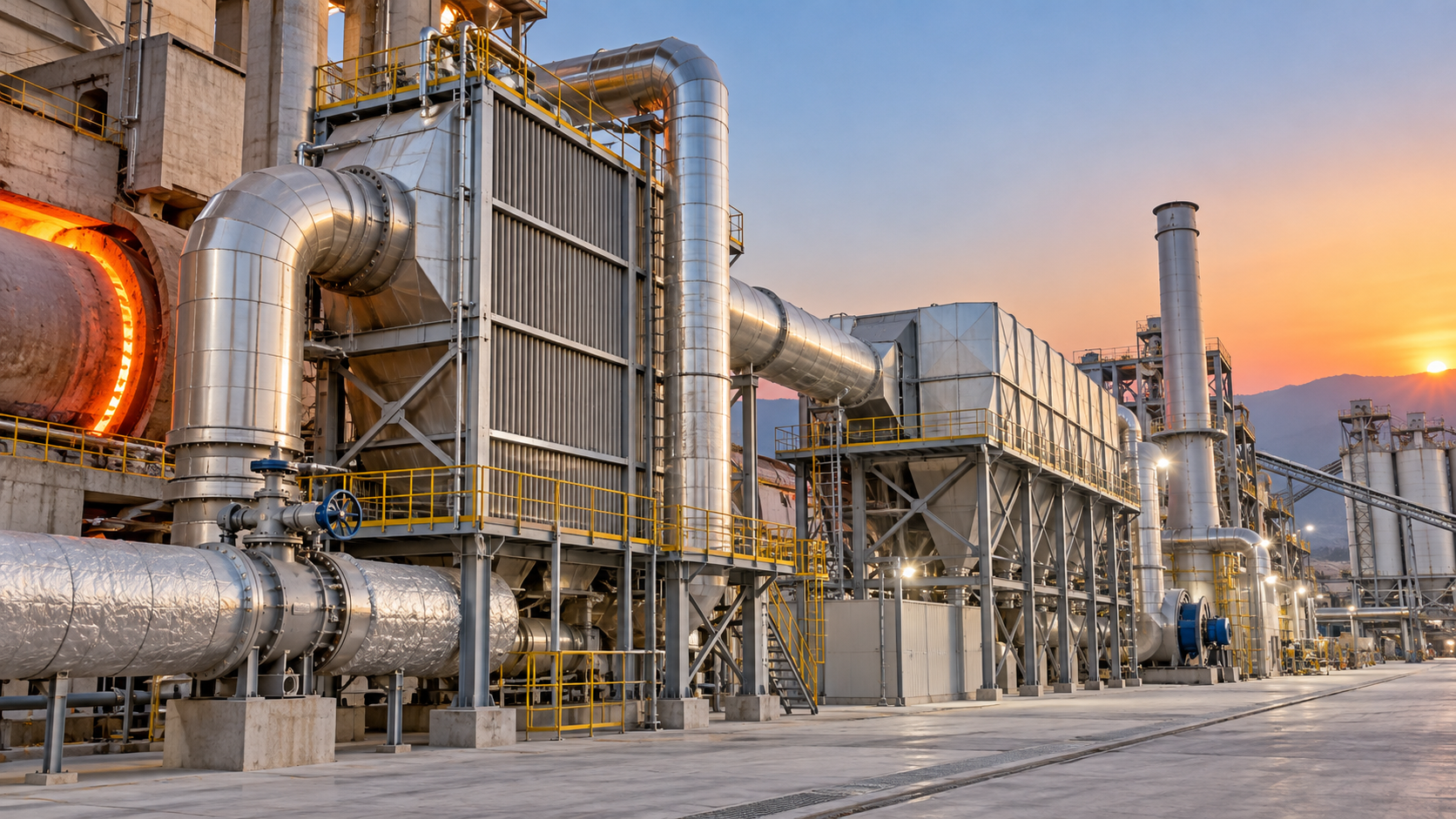
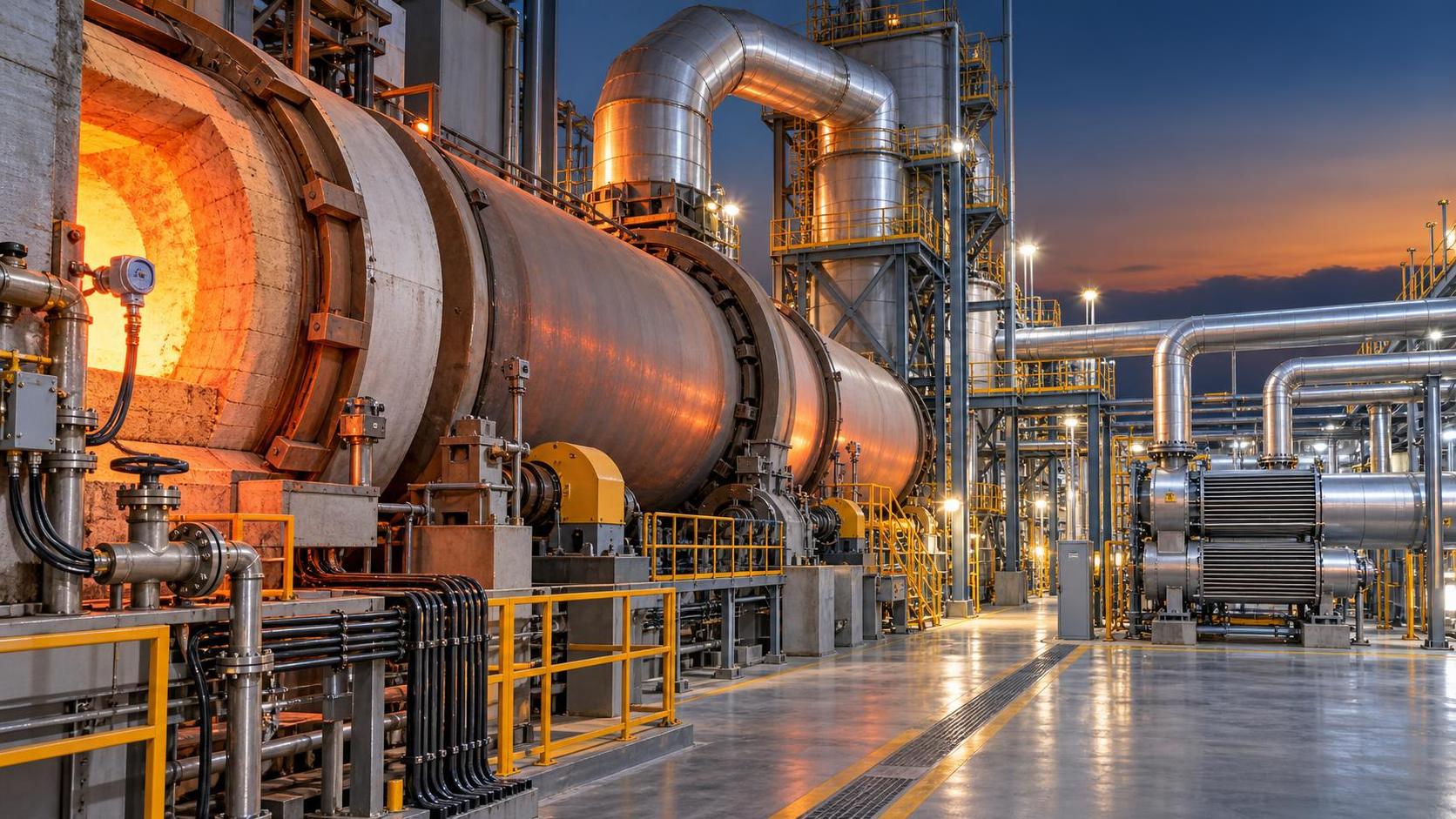
Specifying heavy industrial processes systems for a high-temperature plant is not a matter of choosing the largest kiln, furnace, incinerator, or extruder that fits the projected throughput. The critical decisions sit at the interfaces: between feed chemistry and heat transfer, refractory design and mechanical movement, combustion control and emissions treatment, automation architecture and operator practice. A system may look sound in a supplier proposal yet become difficult to operate once raw-material variability, fuel changes, maintenance access, and local environmental limits enter the picture.
For project leaders, the purpose of a specification is to turn a business objective into a testable technical basis. It should allow bidders to design around the same operating reality, reveal exclusions early, and provide a practical reference during engineering, commissioning, and acceptance. This is especially important in cement production, glass melting, industrial waste treatment, refractory manufacturing, and high-pressure building-material extrusion, where an upstream mismatch can propagate through the entire line.
The strongest specifications do not attempt to prescribe every component. They define performance boundaries, process risks, responsibilities, verification methods, and the flexibility required over the asset’s operating life.
Start with the Process Envelope, Not the Equipment List
Equipment lists are necessary, but they are a poor starting point. Before selecting equipment, establish the process envelope in terms that process engineers, mechanical designers, and commercial teams can all interpret. This includes feedstock composition and variability, target production grades, moisture range, particle-size distribution, expected contaminants, required thermal profile, planned operating hours, and normal versus upset conditions.
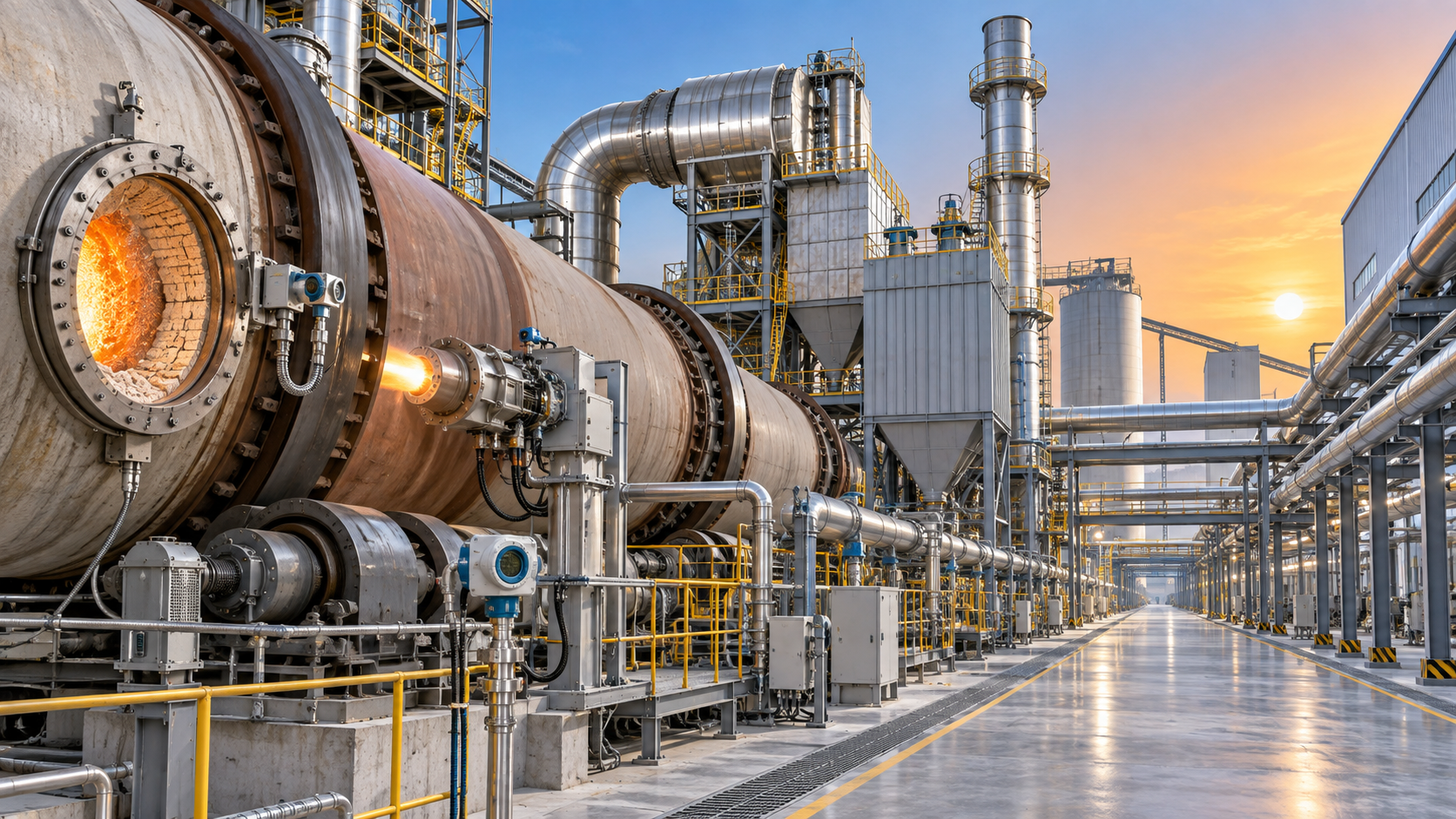
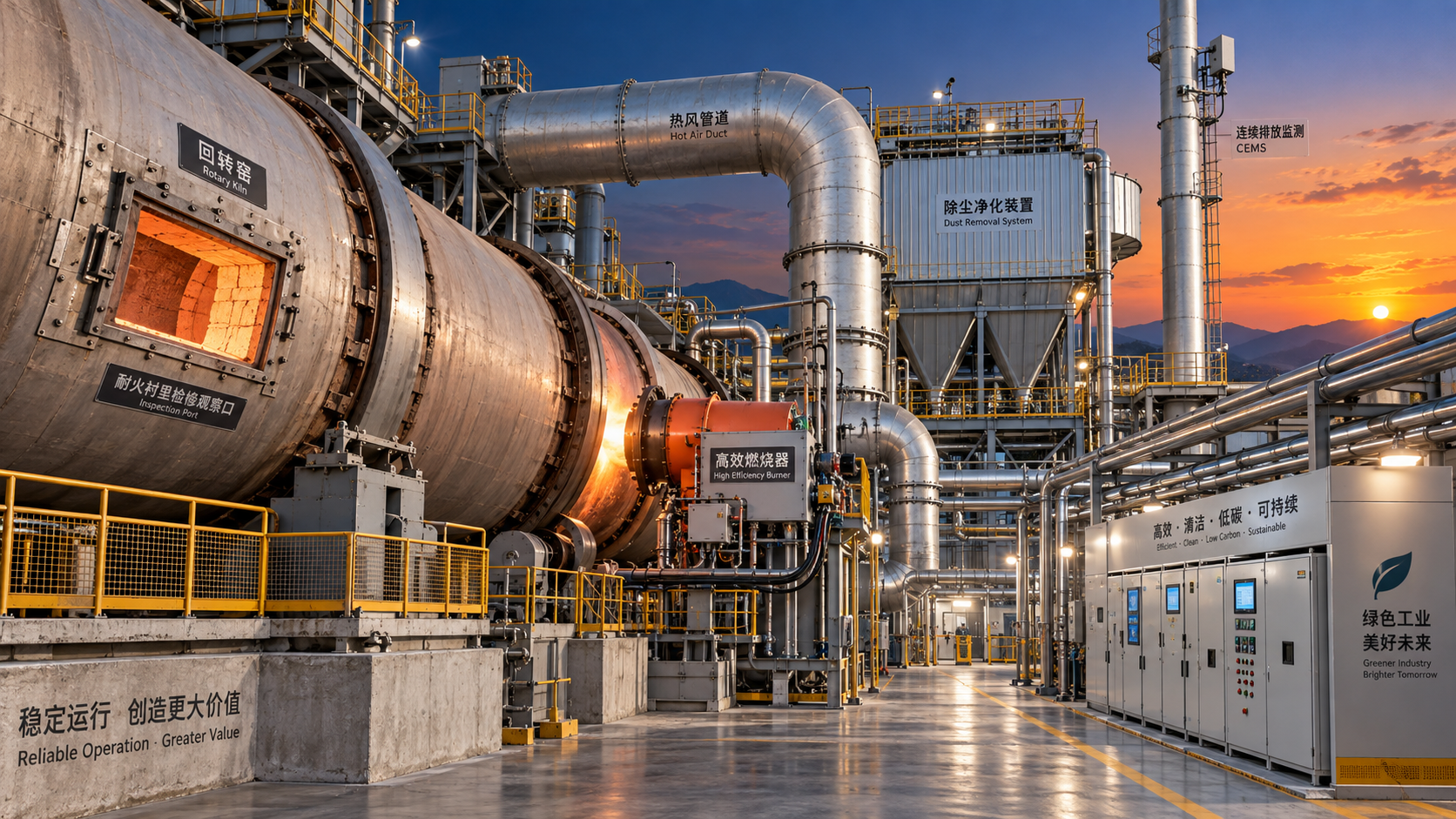
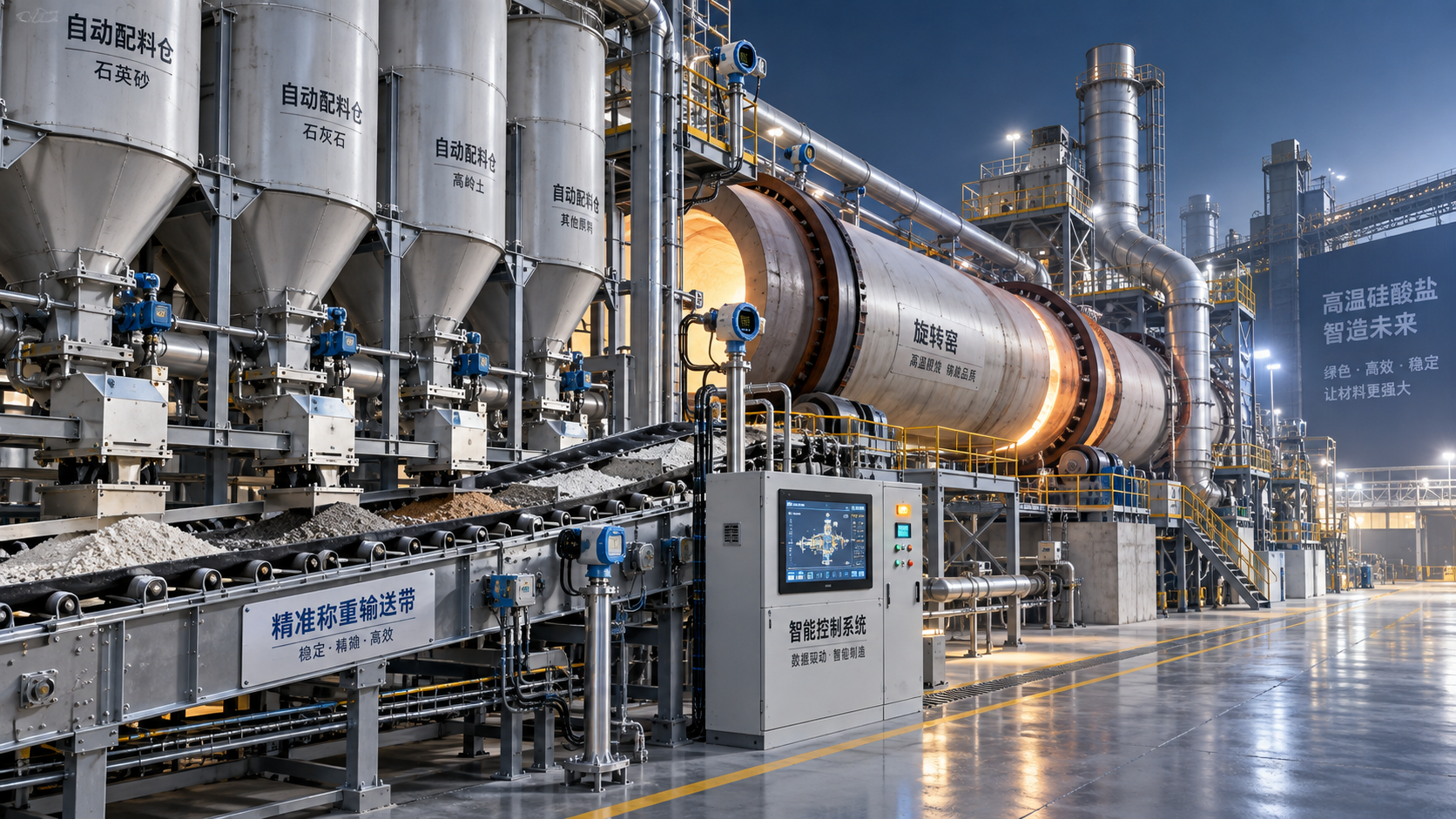
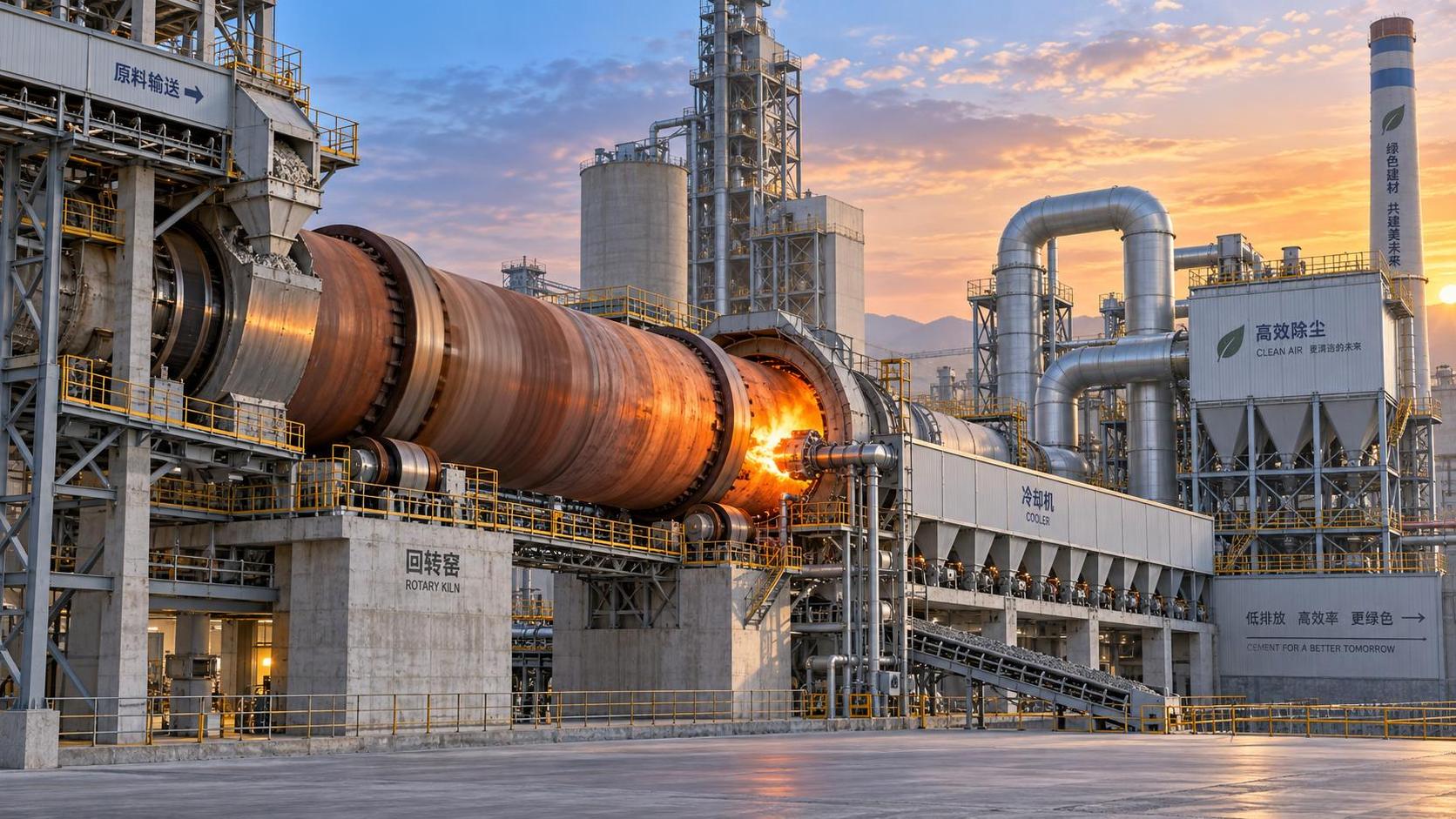
A rotary kiln designed around a stable conventional feed behaves differently when alternative fuels or variable mineral inputs are introduced. A glass furnace specification must distinguish between theoretical melting capacity and the actual pull rate achievable while preserving glass quality and downstream forming stability. In an incineration plant, waste calorific value, chlorine, sulfur, ash behavior, and transient loading can affect combustion design, flue-gas treatment, corrosion exposure, and residue handling simultaneously.
Project teams should describe at least three operating states: design capacity, expected normal operation, and credible adverse conditions. The adverse case is not an invitation to overdesign every subsystem. It is a way to identify where controlled derating, bypass capability, material changes, or operating procedures are required. Without this distinction, suppliers may base their proposals on different assumptions and apparent price comparisons become misleading.
Define the thermal duty with enough context
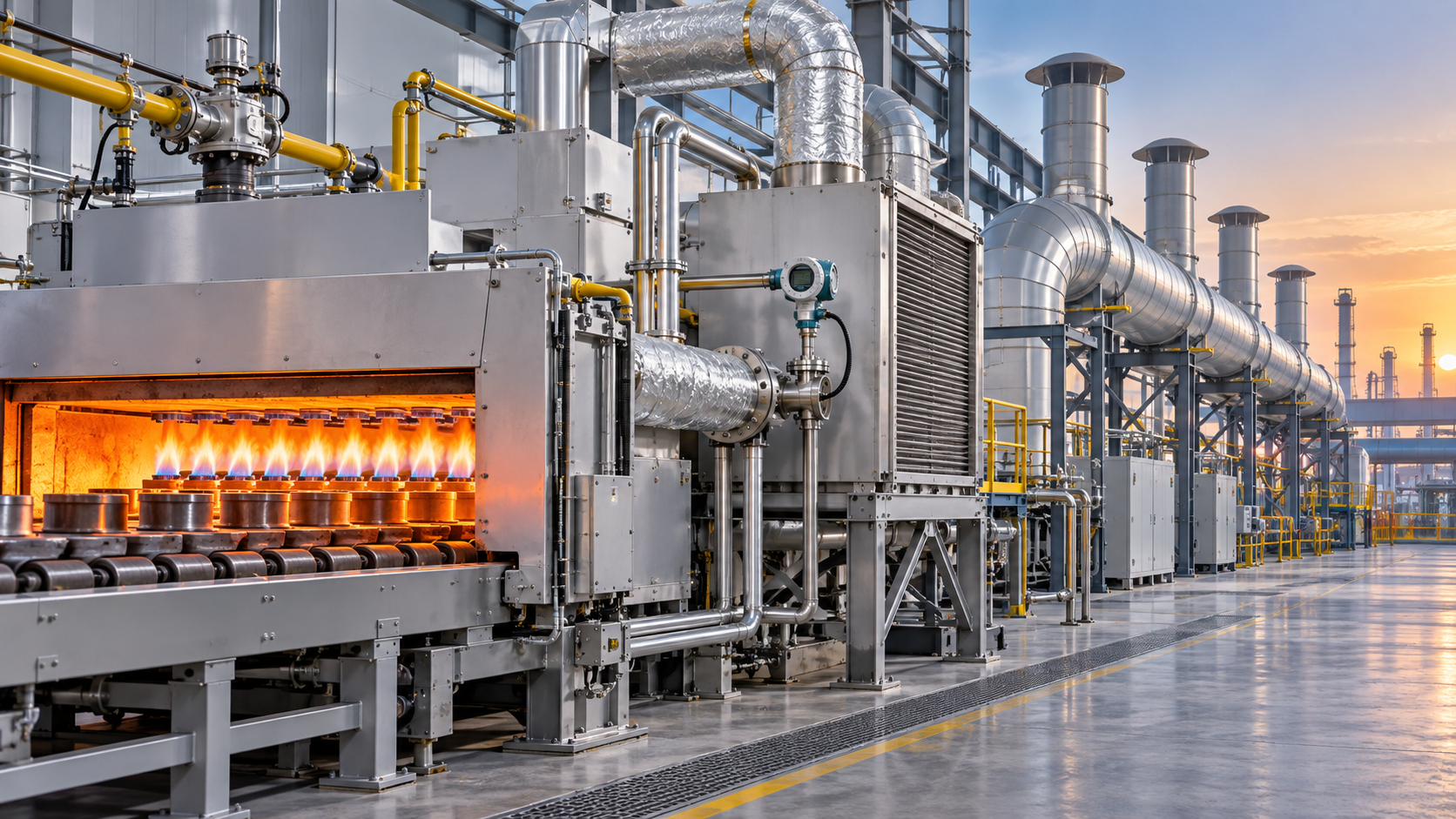
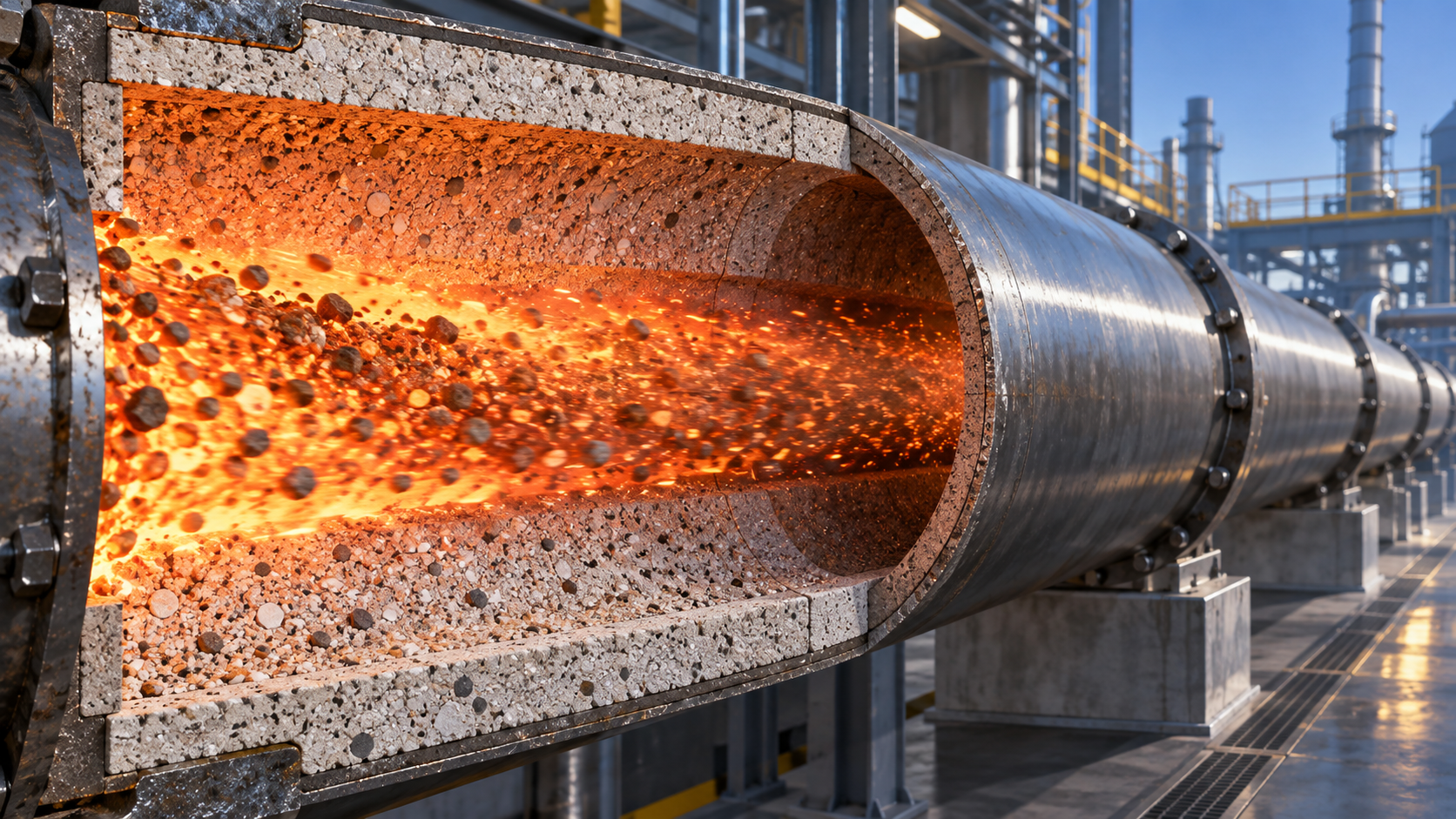
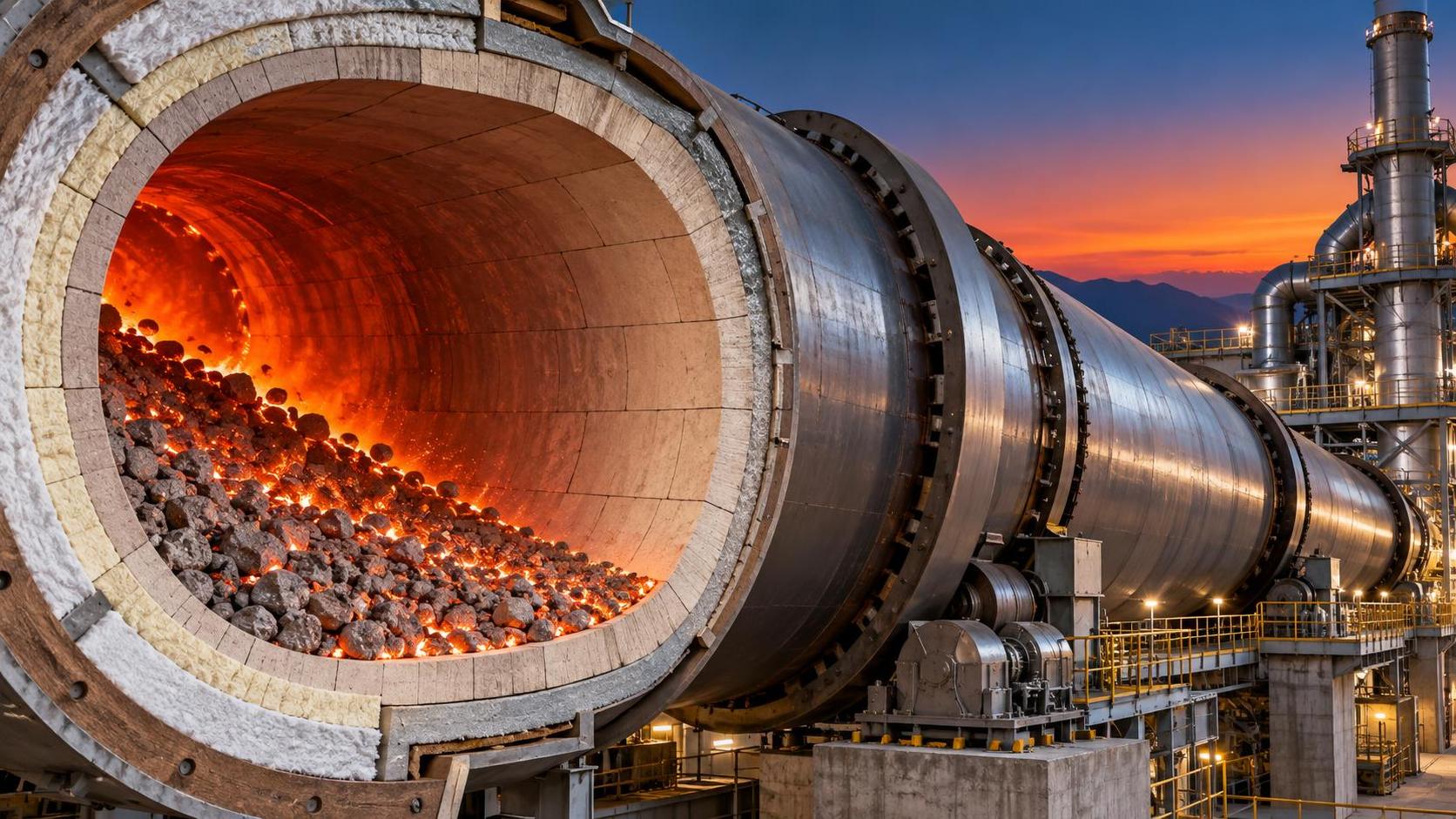
Temperature alone is not a sufficient design condition. Specify temperature distribution, heating and cooling rates, residence time, atmosphere, pressure regime, flame characteristics where applicable, and the frequency of cycling. A refractory lining that is suitable for steady operation may fail prematurely under frequent shutdowns, rapid heat-up, or localized chemical attack. Likewise, a burner selected only by nominal heat release may not provide the flame geometry, turndown range, or fuel flexibility needed to protect product quality and lining life.
The question to ask is not simply, “What maximum temperature will the unit reach?” It is, “What combinations of temperature, chemistry, mechanical stress, and duration will the unit experience?” That question produces better requirements for shells, expansion joints, seals, insulation, refractory anchors, instrumentation, and maintenance planning.
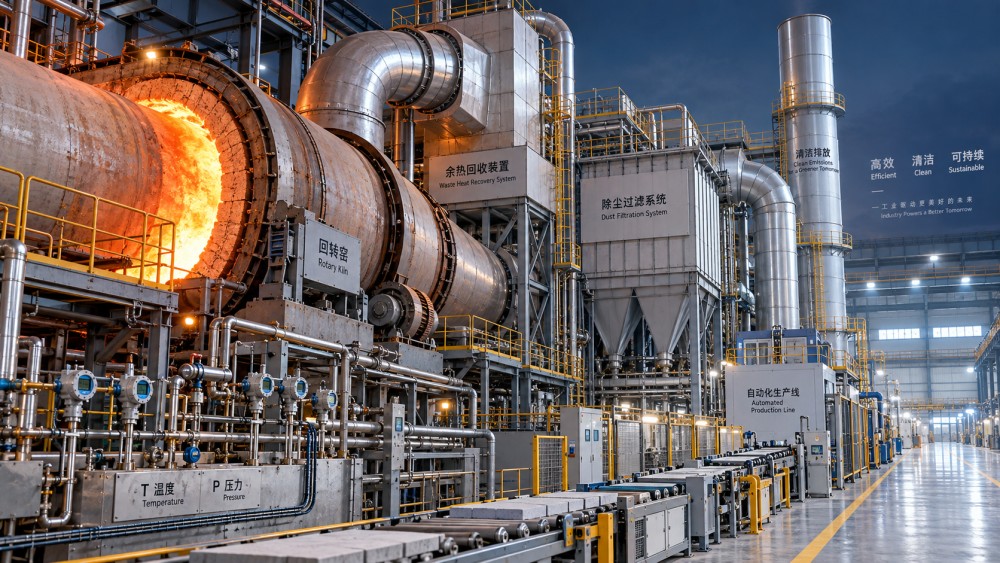
Treat Material Compatibility as a System Decision
In high-temperature plants, material selection is often discussed too late, after the process scheme and equipment geometry have largely been fixed. That creates expensive compromises. Refractories, metallic alloys, castables, gaskets, coatings, conveyor components, and ductwork materials must be assessed against the real chemical environment rather than a generic temperature rating.
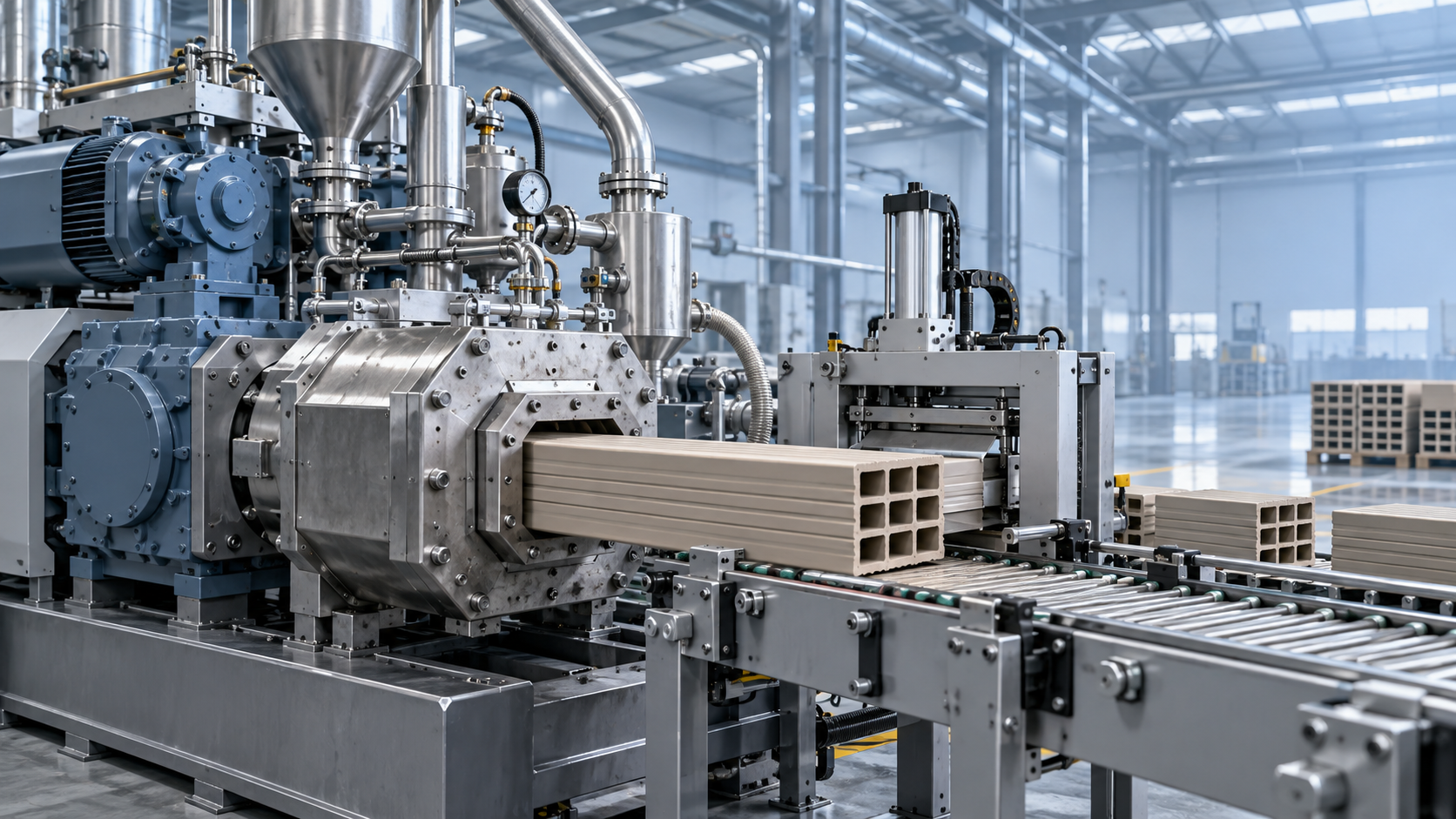
For example, alkali circulation in cement or refractory processes may influence coating formation and refractory wear. Chlorides and sulfur-bearing compounds can intensify corrosion risks in incineration and exhaust-gas systems. Glass formulations can impose very specific requirements on contact materials, while extrusion lines may face abrasive mineral bodies, high forming pressures, and moisture-related wear. A material that survives the main thermal zone may still be unsuitable at transitions, seals, burner blocks, charging areas, quench sections, or dust-handling equipment.
Specifications should therefore require bidders to identify material assumptions and zones of responsibility. It is useful to ask for a lining concept, expected wear mechanisms, inspection approach, repair philosophy, and the conditions under which any stated service expectation no longer applies. This is more meaningful than asking for a broad assurance of “high-temperature resistance.”
Balance Energy Performance with Operability
Energy efficiency is central to plant economics and carbon strategy, but it should not be specified as a single isolated consumption figure. Thermal consumption depends on feed condition, product mix, ambient conditions, production stability, fuel quality, recirculation rates, and the operating practices used to keep the line within quality limits. A guaranteed figure without a clearly defined test boundary can create disputes instead of clarity.
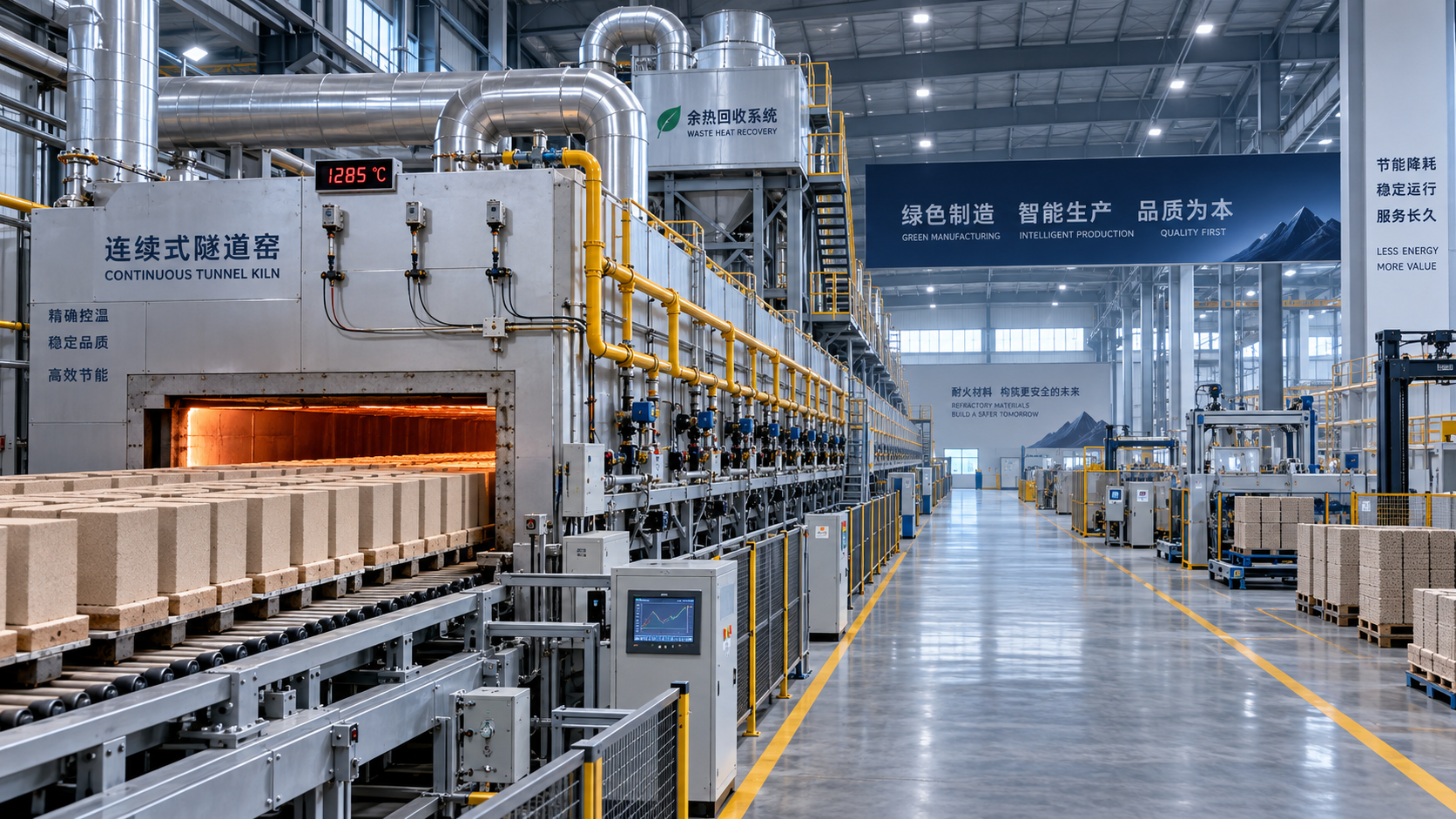
A better approach is to define the energy balance boundary, measurement methods, reference feed conditions, permitted correction factors, and the operating point at which performance is evaluated. Heat recovery, waste-heat utilization, insulation quality, combustion-air preheating, variable-speed drives, and process-control logic should be reviewed as connected measures rather than independent upgrades.
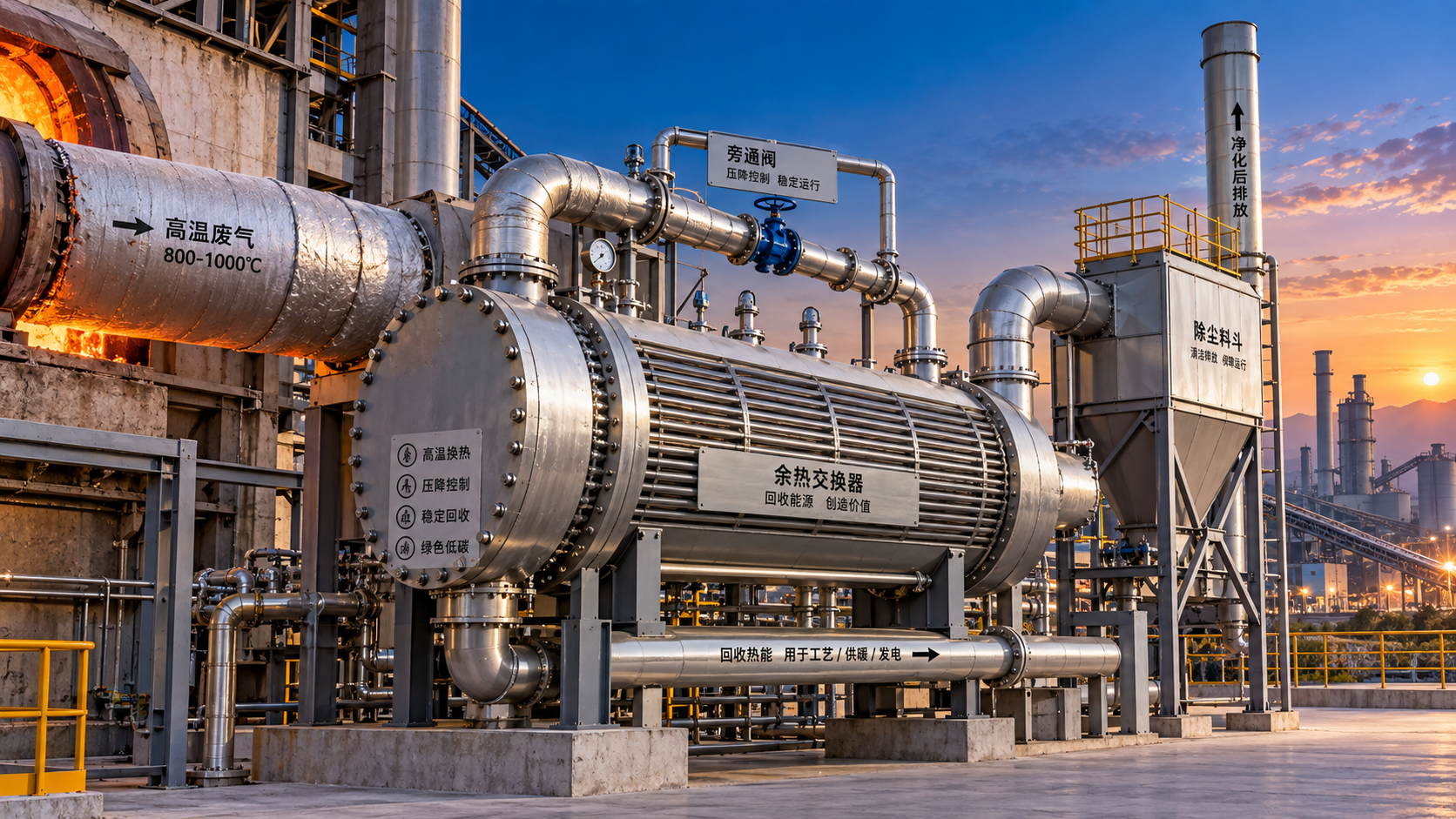
There is also a practical trade-off. Highly optimized heat recovery can add ductwork, fouling surfaces, pressure-drop constraints, and maintenance complexity. In dusty, corrosive, or chemically variable processes, the right design may be one that recovers less theoretical energy but remains available and cleanable. The specification should require a lifecycle rationale for such choices, including maintenance access, isolation provisions, cleaning methods, and the effect of partial-load operation.
Make Emissions Control Part of Core Process Design
Emissions equipment should not be treated as a downstream package added after the main thermal system has been selected. Combustion conditions, raw-material chemistry, dust loading, gas temperature, oxygen control, residence time, and leak air all influence the performance of filtration, scrubbing, adsorption, selective reduction, and continuous monitoring arrangements.
Local permits and applicable standards must be confirmed for the project location, but the technical specification can already establish the necessary design discipline. It should state expected gas composition ranges where known, normal and upset gas flows, particulate characteristics, moisture and dew-point considerations, and the availability targets for the emissions-control train. It should also define who is responsible for the interface between the process supplier and the air-pollution-control supplier.
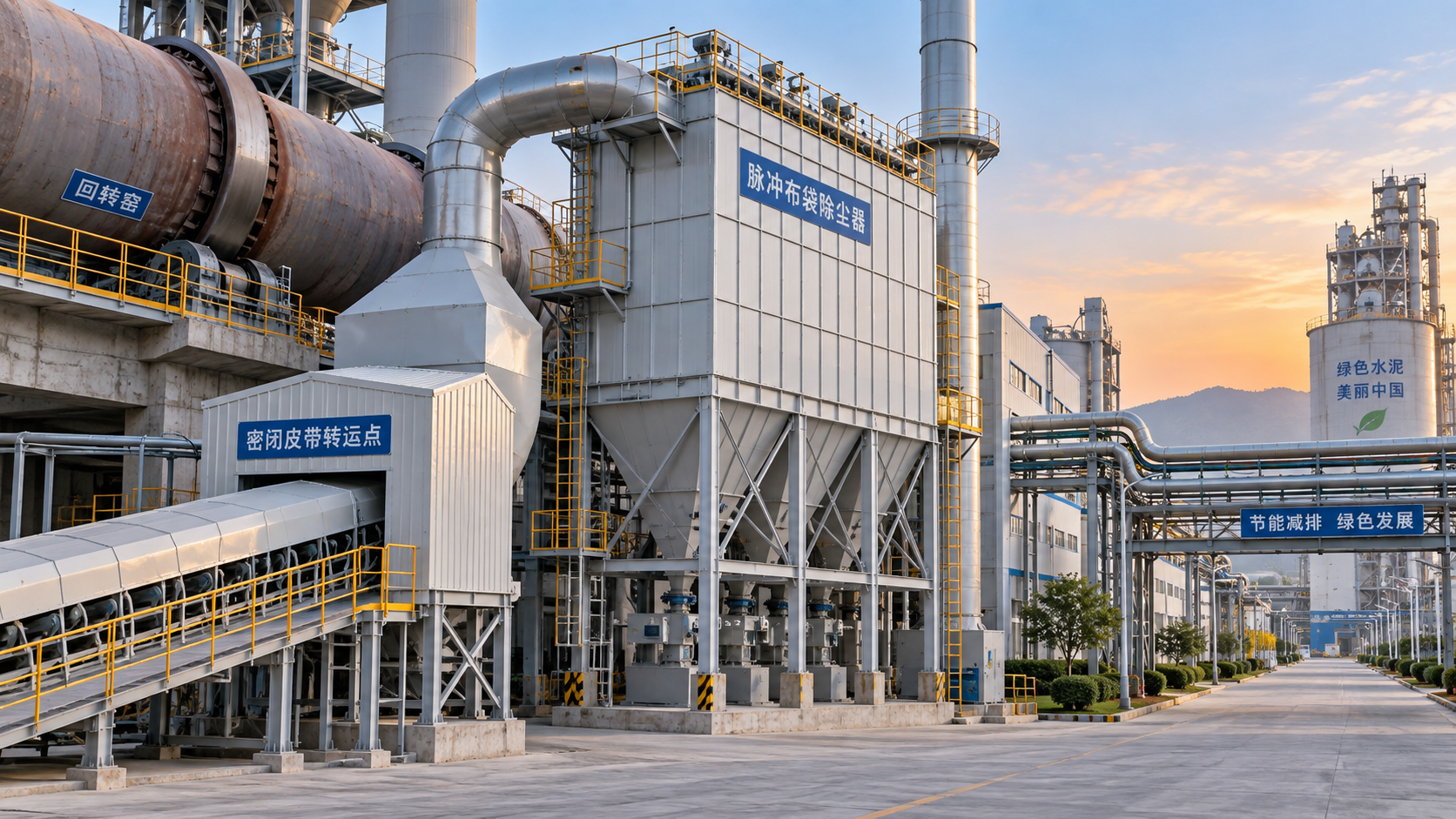
This interface is routinely underestimated. A bag filter, for instance, cannot be sensibly specified without understanding temperature excursions, acid-gas conditions, dust abrasiveness, fan control, hopper discharge, and the consequences of process instability upstream. The same principle applies to stack monitoring: sampling locations, access, calibration arrangements, data handling, and maintenance isolation need early attention.
Specify Controls for Decisions, Not Just Data Collection
High-temperature facilities generate large volumes of measurements, yet data alone does not improve availability. The control philosophy should identify which variables protect people and equipment, which determine product quality, which support energy optimization, and which indicate emerging faults. Temperature, pressure, oxygen, vibration, drive load, shell condition, gas composition, and refractory monitoring may each be relevant, but their value depends on sensor placement, signal quality, alarm logic, and the actions that follow.
Avoid requesting a “fully automated” plant without defining the actual operating model. Clarify start-up and shutdown sequences, manual intervention points, permissives, trip priorities, interlocks, historian requirements, remote-access policy, cybersecurity responsibilities, and the level of diagnostic support expected. For a long-cycle asset, the ability to compare current operation with a stable baseline is often more useful than a dashboard crowded with unprioritized indicators.
Digital-twin studies, online refractory-lining monitoring, and advanced combustion analytics can be valuable where the process data and operating discipline support them. They should be selected for a defined decision use case: predicting lining deterioration, testing production changes, reducing thermal excursions, or improving fuel substitution. Technology without a clear operational owner usually becomes an underused add-on.
Compare Vendors Through Scope Discipline and Lifecycle Risk
Capital cost comparisons become unreliable when suppliers package different scopes. One proposal may include engineering for foundations, platforms, insulation, site supervision, spares, commissioning support, and performance testing, while another may leave some of these items to the owner or a separate contractor. The gap may only become visible when schedules are tight and field changes are costly.
A structured bid comparison should examine more than price and nominal capacity:
- Process guarantees and the precise conditions attached to them;
- Battery limits, utilities, civil interfaces, and responsibilities for tie-ins;
- Critical rotating equipment, lining systems, burner packages, and control-system ownership;
- Access for inspection, replacement, cleaning, and refractory repair;
- Recommended commissioning spares, long-lead parts, and local service capability;
- Documentation quality, training scope, and the proposed acceptance-test procedure.
It is reasonable to ask each bidder to disclose major assumptions and exclusions in a single schedule. This creates a more honest comparison than attempting to normalize proposals after contract award. It also helps project managers decide where a lower initial cost is acceptable and where it transfers excessive operational risk to the owner.
Build Maintainability into the Specification
A plant that meets its performance test but cannot be maintained safely and predictably is not a successful project. Access platforms, lifting routes, inspection doors, isolation dampers, removable sections, condition-monitoring points, and refractory repair access deserve the same early attention as throughput calculations. Their absence rarely prevents initial start-up; it becomes visible during the first difficult outage.
Consider the maintenance strategy for the specific plant rather than copying a generic spare-parts list. Criticality depends on lead time, consequence of failure, site storage conditions, and whether a component can be repaired locally. High-temperature systems also require clear shutdown and cool-down provisions. A maintenance team needs to know not only what must be inspected, but how to reach it, how long it takes to make it safe, and what operational conditions may accelerate degradation.
Use Intelligence to Challenge Assumptions Before They Become Commitments
The most difficult specification issues often sit between disciplines. A process engineer may understand the chemistry, a thermal specialist may understand the heat balance, and a project team may control the schedule, yet the commercial effect of their combined assumptions can remain unclear. This is where independent sector intelligence can sharpen procurement decisions.
CF-Elite approaches this intersection through its focus on foundation materials and thermal management. Its coverage spans cement production plants, glass manufacturing equipment, industrial kilns and incineration, refractory production lines, and new building-material extrusion. The practical value of such a cross-sector view is not simply access to news. It is the ability to connect process trends—such as kiln co-processing, glass-line simulation, lining monitoring, or changing environmental expectations—to the choices being made in a current project specification.
For project teams, this means questioning whether a proposed fuel strategy has been reflected in refractory selection, whether a decarbonization measure changes the exhaust-gas design, or whether an automation upgrade can be supported by the plant’s maintenance model. These questions should be answered before equipment is released for manufacture, not after site conditions expose the omission.
A Specification Is a Managed Decision Record
The final specification should be treated as a living decision record through engineering and procurement. Freeze the performance basis when it is mature, but maintain a controlled register of assumptions, deviations, open interfaces, and approved changes. This protects the project when feed characteristics evolve, permitting conditions are clarified, or a supplier proposes a technically valid alternative.
Before issuing a request for proposal, confirm that the team can answer a small set of hard questions: What operating conditions are genuinely non-negotiable? Which risks can be handled operationally rather than through costly design margins? How will energy, emissions, capacity, and quality be tested? Who owns each interface? And what maintenance reality must the completed plant support?
When those answers are explicit, heavy industrial processes systems can be assessed on their real fitness for purpose—not on brochure ratings, incomplete scope comparisons, or the lowest initial number. That is the basis for a plant designed to operate through changing feedstocks, tighter thermal constraints, and the longer-term demands of energy efficiency and resource circularity.
Related News
 Thermal Energy ArchitectHow to Specify Heavy Industrial Process Systems for High-Temperature PlantsHeavy industrial processes systems: learn how to specify high-temperature plants for efficiency, emissions control, maintainability, and lifecycle performance.Oct 02, 2026
 Structural Material AnalystHow Sustainable Material Extrusion Can Improve Wall Panel Durability and Design FlexibilityDiscover how sustainable material extrusion for wall panels improves durability, moisture resistance, design flexibility, and installation consistency for high-performing wall systems.Oct 01, 2026
 Thermal Energy ArchitectHow to Evaluate a High-Temperature Materials Manufacturer for Furnace ApplicationsChoose a high-temperature materials manufacturer with confidence: compare thermal performance, chemical resistance, quality controls, installation support, and lifecycle cost.Sep 30, 2026
 Ms. Elena RodriguezHow to Structure Global Specification Data for Faster Industrial Product EvaluationGlobal specification-oriented product information helps industrial teams compare capacity, energy, emissions, automation, and lifecycle data on a like-for-like basis for faster, confident equipment decisions.Sep 29, 2026
 Thermal Energy ArchitectHow to Specify High-Temperature Process Systems for Continuous Thermal OperationsHigh-temperature process engineering systems: learn how to specify resilient continuous thermal operations for efficiency, compliance, reliable uptime, and long-term performance.Sep 28, 2026
 Thermal Energy ArchitectHow to Evaluate a Thermal Engineering Contractor for High-Temperature Plant ProjectsChoose a thermal engineering contractor with proven process expertise, lifecycle value, emissions control, and delivery discipline for reliable high-temperature plant performance.Sep 27, 2026
 Silicate Process EngineerHow Latin American Cement Plants Can Reduce Dust Emissions in Kilns and Transfer PointsCement plant dust control Latin America: reduce kiln and transfer-point emissions with practical airflow, filtration, monitoring, and maintenance strategies.Sep 26, 2026
 Material Heat-Resist ExpertHow to Evaluate Refractory Production Lines for Output, Quality, and Energy UseRefractory production lines: learn how to assess qualified output, consistent quality, and total energy use for smarter, lower-risk investment decisions.Sep 25, 2026
 Dr. Alistair VaughnHow Waste Recycling Technology Improves Material Recovery in Industrial PlantsWaste recycling technology improves material recovery through source segregation, smart separation, thermal treatment, and quality control for industrial plants.Sep 24, 2026
 Optical Glass Tech FellowHow to Specify Glass Annealing Equipment for European Quality and Energy RequirementsGlass annealing equipment Europe: learn how to specify lehrs for consistent glass quality, energy efficiency, compliance, automation, and reliable long-term performance.Sep 23, 2026
 Optical Glass Tech FellowSilicate Process Automation: Improving Batch Consistency and Energy ControlSilicate process automation improves batch consistency, energy control, traceability, and operator confidence across high-temperature manufacturing operations.Sep 22, 2026
 Optical Glass Tech FellowHow Silicate Industrial Processes Control Viscosity, Energy Use, and Product QualitySilicate industrial processes: learn how viscosity, chemistry, heat transfer, and atmosphere control reduce energy use, improve stability, and protect product quality.Sep 21, 2026
 Thermal Energy ArchitectHow European Plants Can Evaluate Energy Recovery Equipment for High-Temperature ProcessesIndustrial energy recovery equipment Europe: learn how high-temperature plants can assess waste-heat sources, integration risks, lifecycle value, and reliable recovery routes.Sep 20, 2026
 Thermal Energy ArchitectIndustrial Furnace Process Optimization: Reducing Fuel Use Without Sacrificing ThroughputIndustrial process optimization furnace strategies that cut fuel use while protecting throughput. Explore combustion control, heat recovery, refractory performance, and data-driven efficiency gains.Sep 19, 2026
 Ms. Elena RodriguezWhat Drives High-Pressure Extrusion Equipment Cost in Industrial Projects?High pressure extrusion equipment cost explained: compare pressure, die design, automation, wear, energy, and installation factors for smarter industrial investments.Sep 18, 2026
 Thermal Energy ArchitectHow to Size a Waste Heat Recovery Exchanger for High-Temperature Kiln Exhaust?Waste heat recovery exchanger sizing for high-temperature kiln exhaust: balance recoverable duty, fouling, corrosion limits, pressure drop, and reliable heat use.Sep 17, 2026
 Thermal Energy ArchitectWhy Heat-Resistant Materials Lose Abrasion Resistance at High TemperaturesHeat-resistant materials abrasion resistance can decline at high temperatures. Discover the thermal, chemical, and mechanical causes of wear—and how to choose longer-lasting linings.Sep 16, 2026
 Thermal Energy ArchitectHow to Evaluate a Thermal Energy Optimization Company for High-Temperature PlantsChoose a thermal energy optimization company with proven process expertise, measurable savings, and reliable delivery for high-temperature plants. Learn what to assess.Sep 15, 2026
 Thermal Energy ArchitectRotary Kiln Efficiency: How Feed Rate, Fuel Use, and Heat Loss Affect OutputRotary kiln efficiency explained: discover how feed rate, fuel use, heat loss, combustion, and cooling performance shape output, quality, and energy costs.Sep 14, 2026
 Thermal Energy ArchitectHow to Select Heat-Resistant Materials That Maintain Abrasion Resistance in KilnsHeat-resistant materials abrasion resistance: learn how to select kiln linings that withstand heat, wear, thermal cycling, and chemical attack for longer service life.Sep 13, 2026

Related News
- 00
0000-00
How to Specify Heavy Industrial Process Systems for High-Temperature Plants - 00
0000-00
How to Evaluate a High-Temperature Materials Manufacturer for Furnace Applications - 00
0000-00
How to Specify High-Temperature Process Systems for Continuous Thermal Operations - 00
0000-00
How to Evaluate a Thermal Engineering Contractor for High-Temperature Plant Projects - 00
0000-00
How European Plants Can Evaluate Energy Recovery Equipment for High-Temperature Processes
Weekly Insights
Stay ahead with our curated technology reports delivered every Monday.