
Refractory Manufacturing Solutions for Brick Plants: How to Extend Kiln Life




A brick kiln rarely reaches the end of its useful life because one refractory material suddenly “fails.” More often, lining damage builds through a combination of thermal cycling, uneven loading, gas chemistry, mechanical movement, poor installation control, and delayed repair decisions. For project managers, refractory manufacturing solutions for a brick plant should therefore be treated as a kiln-life strategy, not a one-time procurement exercise.
The practical objective is to keep the kiln shell protected, maintain a stable thermal profile, and make repairs predictable enough to fit planned outages. A higher-grade brick can help, but it will not compensate for an unsuitable lining layout, uncontrolled heating curves, or a weak transition between two refractory zones. Plants that extend kiln campaigns usually do so by matching refractory design to the operating profile and then managing the lining as a condition-critical asset.
Start with the kiln's actual damage mechanism
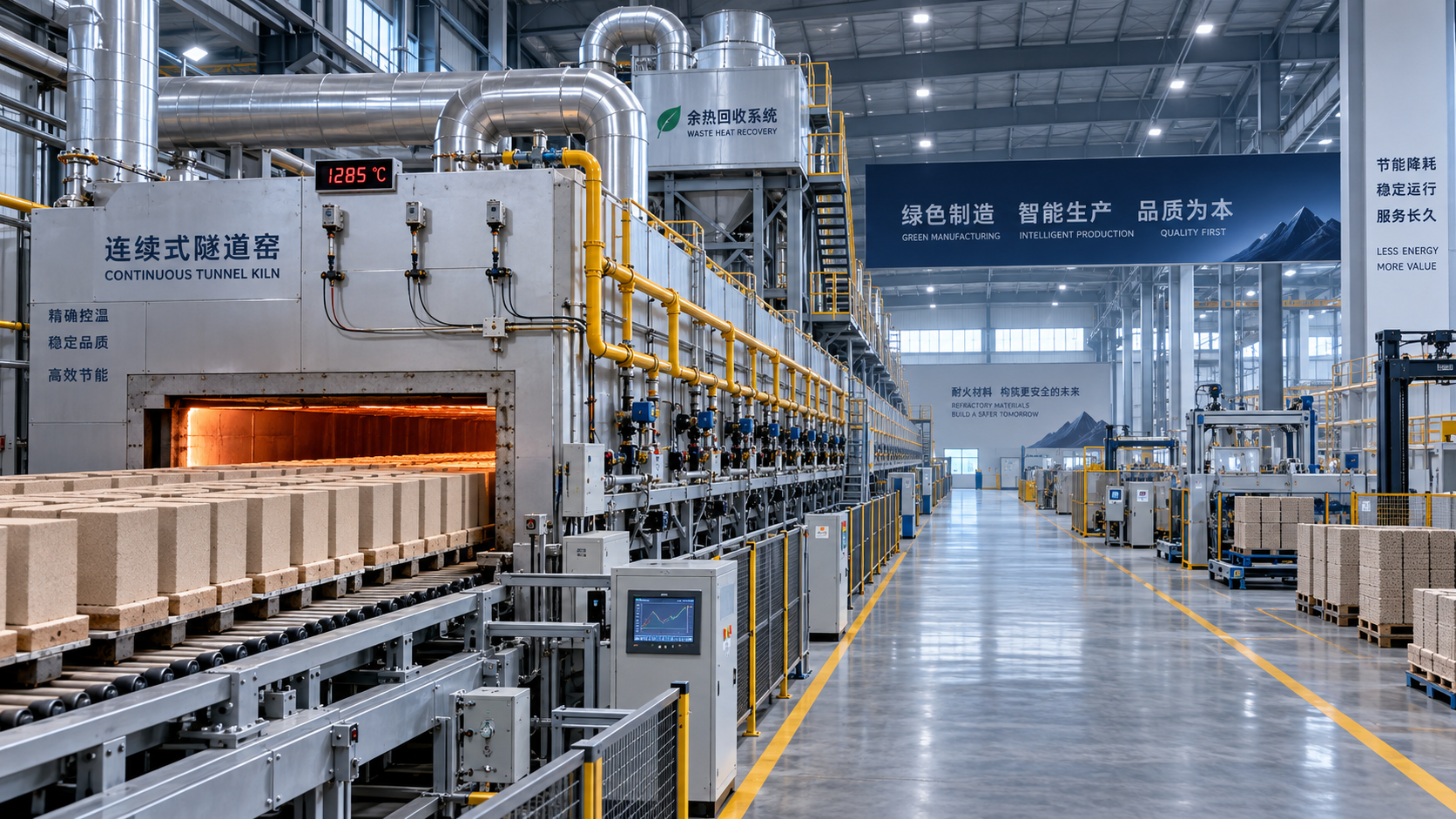
Brick plants often use tunnel kilns, roller kilns, shuttle kilns, or other firing systems with materially different heat flows and loading patterns. Even two apparently similar kilns may require different refractory solutions if one runs frequent product changes, another fires high-moisture green bricks, or another regularly operates below or above its intended production rate.
Before specifying refractory products, the project team should identify where degradation begins and what form it takes. A damaged lining may show cracking, spalling, abrasion, glazing, mortar joint opening, brick displacement, shell hot spots, or localized erosion near burners and flues. These symptoms can point to very different causes.
- Thermal shock damage is common where kiln temperature changes are too rapid, where unplanned stops occur, or where zones are exposed to repeated cooling during loading interruptions.
- Mechanical wear can dominate in car tracks, hearth areas, charging points, and sections exposed to product movement, kiln furniture, or maintenance traffic.
- Chemical attack may develop when volatile alkalis, sulfur-bearing compounds, fuel ash, or raw-material impurities react with the refractory surface.
- Structural movement can open joints and loosen the lining when expansion allowances, anchors, shell tolerances, or support conditions are poorly controlled.
- Heat-loss-related damage may emerge when backup insulation compresses, deteriorates, or becomes wet, leaving the hot-face lining to absorb stresses it was not designed to carry.
This diagnosis matters because a plant can spend heavily on denser, stronger refractories and still repeat the same premature failure. For example, a material selected mainly for abrasion resistance may perform poorly in a zone subject to frequent thermal shock. Conversely, a highly insulating lining may reduce fuel demand but prove unsuitable where forklifts, setting equipment, or kiln cars impose mechanical loads.
Design the lining by zone, not by a single material grade
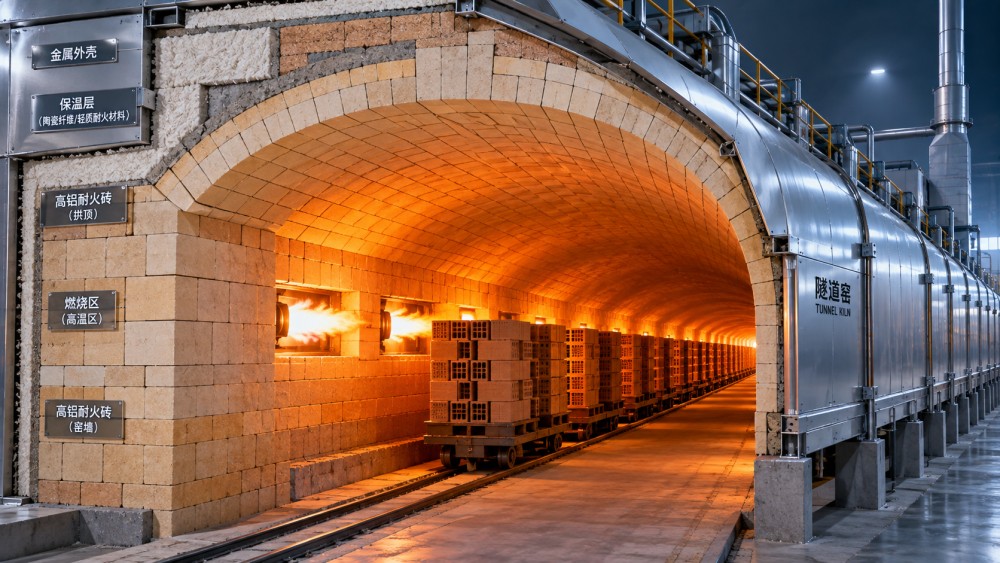
A kiln lining should be viewed as a thermal and mechanical system with different requirements along its length, height, and operating zones. The preheating section, firing zone, soaking zone, cooling zone, burner quarls, flues, door areas, kiln-car interfaces, and roof each experience a different combination of temperature, pressure, gas flow, and movement.
The most robust designs usually combine several refractory functions: a durable hot face, an insulating backup layer where appropriate, expansion joints that accommodate movement, and carefully selected mortars or monolithic materials at irregular geometries. The design must also account for how the lining is supported. A well-selected brick can still fail if anchors are incorrectly spaced, metallic components overheat, or wall and roof interfaces restrict normal expansion.
In tunnel kilns, the firing and soaking zones often receive the greatest attention because they carry the highest temperatures. Yet early deterioration may begin at doors, transition areas, burner blocks, roof penetrations, car seals, or zones exposed to cold-air infiltration. These areas create local thermal gradients that are more severe than the average kiln temperature shown in a control room.
Project teams should ask suppliers and engineering partners to define the basis for every zone selection. The answer should cover more than maximum service temperature. Useful selection criteria include:
A zone-by-zone refractory map gives the project manager a clearer basis for comparing bids. It also prevents an apparently economical proposal from hiding lower-performance materials in areas where replacement would require a major shutdown.
Material selection should reflect operating stability
Alumina-silicate fireclay materials remain suitable for many brick kiln applications, particularly where operating conditions are moderate and stable. Higher-alumina refractories may be appropriate in hotter or more chemically demanding areas. Dense shapes can provide durability where loads and wear are high, while insulating firebricks, ceramic fiber systems, or lightweight castables can reduce heat loss in suitable low-load locations.
No material family should be selected from its temperature rating alone. The published maximum temperature is not a direct forecast of lining life. A refractory that tolerates a high laboratory temperature may still deteriorate quickly if it is repeatedly quenched, exposed to incompatible vapor chemistry, or constrained by adjacent materials with different expansion behavior.
For brick plants using alternative fuels, fuel blends, recycled raw materials, or clays with variable mineral composition, chemical exposure deserves closer attention. Changes in ash content, alkali loading, sulfur compounds, or combustion conditions can alter the environment at the hot face. A lining that performed adequately under one fuel regime may require review after a sustained process change.
This does not mean every modification requires a full reline. It means the refractory plan should be revisited when operating conditions change materially. The right question is not whether the existing refractory has reached a calendar age, but whether its original design assumptions still hold.
Installation quality often determines whether the specification performs
Refractory installation is frequently treated as a short shutdown activity, but it creates conditions that remain embedded in the kiln for years. Poor brick alignment, uneven joints, inadequate mortar coverage, missing expansion gaps, damaged insulating layers, or incorrect anchoring can all create localized stress points. Those points become the first locations for cracks, gas leakage, and heat loss.
For shaped brick linings, dimensional control matters. The installation crew needs verified drawings, a clear brick-laying sequence, tolerances for joints and curvature, and instructions for closures and expansion joints. Cutting bricks excessively in the field can be a warning sign that the design does not match actual kiln geometry or that materials were not supplied to the required dimensions.
Monolithic refractories require a different but equally disciplined approach. Water addition, mixing time, placement method, vibration, ambient conditions, curing, and dry-out schedules all influence final performance. Adding extra water to improve workability may make installation easier in the moment while reducing density and strength after curing. Rapid dry-out can generate steam pressure within the lining and cause cracking or explosive spalling.
Project managers do not need to supervise every trowel operation, but they should require documented hold points. These commonly include incoming material checks, substrate inspection, anchor verification, batch records for castables, lining thickness checks, expansion joint inspection, and approval of the dry-out or heat-up procedure. A photo record tied to kiln zones is also useful when later maintenance teams need to understand the original construction.
Control heat-up and operating excursions after installation
A newly installed lining is most vulnerable before it has completed its intended dry-out and initial heat-up. The heating schedule must allow retained moisture to leave safely and permit different refractory layers to expand in a controlled manner. This is especially important for castable repairs, fiber-backed systems, and areas where dense and insulating materials meet.
Once production resumes, the same discipline applies to abnormal events. An emergency shutdown, burner trip, fan failure, or prolonged low-fire condition can impose more damage than weeks of normal production. The operational response should distinguish between process recovery and refractory recovery. Bringing the kiln back to target temperature as fast as possible may protect output in the short term but can intensify thermal shock in already stressed zones.
A practical kiln-life plan therefore links the refractory specification with operating rules. It should define heating and cooling limits where feasible, identify zones that require inspection after a major upset, and set an escalation process for shell temperature changes or visible lining displacement. Refractory engineers, production personnel, and maintenance teams need the same reference points; otherwise, lining condition is discovered only after it affects output.
Use condition monitoring to plan repairs before damage spreads
Condition monitoring does not need to begin with a complex digital system. The goal is to detect deterioration early enough to choose a controlled repair window. Routine visual inspection, thermal imaging, shell temperature trending, burner-zone checks, and records of recurring repairs can provide a useful starting point.
Shell hot spots deserve particular attention, but they should be interpreted in context. A higher shell temperature may indicate lining thinning, insulation failure, gas leakage, a process imbalance, or temporary surface conditions. One reading alone does not establish the cause. A trend across time, combined with internal inspection and operating data, gives a more reliable basis for intervention.
Maintenance records should identify the exact kiln location, material used, apparent failure mode, repair method, and condition of adjacent areas. Broad descriptions such as “repaired hot zone” are rarely enough to support future decisions. A zone-based history can reveal whether repeated repairs come from material selection, installation quality, burner alignment, car sealing, or a process condition outside the refractory system.
Planned localized repairs are often far less disruptive than allowing a defect to expand into a shutdown-level failure. Still, patching has limits. Repeatedly repairing the same location without addressing its cause can produce a mixed lining with inconsistent expansion behavior and uncertain remaining life. At that point, a focused redesign of the problem zone may be more economical than another short-term repair.
Build the investment case around campaign reliability
The lowest installed refractory cost is rarely the most useful comparison for a brick plant. A more defensible evaluation considers the expected campaign length, energy effect, repair frequency, outage duration, safety exposure, and risk of damage to the kiln shell or structural components. These factors are difficult to reduce to a single number before operation, but they can be assessed through the design assumptions behind each option.
When reviewing refractory manufacturing solutions for a brick plant, project managers should request a clear answer to three questions: Which failure mechanism is each material intended to resist? Which kiln zone and operating condition justify its use? What inspection or maintenance action is expected before end-of-life damage occurs?
A lining system earns its value when it gives the plant a stable thermal envelope and a repair plan that production can live with. Material quality matters, but kiln life is extended through the combined discipline of correct zoning, controlled installation, sensible heat-up, and early action when condition indicators change.
Related News
 Thermal Energy ArchitectRefractory Manufacturing Solutions for Brick Plants: How to Extend Kiln LifeRefractory manufacturing solutions for brick plant operations: discover proven strategies to extend kiln life, reduce heat loss, prevent lining failures, and plan cost-effective repairs.Oct 03, 2026
 Thermal Energy ArchitectHow to Specify Heavy Industrial Process Systems for High-Temperature PlantsHeavy industrial processes systems: learn how to specify high-temperature plants for efficiency, emissions control, maintainability, and lifecycle performance.Oct 02, 2026
 Structural Material AnalystHow Sustainable Material Extrusion Can Improve Wall Panel Durability and Design FlexibilityDiscover how sustainable material extrusion for wall panels improves durability, moisture resistance, design flexibility, and installation consistency for high-performing wall systems.Oct 01, 2026
 Thermal Energy ArchitectHow to Evaluate a High-Temperature Materials Manufacturer for Furnace ApplicationsChoose a high-temperature materials manufacturer with confidence: compare thermal performance, chemical resistance, quality controls, installation support, and lifecycle cost.Sep 30, 2026
 Ms. Elena RodriguezHow to Structure Global Specification Data for Faster Industrial Product EvaluationGlobal specification-oriented product information helps industrial teams compare capacity, energy, emissions, automation, and lifecycle data on a like-for-like basis for faster, confident equipment decisions.Sep 29, 2026
 Thermal Energy ArchitectHow to Specify High-Temperature Process Systems for Continuous Thermal OperationsHigh-temperature process engineering systems: learn how to specify resilient continuous thermal operations for efficiency, compliance, reliable uptime, and long-term performance.Sep 28, 2026
 Thermal Energy ArchitectHow to Evaluate a Thermal Engineering Contractor for High-Temperature Plant ProjectsChoose a thermal engineering contractor with proven process expertise, lifecycle value, emissions control, and delivery discipline for reliable high-temperature plant performance.Sep 27, 2026
 Silicate Process EngineerHow Latin American Cement Plants Can Reduce Dust Emissions in Kilns and Transfer PointsCement plant dust control Latin America: reduce kiln and transfer-point emissions with practical airflow, filtration, monitoring, and maintenance strategies.Sep 26, 2026
 Material Heat-Resist ExpertHow to Evaluate Refractory Production Lines for Output, Quality, and Energy UseRefractory production lines: learn how to assess qualified output, consistent quality, and total energy use for smarter, lower-risk investment decisions.Sep 25, 2026
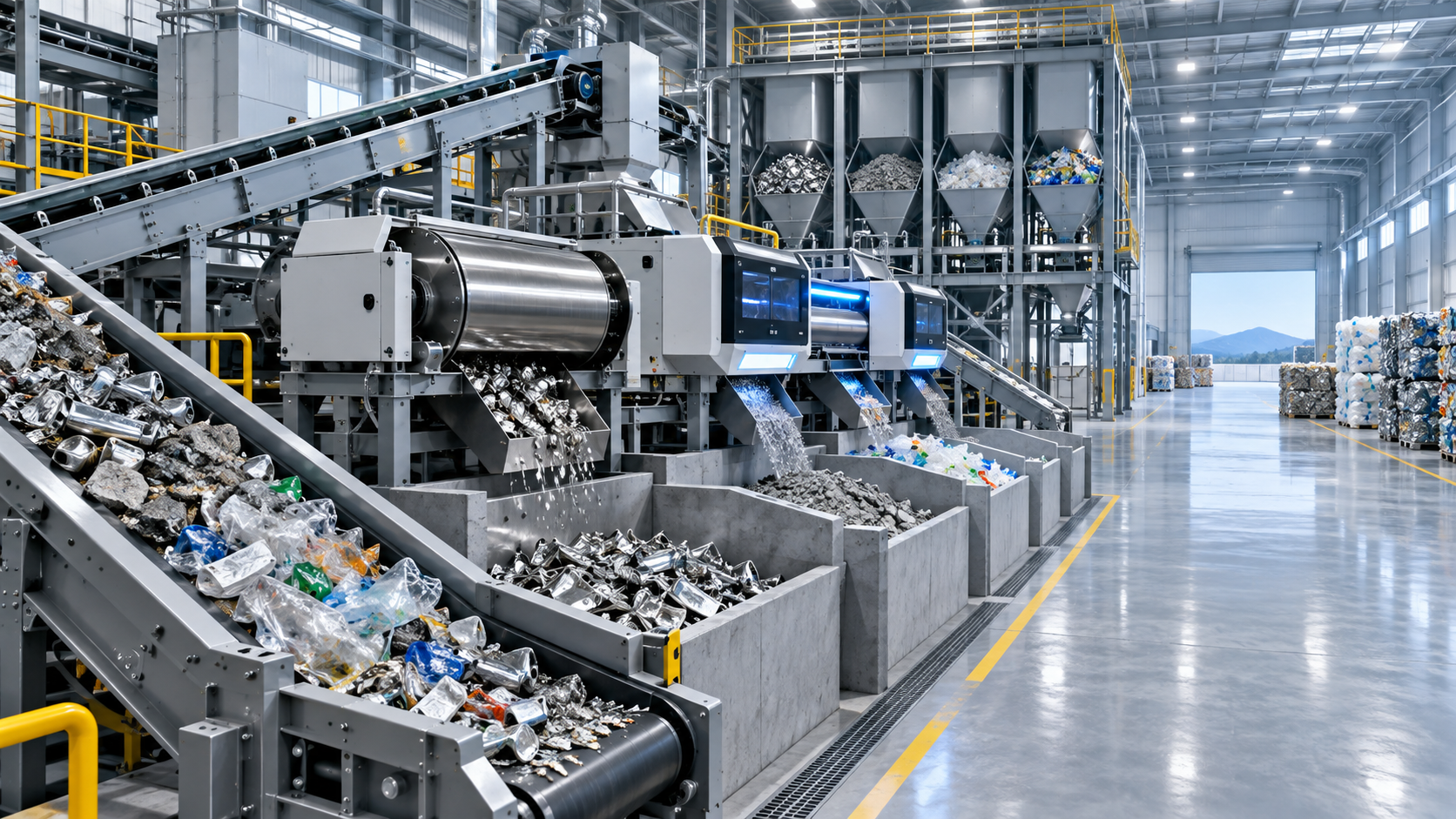
 Dr. Alistair VaughnHow Waste Recycling Technology Improves Material Recovery in Industrial PlantsWaste recycling technology improves material recovery through source segregation, smart separation, thermal treatment, and quality control for industrial plants.Sep 24, 2026
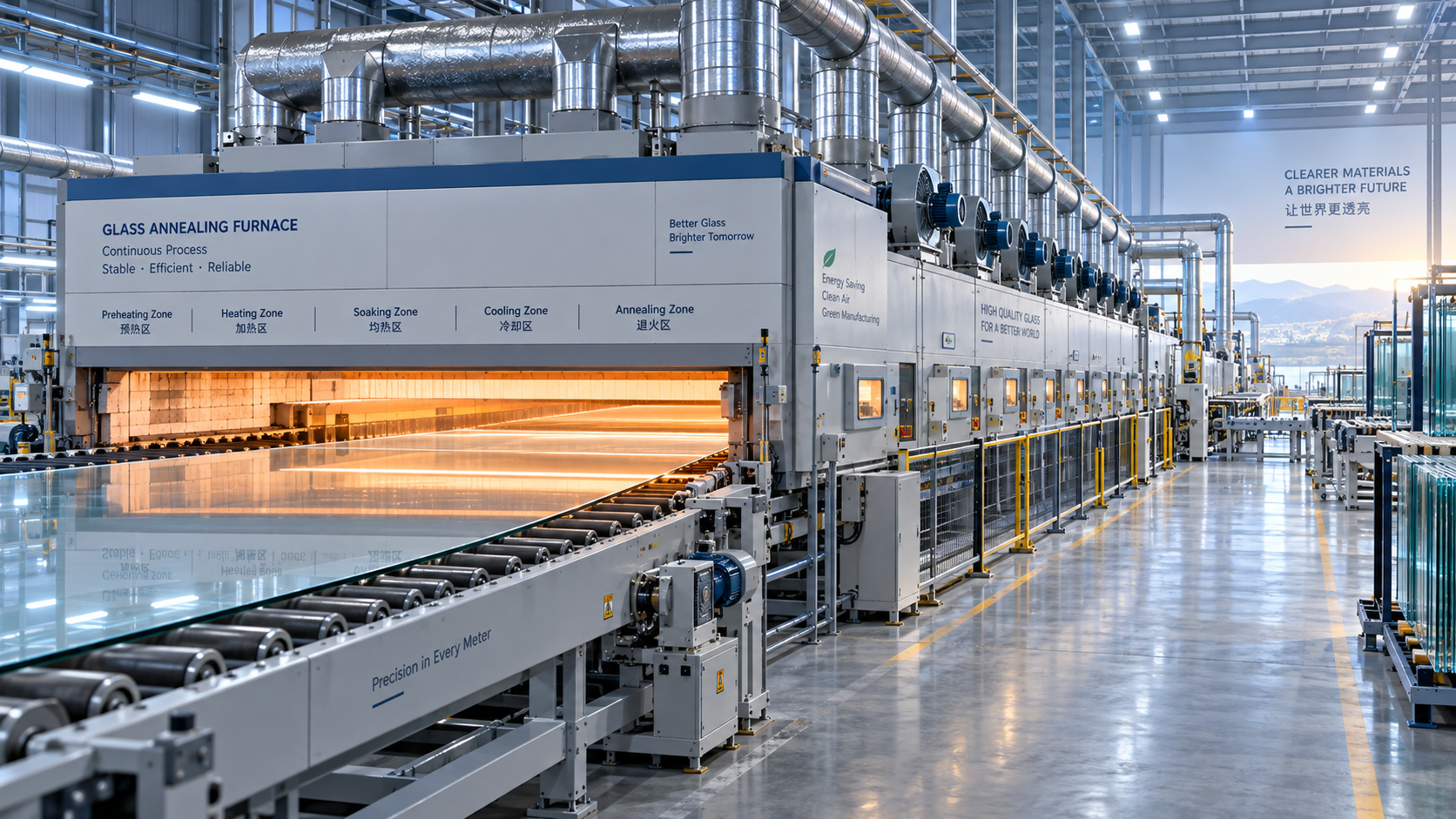
 Optical Glass Tech FellowHow to Specify Glass Annealing Equipment for European Quality and Energy RequirementsGlass annealing equipment Europe: learn how to specify lehrs for consistent glass quality, energy efficiency, compliance, automation, and reliable long-term performance.Sep 23, 2026
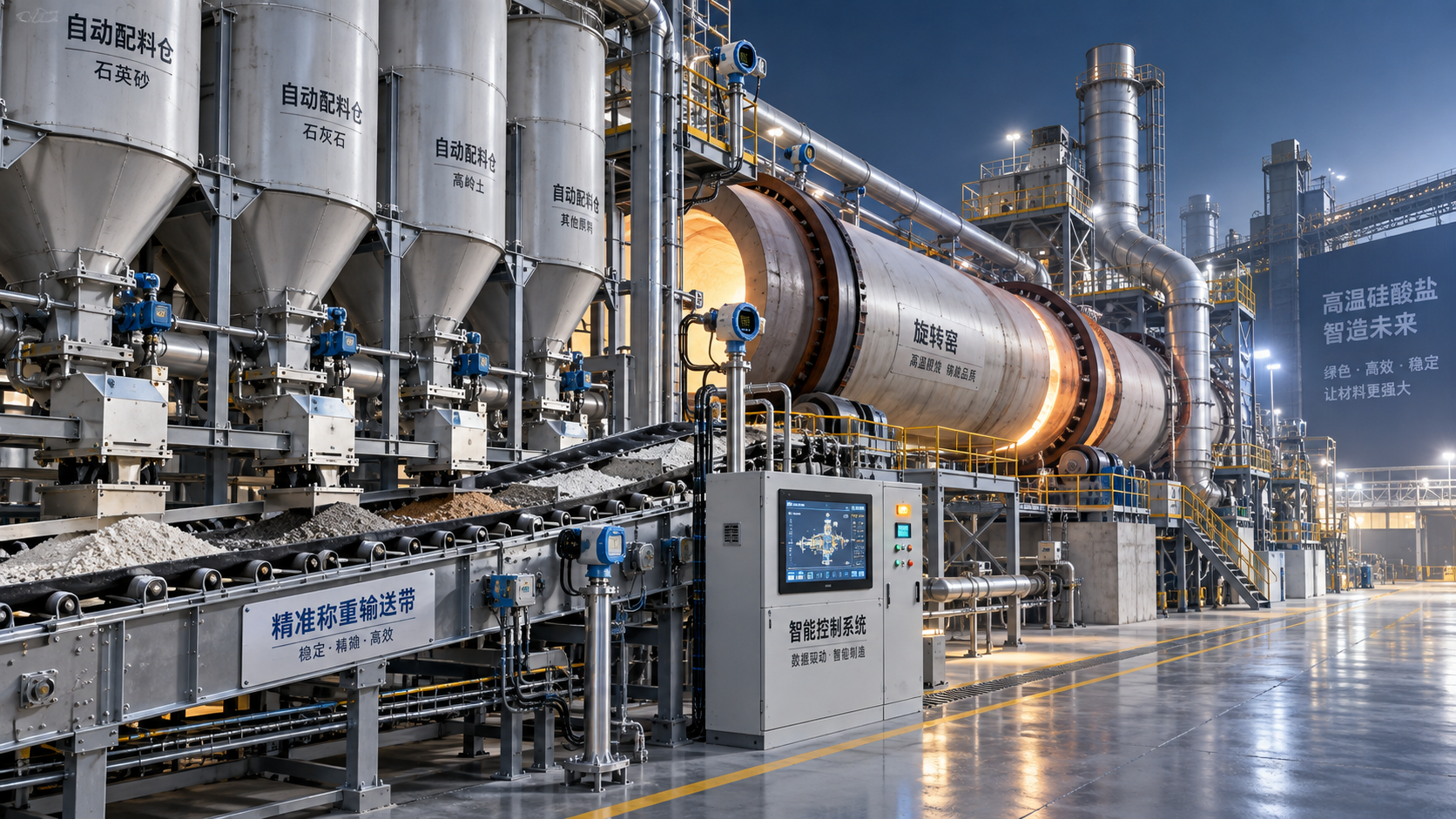
 Optical Glass Tech FellowSilicate Process Automation: Improving Batch Consistency and Energy ControlSilicate process automation improves batch consistency, energy control, traceability, and operator confidence across high-temperature manufacturing operations.Sep 22, 2026
 Optical Glass Tech FellowHow Silicate Industrial Processes Control Viscosity, Energy Use, and Product QualitySilicate industrial processes: learn how viscosity, chemistry, heat transfer, and atmosphere control reduce energy use, improve stability, and protect product quality.Sep 21, 2026
 Thermal Energy ArchitectHow European Plants Can Evaluate Energy Recovery Equipment for High-Temperature ProcessesIndustrial energy recovery equipment Europe: learn how high-temperature plants can assess waste-heat sources, integration risks, lifecycle value, and reliable recovery routes.Sep 20, 2026
 Thermal Energy ArchitectIndustrial Furnace Process Optimization: Reducing Fuel Use Without Sacrificing ThroughputIndustrial process optimization furnace strategies that cut fuel use while protecting throughput. Explore combustion control, heat recovery, refractory performance, and data-driven efficiency gains.Sep 19, 2026
 Ms. Elena RodriguezWhat Drives High-Pressure Extrusion Equipment Cost in Industrial Projects?High pressure extrusion equipment cost explained: compare pressure, die design, automation, wear, energy, and installation factors for smarter industrial investments.Sep 18, 2026
 Thermal Energy ArchitectHow to Size a Waste Heat Recovery Exchanger for High-Temperature Kiln Exhaust?Waste heat recovery exchanger sizing for high-temperature kiln exhaust: balance recoverable duty, fouling, corrosion limits, pressure drop, and reliable heat use.Sep 17, 2026
 Thermal Energy ArchitectWhy Heat-Resistant Materials Lose Abrasion Resistance at High TemperaturesHeat-resistant materials abrasion resistance can decline at high temperatures. Discover the thermal, chemical, and mechanical causes of wear—and how to choose longer-lasting linings.Sep 16, 2026
 Thermal Energy ArchitectHow to Evaluate a Thermal Energy Optimization Company for High-Temperature PlantsChoose a thermal energy optimization company with proven process expertise, measurable savings, and reliable delivery for high-temperature plants. Learn what to assess.Sep 15, 2026
 Thermal Energy ArchitectRotary Kiln Efficiency: How Feed Rate, Fuel Use, and Heat Loss Affect OutputRotary kiln efficiency explained: discover how feed rate, fuel use, heat loss, combustion, and cooling performance shape output, quality, and energy costs.Sep 14, 2026

Related News
- 00
0000-00
Refractory Manufacturing Solutions for Brick Plants: How to Extend Kiln Life - 00
0000-00
How to Specify Heavy Industrial Process Systems for High-Temperature Plants - 00
0000-00
How to Evaluate a High-Temperature Materials Manufacturer for Furnace Applications - 00
0000-00
How to Specify High-Temperature Process Systems for Continuous Thermal Operations - 00
0000-00
How to Evaluate a Thermal Engineering Contractor for High-Temperature Plant Projects
Weekly Insights
Stay ahead with our curated technology reports delivered every Monday.