
How to Evaluate Refractory Production Lines for Output, Quality, and Energy Use




Start With the Production Objective, Not the Rated Capacity
A refractory line should be evaluated as a connected process, because output, product quality, and energy use are tightly linked. A line that appears large on a supplier specification sheet may still underperform if its raw material preparation cannot feed the press consistently, if drying creates a queue ahead of firing, or if kiln control produces an unacceptable rate of downgraded product.
For a technical assessor, the first question is therefore not “How many tonnes per year can this line make?” It is: “What qualified product can it deliver, at what operating stability, from the specific raw materials and formulations we intend to use?” This distinction matters especially for shaped refractories, where a nominal capacity figure can conceal major differences in product mix, forming pressure, firing schedule, dimensional tolerance, and reject handling.
A useful evaluation separates three measures that are often blended together:
- Nameplate output: the theoretical maximum based on equipment sizing and assumed operating conditions.
- Available throughput: output after planned maintenance, changeovers, drying time, kiln cycles, and material handling constraints are considered.
- Qualified saleable output: the volume that meets the agreed physical, chemical, dimensional, and appearance requirements without disproportionate rework or sorting.
Only the third measure supports a credible investment decision. A line that produces fewer green bodies per hour but achieves stable density, low firing loss, and predictable grading can have a better economic result than a faster line with frequent variation and a large reject stream.
Map the Bottleneck Across the Full Process
Refractory production lines are often assessed around the press or the kiln because these are the most visible and capital-intensive units. That approach can miss the actual limiting step. The line should be mapped from raw material reception through crushing, milling, batching, mixing, forming, drying, firing, sorting, and packing. For each stage, assess both rated capacity and its ability to operate at the required quality level.
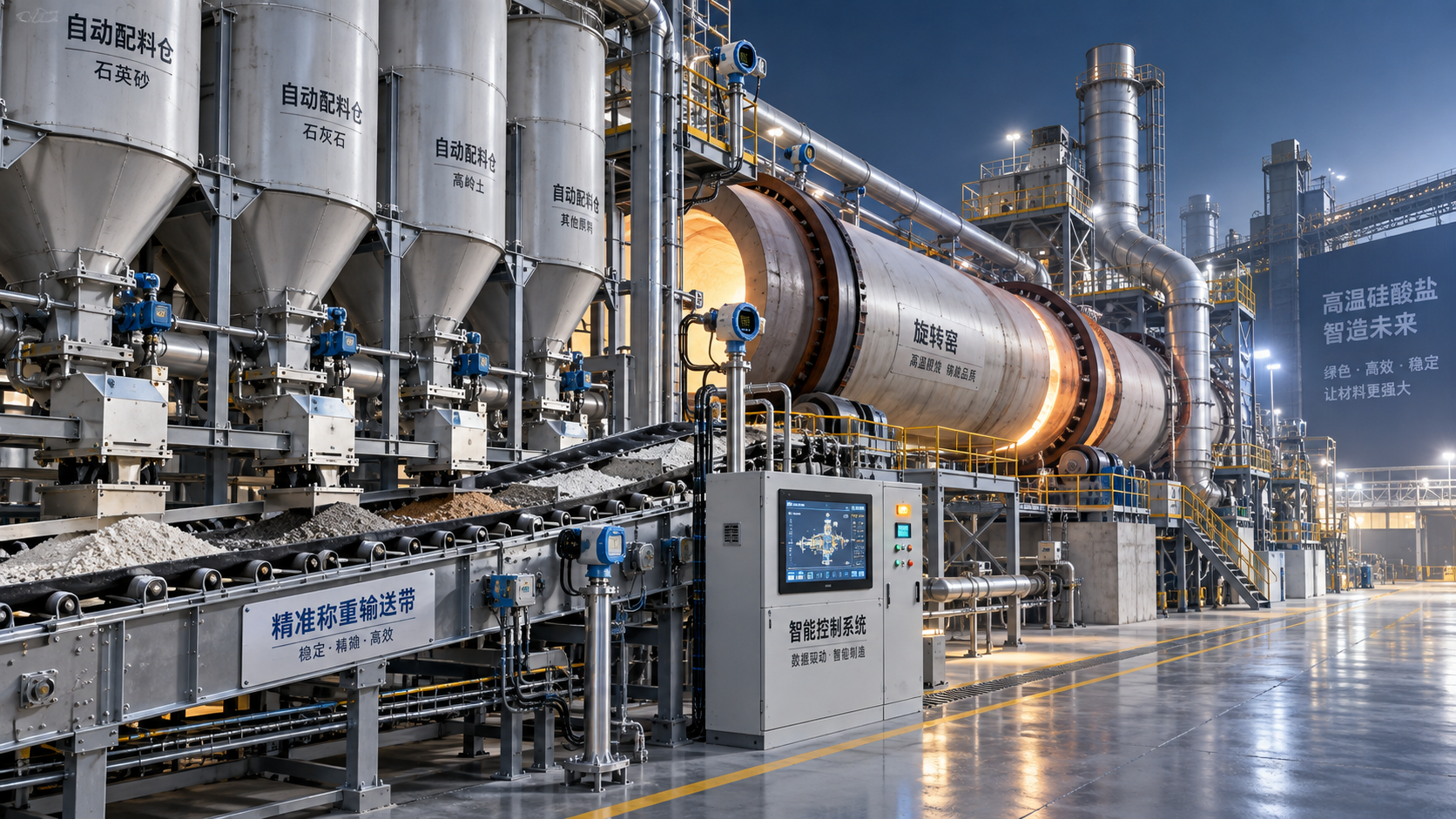
Raw material preparation deserves particular attention. Refractories are sensitive to particle size distribution, moisture, impurity content, and batch-to-batch variation. A mill that has sufficient tonnes-per-hour capacity may still be unsuitable if it cannot consistently achieve the required fraction curve, if wear contamination is difficult to control, or if cleaning between material grades is too slow. Those issues become more serious where the plant will run alumina-rich, magnesia-based, silica, carbon-containing, or specialty formulations on shared equipment.
Batching and mixing should be examined in the same way. The assessor should determine whether weighing resolution matches the formulation tolerances, whether minor additives can be introduced reliably, and whether the mixer can achieve uniform binder distribution without damaging fragile aggregates. High output from the mixer is of limited value if moisture distribution varies enough to affect pressing behavior, drying shrinkage, or final porosity.
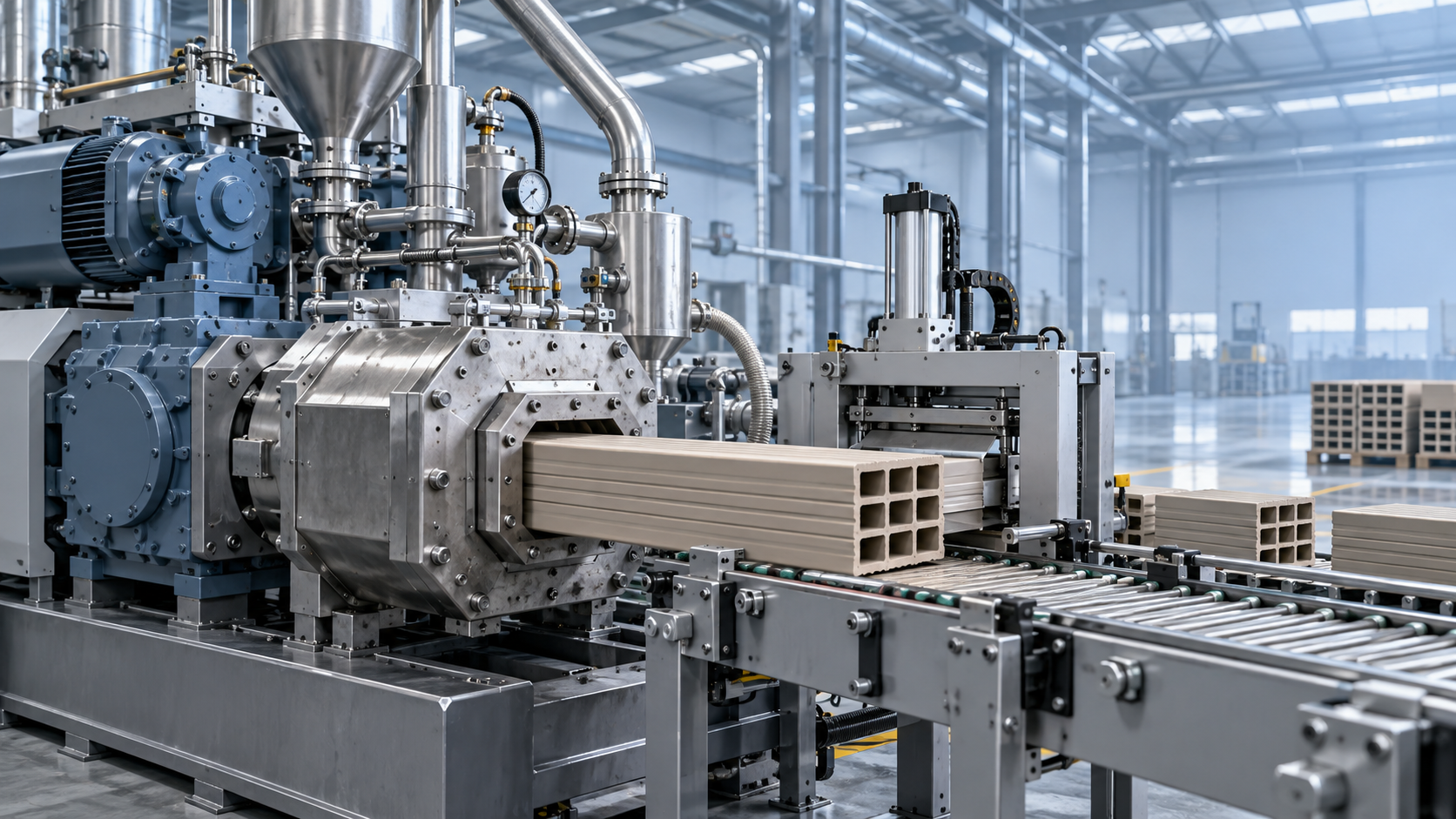
Forming capacity must also be expressed in practical terms. A press cycle time alone says little unless it is paired with mold-change duration, fill consistency, press availability, green strength, and the range of shapes the system can handle. Press selection is especially dependent on the intended product portfolio. Straight bricks, large blocks, thin shapes, nozzles, complex functional components, and isostatically pressed products place very different demands on tooling, material feed, pressure control, and handling.
Drying is a common hidden bottleneck. It must remove moisture fast enough to maintain flow, but gently enough to avoid cracking, warping, surface defects, or internal moisture gradients. A dryer sized only for average water removal may struggle during wet raw-material periods, after formulation changes, or when thick and thin products share the schedule. The result is usually felt later, as unstable kiln loading and variable fired quality.
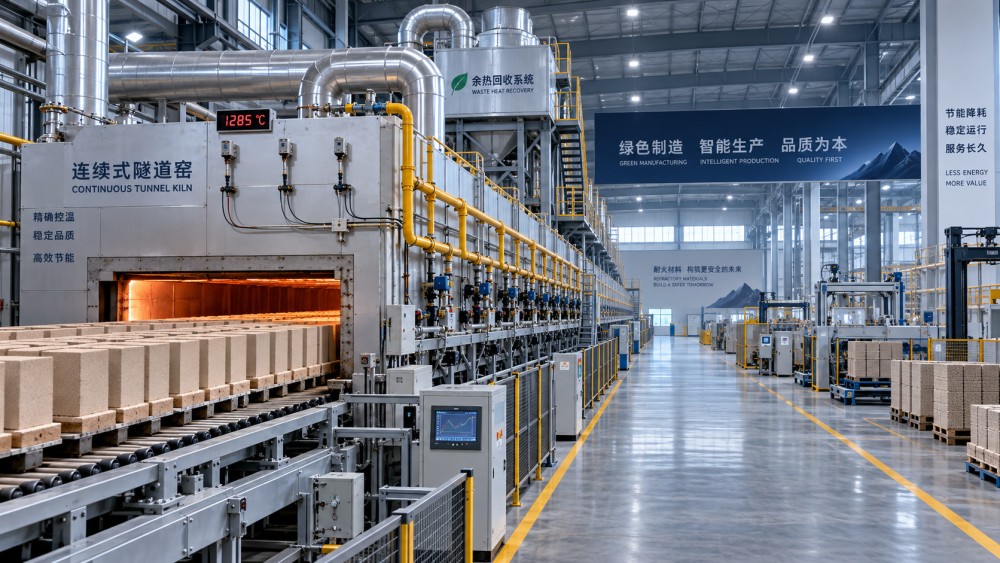
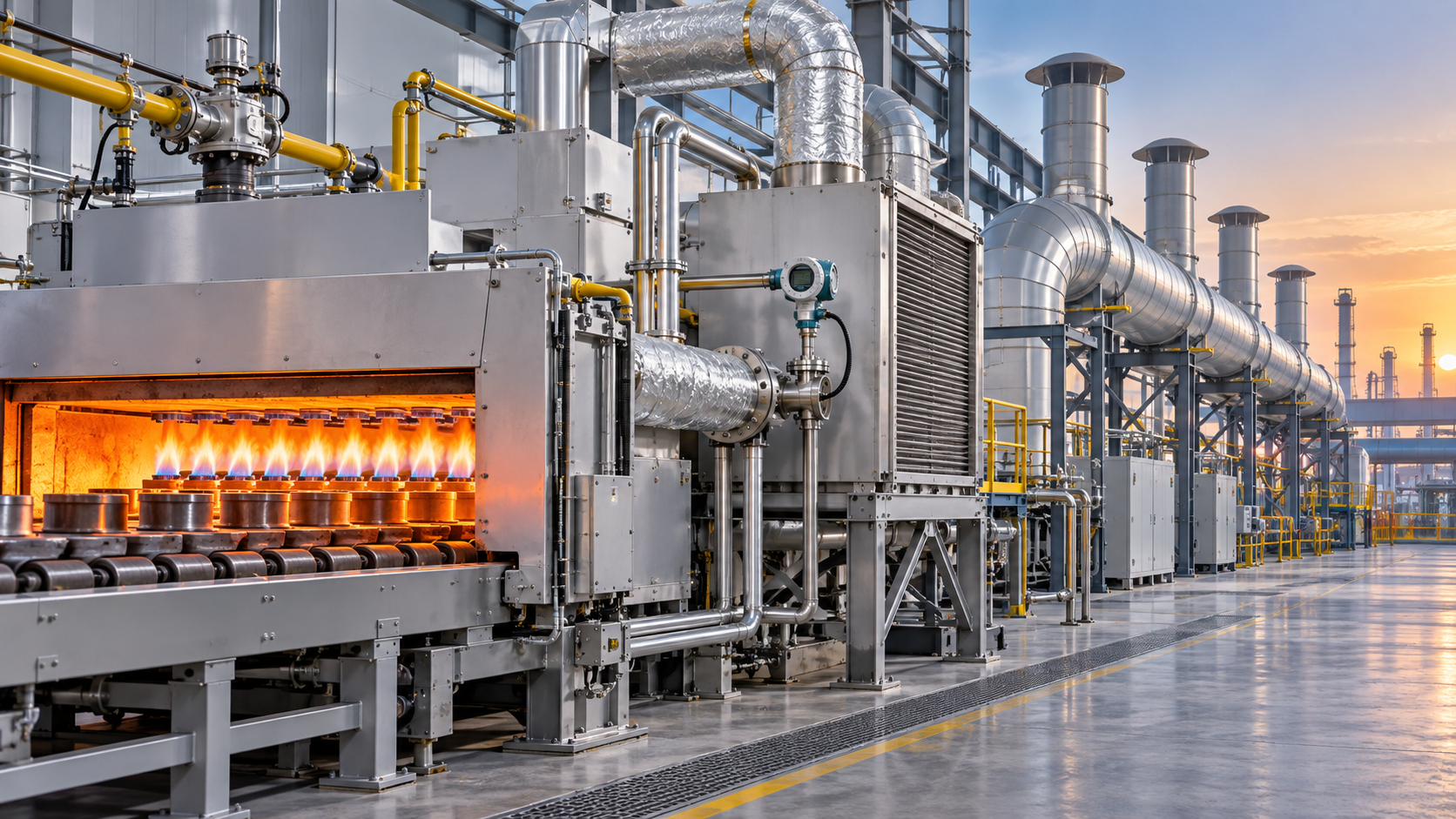
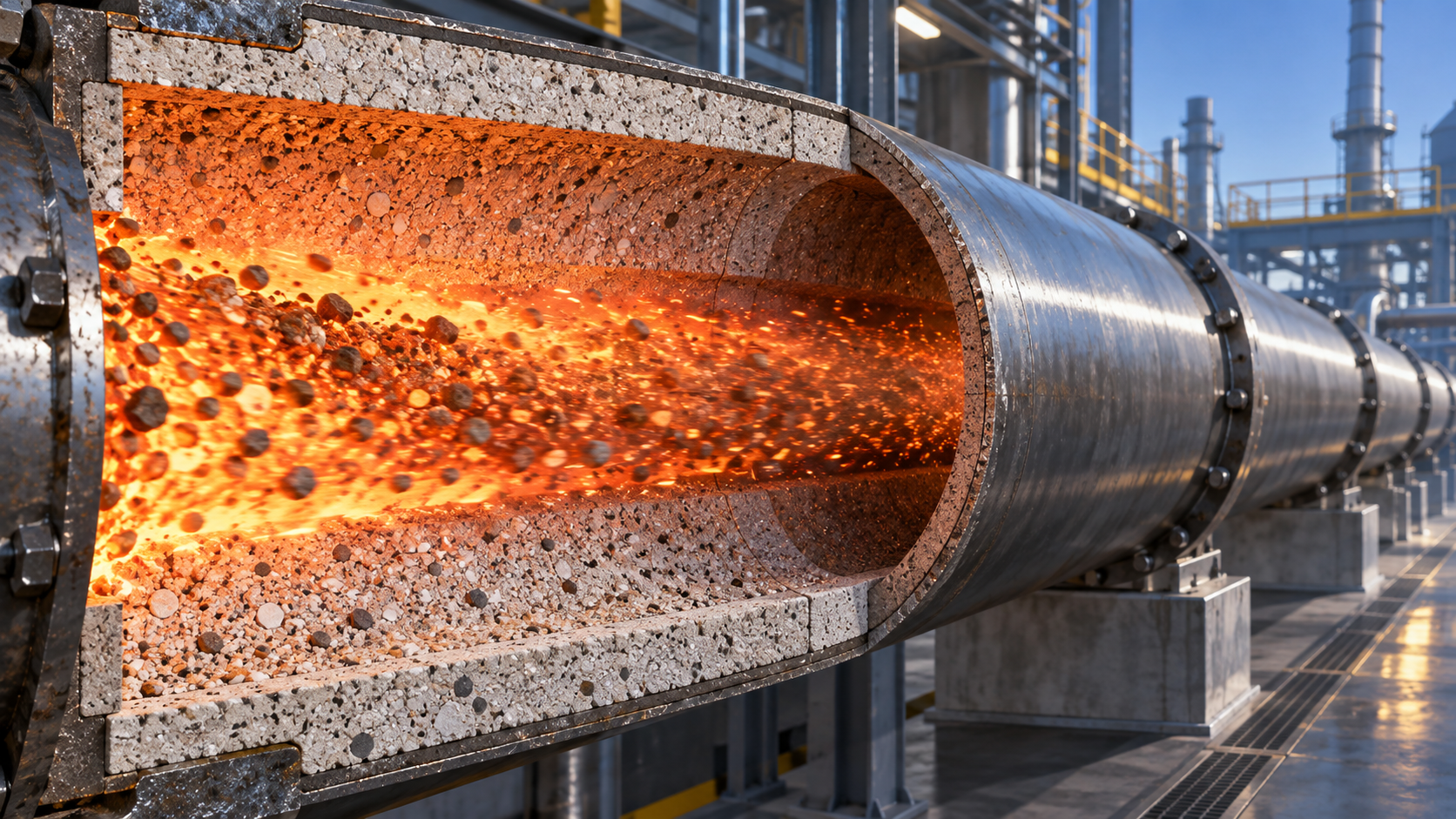
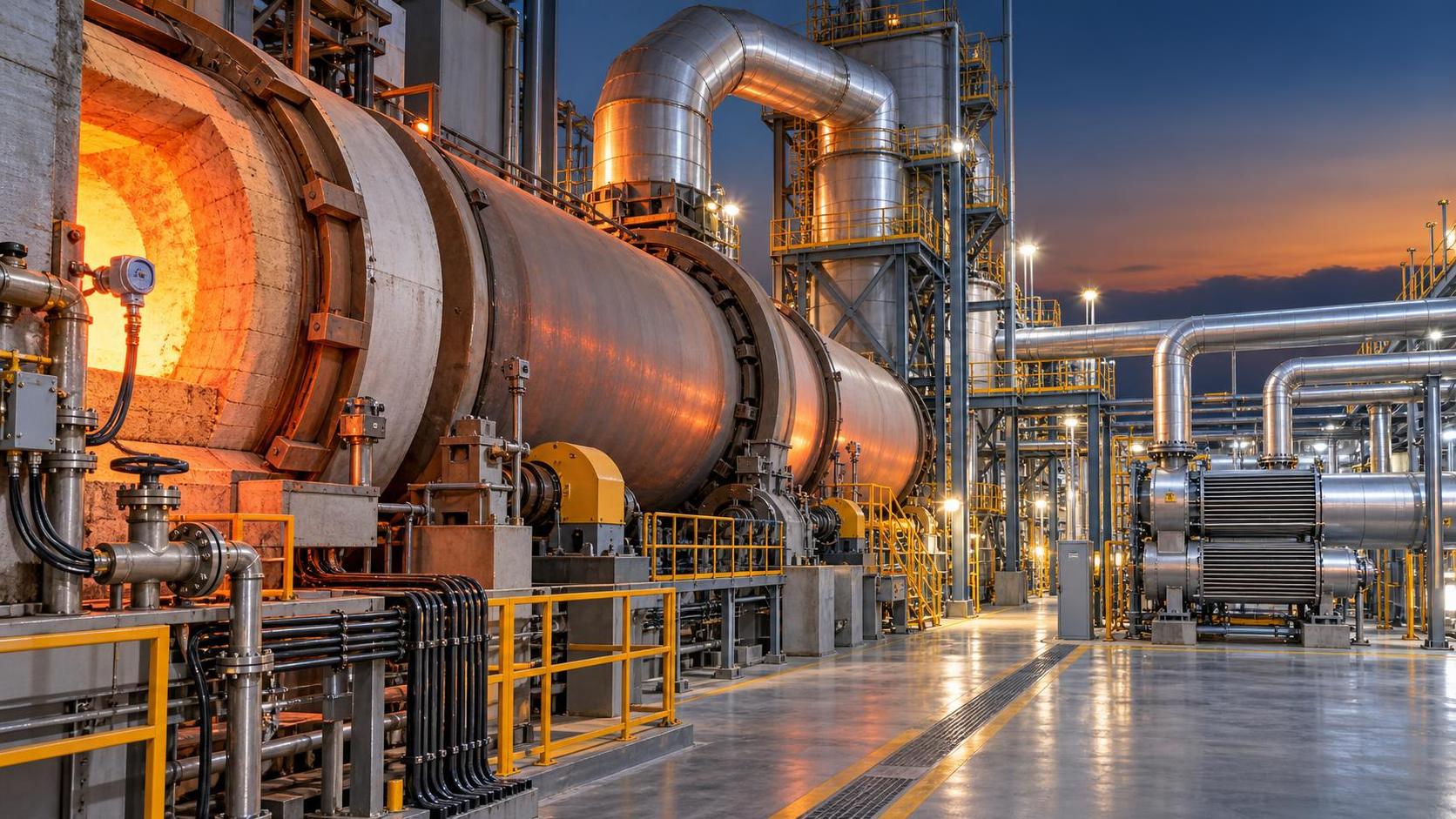
The kiln often sets the final rhythm of the plant, but its effective capacity depends on more than chamber volume or tunnel length. Evaluate kiln furniture, setting density, firing curve flexibility, burner zoning, atmosphere management, cooling capacity, and the time required to transition between products. A system optimized for a narrow range of standard bricks can be highly efficient. A plant intended to serve varied technical grades may require more thermal flexibility, even if that reduces its apparent maximum output.
Judge Quality by Process Capability, Not by a Single Test Result
Quality claims should be tested against a defined product specification and a process-capability view. Suppliers may present laboratory results from favorable samples, but a production-line decision requires evidence that the same properties can be maintained over normal operating shifts, material lots, and equipment conditions.
The exact acceptance criteria depend on the refractory class and end use. Still, an evaluation normally needs to address bulk density, apparent porosity, cold crushing strength, permanent linear change, thermal shock behavior, refractoriness under load, chemical composition, and dimensional accuracy where applicable. For carbon-bonded or resin-bonded products, mixing control, curing conditions, oxidation protection, and handling before final treatment may carry equal weight.
Technical assessors should ask how quality is built into the line rather than relying on final inspection to remove failures. The most useful answers concern control points: incoming material sampling, particle-size verification, automated batch records, moisture measurement, press-force monitoring, green-body inspection, dryer temperature and humidity records, kiln-zone data, and traceability through sorting and packing.
A practical review can use the following questions:
It is also important to distinguish between a line designed for high-volume standard products and one designed for controlled variation. Automation can improve repeatability, but it does not remove the need for engineering judgment when materials, molds, or firing cycles change. In some operations, fast product changeover is commercially valuable; in others, the most reliable choice is a more dedicated line with fewer transitions and a tightly controlled recipe window.
Measure Energy at the Equipment Boundary and the Plant Boundary
Energy comparisons can be misleading when they focus only on fuel consumption at the kiln. Firing is usually the largest thermal load, yet crushing, milling, dust collection, compressed air, material transfer, drying, and cooling can materially affect the total energy intensity of a refractory plant.
The relevant metric is energy per tonne of qualified finished product, separated where possible into electrical and thermal components. This prevents a line from appearing efficient merely because it runs at high speed while producing excessive rejects or because its kiln fuel figure excludes dryer demand and auxiliary loads. Where multiple products are planned, energy should be assessed by product family rather than averaged across grades with very different firing temperatures, dimensions, and setting densities.
For kiln evaluation, the assessor should examine the heat balance rather than accept a general efficiency statement. Useful points include the temperature and volume of exhaust gas, the extent of combustion-air preheating, insulation condition, heat losses at kiln doors and openings, burner turndown capability, loading density, cooling-air recovery, and idle-time consumption. A well-insulated kiln can still waste significant energy if it operates with poor loading discipline or long unproductive holds.
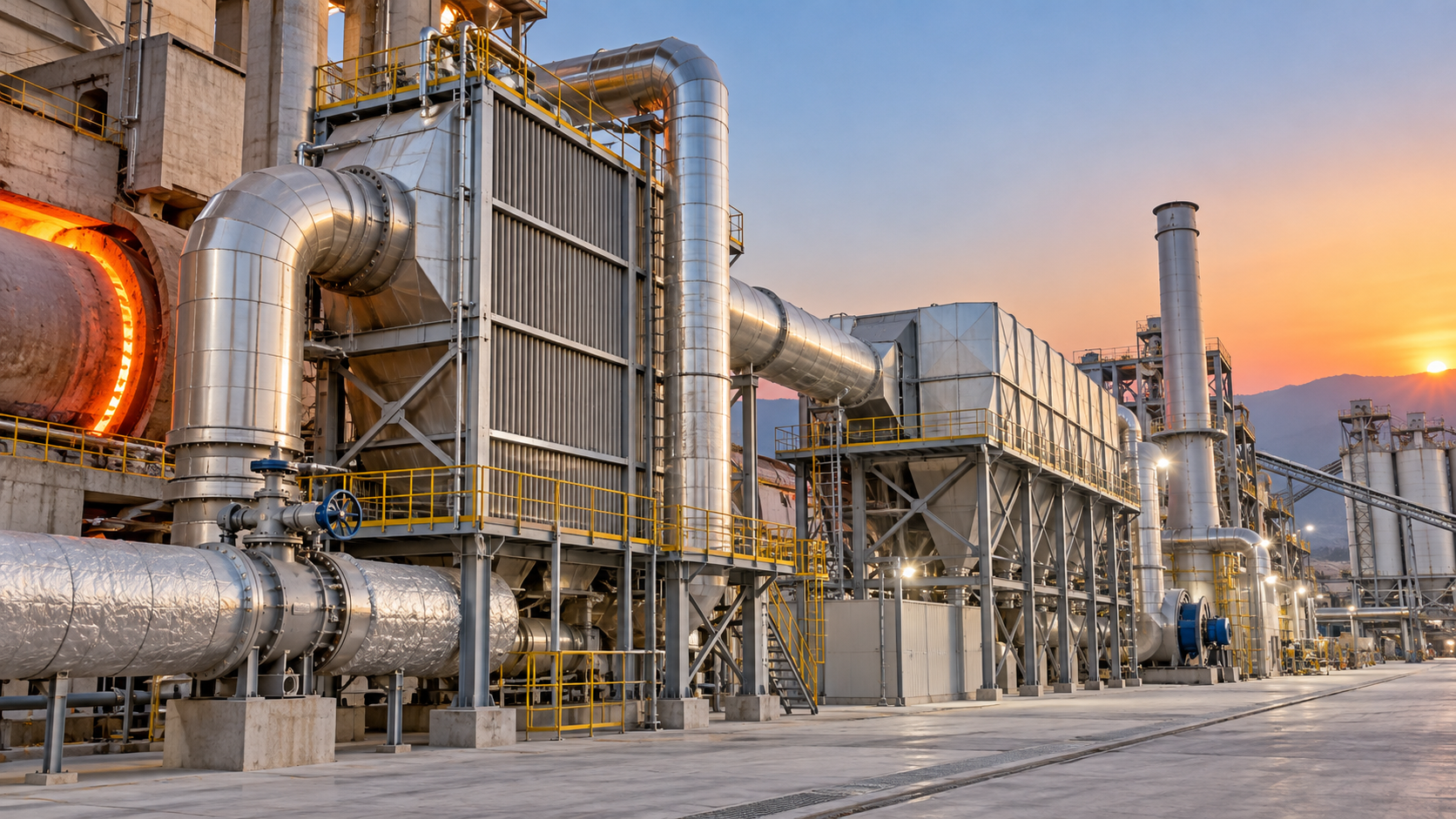
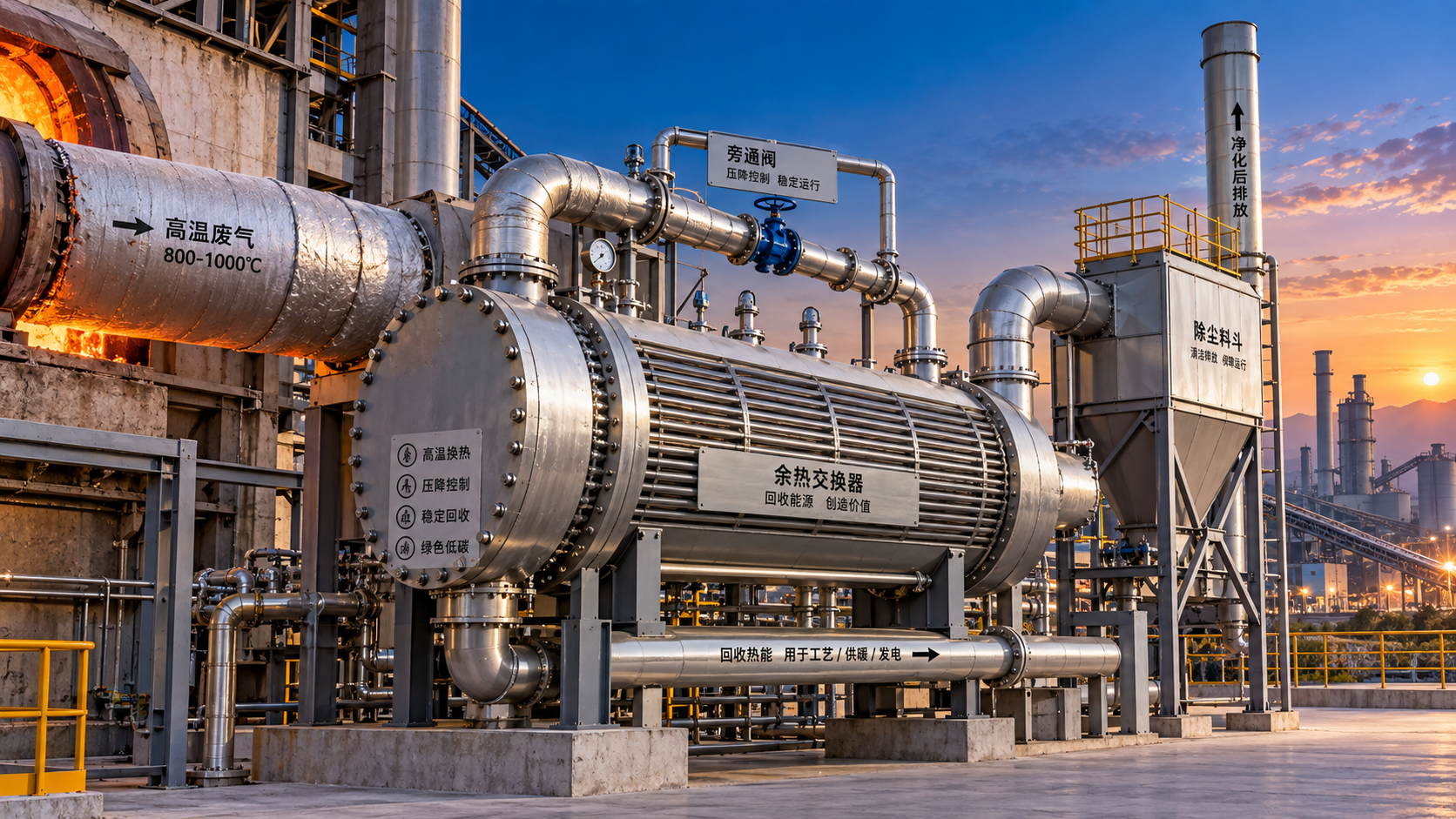
Drying and firing should be considered together. Waste heat recovery may be attractive where the temperature and cleanliness of kiln exhaust suit the dryer duty, but it is not automatically beneficial. The recovered heat must be compatible with the dryer’s control needs, moisture load, and product sensitivity. A design that delivers abundant low-grade heat but cannot maintain drying uniformity may shift the problem from fuel cost to reject cost.
Electrical demand requires the same level of scrutiny. Milling circuits can be energy-intensive, and oversized fans, poorly selected dust-collection systems, excessive pneumatic conveying, or uncontrolled compressed-air leakage can erode the benefit of a more efficient kiln. Variable-speed drives, process interlocks, and load-based control can help, but their value depends on whether the line has meaningful variation in airflow, conveying demand, or production rate.
Energy instrumentation should be part of the production-line scope. At a minimum, the system should allow operators to distinguish major electrical consumers and to relate thermal consumption to kiln production, product type, and operating period. Without that visibility, energy improvement remains a periodic audit exercise rather than a controllable operating variable.
Check the Conditions Behind Supplier Performance Claims
Performance guarantees are only meaningful when their operating assumptions are explicit. Assessors should request that the proposed output, quality, and energy figures be tied to a defined material recipe, product geometry, moisture level, firing temperature, shift pattern, maintenance allowance, and acceptable reject rate. If a supplier quotes one figure for “capacity” and another for “energy consumption” without showing the product basis, the comparison is incomplete.
Factory acceptance testing and commissioning criteria should reflect the intended operating reality. A short demonstration using one easy-running product is not enough to prove a line intended for a broader mix. The validation plan should identify which products represent the most demanding combinations of press fill, drying sensitivity, firing schedule, and dimensional tolerance. It should also define how samples are selected, which tests determine acceptance, and how process data will be recorded.
Maintenance design affects all three evaluation areas. Accessibility to press components, mixer liners, mill wear parts, burners, thermocouples, fans, kiln cars, and dust-control equipment influences whether planned maintenance is actually performed. Spare-parts strategy matters as well, particularly for proprietary controls, specialty hydraulic components, and high-wear material-contact surfaces. A line with a slightly lower peak output but shorter, predictable maintenance stops can be the stronger production asset.
Controls architecture should be reviewed for both reliability and diagnosability. Operators need clear alarms, meaningful trends, manual override procedures, and accessible historical data. Complex automation is hard to justify when it creates a dependency on remote intervention for routine troubleshooting. On the other hand, insufficient data capture makes it difficult to link quality deviations to a raw-material lot, press condition, dryer recipe, or kiln event.
Build the Decision Around the Expected Product Mix
The most defensible selection process starts with a product-family matrix. List the expected shapes, dimensions, material systems, annual volumes, quality classes, firing profiles, and likely future variations. Then test each candidate line against the matrix instead of scoring it only on aggregate capacity or purchase price.
That exercise often reveals where flexibility has value and where it merely adds cost and complexity. A producer focused on stable, high-volume standard bricks may prioritize rugged material preparation, high setting density, repeatable tunnel-kiln operation, and low unit energy use. A producer serving steel, non-ferrous metallurgy, glass, cement, or other demanding thermal processes may place more weight on formulation control, rapid mold changes, tighter inspection, and the ability to maintain quality across smaller but more technically varied batches.
The final decision should make the trade-off visible: qualified throughput at the required product mix, the process controls needed to sustain specification, and energy use measured across the full line. When those three elements are evaluated together, refractory production lines can be compared on their real operating value rather than on isolated equipment ratings.
Related News
 Material Heat-Resist ExpertHow to Evaluate Refractory Production Lines for Output, Quality, and Energy UseRefractory production lines: learn how to assess qualified output, consistent quality, and total energy use for smarter, lower-risk investment decisions.Sep 25, 2026
 Dr. Alistair VaughnHow Waste Recycling Technology Improves Material Recovery in Industrial PlantsWaste recycling technology improves material recovery through source segregation, smart separation, thermal treatment, and quality control for industrial plants.Sep 24, 2026
 Optical Glass Tech FellowHow to Specify Glass Annealing Equipment for European Quality and Energy RequirementsGlass annealing equipment Europe: learn how to specify lehrs for consistent glass quality, energy efficiency, compliance, automation, and reliable long-term performance.Sep 23, 2026
 Optical Glass Tech FellowSilicate Process Automation: Improving Batch Consistency and Energy ControlSilicate process automation improves batch consistency, energy control, traceability, and operator confidence across high-temperature manufacturing operations.Sep 22, 2026
 Optical Glass Tech FellowHow Silicate Industrial Processes Control Viscosity, Energy Use, and Product QualitySilicate industrial processes: learn how viscosity, chemistry, heat transfer, and atmosphere control reduce energy use, improve stability, and protect product quality.Sep 21, 2026
 Thermal Energy ArchitectHow European Plants Can Evaluate Energy Recovery Equipment for High-Temperature ProcessesIndustrial energy recovery equipment Europe: learn how high-temperature plants can assess waste-heat sources, integration risks, lifecycle value, and reliable recovery routes.Sep 20, 2026
 Thermal Energy ArchitectIndustrial Furnace Process Optimization: Reducing Fuel Use Without Sacrificing ThroughputIndustrial process optimization furnace strategies that cut fuel use while protecting throughput. Explore combustion control, heat recovery, refractory performance, and data-driven efficiency gains.Sep 19, 2026
 Ms. Elena RodriguezWhat Drives High-Pressure Extrusion Equipment Cost in Industrial Projects?High pressure extrusion equipment cost explained: compare pressure, die design, automation, wear, energy, and installation factors for smarter industrial investments.Sep 18, 2026
 Thermal Energy ArchitectHow to Size a Waste Heat Recovery Exchanger for High-Temperature Kiln Exhaust?Waste heat recovery exchanger sizing for high-temperature kiln exhaust: balance recoverable duty, fouling, corrosion limits, pressure drop, and reliable heat use.Sep 17, 2026
 Thermal Energy ArchitectWhy Heat-Resistant Materials Lose Abrasion Resistance at High TemperaturesHeat-resistant materials abrasion resistance can decline at high temperatures. Discover the thermal, chemical, and mechanical causes of wear—and how to choose longer-lasting linings.Sep 16, 2026
 Thermal Energy ArchitectHow to Evaluate a Thermal Energy Optimization Company for High-Temperature PlantsChoose a thermal energy optimization company with proven process expertise, measurable savings, and reliable delivery for high-temperature plants. Learn what to assess.Sep 15, 2026
 Thermal Energy ArchitectRotary Kiln Efficiency: How Feed Rate, Fuel Use, and Heat Loss Affect OutputRotary kiln efficiency explained: discover how feed rate, fuel use, heat loss, combustion, and cooling performance shape output, quality, and energy costs.Sep 14, 2026
 Thermal Energy ArchitectHow to Select Heat-Resistant Materials That Maintain Abrasion Resistance in KilnsHeat-resistant materials abrasion resistance: learn how to select kiln linings that withstand heat, wear, thermal cycling, and chemical attack for longer service life.Sep 13, 2026
 Thermal Energy ArchitectHow Rotary Kiln Automation Improves Temperature Control and Fuel EfficiencyRotary kiln technology automation enhances temperature control, stabilizes combustion, and improves fuel efficiency with smarter data, predictive control, and safer operations.Sep 12, 2026
 Silicate Process EngineerCement Plant Emission Control: Selecting Systems for Dust, NOx, and SO2 LimitsCement plant emission control guide: compare dust collectors, NOx reduction, and SO2 systems for reliable compliance across kiln modes, fuel changes, and operating upsets.Sep 11, 2026
 Thermal Energy ArchitectSelecting Abrasion-Resistant High-Temperature Materials for Kiln and Conveyor Wear ZonesHigh-temp material engineering guide to abrasion-resistant kiln and conveyor solutions—match wear, heat, chemistry, and installation design for longer service life.Sep 10, 2026
 Dr. Alistair VaughnIndustrial Process Engineering: How to Map Processes for Safer, More Efficient PlantsIndustrial process engineering reveals bottlenecks, safety risks, and energy losses through practical process mapping for safer, more efficient plants.Sep 09, 2026
 Optical Glass Tech FellowHow to Evaluate a Glass Annealing Equipment Manufacturer for Production StabilityChoose a glass annealing equipment manufacturer with proven thermal uniformity, reliable controls, lifecycle value, and responsive service for stable production.Sep 08, 2026
 Prof. Marcus ChenThermal Energy Architecture in North America: Strategies for Lower Building Energy UseThermal energy architecture North America helps project leaders cut building energy use through stronger envelopes, right-sized HVAC, storage, and smart commissioning.Sep 07, 2026
 Ms. Elena RodriguezHow Should Buyers Evaluate Building Material Industry Intelligence Pricing?Building material industry intelligence pricing: learn how to compare coverage, technical depth, and ROI to choose intelligence that reduces procurement risk.Sep 07, 2026



Related News
- 00
0000-00
How to Evaluate Refractory Production Lines for Output, Quality, and Energy Use - 00
0000-00
What Determines Refractory Production Line Price in a Turnkey Plant Project? - 00
0000-00
How to Evaluate a Silicate Production Line for Capacity, Energy Use, and Product Quality - 00
0000-00
Silicate Production Line Process Explained: Key Stages, Equipment, and Quality Control - 00
0000-00
How to Evaluate a Refractory Production Line in Southeast Asia: Capacity, Fuel, and Raw Material Factors
Weekly Insights
Stay ahead with our curated technology reports delivered every Monday.