
What Determines Refractory Production Line Price in a Turnkey Plant Project?




In a turnkey plant project, refractory production line price is usually settled long before the first brick or castable leaves the curing area, because the budget is locked by process choices, utility assumptions, and the exact division of supply. A quotation that looks competitive at machine level can become expensive once drying time is too long, kiln fuel use is underestimated, or the raw material system cannot hold the required particle distribution. That is why price evaluation has to start from the product route: dense shaped bricks, insulating products, monolithic mixes, precast blocks, or a mixed line serving several refractory grades. Each route changes equipment size, wear exposure, and the degree of process control needed across batching, mixing, forming, drying, firing, sorting, and packaging.
The first cost driver is raw material compatibility. Refractory plants do not process a single uniform feed. Bauxite, tabular alumina, fused alumina, magnesia, silica, chamotte, spinel, graphite, bonding clays, and fine powders behave differently in storage and feeding. Some materials bridge in hoppers. Some generate aggressive dust. Others absorb moisture and shift the consistency of the batch. If the line must handle a wide formula range, the storage section needs more bins, stronger extraction devices, dust-tight conveying, and more accurate weighing. That adds steel structure, instruments, valves, and controls before the mixing system is even considered.
Material hardness also changes capex indirectly. Abrasive aggregates wear screw conveyors, bucket elevators, mixer liners, crusher parts, and transfer chutes. A line designed around softer grog can use a different wear package than one intended for fused high-alumina or magnesia-rich formulations. The price difference may sit inside small specification notes: liner material, bearing protection, sealing arrangement, chute angle, or the number of inspection doors. Those details matter because replacements in a dusty, high-load plant are not minor operating items; they affect downtime planning and spare parts inventory from the first year onward.
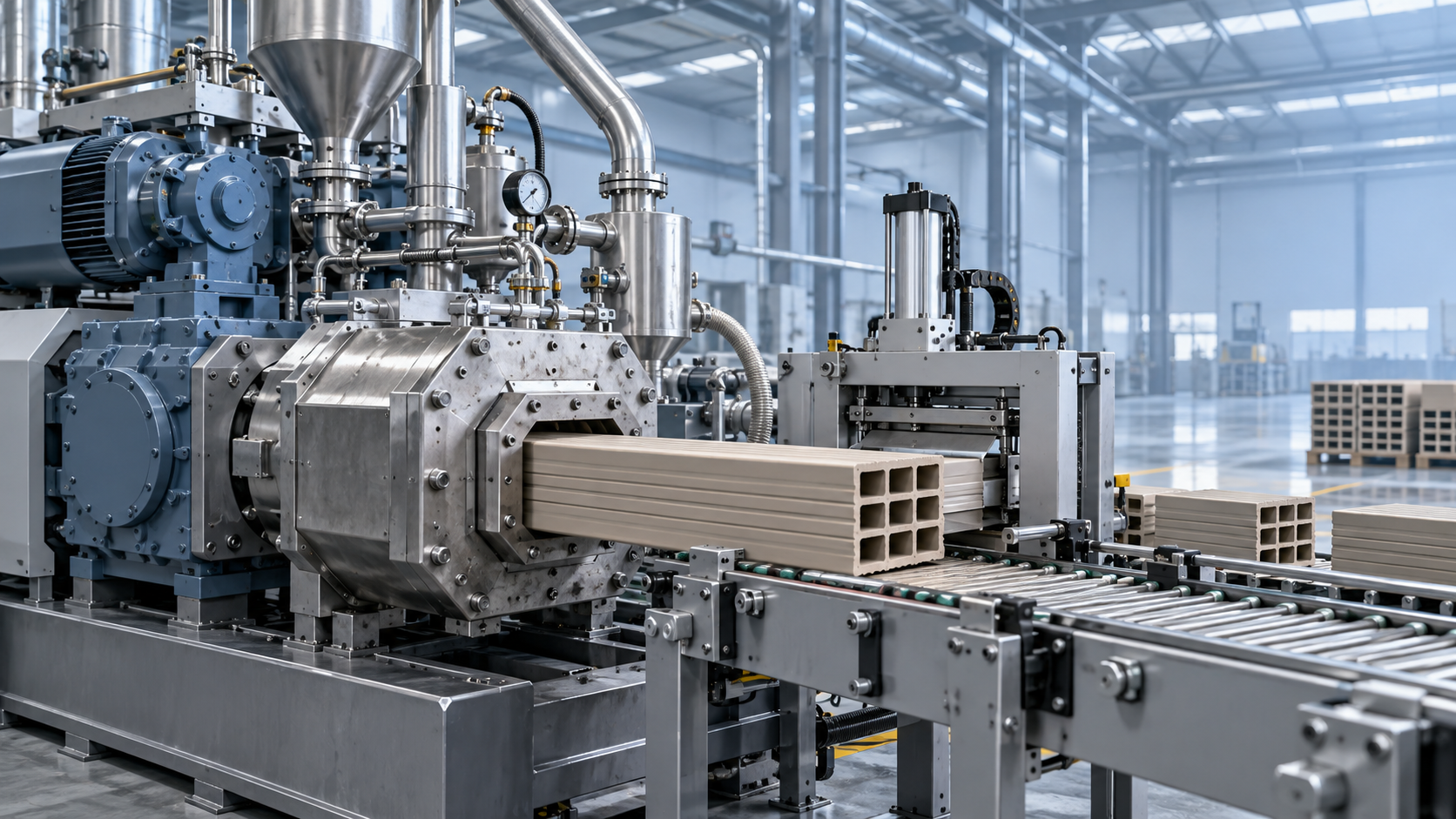
Forming method is another decisive variable. Friction presses, hydraulic presses, isostatic pressing, extrusion, vibro-casting, and simple bagging lines for monolithic refractories lead to very different project values. Pressing lines need mold management, high-pressure hydraulic stations, green body handling, and strict moisture control. Extrusion lines need vacuum de-airing, die design, cutter synchronization, and often more continuous material conditioning upstream. Monolithic products may avoid high-temperature firing in some cases, but then the cost weight shifts toward intensive mixing, binder dosing accuracy, packaging, and storage conditions. A request for “one refractory production line” can therefore hide several very different engineering packages.
Capacity is often discussed too loosely, and that creates avoidable price gaps. Nameplate output per hour is one thing; stable annual throughput under actual product mix is another. If the plant is expected to switch frequently between shapes, densities, or recipes, then cleaning, mold change, drying schedules, and kiln campaign planning reduce effective capacity. Suppliers may quote the same nominal tonnage while assuming very different utilization logic. The lower offer may be based on long production runs with minimal changeover, while the real factory schedule may require much more flexibility. Once flexibility is added, the line often needs buffer silos, recipe automation, spare molds, additional transfer cars, or larger curing and drying areas.
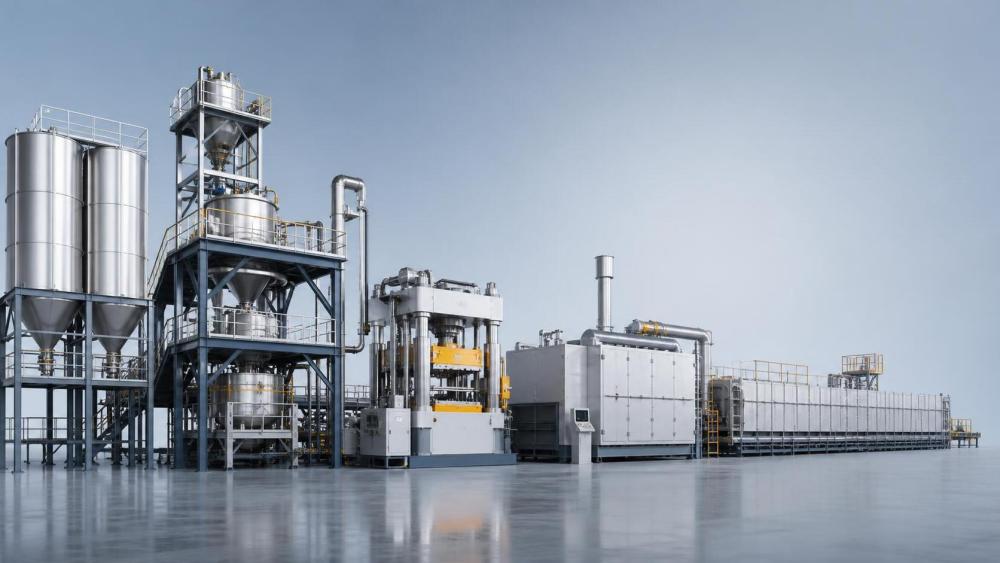
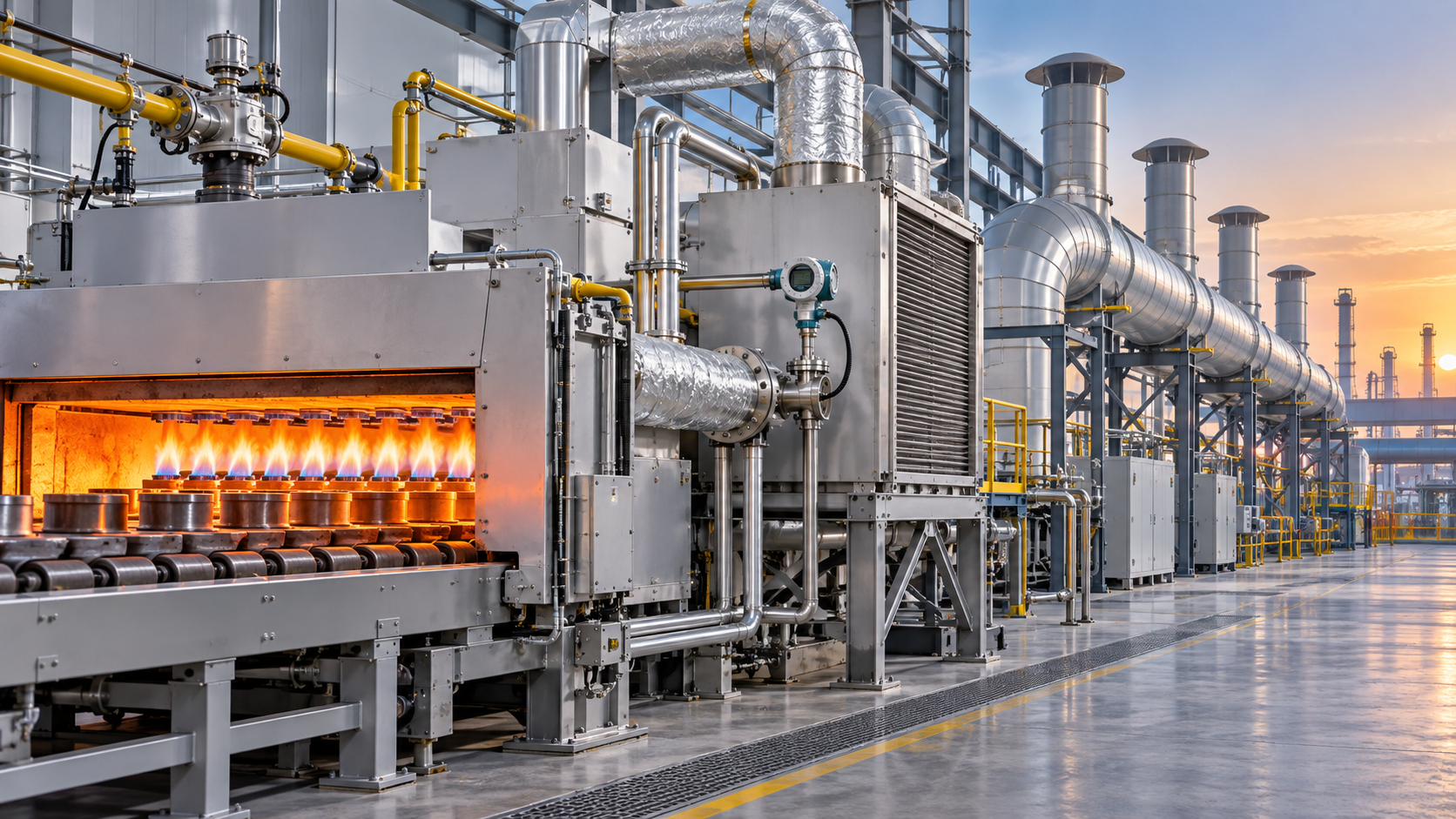
Thermal equipment usually has the strongest influence on the final project sum. For fired refractories, kiln type, lining design, burner arrangement, atmosphere requirement, and temperature uniformity all affect both initial price and long-term energy burden. Shuttle kilns, tunnel kilns, and periodic kilns do not fit the same production logic. A tunnel kiln can support higher continuity and lower unit fuel consumption under stable product families, but it requires more civil work, cars, tracks, and coordinated drying and loading systems. A shuttle kiln may suit broader product variation, smaller batches, or staged investment, yet it can carry different labor and heat-loss patterns. If firing curves are tight because of crack sensitivity, phase transformation control, or dimensional tolerance, then instrumentation and kiln zoning become more sophisticated, which lifts the project cost further.
Drying systems are frequently undervalued during price comparison. Green refractory bodies can fail before firing if airflow, humidity control, tray arrangement, and heat distribution are not aligned with the product geometry and binder system. A simple chamber dryer may appear economical, but products with high thickness variation or moisture-sensitive additives may need finer control, staged drying, or more internal circulation management. The result is a higher equipment price, but also a lower risk of hidden rejection costs later. In turnkey negotiation, the drying section deserves the same scrutiny as the kiln because defects formed here are often blamed on raw materials or operators after commissioning, even when the true cause is poor thermal design.
Automation level changes price in a way that is often misunderstood. The issue is not whether automation is “high” or “low,” but where precision actually pays back. Batch weighing, binder dosing, moisture correction, press parameter logging, kiln temperature recording, and traceability by recipe or lot can all reduce instability when the product mix is broad. However, fully automated pallet transfer or elaborate visual interfaces may not add equal value in every plant. A realistic scope needs to separate process-critical automation from convenience features. Otherwise, one quotation may look expensive because it includes recipe management, fault diagnostics, and historian functions, while another includes only basic start-stop control and local indicators. The second number is lower, but the comparison is false if the process target is tight.
Utilities and energy infrastructure are major contributors to refractory production line price, especially in turnkey supply where the battery limits include more than machines. The fuel train, combustion air system, compressor station, cooling water loop, dust collection fan power, transformer sizing, cable routing, and backup arrangements can substantially alter the total. Gas pressure instability, poor compressed air quality, or undersized exhaust handling may not stop procurement approval, but they often surface during hot commissioning. If the supplier includes utility balancing, pipe racks, control valves, MCC integration, and energy metering, the offer will rise. If those are left to local contractors without clear interface documents, the headline price may fall while coordination risk expands.
Civil and structural scope often sits behind the largest misunderstandings in turnkey discussions. Floor loading under presses, pit depth for elevators, rail alignment for kiln cars, ventilation openings, dust collector foundations, and refractory storage humidity conditions all change construction work. In some projects, the process supplier prices only anchor bolts and layout drawings; in others, steel platforms, access stairs, enclosed transfer towers, and control room integration are included. Two proposals can use the same words, such as “installation supervision” or “complete line,” yet contain very different obligations. Price cannot be interpreted correctly unless every interface is mapped: who supplies embedded parts, who installs cable trays, who commissions burners, who calibrates scales, and who takes responsibility for no-load and load tests.
Transport and packaging costs become sensitive when the line includes oversized kilns, presses, steel frames, or prefabricated ducting. Sea freight class, inland haulage restrictions, lifting studies, and preservation method for instruments can all shift the total project value. Long equipment bodies may need segmented fabrication, which reduces transport risk but increases site assembly labor and alignment time. For export projects, the price effect of wooden packing, corrosion protection, spare part segregation, and containerization strategy should not be treated as a minor detail. Damage to control cabinets, burners, or hydraulic components during transit can delay startup far more than a visible structural part.
Installation scope is one of the most common sources of budget distortion. Mechanical erection, refractory installation inside kilns or dryers, electrical pulling, loop checks, burner tuning, software commissioning, and trial production do not carry the same labor profile. Some turnkey offers cover supervision only, expecting local crews to supply tools, welding consumables, scaffolding, cranes, and insulation work. Others include full erection teams. Price differences here are real, not accounting tricks. A lower contract amount may simply mean that major site responsibilities have been transferred elsewhere. Unless the work breakdown is explicit, the final investment remains uncertain.
After-sales terms also influence the practical price of the line. Spare parts lists vary widely in usefulness. One supplier may include only routine wear components, while another adds instrument backups, hydraulic seals, critical sensors, burner nozzles, and recommended stock for the first operating period. Remote troubleshooting capability, response time definitions, software backup procedures, and commissioning support windows affect the true cost of ownership. For refractory production, where stable firing and controlled batch preparation are tightly linked, the absence of process support after startup can become more expensive than a higher initial contract value.
Another factor is how the project defines acceptable product quality. Dimensional tolerance, bulk density consistency, cold crushing strength targets, apparent porosity window, residual moisture before firing, and packaging condition at dispatch all influence equipment selection. If quality control is expected to be built into the line, then sampling points, laboratory preparation tools, moisture analyzers, test presses, and traceability modules may be part of the project scope. If quality assurance is left largely off-line or manual, the plant may start with a lower price but operate with slower feedback and a higher probability of hidden process drift.
Expansion logic can raise or lower current investment depending on whether it is addressed early. A plant expected to add a second press, another kiln, or an extra monolithic mixing block later may need oversizing in transformer capacity, dust collection headers, compressed air mains, control architecture, and building layout. That raises present cost, but avoids demolition and production interruption later. If the project ignores future phases entirely, the initial figure may look better while the site becomes difficult to expand without rework. In refractory plants, utility corridors and material routing are especially important because dust control and segregation become harder to correct after civil completion.
Several common misjudgments distort price evaluation. One is treating all wear-resistant design as optional premium content, even when abrasive raw materials make it foundational. Another is assuming that a kiln specification can be compared only by firing temperature, while ignoring atmosphere control, uniformity, and car sealing details. A third is overlooking recipe diversity: a line that runs one alumina brick family is not equivalent to one switching between dense bricks, insulating products, and monolithic mixes. There is also a tendency to compare offers by the machine list only, without tracing omissions in ducting, instrumentation, cabling, software functions, interlocks, or startup consumables.
The most reliable way to understand refractory production line price is to compare quotations against the process path, not against the sales total alone. The key documents are usually the material list, recipe envelope, final product range, battery limits, utility conditions, and acceptance criteria. When these are loosely defined, the price remains unstable even after contract signature because variation orders become likely. When they are tightly aligned, the quoted sum starts to reflect actual engineering content instead of commercial optimism.
A turnkey plant becomes expensive when uncertainty is left in the interfaces. It becomes predictable when every thermal, mechanical, and operational assumption is translated into scope. That is where the real meaning of refractory production line price appears: not as a single number on a proposal cover, but as the cost of building a process that can run the intended products without constant correction after handover.
Related News
 Optical Glass Tech FellowHow to Evaluate Automated Float Glass Lines for Capacity, Quality, and Energy UseEvaluate automated float glass lines for net capacity, consistent quality, energy efficiency, automation reliability, and lifecycle value. Explore key criteria for smarter investment decisions.Oct 05, 2026
 Thermal Energy ArchitectWhat Does CE Marking Require for an Energy-Efficient Industrial Kiln?Energy efficient kiln CE requirements explained: assess safety, technical files, energy performance, and EU compliance before purchase or commissioning.Oct 04, 2026
 Thermal Energy ArchitectRefractory Manufacturing Solutions for Brick Plants: How to Extend Kiln LifeRefractory manufacturing solutions for brick plant operations: discover proven strategies to extend kiln life, reduce heat loss, prevent lining failures, and plan cost-effective repairs.Oct 03, 2026
 Thermal Energy ArchitectHow to Specify Heavy Industrial Process Systems for High-Temperature PlantsHeavy industrial processes systems: learn how to specify high-temperature plants for efficiency, emissions control, maintainability, and lifecycle performance.Oct 02, 2026
 Structural Material AnalystHow Sustainable Material Extrusion Can Improve Wall Panel Durability and Design FlexibilityDiscover how sustainable material extrusion for wall panels improves durability, moisture resistance, design flexibility, and installation consistency for high-performing wall systems.Oct 01, 2026
 Thermal Energy ArchitectHow to Evaluate a High-Temperature Materials Manufacturer for Furnace ApplicationsChoose a high-temperature materials manufacturer with confidence: compare thermal performance, chemical resistance, quality controls, installation support, and lifecycle cost.Sep 30, 2026
 Ms. Elena RodriguezHow to Structure Global Specification Data for Faster Industrial Product EvaluationGlobal specification-oriented product information helps industrial teams compare capacity, energy, emissions, automation, and lifecycle data on a like-for-like basis for faster, confident equipment decisions.Sep 29, 2026
 Thermal Energy ArchitectHow to Specify High-Temperature Process Systems for Continuous Thermal OperationsHigh-temperature process engineering systems: learn how to specify resilient continuous thermal operations for efficiency, compliance, reliable uptime, and long-term performance.Sep 28, 2026
 Thermal Energy ArchitectHow to Evaluate a Thermal Engineering Contractor for High-Temperature Plant ProjectsChoose a thermal engineering contractor with proven process expertise, lifecycle value, emissions control, and delivery discipline for reliable high-temperature plant performance.Sep 27, 2026
 Silicate Process EngineerHow Latin American Cement Plants Can Reduce Dust Emissions in Kilns and Transfer PointsCement plant dust control Latin America: reduce kiln and transfer-point emissions with practical airflow, filtration, monitoring, and maintenance strategies.Sep 26, 2026
 Material Heat-Resist ExpertHow to Evaluate Refractory Production Lines for Output, Quality, and Energy UseRefractory production lines: learn how to assess qualified output, consistent quality, and total energy use for smarter, lower-risk investment decisions.Sep 25, 2026
 Dr. Alistair VaughnHow Waste Recycling Technology Improves Material Recovery in Industrial PlantsWaste recycling technology improves material recovery through source segregation, smart separation, thermal treatment, and quality control for industrial plants.Sep 24, 2026
 Optical Glass Tech FellowHow to Specify Glass Annealing Equipment for European Quality and Energy RequirementsGlass annealing equipment Europe: learn how to specify lehrs for consistent glass quality, energy efficiency, compliance, automation, and reliable long-term performance.Sep 23, 2026
 Optical Glass Tech FellowSilicate Process Automation: Improving Batch Consistency and Energy ControlSilicate process automation improves batch consistency, energy control, traceability, and operator confidence across high-temperature manufacturing operations.Sep 22, 2026
 Optical Glass Tech FellowHow Silicate Industrial Processes Control Viscosity, Energy Use, and Product QualitySilicate industrial processes: learn how viscosity, chemistry, heat transfer, and atmosphere control reduce energy use, improve stability, and protect product quality.Sep 21, 2026
 Thermal Energy ArchitectHow European Plants Can Evaluate Energy Recovery Equipment for High-Temperature ProcessesIndustrial energy recovery equipment Europe: learn how high-temperature plants can assess waste-heat sources, integration risks, lifecycle value, and reliable recovery routes.Sep 20, 2026
 Thermal Energy ArchitectIndustrial Furnace Process Optimization: Reducing Fuel Use Without Sacrificing ThroughputIndustrial process optimization furnace strategies that cut fuel use while protecting throughput. Explore combustion control, heat recovery, refractory performance, and data-driven efficiency gains.Sep 19, 2026
 Ms. Elena RodriguezWhat Drives High-Pressure Extrusion Equipment Cost in Industrial Projects?High pressure extrusion equipment cost explained: compare pressure, die design, automation, wear, energy, and installation factors for smarter industrial investments.Sep 18, 2026
 Thermal Energy ArchitectHow to Size a Waste Heat Recovery Exchanger for High-Temperature Kiln Exhaust?Waste heat recovery exchanger sizing for high-temperature kiln exhaust: balance recoverable duty, fouling, corrosion limits, pressure drop, and reliable heat use.Sep 17, 2026
 Thermal Energy ArchitectWhy Heat-Resistant Materials Lose Abrasion Resistance at High TemperaturesHeat-resistant materials abrasion resistance can decline at high temperatures. Discover the thermal, chemical, and mechanical causes of wear—and how to choose longer-lasting linings.Sep 16, 2026

Related News
- 00
0000-00
How to Evaluate Refractory Production Lines for Output, Quality, and Energy Use - 00
0000-00
What Determines Refractory Production Line Price in a Turnkey Plant Project? - 00
0000-00
How to Evaluate a Silicate Production Line for Capacity, Energy Use, and Product Quality - 00
0000-00
Silicate Production Line Process Explained: Key Stages, Equipment, and Quality Control - 00
0000-00
How to Evaluate a Refractory Production Line in Southeast Asia: Capacity, Fuel, and Raw Material Factors
Weekly Insights
Stay ahead with our curated technology reports delivered every Monday.