
How Latin American Cement Plants Can Reduce Dust Emissions in Kilns and Transfer Points




How Latin American Cement Plants Can Reduce Dust Emissions in Kilns and Transfer Points
For project managers across the region, effective cement plant dust control in Latin America is becoming essential for regulatory compliance, worker safety, and reliable production performance. Kilns and transfer points remain major sources of fugitive particulate emissions, but targeted engineering upgrades, smarter monitoring, and disciplined maintenance can deliver measurable reductions. The practical challenge is not simply to install a larger dust collector. It is to understand where dust is generated, how air moves through the process, and which intervention will remain effective under real operating conditions.
This matters in plants operating with variable raw-material moisture, high ambient temperatures, aging conveying systems, alternative fuels, or constrained shutdown windows. A solution that works well on a clean design drawing can underperform when a belt is misaligned, a chute is overloaded, a kiln hood runs under unstable draft, or filter maintenance is deferred. Good dust-control projects therefore begin with process diagnosis rather than equipment selection.
Dust Control Starts with the Emission Mechanism
Cement dust is not released from every point for the same reason. At transfer stations, the usual mechanism is displacement air: material falling onto a belt, screen, bin, or feeder pushes dusty air out of the receiving enclosure. Drop height, material velocity, particle-size distribution, moisture content, and enclosure geometry all affect the result. If the air has no controlled path toward extraction, it will escape through gaps around inspection doors, skirtboards, loading hoods, and conveyor interfaces.
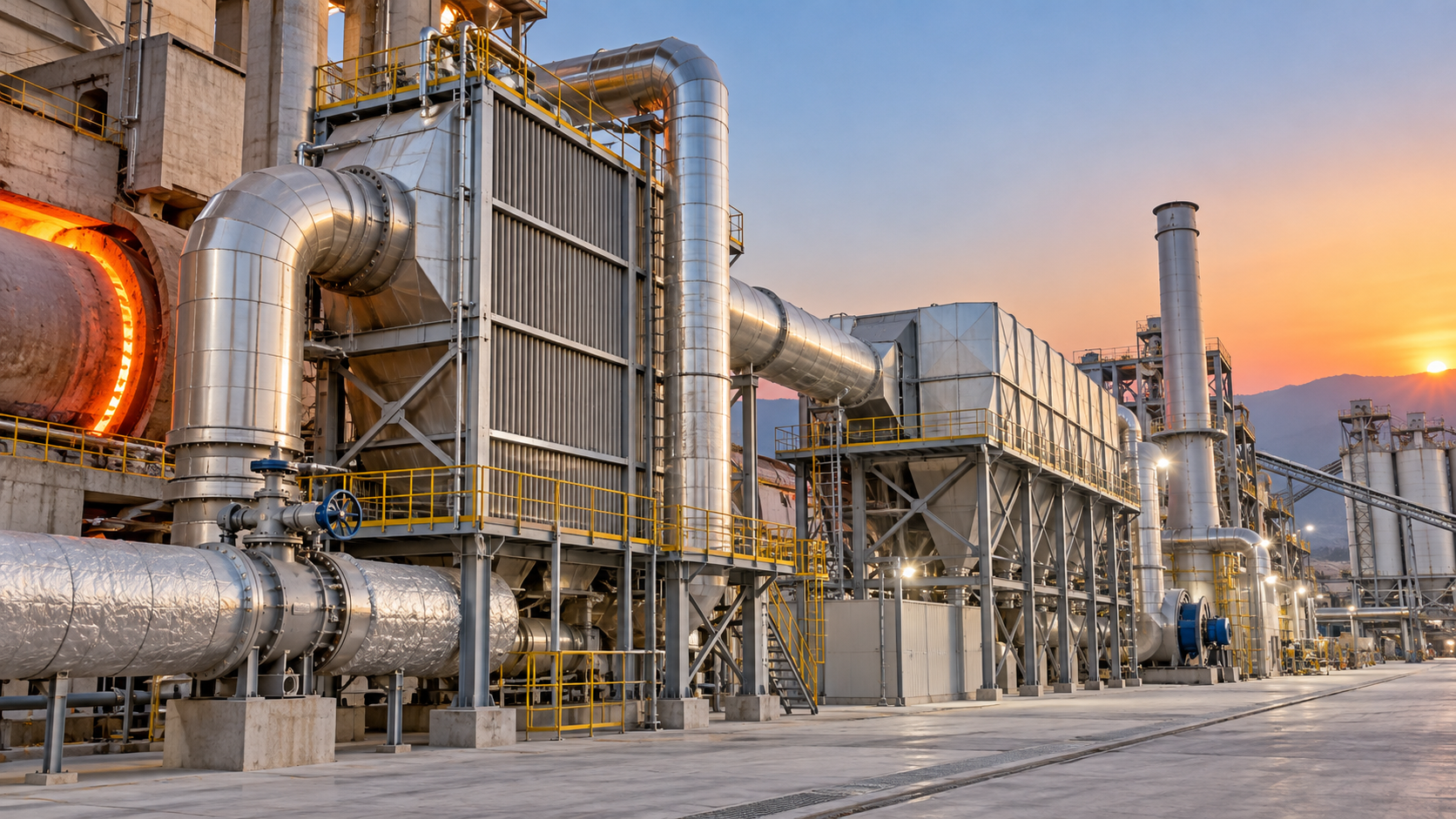
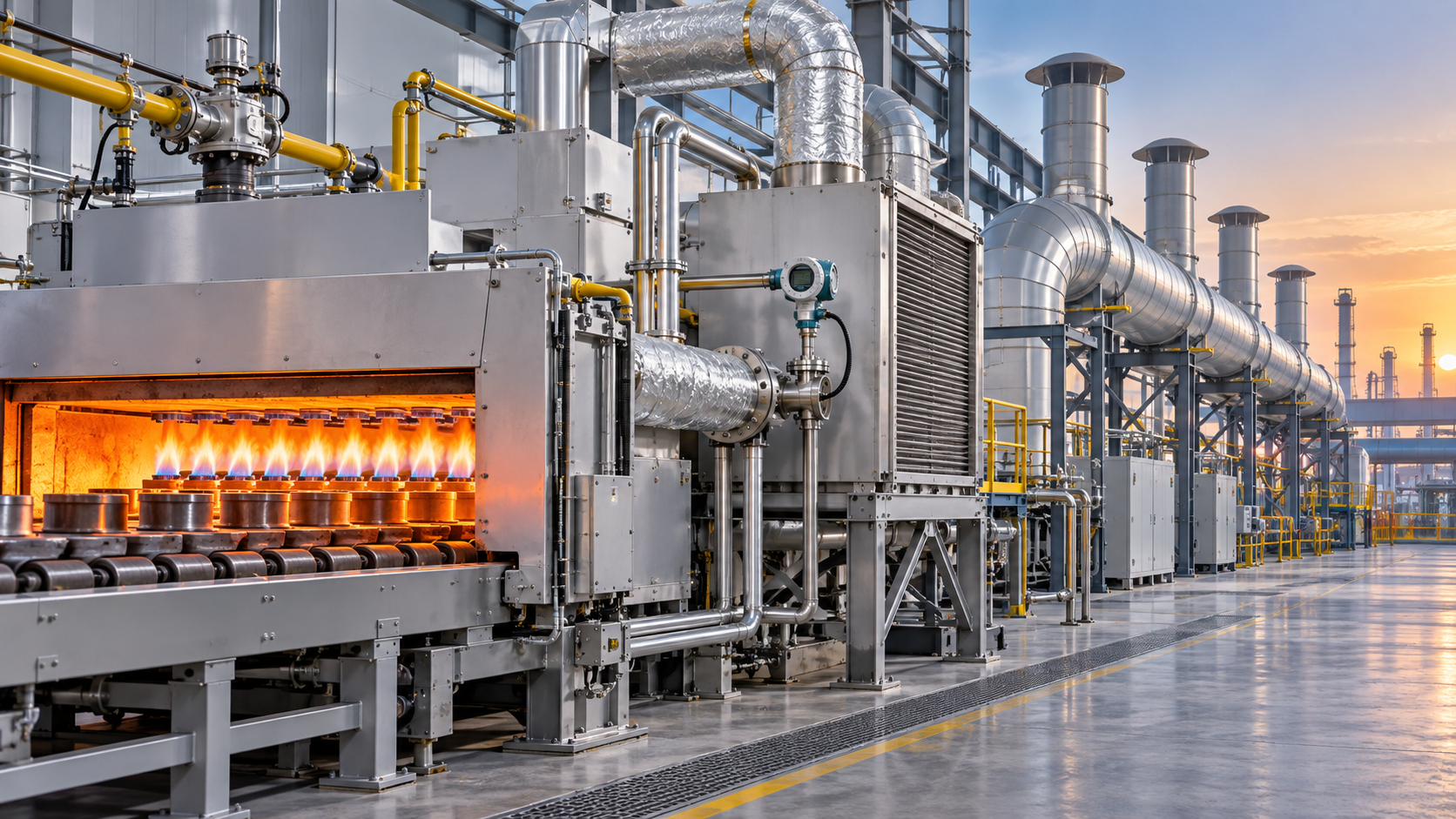
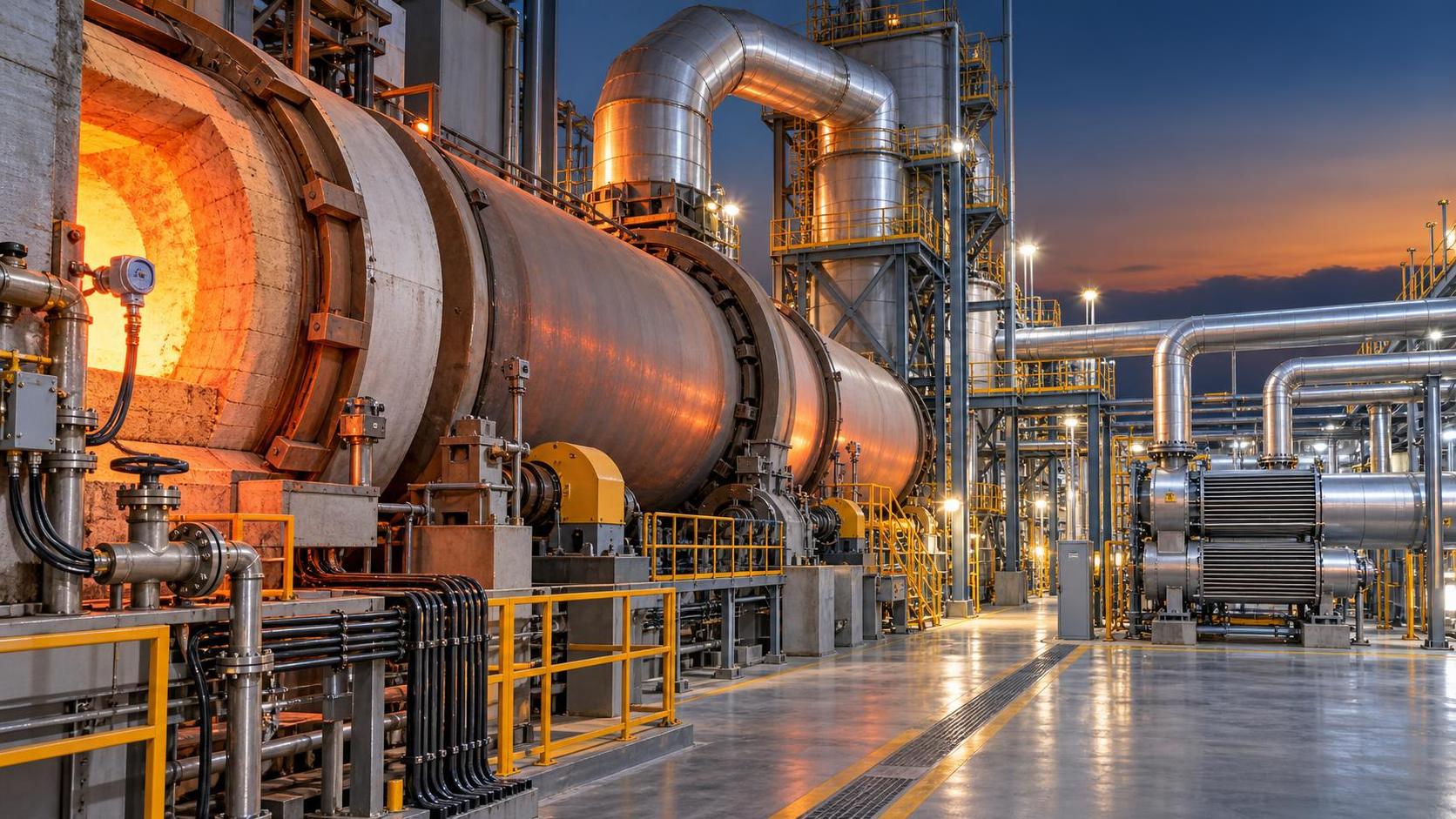
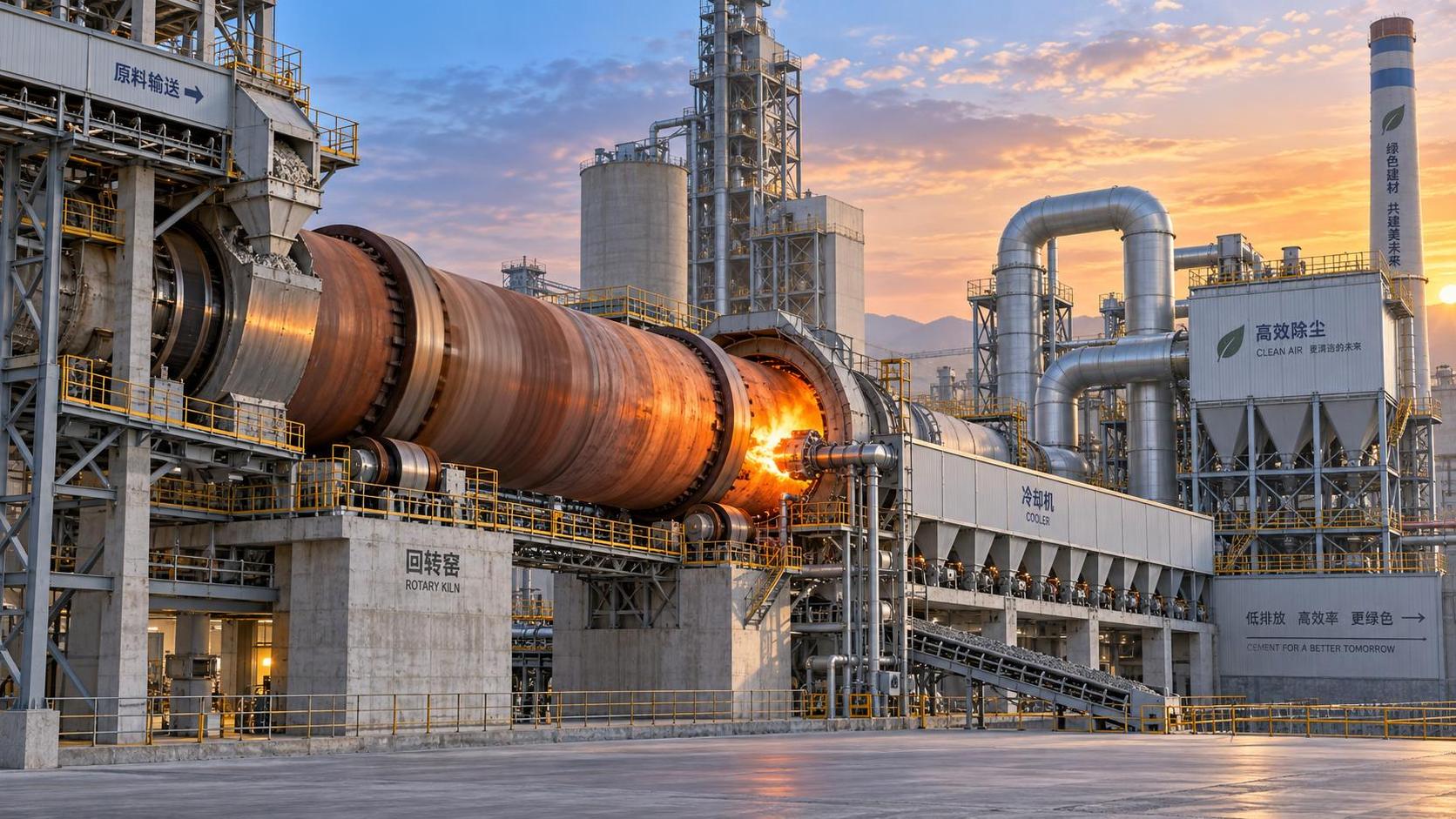
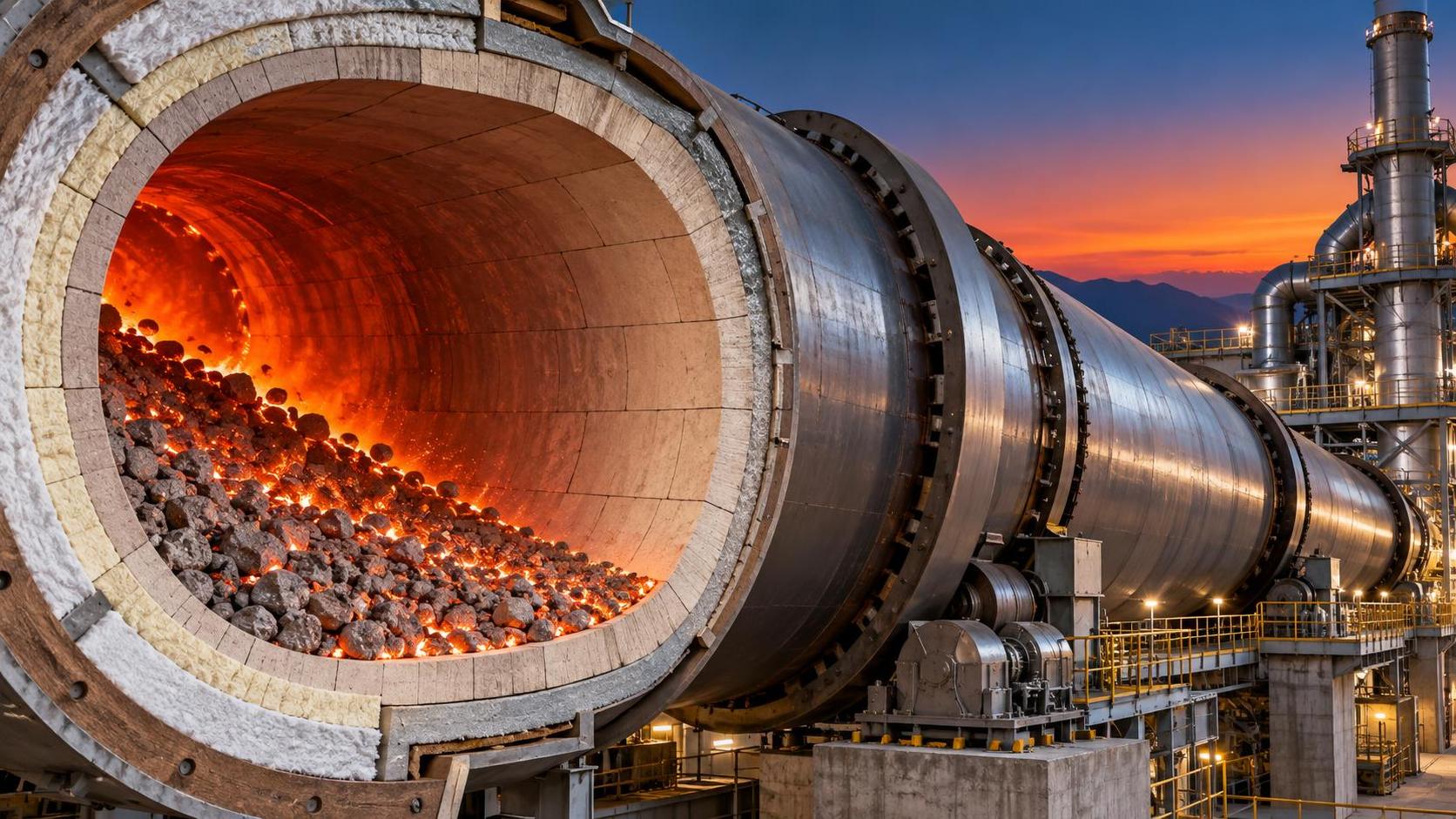
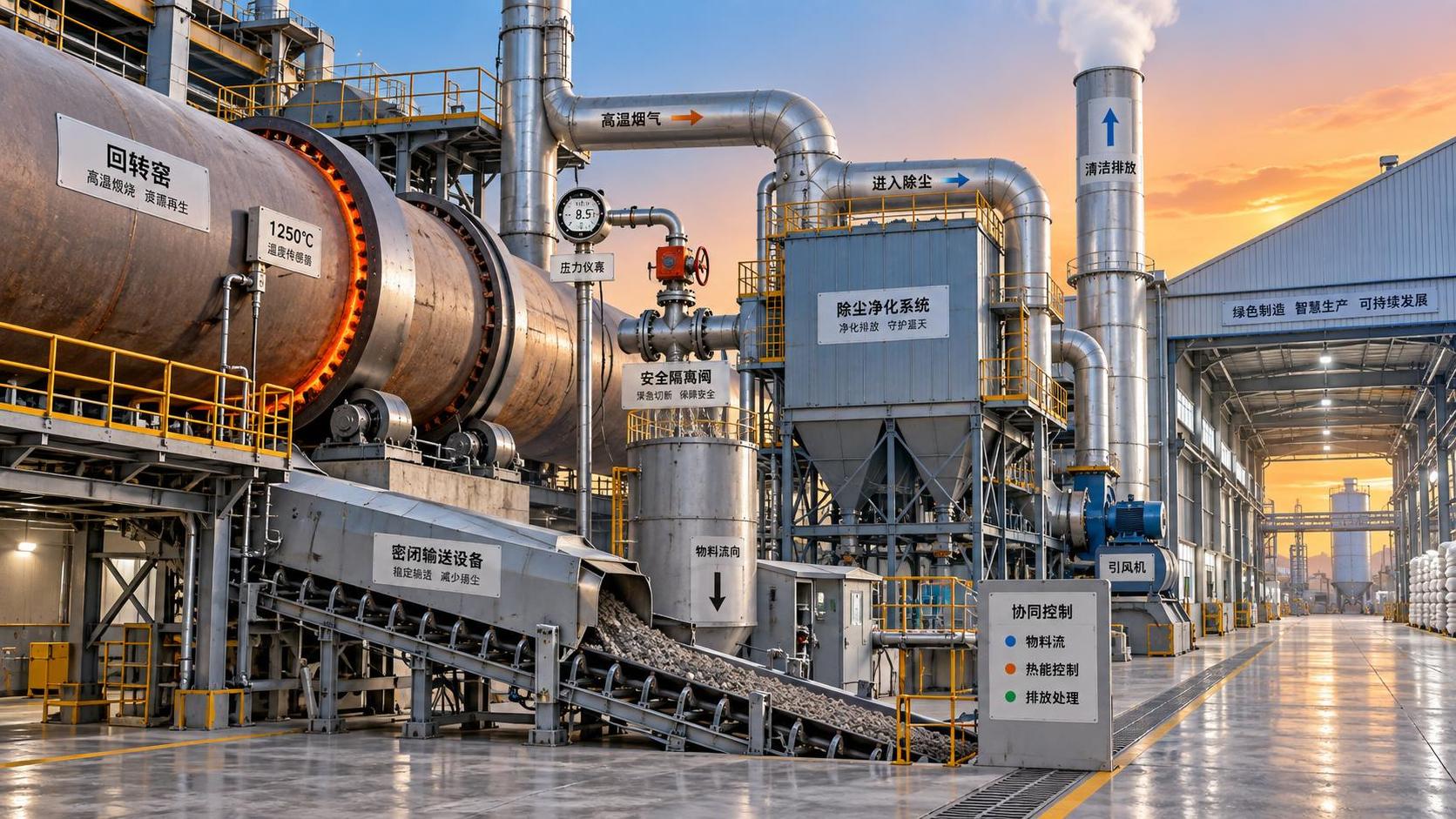
Kiln-related emissions are more complex. The kiln inlet, riser duct, preheater, clinker cooler, kiln hood, and bypass system may each involve high temperatures, changing gas volumes, corrosive components, and process dust. Draft instability can shift the location of visible emissions quickly. A local hood may be adequately sized on paper but fail when a process upset creates a sudden pressure change. For this reason, kiln dust control cannot be isolated from combustion management, false-air control, fan performance, refractory condition, and material feed stability.
The most useful early question is not “Which collector should we buy?” It is “Where is the dust escaping, and what pressure condition is driving it out?” A walkthrough during normal operation, start-up, and upset conditions will often reveal different answers.
Audit the Whole Air Path Before Designing the Upgrade
A credible dust-reduction plan traces the complete path from generation to final discharge. This includes the source enclosure, ducting, dampers, fan, collector, discharge device, and return route for captured material. Project teams sometimes focus on the visible cloud at a transfer point while overlooking a partially blocked duct, an open branch, worn fan blades, or a hopper that is not discharging consistently. Each fault reduces effective capture velocity where it is needed most.
The audit should also distinguish between process gas and fugitive extraction. Combining systems can be technically justified in some layouts, but it can also complicate temperature control, collector selection, and maintenance access. High-temperature kiln exhaust is a different design duty from dust drawn from a covered belt conveyor. Where streams are mixed, the implications for gas conditioning, condensation risk, abrasive loading, and fan capacity need to be checked carefully.
For projects with limited historical data, useful baseline observations include visible dust location and timing, differential pressure trends, fan motor load, compressed-air condition, filter cleaning behavior, conveyor throughput, belt tracking, and the frequency of manual housekeeping. These records do not replace engineering calculations, but they prevent teams from designing around assumptions that are already disproved by plant operation.
Make Transfer Points Easier to Capture
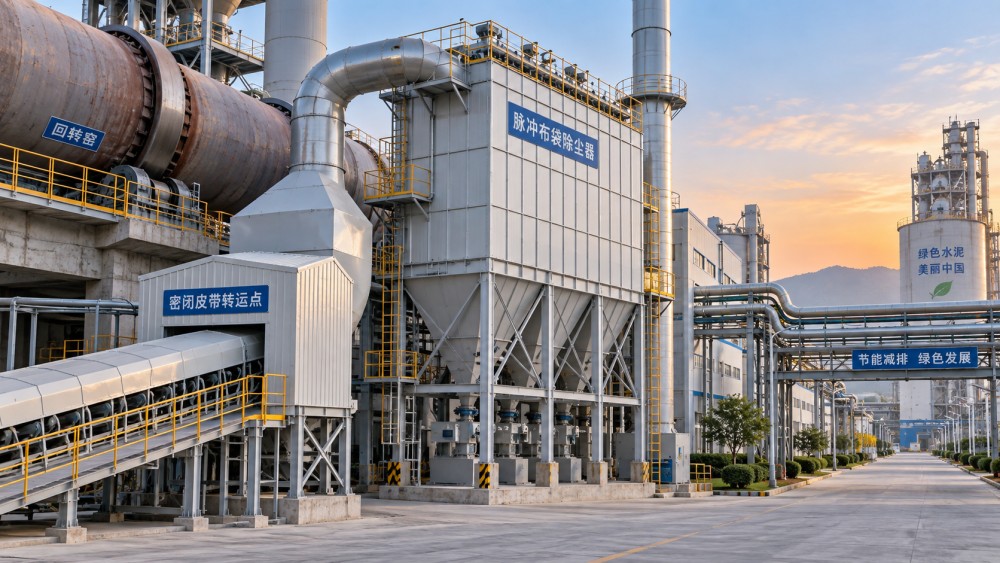
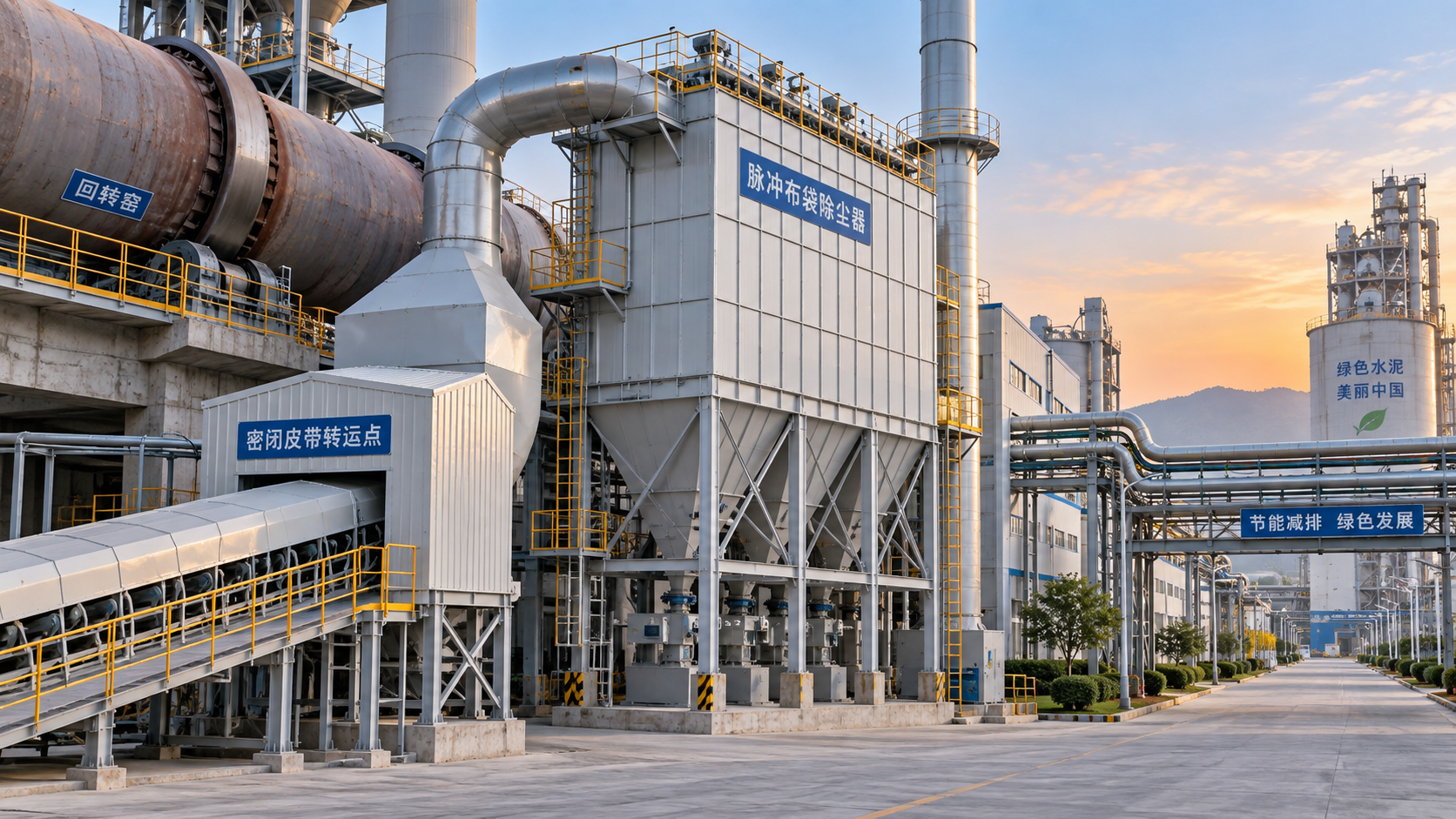
At conveyors, the most reliable approach is usually to reduce turbulence before relying on extraction to manage it. A poorly designed chute can throw material into the receiving belt, create rebound, and pull air through every available opening. Improving the material trajectory, reducing uncontrolled drop height, and keeping the material stream centered can lower the dust burden before it reaches the filter.
A properly engineered transfer enclosure should provide enough length for the load to settle on the belt. Effective skirt sealing, correctly supported belt edges, and access doors that close consistently are not minor details; they determine whether negative pressure can be maintained. Flexible seals alone are not a cure for major belt mistracking or structural distortion. If the belt moves excessively, operators often loosen sealing arrangements to keep production moving, and dust immediately finds the opening.
Extraction pickup points should draw air across the dust-generation zone rather than short-circuiting air from the nearest gap. In practice, this means hood placement, enclosure openings, duct orientation, and make-up air must be considered together. Over-extraction can create its own problems, including material carryover, unnecessary fan energy, and accelerated wear. Under-extraction leaves dust suspended until it exits the enclosure. The required airflow should be based on the geometry and operating duty of the individual transfer point, not copied from a standard arrangement.
Common transfer-point failures that deserve early attention
- Damaged chute liners that alter material flow and increase impact turbulence.
- Open inspection doors, missing covers, or unsealed structural penetrations.
- Duct branches with poor balancing, leaving remote hoods starved of airflow.
- Plugged collector hoppers or leaking rotary valves that reintroduce captured dust.
- Using water sprays without assessing whether moisture will affect material handling, product quality, or buildup in chutes.
Treat the Kiln System as a Thermal and Pressure-Control Problem
At the kiln, visible emissions may indicate a dust-collection issue, but they can also be symptoms of an unstable process. False air entering through kiln seals, duct joints, or damaged expansion connections changes gas volume and can disrupt draft control. Air leakage also affects thermal efficiency, which means a dust project may have consequences beyond environmental performance. Conversely, modifications intended to reduce energy losses can change the gas balance enough to require a fresh review of fan capacity and damper settings.
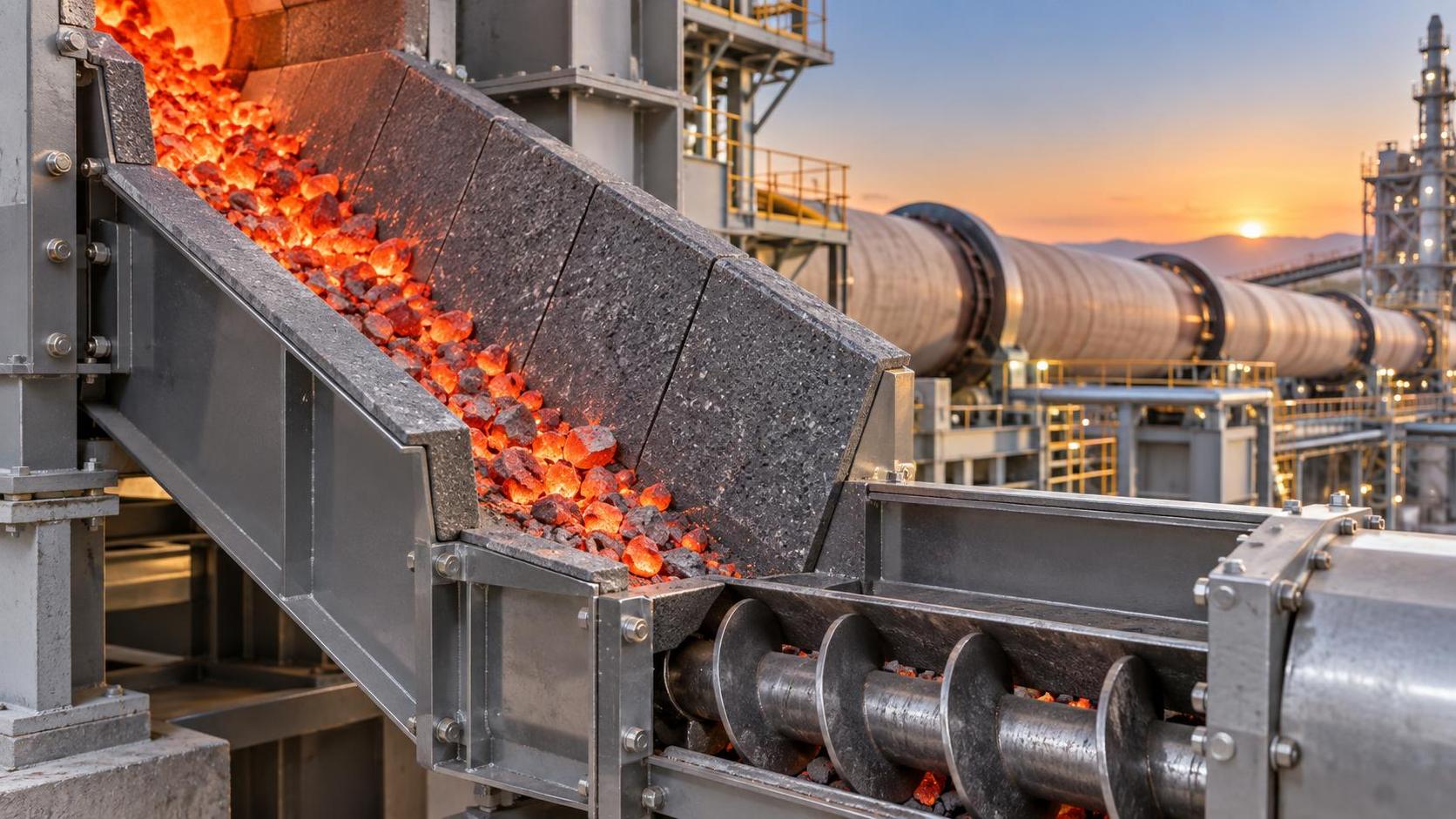
The kiln hood and cooler interface require particular care. Clinker discharge, cooler operation, hood pressure, secondary-air conditions, and induced-draft performance are interdependent. A local extraction addition should not unintentionally disturb combustion conditions or pull excessive hot air from the process. Engineering teams need a clear operating envelope: normal production, reduced load, fuel changes, start-up, and upset events may all create different gas-flow conditions.
Where alternative fuels are used or planned, the review should be broader still. Fuel characteristics can affect combustion stability, volatile cycles, gas composition, dust properties, and the demands placed on filtration media. No universal retrofit package can account for these changes. The right approach is to validate actual process conditions, anticipated fuel mix, and applicable local emissions requirements before finalizing collector, duct, and fan specifications.
Choose Filtration Around the Real Gas Stream
Bag filters are widely used across cement operations because they can be adapted to many dust sources, but their performance depends on media selection, air-to-cloth loading, cleaning energy, temperature range, and chemical environment. A fabric that suits a dry, moderate-temperature transfer point may not be appropriate for hot kiln gases or conditions with condensation risk. Project managers should ask suppliers and engineering teams to explain the assumptions behind media selection, not merely state a nominal temperature rating.
Electrostatic precipitators may also remain relevant in certain kiln exhaust applications, particularly where existing infrastructure and gas conditions support their operation. Their performance, however, is sensitive to electrical and dust-resistivity conditions and needs to be evaluated in the context of the specific line. A choice between collection technologies should consider emissions duty, process variability, space, electrical supply, maintenance capability, spare-parts access, shutdown constraints, and the cost of operating the full system over time.
A collector cannot compensate indefinitely for poor upstream containment. Lowering dust generation and reducing unnecessary air ingress generally makes downstream filtration more stable and more economical to operate. This is why the best cement plant dust control Latin America programs usually combine mechanical improvements with filtration work rather than treating them as competing options.
Monitoring Should Support Decisions, Not Just Reporting
Continuous or periodic emissions monitoring may be required depending on the jurisdiction and permit conditions, but its operational value extends beyond compliance reporting. Trends in stack emissions, collector differential pressure, opacity where relevant, fan speed, temperature, and compressed-air performance can point to deterioration before it becomes a visible release. The key is to connect these signals to maintenance action.
For example, rising differential pressure may reflect normal dust-cake development, but a persistent change can also indicate blocked cleaning air, damaged bags, excessive moisture, or altered process loading. A falling pressure drop is not automatically good news; it may signal leaks, torn media, or bypassing. Operators need defined investigation thresholds based on the equipment design and plant history, rather than reacting only when the stack plume becomes obvious.
Digital tools can make this easier when they are built around practical questions: Which transfer line receives the most housekeeping calls? Does a fan’s energy draw change after duct cleaning? Do bag failures correlate with temperature excursions? The Global Cera-Forge Hub (CF-Elite) follows this broader relationship between thermal process conditions, reaction behavior, equipment health, and carbon-reduction strategy. Its strategic intelligence perspective is useful because kiln emissions cannot be separated from the process physics that create them.
Plan the Project Around Maintainability
In Latin American cement operations, a technically sound design can still lose value if replacement parts, service skills, or access arrangements are overlooked. Dust collectors need safe access to filter elements, valves, instrumentation, fans, and hoppers. Transfer-point enclosures need inspection access that does not encourage operators to leave doors open during normal running. Ductwork needs cleanout points where buildup is likely. These decisions affect whether the system performs two years after commissioning, not only on acceptance day.
A phased project can be sensible where capital budgets or shutdown windows are tight. Begin with the sources that create the greatest worker exposure, repeated cleanup burden, community concern, or compliance risk. Repair containment and establish baseline measurements before expanding collection capacity. This sequence can reveal whether a large central collector is truly required or whether several local mechanical corrections will remove much of the problem.
Project documentation should include design airflow assumptions, duct balancing requirements, fan curves, filter media details, allowable operating temperatures, hopper discharge arrangements, instrument setpoints, and a clear maintenance schedule. Local requirements and permit limits should be verified with the relevant authorities and site compliance team; they should not be inferred from a design used in another country.
A More Resilient Path to Lower Dust
The strongest dust-control projects do not begin with a catalog item. They begin by separating dust generation from dust escape, then linking enclosure design, airflow, filtration, kiln draft, maintenance, and operating discipline into one workable plan. That is especially important in high-temperature industries, where a small pressure imbalance can become an environmental, safety, and production issue at the same time.
For managers evaluating the next upgrade, the immediate priority is to build a source-by-source map of emissions, pressure conditions, process variability, and maintenance constraints. From there, equipment decisions become more defensible. CF-Elite’s work across cement plants, industrial kilns, refractory production, glass manufacturing, and advanced building-material lines reflects the same principle: effective environmental control depends on understanding the full thermal and material system, not only the component that releases the dust.
Related News
 Silicate Process EngineerHow Latin American Cement Plants Can Reduce Dust Emissions in Kilns and Transfer PointsCement plant dust control Latin America: reduce kiln and transfer-point emissions with practical airflow, filtration, monitoring, and maintenance strategies.Sep 26, 2026
 Material Heat-Resist ExpertHow to Evaluate Refractory Production Lines for Output, Quality, and Energy UseRefractory production lines: learn how to assess qualified output, consistent quality, and total energy use for smarter, lower-risk investment decisions.Sep 25, 2026
 Dr. Alistair VaughnHow Waste Recycling Technology Improves Material Recovery in Industrial PlantsWaste recycling technology improves material recovery through source segregation, smart separation, thermal treatment, and quality control for industrial plants.Sep 24, 2026
 Optical Glass Tech FellowHow to Specify Glass Annealing Equipment for European Quality and Energy RequirementsGlass annealing equipment Europe: learn how to specify lehrs for consistent glass quality, energy efficiency, compliance, automation, and reliable long-term performance.Sep 23, 2026
 Optical Glass Tech FellowSilicate Process Automation: Improving Batch Consistency and Energy ControlSilicate process automation improves batch consistency, energy control, traceability, and operator confidence across high-temperature manufacturing operations.Sep 22, 2026
 Optical Glass Tech FellowHow Silicate Industrial Processes Control Viscosity, Energy Use, and Product QualitySilicate industrial processes: learn how viscosity, chemistry, heat transfer, and atmosphere control reduce energy use, improve stability, and protect product quality.Sep 21, 2026
 Thermal Energy ArchitectHow European Plants Can Evaluate Energy Recovery Equipment for High-Temperature ProcessesIndustrial energy recovery equipment Europe: learn how high-temperature plants can assess waste-heat sources, integration risks, lifecycle value, and reliable recovery routes.Sep 20, 2026
 Thermal Energy ArchitectIndustrial Furnace Process Optimization: Reducing Fuel Use Without Sacrificing ThroughputIndustrial process optimization furnace strategies that cut fuel use while protecting throughput. Explore combustion control, heat recovery, refractory performance, and data-driven efficiency gains.Sep 19, 2026
 Ms. Elena RodriguezWhat Drives High-Pressure Extrusion Equipment Cost in Industrial Projects?High pressure extrusion equipment cost explained: compare pressure, die design, automation, wear, energy, and installation factors for smarter industrial investments.Sep 18, 2026
 Thermal Energy ArchitectHow to Size a Waste Heat Recovery Exchanger for High-Temperature Kiln Exhaust?Waste heat recovery exchanger sizing for high-temperature kiln exhaust: balance recoverable duty, fouling, corrosion limits, pressure drop, and reliable heat use.Sep 17, 2026
 Thermal Energy ArchitectWhy Heat-Resistant Materials Lose Abrasion Resistance at High TemperaturesHeat-resistant materials abrasion resistance can decline at high temperatures. Discover the thermal, chemical, and mechanical causes of wear—and how to choose longer-lasting linings.Sep 16, 2026
 Thermal Energy ArchitectHow to Evaluate a Thermal Energy Optimization Company for High-Temperature PlantsChoose a thermal energy optimization company with proven process expertise, measurable savings, and reliable delivery for high-temperature plants. Learn what to assess.Sep 15, 2026
 Thermal Energy ArchitectRotary Kiln Efficiency: How Feed Rate, Fuel Use, and Heat Loss Affect OutputRotary kiln efficiency explained: discover how feed rate, fuel use, heat loss, combustion, and cooling performance shape output, quality, and energy costs.Sep 14, 2026
 Thermal Energy ArchitectHow to Select Heat-Resistant Materials That Maintain Abrasion Resistance in KilnsHeat-resistant materials abrasion resistance: learn how to select kiln linings that withstand heat, wear, thermal cycling, and chemical attack for longer service life.Sep 13, 2026
 Thermal Energy ArchitectHow Rotary Kiln Automation Improves Temperature Control and Fuel EfficiencyRotary kiln technology automation enhances temperature control, stabilizes combustion, and improves fuel efficiency with smarter data, predictive control, and safer operations.Sep 12, 2026
 Silicate Process EngineerCement Plant Emission Control: Selecting Systems for Dust, NOx, and SO2 LimitsCement plant emission control guide: compare dust collectors, NOx reduction, and SO2 systems for reliable compliance across kiln modes, fuel changes, and operating upsets.Sep 11, 2026
 Thermal Energy ArchitectSelecting Abrasion-Resistant High-Temperature Materials for Kiln and Conveyor Wear ZonesHigh-temp material engineering guide to abrasion-resistant kiln and conveyor solutions—match wear, heat, chemistry, and installation design for longer service life.Sep 10, 2026
 Dr. Alistair VaughnIndustrial Process Engineering: How to Map Processes for Safer, More Efficient PlantsIndustrial process engineering reveals bottlenecks, safety risks, and energy losses through practical process mapping for safer, more efficient plants.Sep 09, 2026
 Optical Glass Tech FellowHow to Evaluate a Glass Annealing Equipment Manufacturer for Production StabilityChoose a glass annealing equipment manufacturer with proven thermal uniformity, reliable controls, lifecycle value, and responsive service for stable production.Sep 08, 2026
 Prof. Marcus ChenThermal Energy Architecture in North America: Strategies for Lower Building Energy UseThermal energy architecture North America helps project leaders cut building energy use through stronger envelopes, right-sized HVAC, storage, and smart commissioning.Sep 07, 2026



Related News
- 00
0000-00
How Latin American Cement Plants Can Reduce Dust Emissions in Kilns and Transfer Points - 00
0000-00
Cement Plant Emission Control: Selecting Systems for Dust, NOx, and SO2 Limits - 00
0000-00
Cement Production System Costs: A Plant Buyer’s Guide to Budgeting and ROI - 00
0000-00
How Kiln Heat Recovery Systems Cut Fuel Use in Cement and Lime Production - 00
0000-00
How to Evaluate Cement Production Plants in the Middle East for Capacity, Fuel Flexibility, and ROI
Weekly Insights
Stay ahead with our curated technology reports delivered every Monday.