
Cement Production System Costs: A Plant Buyer’s Guide to Budgeting and ROI




The cost of a cement production system cannot be judged from the kiln price, a supplier’s equipment list, or a single EPC quotation. A plant can appear competitively priced at the purchase stage while carrying avoidable cost exposure in civil works, power infrastructure, refractory consumption, emission control, commissioning delays, or fuel flexibility. The relevant question is not “What does the plant cost?” but “What level of capital and operating cost is required to produce compliant cement at the planned volume, quality, and energy intensity?”
For a greenfield project, a capacity increase, or a modernization program, the most reliable budget begins with the process boundary. Buyers should establish whether the proposed scope ends at clinker production, includes cement grinding and packing, covers quarry and crushing operations, or extends to utilities, logistics, and alternative-fuel handling. Quotations that use the same name—such as “cement production line” or “cement plant”—often include materially different systems.
Start with the output definition, not the equipment package
A cement plant budget must be tied to a clearly defined commercial output. Clinker capacity, cement capacity, and dispatched bagged or bulk cement are not interchangeable measures. A line producing a stated quantity of clinker per day may deliver different cement volumes depending on the grinding configuration, the share of supplementary cementitious materials, product portfolio, maintenance schedule, and local quality requirements.
The procurement specification should therefore define the following before bidders are asked to price:
- Guaranteed clinker and cement output, including the basis of operating days per year;
- Raw mix chemistry, moisture range, abrasiveness, and variability of limestone, clay, shale, laterite, gypsum, and additives;
- Target clinker quality and cement types to be manufactured;
- Primary fuel, potential alternative fuels, and their expected calorific value, moisture, particle size, chlorine, sulfur, and alkali content;
- Applicable dust, NOx, SO2, and other environmental limits;
- Grid conditions, installed electrical capacity, backup-power requirements, and local fuel availability;
- Site elevation, ambient temperature range, rainfall, seismic conditions, and access limitations.
These inputs affect both the capital configuration and the reliability of any promised operating-cost model. A supplier can size a raw mill, kiln, cooler, fan, filter, and grinding mill only against defined material and operating conditions. Where these remain uncertain, bidders either protect themselves with exclusions or offer a nominal design that later requires change orders.
Where the capital budget is actually spent
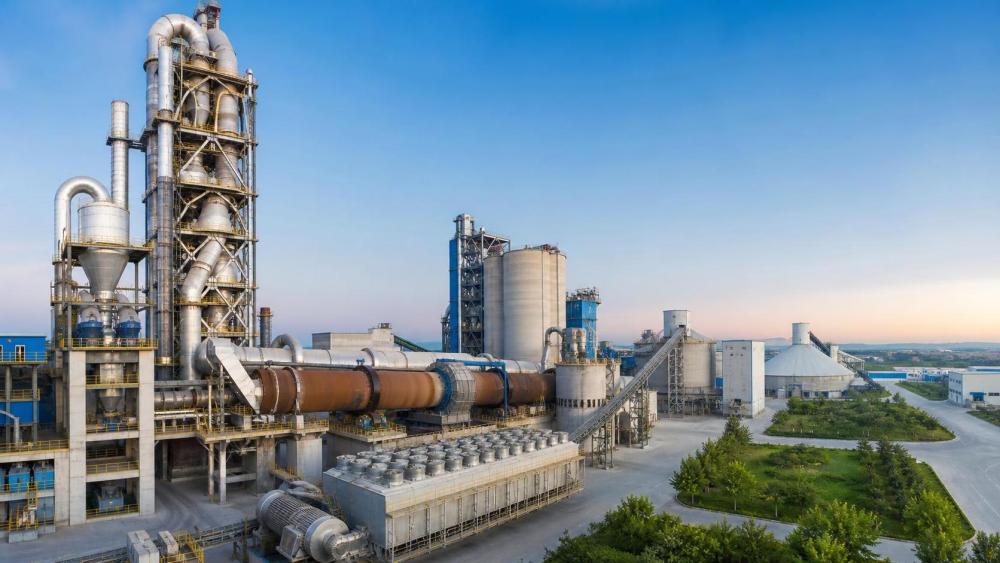
The largest cost blocks vary by location and project scope, but a complete cement production system normally combines process equipment with substantial non-process expenditure. The kiln system is central, yet it is only one part of the investment.
Raw-material preparation includes quarry receiving, crushing, preblending, proportioning, raw grinding, homogenization, and dust collection. Its cost is driven less by nominal throughput than by feed moisture, hardness, haul distance, stockpile strategy, and the degree of raw-material variability. A high-moisture feed may require more drying capacity and higher heat integration from the kiln exhaust. Hard or abrasive material affects crusher and mill selection, wear-part budgets, and maintenance access requirements.
The pyroprocessing line typically includes the preheater tower, precalciner where specified, rotary kiln, clinker cooler, fuel preparation and dosing, kiln drives, process fans, refractory linings, and associated control systems. This area has a disproportionate effect on thermal efficiency, uptime, emissions, and long-term maintenance. A lower initial price for a kiln package can prove misleading if it creates higher specific heat consumption, inadequate cooler performance, constrained fuel substitution, or difficult refractory maintenance.
Cement grinding and dispatch may include clinker storage, gypsum and additive handling, grinding, separators, cement silos, packing, palletizing, bulk loading, and truck or rail interfaces. Grinding technology should be assessed against the required cement types, additive proportions, moisture, abrasiveness, power price, and desired product switching frequency. A system optimized for one conventional product may not provide the operational flexibility needed for blended cements.
Environmental and utility systems are frequently underestimated during early budgeting. These include bag filters or electrostatic precipitators where appropriate, continuous emissions monitoring, water systems, compressed air, substations, motor control centers, cable networks, workshops, laboratories, fire protection, drainage, and site lighting. In some locations, water treatment, wastewater management, noise mitigation, and emergency power arrangements can represent significant scope items rather than ancillary details.
Site development and project execution include earthworks, foundations, structural steel, buildings, ports or roads, erection equipment, installation labor, commissioning support, spare parts, training, insurance, permits, and owner’s engineering. These costs depend heavily on local conditions. A compact process layout does not eliminate the need for major civil works where soil conditions are poor, the site is remote, or heavy-lift access is constrained.
Why quoted equipment prices are poor proxies for total project cost
Equipment quotations often differ because the scope differs. One bidder may include field instrumentation, automation hardware, installation supervision, commissioning specialists, and a first set of kiln refractories; another may price only major mechanical equipment. One offer may include guaranteed performance testing and liquidated damages; another may state only design values. Comparing these totals without a scope normalization exercise creates a false saving.
A practical bid comparison should separate at least five layers:
The normalized comparison should also convert currencies on a defined date, identify escalation clauses, separate taxes from recoverable duties where applicable, and distinguish contingency from provisional sums. A procurement team should not remove contingency merely because it is difficult to allocate. It exists because permitting, geotechnical conditions, grid connection work, local construction productivity, and design changes are real project risks.
Technology choices that change both CAPEX and operating economics
Dry-process clinker production with multistage preheating and precalcination is generally the reference configuration for new efficient capacity, but the appropriate system still depends on fuel, raw materials, site constraints, and target throughput. The number of cyclone stages, calciner design, cooler design, bypass requirements, and waste-heat recovery integration are not interchangeable selections. Each affects capital cost, fan power, thermal performance, maintenance access, and tolerance to volatile cycles.
Fuel strategy deserves early attention because it can reshape the layout. A system designed only for conventional solid fuel will not necessarily handle refuse-derived fuel, biomass fractions, tires, or other alternative fuels without dedicated receiving, storage, preparation, dosing, fire prevention, and process-control provisions. The economic value of alternative fuel depends on more than a lower purchase price per unit of energy. Preprocessing cost, transport, contamination control, kiln stability, emissions implications, bypass requirements, and permit conditions all belong in the calculation.
Waste-heat recovery can improve the project’s energy balance, but it should not be treated as an automatic add-on. Its return depends on recoverable heat, operating stability, local electricity value, maintenance capability, water availability where relevant, financing terms, and integration with the plant’s power demand. The project should be evaluated as a separate investment case linked to the kiln operating profile, not as a generic energy-saving claim.
Grinding selection presents a similar issue. Ball mills, vertical roller mills, and high-pressure grinding roll arrangements have different implications for power demand, drying ability, maintenance approach, layout, and product flexibility. A comparison based only on installed motor power or supplier-specific energy estimates is incomplete. The relevant basis is guaranteed net specific power under the agreed feed moisture, feed fineness, additive mix, cement fineness, and production rate.
Build ROI from cash drivers that can be verified
Return on investment should be based on incremental cash flow, not on a broad claim that a new system is “more efficient.” For a new plant, the core calculation links delivered cement volume, net selling contribution, fixed operating cost, variable operating cost, working-capital needs, and total invested capital. For an upgrade, the comparison is between the existing operating baseline and the expected post-upgrade condition.
Key variable costs include limestone and corrective materials, fuel, electricity, grinding media where applicable, refractory consumption, maintenance parts, packaging, labor, and environmental compliance. The cost structure differs between clinker and cement. A project may reduce thermal energy per tonne of clinker while increasing electrical demand in grinding, conveying, filtration, or material preparation. ROI needs both sides of that trade-off.
The basic operating metrics should be expressed in units that match the process:
- Thermal energy consumption per tonne of clinker;
- Electrical energy consumption per tonne of clinker and per tonne of cement;
- Alternative-fuel substitution rate on a clearly stated thermal basis;
- Availability and planned shutdown duration;
- Specific refractory, wear-part, and maintenance expenditure;
- Dust-emission and other compliance performance against the applicable limit;
- Yield from raw feed to clinker and from clinker to finished cement.
These measures should be tied to acceptance-test protocols. A guaranteed power figure is of limited value if it excludes certain conveyors, fans, compressed-air loads, or auxiliary systems. A thermal guarantee is equally weak if it assumes a fuel composition that cannot be secured locally. The commercial model should identify each assumption, the party responsible for supplying the necessary conditions, and the remedy if the condition is not met.
Payback period is useful for screening, but it can hide major differences in risk and terminal value. Net present value and internal rate of return provide a stronger basis when projects have long construction periods, phased ramp-up, high financing costs, or significant future maintenance obligations. Sensitivity analysis matters more than a single base case. Test the investment against lower utilization, higher fuel prices, higher electricity tariffs, delayed commissioning, reduced alternative-fuel availability, lower cement demand, and higher construction cost.
Emission compliance is a design input, not a late-stage accessory
Dust control is integral to the process design because fans, ducts, filters, instrumentation, and material-transfer points affect energy use and plant availability. Requirements for particulate matter, NOx, SO2, mercury, or other pollutants vary by jurisdiction and permit conditions. The appropriate control technology depends on the kiln process, raw-material chemistry, fuel mix, local rules, and monitoring obligations.
For example, a selective non-catalytic reduction system for NOx requires more than the reagent equipment. It must be designed around temperature windows, injection points, ammonia slip management, storage safety, control logic, and expected operating conditions. If it is added after the preheater and ducting are fixed, both installation disruption and performance risk increase. The same principle applies to bypass systems required to manage chloride or alkali cycles when alternative fuels or raw materials introduce higher volatile loads.
Compliance budgets should include stack monitoring, calibration arrangements, data handling, laboratory capability, and the operating consumables needed to sustain performance. A line that reaches the emission target only during a short test cannot be considered a low-risk asset.
Procurement terms can protect value that equipment specifications cannot
Technical selection and contract structure must work together. A credible supplier should provide process flow diagrams, mass and heat balances, general arrangement drawings, utility consumption data, equipment data sheets, recommended spares, commissioning scope, and explicit guarantee conditions. Those documents should be sufficiently detailed to expose exclusions before contract award.
Performance guarantees need an agreed test method, duration, sampling rules, fuel and raw-material conditions, correction methodology, and a clear definition of “available capacity.” Capacity without quality conformity is not useful; energy performance without stable operation is not bankable. Where liquidated damages are used, their limits should not become a substitute for robust technical due diligence. A capped penalty may not cover the commercial impact of a line that permanently underperforms.
Supply-chain resilience also deserves contractual attention. Critical items include kiln drive components, main gearbox parts, roller and table components for vertical mills, large bearings, filter bags, instrumentation, automation hardware, and refractory materials. Procurement decisions should consider manufacturing location, documentation quality, inspection rights, preservation during shipment, access to drawings and software, minimum stock recommendations, and realistic replacement lead times.
The budget should remain a living control document
The most useful cement production system cost model is revised as engineering matures. It begins with process assumptions, develops into a scope-based capital estimate, and is then tested against bids, site data, financing conditions, and commissioning plans. Each revision should show what changed: capacity, equipment scope, civil quantities, utility requirements, freight, exchange exposure, contingency, or operating assumptions.
A plant purchase is financially sound when the selected configuration can meet its product, reliability, compliance, and energy targets under the actual conditions of the site—not merely under the conditions used to make a quotation look attractive. That distinction is where disciplined budgeting produces a more defensible ROI.
Related News
 Thermal Energy ArchitectWhat Determines Refractory Lining Monitoring Price for Industrial Kilns?Refractory lining monitoring price depends on kiln size, sensor technology, installation, software, and support. Compare total lifecycle costs and choose the right solution.Sep 02, 2026
 Silicate Process EngineerCement Production System Costs: A Plant Buyer’s Guide to Budgeting and ROICement production systems cost planning made clear: compare CAPEX, operating costs, compliance, and ROI to build a resilient, profitable cement plant investment.Sep 01, 2026
 Dr. Alistair VaughnWhat Should a Process Technology Database Track for High-Temperature Plants?Process technology database essentials for high-temperature plants: track thermal profiles, feed chemistry, refractory wear, emissions, energy, and maintenance for safer, data-driven decisions.Aug 31, 2026
 Ms. Elena RodriguezHow to Evaluate a Silicate Processing Equipment Manufacturer for Plant ProjectsSilicate processing equipment manufacturer selection: assess process fit, guarantees, energy, compliance, delivery risk, and lifecycle support for dependable plant performance.Aug 30, 2026
 Dr. Alistair VaughnHow to Specify Custom Agricultural Processing Equipment for Throughput and HygieneEquipment customization services for agricultural processing: learn to specify hygienic, high-throughput lines that improve yield, reliability, and long-term efficiency.Aug 29, 2026
 Dr. Alistair VaughnHow to Select Process Plant Equipment for High-Temperature, Abrasive Production LinesProcess plant equipment selection for high-temperature, abrasive lines: reduce downtime, improve durability, and optimize lifecycle performance.Aug 28, 2026
 Silicate Process EngineerHow Kiln Heat Recovery Systems Cut Fuel Use in Cement and Lime ProductionKiln heat recovery helps cement and lime plants cut fuel use, improve thermal stability, and build practical, reliable decarbonization strategies.Aug 27, 2026
 Ms. Elena RodriguezProcess Equipment Comparison: Which Metrics Matter Most for Reliable Selection?Process equipment comparison made practical: discover which metrics truly drive reliable selection, from energy efficiency and control stability to wear life, maintainability, and uptime.Aug 26, 2026
 Ms. Elena RodriguezWhat Buyers Should Check Before Sourcing Precision Alloy Bars for Critical PartsPrecision Alloy Bars buyers should verify grade, chemistry, tolerances, surface quality, traceability, and lead time before sourcing for critical parts. Learn what prevents costly machining and reliability risks.Aug 27, 2026
 Ms. Elena RodriguezHow to Evaluate Thermal Management Solutions Insulation for High-Heat Industrial SystemsThermal management solutions insulation: learn how to assess high-heat industrial systems by thermal performance, durability, lifecycle cost, and supplier data for smarter decisions.Aug 25, 2026
 Ms. Elena RodriguezWhat Drives Waste Recycling Cost in Industrial Projects and How to Estimate It?Waste recycling cost in industrial projects depends on composition, moisture, transport, pre-treatment, and compliance. Learn how to estimate it accurately and compare suppliers with confidence.Aug 24, 2026
 Silicate Process EngineerHow to Evaluate Cement Production Plants in the Middle East for Capacity, Fuel Flexibility, and ROIcement production plants Middle East: Learn how to assess true capacity, fuel flexibility, and ROI risks to identify resilient assets and smarter investment opportunities.Aug 23, 2026
 Structural Material AnalystHow to Evaluate Lightweight Material Machinery for Output, Energy Use, and Product QualityLightweight material machinery evaluation guide: compare stable output, energy use, and product quality to choose equipment that cuts waste, lowers costs, and improves production confidence.Aug 22, 2026
 Material Heat-Resist ExpertWhat Determines Refractory Production Line Price in a Turnkey Plant Project?Refractory production line price depends on raw materials, forming method, kiln and drying design, automation, utilities, and scope. Learn what really drives turnkey plant cost before you invest.Aug 21, 2026
 Thermal Energy ArchitectHow Digital Twin Simulations Help Kiln Operators Cut Fuel Use and Stabilize OutputDigital twin simulations for kilns help operators cut fuel use, reduce overcorrection, and stabilize output by testing process changes safely before they impact quality and cost.Aug 20, 2026
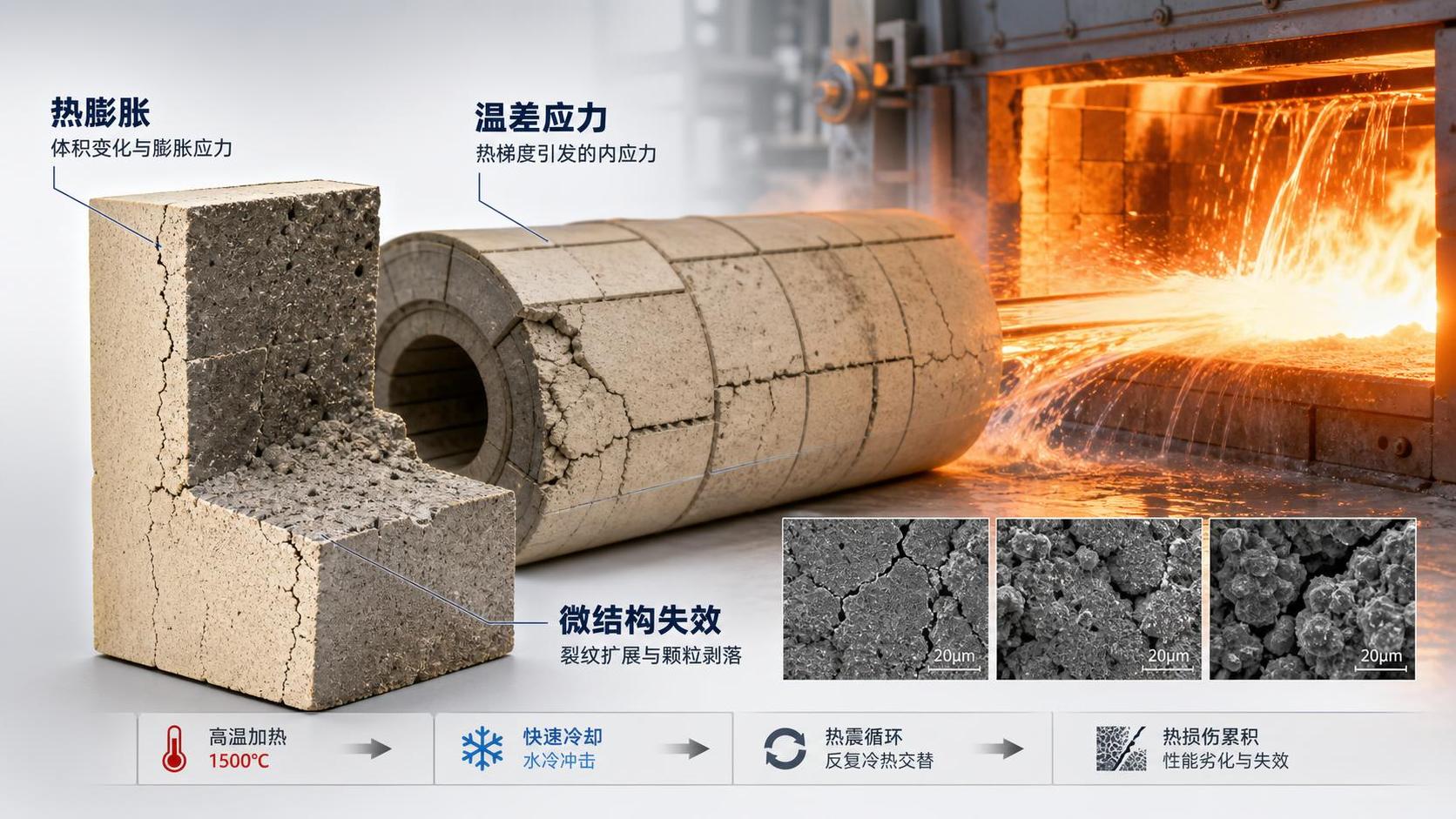
 Dr. Alistair VaughnWhat Causes Thermal Shock Failure in Heat-Resistant Materials During Development?Heat-resistant material development thermal shock failures often stem from expansion mismatch, weak microstructure, and residual stress. Learn the real causes and smarter evaluation steps.Aug 19, 2026
 Ms. Elena RodriguezWhat Is a Real Time Digital Twin and Where Does It Deliver Measurable Value?Real time digital twin explained: discover where it delivers measurable value in energy, quality, maintenance, and carbon performance for industrial operations.Aug 18, 2026
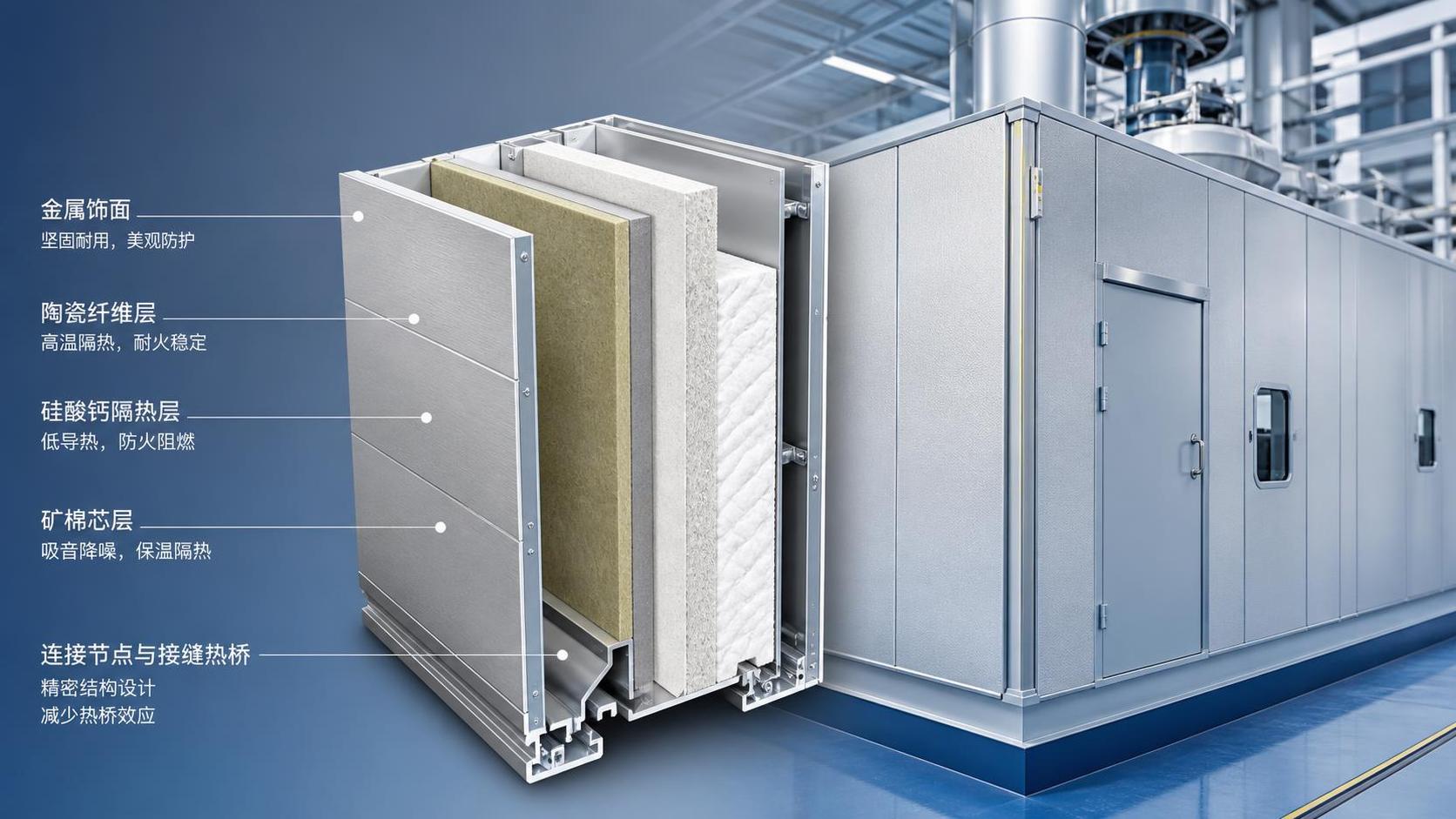
 Structural Material AnalystWhat Thermal Barrier Technology Works Best for Lightweight Industrial Panels?Thermal barrier technology lightweight industrial panels use works best when fire safety, heat stability, and weight are balanced. Compare mineral wool, silicate, ceramic, and hybrid options.Aug 17, 2026
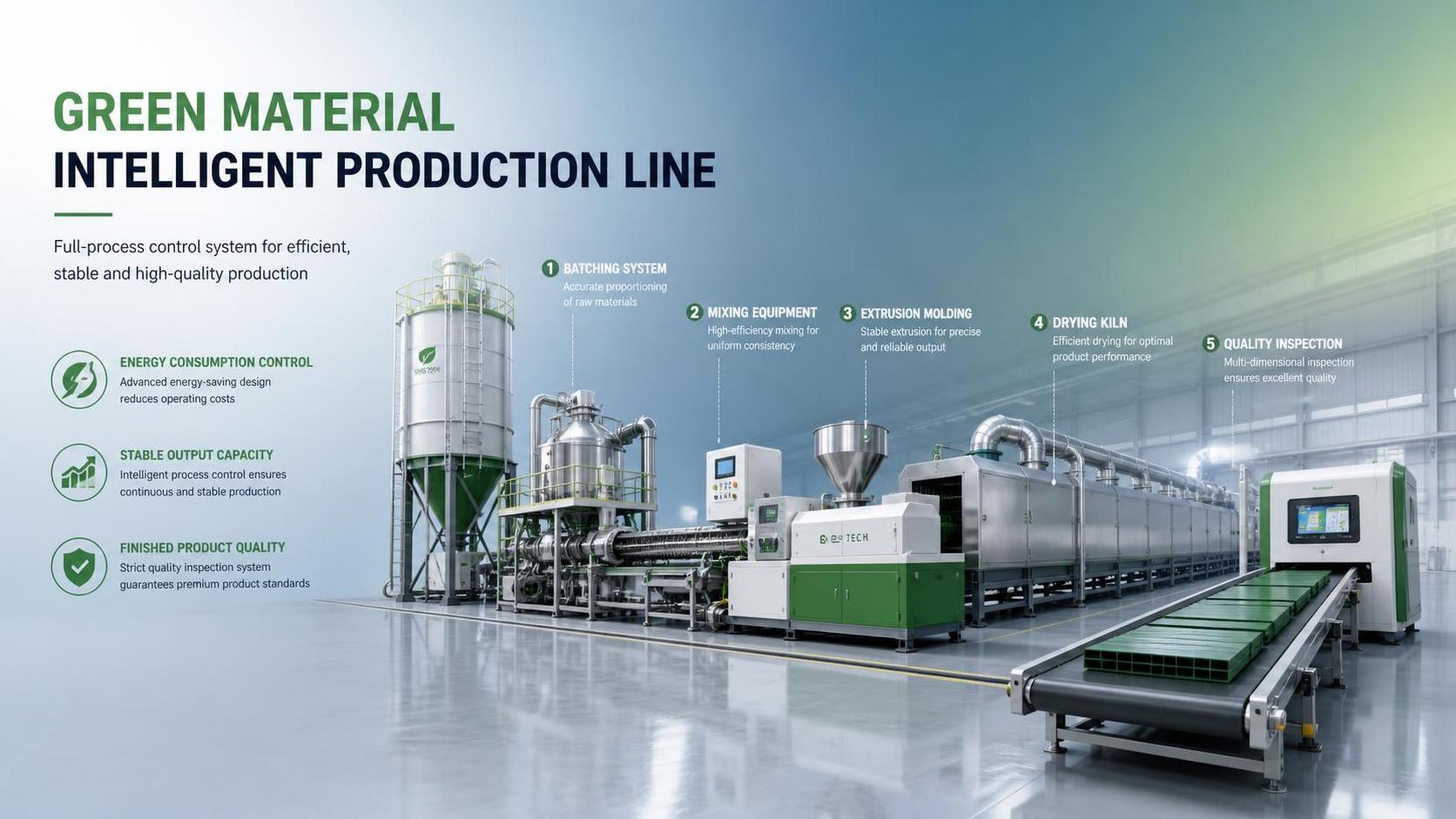
 Prof. Marcus ChenHow to Evaluate a Green Material Production Line for Energy Use, Output, and Product QualityGreen material production line evaluation made simple: compare energy use, stable output, and product quality with practical checks that help you choose the right line.Aug 16, 2026
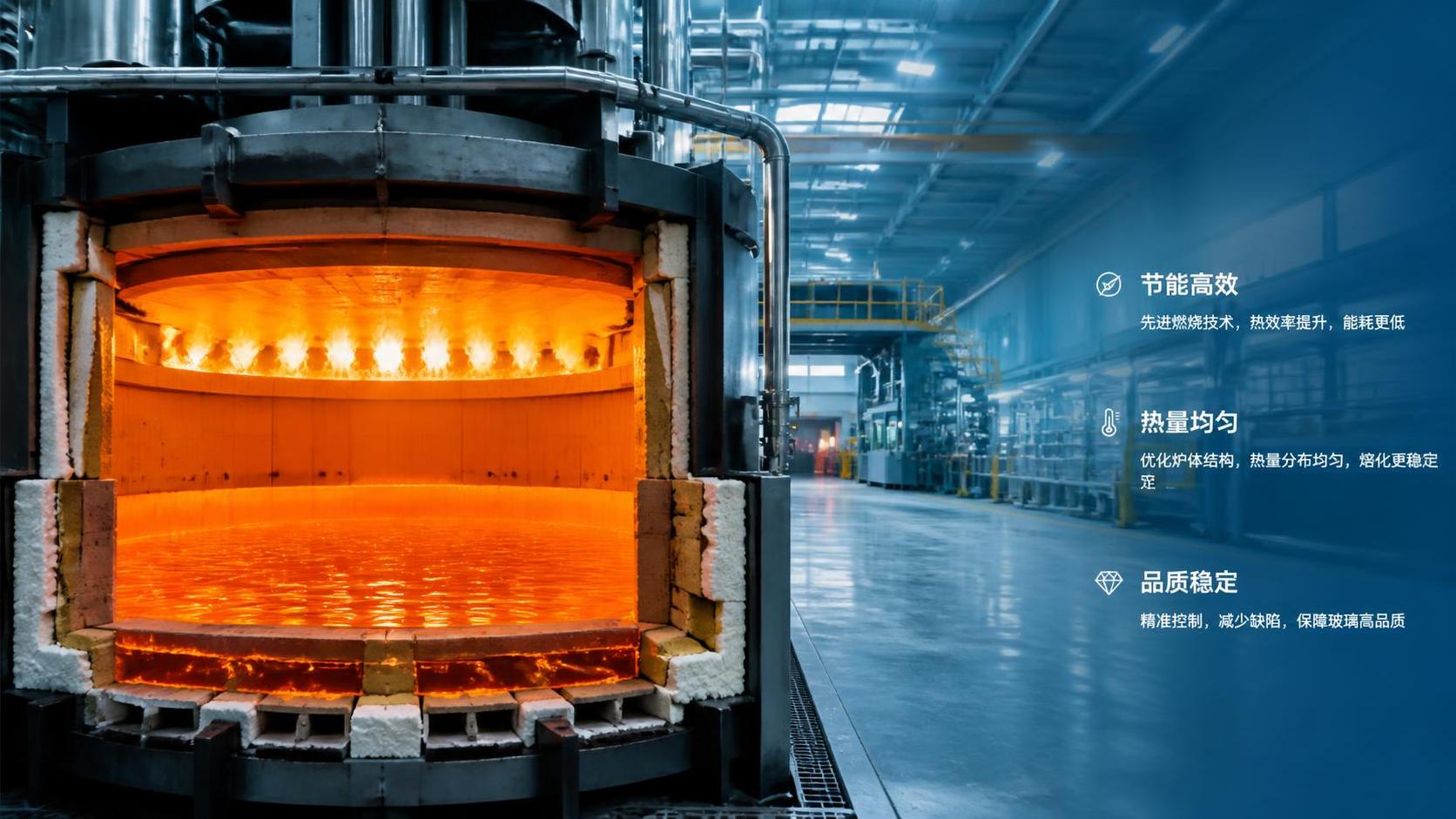
 Optical Glass Tech FellowHow Glass Melting Furnace Design Impacts Energy Use and Glass QualityGlass melting process furnace design directly impacts energy use and glass quality. Learn the key design factors that cut fuel costs, improve melt stability, and boost production results.Aug 15, 2026

Related News
- 00
0000-00
Cement Production System Costs: A Plant Buyer’s Guide to Budgeting and ROI - 00
0000-00
How Kiln Heat Recovery Systems Cut Fuel Use in Cement and Lime Production - 00
0000-00
How to Evaluate Cement Production Plants in the Middle East for Capacity, Fuel Flexibility, and ROI - 00
0000-00
What Drives Cement Plant Upgrade Cost and How to Estimate ROI Before Investing - 00
0000-00
How Cement Grinding Technology Affects Energy Use, Fineness, and Plant Output
Weekly Insights
Stay ahead with our curated technology reports delivered every Monday.