
How to Evaluate Thermal Management Solutions Insulation for High-Heat Industrial Systems




For technical evaluators working with kilns, furnaces, incinerators, and other high-heat assets, choosing the right thermal management solutions insulation directly affects energy efficiency, equipment reliability, and compliance performance. This article outlines a practical framework for assessing insulation materials, system compatibility, lifecycle cost, and thermal behavior under extreme operating conditions, helping decision-makers compare options with greater accuracy and confidence.
What Technical Evaluators Actually Need to Confirm First
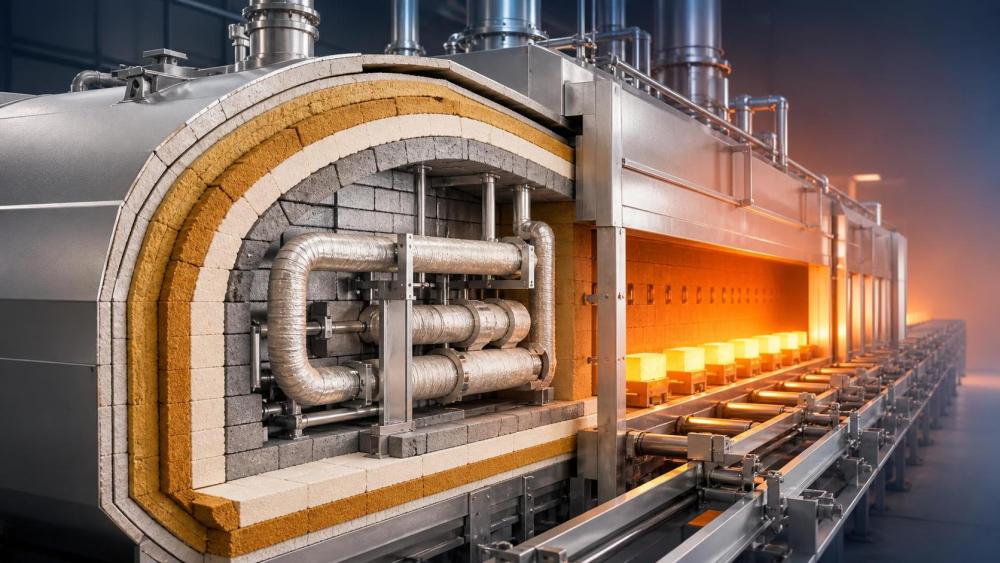
The core search intent behind thermal management solutions insulation is not simply to learn what insulation is. It is to evaluate which insulation approach will perform reliably in demanding industrial heat environments.
Technical evaluators usually need to compare options for kilns, furnaces, ducts, rotary systems, incinerators, and heat-processing lines. Their concern is whether a proposed system delivers measurable thermal control without creating maintenance, safety, or compliance problems.
That means the first question is not material branding or nominal temperature rating. The first question is whether the insulation system matches the real operating profile, including peak heat, cycling frequency, atmosphere, abrasion, and mechanical loads.
In high-heat industrial systems, the wrong choice often fails quietly before it fails visibly. Heat loss rises, shell temperatures drift upward, fuel demand increases, hot spots develop, and refractory or steel structures begin carrying stresses they were not designed to absorb.
So the correct evaluation process starts with service conditions and risk exposure. Only after that should buyers compare ceramic fiber, microporous insulation, calcium silicate, mineral wool, insulating firebrick, castables, or multilayer composite systems.
Why Temperature Rating Alone Is a Weak Selection Method
Many suppliers lead with maximum service temperature, but that metric is only a partial filter. A material can survive a stated temperature in laboratory conditions and still underperform in continuous industrial duty.
Technical evaluators should separate continuous operating temperature, short-duration upset temperature, and interface temperature within a layered lining. These values are different, and confusion between them causes serious specification errors.
For example, a high-temperature lining in an incinerator may face flame, corrosive gases, thermal shock, ash deposition, and pressure fluctuations. Under those conditions, thermal management solutions insulation must be assessed as a full system, not as a standalone board or blanket.
Temperature rating also says little about conductivity drift over time. Some materials lose insulating effectiveness as density changes, fibers shrink, binders degrade, or contaminants enter the structure during service.
That is why evaluators should ask for conductivity curves across relevant temperatures, not a single reference value. A material that looks efficient at one test point may become much less attractive at actual operating temperatures.
Which Performance Criteria Matter Most in High-Heat Industrial Systems
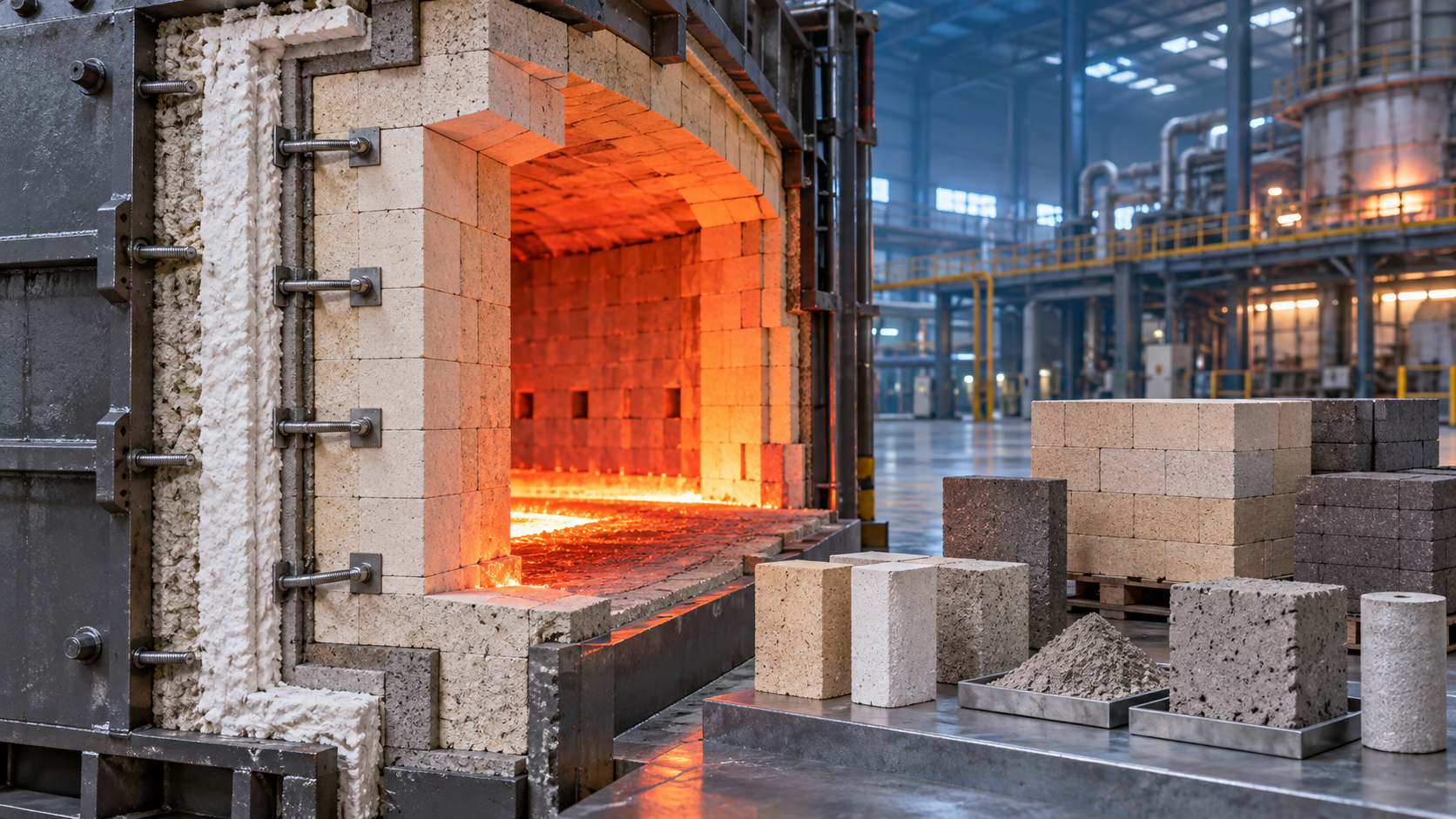
When evaluating insulation for process-critical assets, the most useful criteria are thermal conductivity, temperature stability, compressive strength, thermal shock resistance, chemical compatibility, installation quality, and expected service life.
Thermal conductivity determines how much heat escapes through the system. Lower conductivity generally improves energy efficiency, but that advantage must be weighed against thickness limits, mechanical durability, and process exposure.
Temperature stability refers to how well the material keeps its structure and insulating properties during long-term operation. In severe heat, shrinkage or phase change can create gaps, cracking, and local heat concentration.
Mechanical performance is equally important in rotating or vibration-prone equipment. If insulation crushes, separates, or erodes under load, thermal performance on paper becomes irrelevant in the field.
Chemical resistance matters wherever alkalis, sulfur compounds, chlorides, dust, molten splash, or combustion byproducts are present. A technically sound insulation layer can degrade quickly if it is not compatible with the process atmosphere.
Technical evaluators should also review maintainability. Some systems offer strong thermal performance but increase downtime because replacement is difficult, access is limited, or partial repairs are unreliable.
How to Match Insulation Type to Equipment Duty
Different equipment categories impose different thermal and mechanical demands. A practical evaluation framework must reflect the equipment’s process role rather than treating all high-heat systems as equivalent.
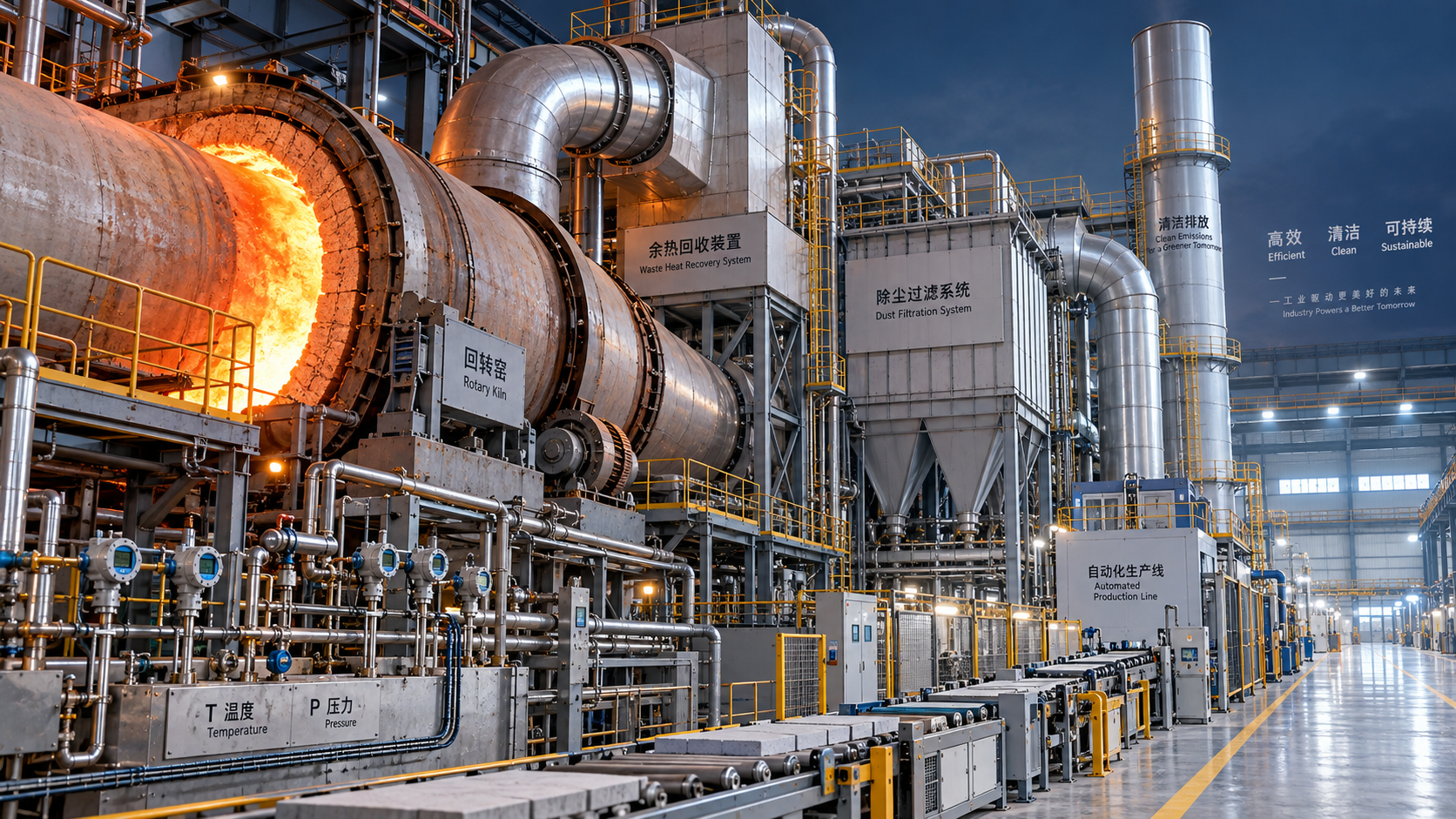
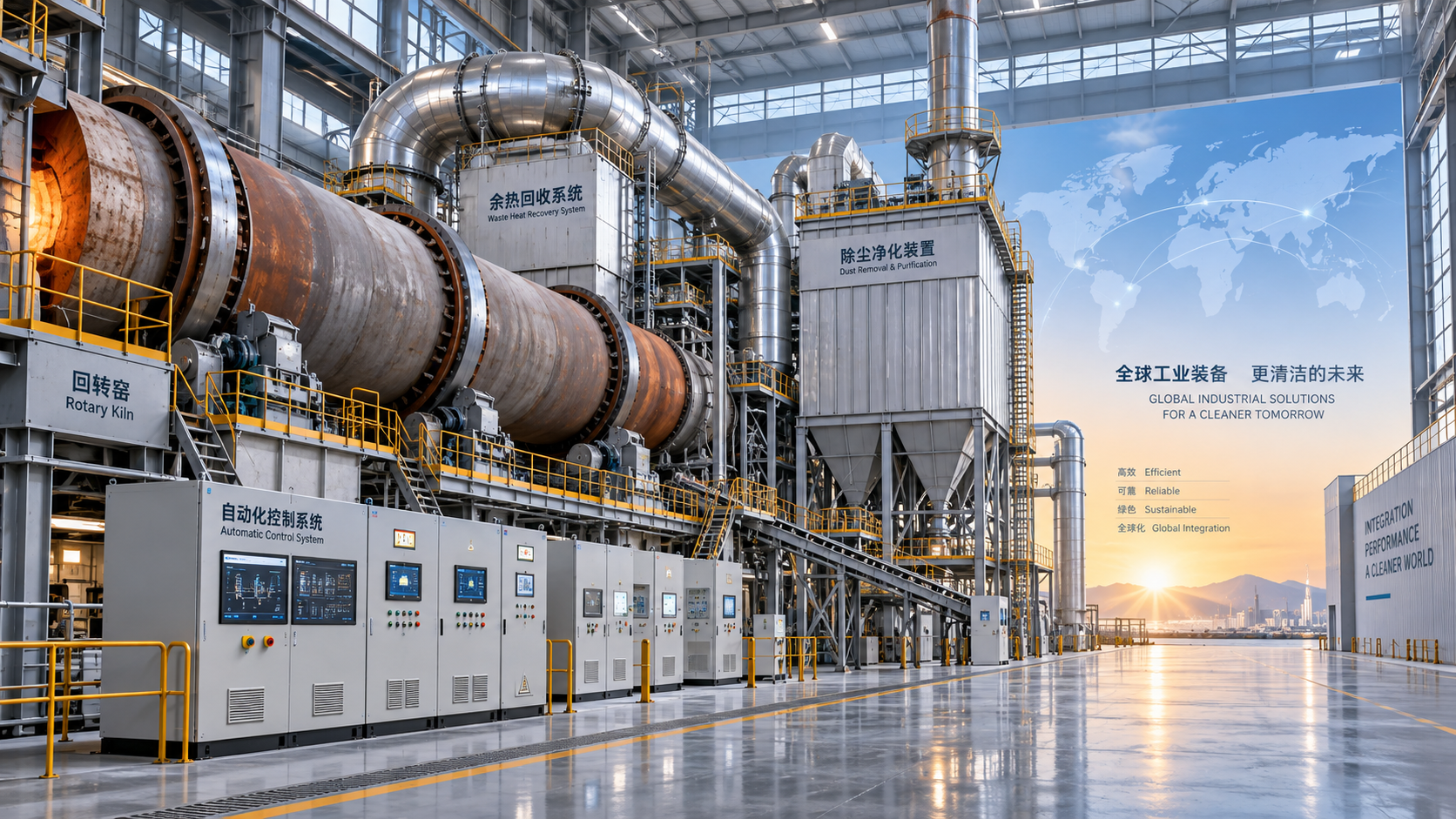
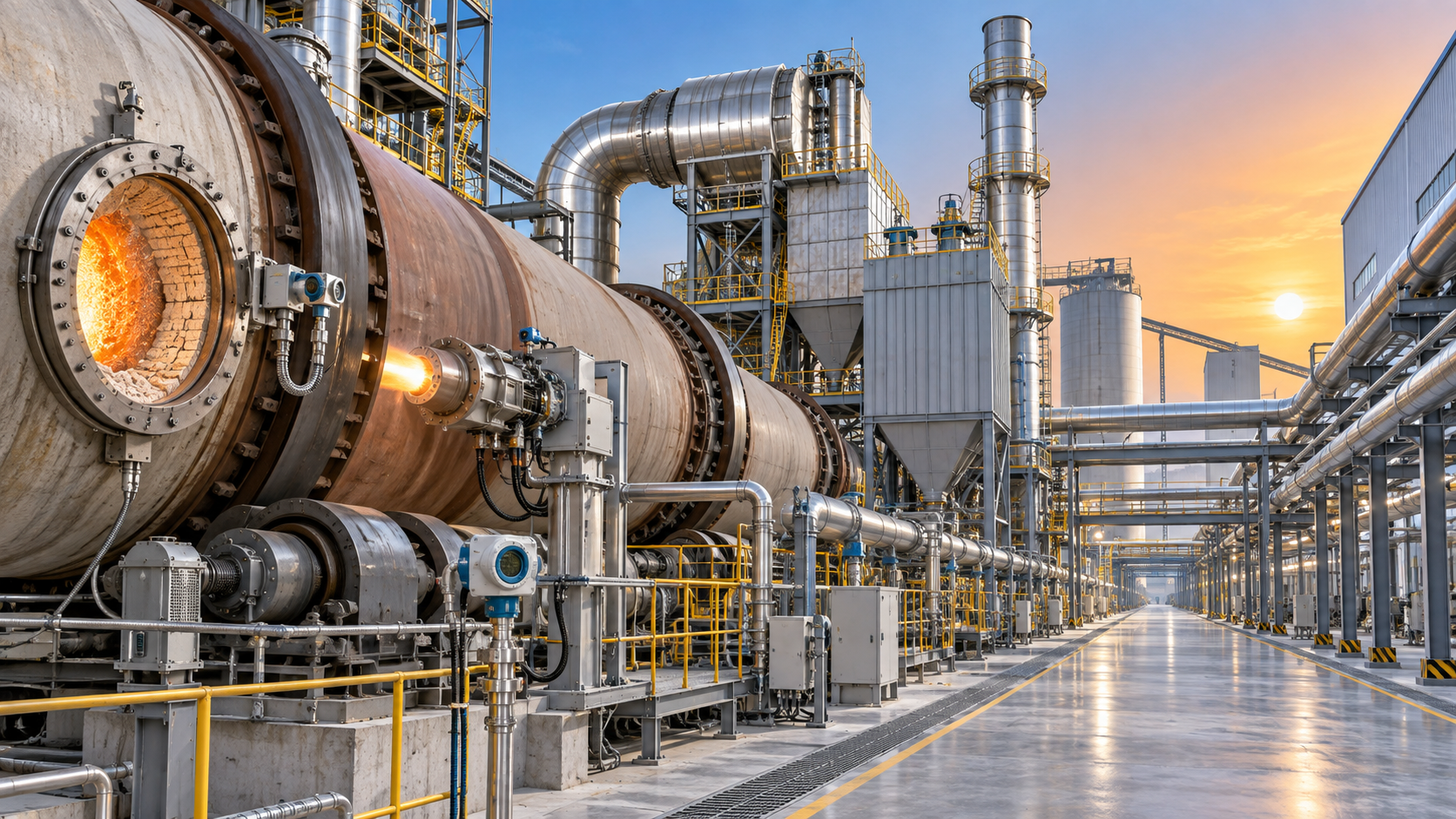
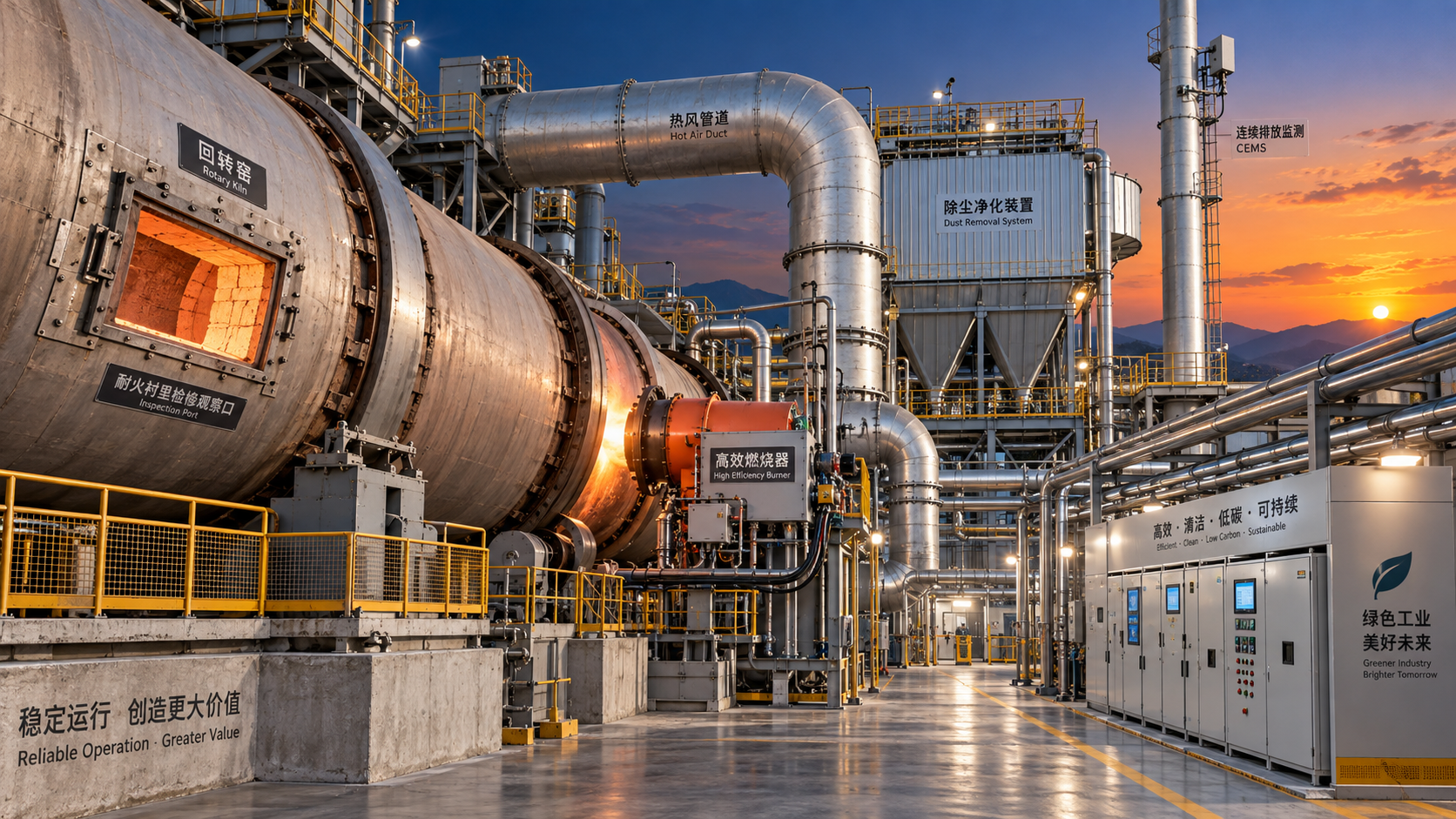
In rotary kilns, insulation decisions should account for shell movement, coating behavior, refractory interaction, and fuel efficiency. Weight, anchoring, and resistance to cyclic stress can matter as much as nominal insulation value.
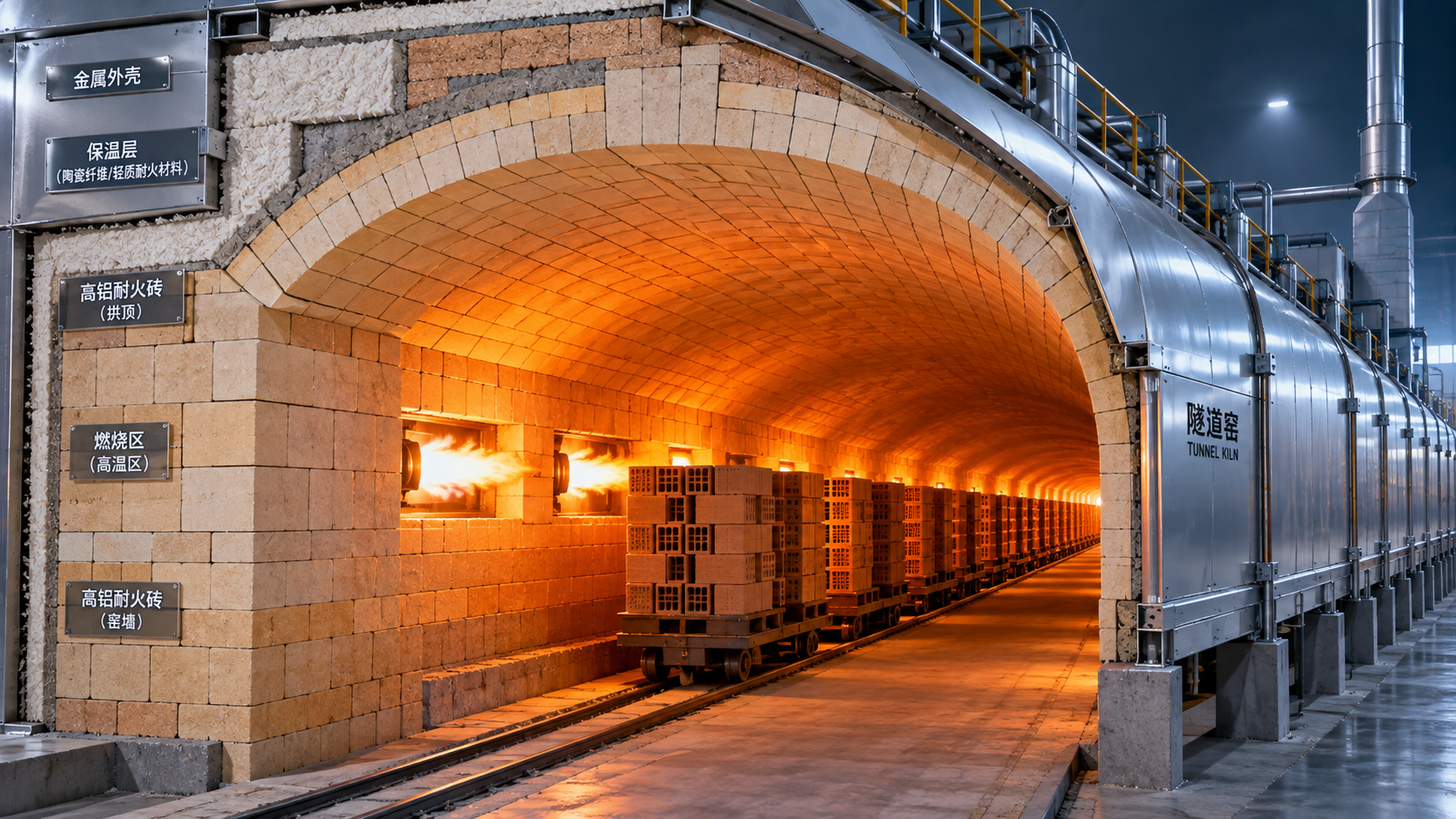
In furnaces and static kilns, heat containment, dimensional stability, and hot-face integrity are often dominant factors. Here, layered systems may provide a strong balance between heat retention and structural resilience.
In incinerators, the evaluation must consider aggressive gas chemistry, ash abrasion, and unstable thermal zones. Solutions that perform well in cleaner firing conditions may deteriorate rapidly in waste-to-energy or hazardous treatment lines.
In ducts, stacks, and auxiliary thermal equipment, surface temperature control, condensation risk, worker safety, and external corrosion under insulation may drive the specification more than core process temperature.
For extruders and specialized material handling systems, insulation may need to preserve thermal uniformity rather than simply minimize heat loss. Stable thermal distribution can directly affect product consistency and line efficiency.
What a Good Evaluation Workflow Looks Like
Effective technical assessment follows a structured sequence. It begins with operating data collection, then moves to material screening, system modeling, installation review, lifecycle analysis, and field validation.
First, collect actual process conditions. That includes continuous and peak temperatures, heating rates, shutdown frequency, ambient conditions, mechanical constraints, emissions targets, and maintenance history.
Next, define the thermal objective clearly. Some projects aim to cut fuel use. Others aim to reduce shell temperature, improve personnel safety, extend refractory life, stabilize process temperature, or meet decarbonization targets.
Then screen candidate materials by function, not by catalog category. Technical evaluators should compare how each option behaves within the exact equipment geometry and process environment.
After screening, use heat transfer modeling or supplier engineering calculations to estimate outer shell temperature, heat flux, thickness requirements, and expected energy savings. Assumptions should be visible and reviewable.
The next step is constructability review. Even high-grade thermal management solutions insulation can fail if anchors, joints, expansion allowances, fastening methods, or surface preparation are poorly designed.
Finally, require field evidence. That may include case references in comparable operating conditions, commissioning data, thermal images, shutdown inspection records, or post-installation energy performance measurements.
How to Evaluate Lifecycle Cost Instead of Just Purchase Price
For technical evaluators, low upfront cost is rarely the best decision metric. Insulation for high-heat assets should be judged by total cost of ownership across service life, energy use, downtime, and replacement frequency.
A cheaper material may increase heat loss enough to erase any procurement savings within months. In energy-intensive plants, even small thermal inefficiencies scale into meaningful operating cost over time.
Downtime economics are also important. If one insulation system lasts longer or allows faster maintenance turnarounds, its real value may exceed a cheaper option with more frequent repairs.
Evaluators should estimate lifecycle cost using at least five variables: installed cost, expected heat loss, maintenance interval, outage duration, and impact on adjacent component life. That creates a more decision-ready comparison.
Where carbon reporting or emissions pricing applies, improved insulation should also be credited for reduced fuel consumption and lower associated emissions. In many industrial settings, that benefit is no longer optional background value.
This is especially relevant for organizations tracking energy intensity and decarbonization targets. Better insulation can support compliance strategy while also improving process economics, which makes it easier to justify capital spending.
Common Failure Risks That Should Be Screened Early
Several issues repeatedly undermine insulation performance in industrial applications. Early screening of these risks helps evaluators avoid costly specification mistakes and supplier claims that look strong only in simplified conditions.
One common problem is selecting material based on peak temperature while ignoring thermal cycling. Repeated expansion and contraction can cause cracking, shrinkage, joint opening, and anchor stress long before maximum temperature is reached.
Another risk is overlooking atmosphere chemistry. Vapors, particulates, alkalis, and corrosive compounds can alter insulation behavior and shorten service life, especially in waste processing, glass, and cement-related environments.
Moisture handling is also critical. Some systems absorb water during storage, installation, or shutdown, which can affect startup performance and mechanical stability. Dry-out procedures may need to be part of the evaluation.
Installation variability is another frequent source of failure. The best material choice can still underperform if thickness is inconsistent, joints are misaligned, compression is excessive, or anchors are poorly spaced.
Finally, some evaluations ignore interaction with refractory, steel shell design, burners, or process controls. In reality, insulation works as part of a thermal system, and subsystem mismatch often produces the biggest losses.
Questions Technical Evaluators Should Ask Suppliers
A strong supplier conversation should move beyond product brochures. Technical evaluators need operating evidence, engineering transparency, and proof that the recommended insulation system fits the application.
Ask for conductivity data across the expected temperature range, not only at standard reference points. Also request long-term shrinkage behavior, density tolerance, compression limits, and chemical resistance information.
Ask whether the recommendation is based on similar installations in cement plants, glass lines, incinerators, kilns, or other comparable high-heat systems. Generic industrial references are less useful than process-specific evidence.
It is also important to ask how the supplier calculated thickness, interface temperatures, and expected energy savings. If assumptions are unclear, the business case may be overstated.
Installation guidance should be reviewed in detail. Evaluators should understand anchoring, expansion allowance, joint treatment, curing or dry-out requirements, and inspection criteria before project approval.
Finally, ask how failure is typically detected and what maintenance response is recommended. Good suppliers help define inspection points and operating limits, which improves long-term reliability.
How to Reach a More Defensible Final Decision
The best evaluation outcome is not the highest-rated material or the most advanced-sounding product. It is the insulation system that best fits thermal demand, process chemistry, maintenance reality, and lifecycle economics.
For most technical evaluators, the decision becomes clearer when options are scored against a weighted matrix. Useful categories include thermal performance, operating durability, installation complexity, lifecycle cost, safety, and compliance impact.
That approach reduces bias toward supplier marketing, single-property comparisons, or short-term capital savings. It also helps procurement, operations, and engineering teams align around the same decision logic.
In sectors like cement, glass, incineration, refractory manufacturing, and material extrusion, thermal management solutions insulation should be treated as a strategic performance component, not an accessory purchase.
When correctly evaluated, insulation improves more than heat retention. It supports fuel efficiency, process stability, equipment longevity, emissions performance, and safer external surface conditions across the full operating cycle.
For organizations managing high-heat industrial systems, the most reliable path is simple: evaluate insulation in real operating context, test supplier assumptions carefully, and prioritize long-term thermal performance over short-term price signals.
Related News
 Optical Glass Tech FellowHow Glass Furnace Emissions Are Measured and Controlled for Regulatory ComplianceGlass furnace emissions: learn how to measure, monitor, and control NOx, SOx, particulate, CO, and CO2 for reliable regulatory compliance.Oct 08, 2026
 Prof. Marcus ChenIndustrial Decarbonization Strategies in Europe: A Roadmap for Energy-Intensive PlantsIndustrial decarbonization strategies Europe: explore practical pathways for energy-intensive plants to cut emissions, improve efficiency, and protect performance.Oct 07, 2026
 Thermal Energy ArchitectEnergy-Efficient Silicate Production Lines: What to Compare Before SelectionSilicate production lines energy efficient selection guide: compare thermal performance, stability, emissions, controls, and lifecycle value before investing.Oct 06, 2026
 Optical Glass Tech FellowHow to Evaluate Automated Float Glass Lines for Capacity, Quality, and Energy UseEvaluate automated float glass lines for net capacity, consistent quality, energy efficiency, automation reliability, and lifecycle value. Explore key criteria for smarter investment decisions.Oct 05, 2026
 Thermal Energy ArchitectWhat Does CE Marking Require for an Energy-Efficient Industrial Kiln?Energy efficient kiln CE requirements explained: assess safety, technical files, energy performance, and EU compliance before purchase or commissioning.Oct 04, 2026
 Thermal Energy ArchitectRefractory Manufacturing Solutions for Brick Plants: How to Extend Kiln LifeRefractory manufacturing solutions for brick plant operations: discover proven strategies to extend kiln life, reduce heat loss, prevent lining failures, and plan cost-effective repairs.Oct 03, 2026
 Thermal Energy ArchitectHow to Specify Heavy Industrial Process Systems for High-Temperature PlantsHeavy industrial processes systems: learn how to specify high-temperature plants for efficiency, emissions control, maintainability, and lifecycle performance.Oct 02, 2026
 Structural Material AnalystHow Sustainable Material Extrusion Can Improve Wall Panel Durability and Design FlexibilityDiscover how sustainable material extrusion for wall panels improves durability, moisture resistance, design flexibility, and installation consistency for high-performing wall systems.Oct 01, 2026
 Thermal Energy ArchitectHow to Evaluate a High-Temperature Materials Manufacturer for Furnace ApplicationsChoose a high-temperature materials manufacturer with confidence: compare thermal performance, chemical resistance, quality controls, installation support, and lifecycle cost.Sep 30, 2026
 Ms. Elena RodriguezHow to Structure Global Specification Data for Faster Industrial Product EvaluationGlobal specification-oriented product information helps industrial teams compare capacity, energy, emissions, automation, and lifecycle data on a like-for-like basis for faster, confident equipment decisions.Sep 29, 2026
 Thermal Energy ArchitectHow to Specify High-Temperature Process Systems for Continuous Thermal OperationsHigh-temperature process engineering systems: learn how to specify resilient continuous thermal operations for efficiency, compliance, reliable uptime, and long-term performance.Sep 28, 2026
 Thermal Energy ArchitectHow to Evaluate a Thermal Engineering Contractor for High-Temperature Plant ProjectsChoose a thermal engineering contractor with proven process expertise, lifecycle value, emissions control, and delivery discipline for reliable high-temperature plant performance.Sep 27, 2026
 Silicate Process EngineerHow Latin American Cement Plants Can Reduce Dust Emissions in Kilns and Transfer PointsCement plant dust control Latin America: reduce kiln and transfer-point emissions with practical airflow, filtration, monitoring, and maintenance strategies.Sep 26, 2026
 Material Heat-Resist ExpertHow to Evaluate Refractory Production Lines for Output, Quality, and Energy UseRefractory production lines: learn how to assess qualified output, consistent quality, and total energy use for smarter, lower-risk investment decisions.Sep 25, 2026
 Dr. Alistair VaughnHow Waste Recycling Technology Improves Material Recovery in Industrial PlantsWaste recycling technology improves material recovery through source segregation, smart separation, thermal treatment, and quality control for industrial plants.Sep 24, 2026
 Optical Glass Tech FellowHow to Specify Glass Annealing Equipment for European Quality and Energy RequirementsGlass annealing equipment Europe: learn how to specify lehrs for consistent glass quality, energy efficiency, compliance, automation, and reliable long-term performance.Sep 23, 2026
 Optical Glass Tech FellowSilicate Process Automation: Improving Batch Consistency and Energy ControlSilicate process automation improves batch consistency, energy control, traceability, and operator confidence across high-temperature manufacturing operations.Sep 22, 2026
 Optical Glass Tech FellowHow Silicate Industrial Processes Control Viscosity, Energy Use, and Product QualitySilicate industrial processes: learn how viscosity, chemistry, heat transfer, and atmosphere control reduce energy use, improve stability, and protect product quality.Sep 21, 2026
 Thermal Energy ArchitectHow European Plants Can Evaluate Energy Recovery Equipment for High-Temperature ProcessesIndustrial energy recovery equipment Europe: learn how high-temperature plants can assess waste-heat sources, integration risks, lifecycle value, and reliable recovery routes.Sep 20, 2026
 Thermal Energy ArchitectIndustrial Furnace Process Optimization: Reducing Fuel Use Without Sacrificing ThroughputIndustrial process optimization furnace strategies that cut fuel use while protecting throughput. Explore combustion control, heat recovery, refractory performance, and data-driven efficiency gains.Sep 19, 2026

Related News
- 00
0000-00
How to Structure Global Specification Data for Faster Industrial Product Evaluation - 00
0000-00
What Drives High-Pressure Extrusion Equipment Cost in Industrial Projects? - 00
0000-00
How Should Buyers Evaluate Building Material Industry Intelligence Pricing? - 00
0000-00
How to Use Building Material Intelligence Data for Market and Investment Decisions - 00
0000-00
How to Evaluate a Silicate Processing Equipment Manufacturer for Plant Projects
Weekly Insights
Stay ahead with our curated technology reports delivered every Monday.