
How Should Buyers Evaluate Building Material Industry Intelligence Pricing?




For procurement teams navigating capital-intensive cement, glass, kiln, refractory, and extrusion projects, evaluating building material industry intelligence pricing requires more than comparing subscription fees. A low annual price may look attractive until a buyer discovers that the platform covers market headlines but offers little support for questions that shape real project risk: Which emission rules could affect kiln modernization? How fast is demand shifting for low-carbon cement? Which refractory technologies are gaining traction in steel-linked markets? Is a planned glass line expansion aligned with regional solar, construction, and energy conditions?
These are not casual research questions. In high-temperature industries, decisions often involve long equipment lifecycles, large spare-parts exposure, energy-intensive operations, and regulatory obligations that can change the economics of a project years after a contract is signed. The right intelligence service should therefore be assessed as a decision input, not merely as a content subscription.
For buyers, the practical objective is simple: pay for information that reduces uncertainty at the point where uncertainty is expensive.
Why “price per subscription” is the wrong starting point
Most intelligence vendors can provide a quote quickly. The more difficult task is determining what that quote actually buys. Two platforms may appear similar because both publish industry news, price movements, and market reports. Yet their value can differ dramatically when procurement teams need to evaluate rotary kiln systems, glass melting equipment, industrial incinerators, refractory production assets, or extrusion lines for green building materials.
A general construction database may report that building activity is growing in a region. A sector-specific intelligence platform should go further. It should help users understand whether demand supports cement capacity additions, whether fuel availability affects clinker production economics, whether local waste-to-energy policies favor incineration investment, and whether the supply chain can support a particular technology configuration.
That distinction matters when assessing building material industry intelligence pricing. Buyers are not purchasing articles in isolation. They are purchasing a combination of market visibility, technical interpretation, regulatory context, and time saved across complex decisions.
In many organizations, the visible fee is only one part of the cost. Hidden costs arise when teams spend weeks reconciling fragmented sources, rely on outdated reports, miss a policy development, or engage external consultants for information that a better intelligence package could have supplied earlier. A subscription that is less expensive on paper can become costly if it creates more internal work or leaves crucial questions unanswered.
Start with the decision the intelligence must support
Before comparing vendors, procurement leaders should map the decisions that will rely on the service over the next 12 to 36 months. This avoids a common mistake: selecting a platform based on an impressive content library rather than its relevance to the company’s actual investment pipeline.
For example, a cement producer considering alternative fuels and co-processing needs intelligence that connects waste regulations, thermal substitution trends, clinker chemistry constraints, emissions requirements, and equipment implications. A glass manufacturer evaluating furnace upgrades may prioritize electricity pricing, batch-material availability, melting technology, annealing performance, solar-glass demand, and carbon policy. A distributor of kiln components may need early signals about plant expansions, shutdowns, procurement cycles, and technical specifications across multiple countries.
Write down the recurring questions that currently take the most effort to answer. They may include:
- Which regions are adding, upgrading, or retiring high-temperature production capacity?
- How are decarbonization policies changing equipment demand and operating requirements?
- Which technology trends affect our sourcing criteria, from digital twins to online refractory monitoring?
- What market signals could alter demand for cement, glass, insulation, ceramics, or lightweight extruded materials?
- How should technical teams interpret commercial trends without relying only on broad market forecasts?
A provider that can answer these questions with consistency deserves a closer look. If the service only delivers generalized commentary, even a low-price offer may not be fit for purpose.
The four layers behind meaningful intelligence pricing
When buyers ask why one provider charges more than another, the answer often lies in the depth of work happening behind the interface. A useful comparison separates intelligence into four layers.
1. Data collection and verification
Basic services collect public announcements, financial disclosures, press releases, and trade media. This material has value, but it may be incomplete, delayed, or shaped by corporate messaging. Higher-value intelligence is usually built through ongoing source verification, engineering interpretation, cross-border monitoring, and careful distinction between announced projects, funded projects, and operational projects.
For high-temperature manufacturing, verification is especially important. A plant expansion notice does not automatically reveal whether a new rotary kiln is being installed, whether an existing line is being debottlenecked, or whether the project is primarily an emissions-control retrofit. Those differences directly affect suppliers, equipment buyers, and market forecasts.
2. Technical context
Technical depth is often the dividing line between a news portal and a decision platform. Buyers should ask whether analysts understand process conditions such as combustion efficiency, refractory wear, thermal balance, raw-material behavior, furnace atmosphere, extrusion pressure, or particulate-control requirements.
Without that context, intelligence may describe a trend without explaining its operational consequences. A report on tighter emissions limits, for instance, is much more useful when it considers how the rule may influence baghouse upgrades, alternative fuel strategies, process control, heat recovery, or refractory selection.
3. Market interpretation
Raw data rarely tells procurement teams what to do. Market interpretation connects developments across the value chain: construction demand, energy prices, logistics, carbon regulation, public infrastructure spending, waste policy, and equipment technology. It helps a buyer distinguish a temporary signal from a structural shift.
This is particularly relevant in building materials, where a change in green-building standards can influence not only product demand but also the selection of production equipment, insulation systems, process fuels, and monitoring technologies.
4. Access, usability, and responsiveness
The final layer is how easily a team can turn intelligence into action. Searchable archives, topic alerts, regional filters, export options, analyst access, and concise executive briefings may affect the subscription price. They also affect adoption. A platform that offers valuable material but is difficult to search may become another underused software expense.
Use a value scorecard rather than a simple vendor comparison
A practical procurement review does not need an elaborate mathematical model, but it should make trade-offs visible. Consider scoring each vendor against criteria that matter to your business, then weighting those criteria according to decision importance.
The scorecard should not treat every category equally. A manufacturer planning a furnace rebuild may place greater weight on technical credibility and regulatory monitoring. A trading company entering new markets may prioritize country coverage, project visibility, and commercial insight. The point is not to create a universal formula; it is to make the pricing discussion reflect the real risk profile of the business.
Ask what is included—and what will trigger additional cost
Subscription proposals can look straightforward while leaving important terms undefined. Buyers should clarify whether the quoted price includes all relevant sectors, geographies, historical archives, analyst briefings, downloadable reports, and user seats. If the platform offers customized research, determine whether that work is included within the subscription or billed separately.
It is also wise to ask about renewal mechanics. Are price increases capped? Does a multi-year agreement lock in access to particular modules? Can teams add users during the contract period? What happens to saved research, alerts, or exported data if the subscription ends?
These questions are not administrative details. In long-cycle industrial sectors, intelligence often becomes more valuable over time because users build internal reference points around prior reports, regulations, technology developments, and market signals. Losing access to the relevant archive can interrupt that learning process.
Beware of low-cost intelligence that shifts work back to your team
There is nothing inherently wrong with a low-cost service. It may be appropriate for basic awareness, a small market-entry project, or a team that already has strong internal research capabilities. The concern begins when procurement expects the platform to support strategic decisions but the product is designed only for headline monitoring.
Several warning signs deserve attention:
- Reports use broad market language but provide limited discussion of process technology or operating conditions.
- Coverage is strong in one geography yet vague in the regions where the company sources or sells.
- Research appears infrequently, with no clear indication of when facts were last verified.
- Forecasts are presented without explaining the assumptions behind energy, carbon, infrastructure, or material-demand scenarios.
- The provider cannot show how its analysts differentiate between a proposed project and an executable investment.
- Access is limited to a single user, making internal circulation cumbersome and reducing organizational value.
In practice, these weaknesses can lead to duplicated effort. Engineers search technical journals, commercial teams scan local news, compliance staff monitor regulations, and procurement attempts to combine the findings under time pressure. The organization may still reach a decision, but it pays through labor, delay, and inconsistent assumptions.
Estimate return through avoided uncertainty, not promised savings
Intelligence providers should be careful not to promise outcomes that depend on market conditions or management choices. Buyers should be equally careful not to demand a simplistic return-on-investment calculation. The value of industry intelligence is often indirect: it improves the quality and speed of decisions rather than producing a single, easily measurable saving.
A more realistic approach is to identify where better intelligence could prevent avoidable cost. This may include avoiding a poorly timed market entry, identifying a policy risk before a tender is issued, narrowing a supplier shortlist more efficiently, recognizing a shift toward energy-efficient equipment, or preparing for changes in alternative-fuel availability.
For a heavy-equipment purchase, even a small improvement in scope definition can matter. A clearer understanding of operating conditions, compliance direction, and lifecycle constraints may influence the specification of burners, control systems, filtration equipment, refractory materials, or heat-recovery components. The intelligence subscription is not replacing engineering due diligence; it is making that due diligence better targeted.
How CF-Elite fits a high-temperature procurement environment
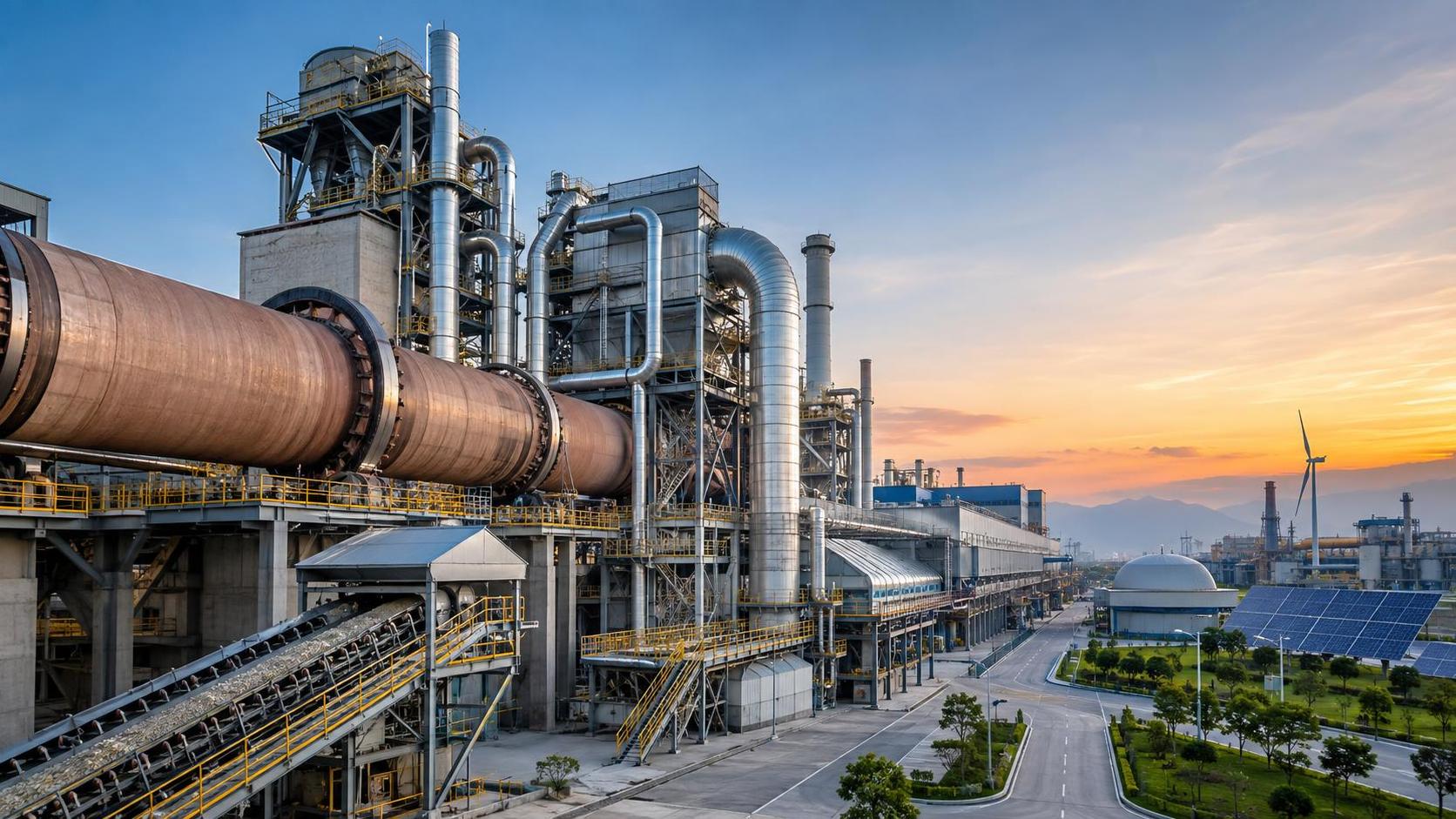
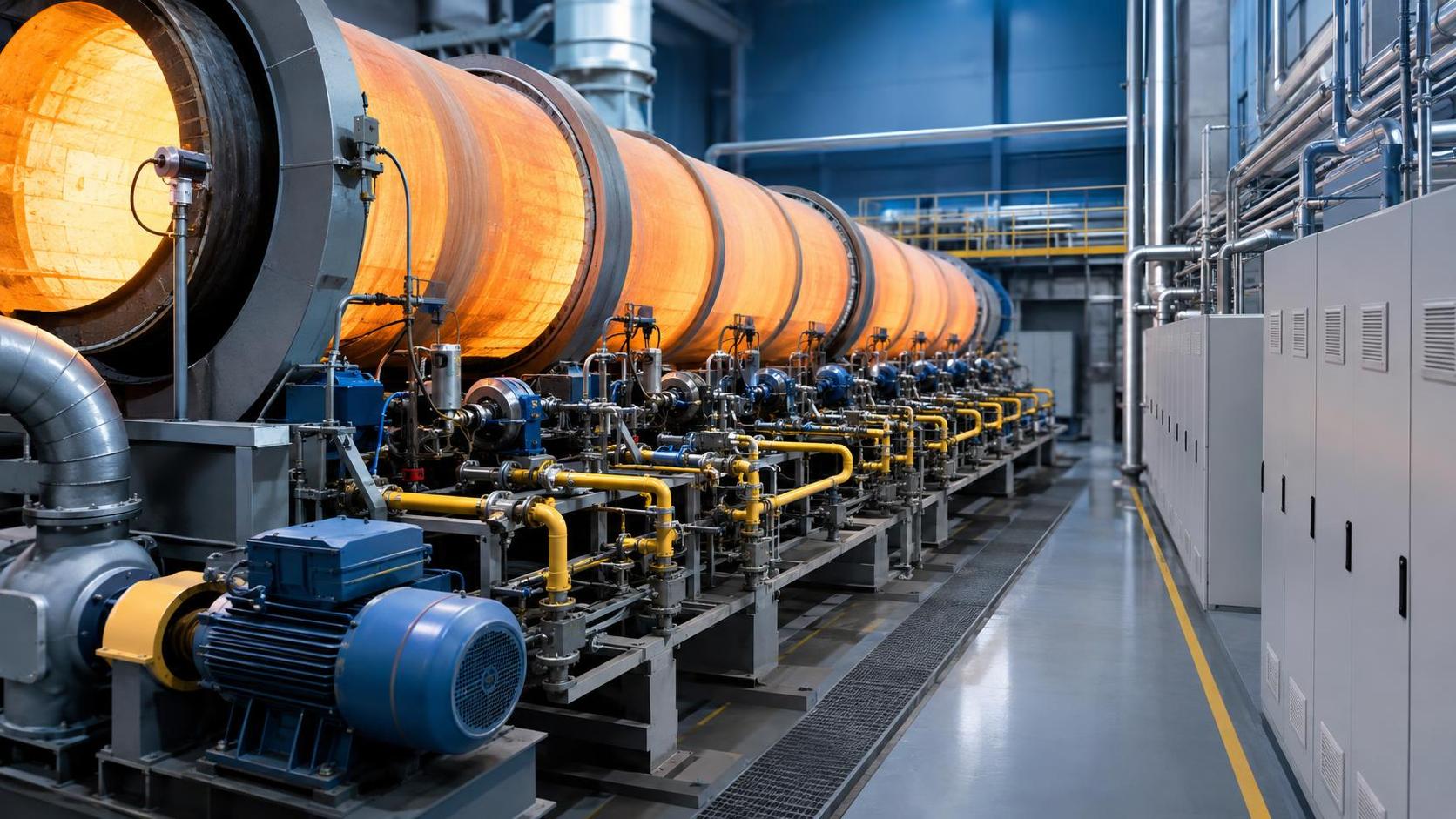
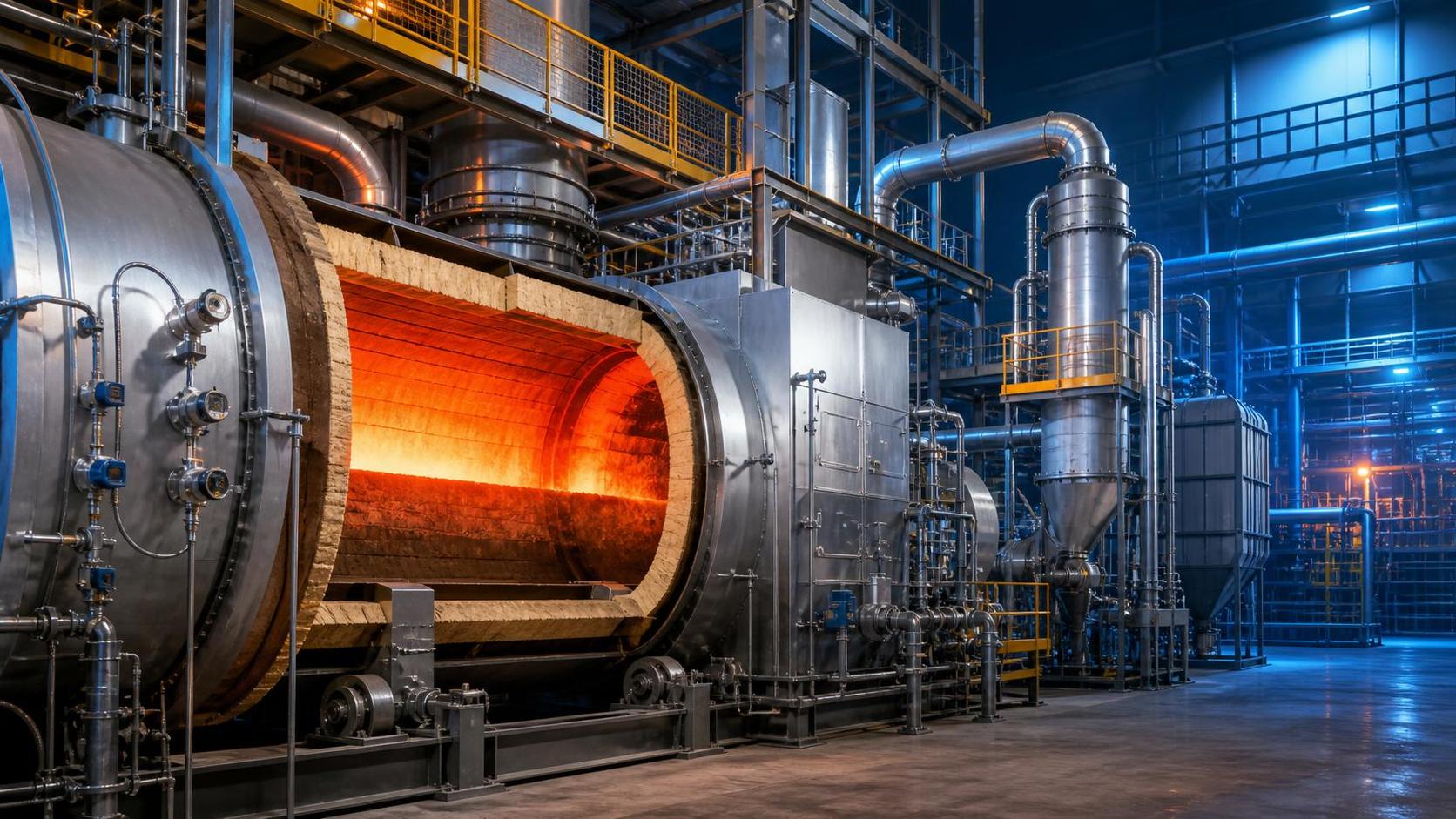
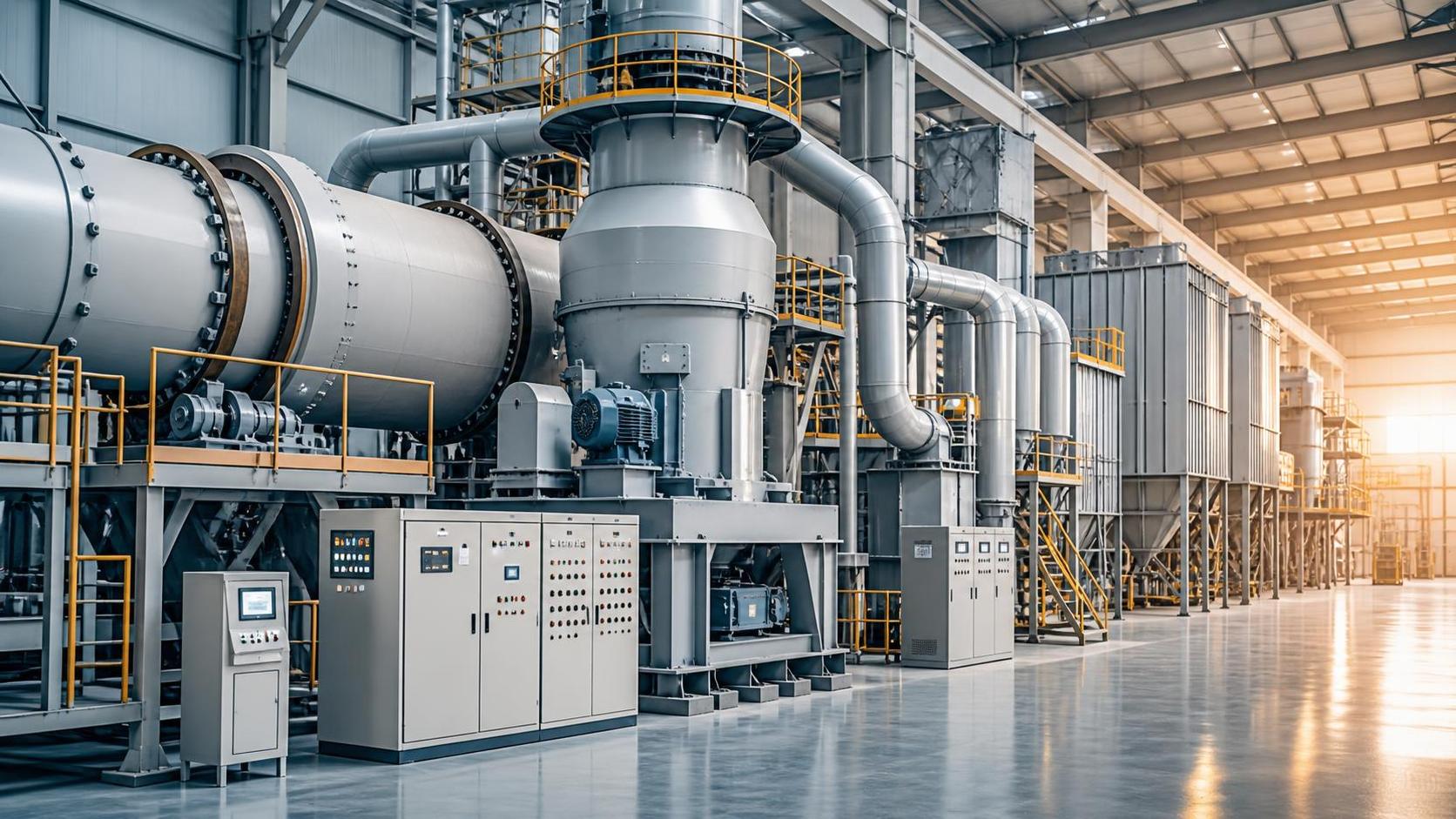
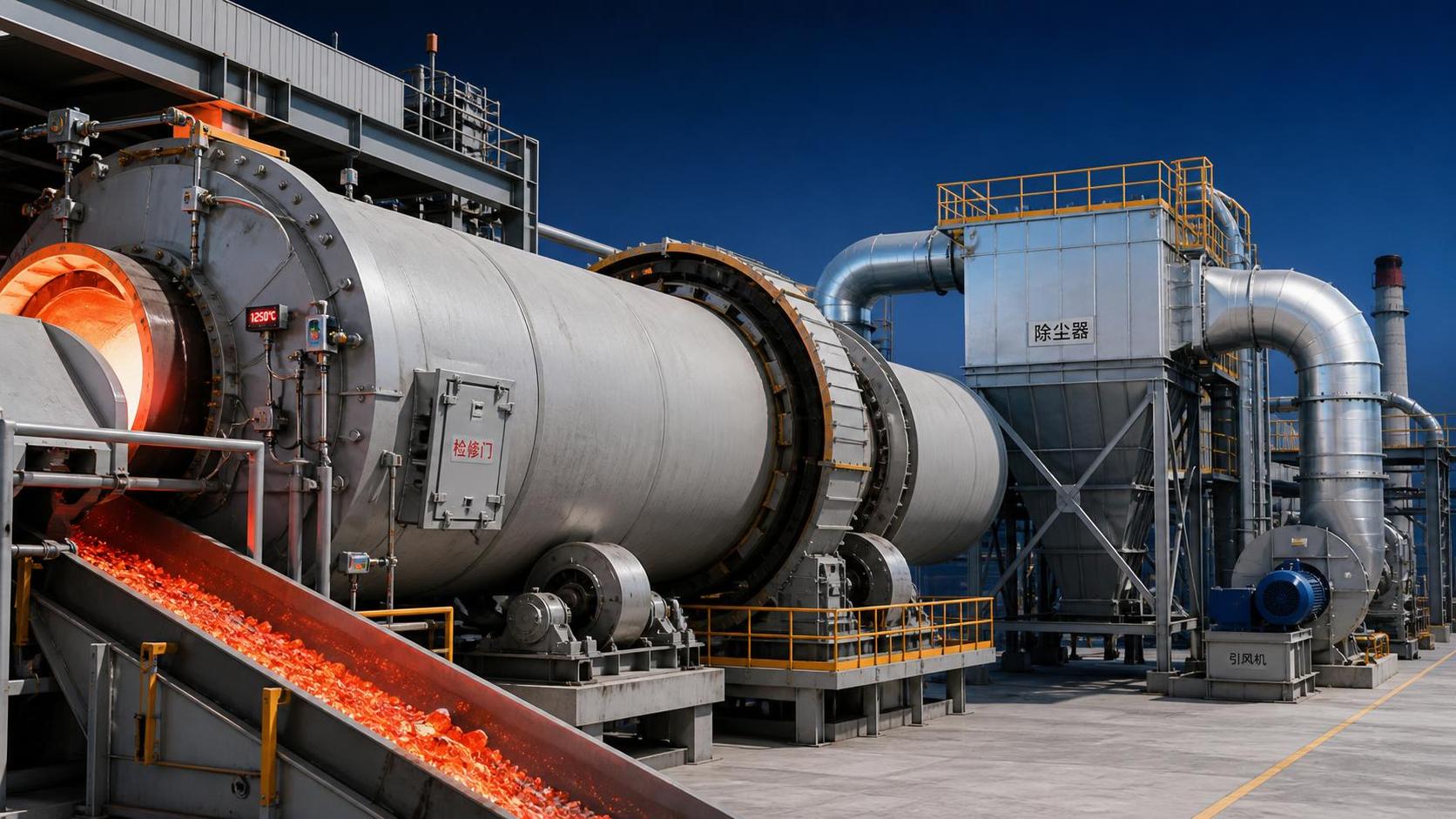
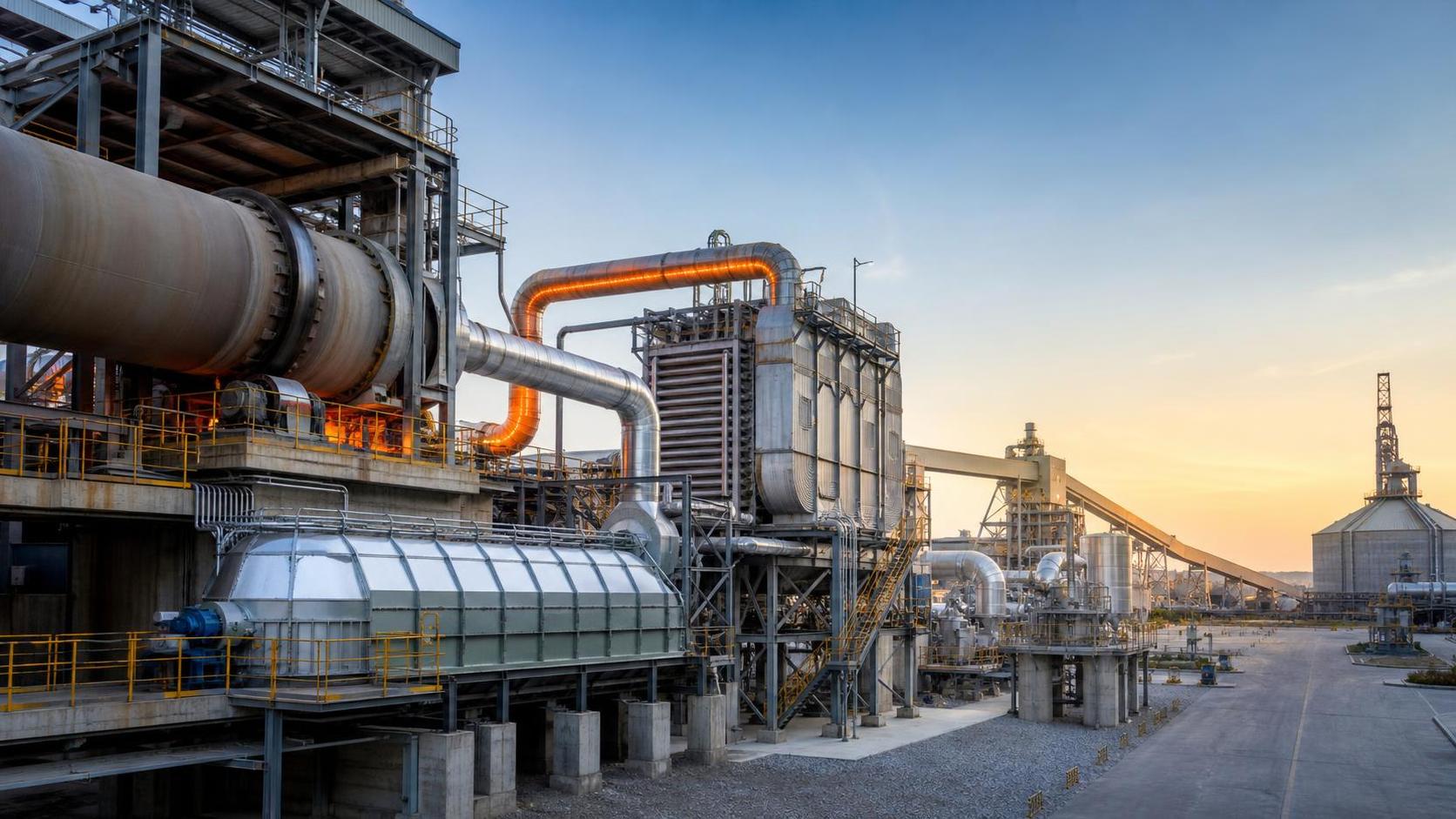
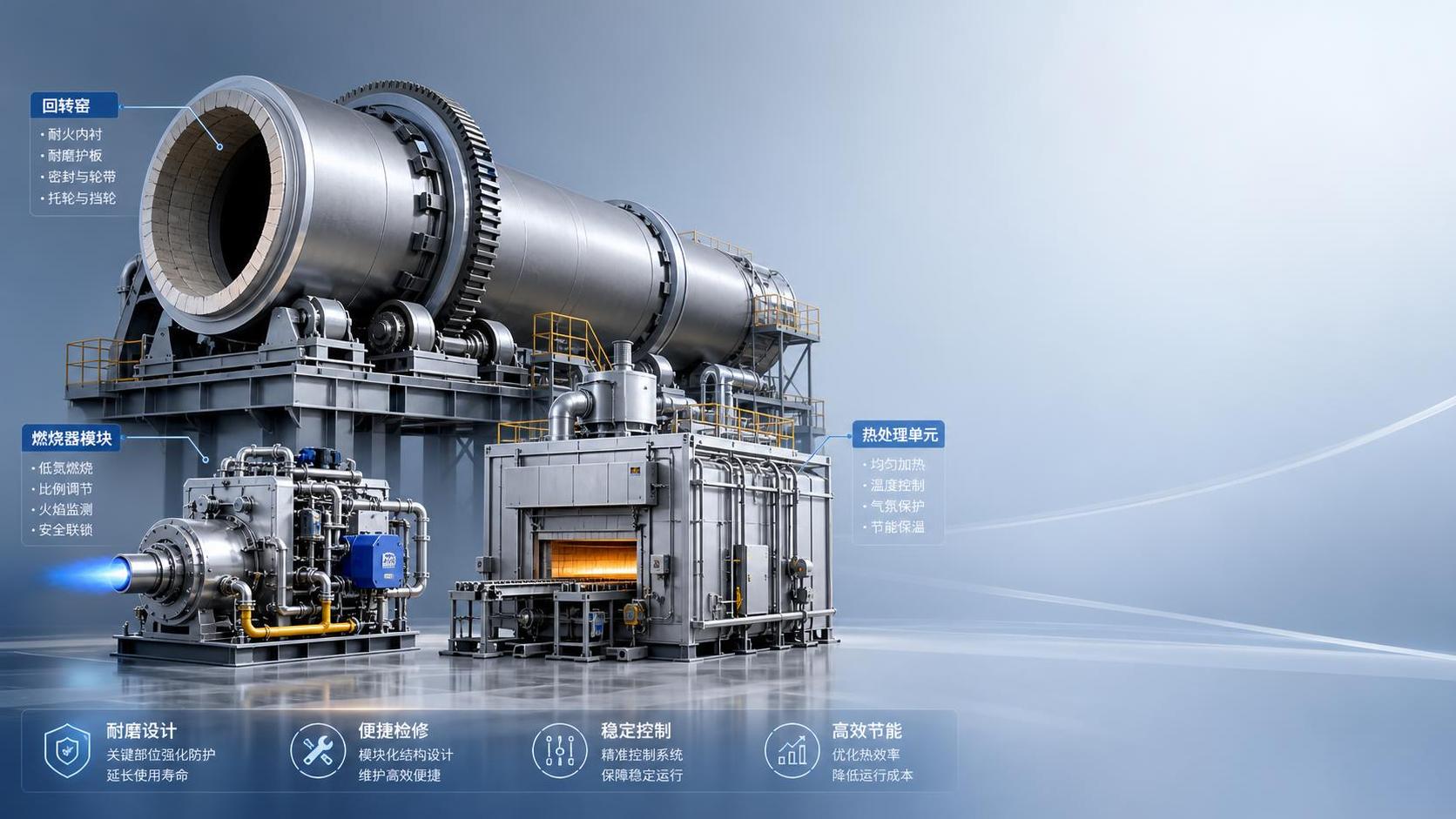
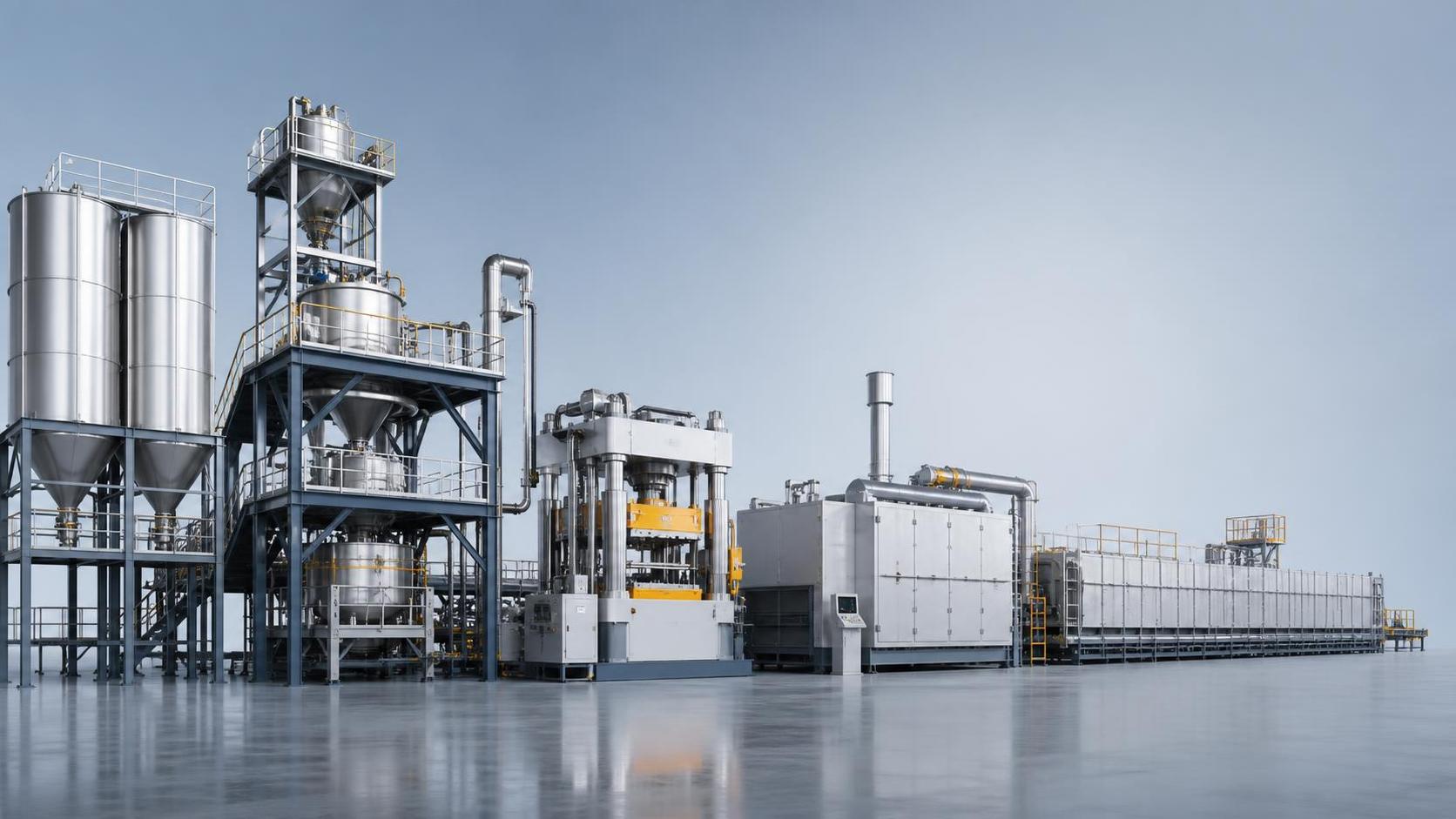
CF-Elite is designed around the industrial systems where thermal performance, material behavior, environmental compliance, and capital expenditure intersect. Its focus spans cement production plants, glass manufacturing equipment, industrial kilns and incineration, refractory production lines, and new building material extrusion.
For buyers evaluating building material industry intelligence pricing, this specialist orientation changes the conversation. Rather than treating the building materials sector as one broad construction category, CF-Elite follows the operating realities behind it: ultra-high-temperature process conditions, reaction kinetics, energy efficiency, dust control, carbon-reduction pathways, and the technology choices that shape plant competitiveness.
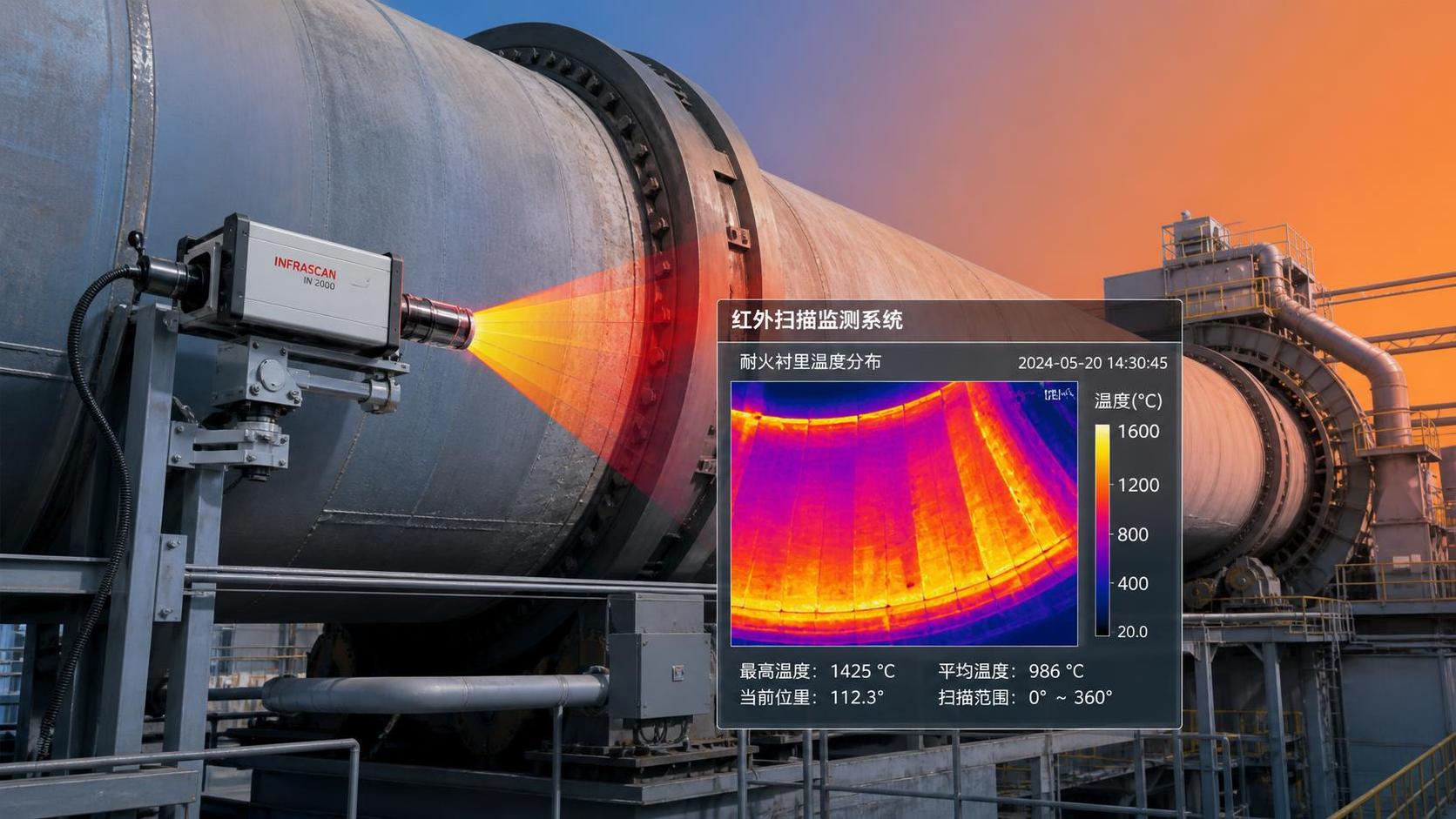
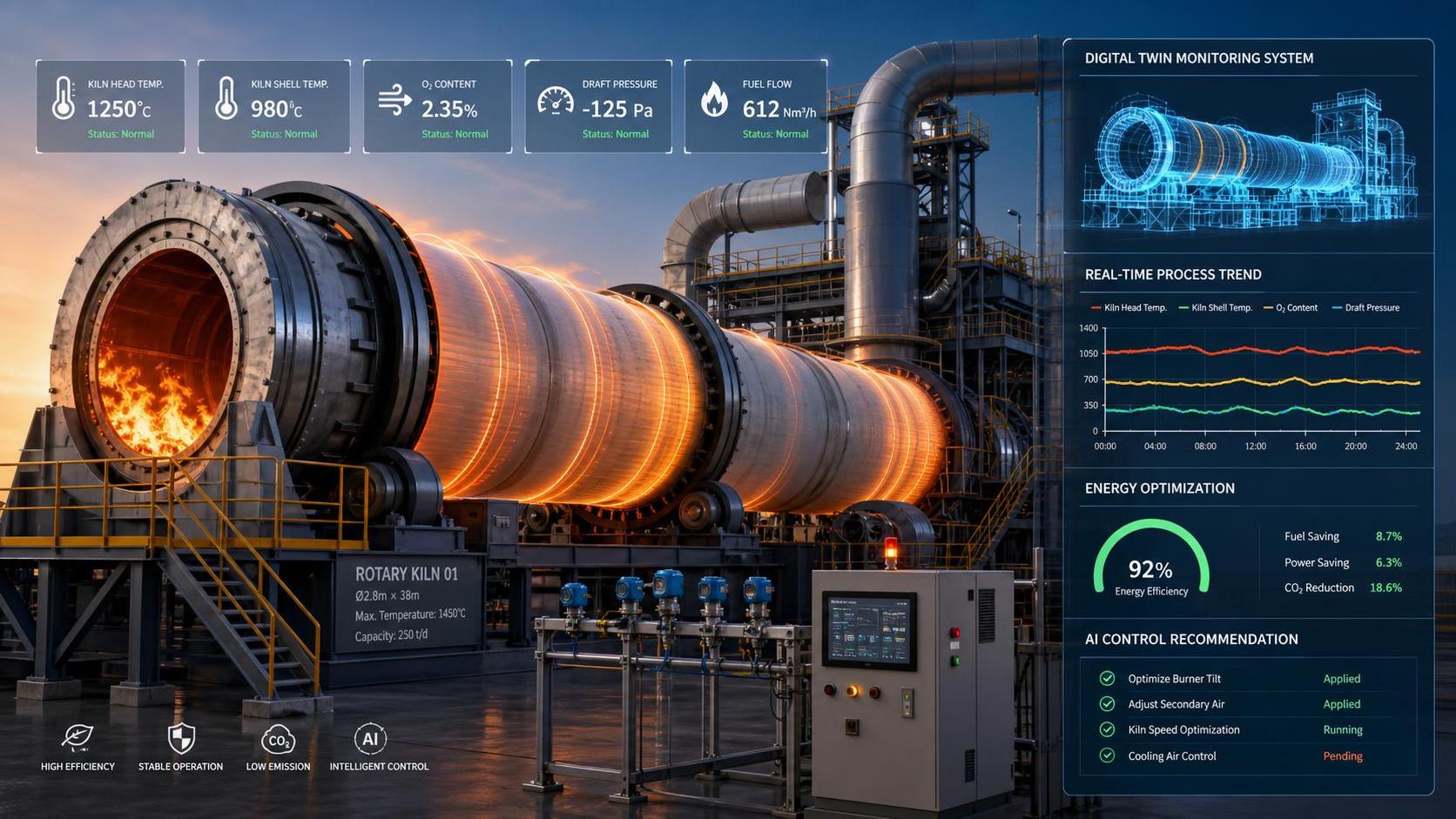
The Strategic Intelligence Center brings together perspectives relevant to silicate process engineering, thermal-energy architecture, and heat-resistant materials. Its intelligence can help procurement and commercial teams interpret developments such as rotary-kiln co-processing, digital twin applications in glass production, refractory lining monitoring, and the growing market pressure for green, lightweight building materials.
That does not mean every organization needs the same depth of access. A buyer should still match the scope of a CF-Elite package to the number of sectors, markets, and decisions being monitored. But when technical and commercial questions cannot be separated, a specialized platform may offer stronger value than a general market-news subscription.
Make the final buying decision with a pilot mindset
Before committing to a major contract, test the provider against real questions already on your desk. Choose several current issues: perhaps a kiln upgrade, an incineration opportunity, a glass-market expansion, a refractory sourcing concern, or an extrusion technology review. Ask the prospective provider to demonstrate how its coverage would support those questions.
Evaluate not only the answer but the path to the answer. Was the information easy to find? Was the source date clear? Did the analysis explain technical implications? Could a procurement manager share the findings with operations, finance, and senior leadership without spending hours translating the material?
The best intelligence purchase is rarely the cheapest subscription or the most expensive one. It is the service whose pricing is justified by the decisions it improves. In building materials and thermal industries, where a single equipment choice can influence energy use, compliance exposure, maintenance planning, and market position for years, that is the standard buyers should use.
- refractory production
- green building materials
- heat-resistant materials
- silicate process engineering
- cement production plants
- glass manufacturing equipment
- industrial kilns
- refractory production lines
- refractory lining monitoring
- building material industry intelligence
- building material industry intelligence pricing
- rotary kiln systems
Related News
 Prof. Marcus ChenThermal Energy Architecture in North America: Strategies for Lower Building Energy UseThermal energy architecture North America helps project leaders cut building energy use through stronger envelopes, right-sized HVAC, storage, and smart commissioning.Sep 07, 2026
 Ms. Elena RodriguezHow Should Buyers Evaluate Building Material Industry Intelligence Pricing?Building material industry intelligence pricing: learn how to compare coverage, technical depth, and ROI to choose intelligence that reduces procurement risk.Sep 07, 2026
 Ms. Elena RodriguezHow to Use Building Material Intelligence Data for Market and Investment DecisionsBuilding material industry intelligence data helps leaders evaluate demand, costs, regulation, capacity, and technology to make smarter market and investment decisions.Sep 05, 2026
 Thermal Energy ArchitectHow PLC Control Improves Energy Efficiency and Temperature Stability in KilnsEnergy efficient kilns PLC control improves temperature stability, cuts fuel waste, and optimizes combustion, draft, and material flow. Explore proven strategies for smarter kiln modernization.Sep 04, 2026
 Optical Glass Tech FellowEuropean Glass Melting Processes: Furnace Choices, Energy Use, and Quality ControlGlass melting process Europe: explore furnace choices, energy efficiency, cullet strategy, and quality control to improve output, compliance, and long-term glass performance.Sep 03, 2026
 Thermal Energy ArchitectWhat Determines Refractory Lining Monitoring Price for Industrial Kilns?Refractory lining monitoring price depends on kiln size, sensor technology, installation, software, and support. Compare total lifecycle costs and choose the right solution.Sep 02, 2026
 Silicate Process EngineerCement Production System Costs: A Plant Buyer’s Guide to Budgeting and ROICement production systems cost planning made clear: compare CAPEX, operating costs, compliance, and ROI to build a resilient, profitable cement plant investment.Sep 01, 2026
 Dr. Alistair VaughnWhat Should a Process Technology Database Track for High-Temperature Plants?Process technology database essentials for high-temperature plants: track thermal profiles, feed chemistry, refractory wear, emissions, energy, and maintenance for safer, data-driven decisions.Aug 31, 2026
 Ms. Elena RodriguezHow to Evaluate a Silicate Processing Equipment Manufacturer for Plant ProjectsSilicate processing equipment manufacturer selection: assess process fit, guarantees, energy, compliance, delivery risk, and lifecycle support for dependable plant performance.Aug 30, 2026
 Dr. Alistair VaughnHow to Specify Custom Agricultural Processing Equipment for Throughput and HygieneEquipment customization services for agricultural processing: learn to specify hygienic, high-throughput lines that improve yield, reliability, and long-term efficiency.Aug 29, 2026
 Dr. Alistair VaughnHow to Select Process Plant Equipment for High-Temperature, Abrasive Production LinesProcess plant equipment selection for high-temperature, abrasive lines: reduce downtime, improve durability, and optimize lifecycle performance.Aug 28, 2026
 Silicate Process EngineerHow Kiln Heat Recovery Systems Cut Fuel Use in Cement and Lime ProductionKiln heat recovery helps cement and lime plants cut fuel use, improve thermal stability, and build practical, reliable decarbonization strategies.Aug 27, 2026
 Ms. Elena RodriguezProcess Equipment Comparison: Which Metrics Matter Most for Reliable Selection?Process equipment comparison made practical: discover which metrics truly drive reliable selection, from energy efficiency and control stability to wear life, maintainability, and uptime.Aug 26, 2026
 Ms. Elena RodriguezWhat Buyers Should Check Before Sourcing Precision Alloy Bars for Critical PartsPrecision Alloy Bars buyers should verify grade, chemistry, tolerances, surface quality, traceability, and lead time before sourcing for critical parts. Learn what prevents costly machining and reliability risks.Aug 27, 2026
 Ms. Elena RodriguezHow to Evaluate Thermal Management Solutions Insulation for High-Heat Industrial SystemsThermal management solutions insulation: learn how to assess high-heat industrial systems by thermal performance, durability, lifecycle cost, and supplier data for smarter decisions.Aug 25, 2026
 Ms. Elena RodriguezWhat Drives Waste Recycling Cost in Industrial Projects and How to Estimate It?Waste recycling cost in industrial projects depends on composition, moisture, transport, pre-treatment, and compliance. Learn how to estimate it accurately and compare suppliers with confidence.Aug 24, 2026
 Silicate Process EngineerHow to Evaluate Cement Production Plants in the Middle East for Capacity, Fuel Flexibility, and ROIcement production plants Middle East: Learn how to assess true capacity, fuel flexibility, and ROI risks to identify resilient assets and smarter investment opportunities.Aug 23, 2026
 Structural Material AnalystHow to Evaluate Lightweight Material Machinery for Output, Energy Use, and Product QualityLightweight material machinery evaluation guide: compare stable output, energy use, and product quality to choose equipment that cuts waste, lowers costs, and improves production confidence.Aug 22, 2026
 Material Heat-Resist ExpertWhat Determines Refractory Production Line Price in a Turnkey Plant Project?Refractory production line price depends on raw materials, forming method, kiln and drying design, automation, utilities, and scope. Learn what really drives turnkey plant cost before you invest.Aug 21, 2026
 Thermal Energy ArchitectHow Digital Twin Simulations Help Kiln Operators Cut Fuel Use and Stabilize OutputDigital twin simulations for kilns help operators cut fuel use, reduce overcorrection, and stabilize output by testing process changes safely before they impact quality and cost.Aug 20, 2026






Related News
- 00
0000-00
How Should Buyers Evaluate Building Material Industry Intelligence Pricing? - 00
0000-00
How to Use Building Material Intelligence Data for Market and Investment Decisions - 00
0000-00
How to Evaluate a Silicate Processing Equipment Manufacturer for Plant Projects - 00
0000-00
Process Equipment Comparison: Which Metrics Matter Most for Reliable Selection? - 00
0000-00
What Buyers Should Check Before Sourcing Precision Alloy Bars for Critical Parts
Weekly Insights
Stay ahead with our curated technology reports delivered every Monday.