
How to Specify Custom Agricultural Processing Equipment for Throughput and Hygiene




Start With the Operating Outcome, Not a Generic Machine List
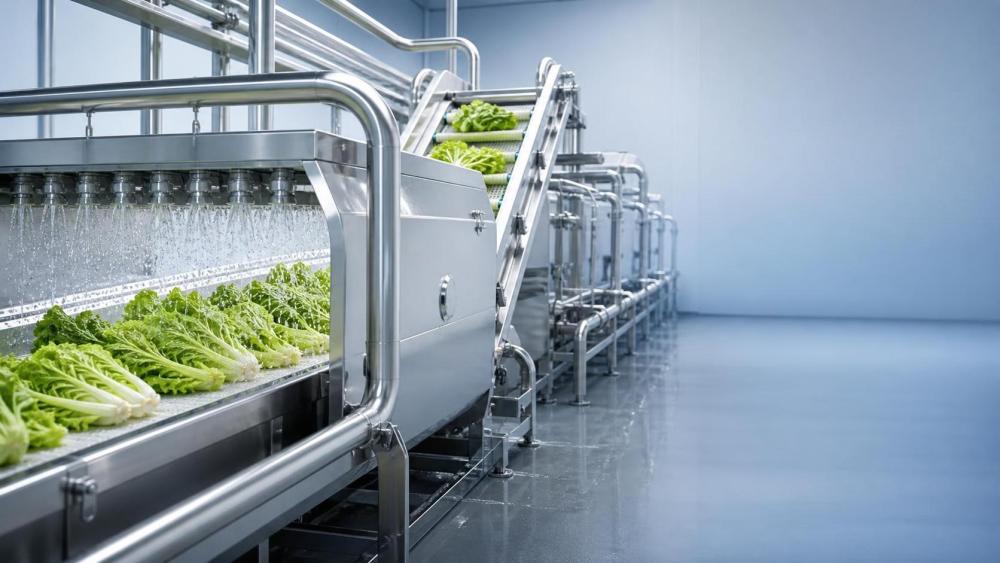
For project leaders, the central specification question is not which machine to purchase, but what stable operating result the complete line must deliver.
Custom agricultural processing equipment should be specified around measurable production outcomes, including hourly output, product quality, hygiene performance, labor requirements, energy use, and expected uptime.
A machine list assembled from catalog capacities often creates hidden mismatches between receiving, cleaning, sorting, cutting, drying, packing, and dispatch operations.
The project brief should therefore define the required finished-product volume, rather than only the incoming raw material volume handled at the first processing stage.
This distinction matters because agricultural materials lose mass during trimming, washing, peeling, dewatering, drying, grading, shelling, or removal of rejected material.
For example, a vegetable line receiving ten tonnes per hour may produce significantly less saleable product after washing, sorting, trimming, and quality rejection.
Project teams should calculate each process yield before requesting supplier quotations, particularly when processing seasonal crops with inconsistent size, moisture, maturity, or contamination levels.
Equipment customization services for agricultural processing are most valuable when they translate real product behavior into line layouts, equipment dimensions, controls, and sanitation arrangements.
Before finalizing specifications, define the product categories, crop varieties, incoming condition, moisture range, foreign-material load, and maximum expected variations during peak harvest periods.
These inputs determine whether conveyors need special cleats, washers need recirculated water treatment, screens need larger openings, or cutters need adjustable operating settings.
A clear operating outcome also helps management distinguish between useful customization and expensive modifications that add complexity without protecting quality, capacity, or compliance.
Calculate Throughput Across the Entire Material Flow
Throughput should be treated as a line-wide balance problem, because the slowest practical stage determines the actual sustained output of the facility.
Suppliers may state nominal capacities under ideal conditions, but project managers need verified capacities based on the actual crop, contamination level, operating hours, and cleaning schedule.
Specify both average and peak throughput requirements. Average capacity supports annual production planning, while peak capacity protects the operation during short harvest windows and delivery surges.
A useful specification identifies tonnes per hour, units per minute, batch size, production shifts, annual operating days, and the expected percentage of planned downtime.
It should also state whether capacity refers to gross incoming material, cleaned material, processed intermediate product, or packaged saleable output.
Without this definition, two vendors can appear to offer comparable machinery while quoting capacity at entirely different points in the process.
Build a mass-balance table for every stage. Include incoming material, usable product, by-products, waste, wash water, dust, packaging materials, and recirculated streams where relevant.
Each transfer point deserves attention because poorly sized buffers, elevators, hoppers, or conveyors can disrupt output even when the primary processing equipment is adequate.
Buffer capacity is especially important where continuous equipment feeds batch equipment, or where inspection, drying, cooling, or packing cycles create intermittent downstream demand.
Specify minimum and maximum buffer levels, product residence-time limits, level detection requirements, discharge arrangements, and procedures for handling production interruptions safely.
Residence time must align with food safety and quality requirements. Wet produce, warm grains, cut fruit, and protein-rich residues can deteriorate quickly in poorly managed accumulation zones.
Where multiple product grades are processed, confirm that diverters, chutes, storage bins, and packing lines can maintain traceability without creating cross-mixing between batches.
Specify Hygiene as a Design Requirement, Not an End-of-Line Cleaning Task
Hygiene performance depends largely on equipment geometry, material selection, drainage, access, and cleaning procedures established before fabrication begins.
Project leaders should require hygienic design criteria in the technical specification, rather than accepting broad statements that equipment is “food grade” or “easy to clean.”
For direct-contact areas, identify acceptable materials, surface finishes, weld quality, fastener type, seal design, and the avoidance of unnecessary horizontal ledges.
Stainless steel selection should match the product, water chemistry, cleaning chemicals, and operating environment. Grade selection cannot be separated from corrosion and maintenance planning.
In wet processing zones, standing water creates microbial and operational risks. Frames, guards, conveyor beds, and pipework should drain completely after cleaning.
Specify sloped surfaces, open profiles where appropriate, sealed hollow members where necessary, accessible drains, and avoidance of crevices that trap product or wash residues.
Cleaning access needs to be practical for the actual workforce. A technically cleanable machine is not necessarily cleanable within the available sanitation window.
Ask suppliers to show how guards open, belts release, screens remove, nozzles inspect, and critical contact surfaces become visible during routine sanitation.
For higher-risk products, determine whether clean-in-place systems are justified. CIP systems can improve repeatability, but only when circuits have correct flow, temperature, chemical concentration, and coverage.
Manual cleaning may remain suitable for simple equipment, but specifications should state required disassembly time, tools needed, lifting aids, and reassembly verification controls.
All washdown zones require suitable electrical enclosures, cable routing, sensor protection, and motor selection. Hygiene requirements must not create avoidable reliability failures.
Include a sanitation acceptance process in the commissioning plan. This should cover visual inspection, ATP testing where applicable, microbial verification, drainage checks, and documented corrective actions.
Match Equipment Design to Product Characteristics and Process Risks
Agricultural products are variable biological materials, not uniform industrial feedstocks. Equipment performance changes with crop variety, season, temperature, moisture, and field conditions.
Custom specifications should identify the full operating envelope, including the worst realistic material conditions rather than only the preferred or average production sample.
For grains, pulses, nuts, and seeds, important variables may include bulk density, foreign-material content, kernel size distribution, dust generation, breakage tolerance, and moisture range.
For fresh produce, key factors often include bruising sensitivity, shape variation, soil loading, surface moisture, ripeness, stem presence, and susceptibility to microbial contamination.
For roots and tubers, the specification may need to address stones, soil, variable geometry, peel quality, water demand, abrasion rates, and downstream wastewater treatment.
Request product trials using representative samples whenever the product is fragile, unusually sticky, highly abrasive, seasonal, or commercially sensitive to damage and appearance.
Trials should measure more than throughput. They should document product loss, breakage, carryover, cleaning time, operator intervention, water use, energy consumption, and maintenance observations.
Where trials are impossible, suppliers should state assumptions clearly. Project teams should then assess the commercial consequences if those assumptions prove inaccurate after installation.
Special attention is needed for transitions between dry and wet processing. Dust control, contamination segregation, slip hazards, drainage, and material handling methods may change substantially.
Product contact surfaces must also protect quality. Excessive drop heights, sharp transfers, poorly designed chutes, and high conveyor speeds can cause damage that reduces saleable yield.
Require vendors to identify critical control points where equipment design can influence contamination, foreign-body risk, product integrity, allergen separation, or traceability performance.
Define Automation, Data, and Controls Around Operating Decisions
Automation should support operational decisions and predictable quality, rather than simply adding screens, sensors, or remote monitoring features to an otherwise weak process design.
Begin by identifying which decisions operators currently make: feed adjustment, product diversion, wash-water replacement, speed changes, fault recovery, cleaning confirmation, and batch release.
Then specify which decisions should remain manual, which should be guided by alarms, and which should be automated using reliable process measurements.
Typical measurements include flow rate, conveyor speed, hopper level, temperature, moisture, weight, water conductivity, turbidity, pressure, vibration, and metal detection results.
Every instrument should have a stated purpose. Avoid collecting data that nobody will review, maintain, interpret, or use to improve production decisions.
For integrated lines, require a control philosophy describing start-up sequencing, shutdown sequencing, interlocks, emergency stops, fault handling, and material clearing procedures.
Upstream equipment should not continue feeding when downstream machinery stops. This simple requirement prevents overflow, product damage, contamination, and lengthy recovery work.
Specify communication standards between equipment packages early. Different vendors may use incompatible controllers, protocols, alarm conventions, data formats, or remote-access arrangements.
Project managers should also define ownership of the supervisory control system. One party must be responsible for line integration, not merely individual machine performance.
Traceability requirements should be practical and proportionate. Batch records may need to connect raw material receipt, processing time, operator actions, quality checks, and finished-product disposition.
Cybersecurity and remote support should be considered before handover. Define approved remote-access methods, user permissions, backup procedures, software documentation, and support responsibilities.
Protect Long-Term Availability Through Maintenance Access and Spares
High throughput has little commercial value if the equipment cannot be cleaned, inspected, repaired, and restarted quickly during normal operating conditions.
Maintenance requirements should be part of the original specification, especially for lines operating continuously or processing crops during short seasonal production periods.
Ask suppliers to identify wear parts, expected replacement intervals, lubrication points, inspection tasks, recommended critical spares, and the skills required for routine maintenance.
Maintenance access should account for real site constraints. Check clearances around motors, bearings, drives, screens, belts, pumps, valves, and extraction components before approving layouts.
Equipment placed too close to walls or other machines often becomes difficult to service, increasing downtime and encouraging unsafe maintenance practices after commissioning.
Specify lifting points, maintenance platforms, safe access stairs, isolation points, lockout provisions, and adequate lighting around inspection and service locations.
For equipment customization services for agricultural processing, suppliers should provide drawings that show both production footprint and maintenance envelope, including removable component paths.
Spare-parts strategy should reflect supply-chain risk. Imported drives, specialized seals, electronic components, and custom wear parts can create unacceptable downtime if not planned early.
Require a recommended commissioning spares package and a two-year operational spares list, with part numbers, lead times, storage conditions, and supplier contact details.
Service expectations should be contractual where line availability is commercially critical. Define response times, remote diagnostic support, on-site availability, training, and escalation responsibilities.
Use Acceptance Criteria to Control Project Risk Before Handover
Clear acceptance criteria convert broad expectations into testable obligations. They also reduce disputes when equipment performance differs from assumptions made during the sales process.
Factory acceptance testing should verify fabrication quality, controls, safety functions, documentation, and basic operation before equipment is shipped to the processing site.
Site acceptance testing should confirm the complete line under realistic conditions, including material flow, throughput, sanitation, product quality, utilities, alarms, and operator usability.
The test plan should state product type, feed condition, target rate, test duration, staffing level, operating temperature, cleaning conditions, and allowable performance variation.
Do not accept a short demonstration as proof of reliable capacity. Sustained trials reveal fouling, carryover, overheating, unstable feeding, rejected product, and operator bottlenecks.
Performance guarantees should define the measurement method. Throughput, yield, moisture, breakage, water consumption, energy use, and downtime must be calculated consistently by all parties.
Document exceptions discovered during testing, assign owners, establish correction dates, and define the evidence required before each issue is formally closed.
Training should be included in acceptance planning. Operators, maintenance staff, sanitation personnel, and supervisors need role-specific instruction before the supplier leaves the site.
Required documentation should include manuals, electrical drawings, pneumatic diagrams, spare-parts lists, software backups, sanitation procedures, risk assessments, and declarations of conformity.
Make Customization Decisions That Improve the Business Case
Customization adds value when it solves a specific processing, hygiene, site, safety, or integration problem that standard equipment cannot address reliably.
It adds cost and delivery risk when modifications are based on vague preferences, untested assumptions, or late requests that affect multiple equipment interfaces.
Project leaders should rank requested features by their impact on capacity, compliance, product yield, labor reduction, uptime, safety, and future expansion potential.
This ranking makes commercial evaluation more disciplined. It separates essential design changes from optional features that can be postponed or removed without damaging project performance.
Consider total cost of ownership rather than purchase price alone. Water, energy, chemicals, labor, waste disposal, spare parts, cleaning time, and downtime shape lifetime economics.
A lower-cost machine may create recurring losses through poor yield, excessive product damage, frequent cleaning, difficult maintenance, or insufficient capacity during peak processing periods.
Likewise, an overly sophisticated solution may be unsuitable if local technicians cannot support it, replacement parts are unavailable, or operating procedures become unnecessarily complex.
The best specification is therefore operationally specific but commercially disciplined. It defines what must be achieved while allowing suppliers to propose robust engineering solutions.
Conclusion: Build the Specification Around Verifiable Performance
Custom agricultural processing equipment succeeds when its design is linked directly to sustained throughput, hygienic operation, product protection, maintainability, and measurable acceptance criteria.
For project managers, the strongest starting point is a process-based specification that describes material conditions, capacity definitions, sanitation expectations, utility constraints, control requirements, and service needs.
Equipment customization services for agricultural processing should then be evaluated by their ability to resolve documented operational risks, not by the number of optional modifications offered.
When teams validate assumptions through mass balances, representative trials, hygiene reviews, layout checks, and sustained acceptance tests, they are far more likely to commission reliable processing lines.
Related News
 Ms. Elena RodriguezHigh-Pressure Molding Innovations: How Automation and Tooling Affect PriceExplore the high-pressure molding innovations price equation: compare automation, tooling, and ownership costs to find upgrades that cut waste and deliver measurable value.Oct 13, 2026
 Ms. Elena RodriguezIndustrial Process Optimization: Where to Target Energy, Yield, and Throughput LossesIndustrial process optimization: identify energy, yield, and throughput losses to improve plant stability, reduce costs, and unlock measurable performance gains.Oct 12, 2026
 Ms. Elena RodriguezGlass Market Intelligence: How to Assess Demand, Capacity, and Regional Growth RisksGlass market intelligence for evaluating demand, effective capacity, energy exposure, trade dynamics, and regional growth risks before investing in glass manufacturing.Oct 11, 2026
 Ms. Elena RodriguezAre Green Building Materials More Expensive to Manufacture?Are green building materials more expensive to manufacture? Explore cost drivers, savings opportunities, and how sustainable production can strengthen long-term competitiveness.Oct 13, 2026
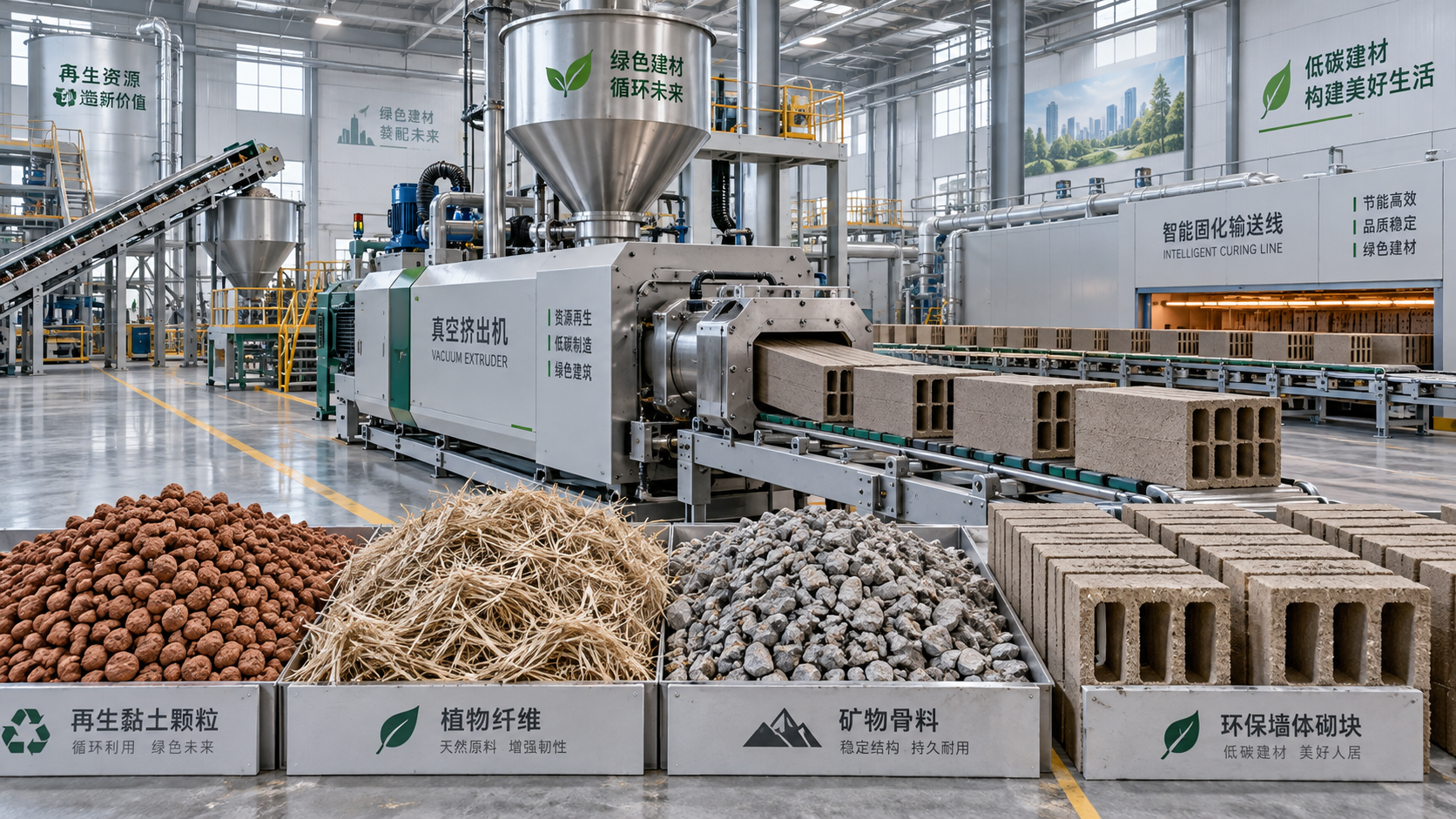
 Structural Material AnalystWhich Sustainable Construction Materials Are Suitable for Extrusion?Which sustainable construction materials are suitable for extrusion? Explore recycled clay, cementitious mixes, geopolymers, and bio-composites for reliable, lower-impact building products.Oct 12, 2026
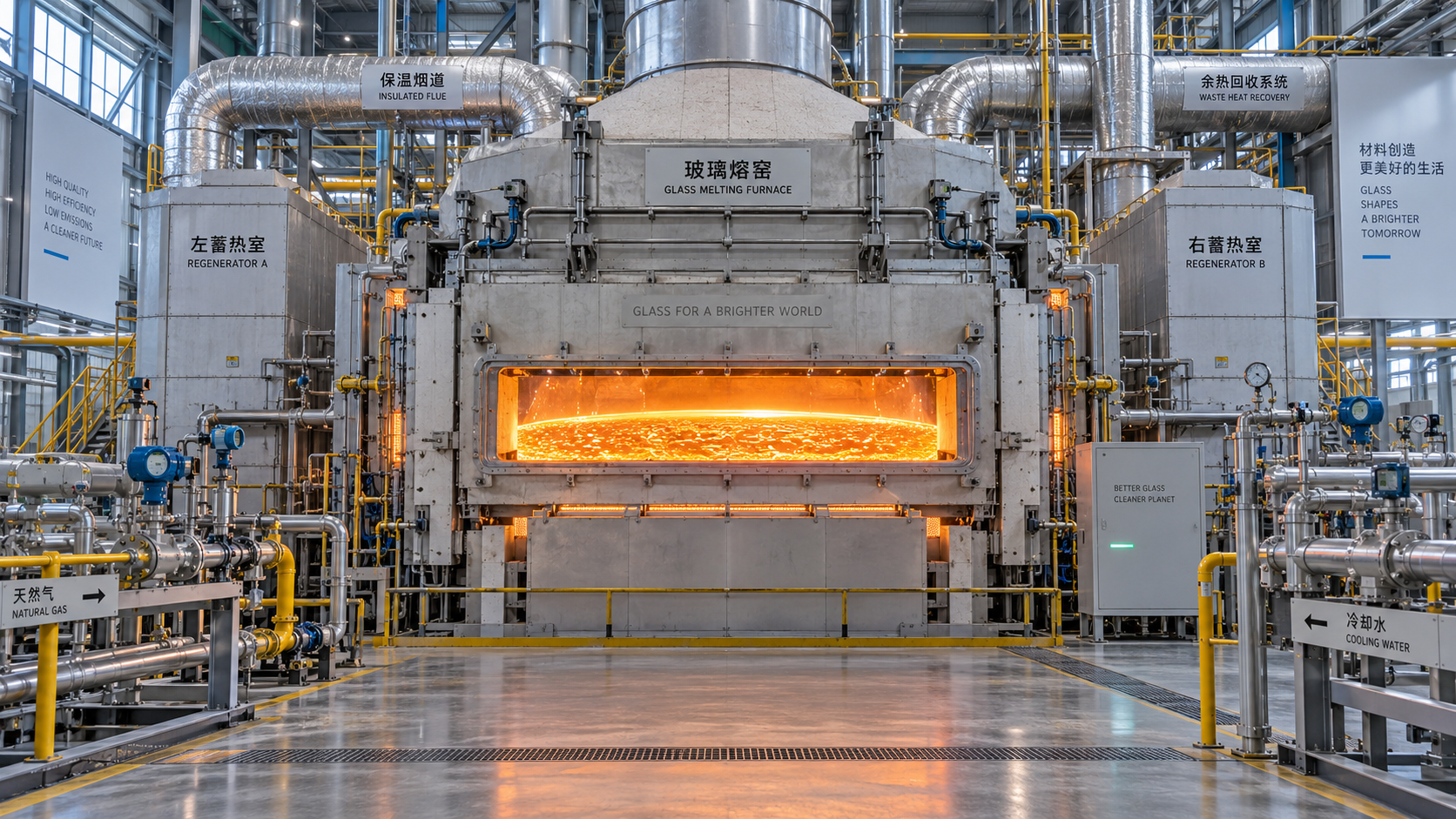
 Optical Glass Tech FellowWhat Should a Glass Furnace Energy Specification Include?What should be included in a glass furnace energy specification? Explore performance, fuel flexibility, heat recovery, emissions, and monitoring essentials.Oct 11, 2026
 Dr. Alistair VaughnHow Process Technology Platforms Improve Control Across Multi-Line ManufacturingDiscover how a process technology platform strengthens cross-line control, connects operational data, and improves energy, quality, and maintenance decisions.Oct 10, 2026
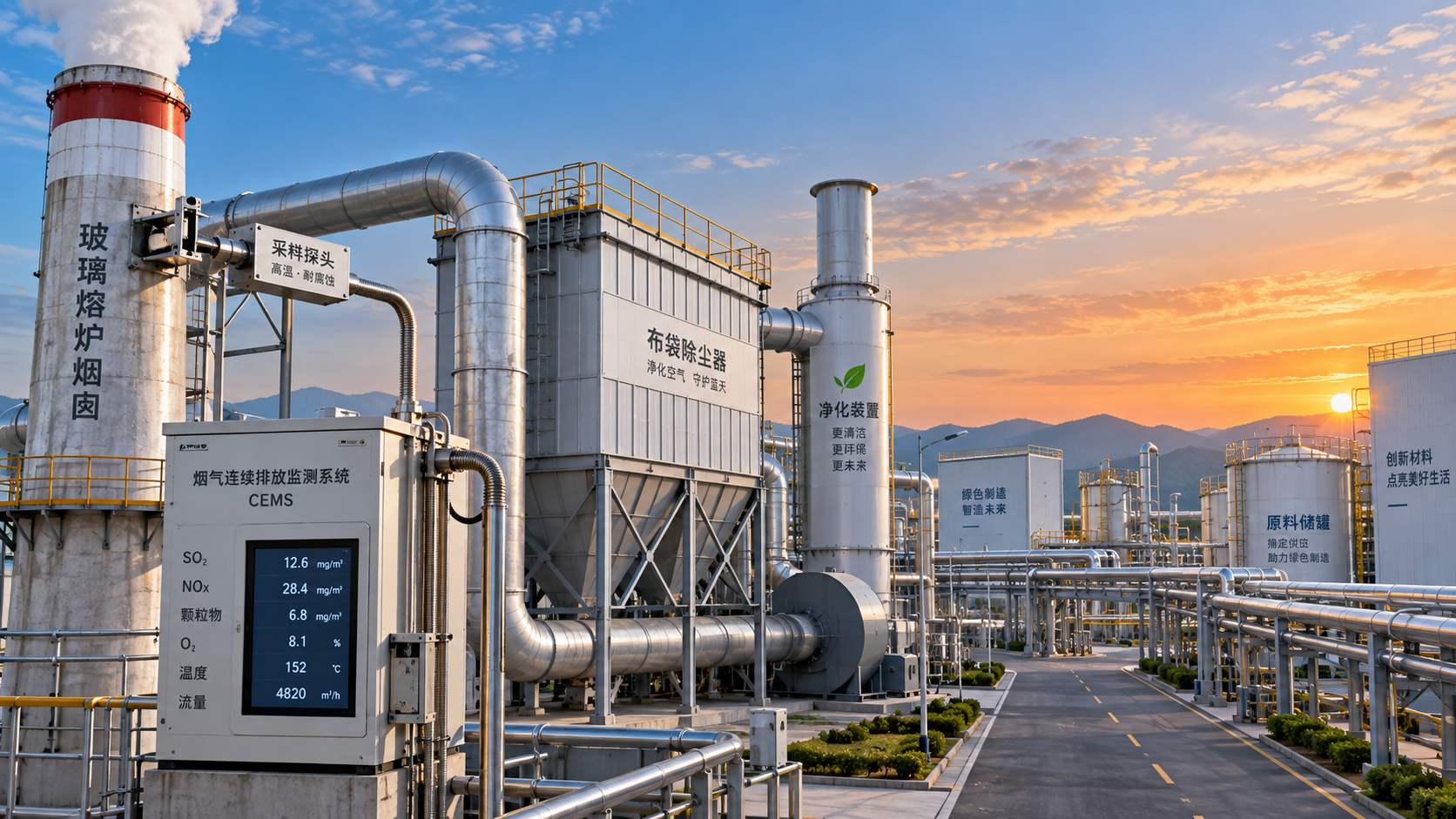
 Optical Glass Tech FellowHow Glass Furnace Emissions Are Measured and Controlled for Regulatory ComplianceGlass furnace emissions: learn how to measure, monitor, and control NOx, SOx, particulate, CO, and CO2 for reliable regulatory compliance.Oct 08, 2026
 Prof. Marcus ChenIndustrial Decarbonization Strategies in Europe: A Roadmap for Energy-Intensive PlantsIndustrial decarbonization strategies Europe: explore practical pathways for energy-intensive plants to cut emissions, improve efficiency, and protect performance.Oct 07, 2026
 Thermal Energy ArchitectEnergy-Efficient Silicate Production Lines: What to Compare Before SelectionSilicate production lines energy efficient selection guide: compare thermal performance, stability, emissions, controls, and lifecycle value before investing.Oct 06, 2026
 Optical Glass Tech FellowHow to Evaluate Automated Float Glass Lines for Capacity, Quality, and Energy UseEvaluate automated float glass lines for net capacity, consistent quality, energy efficiency, automation reliability, and lifecycle value. Explore key criteria for smarter investment decisions.Oct 05, 2026
 Thermal Energy ArchitectWhat Does CE Marking Require for an Energy-Efficient Industrial Kiln?Energy efficient kiln CE requirements explained: assess safety, technical files, energy performance, and EU compliance before purchase or commissioning.Oct 04, 2026
 Thermal Energy ArchitectRefractory Manufacturing Solutions for Brick Plants: How to Extend Kiln LifeRefractory manufacturing solutions for brick plant operations: discover proven strategies to extend kiln life, reduce heat loss, prevent lining failures, and plan cost-effective repairs.Oct 03, 2026
 Thermal Energy ArchitectHow to Specify Heavy Industrial Process Systems for High-Temperature PlantsHeavy industrial processes systems: learn how to specify high-temperature plants for efficiency, emissions control, maintainability, and lifecycle performance.Oct 02, 2026
 Structural Material AnalystHow Sustainable Material Extrusion Can Improve Wall Panel Durability and Design FlexibilityDiscover how sustainable material extrusion for wall panels improves durability, moisture resistance, design flexibility, and installation consistency for high-performing wall systems.Oct 01, 2026
 Thermal Energy ArchitectHow to Evaluate a High-Temperature Materials Manufacturer for Furnace ApplicationsChoose a high-temperature materials manufacturer with confidence: compare thermal performance, chemical resistance, quality controls, installation support, and lifecycle cost.Sep 30, 2026
 Ms. Elena RodriguezHow to Structure Global Specification Data for Faster Industrial Product EvaluationGlobal specification-oriented product information helps industrial teams compare capacity, energy, emissions, automation, and lifecycle data on a like-for-like basis for faster, confident equipment decisions.Sep 29, 2026
 Thermal Energy ArchitectHow to Specify High-Temperature Process Systems for Continuous Thermal OperationsHigh-temperature process engineering systems: learn how to specify resilient continuous thermal operations for efficiency, compliance, reliable uptime, and long-term performance.Sep 28, 2026
 Thermal Energy ArchitectHow to Evaluate a Thermal Engineering Contractor for High-Temperature Plant ProjectsChoose a thermal engineering contractor with proven process expertise, lifecycle value, emissions control, and delivery discipline for reliable high-temperature plant performance.Sep 27, 2026
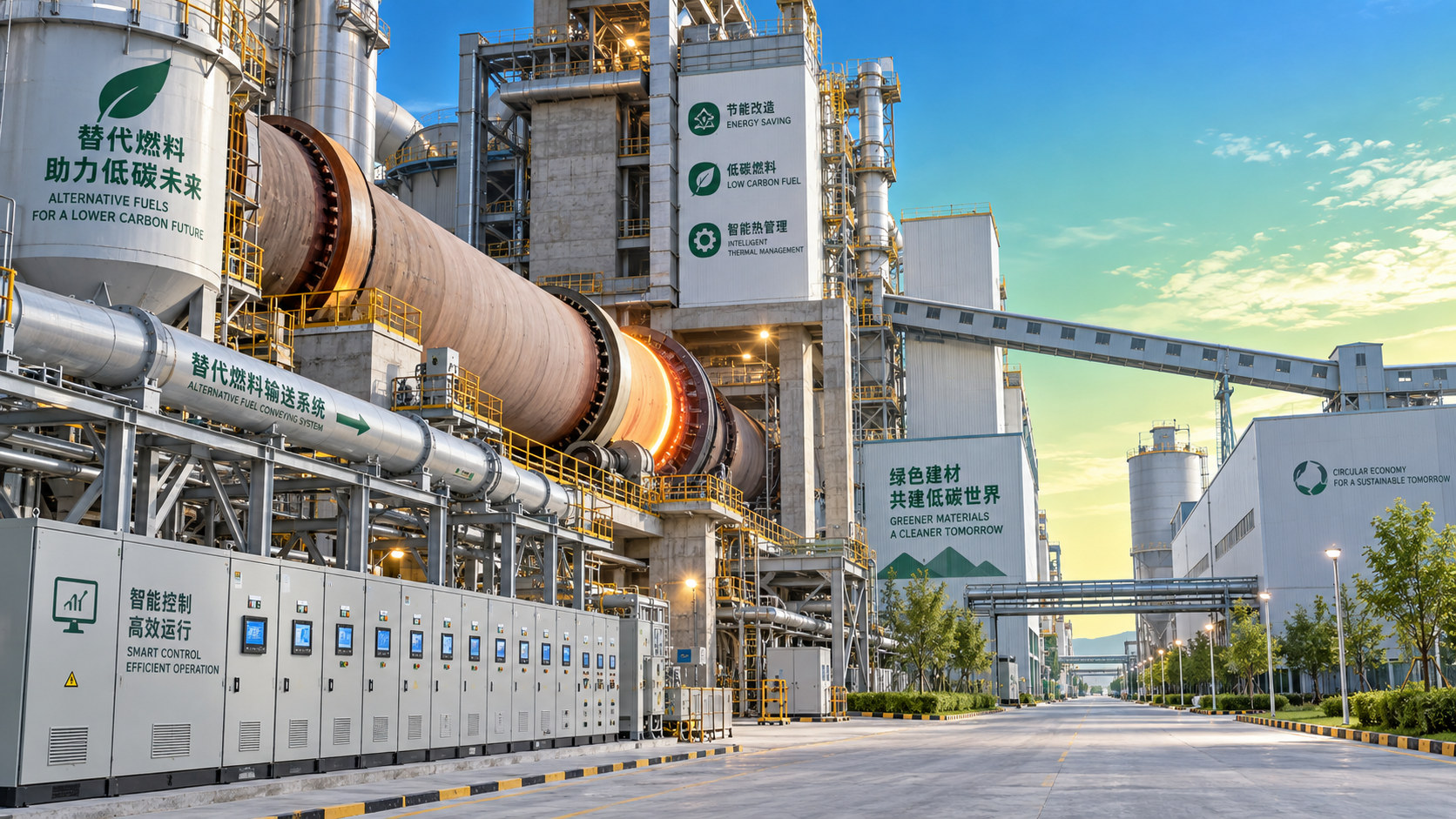
 Silicate Process EngineerHow Latin American Cement Plants Can Reduce Dust Emissions in Kilns and Transfer PointsCement plant dust control Latin America: reduce kiln and transfer-point emissions with practical airflow, filtration, monitoring, and maintenance strategies.Sep 26, 2026






Related News
- 00
0000-00
How Process Technology Platforms Improve Control Across Multi-Line Manufacturing - 00
0000-00
How Waste Recycling Technology Improves Material Recovery in Industrial Plants - 00
0000-00
Industrial Process Engineering: How to Map Processes for Safer, More Efficient Plants - 00
0000-00
What Should a Process Technology Database Track for High-Temperature Plants? - 00
0000-00
How to Specify Custom Agricultural Processing Equipment for Throughput and Hygiene
Weekly Insights
Stay ahead with our curated technology reports delivered every Monday.