
How to Select Process Plant Equipment for High-Temperature, Abrasive Production Lines




How to Select Process Plant Equipment for High-Temperature, Abrasive Production Lines
Selecting process plant equipment for a high-temperature, abrasive line is not a matter of choosing the largest machine within a capital budget. In cement, glass, refractory, waste-to-energy, and building-material extrusion operations, equipment is exposed to a difficult combination of heat, thermal cycling, dust, corrosive constituents, impact loading, and variable feed chemistry. A design that looks adequate on a capacity sheet may become the source of repeated shutdowns if it cannot tolerate the real process envelope.
Technical evaluation teams are usually asked to compare throughput, purchase price, and supplier delivery dates. Those factors matter, but they are rarely the deciding factors over the full operating life of a kiln system, hot-material conveyor, extruder, burner train, refractory installation, or dust-handling package. The better question is: can this equipment maintain stable production when the line is running at its most demanding—not its most ideal—condition?
For high-temperature abrasive duty, selection should begin with the process, then move outward to materials, mechanical design, controls, maintenance access, and lifecycle support. This approach helps evaluators identify where a low initial price is actually transferring risk to operations and maintenance.
Start With the Real Operating Envelope, Not the Nameplate Condition
The first task is to define what the equipment will actually see. “High temperature” is not enough. A rotary kiln shell, a refractory-lined duct, a clinker cooler, and an extrusion die may all be described that way, yet their failure mechanisms are very different. One component may face steady thermal load; another may experience rapid start-stop cycles, flame impingement, alkali attack, abrasive particle flow, or intermittent feed surges.
A useful equipment specification separates normal duty from credible upset duty. Normal duty includes feed rate, bulk density, moisture, particle-size distribution, material temperature, ambient conditions, and planned operating hours. Upset duty should address feed variability, temporary temperature excursions, fuel changes, blockages, off-spec material, emergency stops, and restart conditions. If this distinction is absent, suppliers may base their proposals on assumptions that are technically reasonable on paper but unsuitable for the site.
For abrasive solids, feed chemistry and particle shape deserve the same attention as tonnage. Sharp, hard particles do not wear equipment in the same way as rounded granules. Moist, sticky feed can create buildup that later breaks free as damaging impact loads. In incineration and co-processing applications, chloride, sulfur, alkali, and volatile-metal content may also affect refractories, corrosion allowances, gas-treatment equipment, and inspection frequency.
Questions that should be answered before comparing quotations
- What are the maximum continuous and short-duration temperatures at each equipment boundary?
- How quickly can temperature change during trips, starts, or fuel transitions?
- Which components receive sliding abrasion, impact abrasion, erosion, chemical attack, or all four?
- What feed properties are controlled, and which may vary by supplier, season, or recycled-content ratio?
- What production rate must be sustained after allowing for maintenance, cleaning, and realistic operating interruptions?
- Which failure modes would stop the entire line rather than reduce output temporarily?
These questions are particularly important when replacing a bottleneck component. Existing line data can be helpful, but it should not be copied uncritically into a new specification. The old machine may already be limiting throughput, causing material segregation, or masking an upstream instability through frequent manual intervention.
Match the Equipment Design to the Dominant Failure Mechanism
A common selection mistake is to focus on general material strength. In severe service, the right material is rarely simply the hardest alloy or the thickest plate. Wear resistance, toughness, high-temperature strength, oxidation behavior, thermal expansion, weldability, and repairability must be balanced for the specific component. A hard wear surface can be vulnerable to cracking under shock. A lining with excellent insulating performance may not withstand mechanical abuse at the charging end of a kiln or in a transfer chute.
For hot solids handling, evaluate the complete wear path rather than a single visible liner. Transfer points, chute entries, discharge lips, elbow sections, screw flights, feeder pockets, valve seats, and expansion joints often fail before the main machine body. The design should allow these sacrificial or high-wear parts to be inspected and replaced without major dismantling. In practice, maintainability is part of the wear strategy.
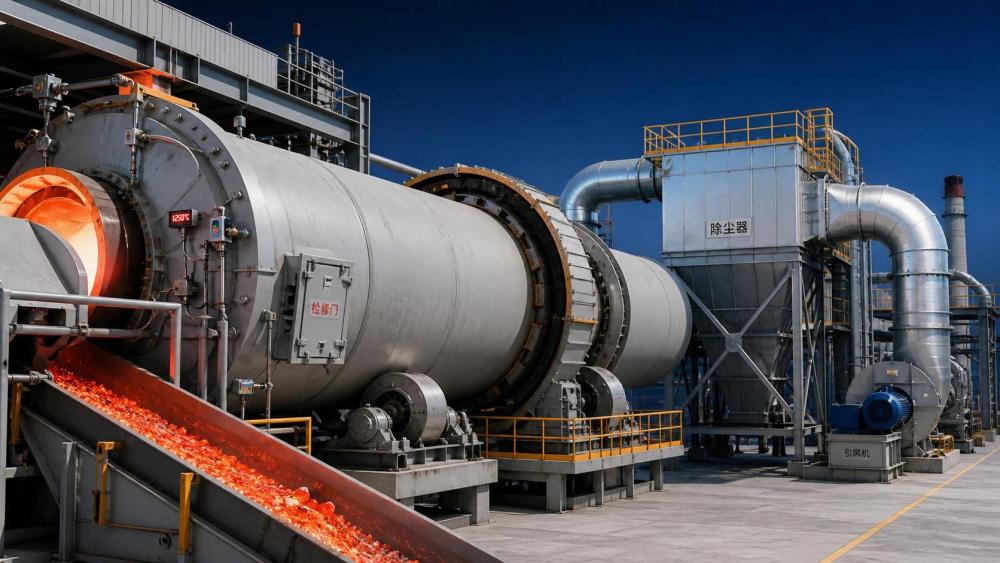
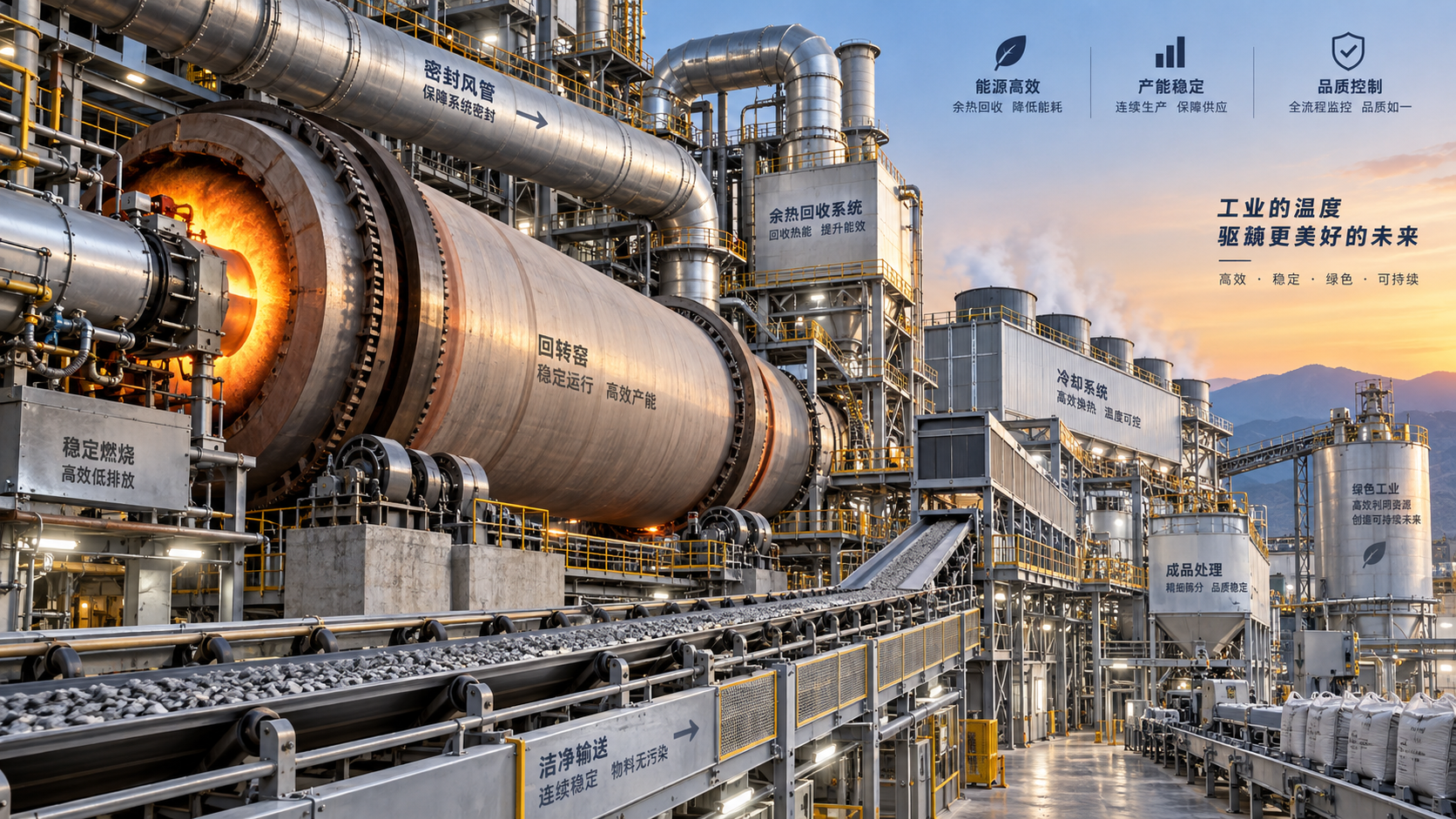
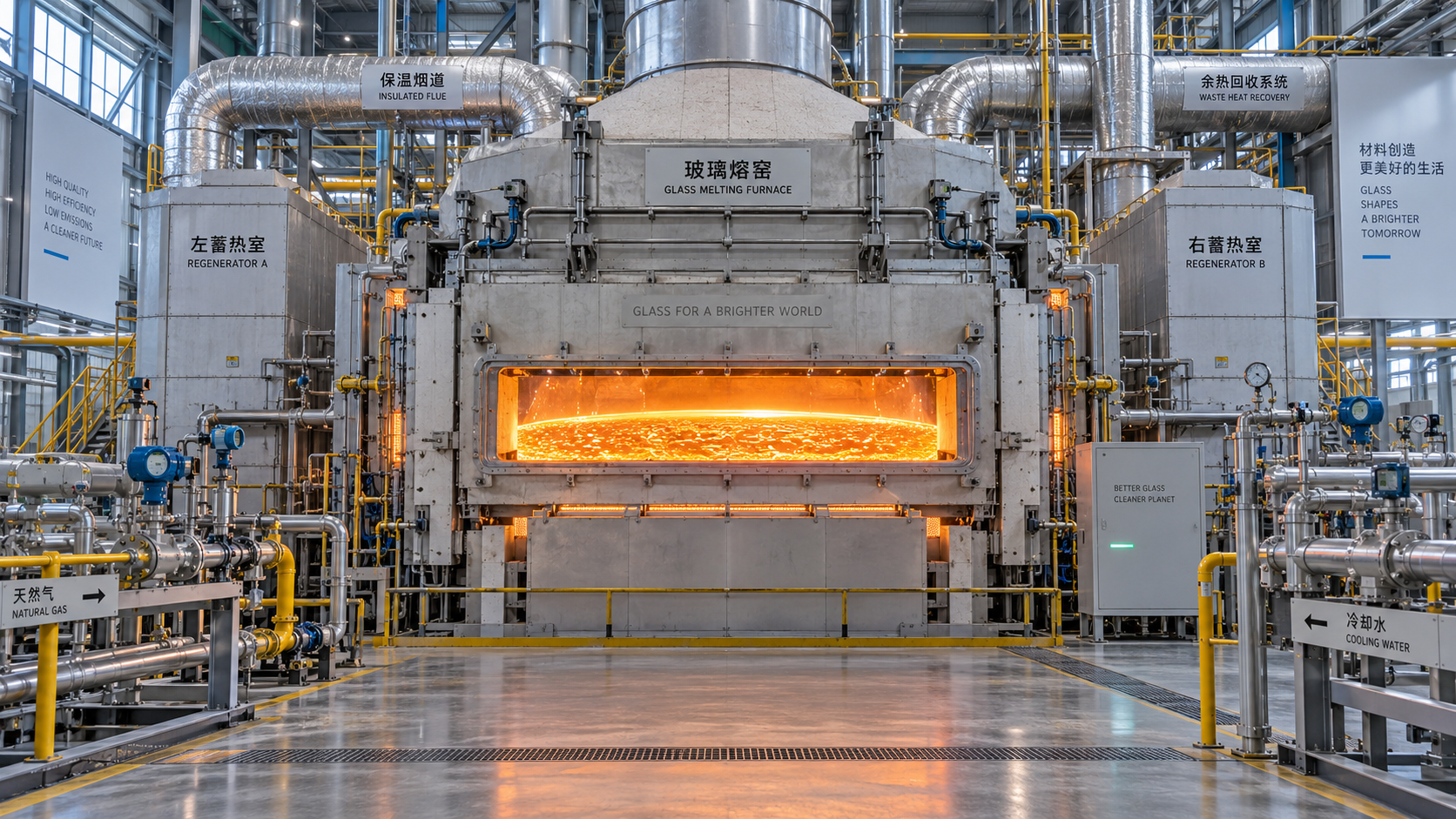
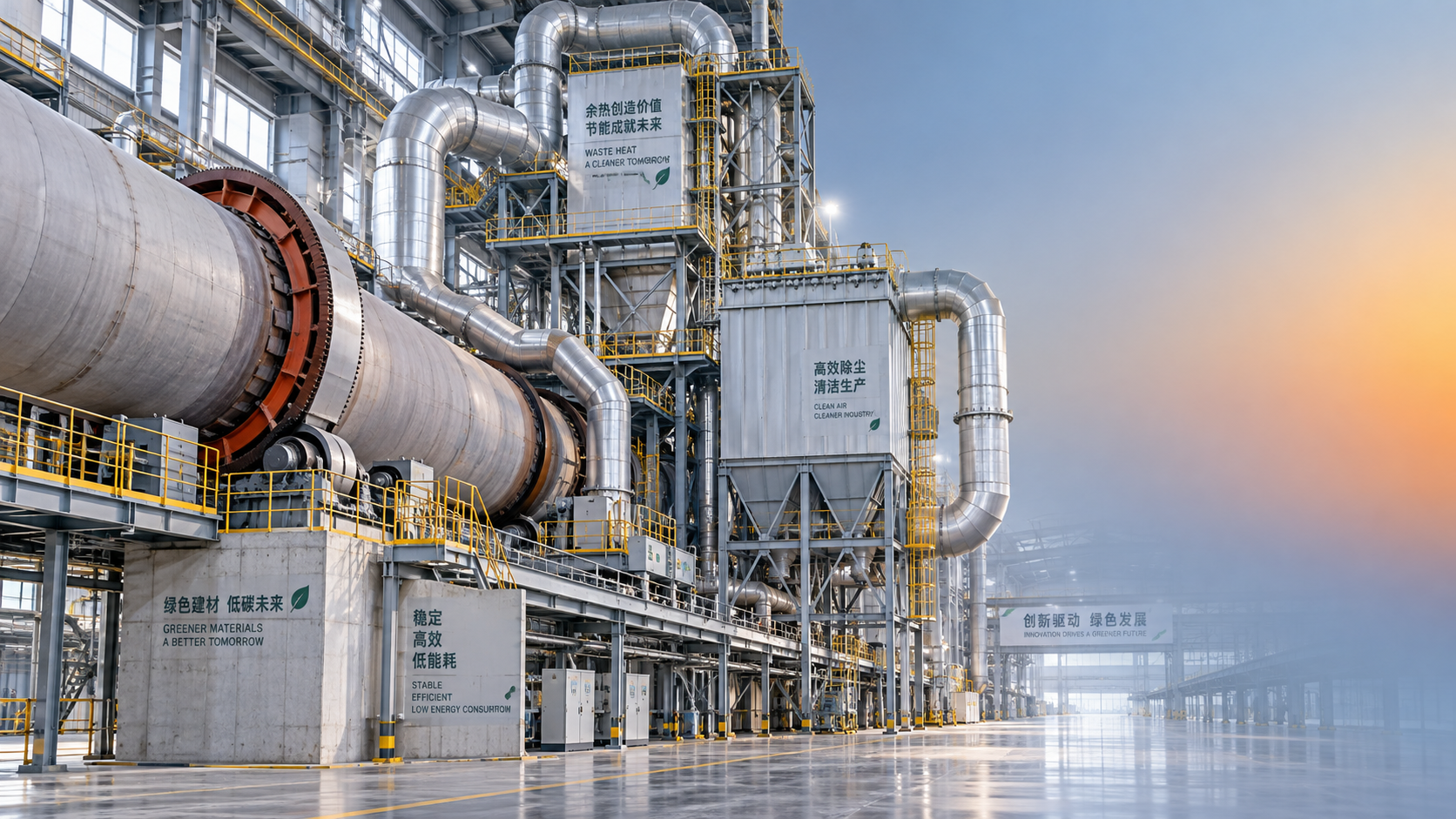
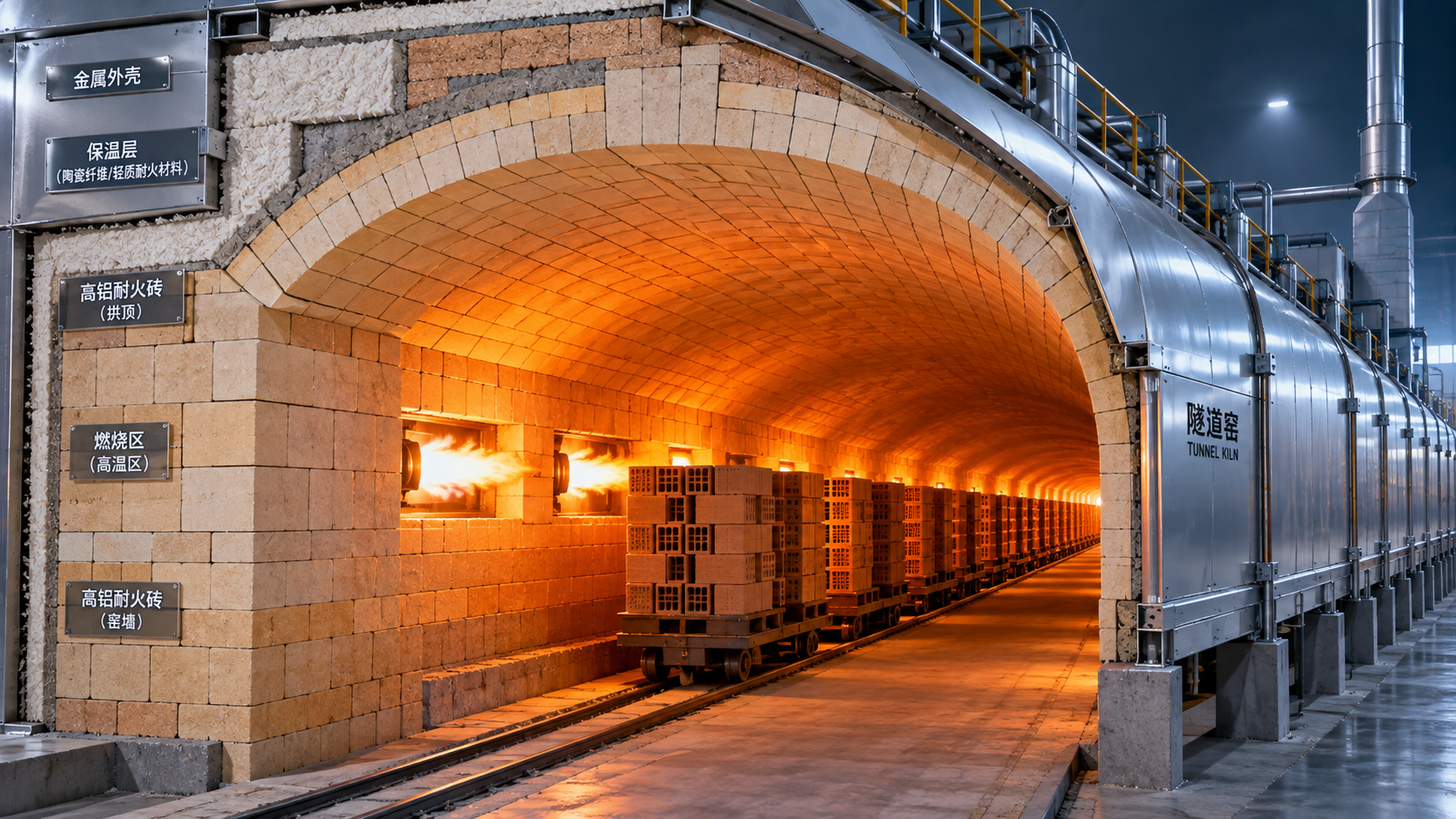
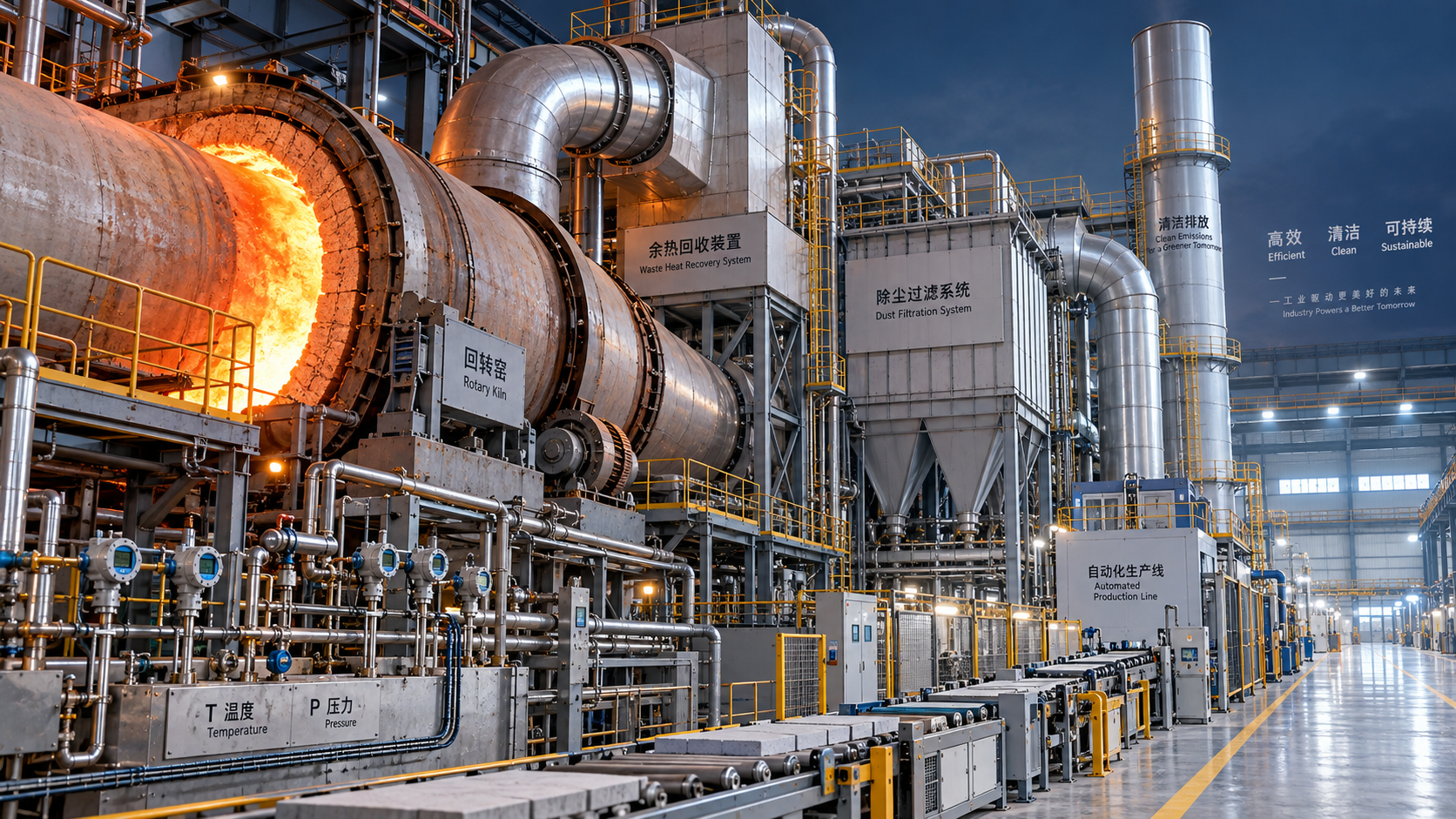
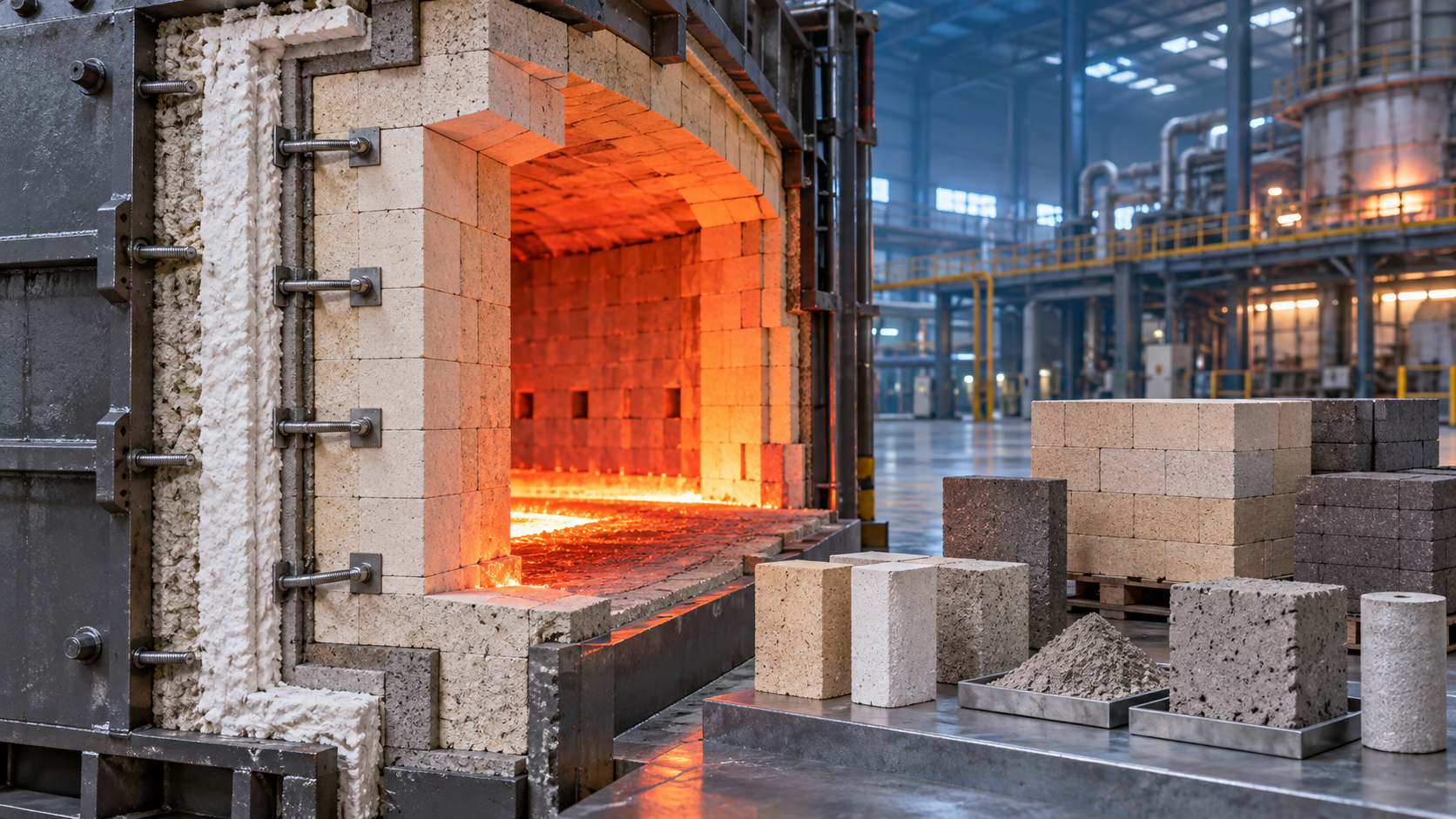
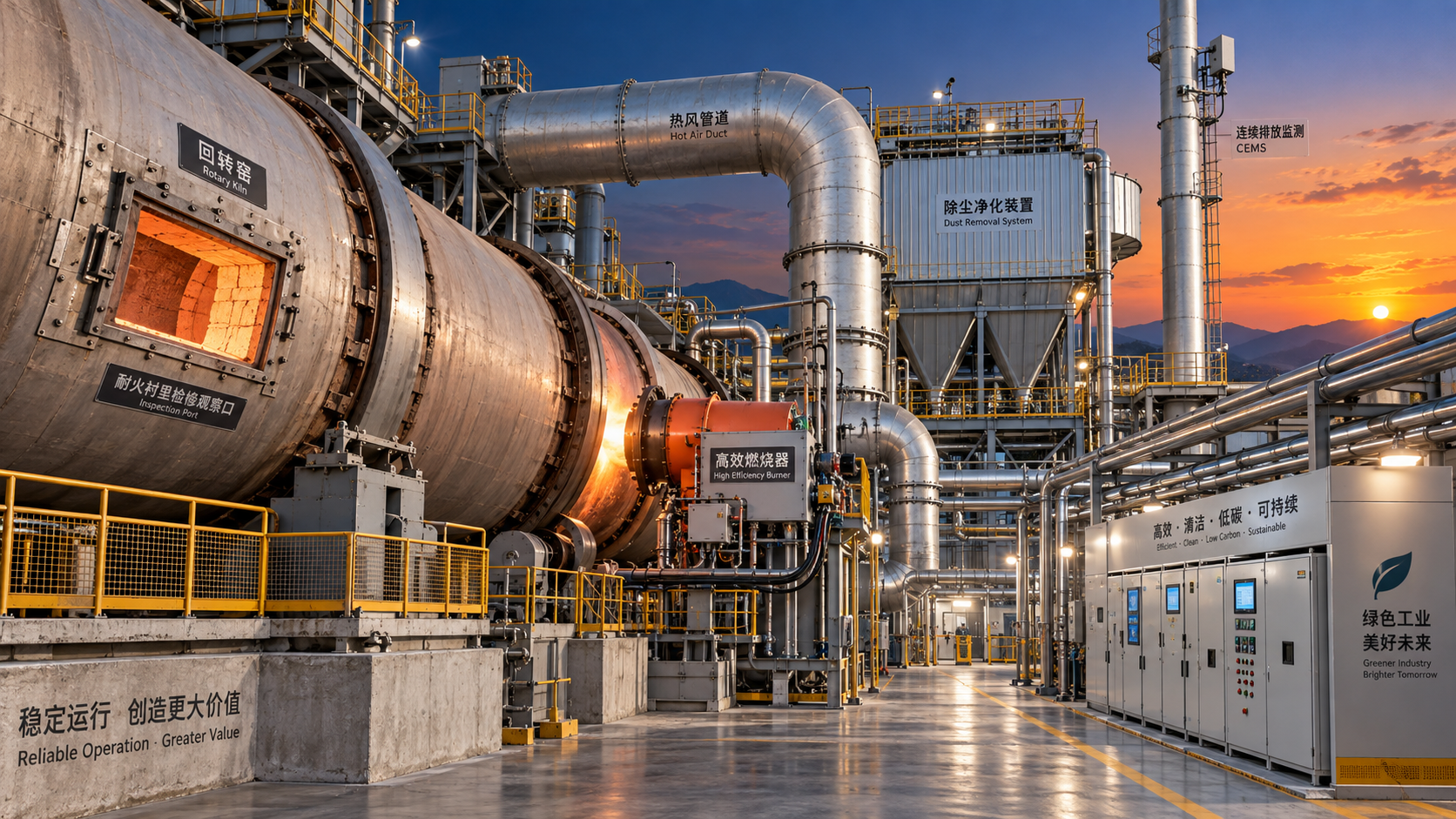
Thermal equipment needs the same whole-system view. In a kiln or furnace train, shell design, support arrangement, drive alignment, seal performance, burner geometry, refractory zoning, and process control interact. A refractory selection cannot be evaluated only by maximum service temperature. Its suitability also depends on alkali resistance, thermal shock behavior, installation method, anchoring design, dry-out procedure, and compatibility with the surrounding shell and mechanical movement.
Do Not Separate Mechanical Selection From Process Compatibility
Process plant equipment must fit the chemistry and flow logic of the line. A mechanically robust feeder can still be a poor choice if it produces uncontrolled feed pulses into a calciner. A high-capacity fan can create process instability if its operating range does not align with the system resistance curve. A more aggressive burner may increase available heat input but complicate flame shape, coating formation, emissions management, or refractory life.
This is why technical evaluation should include interface responsibilities. For each package, identify who defines the feed condition, structural loads, utility quality, control signals, refractory boundary, and performance test conditions. Problems frequently emerge in the gaps between scopes: a duct is supplied without adequate support for thermal movement; an extruder is sized for nominal feed moisture while upstream conditioning cannot maintain it; a replacement shell is designed without confirming the condition of existing tires, rollers, or foundations.
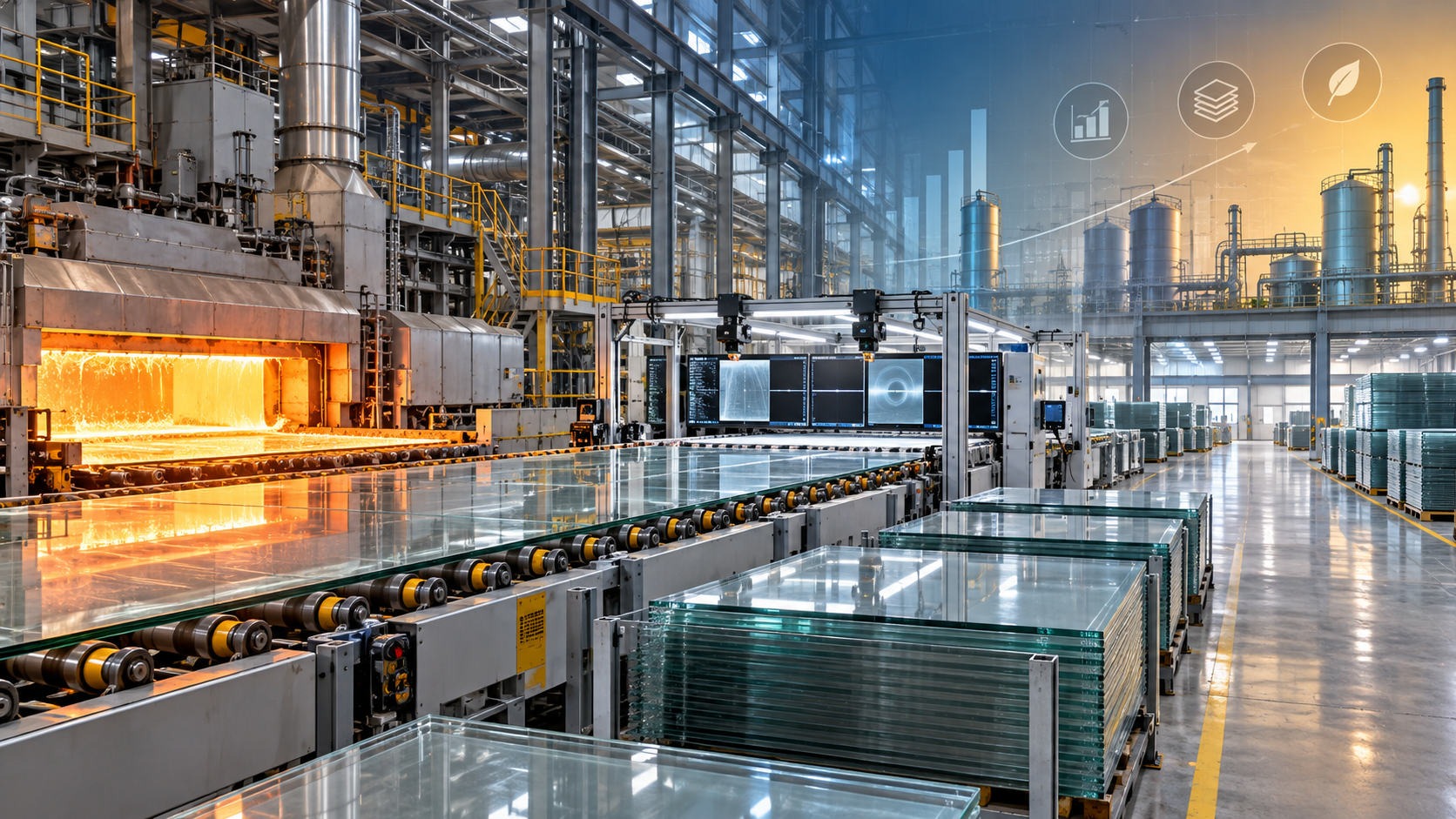
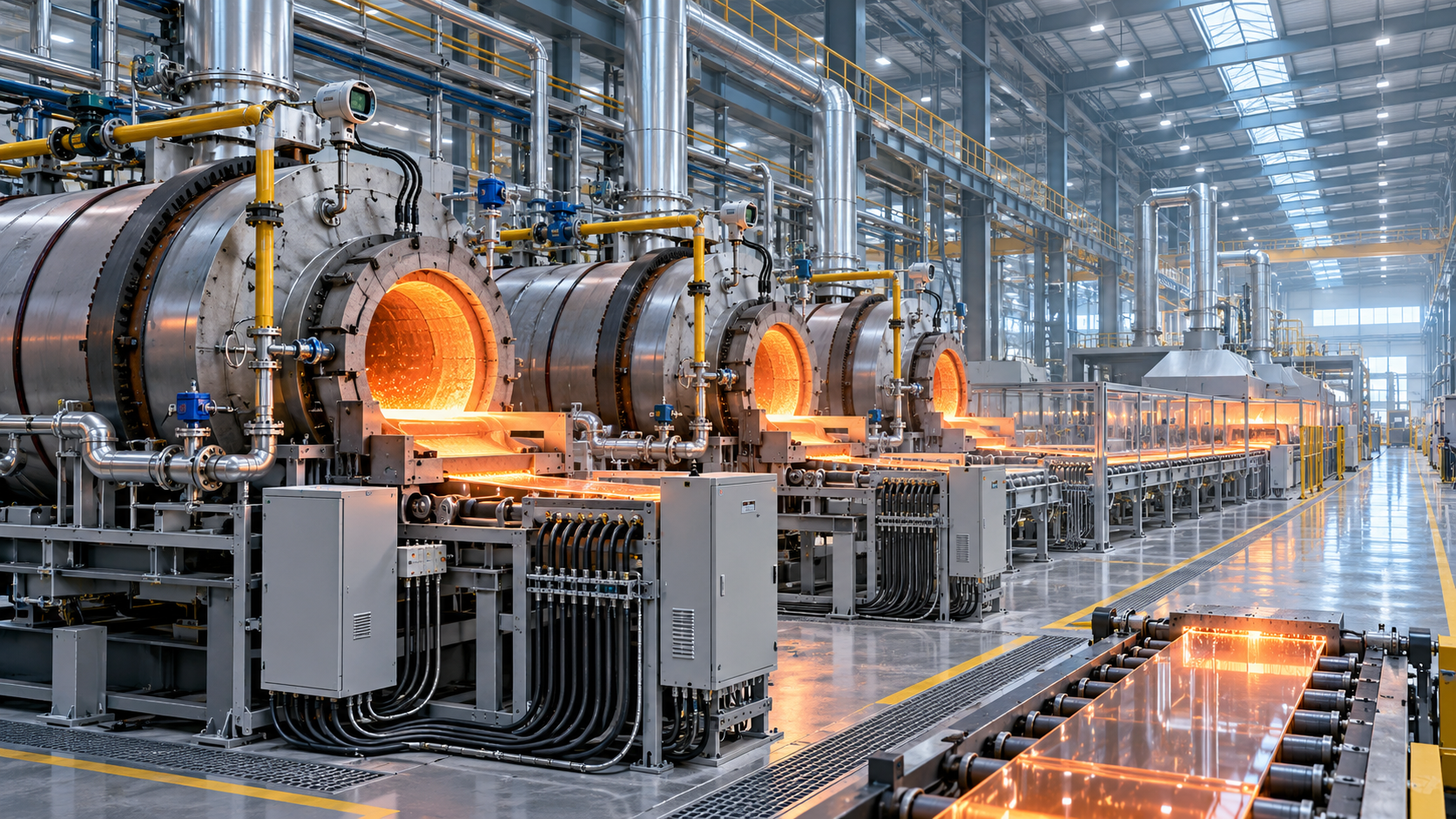
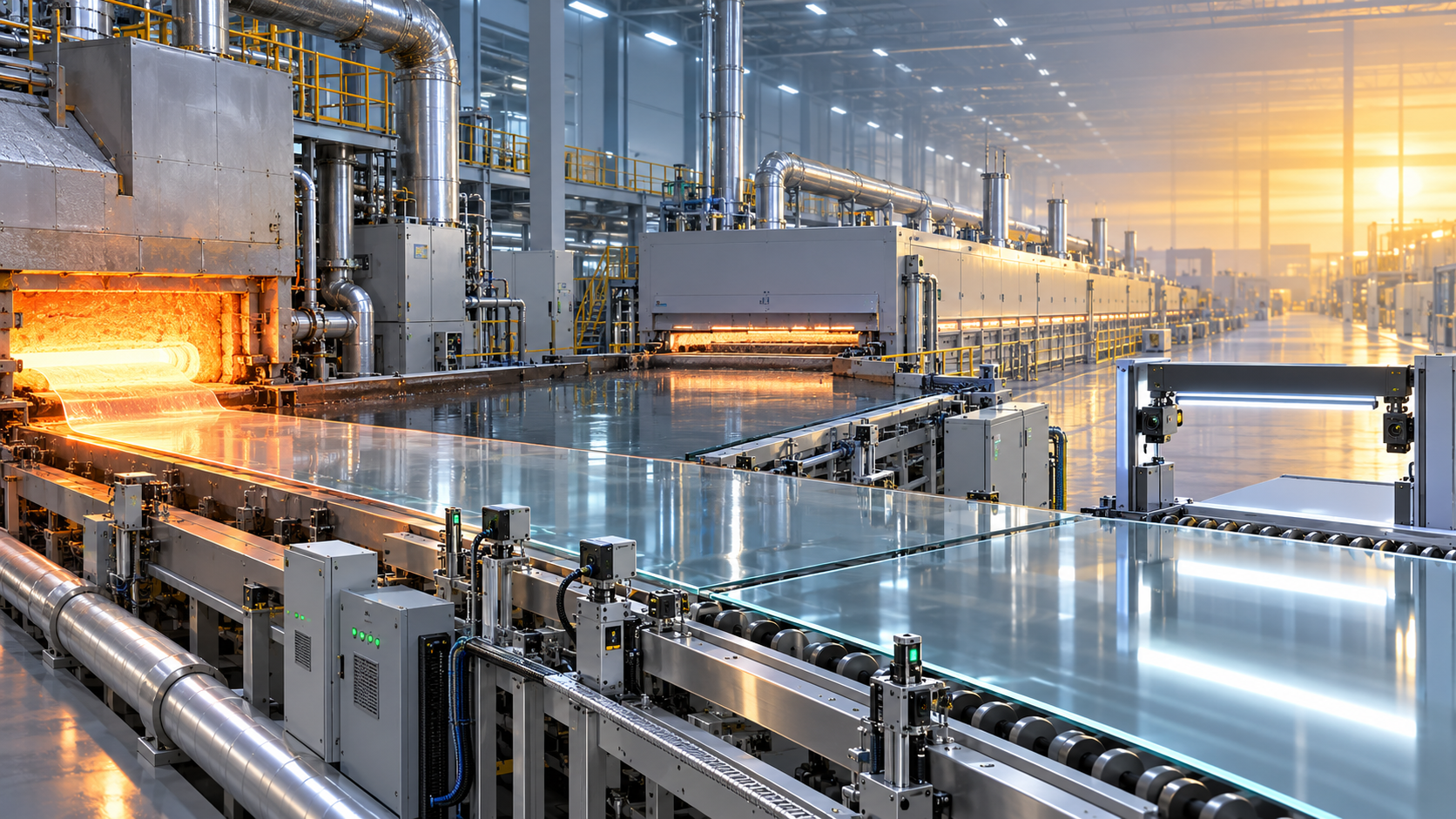
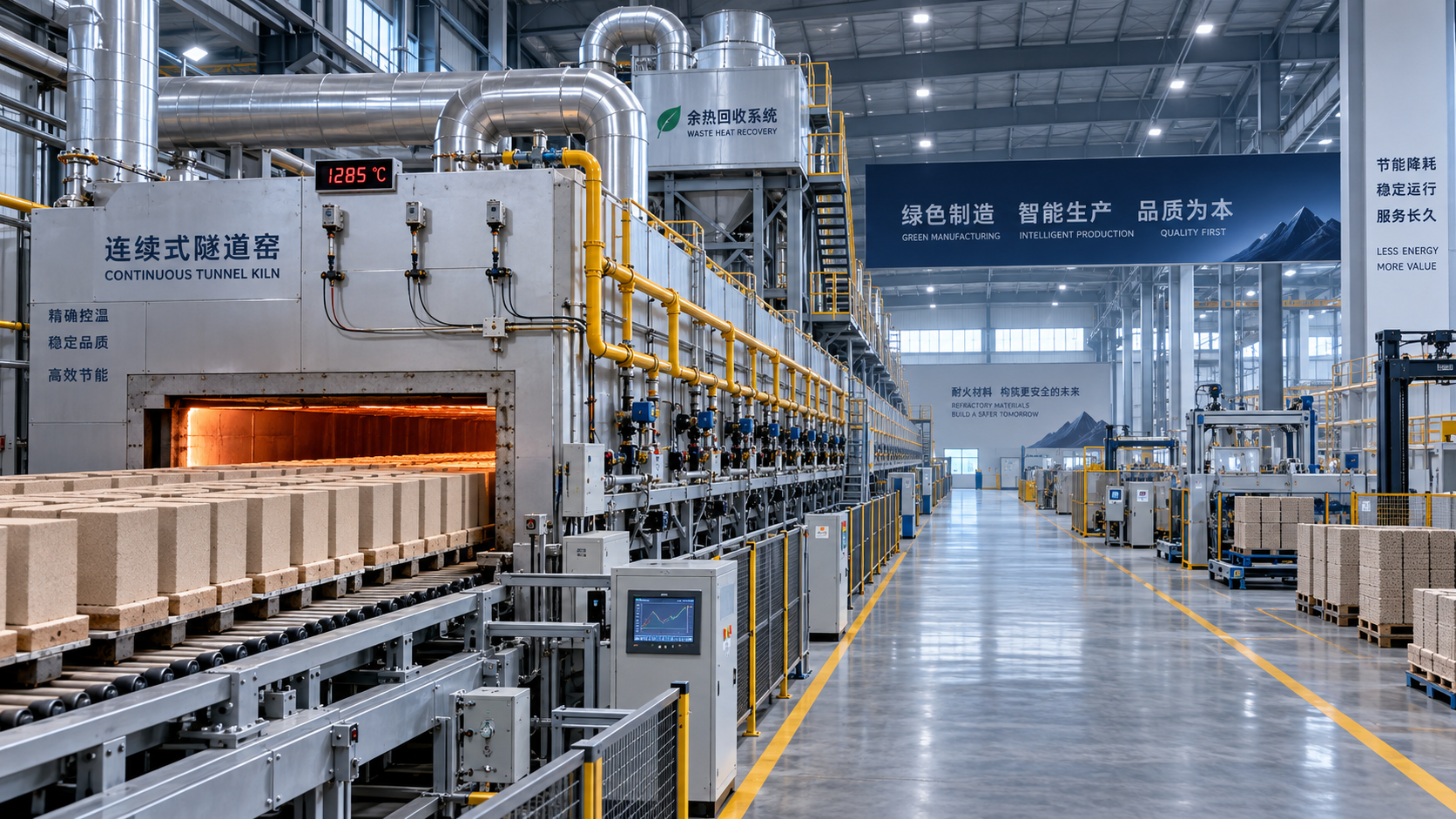
A process model, mass and energy balance, or digital twin can be valuable when the project is complex enough to justify it. The point is not to acquire a sophisticated model for its own sake. It is to test operating scenarios before metal is cut: alternate fuels, recycled feedstocks, changed production recipes, variable moisture, reduced emissions limits, or future capacity expansion. For glass melting and annealing lines, even small changes in thermal uniformity can affect downstream quality. For refractory production, heating curves and material residence time can be as important as installed burner capacity.
Evaluate Energy Performance as a System Property
Energy efficiency is often treated as a comparison of motor ratings or burner efficiencies. That is too narrow for thermal and abrasive production lines. Heat losses, false air ingress, refractory condition, gas leakage, material residence time, fan control, pressure stability, and recoverable waste heat can have a stronger effect on plant energy use than an isolated equipment component.
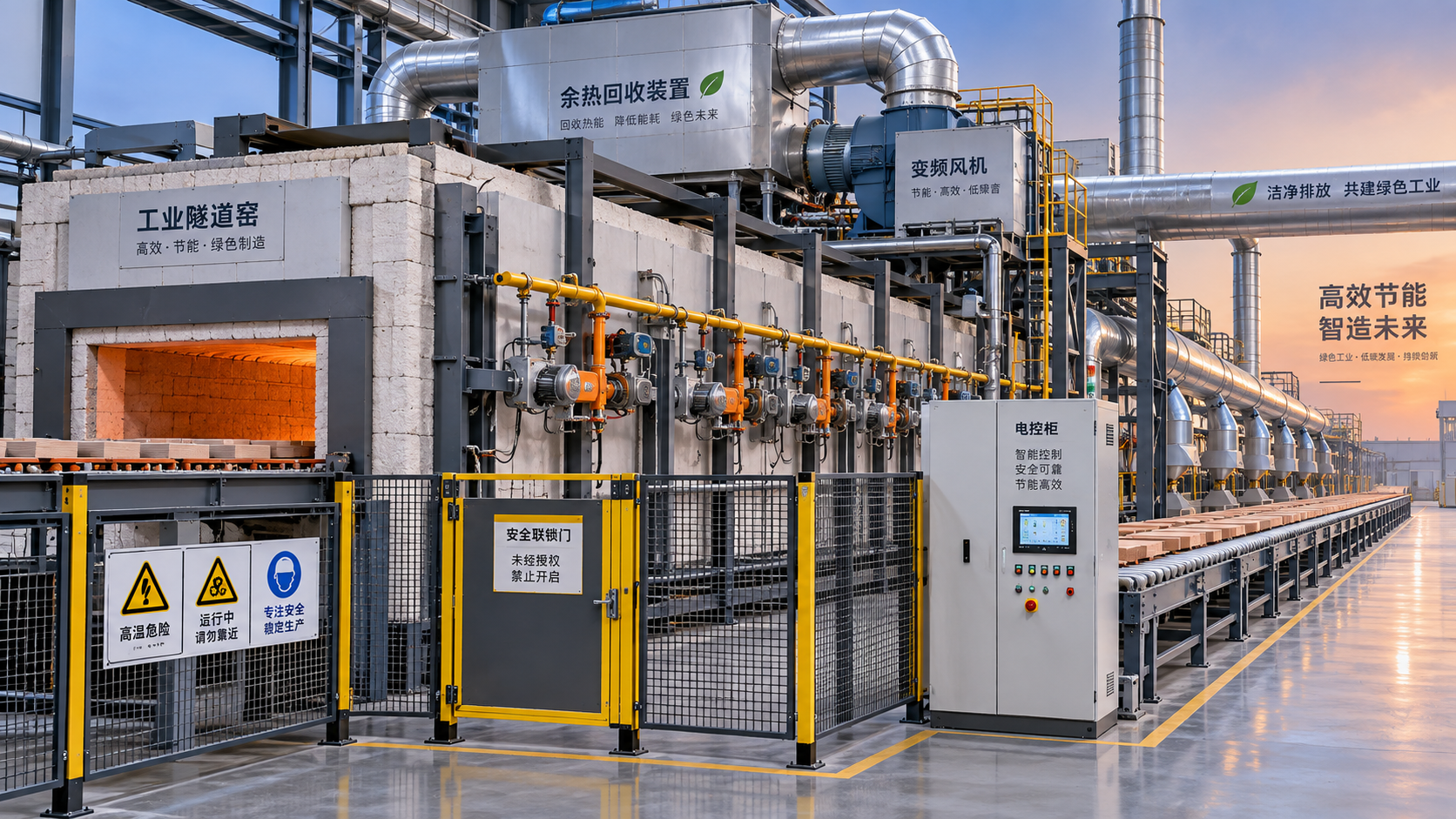
When reviewing process plant equipment, ask how the proposed design supports stable control. Variable-speed drives, appropriate instrumentation, reliable seals, temperature measurement points, and pressure monitoring can improve operational visibility, but only when they are selected for the dust, vibration, heat, and maintenance conditions at the site. A sensor positioned where it cannot be cleaned or validated will not provide dependable data. Likewise, automated lubrication or online shell-temperature monitoring should be judged by its integration with maintenance routines, alarm philosophy, and response capability.
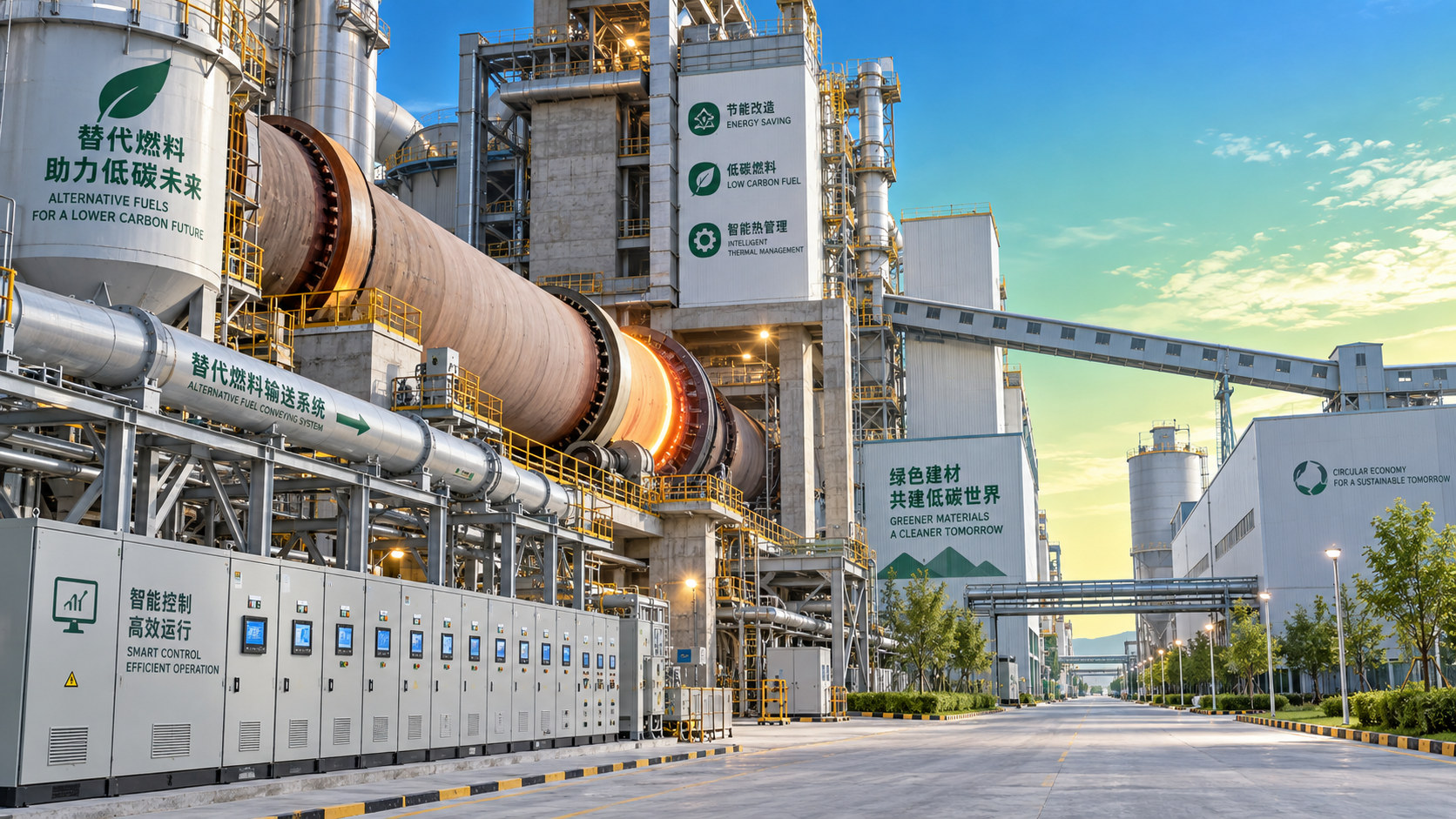
Decarbonization objectives also change the equipment decision. Co-processing in rotary kilns, waste-derived fuels, recycled mineral inputs, electrified heating options, and higher levels of recovered material can introduce greater process variability. The equipment selected today should therefore be checked against likely future operating scenarios, not only the current fuel and raw-material mix. Whether a future modification is practical depends on geometry, material selection, controls architecture, available utility capacity, and space around the installation.
Maintenance Access Is a Design Requirement
A component that lasts well in theory can still be expensive if it takes too long to inspect, isolate, or replace. For abrasive service, wear is expected; the decision is whether it can be managed predictably. Technical evaluators should look beyond spare-parts lists and ask for the actual maintenance sequence. Can liners be removed through existing access openings? Is lifting space available? Are wear parts keyed or positioned in a way that reduces installation error? Can critical assemblies be replaced without disturbing aligned equipment?
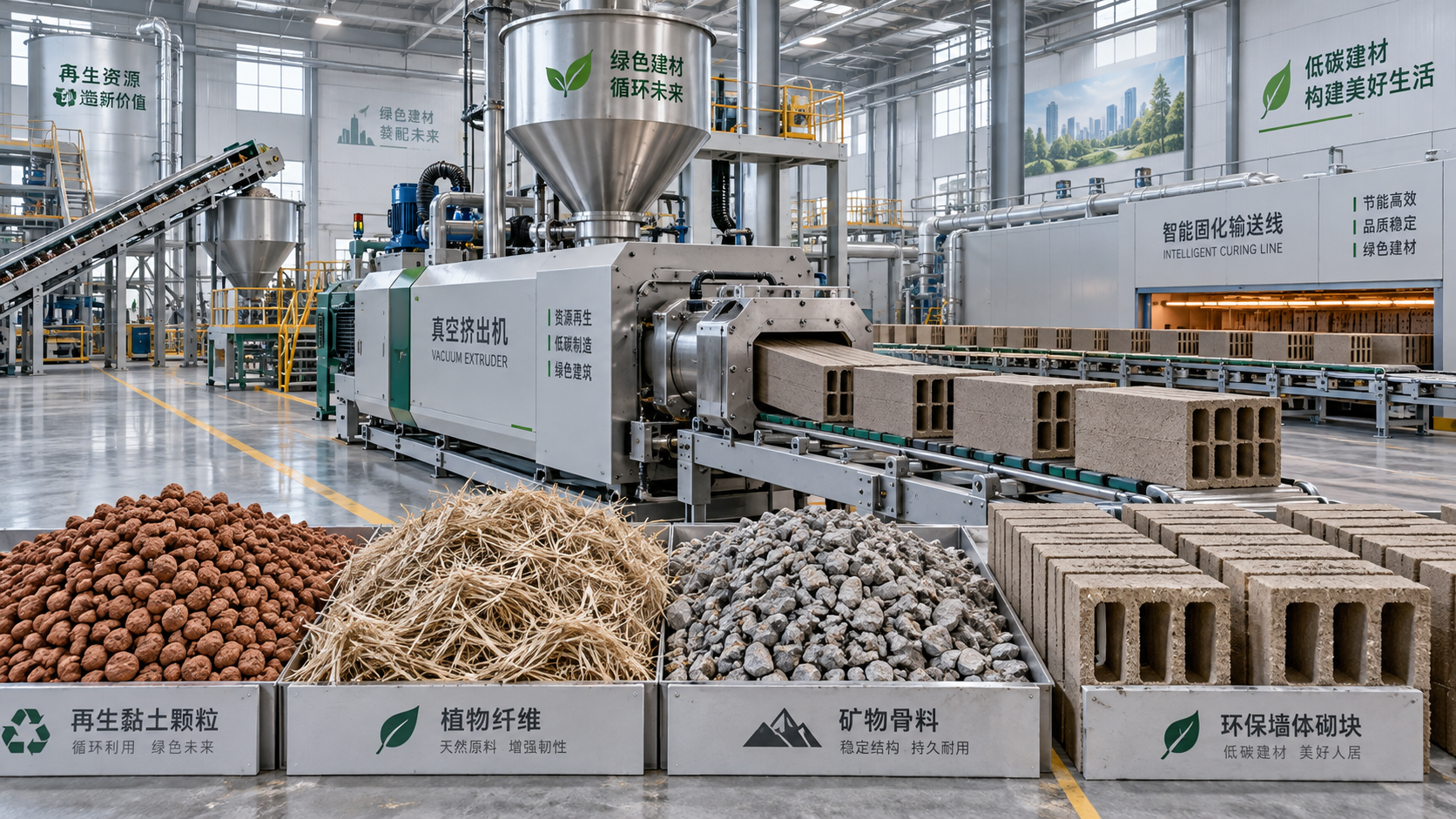
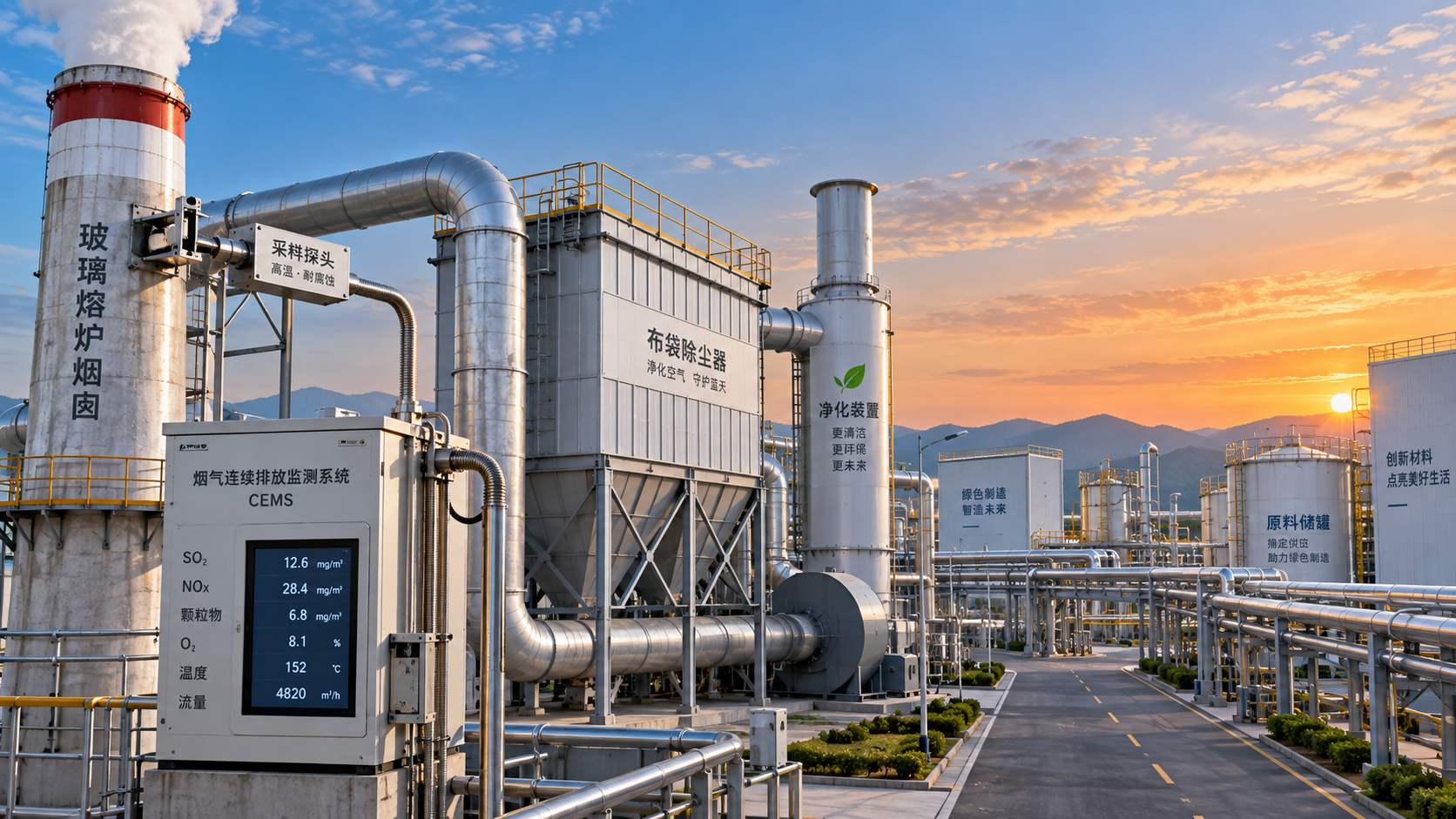
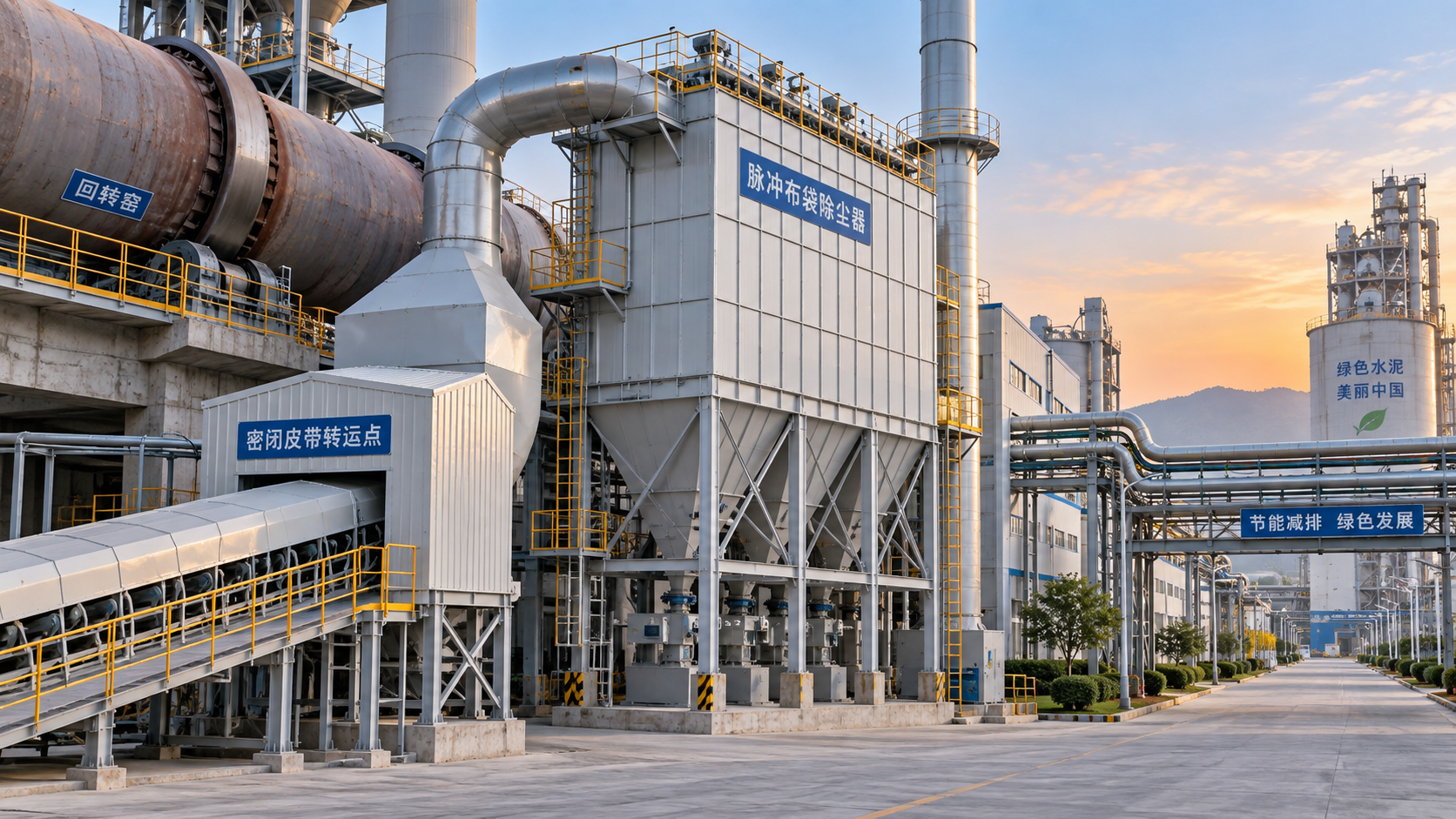
For kiln and furnace systems, access should include inspection of shell condition, support components, seals, burner areas, refractory surfaces, and instrumentation. For extrusion lines, consider screw withdrawal, die handling, cleaning, and safe access to high-pressure zones. In dust-control systems, hopper geometry, cleaning mechanisms, duct access, and fan maintenance often determine whether the equipment remains reliable after the first years of operation.
It is worth distinguishing between routine consumables and strategic spares. Routine items are expected to be replaced on a planned basis. Strategic spares are components with a long manufacturing lead time, difficult installation, or a high consequence of failure. The right inventory level depends on site criticality, supplier support, logistics exposure, and whether a temporary operating workaround exists.
Compare Suppliers on Evidence, Not on General Claims
A sound technical comparison asks suppliers to make their design assumptions visible. This does not require demanding confidential calculations, but it does require enough information to understand the basis of selection. Request drawings that show access and interfaces, a clear list of exclusions, proposed materials for severe-service zones, utility requirements, control philosophy, recommended spares, and the commissioning responsibilities of each party.
If a supplier proposes a performance margin, clarify what it covers. Extra motor power is not automatically useful if the gearbox, structure, downstream process, or electrical system cannot accommodate it. Similarly, a thicker wear liner is not always a better solution if it changes flow geometry, retains heat, adds excessive mass, or becomes difficult to replace. Good engineering decisions are usually specific about the trade-off.
Inspection and acceptance planning should also be part of the purchase decision. Depending on equipment type and project requirements, this may include material traceability, dimensional checks, weld inspection, functional testing, refractory installation records, alignment procedures, factory testing, and site commissioning protocols. The relevant standards and local regulatory requirements need to be confirmed for the actual installation; they should not be assumed from a generic supplier document.
Build a Selection Decision That Operations Can Defend
The strongest equipment decision is not necessarily the option with the highest specification in every category. It is the option that makes its limitations clear, manages the dominant risks, and fits the plant’s operating discipline. A remote site with limited shutdown windows may prioritize replaceable wear modules and strategic spares. A plant facing changing fuel composition may place more weight on process flexibility and gas-treatment compatibility. A mature facility with an experienced maintenance team may be able to justify a more specialized design that requires tighter controls.
CF-Elite approaches these questions from the intersection of foundation materials and thermal management. Across cement production, glass manufacturing equipment, industrial kilns and incineration, refractory lines, and new building-material extrusion, the recurring lesson is that equipment selection cannot be separated from reaction kinetics, heat transfer, material movement, and maintenance reality. Market intelligence is useful, but the technical decision still depends on the plant’s own material data, operating constraints, and future production strategy.
Before releasing a purchase order, confirm the process envelope, identify the highest-consequence failure modes, review maintainability with the people who will service the line, and test the proposed design against foreseeable changes in feedstock, fuel, and environmental controls. That level of discipline is what turns process plant equipment from a capital item into a dependable part of long-cycle production infrastructure.
Related News
 Ms. Elena RodriguezIndustrial Process Optimization: Where to Target Energy, Yield, and Throughput LossesIndustrial process optimization: identify energy, yield, and throughput losses to improve plant stability, reduce costs, and unlock measurable performance gains.Oct 12, 2026
 Ms. Elena RodriguezGlass Market Intelligence: How to Assess Demand, Capacity, and Regional Growth RisksGlass market intelligence for evaluating demand, effective capacity, energy exposure, trade dynamics, and regional growth risks before investing in glass manufacturing.Oct 11, 2026
 Structural Material AnalystWhich Sustainable Construction Materials Are Suitable for Extrusion?Which sustainable construction materials are suitable for extrusion? Explore recycled clay, cementitious mixes, geopolymers, and bio-composites for reliable, lower-impact building products.Oct 12, 2026
 Optical Glass Tech FellowWhat Should a Glass Furnace Energy Specification Include?What should be included in a glass furnace energy specification? Explore performance, fuel flexibility, heat recovery, emissions, and monitoring essentials.Oct 11, 2026
 Dr. Alistair VaughnHow Process Technology Platforms Improve Control Across Multi-Line ManufacturingDiscover how a process technology platform strengthens cross-line control, connects operational data, and improves energy, quality, and maintenance decisions.Oct 10, 2026
 Optical Glass Tech FellowHow Glass Furnace Emissions Are Measured and Controlled for Regulatory ComplianceGlass furnace emissions: learn how to measure, monitor, and control NOx, SOx, particulate, CO, and CO2 for reliable regulatory compliance.Oct 08, 2026
 Prof. Marcus ChenIndustrial Decarbonization Strategies in Europe: A Roadmap for Energy-Intensive PlantsIndustrial decarbonization strategies Europe: explore practical pathways for energy-intensive plants to cut emissions, improve efficiency, and protect performance.Oct 07, 2026
 Thermal Energy ArchitectEnergy-Efficient Silicate Production Lines: What to Compare Before SelectionSilicate production lines energy efficient selection guide: compare thermal performance, stability, emissions, controls, and lifecycle value before investing.Oct 06, 2026
 Optical Glass Tech FellowHow to Evaluate Automated Float Glass Lines for Capacity, Quality, and Energy UseEvaluate automated float glass lines for net capacity, consistent quality, energy efficiency, automation reliability, and lifecycle value. Explore key criteria for smarter investment decisions.Oct 05, 2026
 Thermal Energy ArchitectWhat Does CE Marking Require for an Energy-Efficient Industrial Kiln?Energy efficient kiln CE requirements explained: assess safety, technical files, energy performance, and EU compliance before purchase or commissioning.Oct 04, 2026
 Thermal Energy ArchitectRefractory Manufacturing Solutions for Brick Plants: How to Extend Kiln LifeRefractory manufacturing solutions for brick plant operations: discover proven strategies to extend kiln life, reduce heat loss, prevent lining failures, and plan cost-effective repairs.Oct 03, 2026
 Thermal Energy ArchitectHow to Specify Heavy Industrial Process Systems for High-Temperature PlantsHeavy industrial processes systems: learn how to specify high-temperature plants for efficiency, emissions control, maintainability, and lifecycle performance.Oct 02, 2026
 Structural Material AnalystHow Sustainable Material Extrusion Can Improve Wall Panel Durability and Design FlexibilityDiscover how sustainable material extrusion for wall panels improves durability, moisture resistance, design flexibility, and installation consistency for high-performing wall systems.Oct 01, 2026
 Thermal Energy ArchitectHow to Evaluate a High-Temperature Materials Manufacturer for Furnace ApplicationsChoose a high-temperature materials manufacturer with confidence: compare thermal performance, chemical resistance, quality controls, installation support, and lifecycle cost.Sep 30, 2026
 Ms. Elena RodriguezHow to Structure Global Specification Data for Faster Industrial Product EvaluationGlobal specification-oriented product information helps industrial teams compare capacity, energy, emissions, automation, and lifecycle data on a like-for-like basis for faster, confident equipment decisions.Sep 29, 2026
 Thermal Energy ArchitectHow to Specify High-Temperature Process Systems for Continuous Thermal OperationsHigh-temperature process engineering systems: learn how to specify resilient continuous thermal operations for efficiency, compliance, reliable uptime, and long-term performance.Sep 28, 2026
 Thermal Energy ArchitectHow to Evaluate a Thermal Engineering Contractor for High-Temperature Plant ProjectsChoose a thermal engineering contractor with proven process expertise, lifecycle value, emissions control, and delivery discipline for reliable high-temperature plant performance.Sep 27, 2026
 Silicate Process EngineerHow Latin American Cement Plants Can Reduce Dust Emissions in Kilns and Transfer PointsCement plant dust control Latin America: reduce kiln and transfer-point emissions with practical airflow, filtration, monitoring, and maintenance strategies.Sep 26, 2026
 Material Heat-Resist ExpertHow to Evaluate Refractory Production Lines for Output, Quality, and Energy UseRefractory production lines: learn how to assess qualified output, consistent quality, and total energy use for smarter, lower-risk investment decisions.Sep 25, 2026
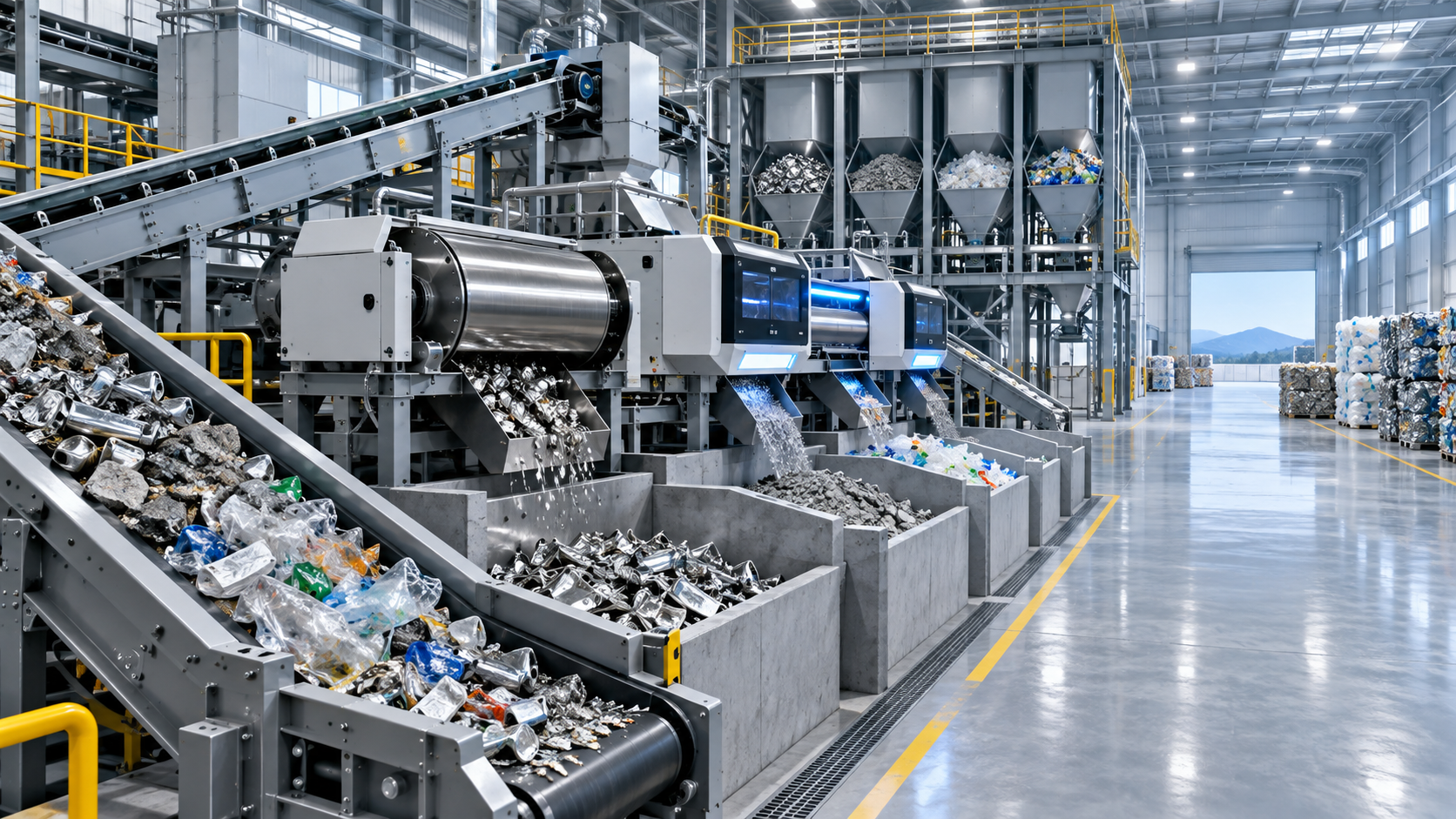
 Dr. Alistair VaughnHow Waste Recycling Technology Improves Material Recovery in Industrial PlantsWaste recycling technology improves material recovery through source segregation, smart separation, thermal treatment, and quality control for industrial plants.Sep 24, 2026

Related News
- 00
0000-00
How Process Technology Platforms Improve Control Across Multi-Line Manufacturing - 00
0000-00
How Waste Recycling Technology Improves Material Recovery in Industrial Plants - 00
0000-00
Industrial Process Engineering: How to Map Processes for Safer, More Efficient Plants - 00
0000-00
What Should a Process Technology Database Track for High-Temperature Plants? - 00
0000-00
How to Specify Custom Agricultural Processing Equipment for Throughput and Hygiene
Weekly Insights
Stay ahead with our curated technology reports delivered every Monday.