
Industrial Process Optimization: Where to Target Energy, Yield, and Throughput Losses




Industrial Process Optimization: Where to Target Energy, Yield, and Throughput Losses
Industrial process optimization starts by identifying where energy, yield, and throughput losses are quietly limiting plant performance. In high-temperature and continuous-process operations, the visible problem is often a missed production target, rising fuel consumption, or an increase in off-spec output. The underlying cause may sit much earlier in the process: unstable raw material feed, an incomplete combustion profile, restricted gas flow, poor thermal insulation, inconsistent cooling, or control logic that no longer reflects current operating conditions.
For project managers and engineering leaders, the challenge is not simply finding inefficiencies. It is deciding which losses are material enough to justify intervention, how those losses interact, and whether a proposed improvement can be implemented without creating new constraints in safety, quality, maintenance, or environmental compliance.
This matters across cement plants, float glass lines, industrial kilns, waste-to-energy systems, refractory production, and building-material extrusion. These sectors use different equipment and feedstocks, yet they share a common reality: thermal energy, material movement, chemical conversion, and equipment reliability are tightly connected. A local adjustment can improve one indicator while weakening another. Sustainable gains come from understanding the process as a system rather than treating every alarm, fan, burner, or conveyor as an isolated issue.
Start With the Loss Mechanism, Not the Improvement Idea
Many optimization projects begin with a preferred solution: install a new sensor package, modify a burner, add a variable-speed drive, upgrade a refractory zone, or deploy a digital dashboard. Those measures may be appropriate, but starting there can lead teams to optimize the wrong constraint. Before defining a solution, establish a loss map that links the operating symptom to a physical or operational mechanism.
A practical loss map should follow the material and energy path through the line. Where does fuel enter? Where is air introduced? What heat is released, recovered, stored, or lost? At which stages can material be rejected, recirculated, overprocessed, underprocessed, or delayed? Which equipment limits flow during normal operation, and which failures create the longest recovery time after a disturbance?
The baseline should be built from operating periods that are genuinely comparable. A cement kiln running a stable raw meal chemistry cannot be compared directly with a period of changing moisture or alternative-fuel substitution. A glass furnace campaign may be affected by product mix, pull rate, cullet ratio, and furnace age. Incineration performance depends heavily on waste composition and heating value. Averages are useful, but they can hide instability that operators deal with every shift.
This is where project discipline matters. Agree on the boundaries of the assessment, the data quality required, and the conditions under which results will be judged. If the baseline is unclear, promised savings or capacity gains will be difficult to validate after commissioning.
Energy Losses: Follow Heat, Air, and Time
In thermal production lines, energy losses are rarely confined to the fuel bill. They appear as excess air, false-air ingress, hot-shell losses, poor heat recovery, unplanned idling, unstable combustion, and extended residence time caused by poor process control. The cost of a loss depends not only on its size, but also on whether it forces the entire line to operate below its intended thermal balance.
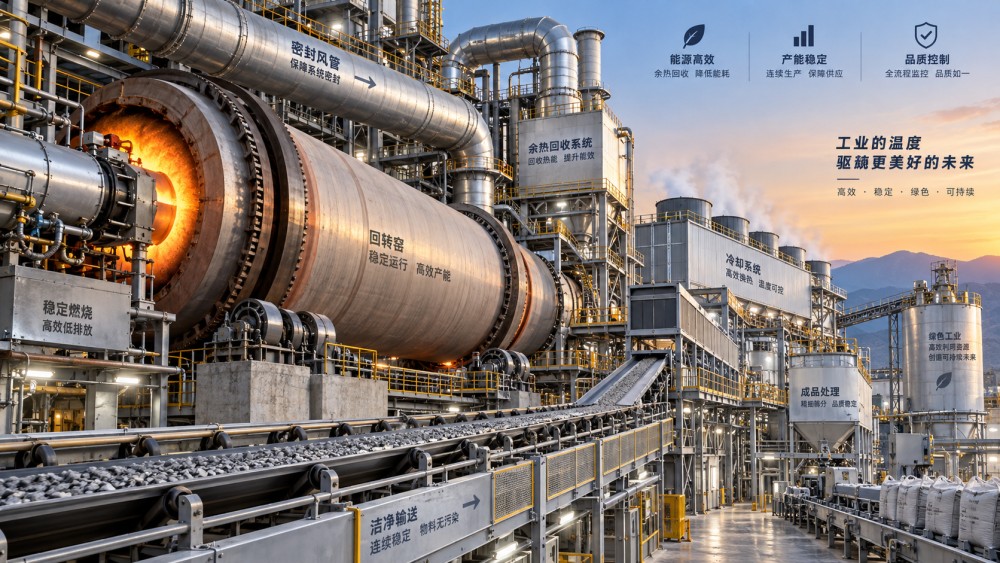
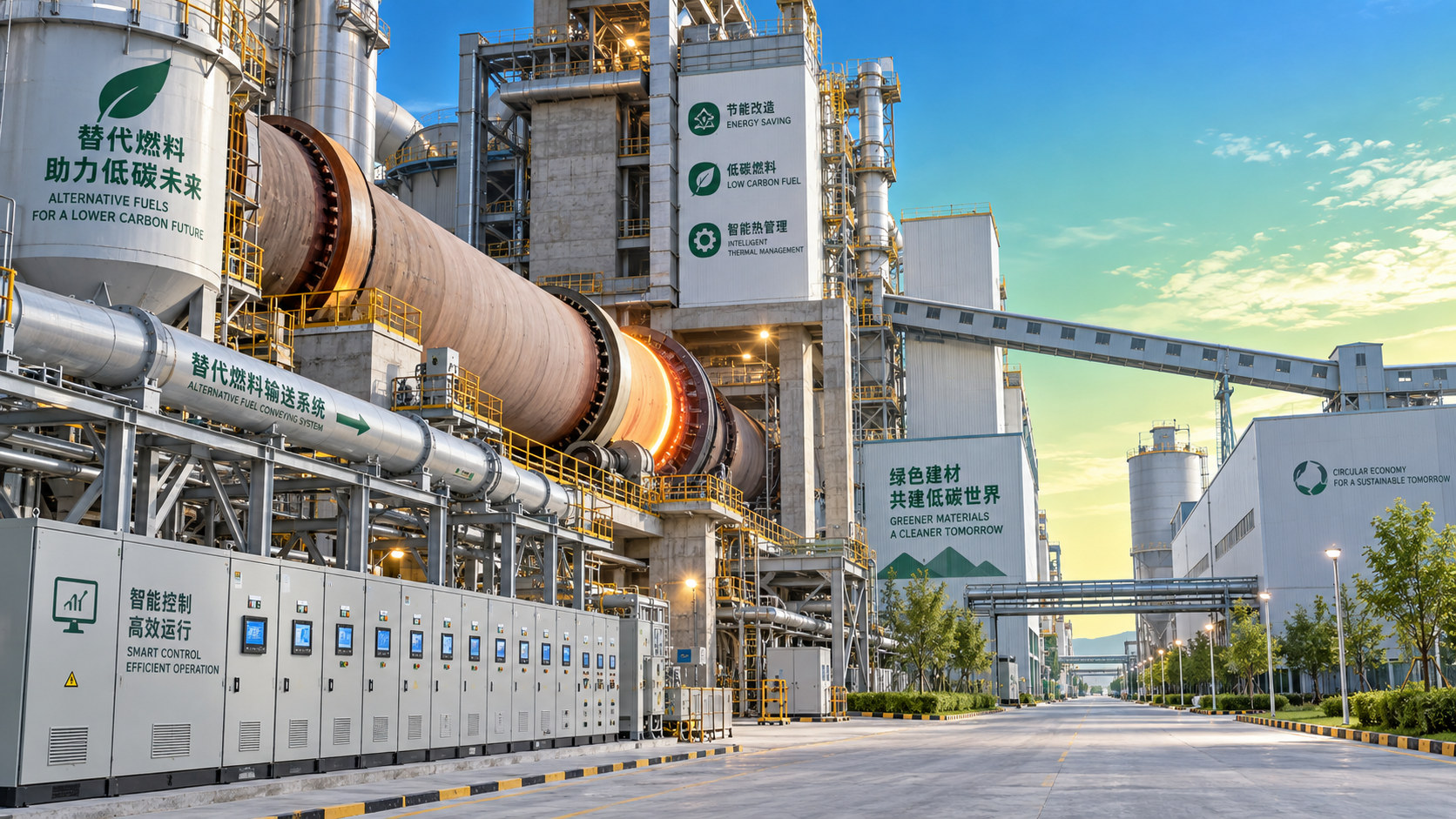
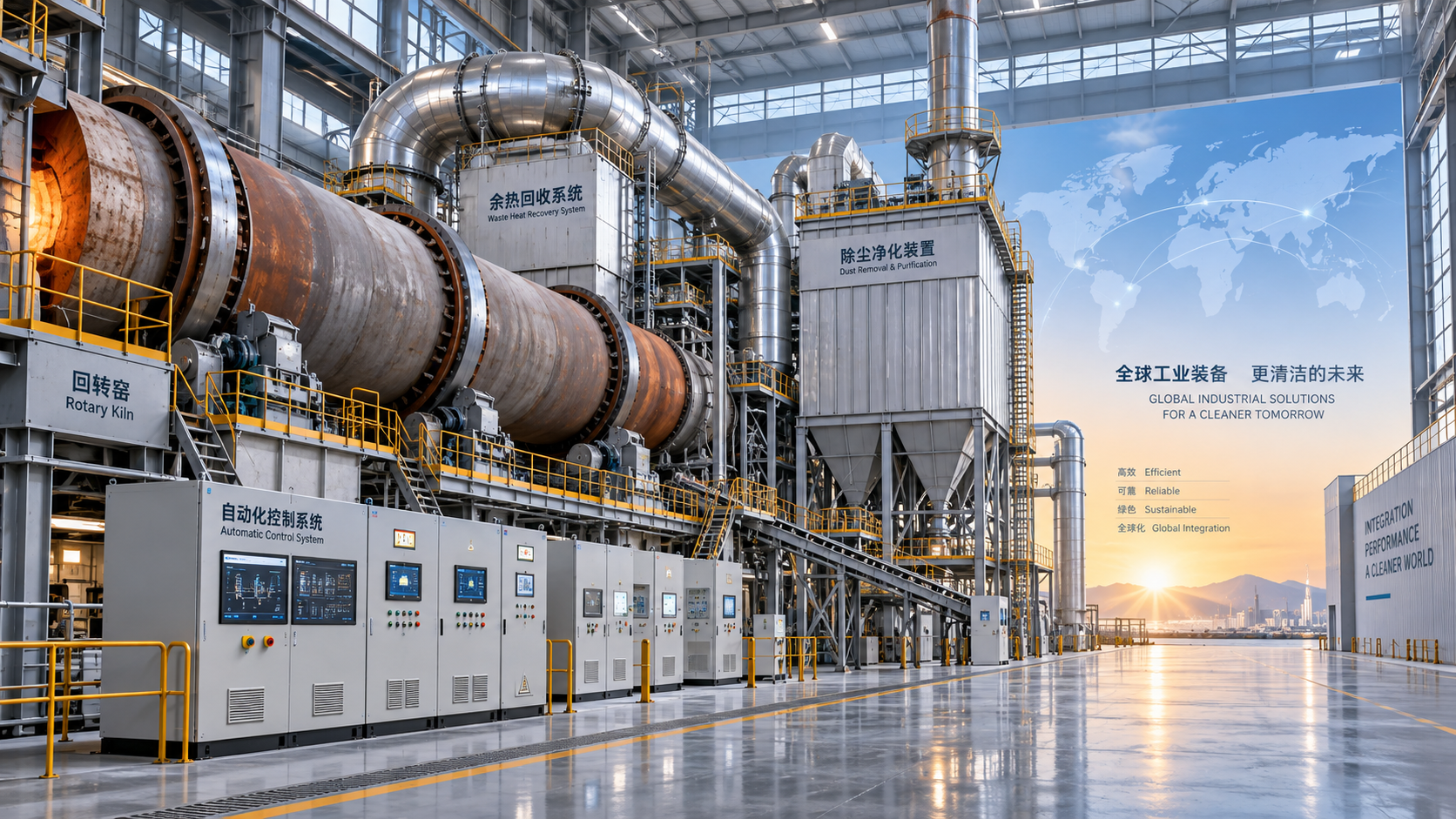
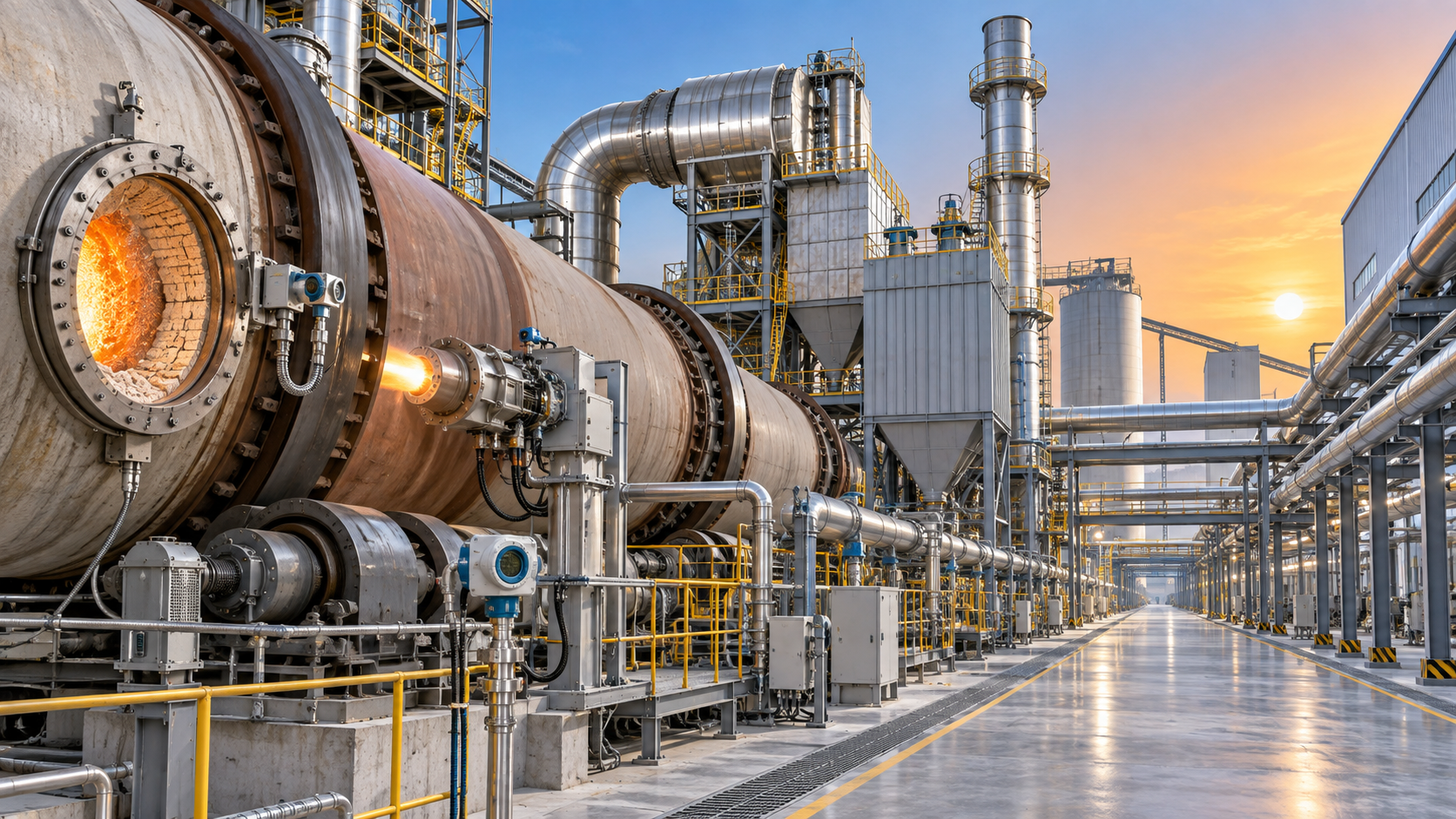
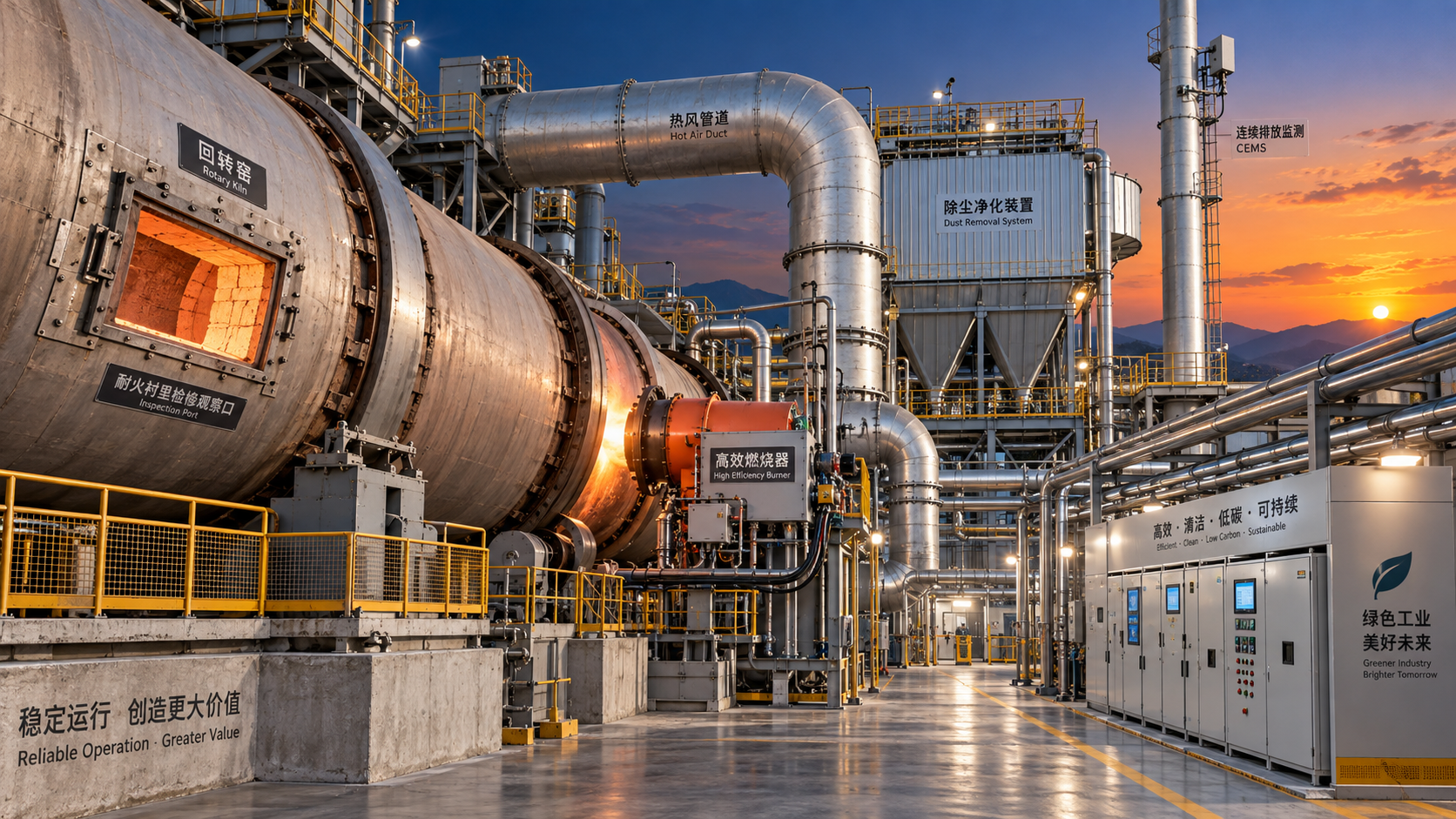
Combustion should usually be examined before major equipment changes are approved. Burner flame shape, fuel quality variation, primary and secondary air balance, draft control, oxygen trends, and gas temperature profiles can reveal whether heat is being released where the process needs it. In rotary kilns, a flame that is poorly matched to kiln conditions can contribute to unstable coating, incomplete reaction, refractory stress, or elevated exit-gas temperature. In incineration, combustion stability must be considered together with destruction performance, boiler protection, and emissions-control requirements rather than in isolation.
False air is another common source of hidden thermal penalty. Air entering through seals, doors, duct joints, inspection openings, or poorly maintained interfaces adds gas volume without contributing useful oxygen at the right location. That added volume can increase fan demand, cool process gases, complicate pressure control, and reduce the useful temperature available for drying, calcining, melting, or heat recovery. The correct response is not always to raise fan speed or fuel input. The first question is whether the gas path itself is under control.
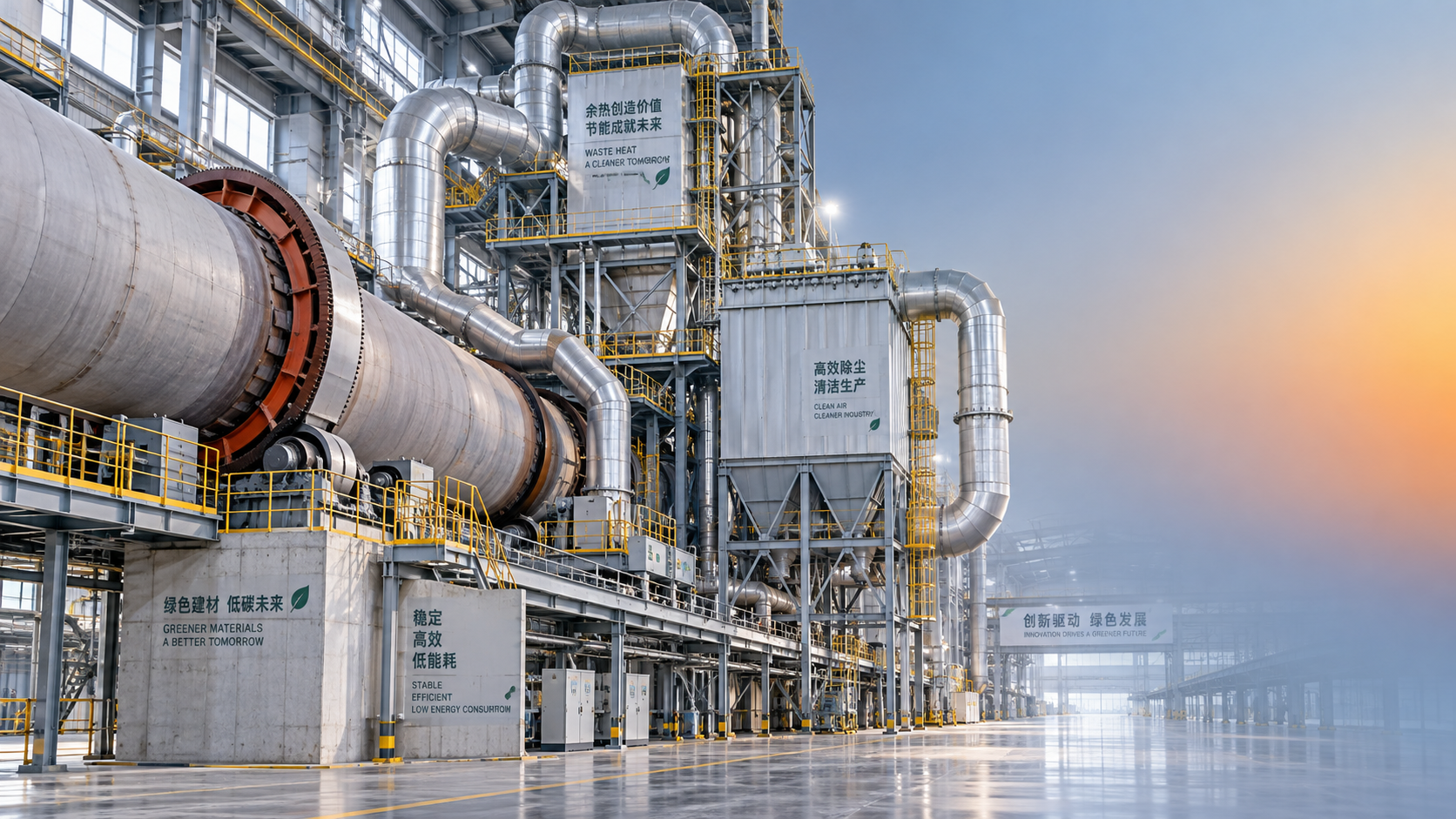
Refractory and insulation condition deserve the same attention. Hot spots, changing shell temperatures, and local heat-loss patterns may indicate lining wear, insulation damage, structural gaps, or altered operating practice. A thermal survey does not by itself define the repair scope, but it gives project teams an evidence-based starting point for inspection planning. Decisions should also consider refractory compatibility, thermal cycling, chemical attack, mechanical loading, planned shutdown windows, and the operational consequences of extending a campaign too far.
Yield Loss Is Often a Stability Problem in Disguise
Yield is sometimes discussed only as scrap, reject, or disposal volume. That definition is too narrow for complex industrial lines. Yield losses also include downgraded product, rework, internal recirculation, excessive trimming, avoidable process dust, incomplete conversion, and material held in the system during long transitions. In continuous production, poor stability can consume yield before the final inspection point ever identifies a defect.
Raw material variability is a frequent starting point. Moisture, particle-size distribution, chemical composition, bulk density, contamination, and storage behavior can all alter downstream control requirements. In cement and refractory processes, feed chemistry and fineness influence reaction behavior and thermal demand. In extrusion, inconsistent moisture or rheology can translate into pressure fluctuations, dimensional variation, cracking, or increased dryer load. In glassmaking, batch consistency and cullet quality can affect melting and refining behavior.
The useful question is not whether the incoming material is “good” or “bad.” It is whether its variation is measured, understood, and managed before it reaches a sensitive stage. A plant may be able to tolerate a broad incoming range if blending, dosing, and control systems respond quickly enough. Conversely, a narrow specification may still generate loss when segregation in silos, poor feeder accuracy, or delayed laboratory feedback prevents the process from seeing the actual feed condition.
Quality losses also emerge during transitions. Grade changes, start-ups, restarts after trips, and changes in alternative fuel or feed composition should be treated as planned process states, not exceptional events. Define the expected transition sequence, critical hold points, sampling needs, acceptance criteria, and authority for intervention. When these steps remain informal, experienced operators may compensate successfully, but the knowledge is difficult to repeat across shifts or transfer to new personnel.
Throughput Constraints Are Rarely Located at the Last Machine
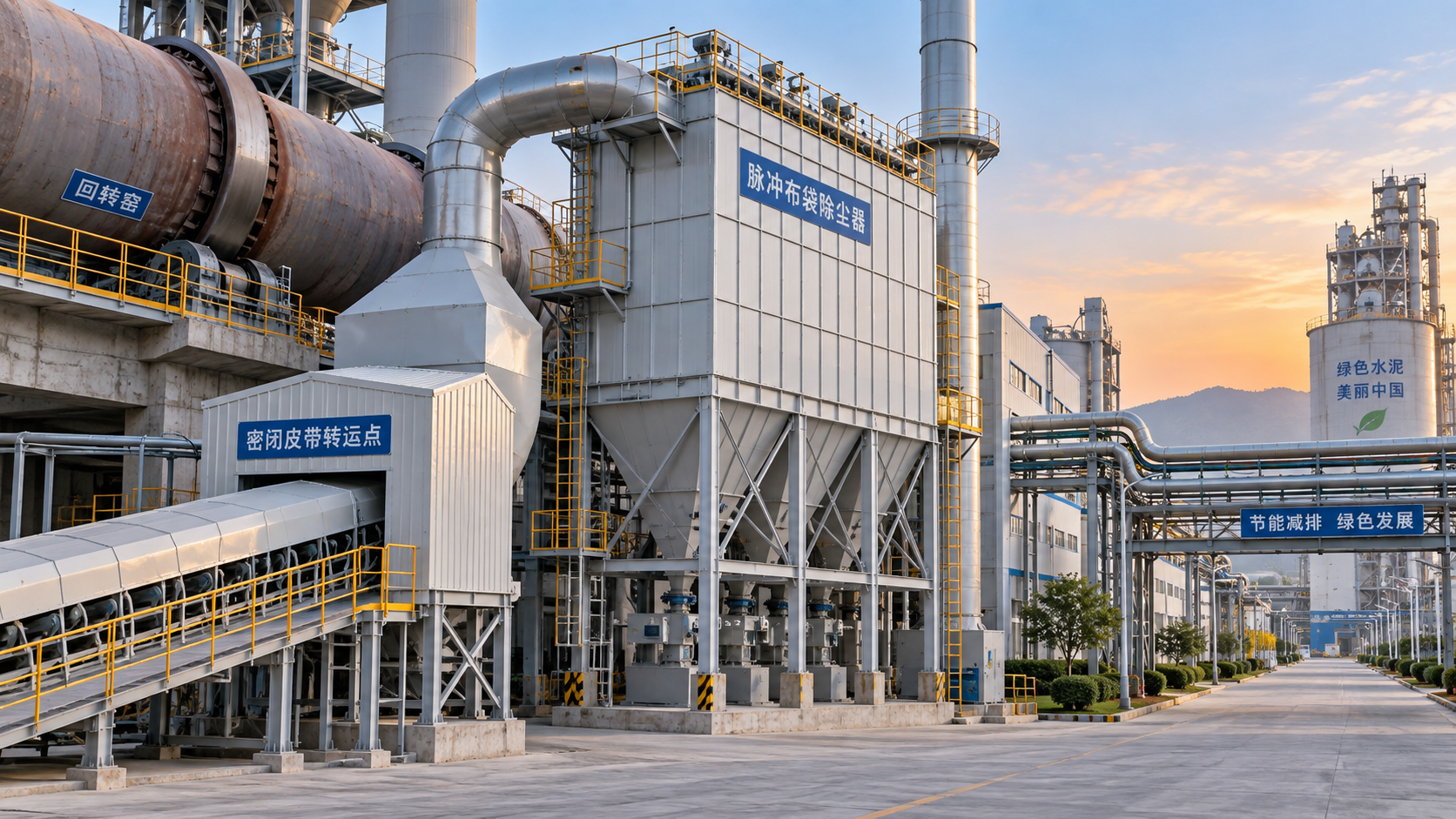
When output falls below target, teams often focus on the equipment with the most obvious capacity rating: the kiln, furnace, press, extruder, crusher, or packaging line. Yet the true bottleneck may be upstream preparation, a transfer point, dust collection capacity, cooling, inspection, product handling, or the recovery time needed after routine disturbances.
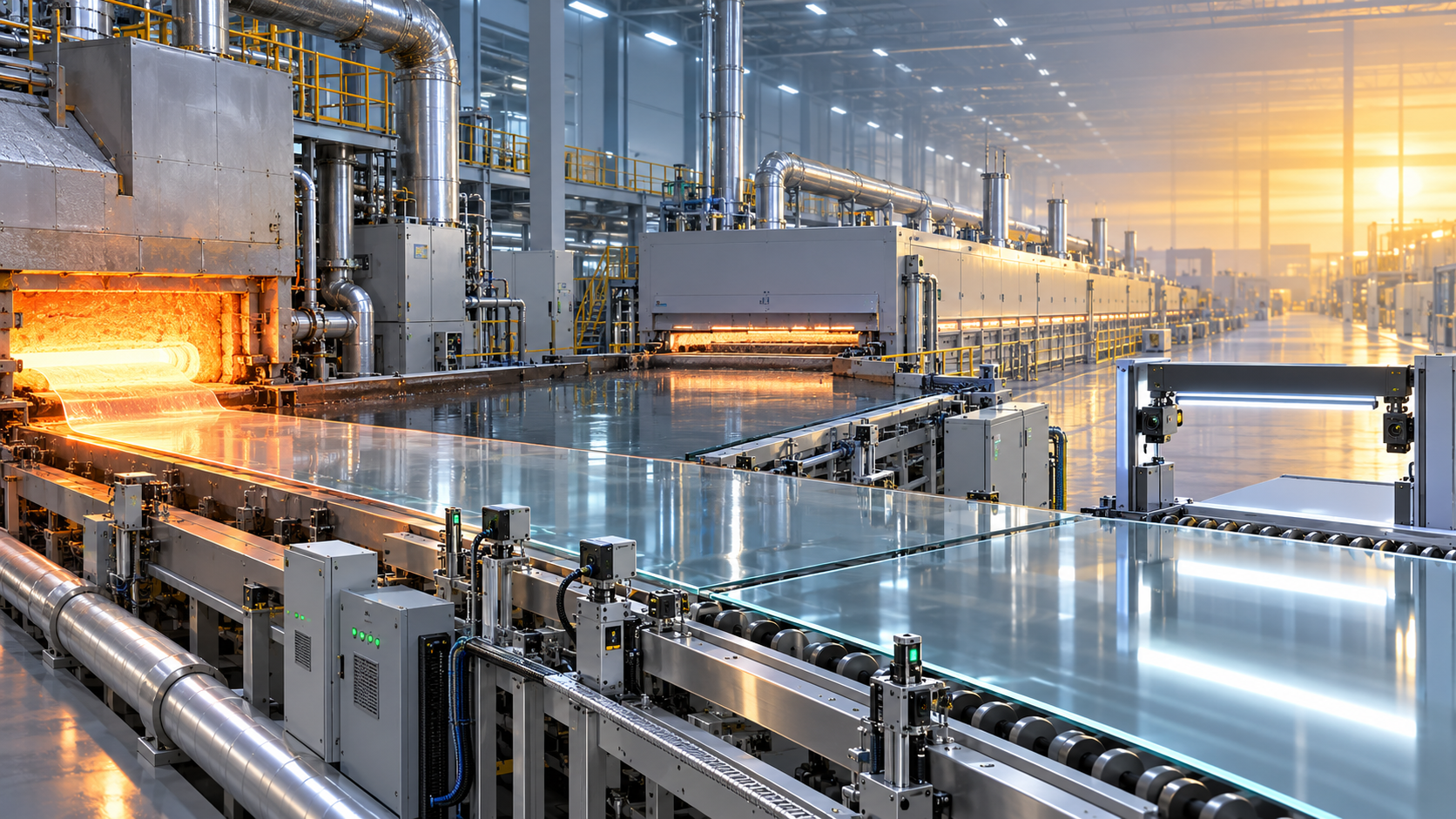
Throughput should therefore be evaluated as effective output over time, not only instantaneous rate. A line that reaches a high peak rate but experiences repeated slowdowns, plugging, quality holds, or changeover delays may deliver less saleable production than a line operating at a more stable nominal level. This distinction is particularly important in projects where higher output is expected to improve unit energy consumption. If the line becomes thermally or mechanically unstable at the higher rate, energy per tonne may worsen rather than improve.
Project teams should review the sequence around the suspected bottleneck. Does the constraint starve the next stage, block the previous stage, or both? Is it controlled by a fixed physical limit, such as fan curve, conveyor capacity, cooling surface, or residence time? Or is it a variable limit created by operating practice, maintenance condition, poor instrumentation, or a conservative control limit that no longer matches the equipment’s condition?
A bottleneck analysis should also include maintenance accessibility. A component that is theoretically adequate but requires frequent cleaning, adjustment, or unplanned replacement can become the practical constraint. In high-temperature operations, the best improvement is often one that reduces intervention frequency and makes recovery more predictable, rather than one that merely raises design capacity on paper.
Use Data to Explain the Process, Not Just Display It
More process data does not automatically mean better decisions. Plants commonly have trends for temperatures, pressures, motor loads, gas analysis, production rate, and laboratory results, but these signals may sit in separate systems or be reviewed only after a disturbance. The value of digital monitoring lies in connecting cause and effect across time.
For example, a rise in fan power may be more meaningful when viewed alongside differential pressure, gas temperature, raw-feed moisture, dust loading, and production rate. A refractory hot spot may need to be assessed against kiln movement, coating behavior, fuel changes, and previous repair history. An extrusion pressure fluctuation has more diagnostic value when correlated with feed moisture, screw speed, die condition, and downstream drying behavior.
Digital twins, advanced analytics, and online monitoring can support this work, but they require disciplined inputs and clear use cases. A model built on incomplete maintenance records or poorly aligned tags may create confidence without accuracy. Start with decisions that the operating team actually needs to make: when to intervene, which operating window is stable, how to detect drift early, and which maintenance risk deserves a planned shutdown. The data architecture should serve those decisions.
Prioritize Projects by System Impact and Delivery Risk
Not every loss should be addressed through capital expenditure. Some are best handled through operating procedures, calibration, maintenance routines, material-management changes, or clearer accountability between production and engineering. Others require a shutdown, specialist design work, new controls, or changes to safety and environmental systems. Combining all opportunities into one large project can delay simple improvements while increasing implementation risk.
A workable prioritization method asks five questions:
- Is the loss recurring, measurable, and linked to a clear operating mechanism?
- Does solving it improve more than one outcome, such as energy use, quality stability, availability, or emissions control?
- What dependencies exist with refractory condition, utility capacity, controls, material supply, or downstream handling?
- Can the change be tested or phased without placing product quality or safe operation at risk?
- What evidence will demonstrate whether the intervention worked under comparable production conditions?
This approach prevents a common mistake: selecting projects solely by estimated payback while ignoring execution complexity. A smaller intervention that can be verified quickly may be more valuable than a major upgrade whose benefits depend on several unproven assumptions. Equally, some large thermal or process-control investments are justified precisely because they remove multiple chronic losses at once. The point is to make those dependencies visible before approval.
From Plant Signals to Better Project Decisions
The Global Cera-Forge Hub (CF-Elite) follows this system-level view across cement production, glass manufacturing, industrial kilns and incineration, refractory lines, and specialized extrusion equipment. Its focus on foundation materials and thermal management reflects the practical overlap between ultra-high-temperature physics, reaction kinetics, equipment condition, and decarbonization pressure. For engineering teams, intelligence is most useful when it helps convert broad market or technology discussion into questions that can be tested at plant level.
That may mean reviewing the technical implications of co-processing in rotary kilns, comparing monitoring approaches for refractory linings, examining where a digital model can support glass-line control, or checking whether a proposed equipment change creates a new limitation in dust handling, cooling, or maintenance access. The right answer will depend on plant configuration, product requirements, local regulations, available shutdown time, and the condition of existing assets.
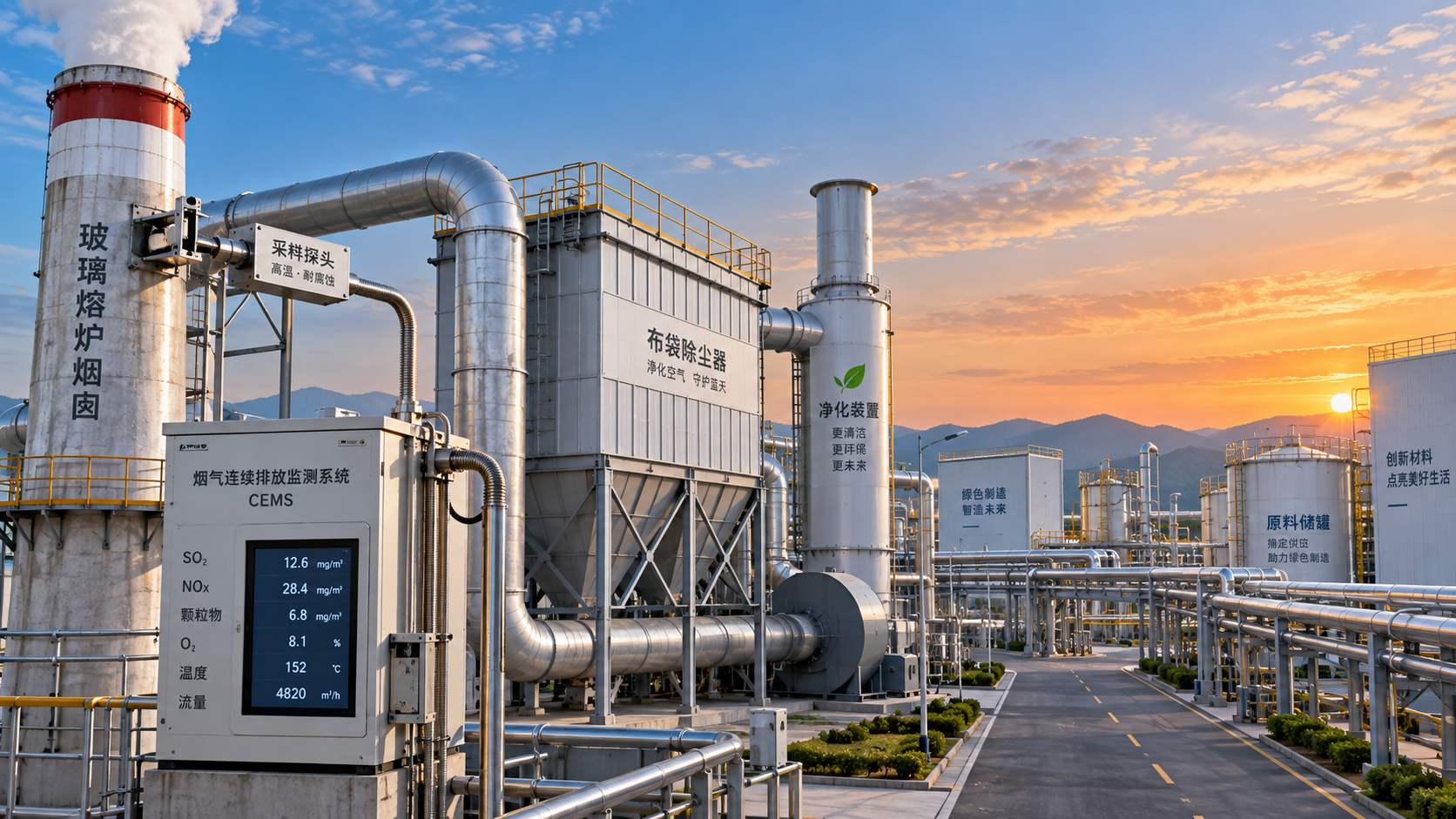
Before committing resources, define the loss mechanism, confirm the baseline, identify the constraint that governs the whole system, and specify how success will be measured after implementation. Energy, yield, and throughput are not separate optimization programs. In most industrial lines, they are different expressions of the same operating discipline.
Related News
 Ms. Elena RodriguezIndustrial Process Optimization: Where to Target Energy, Yield, and Throughput LossesIndustrial process optimization: identify energy, yield, and throughput losses to improve plant stability, reduce costs, and unlock measurable performance gains.Oct 12, 2026
 Ms. Elena RodriguezGlass Market Intelligence: How to Assess Demand, Capacity, and Regional Growth RisksGlass market intelligence for evaluating demand, effective capacity, energy exposure, trade dynamics, and regional growth risks before investing in glass manufacturing.Oct 11, 2026
 Optical Glass Tech FellowWhat Should a Glass Furnace Energy Specification Include?What should be included in a glass furnace energy specification? Explore performance, fuel flexibility, heat recovery, emissions, and monitoring essentials.Oct 11, 2026
 Dr. Alistair VaughnHow Process Technology Platforms Improve Control Across Multi-Line ManufacturingDiscover how a process technology platform strengthens cross-line control, connects operational data, and improves energy, quality, and maintenance decisions.Oct 10, 2026
 Optical Glass Tech FellowHow Glass Furnace Emissions Are Measured and Controlled for Regulatory ComplianceGlass furnace emissions: learn how to measure, monitor, and control NOx, SOx, particulate, CO, and CO2 for reliable regulatory compliance.Oct 08, 2026
 Prof. Marcus ChenIndustrial Decarbonization Strategies in Europe: A Roadmap for Energy-Intensive PlantsIndustrial decarbonization strategies Europe: explore practical pathways for energy-intensive plants to cut emissions, improve efficiency, and protect performance.Oct 07, 2026
 Thermal Energy ArchitectEnergy-Efficient Silicate Production Lines: What to Compare Before SelectionSilicate production lines energy efficient selection guide: compare thermal performance, stability, emissions, controls, and lifecycle value before investing.Oct 06, 2026
 Optical Glass Tech FellowHow to Evaluate Automated Float Glass Lines for Capacity, Quality, and Energy UseEvaluate automated float glass lines for net capacity, consistent quality, energy efficiency, automation reliability, and lifecycle value. Explore key criteria for smarter investment decisions.Oct 05, 2026
 Thermal Energy ArchitectWhat Does CE Marking Require for an Energy-Efficient Industrial Kiln?Energy efficient kiln CE requirements explained: assess safety, technical files, energy performance, and EU compliance before purchase or commissioning.Oct 04, 2026
 Thermal Energy ArchitectRefractory Manufacturing Solutions for Brick Plants: How to Extend Kiln LifeRefractory manufacturing solutions for brick plant operations: discover proven strategies to extend kiln life, reduce heat loss, prevent lining failures, and plan cost-effective repairs.Oct 03, 2026
 Thermal Energy ArchitectHow to Specify Heavy Industrial Process Systems for High-Temperature PlantsHeavy industrial processes systems: learn how to specify high-temperature plants for efficiency, emissions control, maintainability, and lifecycle performance.Oct 02, 2026
 Structural Material AnalystHow Sustainable Material Extrusion Can Improve Wall Panel Durability and Design FlexibilityDiscover how sustainable material extrusion for wall panels improves durability, moisture resistance, design flexibility, and installation consistency for high-performing wall systems.Oct 01, 2026
 Thermal Energy ArchitectHow to Evaluate a High-Temperature Materials Manufacturer for Furnace ApplicationsChoose a high-temperature materials manufacturer with confidence: compare thermal performance, chemical resistance, quality controls, installation support, and lifecycle cost.Sep 30, 2026
 Ms. Elena RodriguezHow to Structure Global Specification Data for Faster Industrial Product EvaluationGlobal specification-oriented product information helps industrial teams compare capacity, energy, emissions, automation, and lifecycle data on a like-for-like basis for faster, confident equipment decisions.Sep 29, 2026
 Thermal Energy ArchitectHow to Specify High-Temperature Process Systems for Continuous Thermal OperationsHigh-temperature process engineering systems: learn how to specify resilient continuous thermal operations for efficiency, compliance, reliable uptime, and long-term performance.Sep 28, 2026
 Thermal Energy ArchitectHow to Evaluate a Thermal Engineering Contractor for High-Temperature Plant ProjectsChoose a thermal engineering contractor with proven process expertise, lifecycle value, emissions control, and delivery discipline for reliable high-temperature plant performance.Sep 27, 2026
 Silicate Process EngineerHow Latin American Cement Plants Can Reduce Dust Emissions in Kilns and Transfer PointsCement plant dust control Latin America: reduce kiln and transfer-point emissions with practical airflow, filtration, monitoring, and maintenance strategies.Sep 26, 2026
 Material Heat-Resist ExpertHow to Evaluate Refractory Production Lines for Output, Quality, and Energy UseRefractory production lines: learn how to assess qualified output, consistent quality, and total energy use for smarter, lower-risk investment decisions.Sep 25, 2026
 Dr. Alistair VaughnHow Waste Recycling Technology Improves Material Recovery in Industrial PlantsWaste recycling technology improves material recovery through source segregation, smart separation, thermal treatment, and quality control for industrial plants.Sep 24, 2026
 Optical Glass Tech FellowHow to Specify Glass Annealing Equipment for European Quality and Energy RequirementsGlass annealing equipment Europe: learn how to specify lehrs for consistent glass quality, energy efficiency, compliance, automation, and reliable long-term performance.Sep 23, 2026


Related News
- 00
0000-00
Industrial Process Optimization: Where to Target Energy, Yield, and Throughput Losses - 00
0000-00
Glass Market Intelligence: How to Assess Demand, Capacity, and Regional Growth Risks - 00
0000-00
How to Structure Global Specification Data for Faster Industrial Product Evaluation - 00
0000-00
What Drives High-Pressure Extrusion Equipment Cost in Industrial Projects? - 00
0000-00
How Should Buyers Evaluate Building Material Industry Intelligence Pricing?
Weekly Insights
Stay ahead with our curated technology reports delivered every Monday.