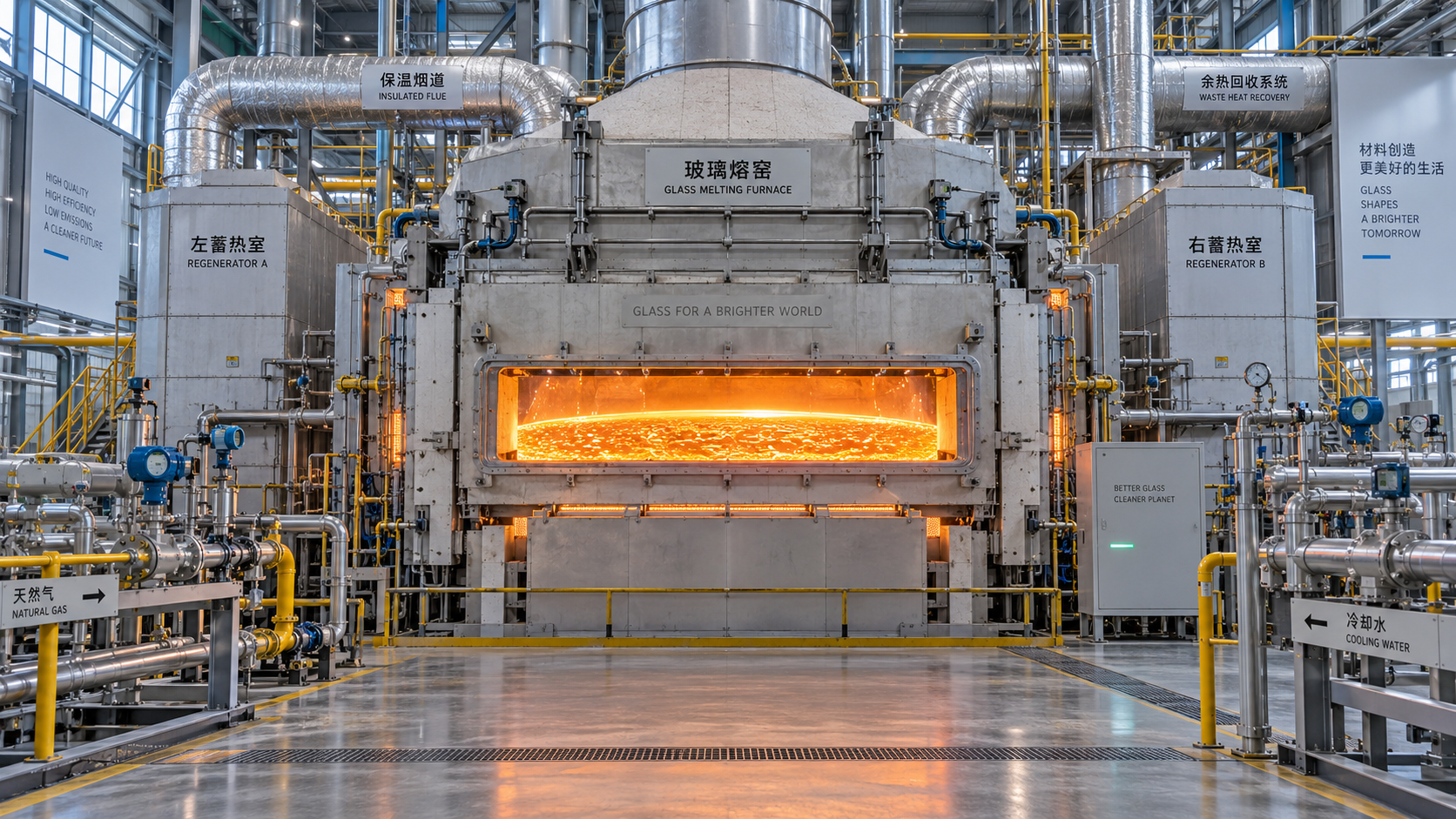
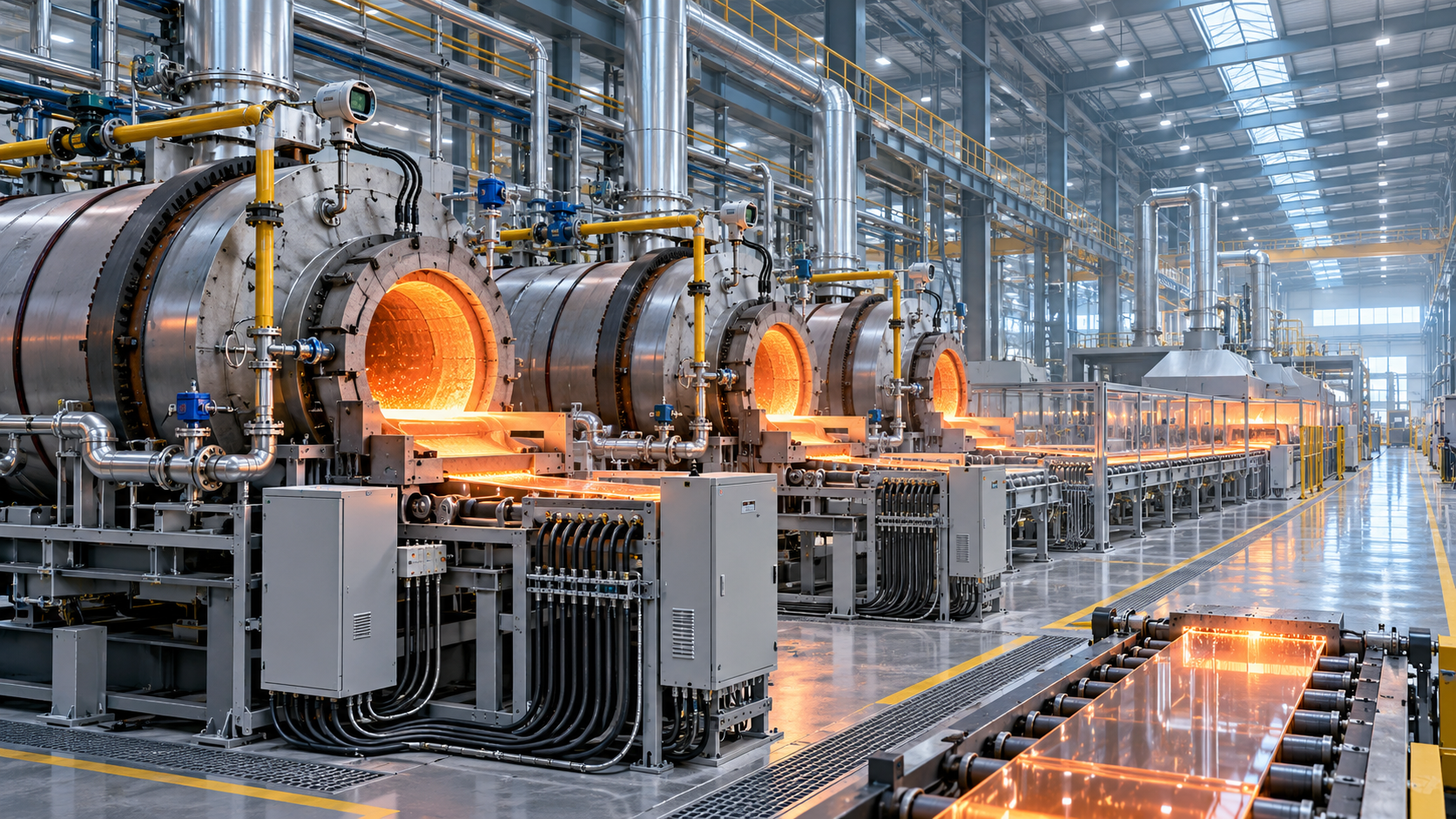
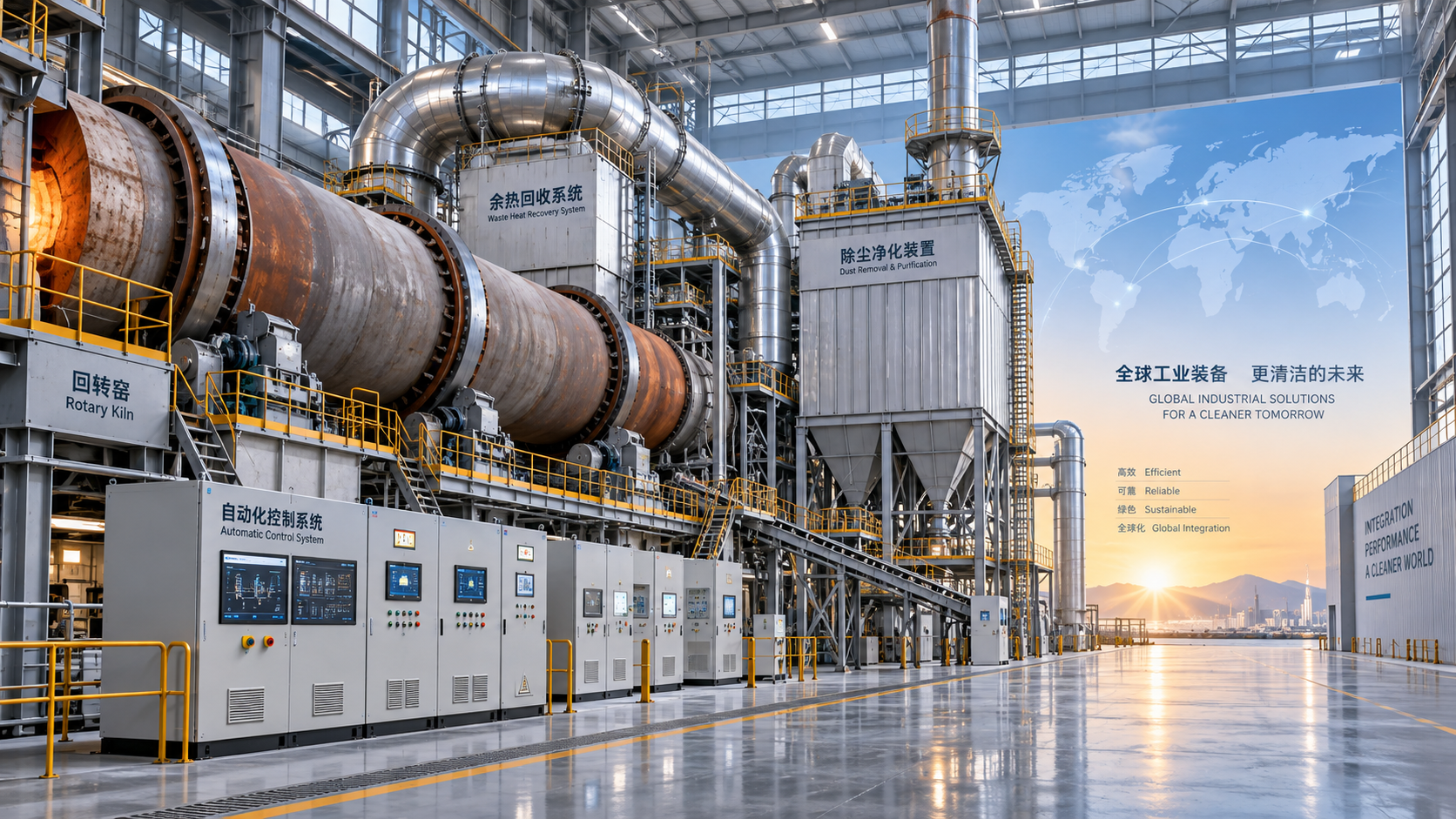
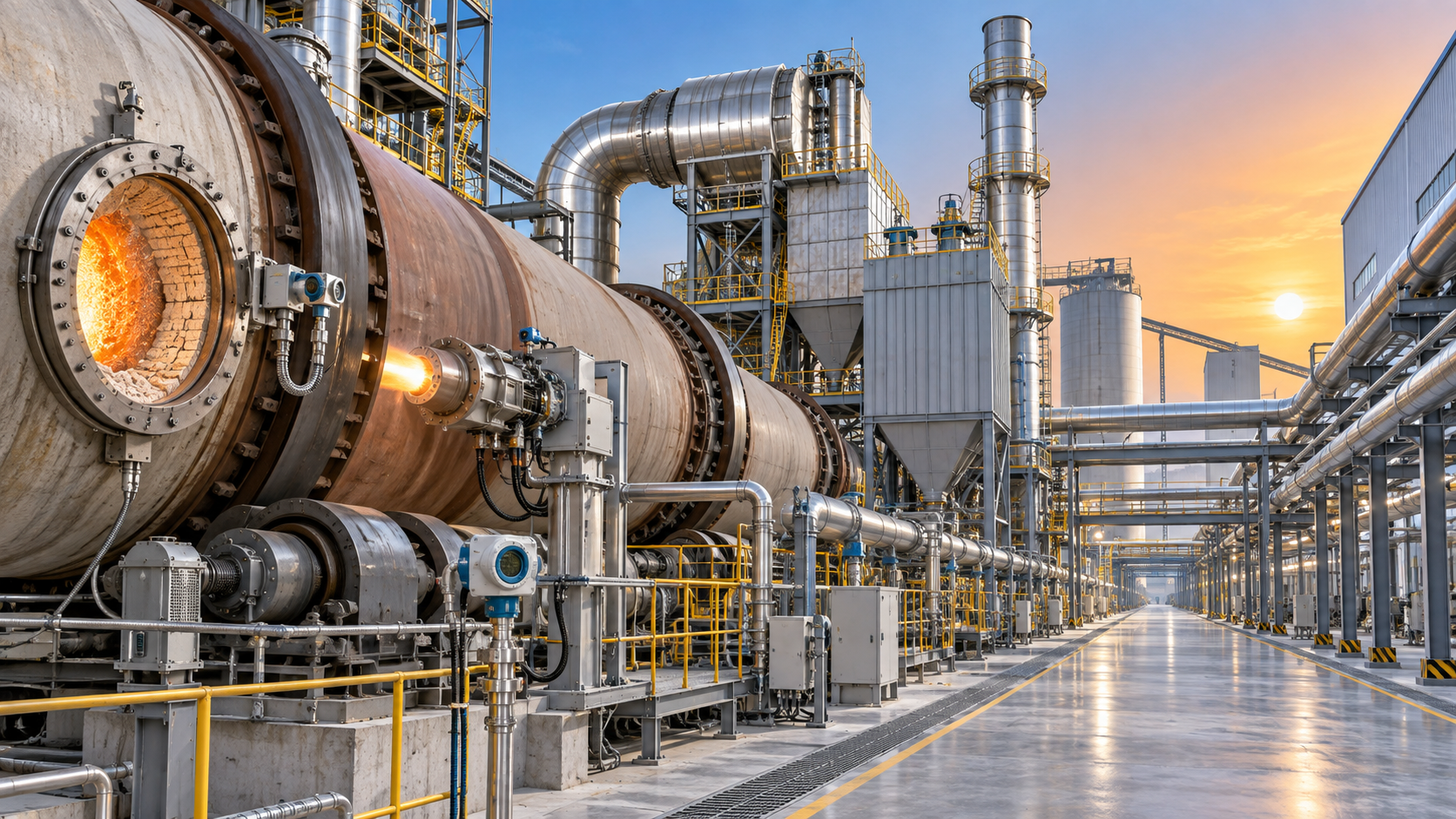
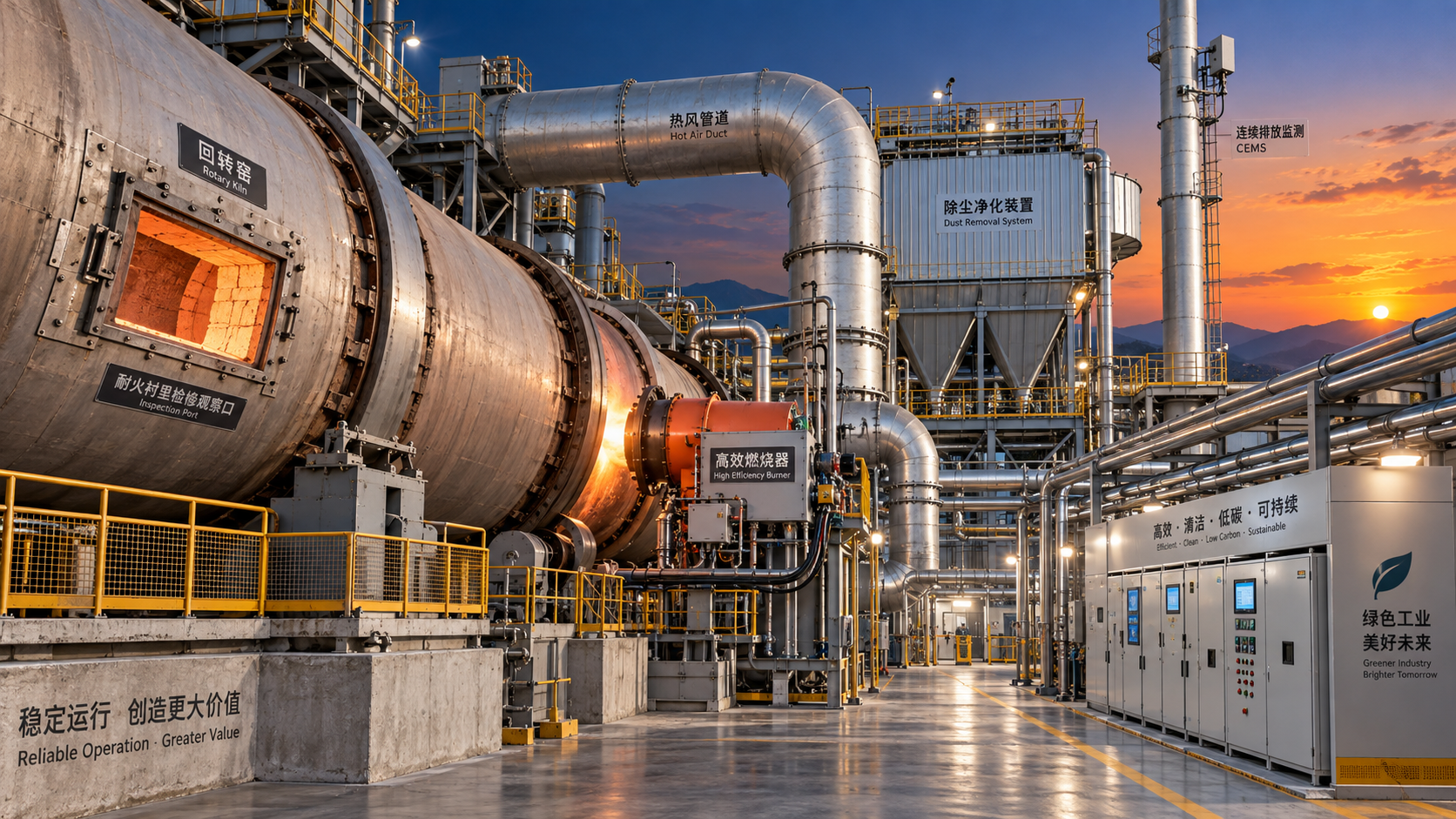
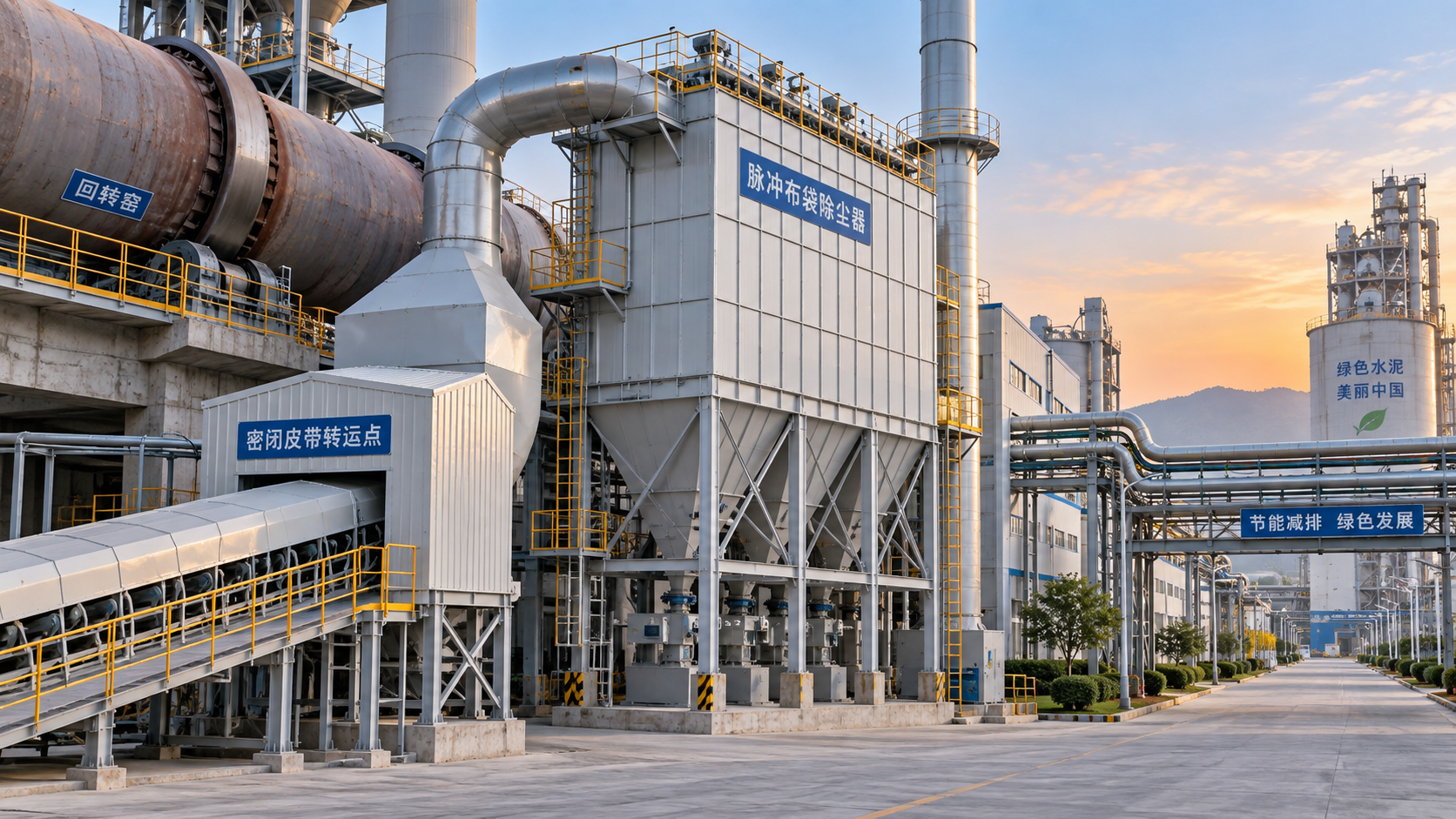
A glass furnace energy specification should function as a commercial, technical, and environmental decision document rather than a simple utility consumption estimate.
For plant owners, it establishes how much energy the furnace may use while still delivering agreed output, quality, availability, and emissions performance.
For engineering teams, it converts broad efficiency goals into measurable design conditions, operating boundaries, verification methods, and vendor responsibilities throughout the furnace lifecycle.
The most useful specifications compare alternatives on total cost, production risk, fuel flexibility, carbon exposure, and maintainability, rather than selecting equipment through headline efficiency claims.
This matters particularly for float, container, fiberglass, solar glass, and specialty glass operations, where furnace choices influence operating economics for more than a decade.
Start With the Performance Basis, Not a Single Fuel Consumption Figure
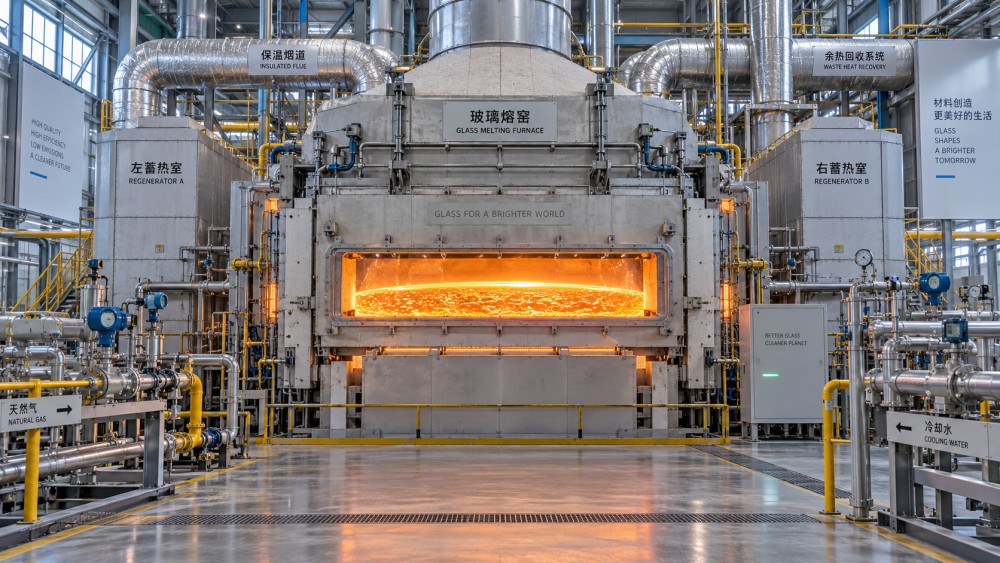
The first question in any glass furnace energy specification is what the furnace must produce under normal, maximum, and degraded operating conditions.
Specify the glass type, chemistry, color range, cullet percentage, production rate, pull flexibility, campaign life target, and downstream quality requirements before evaluating energy guarantees.
Fuel use is meaningful only when attached to a defined production basis, because melting energy changes substantially with composition, cullet quality, moisture, and throughput.
A specification should state nominal pull in tonnes per day, minimum stable pull, maximum pull, annual operating hours, and anticipated production scheduling constraints.
It should also define whether the furnace serves a continuous float line, intermittent specialty production, multiple forehearths, or a product mix requiring frequent thermal adjustments.
Energy intensity should normally be expressed in gigajoules per tonne, kilowatt-hours per tonne, or another agreed unit, with clear boundaries for included equipment.
Those boundaries must identify whether figures include batch preheating, combustion air fans, oxygen generation, electric boosting, cooling systems, and downstream annealing equipment.
Without this boundary, suppliers can present apparently favorable consumption data that excludes important electrical loads or assigns common utilities outside the furnace package.
Include defined reference conditions for ambient temperature, fuel lower heating value, oxygen purity, cullet moisture, batch temperature, and glass temperature at the furnace exit.
These details protect buyers from disputes when real consumption differs from proposal values because the operating environment was never clearly standardized in the contract.
Define Thermal Efficiency Through Measurable Heat Balance Requirements
A credible specification requires a furnace heat balance, showing where energy enters, where useful melting duty occurs, and where losses leave the system.
The heat balance should distinguish sensible heat, reaction heat, evaporation, exhaust losses, cooling losses, unburned fuel losses, and electrical input where boosting applies.
This approach reveals improvement opportunities that a single specific energy number cannot show, especially when comparing regenerators, recuperators, oxy-fuel systems, and hybrid designs.
State expected thermal efficiency at nominal production and part-load operation, because furnaces may spend significant periods below design pull during market fluctuations or maintenance events.
Efficiency guarantees should include defined testing duration, stable production criteria, sampling intervals, instrumentation accuracy, correction methodology, and treatment of abnormal operating conditions.
For example, an acceptance test may require a continuous seven-day measurement period after furnace stabilization, with independently calibrated flow meters and documented batch composition.
Specify maximum permissible exhaust temperature and flue-gas oxygen levels where relevant, since both indicators influence energy loss, combustion stability, and emissions control performance.
Regenerator performance requirements should cover checker temperature distribution, pressure drop, switching intervals, leakage limits, cleaning access, and expected thermal recovery over campaign life.
For recuperative furnaces, include heat exchanger effectiveness, fouling allowance, corrosion resistance, bypass control, inspection provisions, and replacement strategy for critical elements.
Thermal efficiency should be assessed alongside glass quality indicators, since aggressive fuel reduction can create poor homogenization, seed defects, temperature instability, or reduced furnace flexibility.
Specify Combustion, Electrification, and Fuel Flexibility Around the Actual Decarbonization Path
The combustion system determines not only fuel consumption but also flame shape, heat transfer, refractory stress, nitrogen oxide formation, and operational control range.
A complete glass furnace energy specification identifies the preferred fuel, backup fuel, expected fuel composition range, supply pressure, contamination limits, and future conversion requirements.
Natural gas remains common, but many manufacturers now need credible provisions for hydrogen blending, biogas, synthetic methane, electricity, or oxy-fuel conversion.
Do not merely request “hydrogen-ready” equipment. Define the required blend percentage, burner turndown, flame characteristics, safety systems, material compatibility, and performance guarantee.
Hydrogen changes combustion behavior, water vapor concentration, heat transfer, flame radiation, and refractory exposure, so readiness must be proven through design information and operating limits.
For electric boosting, specify installed electrode capacity, usable operating capacity, electrode arrangement, transformer efficiency, control philosophy, and acceptable impact on glass quality.
Electric boosting may reduce fossil fuel demand and improve pull flexibility, but its value depends on electricity price, grid carbon intensity, electrode life, and furnace design.
Oxy-fuel systems should include oxygen purity, supply reliability, standby arrangements, vaporization or pipeline capacity, burner control range, and expected changes in flue-gas treatment.
Require suppliers to explain how each technology choice affects lifecycle carbon dioxide emissions, direct combustion emissions, indirect electricity emissions, and potential carbon compliance costs.
The preferred solution should be selected through scenario analysis, not assumptions, using realistic local fuel prices, electricity tariffs, carbon prices, and production utilization forecasts.
Make Waste Heat Recovery a Defined Package With Usable Energy Outputs
Waste heat recovery should be specified according to the plant’s actual energy demand, rather than treated as a generic sustainability feature attached to the furnace exhaust.
First identify usable heat sinks, such as batch and cullet preheating, combustion-air heating, steam generation, district heating, process drying, or electricity generation.
Batch preheating often offers a direct pathway to lower furnace fuel use, but the specification must address dust loading, volatile carryover, plugging risk, and maintenance access.
Define recovered heat duty, inlet and outlet temperatures, recovery efficiency, operating availability, pressure losses, fan power, and seasonal variations in heat demand.
Heat recovery equipment should be evaluated on net energy savings, which subtract additional electrical consumption for fans, pumps, conveying, cleaning, and control systems.
Include provisions for bypass operation, safe startup, emergency shutdown, thermal expansion, corrosion monitoring, and isolation when downstream recovery equipment becomes unavailable.
Where electricity generation is proposed, request a transparent business case showing annual net output, capacity factor, maintenance requirements, cooling needs, and realistic revenue assumptions.
Some recovery projects look attractive at peak exhaust conditions but deliver limited annual value because furnace loads, downstream demand, or availability vary across the year.
The specification should therefore require annualized energy models rather than relying exclusively on instantaneous design-point recovery figures supplied during tendering.
Set Emissions Limits That Match Permits, Reporting Duties, and Operating Reality
Energy performance and environmental performance are inseparable because combustion conditions, oxygen use, fuel selection, batch composition, and exhaust treatment influence both outcomes.
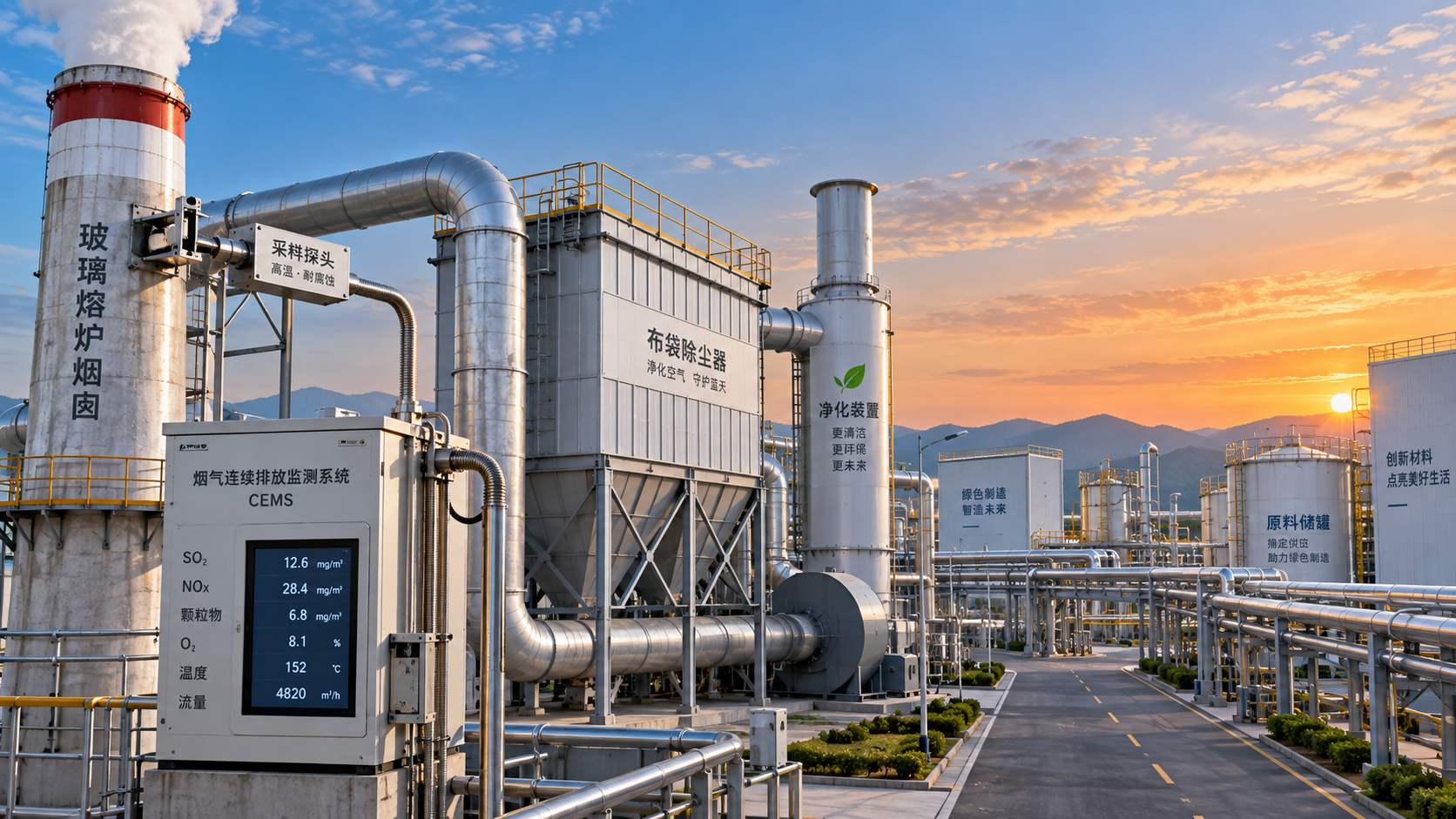
Specify guaranteed limits for nitrogen oxides, sulfur oxides, particulate matter, carbon monoxide, hydrogen chloride, fluorides, and other pollutants relevant to local regulations.
Each emissions limit should state the reference oxygen basis, dry or wet gas basis, averaging period, production conditions, and required continuous monitoring methodology.
Carbon dioxide requirements should distinguish direct furnace emissions from indirect electrical emissions, particularly where electric boosting or oxygen generation materially affects total carbon intensity.
For multinational projects, align the specification with applicable permits, customer reporting expectations, carbon border mechanisms, and internal decarbonization commitments before issuing tenders.
Specify emissions performance at normal production, high pull, low pull, startup, fuel switching, and foreseeable upset conditions, not only at the most favorable design point.
Flue-gas treatment requirements should cover reagent consumption, pressure drop, temperature control, residue handling, bypass arrangements, consumable quality, and emissions monitoring integration.
Buyers should require vendors to identify operational tradeoffs, such as increased fan energy, reagent use, refractory wear, or maintenance demands associated with tighter emissions control.
This avoids a common procurement failure: selecting a low-emissions package that technically complies but imposes higher energy costs or reduces operating flexibility after commissioning.
Protect Long-Term Energy Performance Through Refractory and Mechanical Requirements
A furnace can meet initial energy targets yet become increasingly inefficient when refractory degradation, air infiltration, regenerator deterioration, or glass leaks develop during the campaign.
The energy specification should therefore link thermal performance to refractory design, insulation thickness, furnace shell temperatures, expansion provisions, and expected campaign duration.
Define maximum shell temperature by zone, including melting tank, throat, working end, regenerator, doghouse, breastwalls, crown, and forehearth interfaces where applicable.
Shell temperature monitoring provides an early warning of insulation failure, refractory thinning, localized overheating, and avoidable radiation losses that may increase fuel use.
Request a refractory wear model based on glass chemistry, pull rate, redox conditions, temperature profile, batch dust exposure, and proposed fuel or electric boosting strategy.
Air leakage limits deserve explicit attention, particularly around regenerators, ports, expansion joints, dampers, and ducts, because false air raises exhaust losses and fan demand.
Mechanical equipment specifications should include combustion-air fan efficiency, variable-speed drive performance, damper leakage, duct insulation, burner block design, and maintenance accessibility.
Energy-saving equipment without practical inspection and repair access can become an operating liability, especially when unplanned intervention threatens continuous glass production.
Include a lifecycle maintenance schedule identifying inspections, cleaning, calibration, consumables, spare parts, expected replacement intervals, and shutdown requirements for major energy systems.
Require Instrumentation, Data Ownership, and Verification From Day One
Modern glass furnaces need energy specifications that treat data infrastructure as core equipment, because reliable measurement is essential for control, optimization, and guarantee verification.
At minimum, specify metering for fuel, oxygen, combustion air, electricity, cooling water, exhaust flow, furnace pressure, temperatures, and production tonnage.
Metering accuracy classes, calibration intervals, installation locations, redundancy requirements, data sampling frequency, and fault alarms should be stated in the procurement documents.
Furnace pressure and temperature measurement design is particularly important because control quality affects air infiltration, heat transfer, refractory life, combustion stability, and glass quality.
Specify historian integration, data retention periods, cybersecurity requirements, open