
Silicate Process Automation: Improving Batch Consistency and Energy Control




Silicate process automation is reshaping how high-temperature production lines achieve stable quality, lower energy use, and more reliable operational control. For technical evaluators, the challenge is not simply adding automation to an existing kiln, furnace, mixer, or extruder. The real question is whether the proposed system can connect batch data, thermal performance, process chemistry, and equipment condition into decisions that operators can trust.
That question matters across cement grinding and clinker lines, float and container glass operations, refractory plants, waste-to-energy incinerators, and extrusion systems for modern building materials. These processes differ in scale and product geometry, yet they share a difficult reality: small variations at the raw-material stage often become costly quality or energy problems later in the thermal cycle.
A batch that is only slightly off in moisture, particle-size distribution, alkali content, or additive dosing may not reveal its consequences immediately. It can emerge hours later as unstable kiln feed, altered melt viscosity, excess free lime, uneven firing, poor dimensional stability, or a rise in specific fuel consumption. Well-designed automation does not remove process expertise. It makes that expertise more repeatable, visible, and actionable.
Consistency Begins Before the Furnace
In many silicate operations, automation investment is still concentrated around the hottest equipment: kiln burners, furnace combustion zones, annealing lehrs, or thermal treatment chambers. These are essential control points, but they are not where every instability begins. The chemistry entering the system determines how much correction the thermal process must perform.
For this reason, a useful silicate process automation architecture starts with the batch house, raw mill, material receiving station, or preparation line. It should establish a reliable chain from incoming material verification to recipe execution and final consumption records.
For technical evaluation, the key controls usually include:
- Material identification and lot traceability for minerals, recycled cullet, binders, fluxes, pigments, and alternative fuels.
- Automated weighing with tolerances appropriate to the sensitivity of the recipe rather than one generic limit for all components.
- Moisture compensation, particularly for sands, clays, biomass fractions, recycled materials, and stored additives.
- Recipe management with version control, authorization levels, and documented reasons for changes.
- Mixing sequence control, including mix time, fill level, mixer loading, and verification that a completed batch has reached the intended destination.
- Laboratory and online analyzer data linked to production lots instead of remaining in isolated spreadsheets.
The goal is not merely accurate weighing. A plant can dose each ingredient within scale tolerance and still produce an inconsistent mix if bulk density shifts, moisture is unaccounted for, segregation occurs in a hopper, or a material substitution is not reflected in the active recipe. The automation layer must therefore understand material state, not just material mass.
The importance of closed-loop batch correction
Closed-loop correction is often misunderstood as a fully autonomous recipe adjustment system. In practice, the best approach depends on process maturity and the risk associated with chemistry changes. A glass batch operation may use frequent composition feedback to refine corrections within tightly governed limits. A cement raw mill may use continuous elemental analysis and model-based proportioning to hold a target raw mix. A refractory producer handling specialized grades may retain stricter operator approval because trace additions can have disproportionate effects on firing behavior.
What matters is that the loop has a defined logic: measure, validate, calculate, approve where necessary, execute, and confirm the result. Without that sequence, an analyzer can generate more alarms without improving the product.
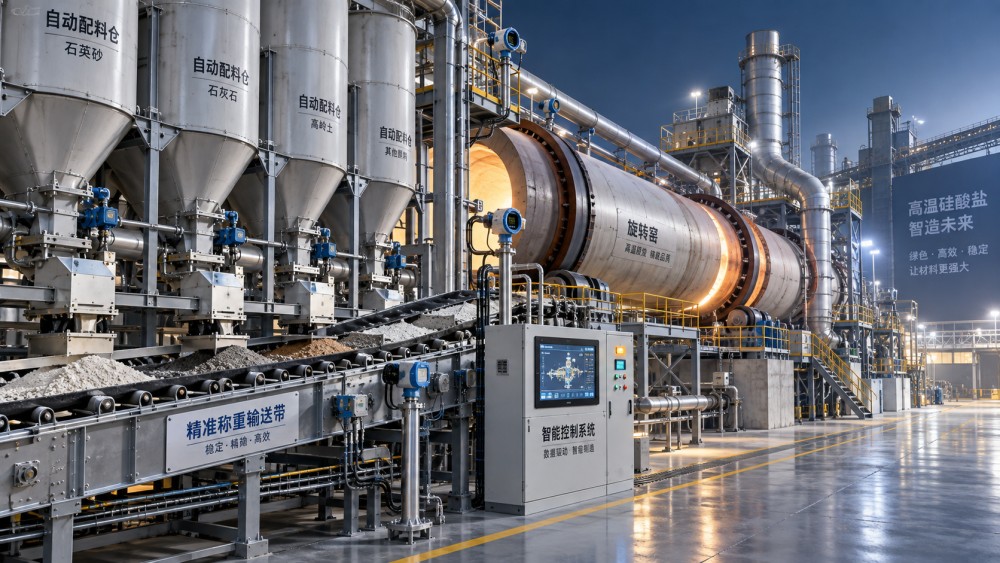
Energy Control Is a Process Balance, Not a Burner Setting
When energy performance declines, attention often turns immediately to fuel quality or burner tuning. Both deserve scrutiny, but energy use in silicate manufacturing is a wider balance between feed condition, combustion, heat transfer, draft, material residence time, and heat recovery.
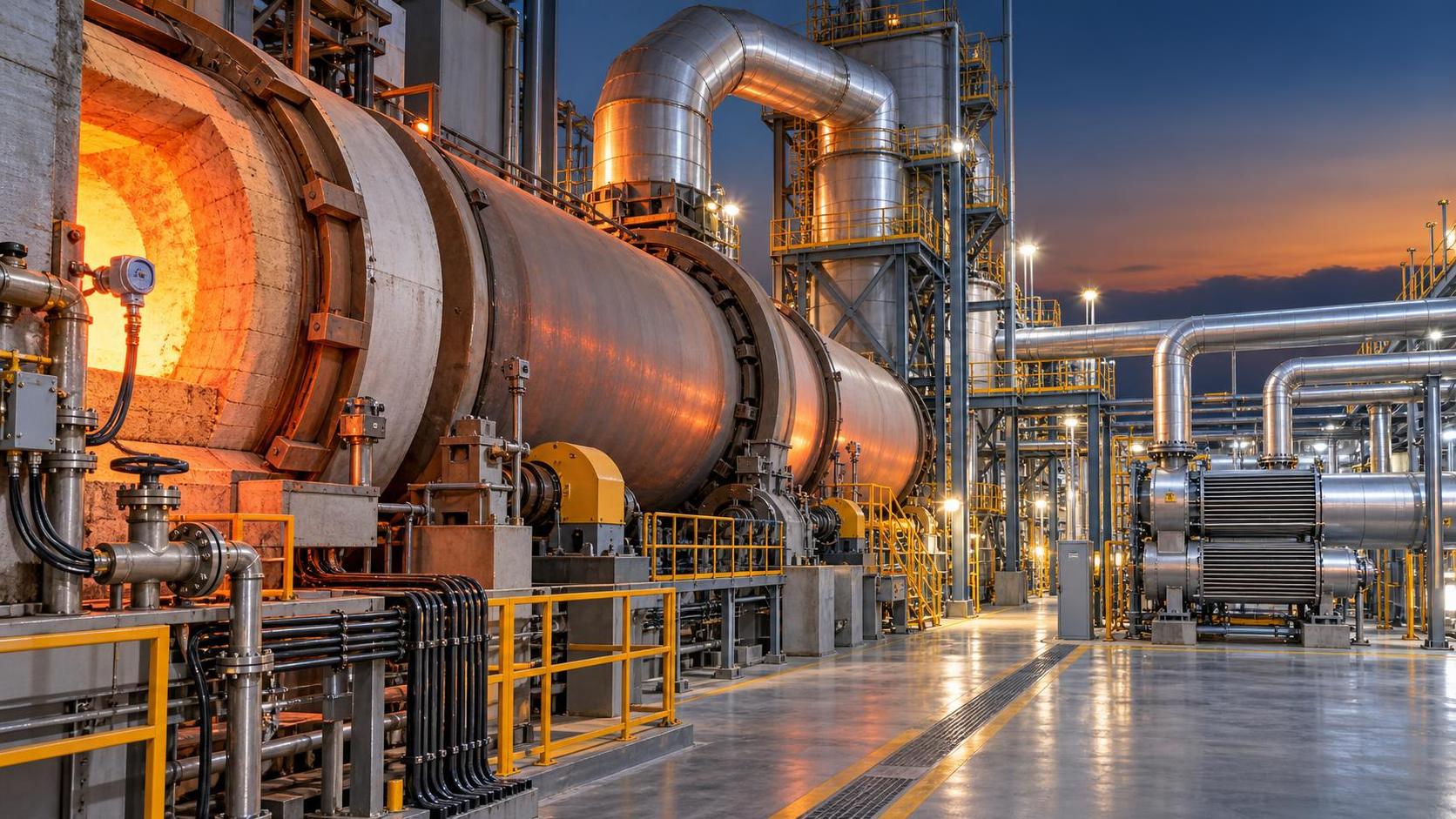
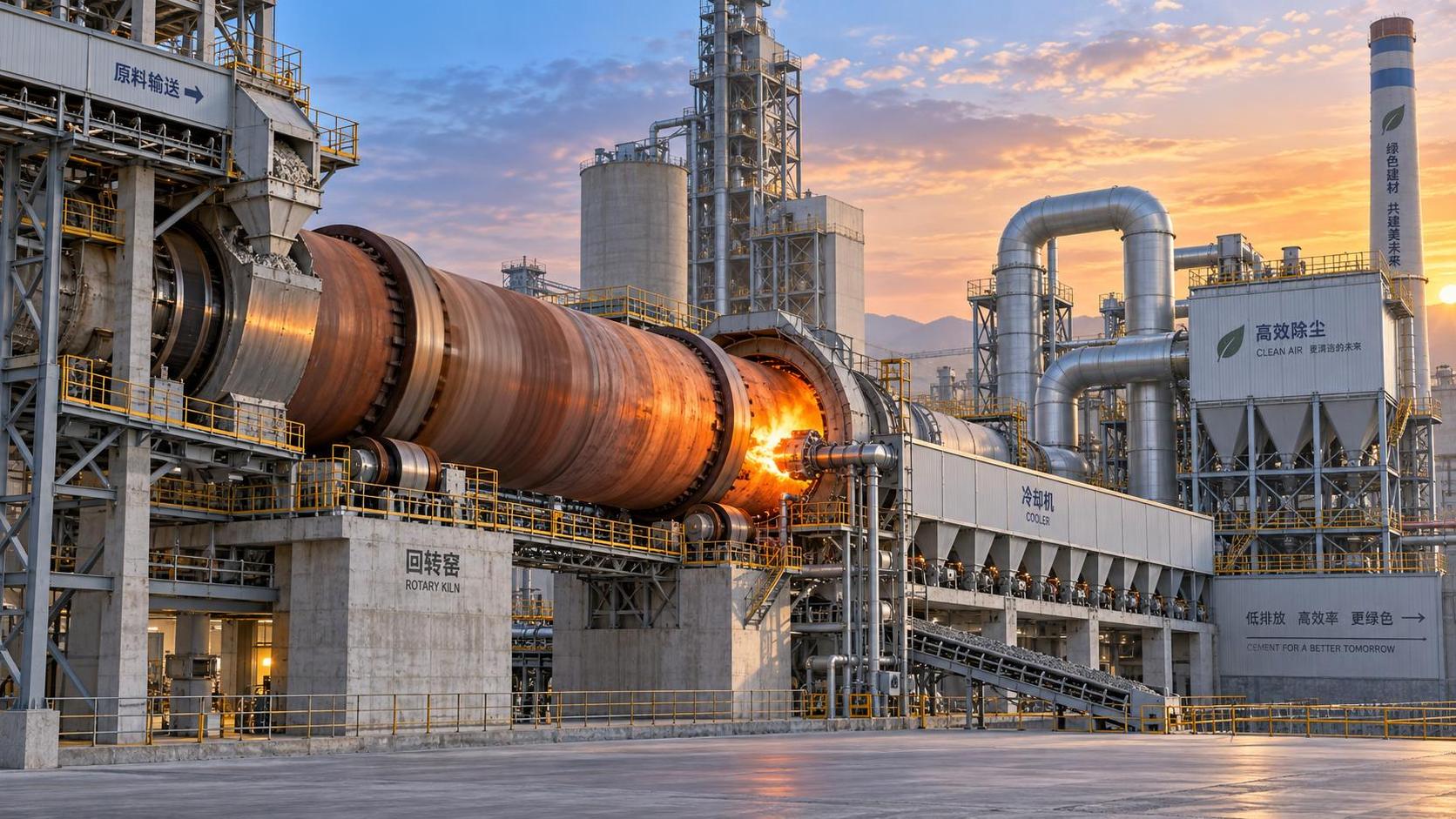
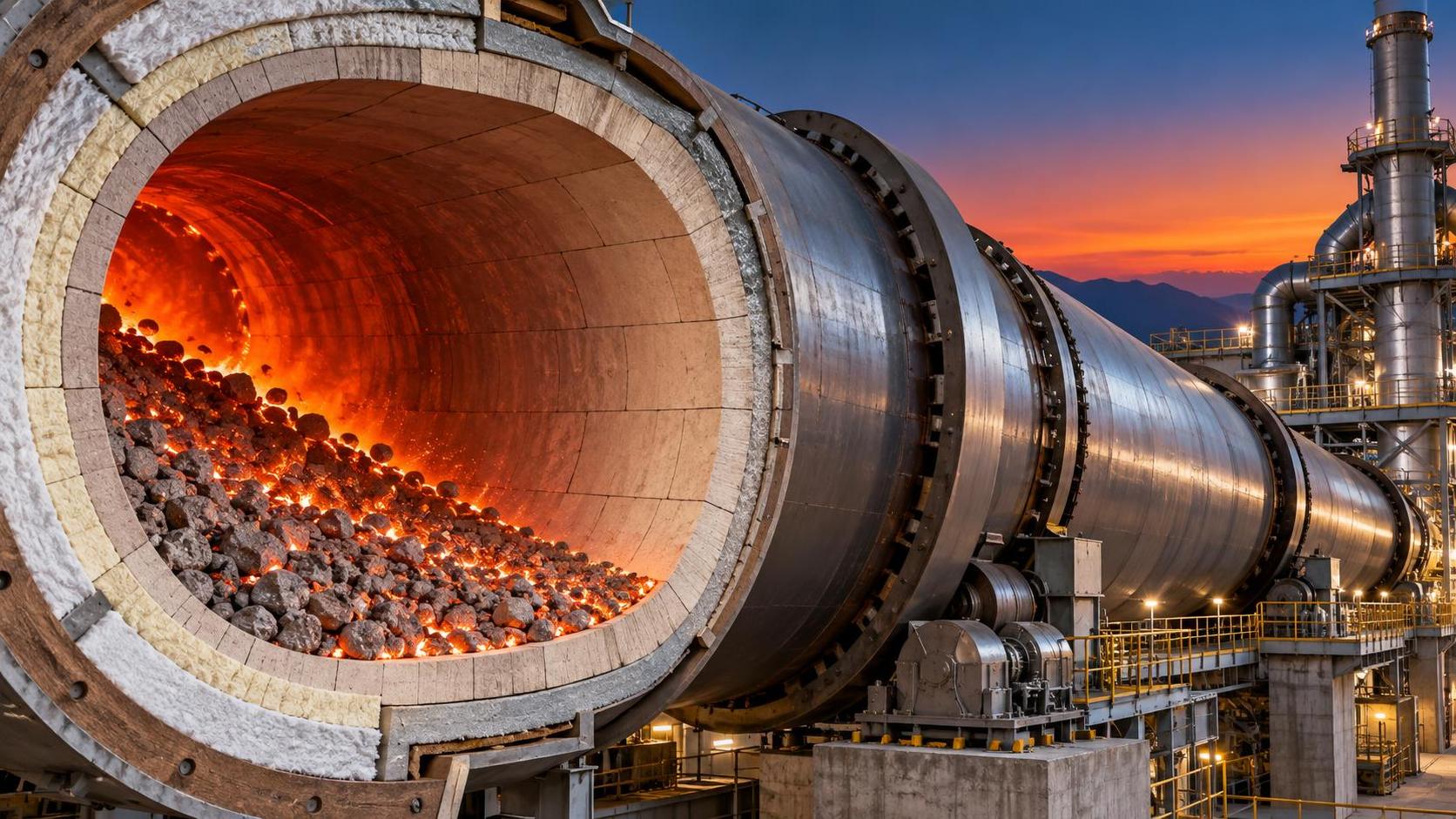
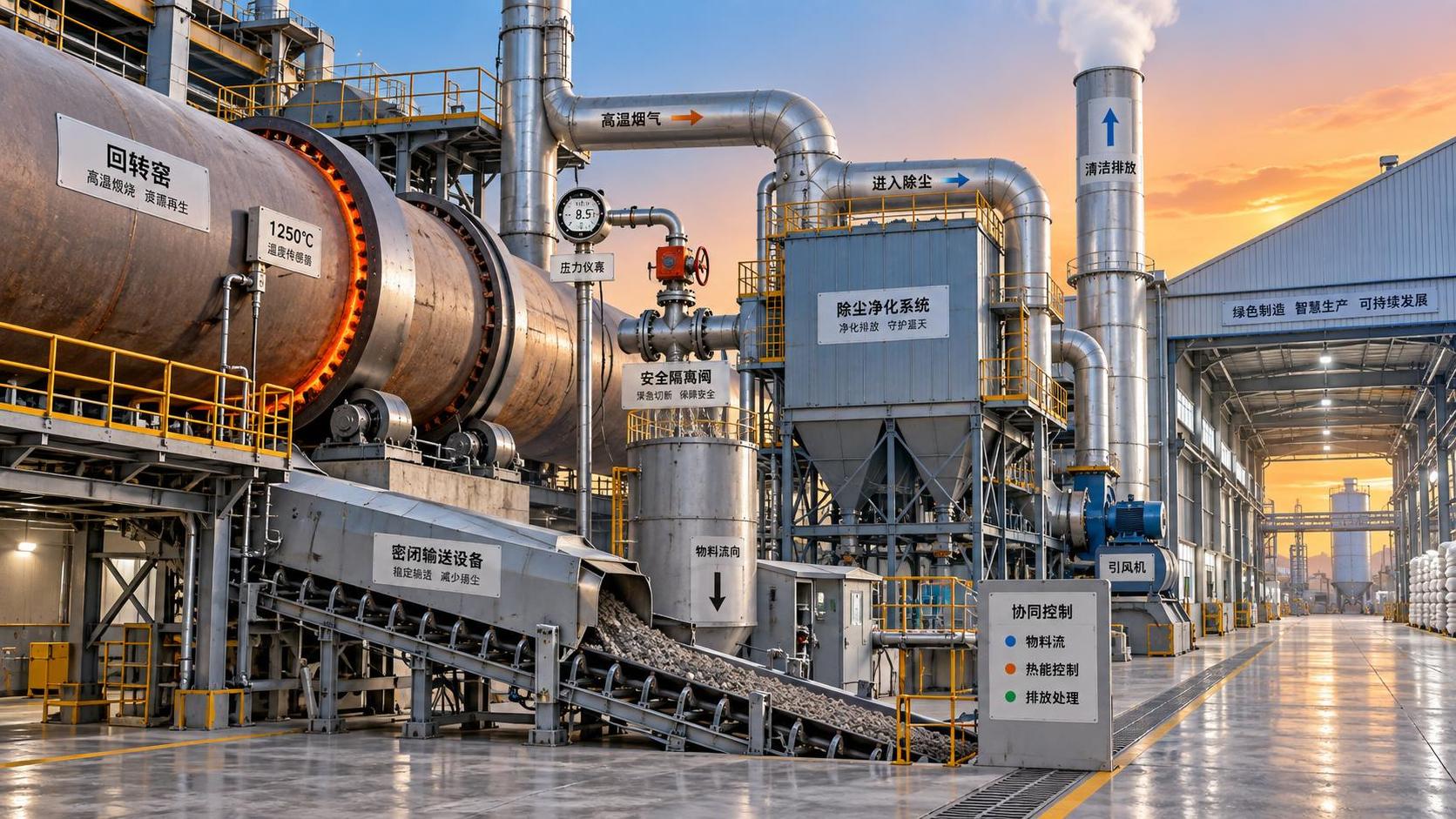
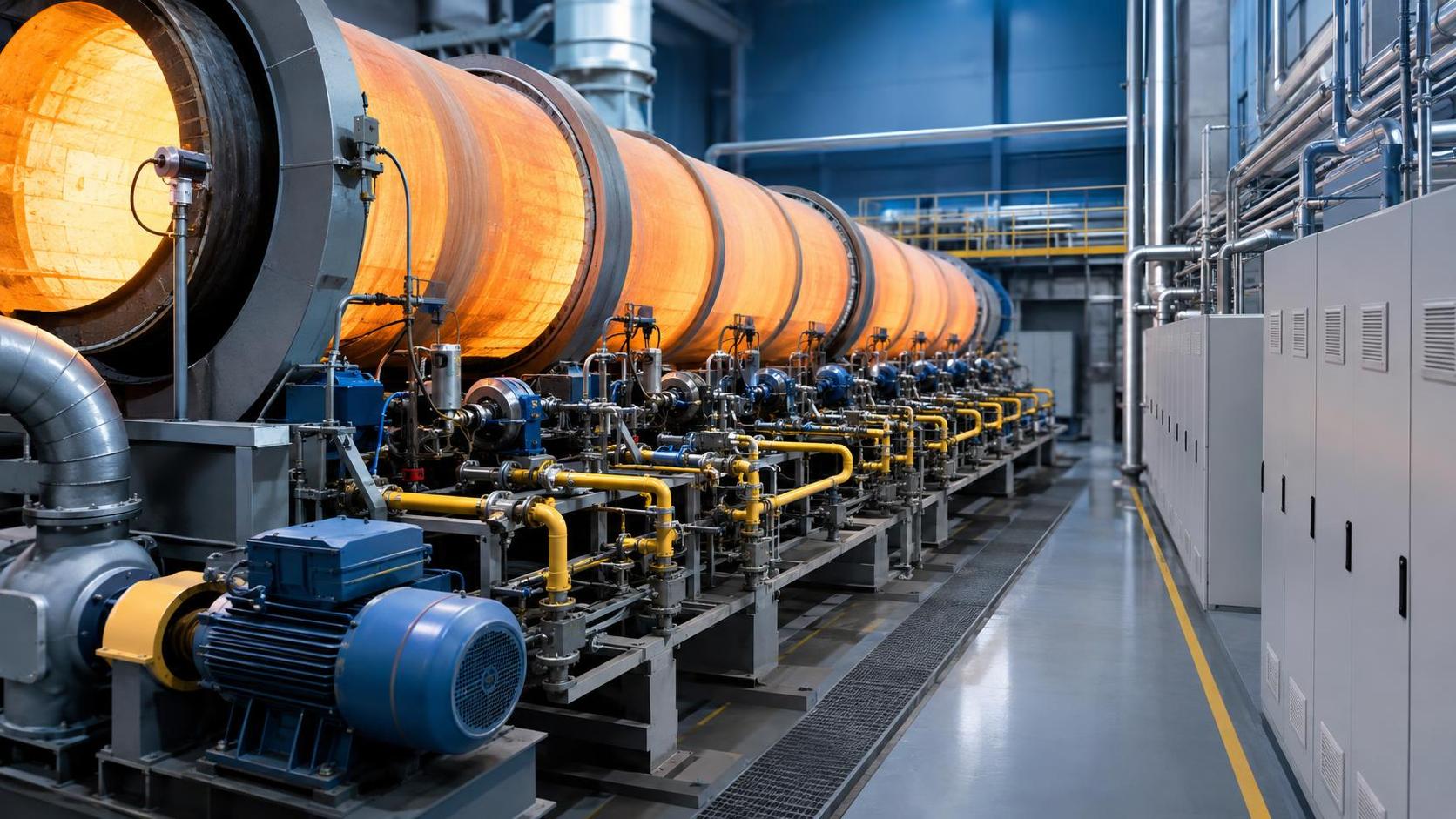
Consider a rotary kiln. Variability in feed chemistry can alter burnability and coating behavior. Changes in feed moisture increase the thermal burden upstream. Excess air may protect against incomplete combustion but carry more heat out of the system. A fan operating at an inefficient point can affect draft stability and electrical demand at the same time. These interactions are why isolated PID loops, although necessary, rarely deliver the full value expected from digitalization.
Modern silicate process automation commonly combines basic regulatory control with supervisory optimization. The basic layer maintains stable flow, pressure, temperature, level, and speed. Above it, an advanced control or model-based layer evaluates how variables interact over time. It may recommend or execute coordinated adjustments to fuel feed, primary and secondary air, kiln speed, ID fan demand, material feed rate, and cooler operation.
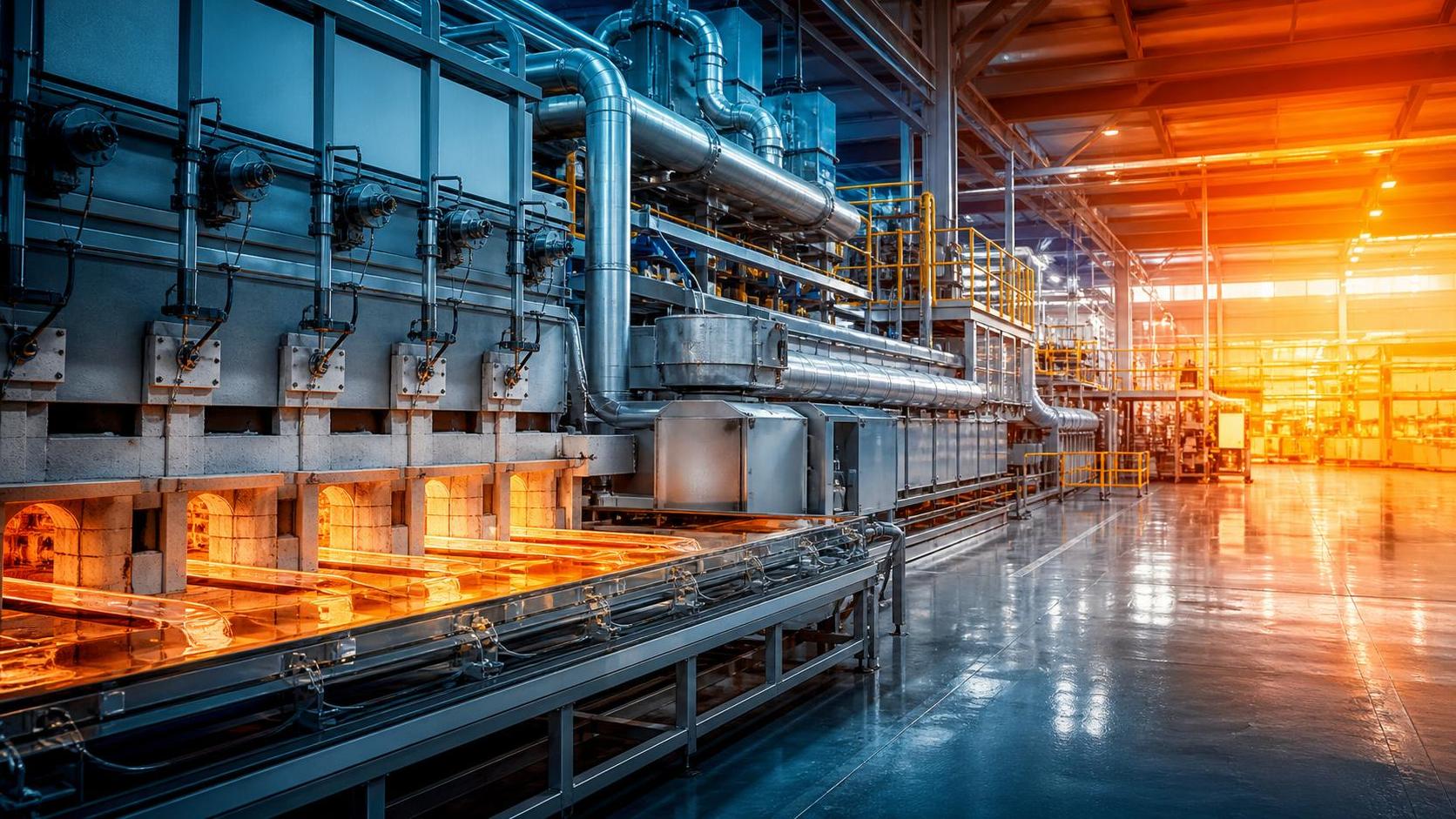
In glass manufacturing, the corresponding focus may be furnace pressure, combustion stoichiometry, crown and bottom temperatures, regenerator switching, electric boost, and pull rate. In industrial incineration, control must also maintain destruction conditions while managing waste calorific variability, oxygen availability, flue-gas treatment limits, and steam generation. The common principle is simple: energy control works when thermal decisions reflect the condition of the material and the state of the equipment.
Useful performance indicators should be connected, not collected
Technical teams already track numerous indicators: specific fuel consumption, specific electricity use, oxygen concentration, stack temperature, production rate, reject percentage, thermal efficiency, and unplanned downtime. The weakness is often not a lack of data. It is that each metric belongs to a separate reporting environment and arrives too late to influence the shift currently running the line.
A practical automation program should connect operational indicators into a contextual view. For example, rising fuel use should be examined beside feed moisture, production throughput, exhaust oxygen, fan power, temperature profile, and the latest quality result. A higher energy number may be justified by a product mix change; it may also indicate air leakage, degraded insulation, poor material preparation, or a control loop that has drifted away from its intended response.
This distinction is valuable for evaluators. A dashboard that displays red, yellow, and green status lights is not inherently an energy-management solution. The system should help users identify the likely driver, show confidence in the underlying data, and make the decision path auditable.
From Instrument Signals to a Reliable Process Narrative
High-temperature plants can generate vast quantities of signals, yet their operational story often remains fragmented. A historian may capture temperatures every few seconds, a laboratory information system may report chemistry by sample, and a maintenance platform may record fan vibration or refractory inspections. Unless these sources are aligned by time, asset, product, and batch, engineers are left reconstructing events manually after a quality deviation has occurred.
The stronger design is a layered information model. At the field level are calibrated instruments, drives, scales, analyzers, and machine safeguards. The control level contains PLCs, DCS functions, interlocks, and sequence control. A supervisory level manages recipes, production states, alarms, trends, and optimization applications. Above that sits the manufacturing intelligence environment, where quality, energy, maintenance, and production context can be compared.
There is no requirement that every plant replace its entire installed control system to build this architecture. Brownfield integration is common in cement, refractory, and incineration assets with long operating lives. However, integration should not become a vague promise. Technical evaluators should ask which protocols are supported, how legacy tags will be mapped, where data ownership resides, and what happens if a higher-level application becomes unavailable. Core safety and stable operation must remain protected at the appropriate control layer.
What to Test During a Technical Evaluation
Automation proposals can appear similar when viewed through feature lists. The more revealing questions emerge when the supplier must explain how the system behaves under ordinary plant imperfections: changing raw-material quality, analyzer downtime, operator shift changes, delayed laboratory results, or a sensor that begins to drift.
A structured evaluation should examine the following areas.
1. Measurement quality and data governance
Ask how critical measurements are validated. Are there plausibility checks between related variables? Can the system flag a bad analyzer result before it triggers a recipe correction? Does it preserve calibration status and data provenance? In a process where chemical decisions affect a kiln or melting tank for many hours, questionable data must be visible rather than silently accepted.
2. Control strategy under constraints
Advanced process control should explain its objectives and its boundaries. Which variables are manipulated? Which quality, safety, equipment, or environmental limits take priority? How does the optimizer respond when a manipulated variable reaches a limit? A credible system does not imply that every target can be met simultaneously. It shows how trade-offs are handled.
3. Operator usability
Operators need more than a dense control screen. They need a clear view of current process state, active constraints, recommended actions, manual override status, and alarm relevance. If an optimization layer changes setpoints, the reason should be understandable. Adoption suffers when the system appears to “fight” experienced operators or hides the logic behind unexplained outputs.
4. Maintainability over the equipment lifecycle
High-temperature assets are expected to operate for decades. Evaluate spare-part strategy, software support, cybersecurity patching, controller lifecycle, backup and recovery procedures, and the availability of engineering documentation. A sophisticated model that only one external specialist can maintain may introduce a long-term operational risk.
5. Cybersecurity and access control
As production systems connect to enterprise networks, remote support platforms, and cloud-based analytics, segmentation and access governance become essential. Role-based access, secure remote sessions, change logs, backup practices, and incident response procedures should be considered alongside process performance. In industrial environments, availability and safety cannot be separated from cybersecurity.
Different Silicate Sectors, Different Automation Priorities
The term “silicate process” covers operations with distinctly different control challenges. A single automation template is rarely appropriate.
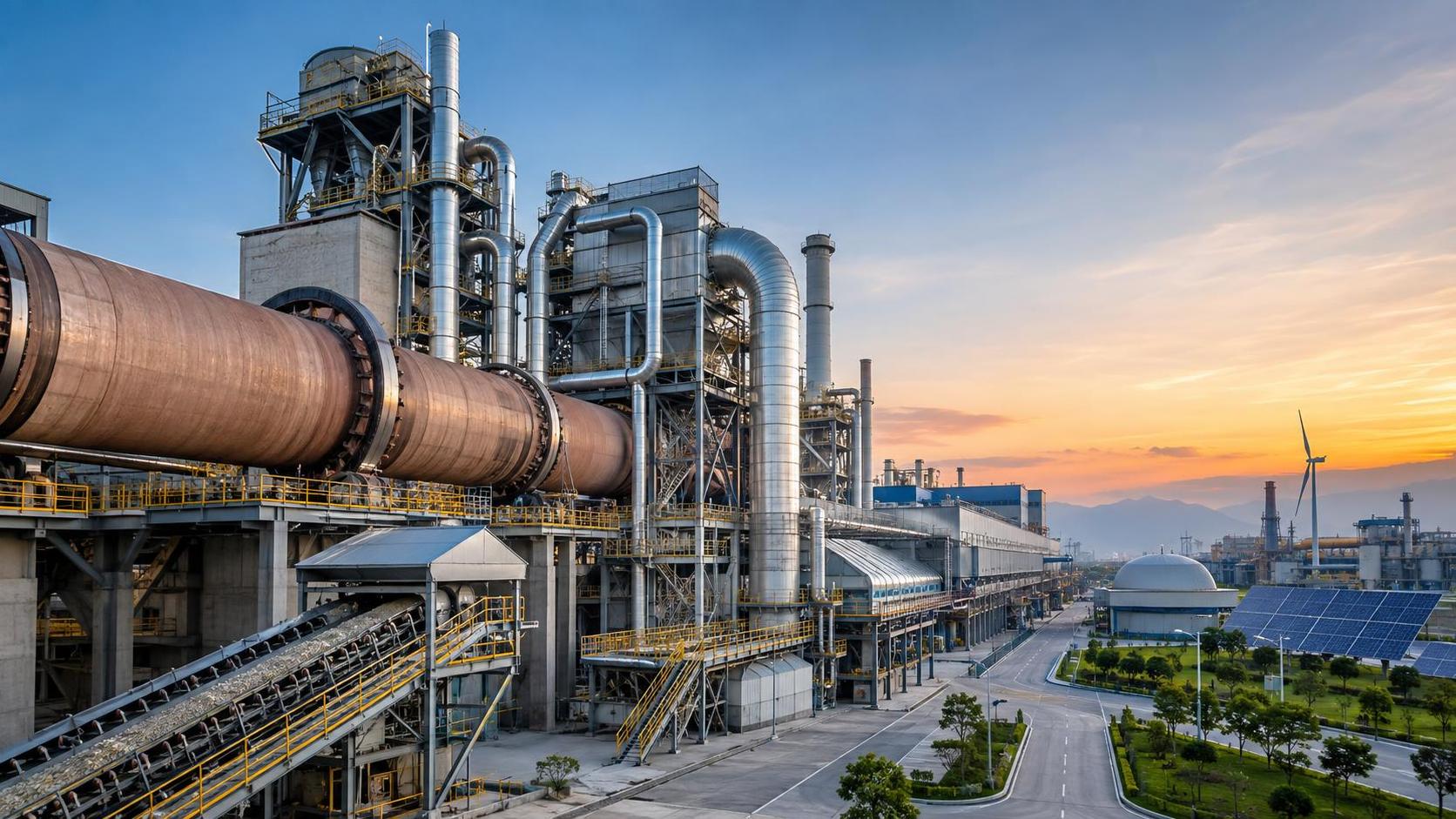
Cement production typically emphasizes raw mix stability, kiln and calciner thermal control, alternative fuel management, grinding optimization, and emissions compliance. The strongest systems relate quarry and raw mill variability to clinker quality and fuel demand.
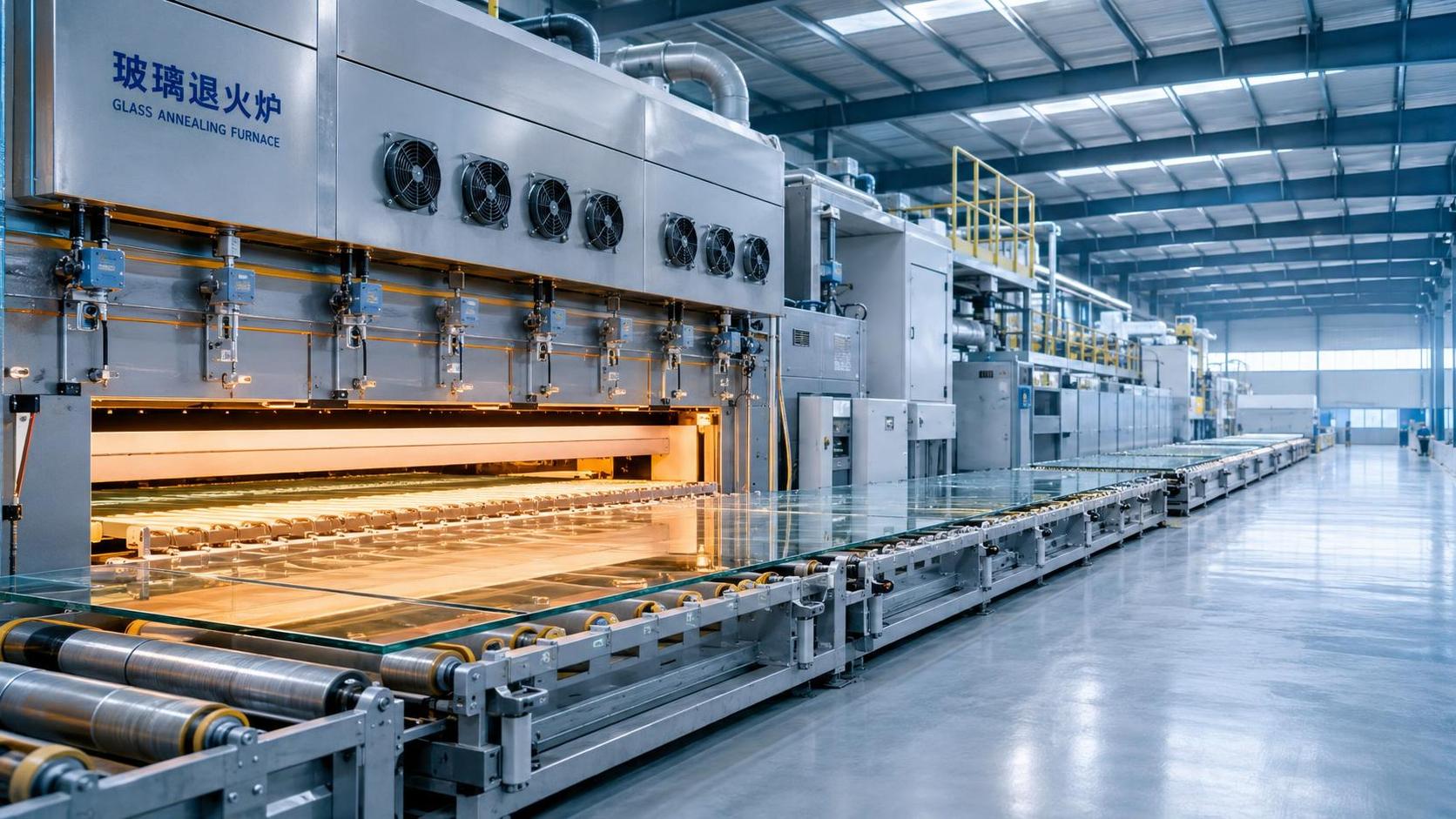
Glass manufacturing places exceptional importance on batch homogeneity, melting stability, furnace pressure, combustion balance, redox conditions, and annealing control. Since furnace campaigns are long and expensive, predictive maintenance signals for refractory condition and combustion equipment can be as valuable as short-term energy optimization.
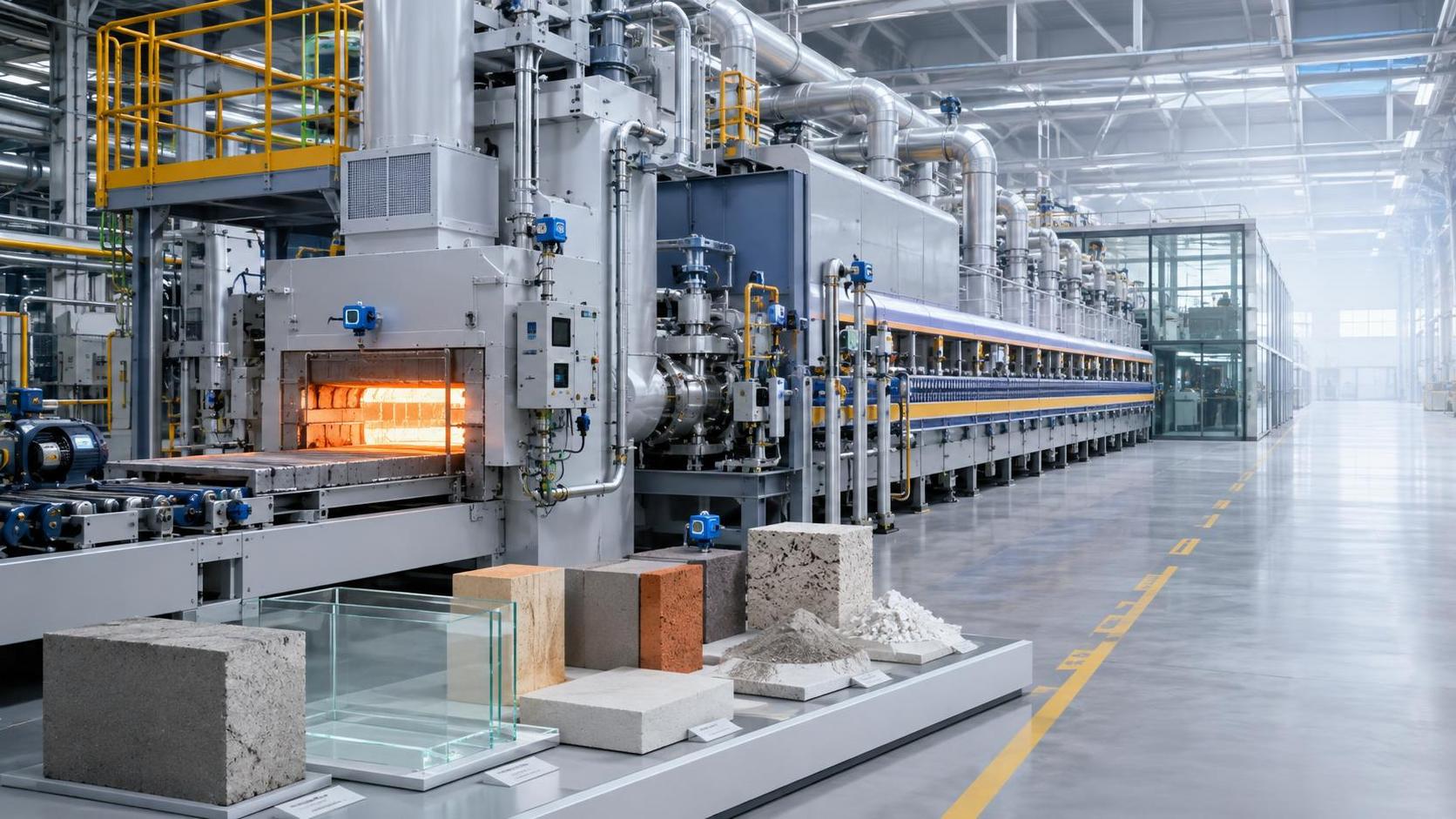
Refractory production often requires traceable recipes, precise forming conditions, controlled drying, and firing profiles tailored to individual product families. Automation must accommodate smaller batches and more frequent changeovers without weakening material genealogy.
Industrial incineration faces highly variable feedstocks and stringent environmental obligations. Here, automation links combustion stability with flue-gas treatment, boiler efficiency, ash handling, and continuous emissions monitoring. Fast response is important, but so is disciplined compliance reporting.
Building material extrusion relies on stable moisture, rheology, vacuum performance, screw load, pressure, and die condition. A small deviation in preparation can become cracking, warpage, density variation, or excessive drying energy downstream. Linking extrusion data to drying and firing outcomes offers a more complete picture than monitoring the extruder alone.
A Sensible Route to Implementation
Large transformation programs often fail when they begin with a broad promise to “digitize the plant.” A better route begins with a measurable operating problem: unstable batch chemistry, recurring kiln heat spikes, excess fuel use at a certain product mix, unplanned fan failures, or inconsistent extrusion density.
Establish a baseline before changing controls. Confirm instrument health, reconcile key production and energy data, and document how operators currently manage disturbances. Then select a pilot area where the process has enough data, a clear operational owner, and a realistic opportunity to demonstrate value. The pilot should include training, operating procedures, and post-implementation review—not just software commissioning.
Once the site proves the control philosophy, the intelligence model can expand across lines and plants. This staged approach is particularly relevant for global heavy-industry groups, where equipment generations, local raw materials, and regulatory requirements differ from one site to another.
Automation Should Make Expertise More Durable
The best silicate process automation systems do not treat people as a source of variability to be eliminated. They capture the practical knowledge that experienced engineers and operators have developed around material behavior, furnace response, and equipment limits. They turn that knowledge into governed recipes, repeatable sequences, meaningful alarms, and data that can be used by the next shift or the next generation of specialists.
For technical evaluators, the decision is therefore broader than choosing controllers, sensors, or a dashboard. It is about creating a dependable connection between batch consistency and energy control: a connection strong enough to support quality, cost discipline, asset care, and decarbonization goals in the demanding conditions of high-temperature industry.
Related News
 Optical Glass Tech FellowSilicate Process Automation: Improving Batch Consistency and Energy ControlSilicate process automation improves batch consistency, energy control, traceability, and operator confidence across high-temperature manufacturing operations.Sep 22, 2026
 Optical Glass Tech FellowHow Silicate Industrial Processes Control Viscosity, Energy Use, and Product QualitySilicate industrial processes: learn how viscosity, chemistry, heat transfer, and atmosphere control reduce energy use, improve stability, and protect product quality.Sep 21, 2026
 Thermal Energy ArchitectHow European Plants Can Evaluate Energy Recovery Equipment for High-Temperature ProcessesIndustrial energy recovery equipment Europe: learn how high-temperature plants can assess waste-heat sources, integration risks, lifecycle value, and reliable recovery routes.Sep 20, 2026
 Thermal Energy ArchitectIndustrial Furnace Process Optimization: Reducing Fuel Use Without Sacrificing ThroughputIndustrial process optimization furnace strategies that cut fuel use while protecting throughput. Explore combustion control, heat recovery, refractory performance, and data-driven efficiency gains.Sep 19, 2026
 Ms. Elena RodriguezWhat Drives High-Pressure Extrusion Equipment Cost in Industrial Projects?High pressure extrusion equipment cost explained: compare pressure, die design, automation, wear, energy, and installation factors for smarter industrial investments.Sep 18, 2026
 Thermal Energy ArchitectHow to Size a Waste Heat Recovery Exchanger for High-Temperature Kiln Exhaust?Waste heat recovery exchanger sizing for high-temperature kiln exhaust: balance recoverable duty, fouling, corrosion limits, pressure drop, and reliable heat use.Sep 17, 2026
 Thermal Energy ArchitectWhy Heat-Resistant Materials Lose Abrasion Resistance at High TemperaturesHeat-resistant materials abrasion resistance can decline at high temperatures. Discover the thermal, chemical, and mechanical causes of wear—and how to choose longer-lasting linings.Sep 16, 2026
 Thermal Energy ArchitectHow to Evaluate a Thermal Energy Optimization Company for High-Temperature PlantsChoose a thermal energy optimization company with proven process expertise, measurable savings, and reliable delivery for high-temperature plants. Learn what to assess.Sep 15, 2026
 Thermal Energy ArchitectRotary Kiln Efficiency: How Feed Rate, Fuel Use, and Heat Loss Affect OutputRotary kiln efficiency explained: discover how feed rate, fuel use, heat loss, combustion, and cooling performance shape output, quality, and energy costs.Sep 14, 2026
 Thermal Energy ArchitectHow to Select Heat-Resistant Materials That Maintain Abrasion Resistance in KilnsHeat-resistant materials abrasion resistance: learn how to select kiln linings that withstand heat, wear, thermal cycling, and chemical attack for longer service life.Sep 13, 2026
 Thermal Energy ArchitectHow Rotary Kiln Automation Improves Temperature Control and Fuel EfficiencyRotary kiln technology automation enhances temperature control, stabilizes combustion, and improves fuel efficiency with smarter data, predictive control, and safer operations.Sep 12, 2026
 Silicate Process EngineerCement Plant Emission Control: Selecting Systems for Dust, NOx, and SO2 LimitsCement plant emission control guide: compare dust collectors, NOx reduction, and SO2 systems for reliable compliance across kiln modes, fuel changes, and operating upsets.Sep 11, 2026
 Thermal Energy ArchitectSelecting Abrasion-Resistant High-Temperature Materials for Kiln and Conveyor Wear ZonesHigh-temp material engineering guide to abrasion-resistant kiln and conveyor solutions—match wear, heat, chemistry, and installation design for longer service life.Sep 10, 2026
 Dr. Alistair VaughnIndustrial Process Engineering: How to Map Processes for Safer, More Efficient PlantsIndustrial process engineering reveals bottlenecks, safety risks, and energy losses through practical process mapping for safer, more efficient plants.Sep 09, 2026
 Optical Glass Tech FellowHow to Evaluate a Glass Annealing Equipment Manufacturer for Production StabilityChoose a glass annealing equipment manufacturer with proven thermal uniformity, reliable controls, lifecycle value, and responsive service for stable production.Sep 08, 2026
 Prof. Marcus ChenThermal Energy Architecture in North America: Strategies for Lower Building Energy UseThermal energy architecture North America helps project leaders cut building energy use through stronger envelopes, right-sized HVAC, storage, and smart commissioning.Sep 07, 2026
 Ms. Elena RodriguezHow Should Buyers Evaluate Building Material Industry Intelligence Pricing?Building material industry intelligence pricing: learn how to compare coverage, technical depth, and ROI to choose intelligence that reduces procurement risk.Sep 07, 2026
 Ms. Elena RodriguezHow to Use Building Material Intelligence Data for Market and Investment DecisionsBuilding material industry intelligence data helps leaders evaluate demand, costs, regulation, capacity, and technology to make smarter market and investment decisions.Sep 05, 2026
 Thermal Energy ArchitectHow PLC Control Improves Energy Efficiency and Temperature Stability in KilnsEnergy efficient kilns PLC control improves temperature stability, cuts fuel waste, and optimizes combustion, draft, and material flow. Explore proven strategies for smarter kiln modernization.Sep 04, 2026
 Optical Glass Tech FellowEuropean Glass Melting Processes: Furnace Choices, Energy Use, and Quality ControlGlass melting process Europe: explore furnace choices, energy efficiency, cullet strategy, and quality control to improve output, compliance, and long-term glass performance.Sep 03, 2026



Related News
- 00
0000-00
Silicate Process Automation: Improving Batch Consistency and Energy Control - 00
0000-00
How Silicate Industrial Processes Control Viscosity, Energy Use, and Product Quality - 00
0000-00
How to Evaluate a Glass Annealing Equipment Manufacturer for Production Stability - 00
0000-00
European Glass Melting Processes: Furnace Choices, Energy Use, and Quality Control - 00
0000-00
How Glass Melting Furnace Design Impacts Energy Use and Glass Quality
Weekly Insights
Stay ahead with our curated technology reports delivered every Monday.