
What Should a Process Technology Database Track for High-Temperature Plants?




What Should a Process Technology Database Track for High-Temperature Plants?
For technical evaluators in high-temperature industries, a robust process technology database is more than a recordkeeping tool. It is the working evidence base behind safer operating limits, cleaner combustion decisions, reliable asset planning, and defensible capital proposals. In cement, glass, refractory, waste-to-energy, and extrusion operations, a small shift in temperature, feed chemistry, burner settings, or lining condition can affect product quality, emissions, energy use, and equipment life at the same time.
The difficulty is not simply collecting more plant data. Most sites already have historian tags, laboratory reports, maintenance records, environmental submissions, and supplier documents. The real task is to connect these records with the correct equipment boundary, production period, material batch, engineering revision, and operating context. Without that structure, a temperature trend may look meaningful while concealing a changed fuel mix, a recalibrated instrument, or a different product grade.
A useful process technology database should therefore preserve traceability as carefully as it preserves values. It must allow an evaluator to answer practical questions: What changed? When did it change? Which source is authoritative? Does the operating result remain comparable with the prior period? And which technical limit, permit condition, or design assumption applies?
Start With an Asset and Process Hierarchy
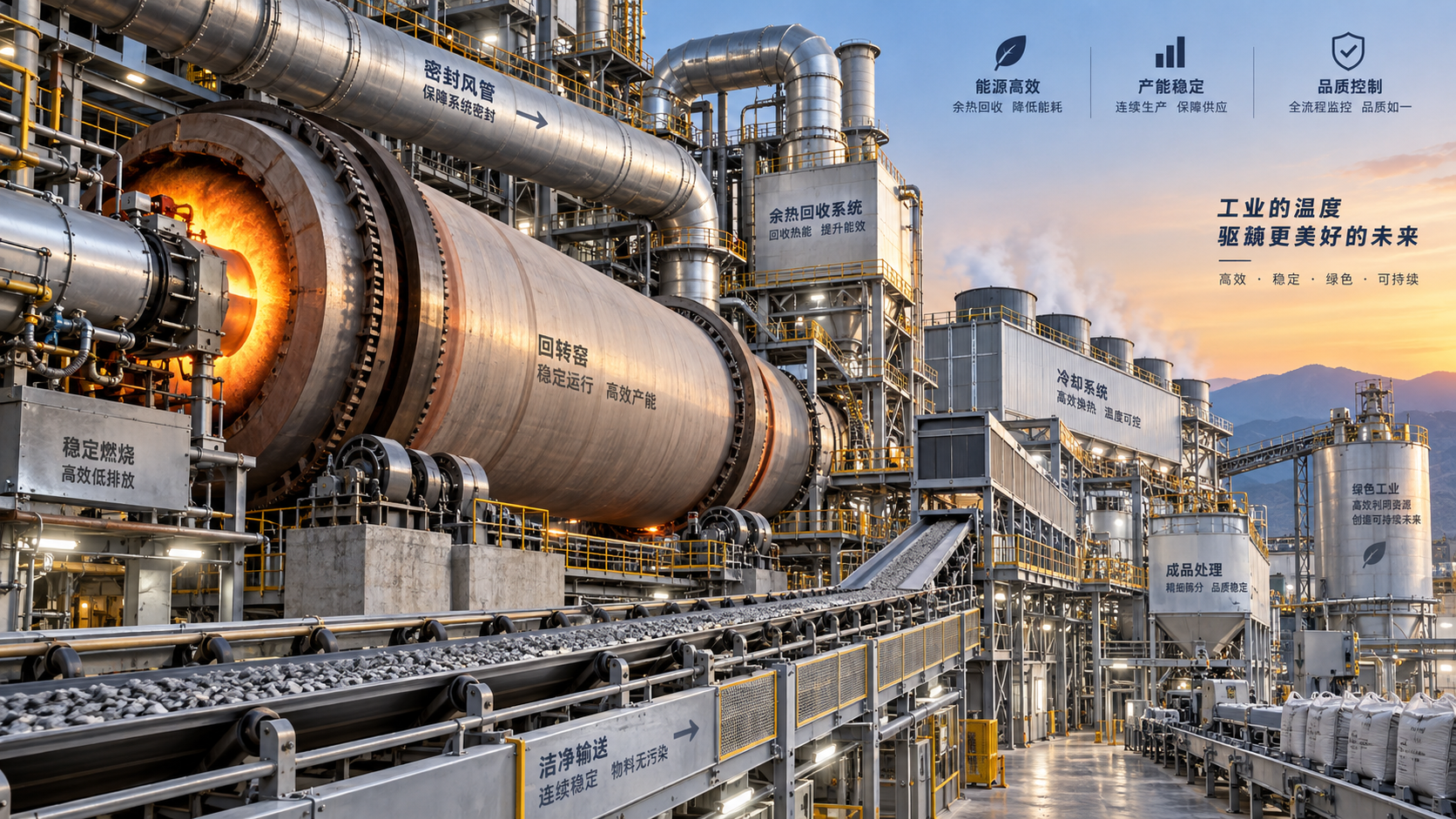
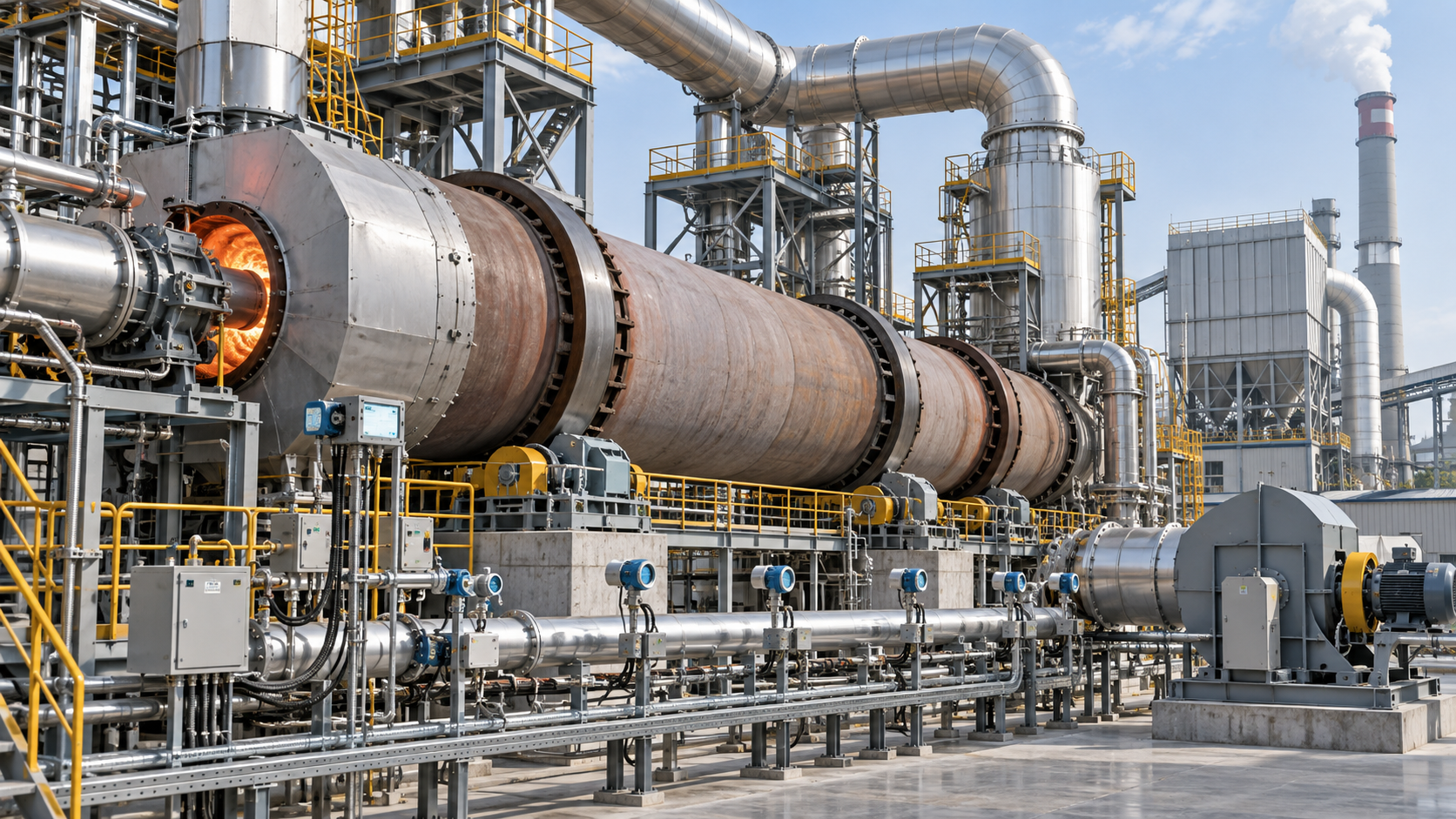
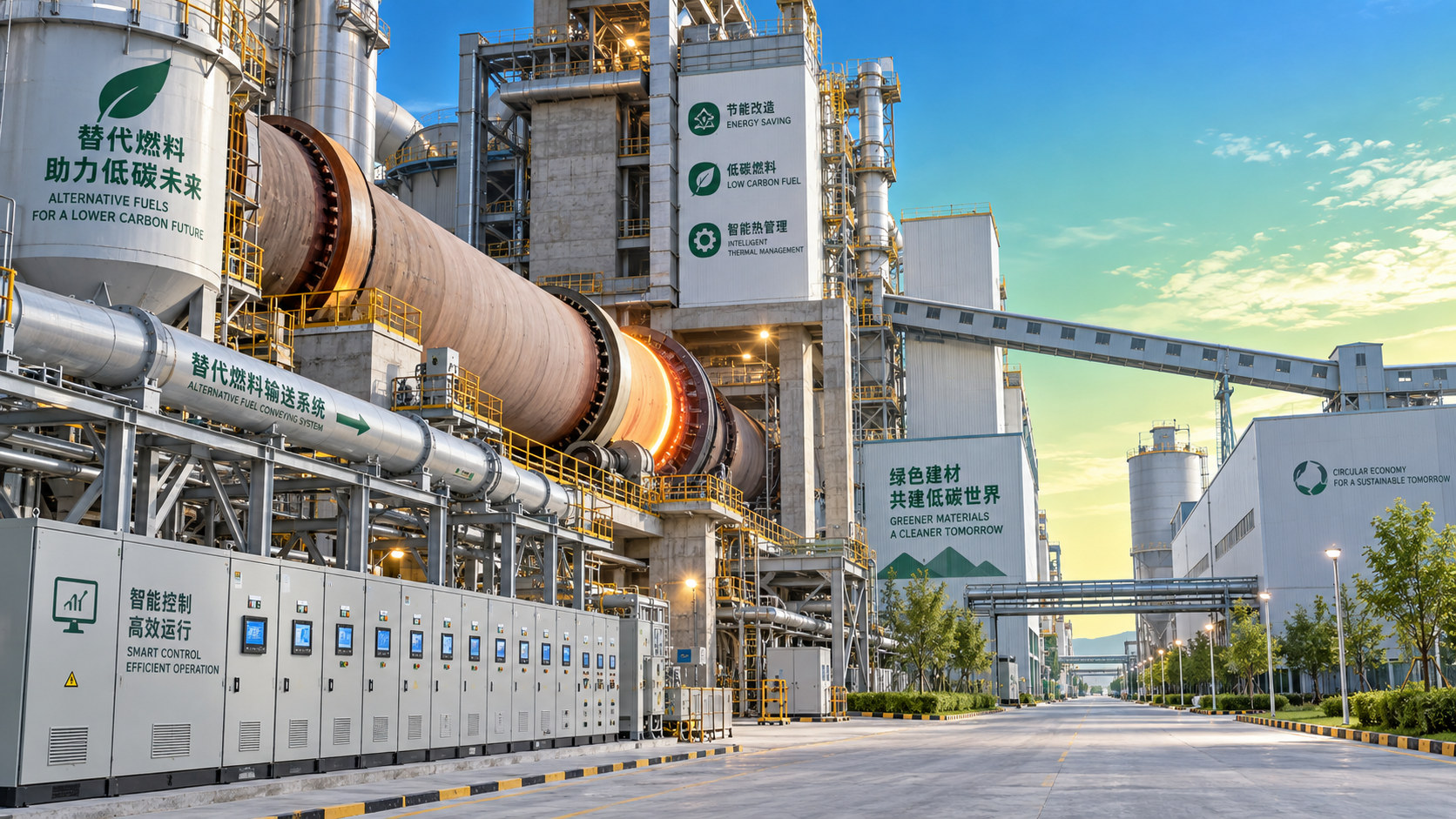
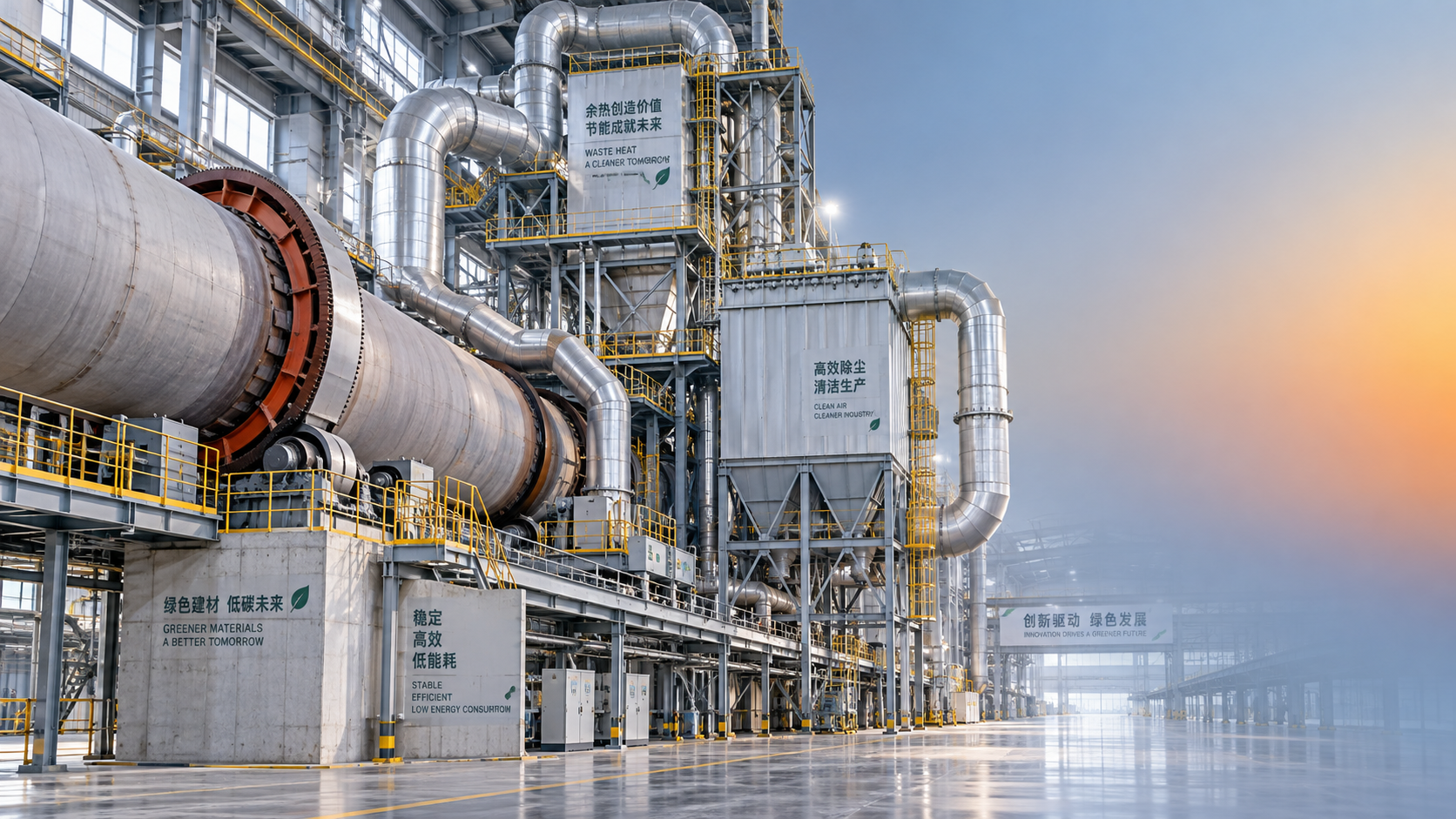
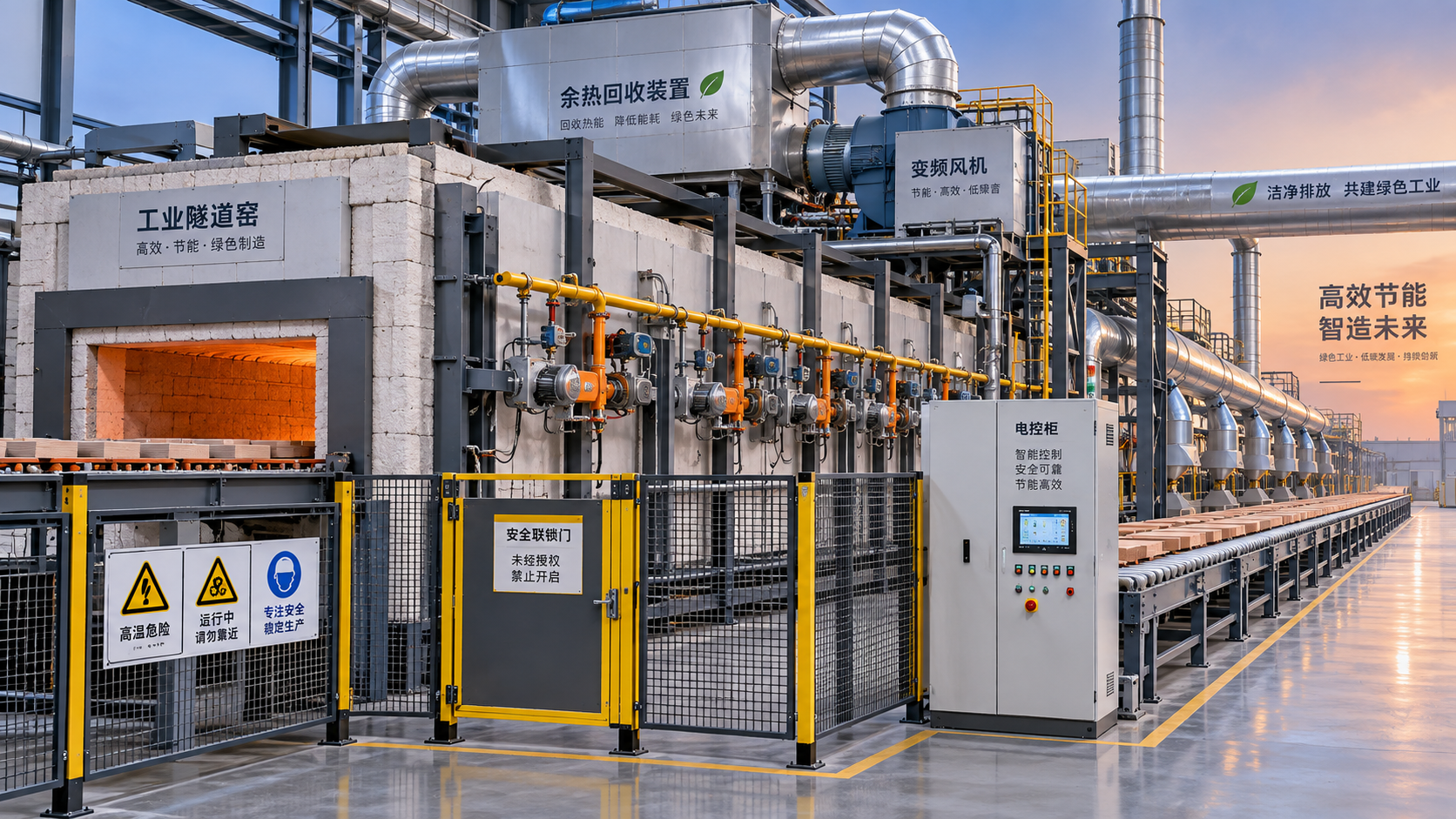
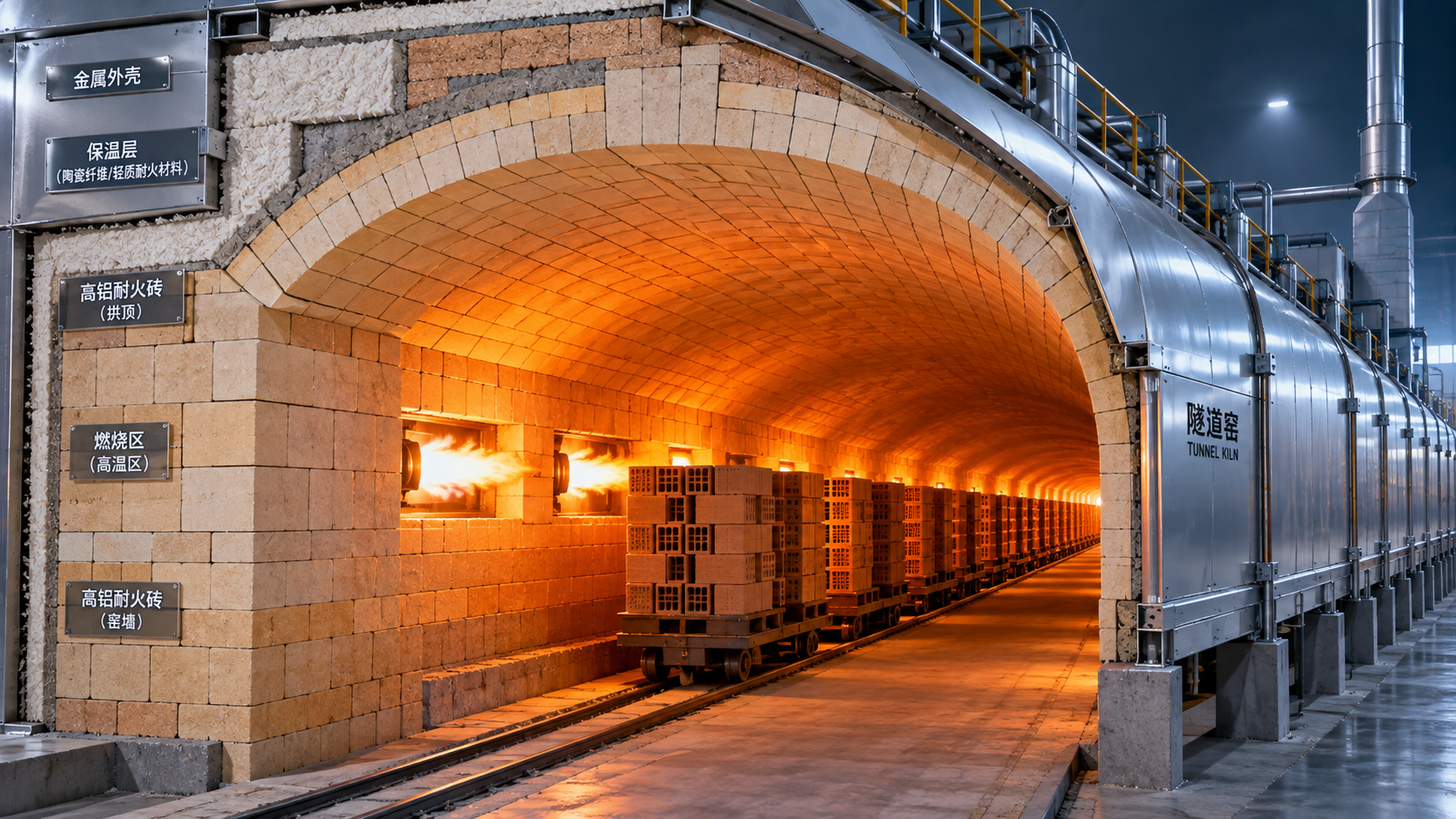
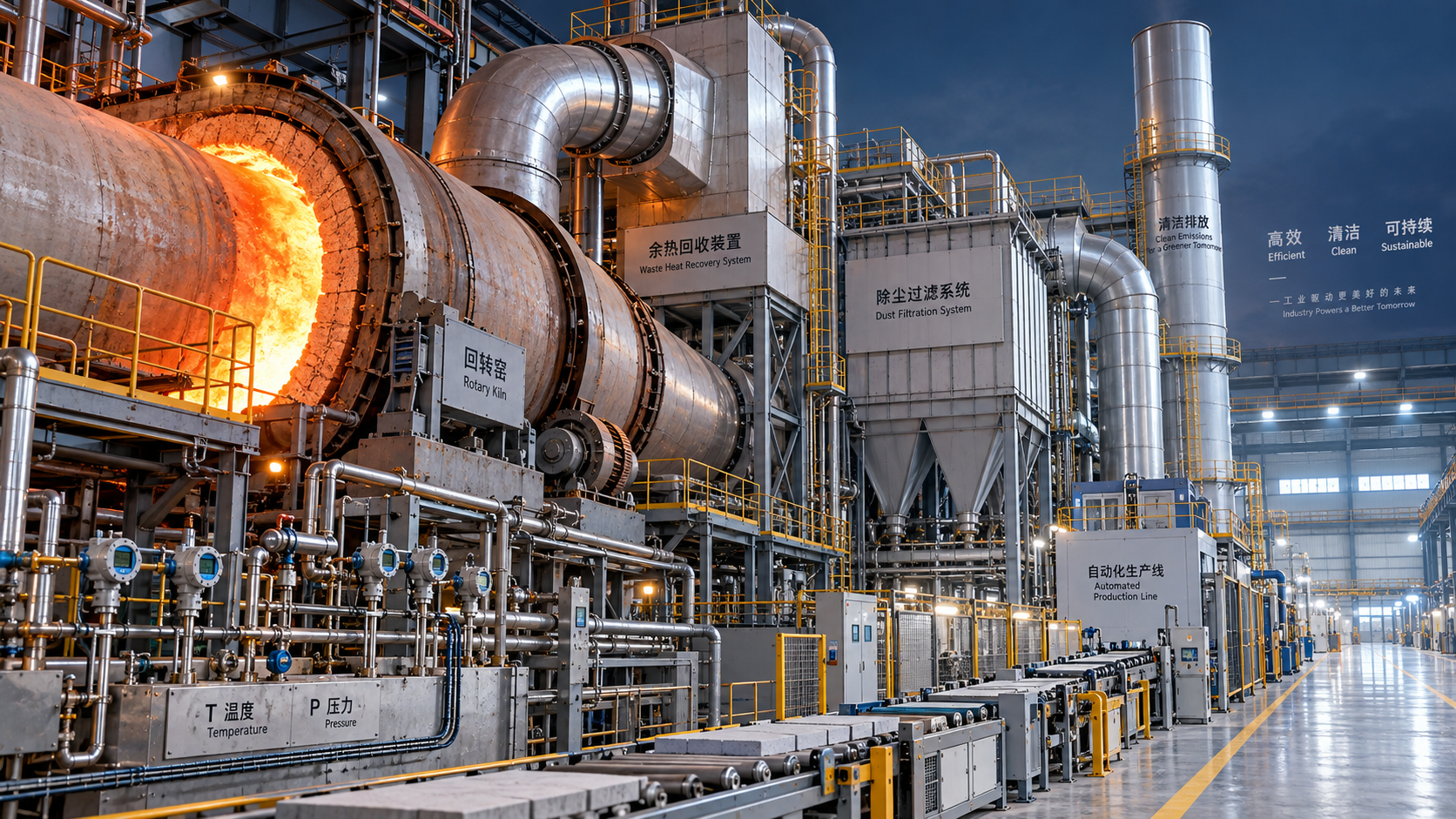
The database should begin with a hierarchy that reflects the physical plant, not merely an IT naming convention. A rotary kiln, glass furnace, calciner, incinerator, tunnel kiln, dryer, extruder, baghouse, induced-draft fan, and continuous emissions monitoring system should each have a stable asset identity. Major subassemblies need their own records where their condition drives process risk: kiln tyre and support rollers, burner lance, furnace regenerators, refractory zones, grate components, screw feeders, die heads, and quench systems are typical examples.
For every asset, retain design duty, original supplier documentation, operating envelope, material of construction, revision history, and interface points. A useful record does not just say “kiln shell temperature.” It identifies the measurement location, sensor type, calibration status, normal direction of rotation where relevant, process zone, and the time basis for the value. The same discipline applies to P&IDs, mass-balance drawings, control narratives, alarm rationales, electrical single-line diagrams, and safety interlock logic.
This hierarchy becomes especially important during upgrades. If a plant changes a preheater cyclone, installs a new low-NOx burner, modifies an air distribution system, or replaces a refractory design, the database should retain both the superseded and current configuration. Otherwise, long-term comparisons can become misleading.
Track Thermal Conditions as Profiles, Not Isolated Numbers
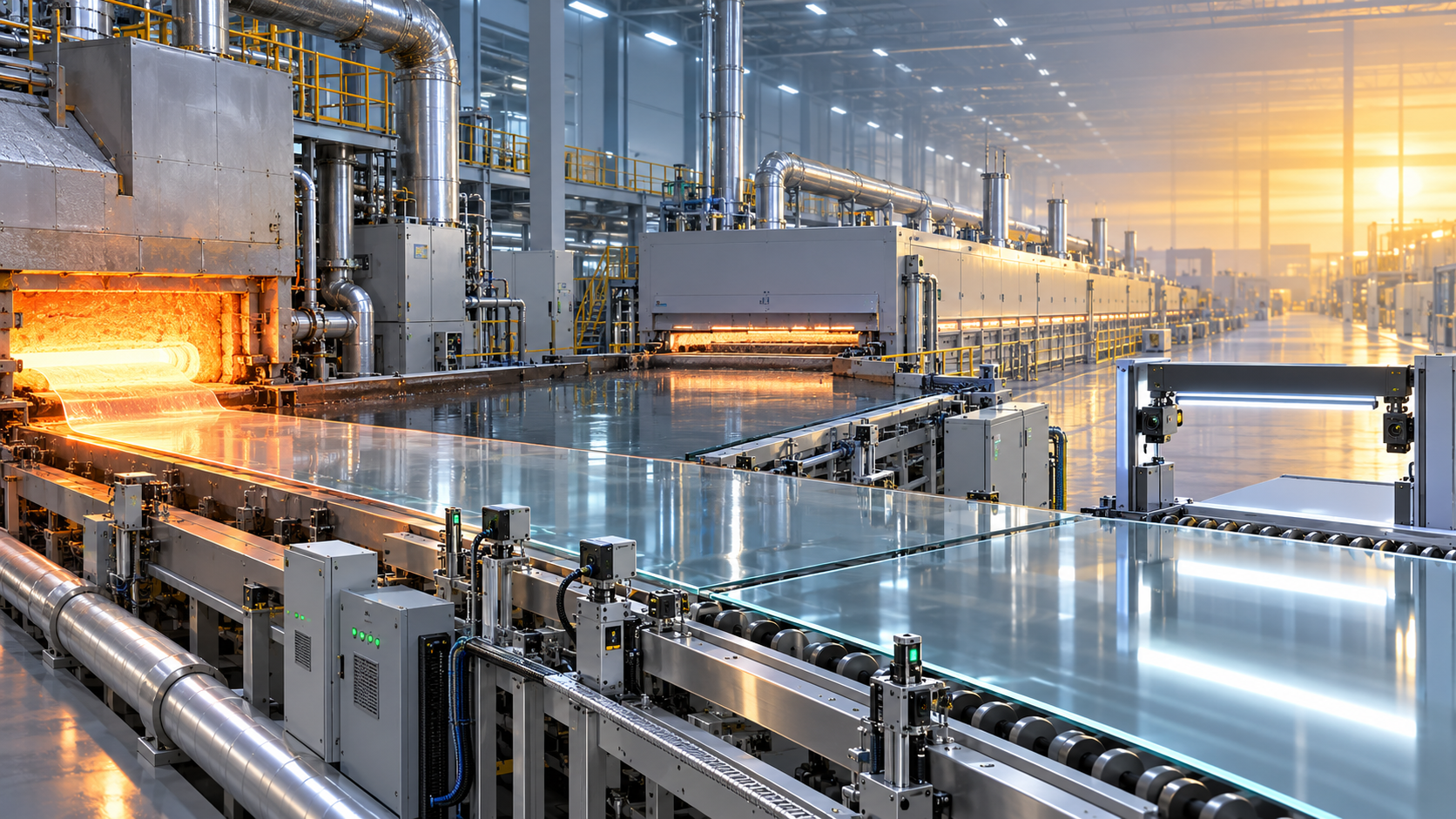
High-temperature equipment is governed by gradients, residence time, atmosphere, and heat transfer—not one peak-temperature value. The database should capture temperature profiles by process zone, along with pressure, draft, oxygen, flow, humidity, and relevant gas composition. In a kiln, this may include preheater stages, calciner, inlet chamber, burning zone, cooler, and exhaust path. In a glass furnace, melting, refining, conditioning, forehearth, annealing, and combustion spaces should be distinguishable.
Data resolution should fit the purpose. Second-by-second historian data can be necessary for trip analysis or combustion instability, while daily normalized values may be more useful for energy benchmarking. Both can coexist, provided the database clearly labels aggregation method, sampling interval, units, and data quality flags. Technical evaluators should be wary of trends that combine manually entered values, calculated values, and validated instruments without telling the user which is which.
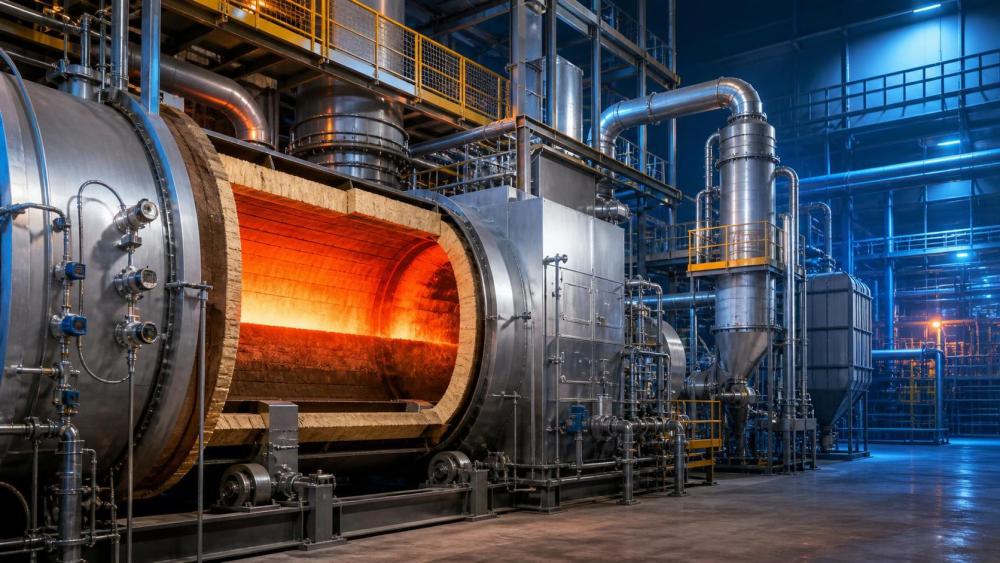
Thermal records should also include transient events: cold starts, hot restarts, fuel switching, production stoppages, coating loss, furnace pull changes, and abnormal draft conditions. These periods are often excluded from average performance reports, yet they can explain accelerated lining wear, product defects, elevated emissions, or mechanical stress. A database built only for “normal operation” will not support serious reliability work.
Make Feedstock, Fuel, and Chemistry Comparable
Material variability is one of the most underconnected parts of plant intelligence. The database should relate incoming material records to process performance and final product outcomes. For mineral feed, this can include chemical composition, moisture, particle-size distribution, loss on ignition, trace contaminants, and source or quarry designation. For glass and refractory production, batch formulation, cullet ratio, additives, and raw-material lot information may be critical. Extrusion lines require similarly disciplined records for moisture conditioning, binder additions, feed consistency, die geometry, and drying behavior.
Fuel data needs the same treatment. Record fuel type, supplier or source, lower or higher heating value as applicable to the plant’s calculation basis, moisture, ash, chlorine, sulfur, volatile content, particle size where relevant, and delivery date. Alternative fuels and waste-derived fuels require additional traceability because their physical and chemical variation can affect combustion stability, chloride circulation, corrosion, ash deposition, and emissions-control loading.
The objective is not to assume that one fuel is inherently better than another. It is to identify the operating envelope in which a specific fuel blend can be used without exceeding quality, safety, refractory, or environmental constraints. That distinction matters when evaluating co-processing strategies in rotary kilns or thermal treatment facilities.
Refractory Data Must Be Treated as Process Data
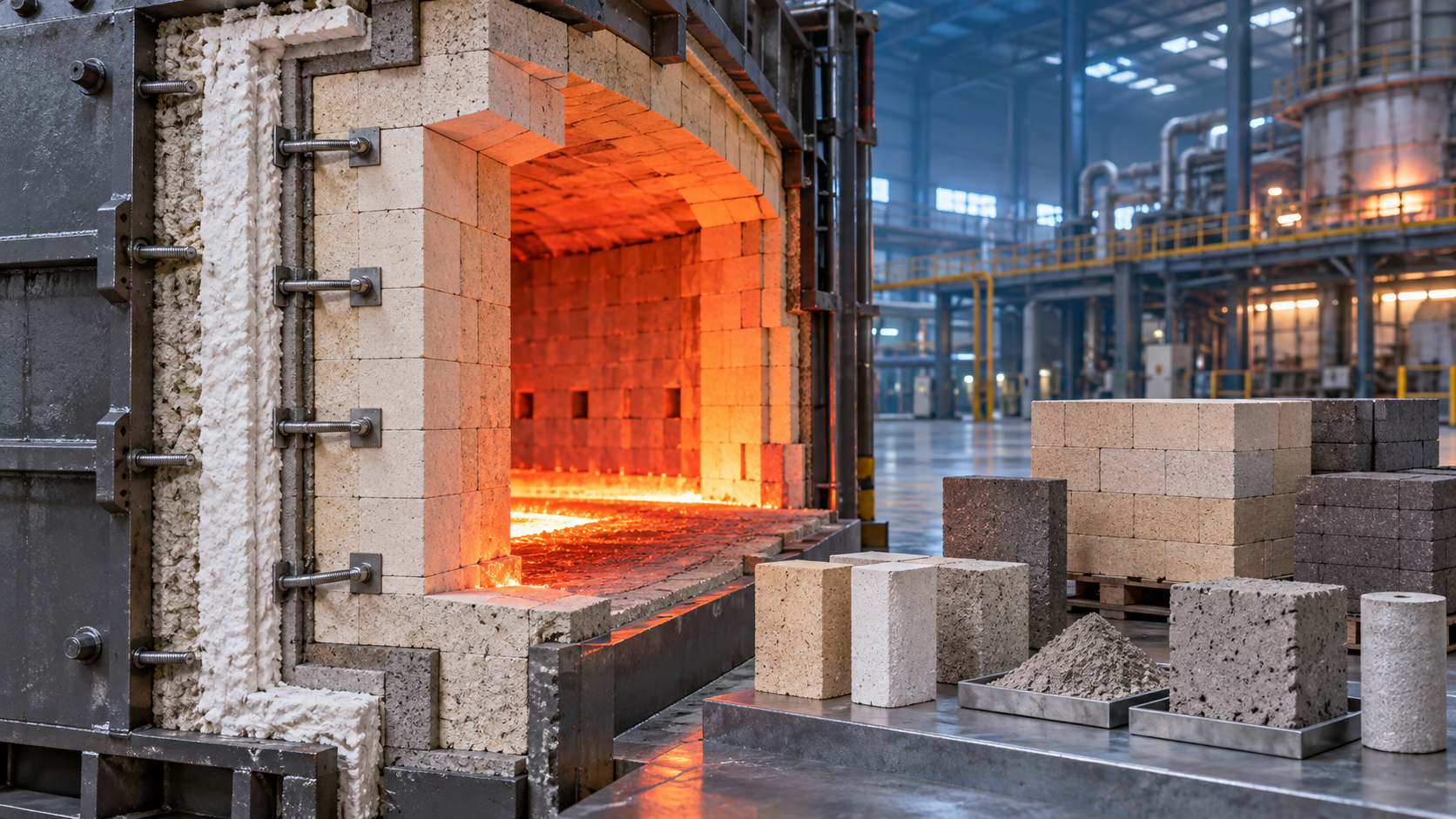
Refractory failure is rarely just a maintenance issue. It may point to flame impingement, excessive alkali or chloride load, poor expansion allowance, local air infiltration, mechanical damage, thermal cycling, or a mismatch between lining design and operating chemistry. A process technology database should connect refractory inspection records to operating events and material conditions.
Useful refractory fields include installed zone, material grade, manufacturer documentation, installation method, anchor or brick arrangement where relevant, dry-out procedure, repair history, shell-temperature observations, thickness measurements, photographs, failure description, and removed-material analysis when available. Inspection findings need dates and exact locations; “wear near the hot end” is not an adequate engineering record.
For a technical evaluator, the most valuable view is often a timeline: lining campaign start, operational deviations, fuel or feed changes, shell temperature changes, patch repairs, and shutdown findings on one sequence. Online monitoring systems, thermal scans, and digital-twin models can add perspective, but they should not replace physical inspection evidence or the engineering judgement needed to interpret it.
Link Emissions Records to Operating Conditions
Environmental data is often stored separately from production and maintenance information. That separation makes compliance reporting possible, but it makes root-cause analysis slower. The database should connect emissions results with throughput, fuel blend, feed chemistry, oxygen level, temperature, reagent consumption, filter condition, bypass operation, and any pollution-control equipment configuration active at the time.
Relevant parameters vary by jurisdiction and process, but the framework should accommodate particulate matter, nitrogen oxides, sulfur oxides, carbon monoxide, volatile organic compounds, acid gases, heavy metals, dioxins and furans where applicable, and greenhouse-gas accounting inputs. The applicable permit, test method, reference condition, averaging period, and validation status must be stored alongside the result. A number without its legal and measurement context is not enough for a compliance decision.
It is also wise to distinguish continuous measurements, periodic stack tests, laboratory analyses, calculated values, and estimated values. They answer different questions and should not be treated as interchangeable. When regulations, permit conditions, or corporate carbon-accounting methodologies are revised, the database should retain the historical basis rather than overwrite it.
Capture Energy, Carbon, and Production on the Same Time Basis
Energy intensity cannot be interpreted without production context. A database should track electricity, thermal fuel use, compressed air where material, steam, oxygen, water, recovered heat, and internally generated power alongside net production, product mix, quality grade, moisture basis, and operating hours. The denominator matters. Comparing energy per tonne of wet feed with energy per tonne of finished dry product can produce a false improvement or deterioration.
Carbon-related records should show their calculation boundary and methodology. Direct combustion emissions, process emissions from calcination, purchased electricity, alternative fuel treatment, and exported energy may each be accounted for differently depending on the organization and reporting framework. Technical teams should avoid placing a single carbon figure in a dashboard without retaining the source factors, fuel analyses, assumptions, and version of the calculation method behind it.
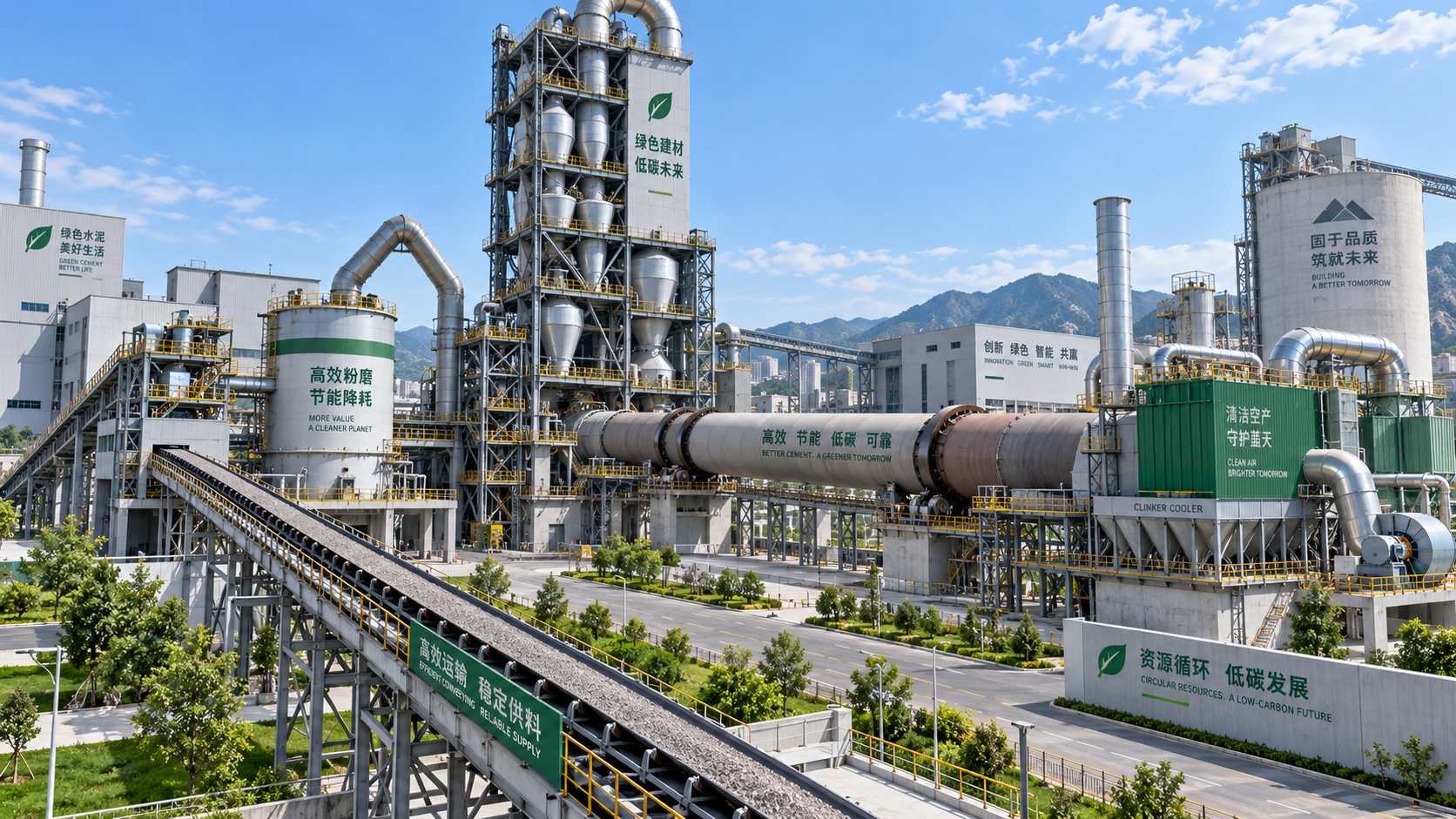
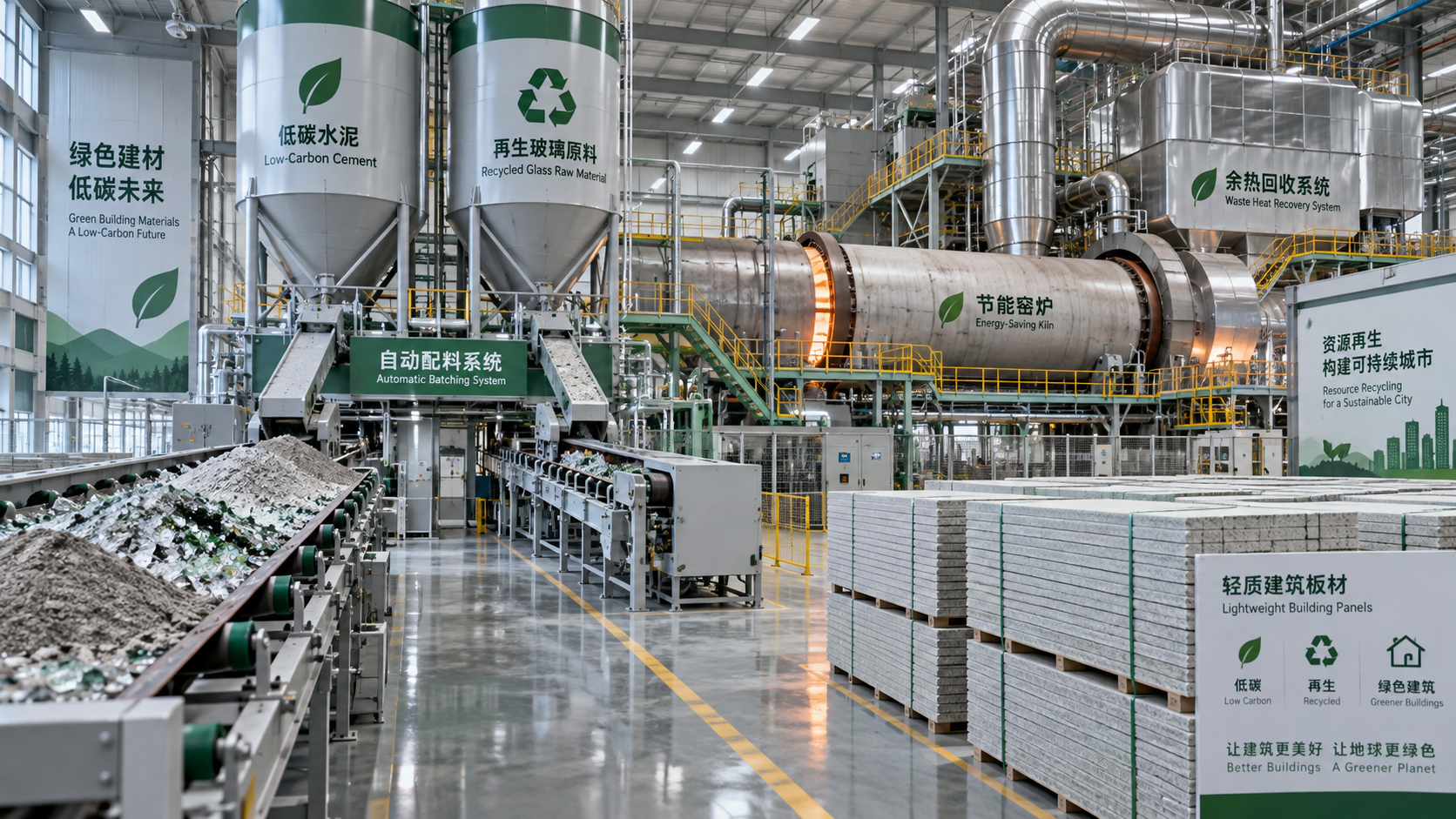
This is where high-temperature industries need an intelligence layer rather than a generic dashboard. CF-Elite’s focus across cement production, glass manufacturing equipment, industrial kilns and incineration, refractory lines, and new building-material extrusion reflects the fact that decarbonization is inseparable from thermal design, chemistry, material behavior, and plant reliability. The same apparent reduction in fuel use can have very different implications in a float furnace, a cement pyro line, or a waste-incineration system.
Maintenance History Should Preserve Failure Mechanisms
A maintenance record that only lists work orders and spare parts is insufficient for process evaluation. It should preserve symptoms, inspection observations, failure mode, suspected mechanism, corrective action, downtime, and verification after return to service. Bearings, fans, gearboxes, burners, gas-cleaning systems, conveying equipment, hydraulic systems, and process instruments all benefit from this structure.
Condition-monitoring data—vibration, oil analysis, thermography, acoustic measurements, motor load, or differential pressure—becomes useful when tied to operating state. A fan vibration alert during a particular production rate or dust load may tell a different story than the same alert during a shutdown sequence. Likewise, calibration records for critical analyzers and thermocouples should be linked to the measurements they support. Evaluators need to know whether a deviation represents the process or the instrument.
Governance Determines Whether the Database Can Be Trusted
The strongest technical structure fails if ownership is vague. Each data family needs a named steward, a source system, an update rule, a unit convention, and a review process. Engineering drawings may be controlled through document management; operating variables through a historian; quality results through a laboratory system; environmental records through a compliance function. A process technology database does not need to duplicate every system, but it must provide controlled links and a clear version of record.
Access control matters as well. Operators may need rapid visibility of current limits and instructions, while technical evaluators require access to historical versions, raw data lineage, and approval history. Sensitive commercial terms, supplier formulations, and security-related plant details should be governed separately. Convenience is useful; uncontrolled editing is not.
Before selecting software or expanding a data program, define a limited set of decisions the system must support: refractory campaign planning, fuel-substitution approval, emissions excursion investigation, energy-baseline review, process modification management, or equipment due diligence. Build the data model around those decisions. A smaller, well-governed database with reliable context is more valuable than a large archive of tags and PDFs that cannot be compared.
For organizations assessing plants across regions, CF-Elite’s Strategic Intelligence Center approach offers a useful principle: stitch together thermal parameters, reaction behavior, equipment condition, market context, and regulatory requirements without pretending that one dataset answers every question. The next practical step is to map the plant’s critical decisions against its present records, identify where traceability breaks, and confirm the standards, permit conditions, and engineering limits that must remain visible in every future evaluation.
Related News
 Thermal Energy ArchitectIndustrial Furnace Optimization: Heat Recovery Retrofit Costs and PaybackExplore industrial process optimization furnace strategies to assess heat recovery retrofit costs, calculate realistic payback and cut energy bills while protecting production.Oct 15, 2026
 Dr. Alistair VaughnIndustrial Waste Recycling: Selecting Conversion Systems by Feedstock and OutputCompare industrial waste conversion systems recycling teams can match to feedstock and output. Explore recovery routes, quality criteria, and costs to choose with confidence.Oct 14, 2026
 Ms. Elena RodriguezHigh-Pressure Molding Innovations: How Automation and Tooling Affect PriceExplore the high-pressure molding innovations price equation: compare automation, tooling, and ownership costs to find upgrades that cut waste and deliver measurable value.Oct 13, 2026
 Ms. Elena RodriguezIndustrial Process Optimization: Where to Target Energy, Yield, and Throughput LossesIndustrial process optimization: identify energy, yield, and throughput losses to improve plant stability, reduce costs, and unlock measurable performance gains.Oct 12, 2026
 Ms. Elena RodriguezGlass Market Intelligence: How to Assess Demand, Capacity, and Regional Growth RisksGlass market intelligence for evaluating demand, effective capacity, energy exposure, trade dynamics, and regional growth risks before investing in glass manufacturing.Oct 11, 2026
 Ms. Elena RodriguezHow Should Industrial Energy Efficiency Vendors Be Compared?How do I compare industrial energy efficiency vendors? Discover a practical framework for evaluating process fit, verified savings, reliability, emissions, and lifecycle support.Oct 15, 2026
 Silicate Process EngineerWhat Is a Realistic Energy Efficiency Target for a Cement Plant?What energy efficiency target is realistic for a cement plant? Explore practical thermal and electrical benchmarks, savings opportunities, and phased strategies to reduce costs, improve reliability, and build a credible decarbonization roadmap.Oct 14, 2026
 Ms. Elena RodriguezAre Green Building Materials More Expensive to Manufacture?Are green building materials more expensive to manufacture? Explore cost drivers, savings opportunities, and how sustainable production can strengthen long-term competitiveness.Oct 13, 2026
 Structural Material AnalystWhich Sustainable Construction Materials Are Suitable for Extrusion?Which sustainable construction materials are suitable for extrusion? Explore recycled clay, cementitious mixes, geopolymers, and bio-composites for reliable, lower-impact building products.Oct 12, 2026
 Optical Glass Tech FellowWhat Should a Glass Furnace Energy Specification Include?What should be included in a glass furnace energy specification? Explore performance, fuel flexibility, heat recovery, emissions, and monitoring essentials.Oct 11, 2026
 Dr. Alistair VaughnHow Process Technology Platforms Improve Control Across Multi-Line ManufacturingDiscover how a process technology platform strengthens cross-line control, connects operational data, and improves energy, quality, and maintenance decisions.Oct 10, 2026
 Optical Glass Tech FellowHow Glass Furnace Emissions Are Measured and Controlled for Regulatory ComplianceGlass furnace emissions: learn how to measure, monitor, and control NOx, SOx, particulate, CO, and CO2 for reliable regulatory compliance.Oct 08, 2026
 Prof. Marcus ChenIndustrial Decarbonization Strategies in Europe: A Roadmap for Energy-Intensive PlantsIndustrial decarbonization strategies Europe: explore practical pathways for energy-intensive plants to cut emissions, improve efficiency, and protect performance.Oct 07, 2026
 Thermal Energy ArchitectEnergy-Efficient Silicate Production Lines: What to Compare Before SelectionSilicate production lines energy efficient selection guide: compare thermal performance, stability, emissions, controls, and lifecycle value before investing.Oct 06, 2026
 Optical Glass Tech FellowHow to Evaluate Automated Float Glass Lines for Capacity, Quality, and Energy UseEvaluate automated float glass lines for net capacity, consistent quality, energy efficiency, automation reliability, and lifecycle value. Explore key criteria for smarter investment decisions.Oct 05, 2026
 Thermal Energy ArchitectWhat Does CE Marking Require for an Energy-Efficient Industrial Kiln?Energy efficient kiln CE requirements explained: assess safety, technical files, energy performance, and EU compliance before purchase or commissioning.Oct 04, 2026
 Thermal Energy ArchitectRefractory Manufacturing Solutions for Brick Plants: How to Extend Kiln LifeRefractory manufacturing solutions for brick plant operations: discover proven strategies to extend kiln life, reduce heat loss, prevent lining failures, and plan cost-effective repairs.Oct 03, 2026
 Thermal Energy ArchitectHow to Specify Heavy Industrial Process Systems for High-Temperature PlantsHeavy industrial processes systems: learn how to specify high-temperature plants for efficiency, emissions control, maintainability, and lifecycle performance.Oct 02, 2026
 Structural Material AnalystHow Sustainable Material Extrusion Can Improve Wall Panel Durability and Design FlexibilityDiscover how sustainable material extrusion for wall panels improves durability, moisture resistance, design flexibility, and installation consistency for high-performing wall systems.Oct 01, 2026
 Thermal Energy ArchitectHow to Evaluate a High-Temperature Materials Manufacturer for Furnace ApplicationsChoose a high-temperature materials manufacturer with confidence: compare thermal performance, chemical resistance, quality controls, installation support, and lifecycle cost.Sep 30, 2026


Related News
- 00
0000-00
Industrial Waste Recycling: Selecting Conversion Systems by Feedstock and Output - 00
0000-00
How Process Technology Platforms Improve Control Across Multi-Line Manufacturing - 00
0000-00
How Waste Recycling Technology Improves Material Recovery in Industrial Plants - 00
0000-00
Industrial Process Engineering: How to Map Processes for Safer, More Efficient Plants - 00
0000-00
What Should a Process Technology Database Track for High-Temperature Plants?
Weekly Insights
Stay ahead with our curated technology reports delivered every Monday.