
Are Green Building Materials More Expensive to Manufacture?




“Are green building materials more expensive to manufacture?” is a practical question, not a philosophical one. For plant managers, equipment distributors, developers, and procurement teams, the concern is usually less about whether sustainability matters and more about where the additional cost enters the process—and whether it can be recovered over time.
The short answer is: often yes at the production stage, but not always across the full economic life of the material. Some low-carbon products require cleaner energy, new binders, tighter quality control, recycled feedstock preparation, or specialized forming equipment. Those changes may raise early manufacturing costs. Yet green materials can also reduce fuel demand, avoid carbon-related exposure, lower waste-disposal costs, and create products that meet increasingly strict building and procurement requirements.
The useful comparison is not “green versus conventional” in the abstract. It is a comparison of process routes, material performance, local supply conditions, plant utilization, and regulatory risk. A recycled-glass product made near a reliable cullet supply may be cost-competitive. A novel low-clinker cement produced on a small line with expensive supplementary materials may initially cost more. Both can be described as green, but their cost logic is entirely different.
Why the Manufacturing Cost Question Is More Complicated Than It Looks
Traditional construction materials benefit from decades of optimization. Cement kilns, float glass lines, ceramic production systems, and metal-processing plants have often been designed around stable raw-material recipes, predictable fuel systems, and high operating volumes. Their unit cost is not merely a reflection of chemistry; it reflects mature infrastructure, established suppliers, trained operators, and equipment that has already been amortized.
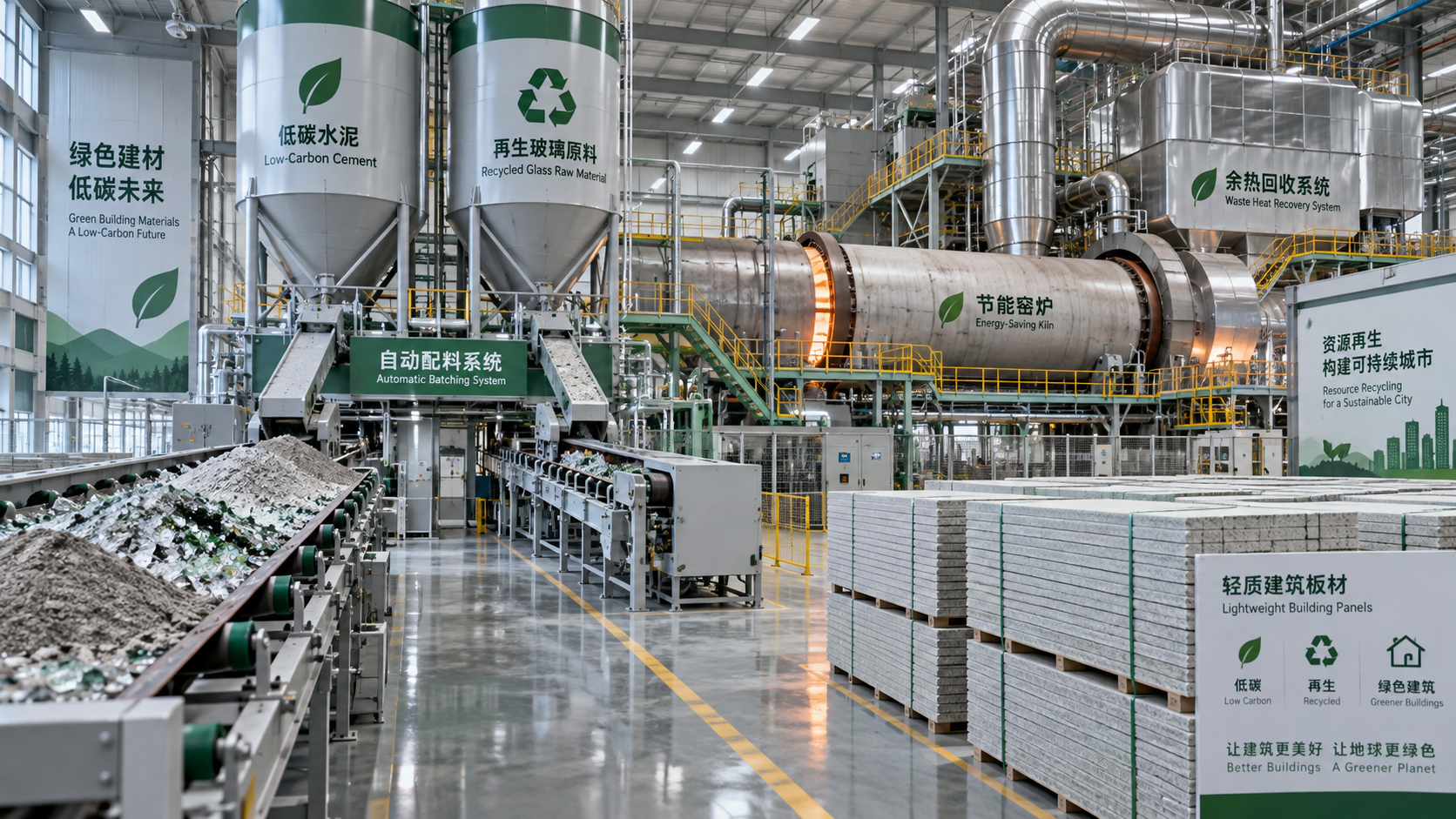
Green building materials enter that landscape with a different set of requirements. A manufacturer may need to substitute virgin inputs with recycled material, reduce clinker content, capture dust more effectively, electrify a thermal step, use alternative fuel, or manufacture lightweight panels with a more precise extrusion profile. Each change affects capital expenditure, operating discipline, yield, and maintenance.
That does not mean sustainability automatically creates a cost penalty. In many cases, conventional manufacturing is only “cheap” because carbon emissions, landfill use, water impacts, and future compliance liabilities are not fully visible in the purchase price. The cost gap changes once a producer accounts for energy volatility, carbon reporting, emissions control, and customer demand for verified environmental performance.
Where Green Materials Can Cost More to Make
Several cost drivers appear repeatedly across cement, glass, refractory-adjacent products, insulation, recycled aggregates, and extruded building components. Their importance varies by location and plant configuration.
1. Feedstock collection, sorting, and preparation
Recycled content is not simply “free material.” Recycled glass must be sorted and cleaned to control contamination and color variation. Demolition waste may need crushing, separation, and grading before it can become a reliable aggregate. Agricultural fibers and industrial by-products can require drying, milling, storage, or chemical treatment.
Virgin raw materials may carry their own extraction and transport burden, but they usually arrive within a standardized specification. Secondary raw materials are often less consistent. Manufacturers therefore spend more effort on incoming inspection, blending, and process monitoring to preserve product quality. For materials sold into structural or weather-exposed applications, that consistency is non-negotiable.
2. Higher energy standards during transition
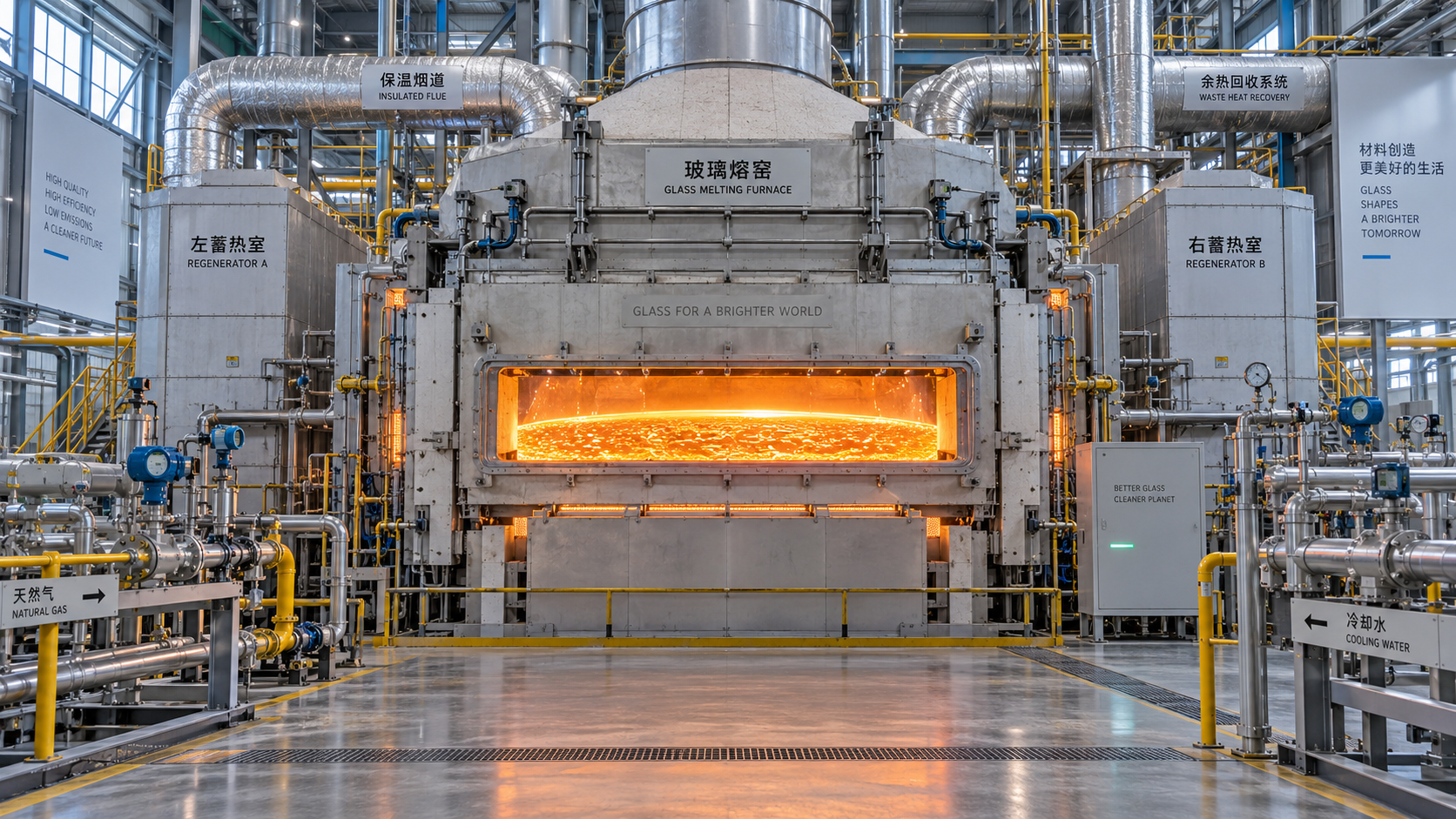
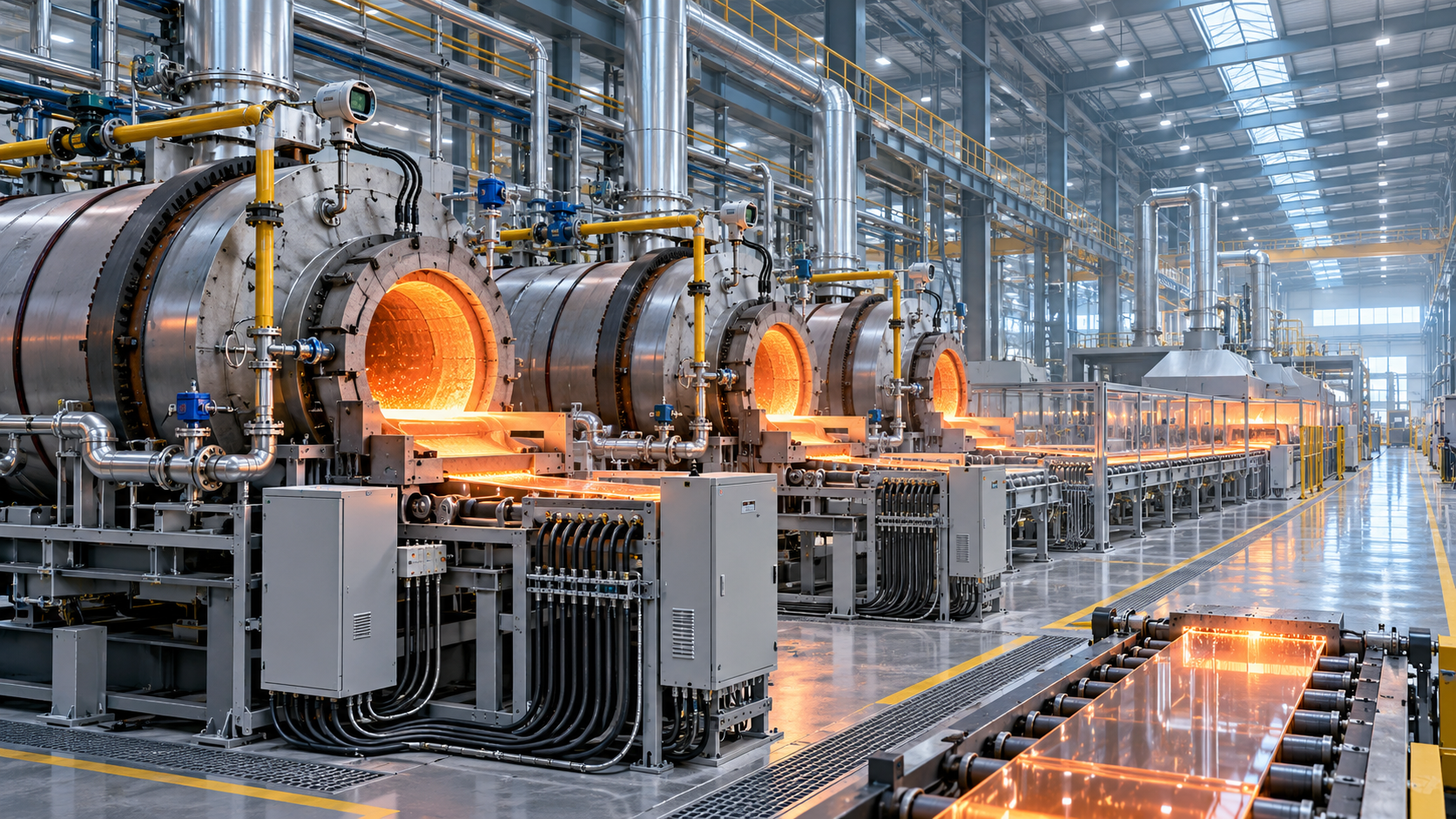
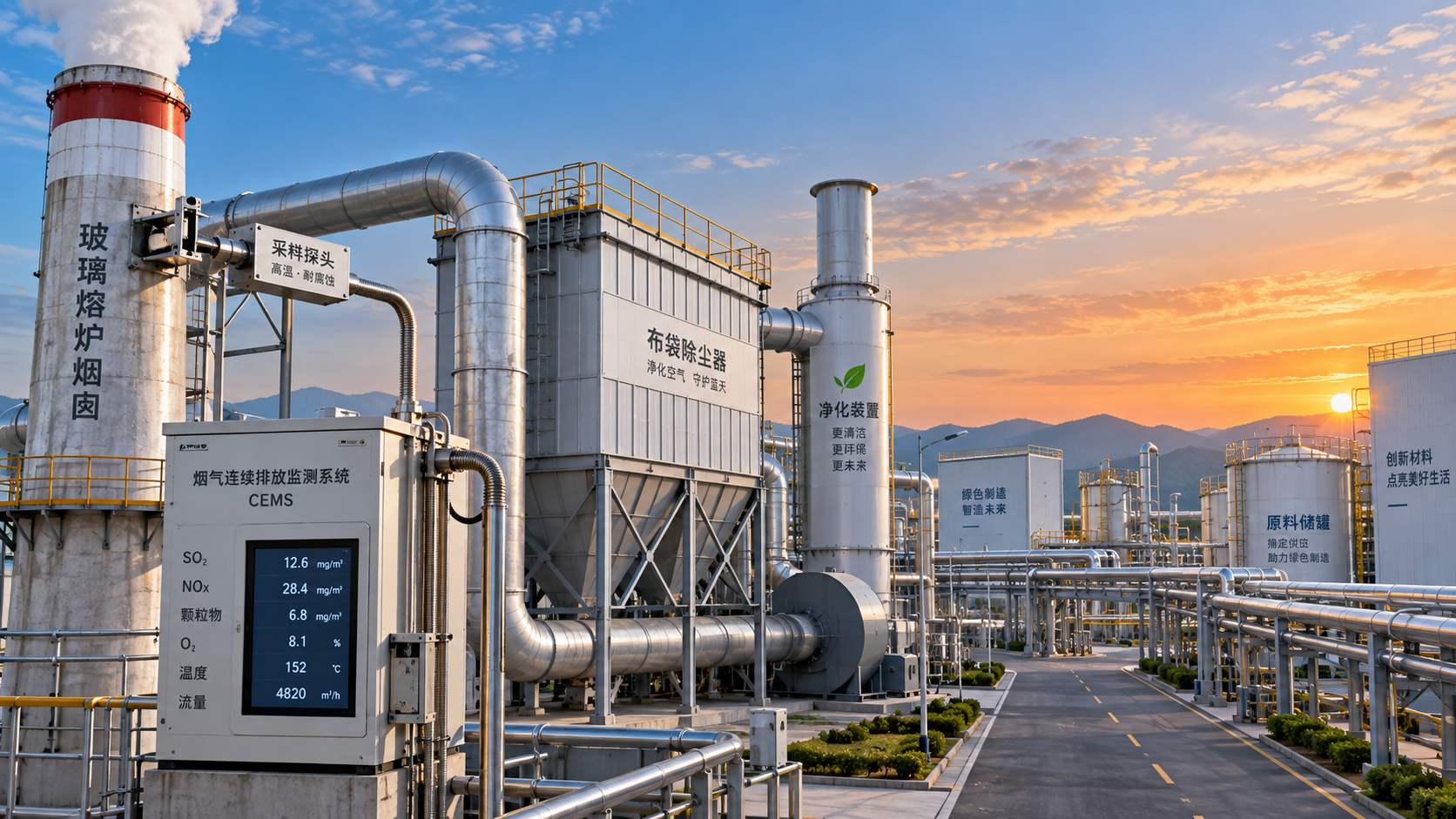
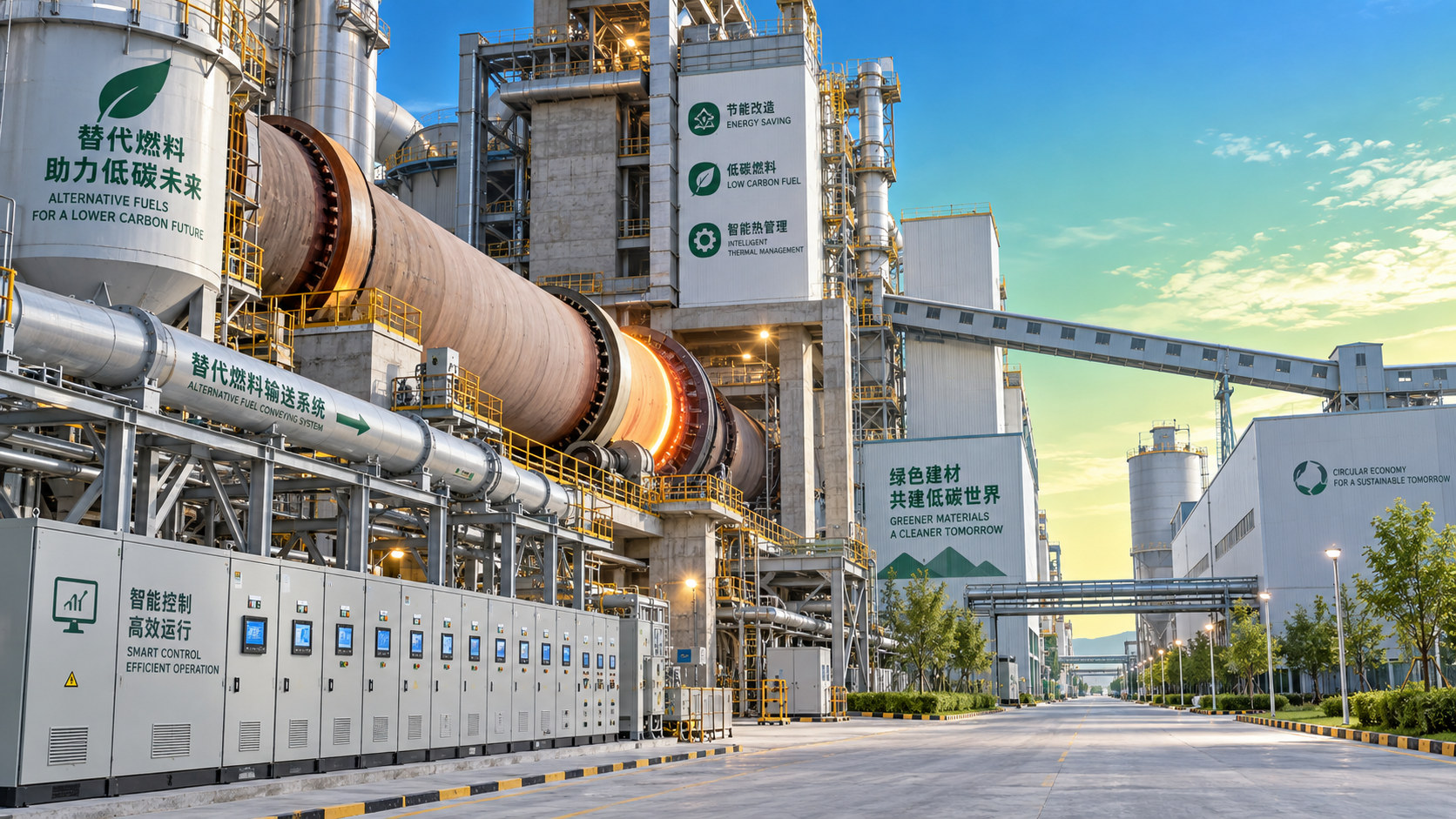
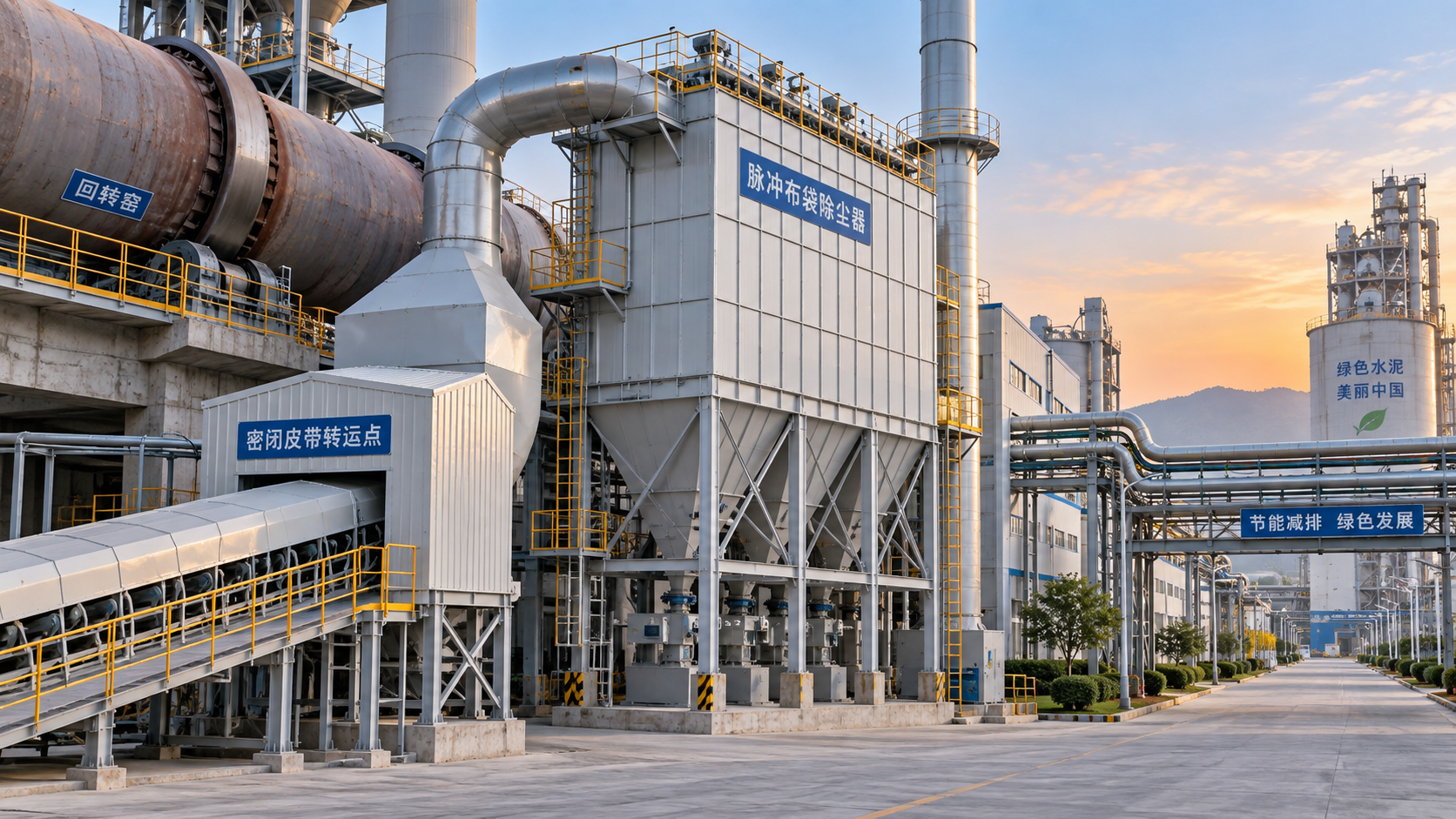
Energy-intensive industries sit at the center of the green manufacturing debate. Cement clinker formation, glass melting, incineration, calcination, and refractory firing all depend on carefully managed high-temperature conditions. Switching from a familiar fossil-based thermal system to electricity, biomass, hydrogen-ready infrastructure, alternative fuels, or waste-derived fuels can involve substantial retrofit work.
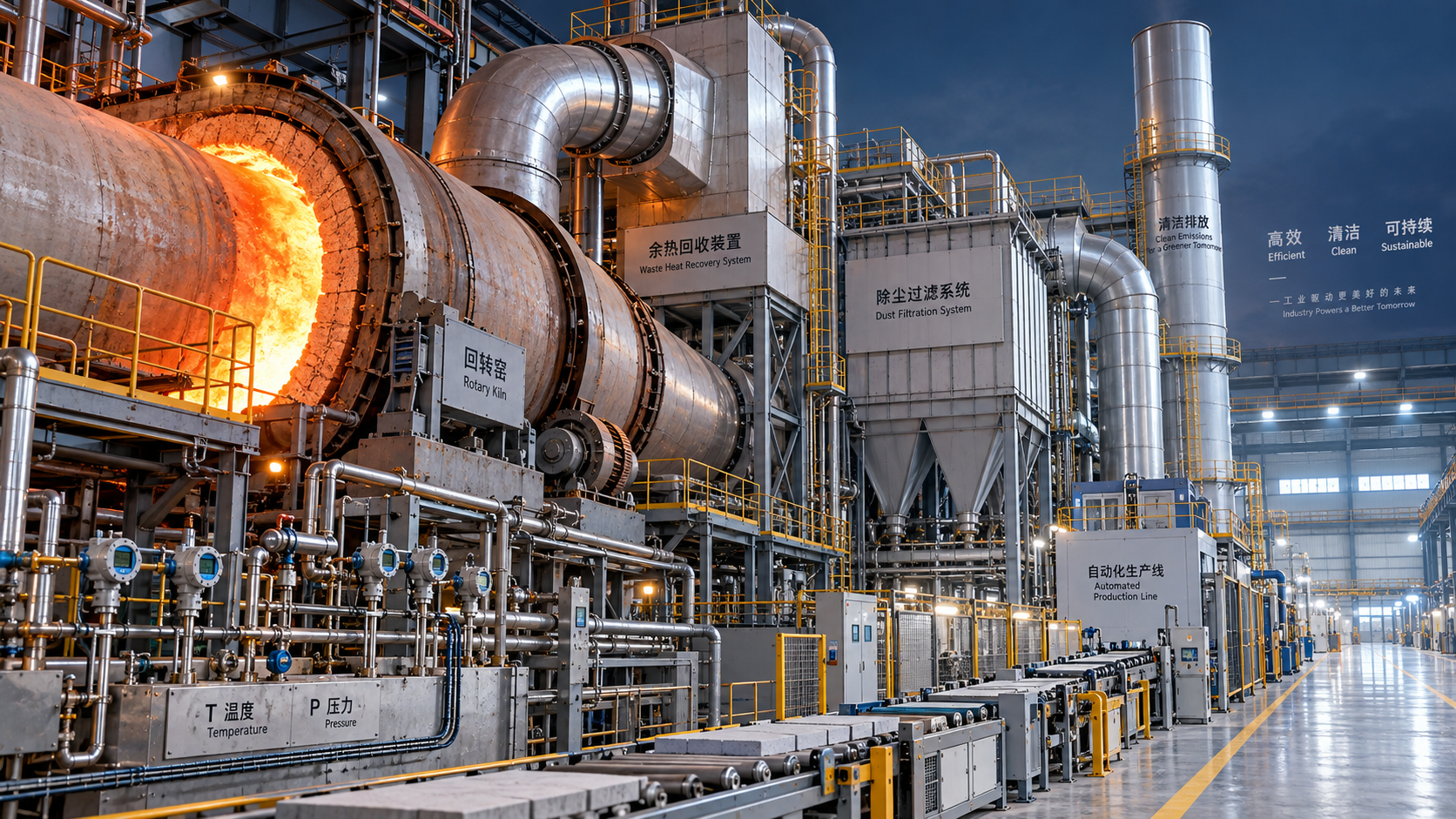
The economics depend on local energy prices and supply reliability. Electrification may lower on-site emissions while increasing exposure to power prices. Alternative fuels can reduce fossil fuel use, but may demand more advanced feeding systems, combustion control, and emissions monitoring. A rotary kiln cannot compromise flame stability or product chemistry simply to claim a lower-carbon input.
3. New equipment and process control
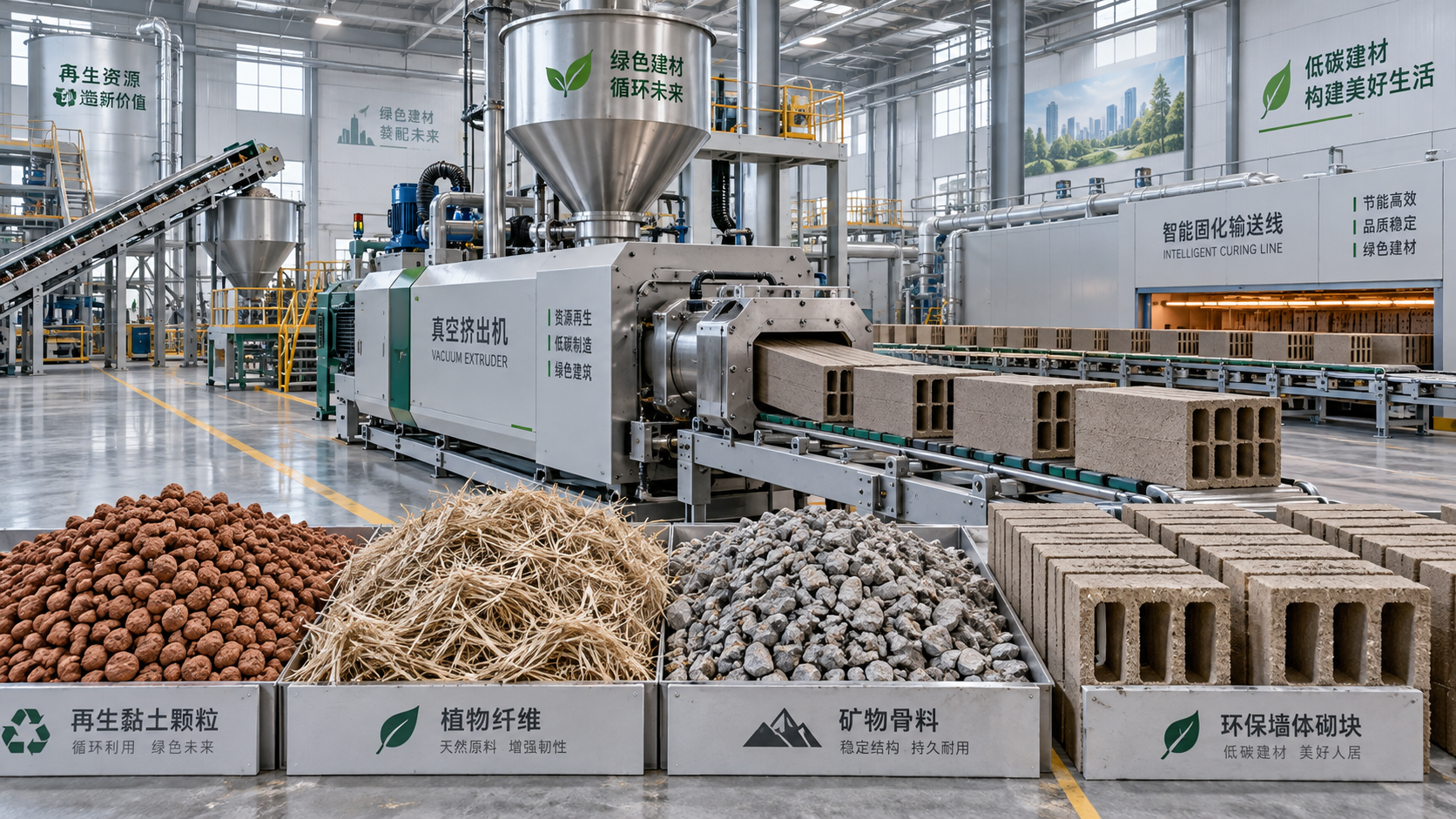
A green product line may need more than a new recipe. Low-carbon binders can require different grinding, mixing, curing, or storage conditions. Lightweight extruded materials may depend on tightly controlled moisture, pressure, die design, and drying profiles. Recycled-content glass formulations can change furnace behavior and influence melting or refining requirements.
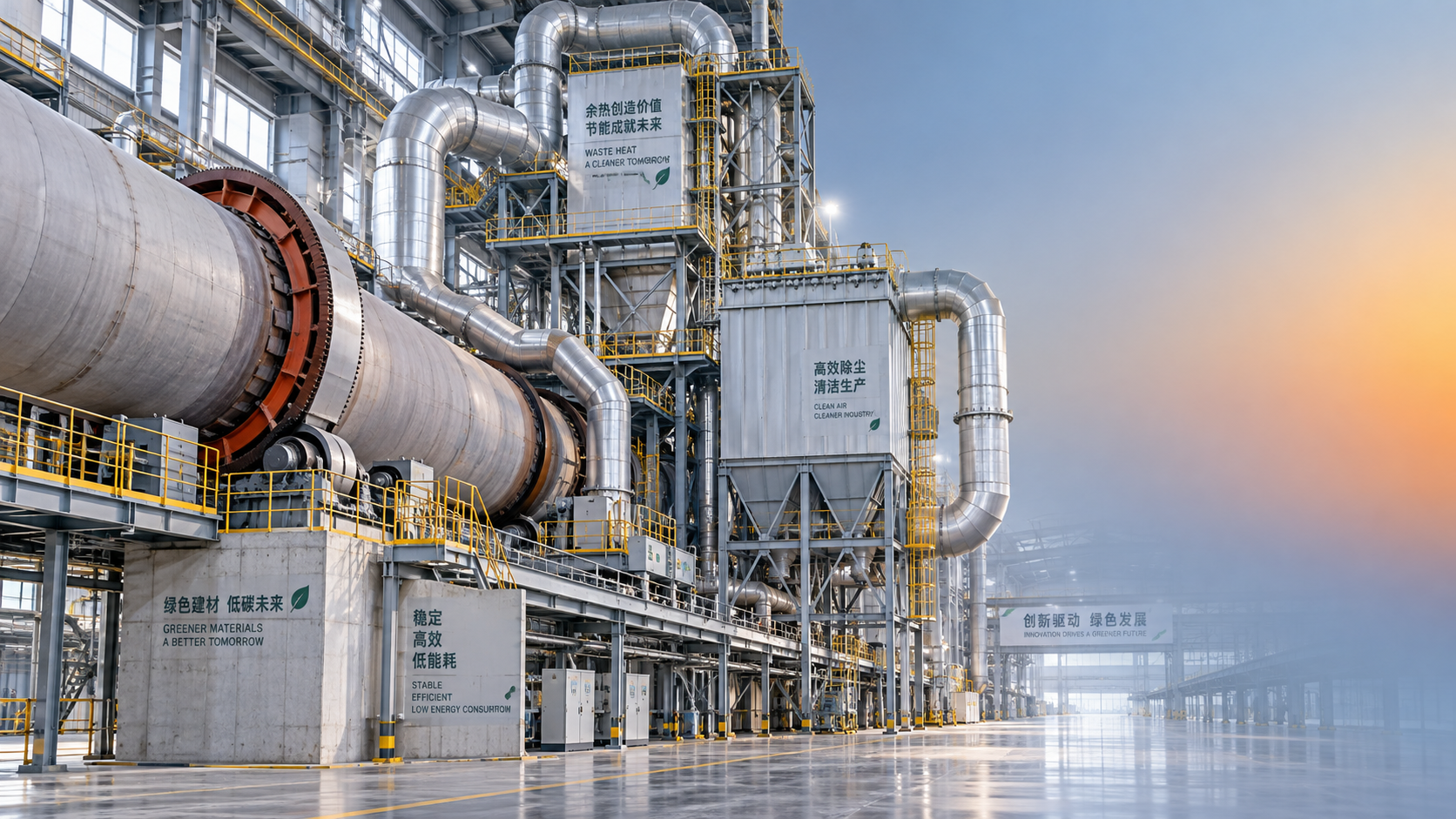
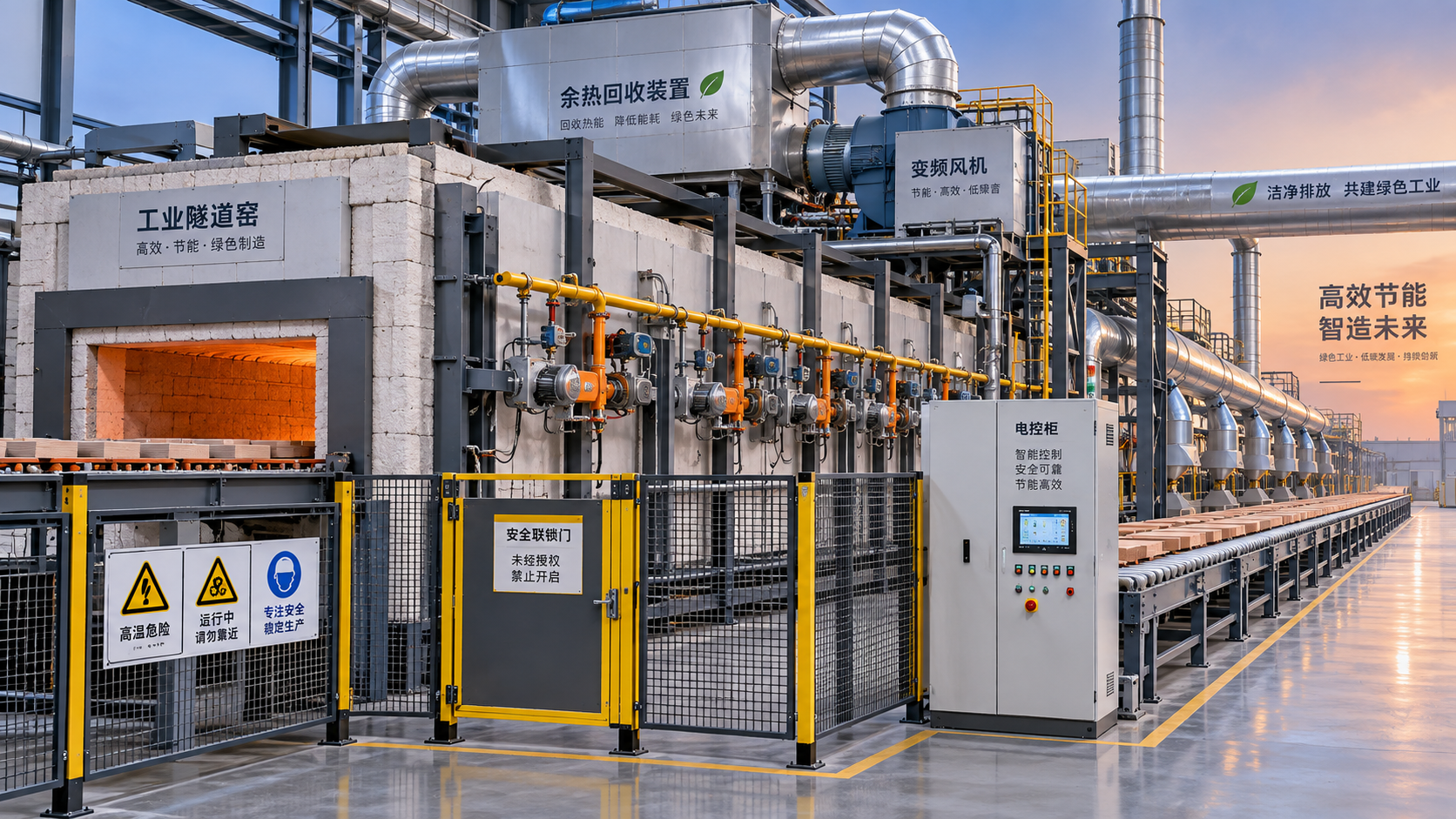
These upgrades are especially visible in the early years of adoption. Digital kiln monitoring, online refractory lining assessment, automated batching, heat-recovery systems, and process simulations all require investment. Yet they are not merely environmental add-ons. Better thermal control can reduce waste, stabilize output, and prevent the expensive disruptions that occur when a high-temperature line operates outside its intended envelope.
4. Certification, testing, and documentation
Buyers increasingly ask manufacturers to substantiate recycled content, embodied-carbon claims, durability, indoor-air performance, or responsible sourcing. The testing itself may not be the largest cost item, but the documentation process can be demanding—particularly for smaller producers or newly commercialized material categories.
A factory making conventional blocks or panels may have long-established product data. A manufacturer introducing a lower-carbon alternative needs to demonstrate that environmental improvements do not come at the expense of strength, fire resistance, moisture behavior, dimensional stability, or service life. That evidence takes time, laboratory work, and disciplined production records.
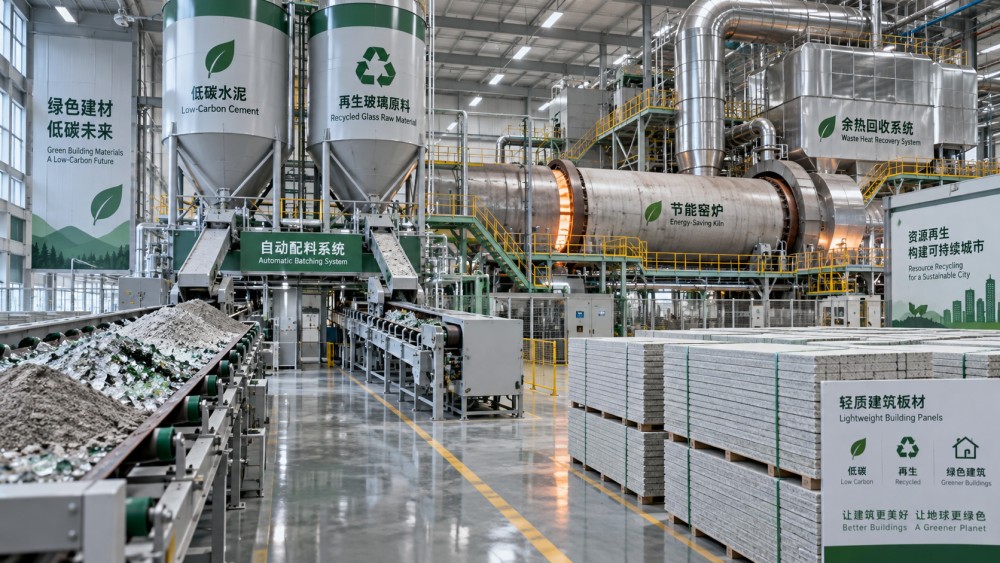
A Side-by-Side View: Conventional and Green Production Routes
The table illustrates an important point: green materials are not expensive for one single reason. Cost is distributed across the system. Some plants face a capital burden; others face a feedstock problem. In a favorable regional ecosystem, a material with recycled or lower-carbon content may even become the more economical option.
Material-by-Material Differences Matter
Broad labels can hide meaningful distinctions. Consider cement. Reducing clinker content can lower process emissions because clinker production is both fuel-intensive and chemically carbon-intensive. But supplementary cementitious materials, calcined clays, limestone fillers, and alternative binders must be available in consistent volumes and handled correctly. If a plant must import these materials over long distances or heavily modify grinding and blending systems, the initial economics may be difficult.
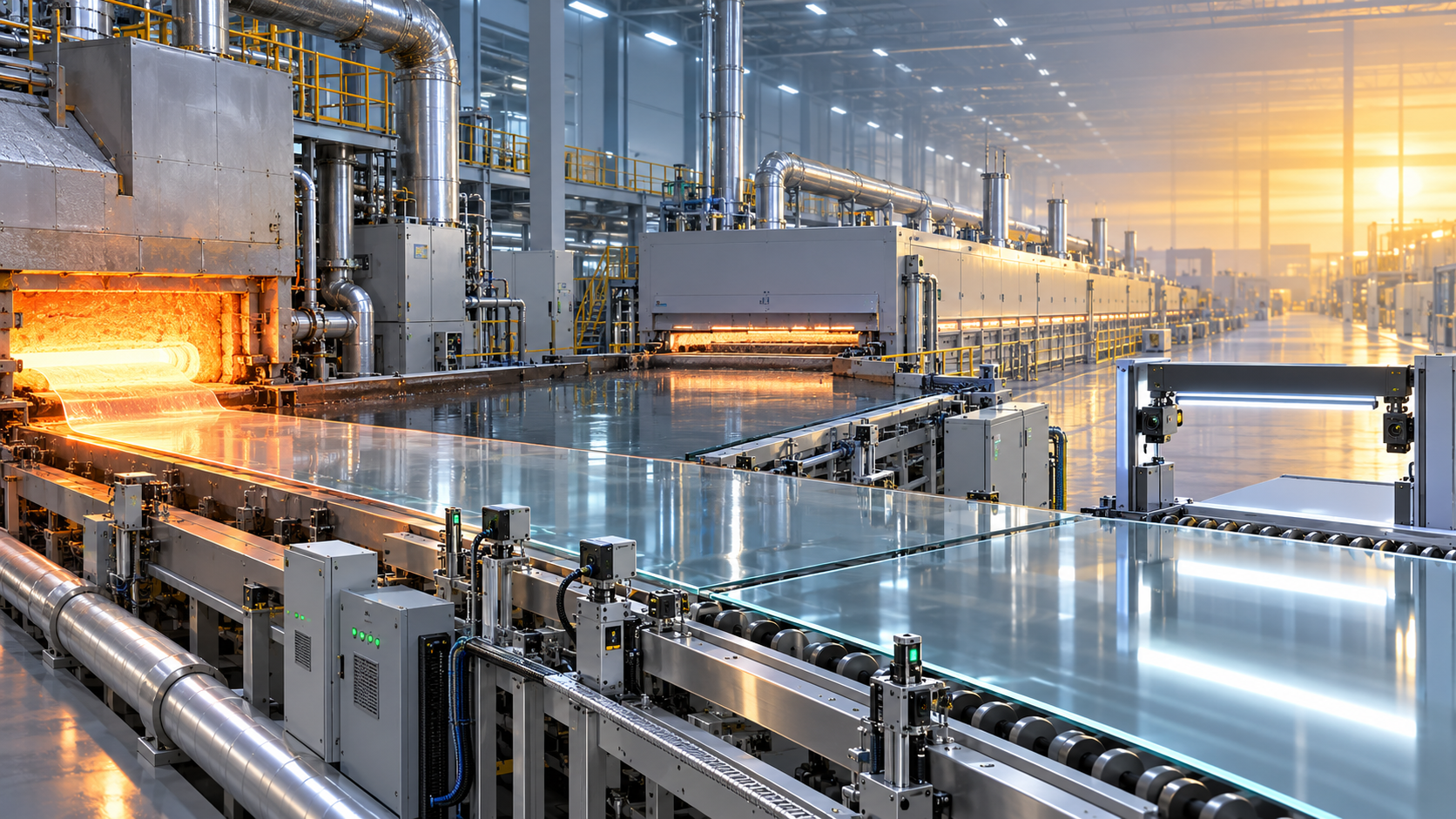
Glass tells a different story. Increasing recycled cullet can reduce the energy required for melting, but only when cullet quality is well managed. Contaminants, inconsistent particle sizes, and unstable supply can create furnace and product-quality challenges. The green advantage comes from a disciplined loop: collection, sorting, batch formulation, melting control, and a market able to absorb the finished glass.
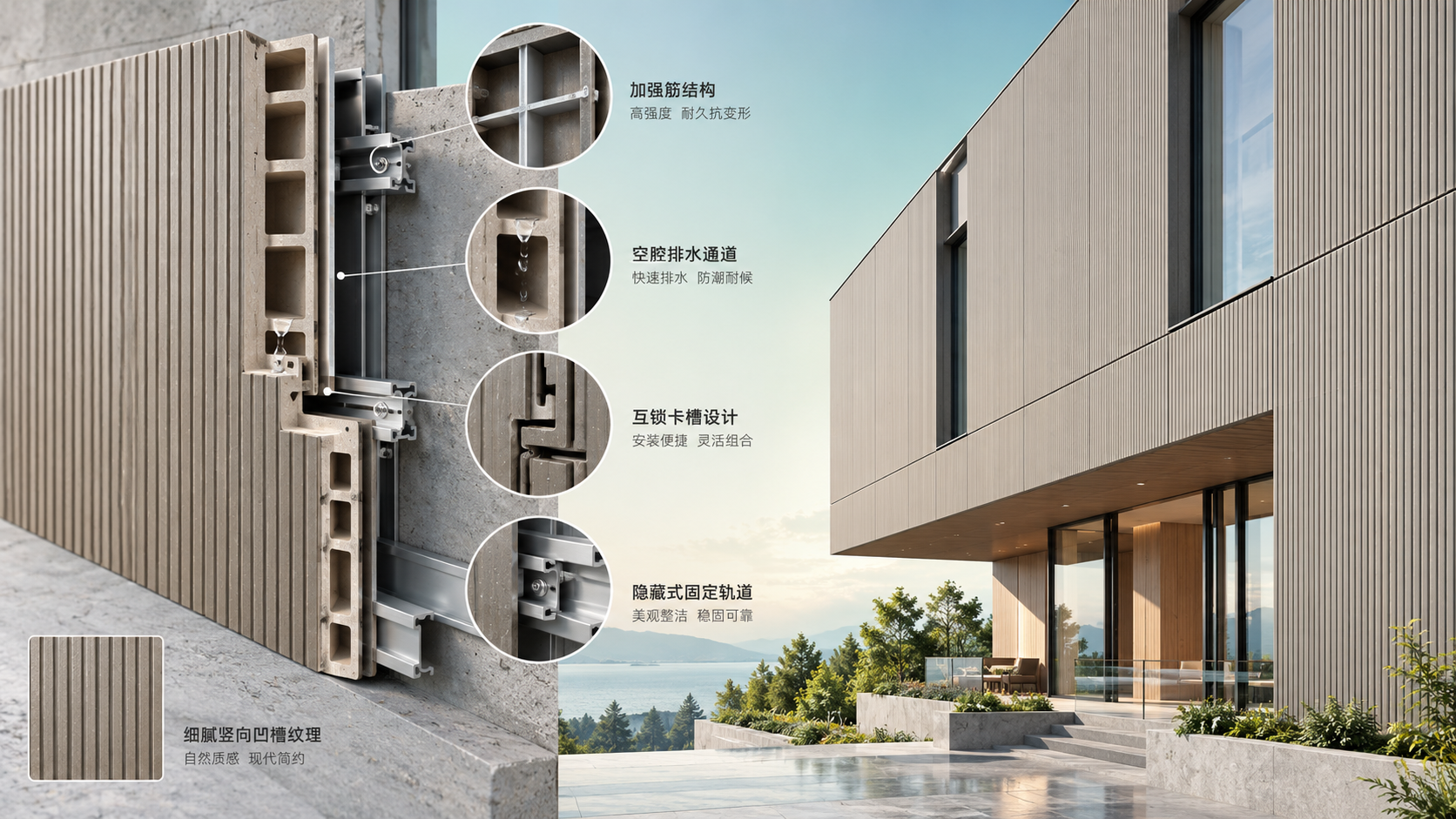
For lightweight blocks, façade elements, insulation-related products, and other extruded construction materials, the opportunity often lies in material efficiency. A lighter component may use fewer resources, reduce transport loads, and improve thermal performance in the finished building. Manufacturing may involve specialized extrusion, controlled foaming, low-temperature curing, or more careful moisture management. The product may cost more per unit at the factory gate while reducing total project costs through faster installation or lower structural loads.
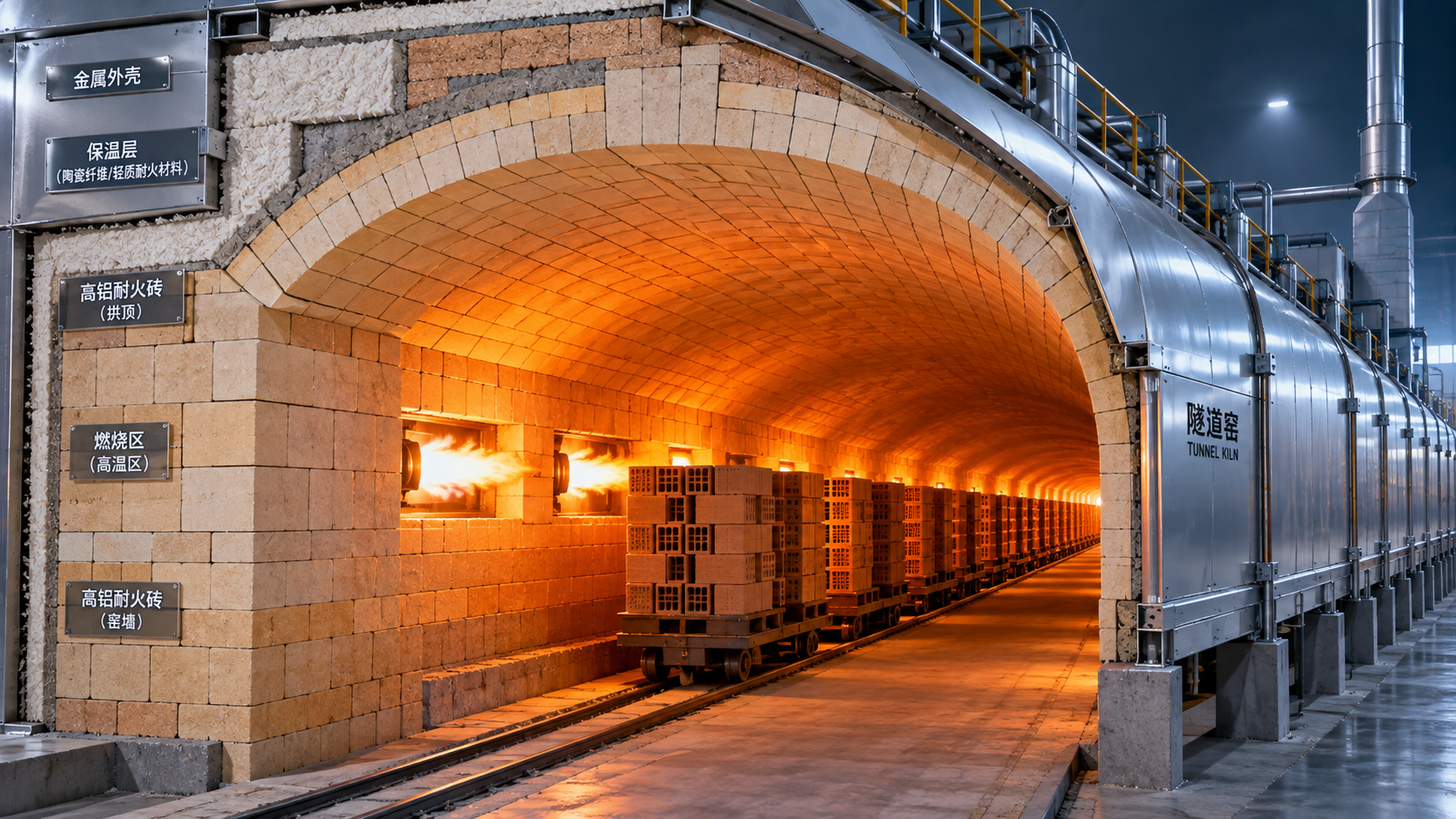
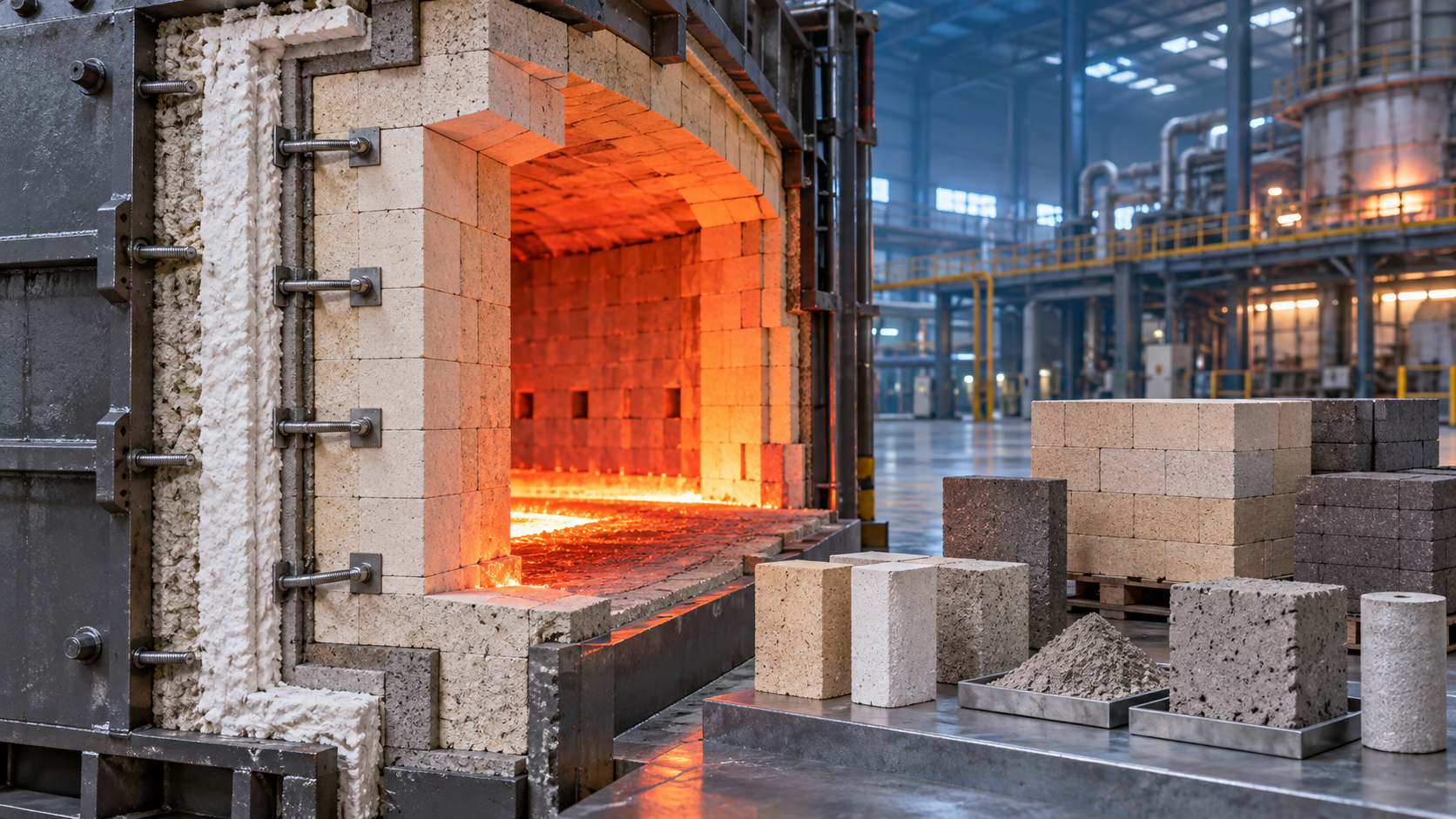
Even refractory and high-temperature materials have a role in this calculation. Better linings, optimized kiln insulation, and reliable thermal barriers can reduce heat losses across cement, glass, metallurgy, and waste-to-energy operations. They are not always marketed as “green building materials,” but they directly influence the energy intensity of the materials that are.
When Higher Manufacturing Cost Can Become a Better Business Case
A narrow comparison based on unit production cost can lead to poor decisions. The more useful question is whether the material improves the economics of the entire value chain.
For example, a low-carbon construction panel may cost more to manufacture because it uses recycled content, lower-emission binders, and a controlled curing process. If it is lighter, cuts installation time, reduces waste on site, and supports a building’s energy-performance target, the contractor and developer may see value beyond the purchase price. The manufacturer, in turn, may gain access to projects that require documented environmental performance.
Similarly, a cement plant investing in waste-heat recovery, alternative fuel handling, and advanced process analytics may face a major upfront commitment. But lower fuel consumption, more stable kiln operation, and greater readiness for emissions regulation can materially improve the plant’s resilience. The investment is not justified by a sustainability label alone; it is justified by operational performance.
Scale changes the equation
Green materials are frequently more expensive during pilot production or early commercialization. Small batches carry disproportionate testing, setup, logistics, and overhead costs. As volumes grow, suppliers standardize inputs, operators gain experience, and equipment utilization improves. This is particularly relevant to new extrusion lines, low-carbon cement blends, and recycled-content product systems where process knowledge compounds over time.
However, scale should not be treated as a promise that every product will become cheaper. If the supply of suitable recycled feedstock is limited, or if clean energy remains scarce, growth can expose bottlenecks rather than solve them. A credible manufacturing strategy needs to map these constraints before capacity is expanded.
How Manufacturers Should Evaluate the Cost Gap
Before deciding that a green material route is too expensive—or assuming it will automatically pay for itself—teams should examine a full set of operational questions:
- Is the alternative raw material locally available, and how variable is its quality?
- Will the new formulation affect kiln temperature, furnace residence time, curing cycle, or line speed?
- What retrofit is required for feeding, dust collection, emissions control, drying, grinding, or extrusion?
- Does the material reduce energy demand, process emissions, waste disposal, or transport weight?
- Can quality be demonstrated consistently for the intended application?
- Are customers, public tenders, or building standards creating measurable demand for the lower-impact option?
- What happens to the business case if carbon rules, fuel prices, or landfill fees change?
This type of review brings engineering and commercial planning into the same conversation. It also prevents a common mistake: evaluating a technology only by its purchase price rather than its effect on production reliability, market access, and compliance exposure.
The Bottom Line for Industrial Decision-Makers
So, are green building materials more expensive to manufacture? In many cases, they carry higher early costs because they require cleaner inputs, new process controls, energy-system changes, and more rigorous verification. But that is not the whole answer. Materials designed around recycled feedstock, lower-temperature processing, efficient extrusion, heat recovery, or longer service life can offset those costs in ways that a basic factory-gate comparison misses.
For high-temperature industries, the transition is less about choosing between profit and sustainability than about redesigning the production logic that connects raw materials, thermal energy, equipment health, emissions, and market demand. Cement plants, glass lines, industrial kilns, refractory systems, and building-material extruders all have different paths forward, but each must make its economics work under tighter resource and carbon constraints.
The strongest decisions begin with process-level evidence. Understand where energy is consumed, where material is lost, where feedstock variability enters the line, and where customers are willing—or required—to value lower-impact products. From there, green manufacturing stops being an abstract premium and becomes a measurable industrial strategy.
Related News
 Ms. Elena RodriguezHigh-Pressure Molding Innovations: How Automation and Tooling Affect PriceExplore the high-pressure molding innovations price equation: compare automation, tooling, and ownership costs to find upgrades that cut waste and deliver measurable value.Oct 13, 2026
 Ms. Elena RodriguezIndustrial Process Optimization: Where to Target Energy, Yield, and Throughput LossesIndustrial process optimization: identify energy, yield, and throughput losses to improve plant stability, reduce costs, and unlock measurable performance gains.Oct 12, 2026
 Ms. Elena RodriguezGlass Market Intelligence: How to Assess Demand, Capacity, and Regional Growth RisksGlass market intelligence for evaluating demand, effective capacity, energy exposure, trade dynamics, and regional growth risks before investing in glass manufacturing.Oct 11, 2026
 Ms. Elena RodriguezAre Green Building Materials More Expensive to Manufacture?Are green building materials more expensive to manufacture? Explore cost drivers, savings opportunities, and how sustainable production can strengthen long-term competitiveness.Oct 13, 2026
 Structural Material AnalystWhich Sustainable Construction Materials Are Suitable for Extrusion?Which sustainable construction materials are suitable for extrusion? Explore recycled clay, cementitious mixes, geopolymers, and bio-composites for reliable, lower-impact building products.Oct 12, 2026
 Optical Glass Tech FellowWhat Should a Glass Furnace Energy Specification Include?What should be included in a glass furnace energy specification? Explore performance, fuel flexibility, heat recovery, emissions, and monitoring essentials.Oct 11, 2026
 Dr. Alistair VaughnHow Process Technology Platforms Improve Control Across Multi-Line ManufacturingDiscover how a process technology platform strengthens cross-line control, connects operational data, and improves energy, quality, and maintenance decisions.Oct 10, 2026
 Optical Glass Tech FellowHow Glass Furnace Emissions Are Measured and Controlled for Regulatory ComplianceGlass furnace emissions: learn how to measure, monitor, and control NOx, SOx, particulate, CO, and CO2 for reliable regulatory compliance.Oct 08, 2026
 Prof. Marcus ChenIndustrial Decarbonization Strategies in Europe: A Roadmap for Energy-Intensive PlantsIndustrial decarbonization strategies Europe: explore practical pathways for energy-intensive plants to cut emissions, improve efficiency, and protect performance.Oct 07, 2026
 Thermal Energy ArchitectEnergy-Efficient Silicate Production Lines: What to Compare Before SelectionSilicate production lines energy efficient selection guide: compare thermal performance, stability, emissions, controls, and lifecycle value before investing.Oct 06, 2026
 Optical Glass Tech FellowHow to Evaluate Automated Float Glass Lines for Capacity, Quality, and Energy UseEvaluate automated float glass lines for net capacity, consistent quality, energy efficiency, automation reliability, and lifecycle value. Explore key criteria for smarter investment decisions.Oct 05, 2026
 Thermal Energy ArchitectWhat Does CE Marking Require for an Energy-Efficient Industrial Kiln?Energy efficient kiln CE requirements explained: assess safety, technical files, energy performance, and EU compliance before purchase or commissioning.Oct 04, 2026
 Thermal Energy ArchitectRefractory Manufacturing Solutions for Brick Plants: How to Extend Kiln LifeRefractory manufacturing solutions for brick plant operations: discover proven strategies to extend kiln life, reduce heat loss, prevent lining failures, and plan cost-effective repairs.Oct 03, 2026
 Thermal Energy ArchitectHow to Specify Heavy Industrial Process Systems for High-Temperature PlantsHeavy industrial processes systems: learn how to specify high-temperature plants for efficiency, emissions control, maintainability, and lifecycle performance.Oct 02, 2026
 Structural Material AnalystHow Sustainable Material Extrusion Can Improve Wall Panel Durability and Design FlexibilityDiscover how sustainable material extrusion for wall panels improves durability, moisture resistance, design flexibility, and installation consistency for high-performing wall systems.Oct 01, 2026
 Thermal Energy ArchitectHow to Evaluate a High-Temperature Materials Manufacturer for Furnace ApplicationsChoose a high-temperature materials manufacturer with confidence: compare thermal performance, chemical resistance, quality controls, installation support, and lifecycle cost.Sep 30, 2026
 Ms. Elena RodriguezHow to Structure Global Specification Data for Faster Industrial Product EvaluationGlobal specification-oriented product information helps industrial teams compare capacity, energy, emissions, automation, and lifecycle data on a like-for-like basis for faster, confident equipment decisions.Sep 29, 2026
 Thermal Energy ArchitectHow to Specify High-Temperature Process Systems for Continuous Thermal OperationsHigh-temperature process engineering systems: learn how to specify resilient continuous thermal operations for efficiency, compliance, reliable uptime, and long-term performance.Sep 28, 2026
 Thermal Energy ArchitectHow to Evaluate a Thermal Engineering Contractor for High-Temperature Plant ProjectsChoose a thermal engineering contractor with proven process expertise, lifecycle value, emissions control, and delivery discipline for reliable high-temperature plant performance.Sep 27, 2026
 Silicate Process EngineerHow Latin American Cement Plants Can Reduce Dust Emissions in Kilns and Transfer PointsCement plant dust control Latin America: reduce kiln and transfer-point emissions with practical airflow, filtration, monitoring, and maintenance strategies.Sep 26, 2026
Related News
- 00
0000-00
High-Pressure Molding Innovations: How Automation and Tooling Affect Price - 00
0000-00
Industrial Process Optimization: Where to Target Energy, Yield, and Throughput Losses - 00
0000-00
Glass Market Intelligence: How to Assess Demand, Capacity, and Regional Growth Risks - 00
0000-00
Are Green Building Materials More Expensive to Manufacture? - 00
0000-00
How to Structure Global Specification Data for Faster Industrial Product Evaluation
Weekly Insights
Stay ahead with our curated technology reports delivered every Monday.