
Industrial Waste Recycling: Selecting Conversion Systems by Feedstock and Output




Select industrial waste conversion systems by working backward from the required output, then testing whether the feedstock can produce it consistently. Recoverable metal, usable process heat, clinker constituents, and construction aggregates each require different preparation and acceptance criteria. A high furnace temperature or large nominal throughput does not establish that a process will deliver the intended product.
The first distinction is between material recycling and energy recovery. Separating metals or converting suitable mineral residues into qualified products preserves material value. Burning combustible waste to supply heat recovers energy. Cement kiln co-processing can combine fuel substitution with mineral incorporation, but those contributions require separate accounting. This distinction determines which performance claims belong in an equipment specification.
Define the output before comparing equipment
An output specification turns a broad recycling objective into a process selection problem. Recovered metal needs limits for residual contamination and an acceptable physical form. Process heat needs a defined temperature, pressure, delivery schedule, and receiving load. A mineral product needs evidence that its composition, durability, and contaminant release suit the intended application.
“Saleable aggregate” is too vague to support selection. Aggregate intended for an unbound application faces different acceptance conditions from material incorporated into concrete. Likewise, producing hot gas does not establish useful energy recovery if the available heat exceeds demand or arrives when the receiving process is idle.
Define the output boundary precisely. For a thermal installation, distinguish gross heat released from heat delivered after internal consumption, gas cleaning, and distribution losses. For a material recovery line, distinguish separated tonnage from material accepted by the next processor. These boundaries prevent an apparently productive system from being selected on an unusable output metric.
Feedstock variability often decides the viable route
A waste description such as “industrial sludge” or “mixed production residue” is insufficient. Characterization must capture normal production, process changes, cleaning cycles, and storage effects. A composite sample describes average composition; separate samples from unusual batches reveal conditions that could interrupt operation or contaminate the output.
Moisture and calorific value must use compatible reporting bases. Dry-basis heating value can make a wet residue appear attractive as fuel. The relevant thermal balance includes incoming water, evaporation duty, auxiliary fuel, and recoverable heat. Where moisture changes sharply between deliveries, an average value conceals the operating conditions that govern burner stability and throughput.
Chemical composition matters beyond total ash content. Chlorine and sulfur affect gas treatment and, in cement kilns, internal circulation and deposit formation. Alkalis influence mineral processing and product chemistry. Metals require element-specific assessment because their volatility, partitioning, and environmental behavior differ. Total metal content alone cannot predict where contamination will accumulate.
Physical properties can eliminate a process that appears chemically compatible. Fibrous material bridges in hoppers; sticky sludge adheres to conveyors; abrasive fines accelerate wear. Bulk density affects storage and metering capacity, while oversized pieces disrupt heat transfer or separation. Pumpability should be established under expected storage temperatures and solids concentrations.
The resulting feedstock envelope should state accepted composition, physical condition, and variability, together with the route for off-specification deliveries. Blending moderates fluctuations only when storage capacity, mixing effectiveness, and compatible waste streams are available. It cannot remove contaminants.
Match the conversion route to the material that carries value
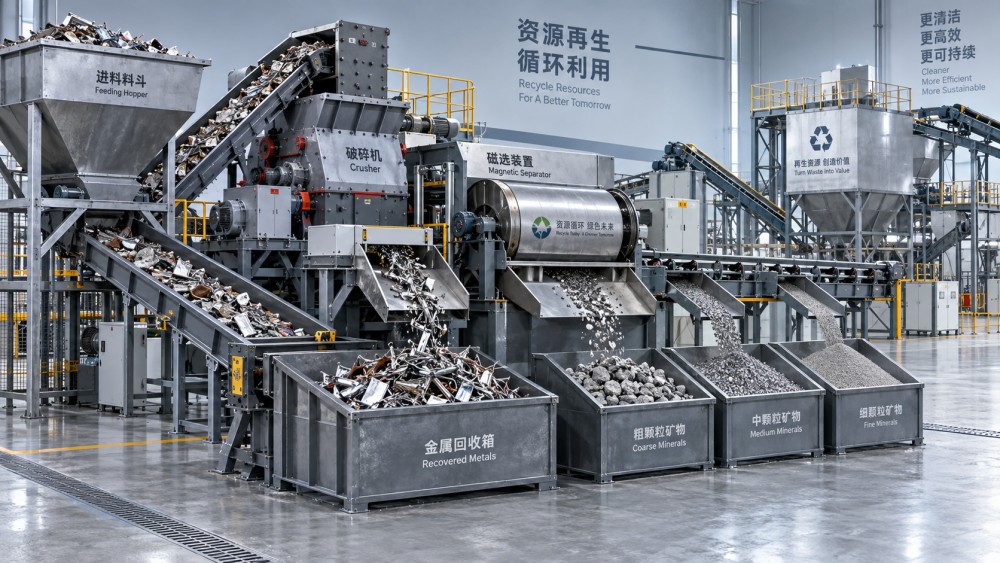
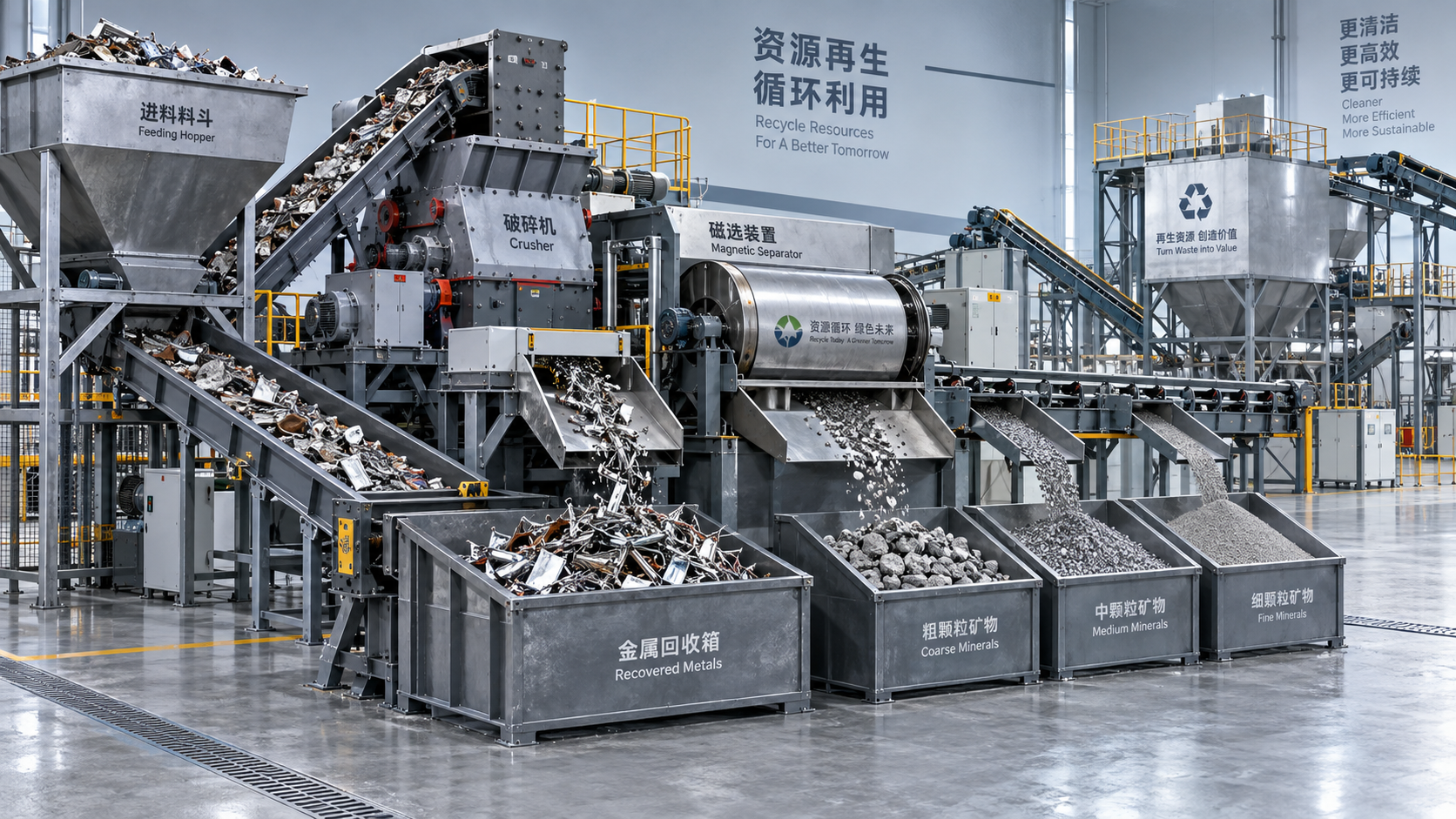
A mixed stream often needs more than one route. Separating recoverable metal before thermal treatment protects material value and reduces downstream residue loading. Removing an unsuitable fine fraction can improve fuel consistency. The comparison should therefore cover complete process trains, including preparation and residual disposal, rather than isolated conversion equipment.
Material recovery: establish liberation before separation
Magnetic separation, eddy-current separation, density separation, and optical sorting work on accessible differences between particles. Their effectiveness falls when valuable material remains attached to another fraction. Size reduction can improve liberation, but excessive grinding produces fines that are harder to sort and increases dust control requirements.
A meaningful trial measures recovery yield and product purity across the proposed size range. High purity achieved by rejecting much of the valuable fraction is a different outcome from high recovery with excessive contamination. Washing requires the same discipline: cleaner solids create wastewater and sludge whose treatment must enter the process balance.
Thermal conversion: include the equipment after the reactor
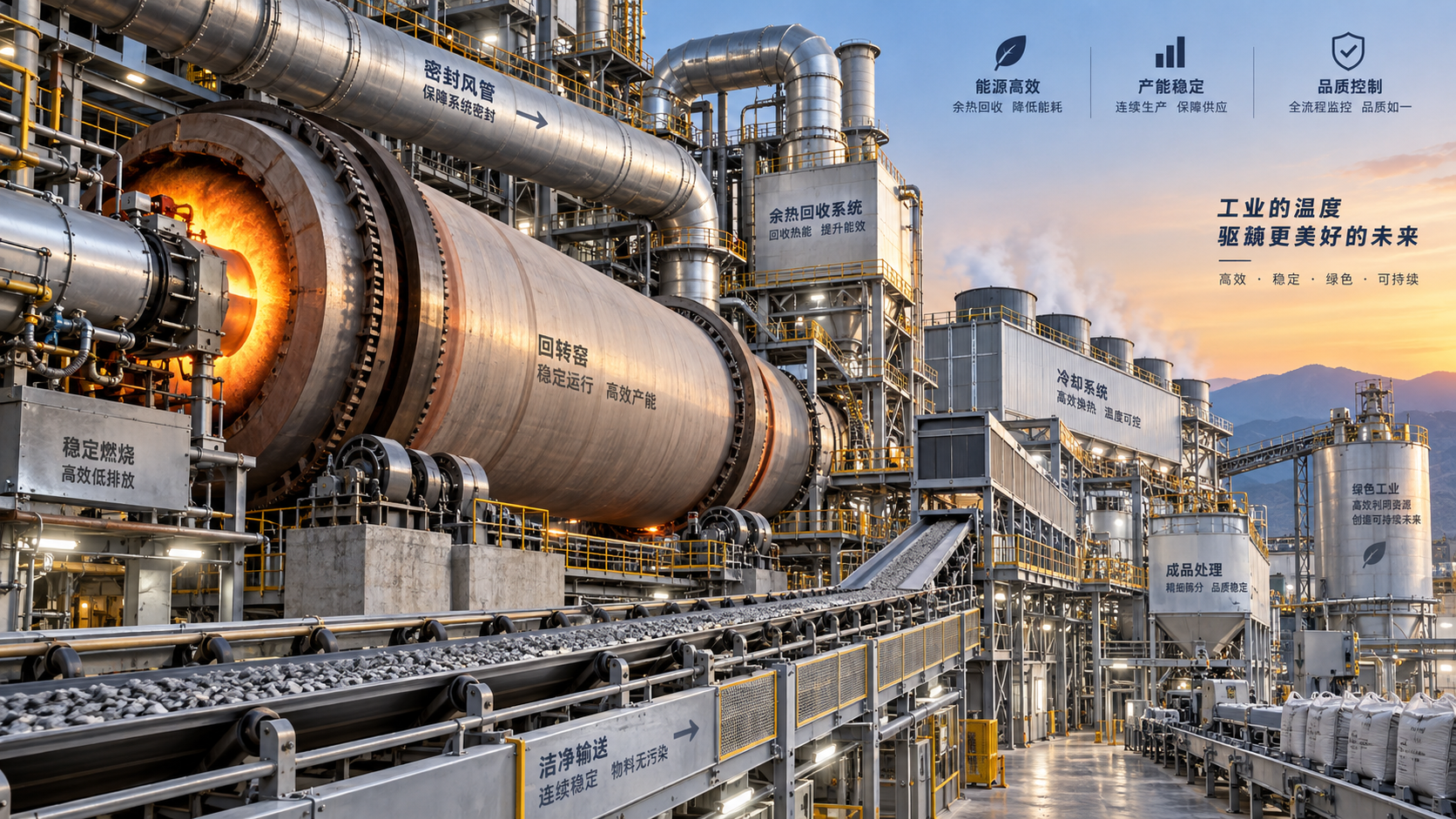
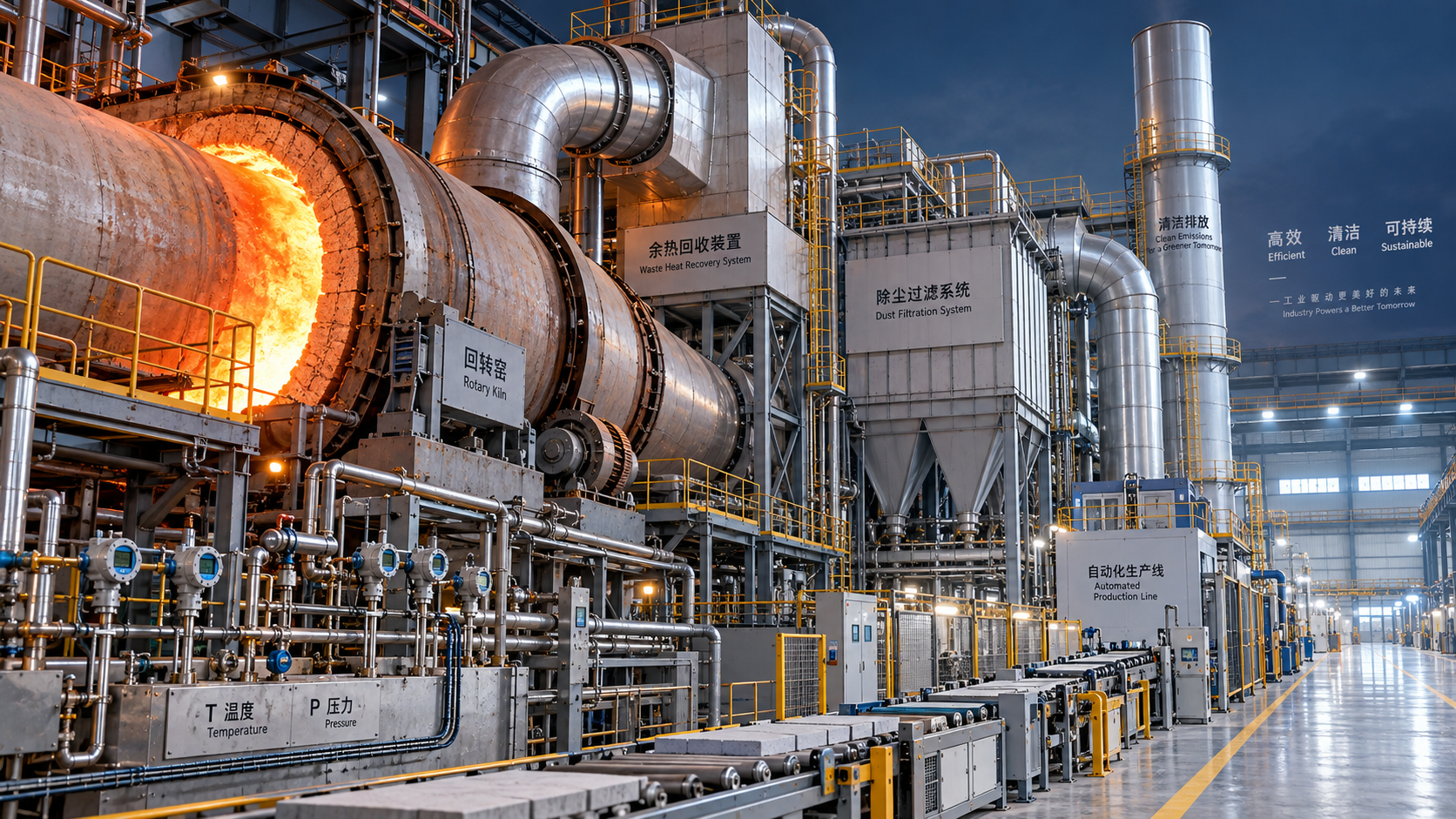
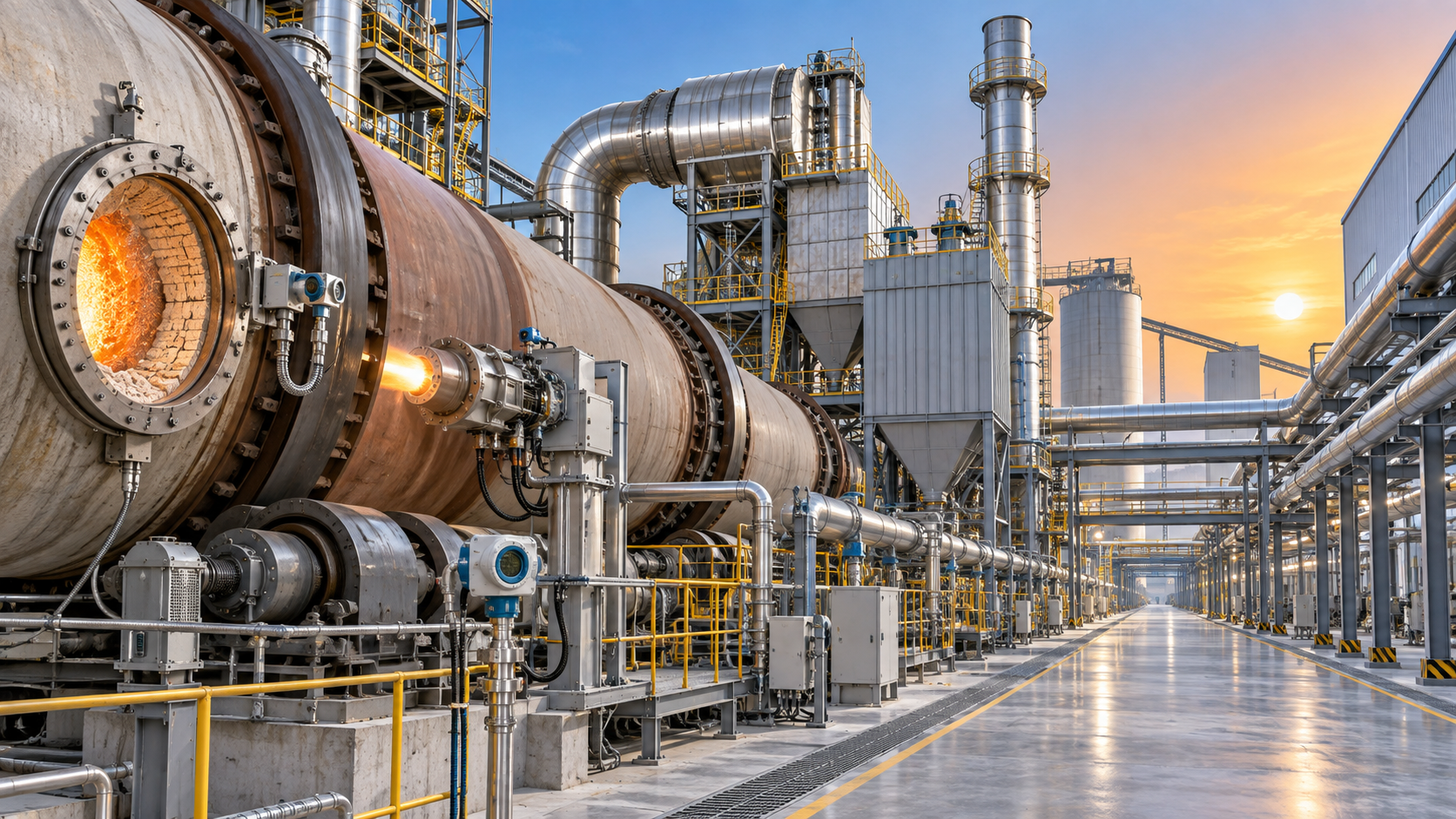
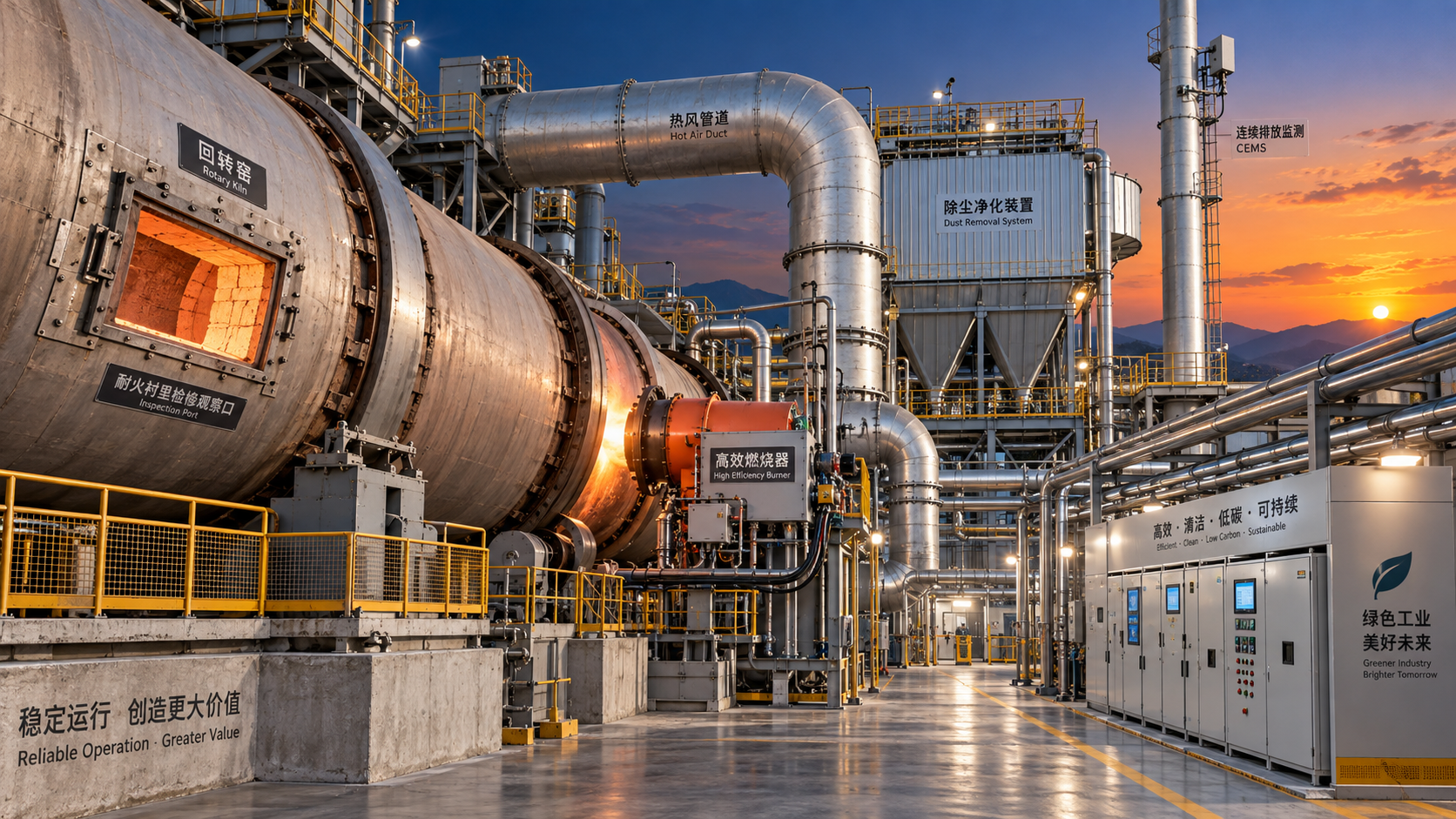
Direct combustion is a candidate when the primary objective is useful heat and the waste supports a controllable thermal balance. Furnace selection depends on physical form, ash behavior, and combustion characteristics. Rotary kilns accommodate certain heterogeneous feeds, while fluidized beds demand tighter control of particle properties and conditions that prevent bed agglomeration.
Pyrolysis and gasification warrant comparison when their products have a defined downstream use. Reactor gas is not automatically suitable for an engine, burner, or synthesis process. Particulates, tar, acid gases, and other contaminants determine conditioning requirements. Condensate and char also need characterized outlets; producing them does not establish recycling.
A proposal that reports reactor throughput without gas cleaning, condensate handling, startup fuel, and residual treatment leaves much of the selection problem unresolved. Demonstration evidence should use feed with comparable moisture, ash chemistry, and contaminant loading.
Kiln co-processing depends on the receiving process
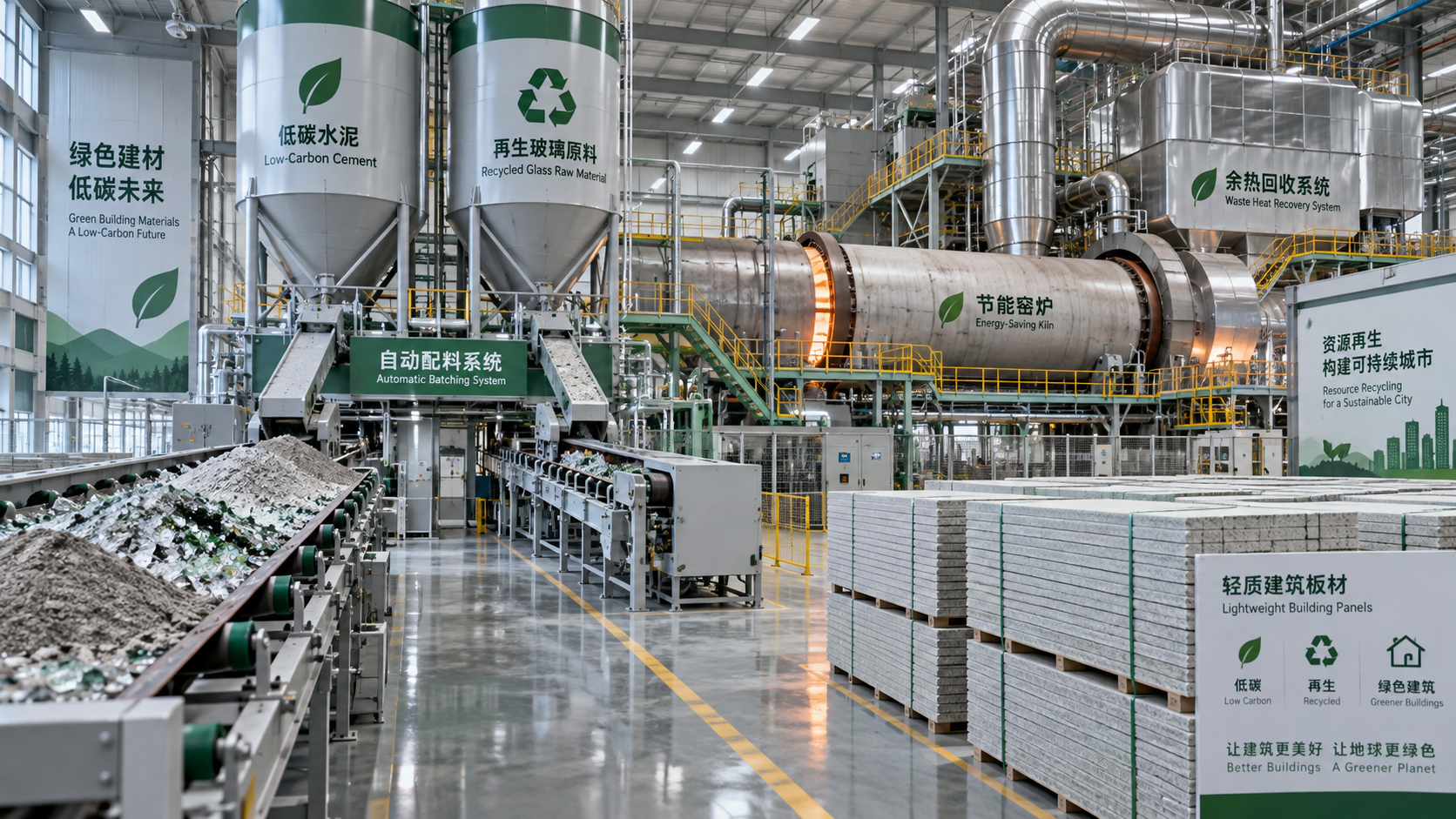
Cement kiln co-processing offers a route for selected wastes because energy and mineral contributions can enter an existing production process. Compatibility still has to be demonstrated against the kiln’s operating envelope. A waste with useful heating value can be unsuitable if its chlorine burden, metal content, ash chemistry, or feeding behavior exceeds available capacity.
Feed location changes the assessment. Material introduced at the main burner experiences different mixing and thermal conditions from material entering a calciner or another permitted feed point. Coarse particles and slowly burning fractions need sufficient conditions for burnout before they disturb the process. The highest quoted kiln temperature does not describe every particle’s exposure.
Mineral substitution requires a raw meal and clinker chemistry balance. Calcium-, silica-, alumina-, or iron-bearing residues contribute differently, and their useful constituents arrive with other compounds. Adding a residue solely because it contains one desirable oxide can upset the wider formulation or introduce unwanted trace elements.
Chlorine, sulfur, and alkalis deserve a combined assessment because circulating compounds can encourage buildups and unstable operation. Where a bypass is required, its heat loss and collected dust create additional burdens. Incorporation into clinker must be established constituent by constituent; volatile substances can leave through gas or dust pathways.
Mineral products need qualification beyond appearance
A dense pellet, vitrified slag, or extruded block can look like a finished construction product while remaining unsuitable for its intended use. Mechanical strength is only one acceptance dimension. Water absorption, dimensional stability, durability, and contaminant release must be evaluated under conditions relevant to the application.
High-temperature processing changes mineral phases and contaminant behavior, but a lower leaching result from one test does not establish performance under every exposure. Product chemistry, cooling history, particle size, and later crushing affect the assessment. Stabilization with binders likewise requires evidence that the formulation remains effective over the intended service conditions.
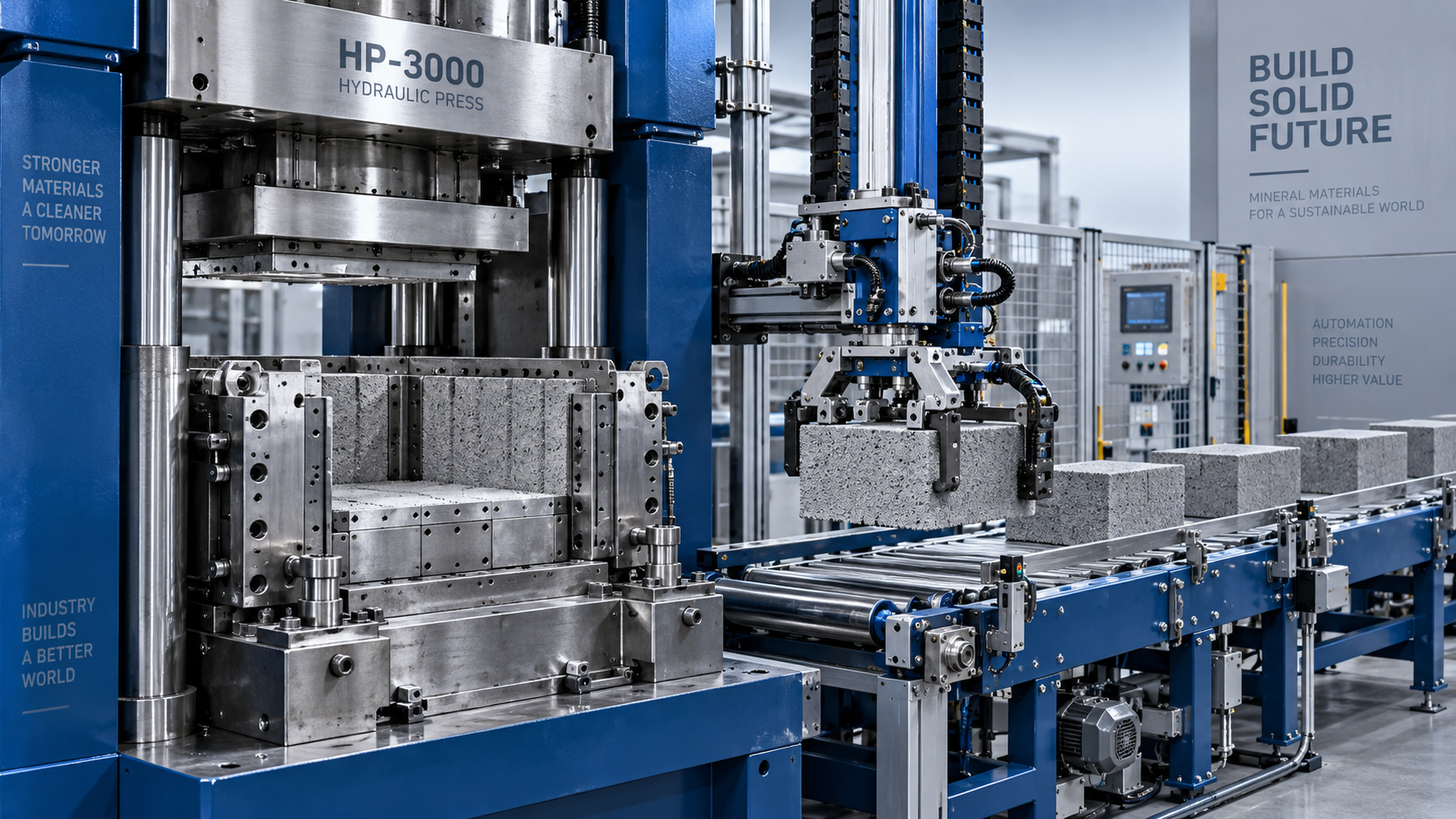
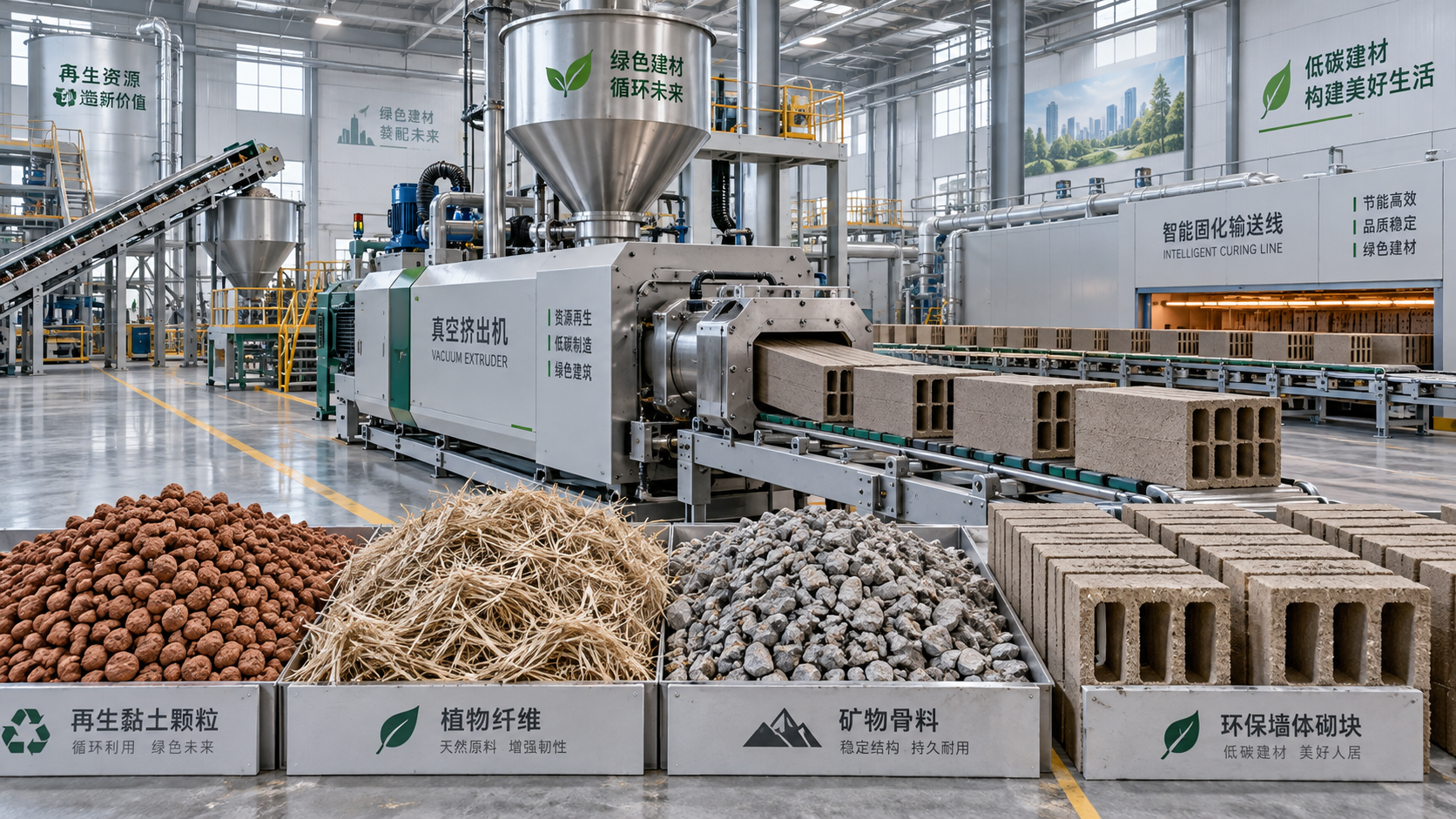
For extrusion or molding, feed consistency has a direct production consequence. Variable moisture and particle grading alter rheology, forming pressure, and green strength. Soluble salts or residual organics can affect curing or firing. A conversion line therefore needs enough preparation and formulation control to maintain product properties across accepted waste batches.
Compare systems at guaranteed operating conditions
Capacity comparisons should use the same feedstock envelope and output requirements. A quoted mass throughput on dry, uniform material cannot be transferred directly to wet, variable residues. The limiting subsystem might be the dryer, feed device, gas cleaning train, cooling circuit, or residue conveyor rather than the reactor.
Emissions control should follow the contaminant balance. Dust capture, acid gas treatment, and controls for relevant organic pollutants impose different demands. Captured material remains a residual stream requiring characterization and an outlet. Scrubber wastewater and spent sorbents belong in the evaluation even when the principal conversion process produces little solid residue.
Operating cost comparisons become useful when expressed against accepted output. Include preparation energy, auxiliary fuel, treatment chemicals, wear parts, maintenance downtime, and rejected material handling. Electricity generation should reflect realistic heat recovery and internal power consumption. Heat recovery should reflect the receiving load’s actual availability.
Availability assumptions also need equipment-level support. Abrasive feed affects screws and refractory linings differently from sticky feed that blocks transfer points. Access for cleaning, replacement time for exposed components, and storage during shutdowns influence sustained operation. A nominal continuous process still needs a practical destination for incoming waste during maintenance.
Use trials to resolve the uncertain conversion boundary
The most useful trial targets the uncertainty capable of changing the route: liberation for mechanical recovery, the thermal balance for wet combustible waste, gas cleanliness for gasification, or product durability for mineral conversion. Testing only an easy feed batch leaves the acceptance envelope unproven.
Trial reporting should connect incoming mass and composition to recovered products, emissions, wastewater, and residuals. For thermal routes, the energy balance should identify auxiliary inputs and delivered energy. For construction products, samples should represent the proposed production and finishing conditions, including crushing where that forms part of use.
An equipment specification becomes defensible when it links an accepted feedstock envelope to measurable output quality, sustained throughput, utility consumption, and residual quantities. Guarantees should identify the feed conditions under which they apply and the consequences of deviations. Any unresolved output destination or untested contaminant pathway remains a process design gap before commitment.
Related News
 Dr. Alistair VaughnIndustrial Waste Recycling: Selecting Conversion Systems by Feedstock and OutputCompare industrial waste conversion systems recycling teams can match to feedstock and output. Explore recovery routes, quality criteria, and costs to choose with confidence.Oct 14, 2026
 Ms. Elena RodriguezHigh-Pressure Molding Innovations: How Automation and Tooling Affect PriceExplore the high-pressure molding innovations price equation: compare automation, tooling, and ownership costs to find upgrades that cut waste and deliver measurable value.Oct 13, 2026
 Ms. Elena RodriguezIndustrial Process Optimization: Where to Target Energy, Yield, and Throughput LossesIndustrial process optimization: identify energy, yield, and throughput losses to improve plant stability, reduce costs, and unlock measurable performance gains.Oct 12, 2026
 Ms. Elena RodriguezGlass Market Intelligence: How to Assess Demand, Capacity, and Regional Growth RisksGlass market intelligence for evaluating demand, effective capacity, energy exposure, trade dynamics, and regional growth risks before investing in glass manufacturing.Oct 11, 2026
 Ms. Elena RodriguezAre Green Building Materials More Expensive to Manufacture?Are green building materials more expensive to manufacture? Explore cost drivers, savings opportunities, and how sustainable production can strengthen long-term competitiveness.Oct 13, 2026
 Structural Material AnalystWhich Sustainable Construction Materials Are Suitable for Extrusion?Which sustainable construction materials are suitable for extrusion? Explore recycled clay, cementitious mixes, geopolymers, and bio-composites for reliable, lower-impact building products.Oct 12, 2026
 Optical Glass Tech FellowWhat Should a Glass Furnace Energy Specification Include?What should be included in a glass furnace energy specification? Explore performance, fuel flexibility, heat recovery, emissions, and monitoring essentials.Oct 11, 2026
 Dr. Alistair VaughnHow Process Technology Platforms Improve Control Across Multi-Line ManufacturingDiscover how a process technology platform strengthens cross-line control, connects operational data, and improves energy, quality, and maintenance decisions.Oct 10, 2026
 Optical Glass Tech FellowHow Glass Furnace Emissions Are Measured and Controlled for Regulatory ComplianceGlass furnace emissions: learn how to measure, monitor, and control NOx, SOx, particulate, CO, and CO2 for reliable regulatory compliance.Oct 08, 2026
 Prof. Marcus ChenIndustrial Decarbonization Strategies in Europe: A Roadmap for Energy-Intensive PlantsIndustrial decarbonization strategies Europe: explore practical pathways for energy-intensive plants to cut emissions, improve efficiency, and protect performance.Oct 07, 2026
 Thermal Energy ArchitectEnergy-Efficient Silicate Production Lines: What to Compare Before SelectionSilicate production lines energy efficient selection guide: compare thermal performance, stability, emissions, controls, and lifecycle value before investing.Oct 06, 2026
 Optical Glass Tech FellowHow to Evaluate Automated Float Glass Lines for Capacity, Quality, and Energy UseEvaluate automated float glass lines for net capacity, consistent quality, energy efficiency, automation reliability, and lifecycle value. Explore key criteria for smarter investment decisions.Oct 05, 2026
 Thermal Energy ArchitectWhat Does CE Marking Require for an Energy-Efficient Industrial Kiln?Energy efficient kiln CE requirements explained: assess safety, technical files, energy performance, and EU compliance before purchase or commissioning.Oct 04, 2026
 Thermal Energy ArchitectRefractory Manufacturing Solutions for Brick Plants: How to Extend Kiln LifeRefractory manufacturing solutions for brick plant operations: discover proven strategies to extend kiln life, reduce heat loss, prevent lining failures, and plan cost-effective repairs.Oct 03, 2026
 Thermal Energy ArchitectHow to Specify Heavy Industrial Process Systems for High-Temperature PlantsHeavy industrial processes systems: learn how to specify high-temperature plants for efficiency, emissions control, maintainability, and lifecycle performance.Oct 02, 2026
 Structural Material AnalystHow Sustainable Material Extrusion Can Improve Wall Panel Durability and Design FlexibilityDiscover how sustainable material extrusion for wall panels improves durability, moisture resistance, design flexibility, and installation consistency for high-performing wall systems.Oct 01, 2026
 Thermal Energy ArchitectHow to Evaluate a High-Temperature Materials Manufacturer for Furnace ApplicationsChoose a high-temperature materials manufacturer with confidence: compare thermal performance, chemical resistance, quality controls, installation support, and lifecycle cost.Sep 30, 2026
 Ms. Elena RodriguezHow to Structure Global Specification Data for Faster Industrial Product EvaluationGlobal specification-oriented product information helps industrial teams compare capacity, energy, emissions, automation, and lifecycle data on a like-for-like basis for faster, confident equipment decisions.Sep 29, 2026
 Thermal Energy ArchitectHow to Specify High-Temperature Process Systems for Continuous Thermal OperationsHigh-temperature process engineering systems: learn how to specify resilient continuous thermal operations for efficiency, compliance, reliable uptime, and long-term performance.Sep 28, 2026
 Thermal Energy ArchitectHow to Evaluate a Thermal Engineering Contractor for High-Temperature Plant ProjectsChoose a thermal engineering contractor with proven process expertise, lifecycle value, emissions control, and delivery discipline for reliable high-temperature plant performance.Sep 27, 2026



Related News
- 00
0000-00
Industrial Waste Recycling: Selecting Conversion Systems by Feedstock and Output - 00
0000-00
How Process Technology Platforms Improve Control Across Multi-Line Manufacturing - 00
0000-00
How Waste Recycling Technology Improves Material Recovery in Industrial Plants - 00
0000-00
Industrial Process Engineering: How to Map Processes for Safer, More Efficient Plants - 00
0000-00
What Should a Process Technology Database Track for High-Temperature Plants?
Weekly Insights
Stay ahead with our curated technology reports delivered every Monday.