
How Should Industrial Energy Efficiency Vendors Be Compared?




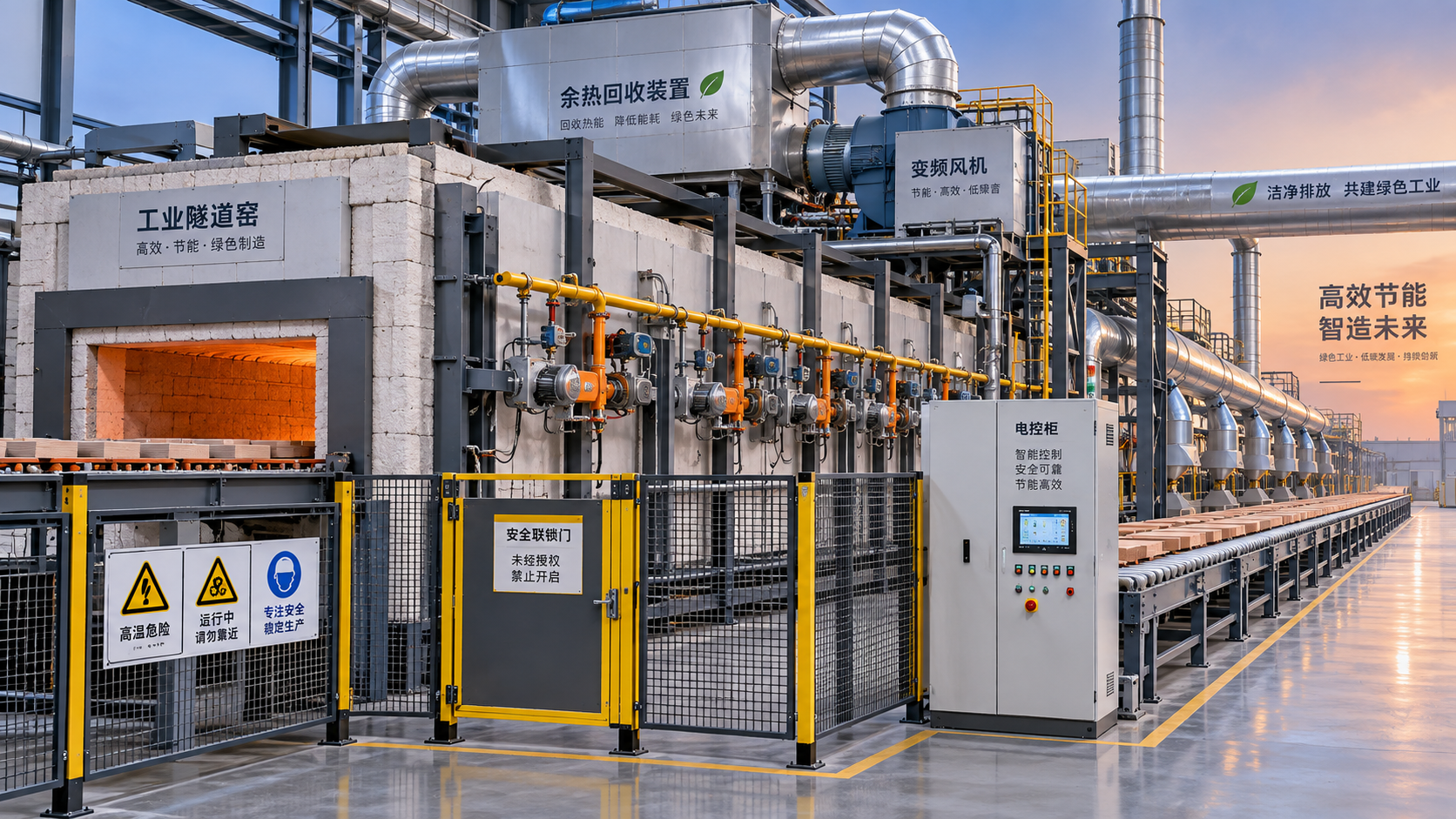
How do I compare industrial energy efficiency vendors? In high-temperature manufacturing, this question is rarely answered by a brochure comparison or a list of promised percentage savings. A cement kiln, float glass furnace, waste incineration line, refractory tunnel kiln, or building-material extruder operates as a tightly connected thermal system. A change to combustion, insulation, draft control, heat recovery, or automation can improve one area while creating instability somewhere else.
The vendor you choose therefore needs to understand more than energy equipment. They need to understand your process window: the temperatures that cannot drift, the chemistry that cannot be rushed, the production bottlenecks that make downtime expensive, and the emissions limits that increasingly shape plant decisions. The strongest comparison is not “which supplier has the best technology?” It is “which partner can reduce energy intensity without compromising product quality, throughput, safety, or maintenance resilience?”
For industrial decision-makers, the most reliable way to compare vendors is to move from claims to evidence. Ask what they measure, what they guarantee contractually, how they model process risk, and what happens after the system is commissioned.
Start with the process, not the product category
Many energy-efficiency projects begin with a product request: a burner upgrade, a waste heat recovery unit, a furnace control platform, a variable-frequency drive package, or a new refractory lining. Those technologies may be relevant, but comparing suppliers only within a product category can hide the more important question: do they understand the thermal behavior of your production line?
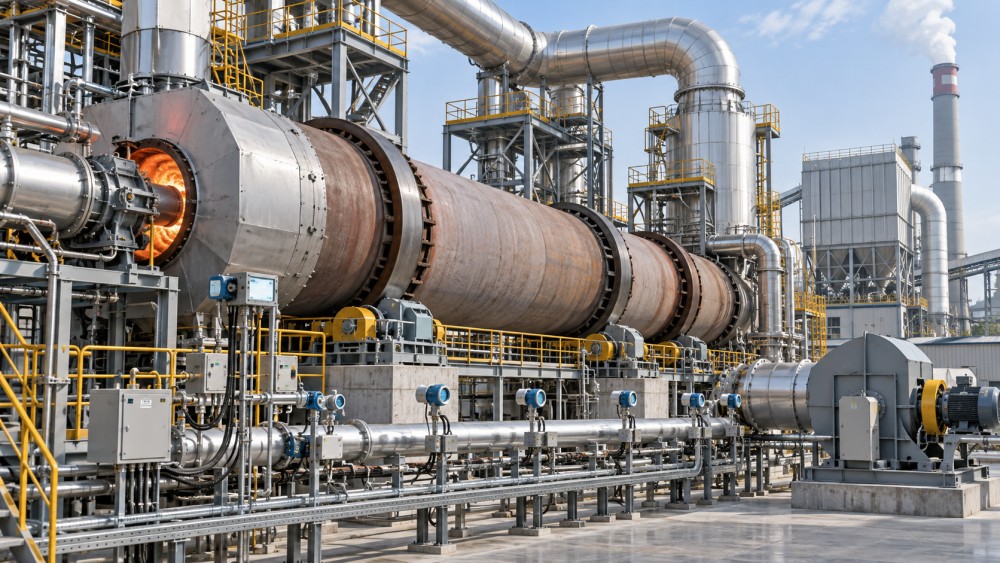
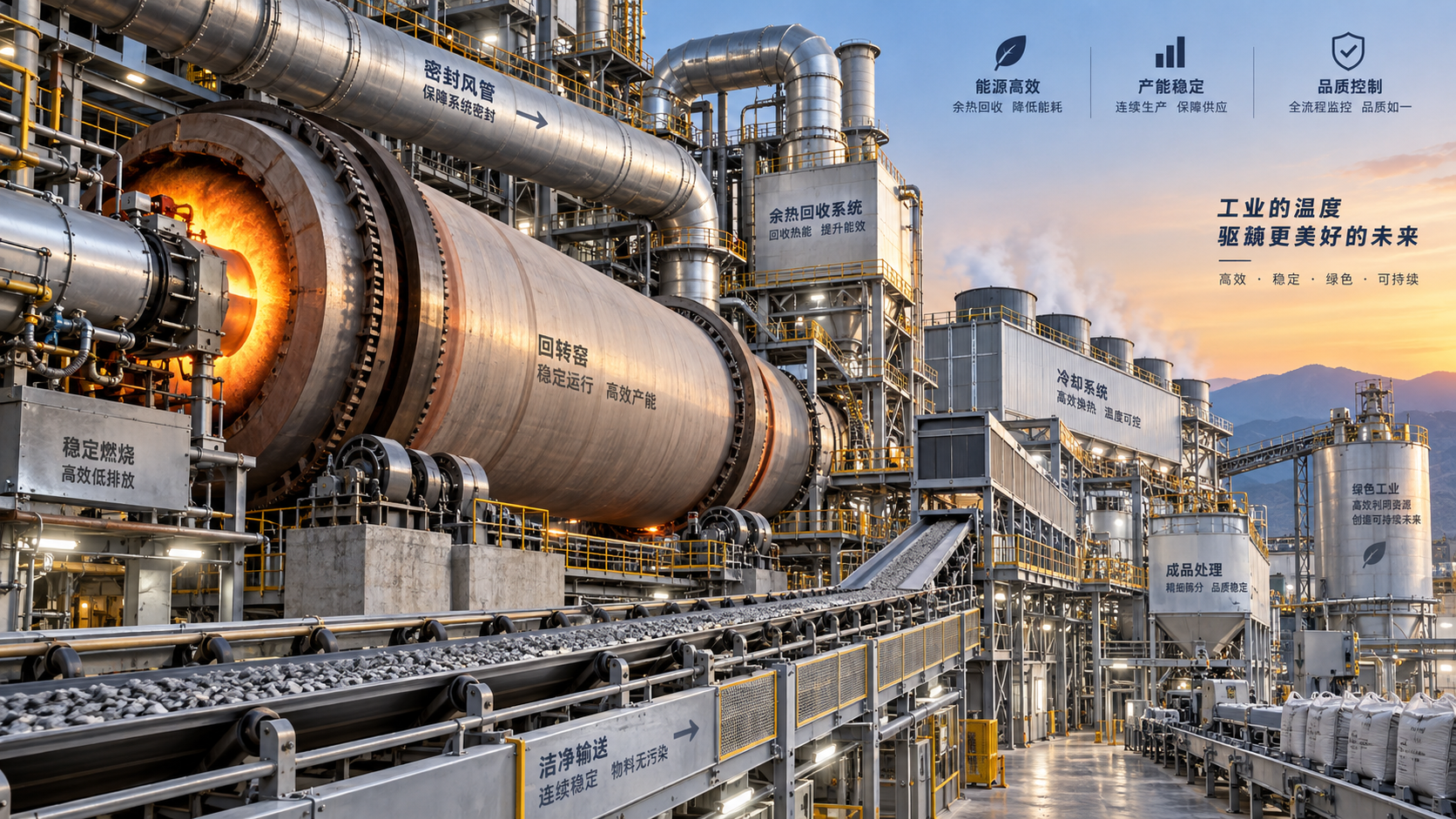
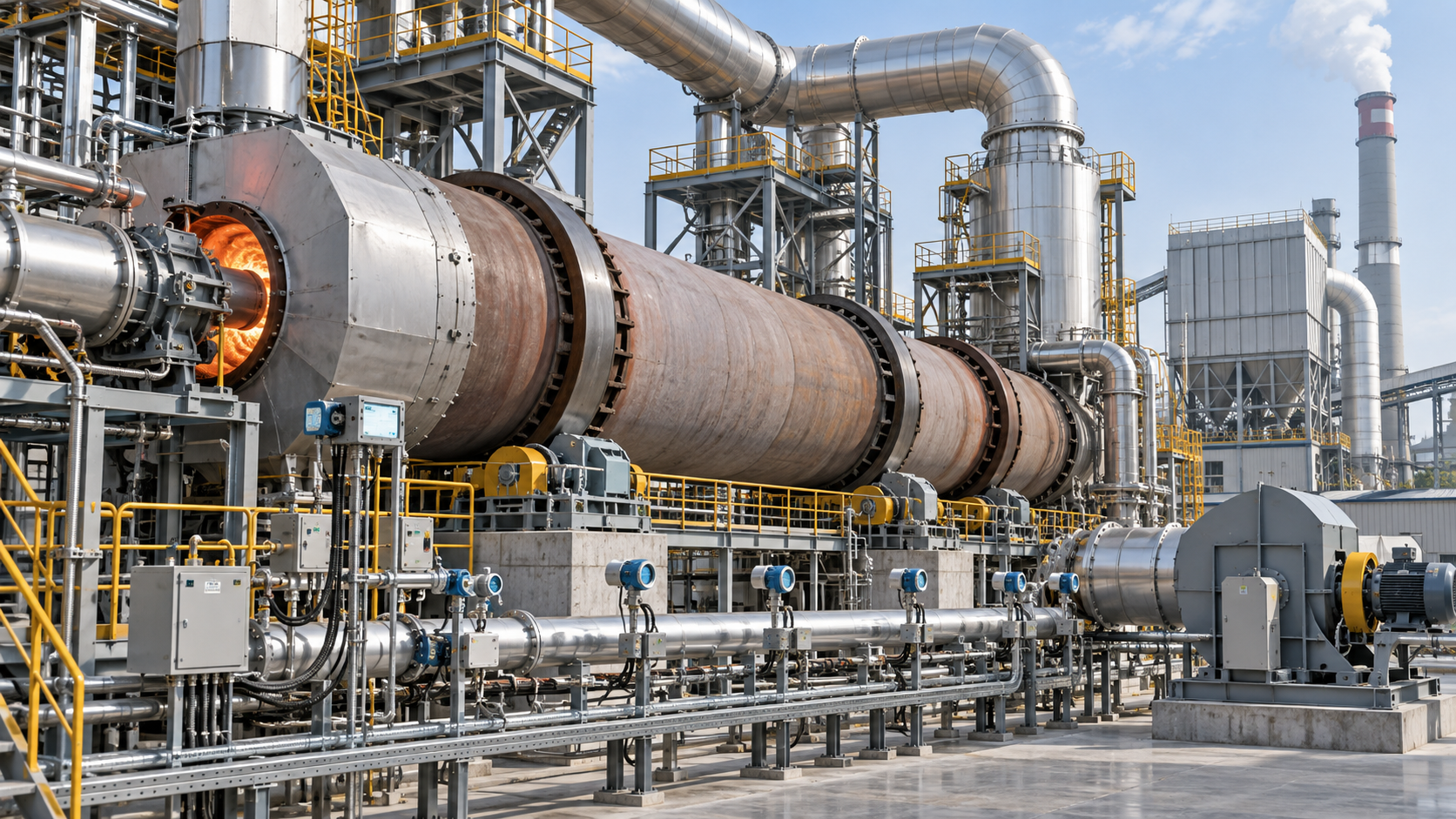
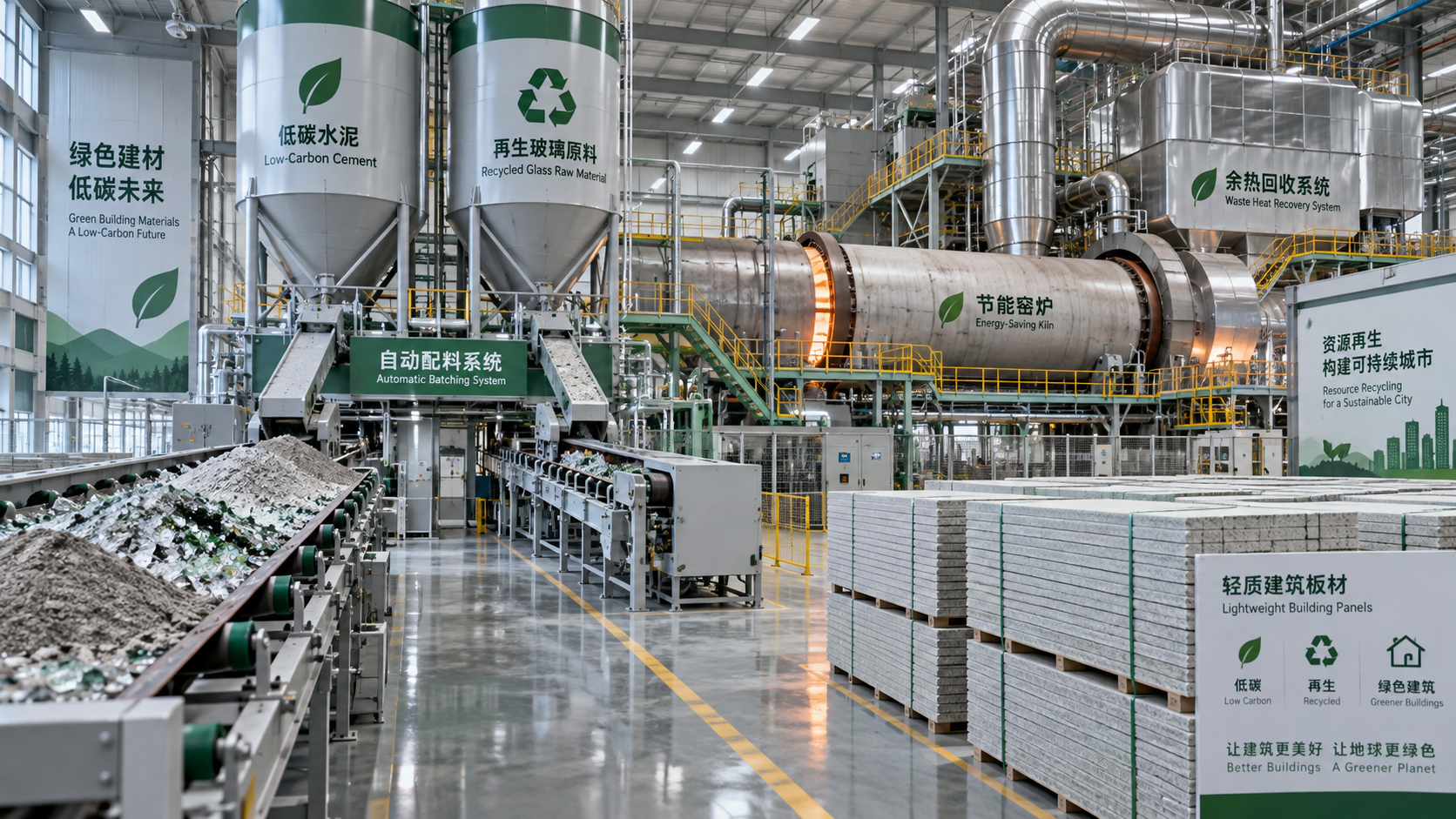
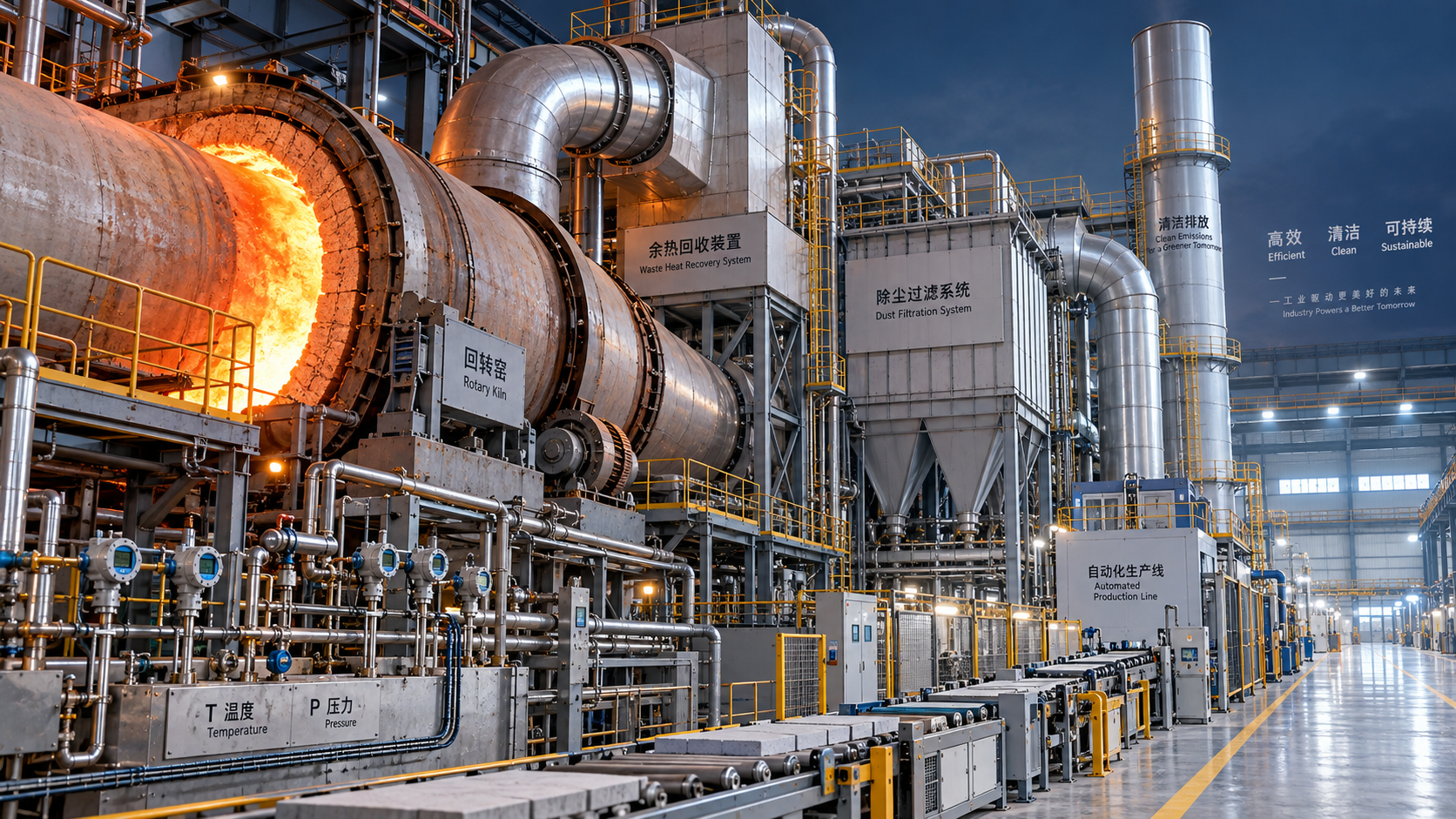
Consider a rotary kiln. Fuel consumption is influenced by raw meal consistency, kiln shell heat loss, excess air, fan performance, calciner conditions, refractory condition, alternative fuel variability, cooler efficiency, and operator response. A vendor focused only on combustion may offer a technically sound burner but overlook the way kiln draft fluctuations or false air are affecting fuel use. The result may be an improvement in one measurement point without a meaningful reduction in overall specific energy consumption.
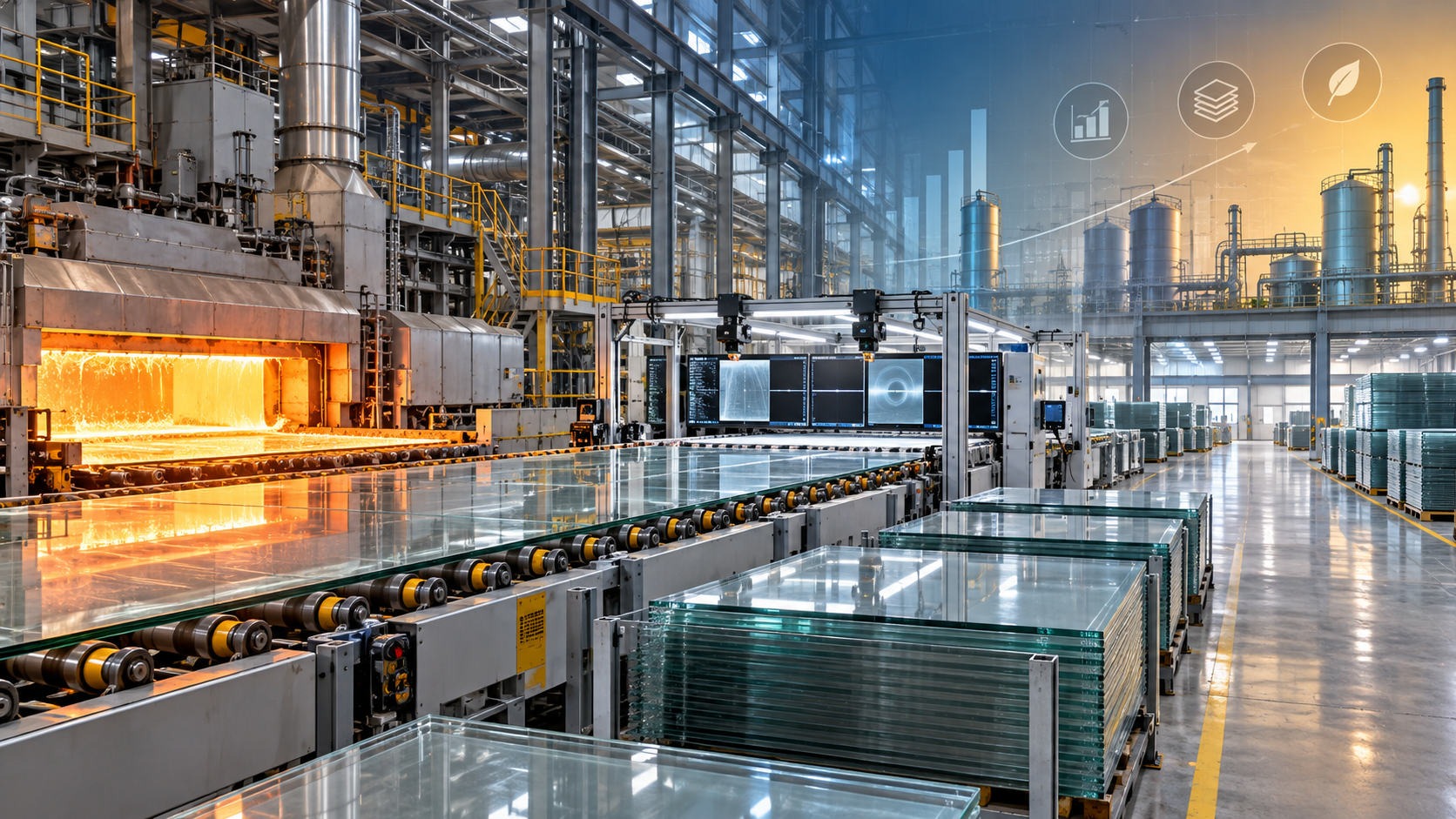
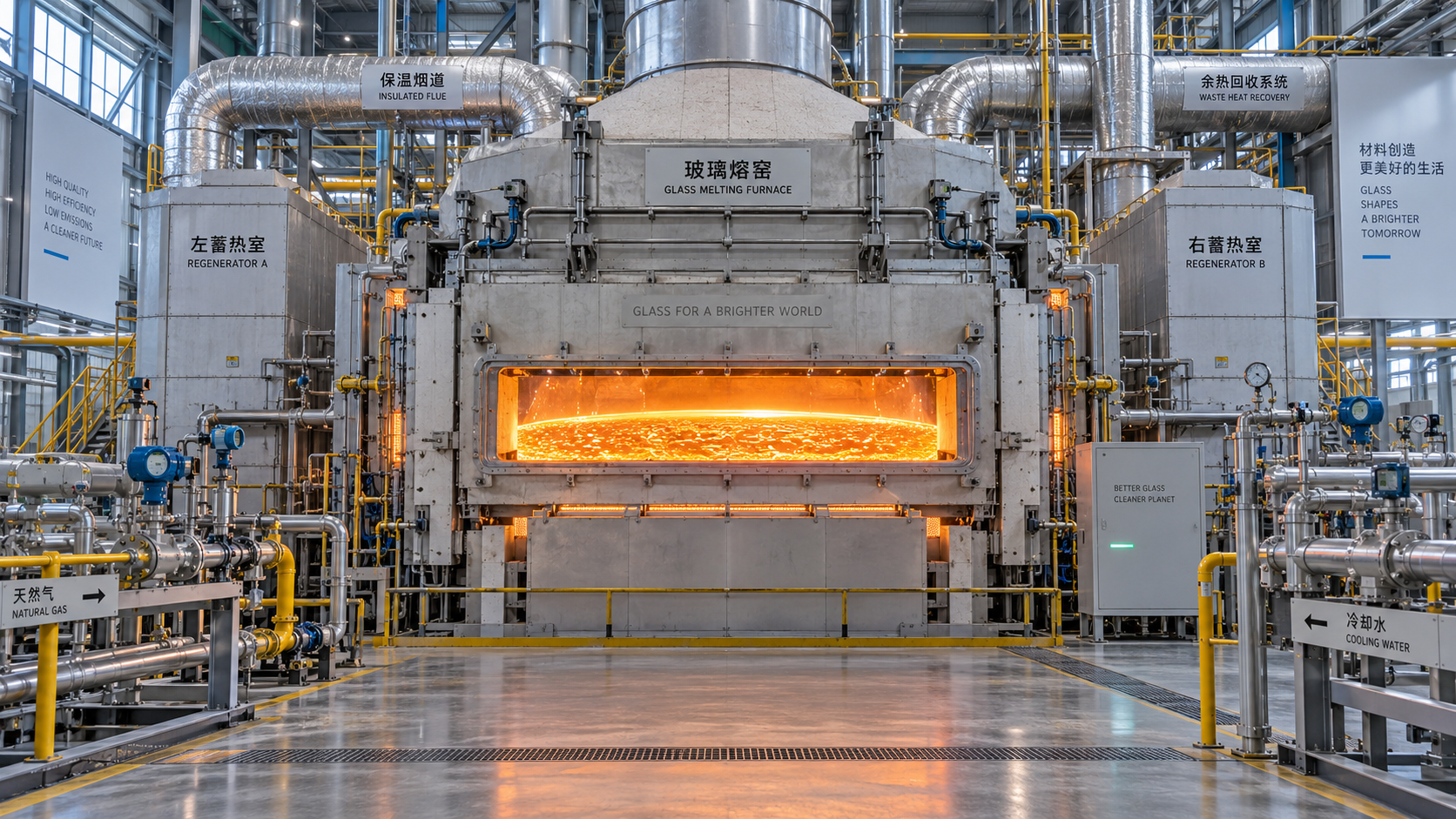
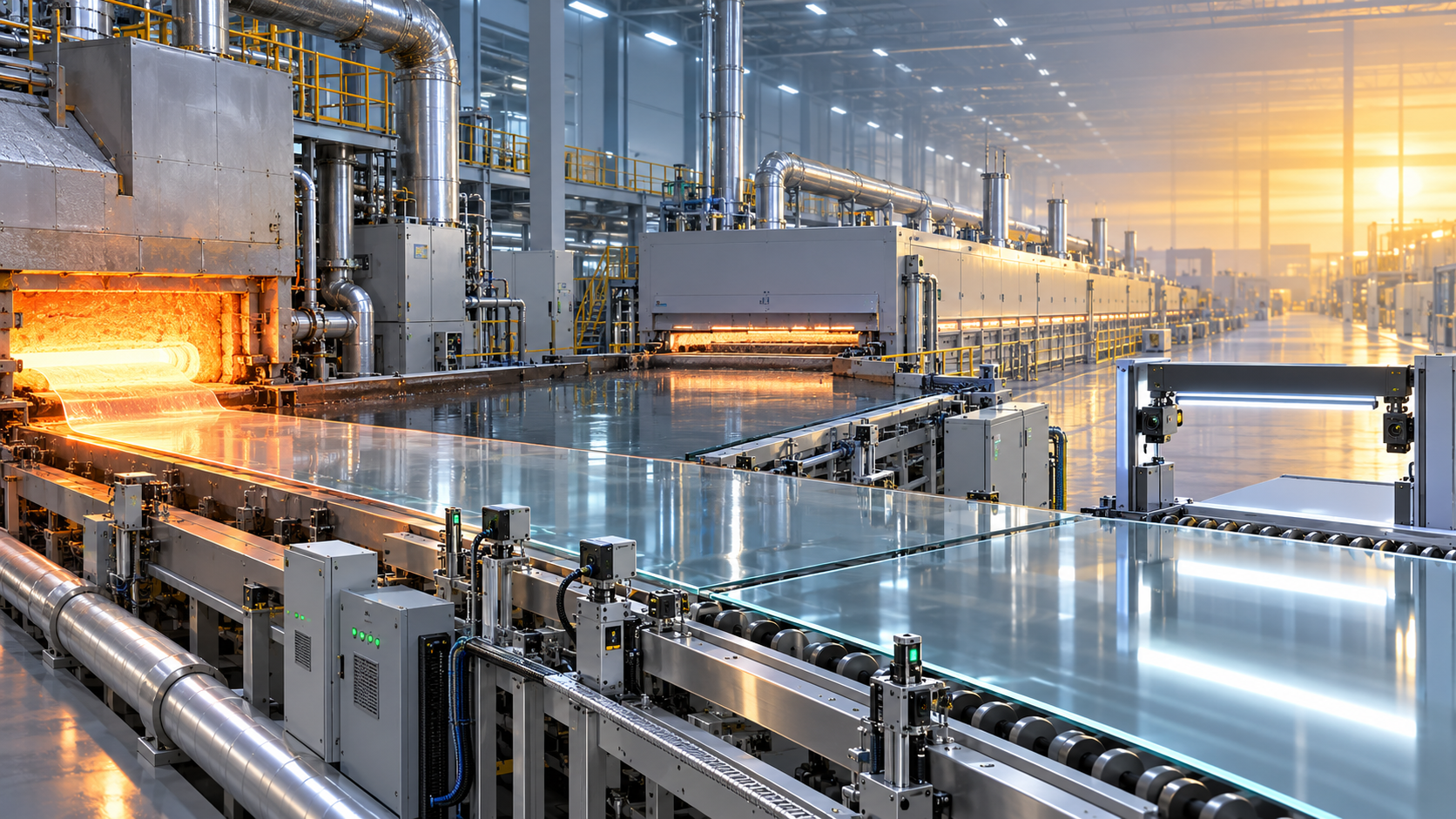
The same principle applies to glass melting. A supplier may be highly capable in electric boosting, oxygen-fuel combustion, batch preheating, or digital furnace control. Yet the right choice depends on furnace age, glass composition, pull rate, regenerator condition, NOx requirements, downstream annealing requirements, and the practical tolerance for a shutdown. Vendors should be able to discuss these variables in operational terms rather than treating the line as a generic heat consumer.
Before issuing a request for proposal, define the production context a bidder must address:
- Current production capacity, operating schedule, and expected demand changes
- Baseline energy use by fuel, electricity, compressed air, steam, and recovered heat
- Critical quality indicators, such as clinker quality, glass defects, firing consistency, or extrusion strength
- Existing constraints involving space, utility availability, shutdown windows, and plant safety
- Applicable air-emissions, carbon-reporting, and waste-handling requirements
- Known reliability issues, including refractory wear, fan failures, burner instability, or control-system gaps
A vendor that asks thoughtful questions about these conditions is often more valuable than one that provides an immediate standardized answer.
Compare measurable outcomes, not broad energy-saving language
“Reduce fuel consumption” sounds simple until teams try to verify it. Industrial plants face changing feedstocks, weather conditions, production rates, product mixes, and maintenance events. An energy vendor should explain how savings will be calculated and normalized. If the method remains vague, projected results may become difficult to defend internally after commissioning.
Ask every bidder to state the proposed baseline, boundary conditions, measurement locations, and verification period. For a kiln project, savings may need to be expressed in gigajoules per tonne of product, corrected for feed moisture, production rate, and fuel calorific value. For a glass furnace, the useful metric may be energy per tonne of pulled glass, with defined treatment of cullet ratio, pull changes, and furnace campaign stage. In an incineration facility, the comparison may include auxiliary fuel demand, steam generation, electricity export, and waste calorific variation.
There is no single universal metric, but there should be a shared calculation logic. Vendors should be able to separate:
- Modeled potential: the estimated opportunity identified before site data is fully available.
- Engineering forecast: the expected result after process studies, equipment selection, and operating assumptions are defined.
- Verified performance: the result demonstrated through agreed measurement and verification procedures.
Be cautious when a proposal presents one attractive savings figure without describing assumptions. High-temperature operations are not laboratory environments. A credible vendor acknowledges uncertainty, identifies the variables that influence outcomes, and provides a plan for managing them.
Look for thermal expertise that survives real operating conditions
Energy efficiency in heavy industry is inseparable from thermal reliability. A heat recovery system that fouls quickly, a refractory design that shortens campaign life, or a control scheme that creates unstable flame conditions can cost more than the energy it saves. This is why vendor comparison should include a technical review led by operations, maintenance, process engineering, and EHS—not procurement alone.
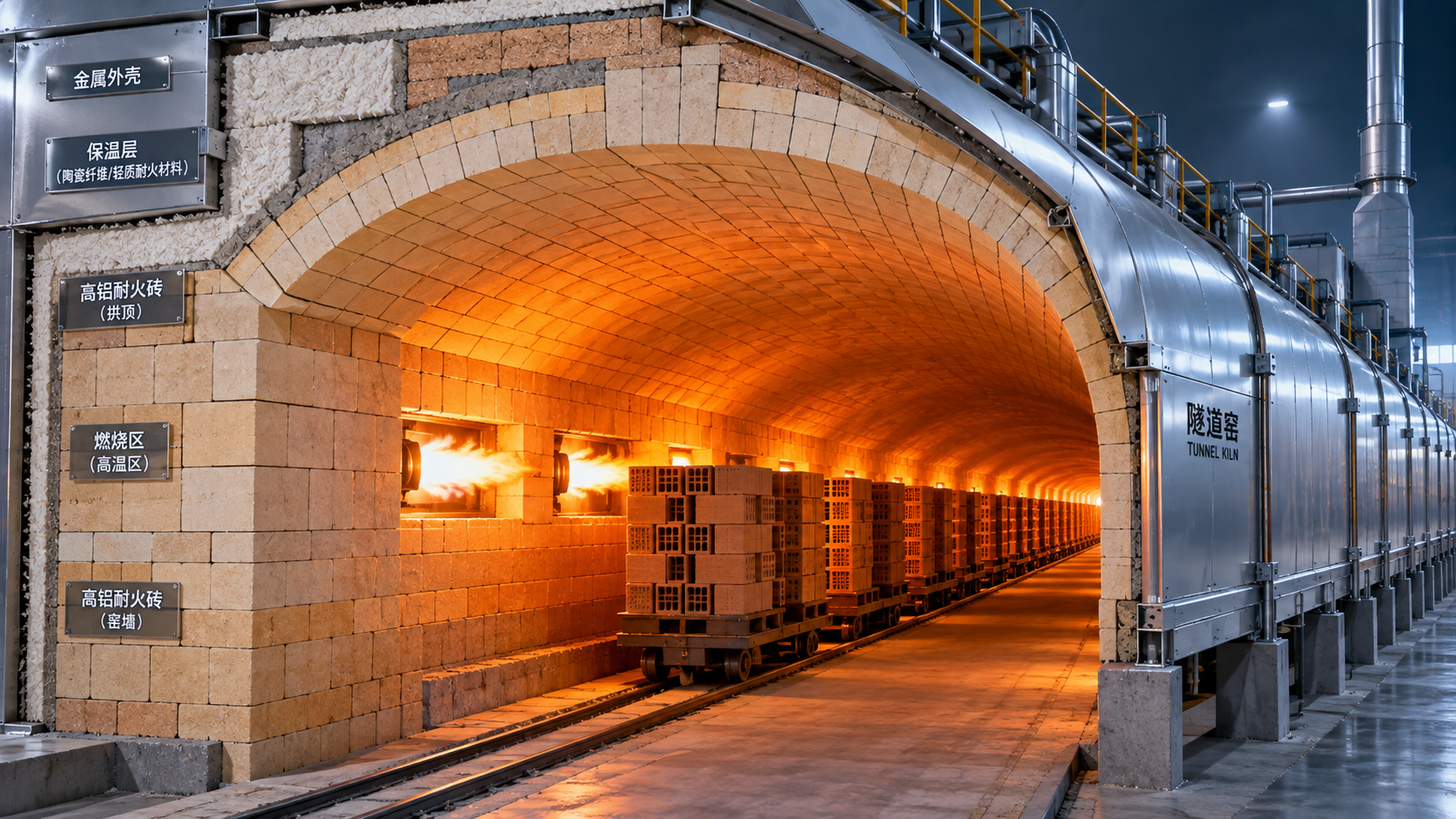
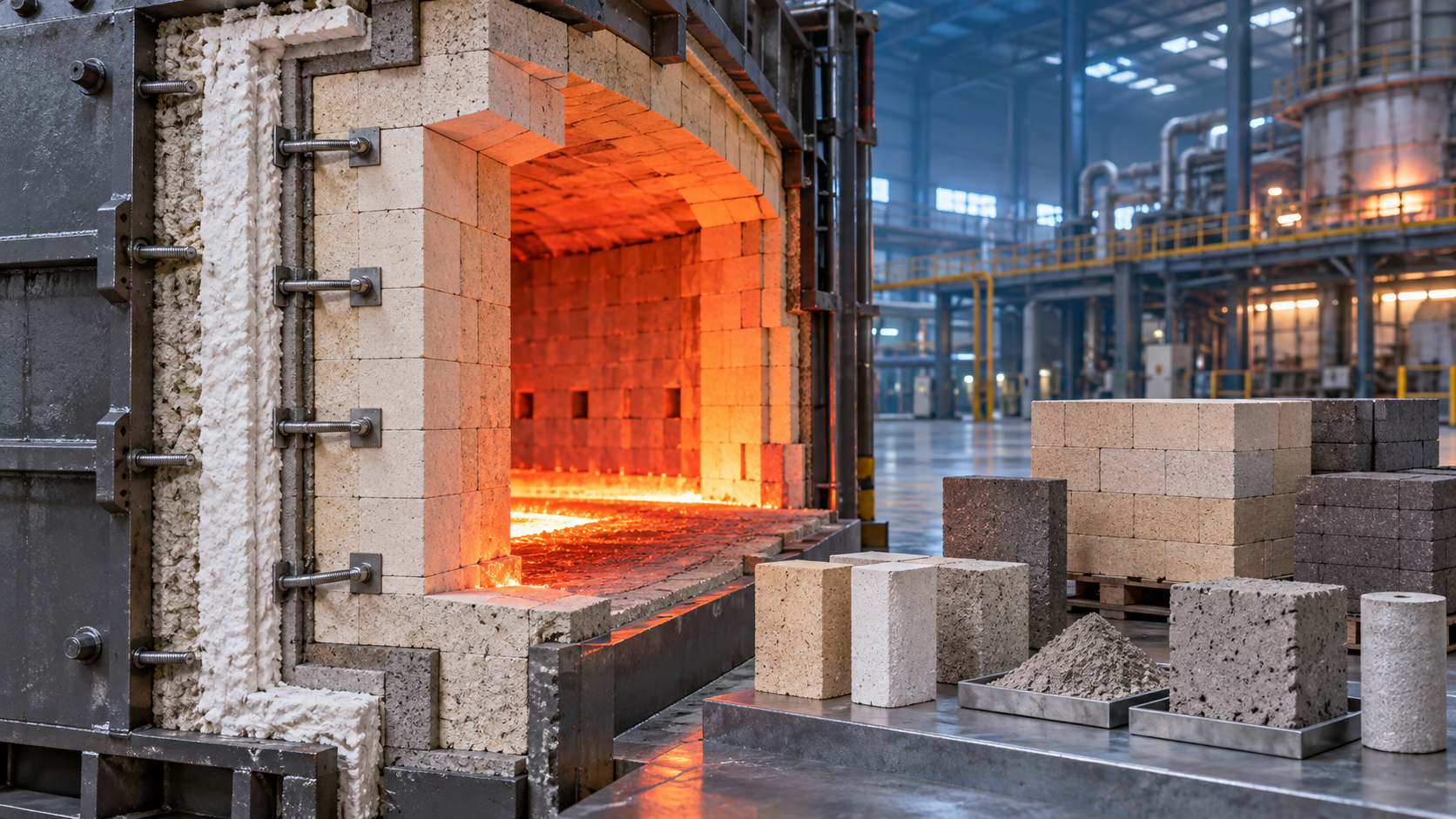
Evaluate whether the supplier can demonstrate experience with comparable thermal duty, fuel mix, material chemistry, and operating temperature. “Comparable” does not simply mean another plant in the same sector. An incineration line handling variable industrial waste has different corrosion, ash, and combustion-control demands than a municipal waste facility. A refractory line firing alumina-rich material faces a different thermal and lining challenge from a clay brick tunnel kiln.
Questions worth asking include:
- How does the proposed solution affect heat transfer, residence time, pressure balance, and temperature uniformity?
- What failure modes have been identified, and how will they be monitored?
- Which components are exposed to abrasion, alkali attack, sulfur compounds, chlorides, thermal shock, or fouling?
- What operating limits must plant teams respect to preserve equipment life?
- Can the design accommodate fuel switching, alternative raw materials, or future electrification?
Strong answers do not need to sound dramatic. They should be specific enough for your engineers to challenge, test, and incorporate into plant operating procedures.
Digital capability matters when it improves decisions
Digital monitoring is now included in many industrial energy proposals, but dashboards alone do not make a plant more efficient. The useful distinction is between software that displays data and systems that help operators act on it.
For thermal processes, a practical digital layer may combine historian data, online gas analysis, thermal imaging, vibration signals, fuel-flow measurements, kiln or furnace pressure data, and production records. The objective is not to create more screens in the control room. It is to identify abnormal heat loss, excess oxygen, unstable combustion, fan inefficiency, deteriorating refractory performance, or deviations from an energy baseline early enough to respond.
When comparing vendors, ask how their platform integrates with existing PLC, DCS, SCADA, MES, and historian environments. Determine who owns the data, how cybersecurity responsibilities are divided, and whether the system works if a connection to an external cloud service is interrupted. In long-life industrial assets, openness and maintainability often matter more than an impressive user interface.
A capable supplier should also clarify the human side of digitalization. Will they provide alarm rationalization? Will operators receive guidance that fits their workflows? Can engineers inspect the underlying calculations rather than accepting a black-box recommendation? The best systems turn process data into understandable operating choices.
Assess the lifecycle service model before signing
Large thermal assets are expected to run for years, often through changing fuel economics, environmental rules, and production demands. A vendor may win a comparison on capital price yet become a weak choice if spare parts are difficult to obtain, local support is thin, or performance tuning ends after start-up.
Review the full service model with the same care used for the technical design. This includes commissioning support, operator training, preventive maintenance, remote diagnostics, emergency response, critical spare parts, and periodic performance reviews. For equipment tied to kiln combustion, furnace controls, waste heat boilers, or emissions treatment, response time can have a direct impact on production continuity.
It is also useful to distinguish between a supplier that sells equipment and one that can support a performance journey. The latter may help a plant revisit control strategies after a fuel switch, recalibrate models as raw materials change, or identify new opportunities once the first project stabilizes. That relationship is particularly important in decarbonization programs, where improvements are usually sequenced over several years rather than delivered in one installation.
Make emissions and carbon readiness part of the comparison
Energy efficiency is frequently the fastest route to lower carbon intensity, but a low-energy solution is not automatically the best environmental solution. Fuel substitution, oxygen enrichment, electrification, heat recovery, waste co-processing, and process optimization can each change the emissions profile in different ways.
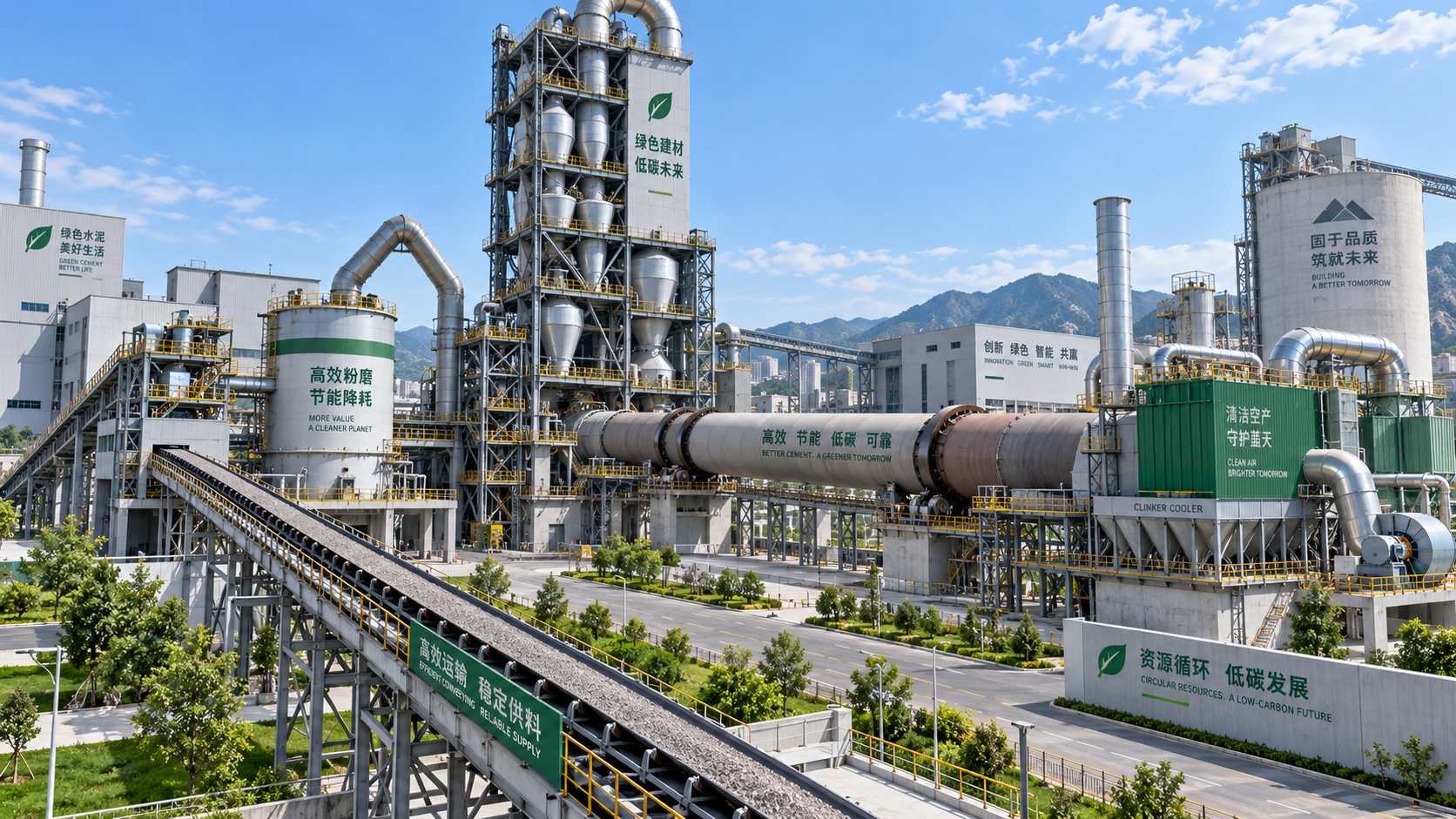
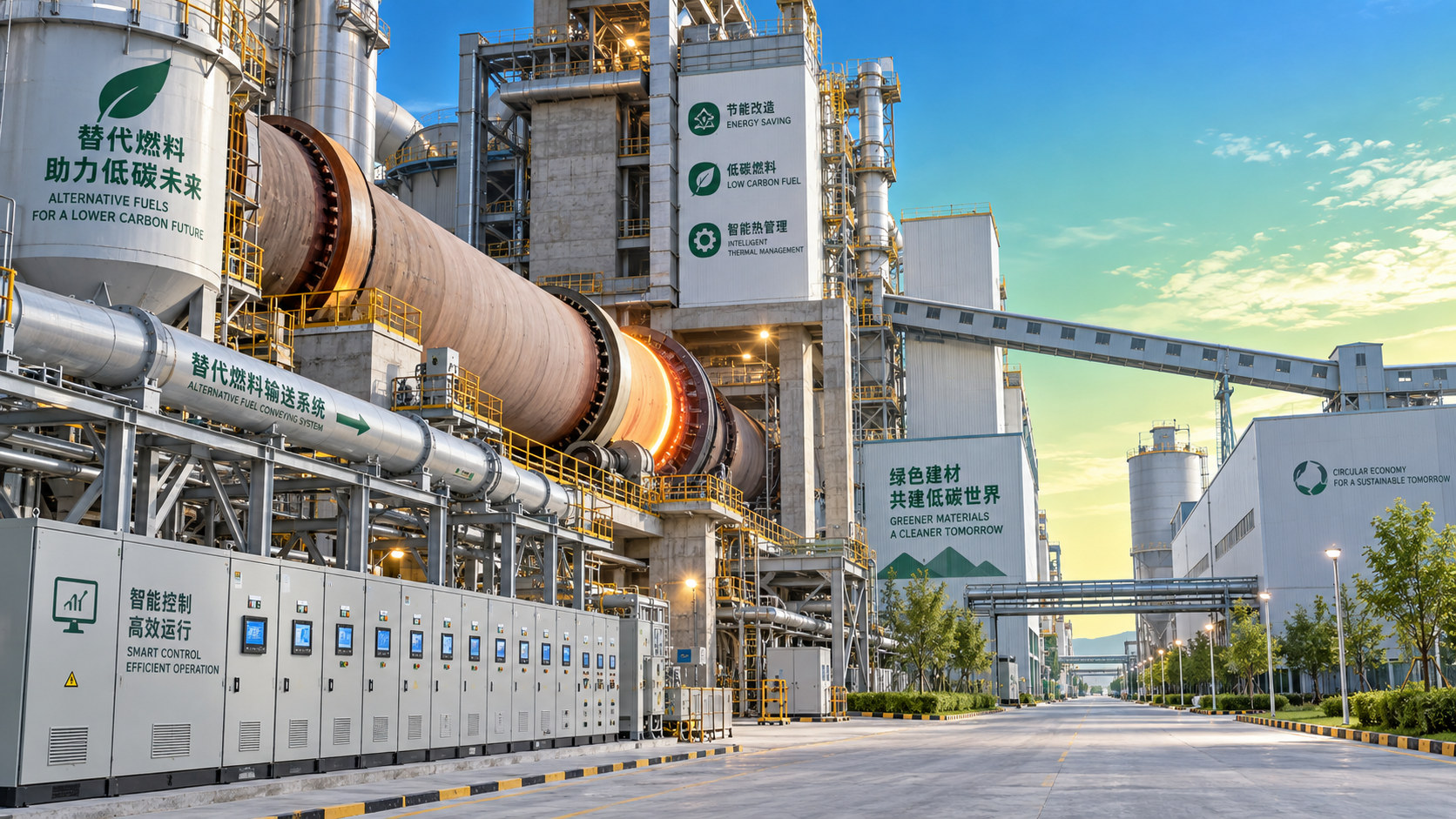
For example, an alternative-fuel strategy in a cement kiln may reduce fossil fuel use while increasing the need for tighter control of chlorine, sulfur, trace compounds, and combustion stability. In incineration, higher energy recovery must be evaluated alongside flue-gas treatment performance and regulatory obligations. In glass manufacturing, electrification may reduce on-site combustion emissions while changing electrical demand, grid-carbon exposure, and furnace design requirements.
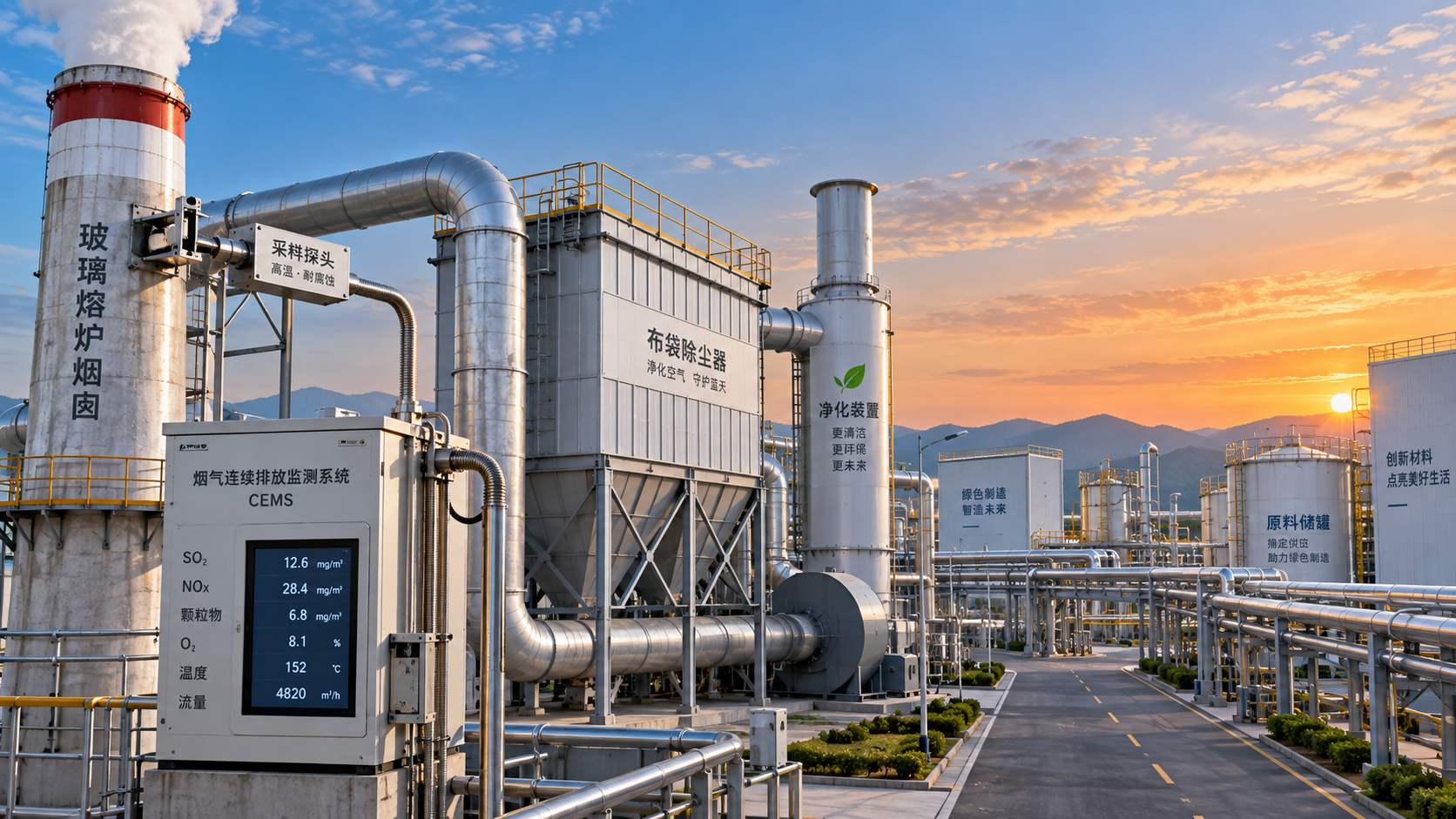
Ask vendors to explain the expected effects on CO2, NOx, SOx, particulate matter, CO, unburned hydrocarbons, and other site-specific pollutants. They should also state whether emissions monitoring, reporting, and permitting support are within their scope. A proposal that treats compliance as an afterthought may create delays precisely when a project is otherwise ready to proceed.
Use references as technical evidence, not a marketing ritual
Reference checks are most useful when they are structured around the risks that matter to your plant. A long list of logos tells you little. Speak, where possible, with operations or maintenance personnel at sites using a comparable solution. Ask what happened during commissioning, which assumptions proved inaccurate, how quickly the vendor resolved problems, and whether performance remained stable after the first operating year.
Useful reference questions include:
- Did the supplier meet the agreed scope, schedule, and commissioning responsibilities?
- How closely did actual energy performance match the verified calculation method?
- Were there unforeseen effects on product quality, throughput, maintenance, or emissions?
- How accessible were process engineers and service teams after handover?
- Would the site select the same vendor again, and what would they change in the project approach?
The most revealing feedback is rarely perfect. A credible reference may describe early problems while also showing that the vendor had the expertise and commitment to solve them.
A practical vendor scorecard for complex thermal projects
To avoid letting the lowest bid or the most polished presentation dominate the decision, create a weighted scorecard before final negotiations. Weighting should reflect your plant’s strategic priorities. A facility constrained by emissions permits may assign greater importance to compliance capability; a site facing frequent refractory failures may prioritize thermal design and lifecycle reliability.
A scorecard does not replace engineering judgment, but it makes trade-offs visible. It also gives finance, operations, and sustainability teams a common language when their priorities differ.
The right comparison leads to a more resilient plant
When asking, “How do I compare industrial energy efficiency vendors?”, do not search only for the biggest projected reduction or the shortest payback claim. Look for a partner that can connect energy performance to the realities of high-temperature production: thermal stability, product quality, emissions control, maintenance planning, digital visibility, and changing carbon expectations.
For sectors built around kilns, furnaces, incinerators, and extrusion lines, the best projects are rarely isolated upgrades. They become part of a broader operating strategy—one that uses process intelligence to reduce waste, preserve equipment life, and make every unit of energy work harder. That is the comparison standard worth applying.
Related News
 Thermal Energy ArchitectIndustrial Furnace Optimization: Heat Recovery Retrofit Costs and PaybackExplore industrial process optimization furnace strategies to assess heat recovery retrofit costs, calculate realistic payback and cut energy bills while protecting production.Oct 15, 2026
 Dr. Alistair VaughnIndustrial Waste Recycling: Selecting Conversion Systems by Feedstock and OutputCompare industrial waste conversion systems recycling teams can match to feedstock and output. Explore recovery routes, quality criteria, and costs to choose with confidence.Oct 14, 2026
 Ms. Elena RodriguezHigh-Pressure Molding Innovations: How Automation and Tooling Affect PriceExplore the high-pressure molding innovations price equation: compare automation, tooling, and ownership costs to find upgrades that cut waste and deliver measurable value.Oct 13, 2026
 Ms. Elena RodriguezIndustrial Process Optimization: Where to Target Energy, Yield, and Throughput LossesIndustrial process optimization: identify energy, yield, and throughput losses to improve plant stability, reduce costs, and unlock measurable performance gains.Oct 12, 2026
 Ms. Elena RodriguezGlass Market Intelligence: How to Assess Demand, Capacity, and Regional Growth RisksGlass market intelligence for evaluating demand, effective capacity, energy exposure, trade dynamics, and regional growth risks before investing in glass manufacturing.Oct 11, 2026
 Ms. Elena RodriguezHow Should Industrial Energy Efficiency Vendors Be Compared?How do I compare industrial energy efficiency vendors? Discover a practical framework for evaluating process fit, verified savings, reliability, emissions, and lifecycle support.Oct 15, 2026
 Silicate Process EngineerWhat Is a Realistic Energy Efficiency Target for a Cement Plant?What energy efficiency target is realistic for a cement plant? Explore practical thermal and electrical benchmarks, savings opportunities, and phased strategies to reduce costs, improve reliability, and build a credible decarbonization roadmap.Oct 14, 2026
 Ms. Elena RodriguezAre Green Building Materials More Expensive to Manufacture?Are green building materials more expensive to manufacture? Explore cost drivers, savings opportunities, and how sustainable production can strengthen long-term competitiveness.Oct 13, 2026
 Structural Material AnalystWhich Sustainable Construction Materials Are Suitable for Extrusion?Which sustainable construction materials are suitable for extrusion? Explore recycled clay, cementitious mixes, geopolymers, and bio-composites for reliable, lower-impact building products.Oct 12, 2026
 Optical Glass Tech FellowWhat Should a Glass Furnace Energy Specification Include?What should be included in a glass furnace energy specification? Explore performance, fuel flexibility, heat recovery, emissions, and monitoring essentials.Oct 11, 2026
 Dr. Alistair VaughnHow Process Technology Platforms Improve Control Across Multi-Line ManufacturingDiscover how a process technology platform strengthens cross-line control, connects operational data, and improves energy, quality, and maintenance decisions.Oct 10, 2026
 Optical Glass Tech FellowHow Glass Furnace Emissions Are Measured and Controlled for Regulatory ComplianceGlass furnace emissions: learn how to measure, monitor, and control NOx, SOx, particulate, CO, and CO2 for reliable regulatory compliance.Oct 08, 2026
 Prof. Marcus ChenIndustrial Decarbonization Strategies in Europe: A Roadmap for Energy-Intensive PlantsIndustrial decarbonization strategies Europe: explore practical pathways for energy-intensive plants to cut emissions, improve efficiency, and protect performance.Oct 07, 2026
 Thermal Energy ArchitectEnergy-Efficient Silicate Production Lines: What to Compare Before SelectionSilicate production lines energy efficient selection guide: compare thermal performance, stability, emissions, controls, and lifecycle value before investing.Oct 06, 2026
 Optical Glass Tech FellowHow to Evaluate Automated Float Glass Lines for Capacity, Quality, and Energy UseEvaluate automated float glass lines for net capacity, consistent quality, energy efficiency, automation reliability, and lifecycle value. Explore key criteria for smarter investment decisions.Oct 05, 2026
 Thermal Energy ArchitectWhat Does CE Marking Require for an Energy-Efficient Industrial Kiln?Energy efficient kiln CE requirements explained: assess safety, technical files, energy performance, and EU compliance before purchase or commissioning.Oct 04, 2026
 Thermal Energy ArchitectRefractory Manufacturing Solutions for Brick Plants: How to Extend Kiln LifeRefractory manufacturing solutions for brick plant operations: discover proven strategies to extend kiln life, reduce heat loss, prevent lining failures, and plan cost-effective repairs.Oct 03, 2026
 Thermal Energy ArchitectHow to Specify Heavy Industrial Process Systems for High-Temperature PlantsHeavy industrial processes systems: learn how to specify high-temperature plants for efficiency, emissions control, maintainability, and lifecycle performance.Oct 02, 2026
 Structural Material AnalystHow Sustainable Material Extrusion Can Improve Wall Panel Durability and Design FlexibilityDiscover how sustainable material extrusion for wall panels improves durability, moisture resistance, design flexibility, and installation consistency for high-performing wall systems.Oct 01, 2026
 Thermal Energy ArchitectHow to Evaluate a High-Temperature Materials Manufacturer for Furnace ApplicationsChoose a high-temperature materials manufacturer with confidence: compare thermal performance, chemical resistance, quality controls, installation support, and lifecycle cost.Sep 30, 2026

Related News
- 00
0000-00
High-Pressure Molding Innovations: How Automation and Tooling Affect Price - 00
0000-00
Industrial Process Optimization: Where to Target Energy, Yield, and Throughput Losses - 00
0000-00
Glass Market Intelligence: How to Assess Demand, Capacity, and Regional Growth Risks - 00
0000-00
How Should Industrial Energy Efficiency Vendors Be Compared? - 00
0000-00
Are Green Building Materials More Expensive to Manufacture?
Weekly Insights
Stay ahead with our curated technology reports delivered every Monday.