
Process Equipment Comparison: Which Metrics Matter Most for Reliable Selection?




A good process equipment comparison is rarely won by the machine with the biggest throughput or the lowest quoted price. In real projects, reliable selection usually comes down to a smaller group of metrics: how efficiently the equipment uses energy, how steadily it holds process conditions, how quickly critical parts wear, how maintainable it is under plant conditions, and how much variation it can tolerate without drifting out of spec. If you are comparing kilns, burners, heat-treatment systems, extrusion lines, or related thermal process units, those are the numbers that will shape uptime far more than brochure claims.
Many evaluation teams get stuck because several options look acceptable on paper. The nameplate capacity is close, the automation package sounds modern, and every supplier says their design is “optimized.” That is exactly where disciplined selection matters. The question is not simply which unit can run. The question is which unit can keep running reliably under your raw material variability, operator habits, maintenance reality, fuel conditions, and environmental constraints.
Why process equipment comparison often fails in the early stage
A common mistake is comparing only static specifications. Throughput, installed power, chamber dimensions, temperature range, and motor size are useful, but they do not tell you how the machine behaves after six months of production. In high-temperature and material-processing environments, reliability usually breaks down through interaction effects: uneven feed, thermal shock, refractory stress, dust loading, burner instability, poor seal performance, control lag, and maintenance access limitations.
That is why the most useful comparison is not “Which machine is strongest?” but “Which machine is least likely to create unstable production in my actual operating window?”
In short: the best equipment is usually the one with the most predictable lifecycle behavior, not the most impressive headline specification.
The metrics that matter most
Some metrics deserve far more weight than others during selection. The exact ranking depends on the process, but for most thermal and heavy-process applications, the following areas deserve early scrutiny.
1. Thermal efficiency under real load
Suppliers often present ideal fuel or power consumption figures. What matters is performance at your expected operating range, not only at design maximum. A kiln, furnace, calciner, dryer, or extrusion heating section may look efficient at steady-state full load and become far less efficient during partial-load operation, frequent start-stop cycles, or feed variation.
Ask for efficiency data tied to specific process conditions: feed moisture, ambient conditions, fuel type, product target, exhaust temperature, and turn-down range. If those assumptions are vague, treat the number carefully.
For selection, thermal efficiency is not only about energy cost. It also affects temperature stability, product consistency, emissions, and refractory life.
2. Control accuracy and response stability
In many plants, equipment failure is really control failure in disguise. The hardware may be sound, but if the system cannot respond smoothly to changes in load, fuel quality, draft, or material behavior, production becomes unstable.
When comparing systems, look beyond whether PLC, DCS, or HMI features are available. Focus on control quality: sensor placement, response time, logic robustness, interlocks, trend visibility, alarm management, and the ability to maintain key variables within a narrow band. In glass, cement, refractory, and waste-to-energy applications, temperature overshoot or unstable pressure control can damage both product quality and equipment internals.
If a supplier cannot explain how the system handles disturbances, the automation package may be more decorative than useful.
3. Wear resistance and consumable life
This is one of the most underestimated areas in process equipment comparison. A lower purchase price can disappear quickly if screws, liners, rollers, seals, burners, nozzles, refractory zones, or conveying elements wear faster than expected.
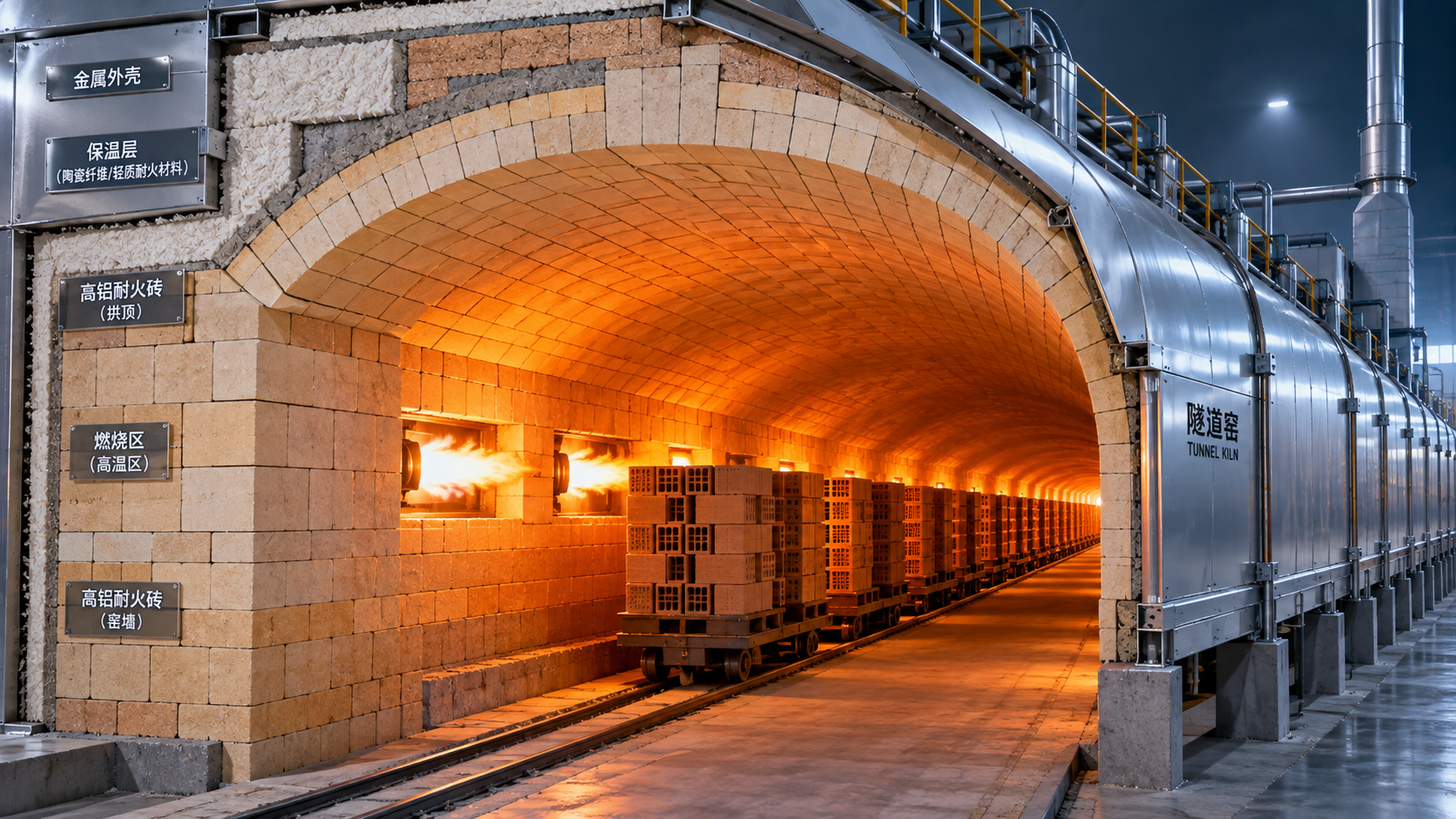
The right question is not “What material is it made from?” but “How long do critical wear parts last in applications similar to mine, and what operating conditions shorten that life?” Abrasive raw materials, alkali attack, corrosive gases, thermal cycling, and poor feed uniformity can all change wear behavior dramatically.
Do not accept generic service-life claims without context. Ask what assumptions sit behind them, and whether the supplier has field references in comparable duty.
4. Maintainability, not just maintenance intervals
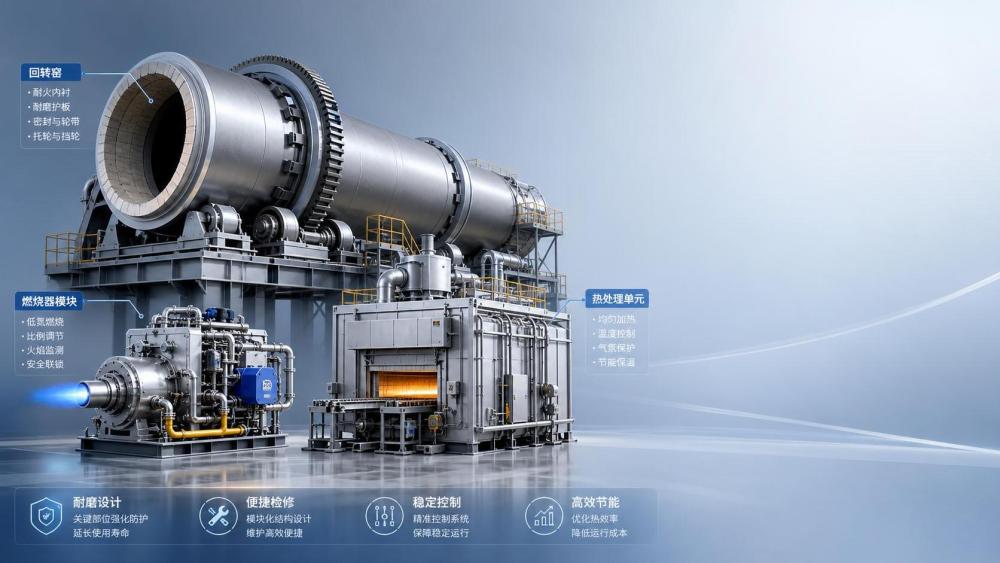
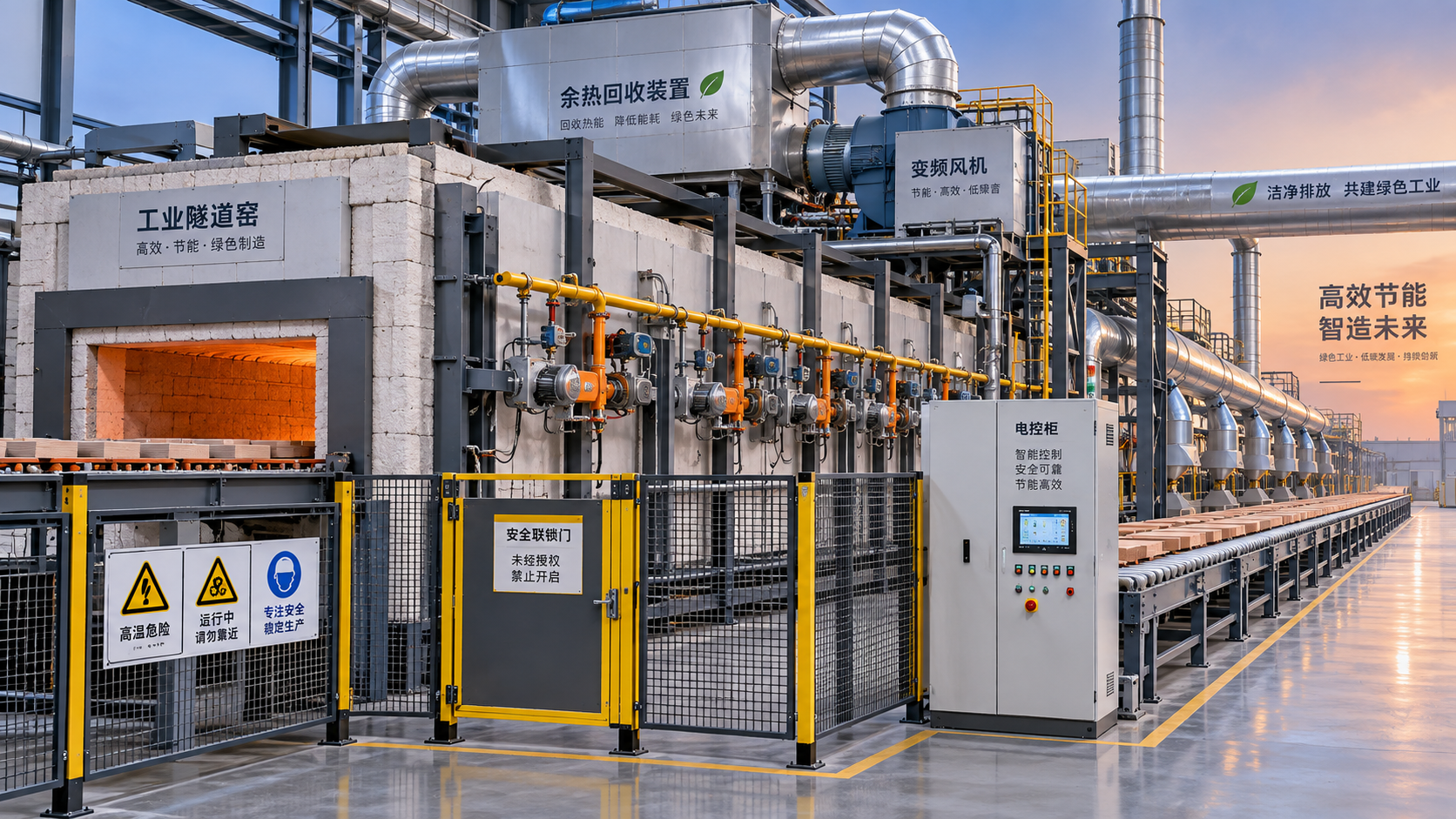
Maintenance-friendly equipment is often easier to live with than equipment that merely promises long intervals between service events. In practice, access matters. Can operators inspect hot spots, seals, refractory surfaces, drives, and lubrication points without excessive shutdown time? Can a worn module be changed locally, or does the whole assembly need specialist intervention?
Technical evaluators should pay attention to:
- access to critical components
- replacement time for major wear parts
- need for proprietary tools or software
- availability of local service support
- spare-parts lead time
Plants usually suffer more from delayed repair than from the repair itself.
5. Process tolerance and operating window
Some equipment performs very well but only in a narrow band of feed chemistry, particle size, viscosity, moisture, or thermal profile. Others are less elegant but far more forgiving. If your upstream conditions fluctuate, a forgiving design may be the better choice.
This matters a lot in silicate production, waste-derived feed handling, and specialized extrusion, where raw material consistency is not always ideal. A machine that requires perfect feed to stay stable may look good during factory acceptance and become a persistent problem on site.
6. Lifecycle cost with downtime included
Many teams calculate lifecycle cost too narrowly. Energy, consumables, and initial capital are included, but unplanned downtime, quality loss, startup scrap, and maintenance labor are treated as secondary. They should not be.
A practical lifecycle review should include:
- expected energy consumption across the real load profile
- scheduled maintenance cost
- critical spare consumption
- estimated downtime hours per year
- quality loss during startup, changeover, or instability
Even if some of those values need local verification, the comparison becomes much more honest once downtime enters the model.
What technical evaluators should verify before trusting vendor data
The strongest selection work usually happens in the questions asked before procurement, not after. If two suppliers give similar capacity and efficiency numbers, start checking the boundary conditions behind the data.
Ask whether the quoted performance is based on virgin raw material or variable recycled feed. Ask whether the emissions figures assume a particular fuel. Ask whether the control accuracy depends on optional instrumentation. Ask whether the wear-part life comes from light-duty operation or from a harsh, continuous-duty plant.
That line of questioning often reveals the real difference between designs.
It also helps to separate guaranteed values from indicative values. A surprising number of evaluation errors come from treating sales-stage estimates as contractual operating performance.
Where people overvalue capacity and undervalue stability
There is a pattern seen across many equipment categories: buyers focus heavily on maximum output and not enough on output consistency. But unstable high-capacity equipment often delivers less usable production over a year than a slightly smaller system with better control and fewer interruptions.
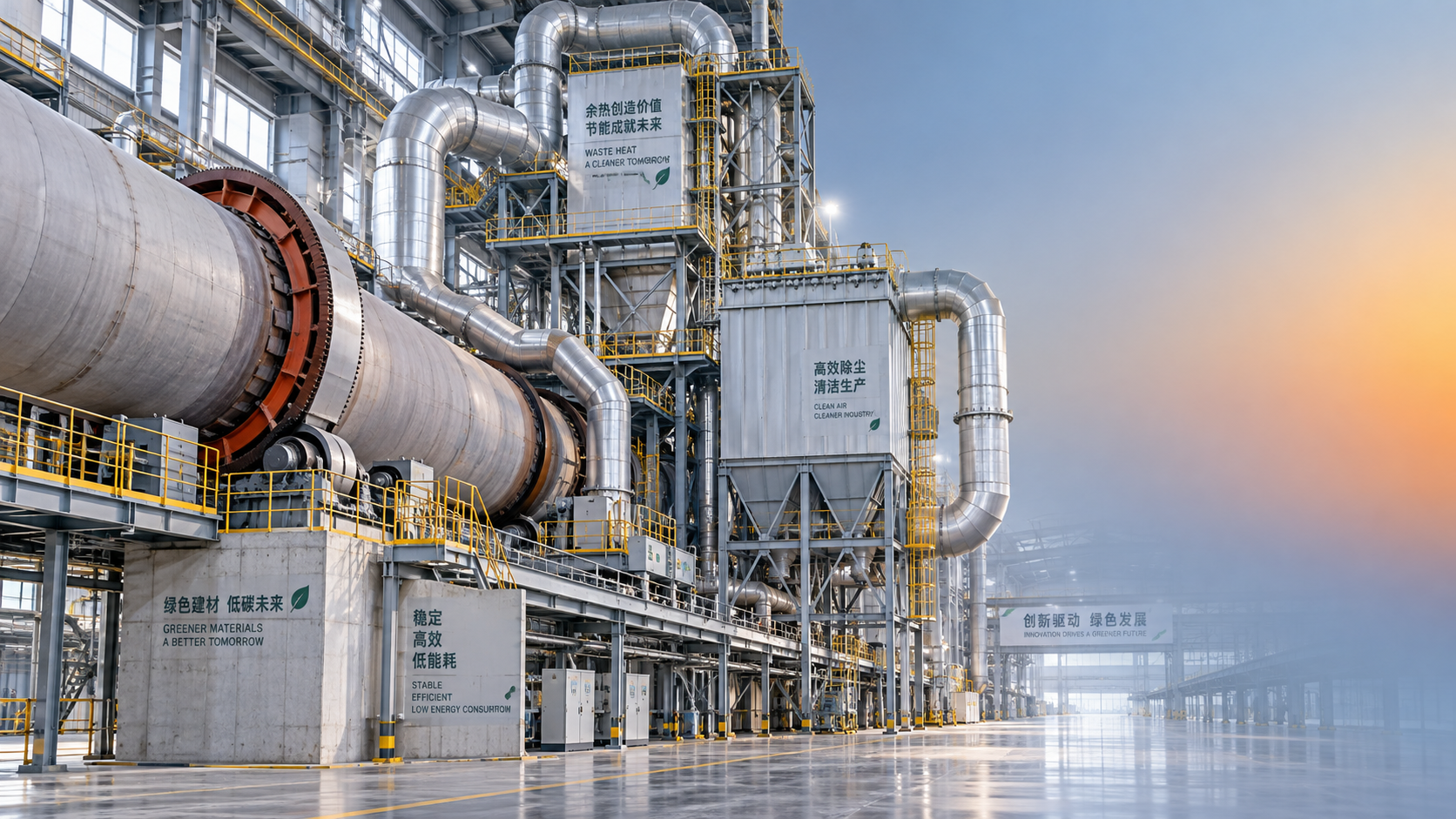
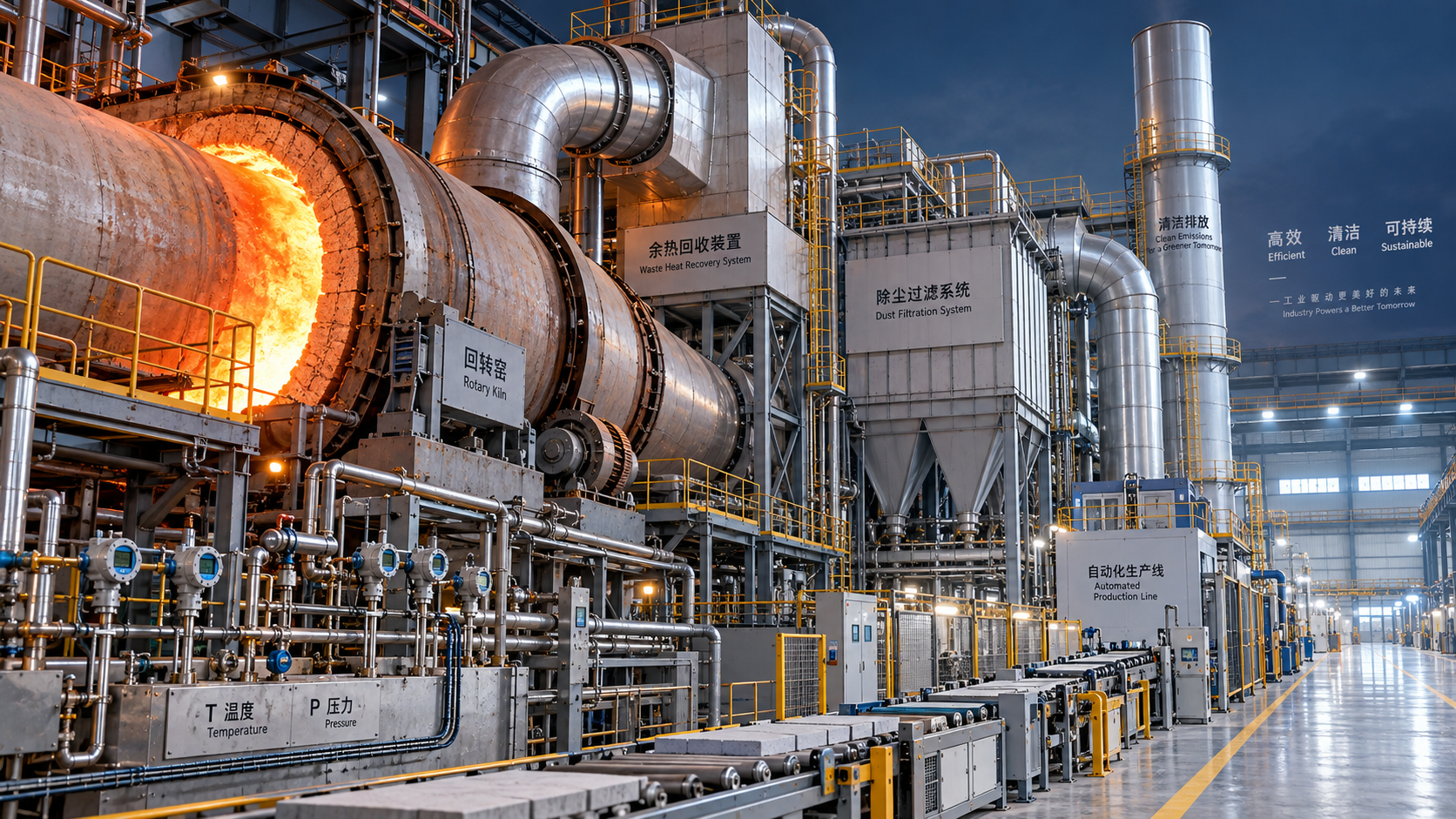
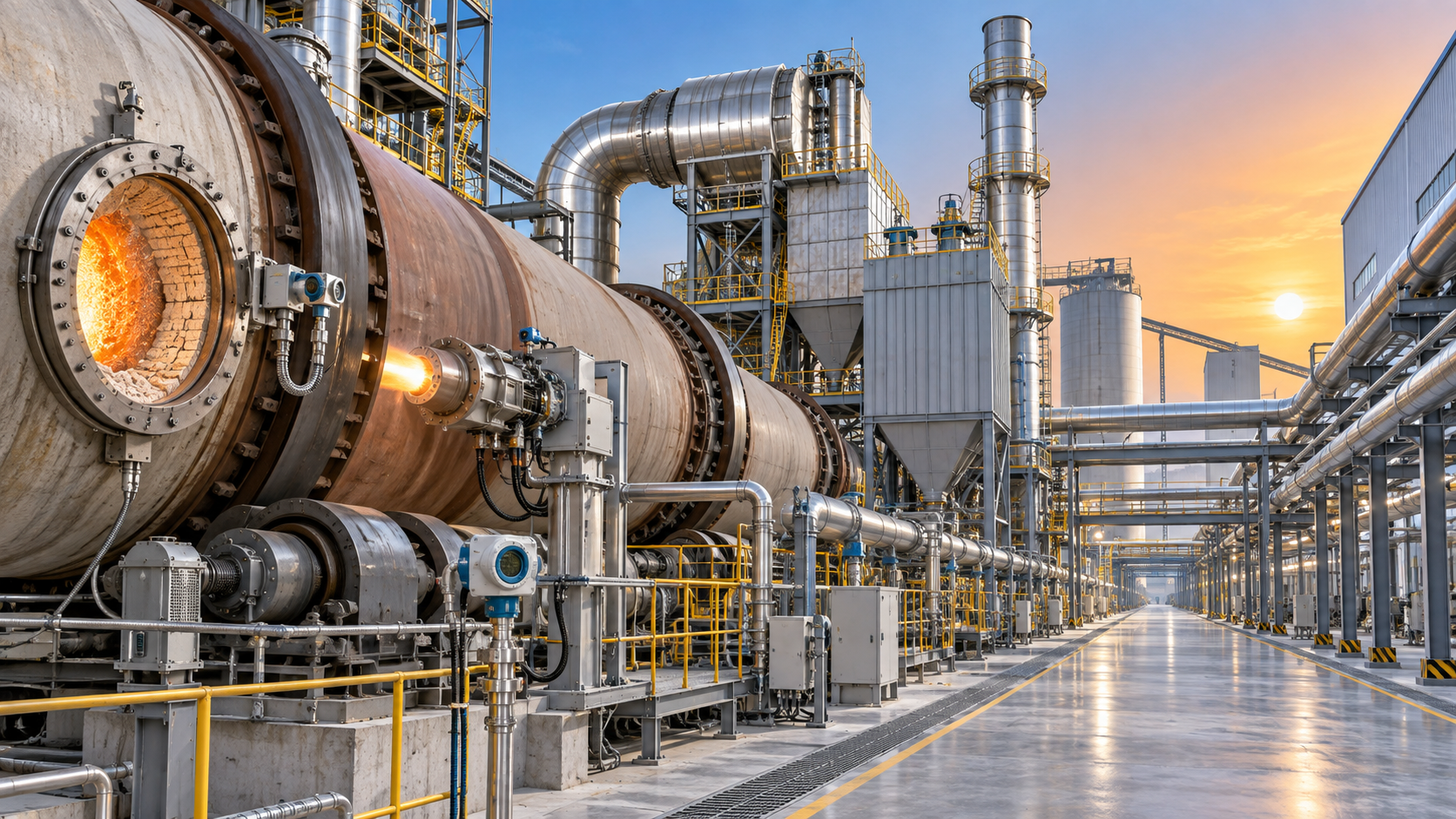
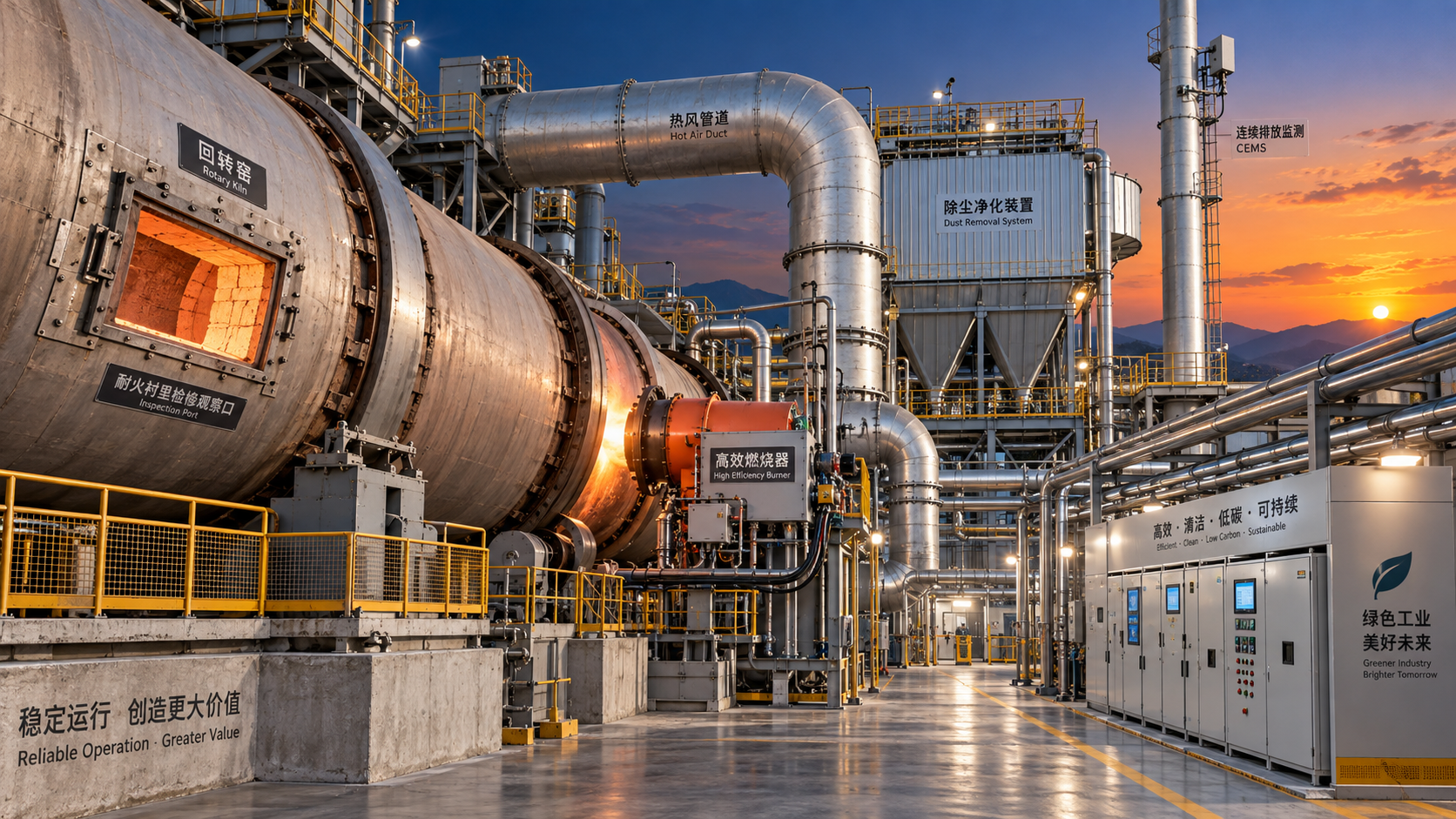
This is especially true in high-temperature lines, where one unstable zone can affect the whole process chain. A rotary kiln with repeated seal issues, a furnace with poor temperature uniformity, or an extrusion line with inconsistent pressure control may still “run,” but the hidden cost appears in rejects, rework, fuel waste, and emergency interventions.
Reliable selection means treating stable operation as production capacity in its own right.
Application fit matters more than generic ranking
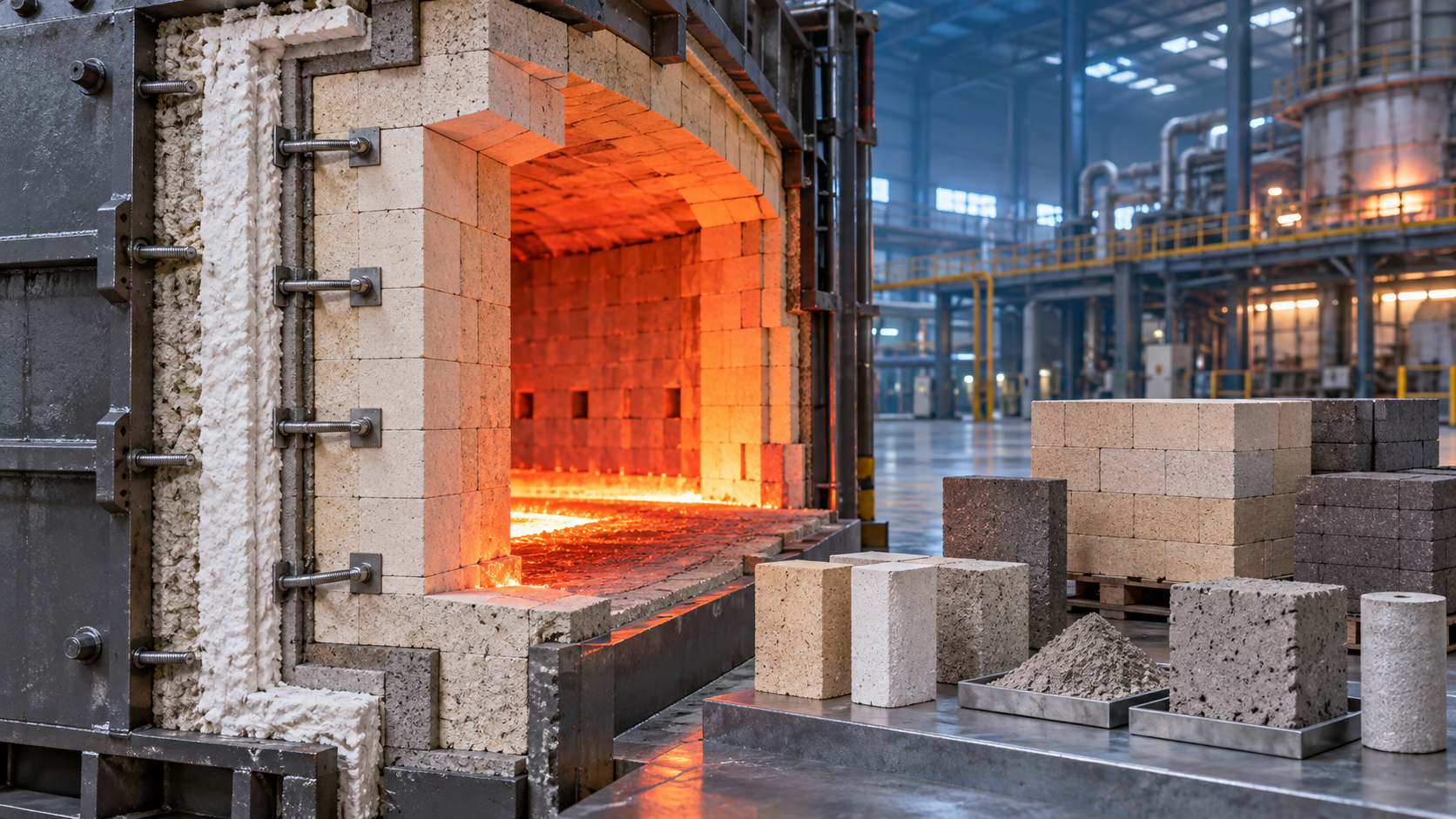
There is no universal winner in process equipment comparison because duty conditions differ too much. A design that works well in a large cement installation may not be the right answer for a refractory line facing frequent thermal cycling. A solution optimized for clean, uniform feed may not suit incineration or co-processing service where variability is built into the job.
This is why broad market intelligence can still be useful when it is tied back to application detail. Platforms such as CF-Elite are relevant here not because they replace engineering judgment, but because they help evaluators see where sector trends, decarbonization pressure, refractory monitoring, digital simulation, and energy-efficiency expectations are moving equipment design. That kind of context is helpful when you are comparing options that look technically similar today but may age differently under new operating or compliance requirements.
Still, intelligence is only useful when it leads back to plant-specific questions. It should not be used as a shortcut around process validation.
Three selection traps worth avoiding
First, do not treat all references as equal. A reference from a plant with different fuel, raw material, throughput pattern, or operator capability may be only loosely relevant.
Second, be careful with highly customized designs if your site depends on fast service support. Customization can solve a real problem, but it can also create spare-parts dependency and longer recovery time.
Third, do not assume advanced digital features automatically improve reliability. Online monitoring, predictive maintenance tools, and digital twins can add value, but only if the sensors are reliable, the models are calibrated, and the plant has people who will actually use the information.
A practical way to structure the decision
If the shortlist is already narrow, score each option against a weighted matrix built around failure risk, not marketing language. Typical weighting categories include thermal efficiency, process stability, wear life, maintainability, lifecycle cost, environmental fit, and vendor support quality. The weighting should reflect what causes the most pain in your plant.
For example, if refractory shutdowns are your biggest historical loss, then wear behavior and thermal uniformity deserve more weight than a small difference in purchase price. If your operation runs variable fuel or mixed feedstocks, control flexibility and tolerance range should move up the list.
The best weighted matrix is the one that mirrors your operating reality, not a generic procurement template.
Near the end of any process equipment comparison, one final question usually clarifies the decision: if the unit underperforms, where will the penalty appear first: energy, quality, maintenance, emissions, or uptime? Once that answer is clear, the important metrics usually become clear as well.
FAQ
Is the lowest energy-consuming machine always the best choice?
No. Lower energy use can be offset by poor uptime, faster wear, or unstable quality. Energy matters, but only inside the full lifecycle picture.
How many vendor references are enough?
There is no fixed number. A few well-matched references from similar duty are usually more useful than many loosely related ones.
Should technical evaluators prioritize automation features early?
Only to the extent that they improve control stability, visibility, and protection. Long feature lists are less important than proven control behavior.
When is a higher-capex option justified?
When it clearly reduces recurring losses such as downtime, refractory damage, scrap, fuel waste, or operator intervention. The capex premium needs to map to a measurable operational benefit.
Image Placeholder List
Suggested placement: near the section discussing wear resistance, maintainability, and lifecycle review.
Suggested image content: a technical comparison diagram showing key evaluation points for thermal process equipment, including efficiency, wear zones, control points, and maintenance access.
Suggested alt text: Process equipment comparison checklist for reliability selection
Internal Link Anchor Text Suggestions
- Rotary kiln efficiency evaluation: guide page on kiln performance assessment
- Refractory lining monitoring methods: technical article or resource hub
- Industrial incineration system selection: solution comparison page
- Extrusion line process stability factors: application-focused knowledge article
- Thermal process lifecycle cost analysis: decision-support content page
External Authoritative Source Directions
- Industry association reports for cement, glass, thermal processing, or waste-to-energy equipment
- Government or regulatory agency pages covering emissions, energy efficiency, and industrial compliance requirements
- Official technical documentation from major equipment manufacturers and instrumentation suppliers
Related News
 Dr. Alistair VaughnHow Process Technology Platforms Improve Control Across Multi-Line ManufacturingDiscover how a process technology platform strengthens cross-line control, connects operational data, and improves energy, quality, and maintenance decisions.Oct 10, 2026
 Optical Glass Tech FellowHow Glass Furnace Emissions Are Measured and Controlled for Regulatory ComplianceGlass furnace emissions: learn how to measure, monitor, and control NOx, SOx, particulate, CO, and CO2 for reliable regulatory compliance.Oct 08, 2026
 Prof. Marcus ChenIndustrial Decarbonization Strategies in Europe: A Roadmap for Energy-Intensive PlantsIndustrial decarbonization strategies Europe: explore practical pathways for energy-intensive plants to cut emissions, improve efficiency, and protect performance.Oct 07, 2026
 Thermal Energy ArchitectEnergy-Efficient Silicate Production Lines: What to Compare Before SelectionSilicate production lines energy efficient selection guide: compare thermal performance, stability, emissions, controls, and lifecycle value before investing.Oct 06, 2026
 Optical Glass Tech FellowHow to Evaluate Automated Float Glass Lines for Capacity, Quality, and Energy UseEvaluate automated float glass lines for net capacity, consistent quality, energy efficiency, automation reliability, and lifecycle value. Explore key criteria for smarter investment decisions.Oct 05, 2026
 Thermal Energy ArchitectWhat Does CE Marking Require for an Energy-Efficient Industrial Kiln?Energy efficient kiln CE requirements explained: assess safety, technical files, energy performance, and EU compliance before purchase or commissioning.Oct 04, 2026
 Thermal Energy ArchitectRefractory Manufacturing Solutions for Brick Plants: How to Extend Kiln LifeRefractory manufacturing solutions for brick plant operations: discover proven strategies to extend kiln life, reduce heat loss, prevent lining failures, and plan cost-effective repairs.Oct 03, 2026
 Thermal Energy ArchitectHow to Specify Heavy Industrial Process Systems for High-Temperature PlantsHeavy industrial processes systems: learn how to specify high-temperature plants for efficiency, emissions control, maintainability, and lifecycle performance.Oct 02, 2026
 Structural Material AnalystHow Sustainable Material Extrusion Can Improve Wall Panel Durability and Design FlexibilityDiscover how sustainable material extrusion for wall panels improves durability, moisture resistance, design flexibility, and installation consistency for high-performing wall systems.Oct 01, 2026
 Thermal Energy ArchitectHow to Evaluate a High-Temperature Materials Manufacturer for Furnace ApplicationsChoose a high-temperature materials manufacturer with confidence: compare thermal performance, chemical resistance, quality controls, installation support, and lifecycle cost.Sep 30, 2026
 Ms. Elena RodriguezHow to Structure Global Specification Data for Faster Industrial Product EvaluationGlobal specification-oriented product information helps industrial teams compare capacity, energy, emissions, automation, and lifecycle data on a like-for-like basis for faster, confident equipment decisions.Sep 29, 2026
 Thermal Energy ArchitectHow to Specify High-Temperature Process Systems for Continuous Thermal OperationsHigh-temperature process engineering systems: learn how to specify resilient continuous thermal operations for efficiency, compliance, reliable uptime, and long-term performance.Sep 28, 2026
 Thermal Energy ArchitectHow to Evaluate a Thermal Engineering Contractor for High-Temperature Plant ProjectsChoose a thermal engineering contractor with proven process expertise, lifecycle value, emissions control, and delivery discipline for reliable high-temperature plant performance.Sep 27, 2026
 Silicate Process EngineerHow Latin American Cement Plants Can Reduce Dust Emissions in Kilns and Transfer PointsCement plant dust control Latin America: reduce kiln and transfer-point emissions with practical airflow, filtration, monitoring, and maintenance strategies.Sep 26, 2026
 Material Heat-Resist ExpertHow to Evaluate Refractory Production Lines for Output, Quality, and Energy UseRefractory production lines: learn how to assess qualified output, consistent quality, and total energy use for smarter, lower-risk investment decisions.Sep 25, 2026
 Dr. Alistair VaughnHow Waste Recycling Technology Improves Material Recovery in Industrial PlantsWaste recycling technology improves material recovery through source segregation, smart separation, thermal treatment, and quality control for industrial plants.Sep 24, 2026
 Optical Glass Tech FellowHow to Specify Glass Annealing Equipment for European Quality and Energy RequirementsGlass annealing equipment Europe: learn how to specify lehrs for consistent glass quality, energy efficiency, compliance, automation, and reliable long-term performance.Sep 23, 2026
 Optical Glass Tech FellowSilicate Process Automation: Improving Batch Consistency and Energy ControlSilicate process automation improves batch consistency, energy control, traceability, and operator confidence across high-temperature manufacturing operations.Sep 22, 2026
 Optical Glass Tech FellowHow Silicate Industrial Processes Control Viscosity, Energy Use, and Product QualitySilicate industrial processes: learn how viscosity, chemistry, heat transfer, and atmosphere control reduce energy use, improve stability, and protect product quality.Sep 21, 2026
 Thermal Energy ArchitectHow European Plants Can Evaluate Energy Recovery Equipment for High-Temperature ProcessesIndustrial energy recovery equipment Europe: learn how high-temperature plants can assess waste-heat sources, integration risks, lifecycle value, and reliable recovery routes.Sep 20, 2026

Related News
- 00
0000-00
How to Structure Global Specification Data for Faster Industrial Product Evaluation - 00
0000-00
What Drives High-Pressure Extrusion Equipment Cost in Industrial Projects? - 00
0000-00
How Should Buyers Evaluate Building Material Industry Intelligence Pricing? - 00
0000-00
How to Use Building Material Intelligence Data for Market and Investment Decisions - 00
0000-00
How to Evaluate a Silicate Processing Equipment Manufacturer for Plant Projects
Weekly Insights
Stay ahead with our curated technology reports delivered every Monday.