
How to Use Building Material Intelligence Data for Market and Investment Decisions




Turn Intelligence Into a Decision System
Building material industry intelligence data is worth using when it helps answer a decision that has financial or strategic consequences: whether to add capacity, enter a market, change a product mix, fund efficiency upgrades, acquire a distributor, or delay capital expenditure. It is far less useful when treated as a stream of headlines, isolated price movements, or broad forecasts detached from a company's operating position.
For executives in cement, glass, refractory materials, industrial thermal systems, waste-to-energy, and advanced extrusion, the most valuable intelligence is usually not a single market-size estimate. It is the ability to connect several signals that move at different speeds: construction demand, energy economics, environmental rules, equipment utilization, customer specifications, and capital availability. A market may appear attractive on aggregate demand while still being a poor place to invest because local capacity is excessive, fuel costs are unstable, permitting is slow, or the required product standard is moving beyond an existing production line's capability.
The practical question is therefore not, “What does the market report say?” It is, “What evidence would make this investment viable, and what evidence would make it fail?” Intelligence becomes useful when it is organized around that question.
Start With the Decision, Not the Data Feed
Industrial companies often accumulate data without defining the operating decision it should support. They may track building starts, import volumes, carbon policy announcements, equipment orders, and raw-material prices, yet still struggle to decide whether a new kiln, float line, refractory line, or extrusion plant has a defensible business case.
A better starting point is to define the decision horizon and the irreversible commitment involved. A quarterly procurement decision needs different information from a ten-year capacity investment. The former may rely heavily on energy costs, freight conditions, supplier reliability, and short-cycle order visibility. The latter requires a deeper view of demand structure, regulatory trajectory, technology obsolescence, site constraints, and the likely behavior of competitors.
Before collecting more information, leadership teams should be able to state the decision in one sentence. For example:
- Should the company modernize an existing cement line to reduce fuel consumption and emissions exposure?
- Is there sufficient durable demand to justify a new high-performance insulation or refractory production line?
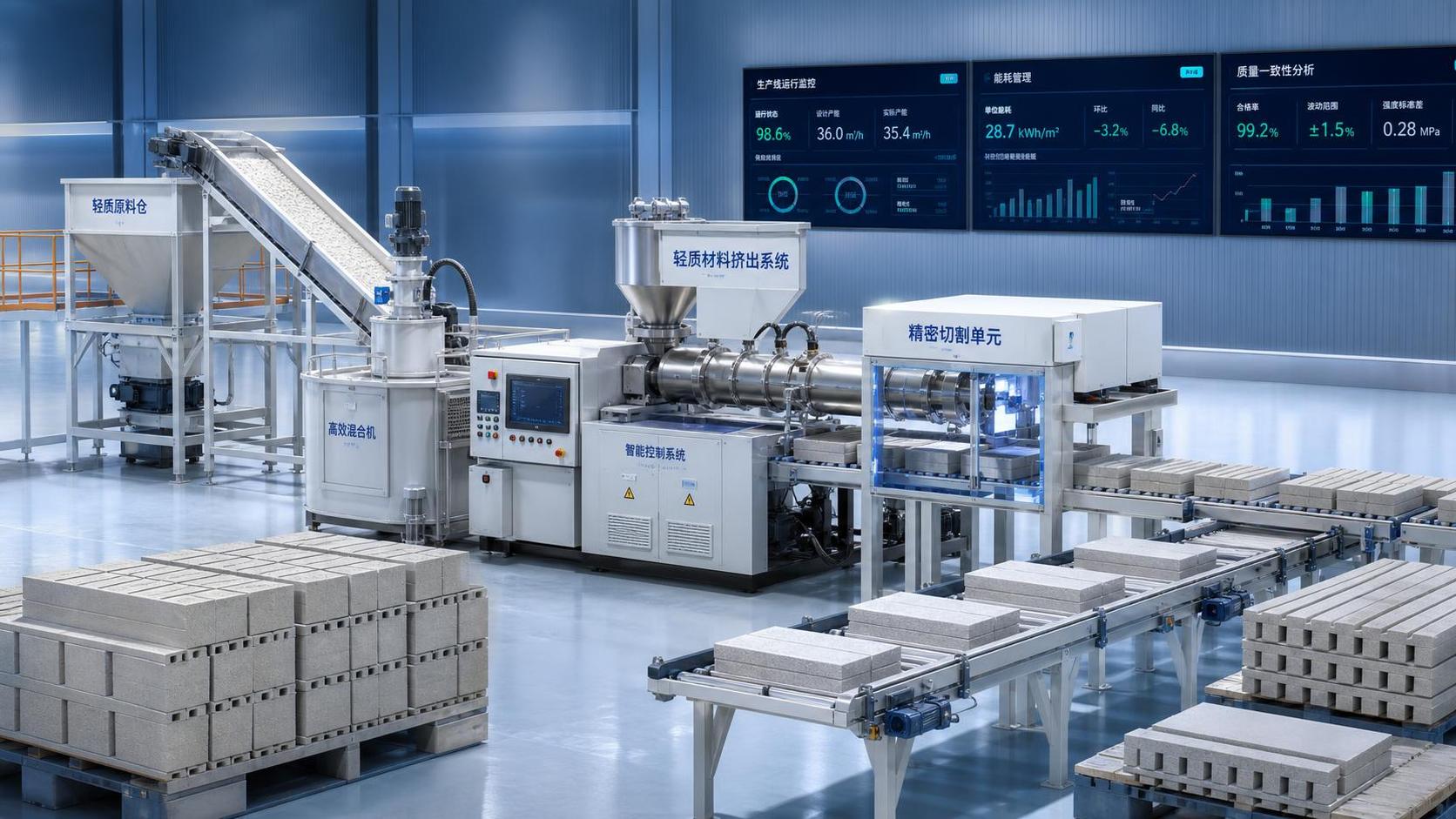
- Will local demand for lightweight extruded building products support a regional manufacturing footprint?
- Does a glass producer need additional capacity, or does it need a different product specification and lower defect risk?
- Should an industrial equipment distributor build technical capability around waste co-processing, digital furnace monitoring, or low-carbon material production?
Each question creates a different intelligence map. For a capacity decision, total market growth is only one input. For a technology-positioning decision, customer qualification requirements and installed-base age may matter more than aggregate volume. For a distributor, the decisive signal may be whether customers are approaching a maintenance, compliance, or retrofit cycle rather than whether the end market is expanding.
Separate Demand Signals From Investment Signals
One of the most common mistakes in building-material markets is to treat rising demand as automatic proof that new investment will earn acceptable returns. Demand can rise while margins deteriorate. This happens when capacity additions arrive too quickly, when imports become more competitive, when energy and logistics costs absorb price gains, or when higher-value product segments remain too small to support the planned asset base.
Demand intelligence should therefore be separated into at least three layers: volume demand, quality demand, and accessible demand.
Volume demand concerns how much material is likely to be consumed. It may be linked to infrastructure work, housing construction, renovation cycles, industrial expansion, public works, or rebuilding activity. This is the layer most visible in broad market commentary, but it rarely provides enough detail for investment approval.
Quality demand addresses what type of material buyers will require. A shift toward energy-efficient buildings may favor insulation materials, high-performance glazing, lighter wall systems, low-clinker cement formulations, or more durable facades. That does not automatically lift all producers. It changes the value of specific formulations, certifications, processing capabilities, and customer relationships.
Accessible demand is the portion of the market a company can actually serve at a satisfactory return. It depends on geography, freight economics, local approvals, distribution reach, technical standards, customer qualification cycles, and the competitiveness of existing suppliers. Heavy building materials can have broad theoretical markets but narrow economic delivery zones. Specialized materials may travel further but face stricter technical approval barriers.
For investment purposes, accessible demand is usually the decisive layer. A regional market can look undersupplied on paper while offering little practical opportunity to a producer that lacks local logistics, approved product specifications, or service support.
Read Supply Through the Lens of Utilization and Replacement Cycles
Supply-side intelligence is often more actionable than demand forecasts because it reveals where competition may intensify before it becomes visible in published financial results. In capital-intensive building-material segments, announced capacity is not the same as operating capacity, and nameplate capacity is not the same as commercially effective supply.
Decision-makers should examine the installed base with several questions in mind. How old are the production lines? Which assets face high maintenance burdens, inefficient heat use, or difficult emissions compliance? Which plants can produce the material grade that customers increasingly specify? How much capacity is likely to operate below design rate because of fuel constraints, raw-material quality, labor shortages, or limited demand within an economic transport radius?
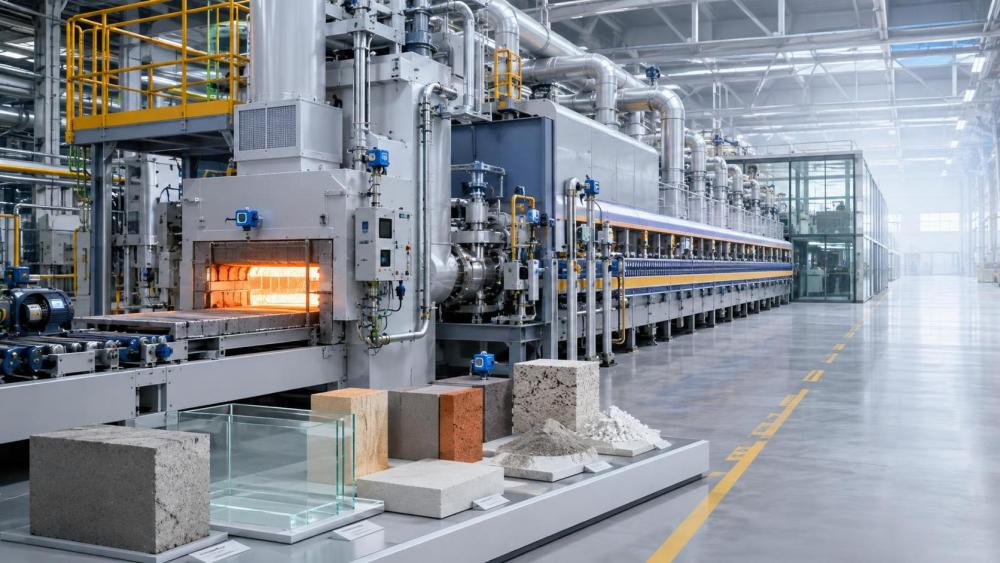
This distinction matters particularly in thermal processes. A kiln, furnace, incineration system, or refractory line may remain technically operational while becoming economically weak. Fuel efficiency, heat recovery, refractory life, dust control, alternative fuel capability, and process stability can determine whether an asset can compete through the next market cycle. A company evaluating capacity should avoid assuming that older plants will disappear quickly. Some will continue operating under lower cash margins, local protection, or strategic ownership. The question is whether their economics create a durable ceiling on prices in the target market.
Replacement cycles also create opportunity that broad demand data can miss. A flat end market may still generate strong demand for retrofits, lining upgrades, process automation, emissions controls, burner systems, waste co-processing equipment, or digital monitoring. For equipment suppliers and technical distributors, tracking asset age and maintenance pressure can be more useful than tracking construction output alone.
Use Regulation as an Economic Variable
Environmental rules are frequently discussed as a compliance topic, but for capital allocation they should be evaluated as an economic variable. Their effect depends on the process, the local enforcement environment, the availability of compliant technology, and whether producers can recover added costs through price or product differentiation.
For cement, glass, incineration, and refractory production, the relevant exposure may include emissions limits, carbon-cost mechanisms, fuel restrictions, waste handling rules, dust and particulate controls, water requirements, product declarations, and building-performance standards. A policy announcement alone does not establish a market opportunity. The investment case depends on implementation dates, monitoring requirements, permit conditions, enforcement consistency, local energy infrastructure, and the cost of modifying existing assets.
Executives should resist two opposite errors. The first is assuming regulation will force every competitor to invest at the same pace. The second is assuming regulation can be ignored until enforcement begins. In practice, timing differences can reshape competition. A producer that can meet future performance requirements may win qualified demand before a rule takes full effect. Conversely, an early investment may destroy value if customers do not recognize the premium, if substitutes gain acceptance, or if local enforcement remains uneven for longer than expected.
Regulatory intelligence is most useful when it is translated into operational implications: which assets need modification, which customers will change specifications, what capex is required, whether the plant has a permitting path, and how fast compliance changes could affect the competitive cost curve.
Build Scenarios Around the Variables That Can Break the Case
Market forecasts are useful inputs, but they should not be treated as a forecast of project returns. Long-life industrial assets are exposed to combinations of events that rarely appear in a single headline: demand slows while energy prices rise; carbon compliance costs increase while local supply expands; a customer segment adopts a different specification; a new technology reduces operating costs at competing plants.
A robust investment review usually needs a small number of linked scenarios rather than a large number of disconnected forecasts. The purpose is to test the conditions under which the project remains acceptable.
The base case should be credible rather than optimistic. More importantly, downside scenarios should reflect mechanisms that can occur together. A modest reduction in utilization may be manageable; the same reduction combined with high energy costs and delayed customer approvals can materially change the investment outcome.
Match the Intelligence Architecture to the Asset
Different building-material investments require different levels of technical detail. A company considering a local warehouse or distribution expansion may need demand density, freight patterns, channel structure, and supplier availability. A company considering a new thermal production line needs a much more integrated view. It must connect material chemistry, energy supply, process technology, environmental controls, feedstock quality, maintenance strategy, and market access.
This is where intelligence often fails inside organizations: commercial data and process data are kept apart. The sales team may see demand for a lower-carbon material grade, while engineering sees the cost and production constraints of achieving it. Strategy sees an attractive market segment, while operations sees a plant whose heat balance, furnace design, or refractory condition makes the transition expensive. A decision system needs these perspectives in the same review process.
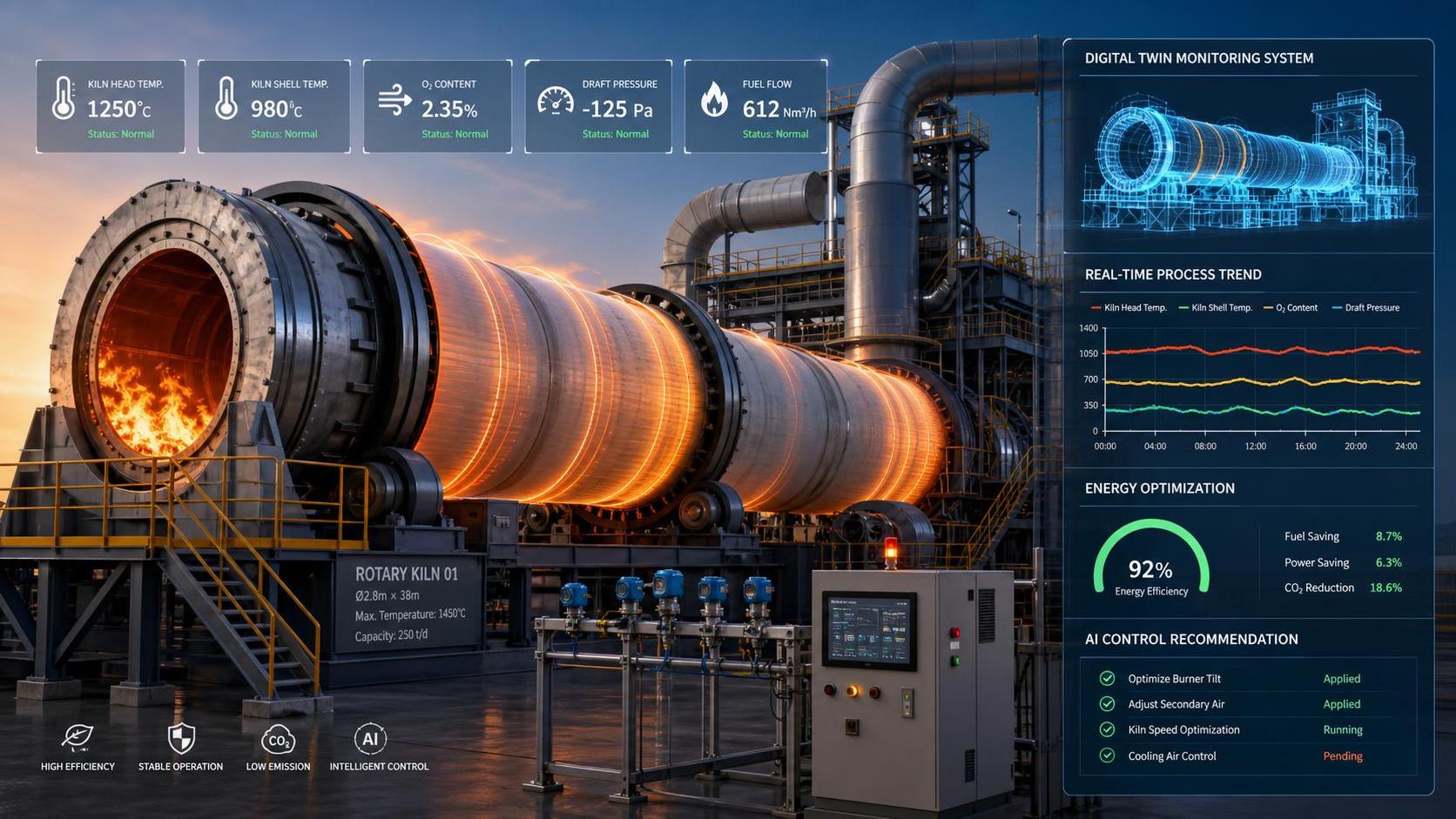
For high-temperature industries, technical indicators can become leading market indicators. Rising interest in alternative fuel capability, digital twins, furnace monitoring, waste co-processing, thermal insulation upgrades, or specialized refractory linings may signal where capital spending is heading before equipment orders become public. Yet interest alone is insufficient. The decision should test whether the technology solves a binding customer or regulatory problem and whether the site can deploy it without disrupting output beyond acceptable limits.
Know Which Data Can Mislead You
Not all intelligence sources carry the same decision value. National construction figures can obscure regional demand concentration. Trade data may not reveal true destination markets or differences in product grade. Equipment announcements can overstate realized project activity. Capacity databases can remain outdated after shutdowns, upgrades, or changes in operating rates. Policy language can create the appearance of certainty without clarifying enforcement or cost allocation.
Three checks help reduce this risk. First, compare a signal with an operational proxy. If demand is said to be strong, look for evidence in utilization, order lead times, freight availability, maintenance activity, or customer procurement behavior. Second, separate announced intentions from financed and permitted projects. Third, identify the assumptions embedded in every major data point: geographic boundary, product category, price basis, period, and definition of capacity.
Data quality is especially important where product categories are broad. “Green materials,” “advanced glass,” or “energy-efficient building products” can cover very different economics. A market signal may be valid for a premium architectural application and irrelevant to a commodity producer. Executives should insist that data categories align with the product, production route, and customer segment under consideration.
Turn Insights Into an Ongoing Capital Discipline
The best use of building material industry intelligence data is not a one-time investment report. It is a repeatable discipline that updates the assumptions behind major decisions. A project approved because of a favorable demand outlook should still be monitored against capacity additions, customer qualification progress, energy exposure, regulatory milestones, and technology changes. When those indicators move, management can adjust sequencing, scope, financing, procurement strategy, or commercial priorities before the full investment is committed.
For some businesses, the appropriate outcome will be expansion. For others, the stronger move may be a retrofit, an efficiency project, a specialty product shift, a regional partnership, or a decision to preserve balance-sheet capacity until a clearer supply-demand window emerges. Intelligence earns its value when it makes those distinctions visible early enough to act on them.
In durable, energy-intensive industries, the most expensive error is rarely missing a favorable headline. It is committing to an asset on the assumption that demand, cost, regulation, and technology will all develop in the same direction. A disciplined intelligence process makes those assumptions explicit, tests them against the operating reality of the market, and gives capital decisions a more durable foundation.
Related News
 Ms. Elena RodriguezHow to Use Building Material Intelligence Data for Market and Investment DecisionsBuilding material industry intelligence data helps leaders evaluate demand, costs, regulation, capacity, and technology to make smarter market and investment decisions.Sep 05, 2026
 Thermal Energy ArchitectHow PLC Control Improves Energy Efficiency and Temperature Stability in KilnsEnergy efficient kilns PLC control improves temperature stability, cuts fuel waste, and optimizes combustion, draft, and material flow. Explore proven strategies for smarter kiln modernization.Sep 04, 2026
 Optical Glass Tech FellowEuropean Glass Melting Processes: Furnace Choices, Energy Use, and Quality ControlGlass melting process Europe: explore furnace choices, energy efficiency, cullet strategy, and quality control to improve output, compliance, and long-term glass performance.Sep 03, 2026
 Thermal Energy ArchitectWhat Determines Refractory Lining Monitoring Price for Industrial Kilns?Refractory lining monitoring price depends on kiln size, sensor technology, installation, software, and support. Compare total lifecycle costs and choose the right solution.Sep 02, 2026
 Silicate Process EngineerCement Production System Costs: A Plant Buyer’s Guide to Budgeting and ROICement production systems cost planning made clear: compare CAPEX, operating costs, compliance, and ROI to build a resilient, profitable cement plant investment.Sep 01, 2026
 Dr. Alistair VaughnWhat Should a Process Technology Database Track for High-Temperature Plants?Process technology database essentials for high-temperature plants: track thermal profiles, feed chemistry, refractory wear, emissions, energy, and maintenance for safer, data-driven decisions.Aug 31, 2026
 Ms. Elena RodriguezHow to Evaluate a Silicate Processing Equipment Manufacturer for Plant ProjectsSilicate processing equipment manufacturer selection: assess process fit, guarantees, energy, compliance, delivery risk, and lifecycle support for dependable plant performance.Aug 30, 2026
 Dr. Alistair VaughnHow to Specify Custom Agricultural Processing Equipment for Throughput and HygieneEquipment customization services for agricultural processing: learn to specify hygienic, high-throughput lines that improve yield, reliability, and long-term efficiency.Aug 29, 2026
 Dr. Alistair VaughnHow to Select Process Plant Equipment for High-Temperature, Abrasive Production LinesProcess plant equipment selection for high-temperature, abrasive lines: reduce downtime, improve durability, and optimize lifecycle performance.Aug 28, 2026
 Silicate Process EngineerHow Kiln Heat Recovery Systems Cut Fuel Use in Cement and Lime ProductionKiln heat recovery helps cement and lime plants cut fuel use, improve thermal stability, and build practical, reliable decarbonization strategies.Aug 27, 2026
 Ms. Elena RodriguezProcess Equipment Comparison: Which Metrics Matter Most for Reliable Selection?Process equipment comparison made practical: discover which metrics truly drive reliable selection, from energy efficiency and control stability to wear life, maintainability, and uptime.Aug 26, 2026
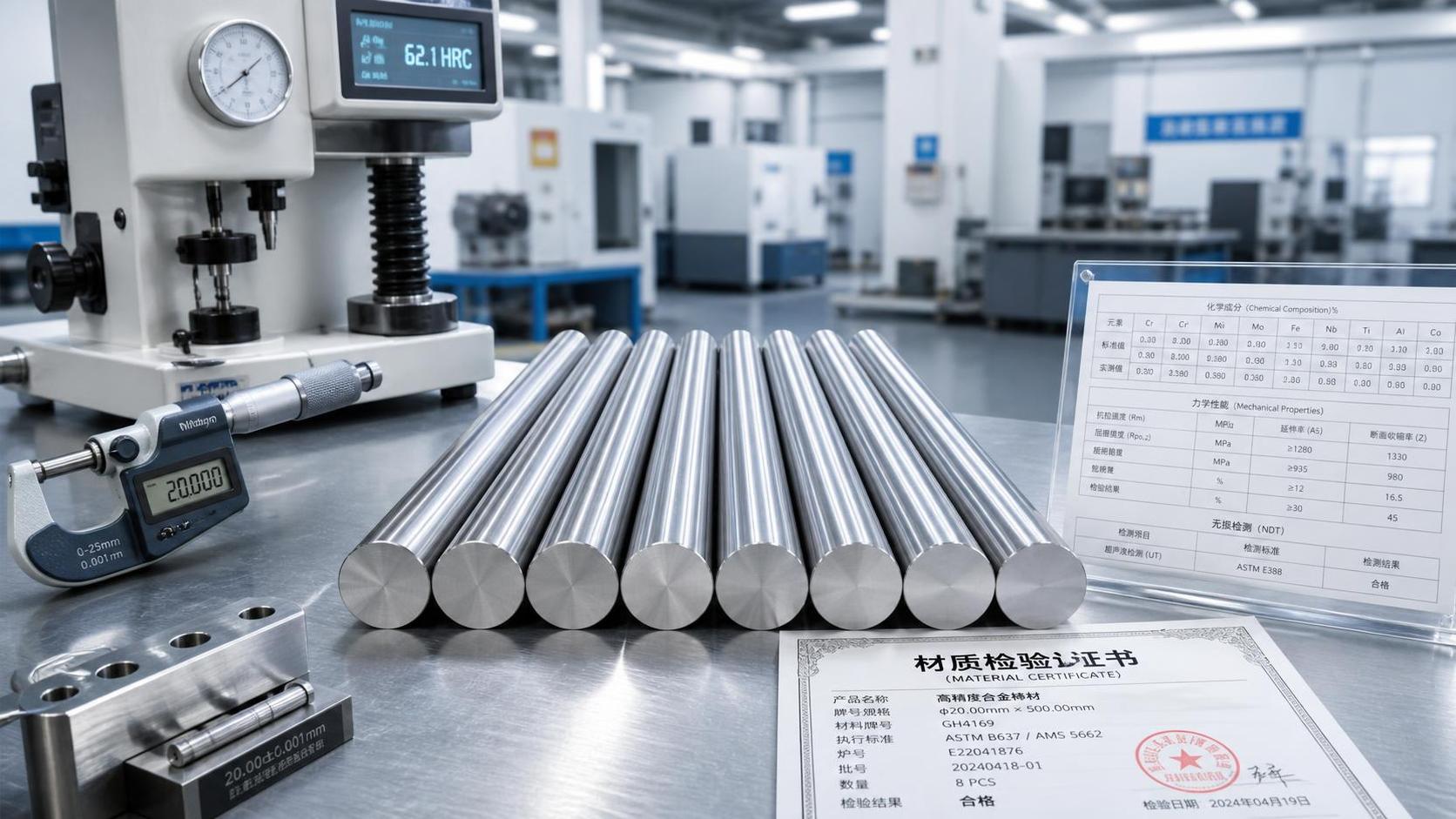
 Ms. Elena RodriguezWhat Buyers Should Check Before Sourcing Precision Alloy Bars for Critical PartsPrecision Alloy Bars buyers should verify grade, chemistry, tolerances, surface quality, traceability, and lead time before sourcing for critical parts. Learn what prevents costly machining and reliability risks.Aug 27, 2026
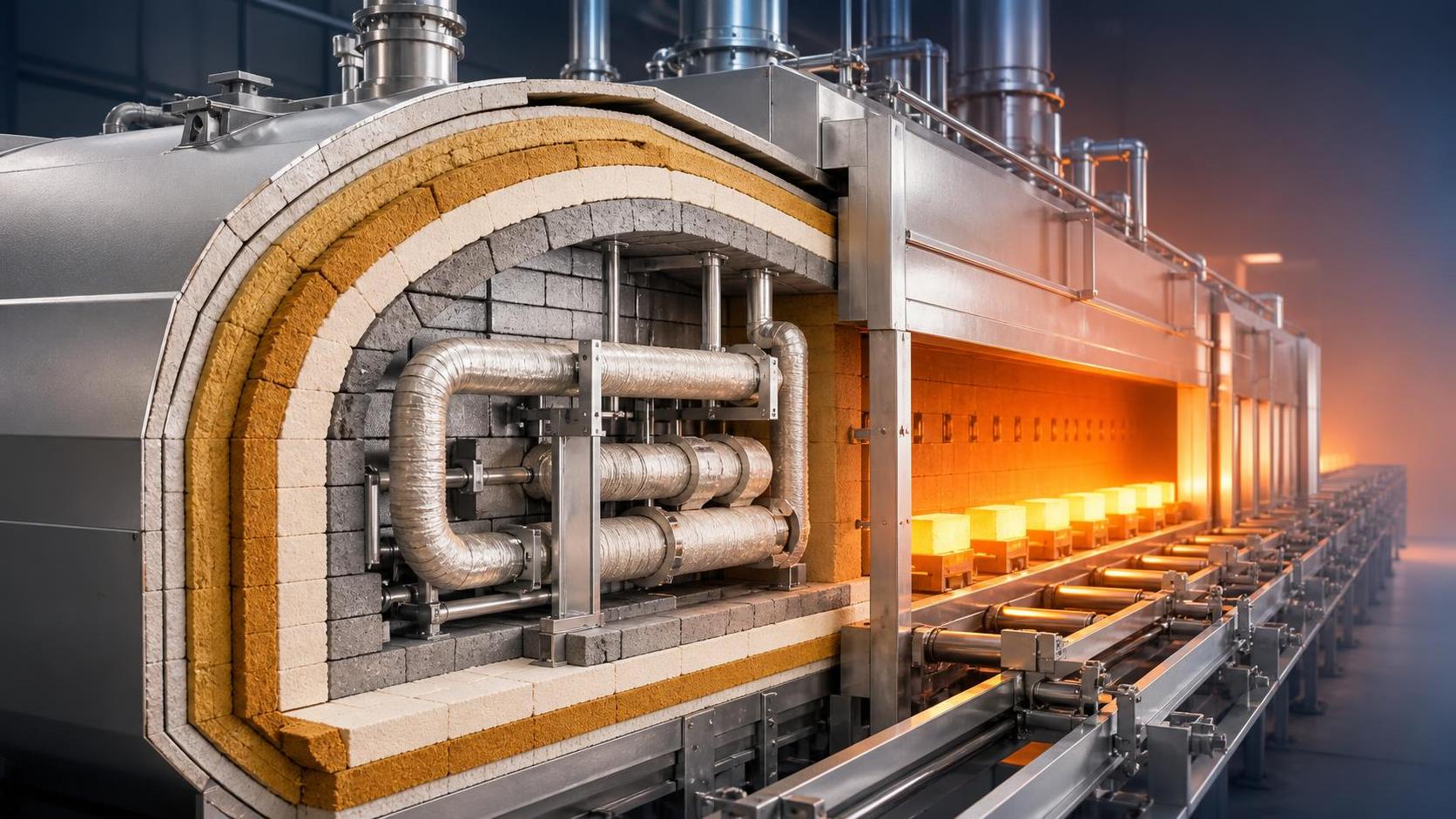
 Ms. Elena RodriguezHow to Evaluate Thermal Management Solutions Insulation for High-Heat Industrial SystemsThermal management solutions insulation: learn how to assess high-heat industrial systems by thermal performance, durability, lifecycle cost, and supplier data for smarter decisions.Aug 25, 2026
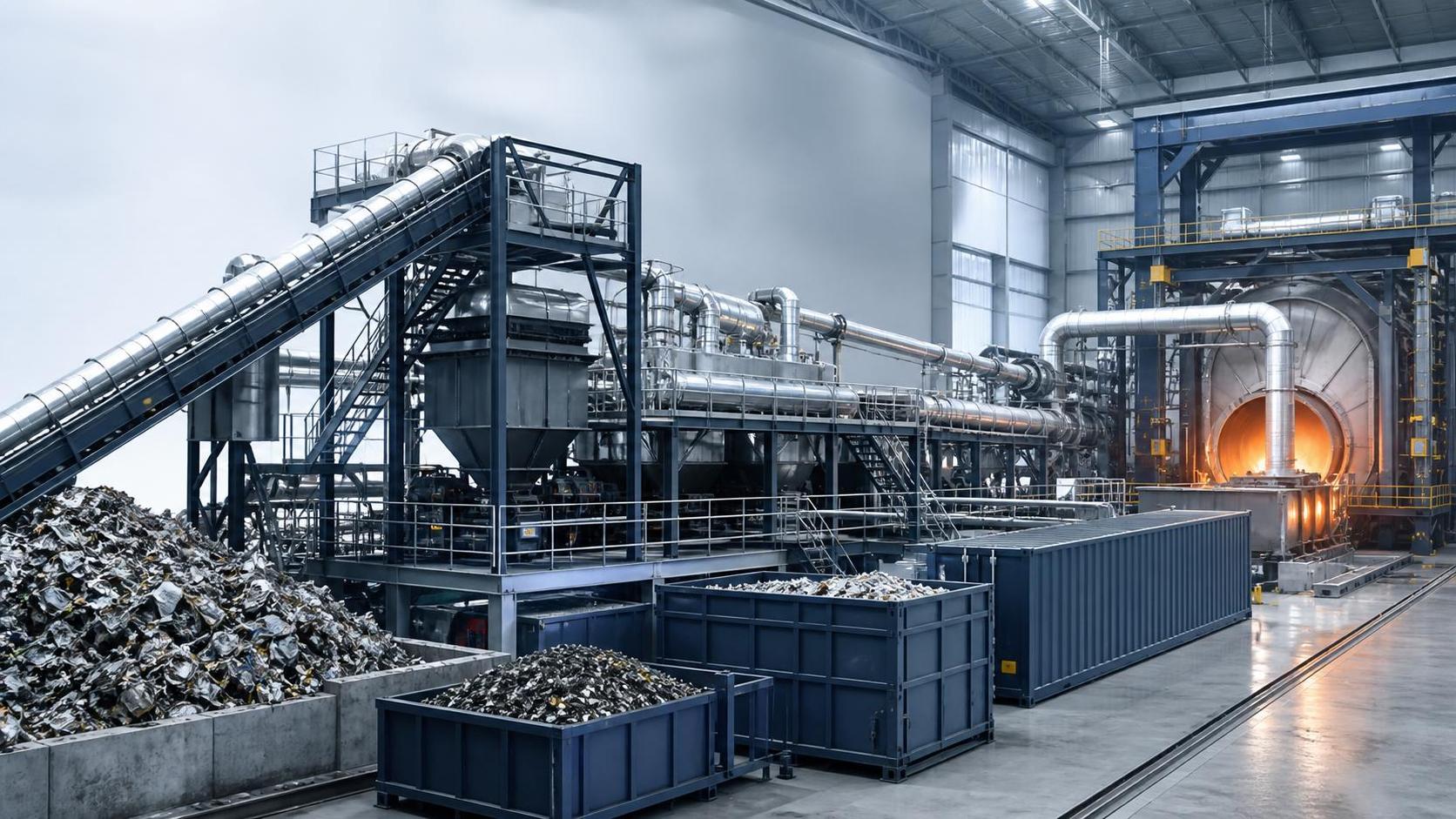
 Ms. Elena RodriguezWhat Drives Waste Recycling Cost in Industrial Projects and How to Estimate It?Waste recycling cost in industrial projects depends on composition, moisture, transport, pre-treatment, and compliance. Learn how to estimate it accurately and compare suppliers with confidence.Aug 24, 2026
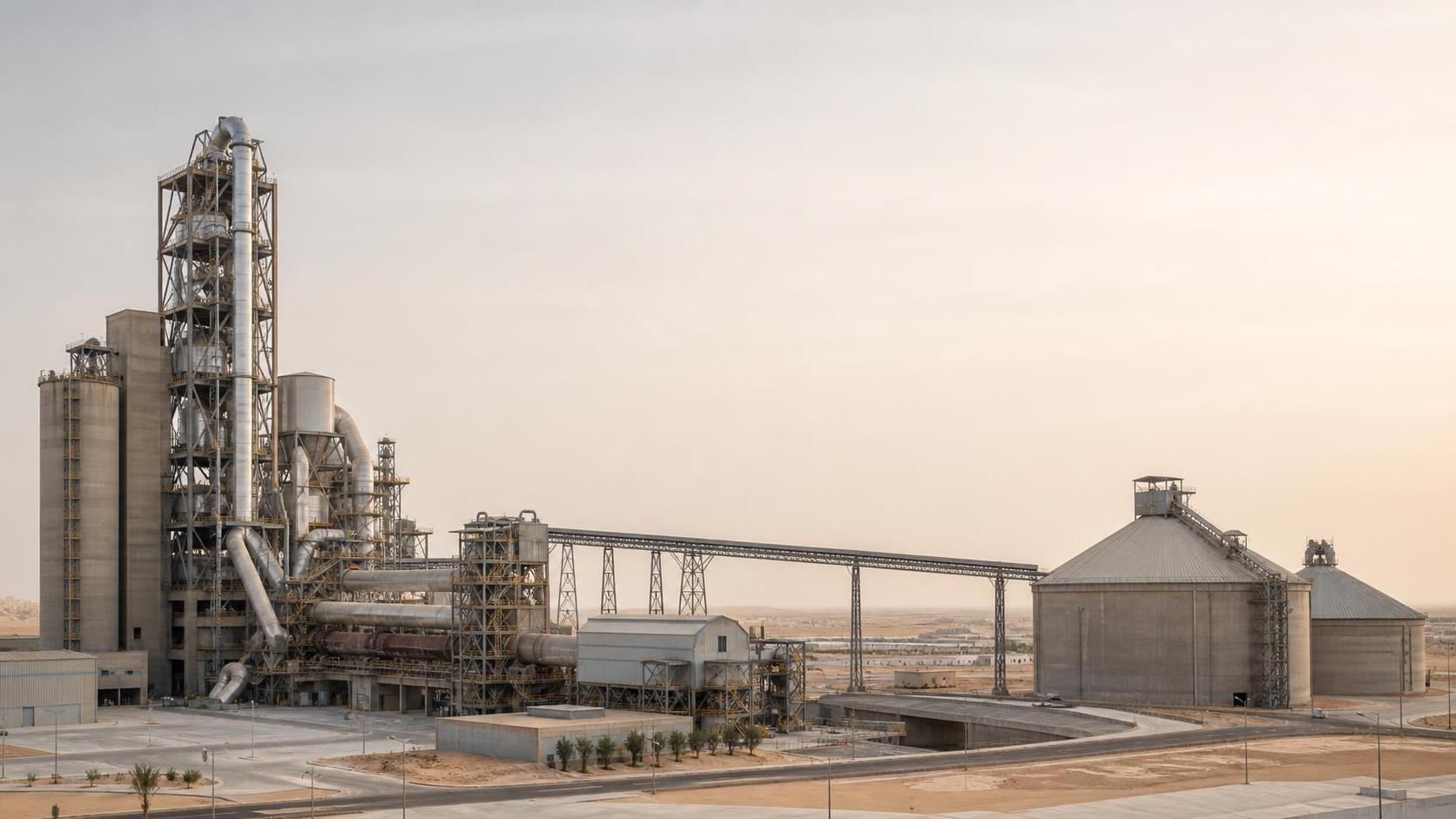
 Silicate Process EngineerHow to Evaluate Cement Production Plants in the Middle East for Capacity, Fuel Flexibility, and ROIcement production plants Middle East: Learn how to assess true capacity, fuel flexibility, and ROI risks to identify resilient assets and smarter investment opportunities.Aug 23, 2026
 Structural Material AnalystHow to Evaluate Lightweight Material Machinery for Output, Energy Use, and Product QualityLightweight material machinery evaluation guide: compare stable output, energy use, and product quality to choose equipment that cuts waste, lowers costs, and improves production confidence.Aug 22, 2026
 Material Heat-Resist ExpertWhat Determines Refractory Production Line Price in a Turnkey Plant Project?Refractory production line price depends on raw materials, forming method, kiln and drying design, automation, utilities, and scope. Learn what really drives turnkey plant cost before you invest.Aug 21, 2026
 Thermal Energy ArchitectHow Digital Twin Simulations Help Kiln Operators Cut Fuel Use and Stabilize OutputDigital twin simulations for kilns help operators cut fuel use, reduce overcorrection, and stabilize output by testing process changes safely before they impact quality and cost.Aug 20, 2026
 Dr. Alistair VaughnWhat Causes Thermal Shock Failure in Heat-Resistant Materials During Development?Heat-resistant material development thermal shock failures often stem from expansion mismatch, weak microstructure, and residual stress. Learn the real causes and smarter evaluation steps.Aug 19, 2026
 Ms. Elena RodriguezWhat Is a Real Time Digital Twin and Where Does It Deliver Measurable Value?Real time digital twin explained: discover where it delivers measurable value in energy, quality, maintenance, and carbon performance for industrial operations.Aug 18, 2026

Related News
- 00
0000-00
How to Use Building Material Intelligence Data for Market and Investment Decisions - 00
0000-00
How to Evaluate a Silicate Processing Equipment Manufacturer for Plant Projects - 00
0000-00
Process Equipment Comparison: Which Metrics Matter Most for Reliable Selection? - 00
0000-00
What Buyers Should Check Before Sourcing Precision Alloy Bars for Critical Parts - 00
0000-00
How to Evaluate Thermal Management Solutions Insulation for High-Heat Industrial Systems
Weekly Insights
Stay ahead with our curated technology reports delivered every Monday.