
European Glass Melting Processes: Furnace Choices, Energy Use, and Quality Control




Furnace selection is not a standalone equipment decision. In the glass melting process Europe manufacturers operate, the furnace, batch composition, cullet strategy, downstream forming process, emissions controls, and refractory campaign all affect one another. A furnace that appears efficient on a fuel balance can still create a poor operating result if it cannot maintain glass homogeneity, accelerates refractory wear, or produces temperature variation that downstream equipment cannot absorb.
For technical evaluation, the practical question is not “Which furnace is best?” It is: which melting system can deliver the required glass quality at the intended production profile while remaining controllable under local energy, emissions, raw-material, and maintenance constraints? The answer differs substantially between high-volume float glass, container glass with changing colours, fiberglass, solar glass, borosilicate products, and lower-volume specialty production.
Start with the glass specification, not the energy source
A melting furnace must convert a mixed batch of silica, fluxes, stabilisers, refining agents, and recycled glass into a chemically uniform, bubble-controlled melt. That requires more than reaching a high temperature. The melt must have sufficient residence time, circulation, and refining conditions to remove unmelted particles, seeds, cords, stones, and compositional streaks before it reaches the forehearth.
Technical teams sometimes begin by comparing gas, electric, or hybrid furnace concepts because energy cost and carbon exposure are visible at the start of a project. That can reverse the proper decision sequence. First define the quality window: optical requirements, allowable bubble level, colour consistency, viscosity stability, forming speed, and tolerance for product changes. Then determine the heat-input and furnace configuration that can hold that window.
For example, float and architectural glass lines need highly stable, continuous glass delivery. Container glass may need greater operational flexibility for colour changes and varying cullet ratios. Specialty glasses can impose tighter chemical and contamination limits, making electrode materials, refractory selection, and batch carryover more consequential than headline thermal efficiency.
Furnace concepts and their practical trade-offs
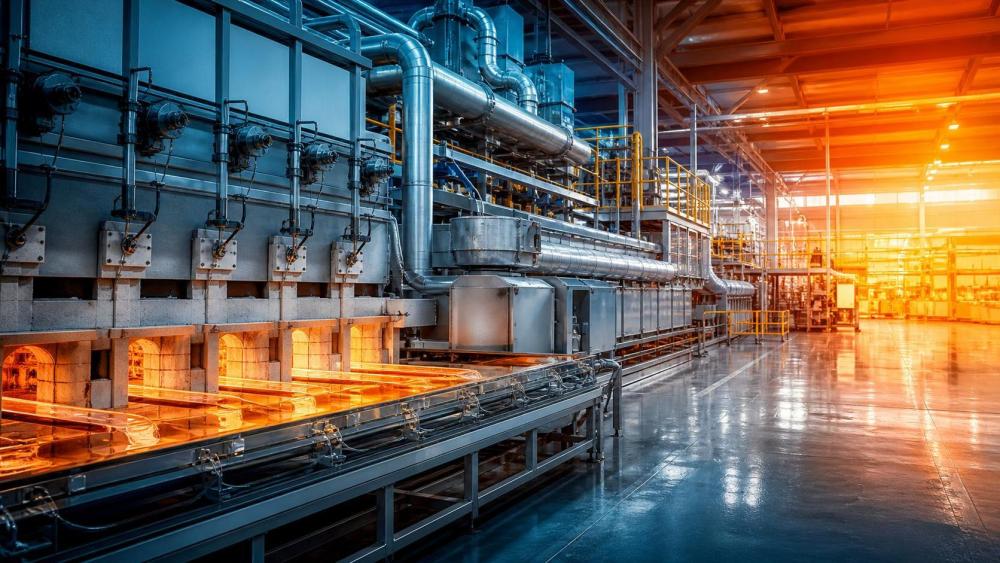
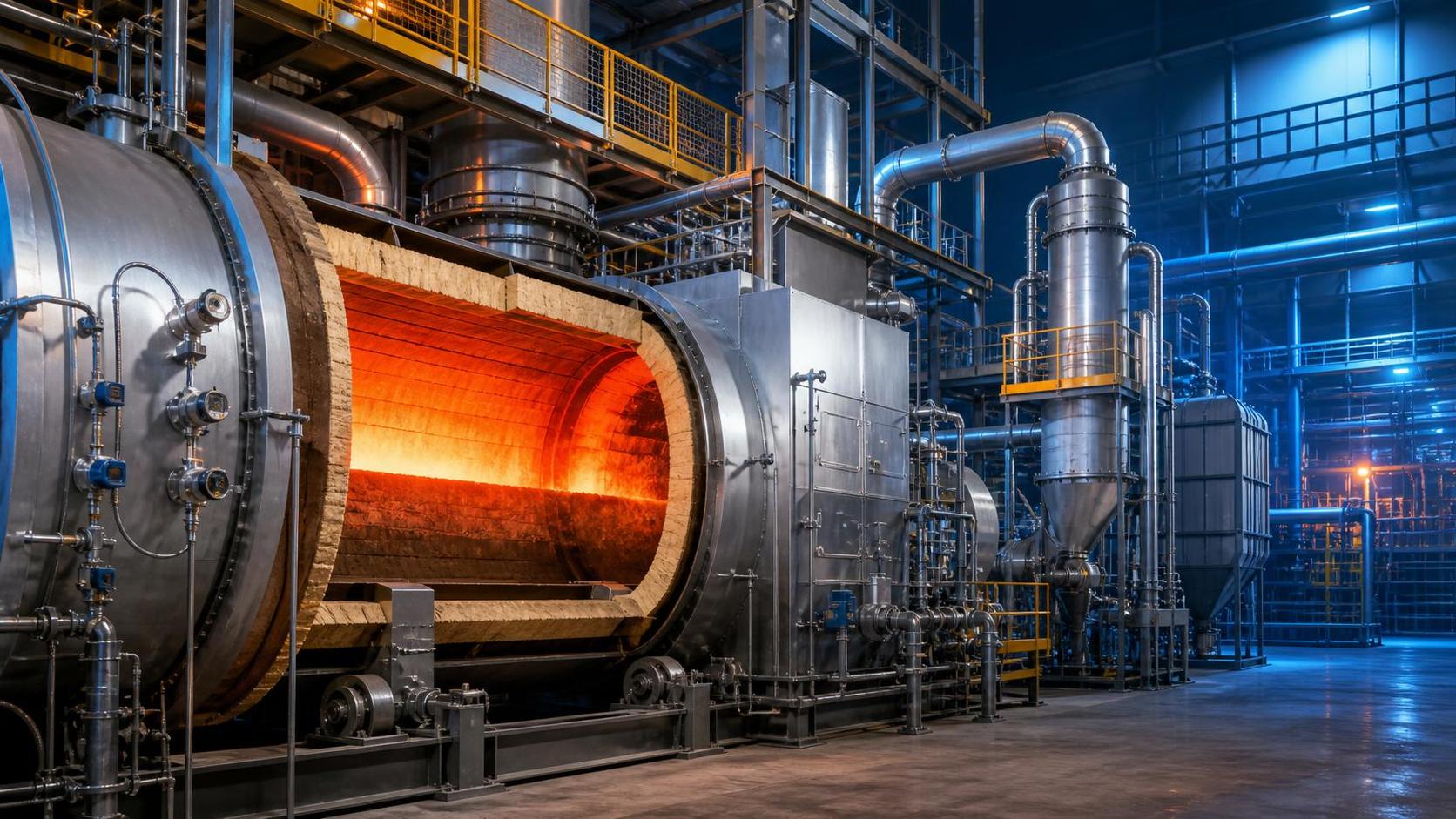
The comparison is not purely thermal. A regenerative furnace may be appropriate for long, stable campaigns and high pull rates, but it creates a demanding system of checkers, ports, reversing equipment, combustion control, and refractory interfaces. An all-electric solution may remove combustion-related variability, yet it does not automatically guarantee good glass. Poor electrode geometry or inadequate melt circulation can still leave thermal and chemical non-uniformity.
Oxy-fuel and electric boosting are often discussed as decarbonisation measures. They should also be evaluated as changes to furnace physics. Altering flame shape, radiative heat transfer, exhaust volume, or internal heat generation changes the thermal load seen by crown, walls, superstructure, and bottom refractories. A conversion or rebuild plan should therefore include a refractory compatibility review rather than treating the energy system as an isolated retrofit.
Energy performance depends on the whole melting system
Fuel consumption is important, but it is an incomplete measure of furnace performance. Batch moisture, cullet quality, cullet percentage, insulation condition, heat recovery, furnace pressure, excess oxygen, pull rate, and downstream losses can all change the apparent energy result. Comparing two furnaces only by fuel per tonne can hide a serious difference in rejected product, furnace life, or maintenance burden.
Cullet deserves particular attention. Properly prepared internal and external cullet generally reduces the thermal work required to convert raw batch into molten glass, but it also changes the risk profile. Fine contamination, incompatible glass chemistries, organics, metals, ceramics, and colour carryover can create defects that are expensive to trace once they enter a continuous furnace. The usable cullet ratio is therefore a quality-management question as much as an energy question.
Electrical boosting can be valuable where the furnace needs targeted thermal support rather than a wholesale change in furnace type. It can help stabilise local melt temperature, support output during difficult batch conditions, or reduce reliance on combustion heat in selected zones. However, boosting should not be used to conceal weak furnace design, poor batch preparation, or inadequate residence time. It adds controllability only when its position and power profile match the melt-flow pattern.
When reviewing energy options in Europe, include the operational boundary around the furnace: gas or electricity supply resilience, power-quality requirements, oxygen logistics where applicable, available emissions-treatment space, and the expected source of future energy. A technically attractive concept can become operationally restrictive if utility infrastructure and maintenance capability are considered too late.
Quality control begins before melting and continues to the forehearth
Glass quality is often described through visible defects, but the causes may originate much earlier. Stable melting requires disciplined control of raw-material consistency, batch mixing, moisture, particle-size distribution, cullet preparation, charging behaviour, combustion or electrical input, and furnace pressure. A defect found at inspection is not necessarily a forming problem.
The most useful control strategy follows the process path:
- Batch and cullet: Verify chemical consistency, moisture behaviour, foreign-material control, and mixing uniformity. Batch segregation can create local chemistry variation that later appears as cords or viscosity instability.
- Charging and doghouse: Observe blanket coverage, batch carryover, and charging rhythm. An unstable batch blanket affects heat transfer and can disrupt the relation between melting capacity and refining capacity.
- Melter and refiner: Track temperature trends by zone, pressure stability, combustion balance or electrode load, and indicators of bubble removal. The goal is repeatable thermal conditions, not simply the highest possible temperature.
- Conditioning and forehearth: Confirm temperature uniformity and viscosity control before forming. Glass can leave the melter acceptably refined but still create defects if conditioning introduces thermal gradients.
- Finished-product feedback: Link inspection results back to process data. Defect classification is useful only when it helps distinguish batch contamination, refractory corrosion, thermal instability, forming disturbance, or handling damage.
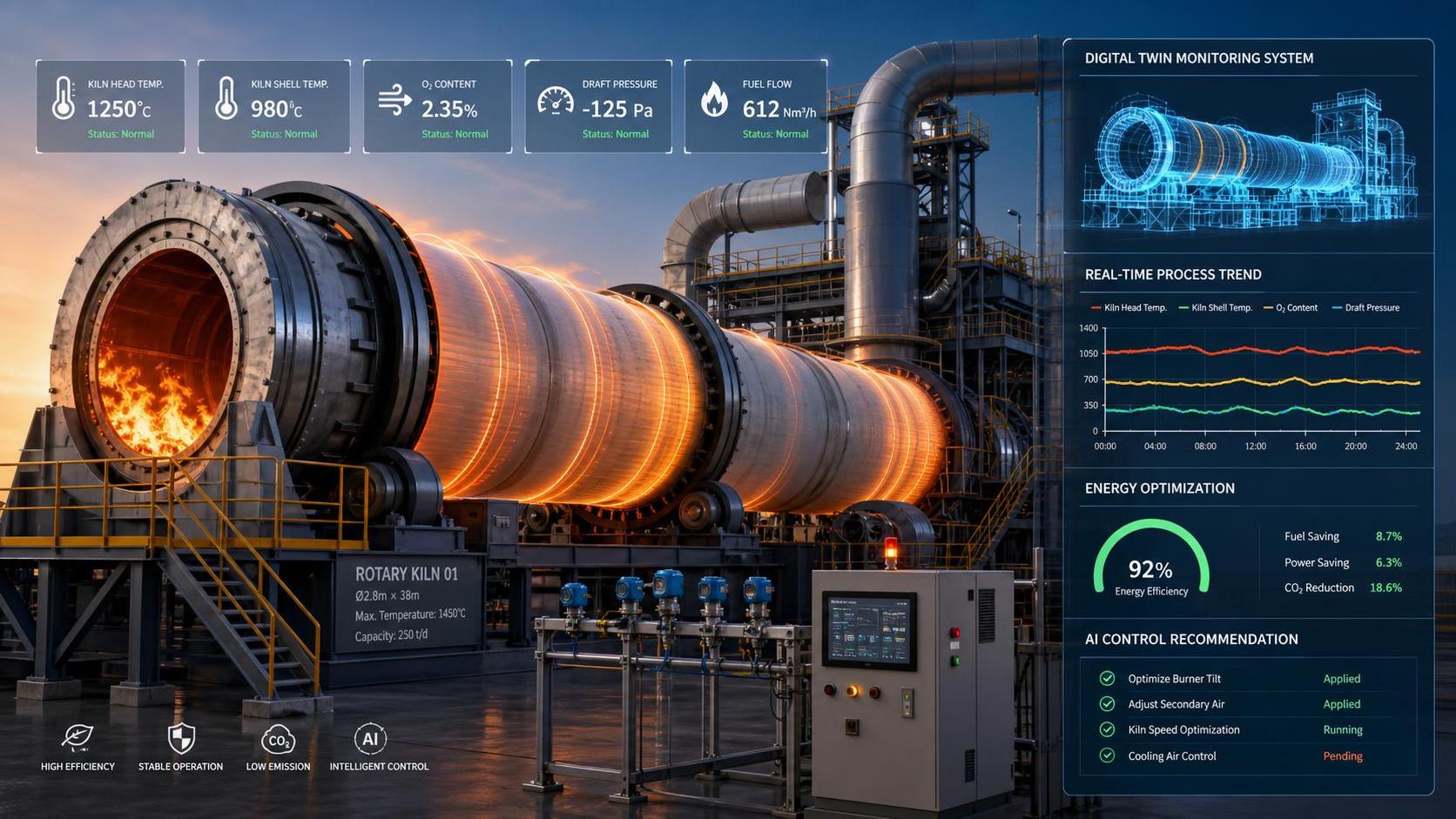
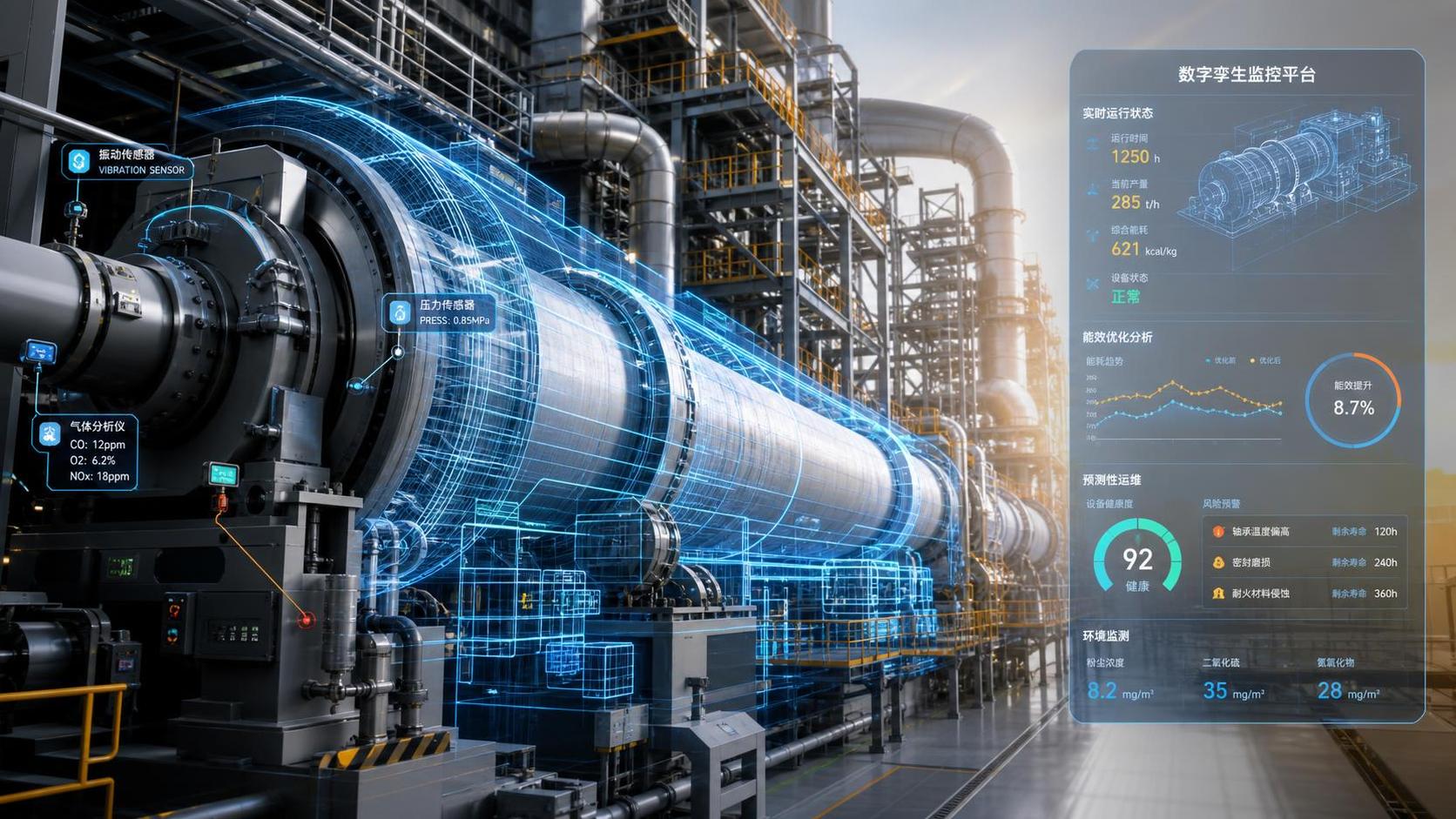
Temperature measurement needs context. A single thermocouple value is not a representation of bulk-glass condition, especially in a large furnace with complex circulation. The evaluation should focus on trends, agreement between instruments, response to operational changes, and the relation between process measurements and product quality. Digital models and online monitoring can improve this work when they are treated as decision-support tools rather than substitutes for process understanding.
Refractories are part of quality control, not just furnace maintenance
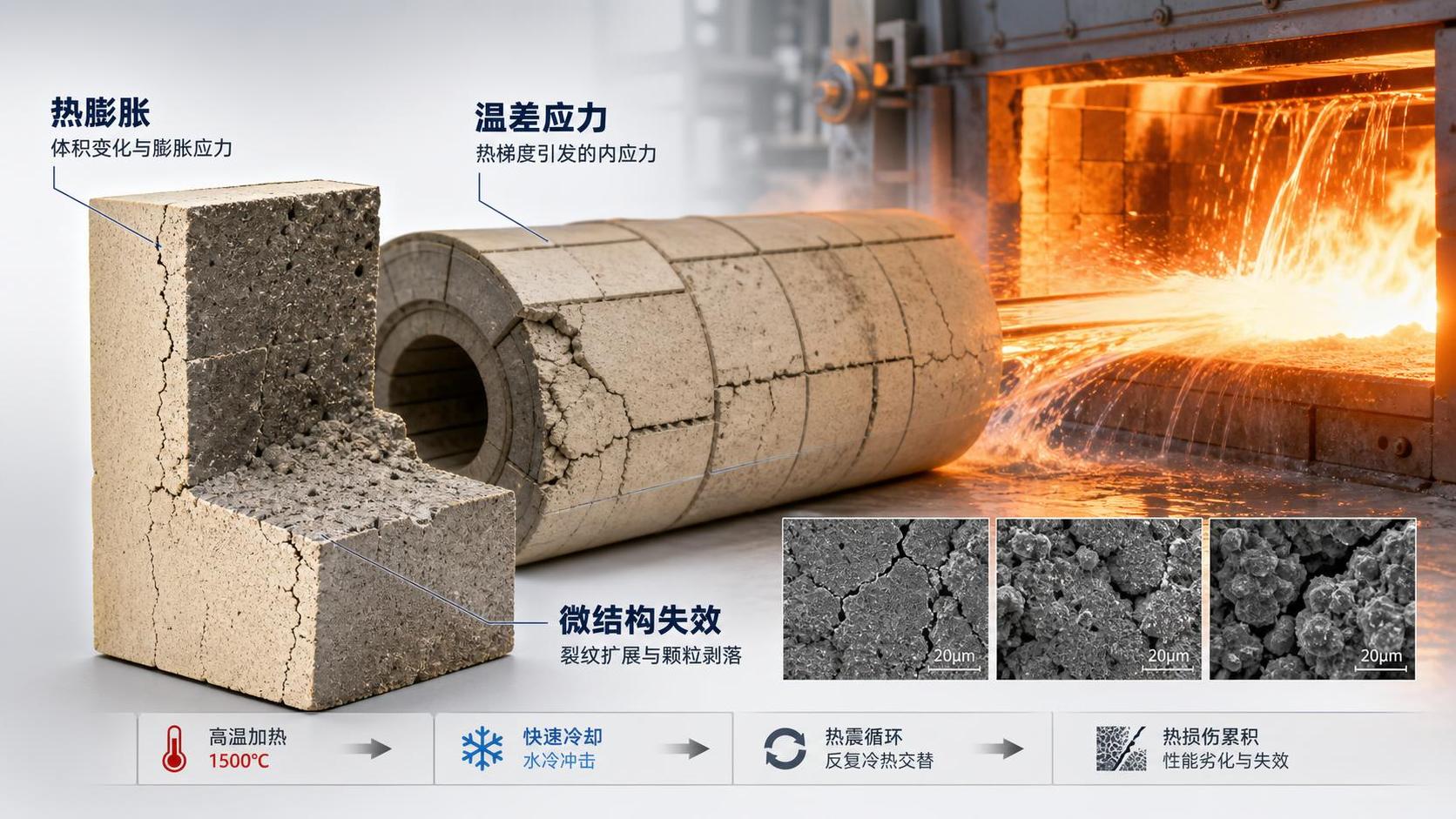
Refractory decisions are frequently reduced to campaign life. Their role is broader: refractory corrosion, spalling, joint failure, and glass-refractory reactions can introduce stones, cords, contamination, or local heat-loss problems long before a major repair becomes unavoidable.
The appropriate material system depends on glass chemistry, alkali content, redox conditions, furnace zone, flame or electrical loading, and expected operating cycle. A refractory suited to one zone may be unsuitable in another. Crown and superstructure materials face different stresses from bottom blocks, throat areas, and electrode-adjacent regions. This is particularly relevant when fuel, oxygen concentration, boosting practice, or cullet ratio changes during a furnace campaign.
For that reason, condition monitoring should connect visual inspection, thermal observations, repair history, glass-defect records, and production changes. Treating refractory health as a separate maintenance report makes root-cause analysis slower when quality begins to drift.
Standards and compliance should shape the design basis early
European projects commonly need to reconcile product specifications, workplace controls, emissions obligations, energy-management practices, and local permitting conditions. The technical team should translate these obligations into design inputs: what must be continuously measured, where emissions equipment fits, how furnace operating states are recorded, what happens during start-up and reversal, and how abnormal conditions are managed.
The common mistake is to view emissions control as a downstream add-on. Furnace type, cullet quality, batch chemistry, combustion arrangement, furnace pressure, and flue-gas flow all influence the load presented to the treatment system. A design with limited space, poor access, or insufficient allowance for changing operating conditions can turn routine compliance work into a production constraint.
A practical evaluation sequence
Before selecting a furnace package or approving a conversion, establish the required glass family and annual production profile, then identify the worst credible operating condition rather than only the nominal case. This might be high cullet use, a difficult colour campaign, a maximum pull period, reduced fuel availability, or a product requiring narrow optical tolerance.
Next, compare concepts against the same criteria: melt quality, pull-rate stability, energy flexibility, emissions-system integration, refractory risk, maintenance access, utility dependency, and capability during start-up, transition, and upset recovery. Separate guaranteed design conditions from assumptions about future cullet supply, electricity availability, or product mix.
Finally, require the control philosophy to be visible in the technical review. The strongest furnace design can still perform poorly if operators receive fragmented information or if quality data cannot be connected to batch, melting, and conditioning events. Intelligence resources such as CF-Elite’s coverage of glass manufacturing equipment, furnace monitoring, thermal management, and refractory-line performance can help evaluators compare these connected decisions across the wider high-temperature process chain.
A sound European glass melting strategy is therefore a controlled balance: enough energy in the right place, enough residence time for refining, stable heat transfer, compatible refractory materials, traceable inputs, and process data that leads to action. Evaluators who assess those relationships together are more likely to select a furnace that remains productive after the commissioning phase, not merely one that performs well in a proposal.
Related News
 Optical Glass Tech FellowEuropean Glass Melting Processes: Furnace Choices, Energy Use, and Quality ControlGlass melting process Europe: explore furnace choices, energy efficiency, cullet strategy, and quality control to improve output, compliance, and long-term glass performance.Sep 03, 2026
 Thermal Energy ArchitectWhat Determines Refractory Lining Monitoring Price for Industrial Kilns?Refractory lining monitoring price depends on kiln size, sensor technology, installation, software, and support. Compare total lifecycle costs and choose the right solution.Sep 02, 2026
 Silicate Process EngineerCement Production System Costs: A Plant Buyer’s Guide to Budgeting and ROICement production systems cost planning made clear: compare CAPEX, operating costs, compliance, and ROI to build a resilient, profitable cement plant investment.Sep 01, 2026
 Dr. Alistair VaughnWhat Should a Process Technology Database Track for High-Temperature Plants?Process technology database essentials for high-temperature plants: track thermal profiles, feed chemistry, refractory wear, emissions, energy, and maintenance for safer, data-driven decisions.Aug 31, 2026
 Ms. Elena RodriguezHow to Evaluate a Silicate Processing Equipment Manufacturer for Plant ProjectsSilicate processing equipment manufacturer selection: assess process fit, guarantees, energy, compliance, delivery risk, and lifecycle support for dependable plant performance.Aug 30, 2026
 Dr. Alistair VaughnHow to Specify Custom Agricultural Processing Equipment for Throughput and HygieneEquipment customization services for agricultural processing: learn to specify hygienic, high-throughput lines that improve yield, reliability, and long-term efficiency.Aug 29, 2026
 Dr. Alistair VaughnHow to Select Process Plant Equipment for High-Temperature, Abrasive Production LinesProcess plant equipment selection for high-temperature, abrasive lines: reduce downtime, improve durability, and optimize lifecycle performance.Aug 28, 2026
 Silicate Process EngineerHow Kiln Heat Recovery Systems Cut Fuel Use in Cement and Lime ProductionKiln heat recovery helps cement and lime plants cut fuel use, improve thermal stability, and build practical, reliable decarbonization strategies.Aug 27, 2026
 Ms. Elena RodriguezProcess Equipment Comparison: Which Metrics Matter Most for Reliable Selection?Process equipment comparison made practical: discover which metrics truly drive reliable selection, from energy efficiency and control stability to wear life, maintainability, and uptime.Aug 26, 2026
 Ms. Elena RodriguezWhat Buyers Should Check Before Sourcing Precision Alloy Bars for Critical PartsPrecision Alloy Bars buyers should verify grade, chemistry, tolerances, surface quality, traceability, and lead time before sourcing for critical parts. Learn what prevents costly machining and reliability risks.Aug 27, 2026
 Ms. Elena RodriguezHow to Evaluate Thermal Management Solutions Insulation for High-Heat Industrial SystemsThermal management solutions insulation: learn how to assess high-heat industrial systems by thermal performance, durability, lifecycle cost, and supplier data for smarter decisions.Aug 25, 2026
 Ms. Elena RodriguezWhat Drives Waste Recycling Cost in Industrial Projects and How to Estimate It?Waste recycling cost in industrial projects depends on composition, moisture, transport, pre-treatment, and compliance. Learn how to estimate it accurately and compare suppliers with confidence.Aug 24, 2026
 Silicate Process EngineerHow to Evaluate Cement Production Plants in the Middle East for Capacity, Fuel Flexibility, and ROIcement production plants Middle East: Learn how to assess true capacity, fuel flexibility, and ROI risks to identify resilient assets and smarter investment opportunities.Aug 23, 2026
 Structural Material AnalystHow to Evaluate Lightweight Material Machinery for Output, Energy Use, and Product QualityLightweight material machinery evaluation guide: compare stable output, energy use, and product quality to choose equipment that cuts waste, lowers costs, and improves production confidence.Aug 22, 2026
 Material Heat-Resist ExpertWhat Determines Refractory Production Line Price in a Turnkey Plant Project?Refractory production line price depends on raw materials, forming method, kiln and drying design, automation, utilities, and scope. Learn what really drives turnkey plant cost before you invest.Aug 21, 2026
 Thermal Energy ArchitectHow Digital Twin Simulations Help Kiln Operators Cut Fuel Use and Stabilize OutputDigital twin simulations for kilns help operators cut fuel use, reduce overcorrection, and stabilize output by testing process changes safely before they impact quality and cost.Aug 20, 2026
 Dr. Alistair VaughnWhat Causes Thermal Shock Failure in Heat-Resistant Materials During Development?Heat-resistant material development thermal shock failures often stem from expansion mismatch, weak microstructure, and residual stress. Learn the real causes and smarter evaluation steps.Aug 19, 2026
 Ms. Elena RodriguezWhat Is a Real Time Digital Twin and Where Does It Deliver Measurable Value?Real time digital twin explained: discover where it delivers measurable value in energy, quality, maintenance, and carbon performance for industrial operations.Aug 18, 2026
 Structural Material AnalystWhat Thermal Barrier Technology Works Best for Lightweight Industrial Panels?Thermal barrier technology lightweight industrial panels use works best when fire safety, heat stability, and weight are balanced. Compare mineral wool, silicate, ceramic, and hybrid options.Aug 17, 2026
 Prof. Marcus ChenHow to Evaluate a Green Material Production Line for Energy Use, Output, and Product QualityGreen material production line evaluation made simple: compare energy use, stable output, and product quality with practical checks that help you choose the right line.Aug 16, 2026
Related News
- 00
0000-00
European Glass Melting Processes: Furnace Choices, Energy Use, and Quality Control - 00
0000-00
How Glass Melting Furnace Design Impacts Energy Use and Glass Quality - 00
0000-00
How Can Glass Manufacturing Technology Improve Furnace Efficiency and Cut Energy Costs? - 00
0000-00
How to Evaluate Continuous Glass Annealing Equipment for Stable Throughput? - 00
0000-00
How to Evaluate a Glass Manufacturing Technology Supplier for Yield, Energy Use, and Line Stability
Weekly Insights
Stay ahead with our curated technology reports delivered every Monday.