
How to Evaluate Cement Production Plants in the Middle East for Capacity, Fuel Flexibility, and ROI




How to Evaluate Cement Production Plants in the Middle East for Capacity, Fuel Flexibility, and ROI
Evaluating cement production plants Middle East investors are targeting requires more than checking headline output. A line rated at high clinker capacity may still disappoint if quarry quality is unstable, fuel options are narrow, or the plant cannot run efficiently under local power, logistics, and emissions constraints. For decision-makers reviewing acquisition targets, greenfield concepts, upgrade plans, or regional partnerships, the real task is to understand how technical design translates into durable cash generation.
That is especially true in the Middle East, where plant economics are shaped by a mix of conditions: some markets still benefit from relatively favorable energy access, others face rising fuel costs; some sites are export-oriented, others depend on domestic construction cycles; and carbon policy is moving from a distant topic to a capital allocation issue. A practical evaluation framework has to connect process engineering, fuel strategy, market positioning, and operating resilience.
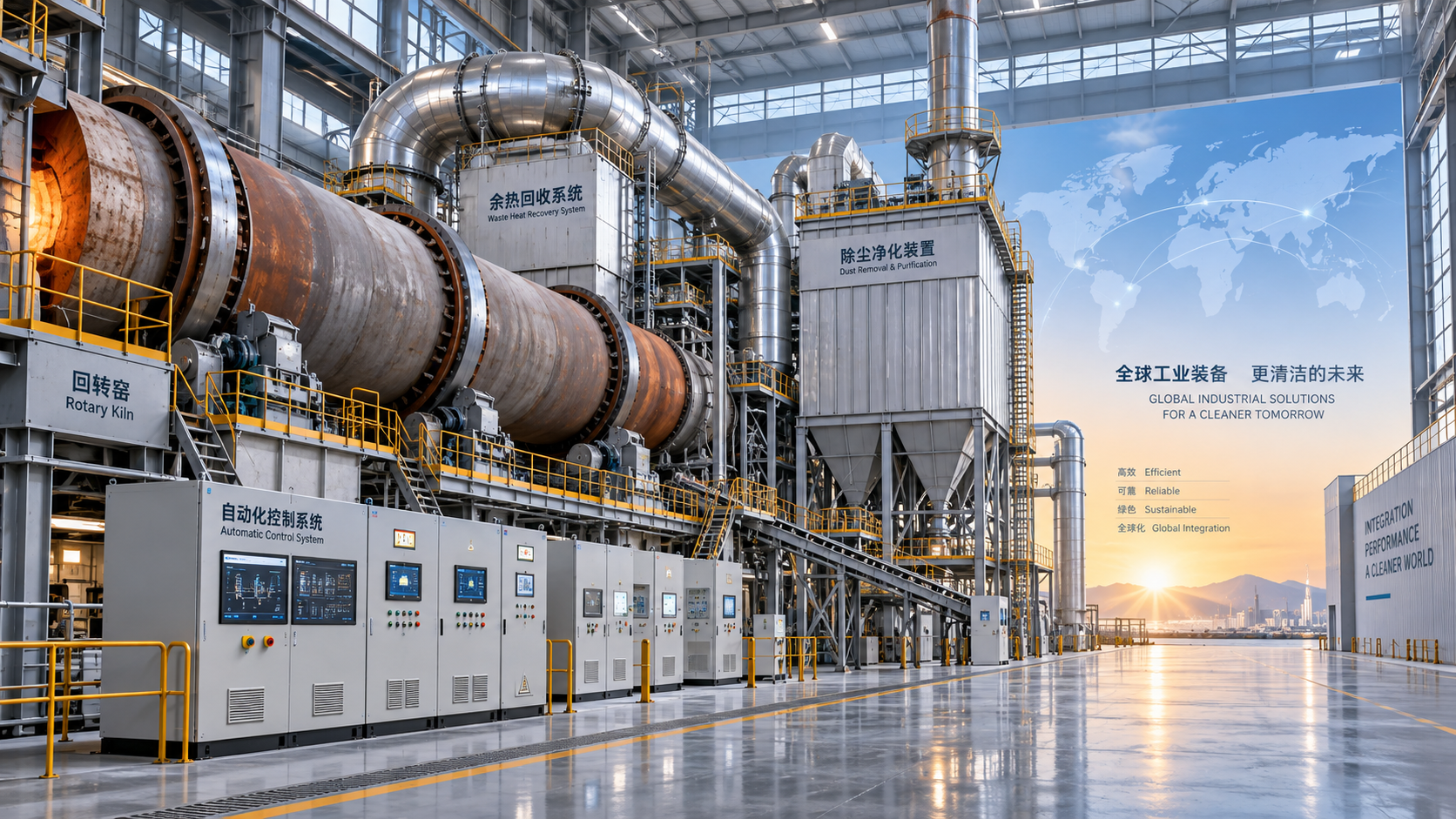
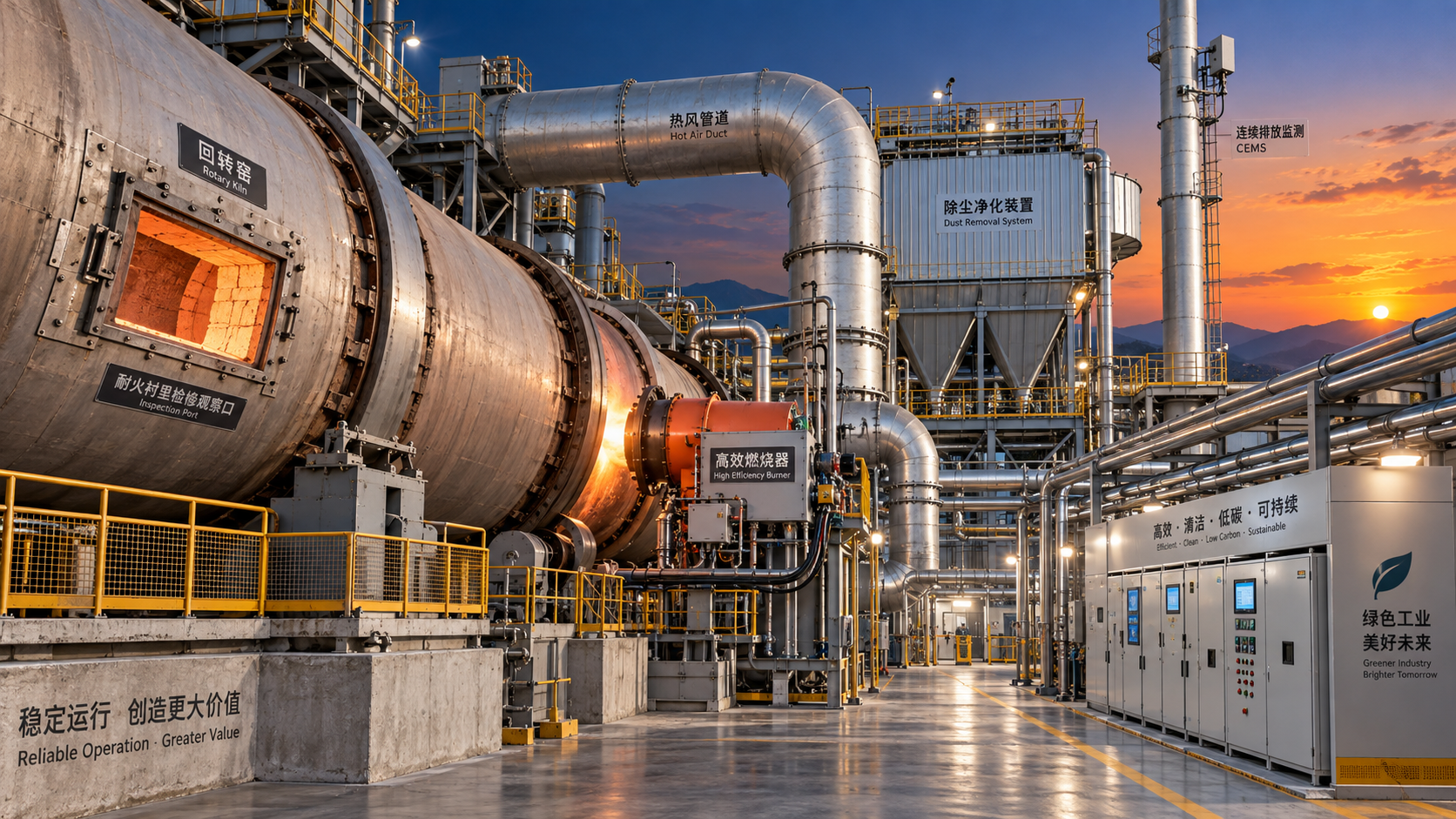
This is where industrial intelligence matters. CF-Elite, with its focus on cement production plants, industrial kilns, incineration systems, refractory behavior, and thermal management, approaches plant assessment as a stitched picture rather than a checklist. In cement, kiln performance, dust control, alternative fuel compatibility, refractory life, and dispatch economics are never separate stories. They are parts of the same balance sheet.
Start with real capacity, not nameplate capacity
The first mistake in plant evaluation is treating design capacity as operating capacity. In cement, the more useful question is: what output can the plant sustain over time without excessive instability, quality drift, or maintenance stress?
A sound review normally separates at least four layers of capacity:
- Rated kiln and grinding capacity on paper
- Demonstrated peak production during short runs
- Sustainable output across seasons and maintenance cycles
- Commercially usable output that meets product mix and quality requirements
In many Middle Eastern projects, ambient temperature, dust loading, cooling water conditions, and raw material variability can widen the gap between those layers. A plant that performs well during acceptance testing may lose efficiency in summer, or under different feed chemistry, or when attempting to increase alternative fuel substitution. The review should therefore include kiln utilization history, stop frequency, specific heat consumption trends, and the reasons behind major process interruptions.
Capacity also has to be checked beyond the pyro line. Quarry permissions, crusher bottlenecks, raw mill drying margin, clinker storage, cement grinding balance, and packing or bulk dispatch infrastructure can all cap effective throughput. A strong kiln with weak dispatch is not a strong asset.
Questions that usually reveal the truth
When reviewing a plant, a few operational questions tend to be more revealing than headline tonnage:
- How often does the kiln run at or near rated load, and for how long?
- What is the trend in specific electrical and thermal energy consumption?
- How many unplanned shutdowns occurred over the last maintenance cycles?
- Is product quality stable across different cement types and additive ratios?
- Which subsystem most often limits production: quarry, preheater, cooler, mill, or logistics?
Those answers usually matter more than a nominal capacity statement in an information memorandum.
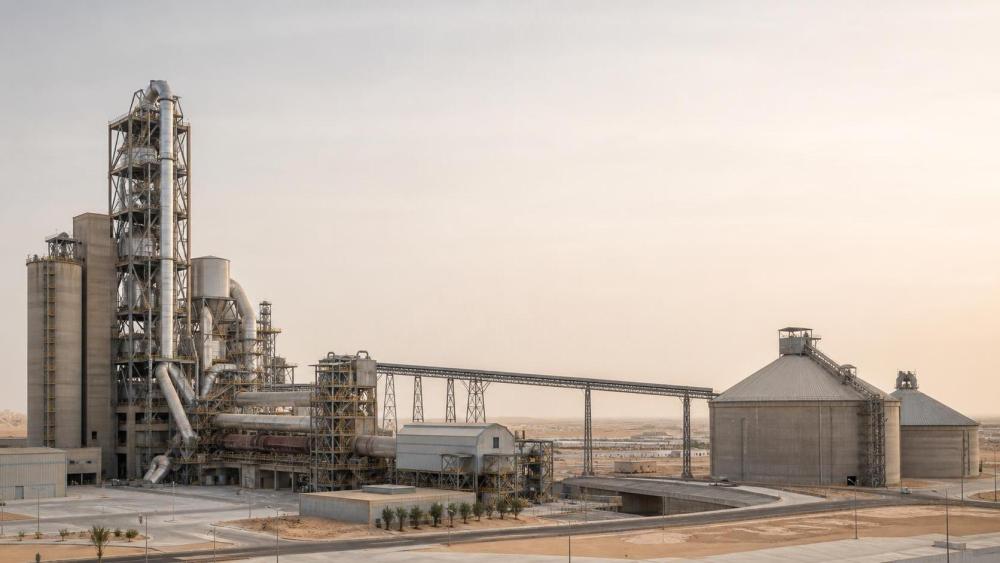
Fuel flexibility is now a core valuation variable
For years, fuel analysis was often reduced to one line: what does the plant burn today? That is no longer enough. A better question is what the plant can burn tomorrow without disproportionate capex, quality risk, or operating instability.
In the Middle East, fuel flexibility can materially change plant resilience. Depending on the country and asset profile, a plant may rely on natural gas, imported coal, petcoke, heavy fuel oil, or a blend. Some operators are also exploring refuse-derived fuels, industrial waste streams, or other forms of co-processing where regulation and supply chains allow. But the mere possibility of alternative fuel use does not mean the plant is ready for it.
A serious technical review should look at burner design, calciner configuration, preheater stability, fuel dosing systems, storage and handling safety, emissions control margin, and raw mix chemistry tolerance. Alternative fuel usage often introduces new chlorine, sulfur, alkali, or moisture challenges. If the plant has no robust bypass strategy, weak online monitoring, or fragile refractory life, fuel substitution may reduce rather than improve returns.
This is one reason broad thermal-process intelligence matters. CF-Elite’s perspective across incineration, kiln systems, refractory performance, and online monitoring is useful here because fuel flexibility is not just a procurement issue. It is a combustion, chemistry, and maintenance issue at the same time.
ROI depends on plant system economics, not equipment age alone
A newer plant is not automatically the better investment. Likewise, an older plant is not automatically a turnaround story. What matters is the cost and risk structure required to keep the asset competitive over the next cycle.
That means looking beyond capex already spent. ROI in cement production plants Middle East portfolios is often shaped by seven interacting factors: raw material security, energy intensity, fuel optionality, maintenance burden, logistics position, regulatory exposure, and the realism of demand assumptions. If one of these is weak enough, it can undermine the others.
Energy intensity deserves particular scrutiny. Even when fuel access appears manageable today, a plant with structurally high heat consumption or inefficient grinding can become a margin problem as input conditions change. Decision-makers should also examine whether efficiency gains are still available through debottlenecking, cooler upgrades, waste heat recovery where appropriate, digital process control improvements, or refractory and combustion optimization. Not every upgrade produces an attractive payback, but not every plant needs a full modernization either.
Maintenance economics are often underestimated in due diligence. Frequent kiln stoppages, unstable coating, cooler mechanical issues, bag filter fatigue, or limited local spare-part support may not appear dramatic in a site presentation. Yet these are exactly the issues that erode EBITDA quietly and repeatedly.
A useful ROI lens
Instead of asking whether a plant is “good,” ask whether its future operating model is credible under three scenarios:
- Base case: current fuel and demand conditions continue with moderate maintenance needs
- Pressure case: fuel costs rise, export routes weaken, and emissions compliance becomes stricter
- Improvement case: targeted upgrades unlock better thermal efficiency, fuel substitution, or higher-value cement mix
Plants that remain investable only in the improvement case deserve extra caution. The upgrade logic may still be valid, but the assumptions need to be tested rigorously.
Do not separate technical due diligence from market due diligence
A technically capable plant can still underperform if it sits in the wrong commercial context. Middle East cement markets are not interchangeable. Some are heavily influenced by public infrastructure cycles, some by real estate volatility, some by cross-border trade opportunities, and some by local oversupply. The plant review should therefore connect production economics with where the tons will actually go.
This is particularly important when assessing grinding-to-clinker balance, export suitability, and product slate. A plant positioned for bulk commodity cement may struggle if the margin pool shifts toward differentiated products or stricter performance standards. Conversely, a plant with strong clinker efficiency but weak terminal access may be less attractive than a slightly higher-cost plant with better route-to-market.
CF-Elite’s Strategic Intelligence Center is relevant in this kind of decision because heavy industrial assets do not compete only through machine design. They compete through the fit between process capability, energy strategy, environmental direction, and regional demand structure. That is where technical intelligence becomes commercial intelligence.
Common evaluation blind spots
Several issues are repeatedly overlooked when investors or operating groups move too quickly:
- Assuming local fuel economics will remain stable over the asset life
- Treating alternative fuel potential as a yes-or-no item instead of a system capability question
- Ignoring refractory performance and thermal shell condition until after closing or upgrade approval
- Overvaluing installed capacity while undervaluing dispatch constraints and market access
- Using generic benchmark assumptions without adjusting for local climate, feed chemistry, and plant age
None of these are minor details. In high-temperature industries, they are often the difference between a plant that looks efficient on paper and one that remains profitable under operating stress.
A better decision framework
When comparing cement production plants in the Middle East, the strongest decisions usually come from ranking assets across three layers at once: proven operating capacity, fuel and process adaptability, and economic resilience under changing market conditions. If one layer is missing, the valuation is incomplete.
That means site visits should be paired with data-room review, maintenance history, fuel pathway analysis, environmental permitting checks, and realistic assumptions about future product mix. It also means involving people who can read not only financial models, but kiln behavior, combustion constraints, lining wear patterns, and system bottlenecks. In sectors built on ultra-high-temperature processes, those details are strategic, not technical side notes.
For groups screening acquisitions, partnerships, or modernization priorities, the next step is usually not a bigger spreadsheet. It is a sharper set of plant-specific questions: what capacity is genuinely bankable, which fuels are truly usable, what upgrades are optional rather than necessary, and how exposed is the asset if energy or carbon conditions shift faster than expected. The plants that answer those questions cleanly tend to be the ones worth taking seriously.
Related News
 Prof. Marcus ChenIndustrial Decarbonization Strategies in Europe: A Roadmap for Energy-Intensive PlantsIndustrial decarbonization strategies Europe: explore practical pathways for energy-intensive plants to cut emissions, improve efficiency, and protect performance.Oct 07, 2026
 Thermal Energy ArchitectEnergy-Efficient Silicate Production Lines: What to Compare Before SelectionSilicate production lines energy efficient selection guide: compare thermal performance, stability, emissions, controls, and lifecycle value before investing.Oct 06, 2026
 Optical Glass Tech FellowHow to Evaluate Automated Float Glass Lines for Capacity, Quality, and Energy UseEvaluate automated float glass lines for net capacity, consistent quality, energy efficiency, automation reliability, and lifecycle value. Explore key criteria for smarter investment decisions.Oct 05, 2026
 Thermal Energy ArchitectWhat Does CE Marking Require for an Energy-Efficient Industrial Kiln?Energy efficient kiln CE requirements explained: assess safety, technical files, energy performance, and EU compliance before purchase or commissioning.Oct 04, 2026
 Thermal Energy ArchitectRefractory Manufacturing Solutions for Brick Plants: How to Extend Kiln LifeRefractory manufacturing solutions for brick plant operations: discover proven strategies to extend kiln life, reduce heat loss, prevent lining failures, and plan cost-effective repairs.Oct 03, 2026
 Thermal Energy ArchitectHow to Specify Heavy Industrial Process Systems for High-Temperature PlantsHeavy industrial processes systems: learn how to specify high-temperature plants for efficiency, emissions control, maintainability, and lifecycle performance.Oct 02, 2026
 Structural Material AnalystHow Sustainable Material Extrusion Can Improve Wall Panel Durability and Design FlexibilityDiscover how sustainable material extrusion for wall panels improves durability, moisture resistance, design flexibility, and installation consistency for high-performing wall systems.Oct 01, 2026
 Thermal Energy ArchitectHow to Evaluate a High-Temperature Materials Manufacturer for Furnace ApplicationsChoose a high-temperature materials manufacturer with confidence: compare thermal performance, chemical resistance, quality controls, installation support, and lifecycle cost.Sep 30, 2026
 Ms. Elena RodriguezHow to Structure Global Specification Data for Faster Industrial Product EvaluationGlobal specification-oriented product information helps industrial teams compare capacity, energy, emissions, automation, and lifecycle data on a like-for-like basis for faster, confident equipment decisions.Sep 29, 2026
 Thermal Energy ArchitectHow to Specify High-Temperature Process Systems for Continuous Thermal OperationsHigh-temperature process engineering systems: learn how to specify resilient continuous thermal operations for efficiency, compliance, reliable uptime, and long-term performance.Sep 28, 2026
 Thermal Energy ArchitectHow to Evaluate a Thermal Engineering Contractor for High-Temperature Plant ProjectsChoose a thermal engineering contractor with proven process expertise, lifecycle value, emissions control, and delivery discipline for reliable high-temperature plant performance.Sep 27, 2026
 Silicate Process EngineerHow Latin American Cement Plants Can Reduce Dust Emissions in Kilns and Transfer PointsCement plant dust control Latin America: reduce kiln and transfer-point emissions with practical airflow, filtration, monitoring, and maintenance strategies.Sep 26, 2026
 Material Heat-Resist ExpertHow to Evaluate Refractory Production Lines for Output, Quality, and Energy UseRefractory production lines: learn how to assess qualified output, consistent quality, and total energy use for smarter, lower-risk investment decisions.Sep 25, 2026
 Dr. Alistair VaughnHow Waste Recycling Technology Improves Material Recovery in Industrial PlantsWaste recycling technology improves material recovery through source segregation, smart separation, thermal treatment, and quality control for industrial plants.Sep 24, 2026
 Optical Glass Tech FellowHow to Specify Glass Annealing Equipment for European Quality and Energy RequirementsGlass annealing equipment Europe: learn how to specify lehrs for consistent glass quality, energy efficiency, compliance, automation, and reliable long-term performance.Sep 23, 2026
 Optical Glass Tech FellowSilicate Process Automation: Improving Batch Consistency and Energy ControlSilicate process automation improves batch consistency, energy control, traceability, and operator confidence across high-temperature manufacturing operations.Sep 22, 2026
 Optical Glass Tech FellowHow Silicate Industrial Processes Control Viscosity, Energy Use, and Product QualitySilicate industrial processes: learn how viscosity, chemistry, heat transfer, and atmosphere control reduce energy use, improve stability, and protect product quality.Sep 21, 2026
 Thermal Energy ArchitectHow European Plants Can Evaluate Energy Recovery Equipment for High-Temperature ProcessesIndustrial energy recovery equipment Europe: learn how high-temperature plants can assess waste-heat sources, integration risks, lifecycle value, and reliable recovery routes.Sep 20, 2026
 Thermal Energy ArchitectIndustrial Furnace Process Optimization: Reducing Fuel Use Without Sacrificing ThroughputIndustrial process optimization furnace strategies that cut fuel use while protecting throughput. Explore combustion control, heat recovery, refractory performance, and data-driven efficiency gains.Sep 19, 2026
 Ms. Elena RodriguezWhat Drives High-Pressure Extrusion Equipment Cost in Industrial Projects?High pressure extrusion equipment cost explained: compare pressure, die design, automation, wear, energy, and installation factors for smarter industrial investments.Sep 18, 2026

Related News
- 00
0000-00
How Latin American Cement Plants Can Reduce Dust Emissions in Kilns and Transfer Points - 00
0000-00
Cement Plant Emission Control: Selecting Systems for Dust, NOx, and SO2 Limits - 00
0000-00
Cement Production System Costs: A Plant Buyer’s Guide to Budgeting and ROI - 00
0000-00
How Kiln Heat Recovery Systems Cut Fuel Use in Cement and Lime Production - 00
0000-00
How to Evaluate Cement Production Plants in the Middle East for Capacity, Fuel Flexibility, and ROI
Weekly Insights
Stay ahead with our curated technology reports delivered every Monday.