
What Is a Real Time Digital Twin and Where Does It Deliver Measurable Value?




A real time digital twin is often introduced as a virtual replica of a physical asset, but that definition is too thin to help an executive decide whether it matters. The practical question is simpler: can a live digital model improve decisions fast enough, accurately enough, and often enough to change operating results? In process industries, especially those built around heat, flow, chemistry, and long production cycles, that is where the concept becomes commercially relevant.
For decision-makers, the attraction is not the model itself. It is the possibility of turning dispersed plant data into a working operational layer that shows what is happening now, what is likely to happen next, and which intervention has the best economic outcome. In heavy industrial environments, where downtime is expensive, product deviations can cascade, and energy use is under constant scrutiny, that promise is worth examining carefully.
Still, many companies hear the term and assume it belongs in the category of “important future technology” rather than “current operating tool.” That is a mistake in both directions. A real time digital twin is neither a universal answer nor a distant concept. It already creates measurable value in specific settings, but only when the business case, data foundation, and operational discipline are strong enough.
What makes a digital twin “real time” in business terms
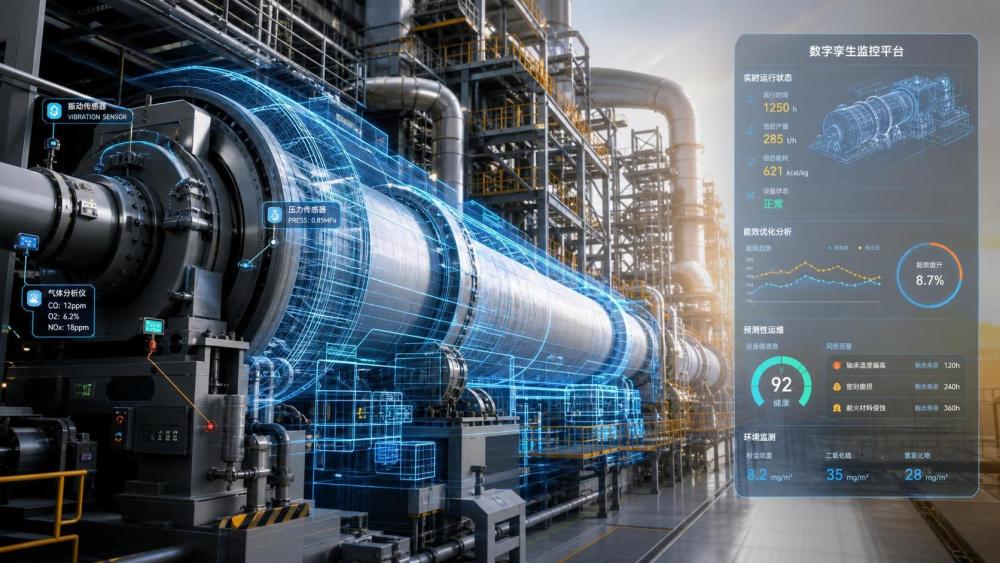
Not every simulation, dashboard, or 3D plant model qualifies. A real time digital twin continuously ingests live or near-live data from the physical system and updates its representation of equipment, process conditions, or production state accordingly. More importantly, it links that live state to logic that operators, engineers, planners, or managers can use.
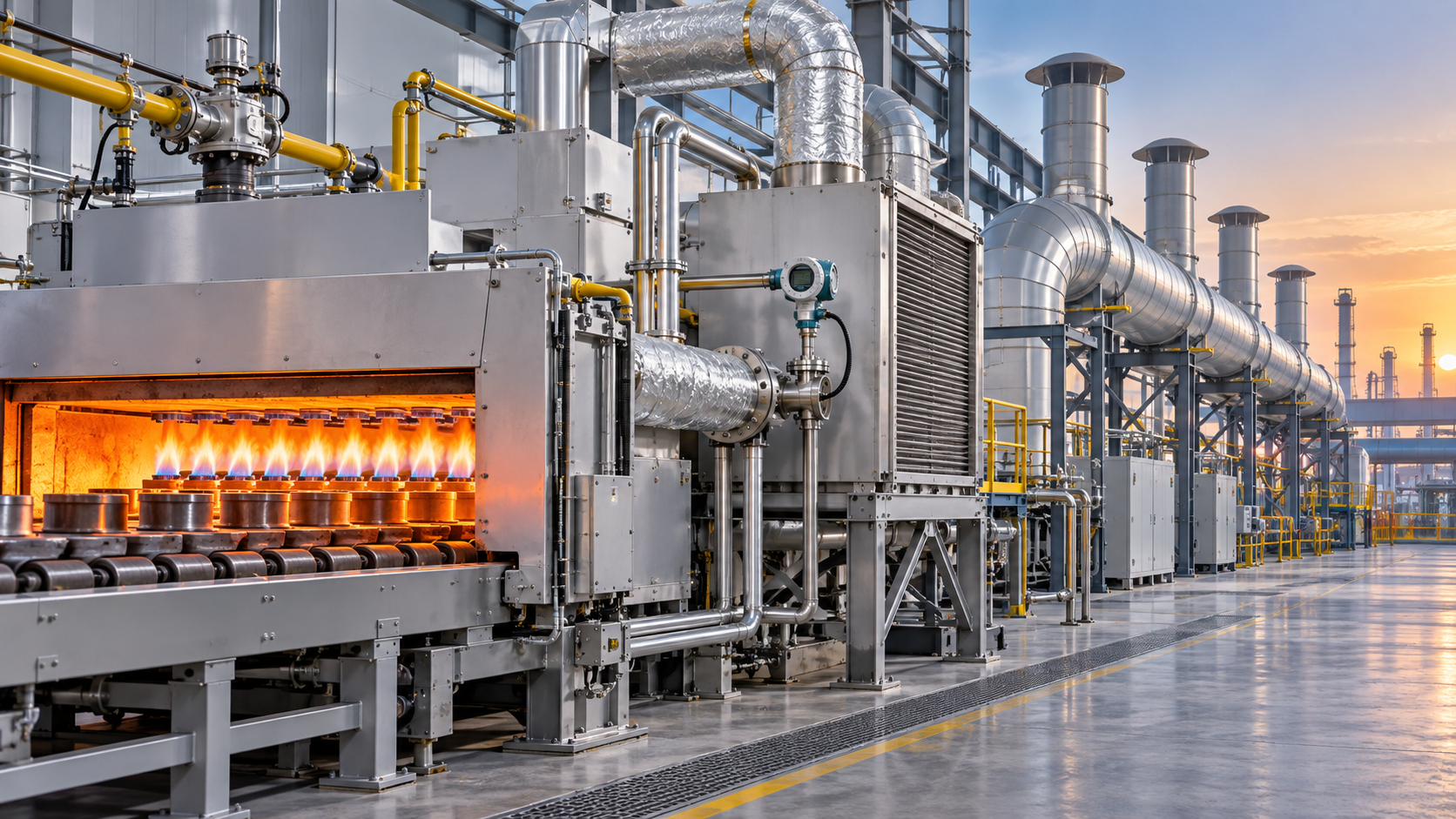
That logic may include first-principles process models, physics-based constraints, statistical models, machine learning, or combinations of all three. In a kiln, furnace, float line, extrusion system, or waste-heat process, the twin becomes useful when it can connect sensor data with thermal behavior, material response, maintenance condition, and operational tradeoffs.
In other words, the “real time” element is not just about speed. It is about decision relevance. A one-minute update may be more valuable than a one-second update if the process dynamics, staffing model, and intervention window make that cadence more actionable. Many failed projects start by pursuing technical immediacy without clarifying the operational question.
Why interest is rising now
Several pressures are pushing this topic higher on the agenda. Energy prices remain volatile in many regions. Carbon management is moving from broad sustainability language toward auditable operational performance. Asset fleets are aging in some industrial segments, while skilled operators and process specialists are harder to replace. At the same time, plants have more instrumentation, more historians, more connectivity, and more pressure to demonstrate measurable improvement before approving capital spending.
That combination matters. A plant manager may already have a historian, SCADA visibility, laboratory data, and maintenance records. The missing layer is often synthesis. Executives do not need more raw data; they need a system that can show cause-and-effect relationships across production, quality, energy, throughput, emissions, and equipment health.
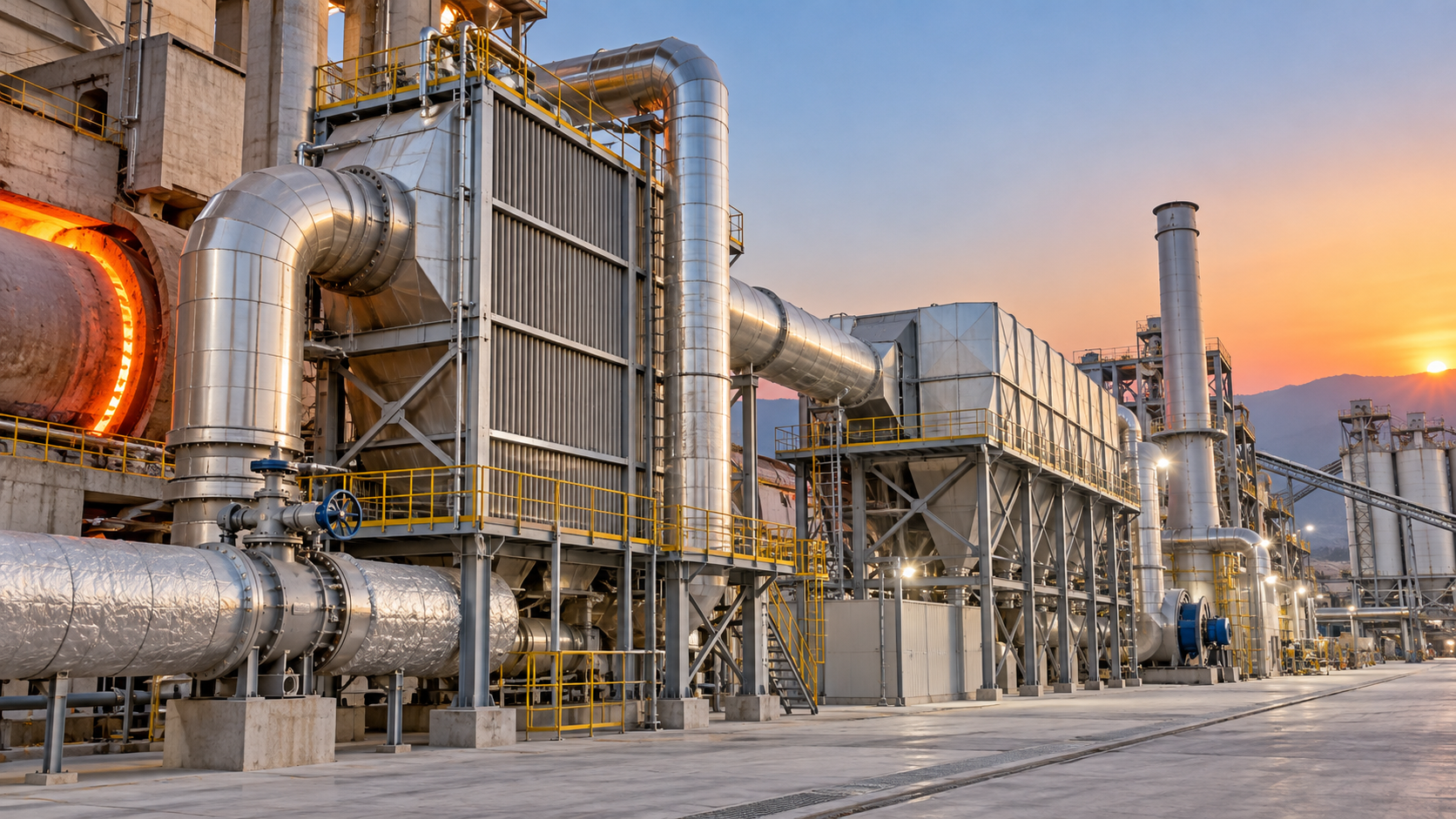
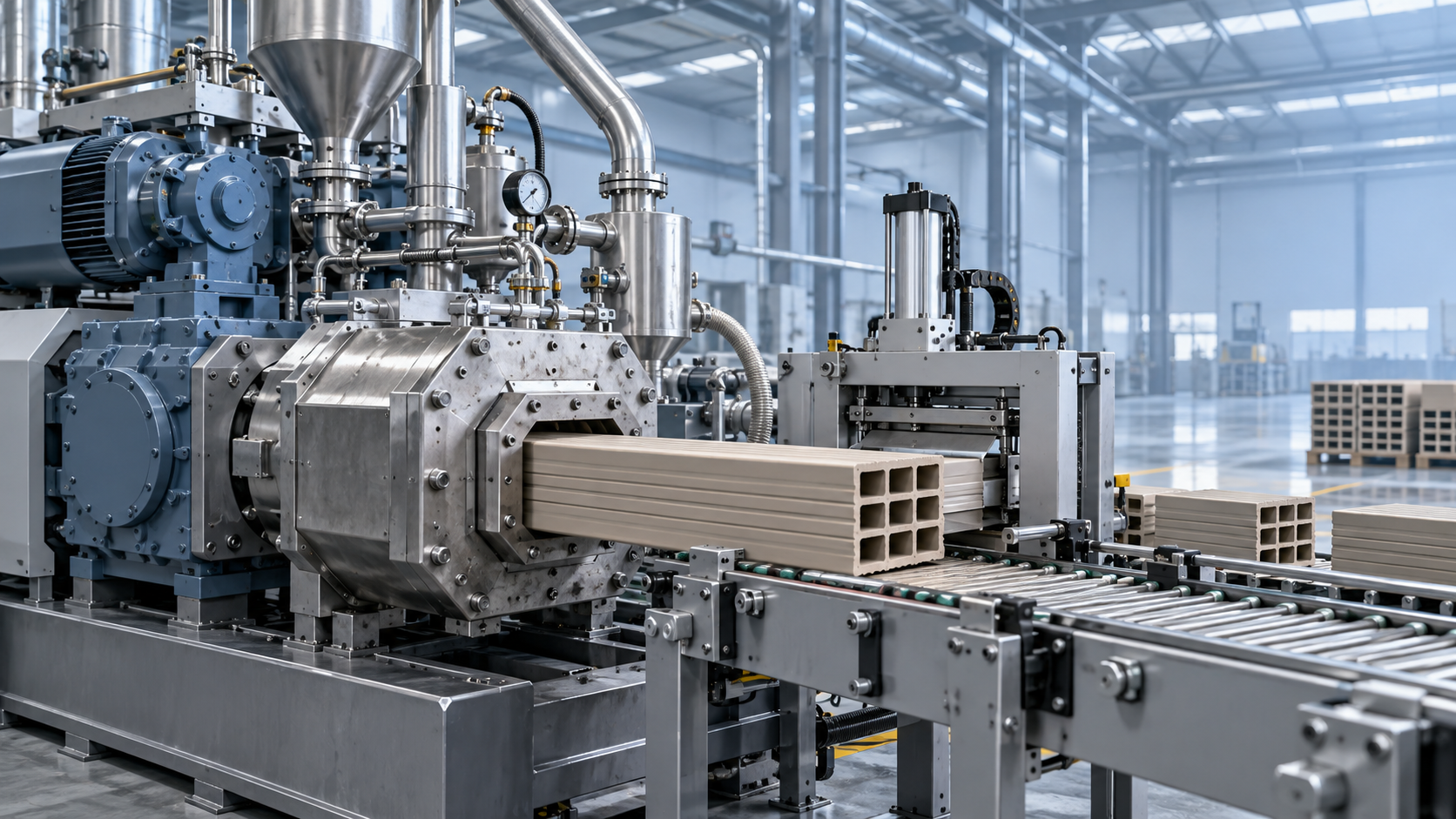
For sectors observed by CF-Elite, this is especially relevant. Cement plants, glass lines, industrial kilns, incineration systems, refractory production, and advanced building material extrusion all operate in environments where thermal efficiency, material consistency, and equipment integrity are tightly linked. Small process drifts can have disproportionate economic impact. That makes live digital representation more than a monitoring upgrade.
Where measurable value tends to appear first
Executives looking at a real time digital twin should avoid asking where the technology can theoretically be used. The better question is where it changes a KPI that finance, operations, and engineering all recognize.
Energy optimization
This is one of the most credible starting points in high-temperature and continuous-process operations. If the twin can identify heat loss patterns, suboptimal burner behavior, unstable temperature zones, excess air conditions, or avoidable load variation, the value can show up in fuel consumption, throughput stability, and reduced rework. In sectors such as cement, glass, or industrial firing, even modest percentage improvements may justify investment because the energy baseline is so large.
Predictive maintenance and asset life
Not all maintenance programs need a digital twin, but some failure modes are difficult to catch using simple thresholds. Refractory wear, thermal cycling stress, fouling, fan imbalance, seal degradation, and burner drift often interact with production conditions. A live twin can estimate deterioration under actual operating loads instead of relying only on calendar-based schedules. That matters when unplanned shutdowns are costly and scheduled outages are tightly constrained.
Quality consistency
In many process industries, off-spec output is not just a quality problem; it is an energy, yield, and customer confidence problem. A real time digital twin can help trace quality variation back to process instability, feedstock fluctuations, temperature profiles, or equipment behavior. This is particularly useful where downstream defects appear late, such as annealing issues in glass, dimensional instability in extrusion, or inconsistent thermal treatment in refractory products.
Operational scenario testing
One underappreciated value area is live what-if analysis. When fuel mix changes, raw material quality shifts, line speed is adjusted, or environmental constraints tighten, plant teams need to test response options without exposing production to unnecessary risk. A real time digital twin can narrow the field of choices before the plant acts. For management, this shortens the gap between strategic intent and plant-floor execution.
Carbon and compliance management
In energy-intensive industries, decarbonization targets increasingly intersect with reporting obligations, customer requirements, and investment screening. A twin does not replace formal emissions accounting, but it can help operations understand where emissions intensity is created and how process changes affect energy use, fuel substitution, and waste recovery. Claims around direct compliance automation should be treated cautiously, especially where local rules and verification frameworks vary 【待核实】, but the operational planning value is real.
Where companies overestimate the payoff
The strongest rhetoric around digital twins usually comes from vendors, conference panels, and transformation programs. The technology is real, but several common claims become weaker in practice.
First, a digital twin does not automatically create value because data exists. Many plants have fragmented tag quality, inconsistent calibration practices, limited context around manual interventions, and poor integration between OT and IT systems. If the incoming data is unreliable, the twin becomes a polished uncertainty engine.
Second, real time does not mean autonomous. In many industrial environments, the highest-value use case remains decision support, not full closed-loop control. Operators still need to interpret the system’s recommendations in light of safety constraints, feed variability, maintenance conditions, and production commitments.
Third, not every process needs a full twin. For some assets, a focused soft sensor, condition-monitoring model, or advanced process control upgrade may solve the business problem at lower cost and lower organizational burden. Executives should be careful not to buy architectural ambition when they only need a narrow operational tool.
Fourth, ROI is often delayed by change management rather than model development. A twin can identify a better operating window, but savings only materialize if production teams trust the output, standard work changes, and accountability for action is clear.
How to judge whether your business is a good fit
A real time digital twin is most attractive when five conditions exist at the same time.
- The process has high economic sensitivity to drift, downtime, energy use, or quality loss.
- The system is complex enough that simple dashboards or static rules miss important interactions.
- There is enough instrumentation and operational history to support a reliable model.
- The organization can act on insights quickly through operations, maintenance, or planning teams.
- The expected value can be tied to a baseline KPI rather than a generic innovation narrative.
That last point matters more than many companies admit. “Visibility” is not an investment thesis. Lower fuel use per ton, fewer unplanned stoppages, better yield, reduced scrap, longer refractory campaign life, or tighter emissions performance are investment theses.
For business leaders in thermal and materials-intensive industries, the best entry point is often a bounded production domain rather than an enterprise-wide twin. A single kiln system, float furnace subsystem, extrusion line, combustion circuit, or waste-heat recovery process may provide enough complexity and measurable economics to justify a pilot with real learning value.
Questions to ask before procurement
Most purchasing mistakes happen because teams evaluate software features before they define the operating problem. The more useful questions are operational and economic.
- Which KPI is the twin expected to improve, and how is the baseline measured today?
- What decision will be made differently because of the twin?
- Which data sources are required, and how trustworthy are they?
- How often does the model need to update to be operationally useful?
- Who owns model maintenance when the process, product mix, or equipment condition changes?
- How will recommendations be validated before they influence production decisions?
- What integration is needed with historians, MES, ERP, APC, CMMS, or emissions systems?
- What is the fallback if the model becomes unavailable or diverges from reality?
For executives, one more question is essential: does the vendor understand your process physics, or are they primarily selling a generic platform? In sectors such as cement, glass, incineration, and refractory production, domain knowledge is not optional. Thermal behavior, material residence time, combustion dynamics, and wear mechanisms are too specific for a purely abstract data layer to succeed on its own.
The implementation risk is usually organizational, not just technical
Digital twin projects are often presented as software deployments. In practice, they are operating model projects with a software component. The plant team must trust the inputs. Process engineers must recognize the assumptions behind the model. Maintenance teams need to understand how health predictions connect to inspection reality. Leadership must decide whether the twin is advisory, supervisory, or eventually linked to automated controls.
That means the implementation path matters. A sensible rollout usually begins with one constrained use case, one well-understood process boundary, and one agreed success metric. It then expands only after the model has survived real operating variability: startups, shutdowns, feed changes, weather changes, maintenance events, and abnormal conditions. A digital twin that performs well only in steady-state demonstrations is not yet a business tool.
Cybersecurity and governance also deserve more attention than they often receive. Live plant connectivity, remote analytics, cloud architectures, and cross-system integration introduce risk. The exact regulatory burden depends on geography and sector 【待核实】, but executives should expect scrutiny around access control, data handling, model governance, and operational override authority.
What to watch over the next few years
The next stage of this market is unlikely to be defined by better visualization alone. The more important shift will be tighter coupling between live process twins, advanced control layers, maintenance planning, and carbon-performance management. In parallel, industrial AI will keep being attached to the digital twin narrative, sometimes usefully and sometimes opportunistically.
The signal to watch is whether solutions produce repeatable gains under plant conditions that are messy, variable, and commercially constrained. The winning systems will not be those with the most elaborate demos. They will be the ones that remain credible when raw material quality changes, operators override setpoints, sensors drift, and production targets conflict with ideal process behavior.
For companies in foundation materials and thermal management, the strategic relevance is clear enough: operational intelligence is moving closer to the core of competitiveness. But that does not mean every company should rush to buy a platform. The better move is to identify one process where faster, better-informed decisions would clearly pay for themselves, then test whether a real time digital twin can earn its place there.
That is usually where the conversation becomes concrete. Not “What is a digital twin?” but “Which decisions in this plant are still too slow, too manual, or too blind for the margin pressure ahead?”
Related News
 Thermal Energy ArchitectHow to Specify Heavy Industrial Process Systems for High-Temperature PlantsHeavy industrial processes systems: learn how to specify high-temperature plants for efficiency, emissions control, maintainability, and lifecycle performance.Oct 02, 2026
 Structural Material AnalystHow Sustainable Material Extrusion Can Improve Wall Panel Durability and Design FlexibilityDiscover how sustainable material extrusion for wall panels improves durability, moisture resistance, design flexibility, and installation consistency for high-performing wall systems.Oct 01, 2026
 Thermal Energy ArchitectHow to Evaluate a High-Temperature Materials Manufacturer for Furnace ApplicationsChoose a high-temperature materials manufacturer with confidence: compare thermal performance, chemical resistance, quality controls, installation support, and lifecycle cost.Sep 30, 2026
 Ms. Elena RodriguezHow to Structure Global Specification Data for Faster Industrial Product EvaluationGlobal specification-oriented product information helps industrial teams compare capacity, energy, emissions, automation, and lifecycle data on a like-for-like basis for faster, confident equipment decisions.Sep 29, 2026
 Thermal Energy ArchitectHow to Specify High-Temperature Process Systems for Continuous Thermal OperationsHigh-temperature process engineering systems: learn how to specify resilient continuous thermal operations for efficiency, compliance, reliable uptime, and long-term performance.Sep 28, 2026
 Thermal Energy ArchitectHow to Evaluate a Thermal Engineering Contractor for High-Temperature Plant ProjectsChoose a thermal engineering contractor with proven process expertise, lifecycle value, emissions control, and delivery discipline for reliable high-temperature plant performance.Sep 27, 2026
 Silicate Process EngineerHow Latin American Cement Plants Can Reduce Dust Emissions in Kilns and Transfer PointsCement plant dust control Latin America: reduce kiln and transfer-point emissions with practical airflow, filtration, monitoring, and maintenance strategies.Sep 26, 2026
 Material Heat-Resist ExpertHow to Evaluate Refractory Production Lines for Output, Quality, and Energy UseRefractory production lines: learn how to assess qualified output, consistent quality, and total energy use for smarter, lower-risk investment decisions.Sep 25, 2026
 Dr. Alistair VaughnHow Waste Recycling Technology Improves Material Recovery in Industrial PlantsWaste recycling technology improves material recovery through source segregation, smart separation, thermal treatment, and quality control for industrial plants.Sep 24, 2026
 Optical Glass Tech FellowHow to Specify Glass Annealing Equipment for European Quality and Energy RequirementsGlass annealing equipment Europe: learn how to specify lehrs for consistent glass quality, energy efficiency, compliance, automation, and reliable long-term performance.Sep 23, 2026
 Optical Glass Tech FellowSilicate Process Automation: Improving Batch Consistency and Energy ControlSilicate process automation improves batch consistency, energy control, traceability, and operator confidence across high-temperature manufacturing operations.Sep 22, 2026
 Optical Glass Tech FellowHow Silicate Industrial Processes Control Viscosity, Energy Use, and Product QualitySilicate industrial processes: learn how viscosity, chemistry, heat transfer, and atmosphere control reduce energy use, improve stability, and protect product quality.Sep 21, 2026
 Thermal Energy ArchitectHow European Plants Can Evaluate Energy Recovery Equipment for High-Temperature ProcessesIndustrial energy recovery equipment Europe: learn how high-temperature plants can assess waste-heat sources, integration risks, lifecycle value, and reliable recovery routes.Sep 20, 2026
 Thermal Energy ArchitectIndustrial Furnace Process Optimization: Reducing Fuel Use Without Sacrificing ThroughputIndustrial process optimization furnace strategies that cut fuel use while protecting throughput. Explore combustion control, heat recovery, refractory performance, and data-driven efficiency gains.Sep 19, 2026
 Ms. Elena RodriguezWhat Drives High-Pressure Extrusion Equipment Cost in Industrial Projects?High pressure extrusion equipment cost explained: compare pressure, die design, automation, wear, energy, and installation factors for smarter industrial investments.Sep 18, 2026
 Thermal Energy ArchitectHow to Size a Waste Heat Recovery Exchanger for High-Temperature Kiln Exhaust?Waste heat recovery exchanger sizing for high-temperature kiln exhaust: balance recoverable duty, fouling, corrosion limits, pressure drop, and reliable heat use.Sep 17, 2026
 Thermal Energy ArchitectWhy Heat-Resistant Materials Lose Abrasion Resistance at High TemperaturesHeat-resistant materials abrasion resistance can decline at high temperatures. Discover the thermal, chemical, and mechanical causes of wear—and how to choose longer-lasting linings.Sep 16, 2026
 Thermal Energy ArchitectHow to Evaluate a Thermal Energy Optimization Company for High-Temperature PlantsChoose a thermal energy optimization company with proven process expertise, measurable savings, and reliable delivery for high-temperature plants. Learn what to assess.Sep 15, 2026
 Thermal Energy ArchitectRotary Kiln Efficiency: How Feed Rate, Fuel Use, and Heat Loss Affect OutputRotary kiln efficiency explained: discover how feed rate, fuel use, heat loss, combustion, and cooling performance shape output, quality, and energy costs.Sep 14, 2026
 Thermal Energy ArchitectHow to Select Heat-Resistant Materials That Maintain Abrasion Resistance in KilnsHeat-resistant materials abrasion resistance: learn how to select kiln linings that withstand heat, wear, thermal cycling, and chemical attack for longer service life.Sep 13, 2026

Related News
- 00
0000-00
How to Structure Global Specification Data for Faster Industrial Product Evaluation - 00
0000-00
What Drives High-Pressure Extrusion Equipment Cost in Industrial Projects? - 00
0000-00
How Should Buyers Evaluate Building Material Industry Intelligence Pricing? - 00
0000-00
How to Use Building Material Intelligence Data for Market and Investment Decisions - 00
0000-00
How to Evaluate a Silicate Processing Equipment Manufacturer for Plant Projects
Weekly Insights
Stay ahead with our curated technology reports delivered every Monday.