
How to Evaluate a Thermal Energy Optimization Company for High-Temperature Plants




Start With the Plant Constraint, Not the Vendor’s Technology List
Selecting a thermal energy optimization company for a high-temperature plant is a decision about production risk as much as energy performance. A kiln, furnace, glass melting line, refractory tunnel kiln, or waste-to-energy incinerator operates as an interconnected thermal system. Changing fuel input, combustion control, heat recovery, air balance, or refractory configuration can affect throughput, product quality, emissions, maintenance intervals, and operator workload at the same time.
The strongest candidates are rarely the firms with the longest list of efficiency technologies. They are the ones able to demonstrate how their proposed measures fit the plant’s actual bottleneck. For one facility, excess specific fuel consumption may originate in false air and unstable draft. For another, the constraint may be a damaged lining, inconsistent alternative fuel properties, poor batch moisture control, or a cooling section that cannot recover usable heat at the required temperature.
Project managers should therefore evaluate suppliers in three linked areas: whether they can diagnose the thermal process accurately, whether their scope can be implemented without undermining operations, and whether they accept measurable accountability for results after commissioning. A company that is strong in heat-balance studies but weak in plant integration can leave a technically sound proposal stranded at the execution stage.
Ask What Problem the Optimization Is Expected to Solve
“Energy optimization” can refer to several very different projects. A supplier may use the same phrase for combustion tuning, a waste-heat recovery system, advanced process control, burner replacement, insulation work, oxygen enrichment, fuel conversion, kiln-shell monitoring, or an emissions-control upgrade. These interventions have different capital requirements, shutdown needs, operating risks, and value drivers.
Before comparing companies, define the decision in plant terms. The project brief should identify the operating issue, the required outcome, and the conditions that cannot be compromised. This prevents a vendor from framing every problem around its preferred equipment or software.
- Is fuel cost the primary concern, or is energy use a symptom of unstable production?
- Must the plant maintain a defined output rate, product chemistry, glass quality, or firing profile?
- Is the project tied to an upcoming refractory campaign, major shutdown, expansion, or fuel transition?
- Are emissions limits, carbon reporting, or waste co-processing requirements influencing the investment?
- Can recovered heat be used reliably elsewhere in the process, or would it be generated at a temperature and time that has limited practical value?
- Which operating variables are under the plant’s control, and which are driven by raw-material quality, fuel supply, ambient conditions, or market demand?
A useful project definition also distinguishes between a performance target and an improvement claim. “Reduce fuel use” is too broad to govern a contract. A more useful target specifies the relevant production basis, acceptable operating range, measurement boundary, and exclusions. For example, a reduction in fuel per tonne may be meaningful only when product mix, moisture, feed chemistry, line speed, and uptime are accounted for.
This discipline matters because high-temperature plants can show apparent energy gains that are actually caused by lower throughput, a different product mix, reduced moisture, or a temporary operating mode. The supplier should be willing to establish a baseline that separates these effects from the intervention being proposed.
Evaluate Process Depth Before Evaluating Equipment
A credible thermal energy optimization company should be able to explain the process in terms familiar to plant engineering and operations teams. That does not require the supplier to be the original equipment manufacturer. It does require capability beyond generic energy auditing.
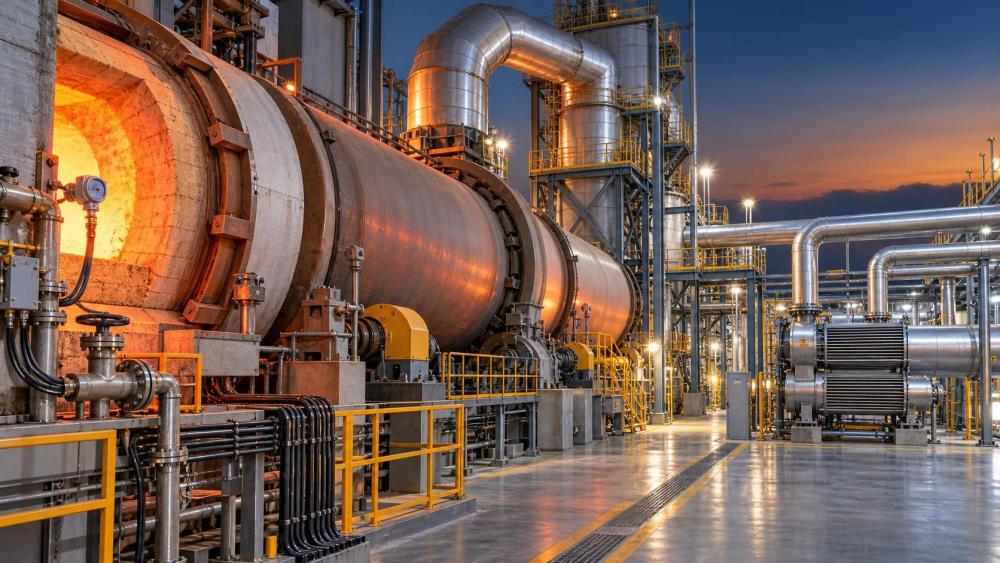
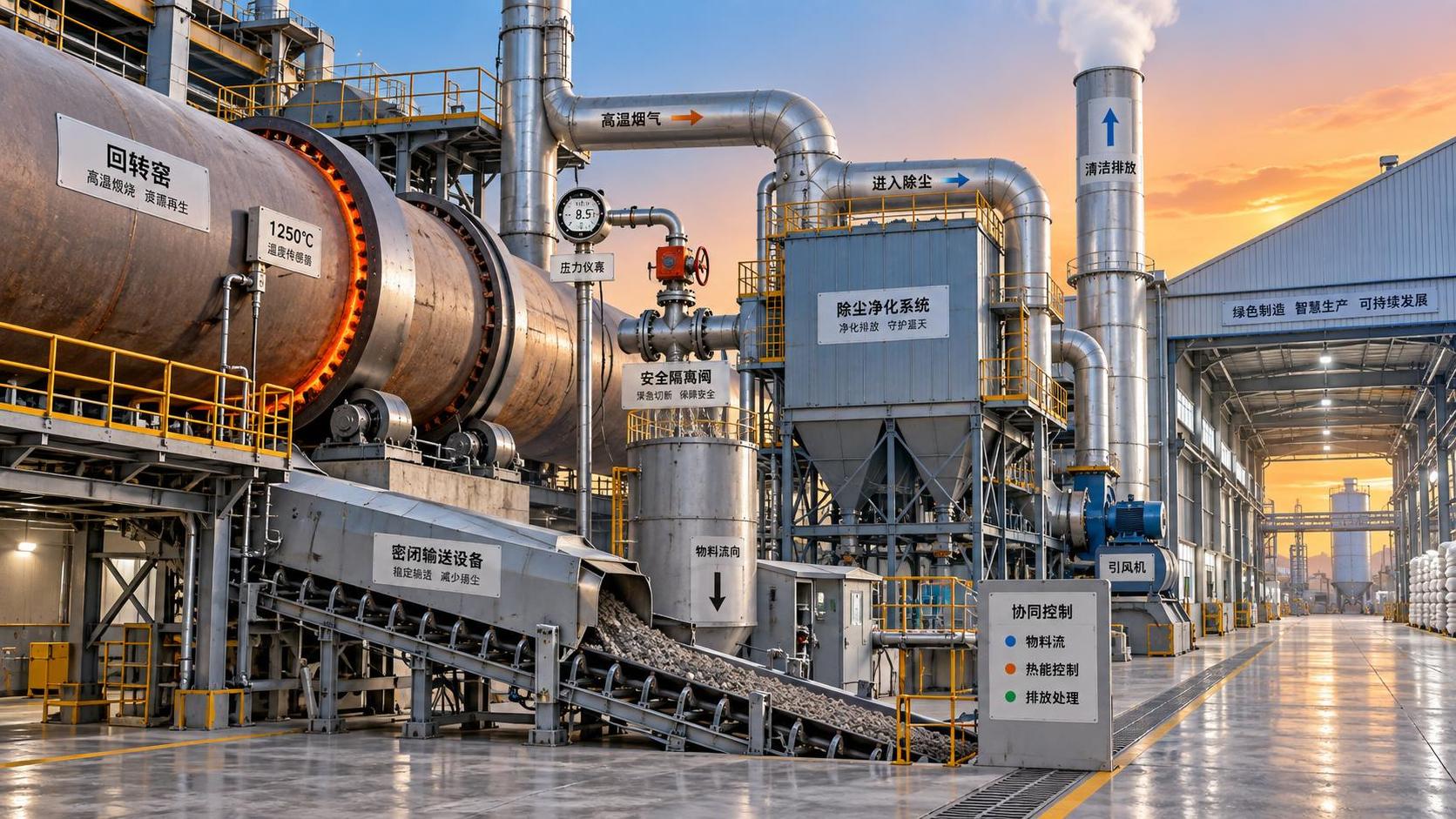
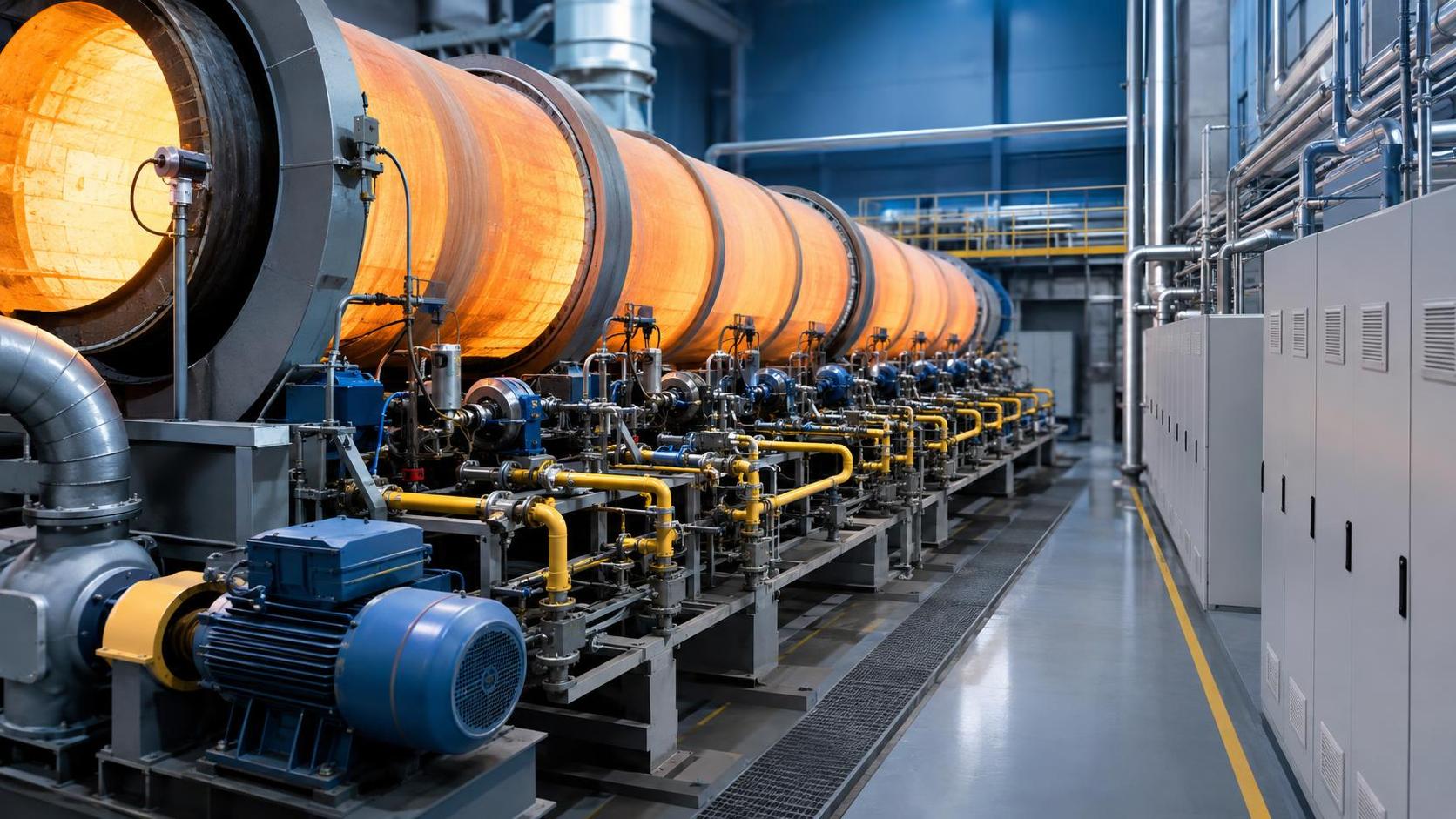
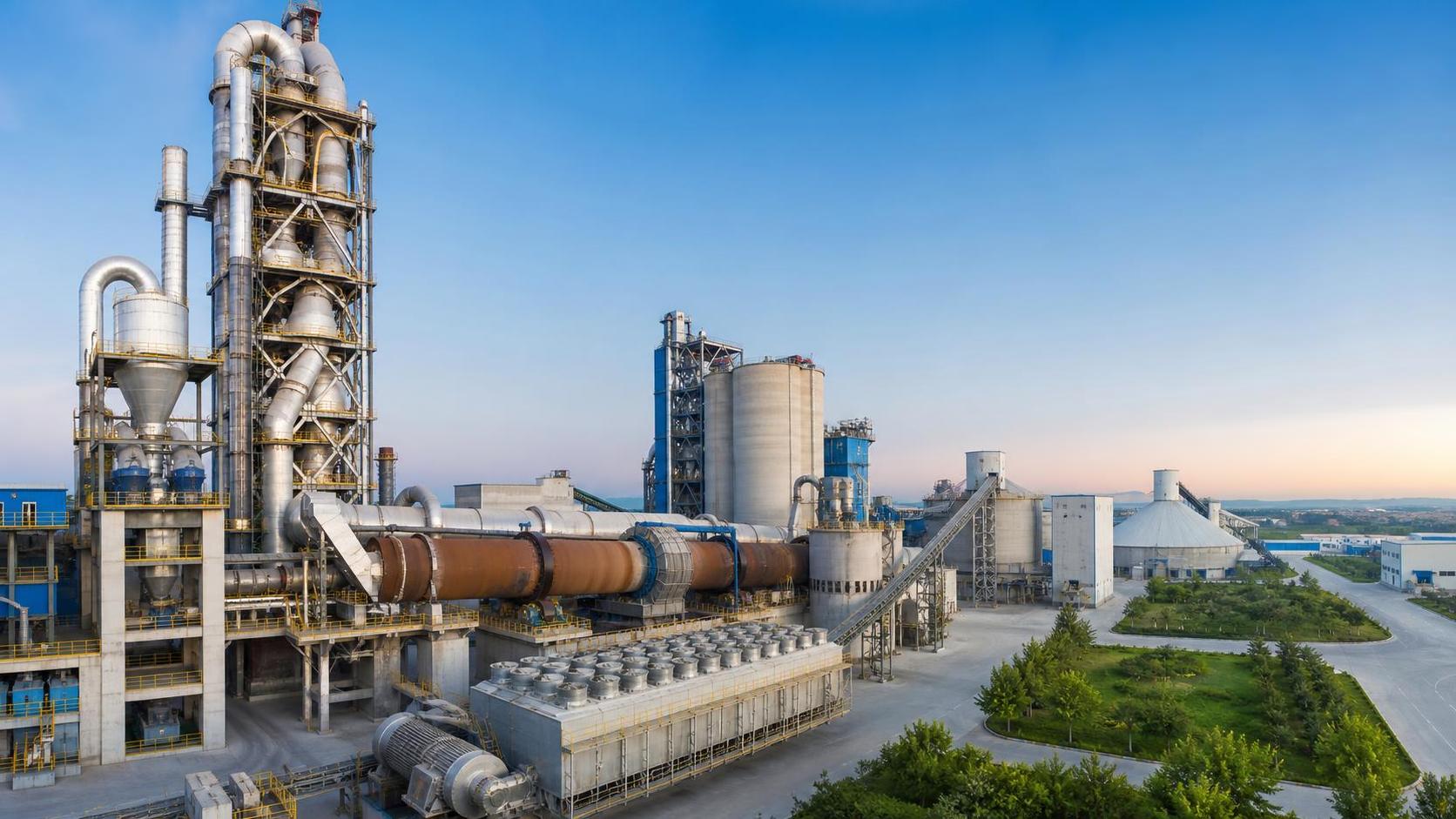
For a cement kiln, the assessment may need to connect preheater pressure behavior, false-air paths, calciner combustion, kiln oxygen profile, cooler efficiency, coating stability, and refractory condition. For a glass furnace, the review may involve furnace pressure, burner arrangement, batch and cullet conditions, crown temperatures, regenerator behavior, heat losses, and the effect of firing changes on glass quality. In an incineration line, waste composition, grate or rotary-kiln behavior, residence time, excess air, corrosion exposure, steam-cycle integration, and flue-gas treatment all influence what can safely be optimized.
Ask candidates to describe their diagnostic method before asking for their solution. A rigorous method usually includes site data review, field measurement, operating interviews, process mapping, thermal balance validation, and a structured review of abnormal conditions. The company should make clear which data it needs, how it will validate questionable inputs, and which assumptions could materially change the recommendation.
Be cautious when a proposal moves directly from a high-level utility bill or a single efficiency ratio to a guaranteed saving. Plant-wide fuel figures are useful indicators, but they do not by themselves explain where energy is being lost or which change will hold under normal operating variability.
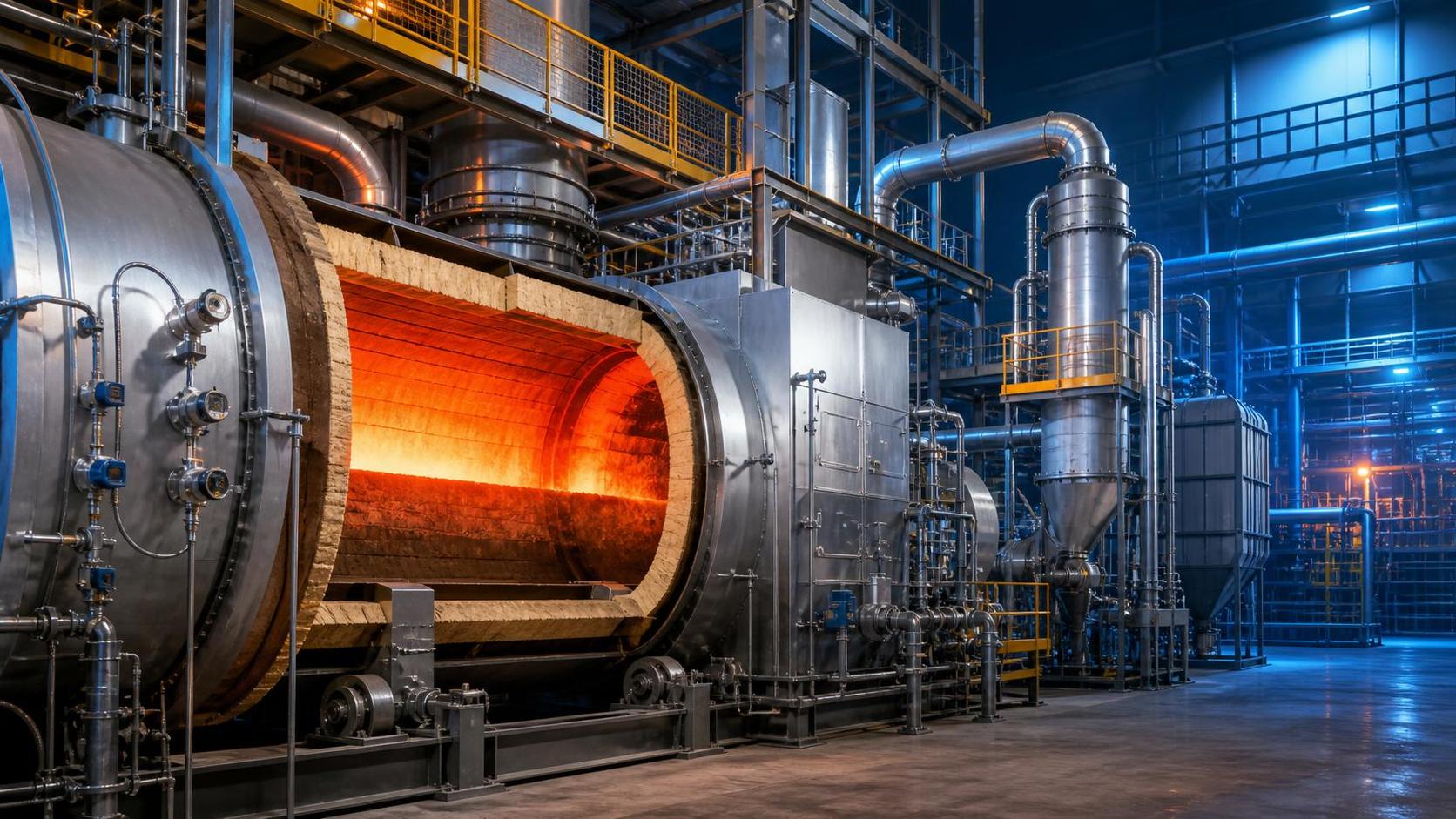
Technical depth should also include materials awareness. In high-temperature systems, thermal performance and refractory performance are inseparable. Higher flame temperature, altered fuel chemistry, revised airflow, or a different cycling pattern can change lining stress, alkali attack, corrosion, spalling risk, and shell-temperature behavior. A provider that treats refractory condition as an unrelated maintenance topic may understate the lifecycle impact of its recommendation.
Test Whether the Savings Logic Survives Plant Reality
Most optimization proposals contain a calculation of theoretical heat savings. The practical question is whether the plant can capture and retain those savings under real production conditions.
Take waste-heat recovery as an example. Recovering heat from exhaust gas, clinker cooling air, flue gas, furnace exhaust, or incinerator steam can be attractive on paper. The project outcome depends on temperature level, flow stability, dust loading, corrosion potential, maintenance access, availability of a heat user, and the extent to which the recovered energy displaces purchased energy rather than merely adding another operating burden.
The same issue applies to combustion improvement. Better burner design, oxygen control, fuel preparation, or model-based control can reduce losses and improve stability. Yet a design that performs well under a narrow fuel specification may become difficult to operate when fuel moisture, calorific value, particle size, volatile content, or contaminant levels change. This is particularly important for plants considering alternative fuels, waste-derived fuels, biomass blends, or mixed feedstocks.
During technical evaluation, request a transparent explanation of the performance model. It should identify:
- The baseline period and the production conditions used for comparison.
- The battery limits for fuel, electricity, steam, compressed air, recovered heat, and auxiliary loads.
- Expected changes to output, product quality, emissions, refractory wear, maintenance, and operator intervention.
- Assumptions about fuel properties, raw materials, ambient conditions, and equipment availability.
- The distinction between gross energy recovery and net site benefit after parasitic loads and additional maintenance.
- The expected degradation curve, cleaning interval, calibration requirement, or other factor that may affect performance over time.
There is no single ideal optimization package for every plant. A low-capital operational improvement may offer fast value where the existing line is fundamentally sound. A larger heat-recovery or fuel-conversion project may make more sense when it can be synchronized with a shutdown or when the facility has a stable use for recovered energy. The supplier’s role is to show why the recommended sequence fits the plant’s condition, rather than presenting each technology as independently beneficial.
Examine Delivery Capability as Closely as Technical Capability
High-temperature projects commonly fail at interfaces. The thermal concept may be valid, yet the implementation can be compromised by unclear responsibility between process engineering, mechanical contractors, electrical and control teams, refractory installers, civil works, and the plant’s own operating personnel.
For this reason, a project manager should investigate how a candidate handles the full delivery path. The scope should identify process design responsibility, equipment supply boundaries, instrumentation, automation integration, structural modifications, refractory work, commissioning support, operator training, spare parts, and documentation. Ambiguity around these interfaces often becomes visible only when the line is approaching shutdown or restart.
Ask how the company plans shutdown work and recommissioning. A supplier should be able to discuss isolation requirements, hot-work constraints, access limitations, tie-in strategy, construction sequencing, startup risks, and the time needed to stabilize the process after modifications. In continuous-process plants, the commercial value of a theoretically efficient system can be erased by an extended outage or prolonged production instability.
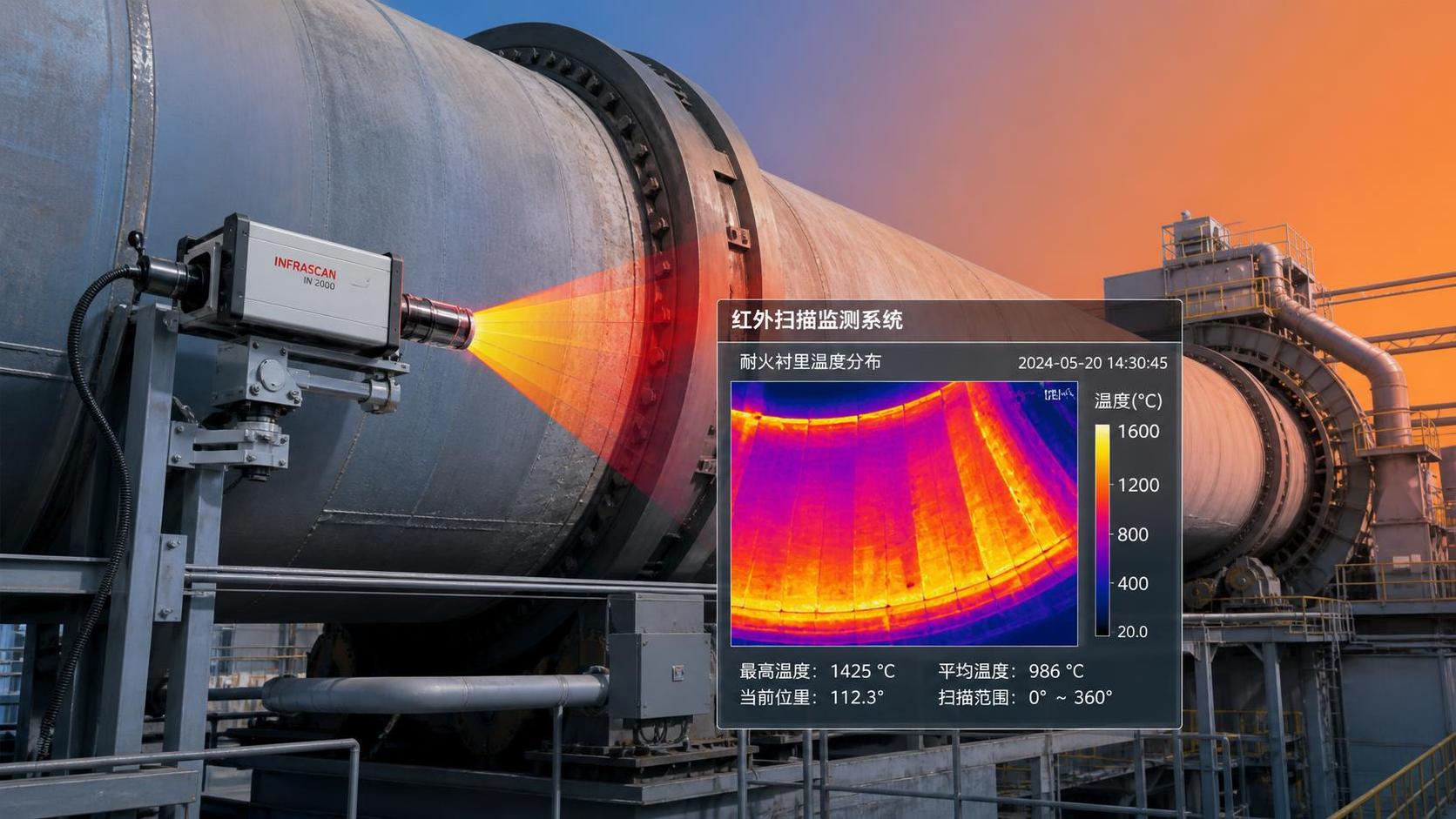
Digital capability deserves the same practical scrutiny. Online temperature monitoring, shell scanners, advanced control platforms, digital twins, and performance dashboards can support better decisions, but only when the data architecture is dependable and plant teams can use the outputs. Evaluate sensor location, calibration practices, data ownership, cybersecurity requirements, historian integration, alarm philosophy, model maintenance, and fallback operating modes. A dashboard that reports a predicted energy opportunity without providing an actionable operating response adds limited value.
It is also reasonable to ask whether the provider can work with the plant’s existing control system and maintenance practices. Replacing a familiar operating workflow with a complex proprietary layer may create long-term dependence unless support, training, access rights, and lifecycle costs are clearly defined.
Make Measurement and Accountability Part of the Selection
The commercial evaluation should not reduce performance to a headline savings percentage. A better approach is to agree on a measurement and verification framework before the project is awarded. This protects both the plant and the supplier: the plant receives a defensible view of results, while the supplier is not judged against variables outside its control.
The framework should establish the operating baseline, normalized comparison method, required meters and instruments, data collection frequency, acceptance period, reporting responsibility, and procedure for handling abnormal events. It should also define what happens when feedstock quality changes, throughput is constrained by demand, a major component fails, or an emissions event forces an alternative operating regime.
For major projects, performance obligations should be separated by category. Energy reduction, production capacity, product quality, emissions compliance, system availability, and safety are related but should not be treated as one undifferentiated promise. A system may lower fuel consumption while causing unacceptable variability in firing or melting. Another may improve thermal stability but require auxiliary electricity that affects the net energy result. Clear categories make trade-offs visible.
Evaluate the proposed guarantee with equal care. An aggressive guarantee can look attractive while relying on assumptions that make it difficult to enforce. Review the exclusions, baseline adjustments, force-majeure language, commissioning period, data-access rules, and corrective-action process. The goal is not to demand unrealistic certainty from a complex process. It is to prevent a situation where savings become impossible to verify once the project is running.
Use the Evaluation Process to Reveal Collaboration Quality
The procurement process itself provides useful evidence about a company’s suitability. Strong technical partners ask difficult questions early: whether the plant can support the required instrumentation, whether refractory life is already limiting operating changes, whether process data is representative, whether a proposed heat user is available during all operating modes, and whether operators have sufficient authority to act on control recommendations.
Companies that avoid these questions may be simplifying the project for sales purposes. Companies that raise them should still provide a clear path forward, including the surveys, tests, pilot steps, or phased implementation needed to reduce uncertainty.
For many high-temperature plants, the most effective selection route is phased. Begin with a diagnostic scope that produces a validated baseline, ranked opportunity list, implementation concept, and risk register. Progress to detailed engineering only when the plant has agreed on the technical and commercial basis. This can be especially useful where fuel changes, aging refractories, inconsistent process data, or emissions constraints make a single upfront solution difficult to define.
The final choice should rest on evidence that the company understands the operating window of the plant and can improve it without transferring hidden risk to production, maintenance, or compliance teams. Energy savings matter, but durable value comes from an optimization program that remains credible after the initial commissioning period, through changing fuels, fluctuating loads, and the ordinary disturbances of high-temperature operation.
Related News
 Thermal Energy ArchitectHow to Evaluate a Thermal Energy Optimization Company for High-Temperature PlantsChoose a thermal energy optimization company with proven process expertise, measurable savings, and reliable delivery for high-temperature plants. Learn what to assess.Sep 15, 2026
 Thermal Energy ArchitectRotary Kiln Efficiency: How Feed Rate, Fuel Use, and Heat Loss Affect OutputRotary kiln efficiency explained: discover how feed rate, fuel use, heat loss, combustion, and cooling performance shape output, quality, and energy costs.Sep 14, 2026
 Thermal Energy ArchitectHow to Select Heat-Resistant Materials That Maintain Abrasion Resistance in KilnsHeat-resistant materials abrasion resistance: learn how to select kiln linings that withstand heat, wear, thermal cycling, and chemical attack for longer service life.Sep 13, 2026
 Thermal Energy ArchitectHow Rotary Kiln Automation Improves Temperature Control and Fuel EfficiencyRotary kiln technology automation enhances temperature control, stabilizes combustion, and improves fuel efficiency with smarter data, predictive control, and safer operations.Sep 12, 2026
 Silicate Process EngineerCement Plant Emission Control: Selecting Systems for Dust, NOx, and SO2 LimitsCement plant emission control guide: compare dust collectors, NOx reduction, and SO2 systems for reliable compliance across kiln modes, fuel changes, and operating upsets.Sep 11, 2026
 Thermal Energy ArchitectSelecting Abrasion-Resistant High-Temperature Materials for Kiln and Conveyor Wear ZonesHigh-temp material engineering guide to abrasion-resistant kiln and conveyor solutions—match wear, heat, chemistry, and installation design for longer service life.Sep 10, 2026
 Dr. Alistair VaughnIndustrial Process Engineering: How to Map Processes for Safer, More Efficient PlantsIndustrial process engineering reveals bottlenecks, safety risks, and energy losses through practical process mapping for safer, more efficient plants.Sep 09, 2026
 Optical Glass Tech FellowHow to Evaluate a Glass Annealing Equipment Manufacturer for Production StabilityChoose a glass annealing equipment manufacturer with proven thermal uniformity, reliable controls, lifecycle value, and responsive service for stable production.Sep 08, 2026
 Prof. Marcus ChenThermal Energy Architecture in North America: Strategies for Lower Building Energy UseThermal energy architecture North America helps project leaders cut building energy use through stronger envelopes, right-sized HVAC, storage, and smart commissioning.Sep 07, 2026
 Ms. Elena RodriguezHow Should Buyers Evaluate Building Material Industry Intelligence Pricing?Building material industry intelligence pricing: learn how to compare coverage, technical depth, and ROI to choose intelligence that reduces procurement risk.Sep 07, 2026
 Ms. Elena RodriguezHow to Use Building Material Intelligence Data for Market and Investment DecisionsBuilding material industry intelligence data helps leaders evaluate demand, costs, regulation, capacity, and technology to make smarter market and investment decisions.Sep 05, 2026
 Thermal Energy ArchitectHow PLC Control Improves Energy Efficiency and Temperature Stability in KilnsEnergy efficient kilns PLC control improves temperature stability, cuts fuel waste, and optimizes combustion, draft, and material flow. Explore proven strategies for smarter kiln modernization.Sep 04, 2026
 Optical Glass Tech FellowEuropean Glass Melting Processes: Furnace Choices, Energy Use, and Quality ControlGlass melting process Europe: explore furnace choices, energy efficiency, cullet strategy, and quality control to improve output, compliance, and long-term glass performance.Sep 03, 2026
 Thermal Energy ArchitectWhat Determines Refractory Lining Monitoring Price for Industrial Kilns?Refractory lining monitoring price depends on kiln size, sensor technology, installation, software, and support. Compare total lifecycle costs and choose the right solution.Sep 02, 2026
 Silicate Process EngineerCement Production System Costs: A Plant Buyer’s Guide to Budgeting and ROICement production systems cost planning made clear: compare CAPEX, operating costs, compliance, and ROI to build a resilient, profitable cement plant investment.Sep 01, 2026
 Dr. Alistair VaughnWhat Should a Process Technology Database Track for High-Temperature Plants?Process technology database essentials for high-temperature plants: track thermal profiles, feed chemistry, refractory wear, emissions, energy, and maintenance for safer, data-driven decisions.Aug 31, 2026
 Ms. Elena RodriguezHow to Evaluate a Silicate Processing Equipment Manufacturer for Plant ProjectsSilicate processing equipment manufacturer selection: assess process fit, guarantees, energy, compliance, delivery risk, and lifecycle support for dependable plant performance.Aug 30, 2026
 Dr. Alistair VaughnHow to Specify Custom Agricultural Processing Equipment for Throughput and HygieneEquipment customization services for agricultural processing: learn to specify hygienic, high-throughput lines that improve yield, reliability, and long-term efficiency.Aug 29, 2026
 Dr. Alistair VaughnHow to Select Process Plant Equipment for High-Temperature, Abrasive Production LinesProcess plant equipment selection for high-temperature, abrasive lines: reduce downtime, improve durability, and optimize lifecycle performance.Aug 28, 2026
 Silicate Process EngineerHow Kiln Heat Recovery Systems Cut Fuel Use in Cement and Lime ProductionKiln heat recovery helps cement and lime plants cut fuel use, improve thermal stability, and build practical, reliable decarbonization strategies.Aug 27, 2026






Related News
- 00
0000-00
How to Evaluate a Thermal Energy Optimization Company for High-Temperature Plants - 00
0000-00
Rotary Kiln Efficiency: How Feed Rate, Fuel Use, and Heat Loss Affect Output - 00
0000-00
How to Select Heat-Resistant Materials That Maintain Abrasion Resistance in Kilns - 00
0000-00
How Rotary Kiln Automation Improves Temperature Control and Fuel Efficiency - 00
0000-00
Selecting Abrasion-Resistant High-Temperature Materials for Kiln and Conveyor Wear Zones
Weekly Insights
Stay ahead with our curated technology reports delivered every Monday.