
What Drives Waste Recycling Cost in Industrial Projects and How to Estimate It?




In many industrial projects, the budget meeting becomes tense the moment waste handling enters the conversation. The line item often looks deceptively simple, yet waste recycling cost can expand quickly once transport, pre-treatment, compliance controls, energy integration, and long-term operational risk are brought into view. For financial approvers, this is not a side issue. It influences capex approval logic, payback assumptions, environmental exposure, and even the bankability of a project in stricter regulatory environments.
That is especially true in high-temperature sectors such as cement, glass, refractory, industrial kilns, and incineration systems, where waste is rarely a uniform stream and almost never behaves like a standard commodity. A sludge with high moisture, a mixed industrial residue with unstable calorific value, or a mineral-rich by-product that may be reused in process each creates a very different cost profile. The question is not only “What will disposal cost?” but also “What must the project absorb, recover, or redesign to make recycling viable?”
For decision-makers reviewing procurement proposals, the most practical approach is to break cost into its true drivers rather than rely on a single quoted processing fee. Once that structure is visible, estimates become more defensible and supplier comparisons become much sharper.
Why waste recycling cost is hard to compare across industrial projects
A vendor may quote a low unit price per ton, while another appears more expensive on paper. Yet the cheaper offer can become the costlier one after hidden conditions appear: moisture penalties, contamination rejection, transport surcharges, minimum batch quantities, unplanned storage, emissions control retrofits, or residue that still requires final disposal.
Industrial waste recycling cost is rarely linear because the economics depend on the interaction of four realities:
- Material behavior: composition, particle size, water content, toxicity, combustibility, and variability over time.
- Process compatibility: whether the receiving system can safely use, recover, or neutralize the waste without harming throughput or product quality.
- Infrastructure conditions: distance to treatment site, loading systems, intermediate storage, utilities, and digital monitoring requirements.
- Regulatory burden: permits, sampling, traceability, testing, reporting, and liability if recycled output fails environmental or technical standards.
For plants operating in thermal processing environments, these variables become even more important because waste can be both a burden and a resource. A residue may represent a disposal cost under one system but become an alternative fuel, mineral substitute, or recoverable thermal input under another.
The main cost drivers financial approvers should evaluate
1. Waste composition and consistency
This is usually the first and most underestimated driver. Homogeneous waste streams are easier to recycle, easier to permit, and easier to price. Mixed streams create uncertainty, and uncertainty always adds cost.
Composition affects sorting requirements, equipment wear, emissions risk, and the likely recovery pathway. If the waste stream contains metals, chlorides, sulfur, organics, ash, or hazardous fractions, recycling may need multiple stages before any usable value is recovered. For procurement review, ask not only for average composition, but also for variability bands. A stable stream is far less expensive to manage than one that changes from week to week.
2. Moisture content and energy value
In incineration and co-processing contexts, moisture is often the hidden cost amplifier. Wet waste is heavier to transport, harder to store, and more energy-intensive to process. If the business case assumes energy recovery, high moisture can erode the expected return by lowering net calorific contribution and increasing auxiliary fuel demand.
For cement kilns, rotary systems, and thermal recovery units, the key financial question is whether the waste improves or burdens the heat balance. A low gate fee may still be unattractive if the material destabilizes combustion or demands additional pre-drying capacity.
3. Pre-treatment requirements
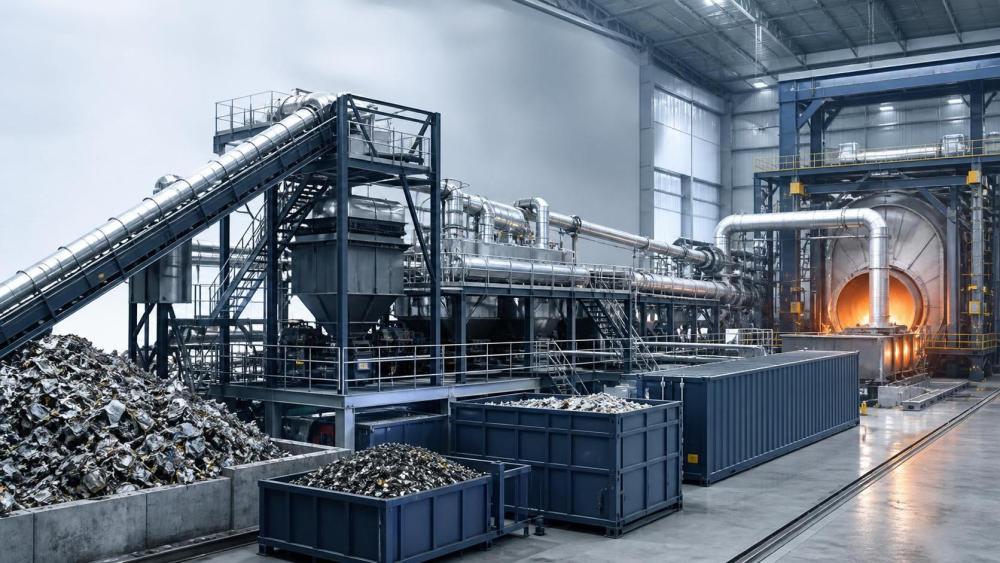
Very few industrial waste streams can move directly into final recycling. They may need dewatering, crushing, shredding, blending, screening, neutralization, stabilization, or packaging changes before entering a treatment line. This is where many budgets become unrealistic.
Pre-treatment may occur on-site, at a transfer station, or at the recycler’s facility. Each option shifts cost between capex and opex. On-site systems can improve control and reduce recurring fees, but they add engineering complexity, maintenance, utilities, and operator training. Off-site treatment may simplify operations but increase handling charges and dependence on third-party scheduling.
4. Transport distance and logistics complexity
Distance matters, but logistics design matters more. A plant located near a recycling partner can still face high costs if loading windows are limited, waste must be containerized in a special way, or shipments require regulatory documentation at each transfer point.
Bulk density, hazard classification, route restrictions, and return-trip inefficiency all influence the final number. In cross-border projects, customs and documentation can turn a seemingly acceptable transport rate into a recurring administrative burden. Financial approvers should request a delivered-cost view rather than a processing-cost-only quotation.
5. Technology selection and process integration
The chosen treatment route fundamentally shapes waste recycling cost. Mechanical sorting, material recovery, thermal destruction, co-processing in kilns, and chemical stabilization all carry different capital, utility, and compliance profiles.
In high-temperature industries, integration with existing assets can significantly change economics. A cement plant, for example, may absorb certain mineral-bearing residues more efficiently than a standalone waste processor if the chemistry aligns with clinker production. Likewise, industrial incineration systems may create value through steam or power recovery if waste characteristics are suitable. But those advantages depend on technical fit, not wishful accounting.
This is where specialist intelligence becomes valuable. Platforms such as CF-Elite, which track large-scale silicate production lines, kiln co-processing trends, and thermal management strategies, help procurement teams assess whether a proposed recycling route reflects operational reality or simply a sales narrative.
6. Environmental compliance and monitoring
Compliance is not a side cost; it is often a core cost. Sampling plans, laboratory analysis, emissions monitoring, residue classification, permit modifications, and chain-of-custody reporting all need to be budgeted. If the recycling process changes stack emissions, dust behavior, or secondary residues, the project may require new controls or more frequent monitoring.
Financial approvers should be cautious when vendors present “recycling” as inherently cheaper than disposal. In heavily regulated sectors, the lower visible fee may be offset by much higher verification and compliance obligations. The real comparison is total compliant cost, not just gate price.
7. Secondary residues and final disposal
Recycling does not always eliminate waste. It often transforms it. Ash, filter cake, rejected fractions, dust, contaminated water, or stabilized residues may still require final treatment or landfill. If these outputs are omitted from the estimate, the budget is incomplete.
A practical review question is simple: after the proposed recycling process is complete, what percentage of the original mass still needs disposal, under what classification, and at what cost basis?
How to estimate waste recycling cost without relying on guesswork
For procurement and finance teams, the most reliable estimate usually comes from a structured bottom-up model rather than a headline benchmark. That model does not need to be complicated, but it should be disciplined.
Build the estimate in cost layers
Start with the annual waste volume and divide the estimate into six layers:
- Generation and segregation cost: collection points, containers, labor, internal movement.
- Characterization cost: sampling, testing, documentation, classification.
- Pre-treatment cost: drying, shredding, blending, storage conditioning, packaging.
- Transport cost: loading, freight, surcharges, route restrictions, transfer handling.
- Processing cost: recycler fee, utility-linked charges, throughput penalties, minimum volume commitments.
- Residual and compliance cost: by-product disposal, monitoring, reporting, permit maintenance, contingency.
This structure immediately exposes where supplier offers differ. One vendor may include testing but exclude residue disposal. Another may offer a higher processing fee but lower logistics cost due to regional infrastructure. Without this layered view, comparisons remain misleading.
Run three scenarios, not one
Waste streams fluctuate. So do fuel prices, transport markets, and environmental controls. Instead of approving based on a single estimated tonnage and average composition, use at least three cases:
- Base case: expected average composition and normal operations.
- Stress case: higher moisture, greater contamination, lower energy recovery, or longer transport time.
- Optimized case: improved segregation, better blending, or stronger process integration.
This approach helps finance leaders understand whether the project is robust or only attractive under ideal conditions.
Separate avoidable cost from structural cost
Some cost drivers are inherent to the waste stream. Others come from weak plant design or poor operating discipline. Mixing them together can distort investment decisions.
For example, if high recycling cost is caused by poor source segregation, then better collection design may offer a low-capex fix. If cost is driven by chemistry that makes the waste unsuitable for direct recovery, then the issue is structural and must be priced honestly. Good estimates distinguish between what can be improved operationally and what cannot.
Common mistakes that make budgets fail
One common error is treating waste recycling as a procurement line item instead of a process issue. In thermal industries, waste handling can affect kiln stability, refractory life, emissions behavior, and downstream product quality. The recycling decision is operational, not merely contractual.
Another mistake is overvaluing energy recovery. Not every combustible residue creates useful savings. If preparation energy, handling complexity, and combustion instability are high, the theoretical fuel offset may never appear in practice.
A third problem is ignoring time. Delays in permit approval, seasonal transport constraints, and recycler capacity limitations can create temporary storage needs, emergency disposal events, or production disruption. These costs are hard to recover after project approval, which is why they should be modeled early.
What financial approvers should ask before signing off
When evaluating proposals, it helps to move beyond “What is the price per ton?” and ask better questions:
- How stable is the waste stream composition across the year?
- What pre-treatment steps are required, and where will they occur?
- Does the receiving process recover energy or material value consistently, or only under narrow conditions?
- What secondary residues remain, and who owns the disposal liability?
- What compliance tasks are included in the quoted price, and which remain with the plant?
- How sensitive is the estimate to transport changes, moisture shifts, or lower-than-expected throughput?
These questions are not administrative details. They reveal whether a proposal is financially complete.
Looking beyond cost alone
In industrial procurement, the lowest visible waste recycling cost is not always the best decision. A more integrated solution may reduce emissions risk, improve energy efficiency, lower future carbon exposure, and create stronger operational resilience. For sectors shaped by kilns, furnaces, thermal recovery, and mineral process lines, those strategic effects can matter just as much as the immediate unit rate.
That is why the most credible estimates combine technical understanding with market intelligence. CF-Elite’s focus on silicate production, industrial incineration, thermal process optimization, and circularity in high-temperature industries reflects a reality many finance teams now face: waste is no longer just an output to remove, but a variable that can reshape the economics of the entire project.
When financial approvers understand what truly drives waste recycling cost, they gain something more useful than a cheaper quote. They gain the ability to approve investments with confidence, challenge unrealistic assumptions early, and support industrial projects that are both economically and environmentally durable.
Related News
 Optical Glass Tech FellowHow Glass Furnace Emissions Are Measured and Controlled for Regulatory ComplianceGlass furnace emissions: learn how to measure, monitor, and control NOx, SOx, particulate, CO, and CO2 for reliable regulatory compliance.Oct 08, 2026
 Prof. Marcus ChenIndustrial Decarbonization Strategies in Europe: A Roadmap for Energy-Intensive PlantsIndustrial decarbonization strategies Europe: explore practical pathways for energy-intensive plants to cut emissions, improve efficiency, and protect performance.Oct 07, 2026
 Thermal Energy ArchitectEnergy-Efficient Silicate Production Lines: What to Compare Before SelectionSilicate production lines energy efficient selection guide: compare thermal performance, stability, emissions, controls, and lifecycle value before investing.Oct 06, 2026
 Optical Glass Tech FellowHow to Evaluate Automated Float Glass Lines for Capacity, Quality, and Energy UseEvaluate automated float glass lines for net capacity, consistent quality, energy efficiency, automation reliability, and lifecycle value. Explore key criteria for smarter investment decisions.Oct 05, 2026
 Thermal Energy ArchitectWhat Does CE Marking Require for an Energy-Efficient Industrial Kiln?Energy efficient kiln CE requirements explained: assess safety, technical files, energy performance, and EU compliance before purchase or commissioning.Oct 04, 2026
 Thermal Energy ArchitectRefractory Manufacturing Solutions for Brick Plants: How to Extend Kiln LifeRefractory manufacturing solutions for brick plant operations: discover proven strategies to extend kiln life, reduce heat loss, prevent lining failures, and plan cost-effective repairs.Oct 03, 2026
 Thermal Energy ArchitectHow to Specify Heavy Industrial Process Systems for High-Temperature PlantsHeavy industrial processes systems: learn how to specify high-temperature plants for efficiency, emissions control, maintainability, and lifecycle performance.Oct 02, 2026
 Structural Material AnalystHow Sustainable Material Extrusion Can Improve Wall Panel Durability and Design FlexibilityDiscover how sustainable material extrusion for wall panels improves durability, moisture resistance, design flexibility, and installation consistency for high-performing wall systems.Oct 01, 2026
 Thermal Energy ArchitectHow to Evaluate a High-Temperature Materials Manufacturer for Furnace ApplicationsChoose a high-temperature materials manufacturer with confidence: compare thermal performance, chemical resistance, quality controls, installation support, and lifecycle cost.Sep 30, 2026
 Ms. Elena RodriguezHow to Structure Global Specification Data for Faster Industrial Product EvaluationGlobal specification-oriented product information helps industrial teams compare capacity, energy, emissions, automation, and lifecycle data on a like-for-like basis for faster, confident equipment decisions.Sep 29, 2026
 Thermal Energy ArchitectHow to Specify High-Temperature Process Systems for Continuous Thermal OperationsHigh-temperature process engineering systems: learn how to specify resilient continuous thermal operations for efficiency, compliance, reliable uptime, and long-term performance.Sep 28, 2026
 Thermal Energy ArchitectHow to Evaluate a Thermal Engineering Contractor for High-Temperature Plant ProjectsChoose a thermal engineering contractor with proven process expertise, lifecycle value, emissions control, and delivery discipline for reliable high-temperature plant performance.Sep 27, 2026
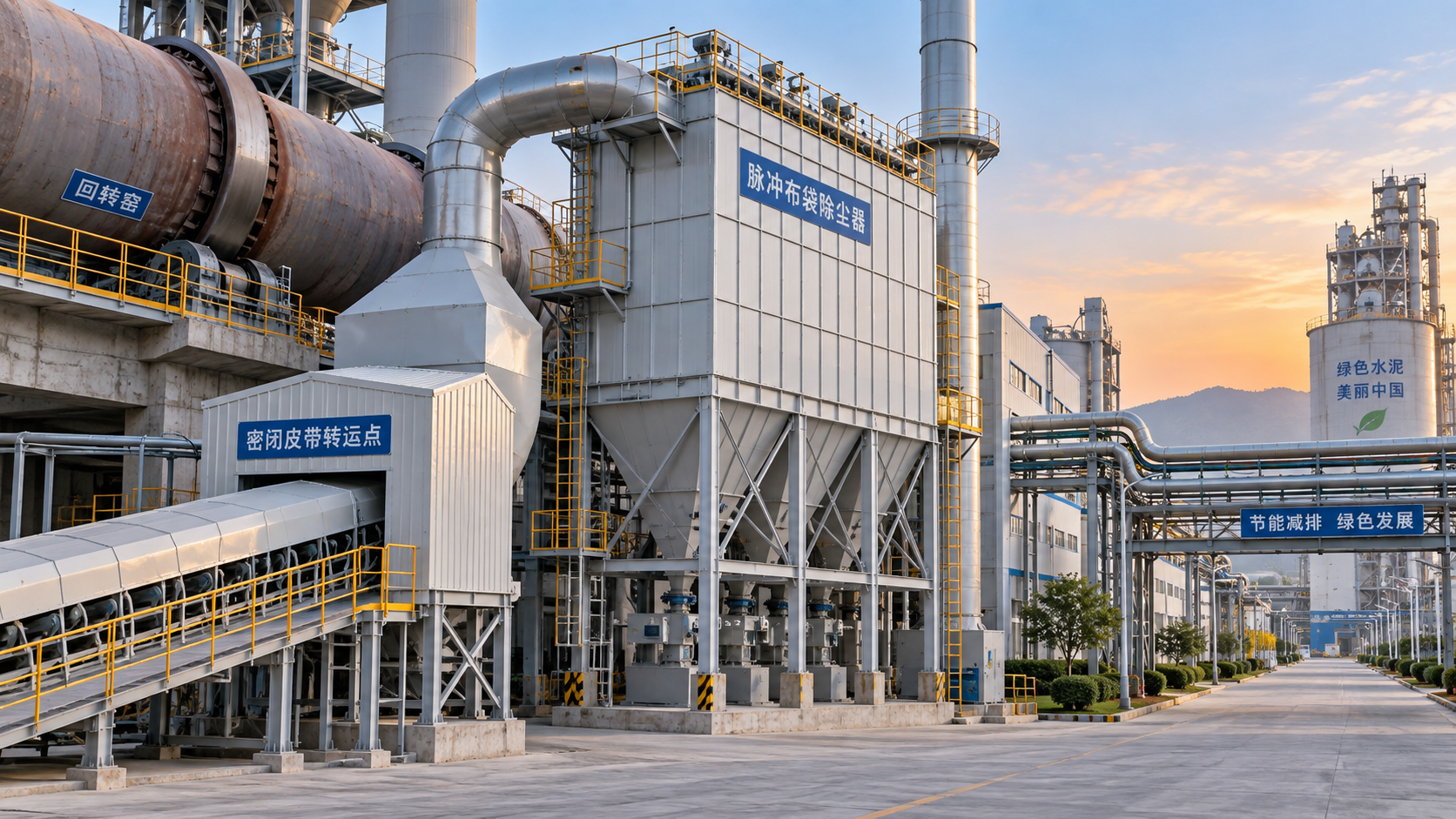
 Silicate Process EngineerHow Latin American Cement Plants Can Reduce Dust Emissions in Kilns and Transfer PointsCement plant dust control Latin America: reduce kiln and transfer-point emissions with practical airflow, filtration, monitoring, and maintenance strategies.Sep 26, 2026
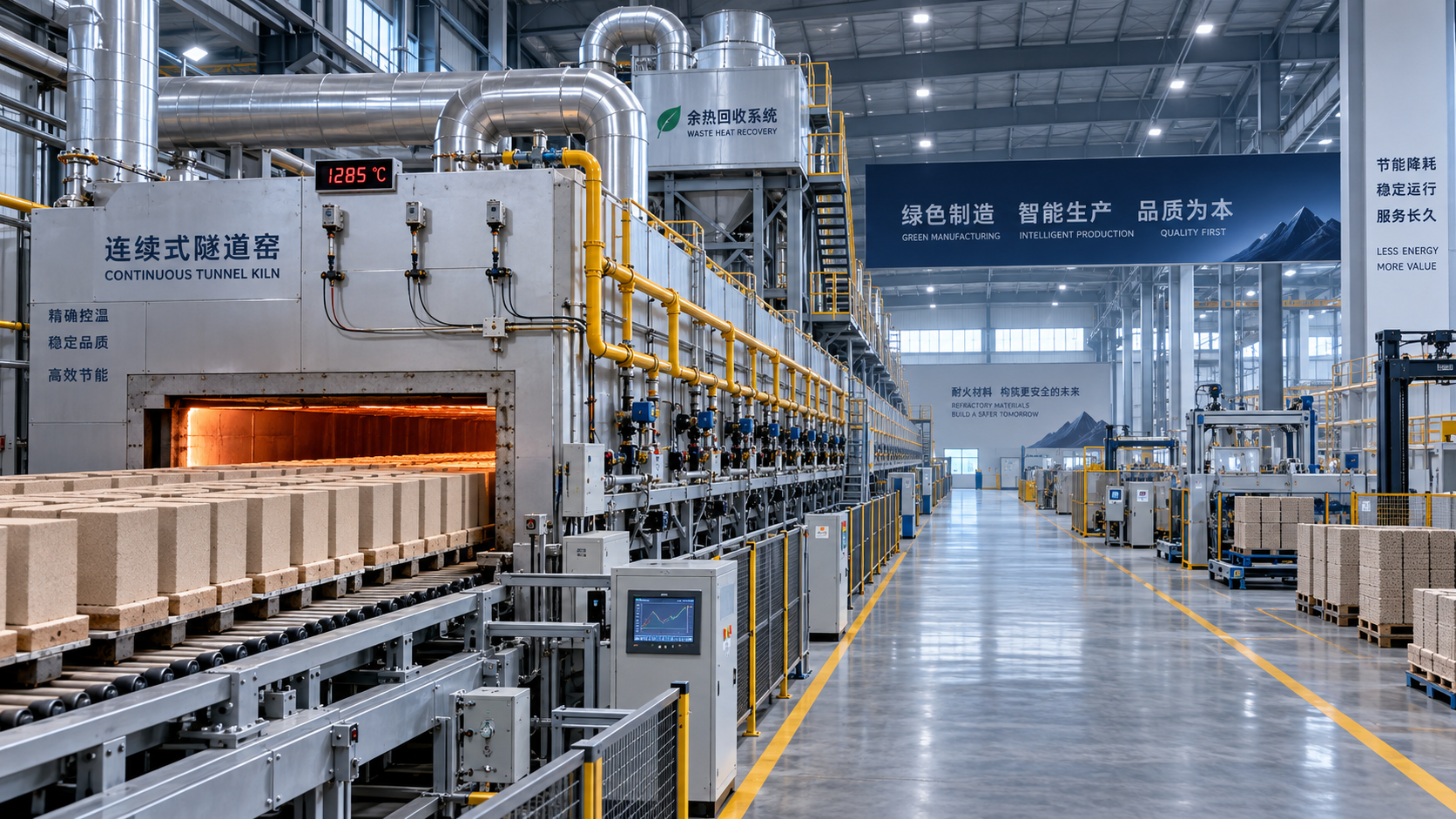
 Material Heat-Resist ExpertHow to Evaluate Refractory Production Lines for Output, Quality, and Energy UseRefractory production lines: learn how to assess qualified output, consistent quality, and total energy use for smarter, lower-risk investment decisions.Sep 25, 2026
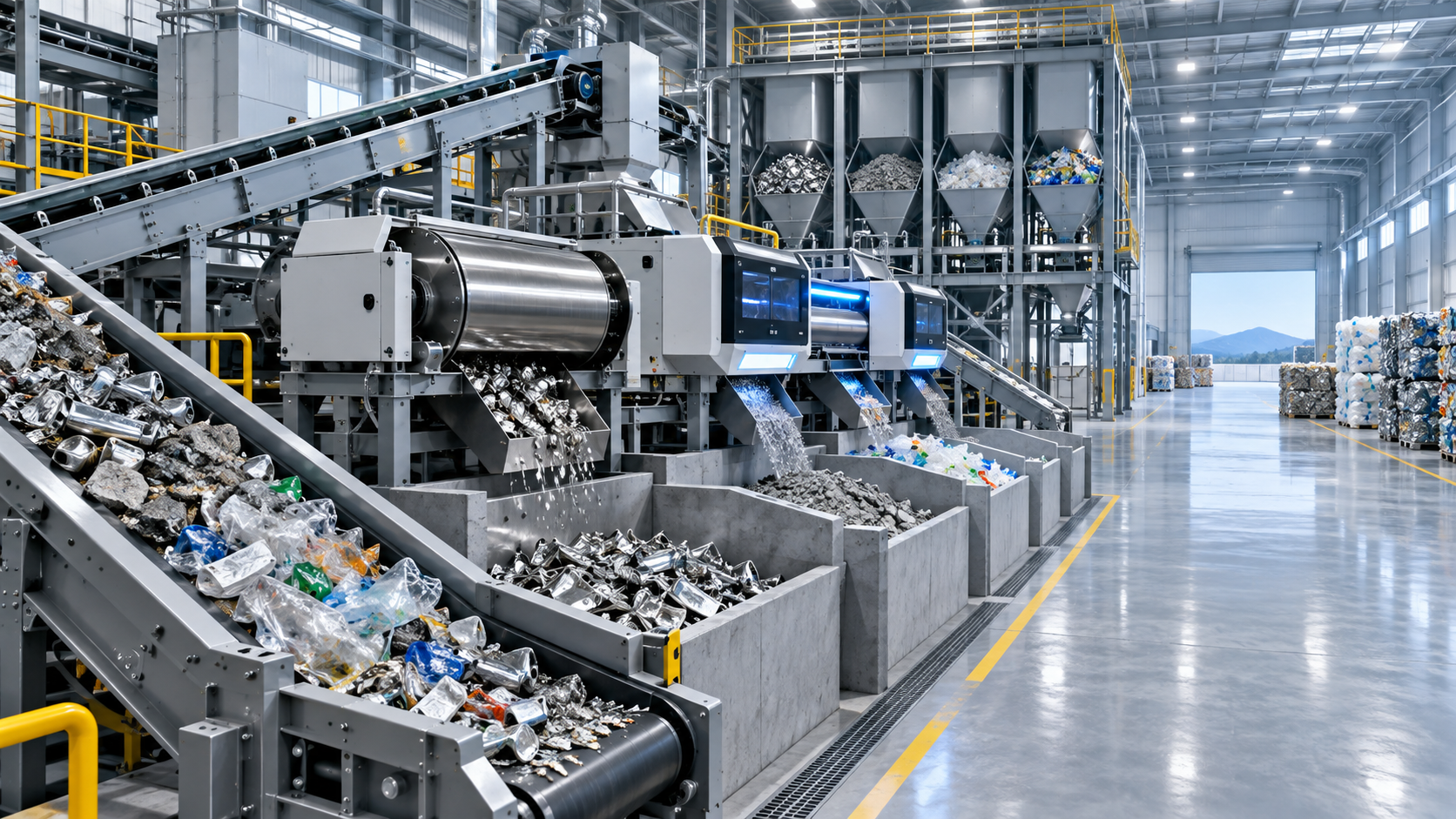
 Dr. Alistair VaughnHow Waste Recycling Technology Improves Material Recovery in Industrial PlantsWaste recycling technology improves material recovery through source segregation, smart separation, thermal treatment, and quality control for industrial plants.Sep 24, 2026
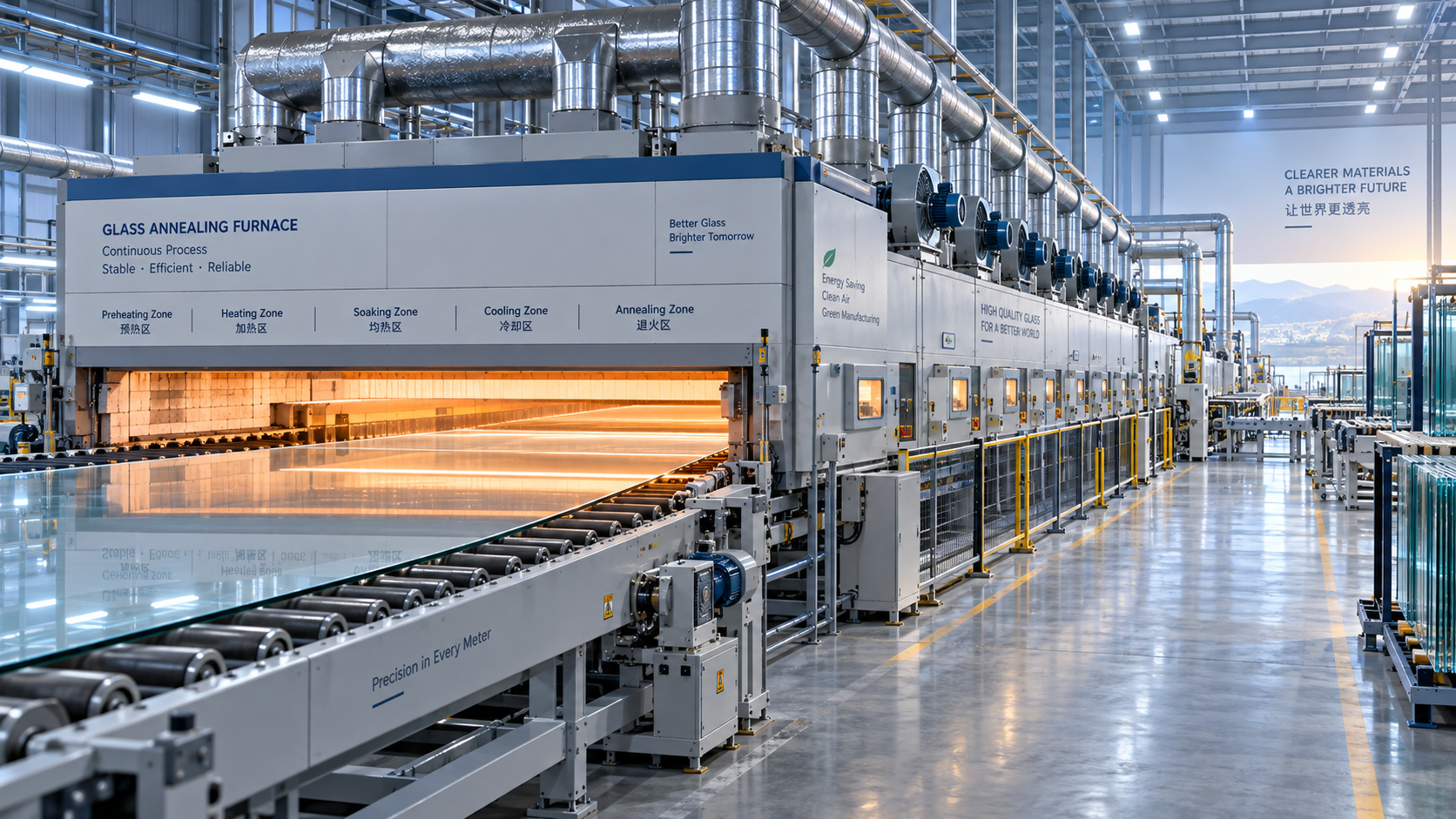
 Optical Glass Tech FellowHow to Specify Glass Annealing Equipment for European Quality and Energy RequirementsGlass annealing equipment Europe: learn how to specify lehrs for consistent glass quality, energy efficiency, compliance, automation, and reliable long-term performance.Sep 23, 2026
 Optical Glass Tech FellowSilicate Process Automation: Improving Batch Consistency and Energy ControlSilicate process automation improves batch consistency, energy control, traceability, and operator confidence across high-temperature manufacturing operations.Sep 22, 2026
 Optical Glass Tech FellowHow Silicate Industrial Processes Control Viscosity, Energy Use, and Product QualitySilicate industrial processes: learn how viscosity, chemistry, heat transfer, and atmosphere control reduce energy use, improve stability, and protect product quality.Sep 21, 2026
 Thermal Energy ArchitectHow European Plants Can Evaluate Energy Recovery Equipment for High-Temperature ProcessesIndustrial energy recovery equipment Europe: learn how high-temperature plants can assess waste-heat sources, integration risks, lifecycle value, and reliable recovery routes.Sep 20, 2026
 Thermal Energy ArchitectIndustrial Furnace Process Optimization: Reducing Fuel Use Without Sacrificing ThroughputIndustrial process optimization furnace strategies that cut fuel use while protecting throughput. Explore combustion control, heat recovery, refractory performance, and data-driven efficiency gains.Sep 19, 2026

Related News
- 00
0000-00
How to Structure Global Specification Data for Faster Industrial Product Evaluation - 00
0000-00
What Drives High-Pressure Extrusion Equipment Cost in Industrial Projects? - 00
0000-00
How Should Buyers Evaluate Building Material Industry Intelligence Pricing? - 00
0000-00
How to Use Building Material Intelligence Data for Market and Investment Decisions - 00
0000-00
How to Evaluate a Silicate Processing Equipment Manufacturer for Plant Projects
Weekly Insights
Stay ahead with our curated technology reports delivered every Monday.