
How to Evaluate a Silicate Processing Equipment Manufacturer for Plant Projects




Selecting a silicate processing equipment manufacturer is not a matter of comparing machine prices or checking a brochure against a capacity target. For a plant project, the manufacturer influences process stability, energy consumption, emissions performance, commissioning risk, spare-parts exposure, and the plant's ability to meet its production plan years after handover.
A supplier may offer an attractive quotation for a kiln, mill, furnace, batch plant, extrusion line, dust collector, or material-handling package. That quotation has limited value if the equipment is not properly matched to the raw materials, fuel mix, product specification, site constraints, and operating philosophy. The strongest choice is usually the manufacturer that can explain the full process clearly, identify the difficult operating conditions before they become site problems, and accept measurable responsibility for the interfaces it controls.
For plant projects involving cement, glass, refractories, industrial minerals, waste co-processing, or building-material extrusion, a good evaluation should start with technical fit and end with lifecycle accountability. The commercial comparison belongs in the middle, not at the beginning.
Start With the Process, Not the Equipment List
Many procurement packages begin with a list of required machines: crusher, mill, rotary kiln, burner, bag filter, cooler, conveyor, control system, and so on. That list is necessary, but it does not define whether the line will perform well. A silicate process is sensitive to material variability, particle-size distribution, moisture, chemistry, heat transfer, residence time, refractory selection, and gas flow. One weak assumption can affect several sections of the plant.
Before approaching manufacturers, establish a process basis that is specific enough to test their engineering capability. It should cover the expected feed materials, normal and extreme moisture levels, chemical composition ranges, target product quality, planned fuels, operating hours, local utility conditions, environmental limits, and future expansion assumptions.
For example, a kiln system designed around a stable, dry feedstock may not behave as expected when the actual quarry material has wider moisture variation. A glass batch system may achieve the stated throughput but create unacceptable defects if the supplier has not considered mixing consistency, cullet quality, or furnace temperature control. In extrusion projects, the apparent capacity of the extruder tells little about final output until die wear, vacuum performance, material plasticity, drying behavior, and cutting losses are considered.
A capable manufacturer does not simply confirm that it can supply the equipment. It asks uncomfortable but useful questions. If a bidder accepts every stated condition without qualification, that can be a warning sign rather than a convenience.
How to Evaluate a Silicate Processing Equipment Manufacturer Beyond the Brochure
The first screening question is simple: has the supplier delivered equipment under conditions genuinely comparable to yours? “Comparable” should mean more than the same equipment category. A company that has supplied a rotary kiln is not automatically qualified for a kiln processing an unfamiliar feed chemistry, alternative fuels, high alkali circulation, or strict emissions requirements.
Ask for references that match the technical challenge, not just the product name. Useful reference discussions cover:
- Feedstock characteristics and how variable they were in operation.
- Required production rate and the rate actually sustained after commissioning.
- Energy source, fuel flexibility, and heat-recovery arrangement.
- Product quality requirements, including rejected material or rework where relevant.
- Dust collection, gas treatment, noise control, and other permit-related systems.
- Availability issues, major shutdown causes, and the supplier's response.
- Whether the supplied package was a standalone machine, a process island, or a full line.
References should also be verified independently where practical. A polished reference list proves little on its own. Speak with the operating team, maintenance personnel, or project staff who dealt with commissioning. Their view of spare-part availability, response time, drawing quality, and post-startup support is often more informative than a sales presentation.
There is a difference between a manufacturer with process ownership and a fabricator assembling familiar components. Fabrication competence matters, especially for heavy structures, pressure-bearing sections, rotating equipment, and high-temperature vessels. Yet process ownership matters more when a plant's performance depends on how several units interact.
Ask who is responsible for the material and heat balance, process guarantees, control philosophy, interlocks, and performance testing. If those responsibilities are fragmented across several subcontractors, make the interfaces visible in the contract. Otherwise, a production shortfall can turn into a dispute where each party points to another scope boundary.
Examine Engineering Depth Before Comparing Commercial Terms
Strong engineering is visible in the questions a supplier asks, the assumptions it documents, and the precision of its proposal. Early-stage proposals do not need to contain every fabrication drawing, but they should show a coherent understanding of the process.
Look for a preliminary process flow diagram, mass and energy balance, equipment sizing basis, utility requirements, and a clear battery-limit definition. For thermal equipment, request the design basis for heat loss, refractory concept, burner arrangement, combustion-air system, draft control, and startup or heat-up procedure. For grinding and classification systems, review the guaranteed feed size, product fineness, recirculation assumptions, wear allowance, and expected performance under material variation.
It is also useful to distinguish between a guaranteed figure and an estimate. Capacity, specific energy consumption, emissions, product quality, and availability can all appear in sales discussions. The contract should state which values are guaranteed, how they will be measured, what feed conditions apply, how long the test must run, and what remedy applies if results are not achieved.
Be cautious with guarantees that are technically correct but commercially narrow. A capacity guarantee based on ideal feedstock, clean equipment, a short test period, and unrestricted utilities may provide little protection in real operation. The goal is not to demand unrealistic guarantees; it is to align the test conditions with the plant's intended duty.
Check the high-temperature details
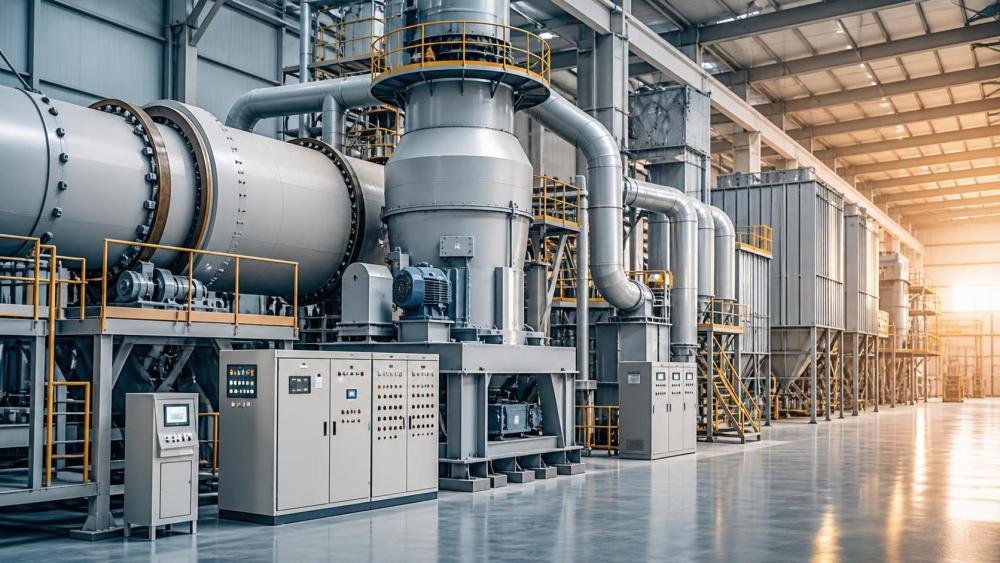
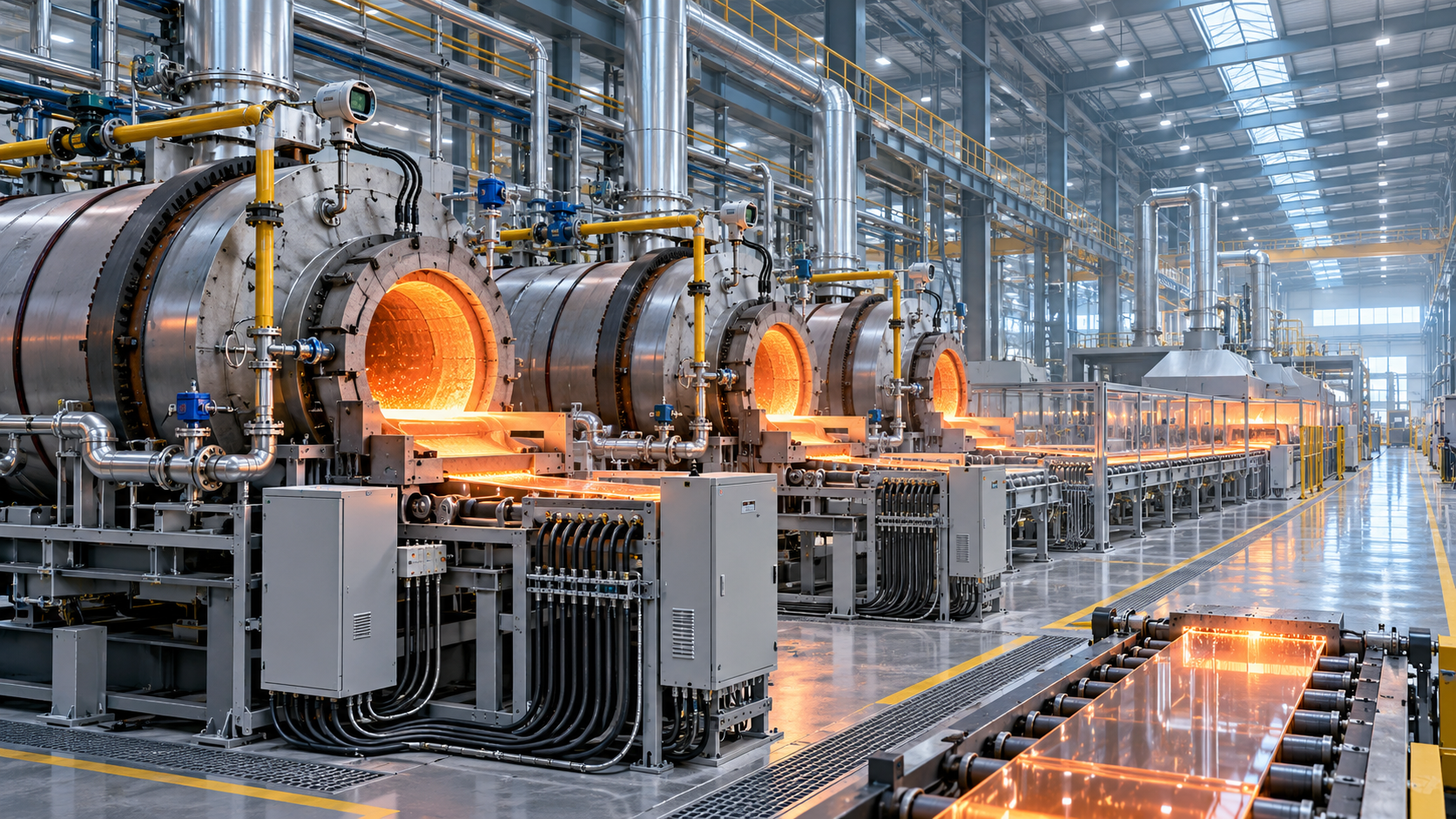
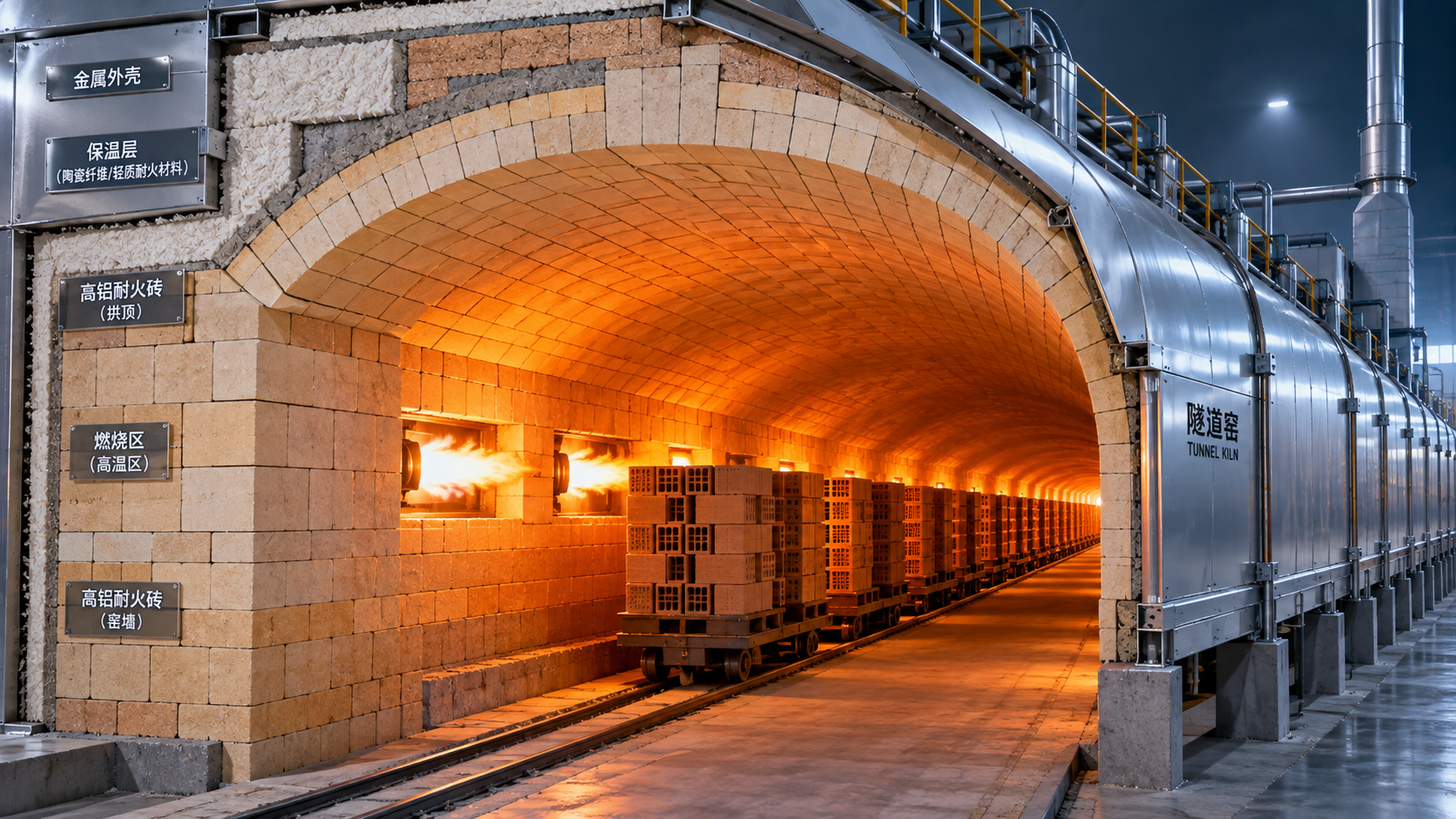
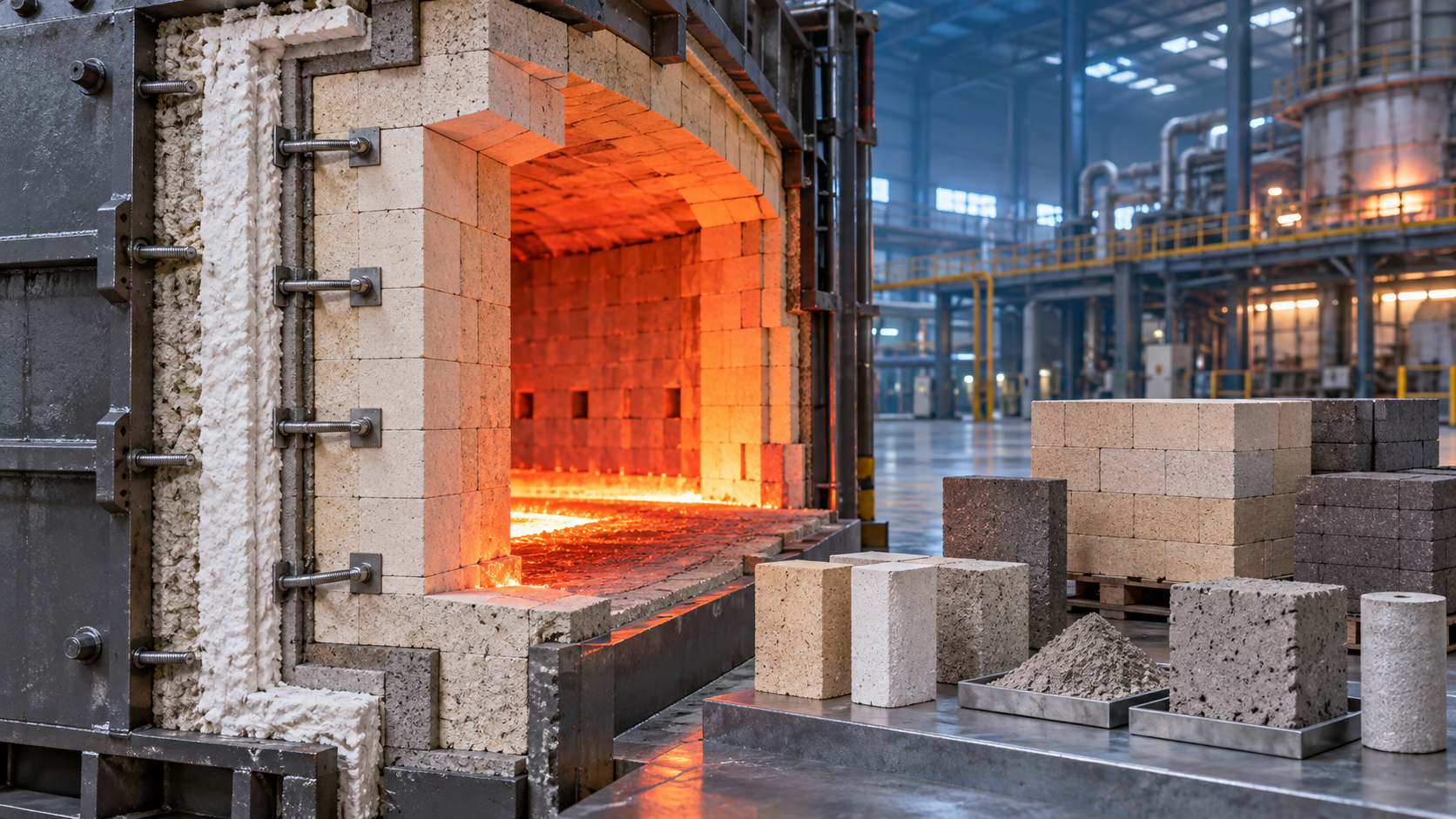
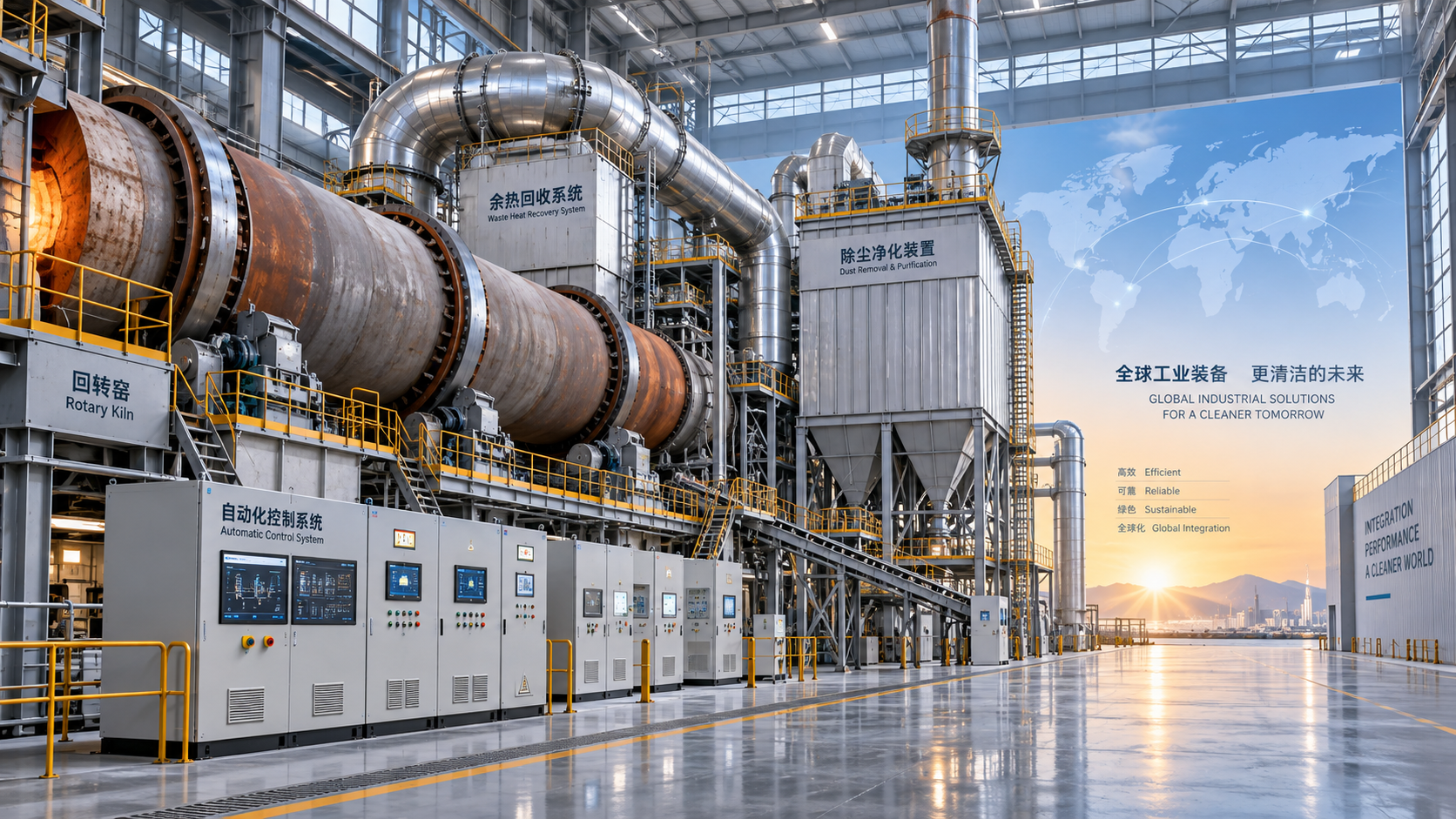
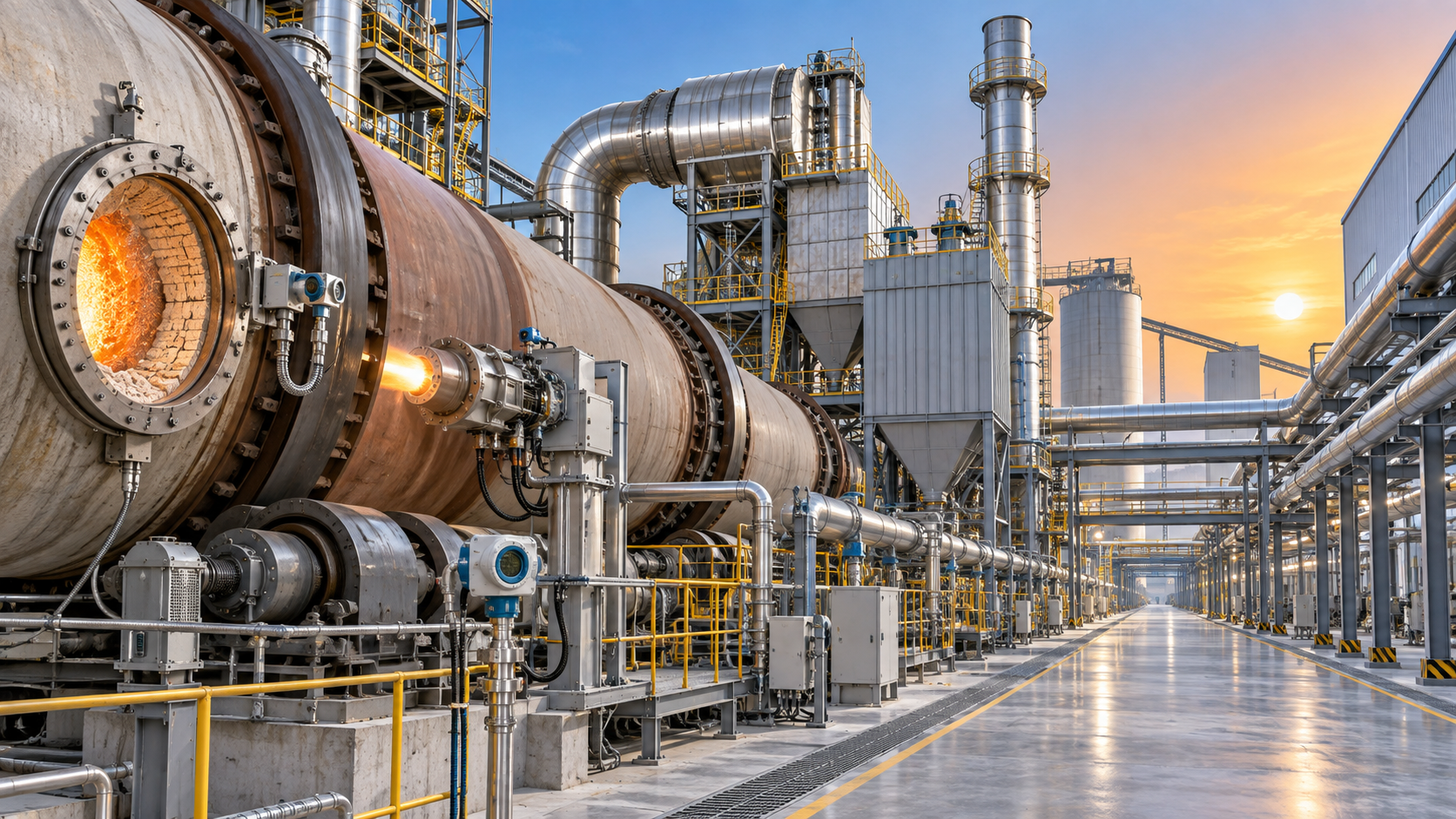
For kilns, calciners, furnaces, incineration systems, and refractory production lines, the thermal section deserves special attention. Refractory design is not a consumable detail to be deferred until late procurement. It affects heat loss, shell temperature, campaign life, maintenance planning, and process stability. The proposed lining must reflect temperature zones, chemical attack, abrasion, thermal cycling, installation method, and access for inspection or repair.
A manufacturer should be able to explain why a particular refractory system is proposed and how it relates to the actual duty. Generic statements about “high-quality refractory” are not enough. The same principle applies to burners, fans, expansion joints, seals, and gas-cleaning equipment. These components are often where operating headaches begin.
Do Not Treat Energy and Compliance as Optional Add-Ons
Energy efficiency and environmental control should be evaluated as part of the process design. Retrofitting them later is usually more expensive and may create layout, pressure-drop, control, or permitting conflicts.
Ask the manufacturer to identify major energy users and explain the basis for its consumption estimate. In a thermal plant, that may include fuel, combustion air, induced-draft fans, cooling air, drying loads, compressed air, and electricity for material handling. In a milling or extrusion line, drives, vacuum systems, drying, and recirculation may dominate the operating cost.
The lowest-energy concept is not always the best choice. A highly optimized design can become difficult to operate if it has tight feed tolerances, complex controls, limited maintenance access, or a dependence on utilities that the site cannot reliably provide. The right design is the one that balances efficiency with operational tolerance.
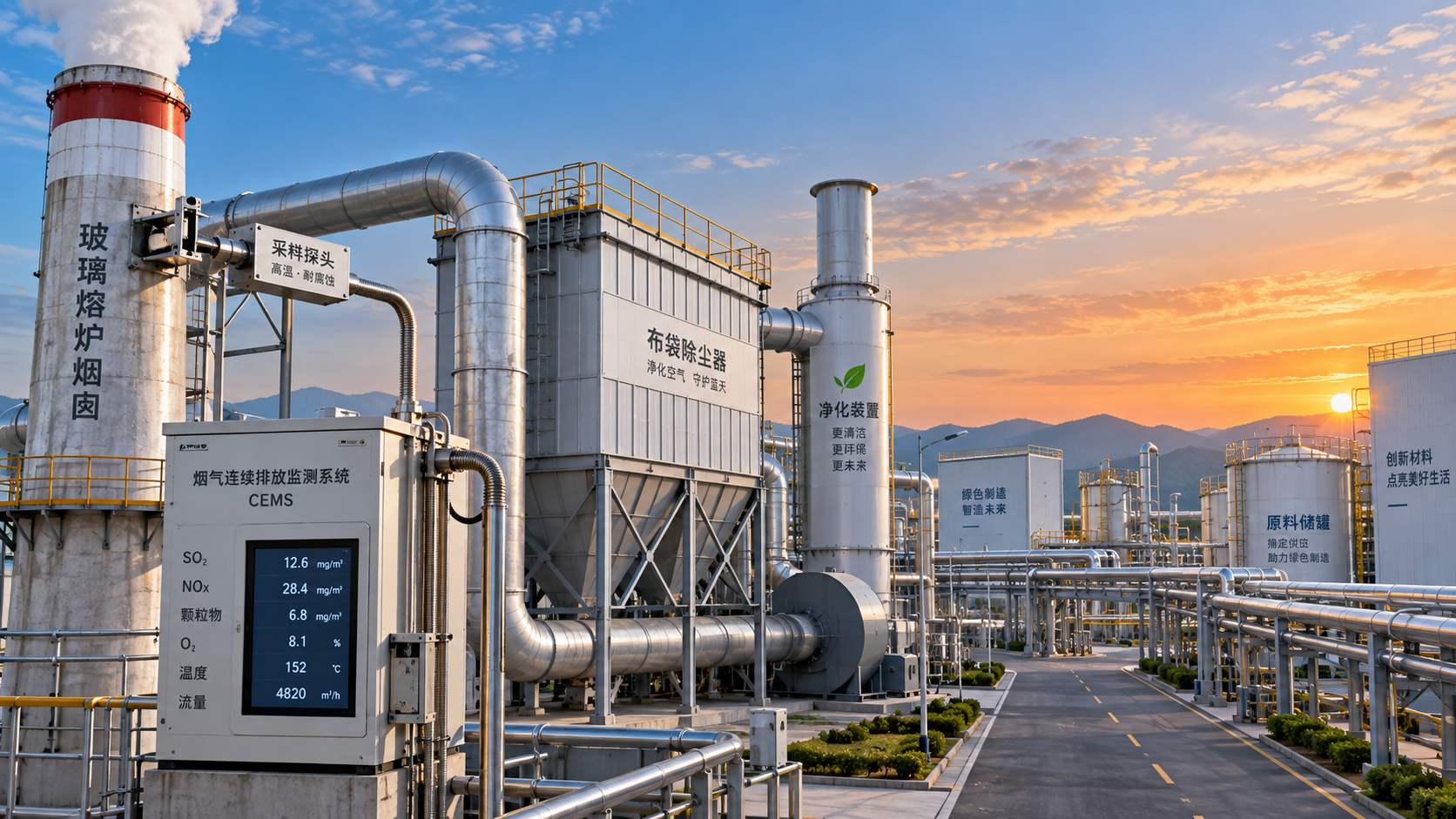
Environmental performance needs the same discipline. Do not rely on a statement that the plant will be “compliant.” Permit conditions differ by location and project type, and regulatory requirements can change during the project lifecycle. Ask how emissions performance is expected to be achieved, what assumptions apply, what monitoring points are included, and which responsibilities sit with the equipment supplier versus the plant owner or civil contractor.
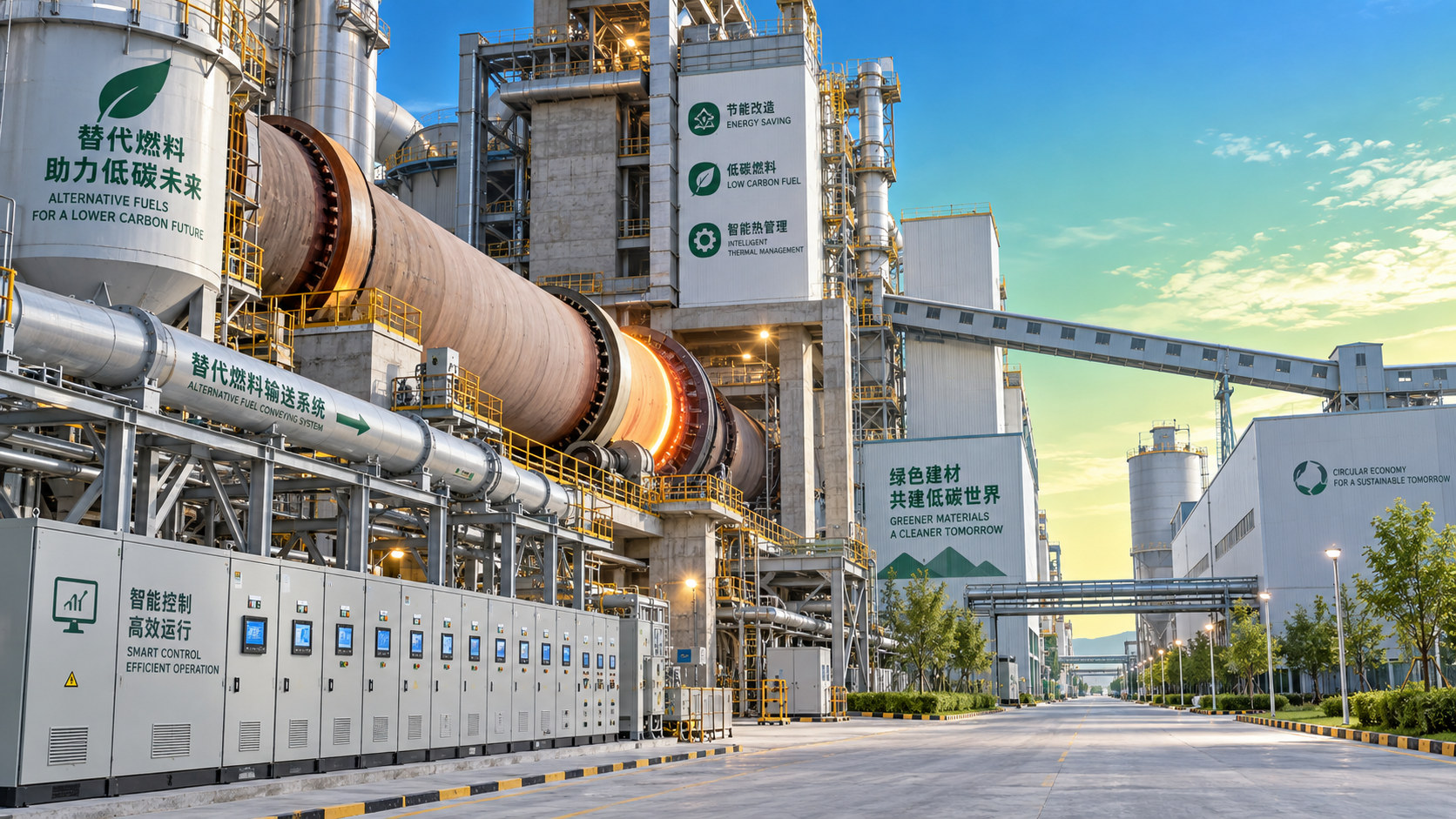
For projects considering alternative fuels, waste-derived feedstocks, or industrial co-processing, the evaluation must go deeper. These inputs can affect chlorine, sulphur, alkali circulation, gas composition, ash behavior, material quality, corrosion, and refractory wear. They may deliver an operational or carbon-reduction benefit, but only when the process is engineered for the actual input range. They should not be added to a conventional design merely because they appear attractive in a proposal.
Delivery Risk Is Usually Hidden in the Interfaces
Large plant projects rarely fail because one machine was missing from the scope. They fail because interfaces were unclear: a duct does not align with a fan, a foundation load was issued too late, a control signal was omitted, a supplier assumed another party would provide insulation, or a vessel could not be transported through the site access route.
Request an interface matrix before award. It should identify ownership for civil data, foundation loads, steel structures, electrical supply, automation, instruments, lubrication, insulation, platforms, commissioning consumables, training, and performance testing. This is particularly important when equipment comes from multiple countries or when the project uses a mix of local fabrication and imported process machinery.
The proposed schedule should be challenged as carefully as the technical offer. Review engineering release dates, long-lead components, shop inspections, transport route limits, customs exposure, erection sequence, dry commissioning, hot commissioning, and operator training. A supplier that promises a short delivery period without linking it to approved drawings, payment milestones, procurement lead times, and site readiness has not given a reliable schedule.
Factory acceptance testing can reduce risk for automation panels, drives, burners, instrumentation packages, and certain fabricated assemblies. It does not replace site commissioning. The contract should define what is demonstrated in the factory, what is checked after installation, and what support is available when the line first operates under load.
Evaluate Lifecycle Support Like a Plant Asset, Not a Purchase Order
Heavy process equipment has a long operating life. The initial price may be highly visible, while wear parts, service support, shutdown duration, and retrofit capability are often underestimated. That is where ownership cost can shift sharply.
Ask for a recommended critical-spares list, expected wear components, lead times, local or regional support options, and the availability of technical documentation in a usable format. For major rotating or thermal equipment, clarify how alignment, shell condition, vibration, bearing temperature, refractory condition, and process temperatures will be monitored.
Digital monitoring should be assessed with the same practical standard as the mechanical package. Online data is useful when it improves decisions: detecting abnormal shell temperature, identifying fan instability, tracking energy drift, or planning maintenance around actual equipment condition. A dashboard that produces more alarms than actionable insight can burden operators without protecting production.
Independent market and technical intelligence can help during this stage. CF-Elite's coverage of cement plants, glass manufacturing equipment, industrial kilns, refractory lines, and building-material extrusion is relevant when a project team needs broader context on technology direction, thermal management, process monitoring, or market conditions. It should support due diligence, not replace supplier-specific engineering verification.
A Practical Way to Compare Finalists
Once technical proposals are mature, score the finalists against the same evaluation basis. Avoid a scoring model that gives overwhelming weight to capital price. A more balanced review considers process fit, demonstrated references, guarantee quality, engineering capability, equipment reliability, energy assumptions, environmental scope, delivery confidence, service capacity, and total lifecycle exposure.
It is often useful to separate “must-have” conditions from comparative advantages. A supplier that cannot meet the required product specification, site limitation, or permit-related process duty should not remain competitive merely because it has a lower price. Conversely, a premium supplier should be able to show where its higher cost translates into reduced risk or better operating economics. Claims without a documented basis should be treated as sales language.
Conduct a final technical clarification meeting before award. Bring process, mechanical, electrical, automation, civil, operations, maintenance, commercial, and legal representatives into the same discussion. The purpose is not to reopen every detail. It is to expose unresolved assumptions while they can still be assigned, priced, or removed from the scope.
Common Mistakes That Create Expensive Problems Later
The most common mistake is buying capacity rather than buying a working process. Rated output means little without clear feed conditions, product requirements, operating hours, and performance-test rules.
Another is accepting a turnkey label without defining exactly what turnkey includes. Some suppliers use the term for a complete process package; others mean only equipment supply plus basic supervision. The contract language must decide the scope, not the marketing term.
There is also a tendency to delay maintenance discussions until after equipment selection. That is too late for issues such as access platforms, hoist coverage, refractory repair space, gearbox removal paths, inspection doors, and spare-part strategy. A design that is difficult to maintain will eventually express that weakness through longer outages and higher safety exposure.
Finally, do not assume that the largest manufacturer is automatically the right one. Scale can bring engineering depth and global service resources, but a smaller specialist may be stronger for a narrow process, unusual material, or custom retrofit. The deciding factor is evidence of fit, not company size alone.
Make the Award Decision Defensible
A defensible selection records why the chosen supplier was selected, what conditions were verified, which risks remain, and how those risks will be managed. This protects the project internally and creates a stronger foundation for contract administration.
The best silicate processing equipment manufacturer is not simply the one offering the most equipment or the lowest initial number. It is the partner that can demonstrate relevant process knowledge, state its limits honestly, document assumptions, coordinate interfaces, support commissioning, and remain useful after the plant enters normal operation. That combination is what turns an equipment order into a dependable production asset.
Frequently Asked Questions
Should a manufacturer provide process guarantees for every plant project?
Not every value can be guaranteed, particularly when feed materials or utilities are outside the supplier's control. Core performance items should still be defined where practical, with clear test conditions and measurement methods. If a guarantee cannot be offered, request a written explanation of the uncertainty and the mitigation approach.
Is it better to buy a complete line from one supplier?
A single-source package can simplify accountability and interface management. It is not automatically the best option if the supplier is weak in a critical process area. Multi-vendor procurement can work well when engineering ownership, battery limits, controls integration, and schedule coordination are properly managed.
How many references should be checked?
Quality matters more than quantity. Review enough references to confirm comparable process conditions, operational reliability, commissioning support, and after-sales behavior. Direct conversations with operating sites are more valuable than a long list of project names.
When should lifecycle cost be reviewed?
Before the preferred bidder is selected. Include expected energy use, wear parts, maintenance access, service support, spare-part lead times, and likely shutdown exposure while commercial terms are still negotiable.
Related News
 Dr. Alistair VaughnIndustrial Waste Recycling: Selecting Conversion Systems by Feedstock and OutputCompare industrial waste conversion systems recycling teams can match to feedstock and output. Explore recovery routes, quality criteria, and costs to choose with confidence.Oct 14, 2026
 Ms. Elena RodriguezHigh-Pressure Molding Innovations: How Automation and Tooling Affect PriceExplore the high-pressure molding innovations price equation: compare automation, tooling, and ownership costs to find upgrades that cut waste and deliver measurable value.Oct 13, 2026
 Ms. Elena RodriguezIndustrial Process Optimization: Where to Target Energy, Yield, and Throughput LossesIndustrial process optimization: identify energy, yield, and throughput losses to improve plant stability, reduce costs, and unlock measurable performance gains.Oct 12, 2026
 Ms. Elena RodriguezGlass Market Intelligence: How to Assess Demand, Capacity, and Regional Growth RisksGlass market intelligence for evaluating demand, effective capacity, energy exposure, trade dynamics, and regional growth risks before investing in glass manufacturing.Oct 11, 2026
 Silicate Process EngineerWhat Is a Realistic Energy Efficiency Target for a Cement Plant?What energy efficiency target is realistic for a cement plant? Explore practical thermal and electrical benchmarks, savings opportunities, and phased strategies to reduce costs, improve reliability, and build a credible decarbonization roadmap.Oct 14, 2026
 Ms. Elena RodriguezAre Green Building Materials More Expensive to Manufacture?Are green building materials more expensive to manufacture? Explore cost drivers, savings opportunities, and how sustainable production can strengthen long-term competitiveness.Oct 13, 2026
 Structural Material AnalystWhich Sustainable Construction Materials Are Suitable for Extrusion?Which sustainable construction materials are suitable for extrusion? Explore recycled clay, cementitious mixes, geopolymers, and bio-composites for reliable, lower-impact building products.Oct 12, 2026
 Optical Glass Tech FellowWhat Should a Glass Furnace Energy Specification Include?What should be included in a glass furnace energy specification? Explore performance, fuel flexibility, heat recovery, emissions, and monitoring essentials.Oct 11, 2026
 Dr. Alistair VaughnHow Process Technology Platforms Improve Control Across Multi-Line ManufacturingDiscover how a process technology platform strengthens cross-line control, connects operational data, and improves energy, quality, and maintenance decisions.Oct 10, 2026
 Optical Glass Tech FellowHow Glass Furnace Emissions Are Measured and Controlled for Regulatory ComplianceGlass furnace emissions: learn how to measure, monitor, and control NOx, SOx, particulate, CO, and CO2 for reliable regulatory compliance.Oct 08, 2026
 Prof. Marcus ChenIndustrial Decarbonization Strategies in Europe: A Roadmap for Energy-Intensive PlantsIndustrial decarbonization strategies Europe: explore practical pathways for energy-intensive plants to cut emissions, improve efficiency, and protect performance.Oct 07, 2026
 Thermal Energy ArchitectEnergy-Efficient Silicate Production Lines: What to Compare Before SelectionSilicate production lines energy efficient selection guide: compare thermal performance, stability, emissions, controls, and lifecycle value before investing.Oct 06, 2026
 Optical Glass Tech FellowHow to Evaluate Automated Float Glass Lines for Capacity, Quality, and Energy UseEvaluate automated float glass lines for net capacity, consistent quality, energy efficiency, automation reliability, and lifecycle value. Explore key criteria for smarter investment decisions.Oct 05, 2026
 Thermal Energy ArchitectWhat Does CE Marking Require for an Energy-Efficient Industrial Kiln?Energy efficient kiln CE requirements explained: assess safety, technical files, energy performance, and EU compliance before purchase or commissioning.Oct 04, 2026
 Thermal Energy ArchitectRefractory Manufacturing Solutions for Brick Plants: How to Extend Kiln LifeRefractory manufacturing solutions for brick plant operations: discover proven strategies to extend kiln life, reduce heat loss, prevent lining failures, and plan cost-effective repairs.Oct 03, 2026
 Thermal Energy ArchitectHow to Specify Heavy Industrial Process Systems for High-Temperature PlantsHeavy industrial processes systems: learn how to specify high-temperature plants for efficiency, emissions control, maintainability, and lifecycle performance.Oct 02, 2026
 Structural Material AnalystHow Sustainable Material Extrusion Can Improve Wall Panel Durability and Design FlexibilityDiscover how sustainable material extrusion for wall panels improves durability, moisture resistance, design flexibility, and installation consistency for high-performing wall systems.Oct 01, 2026
 Thermal Energy ArchitectHow to Evaluate a High-Temperature Materials Manufacturer for Furnace ApplicationsChoose a high-temperature materials manufacturer with confidence: compare thermal performance, chemical resistance, quality controls, installation support, and lifecycle cost.Sep 30, 2026
 Ms. Elena RodriguezHow to Structure Global Specification Data for Faster Industrial Product EvaluationGlobal specification-oriented product information helps industrial teams compare capacity, energy, emissions, automation, and lifecycle data on a like-for-like basis for faster, confident equipment decisions.Sep 29, 2026
 Thermal Energy ArchitectHow to Specify High-Temperature Process Systems for Continuous Thermal OperationsHigh-temperature process engineering systems: learn how to specify resilient continuous thermal operations for efficiency, compliance, reliable uptime, and long-term performance.Sep 28, 2026



Related News
- 00
0000-00
High-Pressure Molding Innovations: How Automation and Tooling Affect Price - 00
0000-00
Industrial Process Optimization: Where to Target Energy, Yield, and Throughput Losses - 00
0000-00
Glass Market Intelligence: How to Assess Demand, Capacity, and Regional Growth Risks - 00
0000-00
Are Green Building Materials More Expensive to Manufacture? - 00
0000-00
How to Structure Global Specification Data for Faster Industrial Product Evaluation
Weekly Insights
Stay ahead with our curated technology reports delivered every Monday.