
What Drives Material Extrusion Technology Cost in Industrial Production?




In many industrial projects, the first budget draft for a new extrusion line looks reasonable on paper. Then the real questions start coming in: Why does one quote look much higher than another? Why does the machine list seem simple, but the total project cost keeps growing? If you are comparing material extrusion technology cost for silicate-based or other industrial materials, this is where confusion usually begins.
The problem is rarely just the machine price. In production settings, cost is shaped by material behavior, line capacity, control system depth, energy demand, maintenance access, and how stable the final output needs to be. For buyers who care about long-term operating cost, a narrow price comparison can lead to the wrong decision.
Where the real cost pressure usually starts
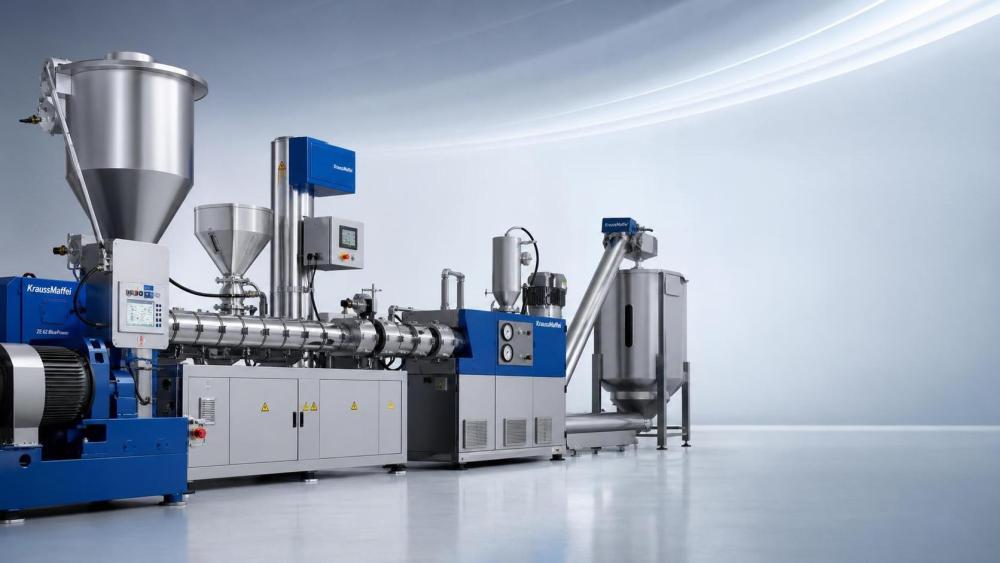
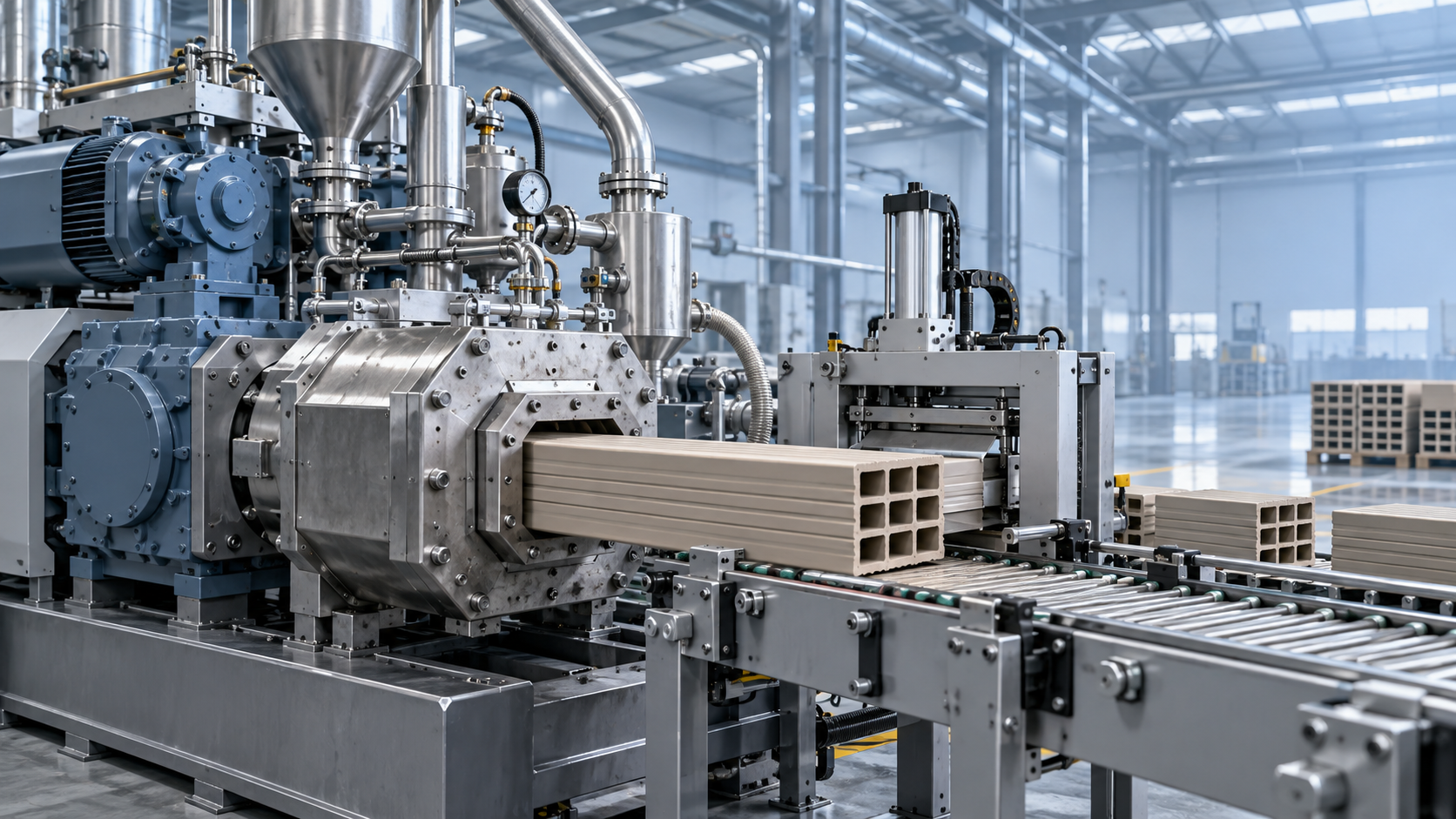
A common mistake is to treat extrusion equipment as a single purchase item. In practice, the line is closer to a chain of connected decisions. Feeding, mixing, pressurizing, shaping, drying, conveying, and control all affect what you pay at the start and what you keep paying later.
One of the biggest drivers is the material itself. Some formulations flow evenly and form predictable shapes. Others are abrasive, sticky, moisture-sensitive, or prone to clogging. That changes screw design, wear resistance, cleaning frequency, and the level of process control needed to keep the line stable. When the material behavior is difficult, the equipment usually has to work harder, and material extrusion technology cost rises with it.
Scale is another factor that is easy to underestimate. A line built for small batches may look cheaper, but if it cannot support the required throughput or expansion path, the buyer often pays again later through retrofits or duplicate equipment. For industrial production, the more useful question is not “What is the cheapest line?” but “What cost structure matches the output target and production rhythm?”
What often gets missed during vendor comparison
Many buyers compare only the headline machine configuration. That leaves out items that are not always obvious in a brochure: auxiliary systems, installation work, process tuning, operator training, spare parts planning, and the energy profile under real operating conditions.
Automation is a good example. A basic control setup may reduce upfront spending, but if the line depends on frequent manual adjustment, the hidden cost can appear in inconsistent output, higher scrap risk, and more downtime. A more advanced control package may raise the first investment, yet it can make sense when the process has narrow operating windows or when product quality must stay steady across long runs.
Maintenance deserves similar attention. Extrusion systems in heavy industrial use are exposed to heat, pressure, dust, abrasion, and repeated mechanical loading. If the design makes routine inspection difficult, the line may cost less to buy but more to keep available. That is why maintenance access, component durability, and local serviceability should be reviewed alongside the equipment quote.
A practical way to separate necessary cost from avoidable cost
When teams need a clearer view, it helps to divide the cost discussion into three layers. The first is capital cost: the line itself, supporting systems, and installation. The second is operating cost: power use, labor, wear parts, cleaning, and process interruptions. The third is risk cost: quality drift, unstable output, and future change requirements.
This breakdown is useful because some cost items are worth paying for and some are not. For example, better process monitoring may look like an added expense, but if your material is sensitive to temperature or moisture, monitoring can prevent repeated rework. On the other hand, paying for oversized features that the production line will never use adds cost without improving the operating picture.
At this stage, many teams benefit from asking simple, concrete questions: Does the line need continuous production or intermittent batches? Is material consistency stable enough for a simpler setup? Will output specifications change soon? Can the plant support the energy demand and floor space? These questions are often more useful than asking for the lowest price alone.
How to judge whether a quote is well balanced
When reviewing proposals, look for whether the supplier explains the process logic, not just the equipment list. A credible proposal should make it clear how the line handles feeding stability, pressure control, wear management, and output consistency. If those details are vague, the missing information often shows up later as extra cost.
It also helps to compare quotations on the same basis. Some vendors include commissioning and process adjustment, while others separate them. Some quote the main extruder only, while others include conveying, drying, or post-forming systems. Without normalization, the lowest number can be misleading.
For industrial buyers working with high-temperature or silicate-related materials, technical intelligence can be useful before final procurement. A structured review of equipment compatibility, thermal constraints, and upstream or downstream process links helps narrow the field. This is also where an information portal such as CF-Elite can support decision-making by connecting equipment logic with broader process and market context, rather than treating the line as an isolated purchase.
Good procurement decisions usually follow the process, not the price tag
If you are still early in the buying process, start by defining the material behavior and the acceptable output window. Then map the line requirements around that, instead of choosing hardware first and adapting the process later. This order reduces the chance of buying a system that is technically impressive but operationally mismatched.
Next, ask for operating assumptions in writing: expected runtime, maintenance intervals, cleaning method, wear part replacement logic, and the control scope included in the proposal. If the supplier cannot explain how the system behaves under your material conditions, the quoted cost is not yet meaningful.
Finally, think beyond the first installation. In industrial production, a good extrusion line is usually the one that keeps output stable, stays maintainable, and leaves room for process adjustment without forcing a major rebuild. That is where a realistic material extrusion technology cost model becomes useful: it helps buyers compare not only what they spend, but what they will need to keep spending to keep the line productive.
If the decision still feels unclear, the safest move is to slow down the comparison and separate essential functions from optional add-ons. That simple step often reveals whether a higher quote is actually expensive—or just more complete.
Related News
 Thermal Energy ArchitectHow to Specify High-Temperature Process Systems for Continuous Thermal OperationsHigh-temperature process engineering systems: learn how to specify resilient continuous thermal operations for efficiency, compliance, reliable uptime, and long-term performance.Sep 28, 2026
 Thermal Energy ArchitectHow to Evaluate a Thermal Engineering Contractor for High-Temperature Plant ProjectsChoose a thermal engineering contractor with proven process expertise, lifecycle value, emissions control, and delivery discipline for reliable high-temperature plant performance.Sep 27, 2026
 Silicate Process EngineerHow Latin American Cement Plants Can Reduce Dust Emissions in Kilns and Transfer PointsCement plant dust control Latin America: reduce kiln and transfer-point emissions with practical airflow, filtration, monitoring, and maintenance strategies.Sep 26, 2026
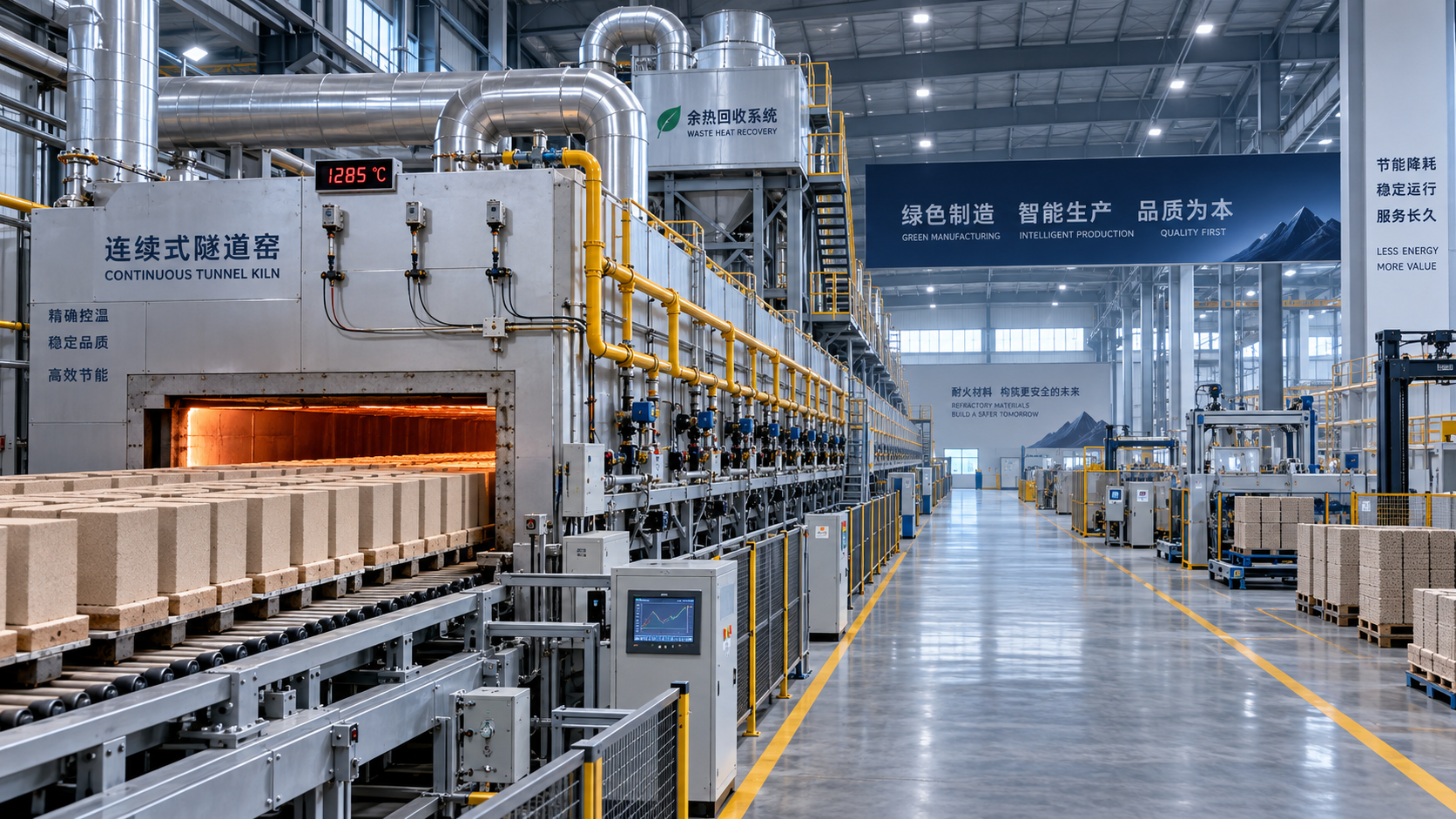
 Material Heat-Resist ExpertHow to Evaluate Refractory Production Lines for Output, Quality, and Energy UseRefractory production lines: learn how to assess qualified output, consistent quality, and total energy use for smarter, lower-risk investment decisions.Sep 25, 2026
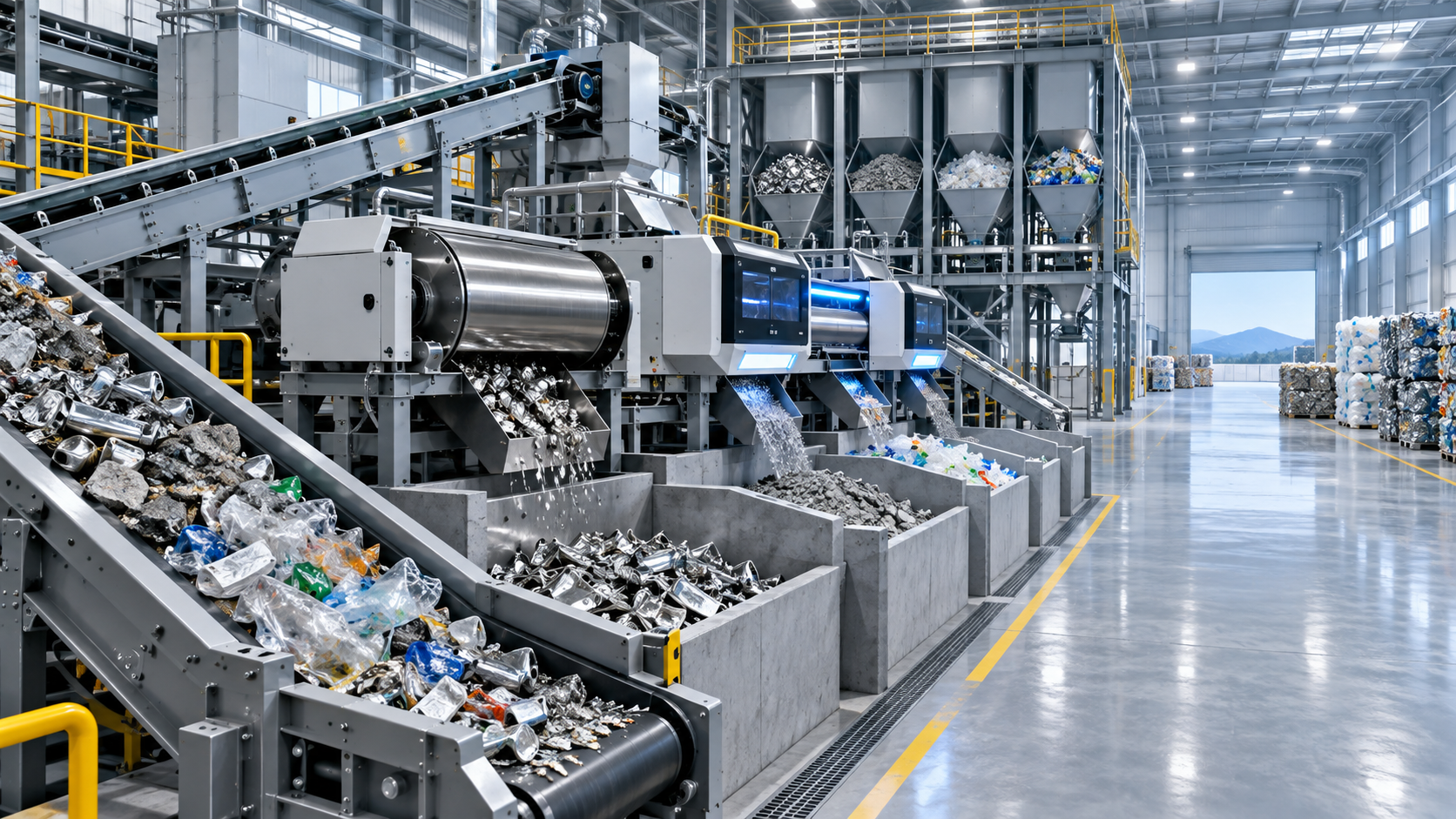
 Dr. Alistair VaughnHow Waste Recycling Technology Improves Material Recovery in Industrial PlantsWaste recycling technology improves material recovery through source segregation, smart separation, thermal treatment, and quality control for industrial plants.Sep 24, 2026
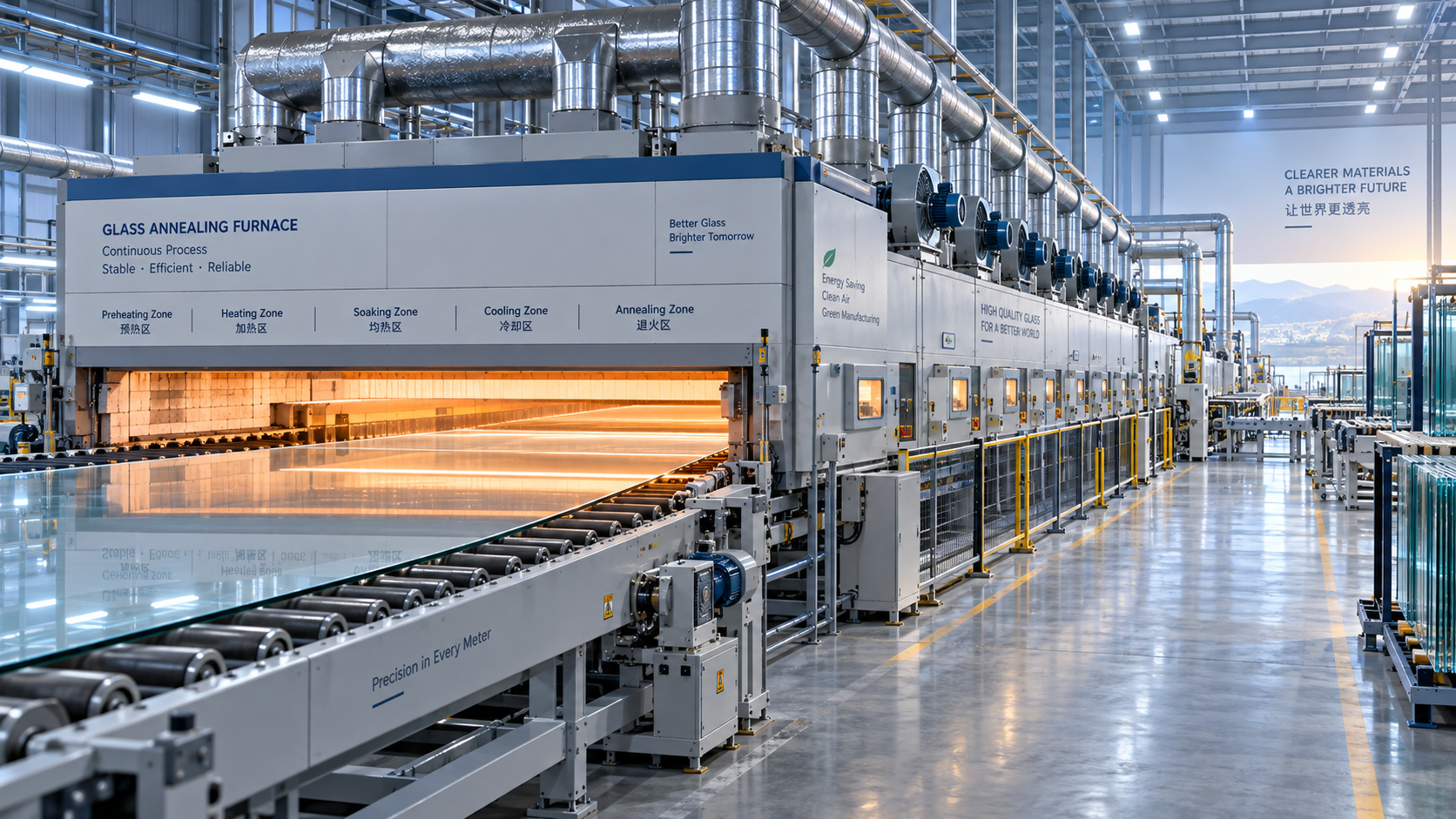
 Optical Glass Tech FellowHow to Specify Glass Annealing Equipment for European Quality and Energy RequirementsGlass annealing equipment Europe: learn how to specify lehrs for consistent glass quality, energy efficiency, compliance, automation, and reliable long-term performance.Sep 23, 2026
 Optical Glass Tech FellowSilicate Process Automation: Improving Batch Consistency and Energy ControlSilicate process automation improves batch consistency, energy control, traceability, and operator confidence across high-temperature manufacturing operations.Sep 22, 2026
 Optical Glass Tech FellowHow Silicate Industrial Processes Control Viscosity, Energy Use, and Product QualitySilicate industrial processes: learn how viscosity, chemistry, heat transfer, and atmosphere control reduce energy use, improve stability, and protect product quality.Sep 21, 2026
 Thermal Energy ArchitectHow European Plants Can Evaluate Energy Recovery Equipment for High-Temperature ProcessesIndustrial energy recovery equipment Europe: learn how high-temperature plants can assess waste-heat sources, integration risks, lifecycle value, and reliable recovery routes.Sep 20, 2026
 Thermal Energy ArchitectIndustrial Furnace Process Optimization: Reducing Fuel Use Without Sacrificing ThroughputIndustrial process optimization furnace strategies that cut fuel use while protecting throughput. Explore combustion control, heat recovery, refractory performance, and data-driven efficiency gains.Sep 19, 2026
 Ms. Elena RodriguezWhat Drives High-Pressure Extrusion Equipment Cost in Industrial Projects?High pressure extrusion equipment cost explained: compare pressure, die design, automation, wear, energy, and installation factors for smarter industrial investments.Sep 18, 2026
 Thermal Energy ArchitectHow to Size a Waste Heat Recovery Exchanger for High-Temperature Kiln Exhaust?Waste heat recovery exchanger sizing for high-temperature kiln exhaust: balance recoverable duty, fouling, corrosion limits, pressure drop, and reliable heat use.Sep 17, 2026
 Thermal Energy ArchitectWhy Heat-Resistant Materials Lose Abrasion Resistance at High TemperaturesHeat-resistant materials abrasion resistance can decline at high temperatures. Discover the thermal, chemical, and mechanical causes of wear—and how to choose longer-lasting linings.Sep 16, 2026
 Thermal Energy ArchitectHow to Evaluate a Thermal Energy Optimization Company for High-Temperature PlantsChoose a thermal energy optimization company with proven process expertise, measurable savings, and reliable delivery for high-temperature plants. Learn what to assess.Sep 15, 2026
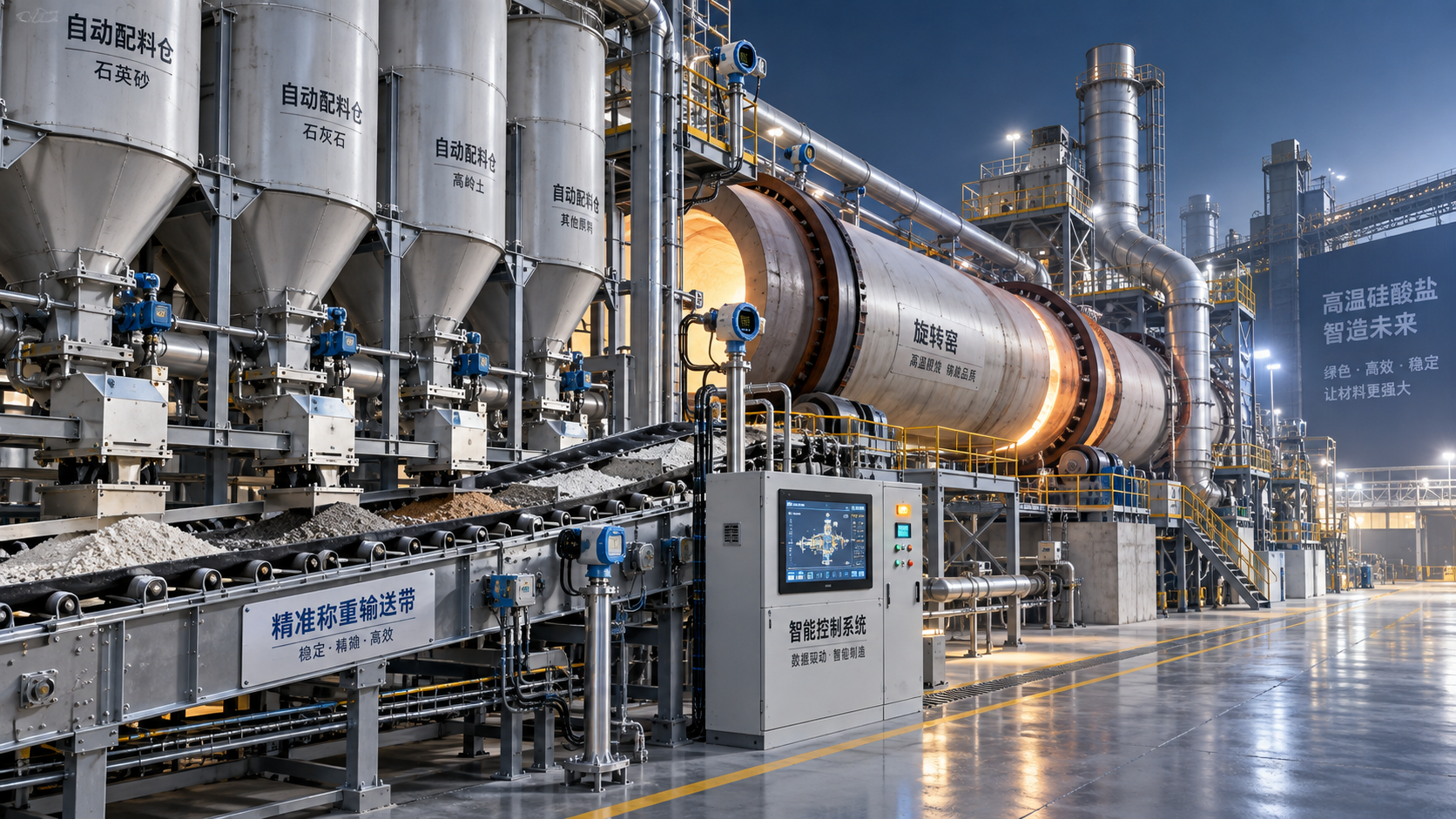
 Thermal Energy ArchitectRotary Kiln Efficiency: How Feed Rate, Fuel Use, and Heat Loss Affect OutputRotary kiln efficiency explained: discover how feed rate, fuel use, heat loss, combustion, and cooling performance shape output, quality, and energy costs.Sep 14, 2026
 Thermal Energy ArchitectHow to Select Heat-Resistant Materials That Maintain Abrasion Resistance in KilnsHeat-resistant materials abrasion resistance: learn how to select kiln linings that withstand heat, wear, thermal cycling, and chemical attack for longer service life.Sep 13, 2026
 Thermal Energy ArchitectHow Rotary Kiln Automation Improves Temperature Control and Fuel EfficiencyRotary kiln technology automation enhances temperature control, stabilizes combustion, and improves fuel efficiency with smarter data, predictive control, and safer operations.Sep 12, 2026
 Silicate Process EngineerCement Plant Emission Control: Selecting Systems for Dust, NOx, and SO2 LimitsCement plant emission control guide: compare dust collectors, NOx reduction, and SO2 systems for reliable compliance across kiln modes, fuel changes, and operating upsets.Sep 11, 2026
 Thermal Energy ArchitectSelecting Abrasion-Resistant High-Temperature Materials for Kiln and Conveyor Wear ZonesHigh-temp material engineering guide to abrasion-resistant kiln and conveyor solutions—match wear, heat, chemistry, and installation design for longer service life.Sep 10, 2026
 Dr. Alistair VaughnIndustrial Process Engineering: How to Map Processes for Safer, More Efficient PlantsIndustrial process engineering reveals bottlenecks, safety risks, and energy losses through practical process mapping for safer, more efficient plants.Sep 09, 2026


Related News
- 00
0000-00
What Drives High-Pressure Extrusion Equipment Cost in Industrial Projects? - 00
0000-00
How Should Buyers Evaluate Building Material Industry Intelligence Pricing? - 00
0000-00
How to Use Building Material Intelligence Data for Market and Investment Decisions - 00
0000-00
How to Evaluate a Silicate Processing Equipment Manufacturer for Plant Projects - 00
0000-00
Process Equipment Comparison: Which Metrics Matter Most for Reliable Selection?
Weekly Insights
Stay ahead with our curated technology reports delivered every Monday.