What Determines Refractory Lining Monitoring Price for Industrial Kilns?
For procurement teams, refractory lining monitoring price is rarely determined by sensor hardware alone. The final investment reflects measurement scope, process conditions, integration requirements, installation risk, and lifecycle support.
A low initial quotation can become expensive when it produces unreliable data, requires repeated shutdowns, or cannot connect with existing control systems. Buyers should evaluate total ownership cost and operational value together.
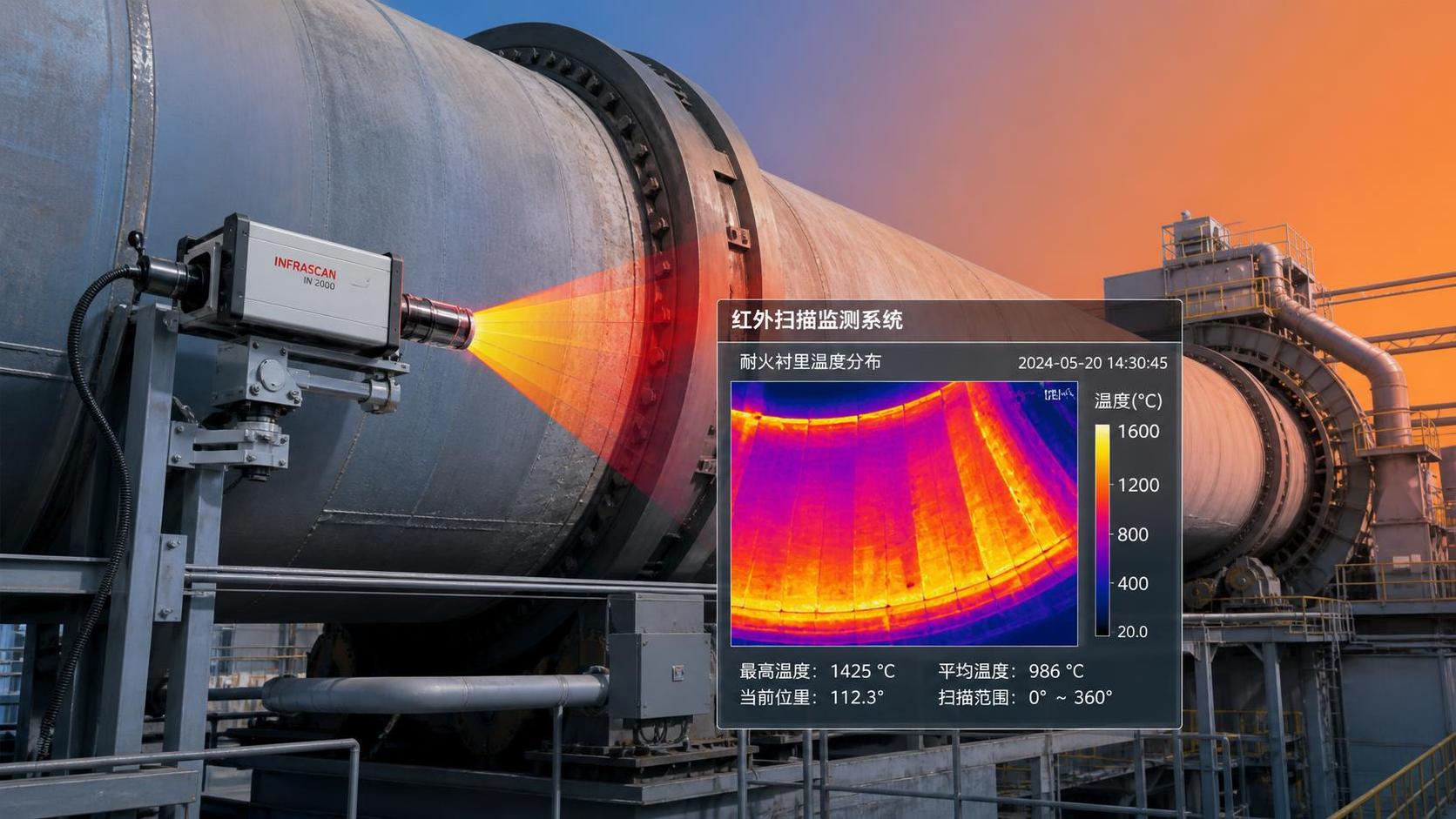
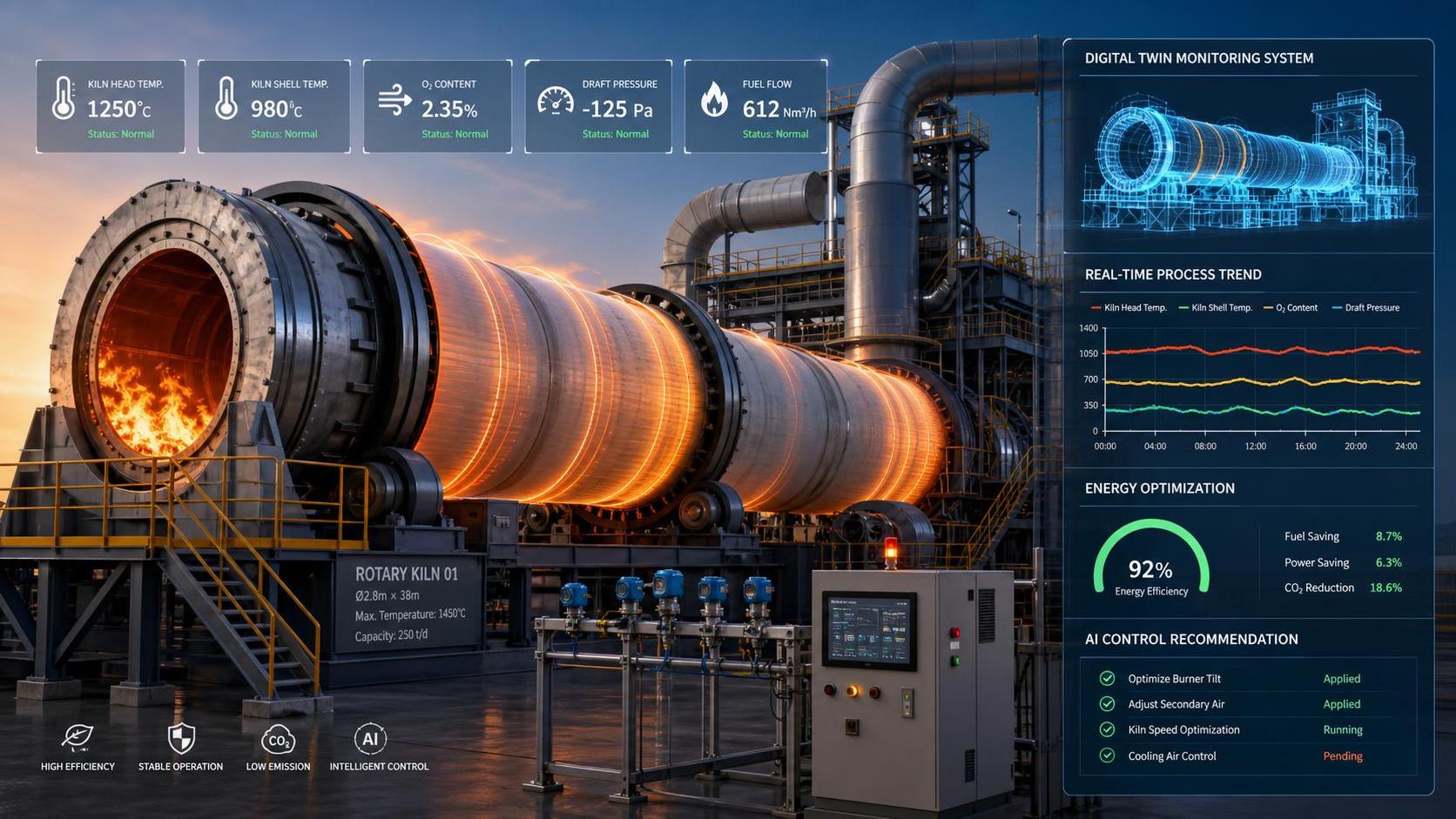
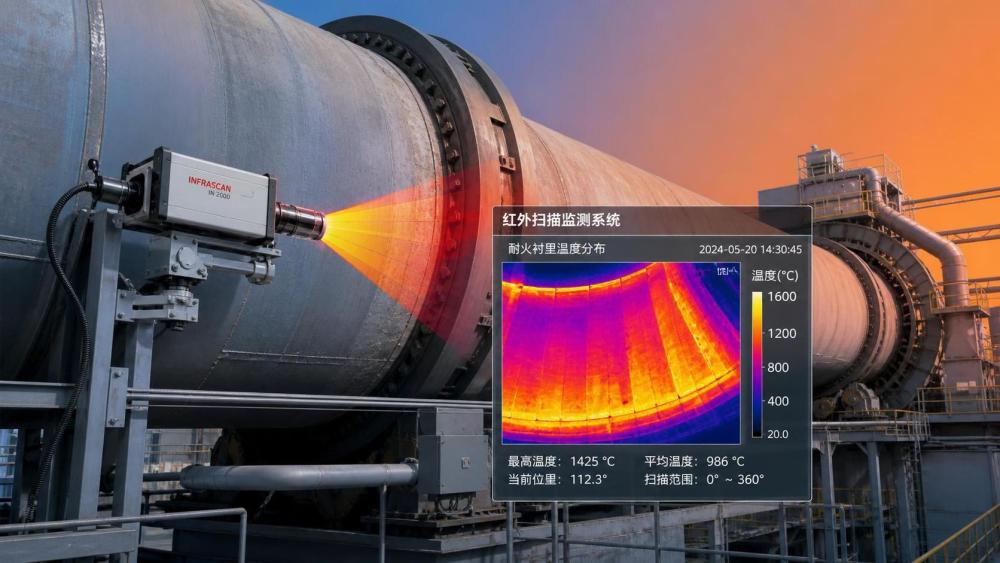
Industrial kiln operators use lining monitoring to identify hot spots, refractory wear, shell temperature abnormalities, and developing failure risks before they lead to energy loss or emergency stoppages.
The most useful purchasing question is therefore not simply, “What does the system cost?” It is, “Which monitoring capability reduces our specific kiln risk at an acceptable lifecycle cost?”
Search Intent: What Procurement Teams Need to Know
Buyers searching for refractory lining monitoring price usually want a realistic budget framework. They need to compare supplier quotations without confusing basic temperature instruments with complete predictive monitoring solutions.
They also want to understand why apparently similar systems can have substantially different prices. The differences usually involve coverage, data quality, installation complexity, software functions, and service commitments.
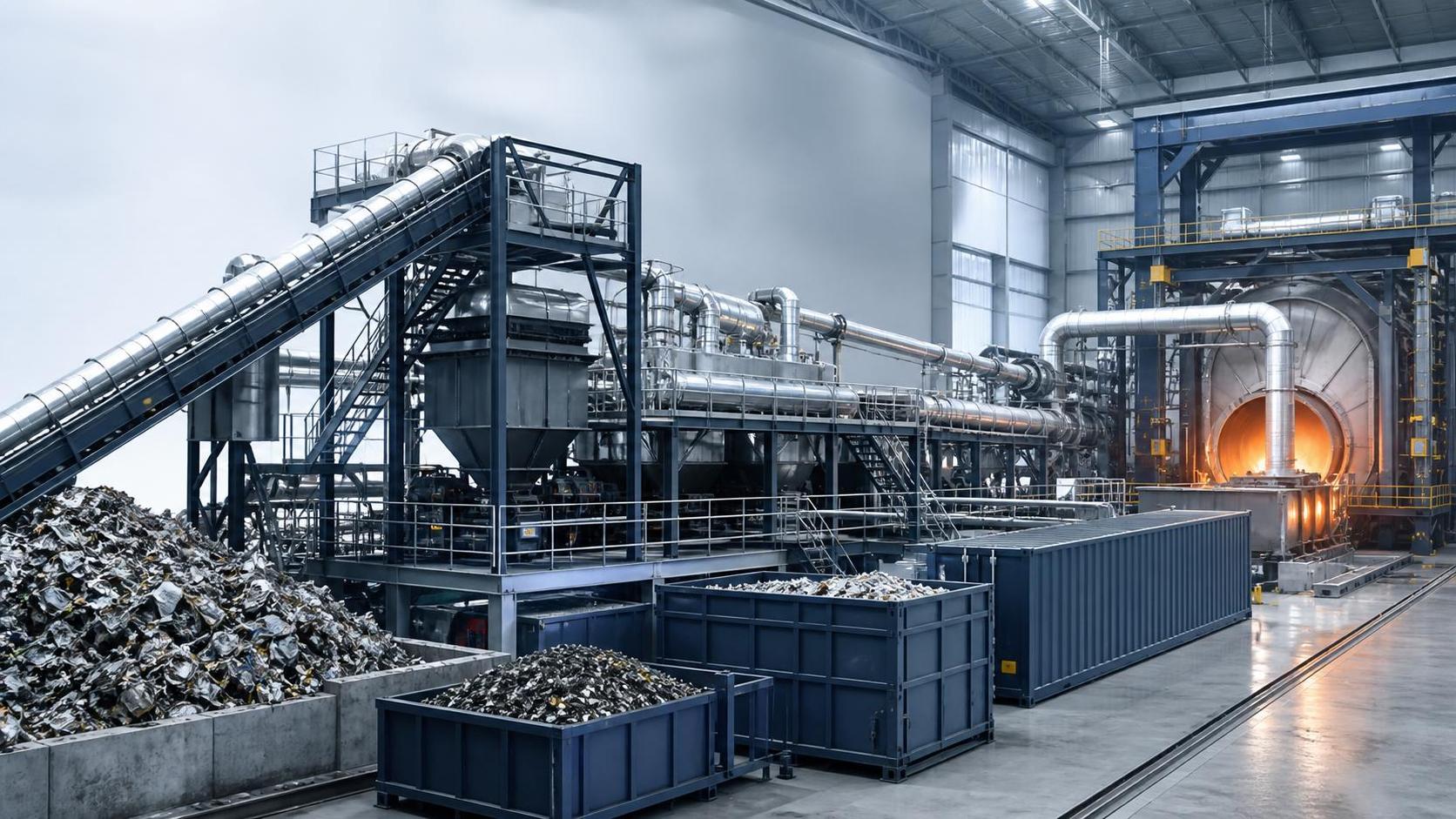
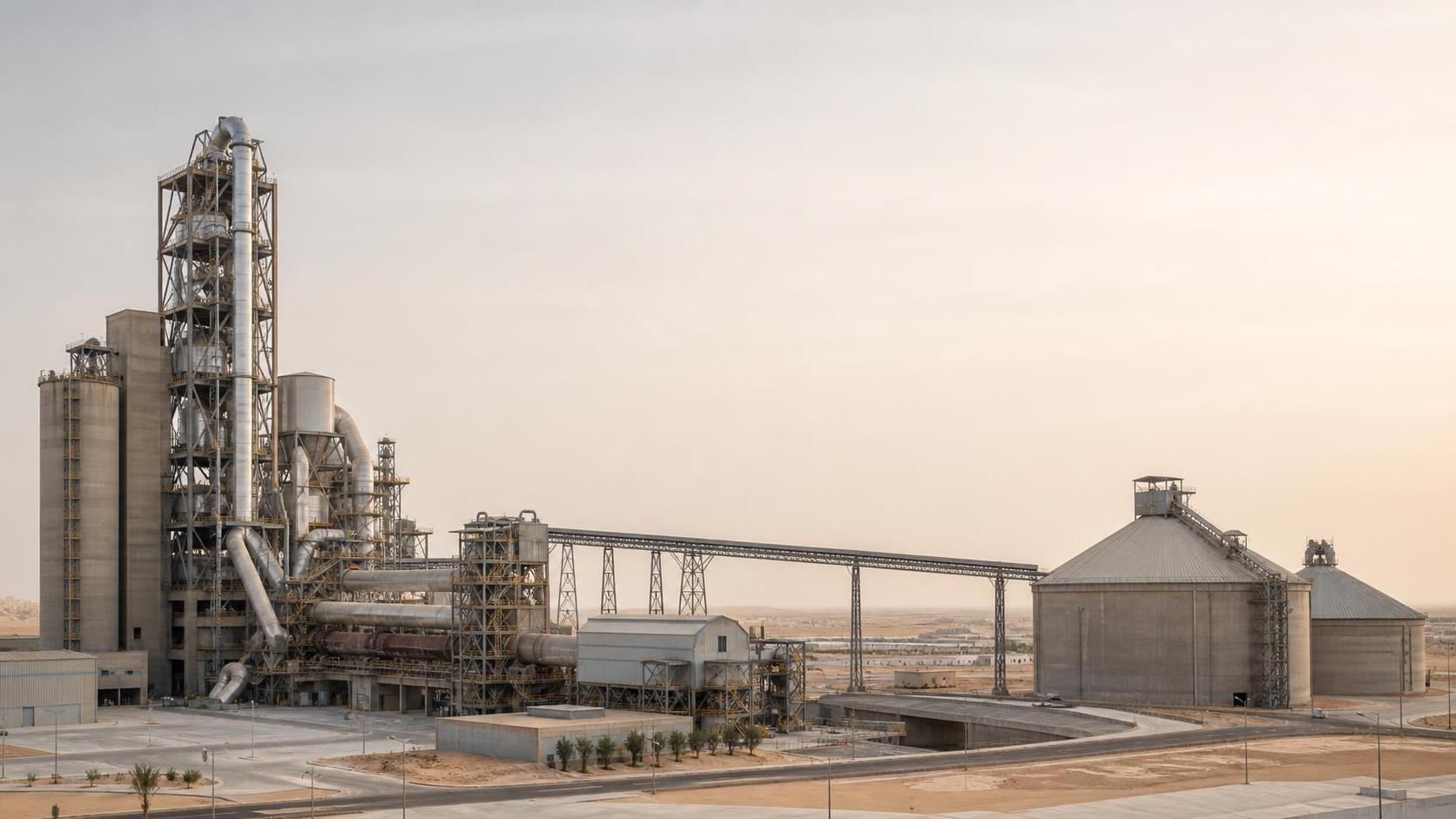
For cement, lime, waste-to-energy, glass, and metallurgical kiln operations, the decision is closely connected to downtime exposure. A refractory incident can affect production, safety, fuel consumption, and maintenance planning.
Useful content must therefore translate technical configuration choices into commercial consequences. Procurement professionals need criteria that help them challenge incomplete quotations and identify hidden cost assumptions before award.
Start with the Monitoring Objective, Not the Device Price
The first driver of refractory lining monitoring price is the operational problem the buyer expects the system to solve. Different objectives require different sensors, coverage levels, analytics, and response workflows.
A simple shell-temperature monitoring project may focus on identifying abnormal heat patterns. A more advanced project may estimate lining thickness, track wear trends, predict risk zones, and trigger maintenance alerts.
Continuous monitoring is generally more expensive than periodic inspection because it includes fixed equipment, data acquisition, communications, software, and often remote technical support. However, it also provides earlier warning between shutdowns.
Buyers should define whether their primary aim is safety protection, maintenance optimization, energy management, asset-life extension, or improved process stability. One system does not necessarily deliver every outcome equally well.
For example, a kiln with frequent refractory failures may justify dense thermal coverage and advanced alarm analysis. A stable, lower-risk unit may receive sufficient value from a smaller monitoring scope.
A clear objective prevents both under-specification and unnecessary spending. It also gives procurement teams measurable evaluation criteria when comparing technical and commercial proposals from multiple suppliers.
How Kiln Size and Geometry Affect the Quotation
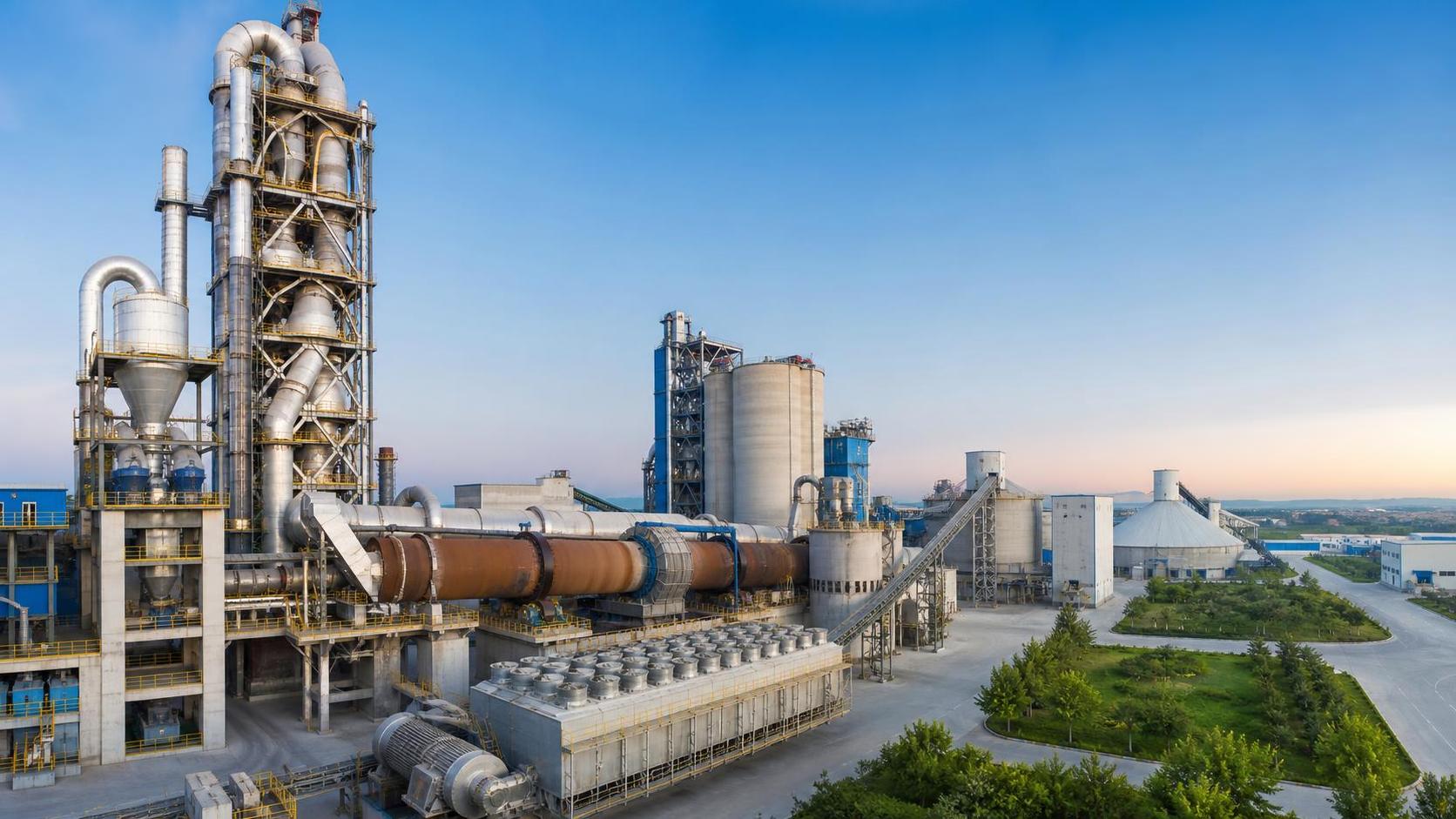
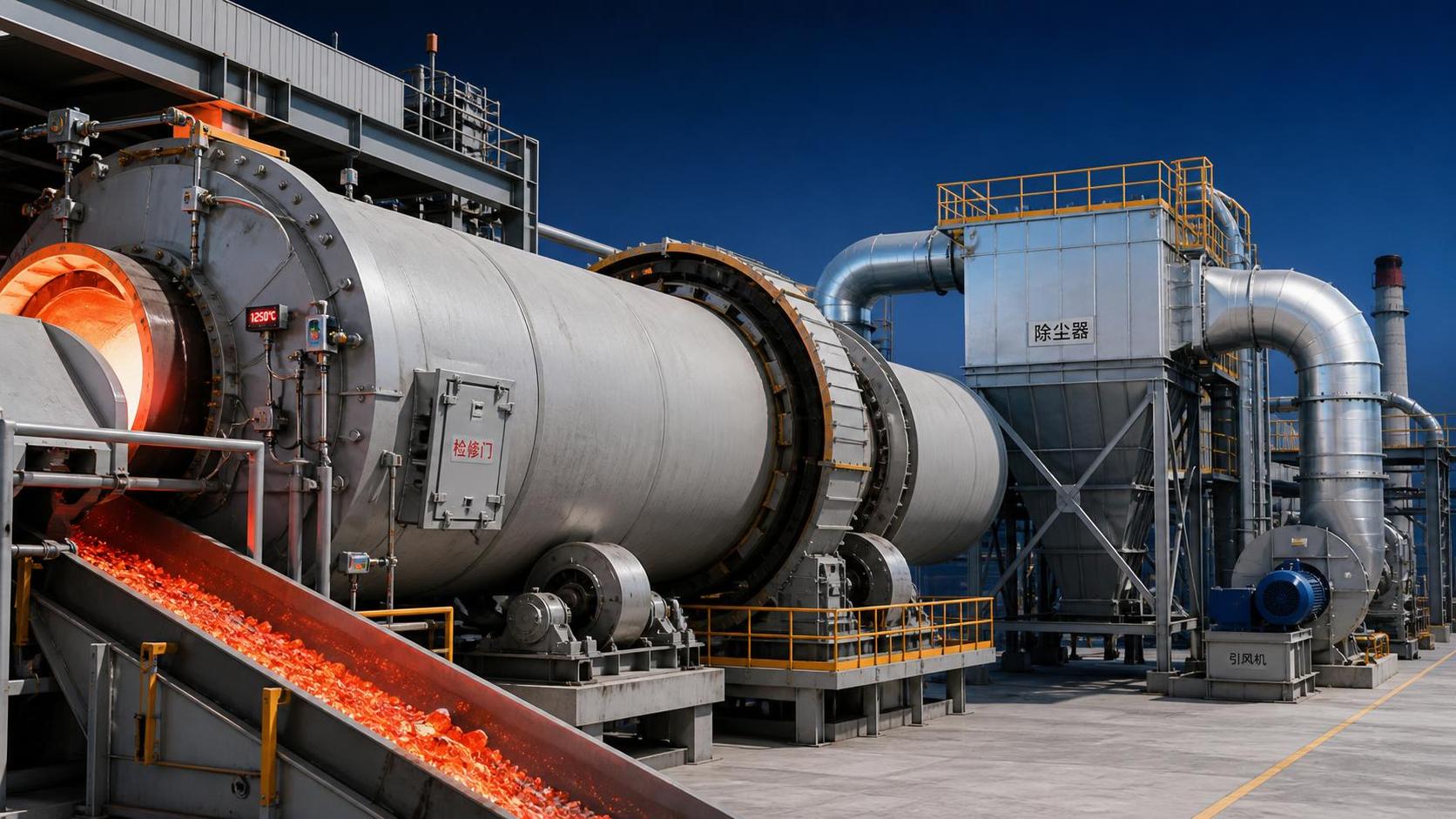
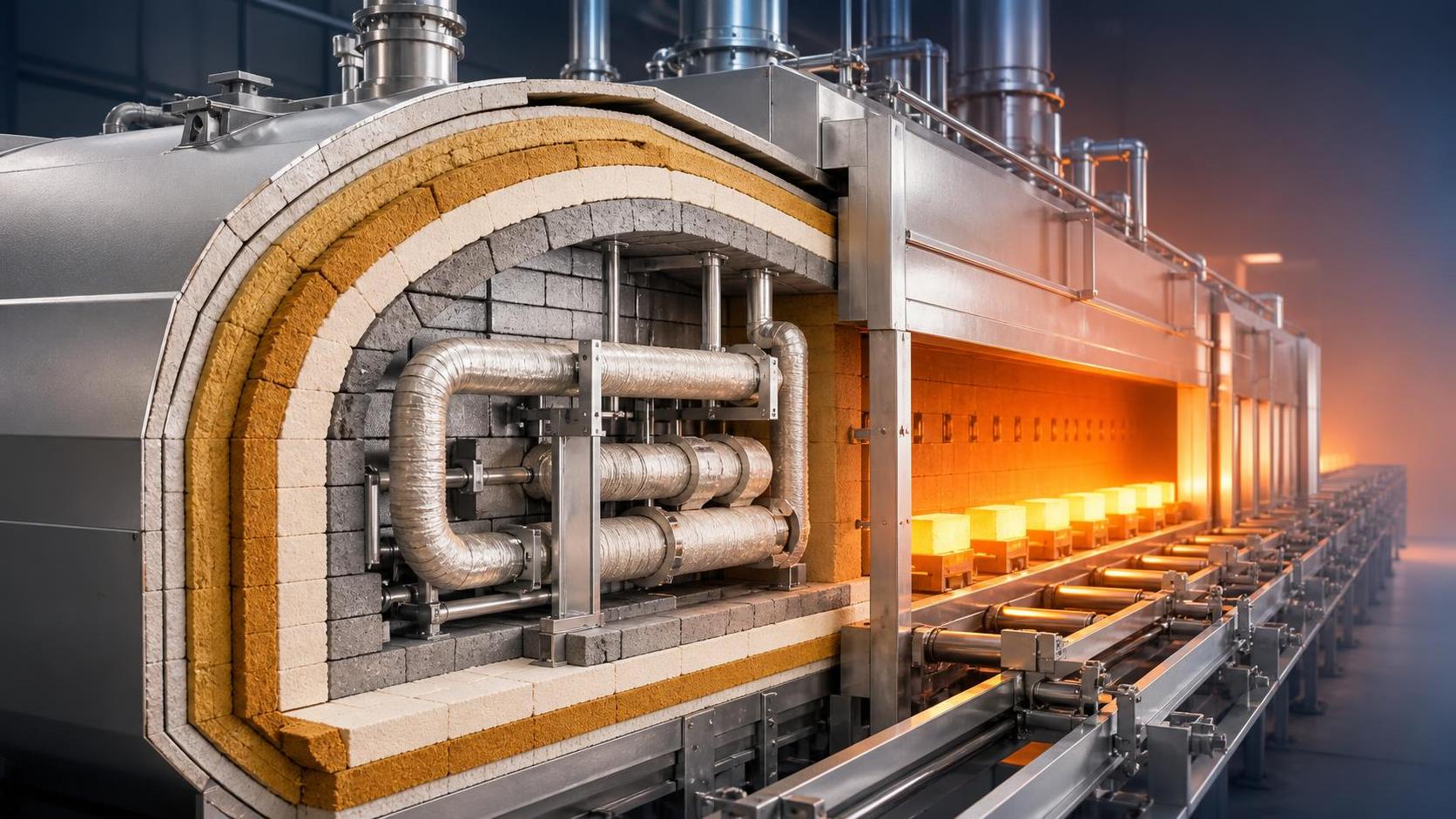
Kiln dimensions directly influence the amount of equipment, engineering, cabling, and installation labor required. Longer rotary kilns and wider shells normally need more measurement points or broader scanning coverage.
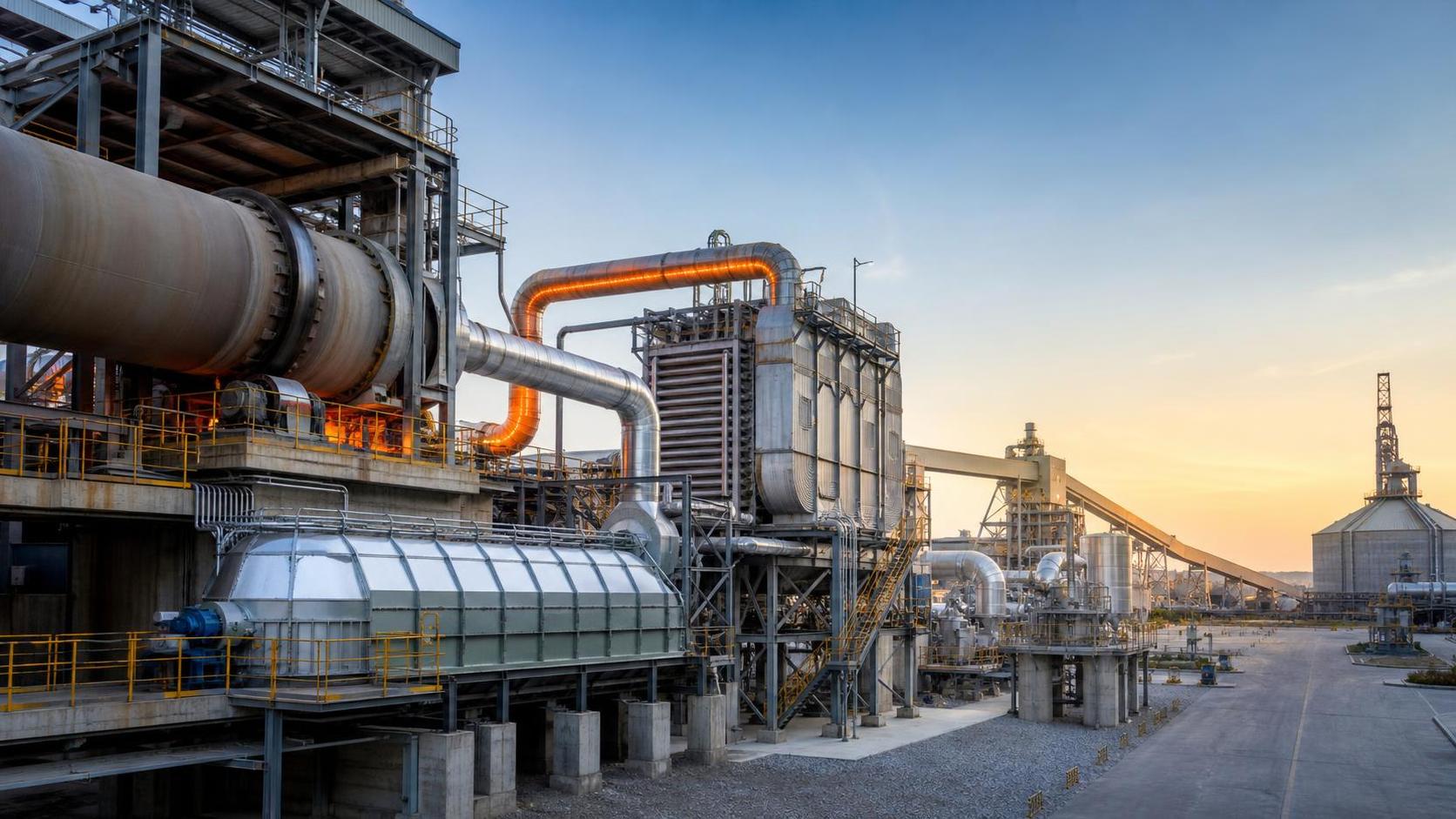
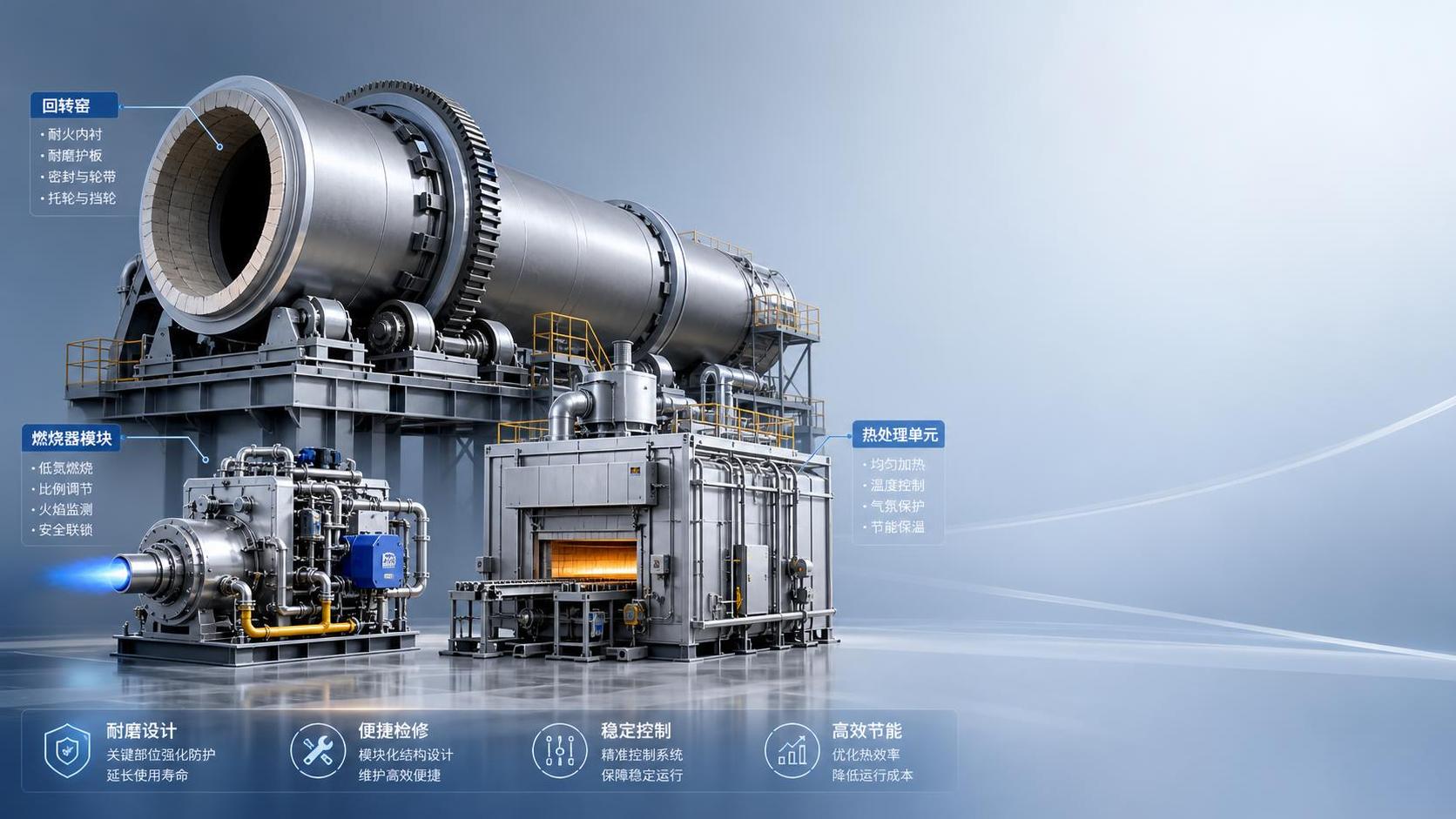
Geometry matters as much as overall length. Support rollers, drive assemblies, burner hoods, tyre areas, access platforms, ducts, and guards may create blind zones or require customized mounting solutions.
Rotary kilns demand systems capable of handling movement, dust, vibration, and changing viewing angles. Stationary furnaces may need fewer mechanical considerations but can present difficult radiant heat and access conditions.
Procurement teams should request a coverage drawing with each quotation. The drawing should show monitored zones, unmonitored areas, sensor positions, cable routes, access requirements, and expected measurement resolution.
Without this information, a lower-priced offer may appear comparable while covering fewer critical refractory areas. Price comparisons should always be normalized by protected process zones and usable diagnostic capability.
Ask suppliers whether future kiln modifications, shell repairs, or burner changes could affect their installation. A system that is difficult to relocate or recalibrate may create avoidable future costs.
Sensor Technology Creates Major Price Differences
Sensor selection is one of the clearest reasons refractory lining monitoring prices vary. Common approaches include infrared scanners, thermal cameras, fixed pyrometers, thermocouple-based methods, and hybrid monitoring configurations.
Infrared scanning systems can provide broad shell temperature profiles across rotating kilns. Their value depends on scanning frequency, optical resolution, environmental protection, calibration stability, and interpretation software.
Thermal cameras may offer visual context that helps operators locate developing hot spots. Higher-resolution cameras and more sophisticated image processing can improve diagnosis, but increase acquisition and computing costs.
Fixed pyrometers often cost less per point, yet extensive coverage can require many instruments. They may be suitable for known risk locations, but cannot always reveal emerging issues elsewhere along the shell.
Some operations combine broad scanning with fixed sensors at high-risk zones. This layered strategy can improve confidence, although buyers should verify whether duplicate data points add operational value or merely equipment cost.
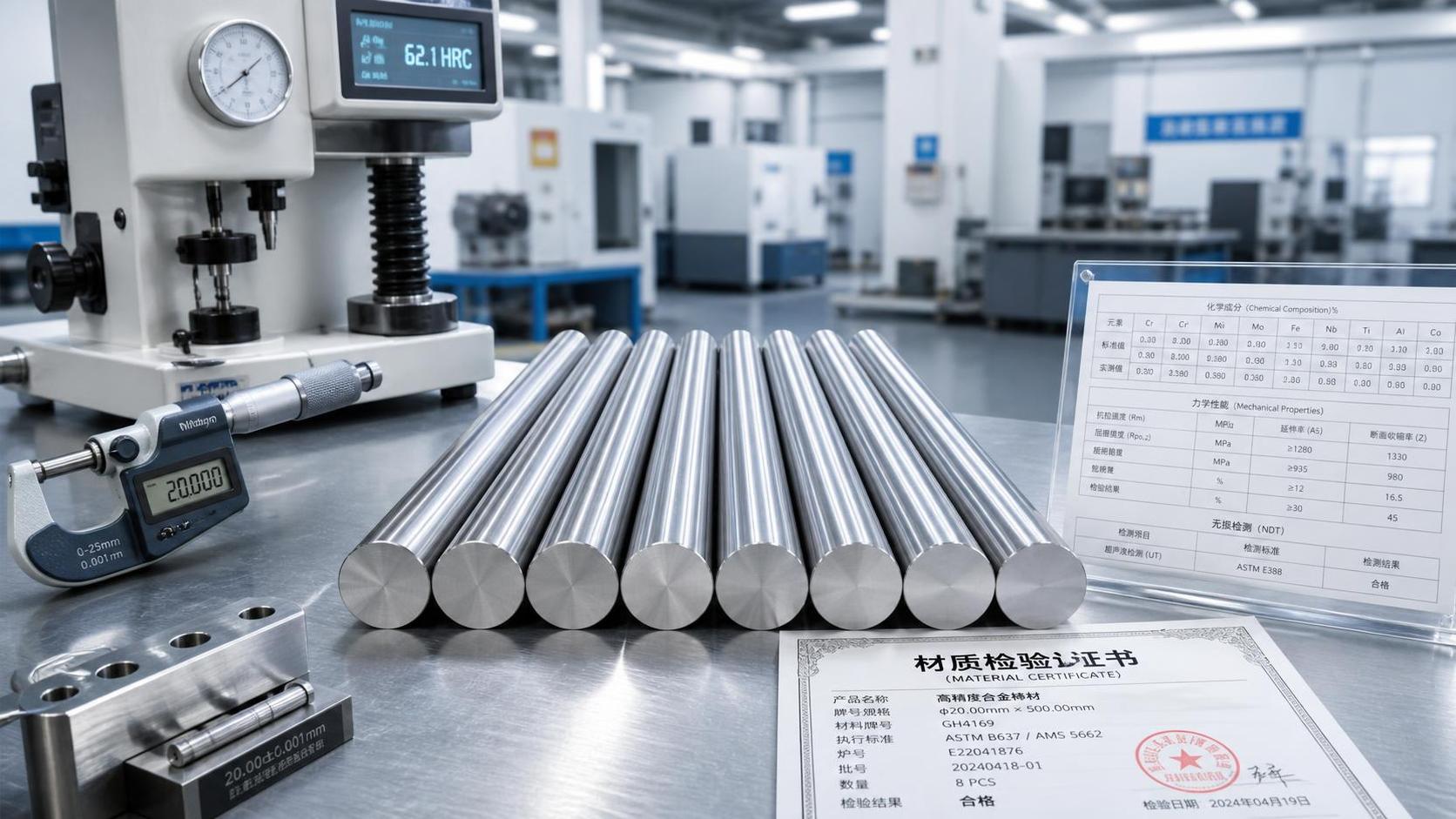
Supplier quotations should state measurement range, accuracy, repeatability, response time, environmental limits, calibration method, and expected sensor lifetime. These specifications are more meaningful than a device name alone.
Environmental Protection Is a Real Cost, Not an Optional Extra
Industrial kilns operate in harsh environments where dust, vibration, high ambient temperatures, moisture, corrosive gases, and mechanical impact can degrade monitoring equipment. Protection design significantly affects system reliability and price.
A sensor installed near a clinker cooler, incinerator feed point, or burner area may require cooling, purging air, protective housings, reinforced brackets, and specially rated cables. These components are essential engineering items.
Inadequate enclosure design can cause lens contamination, overheating, signal drift, or repeated maintenance intervention. The least expensive installation package can therefore create the highest operating burden after commissioning.
Buyers should ask suppliers to distinguish standard hardware from site-specific environmental adaptations. This makes it easier to understand whether an apparently high price reflects necessary durability rather than unnecessary margin.
Air supply quality also deserves attention. Purge systems may need dry, clean compressed air, filters, regulators, valves, and monitoring. Existing plant utilities may reduce costs, but should be validated before purchase.
Where access is limited, maintenance-friendly mounting arrangements are worth considering. A slightly higher installed price can reduce exposure for maintenance crews and shorten future inspection work.
Software, Analytics, and Integration Change the Value Proposition
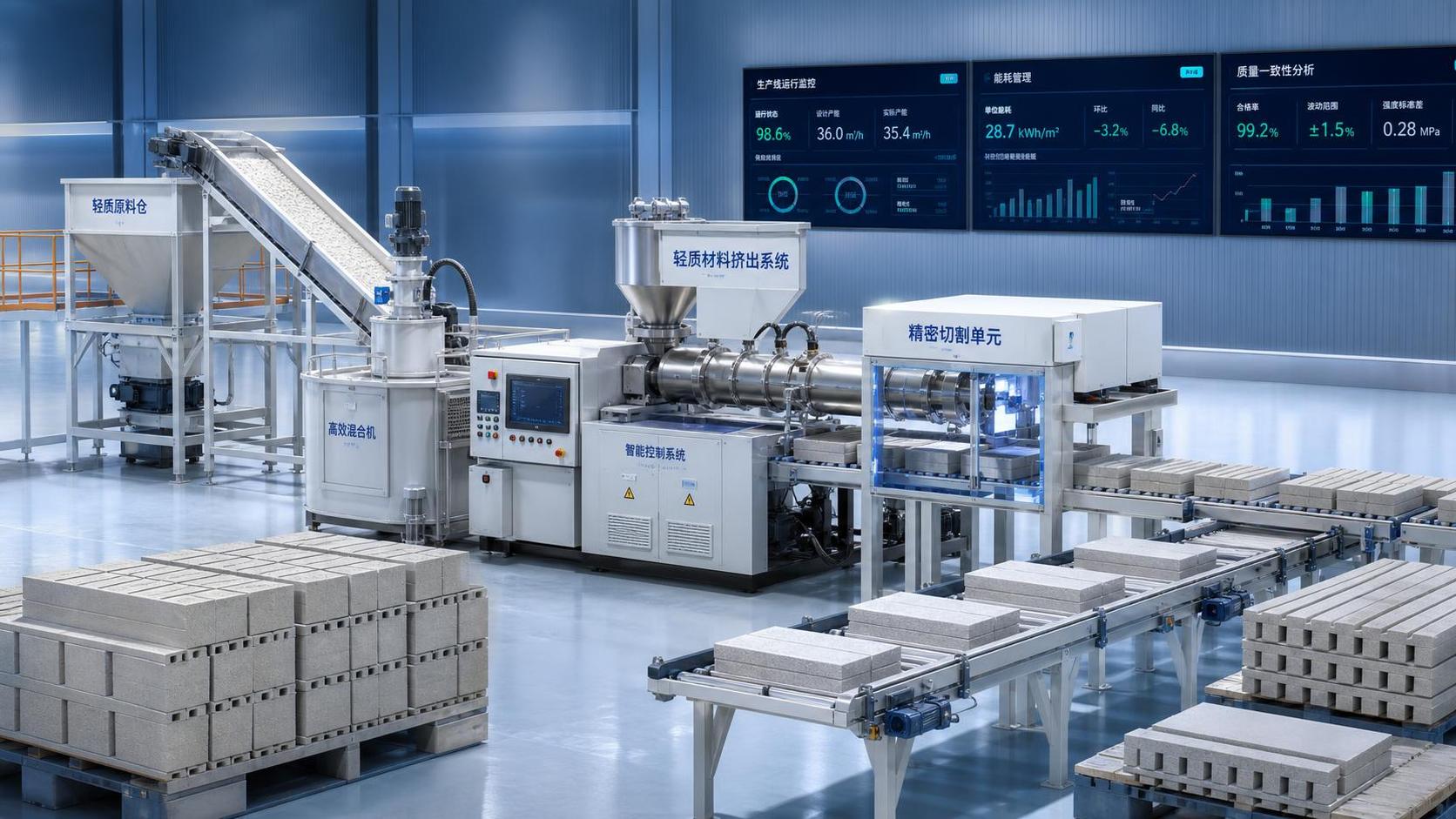
Hardware generates measurements, but software determines whether operators can turn those measurements into timely action. Basic systems display temperature values, while advanced platforms interpret patterns and support condition-based maintenance decisions.
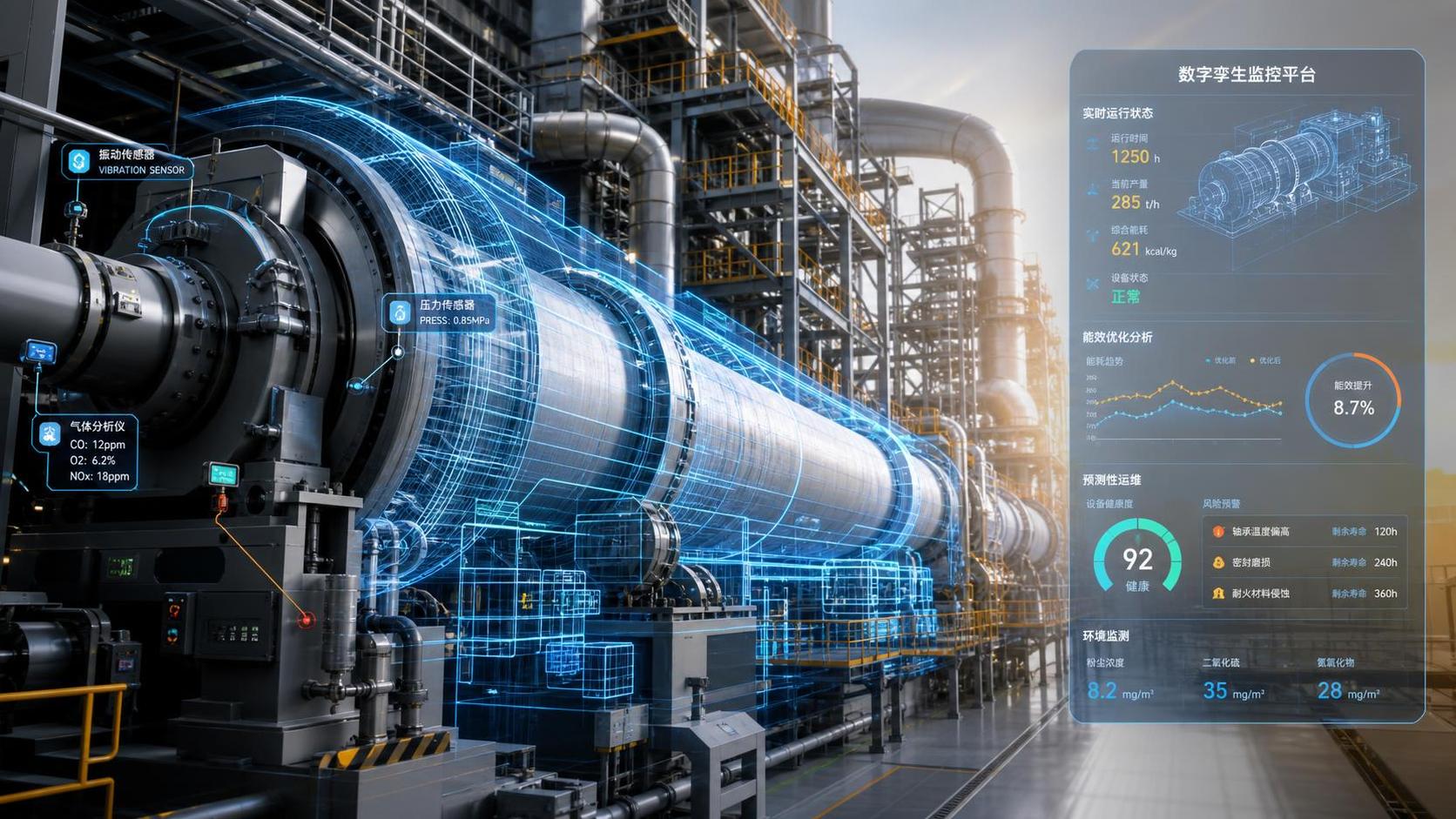
Software functions that influence refractory lining monitoring price include thermal mapping, hot-spot tracking, historical trending, alarm logic, reporting, lining wear models, remote access, and digital twin connectivity.
Integration with distributed control systems, supervisory control systems, historians, or maintenance platforms can add engineering expense. Yet it may improve alarm response and prevent monitoring data from becoming isolated information.
Procurement teams should confirm whether licenses are perpetual, subscription-based, site-wide, or limited by users, sensors, or data retention. Software pricing structures can materially change five-year ownership costs.
Cybersecurity requirements should also be included early. Remote diagnostics, cloud dashboards, and corporate-network connections may require approved gateways, access controls, patching commitments, and coordination with plant information technology teams.
Ask for an example of the alarm workflow. The important issue is not whether an alarm exists, but whether the system helps operations distinguish normal process variation from a credible lining concern.
Installation Conditions Often Drive the Largest Cost Uncertainty
Installation is frequently underestimated during early budgeting. The final refractory lining monitoring price can increase when site surveys reveal difficult access, unavailable power, long cable routes, or the need for shutdown work.
Some systems can be installed while the kiln remains in operation, while others require planned access windows. Installation during a major refractory shutdown may reduce production disruption but needs earlier engineering coordination.
Electrical scope should be specified carefully. Buyers need clarity on power distribution, panels, grounding, communications, network switches, cable trays, conduits, junction boxes, and responsibilities for civil work.
Mechanical installation can include brackets, platforms, guards, welding, lifting equipment, alignment work, and structural verification. These tasks may be performed by the supplier, a local contractor, or the plant team.
A quotation should separate equipment supply, engineering, installation supervision, local labor, travel, commissioning, and training. This avoids a misleading comparison between turnkey proposals and equipment-only offers.
For international projects, consider customs, local certification, language support, site induction rules, insurance, and travel restrictions. These factors may be modest individually but can materially affect project execution budgets.
Maintenance and Support Determine the Long-Term Cost
A monitoring system is valuable only when it remains accurate and available. Buyers should evaluate maintenance requirements with the same discipline used for the initial capital expenditure.
Regular activities may include lens cleaning, air-purge inspection, sensor alignment, calibration checks, cable inspection, software updates, and verification of alarm thresholds after process or refractory changes.
Service contracts may include remote diagnostics, annual inspection, priority technical response, spare parts, software upgrades, and performance reporting. Their cost should be compared against internal maintenance capability and production risk.
Critical spare parts deserve explicit review. A low-cost system with long replacement lead times can be unsuitable for plants that depend on continuous monitoring to manage high-consequence kiln zones.
Ask suppliers for expected component life, warranty scope, local service coverage, and repair turnaround times. These details offer a clearer view of lifecycle exposure than a short warranty period alone.
Training should cover more than dashboard navigation. Operators, maintenance personnel, and engineers need agreed actions for alarms, abnormal trends, inspection escalation, and documentation of confirmed refractory findings.
How to Compare Refractory Lining Monitoring Quotes Fairly
Procurement teams should build a comparison matrix rather than relying on headline price. Each supplier should respond against the same technical, installation, software, service, and commercial requirements.
First, compare coverage: kiln sections monitored, measurement frequency, spatial resolution, blind areas, and capability near known high-risk locations. A complete coverage map is more useful than generic claims.
Second, compare data quality: temperature range, accuracy, repeatability, calibration procedures, false-alarm controls, and resilience against dust or changing emissivity. Reliable detection is the core economic benefit.
Third, compare project scope: site survey, detailed engineering, mechanical work, electrical work, integration, commissioning, acceptance testing, operator training, and documentation. Excluded items should be priced separately.
Fourth, compare lifecycle commitments: warranty, software licensing, planned maintenance, remote support, spare parts, obsolescence strategy, and response times. Include five-year costs, not only purchase order value.
Finally, evaluate supplier experience with comparable kiln processes. A proven reference in cement may not automatically demonstrate expertise in hazardous-waste incineration, glass melting, or specialized refractory operating conditions.
Calculate Value Through Avoided Risk and Better Planning
The financial case for lining monitoring should be linked to avoided losses rather than treated as a general automation upgrade. The highest value usually comes from preventing or reducing unplanned kiln interruptions.
Estimate the hourly cost of lost production, restart fuel, labor, damaged equipment risk, emergency refractory repair, missed deliveries, and potential environmental or safety consequences. These values establish the exposure baseline.
Then assess how early warning could change the maintenance response. Monitoring may allow controlled load reduction, planned inspection, targeted repair, material ordering, and shutdown scheduling instead of emergency action.
Energy efficiency can create another value stream. Damaged lining often raises shell heat loss and may affect process stability. Earlier identification can support thermal efficiency, although savings should be validated with plant data.
Do not promise exact return on investment without operating evidence. Instead, use conservative scenarios based on realistic event frequency, probable downtime reduction, and the percentage of risk the monitoring solution can address.
A credible business case identifies assumptions clearly. It should show management what must happen for the system to pay back, while also recognizing safety and operational resilience benefits that are difficult to monetize precisely.
Questions to Ask Before Issuing a Purchase Order
Before selecting a supplier, ask which failure modes the proposed system can detect reliably and which ones remain outside its scope. This prevents unrealistic expectations after commissioning.
Request a site-specific design showing equipment locations, cooling or purge requirements, electrical interfaces, network architecture, maintenance access, and any required shutdown activities. Generic brochures are insufficient for final approval.
Ask how alarms are validated and whether the supplier will assist during initial threshold tuning. Plants need practical guidance because shell temperature changes can result from process behavior as well as refractory wear.
Confirm ownership and accessibility of the data. The plant should understand export options, historian integration, retention periods, remote access conditions, and what happens if software subscriptions or service agreements end.
Require defined acceptance criteria. These may include coverage verification, signal quality, communication availability, alarm testing, operator training completion, documentation delivery, and demonstration of agreed reporting functions.
Finally, identify all recurring costs before award. Include service contracts, consumables, utilities, licenses, calibration, travel, replacement parts, and cybersecurity support in the approved lifecycle budget.
Conclusion: Buy Monitoring Capability, Not a Low Headline Price
Refractory lining monitoring price depends on the kiln, the monitoring objective, selected sensor technology, environmental engineering, installation conditions, software integration, and long-term support requirements.
For procurement professionals, the best solution is not automatically the lowest quotation or the most feature-rich platform. It is the system that provides dependable warning for the plant’s highest-value refractory risks.
A structured comparison of coverage, data quality, project scope, lifecycle cost, and avoided downtime helps buyers make a defensible decision. It also creates clearer commercial discussions with technical suppliers.
When monitoring is specified around actual operating risks and maintenance workflows, it can support safer kiln operation, more predictable refractory campaigns, improved thermal performance, and stronger capital-investment discipline.