
How Cement Grinding Technology Affects Energy Use, Fineness, and Plant Output




How Cement Grinding Technology Affects Energy Use, Fineness, and Plant Output
For technical evaluators, cement grinding technology is where plant economics stop being theoretical. Power draw, Blaine or residue target, gypsum dehydration risk, separator loading, mill ventilation, grinding aid response, and final throughput all meet here. If the grinding circuit is wrong for the clinker, the additives, or the required cement types, the problem shows up quickly: unstable quality, rising kWh/t, or a line that looks fine on paper but struggles in day-to-day operation.
When people discuss cement grinding technology, they often jump straight to equipment names. That is too narrow. A mill is only one part of the result. What matters in practice is the whole system: comminution mechanism, classification efficiency, drying capacity, material handling, process control, and how well the circuit copes with normal variation in clinker hardness and supplementary materials. The checklist below is the one worth using before approving a retrofit, comparing suppliers, or reviewing an underperforming plant.
Start with the cement target, not the machine
This sounds obvious, but it gets skipped. Ask what the plant must actually produce: OPC only, or a wider portfolio with slag, fly ash, limestone, pozzolana, or calcined clay blends? The answer changes the grinding strategy. A circuit that performs well on ordinary Portland cement may behave very differently once softer or more moisture-sensitive components are introduced.
The evaluation point is simple: define the required fineness control method before selecting technology. Some plants still rely mostly on Blaine, but experienced operators know that Blaine alone can hide particle size distribution problems. For strength development, water demand, and pack-set behavior, residue on specific sieves and the shape of the PSD curve often tell you more. If a proposal claims lower energy at the same Blaine, check whether the residue and early strength are also equivalent. If not, the comparison is not clean.
Check whether the grinding mechanism matches the feed
Ball mills, vertical roller mills, and roller press based circuits do not break material the same way. That affects energy use and product characteristics.
- Ball mills are familiar and tolerant, especially where product flexibility matters, but they can be less efficient in specific energy terms than newer high-pressure systems.
- Vertical roller mills usually offer strong drying ability and lower power consumption per ton in many applications, but the circuit needs good control discipline and careful wear management.
- Roller press systems can reduce grinding energy significantly in suitable conditions, yet they are sensitive to feed uniformity, operating pressure, and downstream classification design.
Do not accept generic claims like “high efficiency for all cement types.” Ask for operating references with comparable clinker mineralogy, moisture range, and additive mix. If those references are unavailable, mark the performance expectation as 【待核实】 and treat the savings estimate carefully.
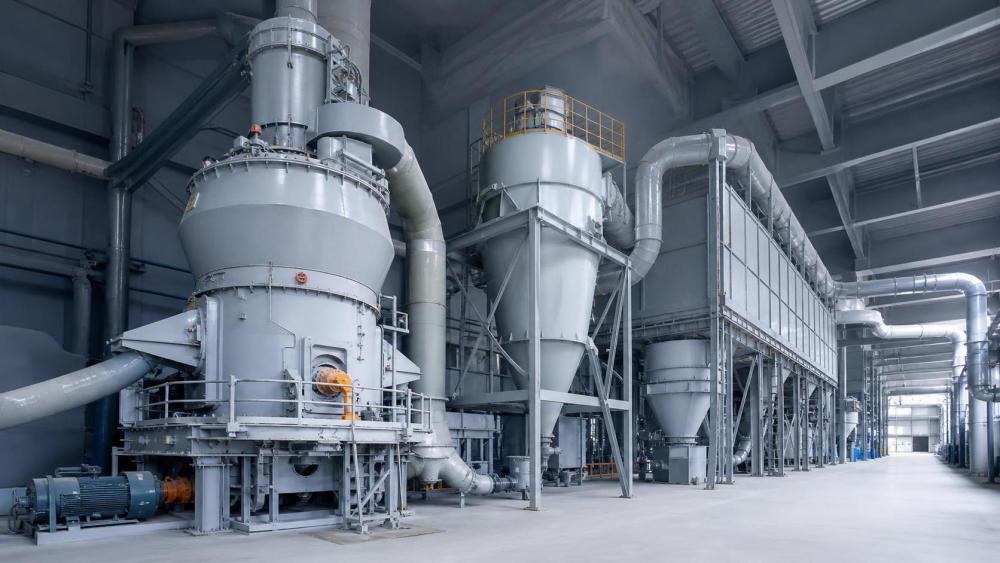
Do not judge energy consumption without looking at the full circuit
A recurring mistake in technical reviews is comparing only main drive power. Real plant energy use includes separator, bucket elevators, fans, conveyors, dedusting, hot gas generation where applicable, and recirculation load effects. A grinding technology that looks efficient at the mill motor can lose that advantage if the classification loop is overloaded or if false air pushes fan demand too high.
Ask for net specific power in kWh/t at defined product quality, and confirm the test boundary. If the supplier boundary excludes auxiliaries, the number is incomplete. Also ask what feed conditions were assumed. A guarantee based on dry, stable clinker may not hold when the plant is processing wetter slag or variable limestone.
A practical rule during evaluation: when energy numbers look very attractive, check ventilation demand, reject rate, and circulating load next. That is where optimistic proposals often start to unravel.
Separator performance deserves its own review
Plants often blame the mill for poor fineness stability when the separator is the actual bottleneck. In closed-circuit grinding, classification efficiency largely determines how much overgrinding occurs. Once coarse particles bypass correctly and fine particles are not unnecessarily returned, energy waste drops and throughput usually improves.
Look at these points during assessment:
- Can the separator hold target residue under normal feed fluctuation?
- Is there enough airflow stability to avoid sudden shifts in cut size?
- How sensitive is the separator to wear, buildup, or changes in feed moisture?
- Are reject transport and recirculation paths sized for realistic peak load, not just nominal design?
If a plant reports rising residue, unstable Blaine, and no major change in clinker quality, inspect separator condition before assuming the mill needs replacement.
Drying capacity matters more than many proposals admit
This becomes critical where slag, pozzolana, or wet mineral additions are part of the recipe. A grinding system can have strong grinding efficiency and still fail commercially if it cannot handle feed moisture without choking the circuit or losing product stability.
Vertical roller mills often have an advantage here because grinding and drying are integrated. Ball mill systems may require more careful hot gas management. Neither is automatically better. The key is whether the heat balance has been checked against the actual raw materials the plant buys through the year, not only the best-case lot.
If the moisture range is seasonal or supplier-dependent, ask for the operating envelope in writing. That is especially important for projects serving mixed export and domestic demand, where cement recipes may shift with little notice.
Fineness is not one number, and overgrinding is expensive
A plant can hit a fineness target and still pay too much for it. The usual cause is overgrinding the already-fine fraction while chasing a few remaining coarse particles. That increases power use, can worsen agglomeration, and may affect water demand or setting behavior.
For technical evaluation, ask how the proposed circuit controls the top size without generating excessive ultrafines. In practical terms, that means reviewing separator cut efficiency, internal classification behavior, and the expected particle size distribution at the required residue. If the supplier only presents Blaine and strength snapshots, the picture is incomplete.
Also watch gypsum dehydration risk in high-temperature grinding environments. Excessive mill outlet temperature can shift cement setting behavior. The exact acceptable operating window depends on formulation and plant conditions, so it should be verified case by case rather than assumed.
Throughput claims should be stress-tested against real variability
Nameplate output is easy to print on a proposal. Stable output across changing feed hardness is harder to deliver. Clinker grindability can shift with kiln operation, cooling conditions, and chemistry. Additives vary too. If the circuit only performs when everything is ideal, evaluators should treat the design as fragile.
Ask for the basis of throughput guarantees. Was grindability defined by a recognized test method and an agreed reference sample? Were moisture, feed size, and additive proportions fixed? If not, the guarantee may leave too much room for later dispute. This is where many retrofit projects underdeliver: not because the machine is bad, but because the duty definition was loose.
Wear rate, maintenance access, and downtime belong in the same calculation
A lower kWh/t figure does not automatically mean lower production cost. In abrasive service, wear parts and maintenance stops can erase the energy benefit. Technical evaluators should ask how wear is monitored, how replacement is performed, and whether the plant can maintain the system with its current skill base and spare parts strategy.
Good questions here are usually simple. How long does a planned wear part change take? Is hardfacing local or outsourced? Can separator internals be inspected without extended shutdown? Is there enough instrumentation to see performance decline before product quality drifts? If those answers are vague, the lifecycle cost model is still immature.
Process control can decide whether the technology performs as designed
Modern grinding systems are less forgiving when instrumentation is weak. Feed rate control, vibration monitoring, mill differential pressure, separator speed, outlet temperature, gas flow, and product fineness feedback all influence the final result. A technically advanced circuit without stable control logic often behaves worse than a simpler, well-managed one.
For plants evaluating upgrades, do not separate equipment scope from automation scope too early. That split creates avoidable trouble. If the new grinding technology needs tighter control, the control package, calibration plan, and operator training should be reviewed as core performance items, not optional extras.
Use a short comparison table when screening options
That table is not meant to replace detailed review. It is there to stop teams from approving a grinding project based on one attractive KPI.
One final check before you sign off
Ask the supplier, integrator, or internal project team to state clearly: at what feed condition, what cement composition, what fineness criterion, and what operating stability level will the promised energy use and plant output be achieved? If that statement cannot be made plainly, the comparison is still too loose.
Good cement grinding technology decisions are usually less about chasing the most modern label and more about matching circuit design to material reality. For technical evaluators, the useful habit is to keep power, fineness, and throughput tied together in every discussion. Once one of them is presented alone, the risk of a bad decision rises fast.
Related News
![]() Ms. Elena RodriguezTechnical Comparison of Material Processing Methods: Key Factors for Process SelectionTechnical comparison for material processing made practical: learn how to evaluate energy, quality, maintenance, emissions, and feed variability to choose the right process with confidence.Jul 29, 2026
Ms. Elena RodriguezTechnical Comparison of Material Processing Methods: Key Factors for Process SelectionTechnical comparison for material processing made practical: learn how to evaluate energy, quality, maintenance, emissions, and feed variability to choose the right process with confidence.Jul 29, 2026![]() Silicate Process EngineerHow Cement Grinding Technology Affects Energy Use, Fineness, and Plant OutputCement grinding technology shapes energy use, fineness, and plant output. Learn how to compare mills, separators, drying, and control systems for smarter upgrades.Jul 28, 2026
Silicate Process EngineerHow Cement Grinding Technology Affects Energy Use, Fineness, and Plant OutputCement grinding technology shapes energy use, fineness, and plant output. Learn how to compare mills, separators, drying, and control systems for smarter upgrades.Jul 28, 2026![]() Ms. Elena RodriguezHeavy Equipment Trade Cost Trends: What Buyers Should Track in 2025Heavy equipment trade cost trends in 2025 reveal how freight, energy, lead times, and compliance reshape total equipment costs. Learn what buyers must track to reduce risk and protect budgets.Jul 27, 2026
Ms. Elena RodriguezHeavy Equipment Trade Cost Trends: What Buyers Should Track in 2025Heavy equipment trade cost trends in 2025 reveal how freight, energy, lead times, and compliance reshape total equipment costs. Learn what buyers must track to reduce risk and protect budgets.Jul 27, 2026![]() Material Heat-Resist ExpertSilicate Production Line Process Explained: Key Stages, Equipment, and Quality ControlSilicate production line process explained with key stages, core equipment, quality control, and energy checks—helping buyers and engineers assess stability, efficiency, and supplier capability.Jul 26, 2026
Material Heat-Resist ExpertSilicate Production Line Process Explained: Key Stages, Equipment, and Quality ControlSilicate production line process explained with key stages, core equipment, quality control, and energy checks—helping buyers and engineers assess stability, efficiency, and supplier capability.Jul 26, 2026 Optical Glass Tech FellowRefractory Material Science for Glass Furnaces: Key Properties That Drive Furnace LifeRefractory material science for glass furnaces explains how corrosion resistance, thermal shock, creep, and microstructure shape furnace life, glass quality, and campaign reliability.Jul 25, 2026
![]() Silicate Process EngineerCement Plant Equipment Price Guide: What Drives Cost and How to Budget WiselyCement plant equipment price explained: discover what drives costs, compare quotes wisely, spot hidden expenses, and build a smarter budget for long-term plant value.Jul 24, 2026
Silicate Process EngineerCement Plant Equipment Price Guide: What Drives Cost and How to Budget WiselyCement plant equipment price explained: discover what drives costs, compare quotes wisely, spot hidden expenses, and build a smarter budget for long-term plant value.Jul 24, 2026![]() Dr. Alistair VaughnHow Digital Twin Simulations Improve Process Plant Design, Safety, and UptimeDigital twin simulations for process plants help teams improve plant design, reduce safety risks, and protect uptime by validating thermal, control, and retrofit decisions before costly failures occur.Jul 23, 2026
Dr. Alistair VaughnHow Digital Twin Simulations Improve Process Plant Design, Safety, and UptimeDigital twin simulations for process plants help teams improve plant design, reduce safety risks, and protect uptime by validating thermal, control, and retrofit decisions before costly failures occur.Jul 23, 2026![]() Thermal Energy ArchitectRotary Kilns Price Guide: What Determines Cost and How to Compare Quotes?Rotary kilns price varies by capacity, fuel, refractory, automation, and emissions scope. Learn what drives cost, what cheap quotes may miss, and how to compare suppliers wisely.Jul 22, 2026
Thermal Energy ArchitectRotary Kilns Price Guide: What Determines Cost and How to Compare Quotes?Rotary kilns price varies by capacity, fuel, refractory, automation, and emissions scope. Learn what drives cost, what cheap quotes may miss, and how to compare suppliers wisely.Jul 22, 2026 Ms. Elena RodriguezHow to Evaluate Green Building Material Equipment Suppliers in Europe?Green building material equipment Europe buyers: learn how to evaluate suppliers by technical fit, compliance, lifecycle cost, and after-sales support for smarter sourcing decisions.Jul 21, 2026
![]() Thermal Energy ArchitectHow to Evaluate an Energy Efficient Tunnel Kiln for Lower Fuel Costs and Stable OutputEnergy efficient tunnel kiln evaluation starts with fuel cost, but real value comes from thermal stability, heat recovery, and consistent output. Learn what truly lowers cost per qualified ton.Jul 20, 2026
Thermal Energy ArchitectHow to Evaluate an Energy Efficient Tunnel Kiln for Lower Fuel Costs and Stable OutputEnergy efficient tunnel kiln evaluation starts with fuel cost, but real value comes from thermal stability, heat recovery, and consistent output. Learn what truly lowers cost per qualified ton.Jul 20, 2026![]() Ms. Elena RodriguezSustainable Material Production Compliance: Key Standards, Risks, and Audit ChecksSustainable material production compliance explained: key standards, audit checks, and hidden plant risks across cement, glass, and thermal lines—learn how to spot gaps before audits fail.Jul 19, 2026
Ms. Elena RodriguezSustainable Material Production Compliance: Key Standards, Risks, and Audit ChecksSustainable material production compliance explained: key standards, audit checks, and hidden plant risks across cement, glass, and thermal lines—learn how to spot gaps before audits fail.Jul 19, 2026![]() Thermal Energy ArchitectProcess Monitoring for Incinerators: Key Parameters, Sensors, and Compliance ChecksProcess monitoring for incinerators covers key parameters, sensor selection, and compliance checks to improve combustion stability, emissions control, and plant performance.Jul 18, 2026
Thermal Energy ArchitectProcess Monitoring for Incinerators: Key Parameters, Sensors, and Compliance ChecksProcess monitoring for incinerators covers key parameters, sensor selection, and compliance checks to improve combustion stability, emissions control, and plant performance.Jul 18, 2026![]() Thermal Energy ArchitectWhat Is Industrial Co-Processing? Process, Acceptable Waste Types, and Kiln Use CasesIndustrial co-processing explained: learn the process, acceptable waste types, and kiln use cases in cement and thermal industries to improve efficiency, compliance, and resource recovery.Jul 17, 2026
Thermal Energy ArchitectWhat Is Industrial Co-Processing? Process, Acceptable Waste Types, and Kiln Use CasesIndustrial co-processing explained: learn the process, acceptable waste types, and kiln use cases in cement and thermal industries to improve efficiency, compliance, and resource recovery.Jul 17, 2026![]() Ms. Elena RodriguezGlass Industry Intelligence in Europe: Key Market Signals Buyers Should TrackGlass industry intelligence Europe reveals the key market signals buyers should track, from energy and carbon exposure to furnace upgrades and usable capacity for smarter sourcing decisions.Jul 16, 2026
Ms. Elena RodriguezGlass Industry Intelligence in Europe: Key Market Signals Buyers Should TrackGlass industry intelligence Europe reveals the key market signals buyers should track, from energy and carbon exposure to furnace upgrades and usable capacity for smarter sourcing decisions.Jul 16, 2026![]() Ms. Elena RodriguezIndustrial Market Intelligence in North America: What Buyers Should Track in Supply, Pricing, and DemandIndustrial market intelligence North America reveals what buyers must track in supply, pricing, demand, and compliance to reduce risk and time smarter industrial investments.Jul 15, 2026
Ms. Elena RodriguezIndustrial Market Intelligence in North America: What Buyers Should Track in Supply, Pricing, and DemandIndustrial market intelligence North America reveals what buyers must track in supply, pricing, demand, and compliance to reduce risk and time smarter industrial investments.Jul 15, 2026![]() Optical Glass Tech FellowCommon Problems in Glass Annealing Lehr Systems and How to Improve Temperature UniformityGlass annealing lehr systems often suffer from uneven cooling, stress, and defects. Learn common causes and practical fixes to improve temperature uniformity, quality, and line stability.Jul 15, 2026
Optical Glass Tech FellowCommon Problems in Glass Annealing Lehr Systems and How to Improve Temperature UniformityGlass annealing lehr systems often suffer from uneven cooling, stress, and defects. Learn common causes and practical fixes to improve temperature uniformity, quality, and line stability.Jul 15, 2026![]() Optical Glass Tech FellowOxy Fuel Glass Melting Furnace vs Air-Fuel Systems: Which Fits Your Glass Plant Better?Oxy fuel glass melting furnace or air-fuel system? Compare energy use, NOx, melt quality, oxygen cost, and ROI to choose the best-fit furnace for your glass plant.Jul 15, 2026
Optical Glass Tech FellowOxy Fuel Glass Melting Furnace vs Air-Fuel Systems: Which Fits Your Glass Plant Better?Oxy fuel glass melting furnace or air-fuel system? Compare energy use, NOx, melt quality, oxygen cost, and ROI to choose the best-fit furnace for your glass plant.Jul 15, 2026![]() Dr. Alistair VaughnSilicate Processing Equipment Production Line: Key Machines, Layout Options, and Output PlanningSilicate processing equipment production line guide covering key machines, layout models, output planning, and control strategies to help improve efficiency, stability, and project ROI.Jul 15, 2026
Dr. Alistair VaughnSilicate Processing Equipment Production Line: Key Machines, Layout Options, and Output PlanningSilicate processing equipment production line guide covering key machines, layout models, output planning, and control strategies to help improve efficiency, stability, and project ROI.Jul 15, 2026![]() Material Heat-Resist ExpertHow to Evaluate a Refractory Production Line in Southeast Asia: Capacity, Fuel, and Raw Material FactorsRefractory production Southeast Asia: learn how to assess capacity, fuel strategy, and raw material stability to reduce risk, improve efficiency, and build a scalable, compliant plant.Jul 15, 2026
Material Heat-Resist ExpertHow to Evaluate a Refractory Production Line in Southeast Asia: Capacity, Fuel, and Raw Material FactorsRefractory production Southeast Asia: learn how to assess capacity, fuel strategy, and raw material stability to reduce risk, improve efficiency, and build a scalable, compliant plant.Jul 15, 2026![]() Ms. Elena RodriguezIndustrial Solution Comparison for Procurement: How to Compare CAPEX, OPEX, and Delivery RiskIndustrial solution comparison procurement made practical: compare CAPEX, OPEX, and delivery risk with a lifecycle approach to reduce downtime, control cost, and choose suppliers with confidence.Jul 14, 2026
Ms. Elena RodriguezIndustrial Solution Comparison for Procurement: How to Compare CAPEX, OPEX, and Delivery RiskIndustrial solution comparison procurement made practical: compare CAPEX, OPEX, and delivery risk with a lifecycle approach to reduce downtime, control cost, and choose suppliers with confidence.Jul 14, 2026

Related News
- 00
0000-00
How Cement Grinding Technology Affects Energy Use, Fineness, and Plant Output - 00
0000-00
Cement Plant Equipment Price Guide: What Drives Cost and How to Budget Wisely - 00
0000-00
How to Evaluate a Cement Plant Optimization Solutions Provider for Output and Energy Savings - 00
0000-00
Cement Production Plant Layout Explained: Key Zones, Material Flow, and Bottlenecks - 00
0000-00
Cement Plant Dust Control in North America: Compliance Options and System Selection
Weekly Insights
Stay ahead with our curated technology reports delivered every Monday.