
Cement Plant Equipment Price Guide: What Drives Cost and How to Budget Wisely




Cement Plant Equipment Price: what are you really paying for?
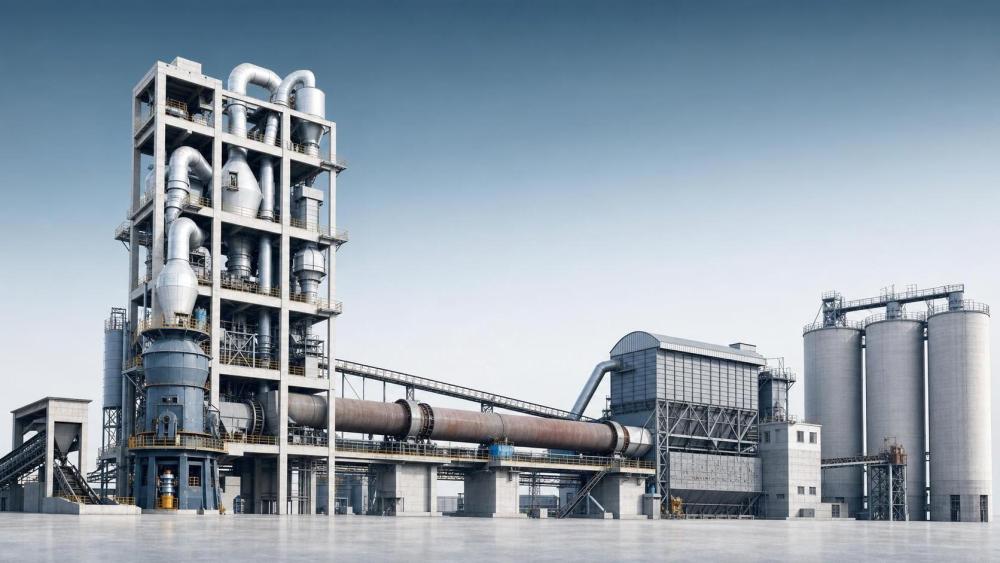
Understanding cement plant equipment price starts with a simple fact: buyers are not purchasing a single machine. They are funding a process chain.
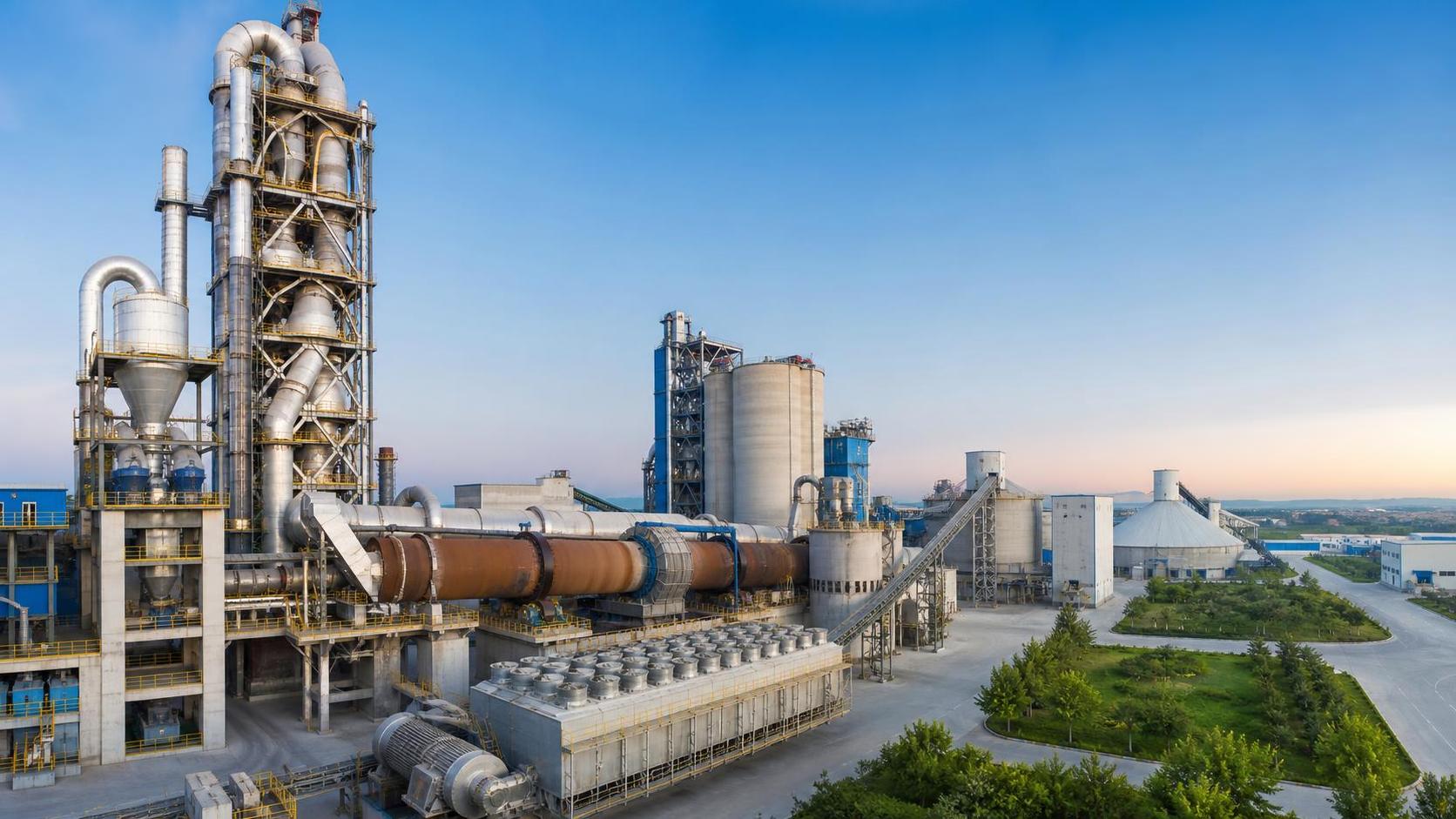
That chain covers crushing, raw grinding, pyroprocessing, clinker cooling, finish grinding, storage, packing, dust control, and automation.
Because of that, price discussions often become confusing. One quote may include a kiln line only. Another may include engineering, installation, and emissions systems.
In practice, the useful question is not just, “What is the cement plant equipment price?” It is, “What scope, performance level, and compliance burden does that price represent?”
This matters even more in heavy thermal industries, where equipment life, fuel efficiency, and environmental exposure shape total investment quality.
CF-Elite follows these sectors closely through its Strategic Intelligence Center, where cement, kilns, refractories, and energy systems are assessed as connected industrial decisions.
That broader view helps explain why two plants with similar output can show very different capital requirements and operating risk.
Why do quotes for similar cement plants vary so much?
The largest driver is capacity, but capacity alone rarely explains the gap. Technology depth and system boundaries usually have a bigger impact than expected.
A compact grinding station costs very differently from a full clinker production line. A dry-process plant also differs sharply from older wet-process concepts.
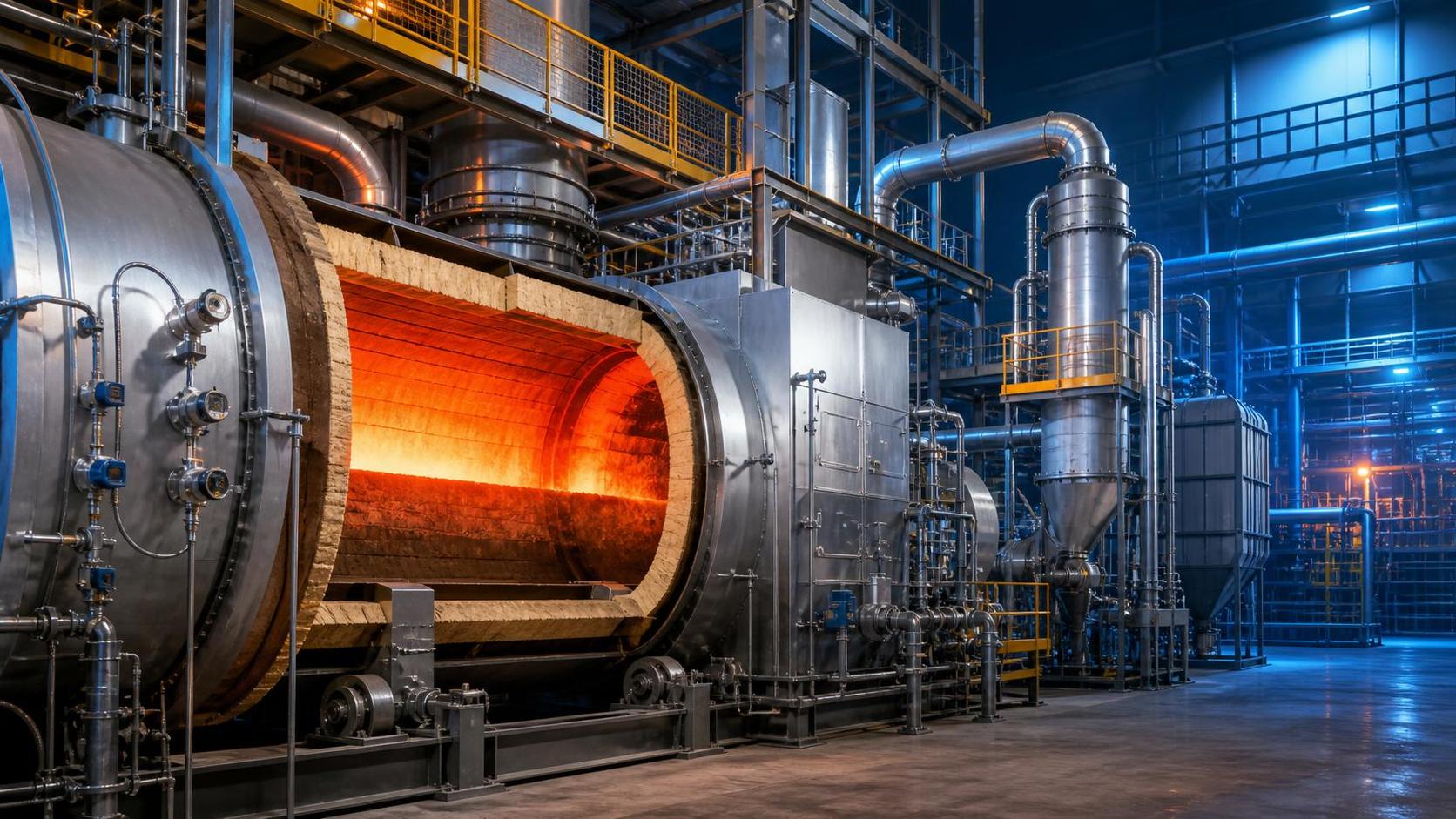
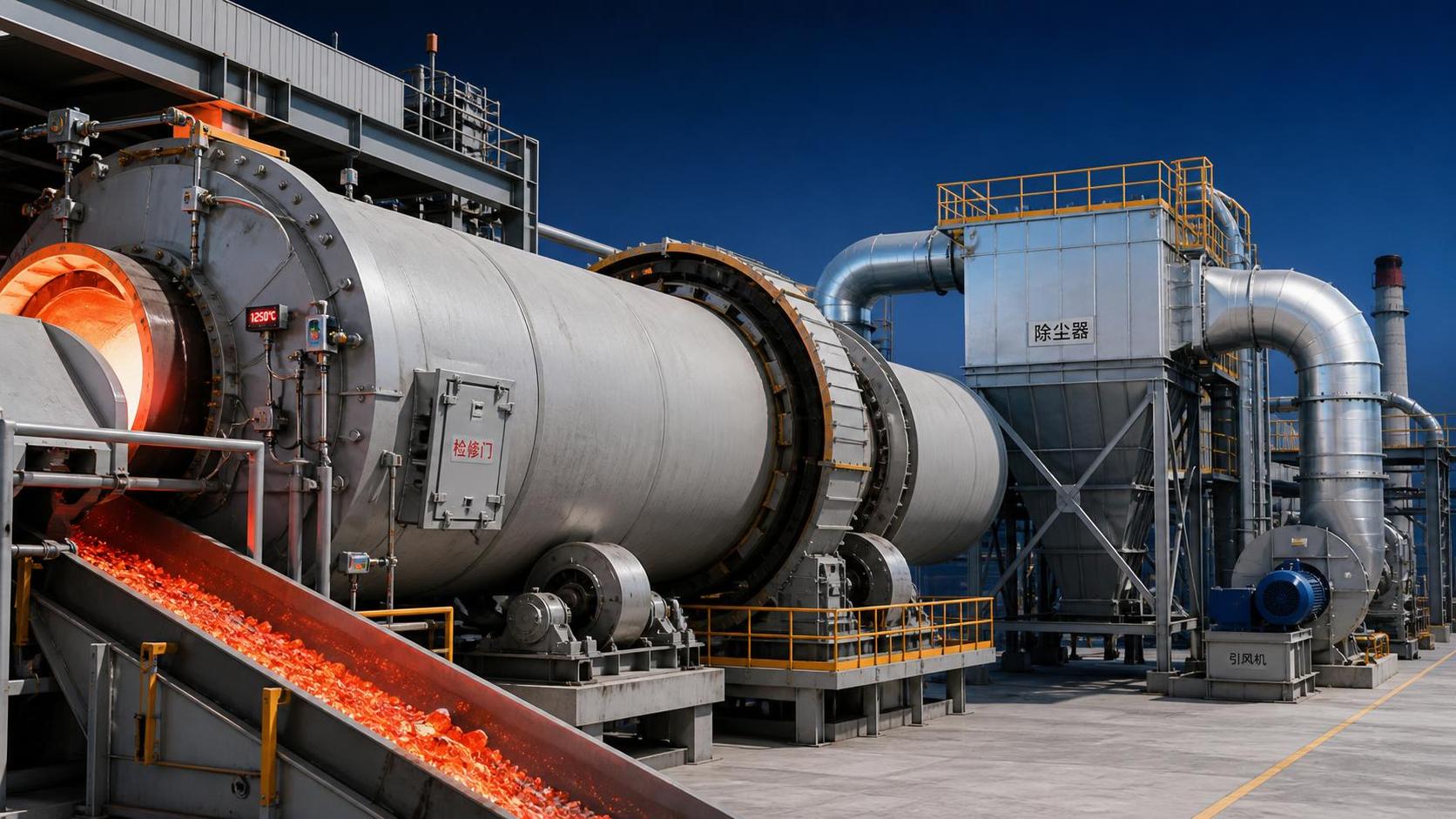
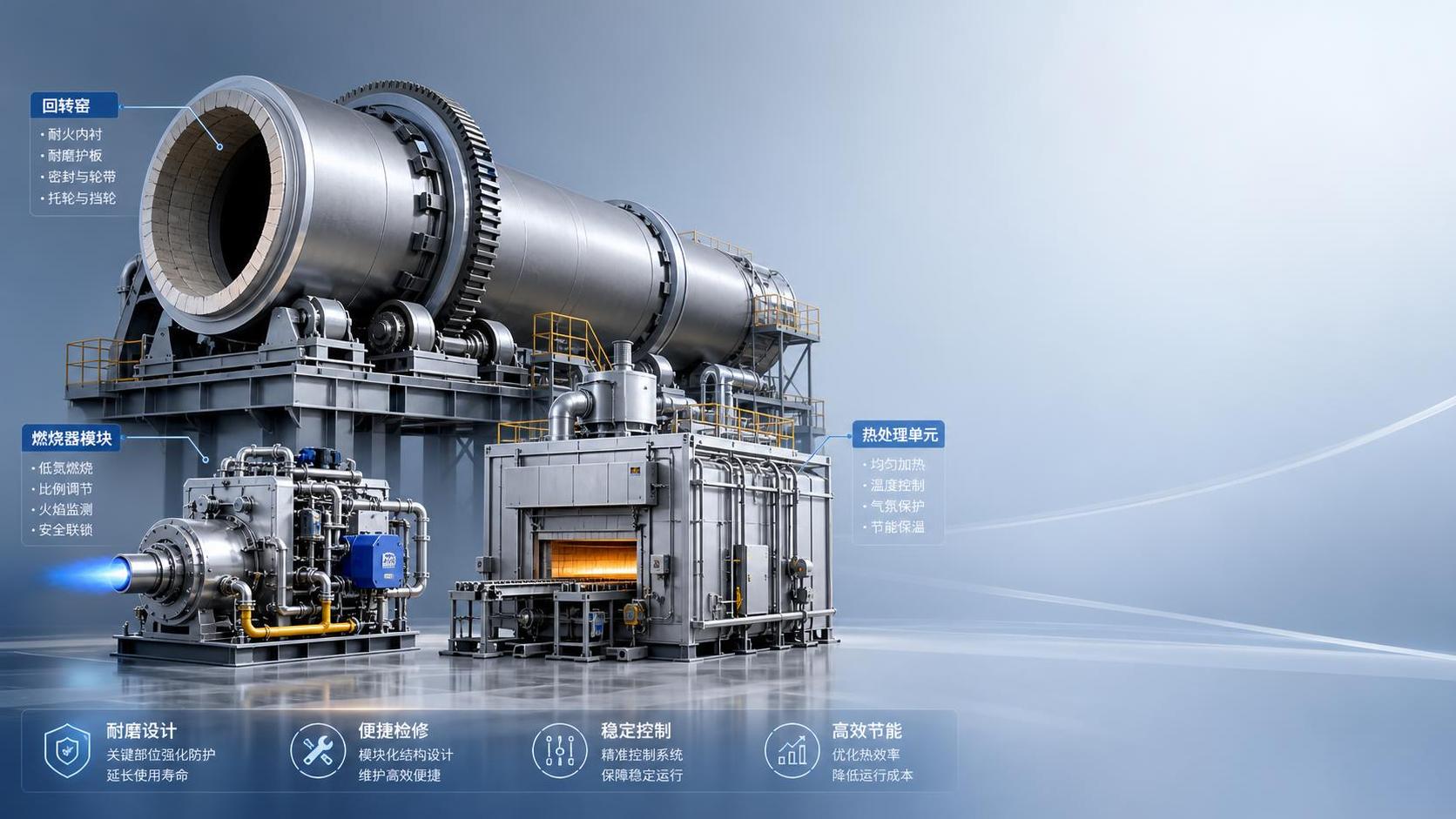
Rotary kiln configuration is another major factor. Diameter, length, burner design, refractory specification, and heat recovery requirements all affect capital cost.
Then come the support systems. Dust collectors, stack monitoring, laboratory equipment, power distribution, and digital control platforms are often underestimated during early budgeting.
More advanced plants also include alternative fuel handling, online analyzers, predictive maintenance tools, and higher-grade automation architecture.
Those additions raise the headline cement plant equipment price, but they may reduce fuel consumption, downtime, and regulatory exposure over the asset life.
Location matters too. Freight for oversized kiln sections, import duties, steel cost cycles, local fabrication ability, and civil work conditions can move budgets significantly.
A fast way to read the quote structure
When comparing offers, separate the price into five practical layers instead of looking at one total number.
This breakdown makes the cement plant equipment price easier to compare across suppliers, regions, and technology packages.
Which equipment sections usually absorb the most budget?
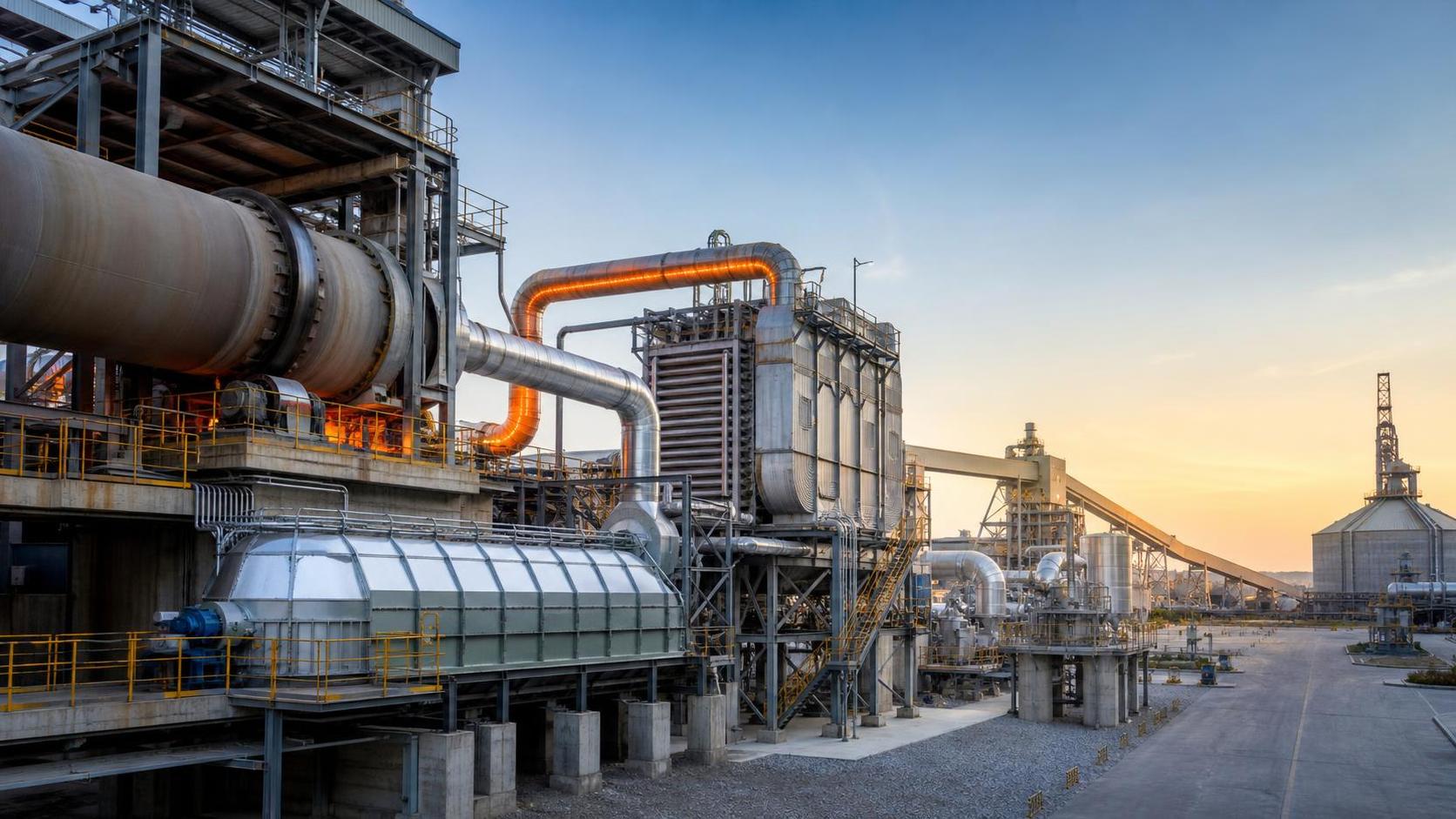
In a full clinker line, pyroprocessing usually dominates capital spending. The preheater, precalciner, rotary kiln, burner system, and clinker cooler are costly and technically sensitive.
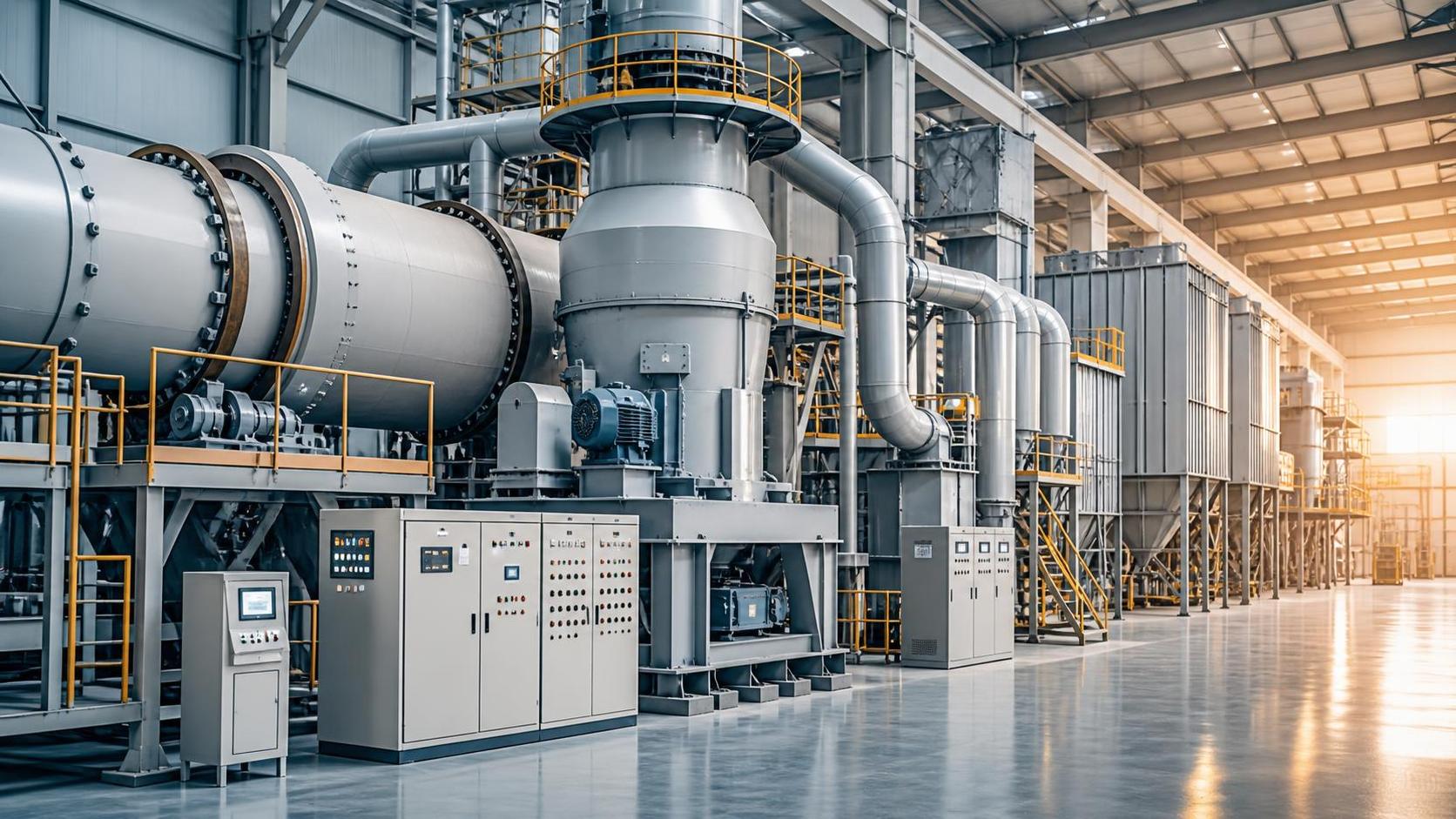
Grinding is the next major area. Raw mills and cement mills vary by throughput target, feed hardness, fineness demand, and energy strategy.
Vertical roller mills may carry a higher upfront price than some conventional options, but the operating case can be stronger where power cost is high.
Environmental systems are becoming a larger share of investment. This is especially true where dust, NOx, or carbon reporting standards are tightening.
More buyers now ask whether a higher cement plant equipment price is justified by future compliance resilience. Often, that is the right question.
Another cost center is materials handling. Conveyors, bucket elevators, blending beds, silos, and loading systems may look secondary, but poor design here creates bottlenecks later.
In CF-Elite market tracking, heavy process buyers increasingly evaluate these sections as an integrated thermal and logistics system rather than isolated machinery lots.
Where hidden costs often appear
- Foundation and structural steel adjustments after final engineering
- Refractory upgrades due to fuel changes or higher thermal stress
- Imported spare parts for critical drives, rollers, or control modules
- Emission compliance retrofits requested after permit review
- Performance test corrections during startup and ramp-up
How should a realistic budget be built before asking for final quotes?
Start with the production objective, not the machine list. Daily clinker output, cement types, fuel plan, and moisture profile should be defined early.
That allows equipment sizing to reflect actual process needs. Without this step, early cement plant equipment price estimates can be misleadingly low.
It helps to budget in three layers: equipment package, installed cost, and first-year operating stabilization.
Installed cost should include civil works, erection, electrical integration, commissioning support, training, and initial consumables.
The first-year layer should cover wear parts, refractory maintenance, process tuning, and energy performance correction.
A practical budgeting method is to prepare a decision table before RFQ release, so every bidder responds to the same scope.
This is where market intelligence helps. CF-Elite often frames budget discussions around thermal efficiency, emissions exposure, and long-cycle maintenance, not only purchase price.
Is a lower cement plant equipment price always the better deal?
Usually not. A low quote may simply shift cost into energy use, spare parts, downtime, or future environmental upgrades.
The better comparison is lifecycle value. That means asking how much clinker or cement can be produced per unit of fuel, power, and maintenance intervention.
For example, two kiln systems may look similar on paper. One may deliver tighter thermal stability and lower refractory wear, which changes annual economics materially.
The same applies to dust collection and automation. Higher-spec systems can reduce process variation, product losses, and emergency stoppages.
In regions facing stricter carbon and pollution controls, an initially cheaper line may become expensive to keep compliant.
So when reviewing cement plant equipment price, it is worth pairing capital numbers with four operating indicators:
- Specific heat consumption
- Specific power consumption
- Expected refractory and wear-part life
- Guaranteed emissions performance
Those four indicators often reveal whether the “cheap” plant is actually expensive over ten to fifteen years.
What mistakes distort budgeting and supplier comparison?
A common mistake is comparing EPC-style offers with equipment-only offers as if they were identical. They are not.
Another problem is underestimating integration. Cement plant equipment price depends on how smoothly mills, kilns, fans, and control systems work together.
Some buyers also overlook local operating realities. Raw material variability, grid instability, water limits, and alternative fuel ambitions can all change equipment selection.
Lead time is another blind spot. Quoted price may look acceptable, but extended delivery of key components can delay revenue and inflate project cost.
There is also a technical mistake: treating environmental systems as accessories. In many jurisdictions, they are core plant assets.
A more reliable approach is to challenge every quote with the same set of clarifying questions.
- What process guarantees are contractually stated?
- What consumables and spares are included for startup?
- What emission values are guaranteed under actual fuel conditions?
- Which software, instrumentation, and remote support tools are included?
- What site work assumptions sit behind the quoted cement plant equipment price?
So how do you budget wisely when the numbers still feel wide?
Treat the first budget as a decision framework, not a final purchase commitment. The goal is to narrow uncertainty in the right order.
Begin with process definition. Then lock the scope boundary. After that, compare lifecycle performance and only then negotiate commercial structure.
This sequence keeps the cement plant equipment price discussion tied to output, risk, and long-term efficiency.
It also reflects how advanced heavy-industry intelligence platforms now support decisions. CF-Elite, for example, reads cement investment through energy, refractory life, emissions, and industrial transition signals together.
That perspective is useful because cement plants are no longer judged only by tonnage. They are judged by thermal discipline, carbon exposure, uptime, and adaptability.
A smarter next step is to prepare one comparison sheet for scope, one for operating guarantees, and one for excluded cost items.
Once those three sheets are complete, the cement plant equipment price becomes easier to interpret, defend, and refine into a workable investment plan.
Related News
 Optical Glass Tech FellowHow to Evaluate a Glass Annealing Equipment Manufacturer for Production StabilityChoose a glass annealing equipment manufacturer with proven thermal uniformity, reliable controls, lifecycle value, and responsive service for stable production.Sep 08, 2026
 Prof. Marcus ChenThermal Energy Architecture in North America: Strategies for Lower Building Energy UseThermal energy architecture North America helps project leaders cut building energy use through stronger envelopes, right-sized HVAC, storage, and smart commissioning.Sep 07, 2026
 Ms. Elena RodriguezHow Should Buyers Evaluate Building Material Industry Intelligence Pricing?Building material industry intelligence pricing: learn how to compare coverage, technical depth, and ROI to choose intelligence that reduces procurement risk.Sep 07, 2026
 Ms. Elena RodriguezHow to Use Building Material Intelligence Data for Market and Investment DecisionsBuilding material industry intelligence data helps leaders evaluate demand, costs, regulation, capacity, and technology to make smarter market and investment decisions.Sep 05, 2026
 Thermal Energy ArchitectHow PLC Control Improves Energy Efficiency and Temperature Stability in KilnsEnergy efficient kilns PLC control improves temperature stability, cuts fuel waste, and optimizes combustion, draft, and material flow. Explore proven strategies for smarter kiln modernization.Sep 04, 2026
 Optical Glass Tech FellowEuropean Glass Melting Processes: Furnace Choices, Energy Use, and Quality ControlGlass melting process Europe: explore furnace choices, energy efficiency, cullet strategy, and quality control to improve output, compliance, and long-term glass performance.Sep 03, 2026
 Thermal Energy ArchitectWhat Determines Refractory Lining Monitoring Price for Industrial Kilns?Refractory lining monitoring price depends on kiln size, sensor technology, installation, software, and support. Compare total lifecycle costs and choose the right solution.Sep 02, 2026
 Silicate Process EngineerCement Production System Costs: A Plant Buyer’s Guide to Budgeting and ROICement production systems cost planning made clear: compare CAPEX, operating costs, compliance, and ROI to build a resilient, profitable cement plant investment.Sep 01, 2026
 Dr. Alistair VaughnWhat Should a Process Technology Database Track for High-Temperature Plants?Process technology database essentials for high-temperature plants: track thermal profiles, feed chemistry, refractory wear, emissions, energy, and maintenance for safer, data-driven decisions.Aug 31, 2026
 Ms. Elena RodriguezHow to Evaluate a Silicate Processing Equipment Manufacturer for Plant ProjectsSilicate processing equipment manufacturer selection: assess process fit, guarantees, energy, compliance, delivery risk, and lifecycle support for dependable plant performance.Aug 30, 2026
 Dr. Alistair VaughnHow to Specify Custom Agricultural Processing Equipment for Throughput and HygieneEquipment customization services for agricultural processing: learn to specify hygienic, high-throughput lines that improve yield, reliability, and long-term efficiency.Aug 29, 2026
 Dr. Alistair VaughnHow to Select Process Plant Equipment for High-Temperature, Abrasive Production LinesProcess plant equipment selection for high-temperature, abrasive lines: reduce downtime, improve durability, and optimize lifecycle performance.Aug 28, 2026
 Silicate Process EngineerHow Kiln Heat Recovery Systems Cut Fuel Use in Cement and Lime ProductionKiln heat recovery helps cement and lime plants cut fuel use, improve thermal stability, and build practical, reliable decarbonization strategies.Aug 27, 2026
 Ms. Elena RodriguezProcess Equipment Comparison: Which Metrics Matter Most for Reliable Selection?Process equipment comparison made practical: discover which metrics truly drive reliable selection, from energy efficiency and control stability to wear life, maintainability, and uptime.Aug 26, 2026
 Ms. Elena RodriguezWhat Buyers Should Check Before Sourcing Precision Alloy Bars for Critical PartsPrecision Alloy Bars buyers should verify grade, chemistry, tolerances, surface quality, traceability, and lead time before sourcing for critical parts. Learn what prevents costly machining and reliability risks.Aug 27, 2026
 Ms. Elena RodriguezHow to Evaluate Thermal Management Solutions Insulation for High-Heat Industrial SystemsThermal management solutions insulation: learn how to assess high-heat industrial systems by thermal performance, durability, lifecycle cost, and supplier data for smarter decisions.Aug 25, 2026
 Ms. Elena RodriguezWhat Drives Waste Recycling Cost in Industrial Projects and How to Estimate It?Waste recycling cost in industrial projects depends on composition, moisture, transport, pre-treatment, and compliance. Learn how to estimate it accurately and compare suppliers with confidence.Aug 24, 2026
 Silicate Process EngineerHow to Evaluate Cement Production Plants in the Middle East for Capacity, Fuel Flexibility, and ROIcement production plants Middle East: Learn how to assess true capacity, fuel flexibility, and ROI risks to identify resilient assets and smarter investment opportunities.Aug 23, 2026
 Structural Material AnalystHow to Evaluate Lightweight Material Machinery for Output, Energy Use, and Product QualityLightweight material machinery evaluation guide: compare stable output, energy use, and product quality to choose equipment that cuts waste, lowers costs, and improves production confidence.Aug 22, 2026
 Material Heat-Resist ExpertWhat Determines Refractory Production Line Price in a Turnkey Plant Project?Refractory production line price depends on raw materials, forming method, kiln and drying design, automation, utilities, and scope. Learn what really drives turnkey plant cost before you invest.Aug 21, 2026
Related News
- 00
0000-00
Cement Production System Costs: A Plant Buyer’s Guide to Budgeting and ROI - 00
0000-00
How Kiln Heat Recovery Systems Cut Fuel Use in Cement and Lime Production - 00
0000-00
How to Evaluate Cement Production Plants in the Middle East for Capacity, Fuel Flexibility, and ROI - 00
0000-00
What Drives Cement Plant Upgrade Cost and How to Estimate ROI Before Investing - 00
0000-00
How Cement Grinding Technology Affects Energy Use, Fineness, and Plant Output
Weekly Insights
Stay ahead with our curated technology reports delivered every Monday.