
How to Evaluate a Cement Plant Optimization Solutions Provider for Output and Energy Savings




How to Evaluate a Cement Plant Optimization Solutions Provider for Output and Energy Savings
Choosing the right cement plant optimization solutions provider can directly influence throughput, fuel efficiency, emissions control, and long-term competitiveness.
For heavy industry leaders, the hard part is not comparing brochures. It is finding a partner with real process knowledge, measurable savings, and credible decarbonization alignment.
In cement, optimization decisions affect more than one line item. They influence kiln stability, clinker quality, power draw, maintenance cycles, and future compliance costs.
That is why a cement plant optimization solutions provider should be assessed as a long-term operating partner, not just a software or equipment vendor.
Start with the Business Case, Not the Sales Pitch
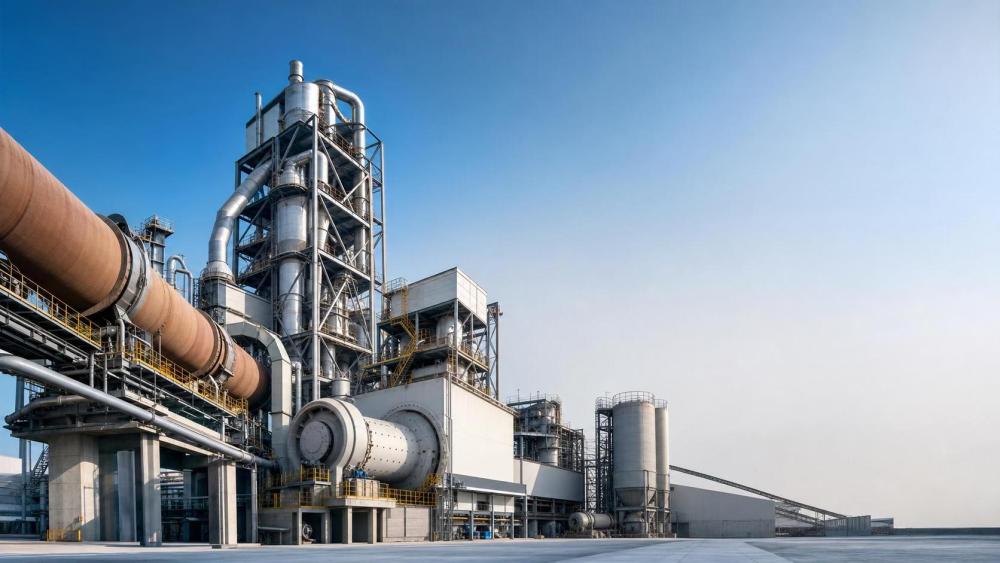
A strong evaluation starts with plant priorities. Different operations need different optimization outcomes.
Some plants need higher kiln output. Others need lower specific heat consumption, better alternative fuel substitution, or tighter emissions control.
Without a clear baseline, every cement plant optimization solutions provider will appear qualified. In practice, that creates expensive ambiguity later.
Before comparing providers, define the operational targets that matter most:
- Tonnes per day increase at stable quality
- Reduction in kCal per kilogram of clinker
- Power savings per tonne of cement
- Improvement in refractory life and shutdown intervals
- Better control of NOx, SOx, CO, and dust
- Higher alternative fuel usage without destabilizing the process
This also helps separate generic efficiency claims from solutions built for cement process realities.
Look for Deep Cement Process Expertise
Not every industrial optimization company understands the full cement chain. That gap becomes visible very quickly during implementation.
A credible cement plant optimization solutions provider should speak confidently about quarry variability, raw mix chemistry, pyroprocessing, finish grinding, and emissions interactions.
More importantly, they should connect those factors instead of treating them as isolated issues.
For example, boosting output by pushing feed is easy on paper. Doing it while maintaining free lime, coating stability, and fan efficiency is much harder.
Ask whether the provider has direct experience with:
- Preheater and precalciner optimization
- Rotary kiln thermal profile control
- Cooler performance and heat recovery
- Vertical roller mill and ball mill tuning
- Alternative fuel combustion strategy
- Digital monitoring for refractory and process stability
This is where sector-focused intelligence platforms such as CF-Elite matter. They help buyers frame the right technical questions before vendor meetings begin.
Validate Performance with Plant-Level Evidence
Case studies should be treated carefully. Many are too polished and too vague.
A reliable cement plant optimization solutions provider should show plant-level data, operating conditions, baseline assumptions, and the time required to reach results.
Ask for evidence in comparable line sizes, fuel mixes, and regulatory environments. A result from a dry-process line may not translate cleanly to another operating context.
Useful proof points include:
- Percentage increase in clinker output
- Reduction in specific thermal energy consumption
- Power savings in grinding and fans
- Lower upset events, coating loss, or ring formation
- Reduced unplanned downtime
- Improvement in emissions consistency
References matter too. Speak with operating teams, not only procurement contacts. They will tell you whether the provider stayed engaged after commissioning.
Assess the Technical Scope Behind the Promise
A cement plant optimization solutions provider may offer software, advisory services, hardware upgrades, or a hybrid package. The difference is commercially important.
Some providers are excellent at analytics but weak in field execution. Others know the process well but lack digital depth.
The right choice depends on the plant’s current bottleneck.
Review the technical scope in four layers:
- Diagnosis: How they identify root causes, data gaps, and hidden losses.
- Solution design: Whether recommendations cover process, control logic, equipment, and operator routines.
- Execution: Who handles on-site tuning, integration, and change management.
- Sustainment: How savings are maintained after the initial optimization phase.
This step often reveals whether the provider is selling an outcome or only a toolkit.
Check Data Quality, Automation, and Integration Readiness
Optimization quality depends on data quality. That sounds obvious, but it is often underestimated during vendor selection.
A capable cement plant optimization solutions provider should evaluate historian reliability, sensor calibration, lab data timing, and control system interoperability early.
If the provider skips that discussion, the proposal may be too superficial.
Key questions include:
- Can the solution connect with existing DCS, PLC, and historian systems?
- How are missing or inconsistent process tags handled?
- Is the optimization advisory, semi-automatic, or closed-loop?
- What cybersecurity and data governance requirements apply?
- Can the platform support future digital twin or predictive maintenance modules?
In actual operations, the strongest energy-saving concept still fails if the plant cannot trust the data feeding it.
Measure Economic Value Beyond Headline Savings
Energy savings are important, but they should not be the only metric. A narrow ROI view can distort the decision.
A serious cement plant optimization solutions provider should quantify value across throughput, thermal efficiency, electrical efficiency, uptime, maintenance, and compliance risk.
The most useful comparisons are usually presented in a simple matrix:
This broader view is increasingly important as carbon policy and energy volatility reshape project economics.
Test Whether the Provider Supports Decarbonization Goals
Recent market shifts make this point more urgent. Output improvement alone is no longer enough.
A future-ready cement plant optimization solutions provider should help reduce fuel intensity, increase resource circularity, and improve readiness for stricter environmental standards.
That may include support for alternative fuels, waste heat recovery alignment, lower clinker factor strategies, or improved combustion control for emissions consistency.
Providers that understand high-temperature industries in a broader context often perform better here. They see optimization as part of an energy and carbon system, not just a plant dashboard.
Review Service Model, Accountability, and Knowledge Transfer
Many optimization projects disappoint after the first few months. The reason is usually not the algorithm. It is the service model.
A dependable cement plant optimization solutions provider should define roles, reporting cadence, escalation routes, and performance review methods before contract signing.
Ask how they handle operator adoption, shift variation, and process drift. Ask who owns the savings target when real plant conditions change.
Knowledge transfer is especially important. Plants should become stronger after the project, not more dependent on outside support.
A Practical Shortlist Framework
When the field narrows, use a structured shortlist. It keeps the final decision grounded in operational reality.
- Define plant priorities and baseline KPIs.
- Screen each cement plant optimization solutions provider for cement-specific expertise.
- Request verified case data from comparable plants.
- Review technical scope, integration needs, and automation level.
- Compare full economic value, not only energy claims.
- Test fit with decarbonization and compliance strategy.
- Confirm accountability, support model, and training depth.
The best choice is rarely the loudest name. It is usually the provider that proves process understanding, execution discipline, and measurable value under real operating conditions.
In a market shaped by efficiency pressure and carbon constraints, selecting the right cement plant optimization solutions provider is a strategic operating decision. Treat it that way from the start.
Related News
 Prof. Marcus ChenIndustrial Decarbonization Strategies in Europe: A Roadmap for Energy-Intensive PlantsIndustrial decarbonization strategies Europe: explore practical pathways for energy-intensive plants to cut emissions, improve efficiency, and protect performance.Oct 07, 2026
 Thermal Energy ArchitectEnergy-Efficient Silicate Production Lines: What to Compare Before SelectionSilicate production lines energy efficient selection guide: compare thermal performance, stability, emissions, controls, and lifecycle value before investing.Oct 06, 2026
 Optical Glass Tech FellowHow to Evaluate Automated Float Glass Lines for Capacity, Quality, and Energy UseEvaluate automated float glass lines for net capacity, consistent quality, energy efficiency, automation reliability, and lifecycle value. Explore key criteria for smarter investment decisions.Oct 05, 2026
 Thermal Energy ArchitectWhat Does CE Marking Require for an Energy-Efficient Industrial Kiln?Energy efficient kiln CE requirements explained: assess safety, technical files, energy performance, and EU compliance before purchase or commissioning.Oct 04, 2026
 Thermal Energy ArchitectRefractory Manufacturing Solutions for Brick Plants: How to Extend Kiln LifeRefractory manufacturing solutions for brick plant operations: discover proven strategies to extend kiln life, reduce heat loss, prevent lining failures, and plan cost-effective repairs.Oct 03, 2026
 Thermal Energy ArchitectHow to Specify Heavy Industrial Process Systems for High-Temperature PlantsHeavy industrial processes systems: learn how to specify high-temperature plants for efficiency, emissions control, maintainability, and lifecycle performance.Oct 02, 2026
 Structural Material AnalystHow Sustainable Material Extrusion Can Improve Wall Panel Durability and Design FlexibilityDiscover how sustainable material extrusion for wall panels improves durability, moisture resistance, design flexibility, and installation consistency for high-performing wall systems.Oct 01, 2026
 Thermal Energy ArchitectHow to Evaluate a High-Temperature Materials Manufacturer for Furnace ApplicationsChoose a high-temperature materials manufacturer with confidence: compare thermal performance, chemical resistance, quality controls, installation support, and lifecycle cost.Sep 30, 2026
 Ms. Elena RodriguezHow to Structure Global Specification Data for Faster Industrial Product EvaluationGlobal specification-oriented product information helps industrial teams compare capacity, energy, emissions, automation, and lifecycle data on a like-for-like basis for faster, confident equipment decisions.Sep 29, 2026
 Thermal Energy ArchitectHow to Specify High-Temperature Process Systems for Continuous Thermal OperationsHigh-temperature process engineering systems: learn how to specify resilient continuous thermal operations for efficiency, compliance, reliable uptime, and long-term performance.Sep 28, 2026
 Thermal Energy ArchitectHow to Evaluate a Thermal Engineering Contractor for High-Temperature Plant ProjectsChoose a thermal engineering contractor with proven process expertise, lifecycle value, emissions control, and delivery discipline for reliable high-temperature plant performance.Sep 27, 2026
 Silicate Process EngineerHow Latin American Cement Plants Can Reduce Dust Emissions in Kilns and Transfer PointsCement plant dust control Latin America: reduce kiln and transfer-point emissions with practical airflow, filtration, monitoring, and maintenance strategies.Sep 26, 2026
 Material Heat-Resist ExpertHow to Evaluate Refractory Production Lines for Output, Quality, and Energy UseRefractory production lines: learn how to assess qualified output, consistent quality, and total energy use for smarter, lower-risk investment decisions.Sep 25, 2026
 Dr. Alistair VaughnHow Waste Recycling Technology Improves Material Recovery in Industrial PlantsWaste recycling technology improves material recovery through source segregation, smart separation, thermal treatment, and quality control for industrial plants.Sep 24, 2026
 Optical Glass Tech FellowHow to Specify Glass Annealing Equipment for European Quality and Energy RequirementsGlass annealing equipment Europe: learn how to specify lehrs for consistent glass quality, energy efficiency, compliance, automation, and reliable long-term performance.Sep 23, 2026
 Optical Glass Tech FellowSilicate Process Automation: Improving Batch Consistency and Energy ControlSilicate process automation improves batch consistency, energy control, traceability, and operator confidence across high-temperature manufacturing operations.Sep 22, 2026
 Optical Glass Tech FellowHow Silicate Industrial Processes Control Viscosity, Energy Use, and Product QualitySilicate industrial processes: learn how viscosity, chemistry, heat transfer, and atmosphere control reduce energy use, improve stability, and protect product quality.Sep 21, 2026
 Thermal Energy ArchitectHow European Plants Can Evaluate Energy Recovery Equipment for High-Temperature ProcessesIndustrial energy recovery equipment Europe: learn how high-temperature plants can assess waste-heat sources, integration risks, lifecycle value, and reliable recovery routes.Sep 20, 2026
 Thermal Energy ArchitectIndustrial Furnace Process Optimization: Reducing Fuel Use Without Sacrificing ThroughputIndustrial process optimization furnace strategies that cut fuel use while protecting throughput. Explore combustion control, heat recovery, refractory performance, and data-driven efficiency gains.Sep 19, 2026
 Ms. Elena RodriguezWhat Drives High-Pressure Extrusion Equipment Cost in Industrial Projects?High pressure extrusion equipment cost explained: compare pressure, die design, automation, wear, energy, and installation factors for smarter industrial investments.Sep 18, 2026


Related News
- 00
0000-00
How Latin American Cement Plants Can Reduce Dust Emissions in Kilns and Transfer Points - 00
0000-00
Cement Plant Emission Control: Selecting Systems for Dust, NOx, and SO2 Limits - 00
0000-00
Cement Production System Costs: A Plant Buyer’s Guide to Budgeting and ROI - 00
0000-00
How Kiln Heat Recovery Systems Cut Fuel Use in Cement and Lime Production - 00
0000-00
How to Evaluate Cement Production Plants in the Middle East for Capacity, Fuel Flexibility, and ROI
Weekly Insights
Stay ahead with our curated technology reports delivered every Monday.